The Great Bicycle Race Cover Image

The Great Bicycle Race: String Orchestra Conductor Score

$7.00 USD
Sale price  $7.00 USD Regular price 
Skip to product information
The Great Bicycle Race Cover Image

The Great Bicycle Race: String Orchestra Conductor Score

By Michael Hopkins

Grade: 3

Item: 00-31535S

$7.00
Shipped

One moment…

Description
This energetic new work is a musical depiction of the Seacoast Century, a 100 mile bike race along the New England coast. A programmatic work, descriptors are included for each part of the piece to engage students' imagination and develop musicality. This is a great work to teach string crossings, legato and staccato bowing, dynamic contrasts, bow placement, lifts and retakes, double stops, divisi, balance and blend. All parts contain melodic material and are playable in first position.

The Great Bicycle Race: String Orchestra Conductor Score isn't in MakeMusic Cloud just yet...but it could be. Let us know you'd like to see it, and you'll help shape what comes next. In the meantime, start a free trial and dive into thousands of interactive titles your students can play along with today.

Sample Pages

Sample Audio
No sample audio found.
Sample Video
Additional Details
Series: Belwin Intermediate String Orchestra
Publisher: Alfred Music
Page Count: 16
UPC: 038081350578
SKU: 00-31535S

More about this title

About the Composer: Michael Hopkins
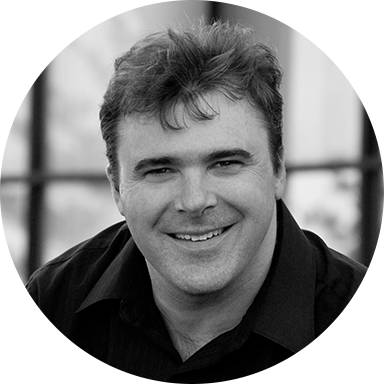
Michael Hopkins

Michael Hopkins leads the music education program at the University of Michigan, where he teaches orchestral methods, string pedagogy, and music psychology. His career spans conducting university and secondary orchestras across Colorado, Michigan, and Vermont, along with founding and directing the Burlington Chamber Orchestra. He has presented research on string education and music technology at conferences nationwide and published scholarly articles in the Journal of Research in Music Education, American String Teacher, and Music Educators Journal.

Hopkins has composed and arranged more than 70 works for orchestra and written The Art of String Teaching, a pedagogical resource widely used in teacher preparation programs and professional development settings. His work bridges composition, conducting, and education, informed by decades of experience in ensemble leadership and string instruction.

Why we love this

Hopkins writes with deep understanding of what string players can accomplish at Grade 3, making technical demands serve the music rather than obscure it. The programmatic framing transforms technique work into storytelling, so students practice string crossings and bow placement not as isolated drills but as tools to depict the energy and landscape of a cycling race. This approach keeps rehearsal purposeful and engaged.

What to expect

The piece captures the breathless momentum of a long-distance bike race, with sections that surge and rest, climb and descend. The writing sparkles with energy while maintaining the lyricism that keeps string players invested in their individual lines, even when navigating technical challenges.

Who it's for

String orchestras at the middle and early high school level who are ready to handle multiple bowing articulations and divisi passages without losing musical coherence. Directors seeking repertoire that teaches essential technical skills through engaging narrative rather than abstract exercises will find strong material here.

How to get the most out of it

  • Establish clear imagery during early rehearsals by reading the descriptive cues aloud and asking students to visualize the race segments. This context makes dynamic and articulation choices feel intentional rather than arbitrary.
  • Balance the divisi sections by having students in each part play at full volume during rehearsal, then blend downward from there. Many directors instinctively ask divided players to play softer; instead, build the foundation first.
  • Mark bow lifts and retakes in all parts before the first rehearsal. Highlight where the orchestra breathes together so players understand these moments as ensemble punctuation, not individual choices.
  • Use the double stops strategically as rehearsal targets. Work them in isolation if needed, but connect them quickly back to phrases so students hear them as part of the musical line.

How to use it

Program this as a centerpiece for a concert focused on contemporary American string writing or as the energetic closer to a concert that opens with slower, more reflective work. It also works well in a festival setting where judges can hear technical command and musical maturity in a single focused work.

Skills your students will build

  • String crossings with legato and staccato articulations
  • Bow placement and pressure control for dynamic contrast
  • Lifts and retakes as ensemble punctuation
  • Double stops in first position
  • Divisi voicing and blend between independent parts
  • Balance and blend within a multi-part texture
  • Interpreting programmatic descriptors to shape phrasing and dynamics

You May Also Like