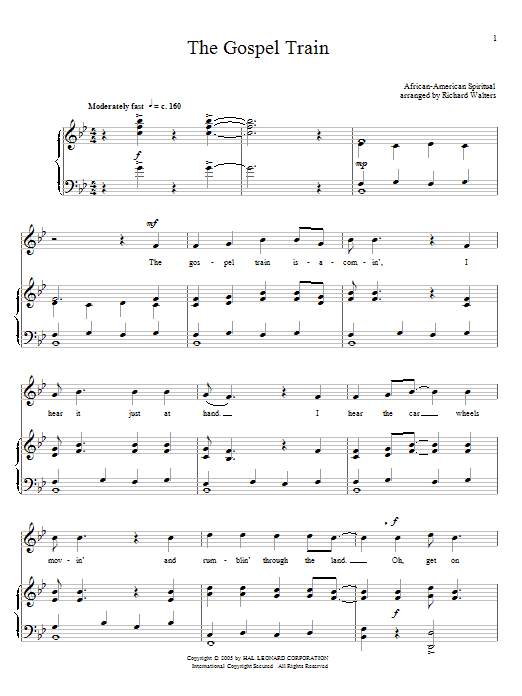
African-American spirituals emerged from the lived experiences of enslaved people in the United States, becoming a profound artistic and spiritual response to bondage and faith. These songs blend West African musical traditions, Christian hymn structures, and call-and-response forms into a uniquely American expression. The spiritual tradition sustained communities, carried coded messages of hope and resistance, and fundamentally shaped the development of blues, jazz, and gospel music.
In music education, spirituals remain essential repertoire because they represent authentic American cultural history and offer students direct access to music of deep emotional and social significance. Teaching these works develops cultural literacy while honoring the artistic resilience and musical sophistication of the communities who created them.