
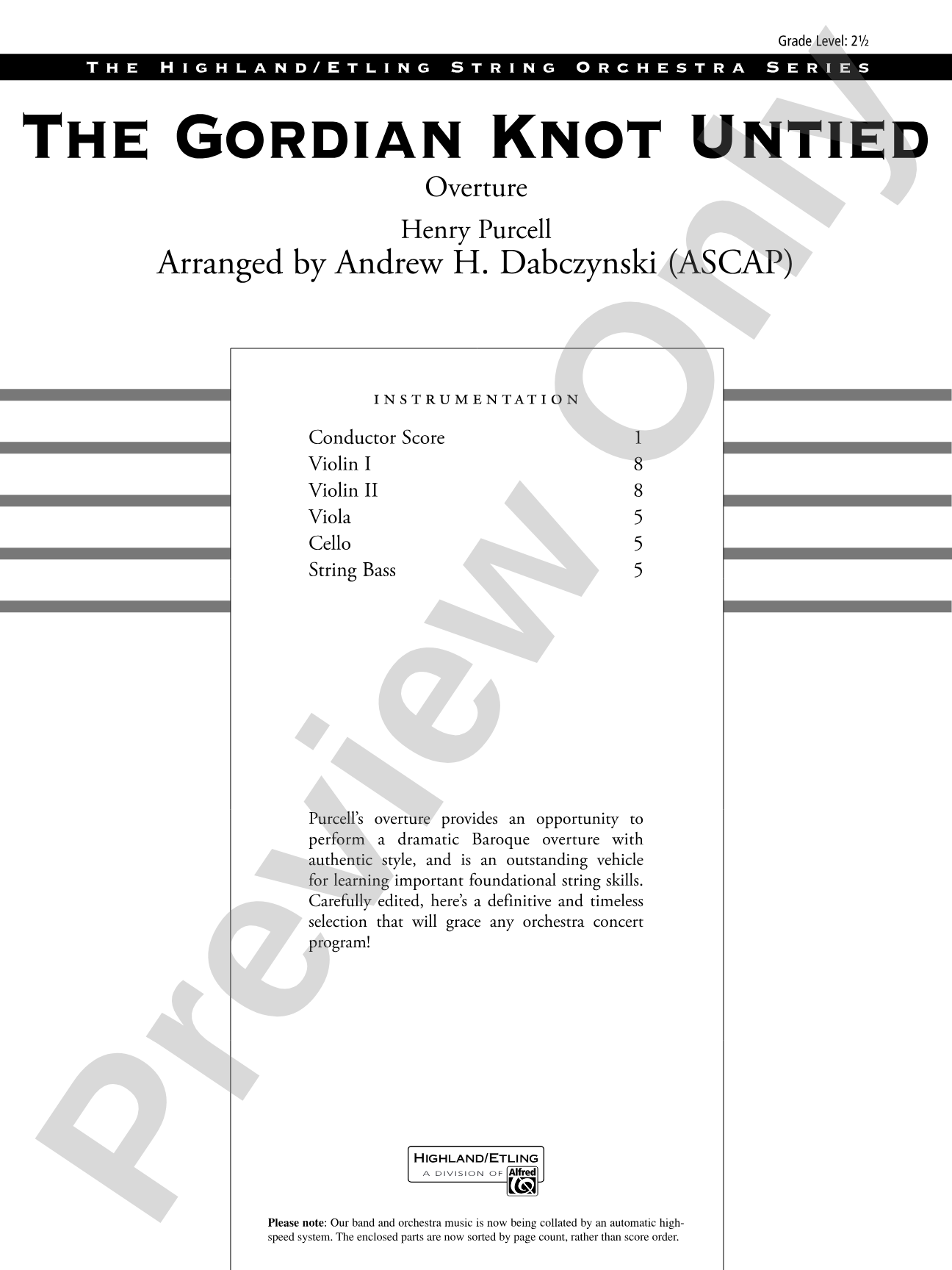

The Gordian Knot Untied: String Orchestra Conductor Score & Parts
Overture
By Henry Purcell / arr. Andrew H. Dabczynski
Grade: 2.5
Item: 00-PK-0006697

$49.00
Pickup currently not available
Buy Extra Parts (Digital PDF Download)
| Product | Price | Quantity |
|---|---|---|
| The Gordian Knot Untied: Score | $9.00 | |
| The Gordian Knot Untied: 1st Violin | $5.99 | |
| The Gordian Knot Untied: 2nd Violin | $5.99 | |
| The Gordian Knot Untied: Viola | $5.99 | |
| The Gordian Knot Untied: Cello | $5.99 | |
| The Gordian Knot Untied: String Bass | $5.99 |
Parts Added to Cart!
Description
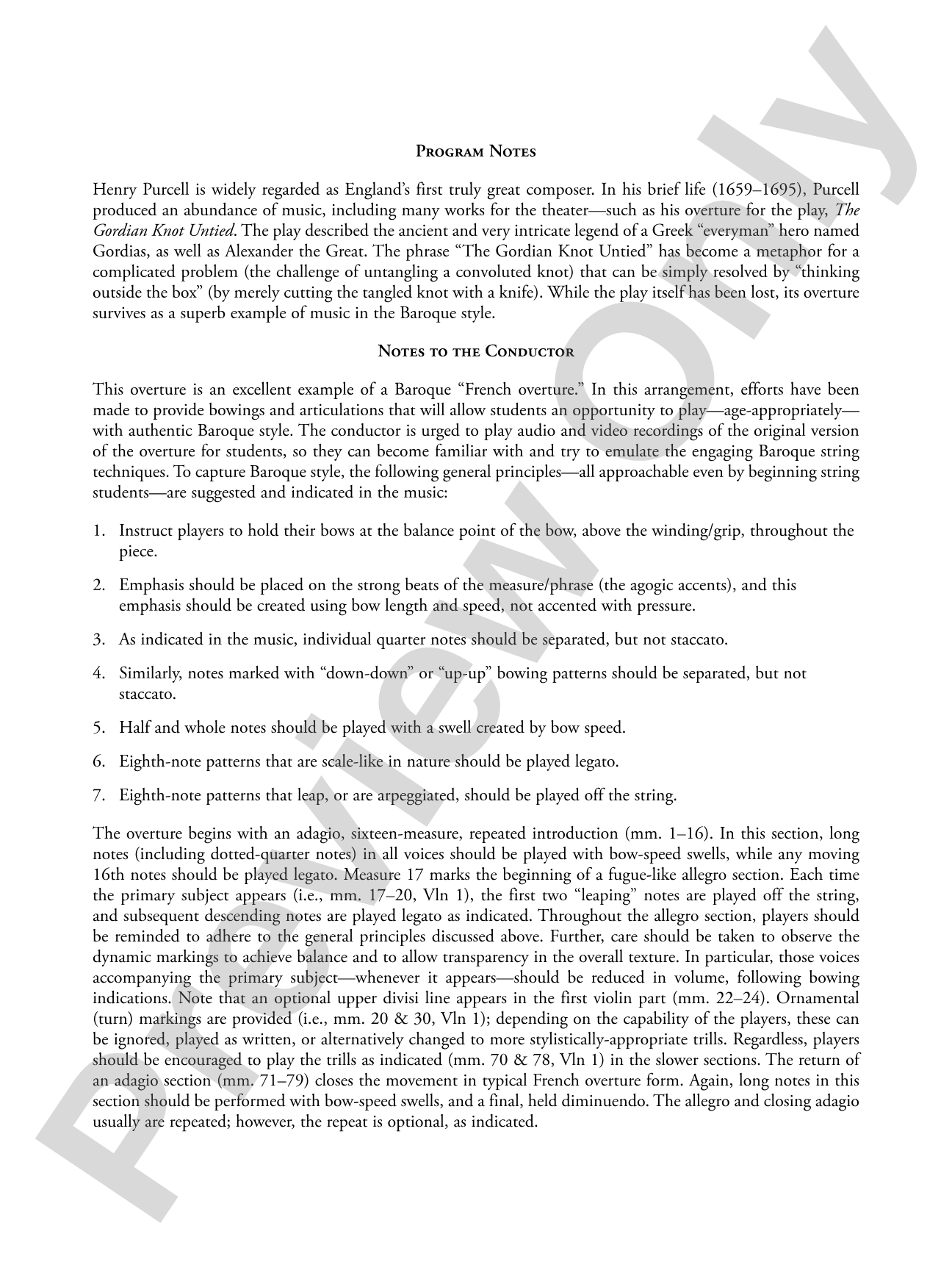
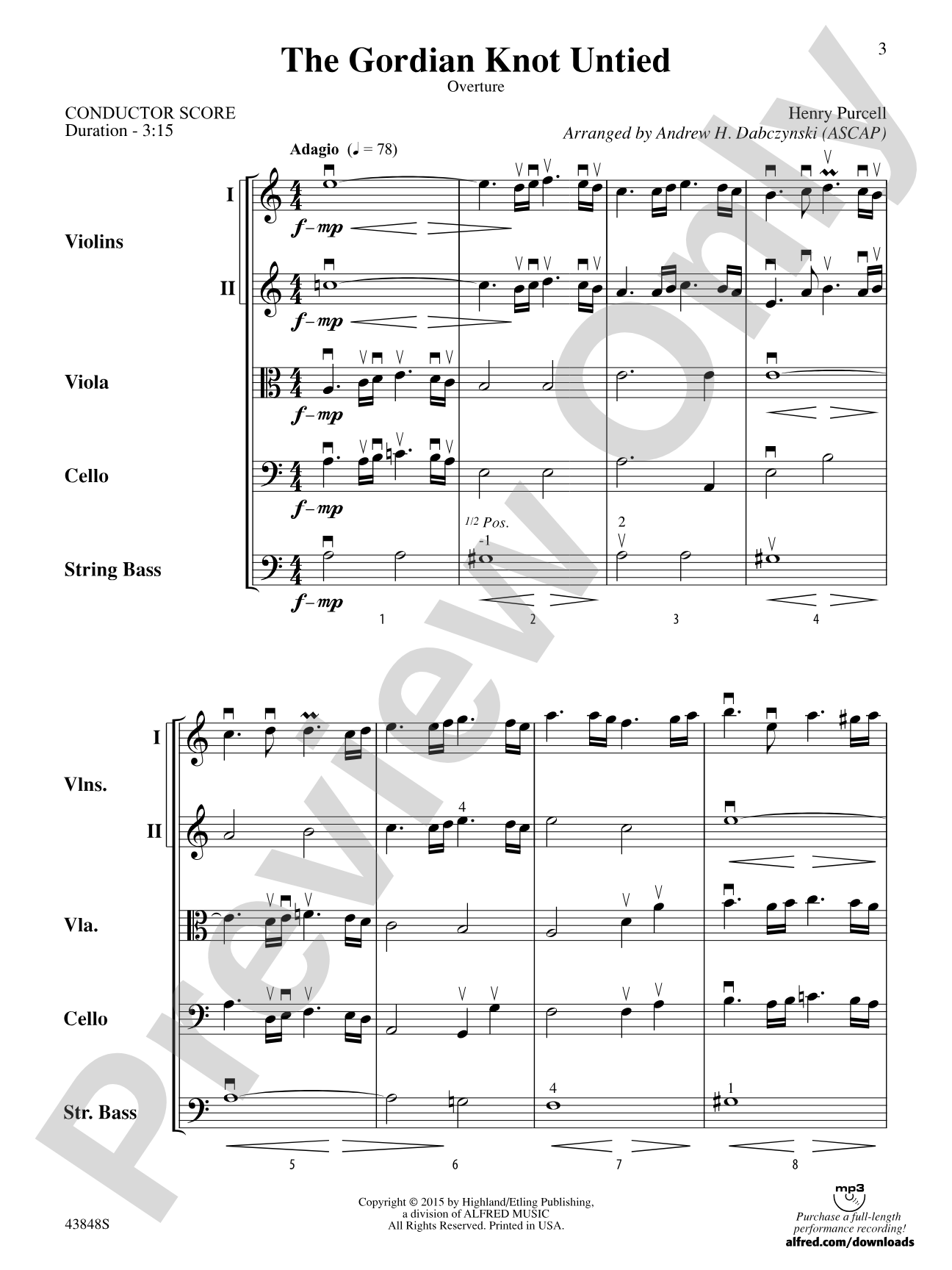
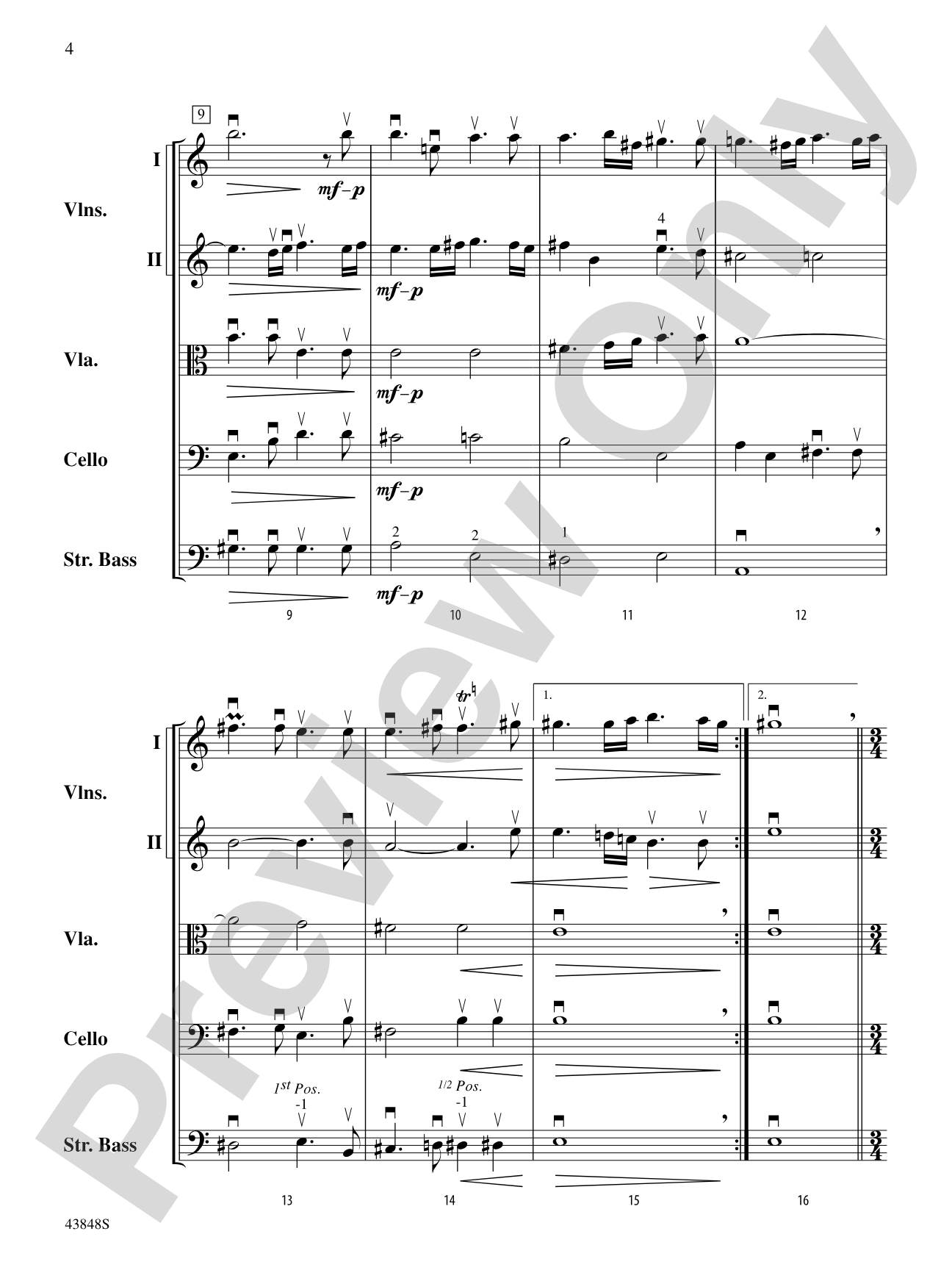
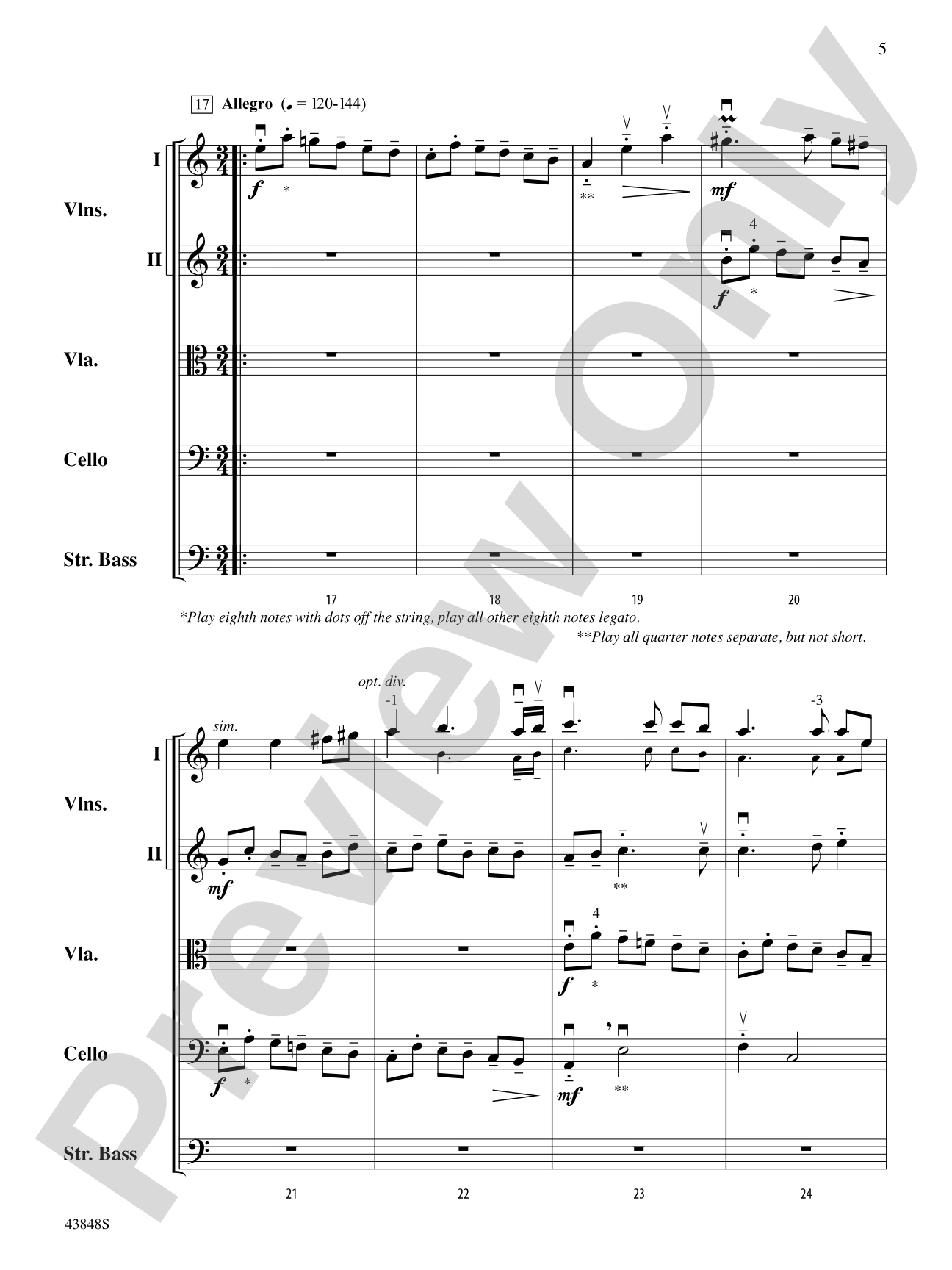
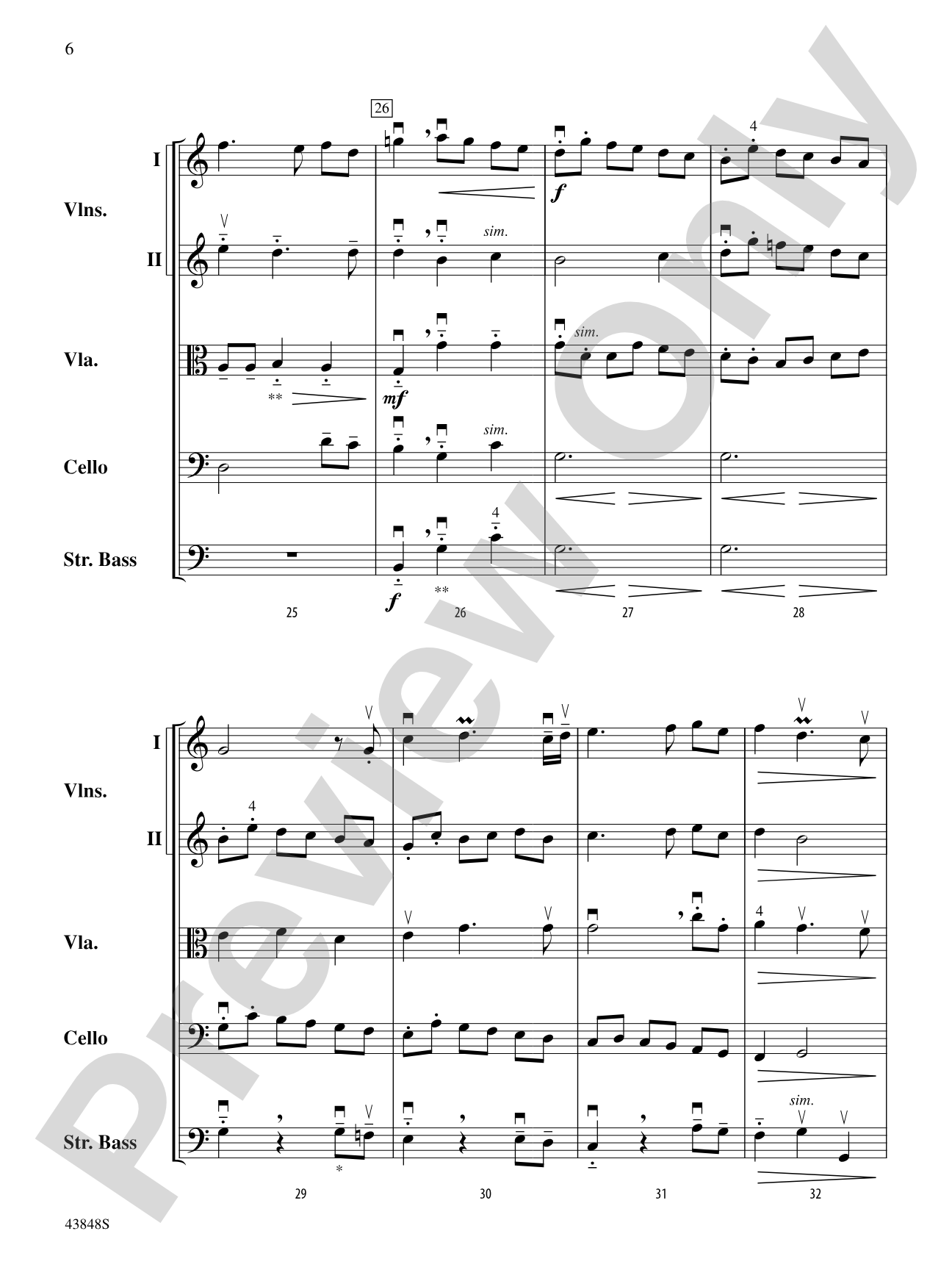
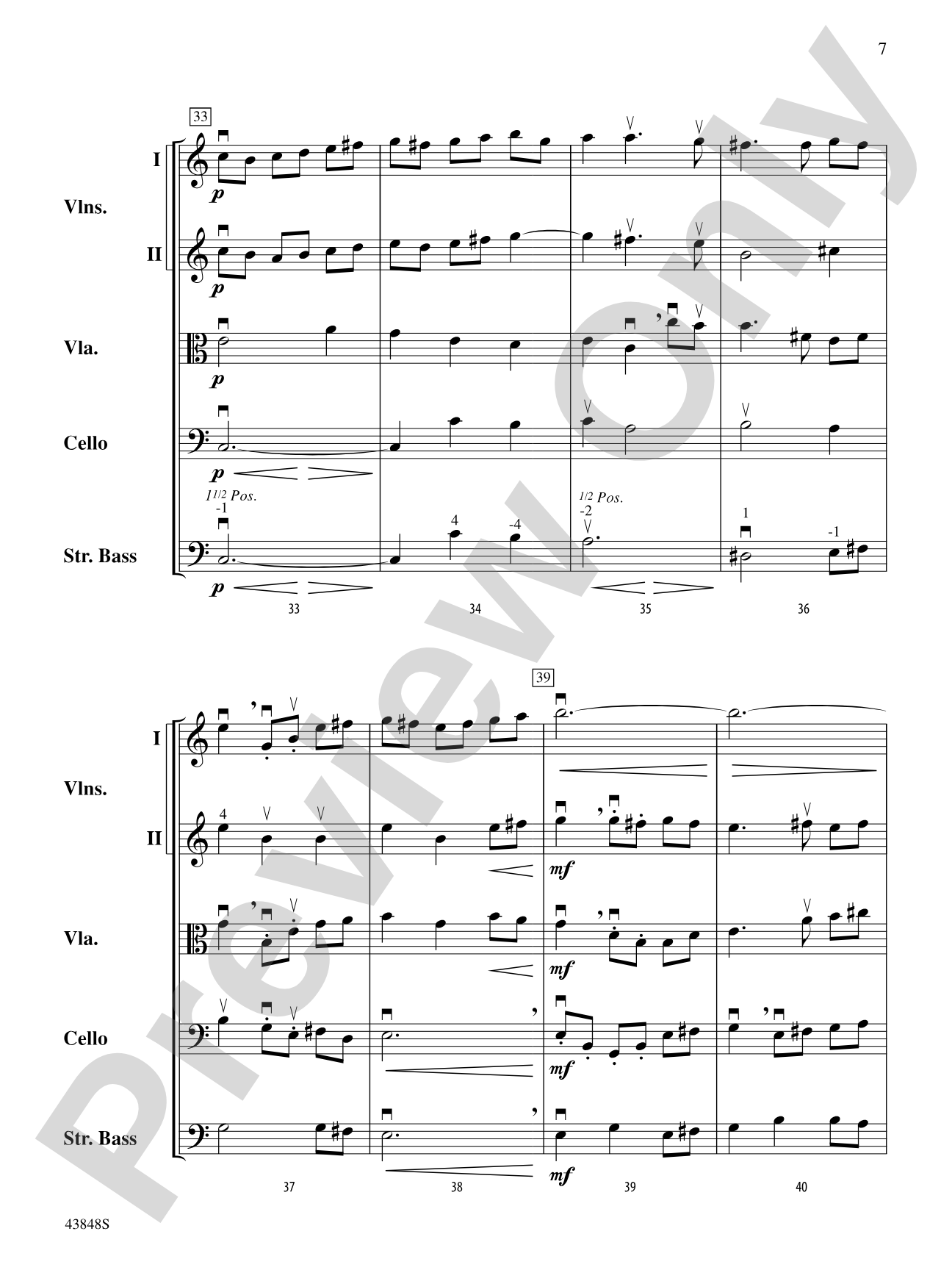
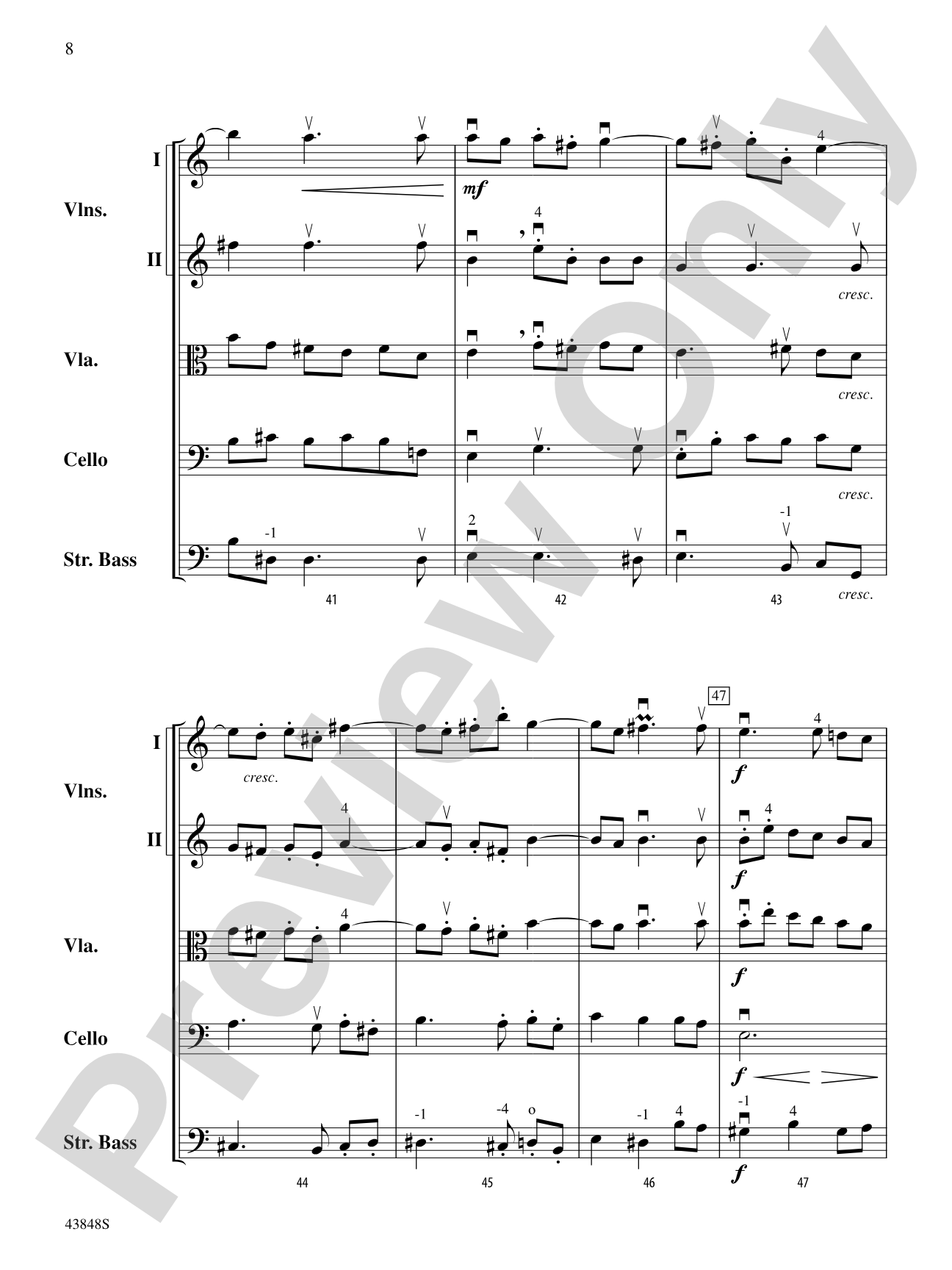
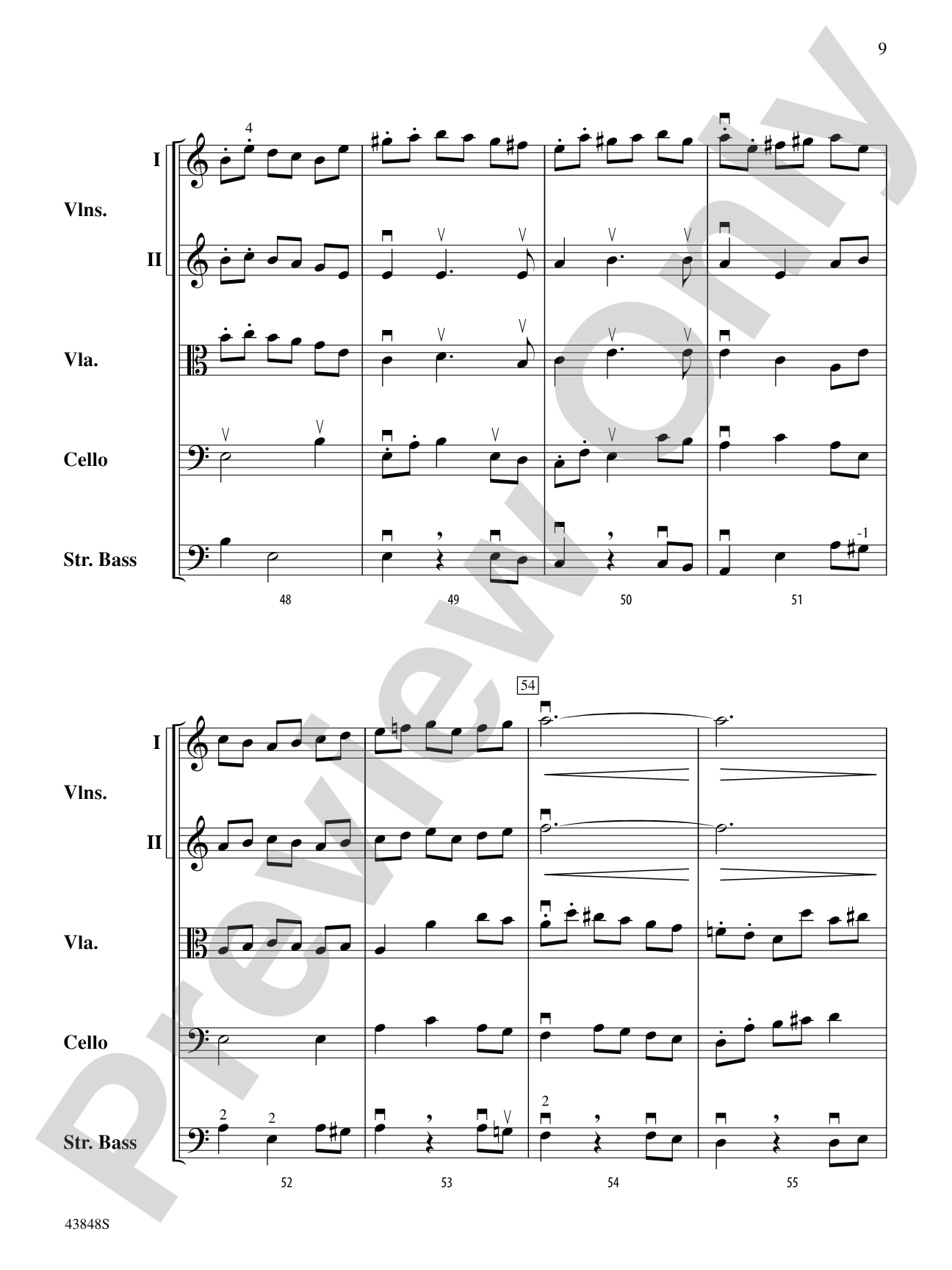
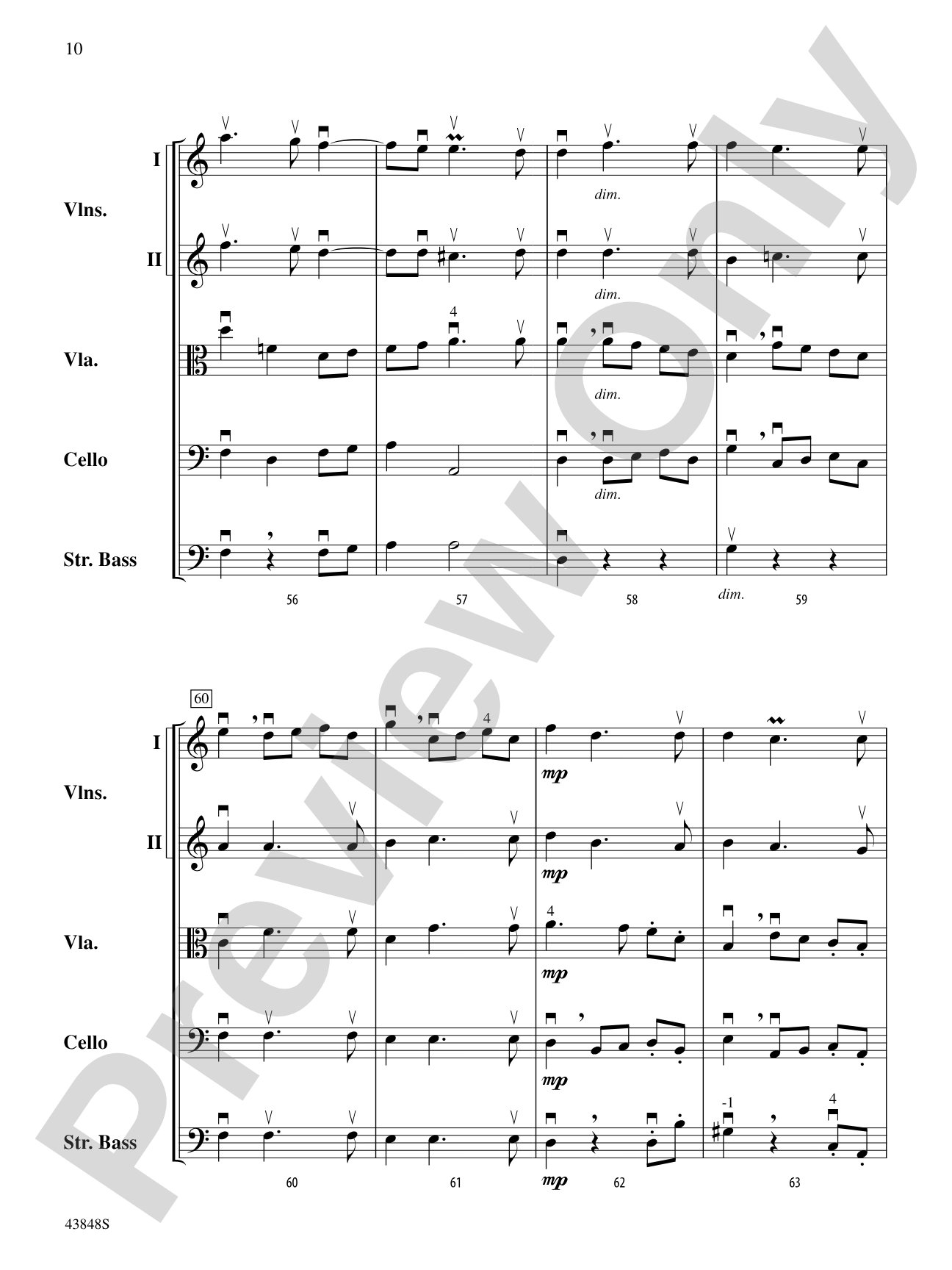
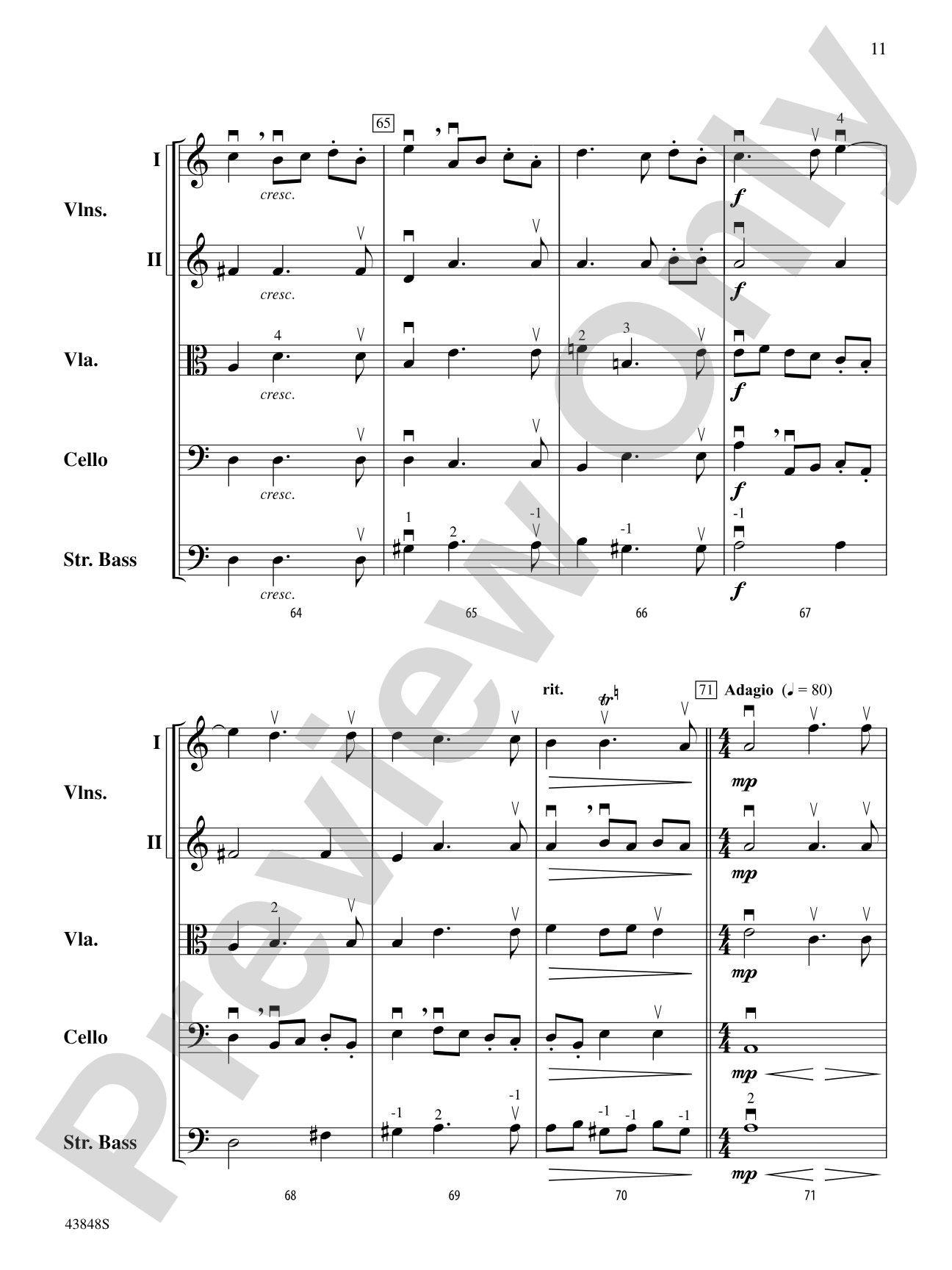
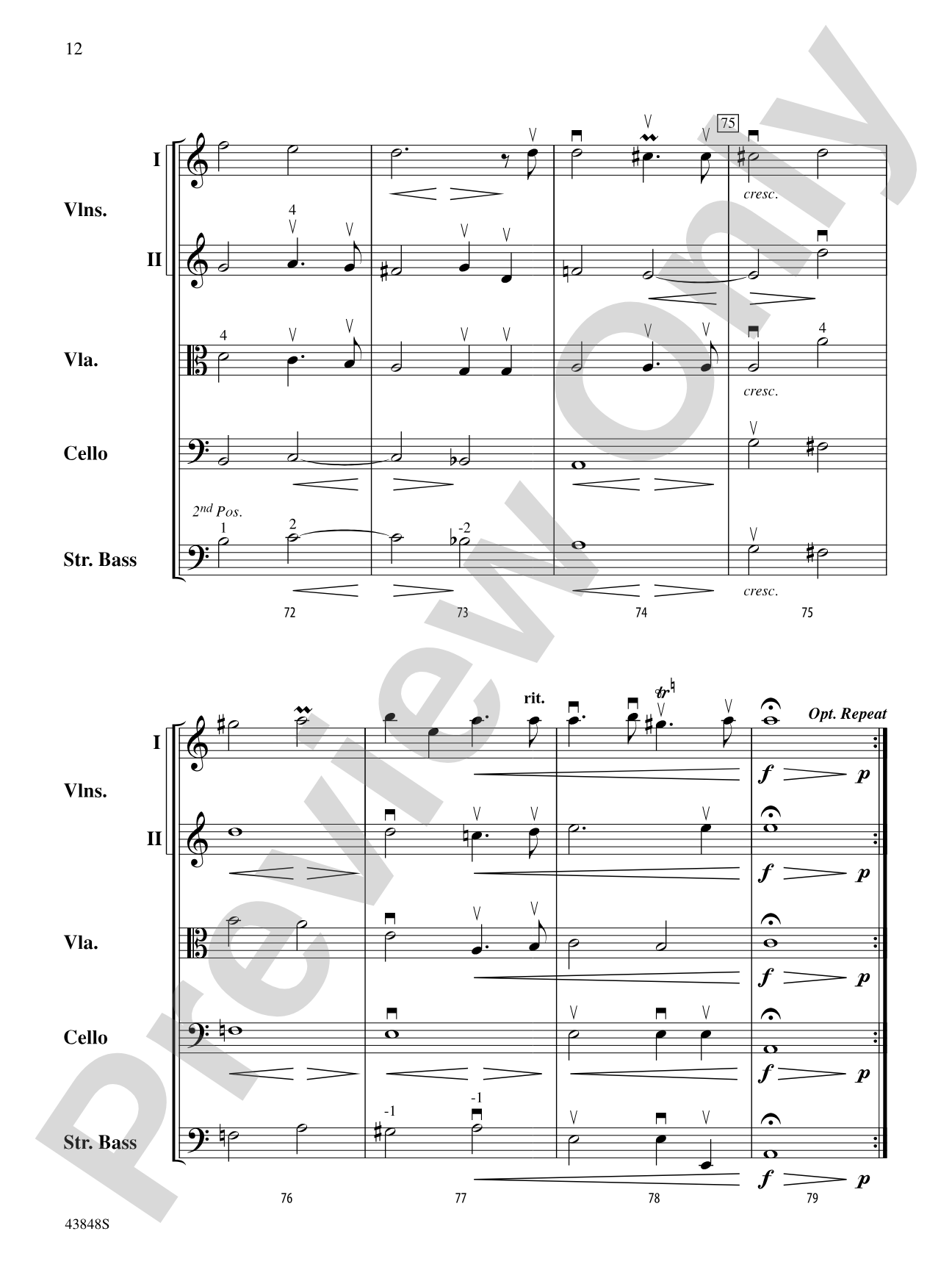
Purcell's overture provides an opportunity to perform a dramatic Baroque overture with authentic style and is an outstanding vehicle for learning important foundational string skills. Carefully edited, here's a definitive and timeless selection that will grace any orchestra concert program! (3:15) This title is available in MakeMusic Cloud.


Don't just read it, hear it, play along with it, and watch your students grow with it. In MakeMusic Cloud, The Gordian Knot Untied: String Orchestra Conductor Score & Parts comes alive with professional accompaniment, adjustable tempo, and built-in practice tools that turn solo practice into real progress.
Open in the Player
Jump straight in and assign it today.
Start Your Free Trial
Open this title and explore the full library in minutes.
Sample Audio
1
Audio File
--:--
0:00
0:00
Sample Video
No sample videos found.
Additional Details
Series:
Highland/Etling String Orchestra
Publisher:
Alfred Music
Page Count:
124
SKU:
00-PK-0006697
More about this title
About the Composer: Henry Purcell
Henry Purcell (1659–1695) stands as England's greatest Baroque composer and a towering figure in the history of Western music. His output spanned opera, sacred music, instrumental works, and theater music, all marked by extraordinary harmonic invention, dramatic sense, and gift for melody. For string orchestra students, Purcell's instrumental works offer direct access to the language of the late 17th century: French-influenced overture forms, dance rhythms, and the expressive possibilities of contrapuntal writing.
Purcell's mastery of orchestration and his ability to move seamlessly between grandeur and intimacy make his works ideal for developing musicians. His overtures, in particular, showcase the structural clarity and emotional range that define Baroque style at its most accomplished.
Why we love this
This overture gives your orchestra a genuine masterwork without the technical demands that can overwhelm a Grade 2.5 ensemble. Purcell's harmonic language is sophisticated enough to hold an audience's attention, yet Dabczynski's editing keeps the string writing clean and playable. You get authentic Baroque style, clear dramatic arc, and the chance to program something that feels substantial and concert-worthy.
What to expect
Stately and ceremonial, yet animated by the rhythmic grace that defines French Baroque style. The piece moves between dignified sections full of harmonic richness and briskly paced passages that dance; throughout, there's a sense of theatrical flair and purposeful drama without bombast.
Who it's for
String orchestra directors seeking to introduce Grade 2.5 students to authentic Baroque repertoire and foundational ensemble skills. This works equally well for orchestras building a concert program, preparing for festival performance, or deepening their understanding of historical style.
How to get the most out of it
- Shape phrases with consistent bow direction across all sections. The lilt of Baroque phrasing depends on unified bowing patterns that breathe naturally rather than mechanically.
- Balance the viola and cello lines carefully in the slower passages; they often carry important harmonic and melodic content that props up the texture below the first violins.
- Approach articulation with restraint. Purcell's lines sing best when the string section uses minimal separation, allowing the melodic and harmonic voices to connect clearly.
- Bring out the rhythmic vitality of the dances and quick sections. Baroque overtures depend on rhythmic precision and lift to generate energy; a slight emphasis on the beat helps clarify the form.
How to use it
Open a concert with this overture to establish sophistication and historical breadth. Its three-minute length makes it an ideal pairing with contemporary works or other Baroque selections, and it functions beautifully as a concert opener that frames everything that follows.
Skills your students will build
- Baroque articulation and phrasing conventions
- Ensemble intonation in harmonic progressions typical of late 17th-century tonality
- Bowing coordination across multiple sections
- Reading and executing French-influenced rhythmic figures
- Balance between melodic and accompanying voices in orchestral texture