

The Glendy Burk: TTB Choral Octavo
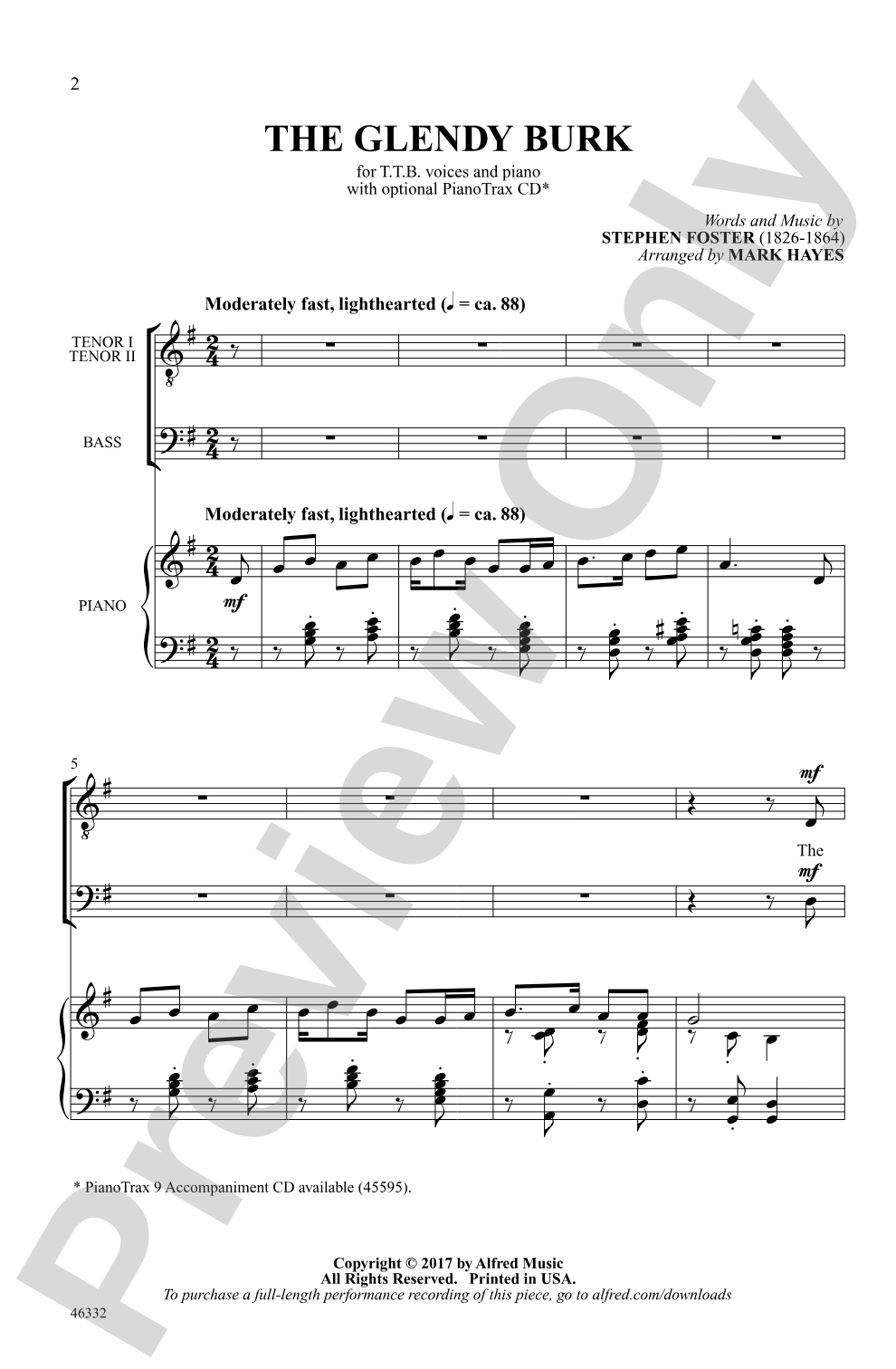
Words and music by Stephen Foster / arr. Mark Hayes
Item: 00-PO-0005588
$1.90
Minimum order quantity: 20 copies
Pickup currently not available
Description
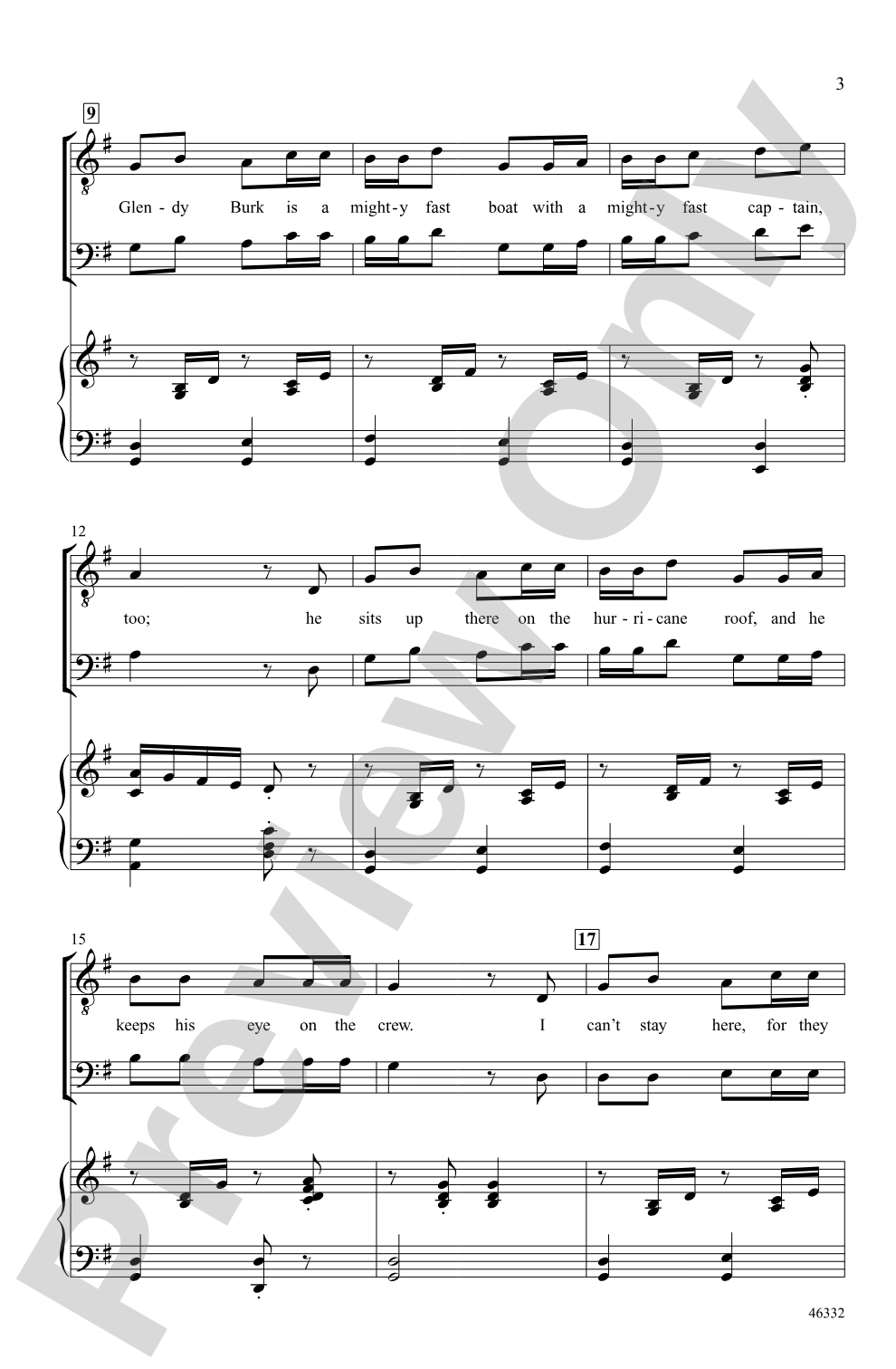
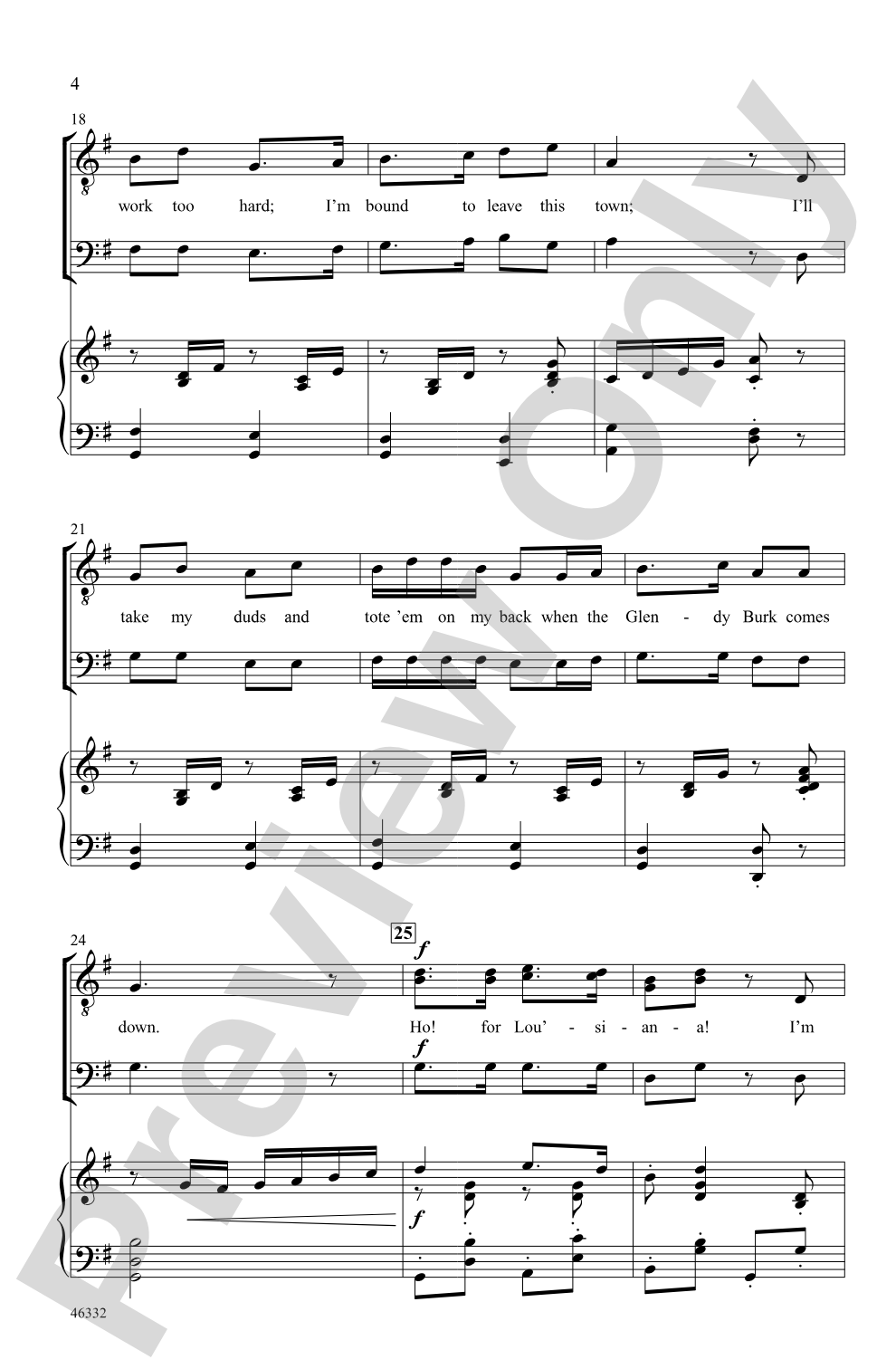
Stephen Foster wrote this song in 1860 when steamboats were an essential part of American commerce and culture. Robust TTB harmony and hardy dynamics tell a story of work, love, and life along the river.


The Glendy Burk: TTB Choral Octavo isn't in MakeMusic Cloud just yet...but it could be. Let us know you'd like to see it, and you'll help shape what comes next. In the meantime, start a free trial and dive into thousands of interactive titles your students can play along with today.
Request This Title
Tell us you want it.
Start Your Free Trial
Explore everything that's ready to play right now.
Sample Audio
1
Audio File
--:--
0:00
0:00
Sample Video
Additional Details
Series:
Alfred Choral Designs
Publisher:
Alfred Music
Page Count:
12
SKU:
00-PO-0005588
More about this title
About the Composer: Stephen Foster
Stephen Foster (1826–1864) shaped American popular music during the nineteenth century, composing nearly 200 songs that became the soundtrack to American life. His melodies for minstrel shows, parlor singers, and riverboat audiences captured the vernacular spirit of his era and remain deeply embedded in the national musical consciousness. Foster's gift for memorable, singable melody and his attention to the stories songs tell made him one of the most performed composers of his time and continue to influence popular music today.
Why we love this
Mark Hayes's arrangement honors Foster's robust melodic gift while building genuine three-part harmony that sits naturally in men's voices. The arrangement strikes a refreshing balance: sturdy enough for concert and festival contexts, but accessible enough that your singers stay focused on storytelling rather than wrestling with the score. This is river-life Americana that feels earned, not nostalgic.
What to expect
Sturdy and earthy. Foster's melody carries the unadorned confidence of a work song, and Hayes's harmonies support it with solid, uncluttered chords that let the river narrative unfold. There's warmth here without sentimentality, strength without bombast. Singers feel the weight of the story.
Who it's for
Choirs singing men's voices, whether a community chorus with TTB voicing, a collegiate men's ensemble, or a mixed chorus drawing from stronger lower-voice sections. The 12-page octavo works equally well for contest or concert programming, and the historical rootedness of the text appeals to singers who want to connect with American musical heritage.
How to get the most out of it
- Shape the melodic phrases with the legit speech rhythms of riverboat life. Foster's phrasing often follows conversational contours rather than predictable bar divisions; let the text breathe accordingly.
- Anchor the dynamic arc to the narrative. The 'hardy dynamics' signal a song of labor and resilience; resist the urge to make this a soft, wistful ballad. The Glendy Burk was a working song about working people.
- Balance the parts so the melody remains clear without sacrificing the harmonic color. Hayes's three-part writing gives upper voices interesting work; ensure the baritones and second tenors lock their support without drowning out the primary tune.
How to use it
Program this alongside other nineteenth-century American song or as a centerpiece for a concert built around river culture and labor themes. The arrangement's accessibility and historical substance make it a strong choice for contest repertoire that still commands a room. At 12 pages, it anchors a concert set without demanding weeks of rehearsal.
Skills your students will build
- Singing in three-part men's harmony with secure voice leading
- Text-driven phrasing in nineteenth-century American popular song
- Balancing melody and supporting harmony in choral texture
- Musical storytelling rooted in historical and cultural context