The Genius of Dave Brubeck, Book 1 Cover Image

The Genius of Dave Brubeck, Book 1: Piano Book

$15.99 USD
Sale price  $15.99 USD Regular price 
Skip to product information
The Genius of Dave Brubeck, Book 1 Cover Image

The Genius of Dave Brubeck, Book 1: Piano Book

Dave Brubeck

Level: Intermediate / Advanced

Item: 00-TPF0130

$15.99
Shipped

One moment…

Description
Intermediate/advanced jazz piano solos. Sample contents: Bluette * Bossa Nova U.S.A. * Castillian Blues * Countdown * In Your Own Sweet Way * Three to Get Ready * Weep No More * Summer Song and six more plus Paul Desmond's "Take Five."

The Genius of Dave Brubeck, Book 1: Piano Book isn't in MakeMusic Cloud just yet...but it could be. Let us know you'd like to see it, and you'll help shape what comes next. In the meantime, start a free trial and dive into thousands of interactive titles your students can play along with today.

Sample Pages

Sample Audio
No sample audio found.
Sample Video
Additional Details
Publisher: Alfred Music
Page Count: 80
ISBN10: 0-7692-0267-5
ISBN13: 978-0-7692-0267-9
UPC: 029156188950
SKU: 00-TPF0130

More about this title

About the Composer: Dave Brubeck
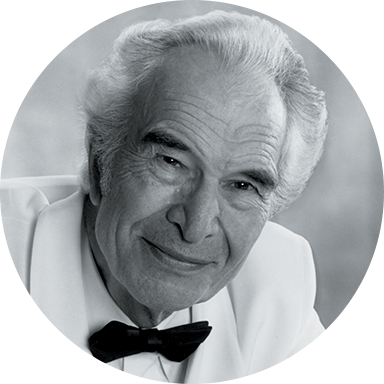
Dave Brubeck

Dave Brubeck was a pianist and composer whose work bridged jazz improvisation and classical structure. His formal training included a bachelor's degree from the College of the Pacific (1942) and postwar study with Darius Milhaud at Mills College, where the French master encouraged him to synthesize jazz language with European compositional techniques. Beyond his iconic recordings and improvisational brilliance, Brubeck composed extensively across genres: choral works, hymns, orchestral pieces, chamber music, ballet suites, and large-scale vocal works. His album "Time Out" became the first jazz record to sell over a million copies, and the tune "Take Five" remains one of jazz's most recognized compositions.

Brubeck's influence extended far beyond the bandstand. He was a pioneering figure in breaking racial barriers in mid-twentieth-century music, and his sacred works, including the mass "To Hope," have been performed and recorded internationally by orchestras and choral ensembles. His honors reflect both his jazz legacy and his classical achievements: a Grammy Lifetime Achievement Award, the Presidential Medal of the Arts from President Clinton, a lifetime achievement award from the London Symphony Orchestra (2007), and induction into the American Classical Music Hall of Fame (2003).

Why we love this

This collection captures Brubeck's distinctive voice as a composer, not just an improviser. The carefully notated solos let pianists absorb his harmonic language, rhythmic sophistication, and melodic sensibility directly from the page, making it possible to study how he thinks through musical problems. For intermediate to advanced players, these pieces offer the reward of sounding genuinely contemporary and complex without requiring you to fake it through improvisation you're not ready for yet.

What to expect

These pieces combine swinging grace with intellectual rigor. You'll encounter blues changes that never quite resolve the way you expect, folk-inflected melodies set over sophisticated harmonies, and moments of genuine lyricism alongside passages that make your fingers work. The music feels both accessible and substantial, neither slick nor austere.

Who it's for

Intermediate to advanced pianists ready to engage with jazz as a composed tradition rather than just a style to fake over changes. This book works for conservatory-trained pianists exploring jazz vocabulary, serious jazz students deepening their understanding of Brubeck's compositional method, and teachers seeking notated jazz repertoire that maintains artistic integrity.

How to get the most out of it

  • Study the rhythmic groupings closely; Brubeck often sets straight eighths and swing feels in unexpected relationships. Mark the metric boundaries in pencil before you memorize.
  • Let the chord voicings breathe. These are composed sonorities, not comping patterns. Shape the harmony with your damper pedal rather than playing through it.
  • Balance melody and inner voices. Many of these pieces layer the tune with counterpoint or chromatic movement underneath; both layers deserve clarity.
  • Internalize the harmonic movement before worrying about tempo. These pieces reward pianists who understand where the changes are going.

How to use it

Feature one of these solos in a recital that mixes classical and jazz, or program them across a season to show students how seriously composed jazz can be. This book also serves as a bridge for conservatory pianists who want to understand post-bebop jazz composition without abandoning notated music.

Skills your students will build

  • Voice leading through extended jazz harmony (7ths, 9ths, altered chords)
  • Reading and executing sophisticated rhythmic groupings and metric displacement
  • Interpreting swing and rubato notation in a composed context
  • Understanding blues and modal structures as compositional frameworks
  • Balancing multiple melodic lines and inner-voice activity
  • Pedal technique for shaping jazz harmony and articulation

You May Also Like