

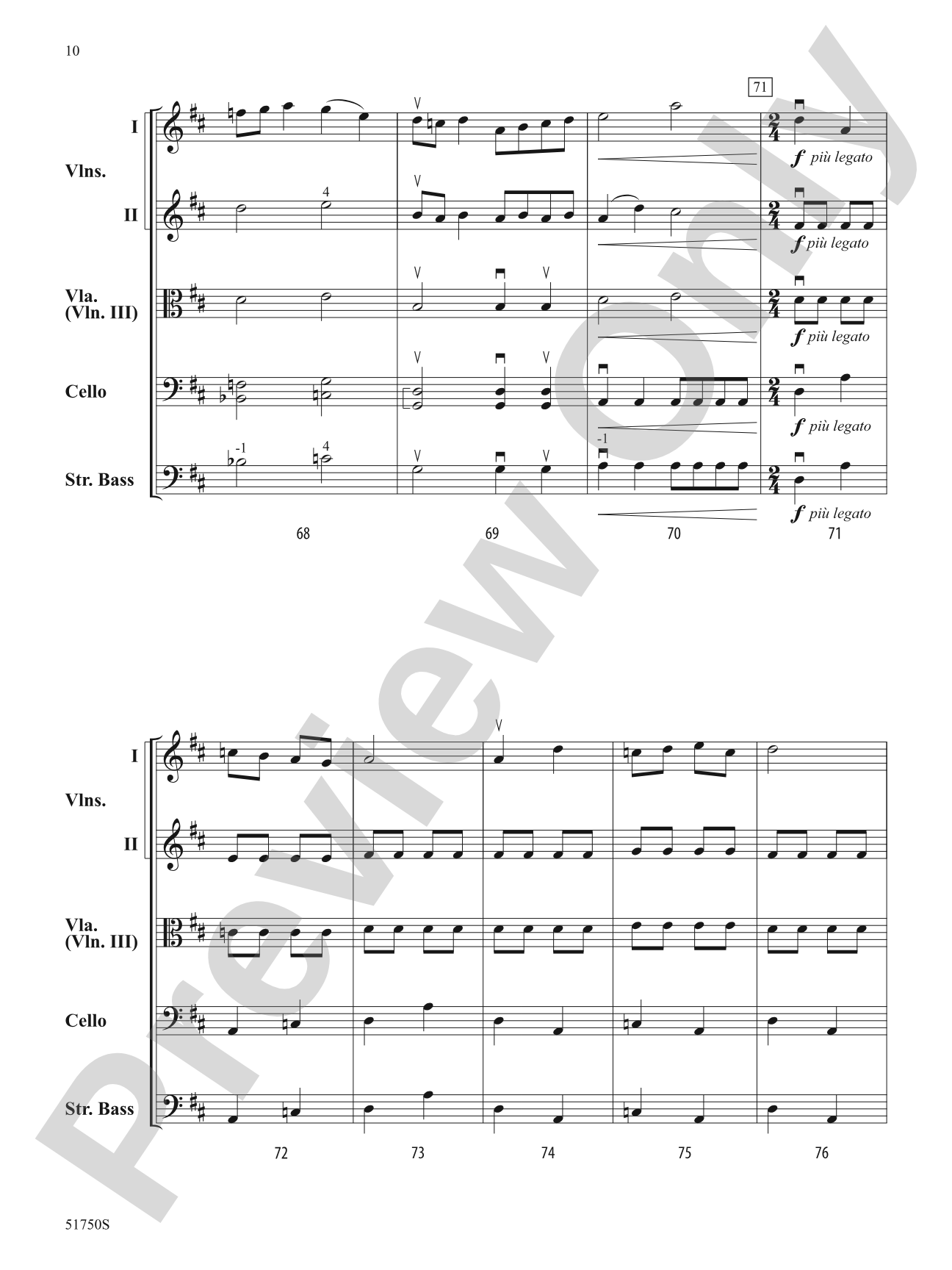
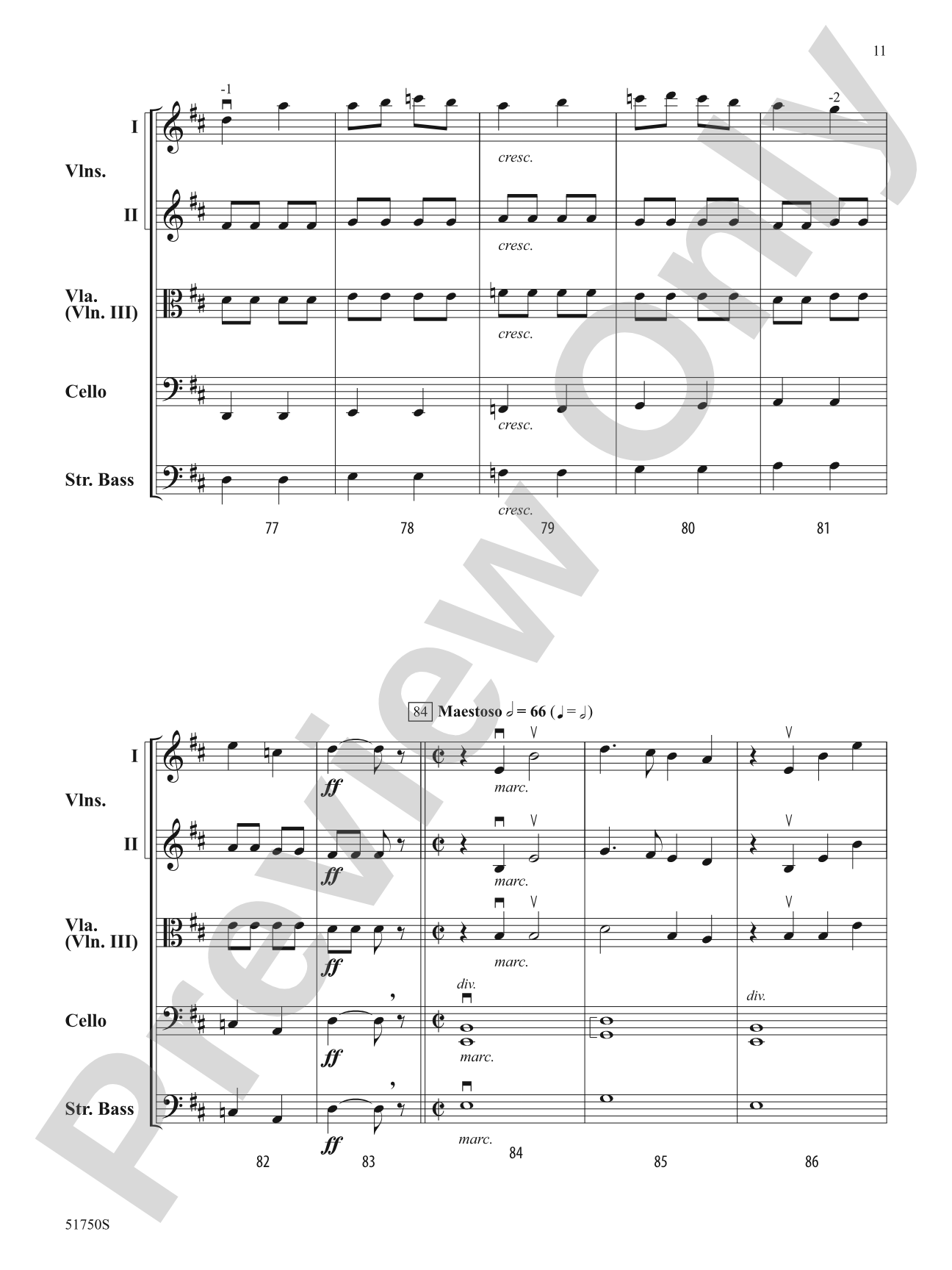
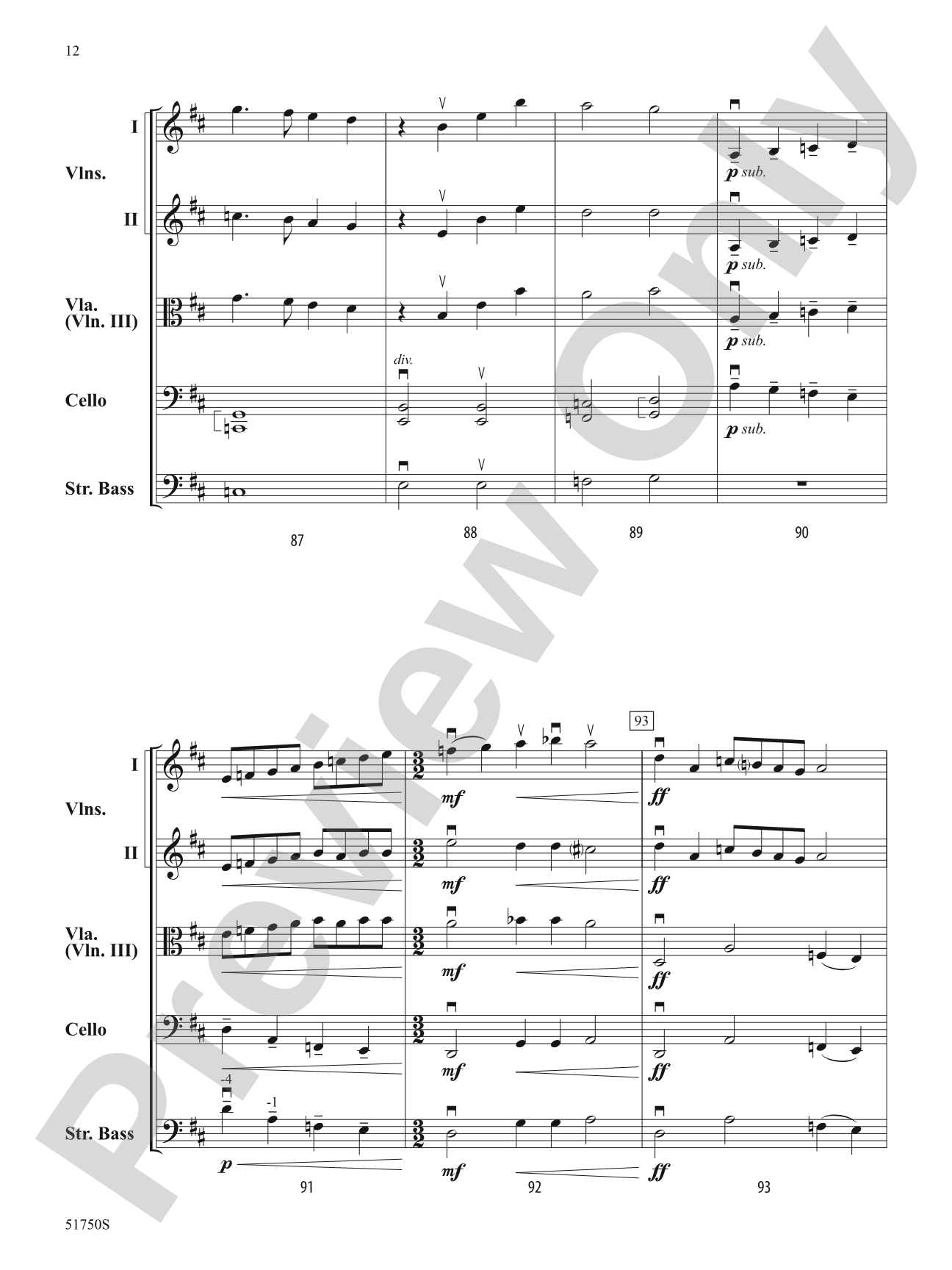
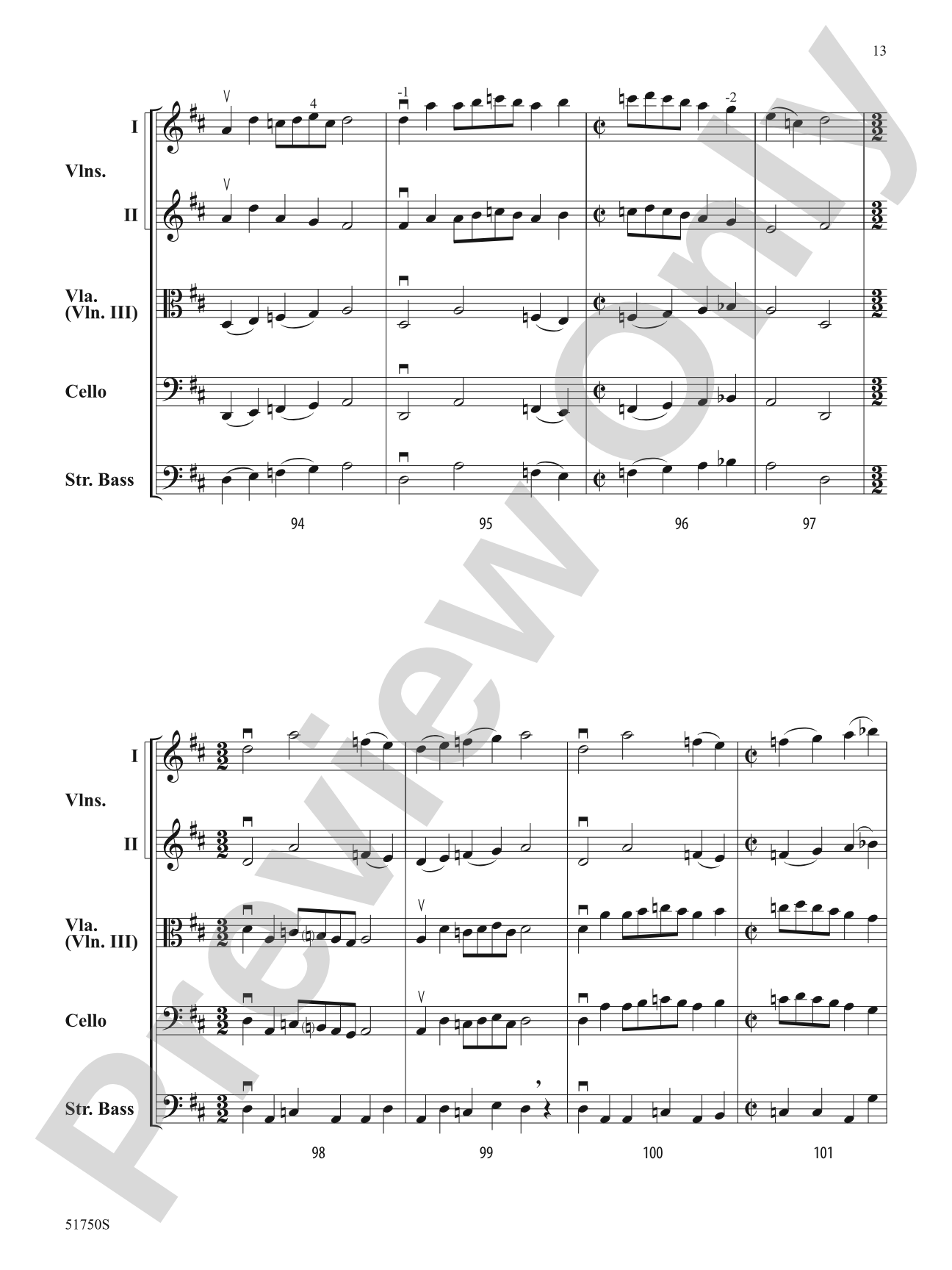
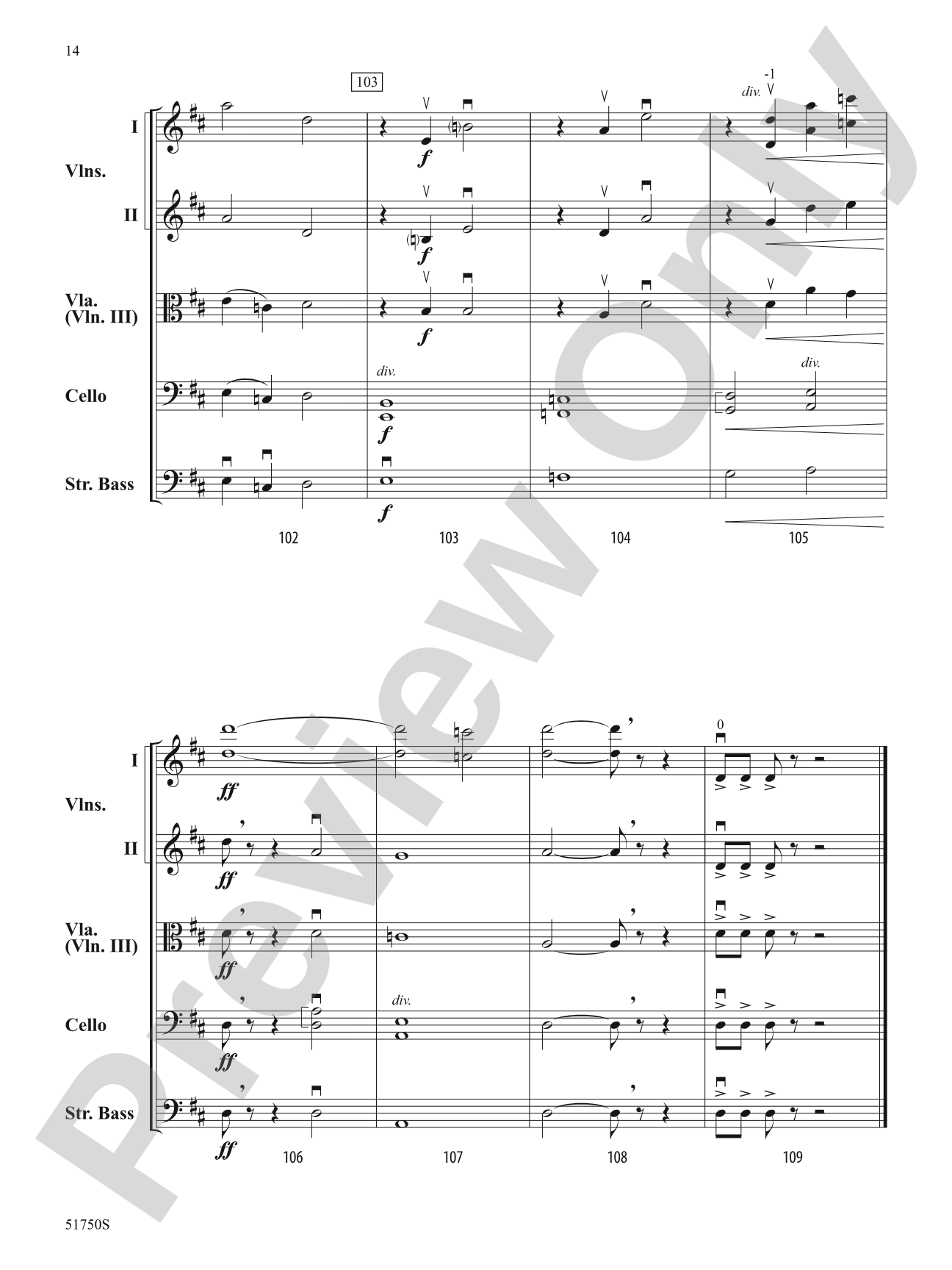

The Gates of Janus: Score
By Richard Meyer
Grade: 3
Item: 00-PR-0007728
$10.00
Pickup currently not available
Description
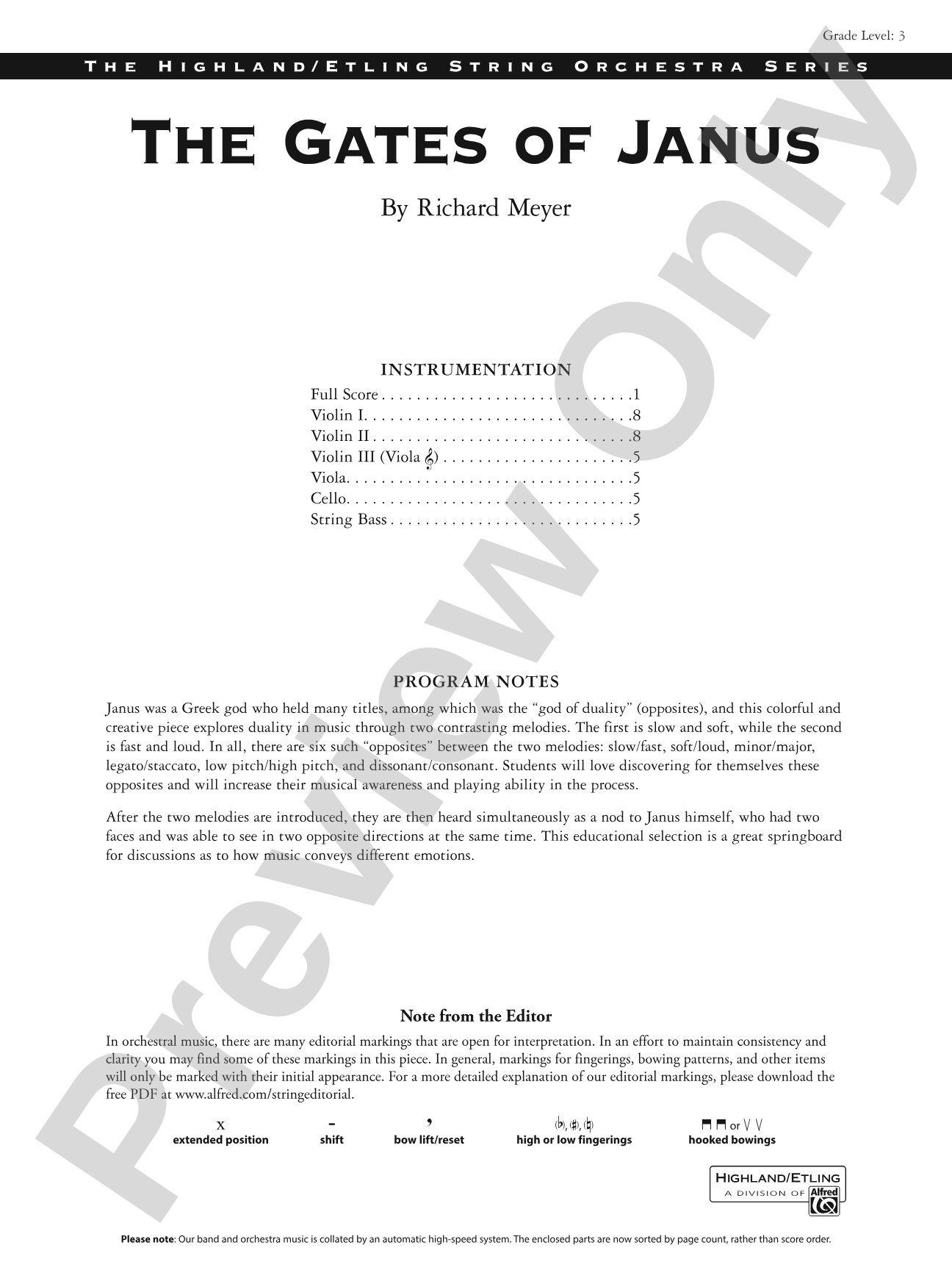
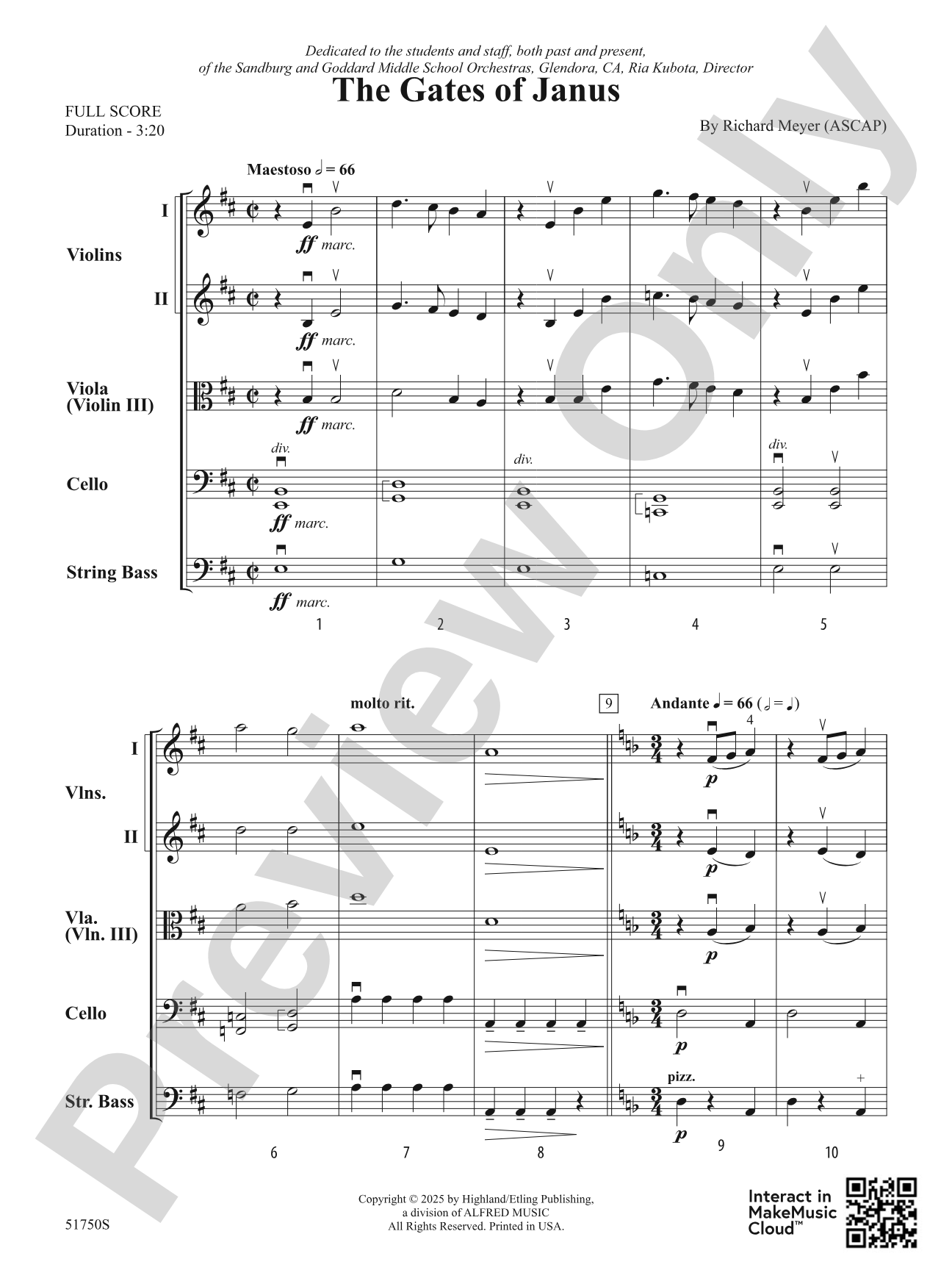
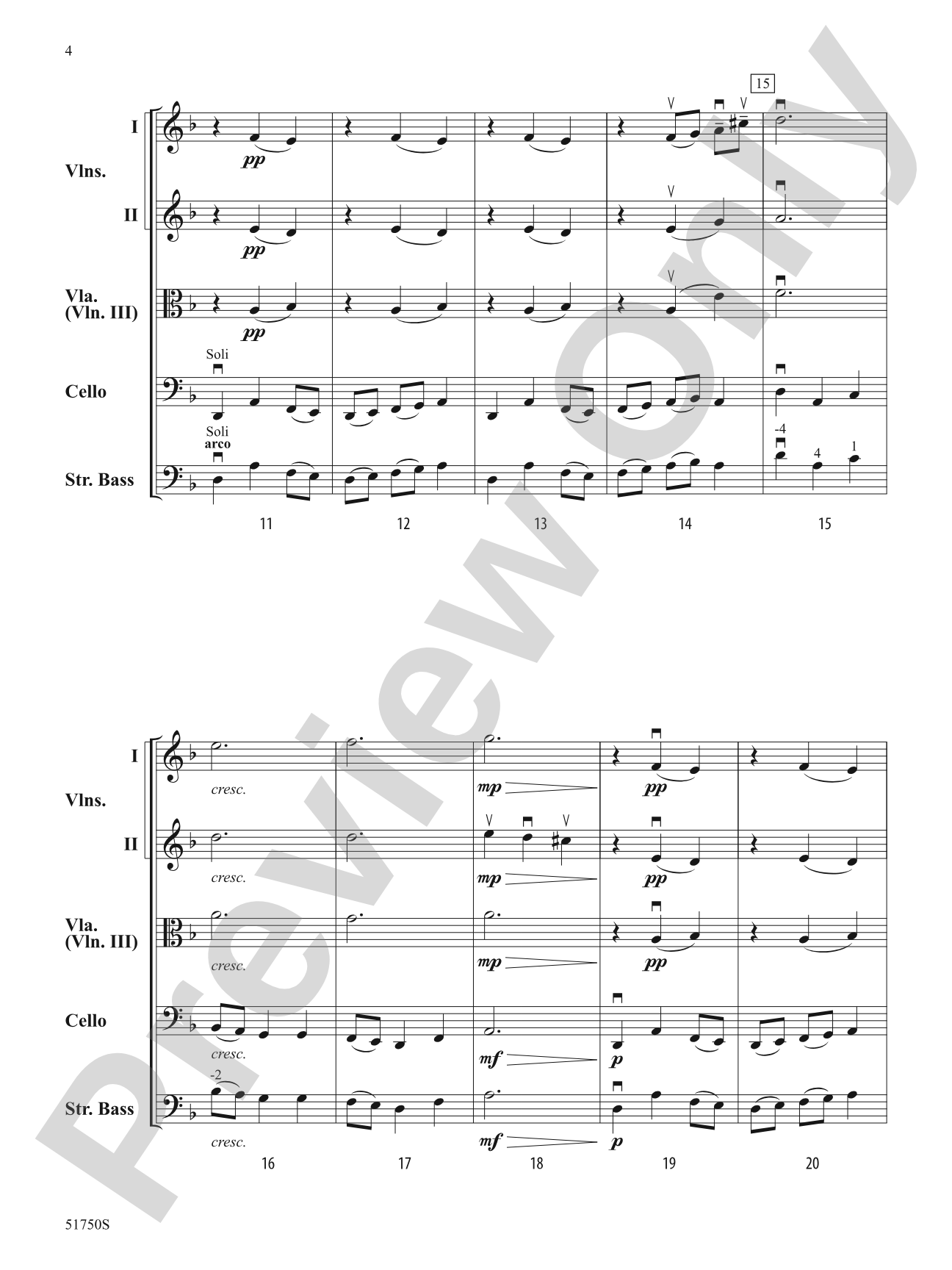
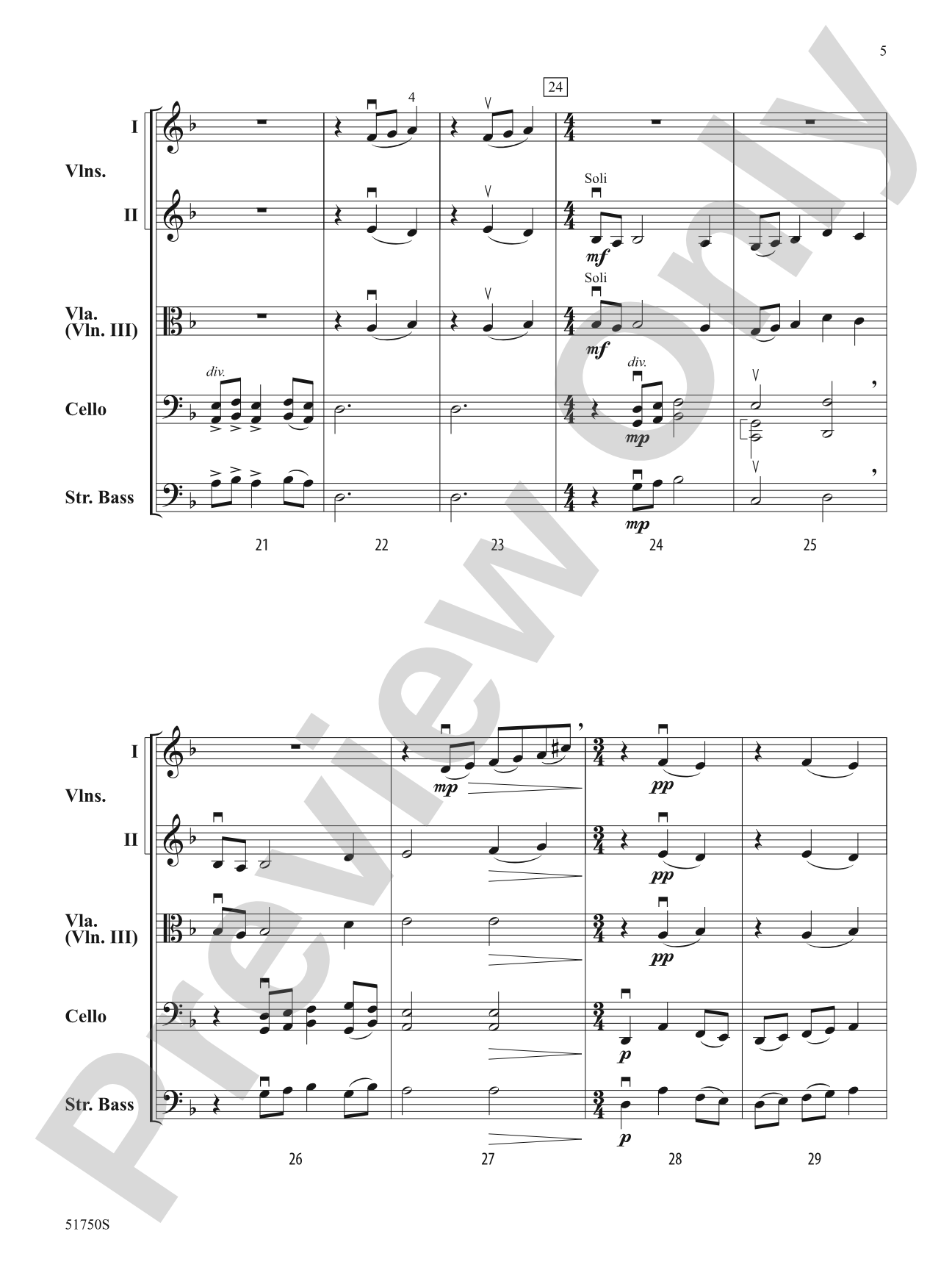
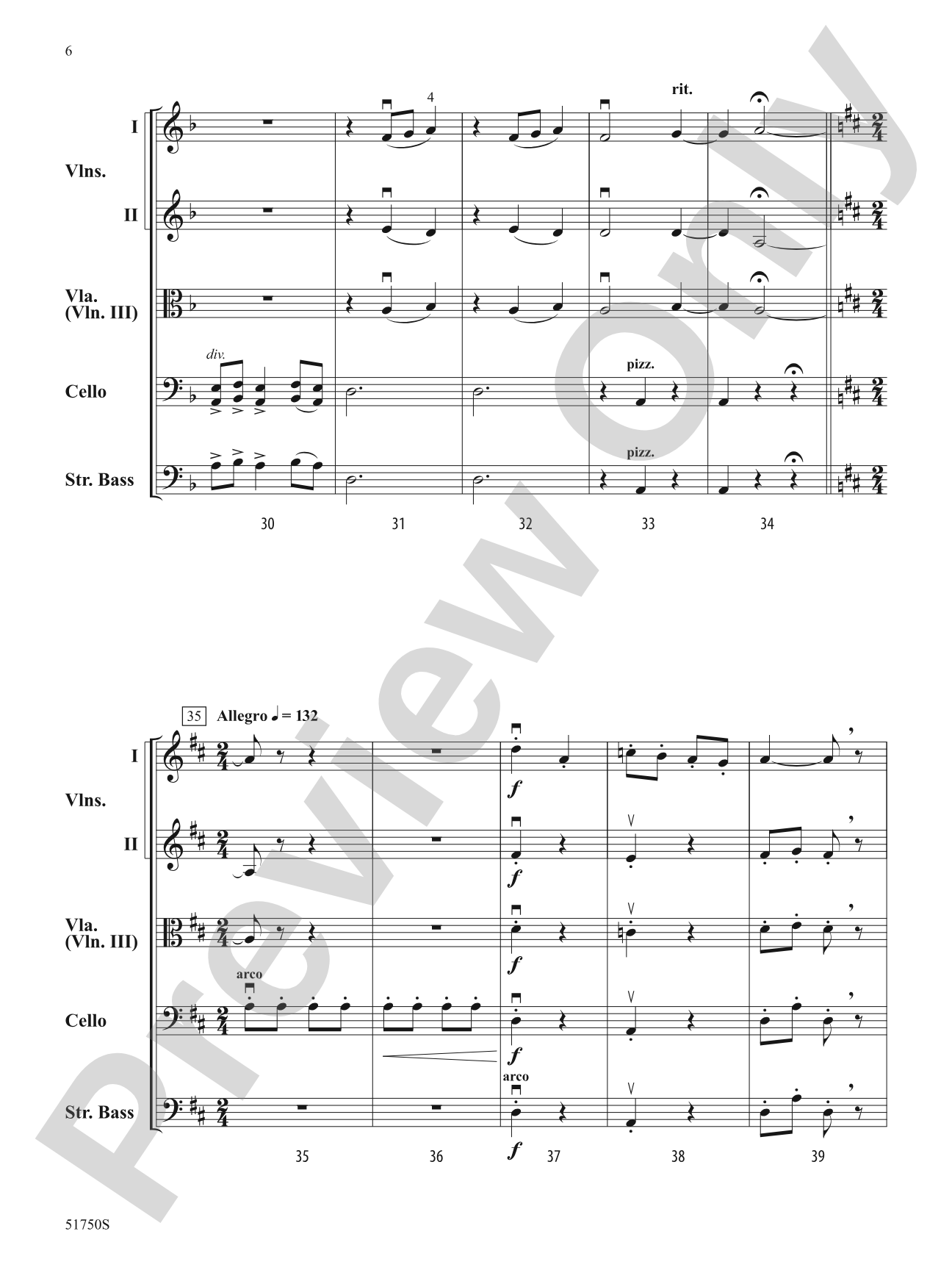
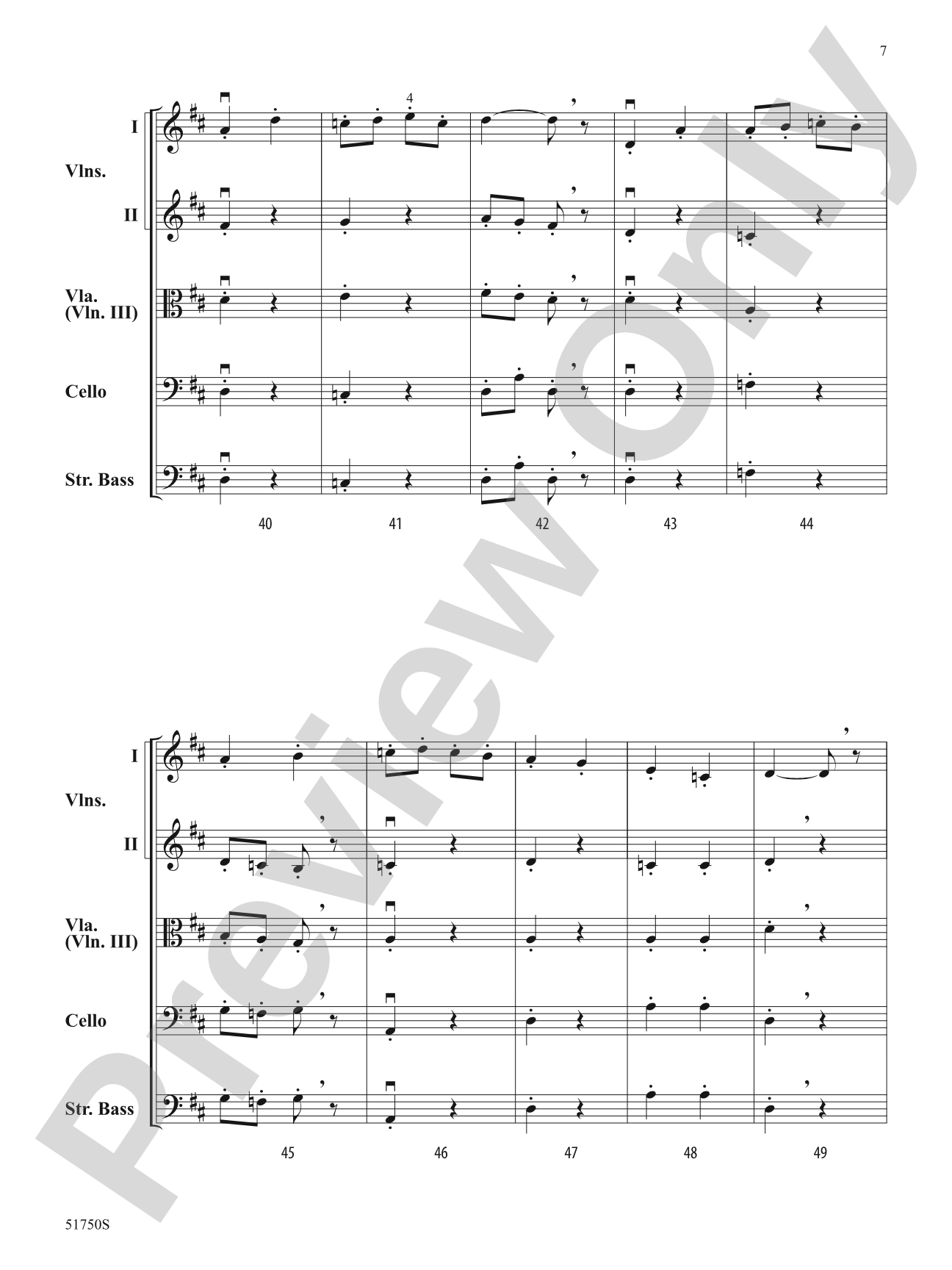
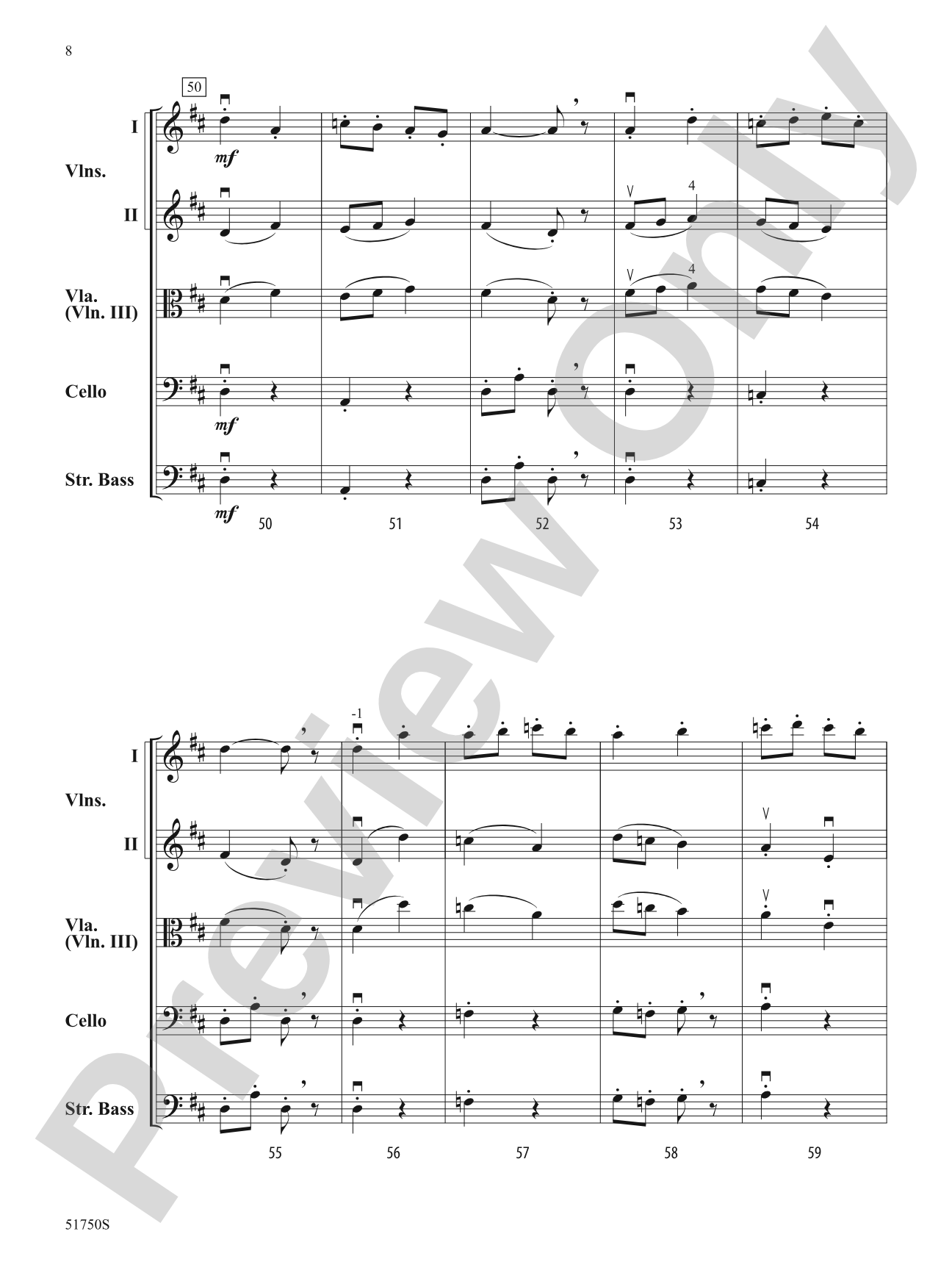
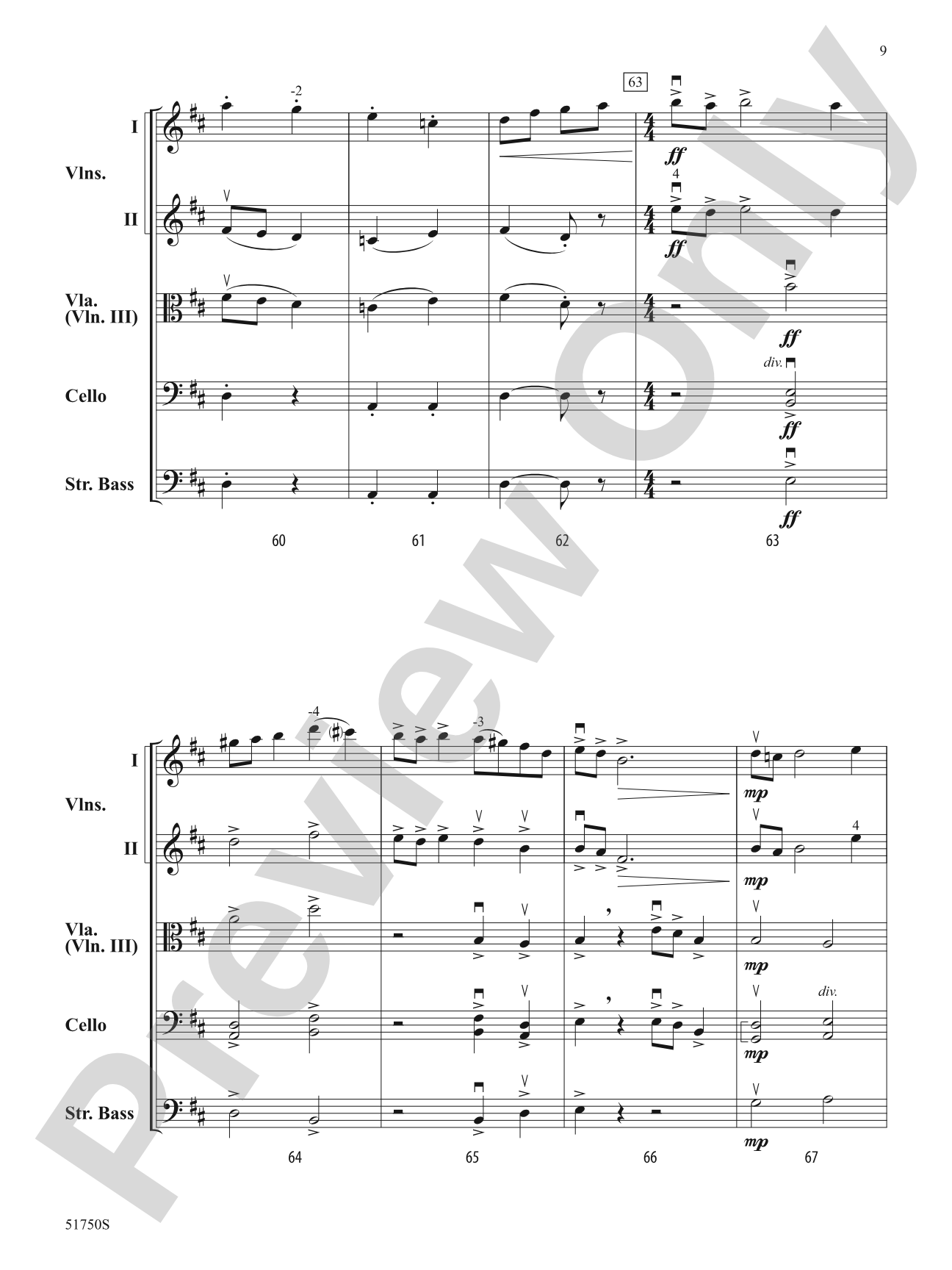
Explore the duality of music with The Gates of Janus, by Richard Meyer, which was inspired by Janus, the Greek god of opposites. Featuring contrasting melodies---one slow and soft, the other fast and loud---students will uncover six musical opposites and enhance their skills and expressive performance. Perfect for sparking discussions on how music conveys emotions. (3:20)


Don't just read it, hear it, play along with it, and watch your students grow with it. In MakeMusic Cloud, The Gates of Janus: Score comes alive with professional accompaniment, adjustable tempo, and built-in practice tools that turn solo practice into real progress.
Open in the Player
Jump straight in and assign it today.
Start Your Free Trial
Open this title and explore the full library in minutes.
Sample Audio
1
Audio File
--:--
0:00
0:00
Sample Video
Additional Details
Series:
Highland String Orchestra
Publisher:
Alfred Music
SKU:
00-PR-0007728
More about this title
About the Composer: Richard Meyer

Richard Meyer brings three decades of string teaching experience to his compositional work, having shaped orchestral programs across elementary, middle, and high school levels in Southern California public schools. His 22-year tenure directing orchestras at Oak Avenue Intermediate School transformed the program from 29 students to 200, while he simultaneously oversaw the city's elementary string curriculum. Meyer's "Giving Bach" initiative, launched in 2009, earned national recognition for its innovative use of interactive concerts to reach students with special needs and those in under-resourced schools throughout the region.
Beyond the classroom, Meyer has conducted the Pasadena Youth Symphony Orchestra for 16 years and appeared as a clinician at the ASTA National Conference, Texas Orchestra Directors' Association gatherings, and string workshops at major universities. His output as a composer is prolific: nearly 200 published works and arrangements bear his name. He served 16 years as string editor for Alfred Publishing Company and co-authored the String Explorer Series and Sight-Read It for Strings, both widely adopted in school programs.
Why we love this
Meyer's gift for pairing narrative clarity with musical substance shines throughout this piece. The structural simplicity of exploring six opposites gives your students a clear listening and performing objective, transforming what could be abstract emotional work into something concrete and discussable. The contrasts are bold enough that younger players feel the musical intention without needing sophistication they haven't yet developed.
What to expect
The music embodies duality in its DNA: moments of introspection and restraint unfold alongside passages of energy and declaration. Janus himself presides over the threshold between opposites, and you hear this tension throughout. The contrasts feel earned rather than arbitrary, creating a satisfying arc that younger players find both accessible and genuinely moving.
Who it's for
Grade 3 string orchestras seeking repertoire that serves both musical and educational purposes. This work suits ensembles ready to handle thematic development and character differentiation without requiring advanced technical facility.
How to get the most out of it
- Establish the two foundational characters (slow/soft and fast/loud) in sectional rehearsal before combining them. Have students articulate what makes each one distinct beyond tempo and dynamics.
- Balance the melody between first and second violins during transitions between opposites. These moments reveal how Meyer shifts the emotional center, so clarity in part independence matters.
- Use the dramatic shifts in character as opportunities to discuss phrasing and bow control rather than simply executing the tempo change. Students internalize duality through the physicality of execution.
- Encourage your ensemble to listen for which opposites feel most striking in their contrast. This personal investment often translates into more engaged, expressive playing.
How to use it
Consider programming this early in a concert where you can follow it with a more traditional Classical or Romantic piece, letting the programmatic storytelling settle before returning to absolute music. It works equally well as a discussion catalyst in a thematic concert built around mythology, emotions, or musical storytelling, especially if you pair it with ensemble or classroom activities exploring opposites.
Skills your students will build
- Contrasting character portrayal through dynamics, tempo, and articulation
- Listening for melodic shifts between violin sections
- Responding to sudden textural changes and transitions
- Connecting programmatic concepts to expressive performance decisions
- Sustained bow control across differing emotional contexts