
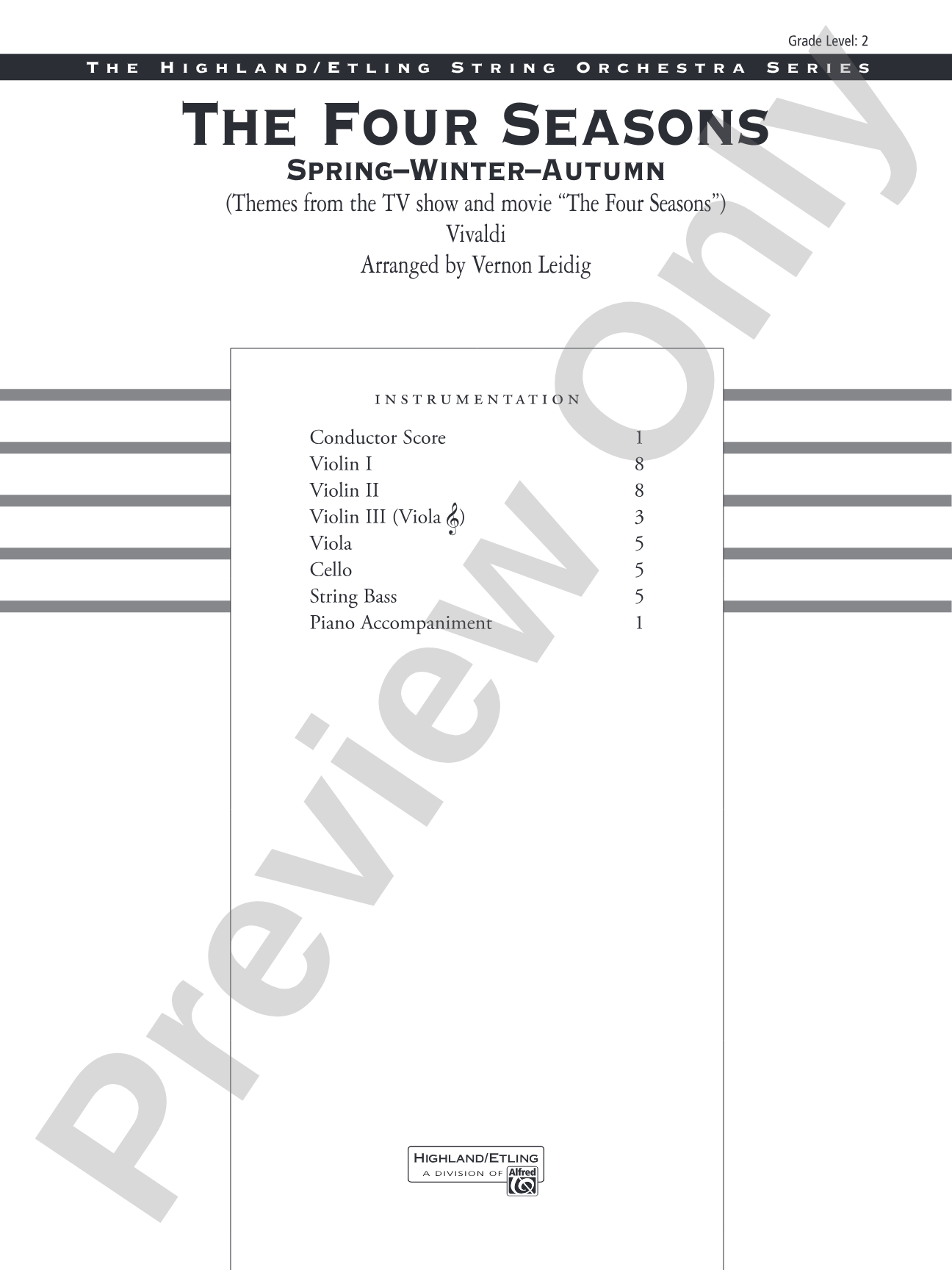

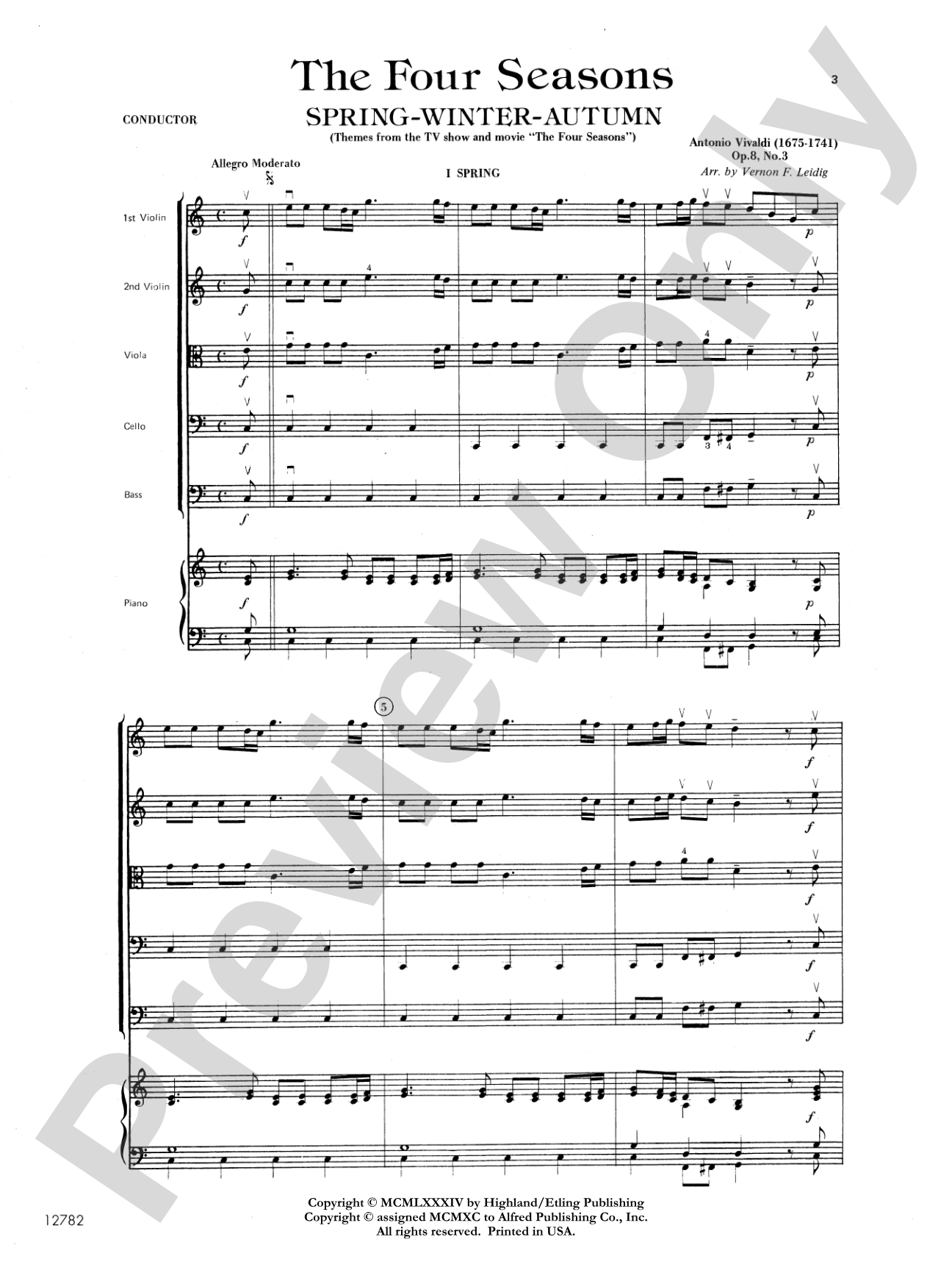
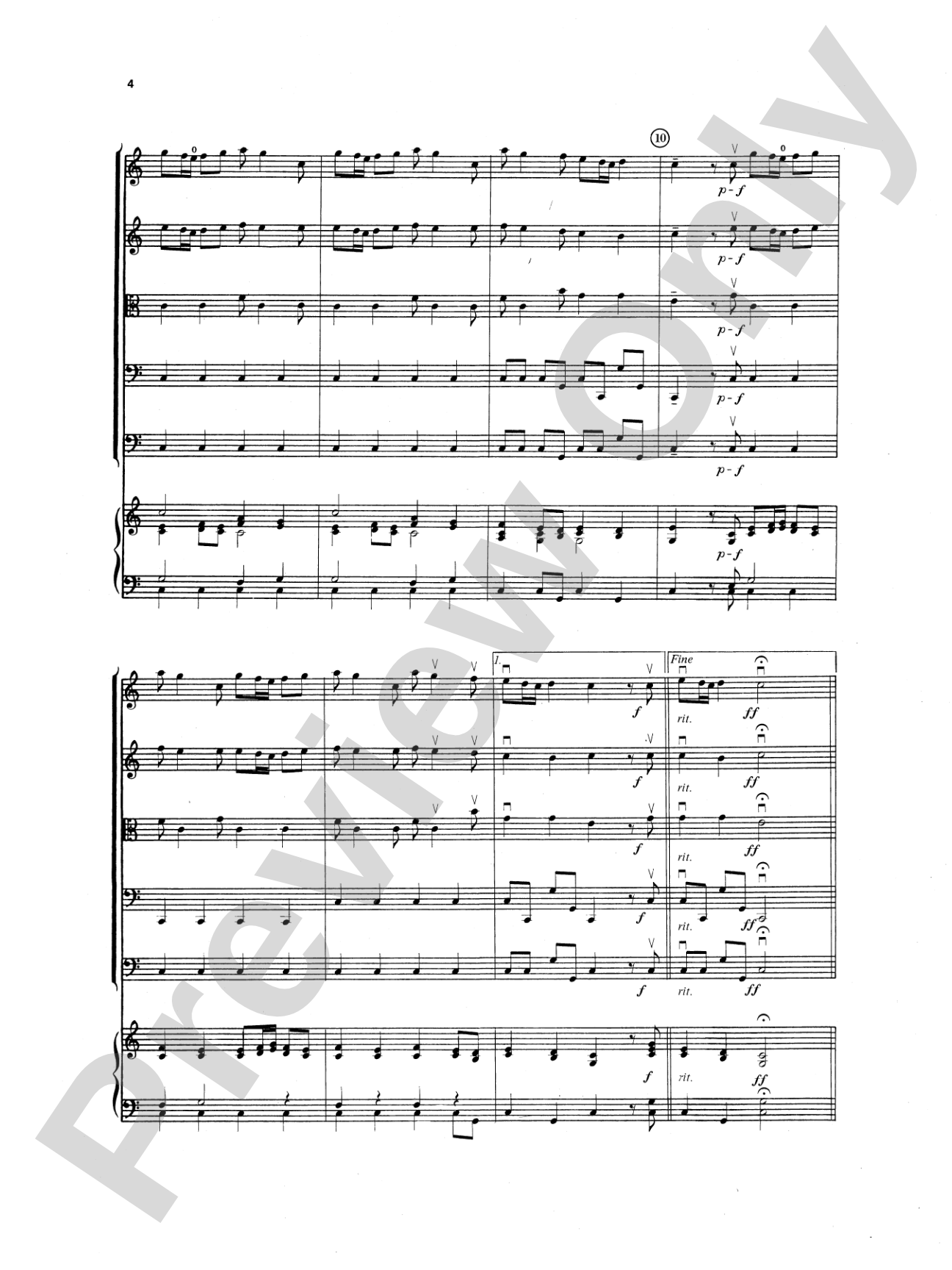
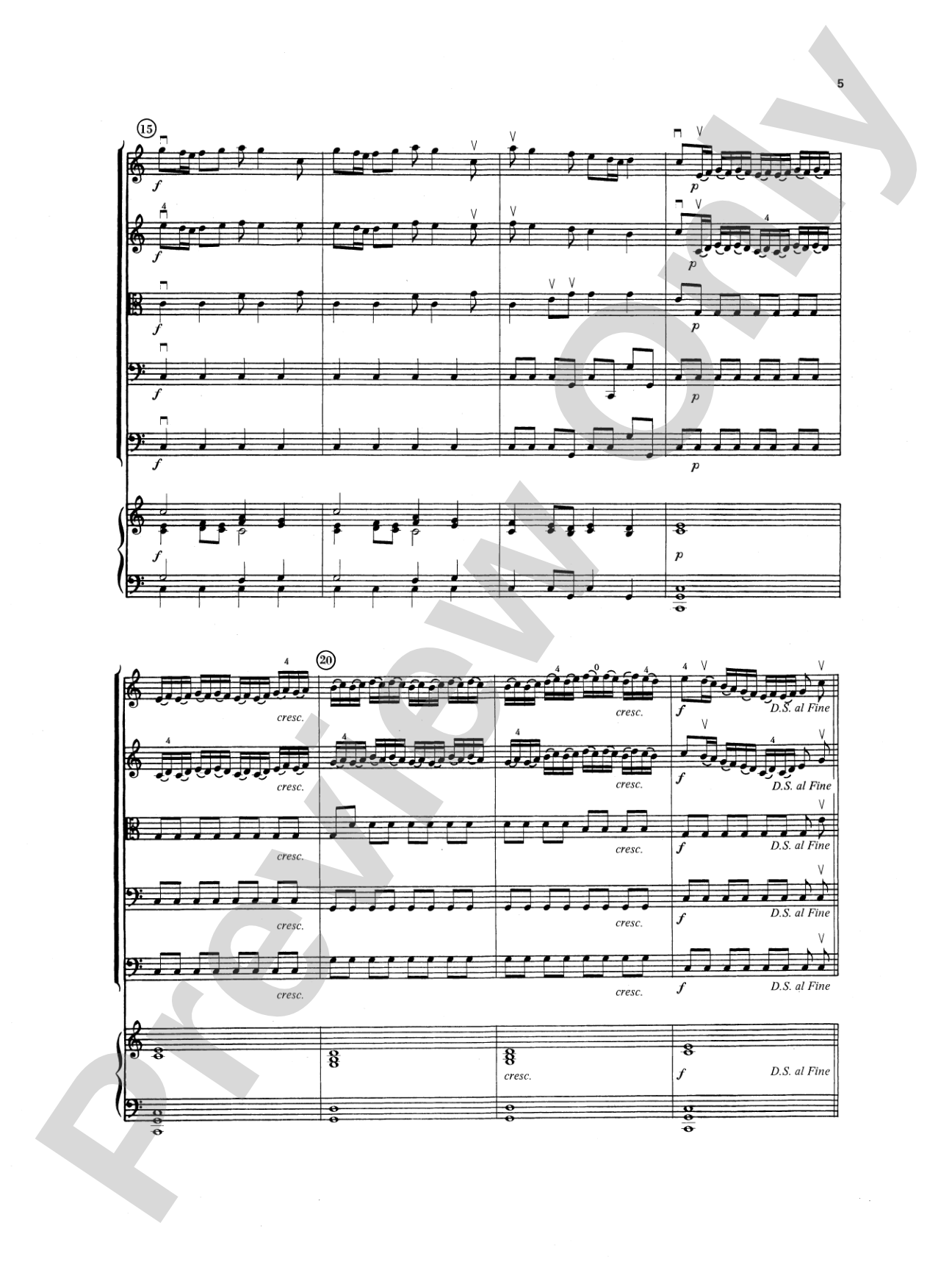
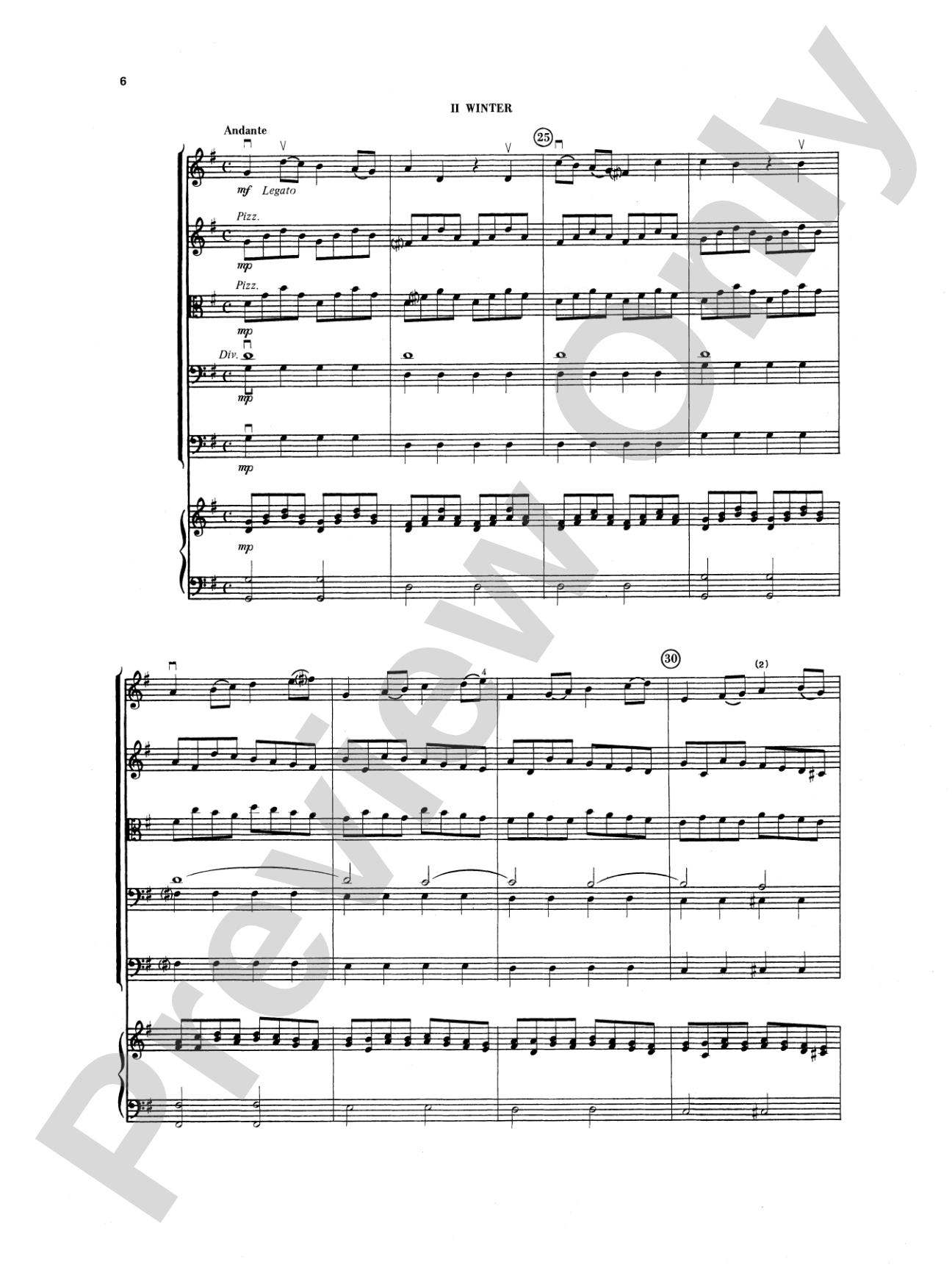
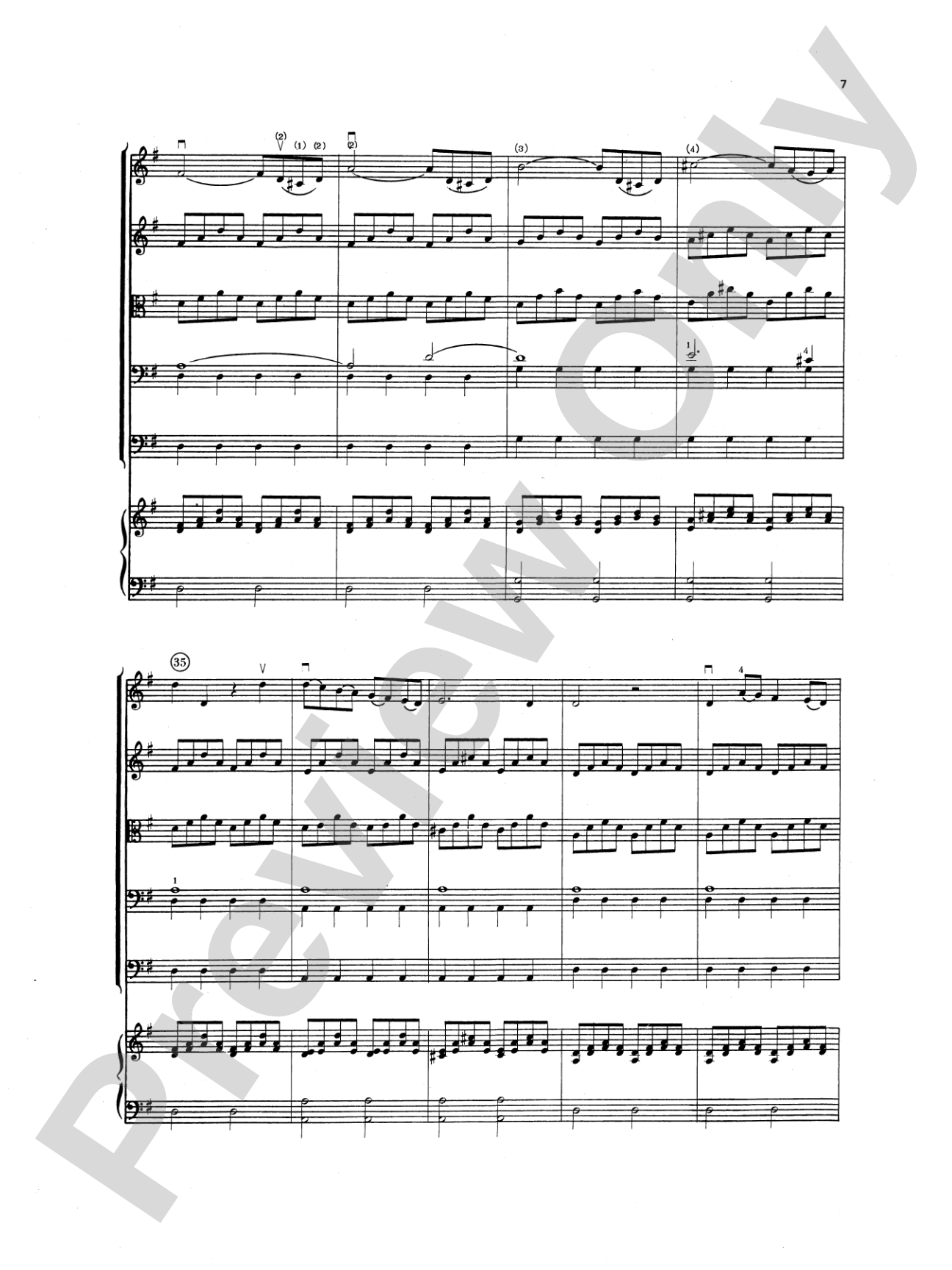
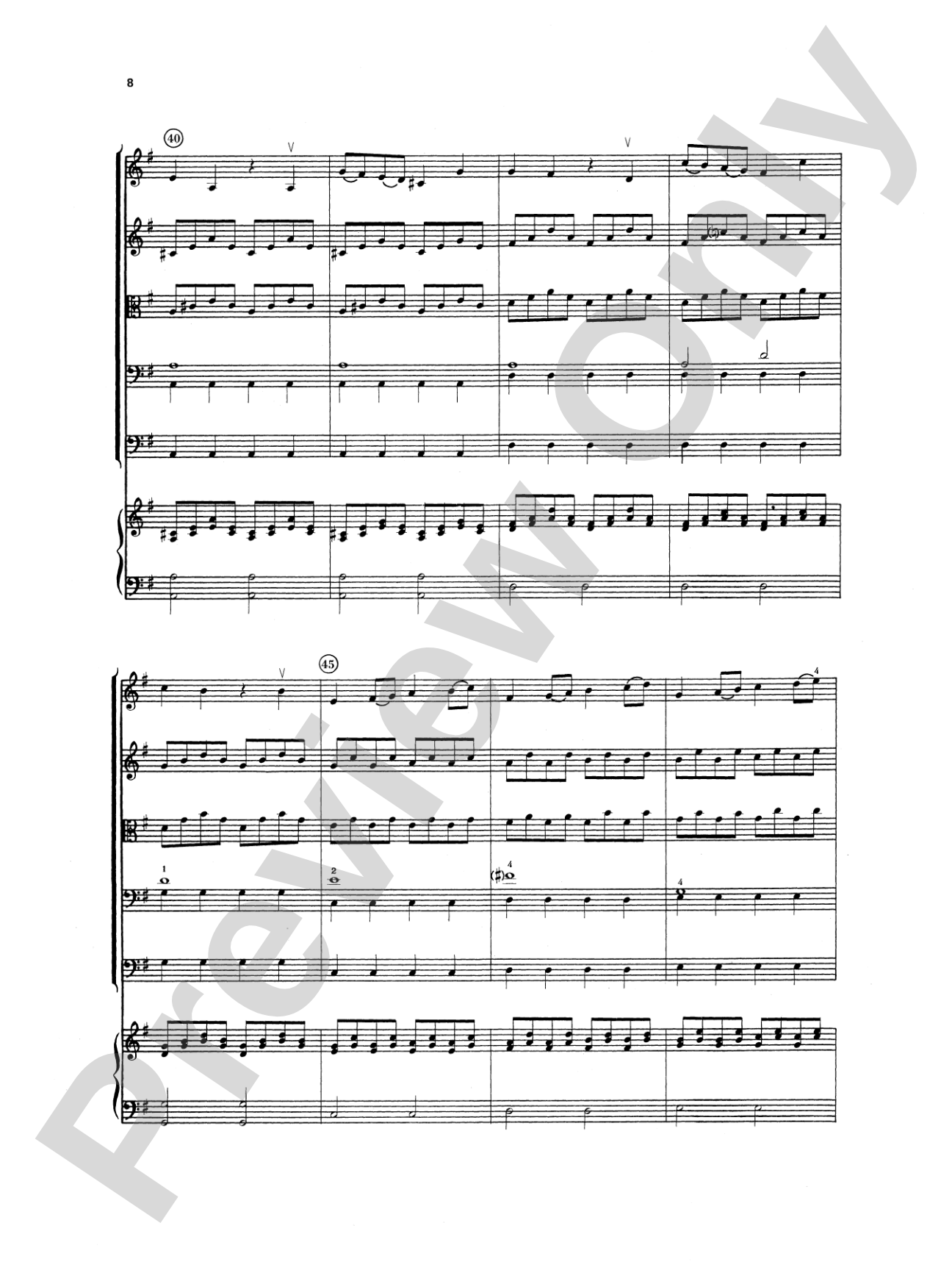
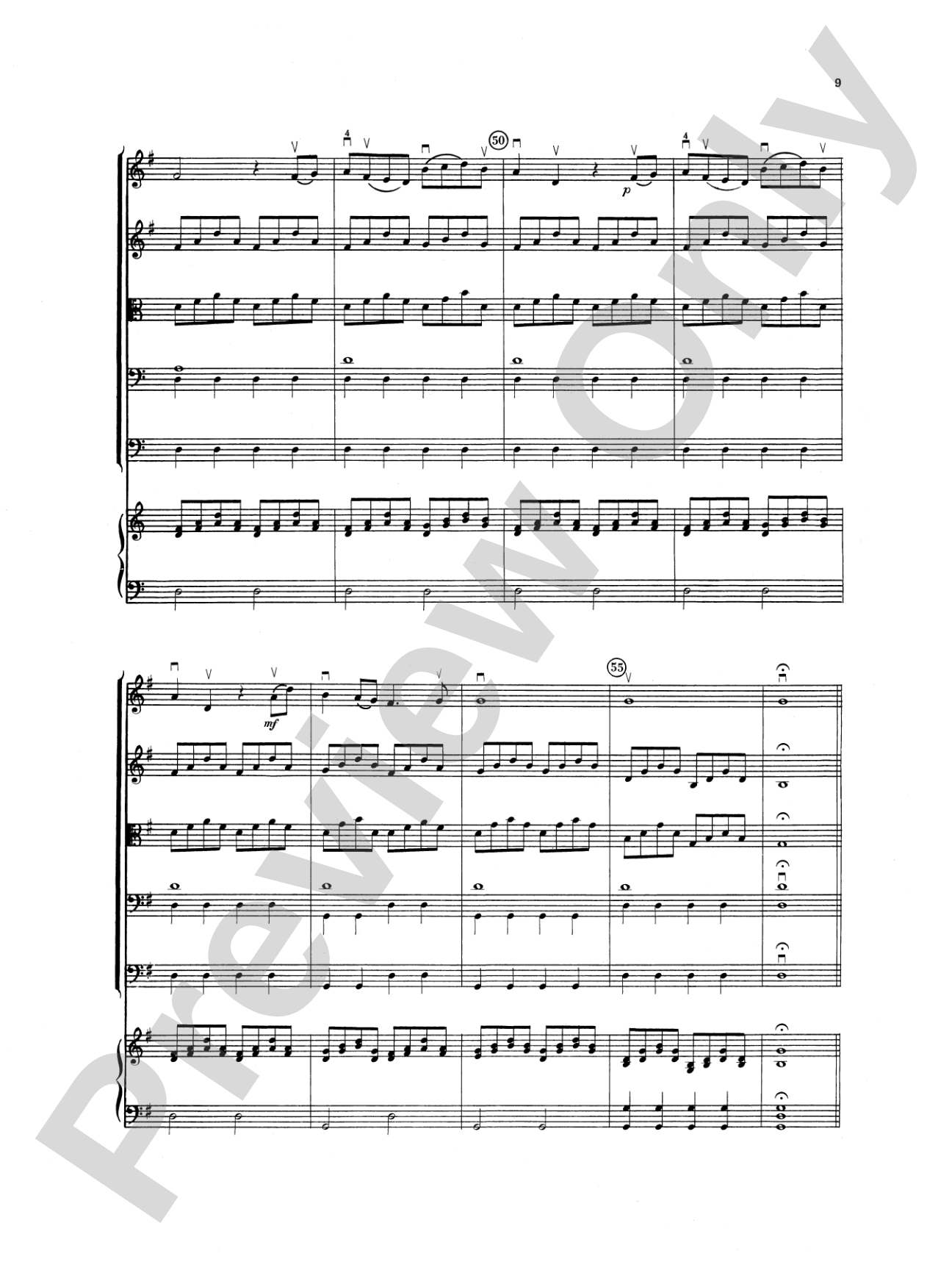
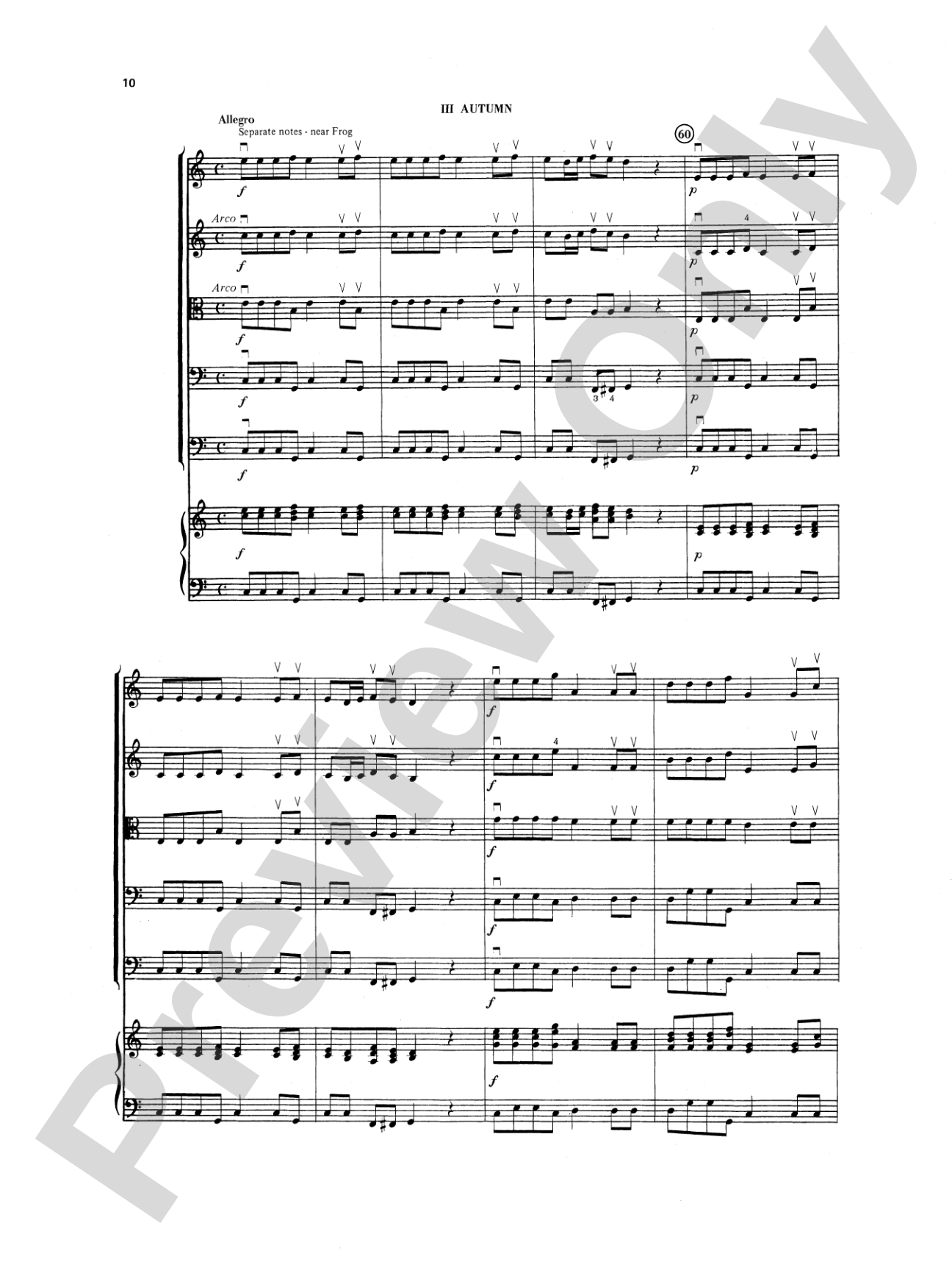
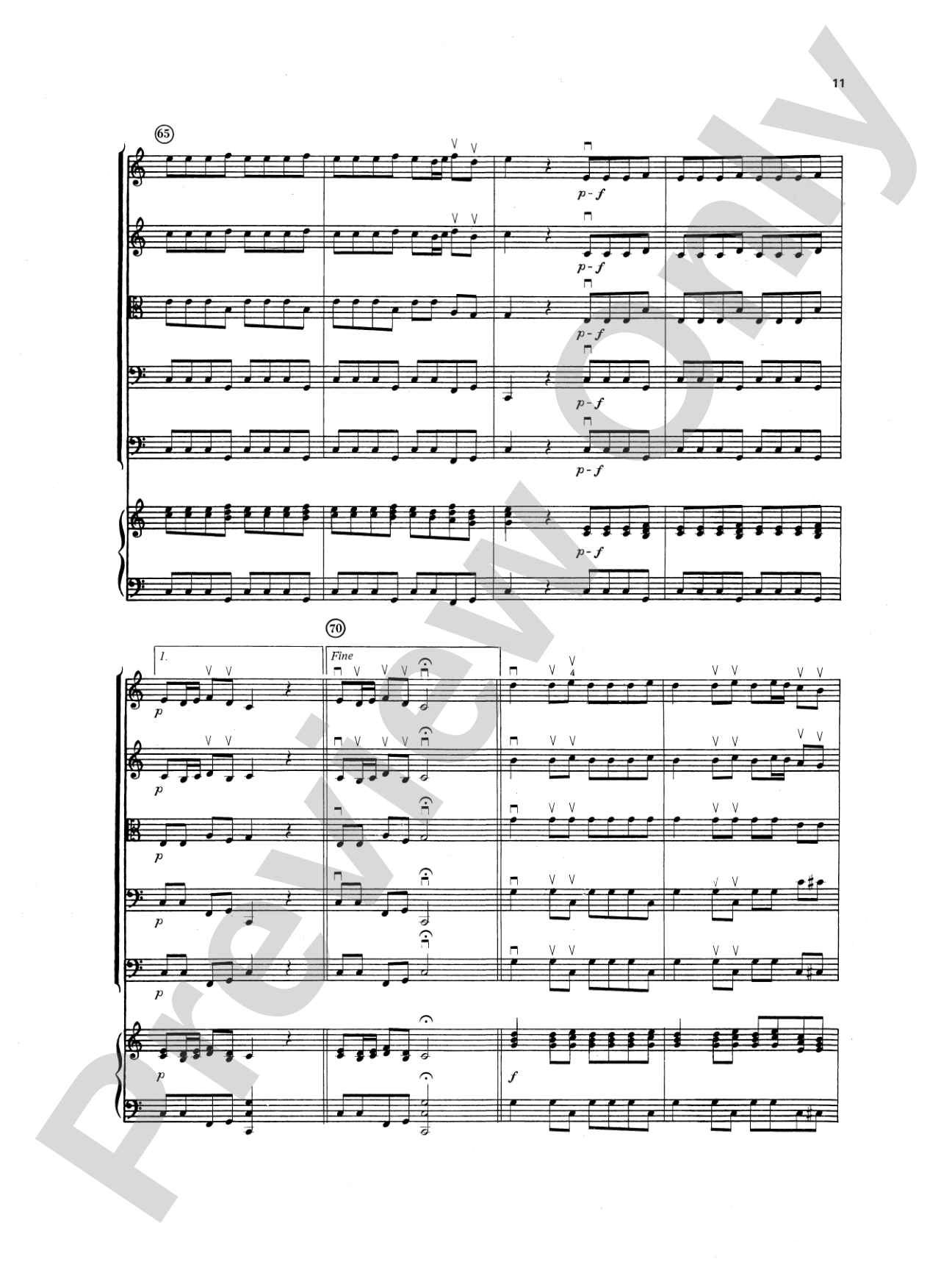
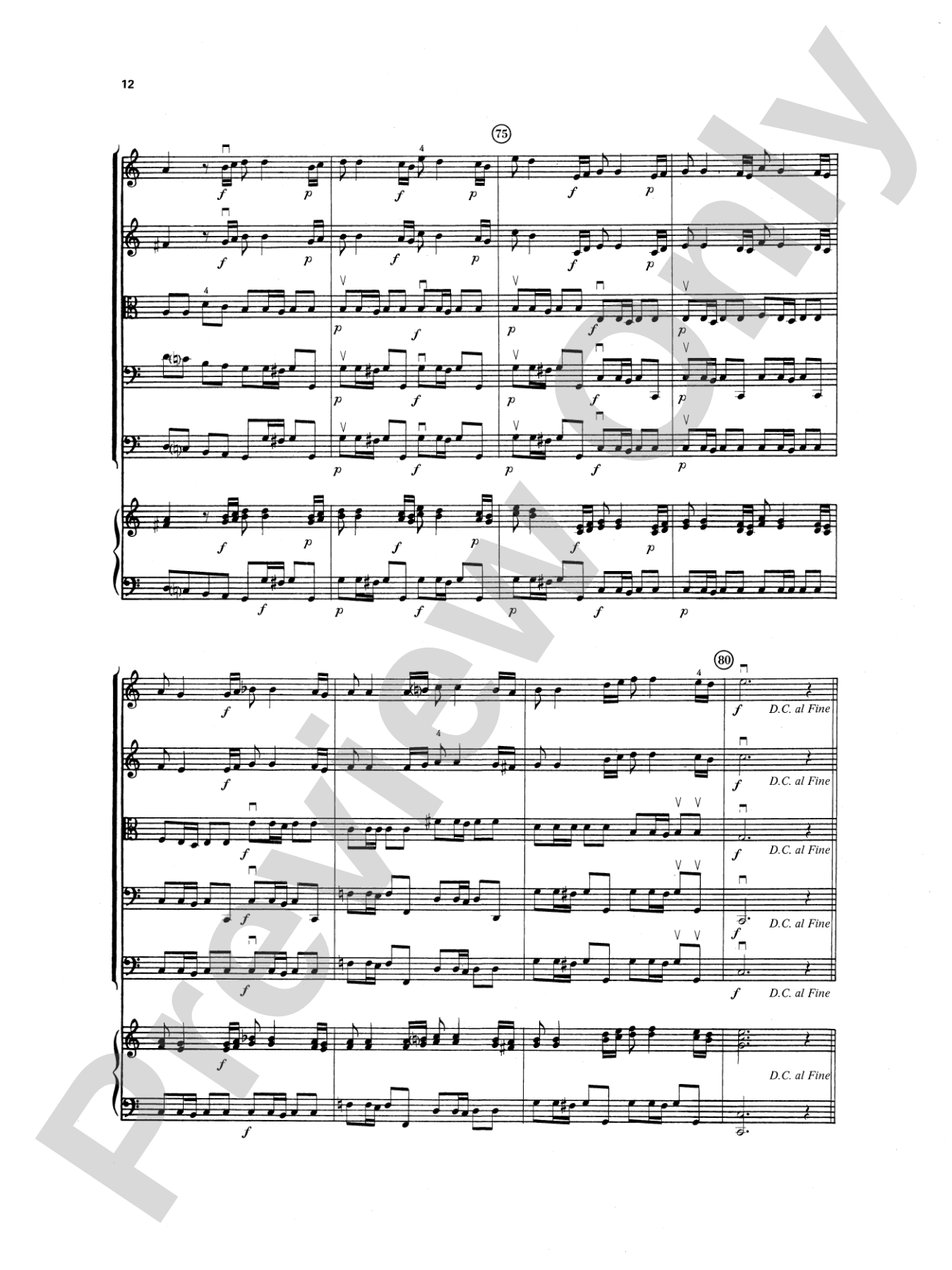

The Four Seasons (Spring, Winter, Autumn): String Orchestra Conductor Score & Parts
By Antonio Vivaldi / arr. Vernon Leidig
Grade: 2
Item: 00-PK-0000105

$62.00
Pickup currently not available
Buy Extra Parts (Digital PDF Download)
Parts Added to Cart!
Description


Don't just read it, hear it, play along with it, and watch your students grow with it. In MakeMusic Cloud, The Four Seasons (Spring, Winter, Autumn): String Orchestra Conductor Score & Parts comes alive with professional accompaniment, adjustable tempo, and built-in practice tools that turn solo practice into real progress.
Open in the Player
Jump straight in and assign it today.
Start Your Free Trial
Open this title and explore the full library in minutes.
Sample Audio
No sample audio found.
Sample Video
No sample videos found.
Additional Details
Series:
Highland/Etling String Orchestra
Publisher:
Alfred Music
Page Count:
140
SKU:
00-PK-0000105
More about this title
About the Composer: Antonio Vivaldi
Antonio Vivaldi (1678, 1741) was a Venetian priest and virtuoso violinist whose output shaped the modern concerto. He composed over 500 works across genres, but The Four Seasons remains his most performed piece and a cornerstone of Baroque instrumental music. His innovative use of ritornello form, vivid orchestration, and rhythmic drive influenced composers across Europe and established templates that musicians still follow today.
Why we love this
Leidig's Grade 2 arrangement opens Vivaldi's architectural masterpiece to developing orchestras without sacrificing the work's harmonic sophistication or dramatic arc. String directors often find their Grade 2 and 3 orchestras hungry for repertoire with real substance, and this delivers exactly that. The seasonal structure provides natural rehearsal divisions and built-in programming logic that feels organic rather than contrived.
What to expect
This music captures the Baroque's marriage of rational form and emotional immediacy. Spring crackles with energy and renewal; Winter unfolds in icy textures and sudden dramatic shifts; Autumn delivers harvest abundance and melancholy reflection. Vivaldi's melodies sing even within the constraints of Grade 2 writing, and the orchestration sparkles.
Who it's for
String orchestras in grades 2, 3 who want to perform a work with real stature and historical substance. Students benefit from encountering a masterwork at an accessible level, and teachers gain a piece that sounds complete and mature on stage.
How to get the most out of it
- Build clarity in the ritornello passages before adding expressive layering; the architecture needs to be audible first.
- Attend to the balance between tutti and solo sections, which tell the seasonal narrative through contrast rather than volume.
- Shape the phrasing in longer lines by identifying the harmonic goals rather than treating each measure equally.
- Let the fast passages maintain rhythmic precision without sacrificing the singing quality that characterizes Baroque string writing.
How to use it
Program these movements across a concert or festival performance rather than as a single block; the contrasts between seasons become more striking when separated by other repertoire. The familiar appeal of The Four Seasons also serves well as a gateway work for audiences new to orchestral concerts or Baroque music, providing an entry point that doesn't require program notes to land emotionally.
Skills your students will build
- Baroque articulation and phrasing conventions
- Ensemble precision in fast passagework and rhythmic figures
- Balance and blend within the string section across multiple moving parts
- Sustained line singing in slower movements with minimal vibrato
- Reading parts with alternating solo and tutti sections