
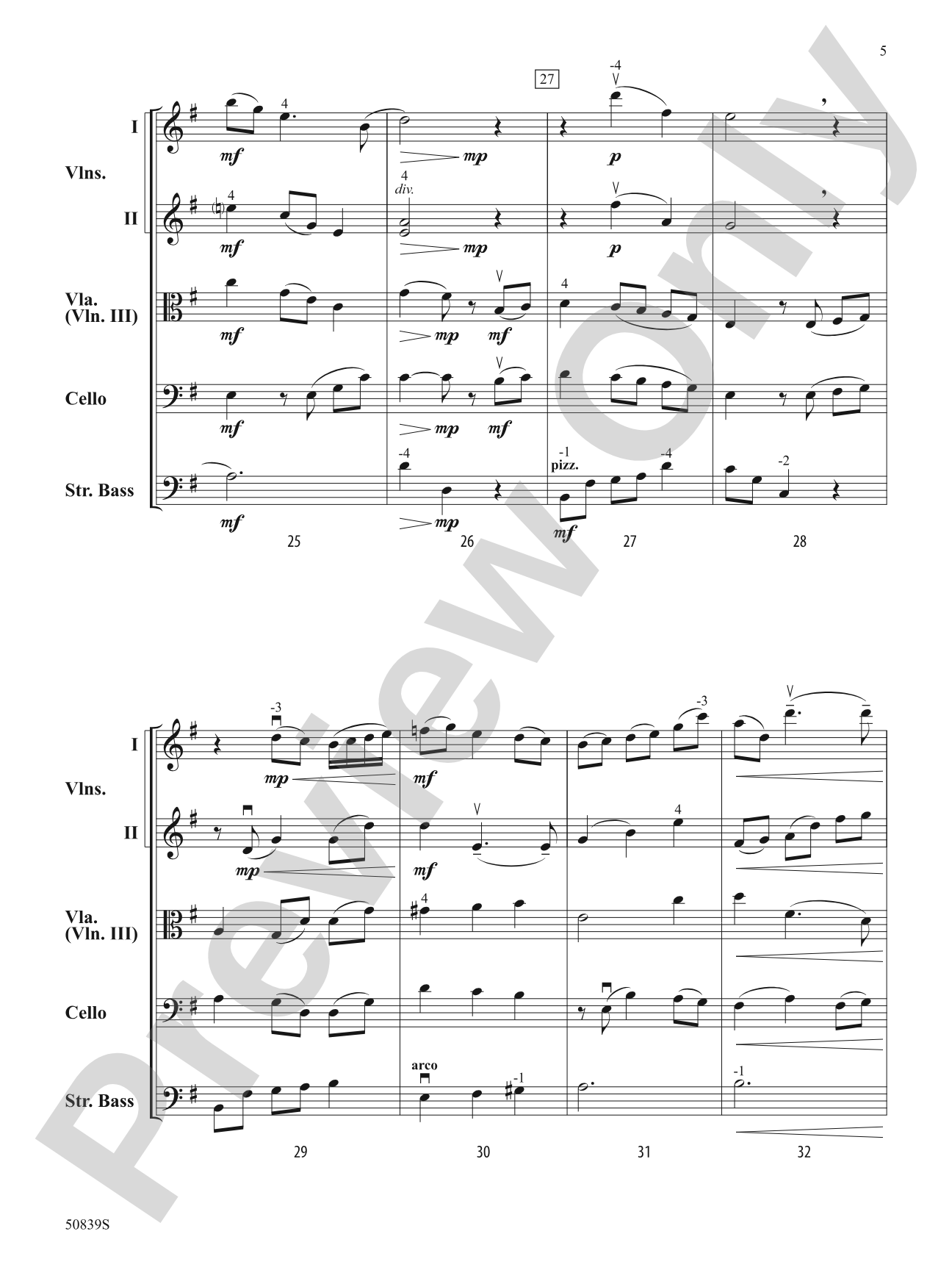
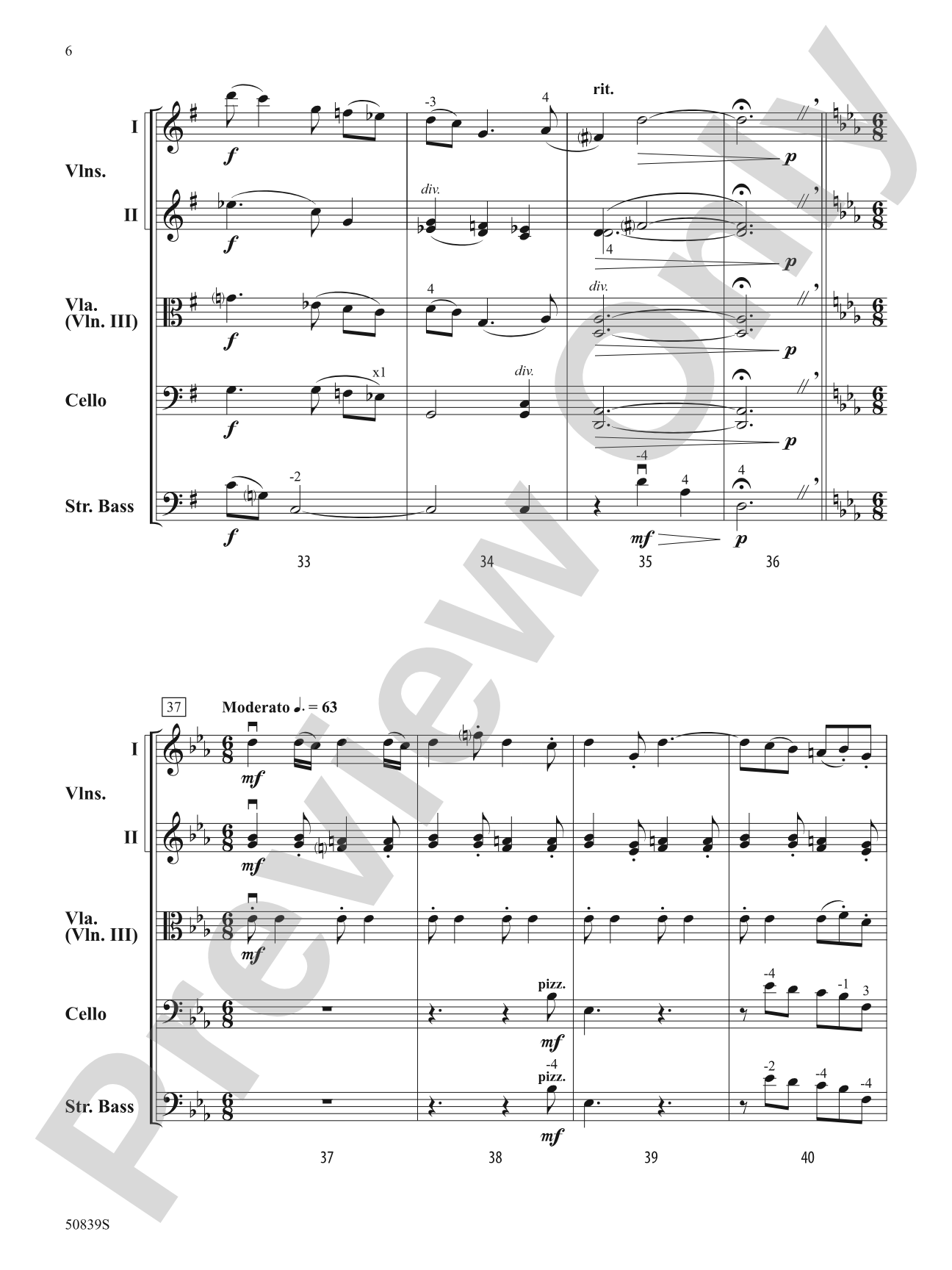
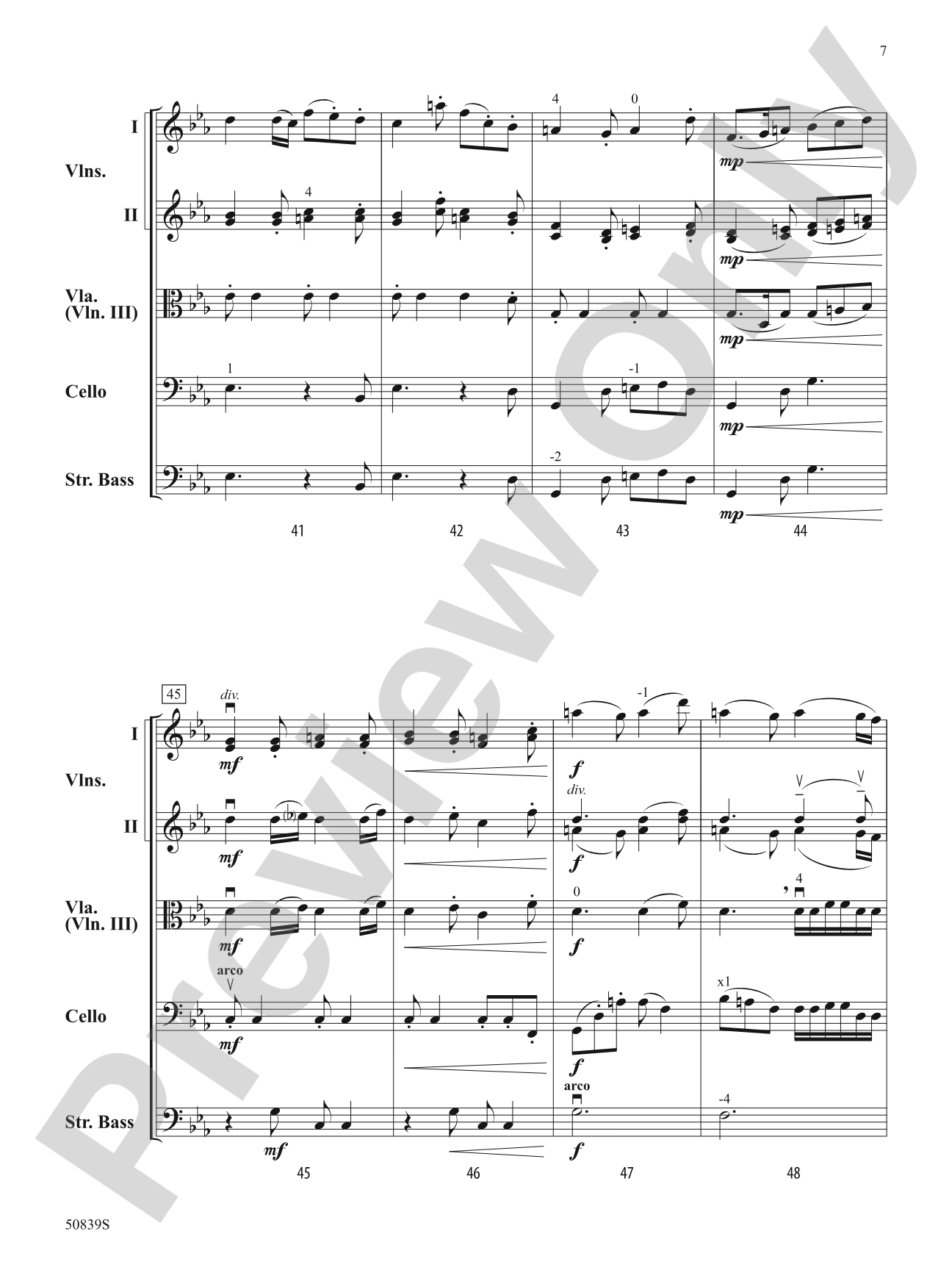
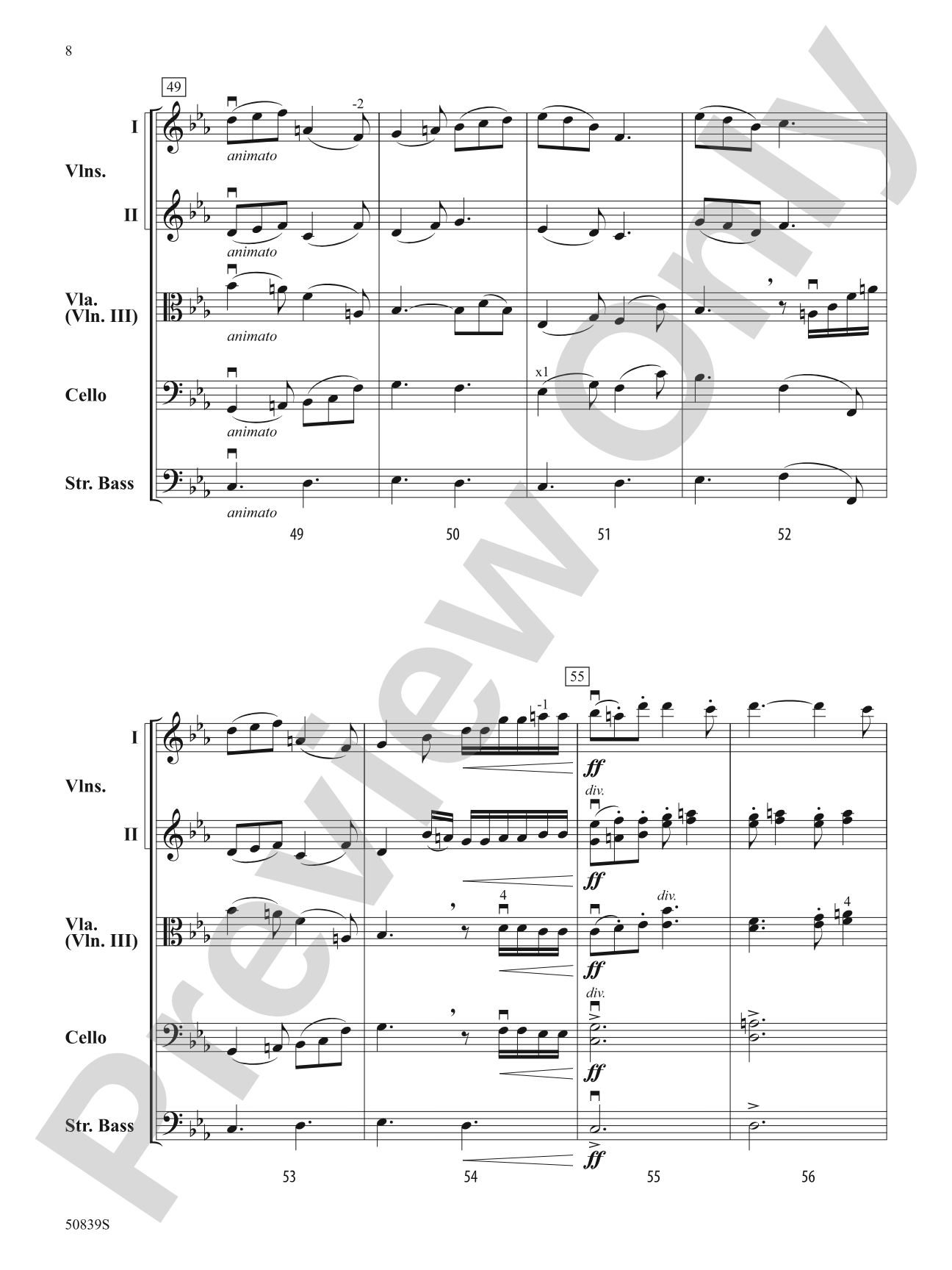
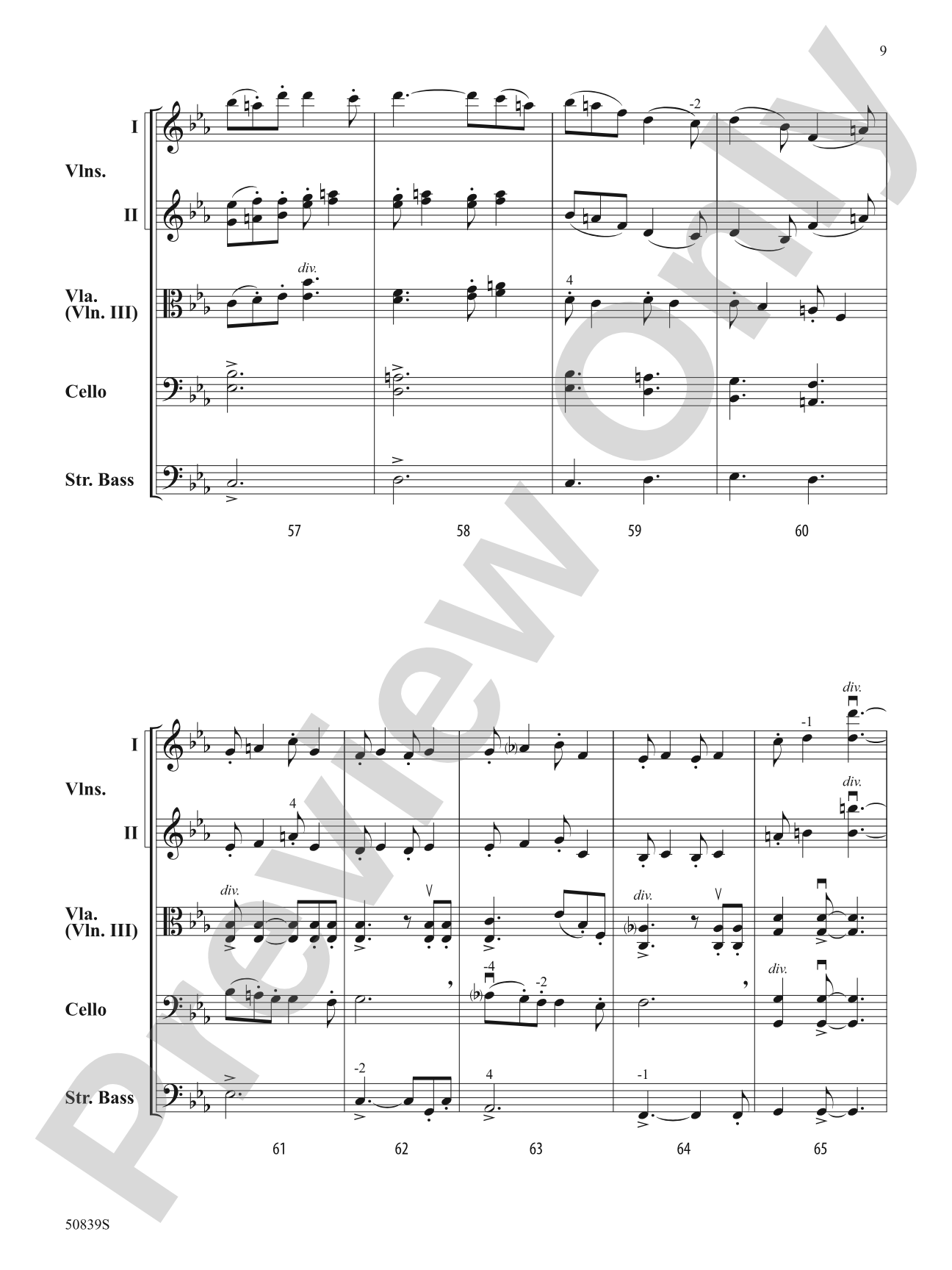
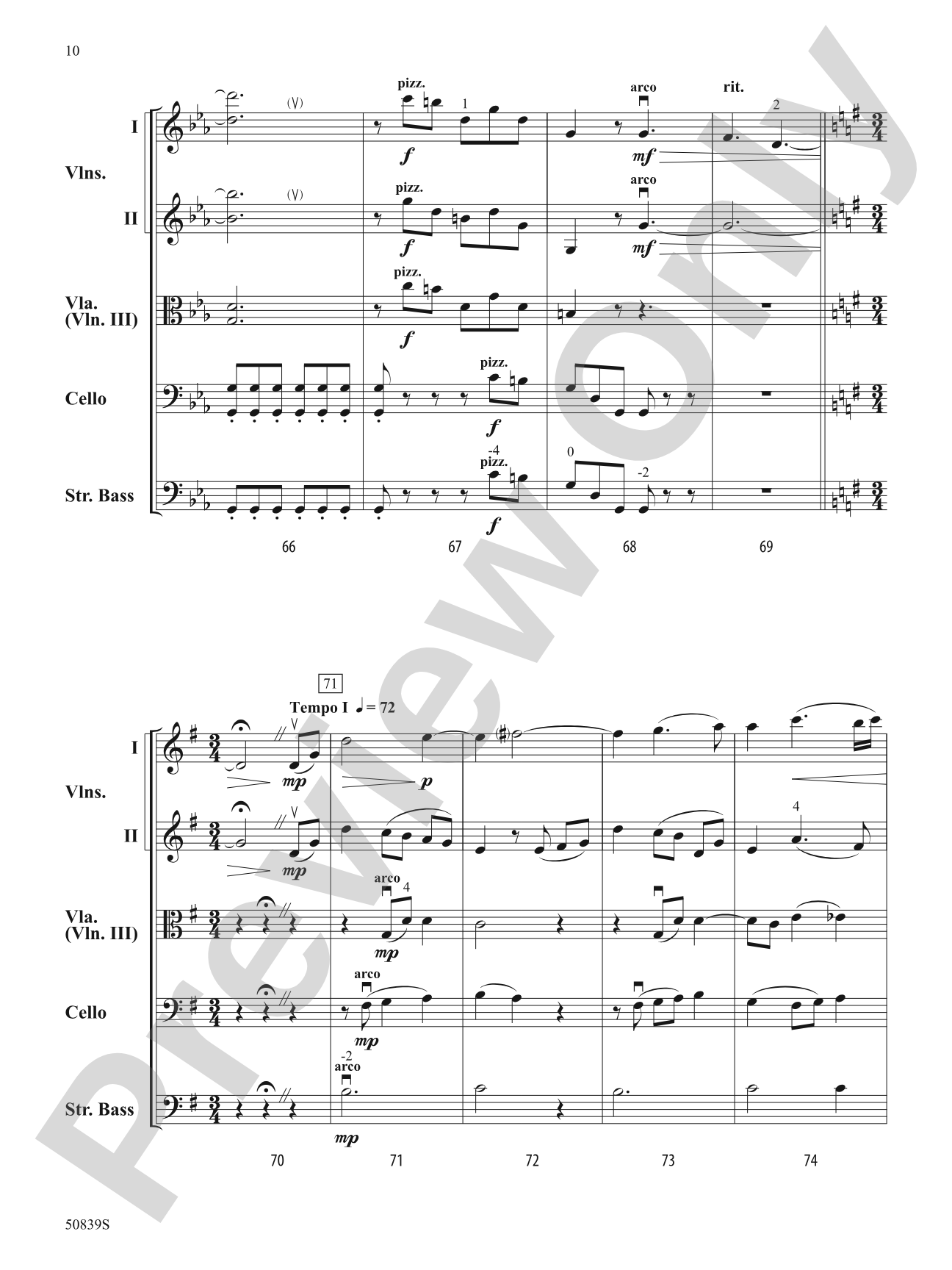
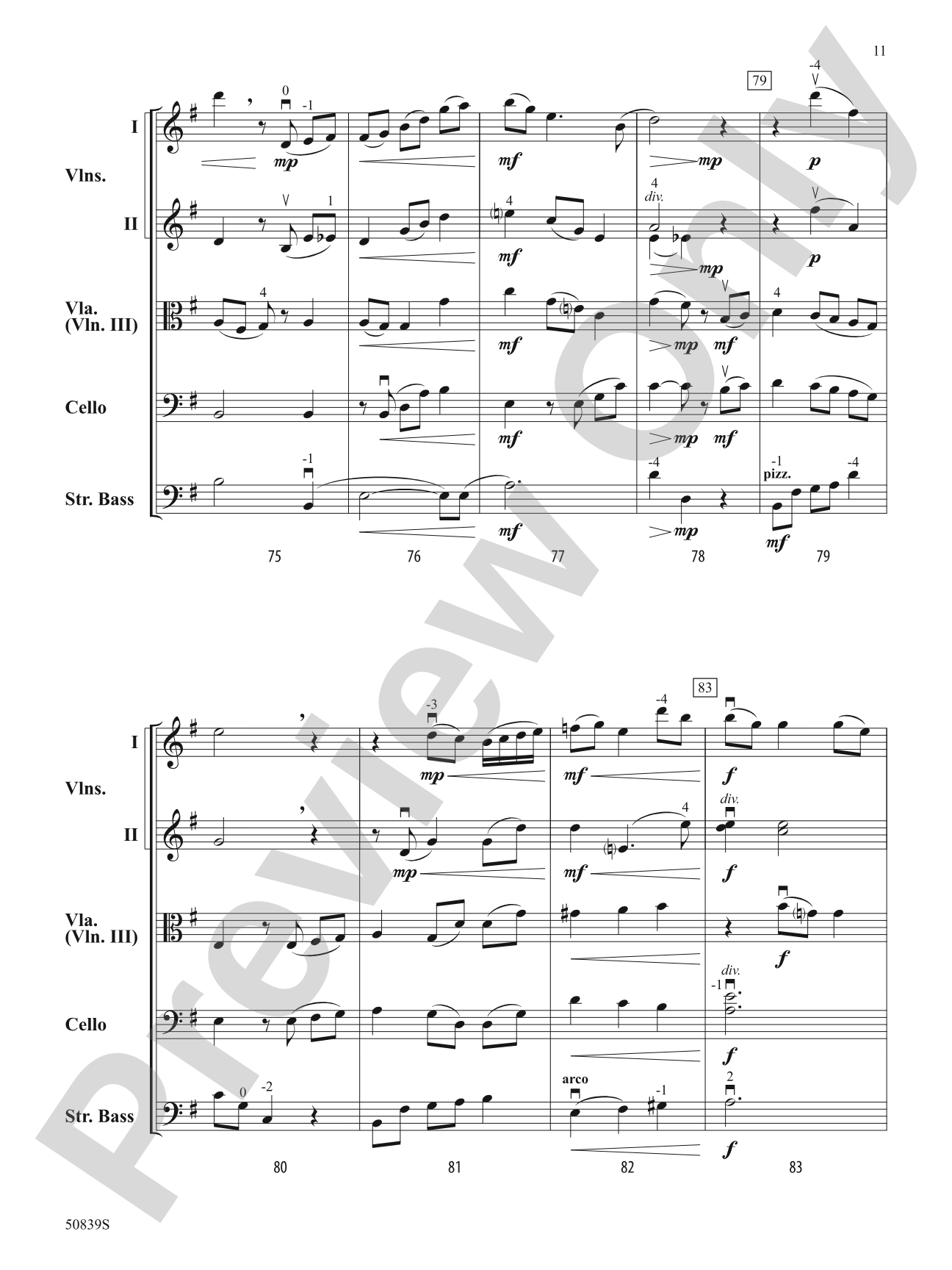
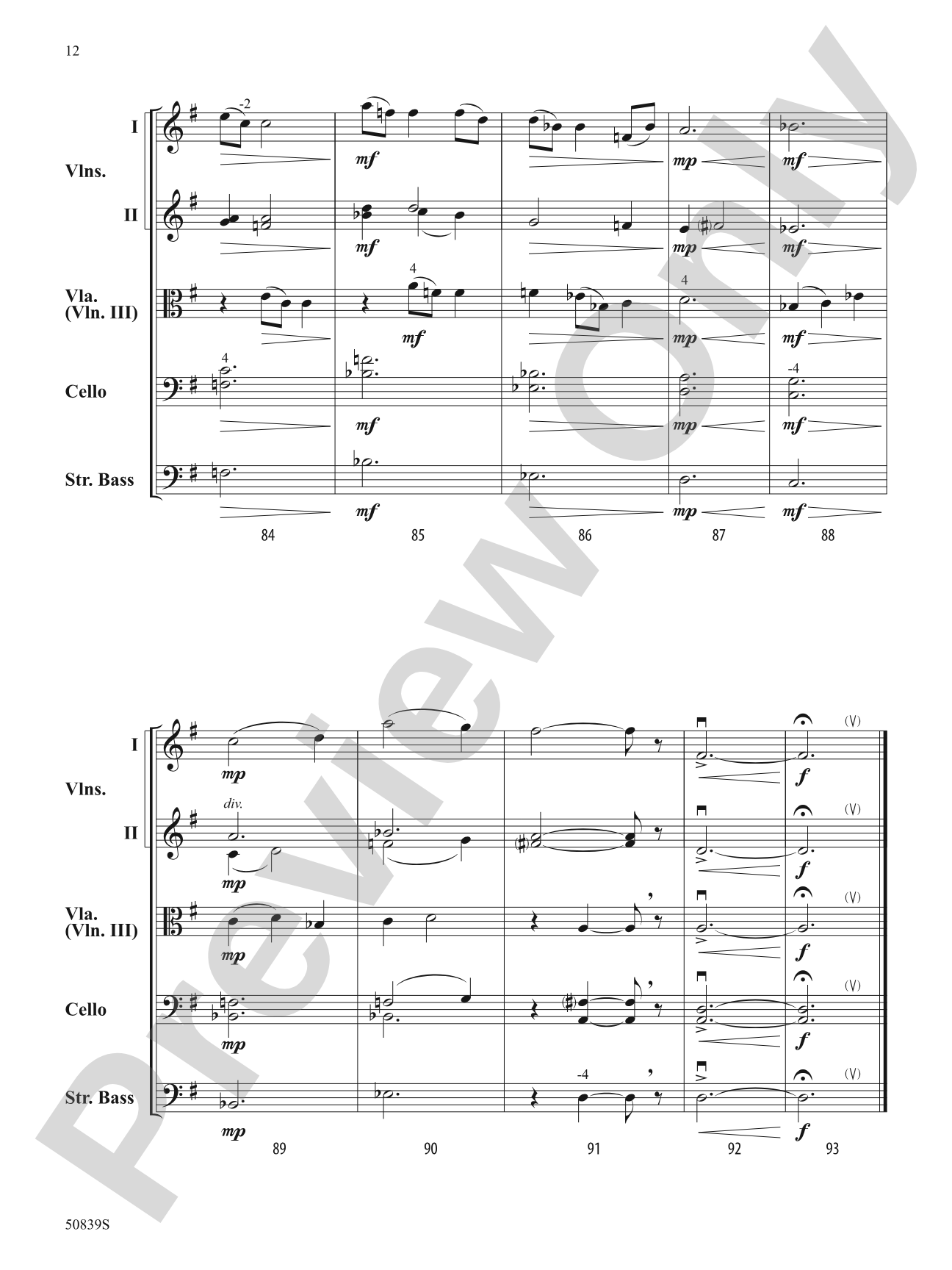

The Flow of the Tide: Score
By Yukiko Nishimura
Grade: 3
Item: 00-PR-0007521
$10.00
Pickup currently not available
Description
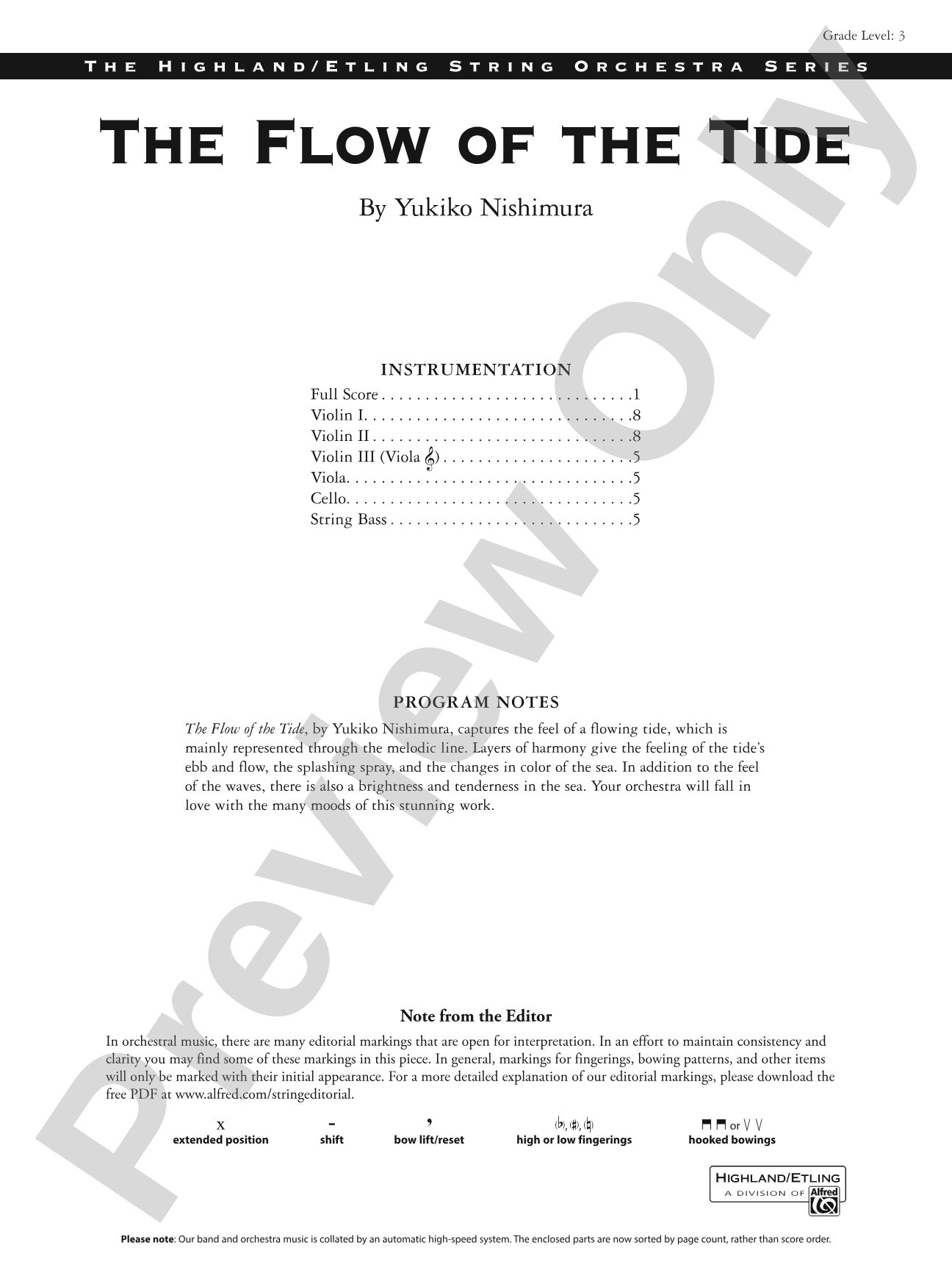
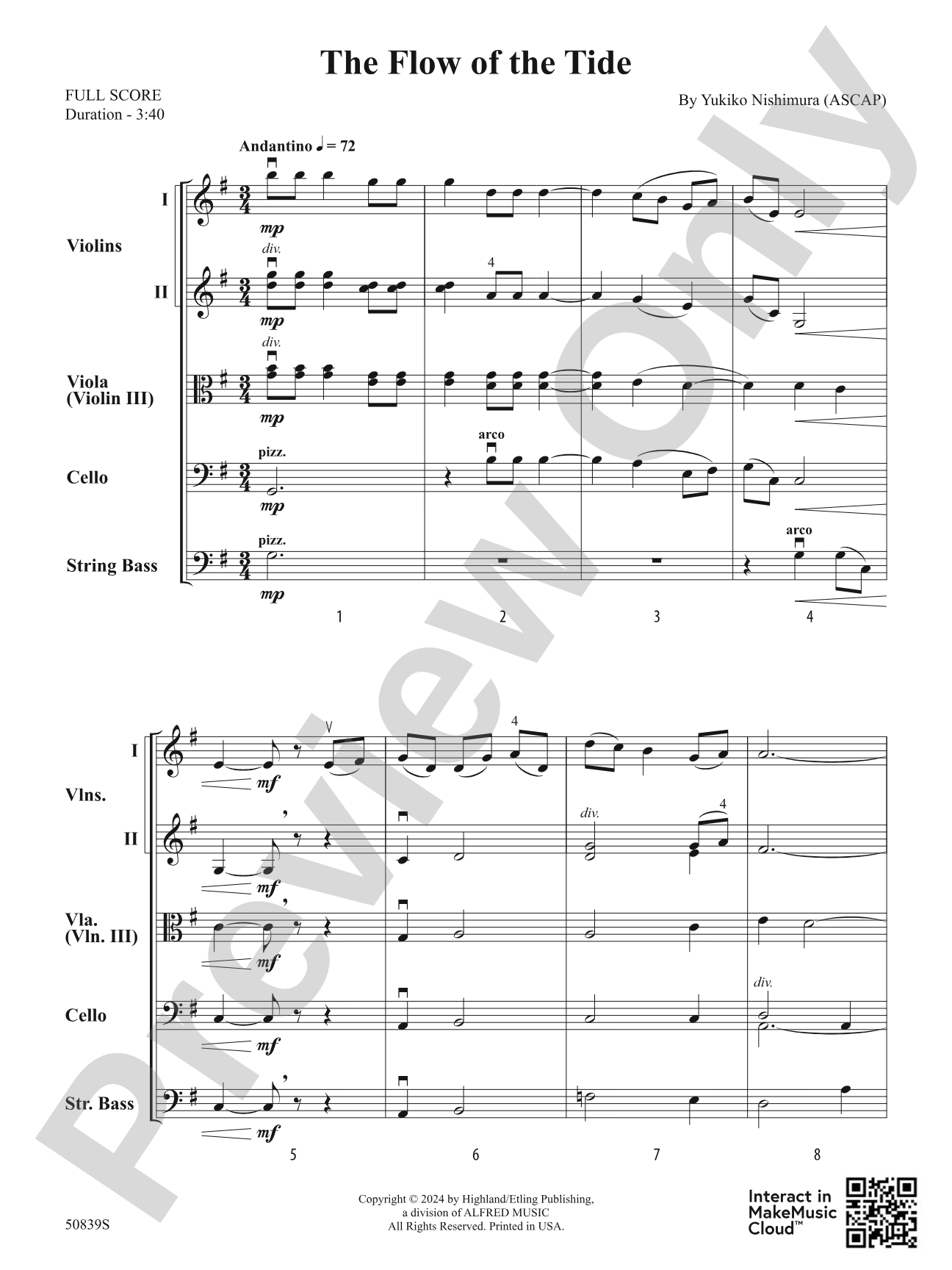
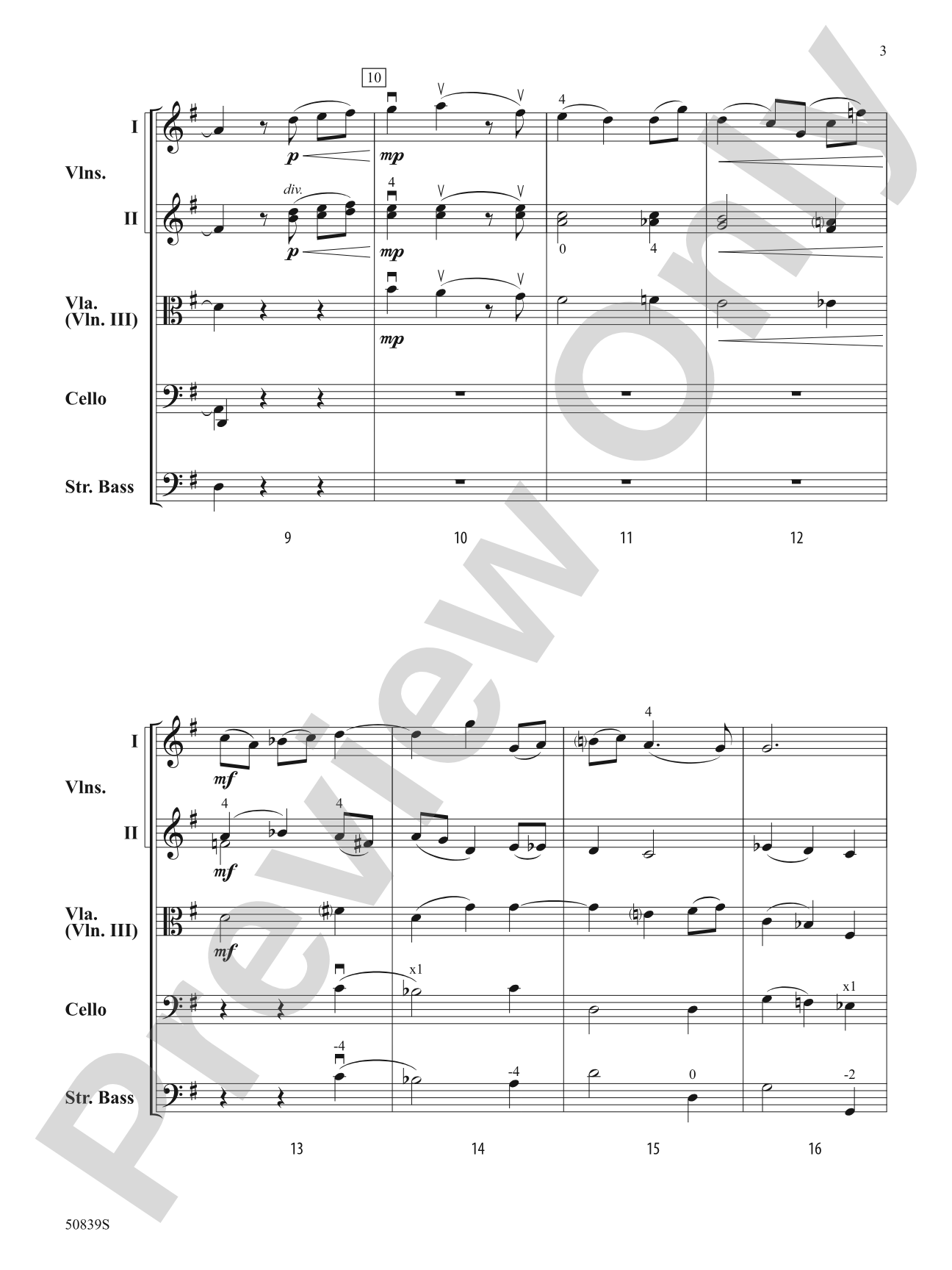
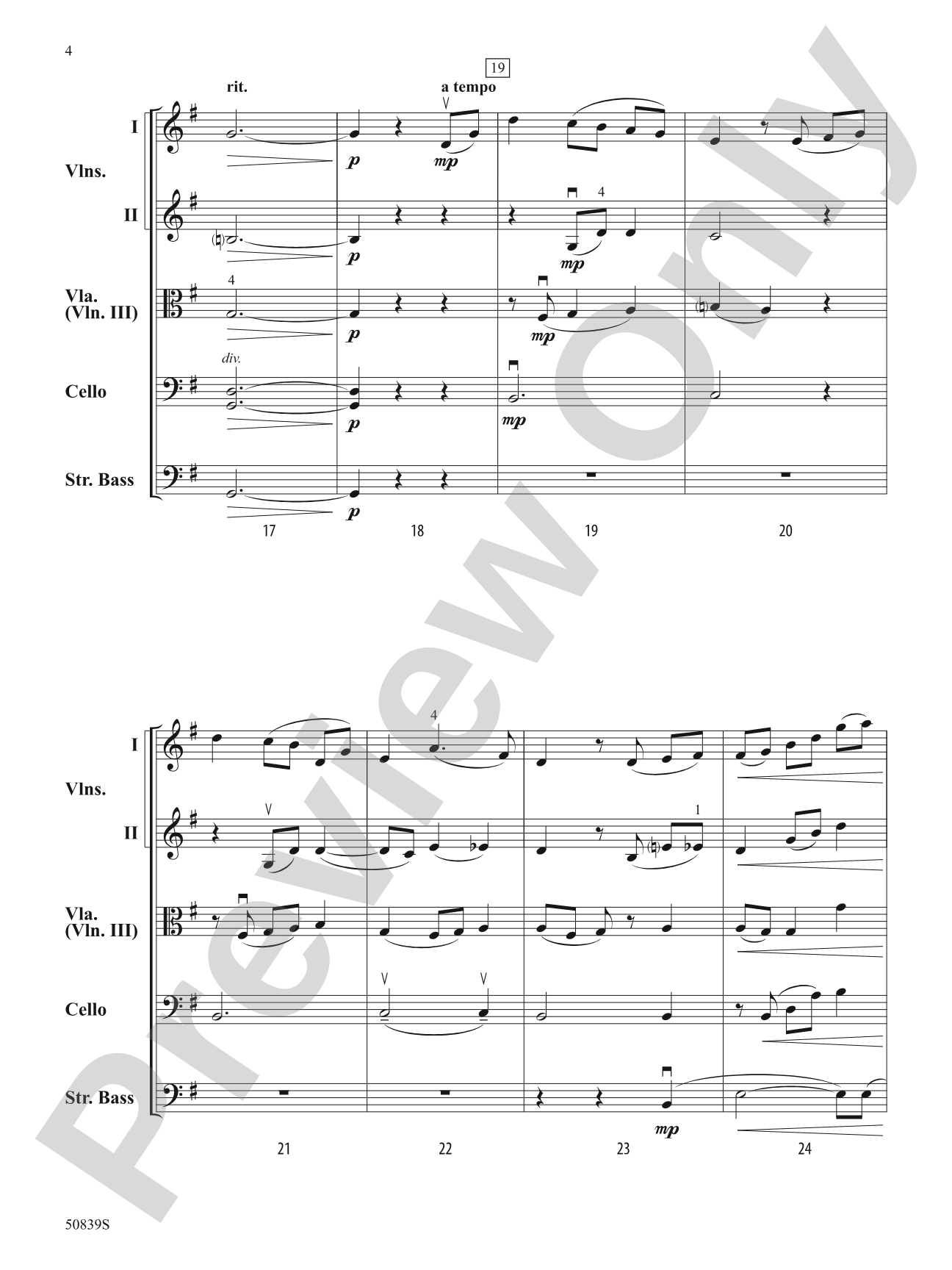
The Flow of the Tide, by Yukiko Nishimura, captures the feel of a flowing tide, mainly represented through the melodic line. Layers of harmony give the feeling of the tide's ebb and flow, the splashing spray, and the sea's changing colors. In addition to the feel of the waves, there is also a contrasting brightness and tenderness. Your orchestra will fall in love with the many moods of this stunning work. (3:40)


Don't just read it, hear it, play along with it, and watch your students grow with it. In MakeMusic Cloud, The Flow of the Tide: Score comes alive with professional accompaniment, adjustable tempo, and built-in practice tools that turn solo practice into real progress.
Open in the Player
Jump straight in and assign it today.
Start Your Free Trial
Open this title and explore the full library in minutes.
Sample Audio
1
Audio File
--:--
0:00
0:00
Sample Video
Additional Details
Series:
Highland/Etling String Orchestra
Publisher:
Alfred Music
SKU:
00-PR-0007521
More about this title
About the Composer: Yukiko Nishimura

Yukiko Nishimura studied composition at Tokyo University of the Arts before continuing her training in the United States with Dr. Alfred Reed at the University of Miami and Dr. Richard Danielpour at Manhattan School of Music. Her work spans multiple genres and mediums, from solo piano to chamber and orchestral writing, and she has received commissions for everything from silent film scores to theatrical works.
Nishimura's compositions have earned recognition internationally, including special mentions at the International Competition for Original Composition for Band in Italy and nominations for the Hollywood Music in Media Award. Her piano works have been performed by acclaimed artists at Carnegie Hall, and her theatrical and film scores have premiered at venues across the United States and Japan. She remains active as both a composer and pianist.
Why we love this
The Flow of the Tide succeeds because it translates water's motion into clear musical architecture. Rather than relying on impressionistic gesture alone, Nishimura builds her portrayal through layered harmonies that genuinely suggest the ebb and flow mechanics, making this both aurally compelling and musically substantial for a Grade 3 ensemble.
What to expect
The piece moves like water itself: sometimes restless and splashing, sometimes calm and reflective. Beneath the surface imagery runs a clear emotional arc from dynamic energy to peaceful stillness, making it as rewarding to play as it is to hear.
Who it's for
String orchestras at the Grade 3 level looking for repertoire with genuine programmatic depth and accessible harmonic language. Directors programming chamber or full orchestral concerts will find this particularly valuable for its vivid imagery and engaging writing.
How to get the most out of it
- Balance the melodic line so it remains the primary focus across all sections; the harmony exists to support, not compete with, the main voice.
- Shape the transitions between contrasting sections deliberately. The shift from turbulent imagery to brightness and tenderness needs clear articulation to land the programmatic intent.
- Listen closely to how chord sonorities change throughout. Small adjustments to bow pressure and vibrato can deepen the tonal colors that represent the sea's shifting appearance.
- Subdivide during the flowing passages to maintain the sense of continuous motion without rushing; the 3:40 duration suggests a measured, deliberate tempo.
How to use it
This work pairs naturally with other nature-inspired or water-themed literature, creating a mini-arc within a concert. Its Contest/Festival designation makes it ideal for spring competitions, and the moderate duration allows flexible programming alongside larger ensemble pieces.
Skills your students will build
- Sustaining long melodic lines with consistent tone and direction
- Balancing ensemble sonority across multiple harmonic layers
- Responding to programmatic intent through dynamic and tonal shaping
- Maintaining rhythmic integrity during flowing, undulating passages
- Coordinating transitions between contrasting musical sections