
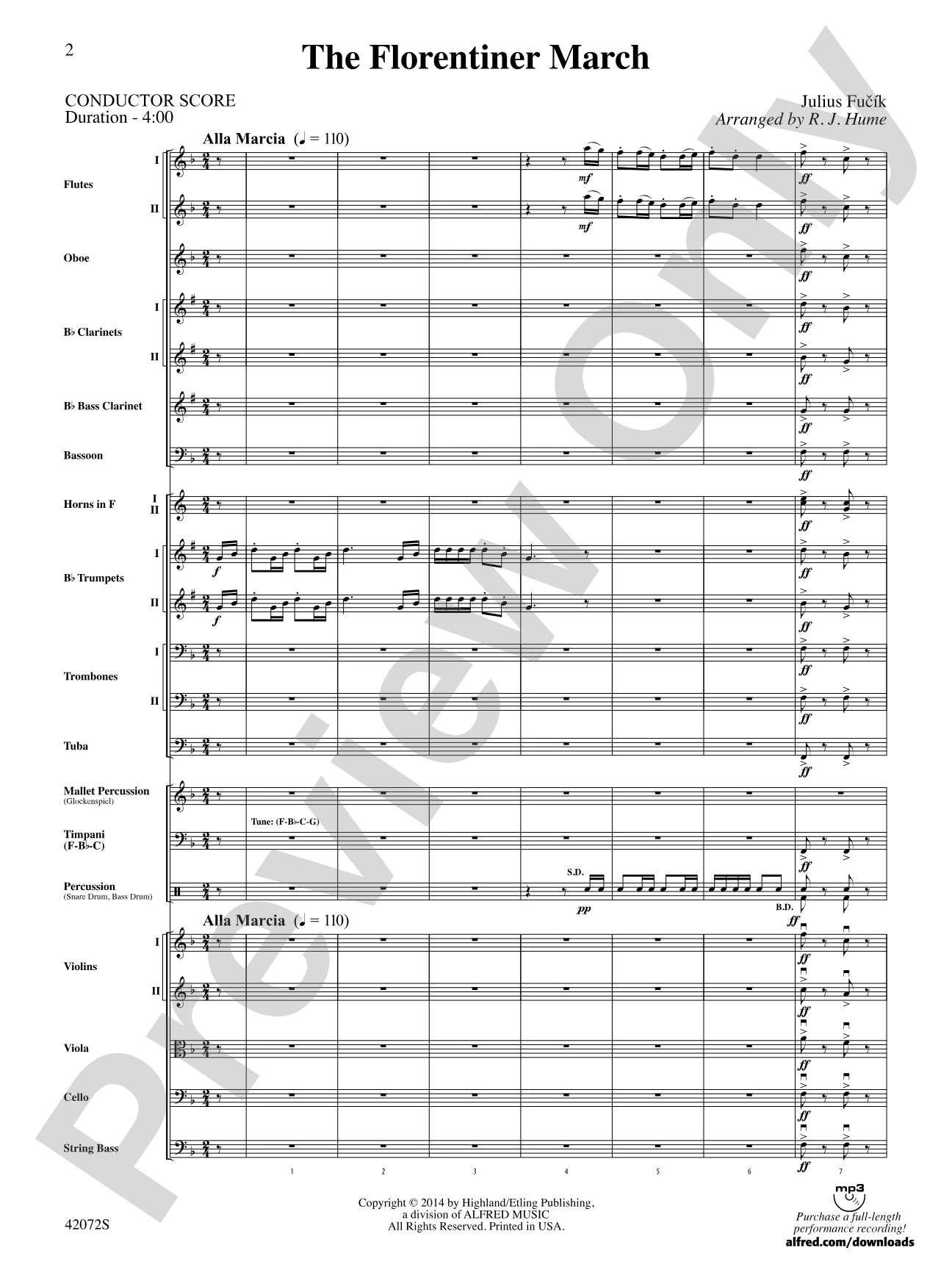
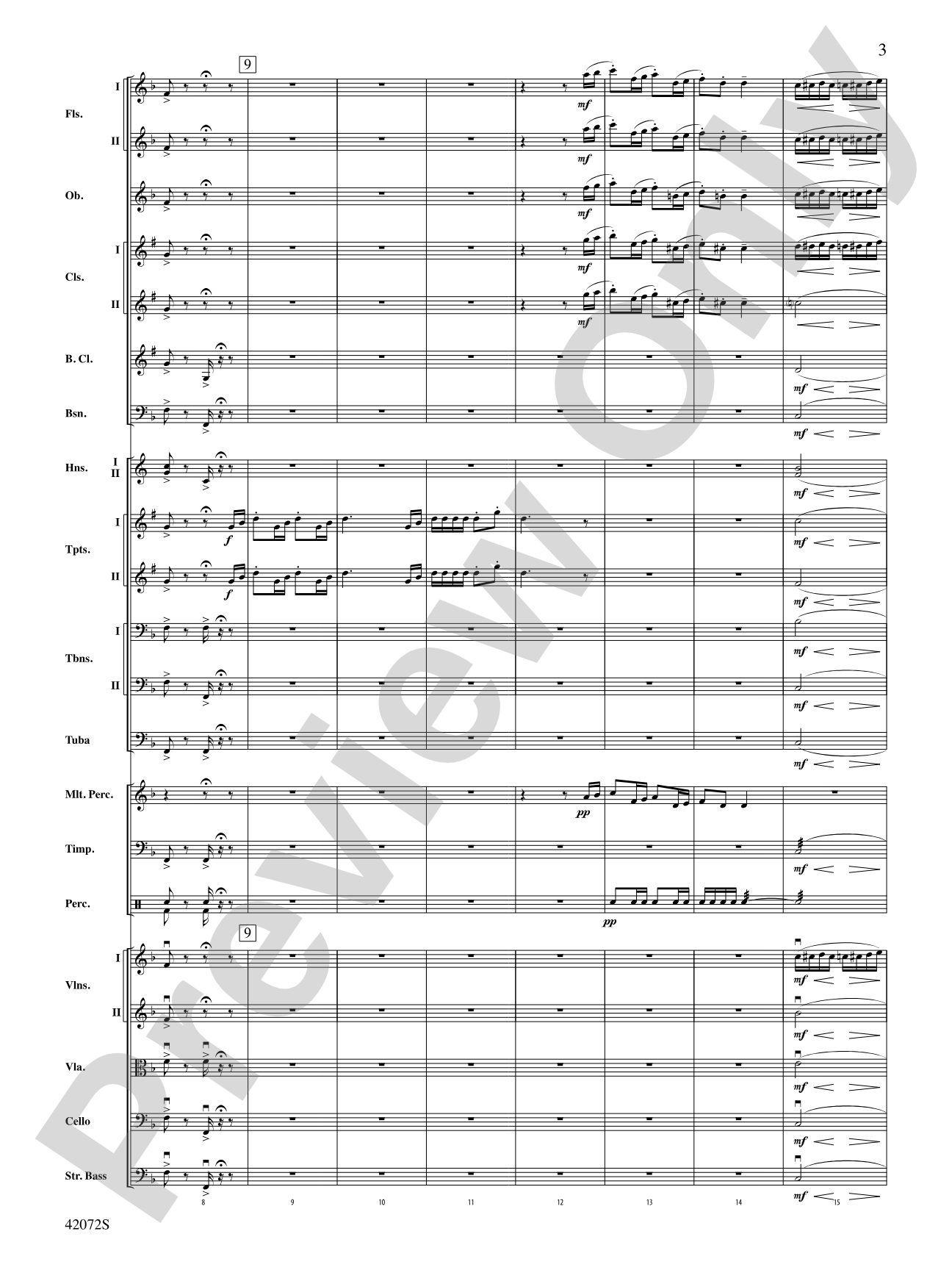
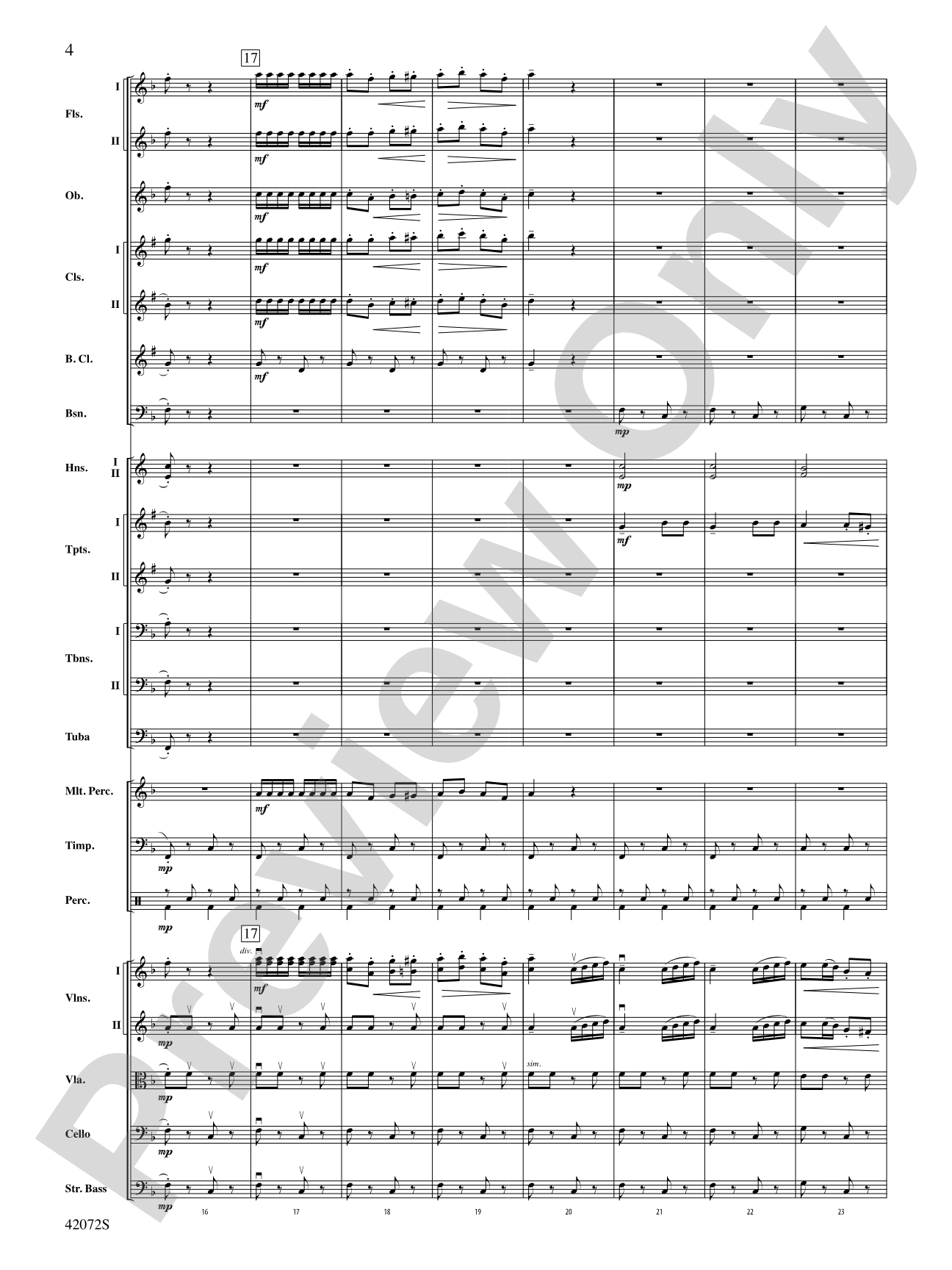
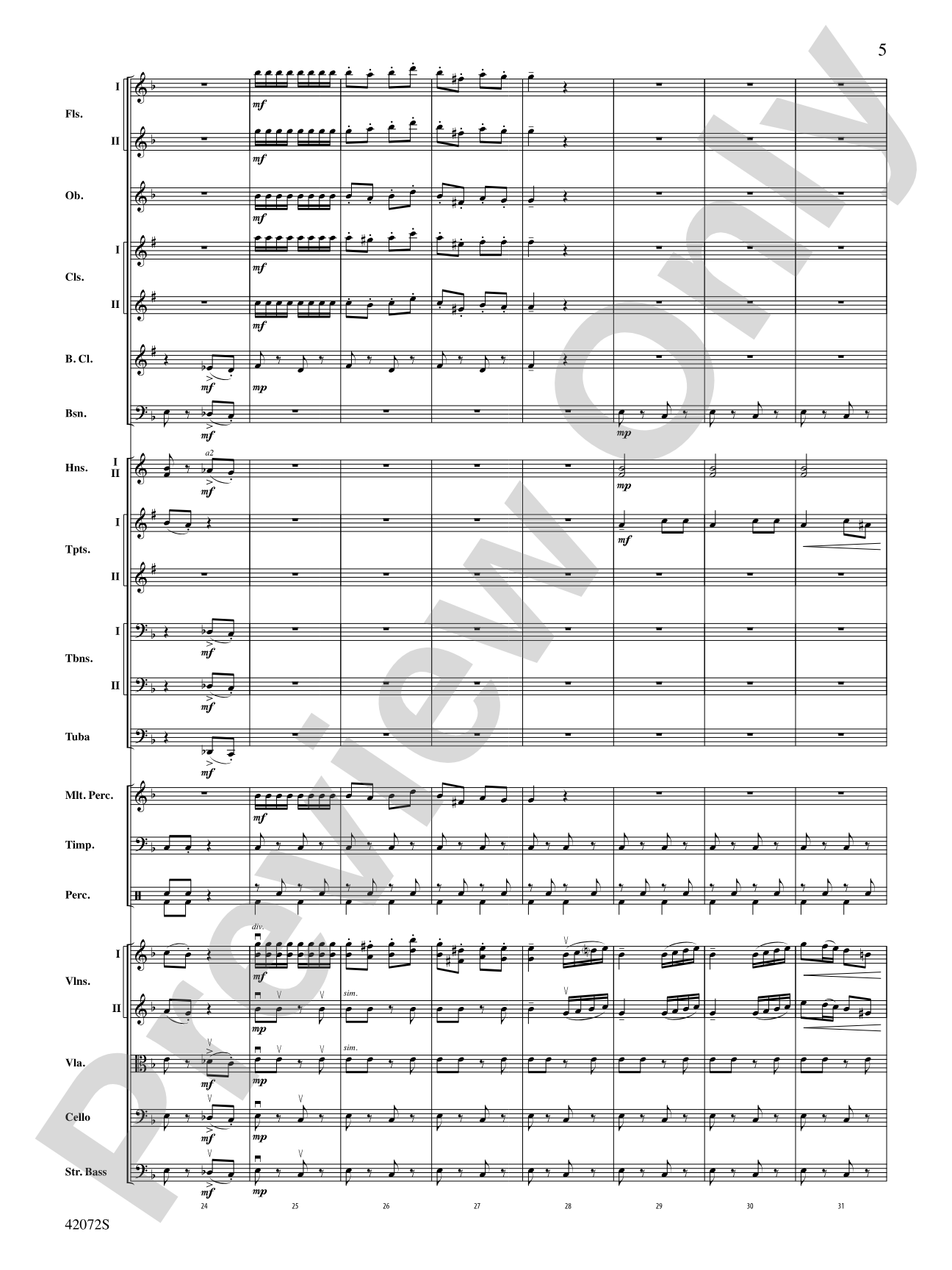
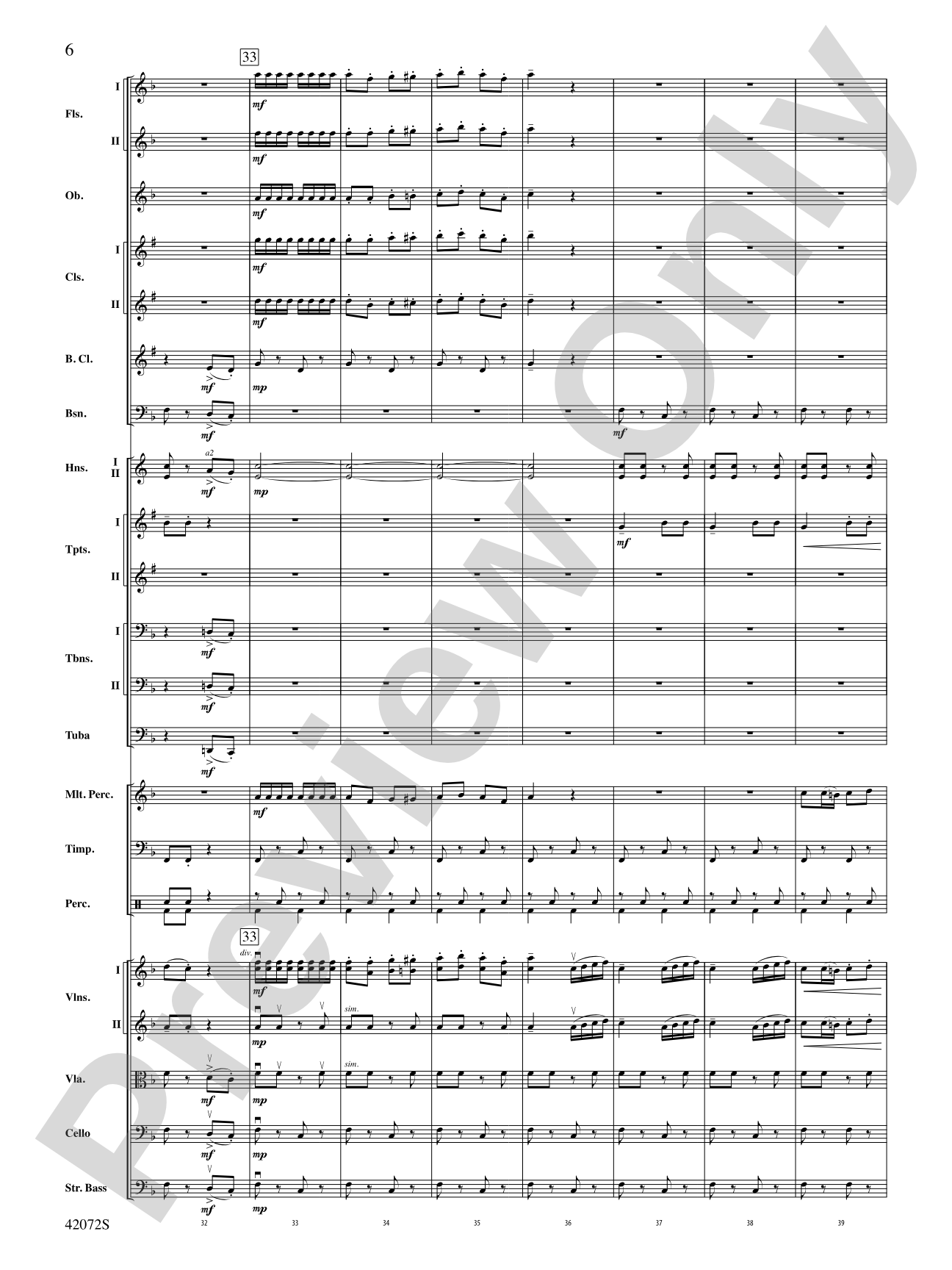
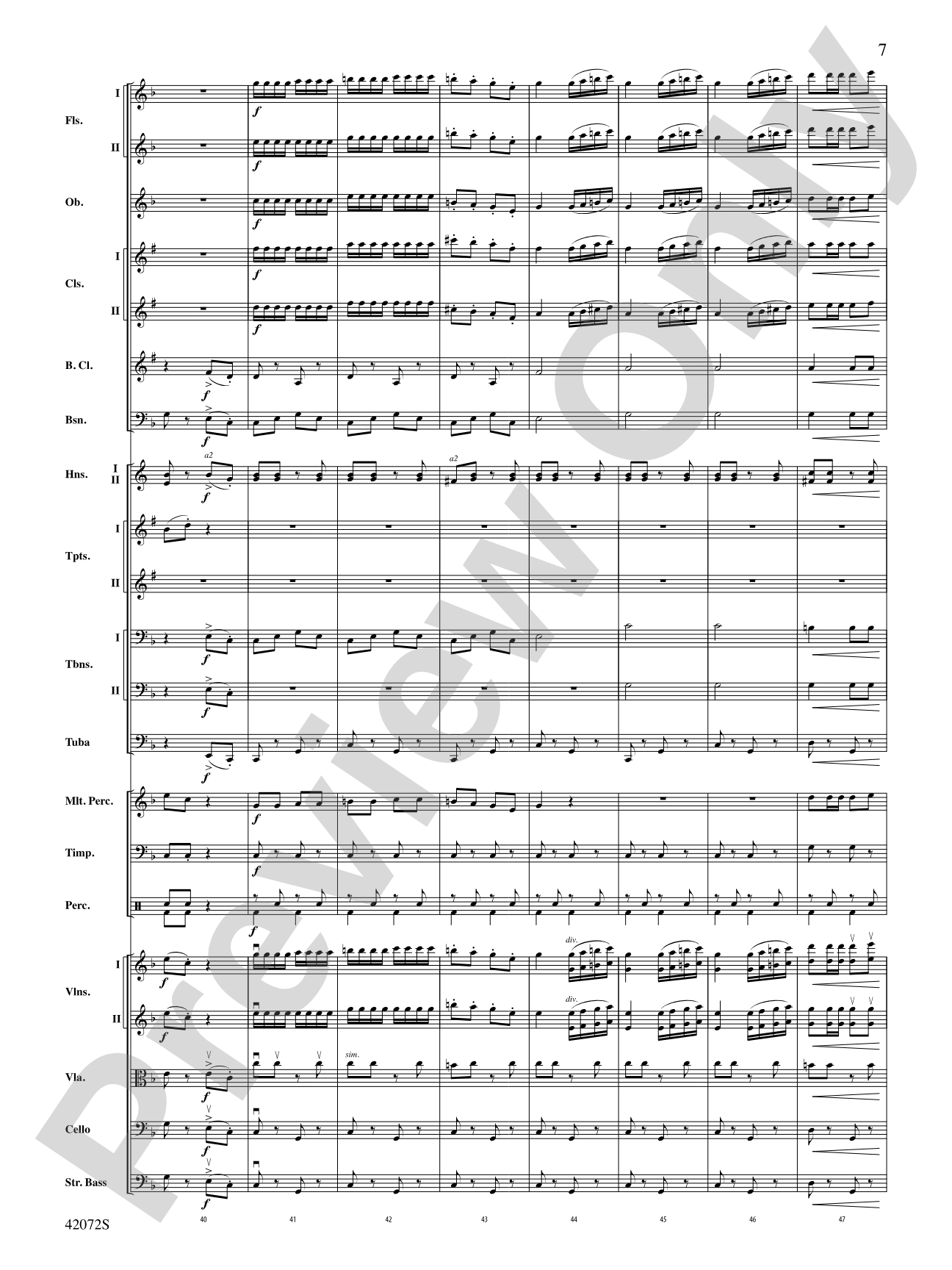
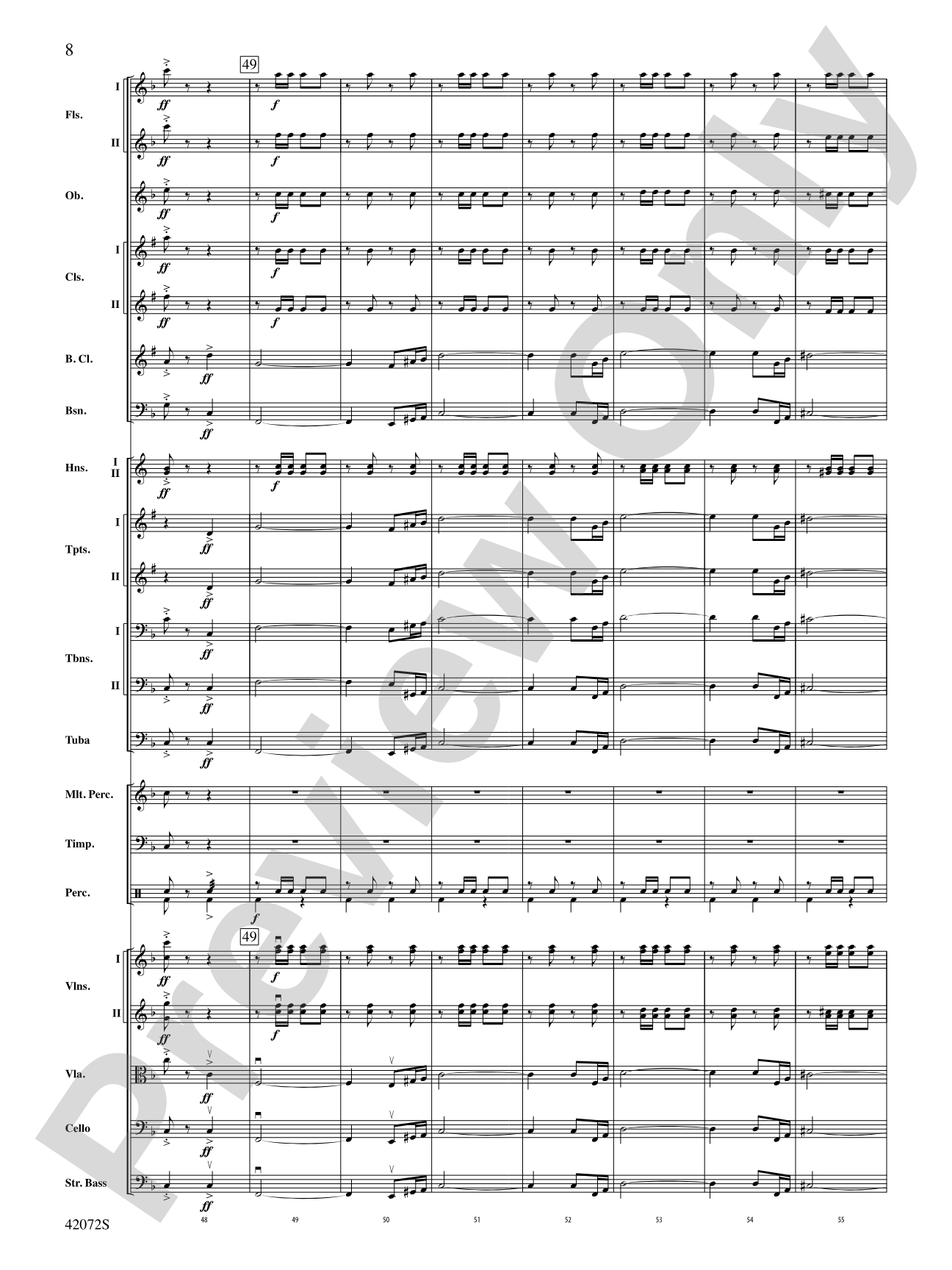
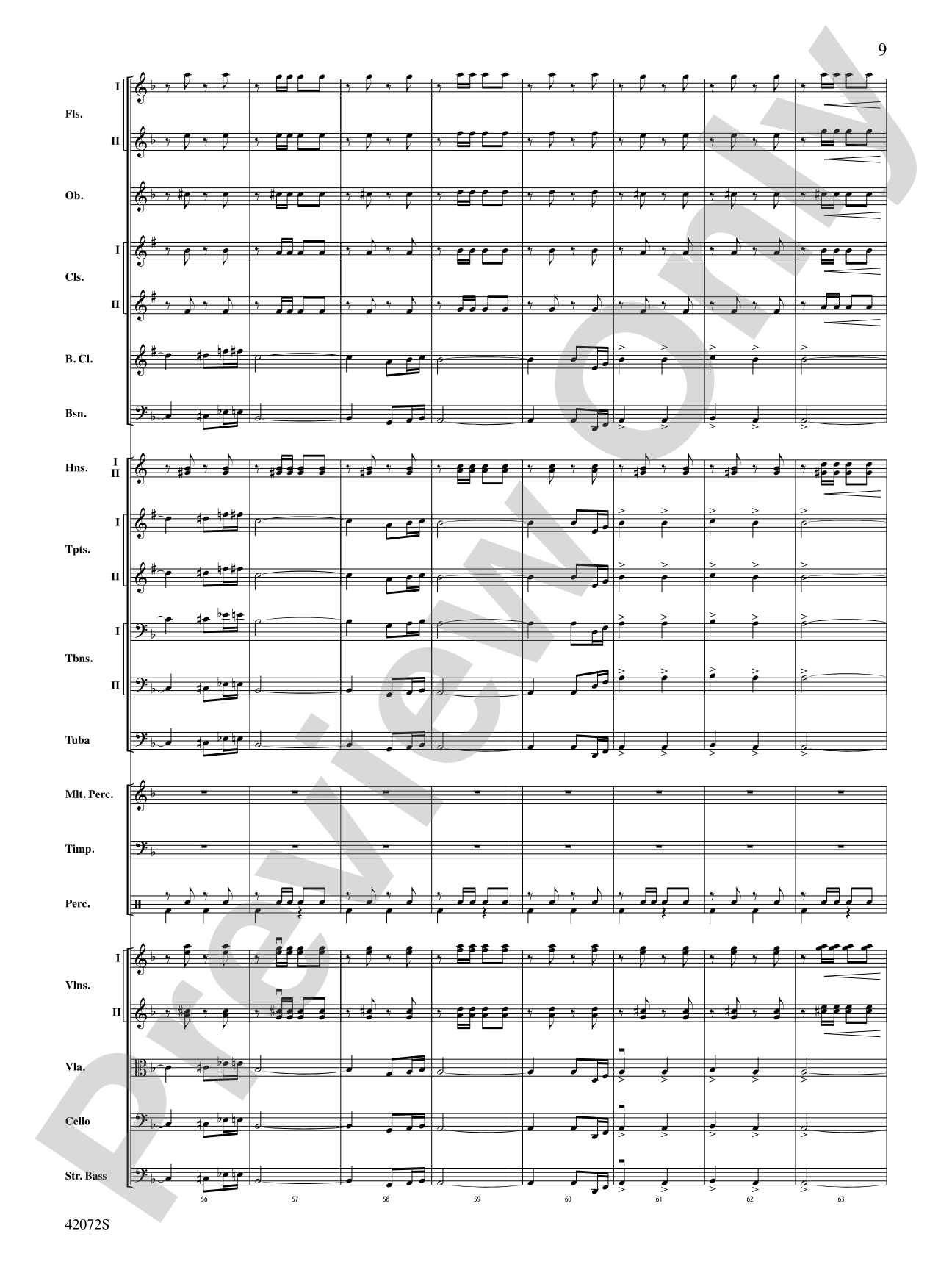
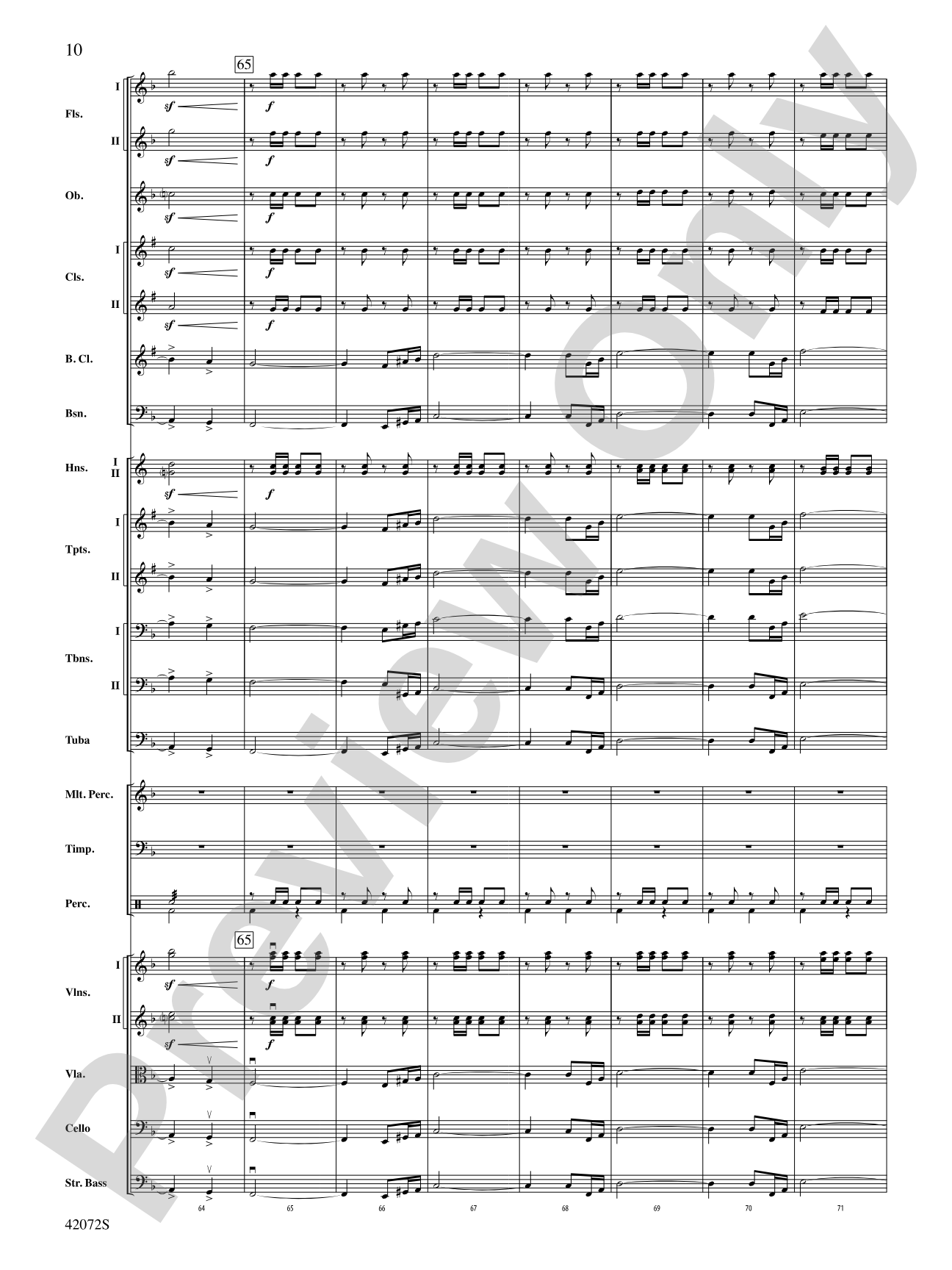
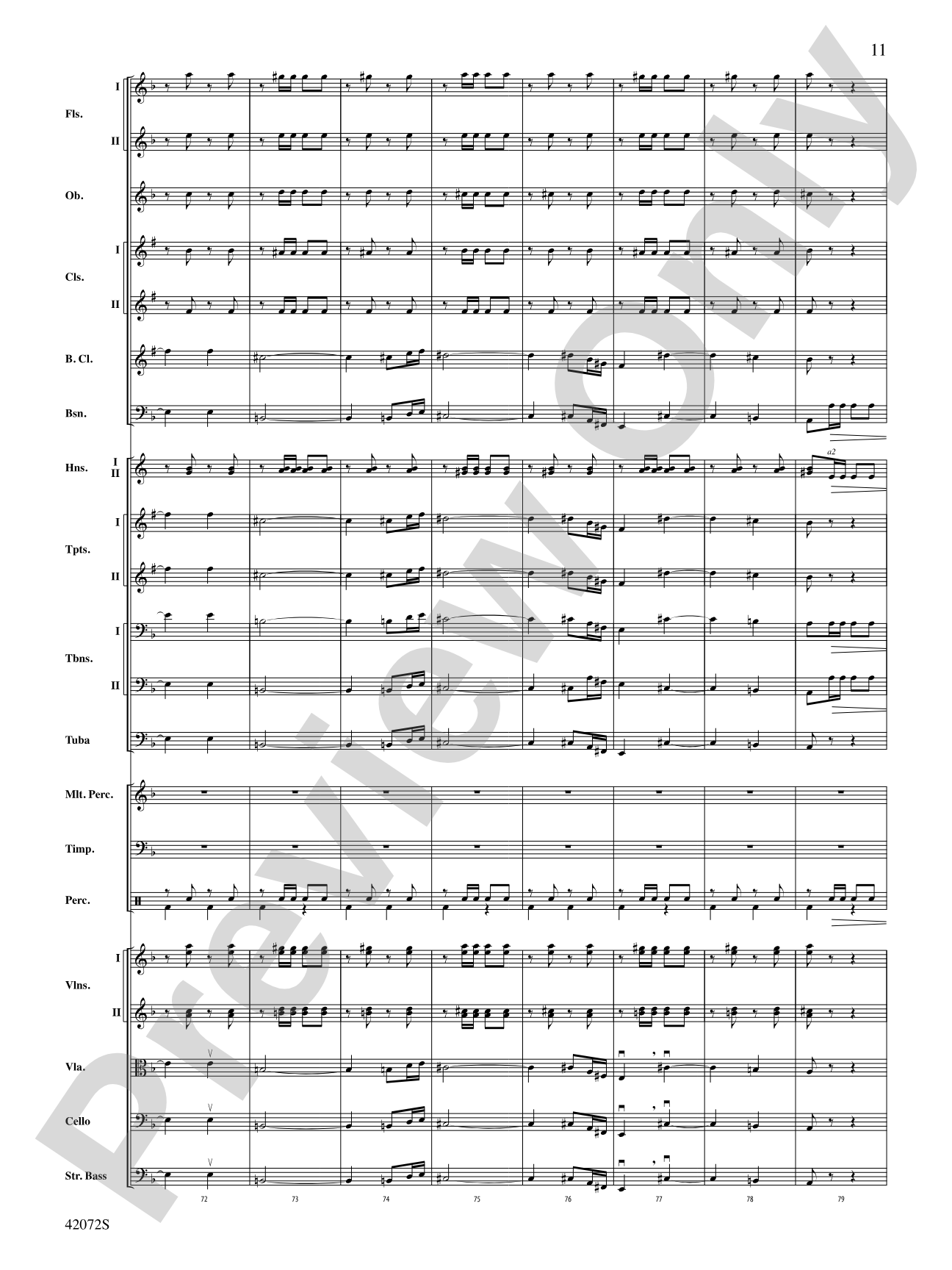
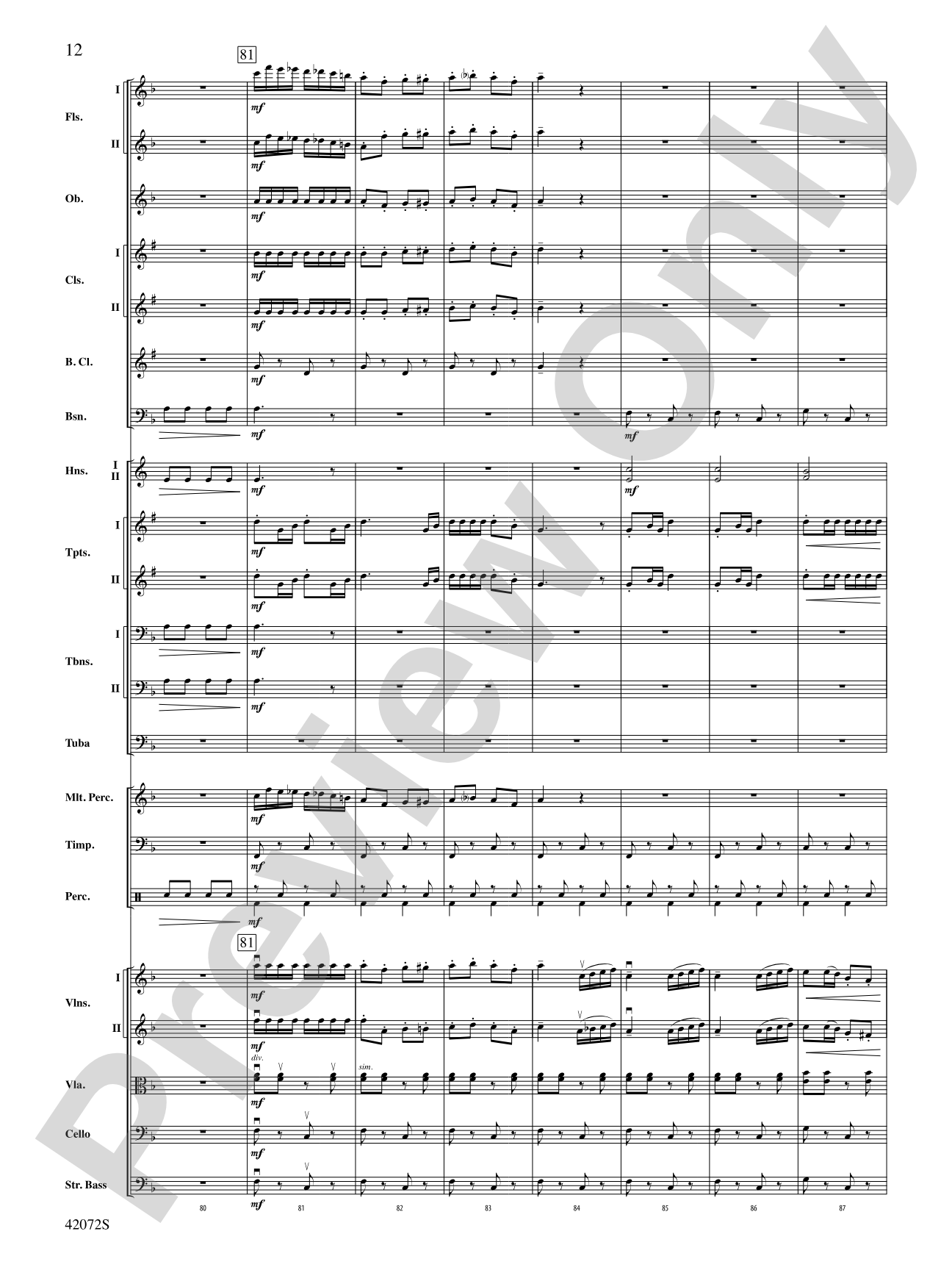
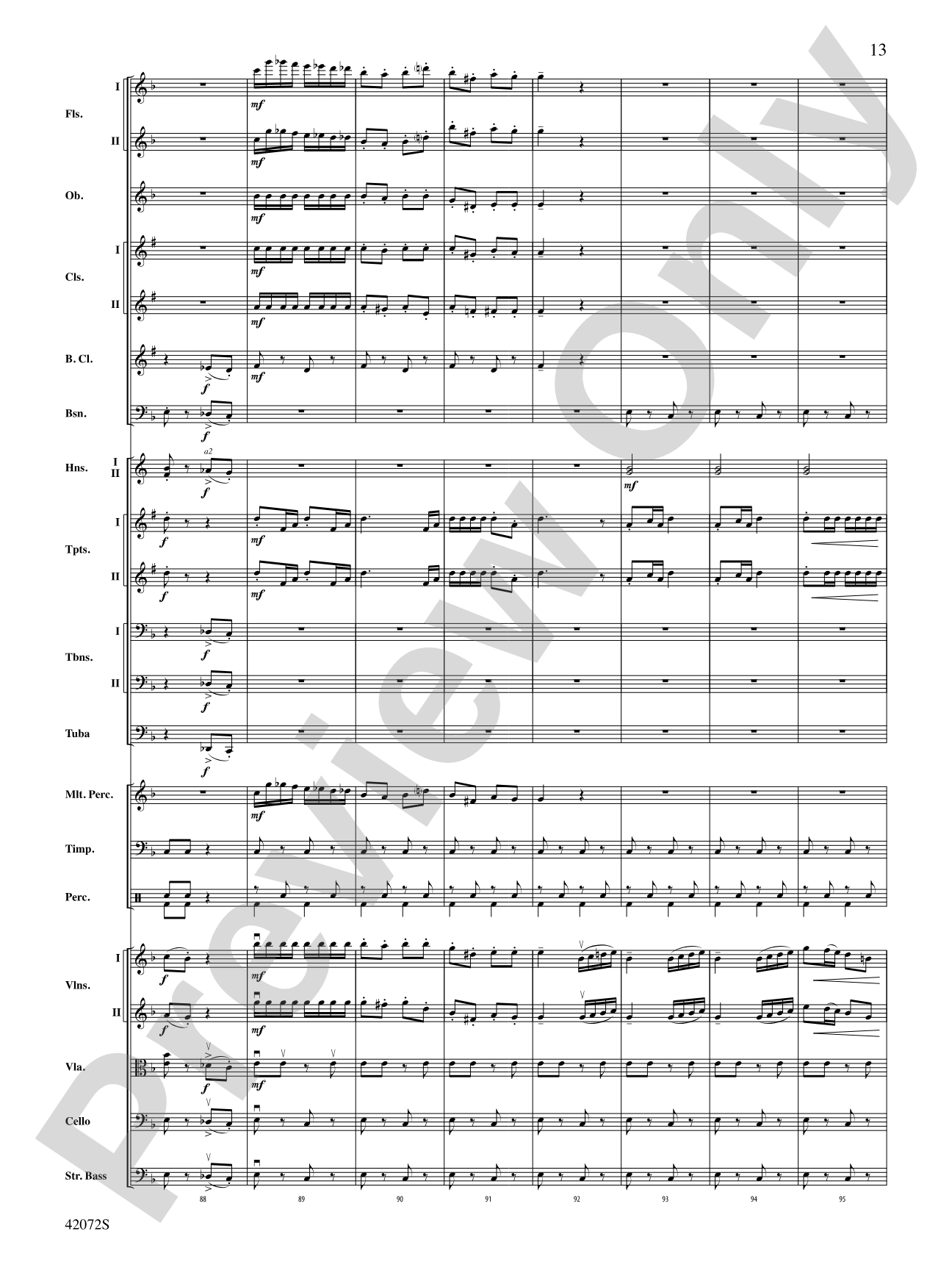
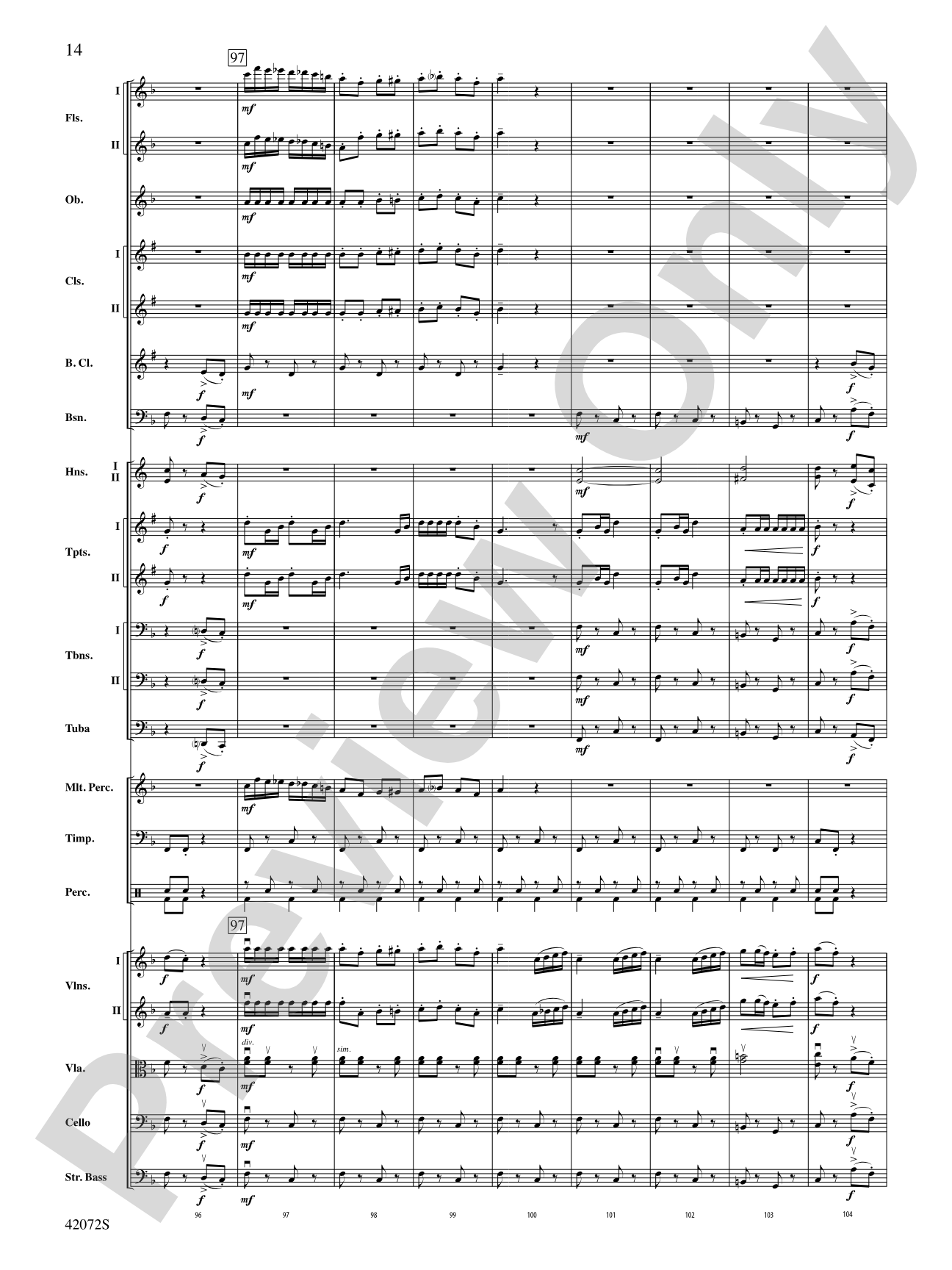
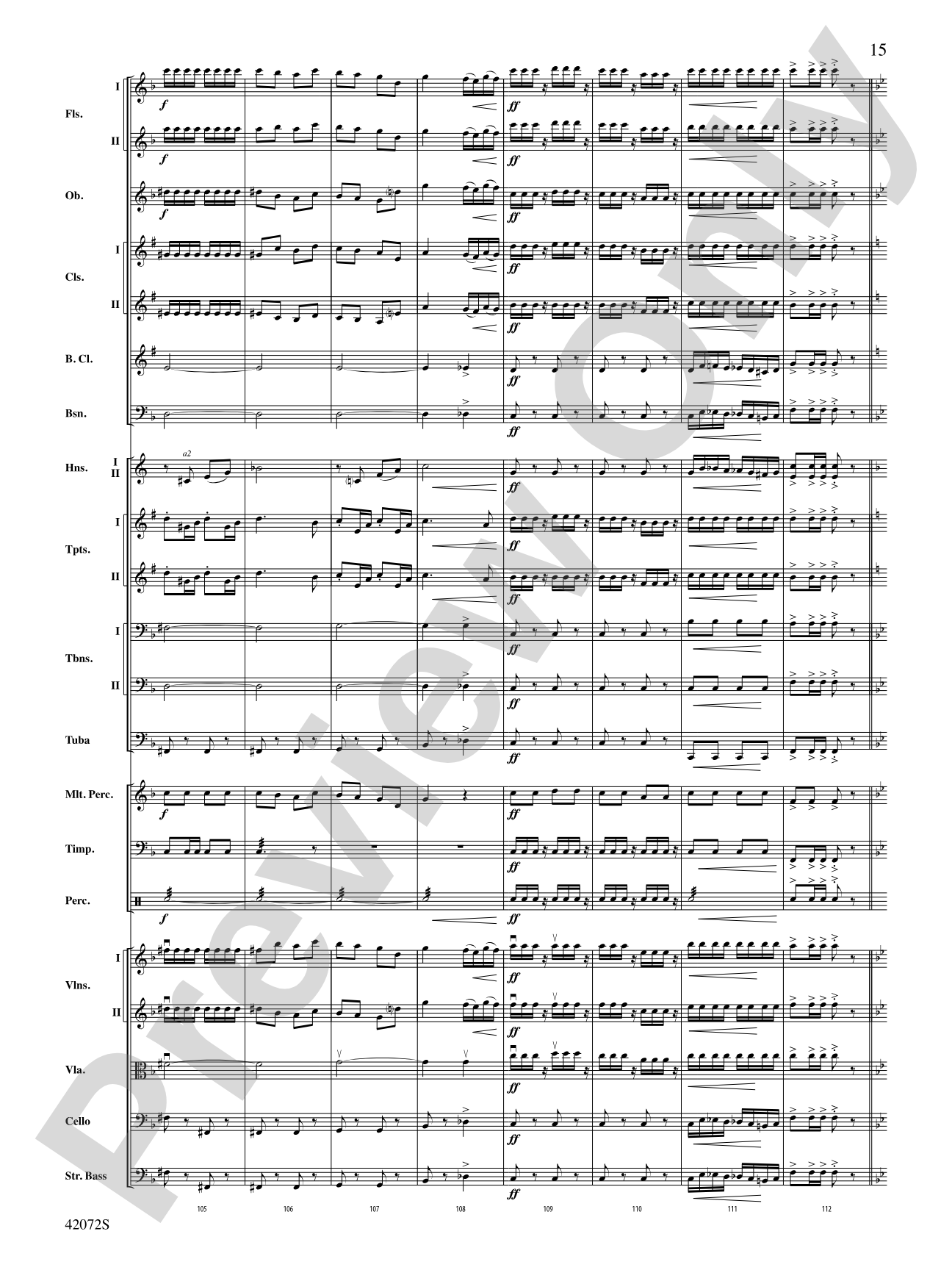
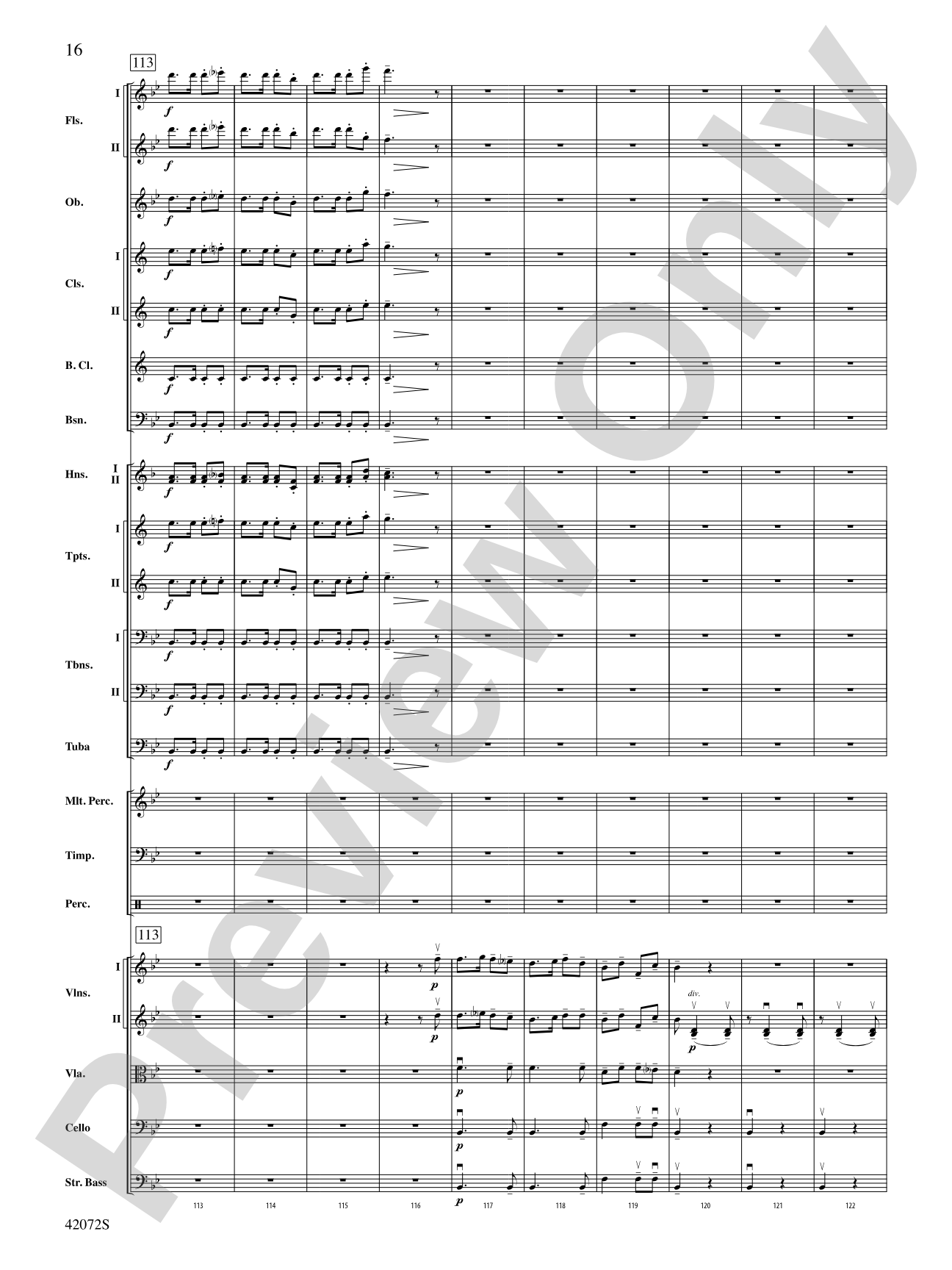
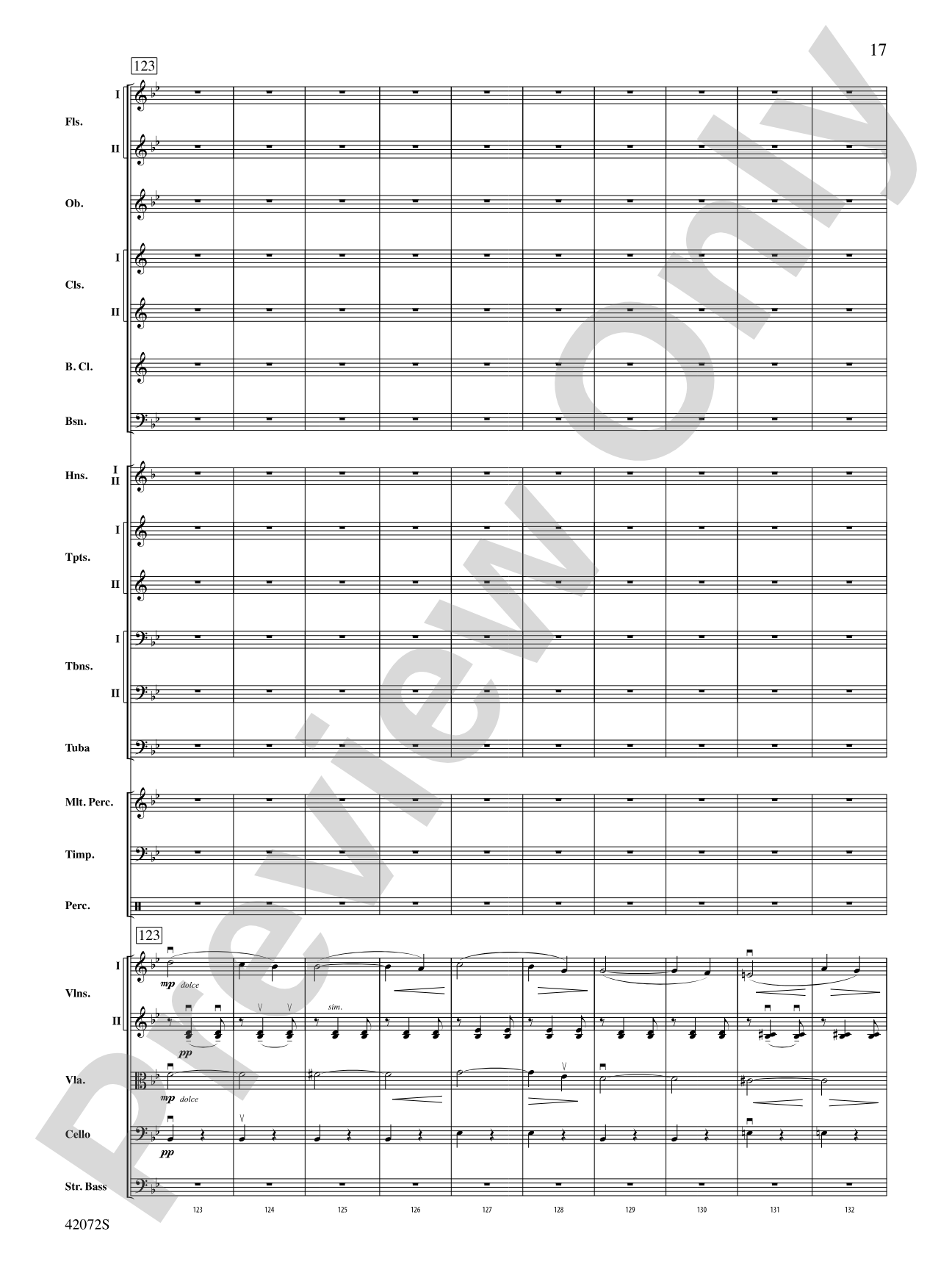
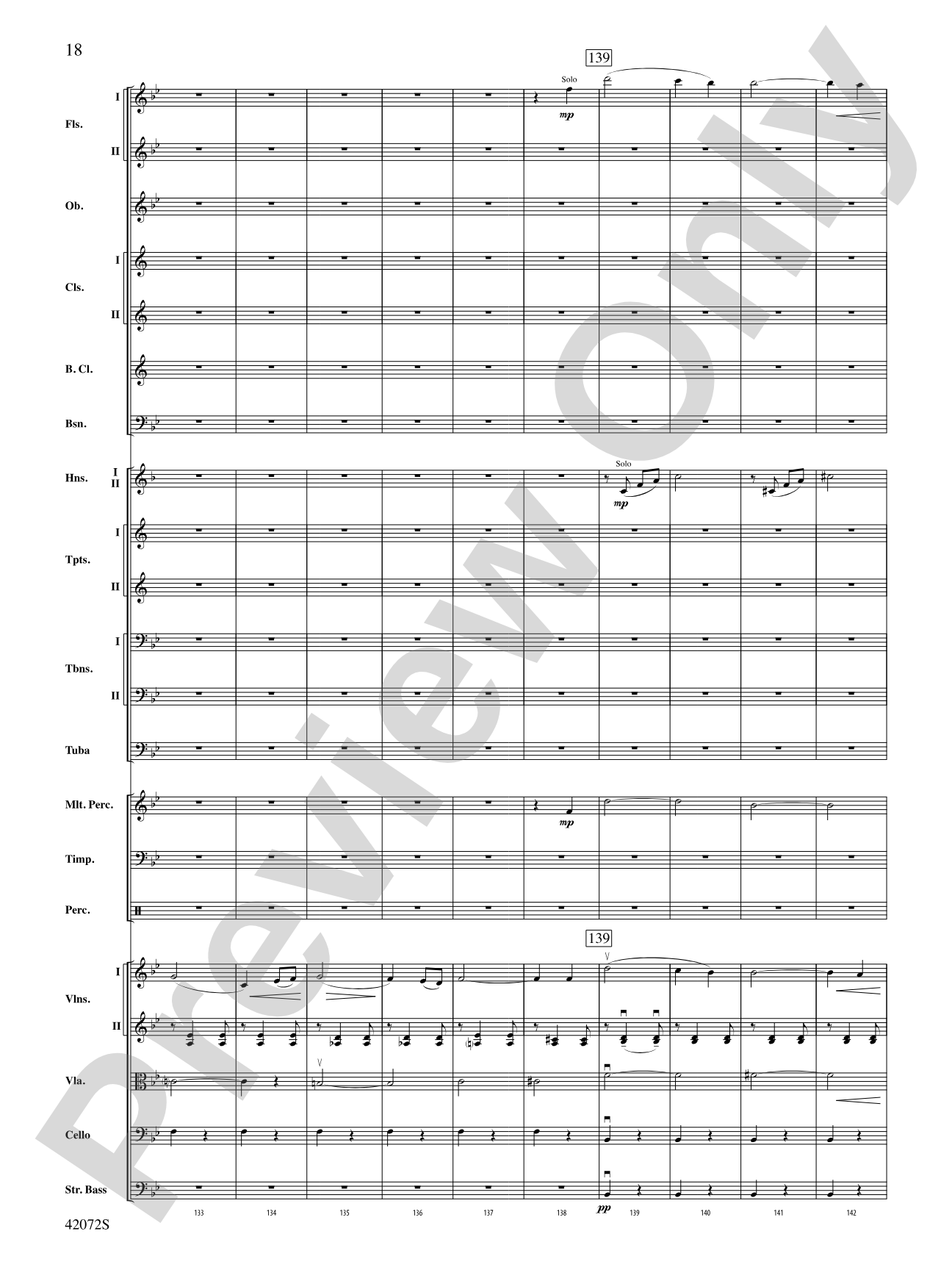
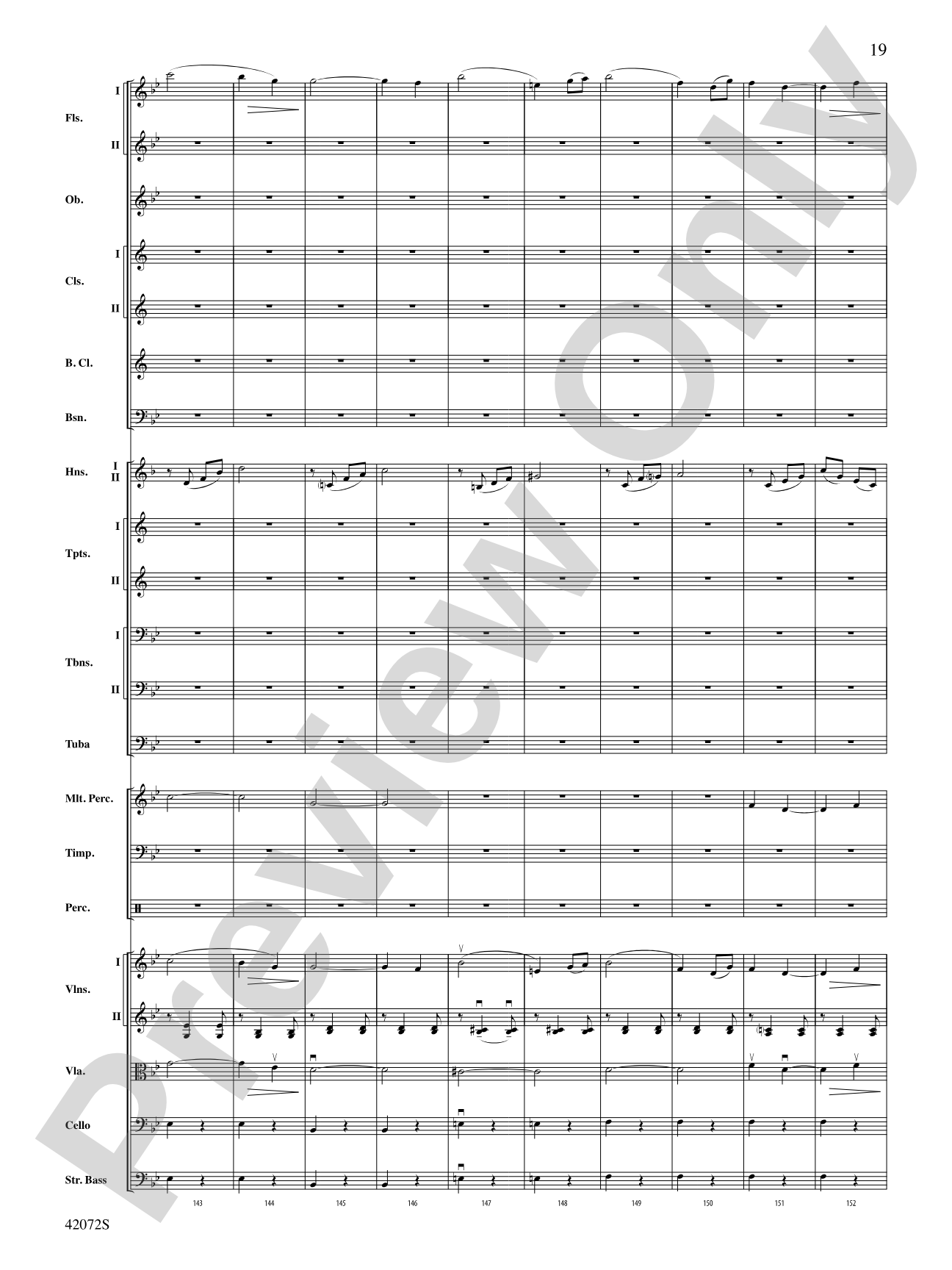
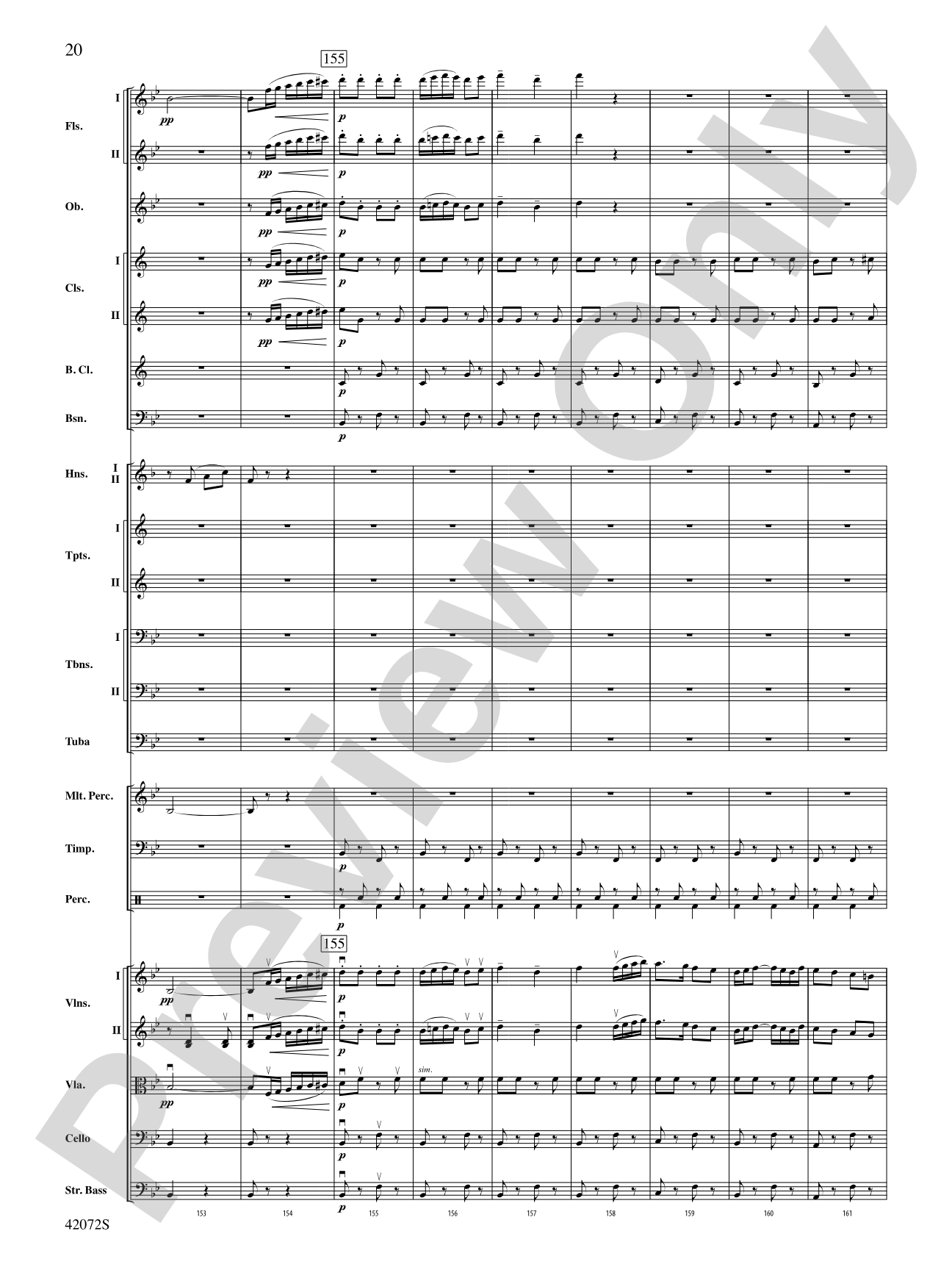
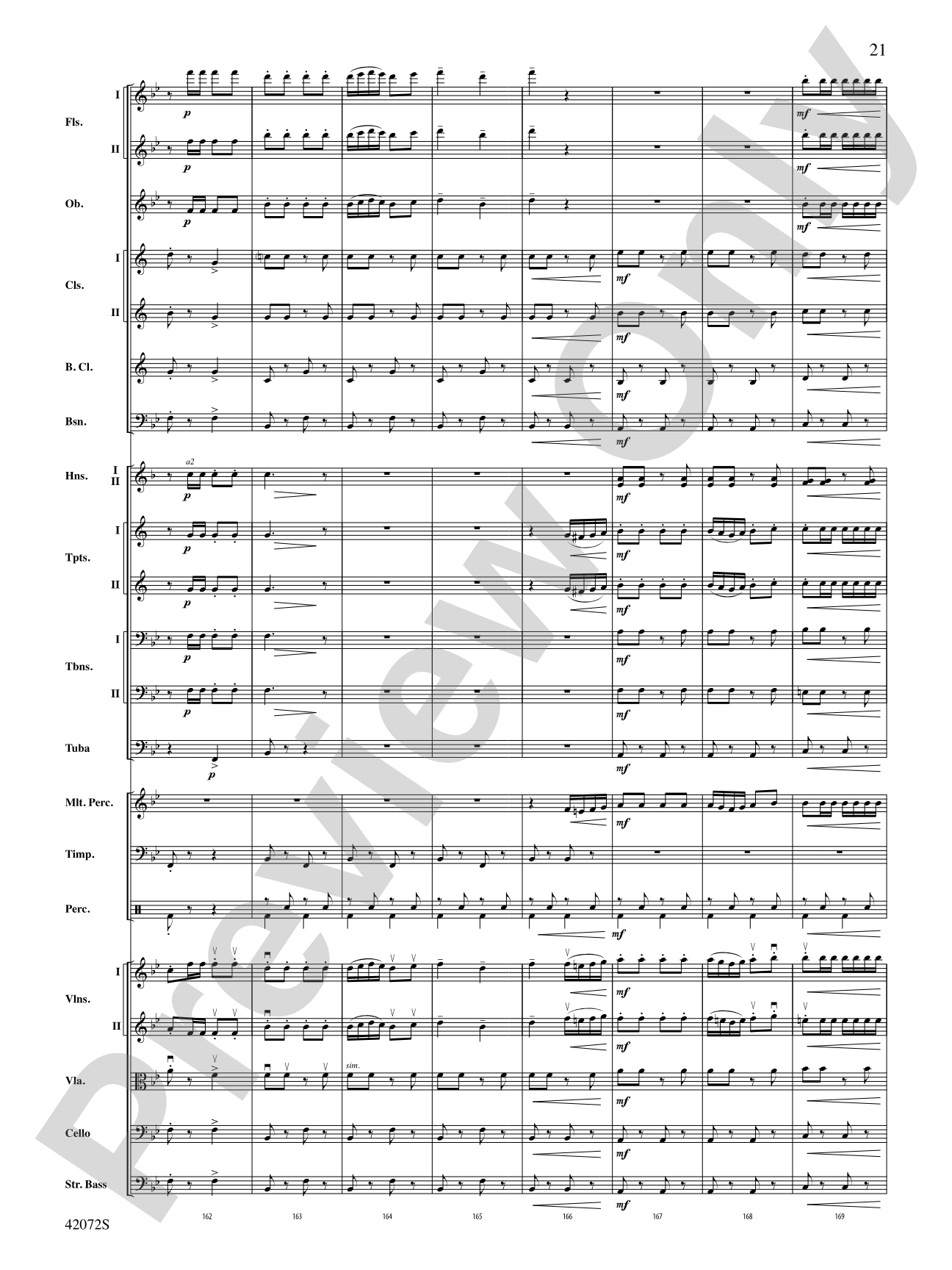
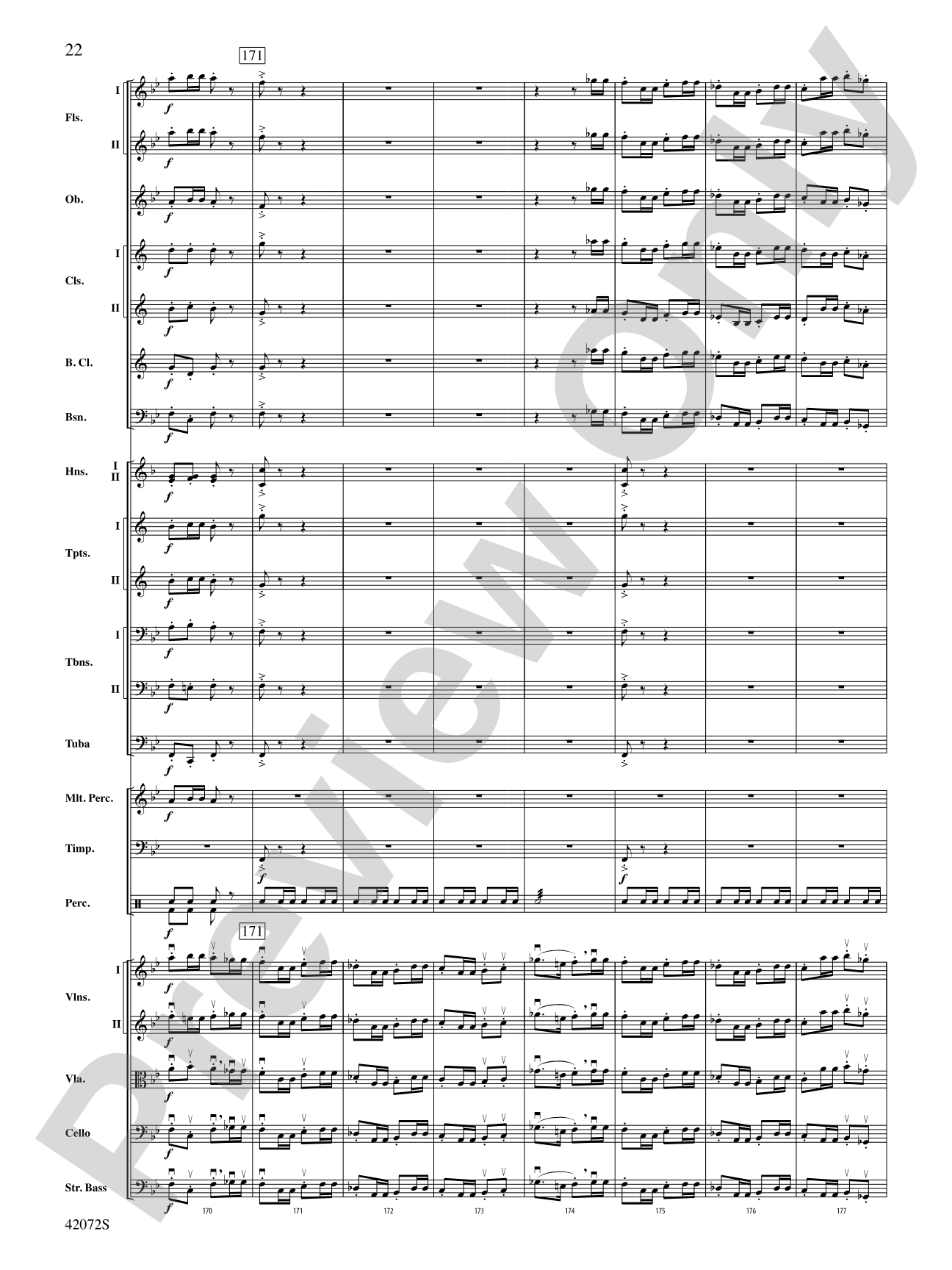
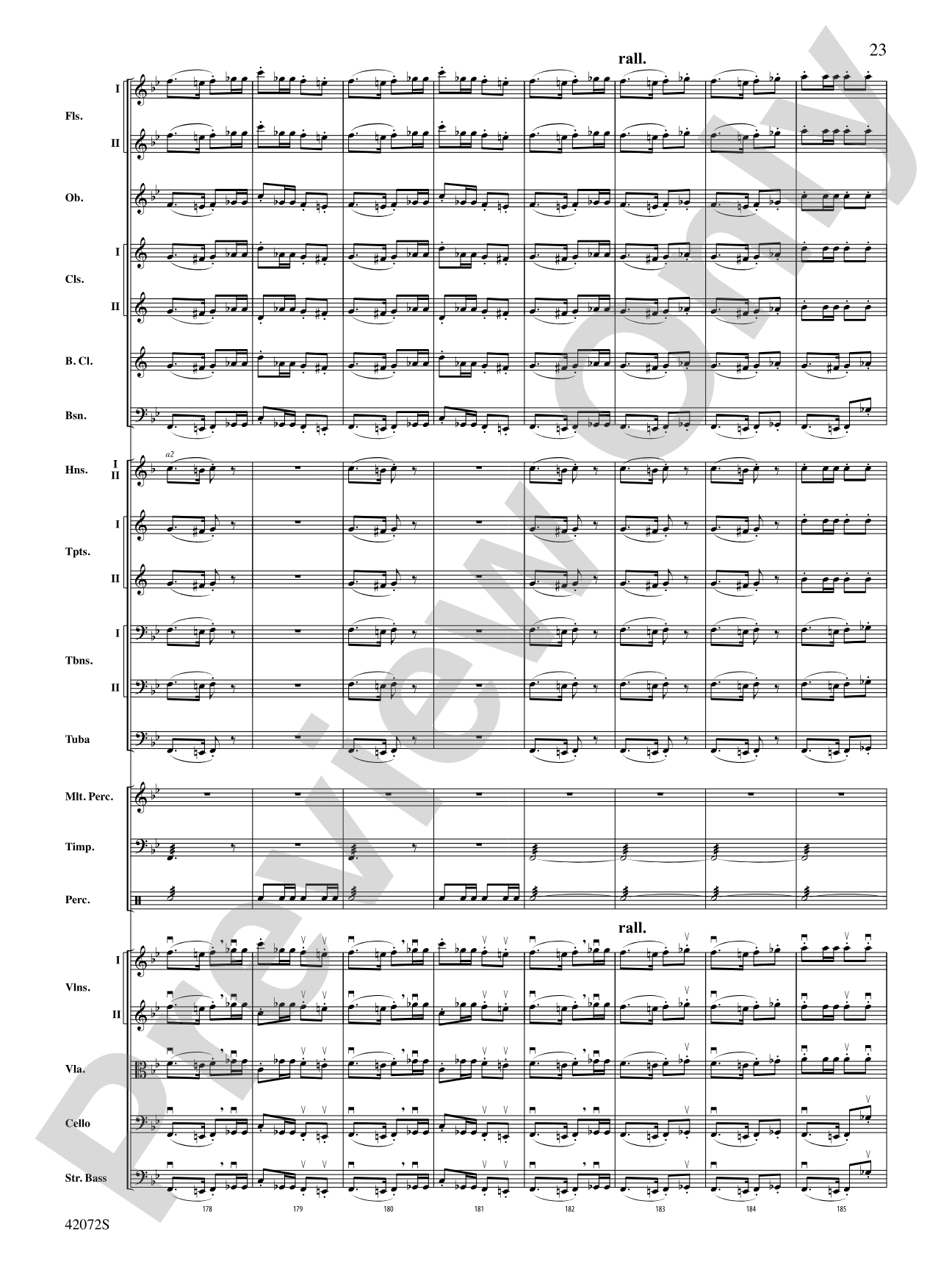
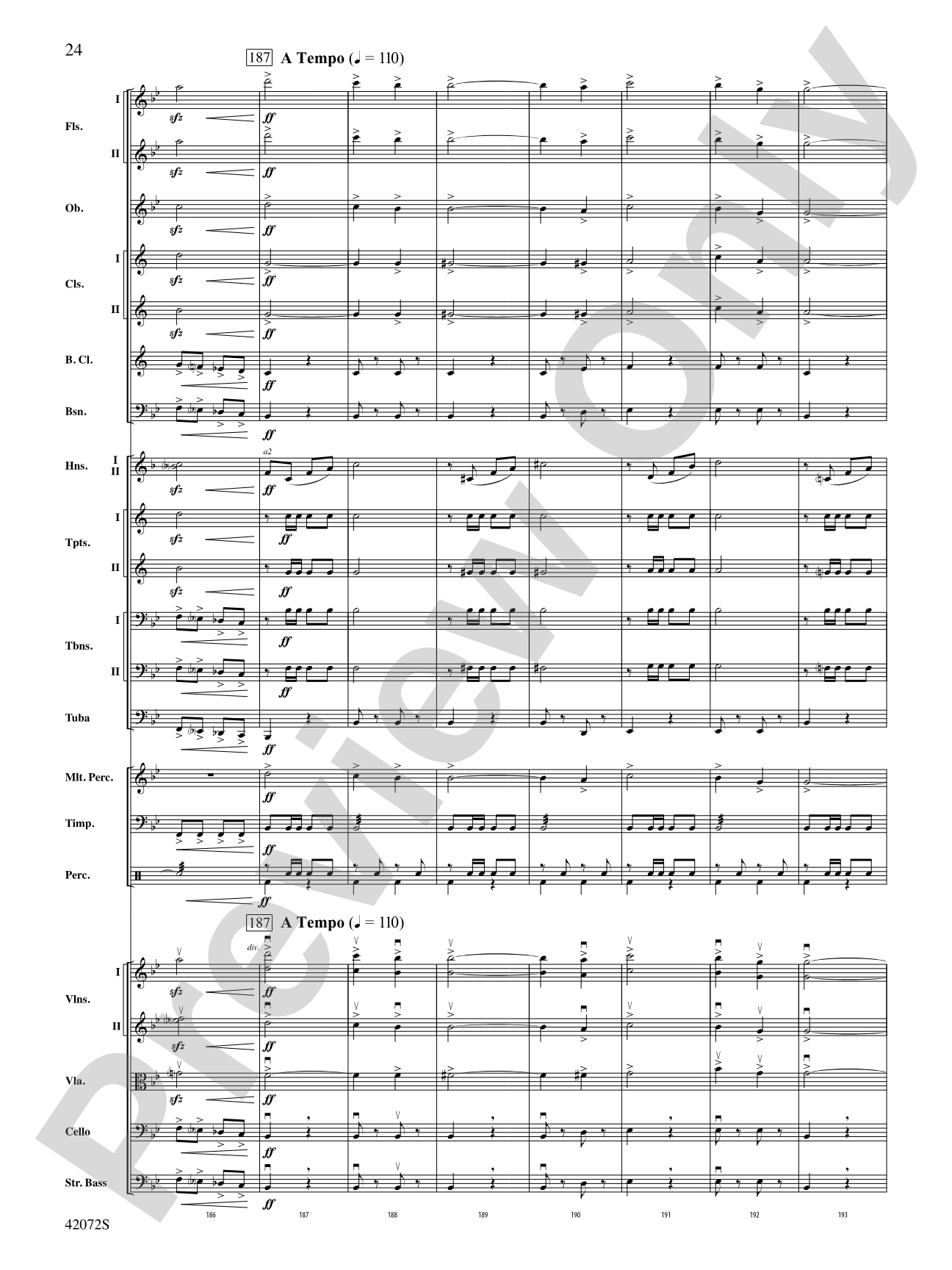
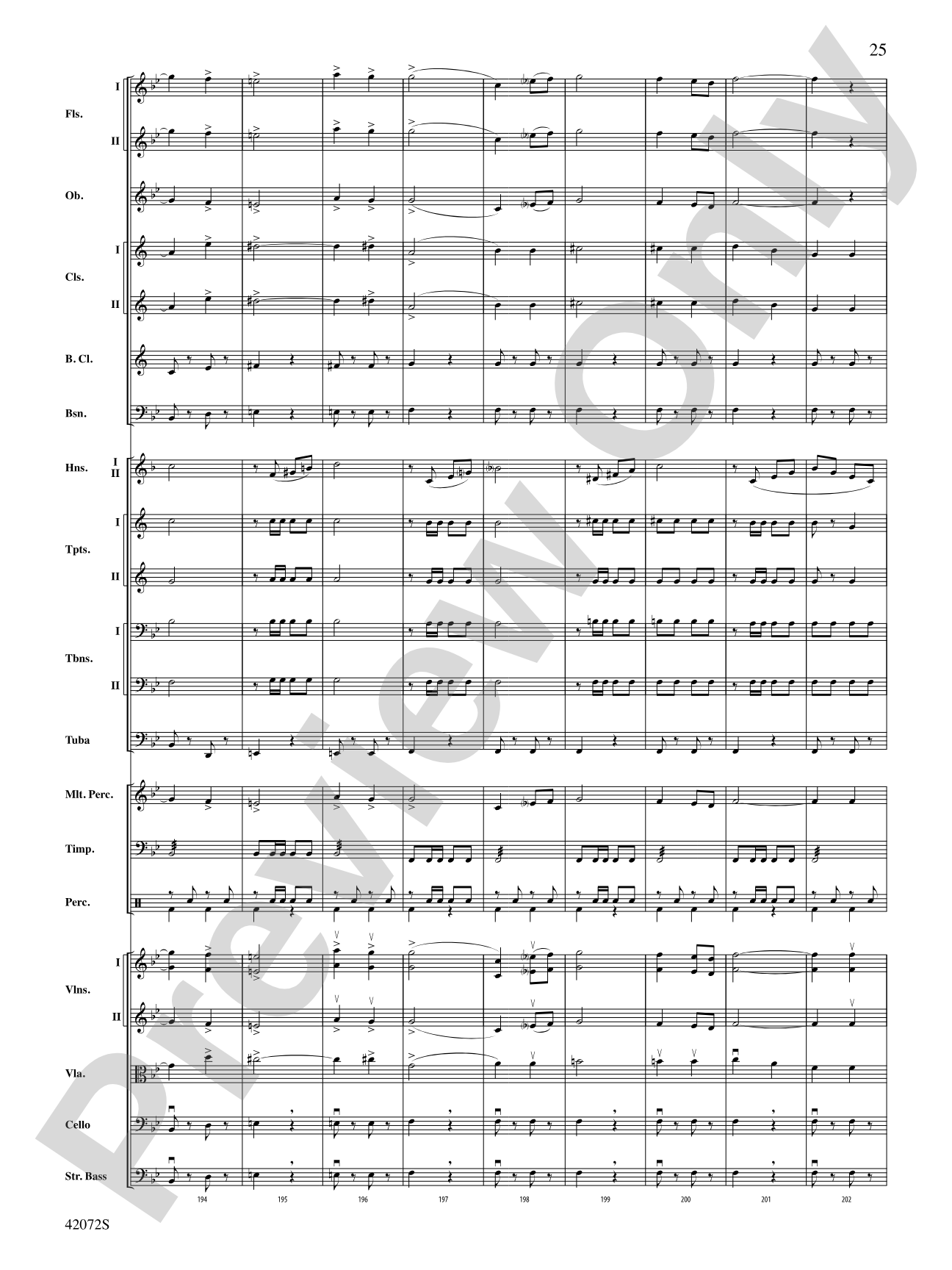
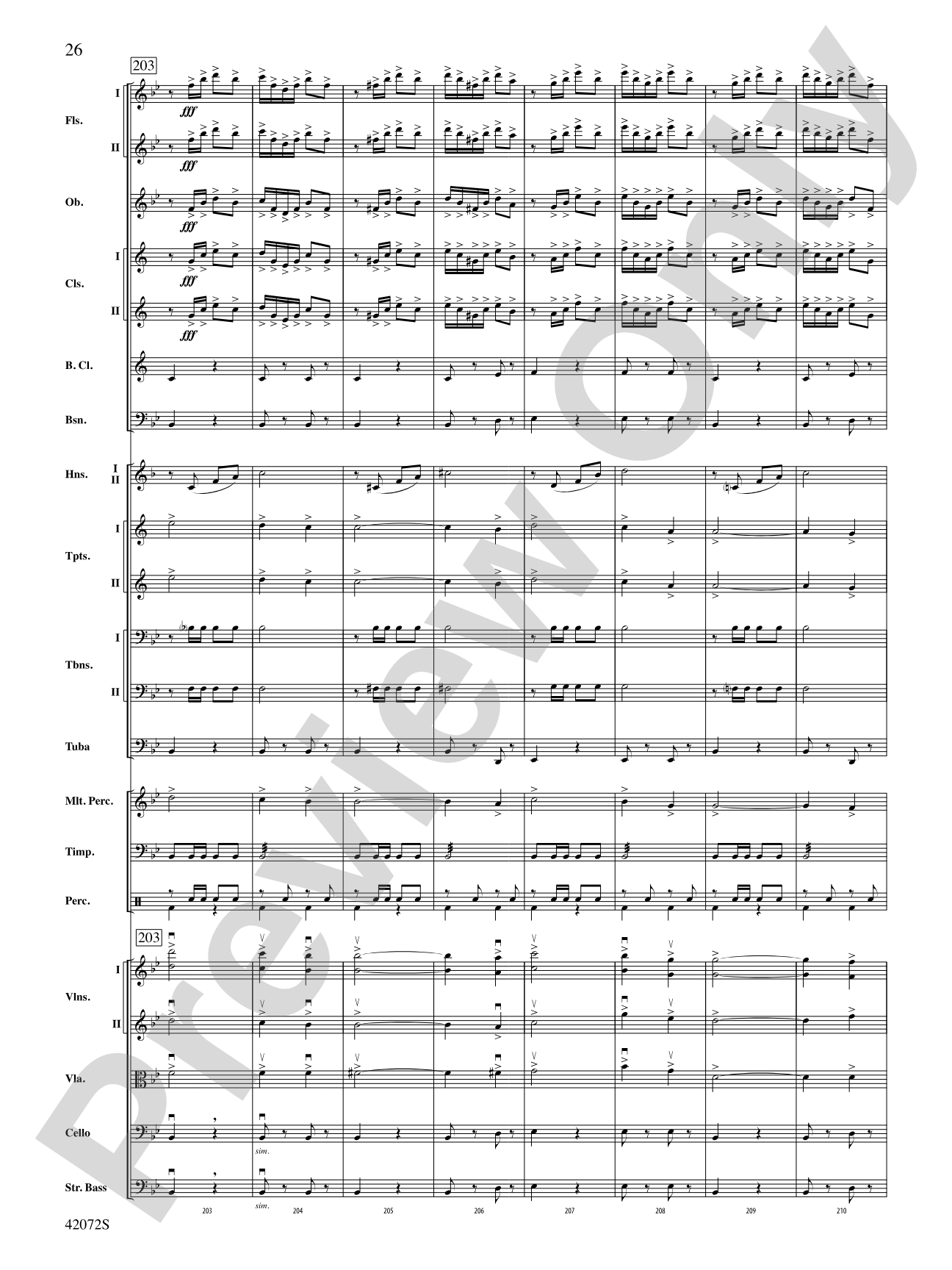
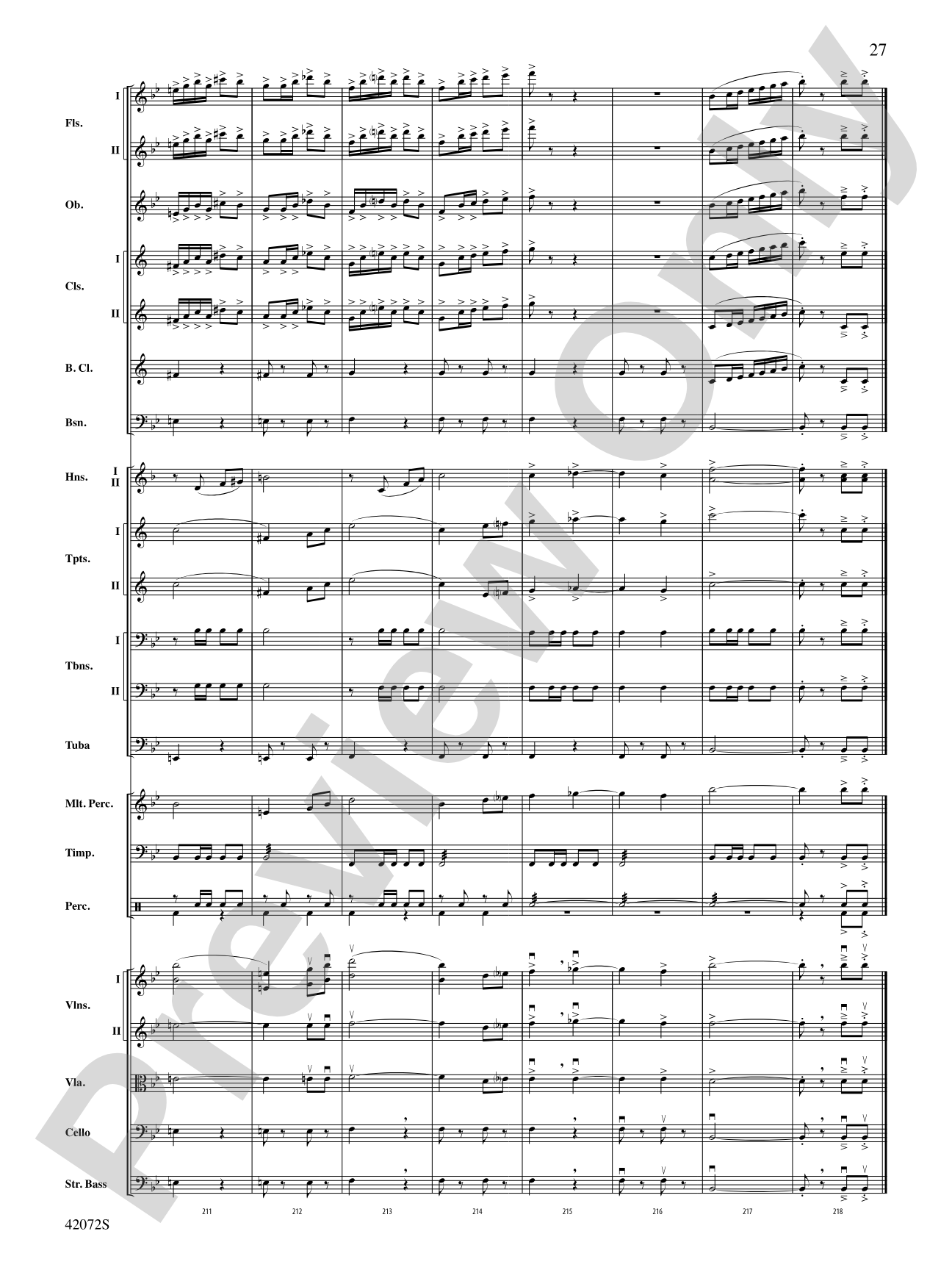

The Florentiner March: Score
By Julius Fucík / arr. R. J. Hume
Grade: 3
Item: 00-PR-0004702
$8.00
Pickup currently not available
Description
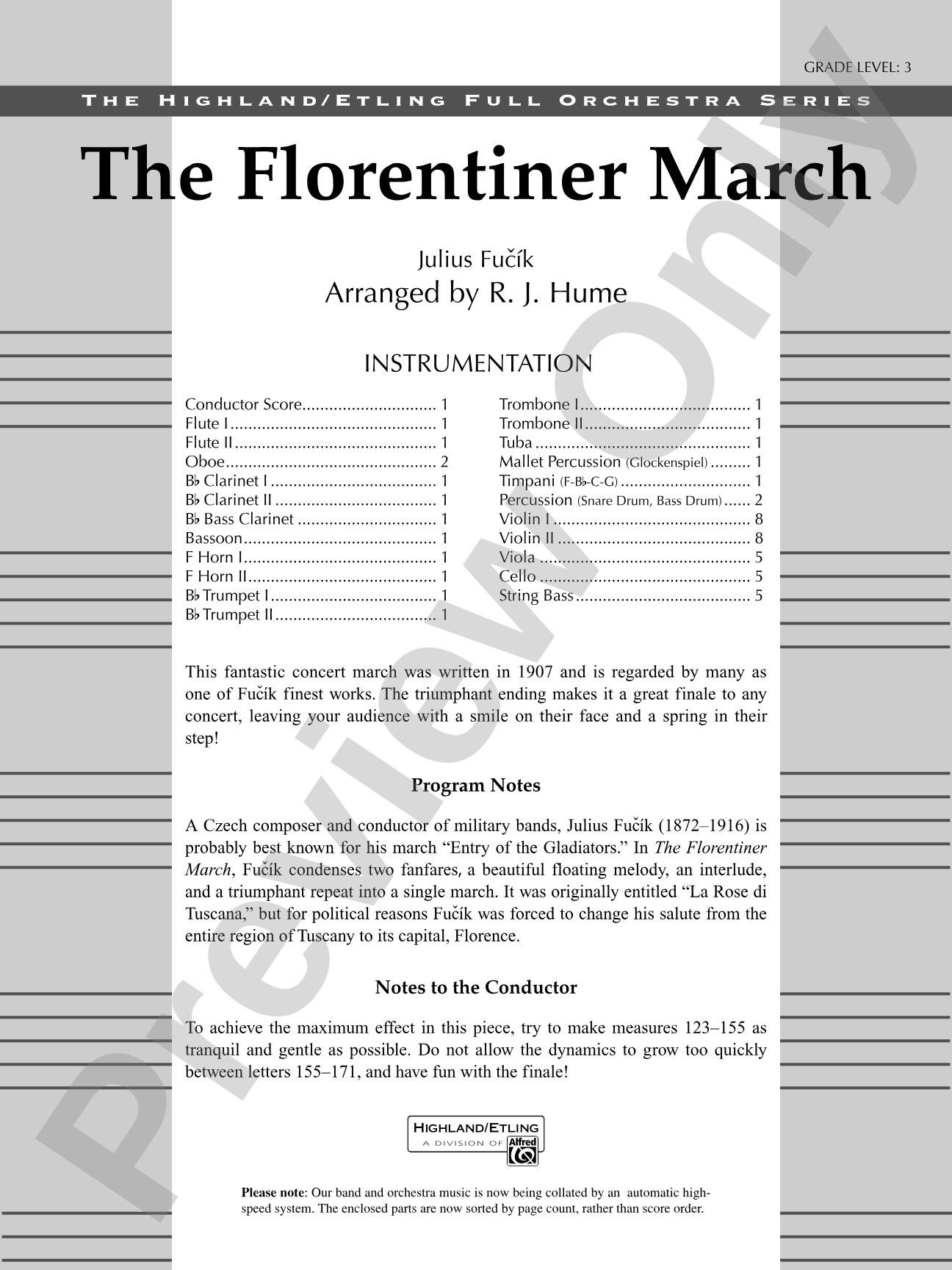
This fantastic concert march was written in 1907 and is regarded by many as one of Fucík's finest works. The triumphant ending makes it a great finale to any concert, leaving your audience with a smile on their face and a spring in their step! (4:00) This title is available in MakeMusic Cloud.


Don't just read it, hear it, play along with it, and watch your students grow with it. In MakeMusic Cloud, The Florentiner March: Score comes alive with professional accompaniment, adjustable tempo, and built-in practice tools that turn solo practice into real progress.
Open in the Player
Jump straight in and assign it today.
Start Your Free Trial
Open this title and explore the full library in minutes.
Sample Audio
1
Audio File
--:--
0:00
0:00
Sample Video
No sample videos found.
Additional Details
Series:
Highland/Etling Full Orchestra
Publisher:
Alfred Music
Page Count:
200
SKU:
00-PR-0004702
More about this title
About the Composer: Julius Fucik
Julius Fucík (1872-1916) was a Czech composer and conductor whose marches became cornerstones of the concert band and orchestra repertoire. His ability to craft memorable melodies, propulsive rhythms, and satisfying harmonic progressions made him one of the most performed march composers of his era, rivaling John Philip Sousa in popularity across Europe and America.
Fucík's output ranged from operettas to vocal works, but his marches secured his lasting legacy in music education. The Florentiner March exemplifies his gift for writing music that feels both sophisticated and immediately accessible to audiences of all ages.
Why we love this
Fucík delivers everything you need in a Grade 3 closer: clear sectional form, balanced orchestration that lets every section shine, and a finale that genuinely lands. The triumphant energy feels earned rather than inflated, and your ensemble will grow through playing music this well-crafted.
What to expect
The Florentiner March radiates optimism and forward momentum. Its melodies are dignified without being stuffy, and the orchestration creates waves of sound that feel celebratory and communal, inviting the audience into a moment of shared joy.
Who it's for
This score and parts set works for high school orchestras, youth orchestras, and advanced middle school ensembles with solid musicianship across all sections. Directors seeking a Grade 3 concert piece that challenges without overwhelming will find exactly what they need.
How to get the most out of it
- Balance the melody across your first violins and woodwinds in the opening strain; avoid letting the brass overwhelm during tutti passages.
- Shape the dynamic arc toward the final section deliberately, building momentum through each key area rather than playing at a constant forte.
- Secure the rhythmic integrity of the march pulse in your rhythm section and lower strings; precision in the accompaniment figure allows the melody to breathe.
- Mark your rehearsal letters clearly and use them to build the piece in logical chunks, especially if your ensemble is still developing secure intonation at this level.
How to use it
Reserve this for your concert finale where its triumphant character and satisfying resolution can send the audience out on an uplifting note. It also works beautifully as the closing piece of a spring or end-of-year concert, or as a strong selection for festival competitions seeking repertoire that demonstrates solid fundamentals and musicality.
Skills your students will build
- Balancing melody and accompaniment across different orchestral sections
- Maintaining steady march rhythm and pulse coordination
- Reading full score relationships and understanding sectional independence
- Executing dynamic shaping and phrasing across longer melodic lines
- Intonation control in sustained passages and harmonic progressions