

The First Noel / Pachelbel's Canon: SATB Choral Octavo
Arr. Michael Clawson
Item: 00-PO-0002489

$2.05
Minimum order quantity: 20 copies
Pickup currently not available
Related Items
The First Noel / Pachelbel's Canon: 3-Part Mixed Choral Octavo |
$2.05
|
View | |
The First Noel / Pachelbel's Canon: SSA Choral Octavo |
$2.05
|
View | |
The First Noel / Pachelbel's Canon: 2-Part Choral Octavo |
$2.05
|
View | |
The First Noel / Pachelbel's Canon: TBB Choral Octavo |
$2.25
|
View | |
The First Noel / Pachelbel's Canon: Choral SoundPax |
$30.00
|
View | |
The First Noel / Pachelbel's Canon: SATB Choral Octavo |
$2.50
|
View | |
The First Noel / Pachelbel's Canon: 3-Part Mixed Choral Octavo |
$2.05
|
View | |
The First Noel / Pachelbel's Canon: SSA Choral Octavo |
$2.05
|
View | |
The First Noel / Pachelbel's Canon: 2-Part Choral Octavo |
$2.05
|
View | |
The First Noel / Pachelbel's Canon: TBB Choral Octavo |
$2.25
|
View | |
The First Noel / Pachelbel's Canon: Choral Octavo SoundTrax CD |
$27.99
|
View | |
The First Noel / Pachelbel's Canon: Choral SoundPax |
$30.00
|
View |
Description
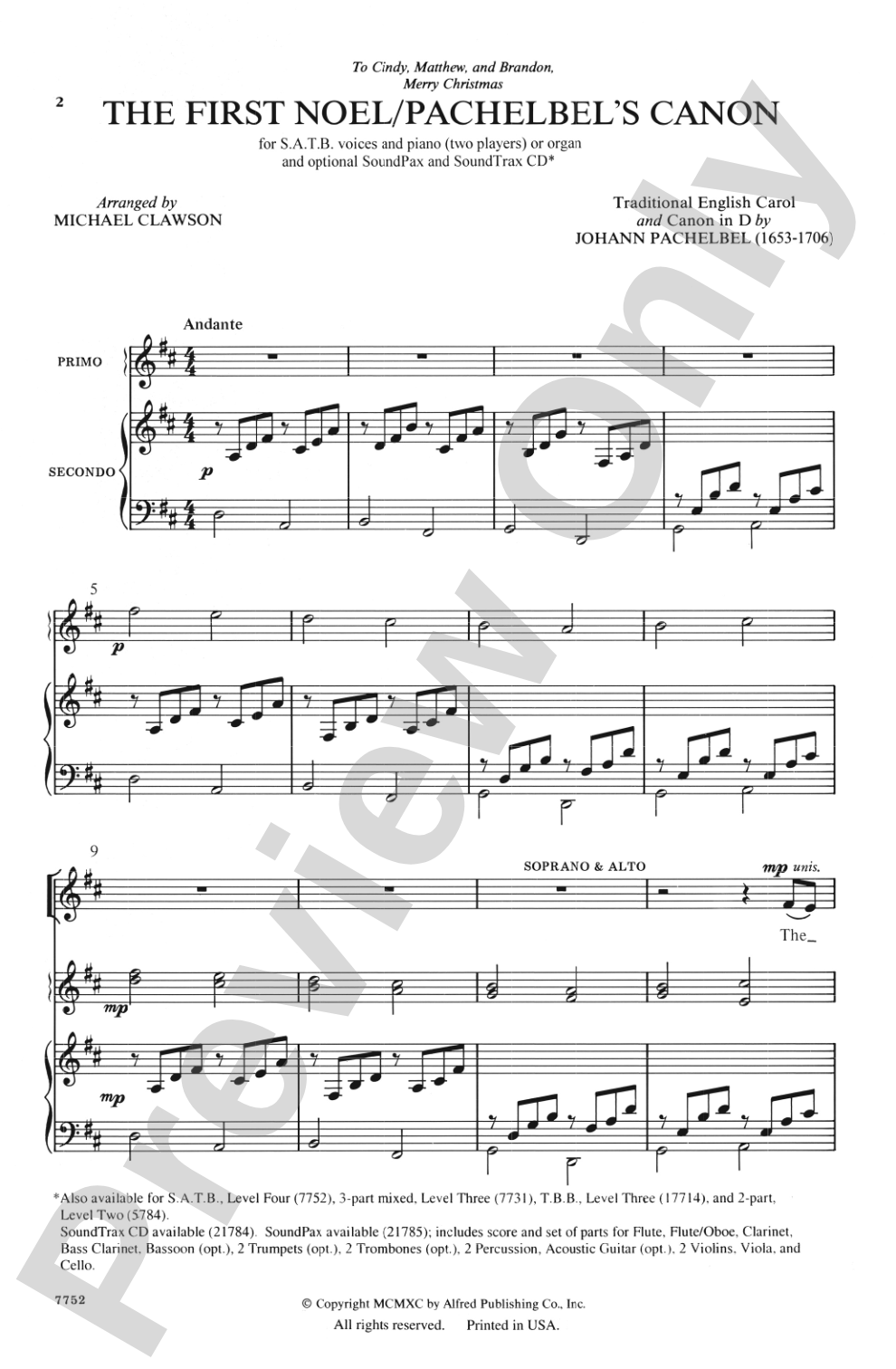
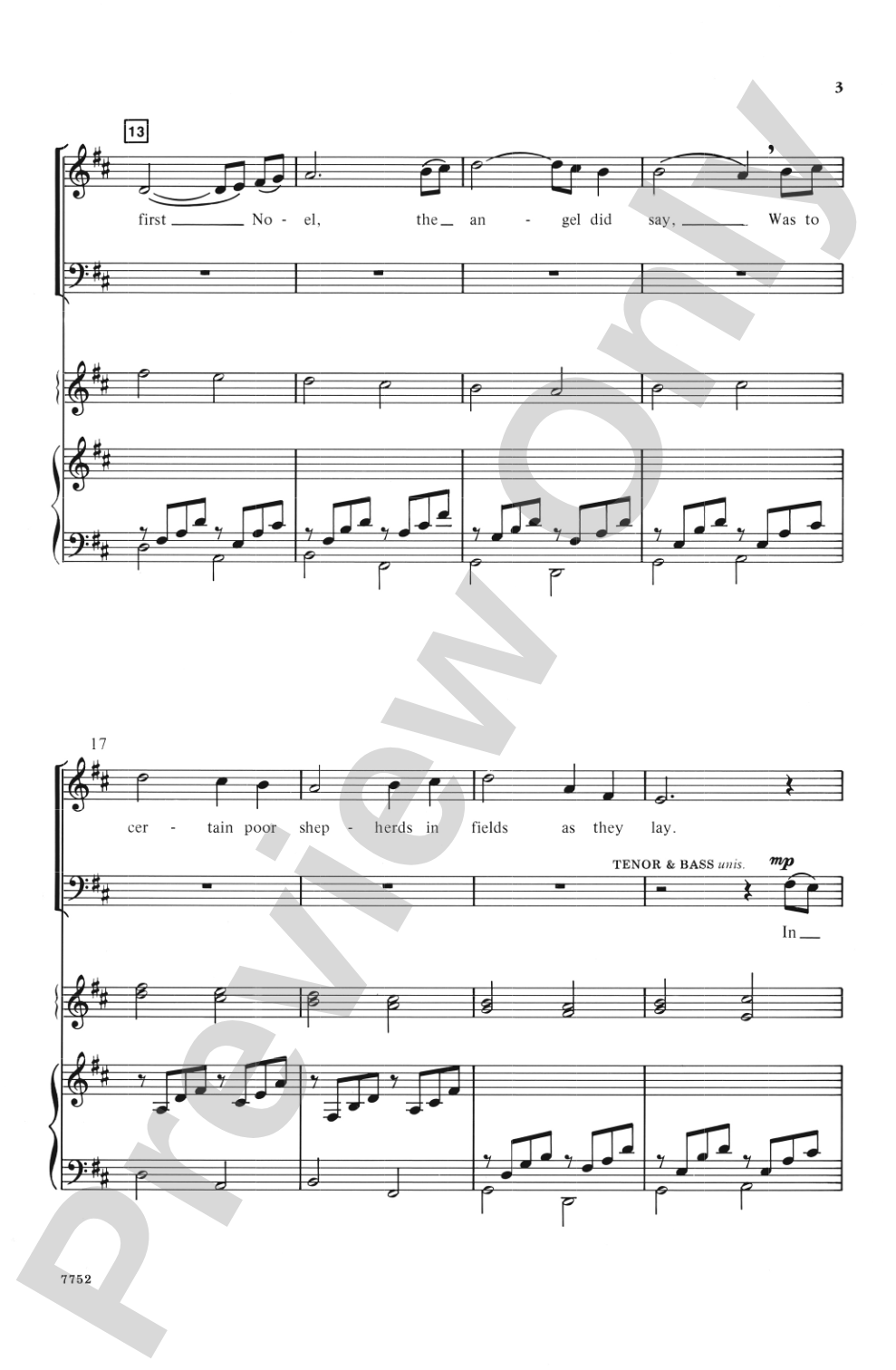
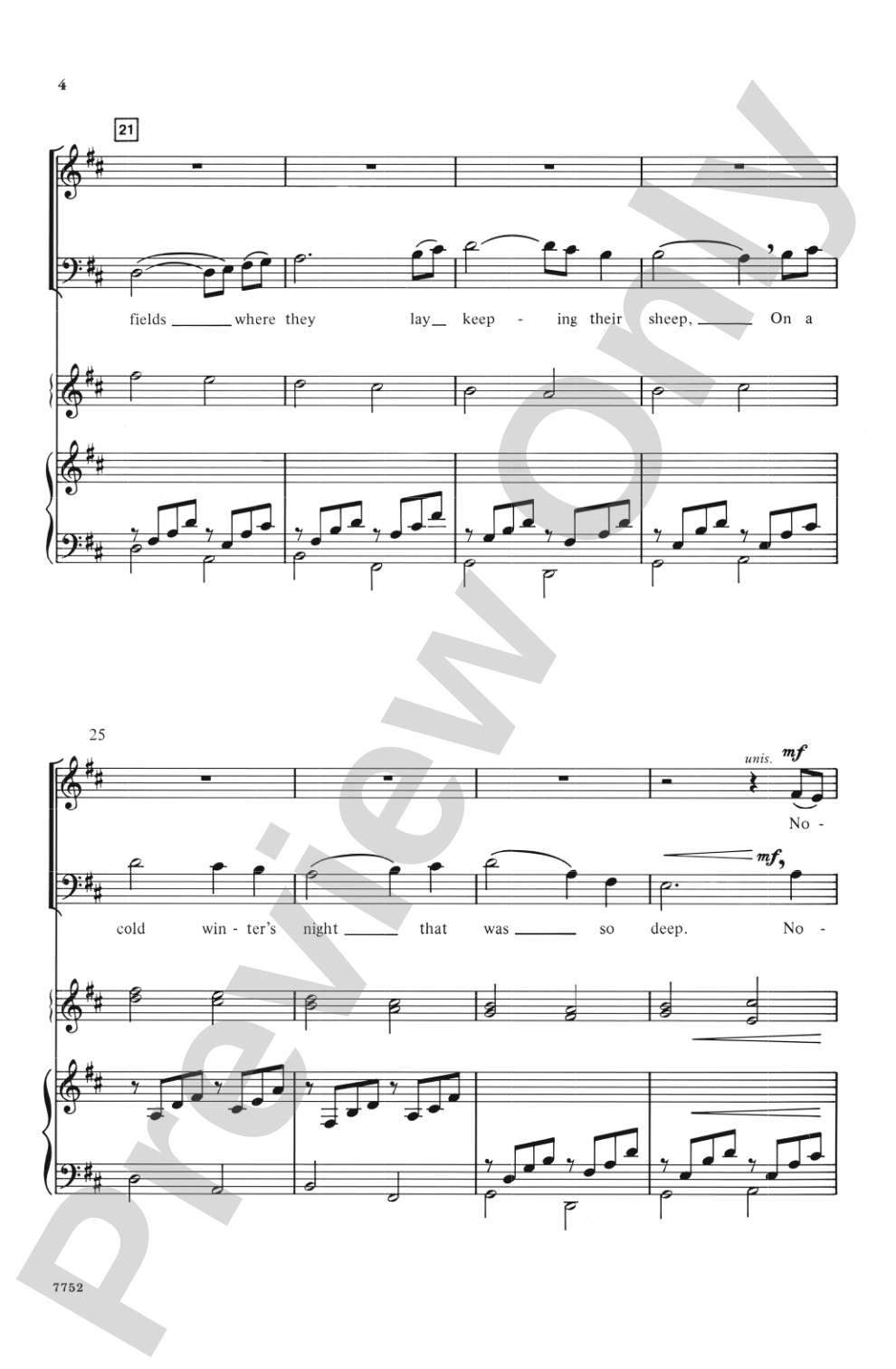
The finest pairing of melodies we've heard in years: The First Noel and Pachelbel's famous Canon in D. It works! In fact, the intertwining of these two timeless works is absolutely beautiful. A first-rate choral masterpiece, destined to become a classic. Features a three-hand piano or organ accompaniment. This title is available in Music Prodigy.


Don't just read it, hear it, play along with it, and watch your students grow with it. In MakeMusic Cloud, The First Noel / Pachelbel's Canon: SATB Choral Octavo comes alive with professional accompaniment, adjustable tempo, and built-in practice tools that turn solo practice into real progress.
Open in the Player
Jump straight in and assign it today.
Start Your Free Trial
Open this title and explore the full library in minutes.
Sample Audio
1
Audio File
--:--
0:00
0:00
Sample Video
Additional Details
Series:
Alfred Choral Designs
Publisher:
Alfred Music
Page Count:
12
SKU:
00-PO-0002489
More about this title
About the Arranger: Michael Clawson
Michael Clawson is an arranger with a gift for finding unexpected harmonic connections between beloved melodies. His work across the Alfred Choral Designs series demonstrates a deep understanding of how different musical worlds can coexist in a single piece, challenging singers to navigate complex textures while maintaining clarity and beauty.
Why we love this
The genius here is restraint. Rather than forcing a mashup, Clawson lets these two melodies exist in genuine dialogue, each one breathing and supporting the other. Your choir will spend rehearsals discovering new harmonic layers, and your audience will recognize both pieces instantly while hearing something entirely fresh.
What to expect
Luminous and contemplative. The arrangement creates a sense of two voices in conversation rather than competition, with the familiar melody of "The First Noel" grounded while the soaring Canon material provides gentle ascension. There's reverence here without heaviness, and joy without sentimentality.
Who it's for
SATB choirs looking for a Christmas octavo that honors both familiarity and musical substance. This works for intermediate to advanced ensembles with reliable soprano and alto sections, since the soprano line carries the Canon melody with real independence.
How to get the most out of it
- Balance the two melodic lines carefully during rehearsals. Mark your score to identify which voice carries "The First Noel" in each section and which carries the Canon material; this clarity will prevent the arrangement from becoming muddy.
- Shape the phrases independently rather than treating the two melodies as a single unit. Slight tempo flexibility between the intertwining lines creates space for both to be heard.
- Work the piano or organ accompaniment early. The three-hand texture supports both melodies, and your accompanist needs time to understand how their part relates to each vocal line.
- Reserve dynamic contrast for moments when one melody steps forward. Resist the urge to push overall volume; the interweaving is more powerful when sung with control and clarity.
How to use it
This is your centerpiece Christmas octavo, not a filler. Pair it with a lighter carol and perhaps an instrumental prelude to give it proper framing. The 12-page score suggests a 3-4 minute work, making it substantial enough to anchor a holiday concert's sacred portion.
Skills your students will build
- Singing independent melodic lines within SATB voicing
- Listening and balancing two simultaneous thematic materials
- Sustaining accurate intonation across longer harmonic progressions
- Responding to conductor cues that shape two melodies distinctly