
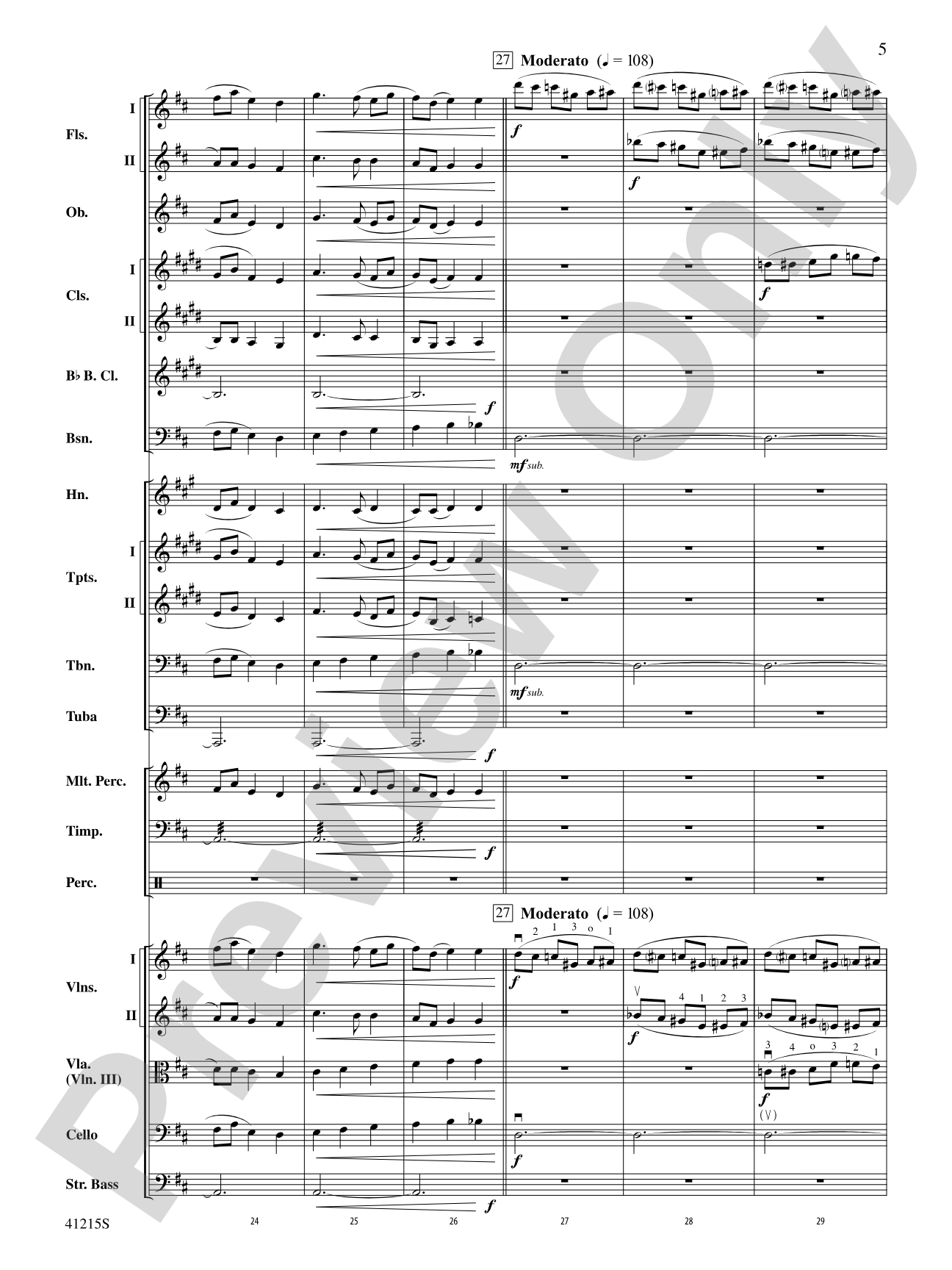
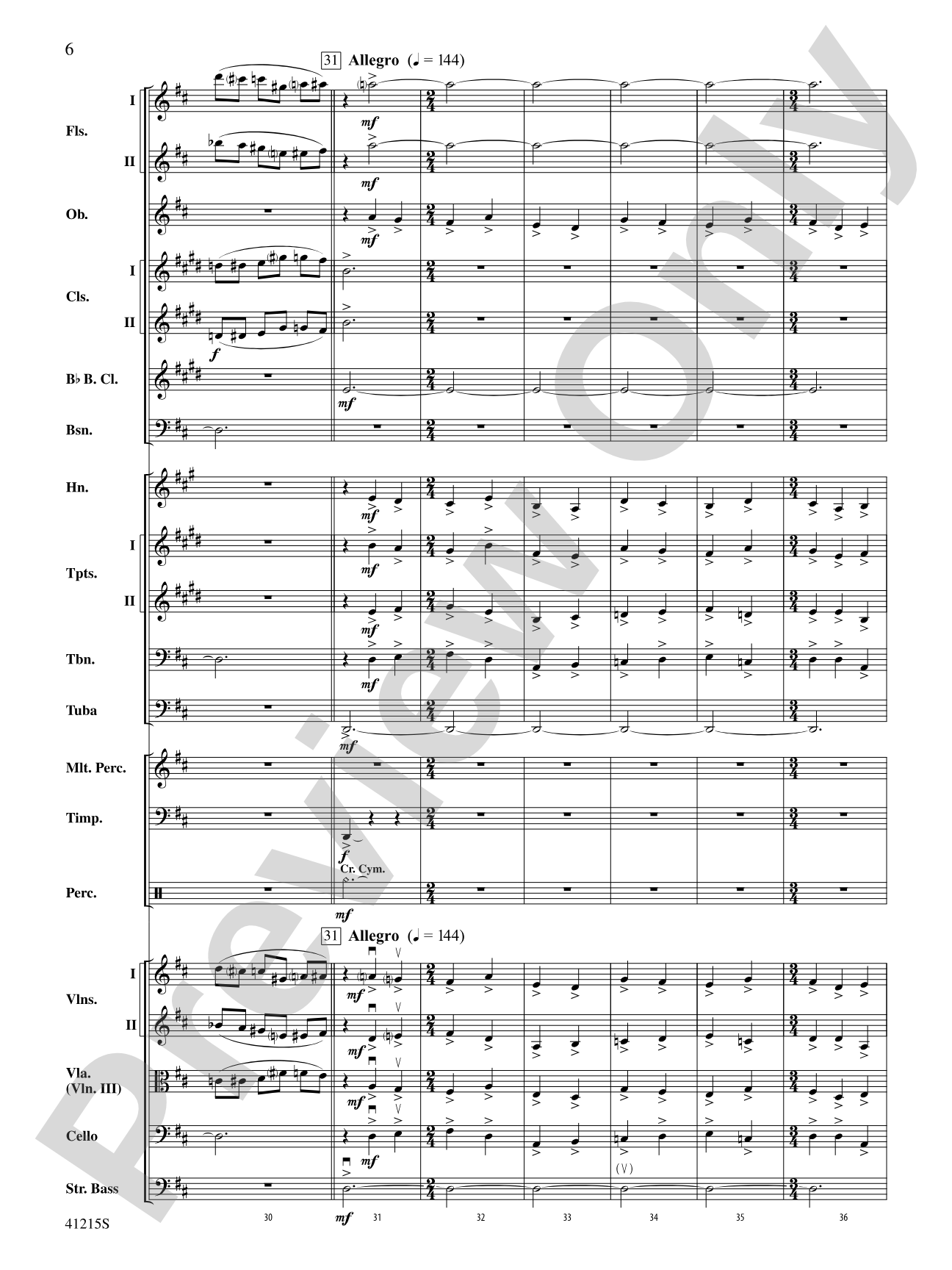
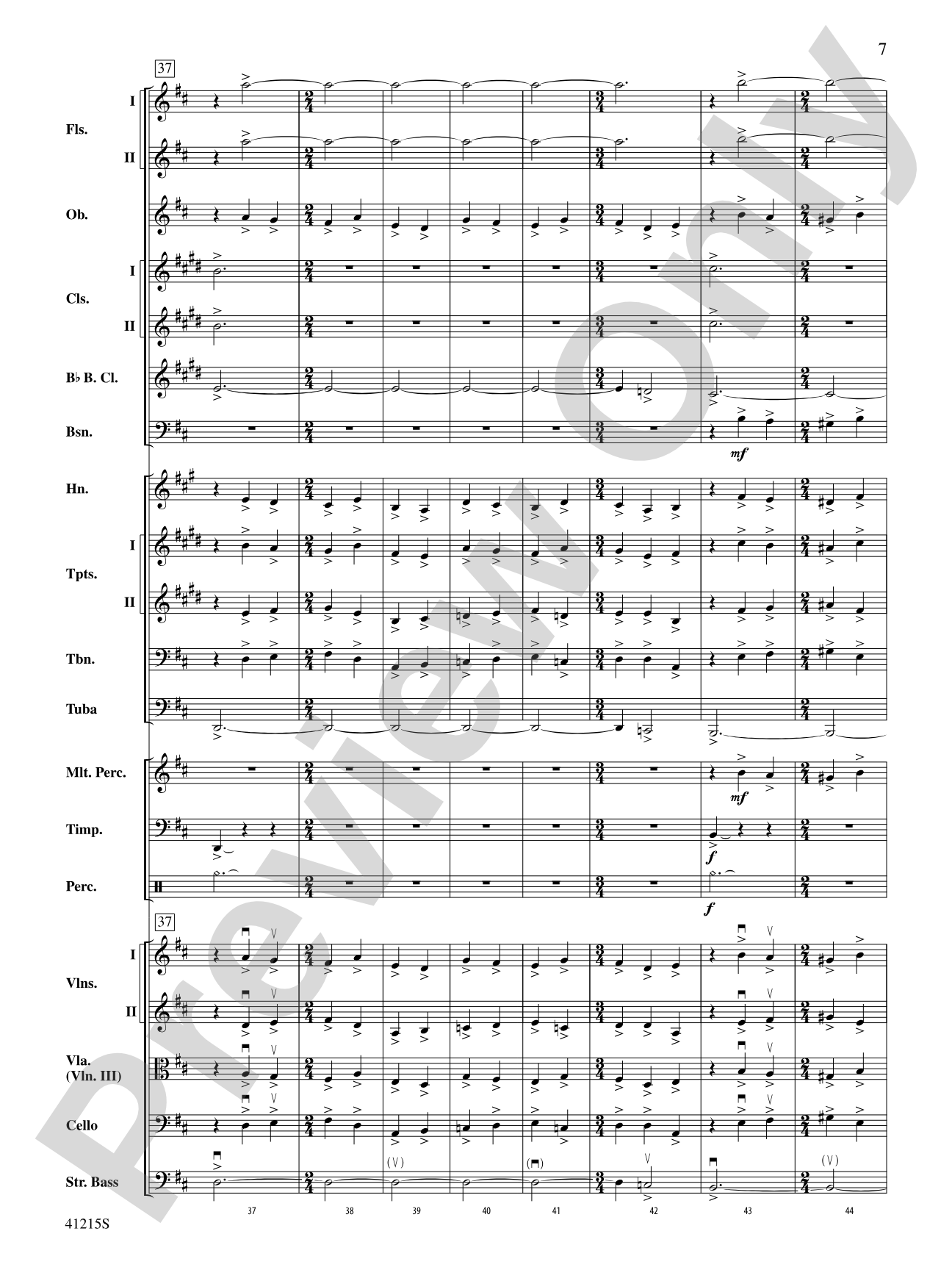
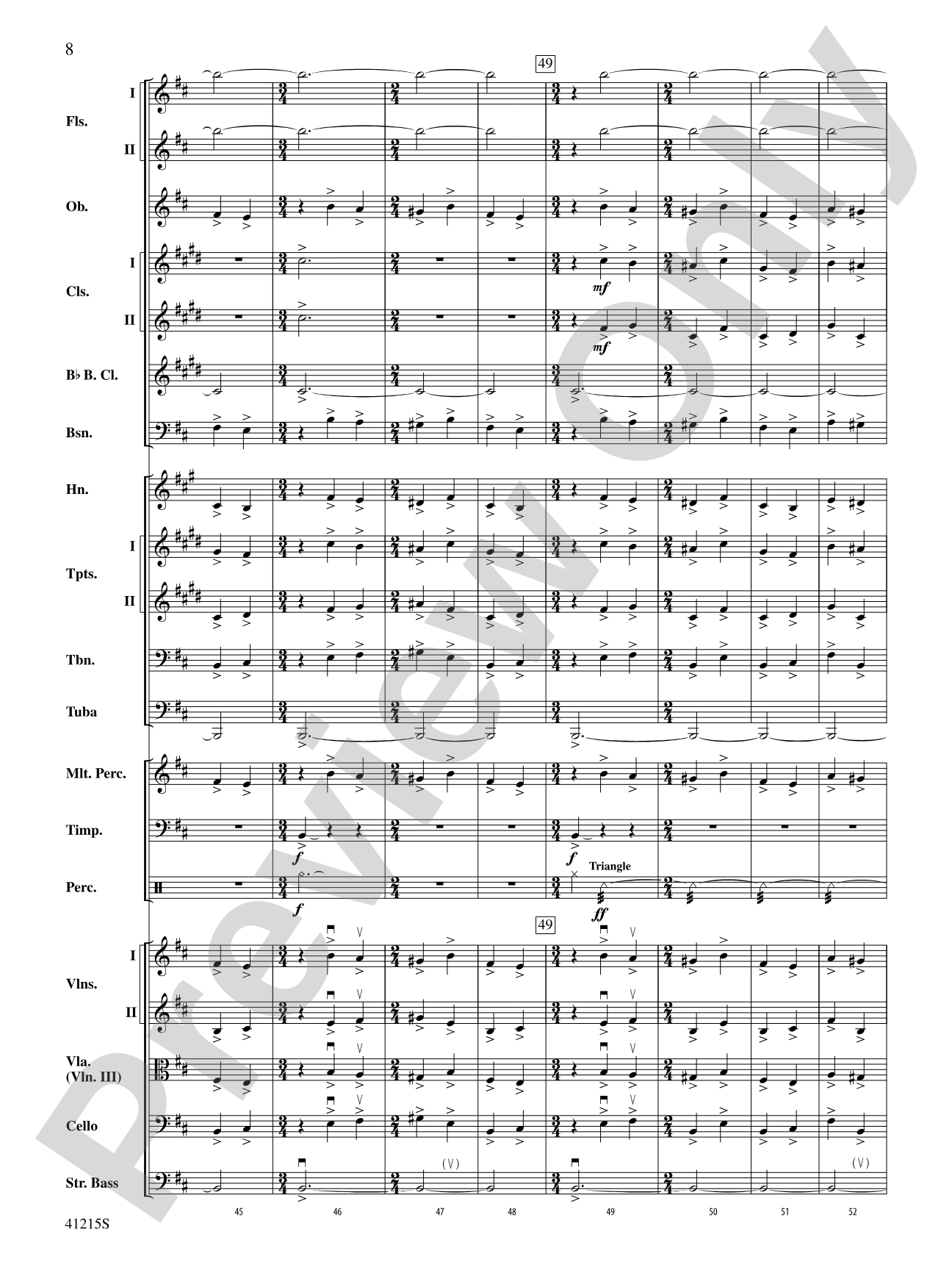
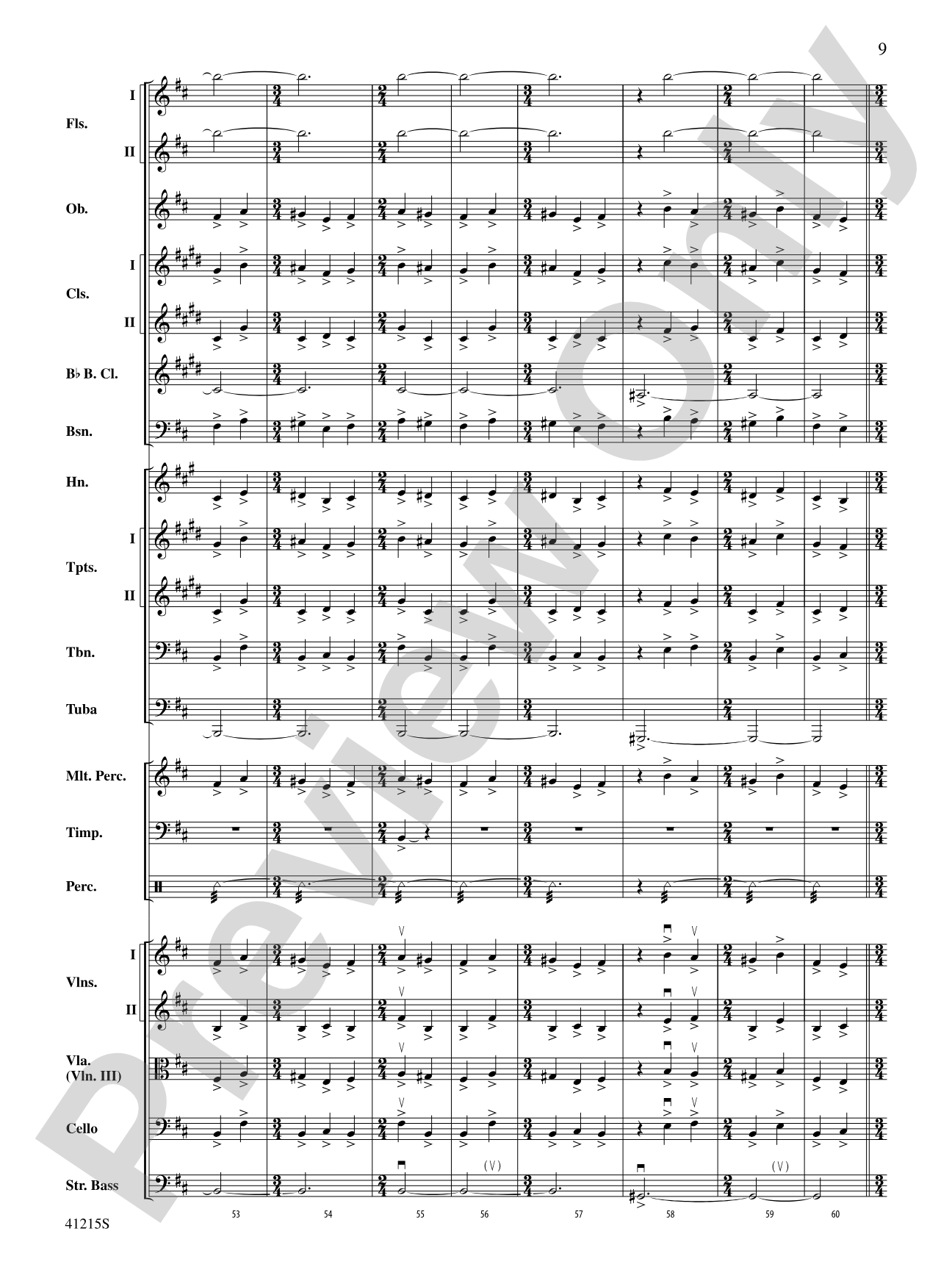
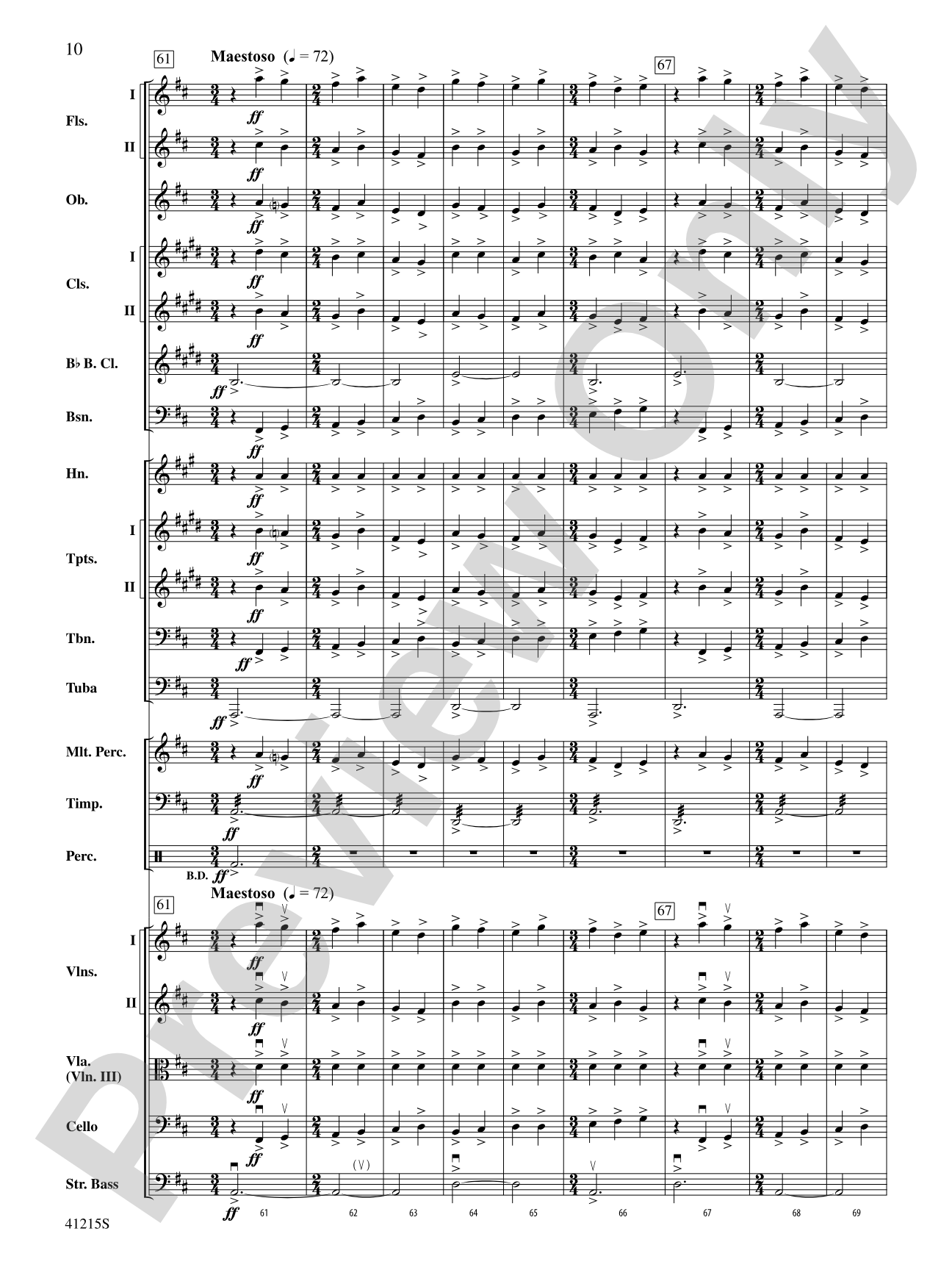
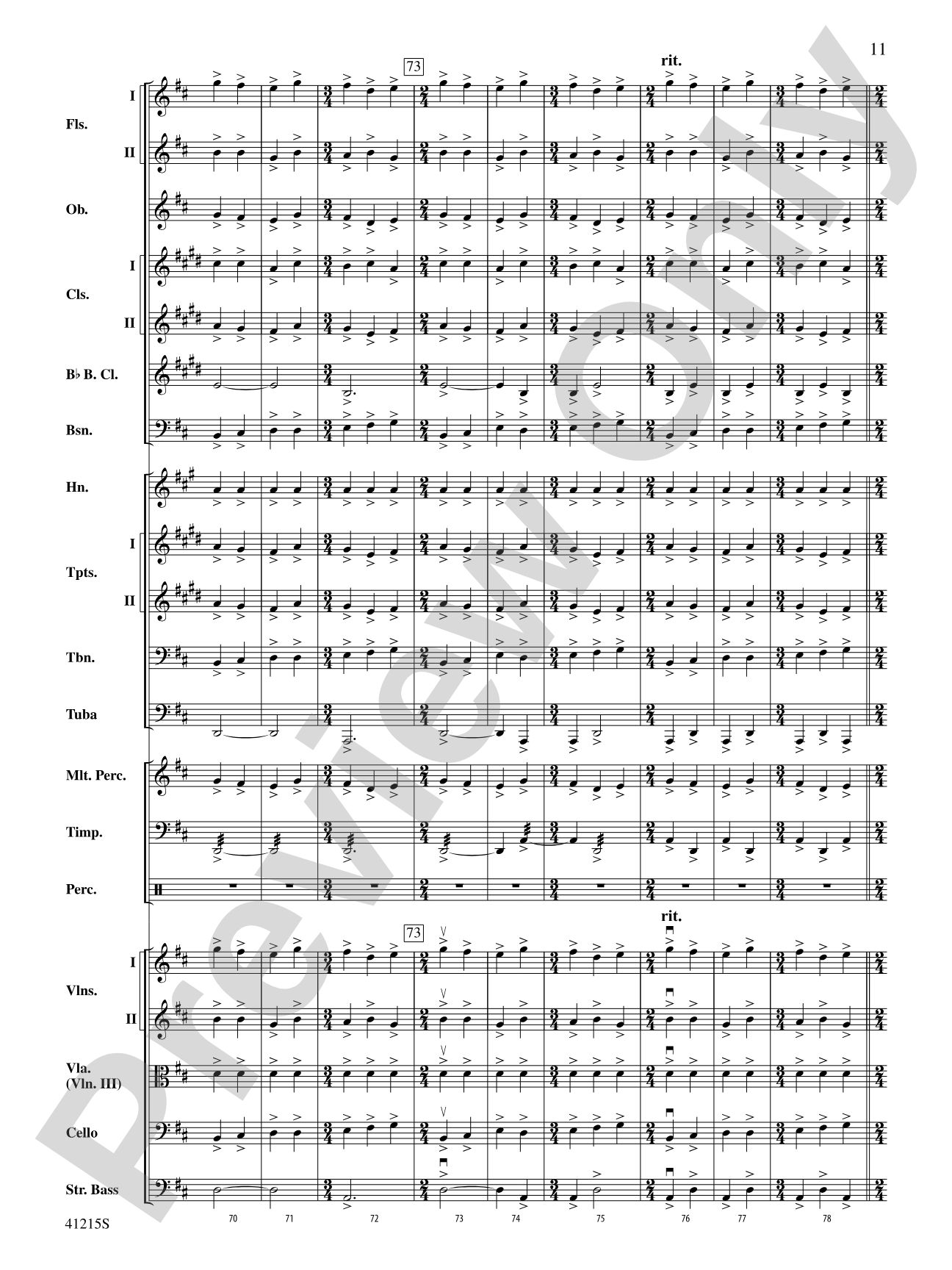
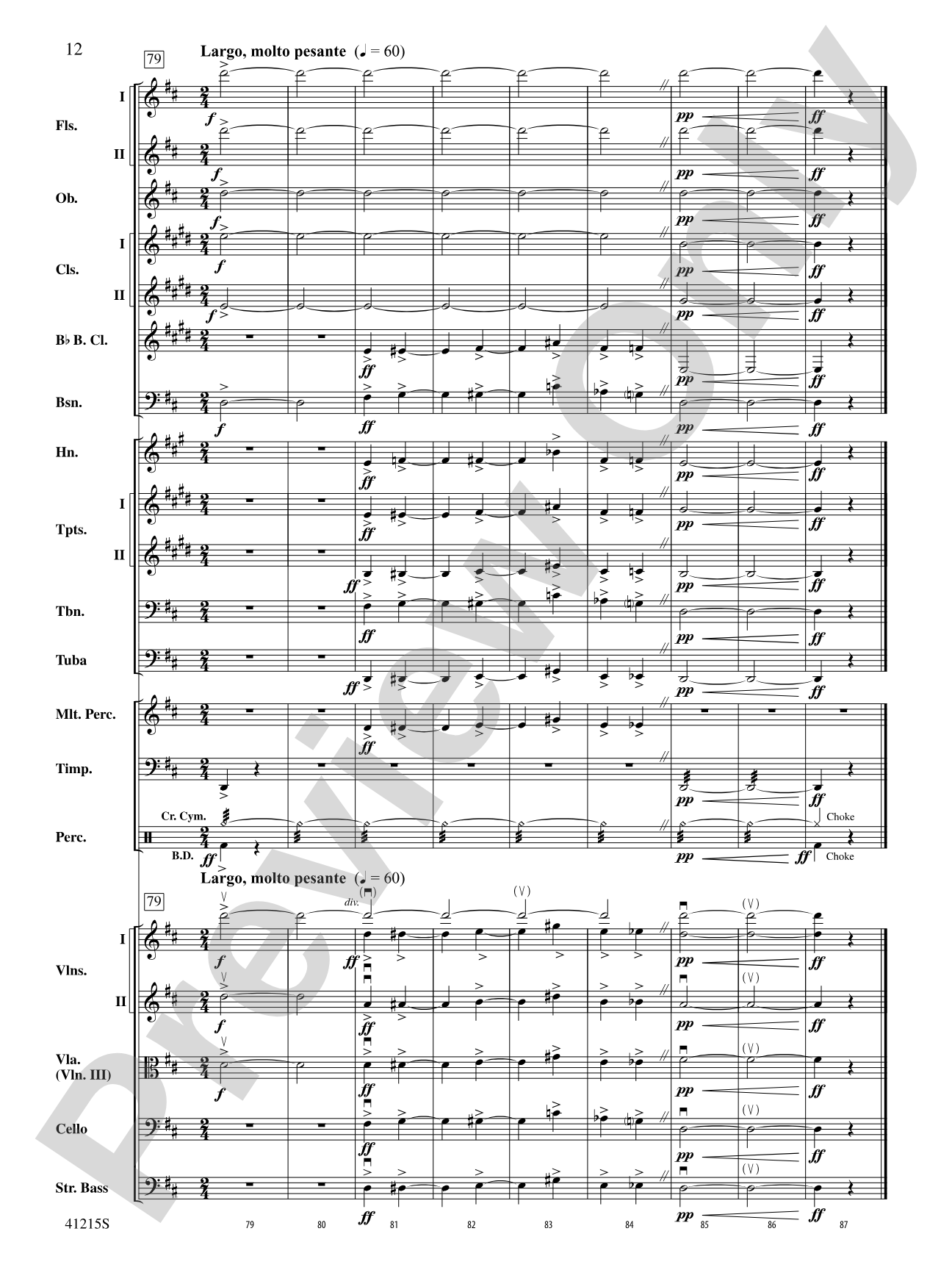

The Firebird: Score
Berceuse and Finale
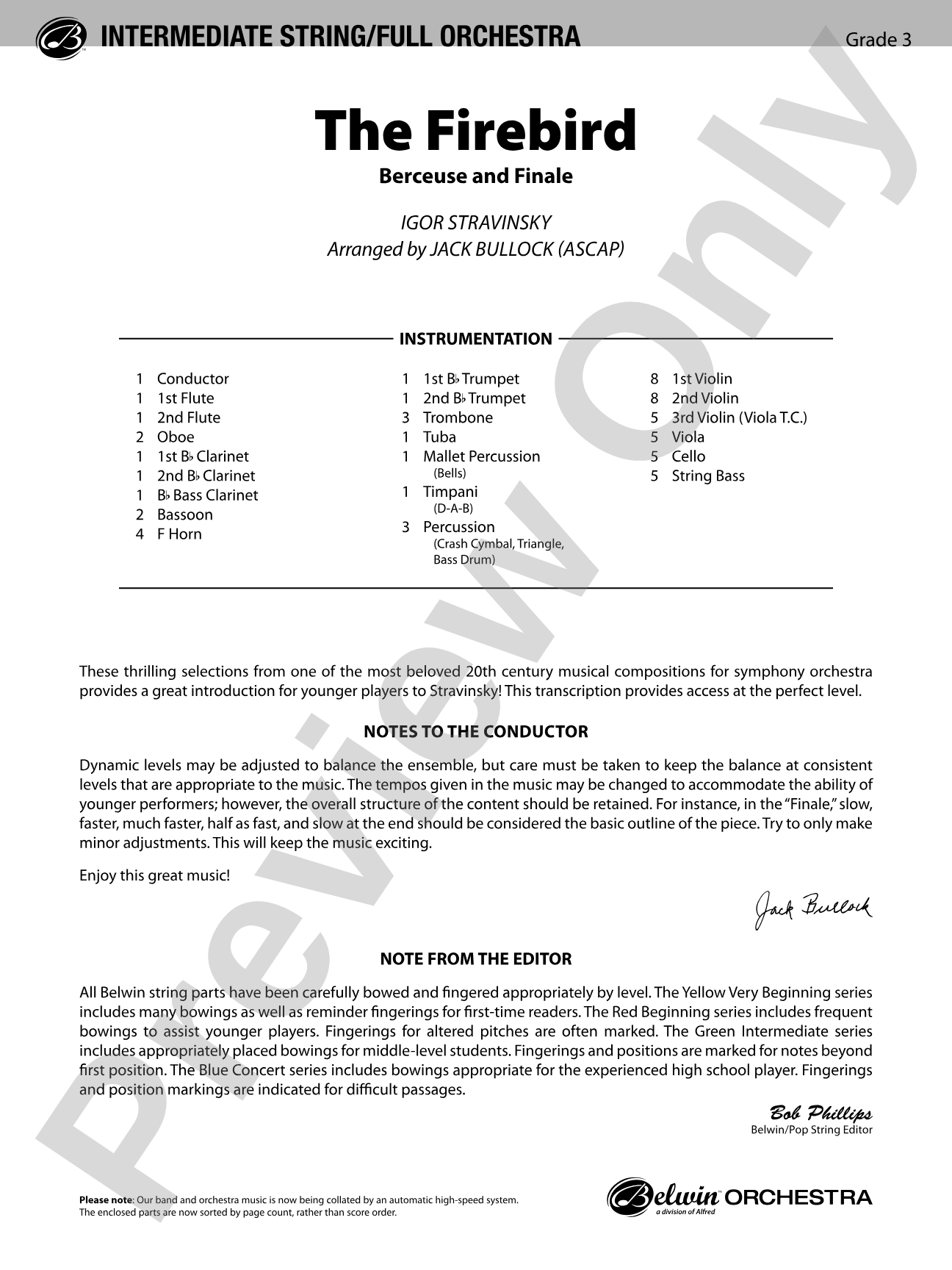
By Igor Stravinsky / arr. Jack Bullock
Grade: 3
Item: 00-PR-0004580
$9.00
Pickup currently not available
Description
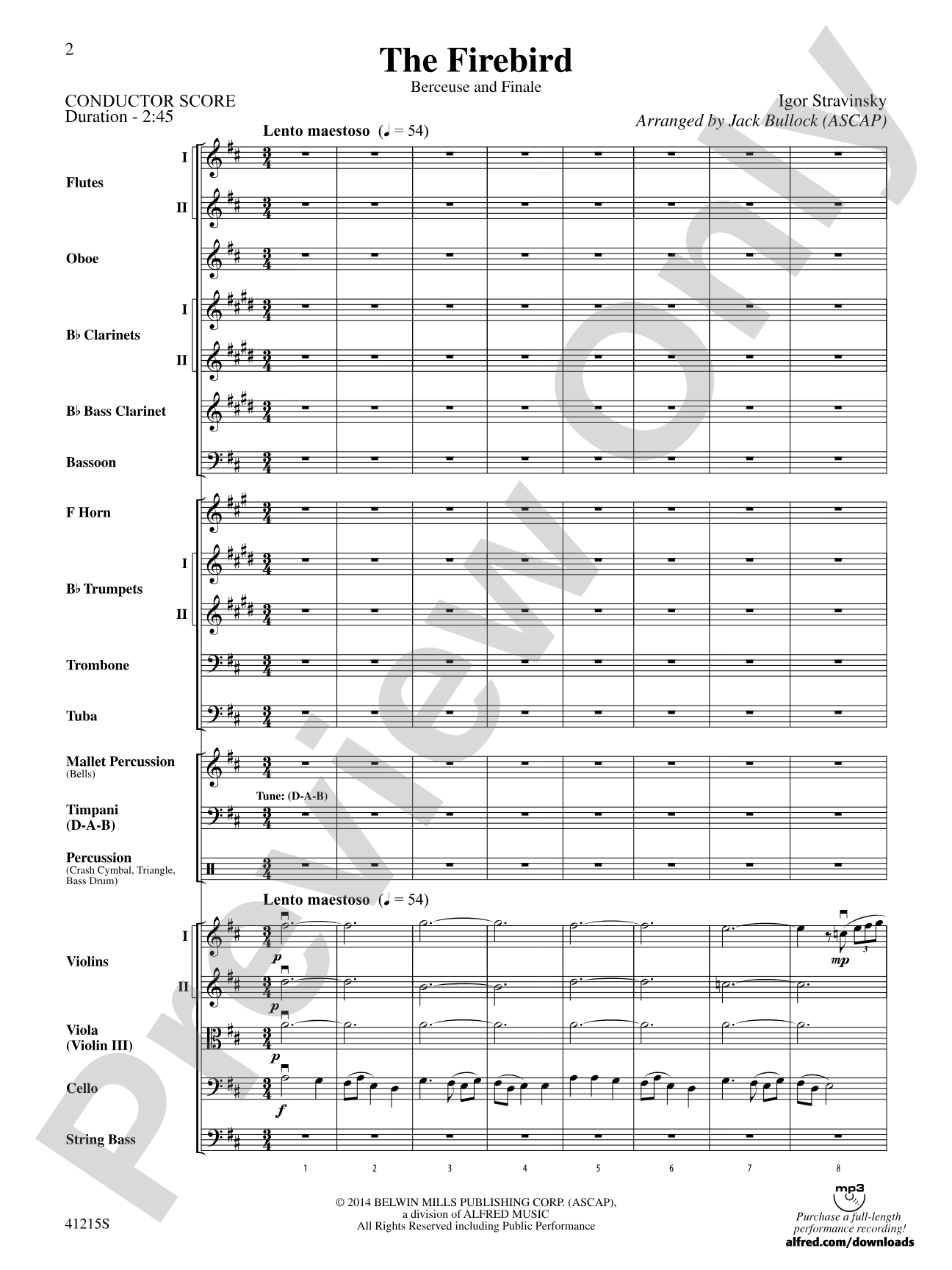
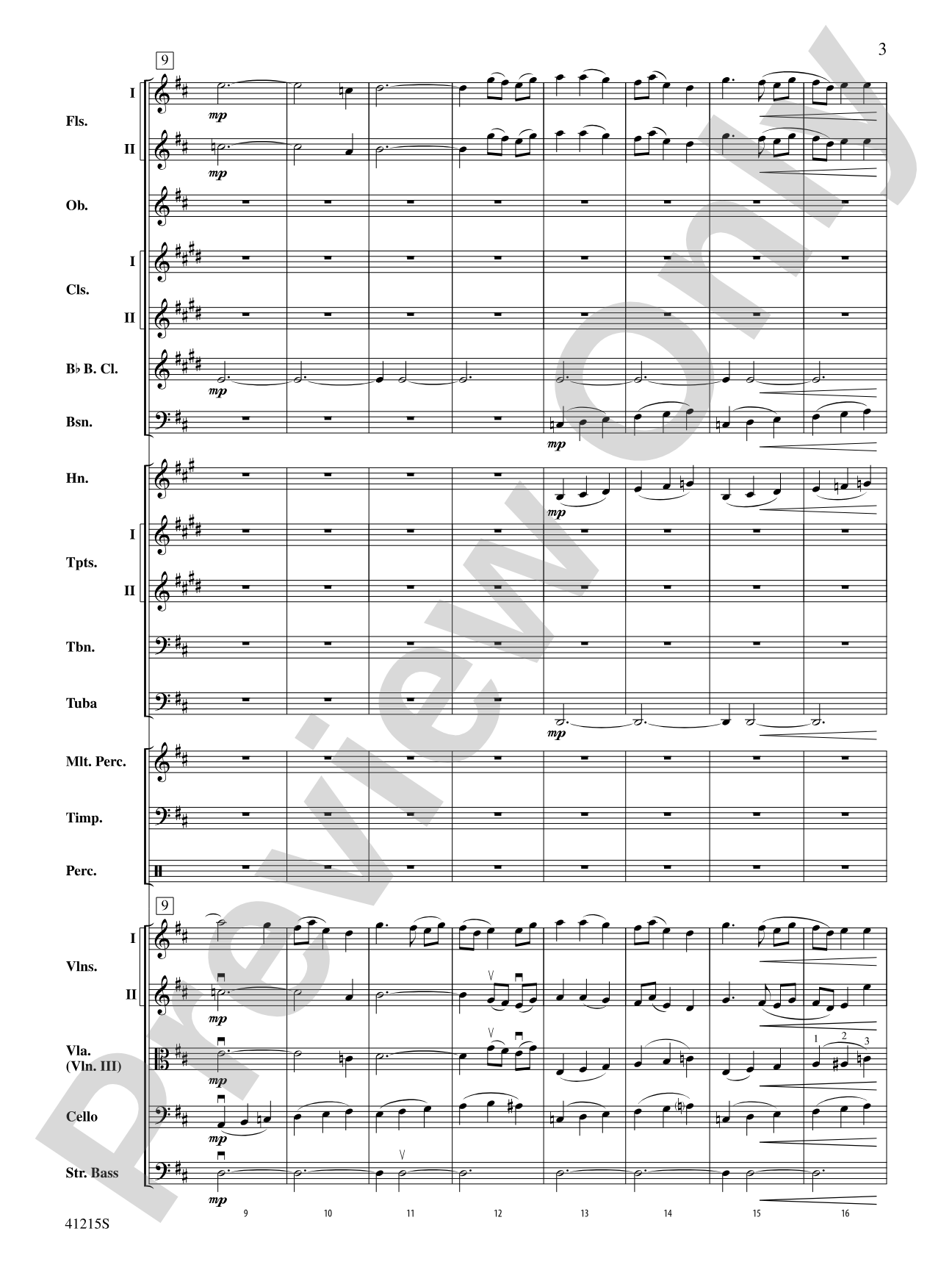
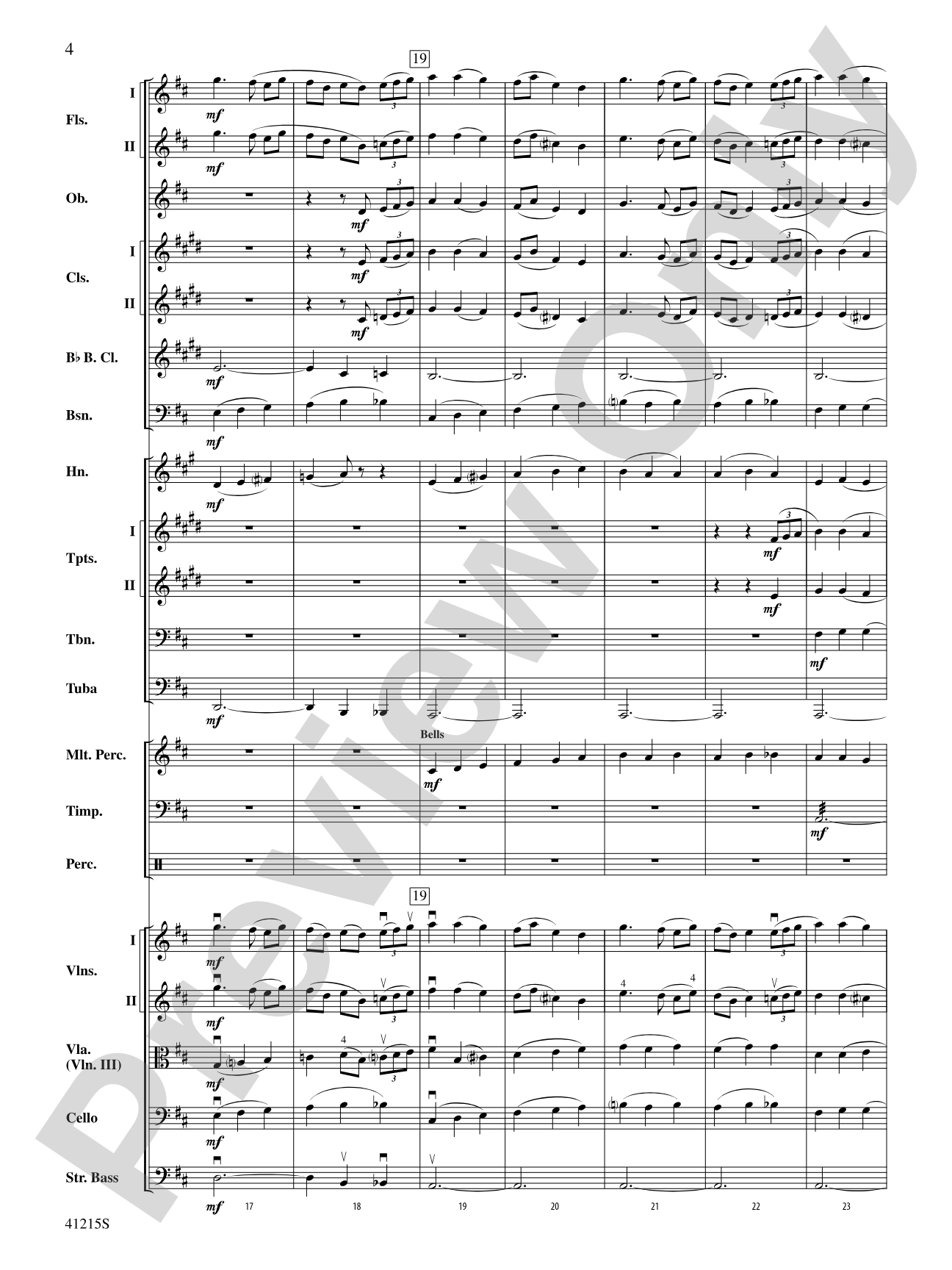
These thrilling selections from one of the most beloved 20th century musical compositions for symphony orchestra provide a great introduction for younger players to Stravinsky! This transcription provides access at the perfect level. (2:45) This title is available in MakeMusic Cloud.


Don't just read it, hear it, play along with it, and watch your students grow with it. In MakeMusic Cloud, The Firebird: Score comes alive with professional accompaniment, adjustable tempo, and built-in practice tools that turn solo practice into real progress.
Open in the Player
Jump straight in and assign it today.
Start Your Free Trial
Open this title and explore the full library in minutes.
Sample Audio
1
Audio File
--:--
0:00
0:00
Sample Video
No sample videos found.
Additional Details
Series:
Belwin Intermediate Full Orchestra
Publisher:
Alfred Music
Page Count:
152
SKU:
00-PR-0004580
More about this title
About the Composer: Igor Stravinsky
Igor Stravinsky revolutionized orchestral writing in the early 20th century through radical harmonic innovation and rhythmic complexity that challenged performers and audiences alike. His ballet scores, particularly The Firebird, established him as a master of orchestration and remain cornerstones of the symphonic repertoire. Stravinsky's influence on how composers approached timbre, rhythm, and form continues to shape music education and contemporary concert music.
Why we love this
This arrangement captures the visceral energy and orchestral color of Stravinsky's original without overwhelming young players. Jack Bullock's Grade 3 transcription preserves the iconic themes and dramatic arc while making the part writing accessible, so your orchestra can experience authentic 20th-century masterwork composition rather than simplified knockoffs.
What to expect
Exotic and urgent. The Firebird shimmers with magical orchestral effects one moment and erupts in driving, primal energy the next. You'll hear Stravinsky's signature blend of Russian folk melody and modernist harmony, creating a soundscape that feels both foreign and irresistible.
Who it's for
Conductors leading orchestras ready for serious 20th-century repertoire but not yet at the technical level of the full Firebird. This works for high school orchestras, advanced middle school programs, or community orchestras seeking to expand beyond Romantic-era standards.
How to get the most out of it
- Balance the distinctive instrumental colors Stravinsky favors; the woodwind solos need to cut through without drowning out string textures, so rehearse sectional balances early.
- Lock in the rhythmic precision before worrying about expression. Stravinsky's syncopation and shifting meters trip up ensembles that haven't drilled the foundation first.
- Use the recorded accompaniment in Cloud to help sections internalize their rhythmic context, especially parts that sit against the main melody.
- Shape the dynamics with intention. Stravinsky rarely wants a straight forte; most climaxes build through careful incremental growth rather than sudden changes.
How to use it
This deserves a concert slot where it can anchor a 20th-century theme or stand alone as a major work on a mixed repertoire program. Its orchestral ambition and recognizable themes make it ideal for opening a concert or as the centerpiece of a spring concert that showcases technical growth from the fall.
Skills your students will build
- Rhythmic precision in syncopated figures and meter changes
- Balancing multiple independent melodic lines in full orchestral texture
- Performing exposed solos with confidence in a modern harmonic context
- Ensemble listening across diverse instrumental colors typical of 20th-century orchestration
- Sustaining focus through longer orchestral works with dramatic pacing