
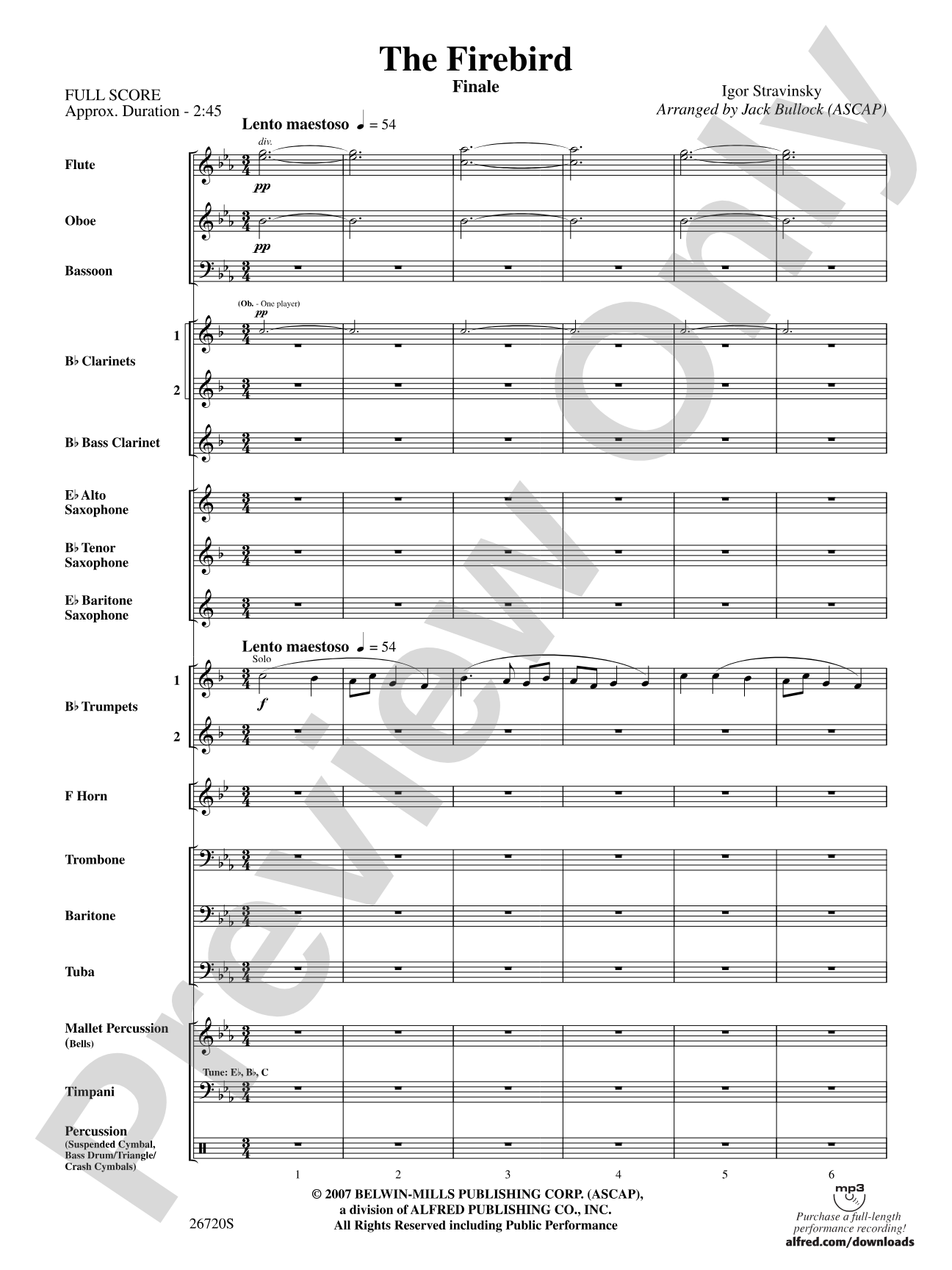
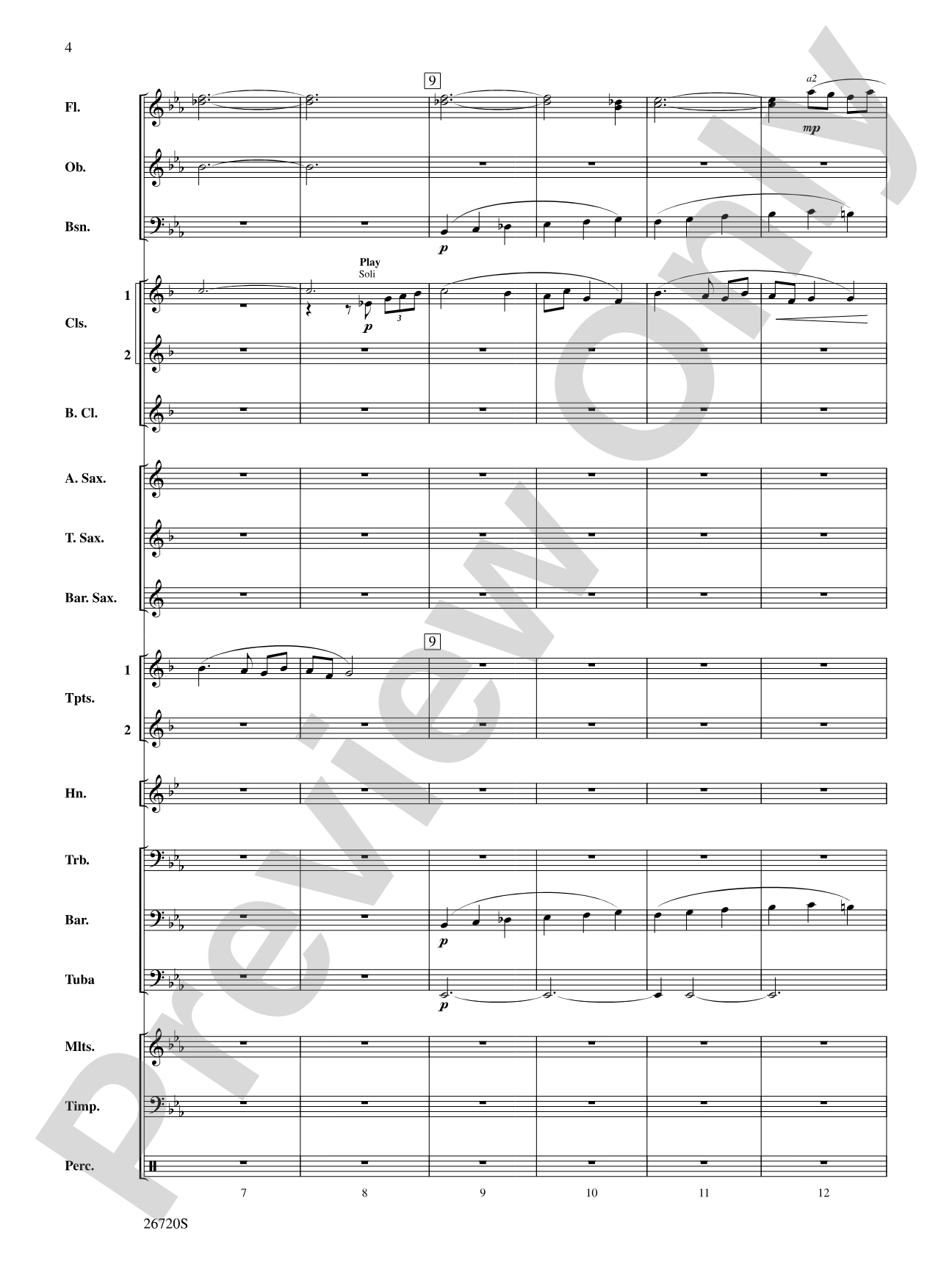
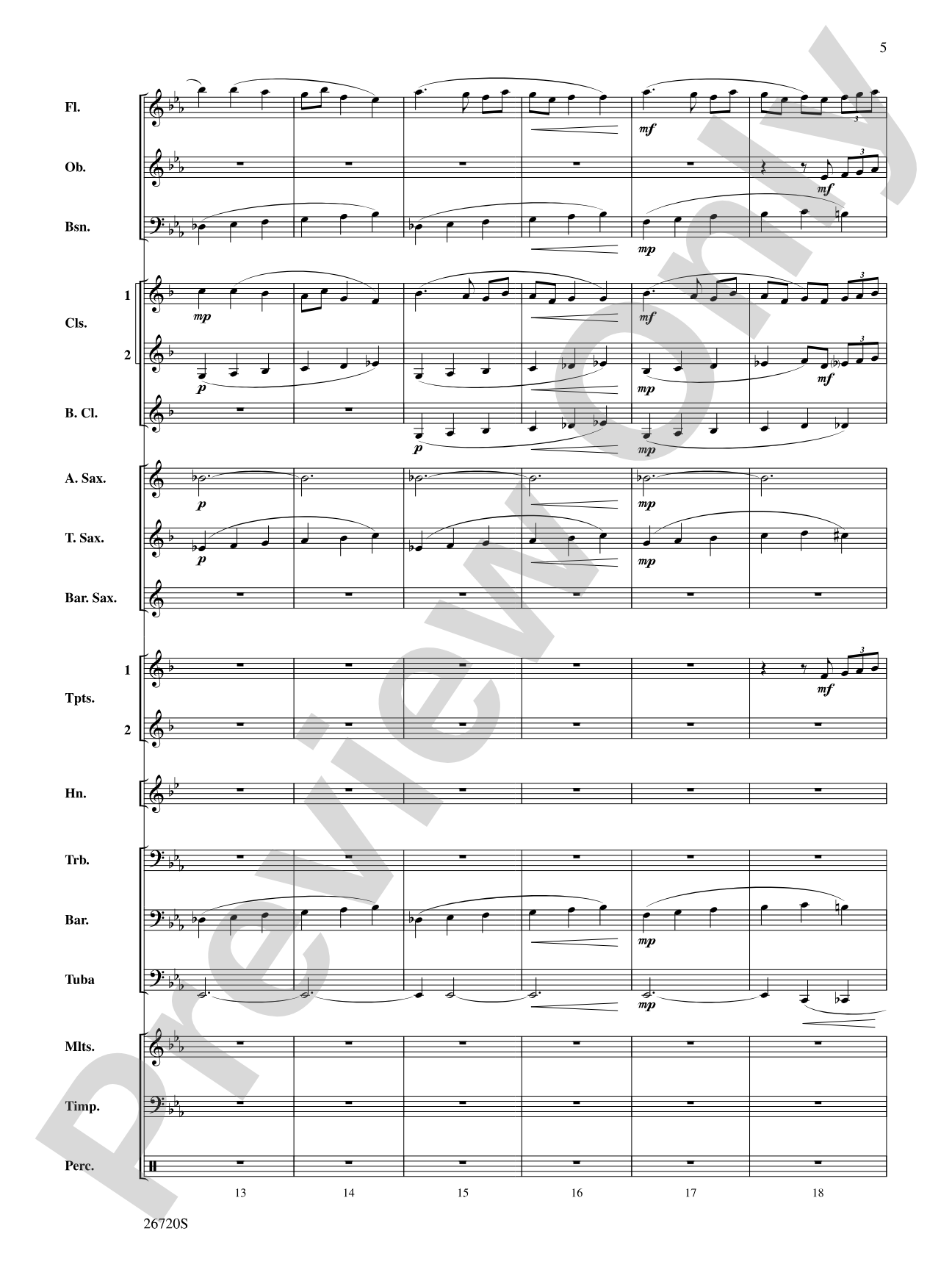
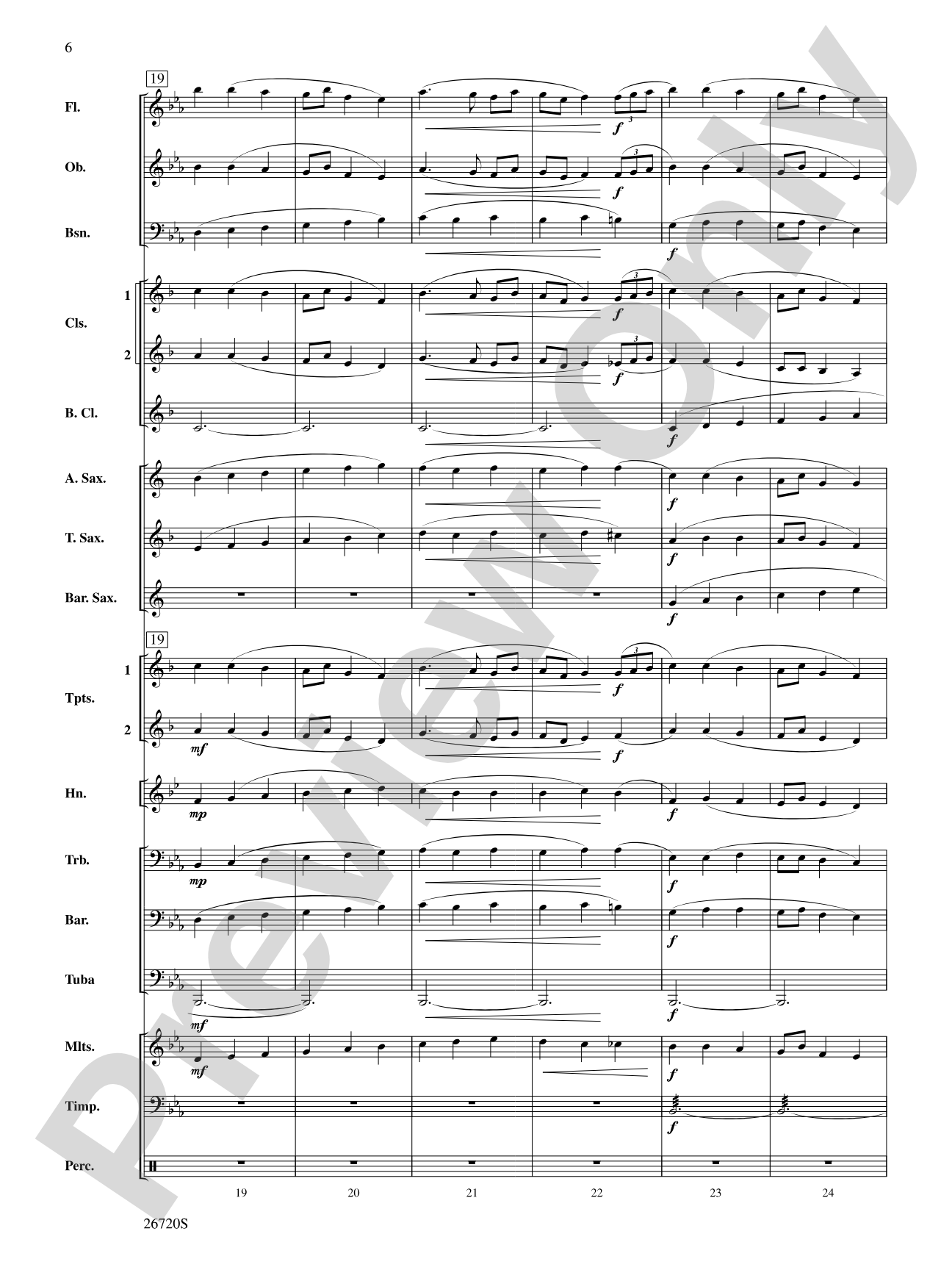
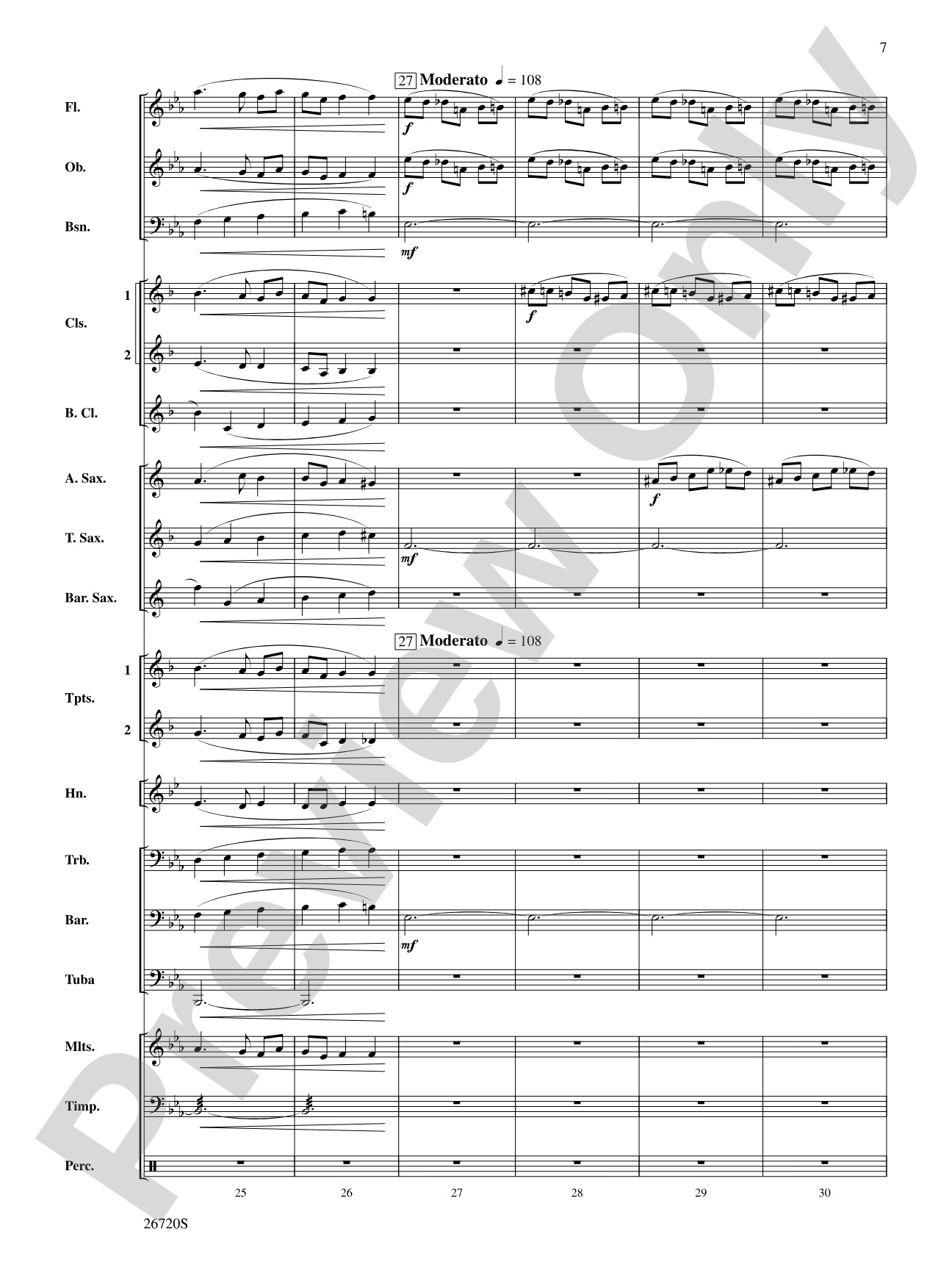
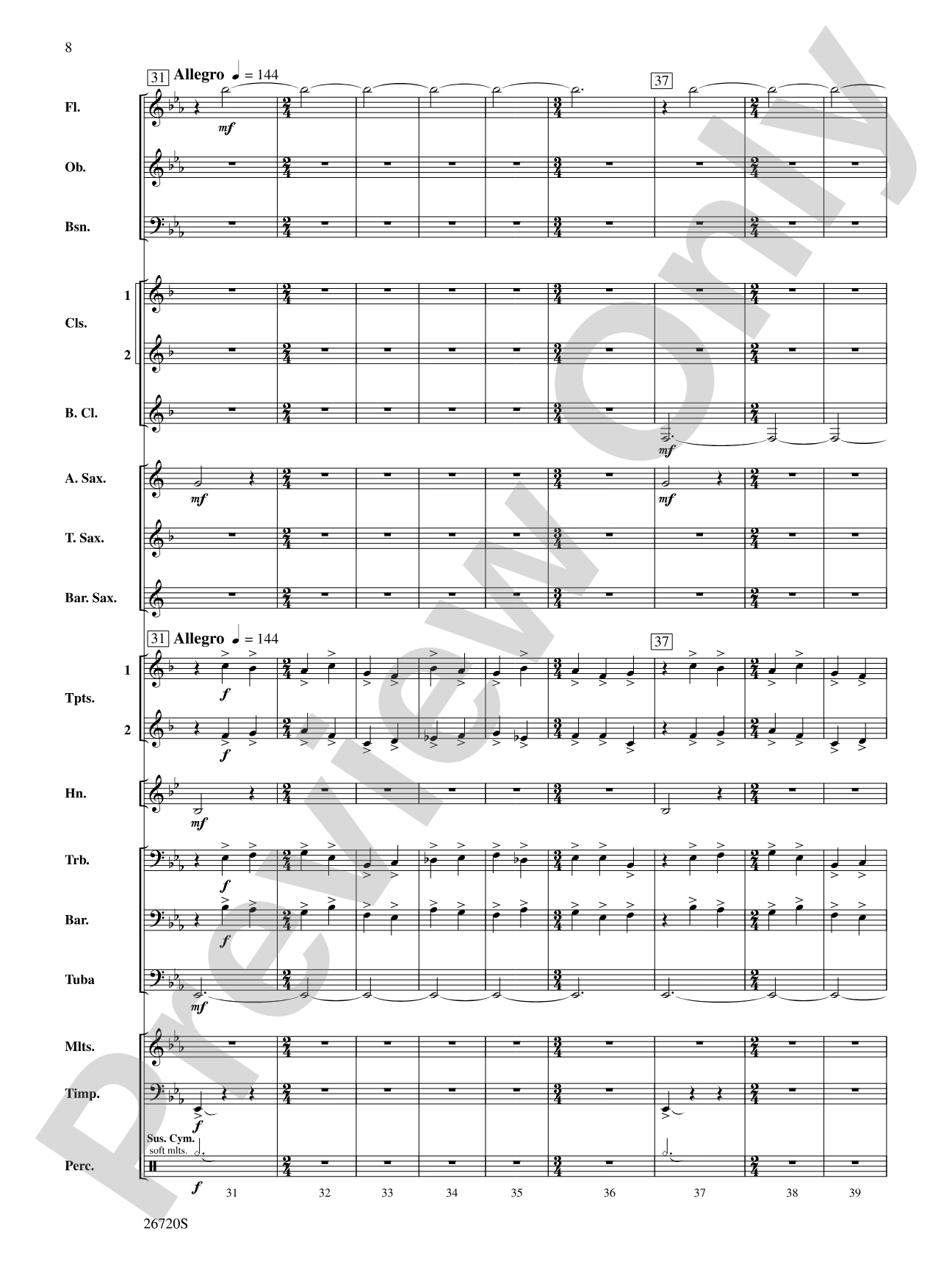
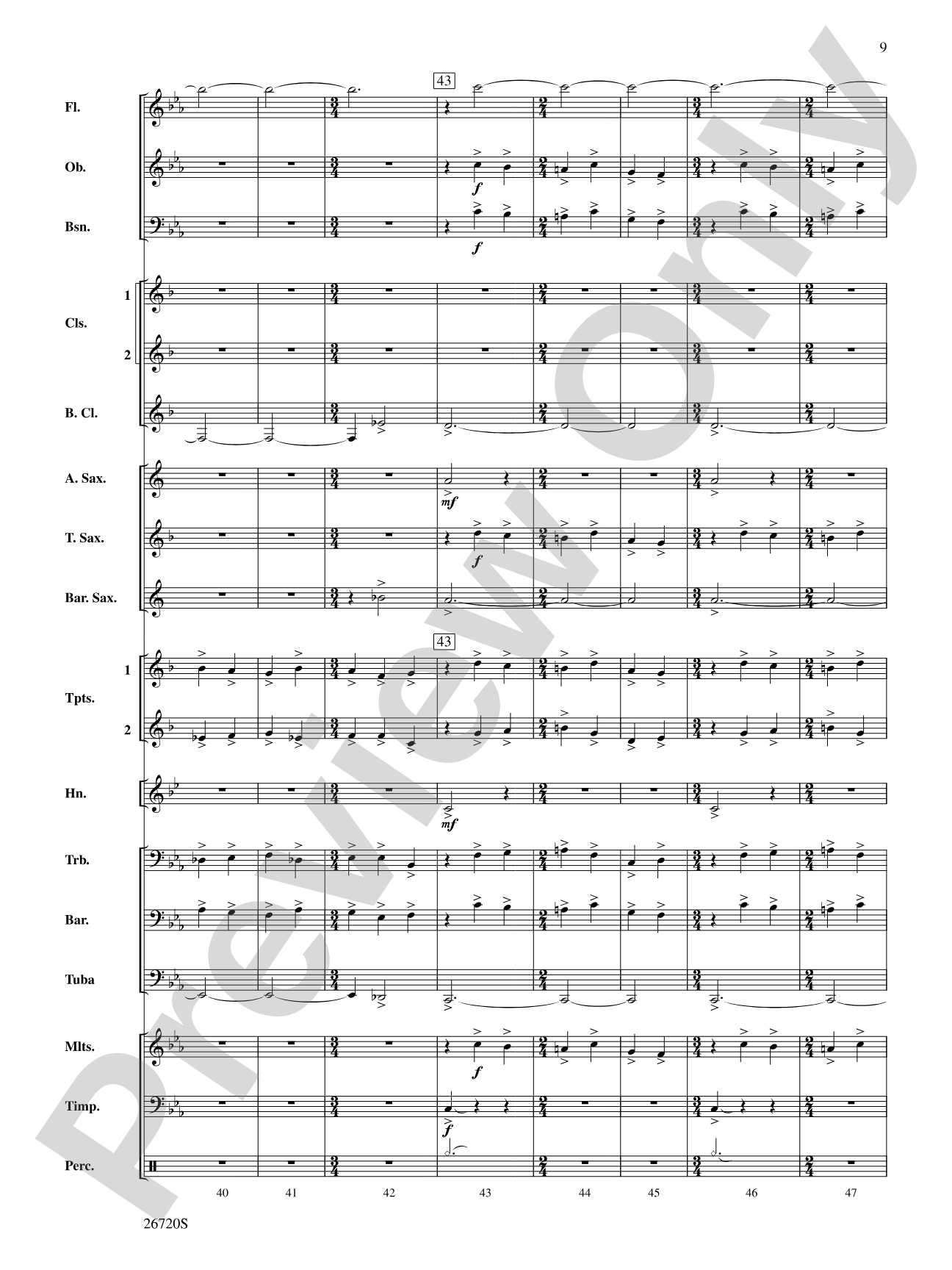
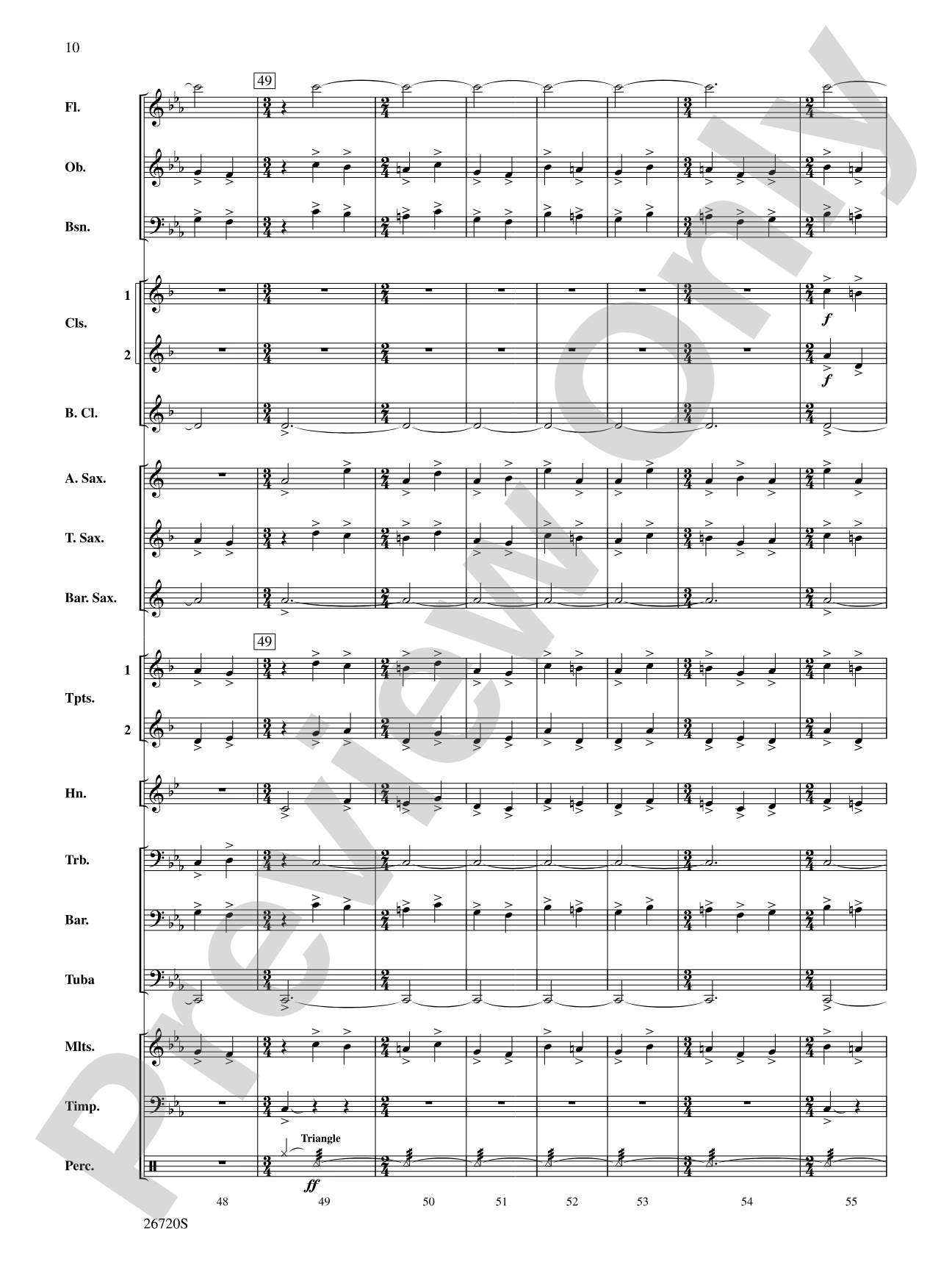
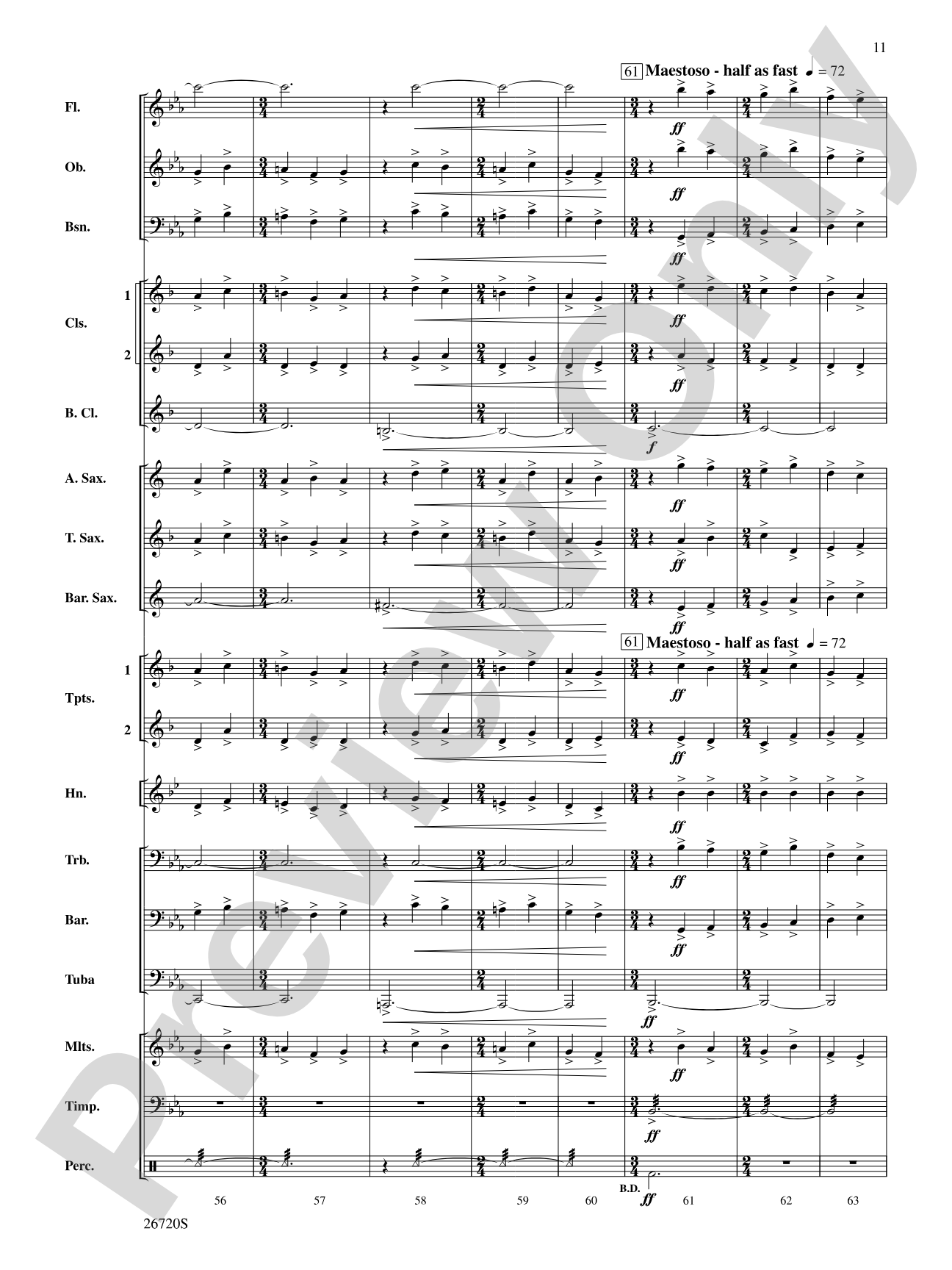
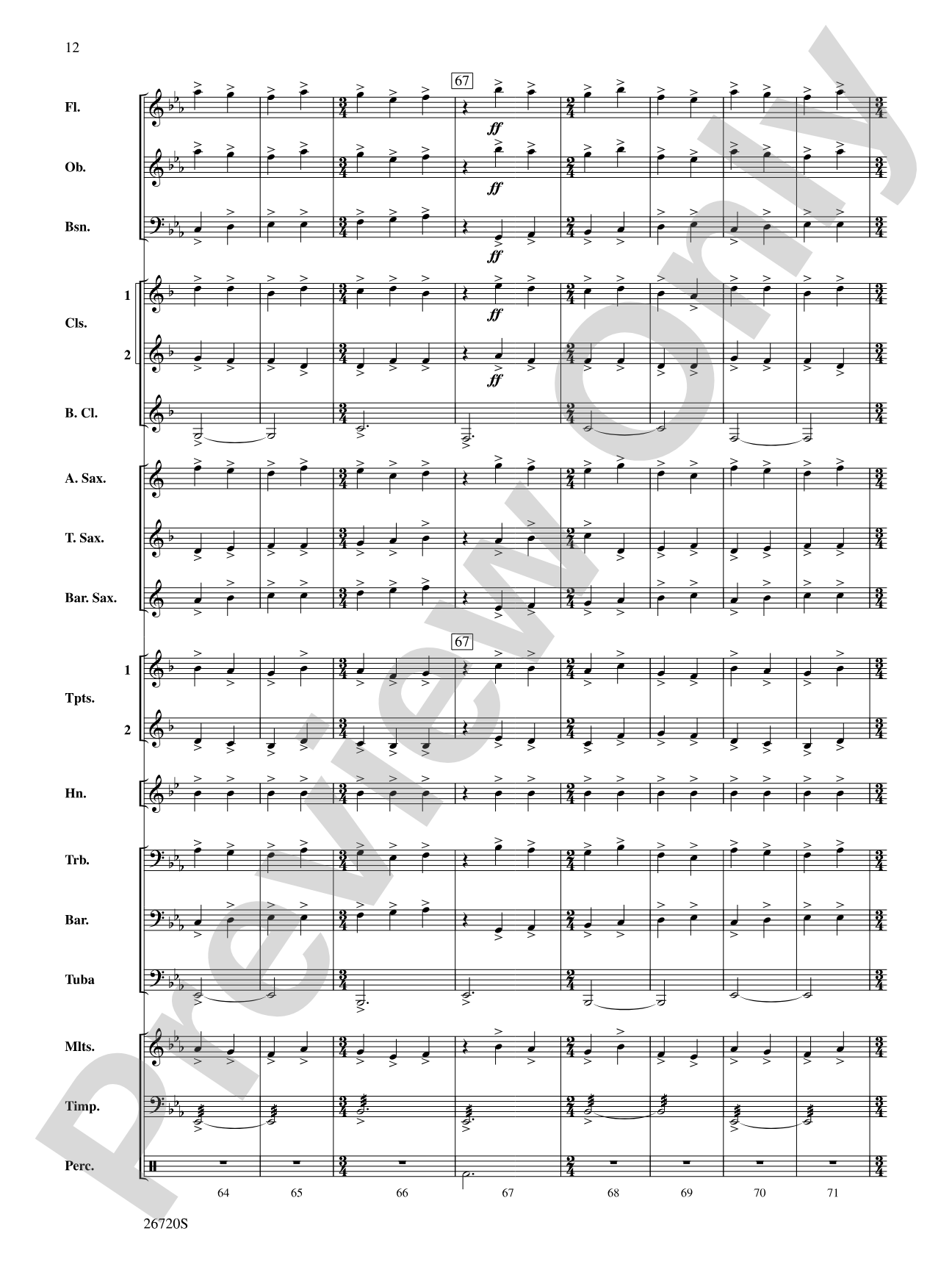
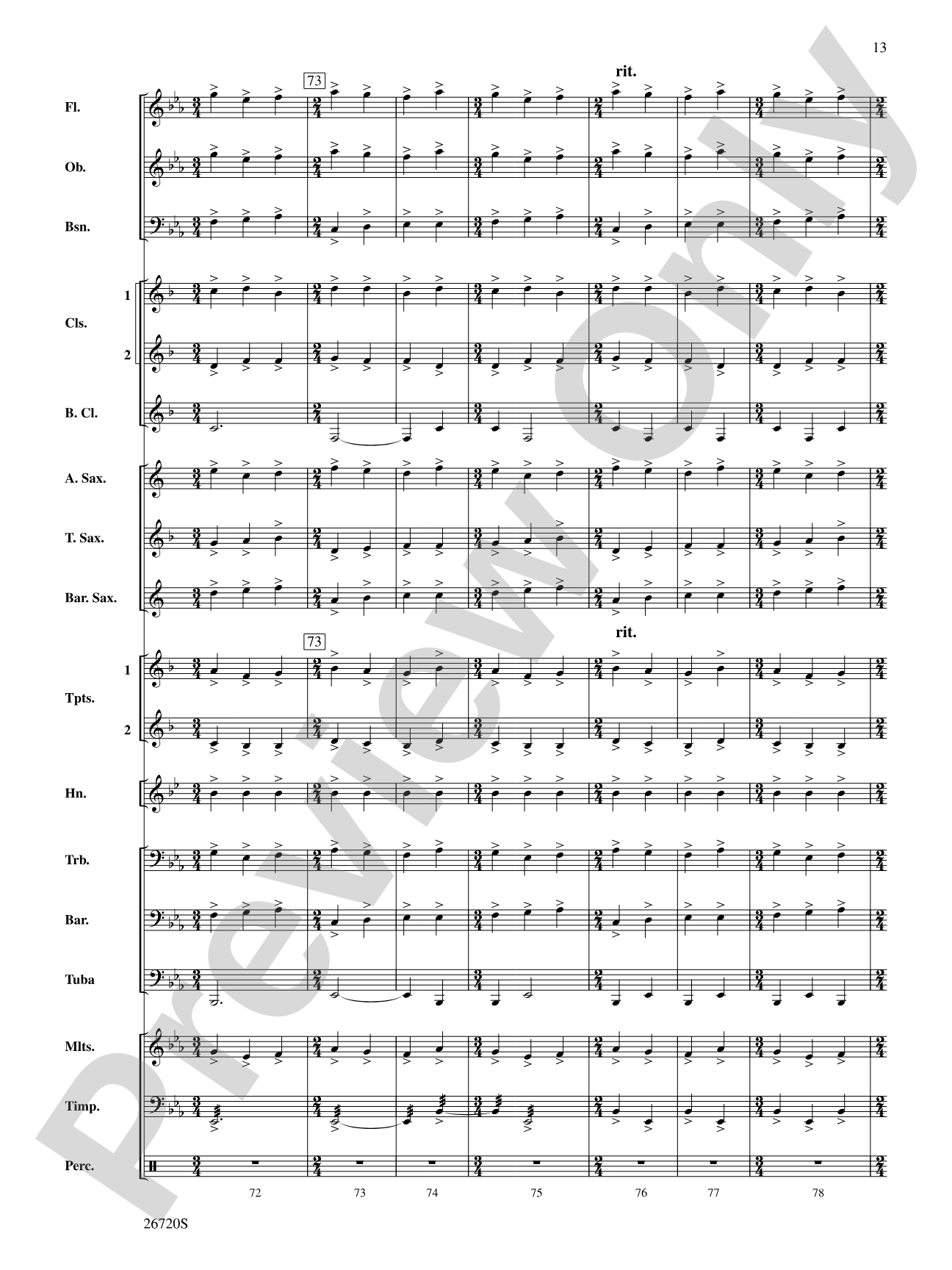
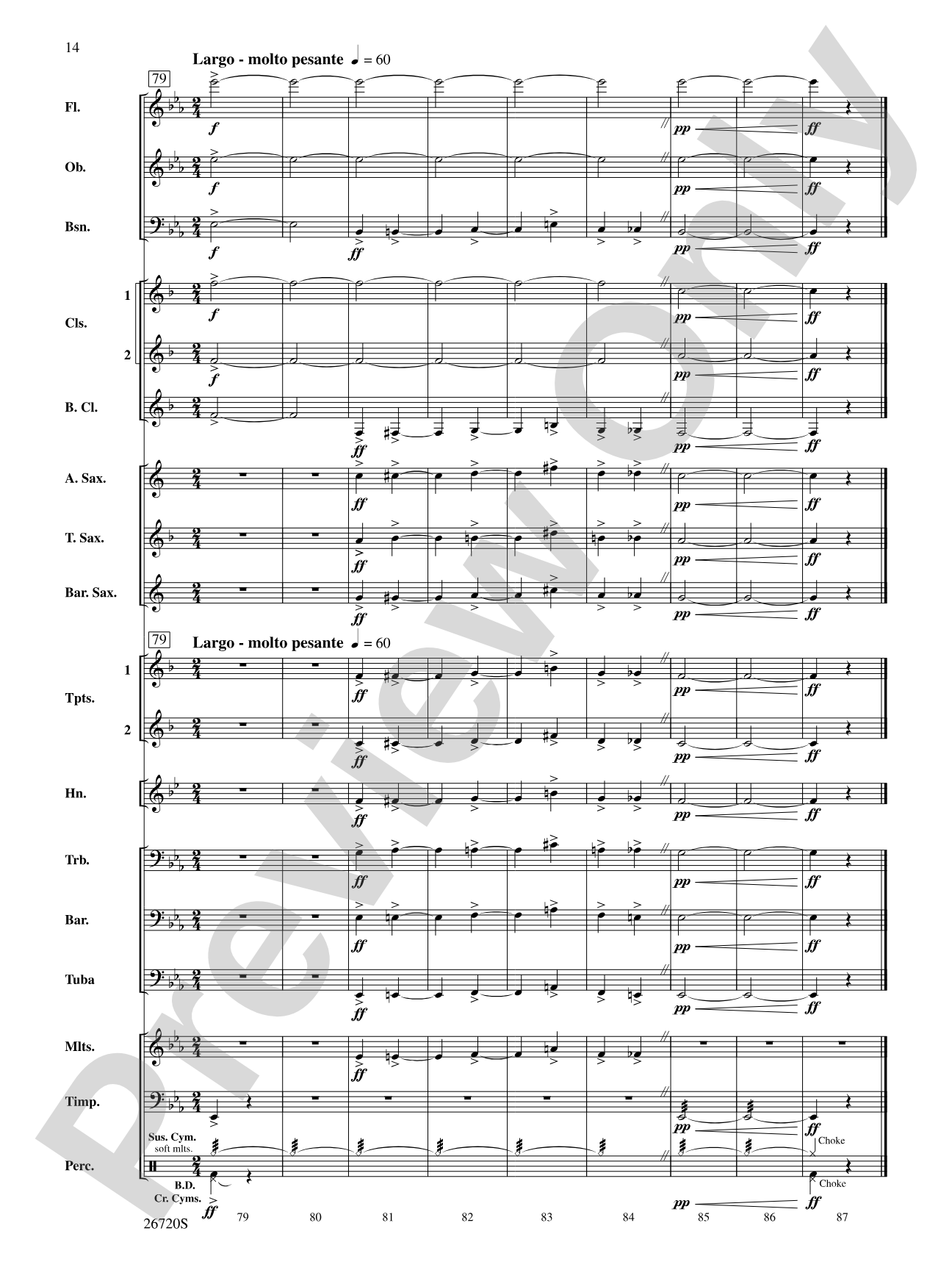

The Firebird: Concert Band Conductor Score & Parts
By Igor Stravinsky / arr. Jack Bullock
Grade: 2 (Easy)
Item: 00-PK-0001201

$57.00
Pickup currently not available
Buy Extra Parts (Digital PDF Download)
Parts Added to Cart!
Related Items
The Firebird: Full Orchestra Conductor Score & Parts |
$60.00
|
View | |
The Firebird: Concert Band Conductor Score & Parts |
$57.00
|
View | |
The Firebird: Concert Band Conductor Score |
$10.00
|
View | |
The Firebird: Full Orchestra Conductor Score & Parts |
$60.00
|
View | |
The Firebird: Full Orchestra Conductor Score |
$7.00
|
View |
Description
A controversial piece at its premiere performance, The Firebird quickly became standard repertoire for symphony orchestras. The suite contains a thrilling "thunderclap" in the wonderful conclusion. This arrangement of The Firebird was transcribed for developing bands, introducing young musicians to Stravinsky and this 20th Century musical composition. Tremendous classic repertoire for your young band! (3:00) This title is available in MakeMusic Cloud.


Don't just read it, hear it, play along with it, and watch your students grow with it. In MakeMusic Cloud, The Firebird: Concert Band Conductor Score & Parts comes alive with professional accompaniment, adjustable tempo, and built-in practice tools that turn solo practice into real progress.
Open in the Player
Jump straight in and assign it today.
Start Your Free Trial
Open this title and explore the full library in minutes.
Sample Audio
1
Audio File
--:--
0:00
0:00
Sample Video
Additional Details
Series:
Belwin Young Band
Publisher:
Alfred Music
Page Count:
61
SKU:
00-PK-0001201
More about this title
About the Composer: Igor Stravinsky
Igor Stravinsky (1882, 1971) shaped modern music by refusing to repeat himself. His works span Russian Romanticism, neoclassicism, serialism, and beyond; each phase marked a decisive break from the last. The Firebird, his 1910 breakthrough, announced a composer unafraid of orchestral color, rhythmic invention, and dramatic gesture. For decades it remained his most frequently performed work, introducing audiences worldwide to 20th-century classical music.
In the concert hall and the classroom, Stravinsky's influence runs deep. His scores demand clarity of ensemble, precision in rhythm, and fearlessness about dissonance. Young musicians who play his work learn not just notes on a page, but the sound and syntax of modern composition.
Why we love this
Jack Bullock's arrangement strips The Firebird down to its essence without losing the magic that made it a sensation. You get genuine Stravinsky, the rhythmic snap, the orchestral color, the theatrical sweep, at a level where your developing band can actually execute it with confidence. The thunderclap finale delivers real impact and will stick with your audience.
What to expect
The Firebird crackles with magic and danger. Shimmering woodwind figures conjure an otherworldly presence, while the orchestra builds toward moments of breathtaking grandeur and intensity. The famous thunderclap conclusion arrives with visceral power, leaving audiences and performers exhilarated.
Who it's for
Grade 2 bands looking for repertoire that connects young musicians to genuine masterworks and 20th-century composition. This arrangement works equally well for developing ensembles in their first or second year of standard concert repertoire, as it builds confidence through accessible ranges and parts while delivering the excitement of a world-class piece.
How to get the most out of it
- Balance the chromatic figures in the woodwind lines during the opening; clarity here sets up the entire dramatic narrative, so resist the temptation to blur or rush through these passages.
- Conduct the rhythmic sections with clear, steady pulses. Stravinsky's rhythmic language is the engine of this piece, and your band will lock in more securely when you establish unwavering time.
- Shape the climactic thunderclap moment by building intensity through the preceding measures. The parts are written to accumulate power, so each section needs to track the overall swell to maximize impact.
- Let the melodic lines breathe in the quieter sections. Student musicians often over-sustain long tones; encourage them to maintain tone quality while allowing musical phrases to have shape and direction.
How to use it
Program this as a showstopper on a concert featuring other 20th-century works, or place it strategically in a concert narrative to introduce young audiences to Stravinsky's impact on modern music. The three-minute duration and high audience appeal make it equally valuable for festival performances or final concerts where you want to leave a lasting impression.
Skills your students will build
- Reading chromatic and altered harmonies characteristic of 20th-century composition
- Maintaining rhythmic precision through syncopation and irregular phrase lengths
- Balancing multiple chromatic lines in the woodwinds while keeping harmonic clarity
- Executing dynamic contrasts from delicate pianissimos to powerful fortissimos
- Shaping long melodic arcs across multiple phrases