
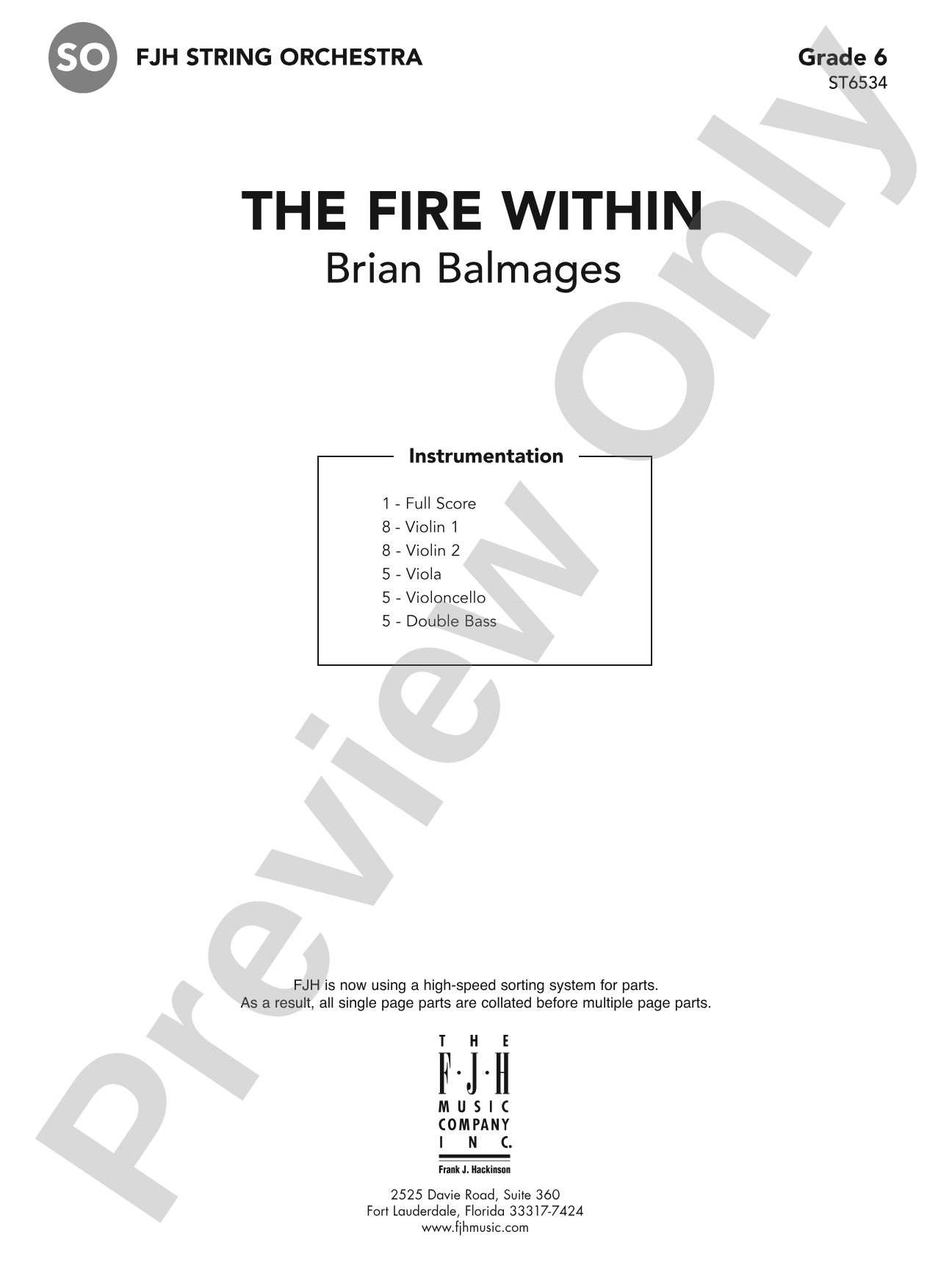
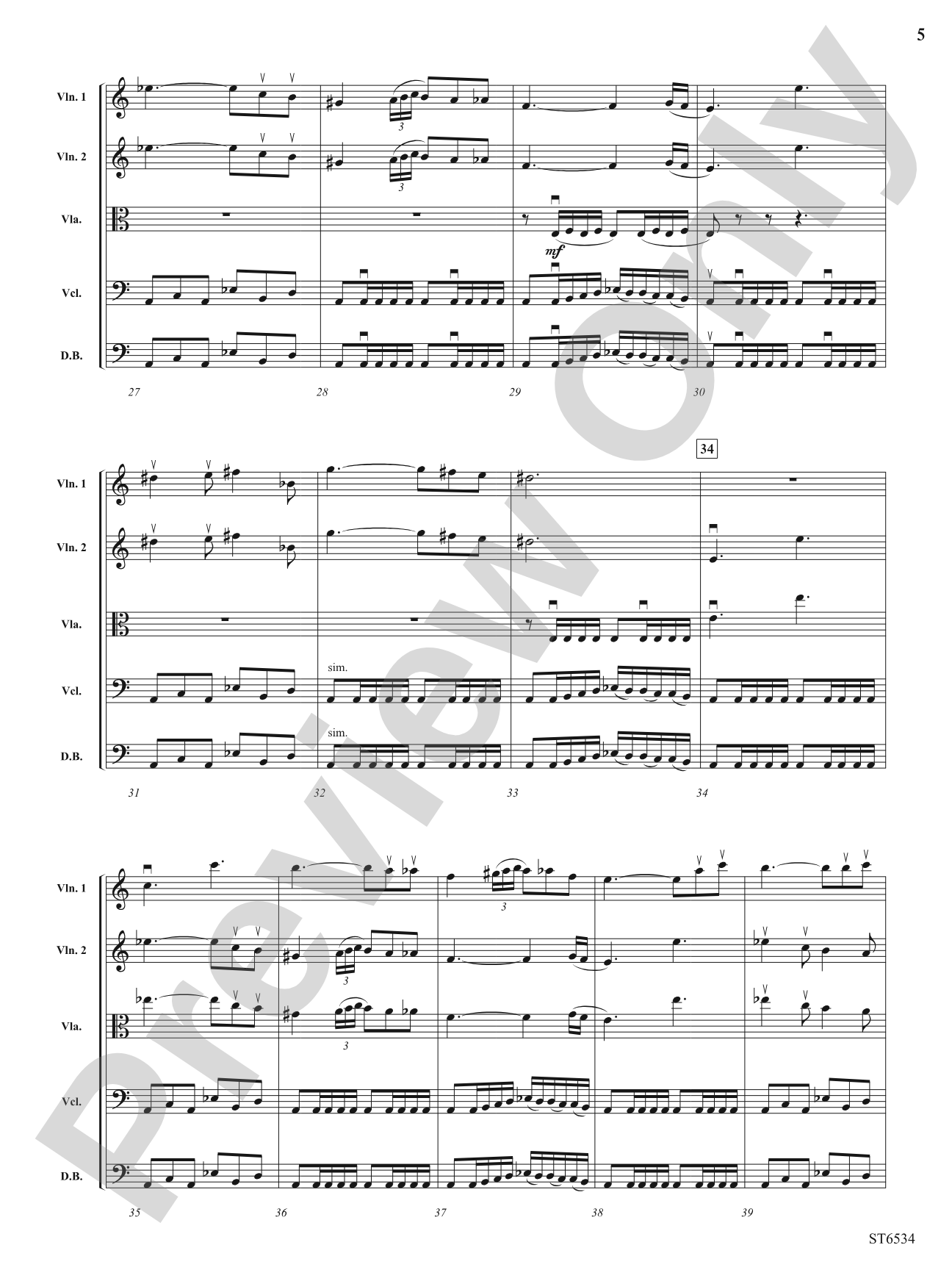
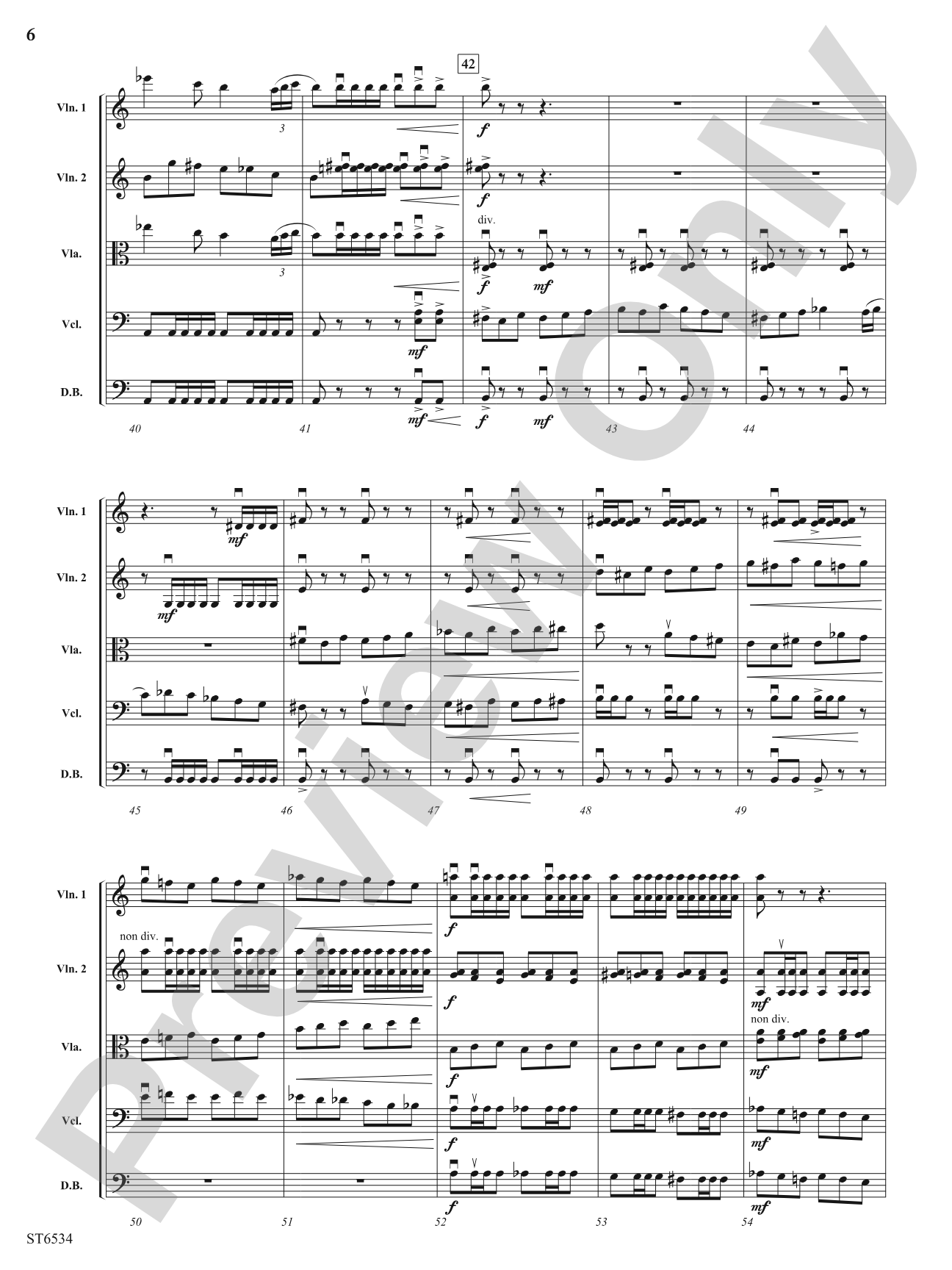
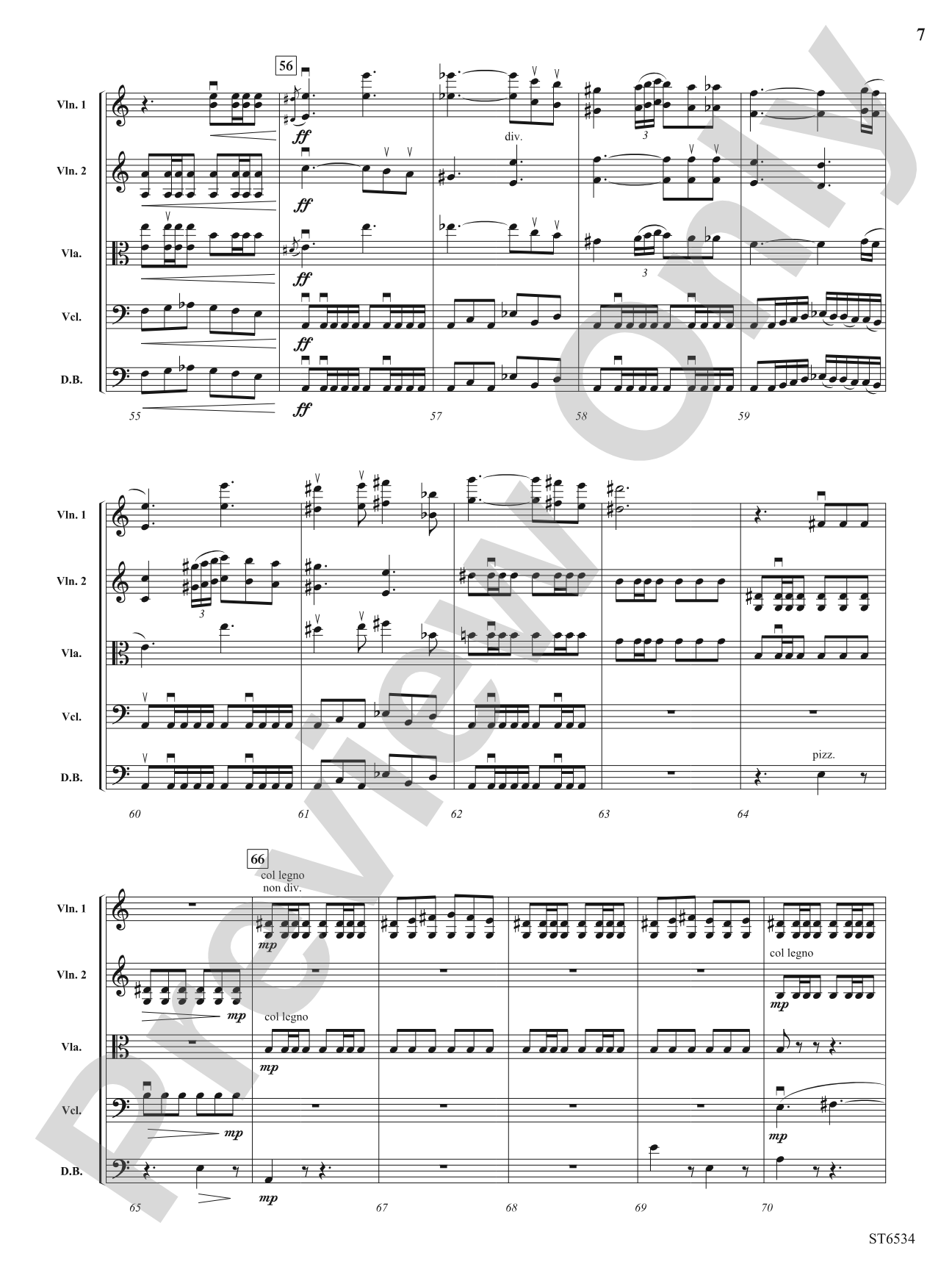
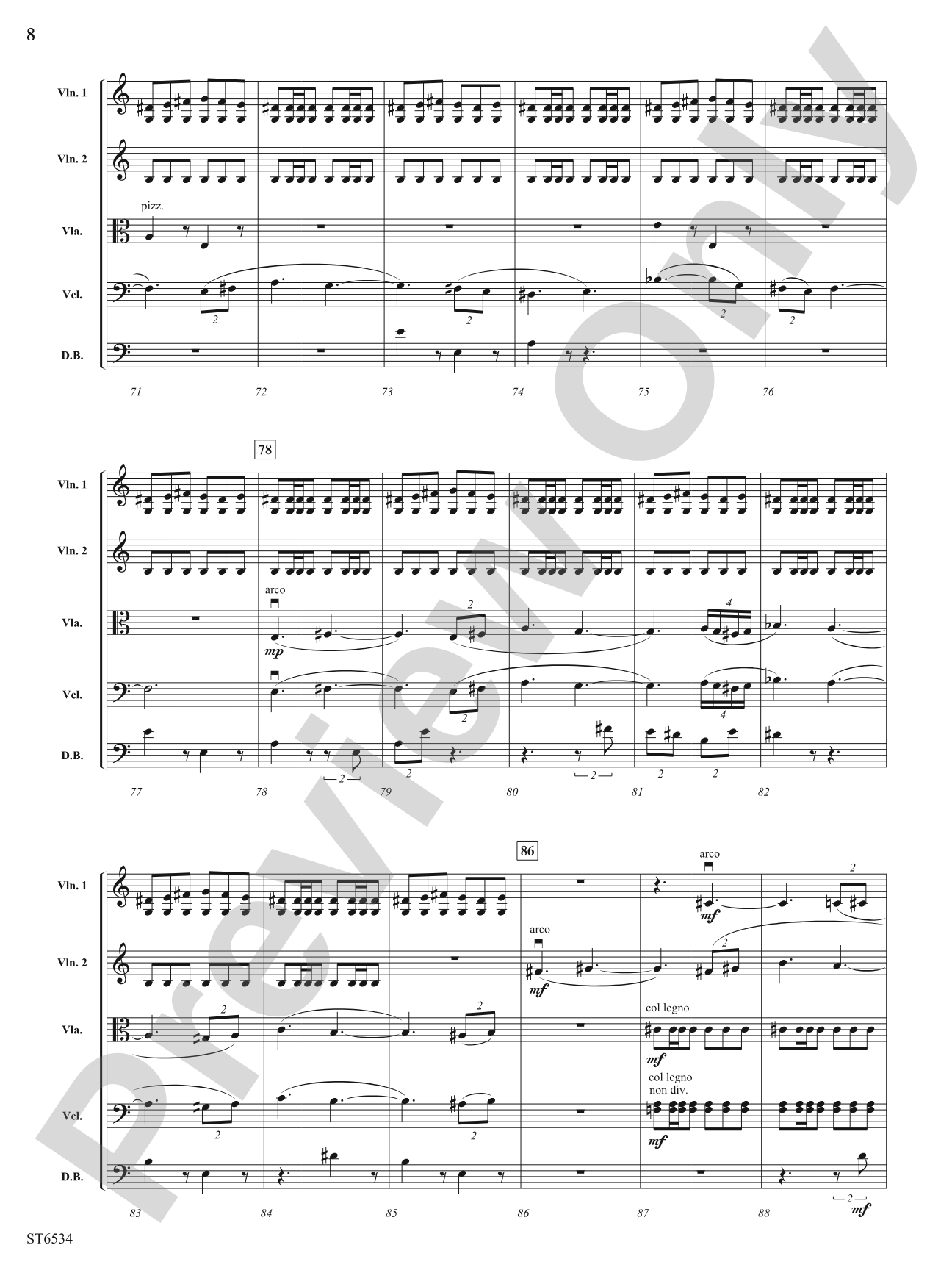
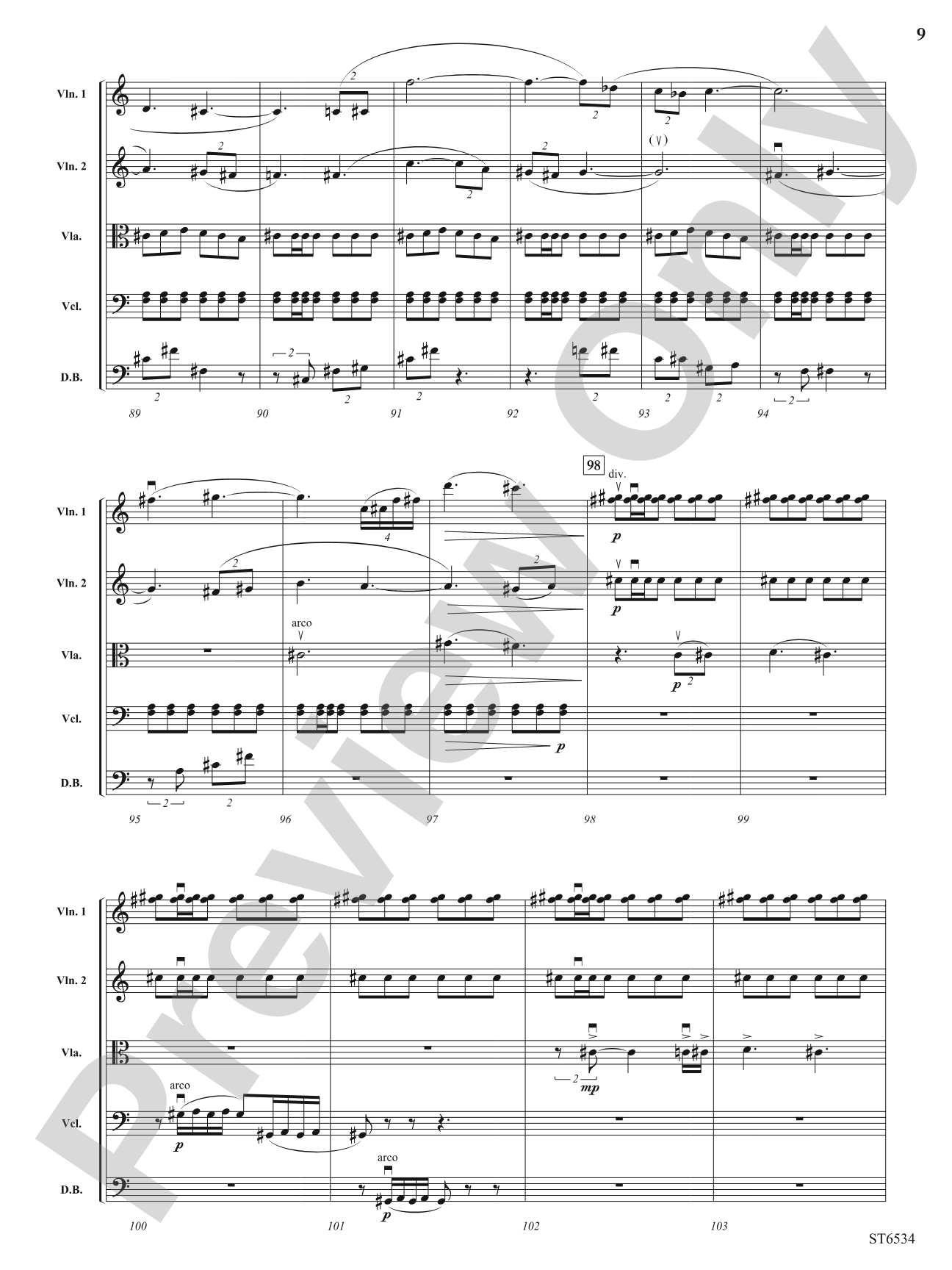
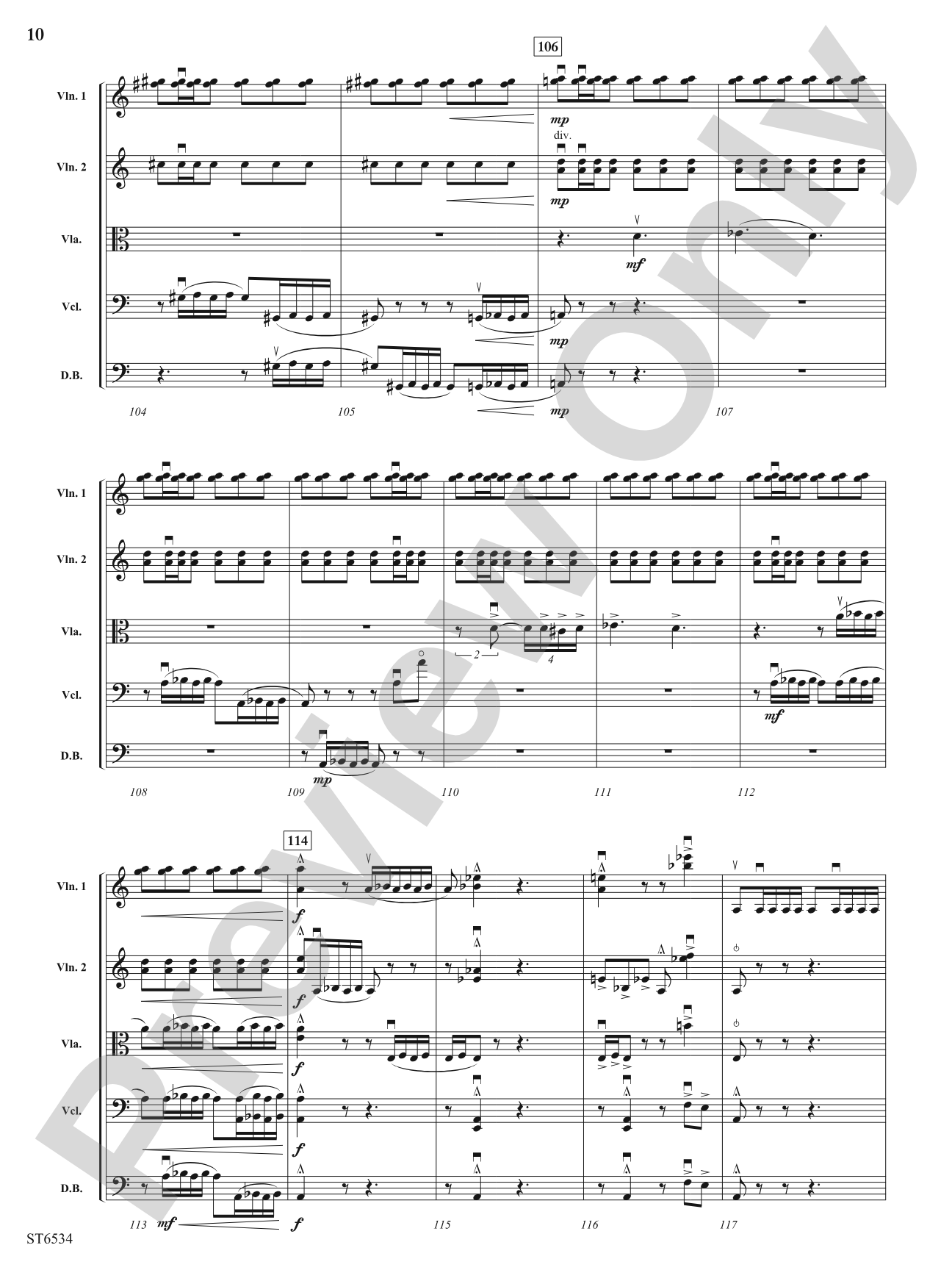
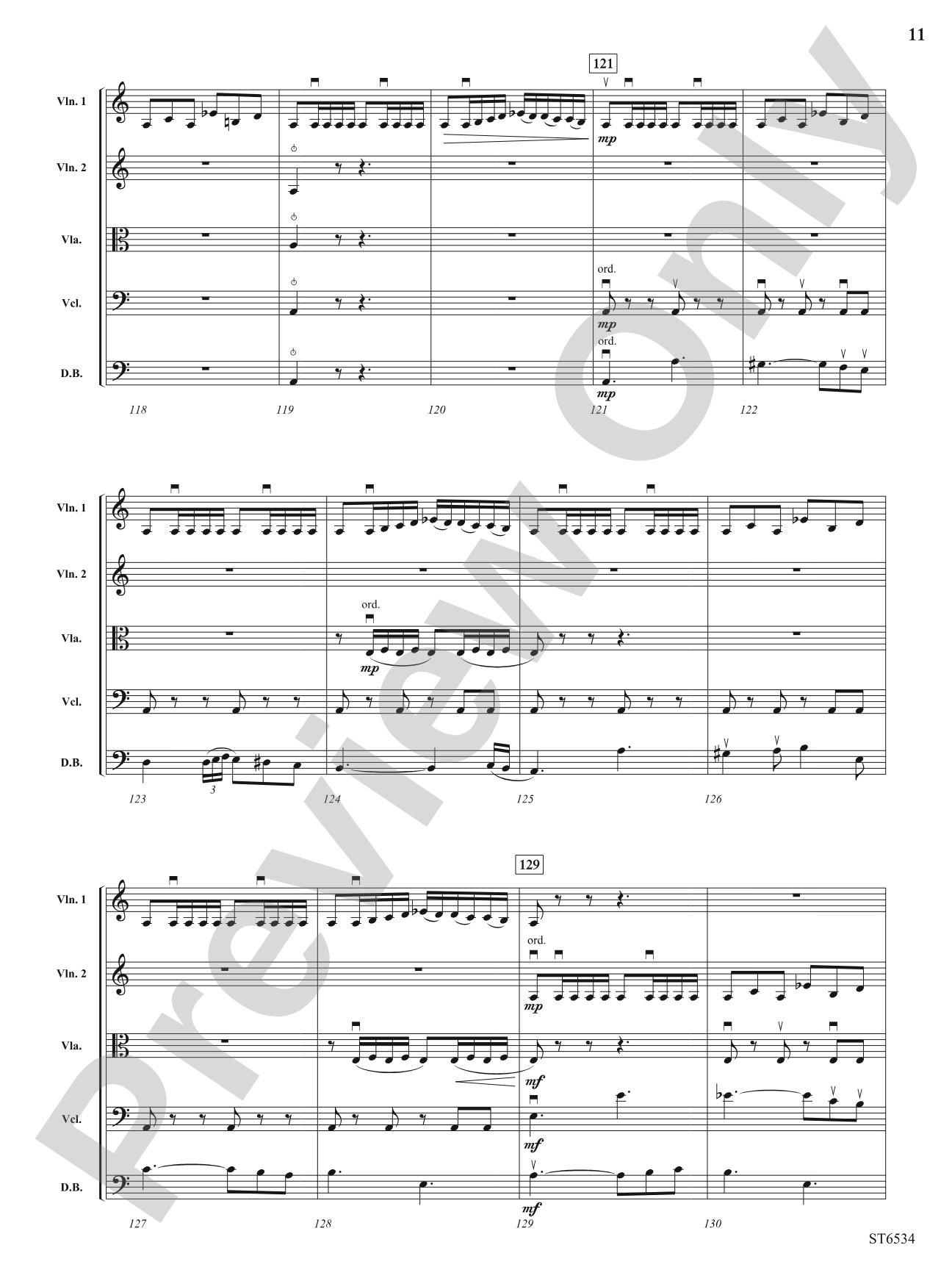
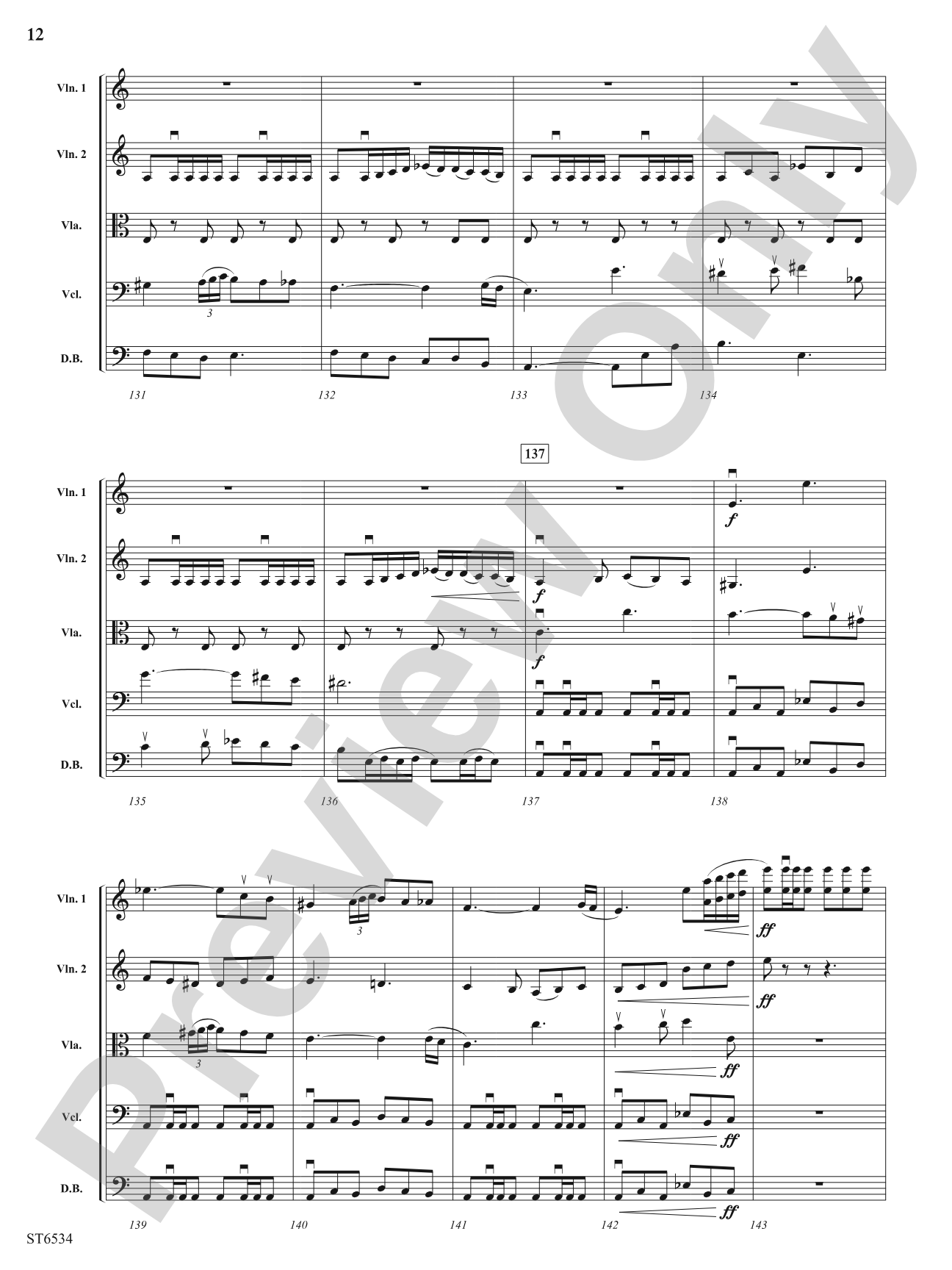

The Fire Within: String Orchestra Conductor Score & Parts
By Brian Balmages
Grade: 6
Item: 98-DST6534

$70.00
Pickup currently not available
Buy Extra Parts (Digital PDF Download)
| Product | Price | Quantity |
|---|---|---|
| The Fire Within: Score | $12.00 | |
| The Fire Within: Violin 1 | $7.00 | |
| The Fire Within: Violin 2 | $7.00 | |
| The Fire Within: Viola | $7.00 | |
| The Fire Within: Violoncello | $7.00 | |
| The Fire Within: Double Bass | $7.00 |
Parts Added to Cart!
Description
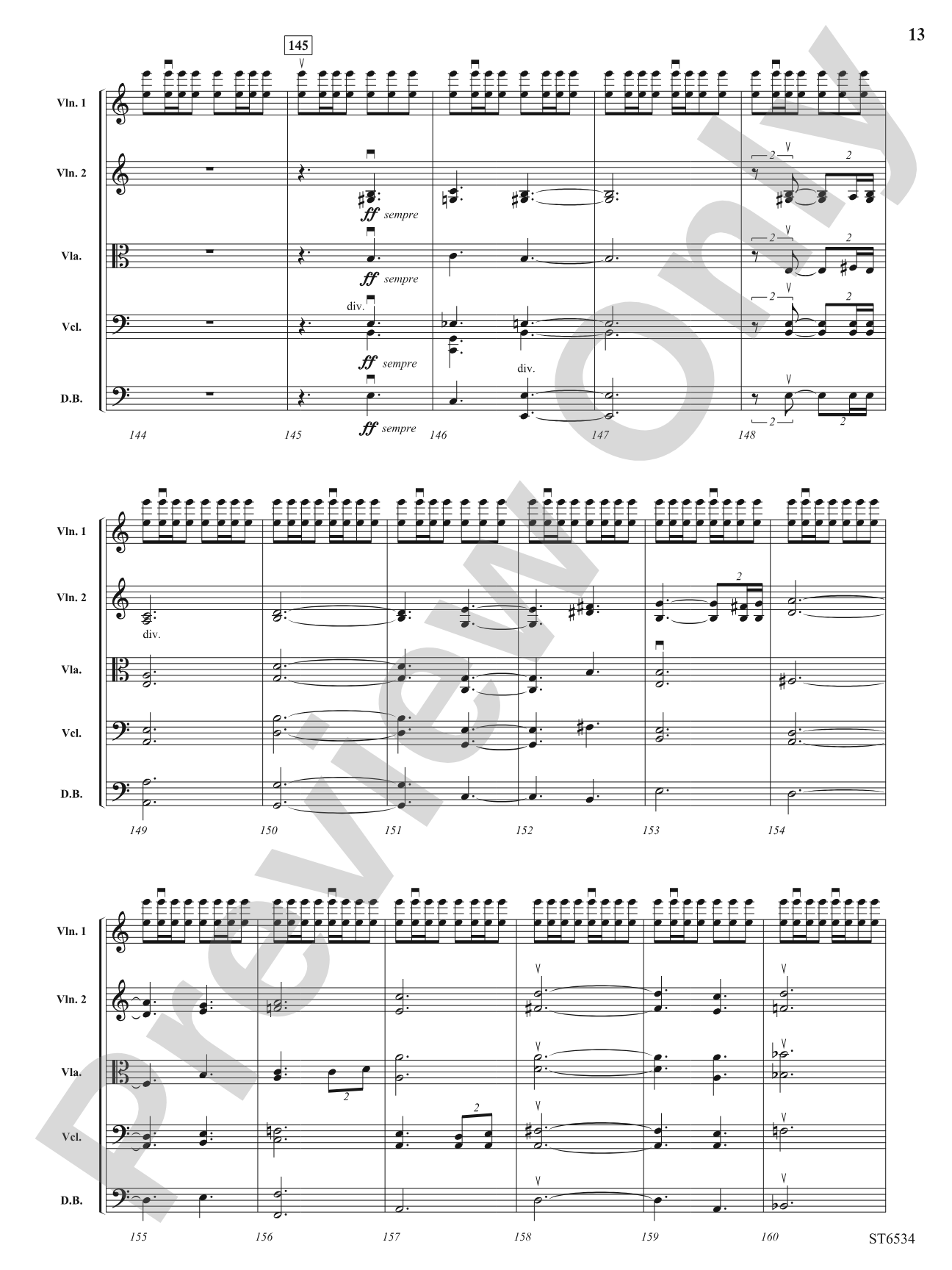
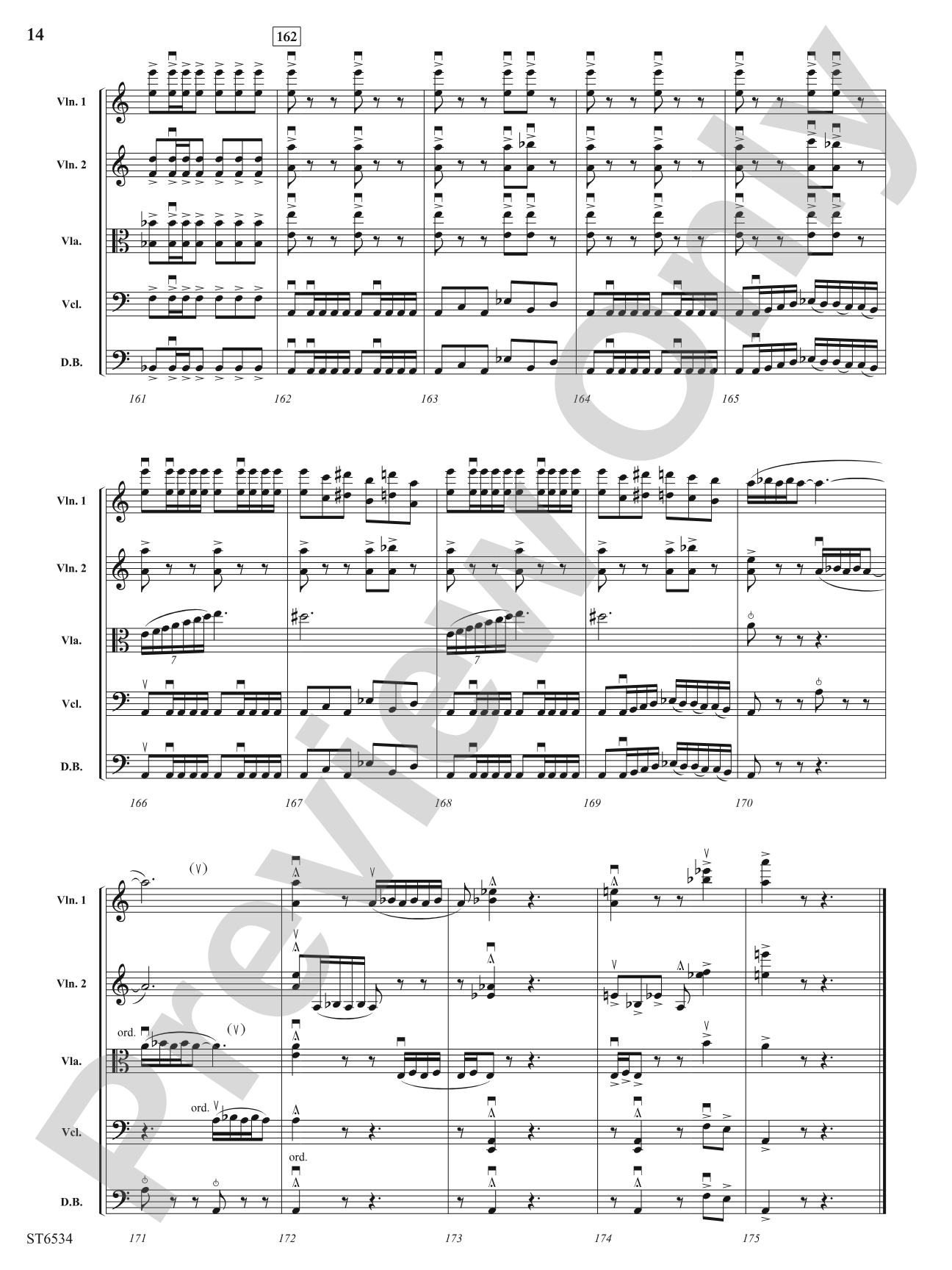
This tour de force showcases the entire orchestra with a breathtaking display of technique, energy and artistry. Highly rhythmic and engaging, this piece is destined to bring down the house!


Don't just read it, hear it, play along with it, and watch your students grow with it. In MakeMusic Cloud, The Fire Within: String Orchestra Conductor Score & Parts comes alive with professional accompaniment, adjustable tempo, and built-in practice tools that turn solo practice into real progress.
Open in the Player
Jump straight in and assign it today.
Start Your Free Trial
Open this title and explore the full library in minutes.
Sample Audio
1
Audio File
--:--
0:00
0:00
Sample Video
Additional Details
Series:
FJH String Orchestra
Publisher:
The FJH Music Company, Inc.
SKU:
98-DST6534
More about this title
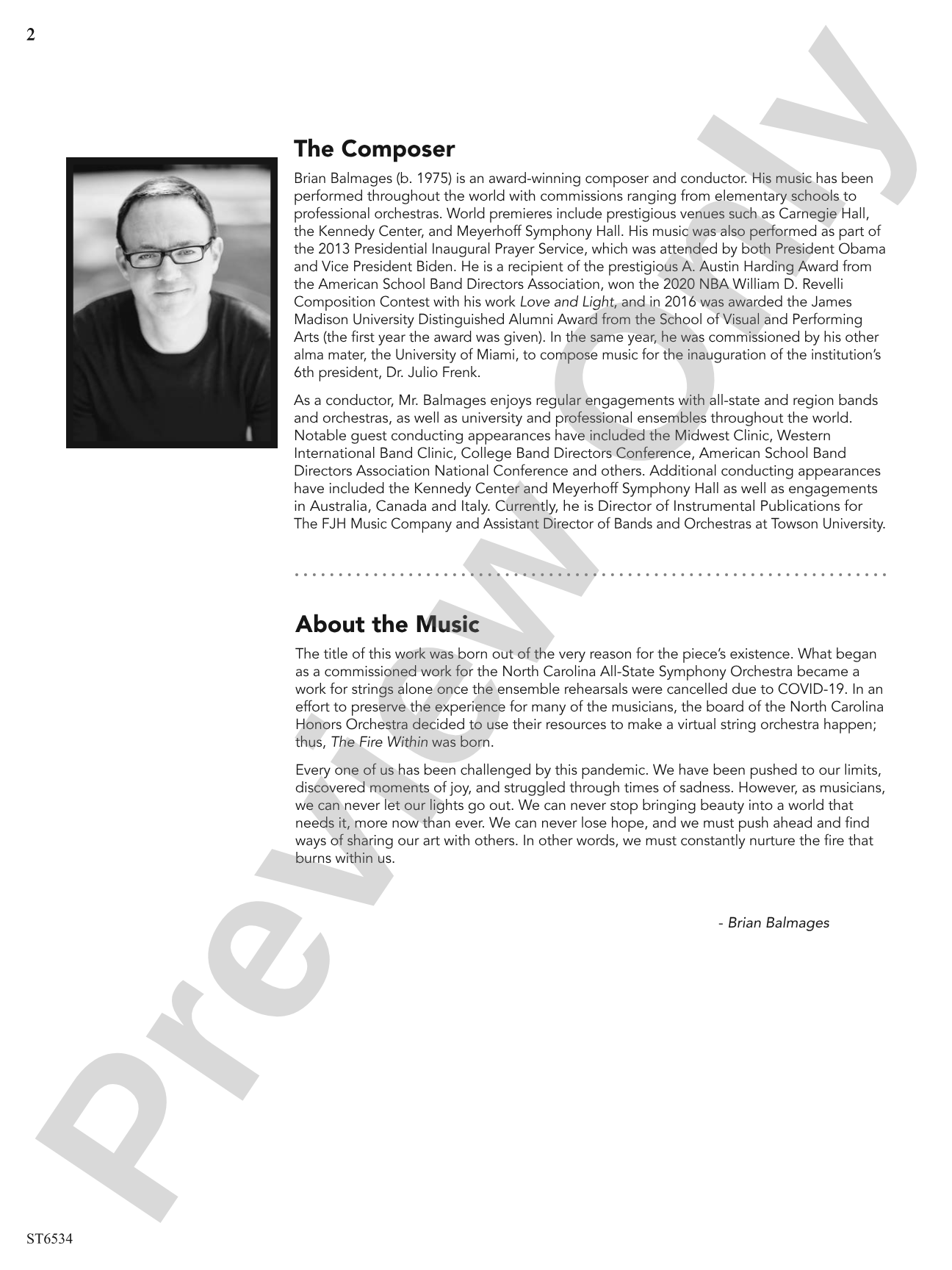
About the Composer: Brian Balmages

Brian Balmages has built an international reputation as a composer and conductor working fluidly across orchestral, band, and chamber repertoire. His works have been commissioned and performed by professional ensembles, university orchestras, and school groups alike, appearing on stages including Carnegie Hall, the Kennedy Center, and the Sydney Opera House.
Recognized by the American School Band Directors Association with the A. Austin Harding Award and an elected member of the American Bandmasters Association, Balmages has also received commissions from major institutions and conducted at prominent conferences and festivals worldwide. Currently serving as Director of MakeMusic Publications and Digital Education for Alfred and MakeMusic, he continues to shape the landscape of music education through both composition and leadership.
Why we love this
Balmages writes for string orchestra with genuine understanding of what energizes high school players and audiences. The piece demands real technical facility and rhythmic precision without sacrificing the pure joy of playing together at this level, making it equally rewarding for directors seeking a contest winner and students eager to tackle a challenge.
What to expect
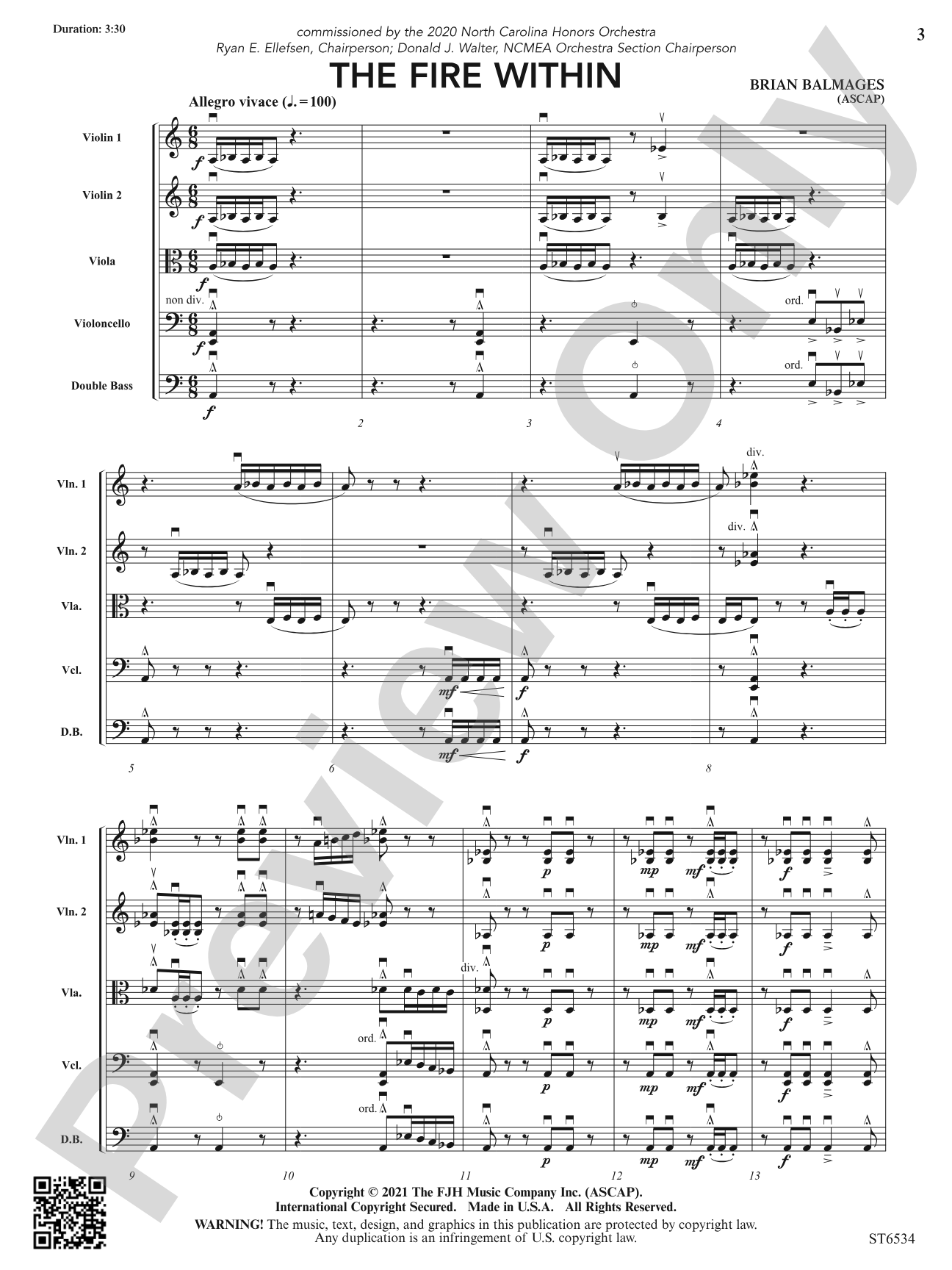
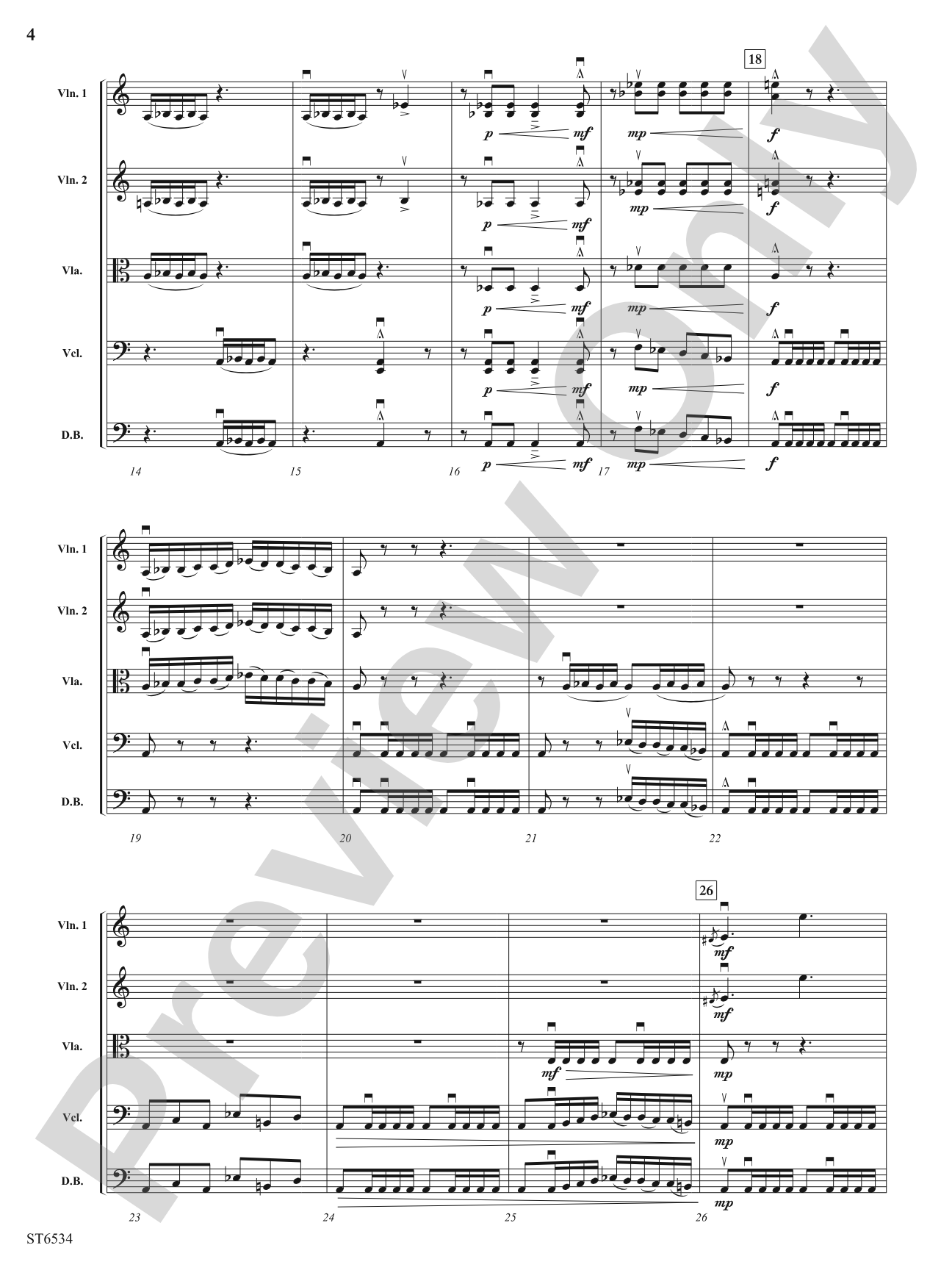
The piece crackles with momentum and bristles with energy from start to finish. Rapid figures and driving rhythms create propulsive forward motion while moments of textural clarity let individual voices shine, resulting in a performance experience that feels both technically demanding and viscerally exciting.
Who it's for
This work suits advanced high school string orchestras and select middle school programs with strong technique and ensemble maturity. Players need solid intonation, rhythmic independence, and comfort with fast passagework; programs preparing for festival adjudication or looking to showcase their orchestra's capabilities will find a substantial vehicle.
How to get the most out of it
- Establish clear rhythmic precision in the opening sections by conducting through subdivisions in rehearsal; your clarity will transfer directly to the orchestra's confidence and forward momentum.
- Balance the dialogue between sections as the piece builds, ensuring that inner voices and accompaniment figures remain audible beneath the primary melodic material.
- Shape phrases with strategic use of dynamics and slight tempo flexibility rather than relying on extreme tempo variations; this maintains the piece's inherent drive while creating musical breathing room.
- Mark all technical passages in individual parts during sectionals so students can isolate tricky rhythms or string crossings before full rehearsals.
How to use it
Reserve this for a festival appearance, spring concert finale, or dedication concert where you want to demonstrate the orchestra's technical prowess and maturity. The piece commands audience attention and works particularly well as a closing selection that leaves listeners energized.
Skills your students will build
- fast passagework and scalar facility across all strings
- rhythmic precision in highly syncopated and driving passages
- dynamic control and tone shaping at various articulations
- ensemble balance and intonation under technical demands
- sectional independence while maintaining unified ensemble sound