The Essence of the Blues: Trombone Cover Image

The Essence of the Blues: Trombone: Trombone Book & CD

$26.95 USD
Sale price  $26.95 USD Regular price 
Skip to product information
The Essence of the Blues: Trombone Cover Image

The Essence of the Blues: Trombone: Trombone Book & CD

10 Great Etudes for Playing and Improvising on the Blues

By Jim Snidero

Level: Intermediate / Advanced

Item: 01-ADV14533

$26.95
Shipped

One moment…

Description
The Essence of the Blues by Jim Snidero provides beginning to moderately advanced musicians with an in-depth look into the blues. In 10 etudes focusing on various types of the blues, the musician learns to master the essential basics step by step. Each piece comes with an in-depth analysis of blues styles and music theory, appropriate scale exercises, tips for studying and practicing, suggestions for improvising, recommended listening, and specific techniques used by some of the all-time best jazz/blues musicians, including Miles Davis, Charlie Parker, B.B. King, Stanley Turrentine, and others. The accompanying play-along CD features world famous New York recording artists including Eric Alexander, Jeremy Pelt, Jim Snidero, Steve Davis, Mike LeDonne, Peter Washington, and others. Recorded at a world-class studio, these play alongs are deeply authentic, giving the musician a real-life playing experience to learn and enjoy the blues.

The Essence of the Blues: Trombone: Trombone Book & CD isn't in MakeMusic Cloud just yet...but it could be. Let us know you'd like to see it, and you'll help shape what comes next. In the meantime, start a free trial and dive into thousands of interactive titles your students can play along with today.

Sample Pages

Sample Audio
1 Etude 4- Freeloader, Rhythm Section --:--
2 Etude 4- Freeloader, Trombone --:--

Etude 4- Freeloader, Rhythm Section

0:00
0:00
Sample Video
Additional Details
Series: Advance Music
Publisher: Advance Music
ISBN10: 3-954810-54-9
ISBN13: 978-3-954810-54-3
UPC: 9790206300363
SKU: 01-ADV14533

More about this title

About the Author: Jim Snidero
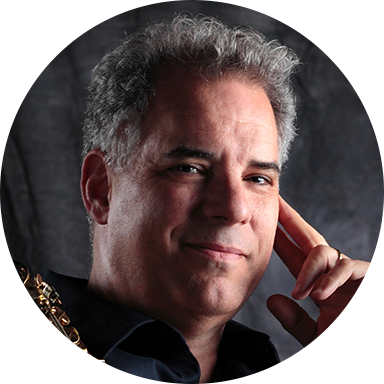
Jim Snidero

Jim Snidero has shaped the contemporary jazz landscape for over three decades as a saxophonist, composer, arranger, and educator. Downbeat Magazine recognized him as a "master musician" and "alto saxophone virtuoso," and his name appeared in the 2017 Downbeat Critic's Poll, cementing his standing on the international stage. He studied under the legendary Phil Woods as a teenager and later refined his craft with Dave Liebman before establishing himself in New York's jazz community.

Snidero's recording career began in earnest with Brother Jack McDuff's band in the early 1980s, followed by influential work with the Mingus Big Band, the Toshiko Akiyoshi Jazz Orchestra, and appearances on Frank Sinatra's Duets II. His own discography, starting with On Time (1984) and continuing through acclaimed releases like Mixed Bag and Blue Afternoon, demonstrates both stylistic range and unwavering musical integrity. Beyond the recording studio, Snidero has devoted significant energy to music education, sharing his deep understanding of jazz language and practice with students and aspiring musicians.

Why we love this

Snidero structures these ten etudes to build blues literacy progressively, moving from foundational concepts to sophisticated harmonic and melodic territory. Each piece is anchored in real playing situations with the accompaniment, featuring New York session legends like Eric Alexander and Steve Davis on the recording, so trombonists encounter authentic jazz phrasing and rhythm-section interplay from day one. The analytical layer, scale exercises, technique breakdowns tied to Miles Davis and Stanley Turrentine, listening recommendations, transforms practice into genuine stylistic study rather than mechanical repetition.

What to expect

The blues emerges gradually across these etudes, you begin with straightforward 12-bar forms and classic turnarounds, then encounter the bent notes, rhythmic flexibility, and harmonic sophistication that separate authentic playing from textbook runs. Playing alongside the recorded rhythm section creates an immediate sense of ensemble conversation, where your phrasing must breathe with the piano and bass rather than sit rigidly on the beat.

Who it's for

Trombonists at the intermediate to advanced level who want to develop genuine blues fluency rather than surface-level jazz chops. This is essential for musicians preparing for jazz ensemble settings, jazz combos, or solo study in blues idiom, and for educators seeking to ground their brass students in an ear-based, historically informed approach to the style.

How to get the most out of it

  • Listen actively to the specific soloists featured in each etude's analysis section (Miles Davis on ballad approaches, B.B. King on bending and vibrato) before recording yourself, noting the exact inflections and timing that distinguish blues playing from classical phrasing.
  • Work through the provided scale exercises in multiple keys and positions on the slide, building fluency so the harmonic vocabulary becomes internalized rather than read off the page during the play-along.
  • Study the suggested recordings independently of the book; hearing how these musicians navigate the same blues changes across different tempos and contexts deepens your grasp of stylistic variation.
  • Record yourself against the CD and listen back with the analysis notes in hand, identifying where your phrasing aligns with or diverges from the etude's focus technique.

How to use it

Assign these etudes sequentially through a semester or year-long jazz or improvisation course, pairing each with the corresponding recorded soloists and analytical material to create a blues literacy thread across your curriculum. They also serve as performance vehicles in their own right, particularly as program openers or palette cleaners between more complex contemporary works, since the blues form reads naturally to audiences while showcasing genuine musicianship.

Skills your students will build

  • Blues harmonic analysis and chord-scale relationships
  • Bending, scooping, and vibrato techniques specific to blues and jazz styles
  • Improvisation over 12-bar blues changes at varying tempos
  • Listening transcription skills tied to historical jazz soloists
  • Rhythmic flexibility and swing phrasing
  • Ensemble listening and responding to rhythm-section comping

You May Also Like