The Essence of the Blues: Tenor Saxophone Cover Image

The Essence of the Blues: Tenor Saxophone: Tenor Saxophone Book & CD

$26.95 USD
Sale price  $26.95 USD Regular price 
Skip to product information
The Essence of the Blues: Tenor Saxophone Cover Image

The Essence of the Blues: Tenor Saxophone: Tenor Saxophone Book & CD

10 Great Etudes for Playing and Improvising on the Blues

By Jim Snidero

Level: Intermediate / Advanced

Item: 01-ADV14531

$26.95
Shipped

One moment…

Description
The Essence of the Blues by Jim Snidero provides beginning to moderately advanced musicians with an in-depth look into the blues. In 10 etudes focusing on various types of the blues, the musician learns to master the essential basics step by step. Each piece comes with an in-depth analysis of blues styles and music theory, appropriate scale exercises, tips for studying and practicing, suggestions for improvising, recommended listening, and specific techniques used by some of the all-time best jazz/blues musicians, including Miles Davis, Charlie Parker, B.B. King, Stanley Turrentine, and others. The accompanying play-along CD features world famous New York recording artists including Eric Alexander, Jeremy Pelt, Jim Snidero, Steve Davis, Mike LeDonne, Peter Washington, and others. Recorded at a world-class studio, these play alongs are deeply authentic, giving the musician a real-life playing experience to learn and enjoy the blues.

The Essence of the Blues: Tenor Saxophone: Tenor Saxophone Book & CD isn't in MakeMusic Cloud just yet...but it could be. Let us know you'd like to see it, and you'll help shape what comes next. In the meantime, start a free trial and dive into thousands of interactive titles your students can play along with today.

Sample Pages

Sample Audio
1 Etude 4- Freeloader, Rhythm Section --:--
2 Etude 4- Freeloader, Tenor --:--

Etude 4- Freeloader, Rhythm Section

0:00
0:00
Sample Video
Additional Details
Series: Advance Music
Publisher: Advance Music
ISBN10: 3-954810-52-2
ISBN13: 978-3-954810-52-9
UPC: 9790206300332
SKU: 01-ADV14531

More about this title

About the Author: Jim Snidero
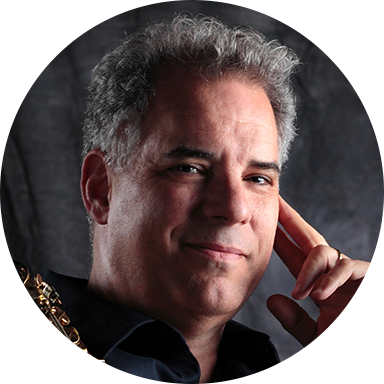
Jim Snidero

Jim Snidero has spent more than three decades establishing himself as a singular voice in jazz. Recognized by DownBeat Magazine as both a "master musician" and "alto saxophone virtuoso," he landed in the 2017 DownBeat Critic's Poll, a testament to his sustained relevance on the international stage. His path began in Camp Springs, Maryland, where school music programs and home study shaped his early development. Study with Phil Woods during his teenage years, followed by membership in the University of North Texas One O'Clock Lab Band, set the foundation for what would become a remarkable career.

After relocating to New York in 1981 at age 23, Snidero quickly built a reputation through sideman work with Brother Jack McDuff, the Mingus Big Band, Frank Wess, the Toshiko Akiyoshi Jazz Orchestra, and others. His leadership recordings, beginning with On Time (1984), reveal an artist committed to both consistency and range. Albums like Mixed Bag (1987) and Blue Afternoon (1989) demonstrate the depth of his musical vision and have earned recognition among the best jazz recordings ever made.

Why we love this

Snidero brings insider knowledge to every page. Rather than treating blues styles as abstract concepts, he anchors each etude in the actual practice methods and sonic choices of musicians like Miles Davis, Charlie Parker, and Stanley Turrentine, giving students a direct line to how the masters approached these sounds. The play-along recordings feature genuine New York studio musicians recorded in world-class conditions, which means your students aren't just playing along with a backing track; they're experiencing the real rhythmic push and conversational jazz language of a working ensemble.

What to expect

Each etude opens a different door into the blues. You move through swing feels, minor blues grooves, and fast bebop-blues contexts, each one revealing new textural possibilities on the horn and new ways to hear the same harmonic foundation. The recordings capture the warmth and conversational ease of real jazz musicians in a room together, which makes playing along feel less like following a metronome and more like joining a session.

Who it's for

Intermediate to advanced tenor saxophonists ready to move beyond single-style blues exploration and build a deeper understanding of the genre's harmonic and rhythmic vocabulary. This book works equally well for the self-directed student and the musician in a small-group or private lesson setting who wants structured guidance through blues pedagogy.

How to get the most out of it

  • Study the analysis section before touching the etude itself. Snidero's breakdown of each blues style and its theoretical underpinnings will clarify what you're hearing in the melody and guide your phrasing choices.
  • Use the specific musician examples as listening assignments. Hear how Stanley Turrentine shapes a line or how Charlie Parker navigates a solo; then return to the etude with fresh ears and a clearer model.
  • Work through the scale exercises provided for each style before the full etude. This builds the muscle memory and intervallic familiarity that makes improvisation suggestions in the practice tips actually stick.
  • Record yourself against the play-along CD in short sections. The accompanying musicians lock into their parts with professional precision; matching that groove is both humbling and invaluable for developing time feel.

How to use it

Assign individual etudes over several weeks as supplemental material in a jazz or small-ensemble course, pairing each one with the recommended listening to deepen your students' stylistic literacy. For advanced players preparing jazz competition solos or chamber music performances, this book provides a systematic way to refine blues vocabulary and improvisation skills that will carry into any jazz context.

Skills your students will build

  • Blues chord progression navigation across multiple harmonic contexts
  • Microtonal and bent pitch control specific to blues idiom
  • Improvisation strategies over swing, minor blues, and bebop-blues changes
  • Listening and transcription informed by historical models
  • Ensemble time feel and groove sensitivity through play-along experience
  • Scale choice and phrasing adaptation for stylistic authenticity

You May Also Like