The Essence of Bebop: Trumpet: Trumpet Book & Online Audio
$26.95 USD
Sale price
$26.95 USD
Regular price
Skip to product information


The Essence of Bebop: Trumpet: Trumpet Book & Online Audio
10 Great Studies in the Style and Language of Bebop
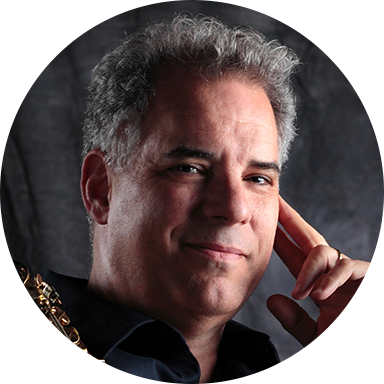
By Jim Snidero
Level: Intermediate / Advanced
Item: 01-ADV14742
$26.95
One moment…
Description
The Essence of Bebop is by critically acclaimed New York saxophonist Jim Snidero and reveals the heart and soul of this groundbreaking jazz style and is the first real "manual" for mastering bebop. The 10 fun-to-play studies are inspired by Miles Davis, Charlie Parker, Dizzy Gillespie, Sonny Rollins, John Coltrane, and many more, offering a unique basis for in-depth study and analysis. Historical insights as well as recommended listening and reading make this edition an indispensable part of jazz education.
Each etude includes a study guide that covers jazz theory, but also goes well beyond the math, providing insight into how bebop masters mold solos into profound musical statements. Concepts of shape, timing, balance and pacing provide the framework in which ideas unfold and flow. Additional examples, practice suggestions, historical perspectives, listening and reading suggestions (60-plus pages total) result in an instant classic that's perfect for individual or classroom study.
The downloadable play-along recording has versions with and without the soloist, and features Brian Lynch (trumpet), Mike LeDonne (piano), Peter Washington (bass), and Joe Farnsworth (drums). Brian Lynch is one of the only trumpet players to have been a member of both Art Blakey's Jazz Messengers and Horace Silver's Quintet. He has been included in Downbeat Magazine critics polls, is a multi-Grammy winner with over 20 recordings as a leader, and is a professor at the University of Miami.


Each etude includes a study guide that covers jazz theory, but also goes well beyond the math, providing insight into how bebop masters mold solos into profound musical statements. Concepts of shape, timing, balance and pacing provide the framework in which ideas unfold and flow. Additional examples, practice suggestions, historical perspectives, listening and reading suggestions (60-plus pages total) result in an instant classic that's perfect for individual or classroom study.
The downloadable play-along recording has versions with and without the soloist, and features Brian Lynch (trumpet), Mike LeDonne (piano), Peter Washington (bass), and Joe Farnsworth (drums). Brian Lynch is one of the only trumpet players to have been a member of both Art Blakey's Jazz Messengers and Horace Silver's Quintet. He has been included in Downbeat Magazine critics polls, is a multi-Grammy winner with over 20 recordings as a leader, and is a professor at the University of Miami.
The Essence of Bebop: Trumpet: Trumpet Book & Online Audio isn't in MakeMusic Cloud just yet...but it could be. Let us know you'd like to see it, and you'll help shape what comes next. In the meantime, start a free trial and dive into thousands of interactive titles your students can play along with today.
Request This Title
Tell us you want it.
Start Your Free Trial
Explore everything that's ready to play right now.
Sample Audio
1
03 Monktified_TRUMPET
--:--
2
04 The Messengers_TRUMPET
--:--
3
10 Freddie slow_TRUMPET
--:--
4
Amazing Bud
--:--
03 Monktified_TRUMPET
0:00
0:00
Sample Video
Additional Details
More about this title
About the Composer: Jim Snidero