The Essence of Bebop: Alto Saxophone: Alto Saxophone Book & Online Audio
$26.95 USD
Sale price
$26.95 USD
Regular price
Skip to product information


The Essence of Bebop: Alto Saxophone: Alto Saxophone Book & Online Audio
10 Great Studies in the Style and Language of Bebop
By Jim Snidero
Level: Intermediate / Advanced
Item: 01-ADV14740
$26.95
One moment…
Description
The Essence of Bebop is by critically acclaimed New York saxophonist Jim Snidero and reveals the heart and soul of this groundbreaking jazz style and is the first real "manual" for mastering bebop. The 10 fun-to-play studies are inspired by Miles Davis, Charlie Parker, Hank Mobley, Horace Silver, Dizzy Gillespie, and many more, offering a unique basis for in-depth study and analysis. Historical insights as well as recommended listening and reading make this edition an indispensable part of jazz education.
Each etude includes a study guide that covers jazz theory, but also goes well beyond the math, providing insight into how bebop masters mold solos into profound musical statements. Concepts of shape, timing, balance and pacing provide the framework in which ideas unfold and flow. Additional examples, practice suggestions, historical perspectives, listening and reading suggestions (60-plus pages total) result in an instant classic that's perfect for individual or classroom study.
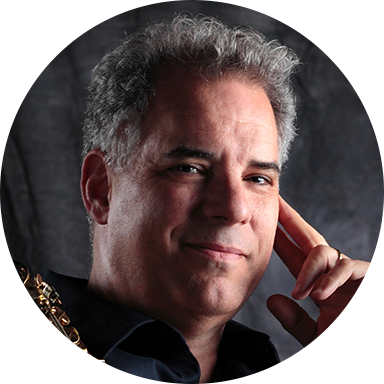
The downloadable play-along recording has versions with and without the soloist, and features Jim Snidero (alto sax), Mike LeDonne (piano), Peter Washington (bass), and Joe Farnsworth (drums). Alto saxophonist, composer, and author Jim Snidero has been a 40-year fixture on the New York scene, with over 50 recordings as a leader and sideman (Jack McDuff, Eddie Palmieri, Frank Sinatra, Mingus Big Band, etc.) that has placed him on both Downbeat Magazine Critics and Readers polls. He is considered the best-selling author of his generation, has been a visiting professor at Indiana U and Princeton U, and is on the faculty of the New School.


Each etude includes a study guide that covers jazz theory, but also goes well beyond the math, providing insight into how bebop masters mold solos into profound musical statements. Concepts of shape, timing, balance and pacing provide the framework in which ideas unfold and flow. Additional examples, practice suggestions, historical perspectives, listening and reading suggestions (60-plus pages total) result in an instant classic that's perfect for individual or classroom study.
The downloadable play-along recording has versions with and without the soloist, and features Jim Snidero (alto sax), Mike LeDonne (piano), Peter Washington (bass), and Joe Farnsworth (drums). Alto saxophonist, composer, and author Jim Snidero has been a 40-year fixture on the New York scene, with over 50 recordings as a leader and sideman (Jack McDuff, Eddie Palmieri, Frank Sinatra, Mingus Big Band, etc.) that has placed him on both Downbeat Magazine Critics and Readers polls. He is considered the best-selling author of his generation, has been a visiting professor at Indiana U and Princeton U, and is on the faculty of the New School.
Discover MakeMusic Cloud: thousands of interactive titles your students can play along with today.
Sample Audio
1
03 Monktified
--:--
2
04 The Messengers
--:--
3
10 Freddie slow
--:--
4
Miles 63
--:--
03 Monktified
0:00
0:00
Sample Video
Additional Details
More about this title
About the Composer: Jim Snidero