
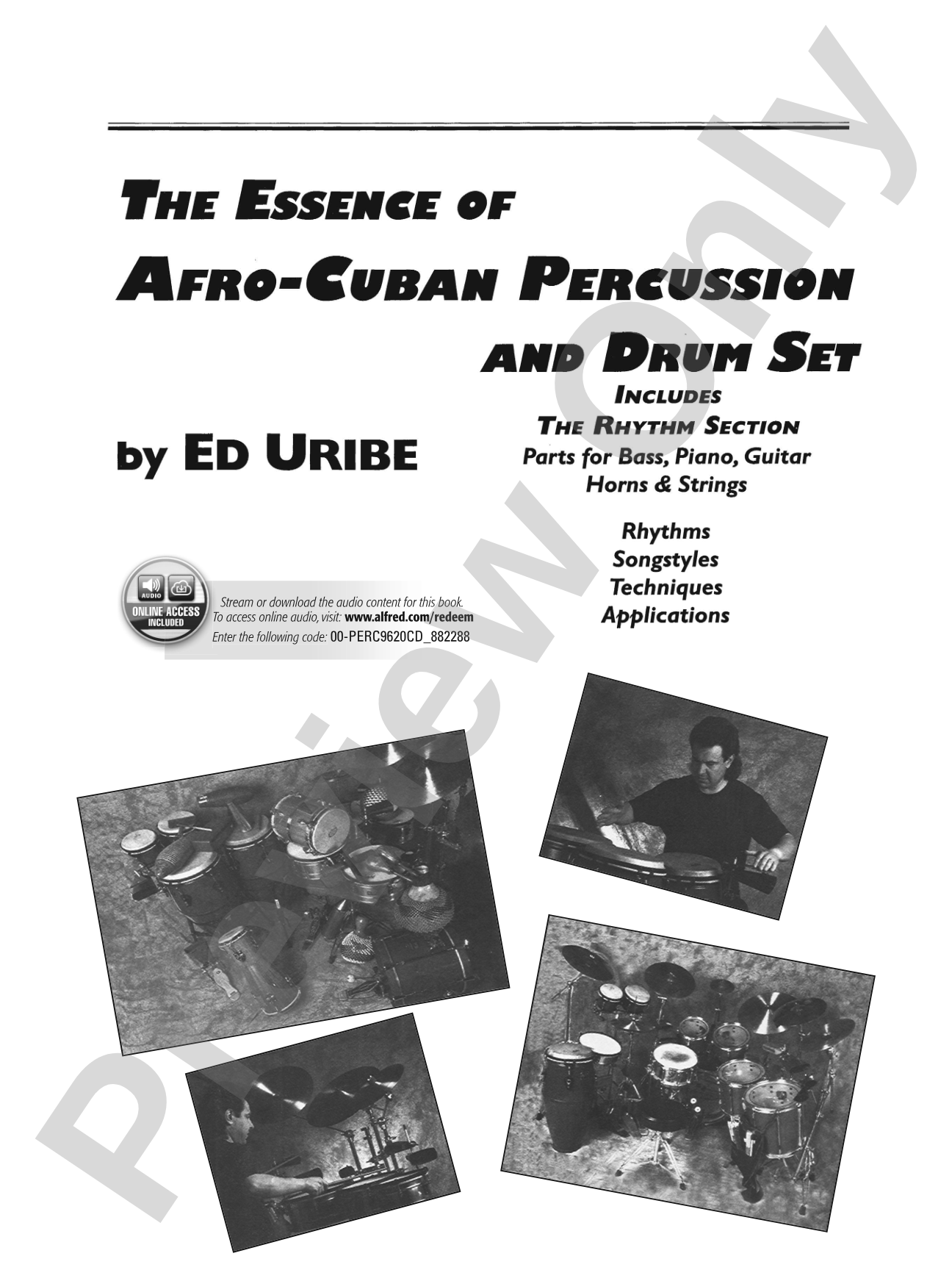

The Essence of Afro-Cuban Percussion & Drum Set: Includes the Rhythm Section Parts for Bass, Piano, Guitar, Horns, & Strings
Includes the Rhythm Section Parts for Bass, Piano, Guitar, Horns, & Strings
By Ed Uribe
Item: 00-PB-0001992
$44.99
Pickup currently not available
Related Items
The Essence of Afro-Cuban Percussion & Drum Set: Drumset Book & Online Audio |
$44.99
|
View |
Description
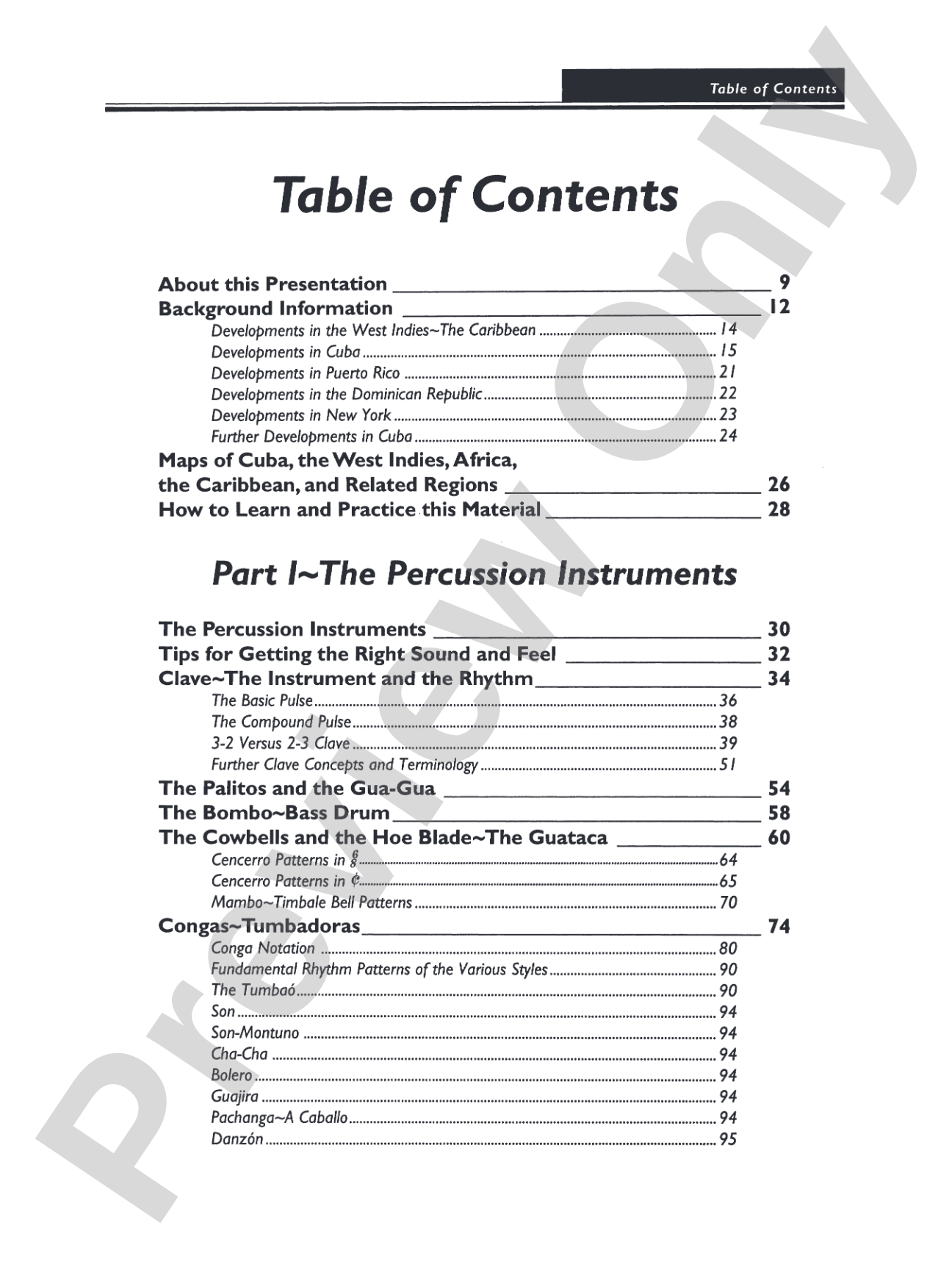
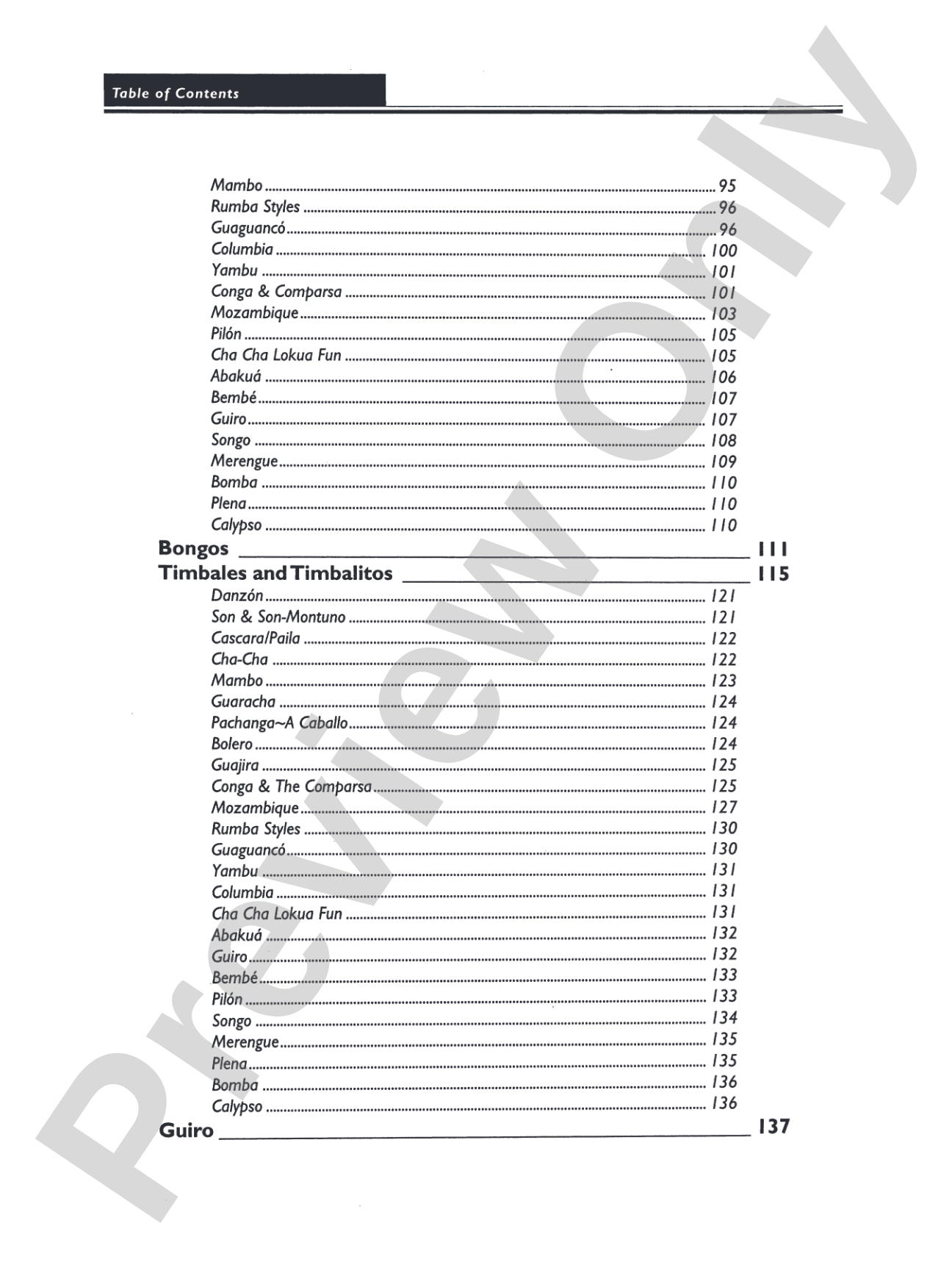
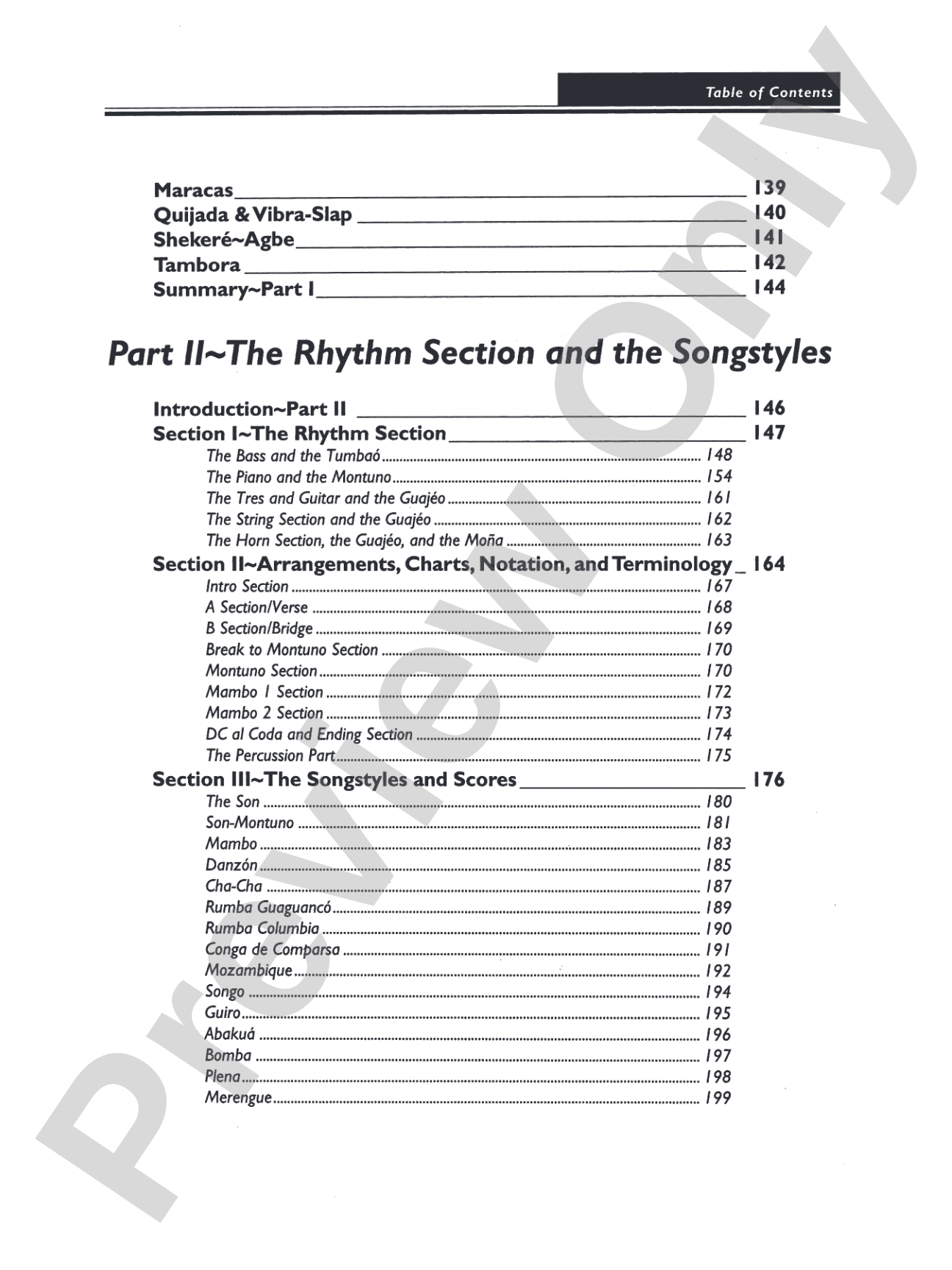
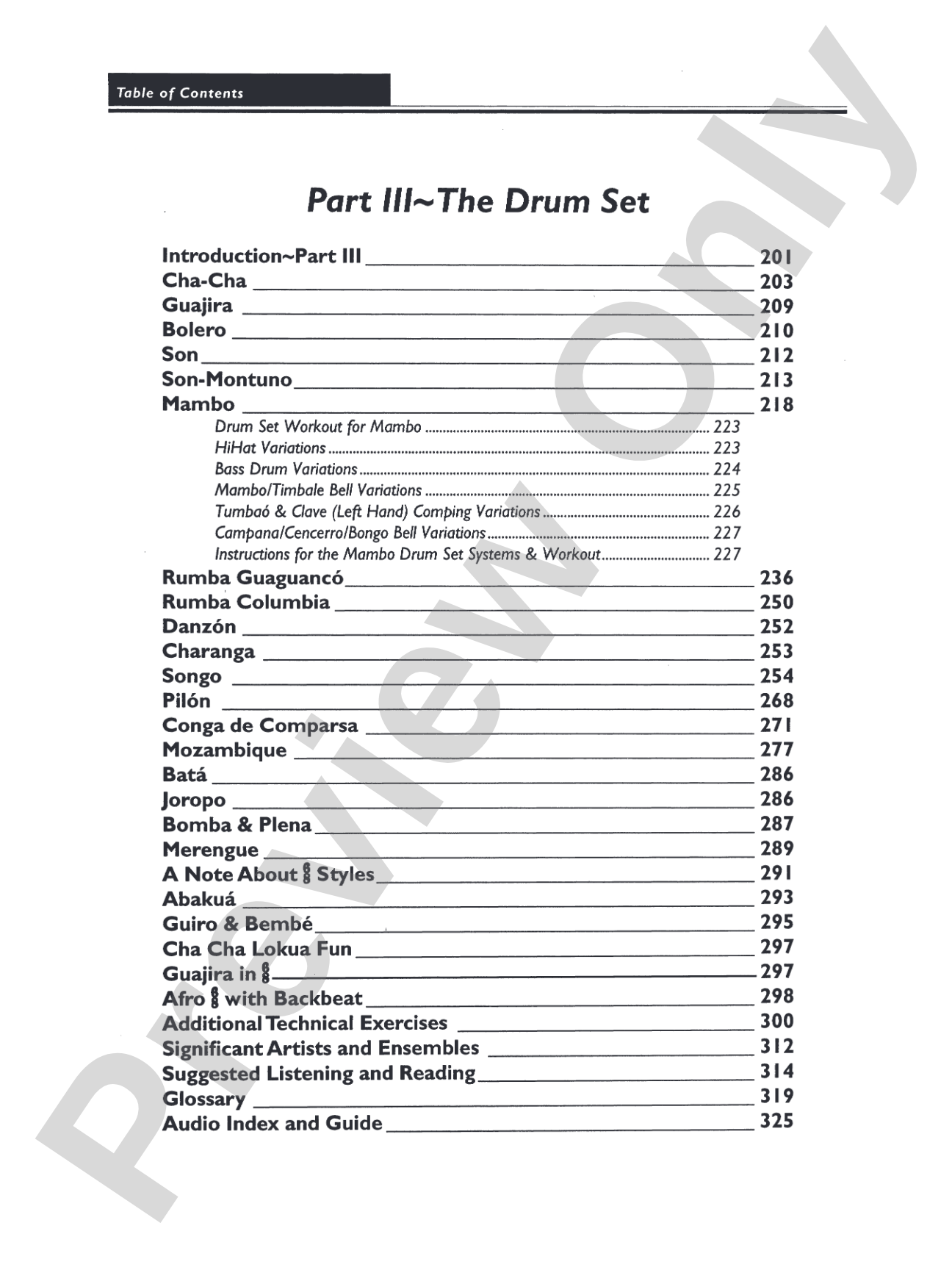
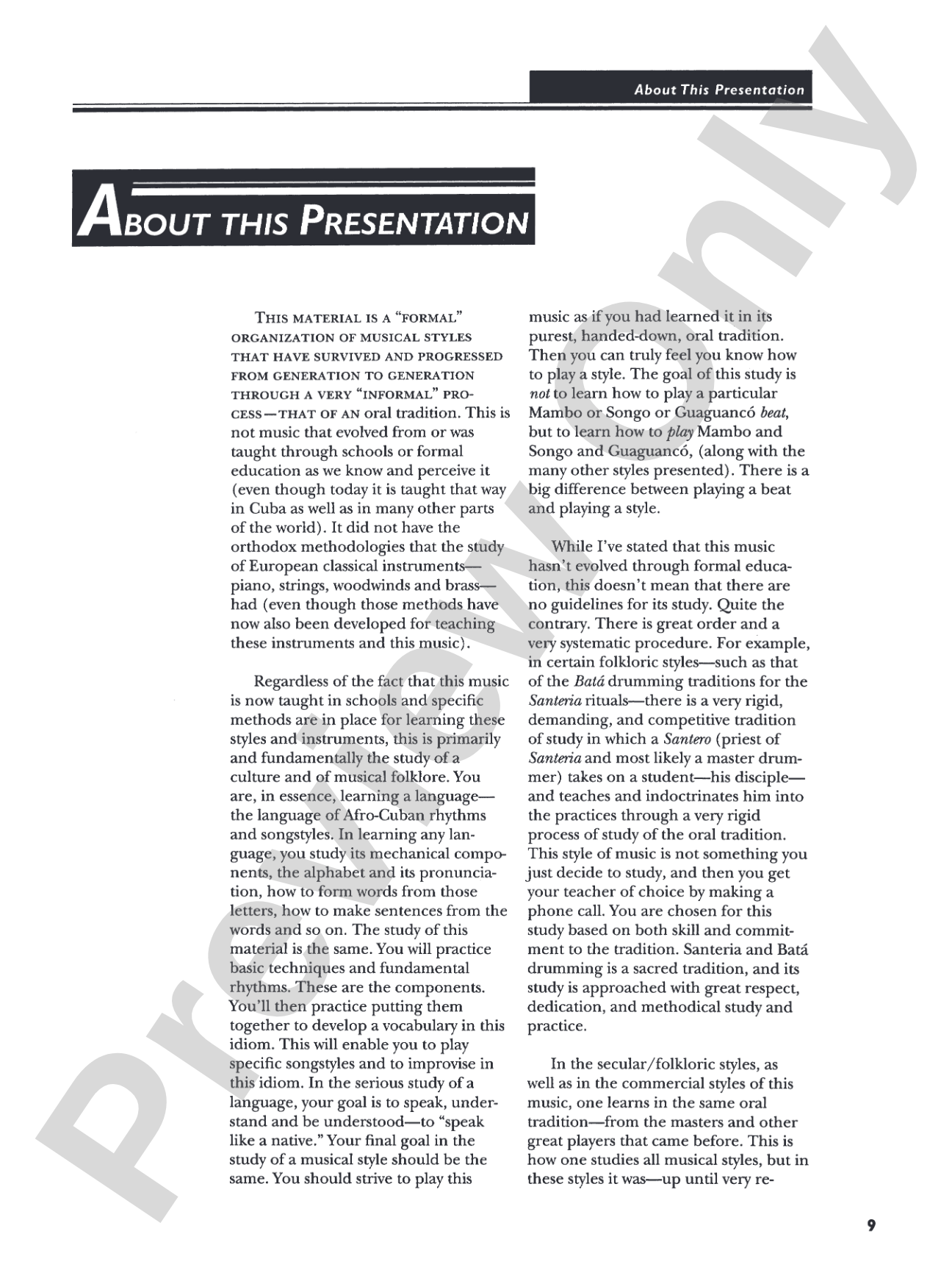
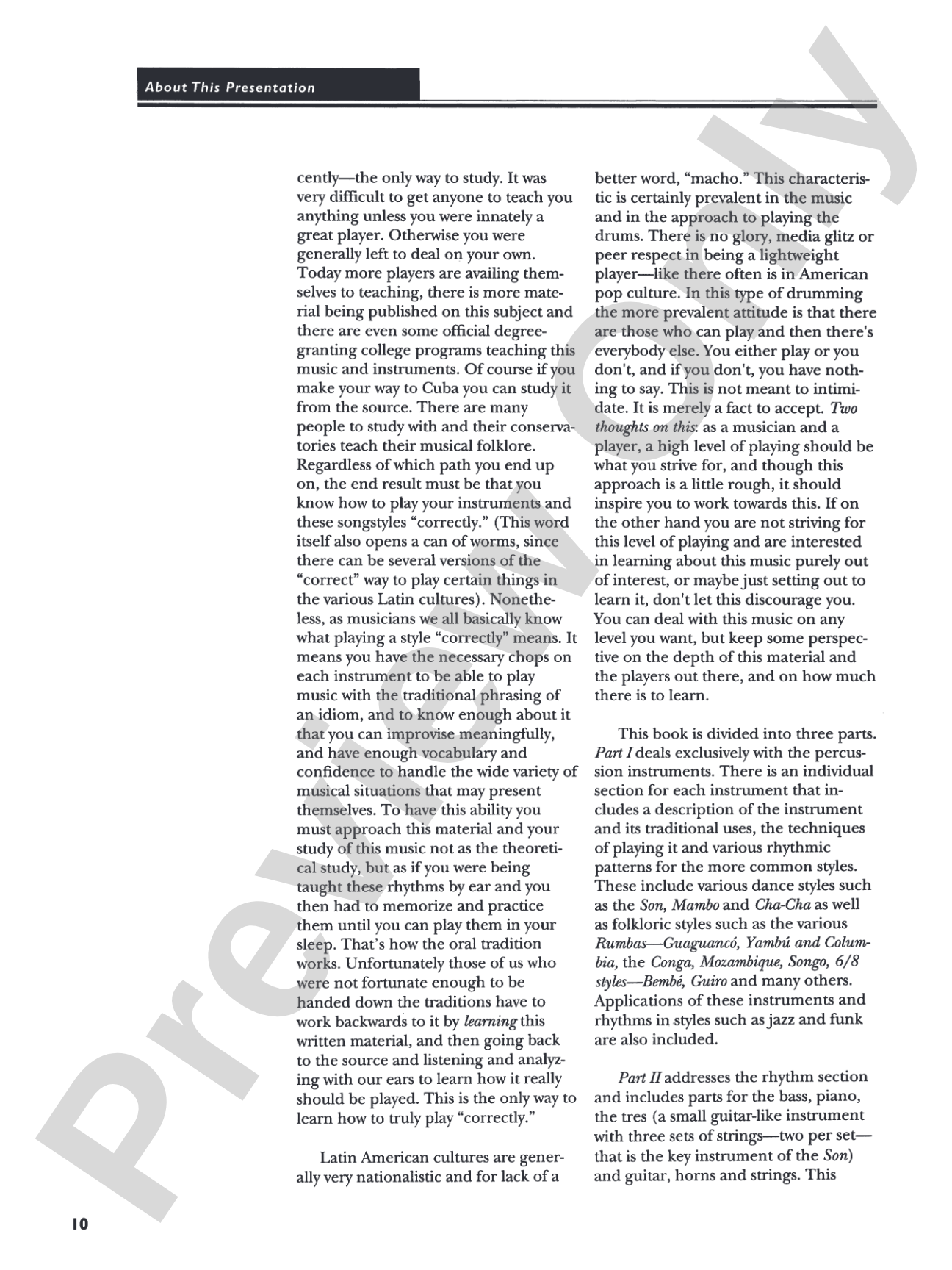
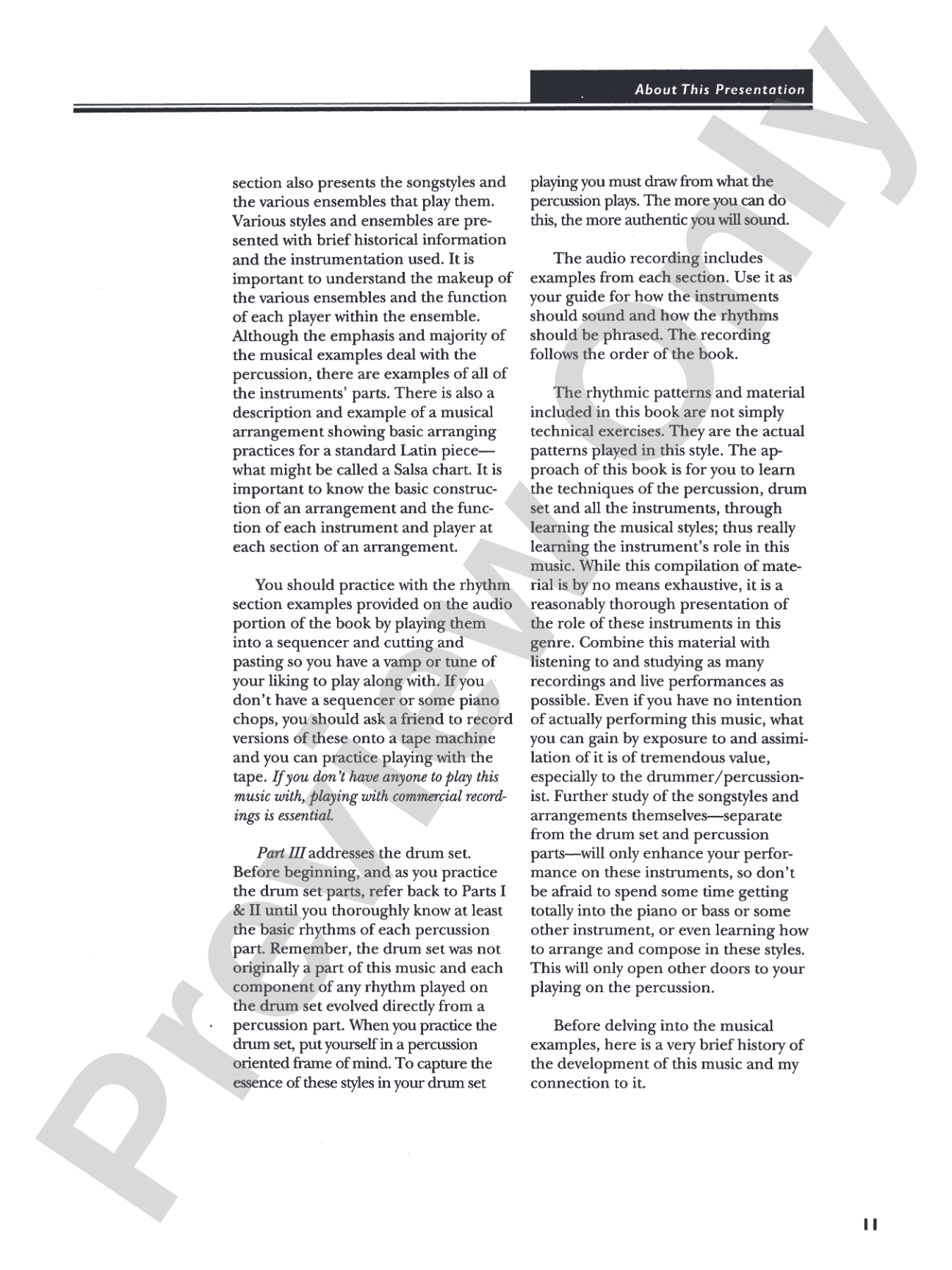
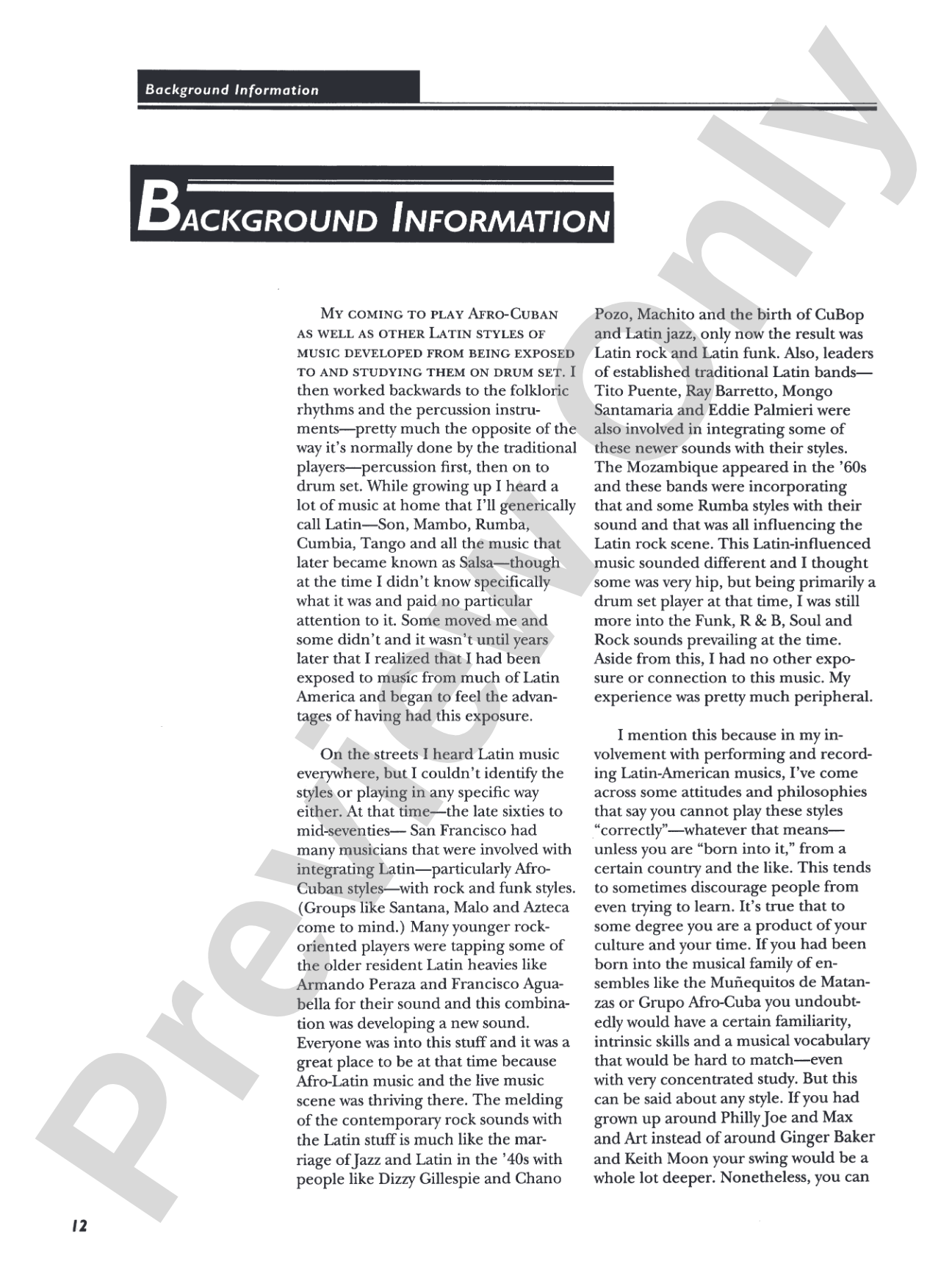
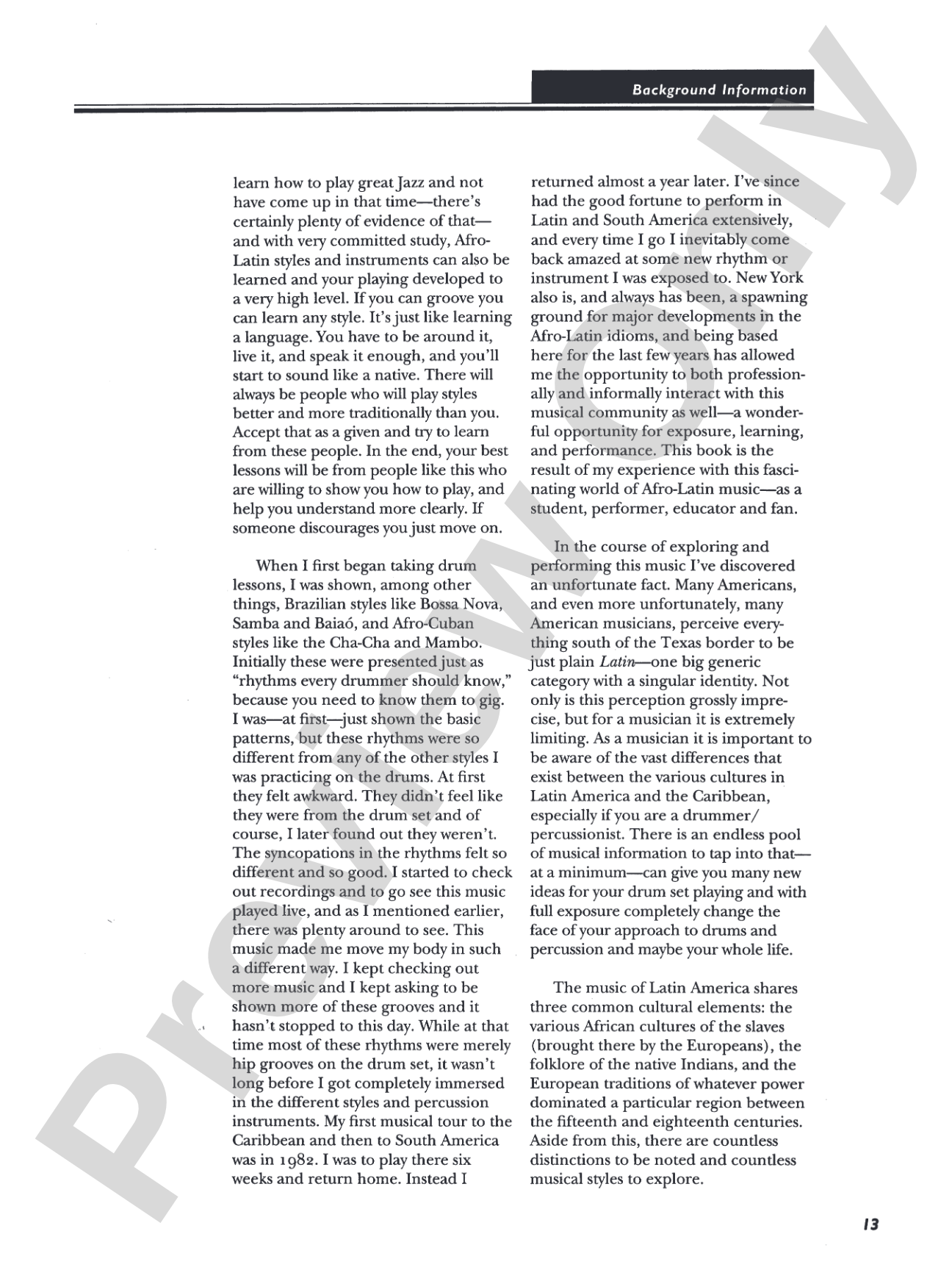
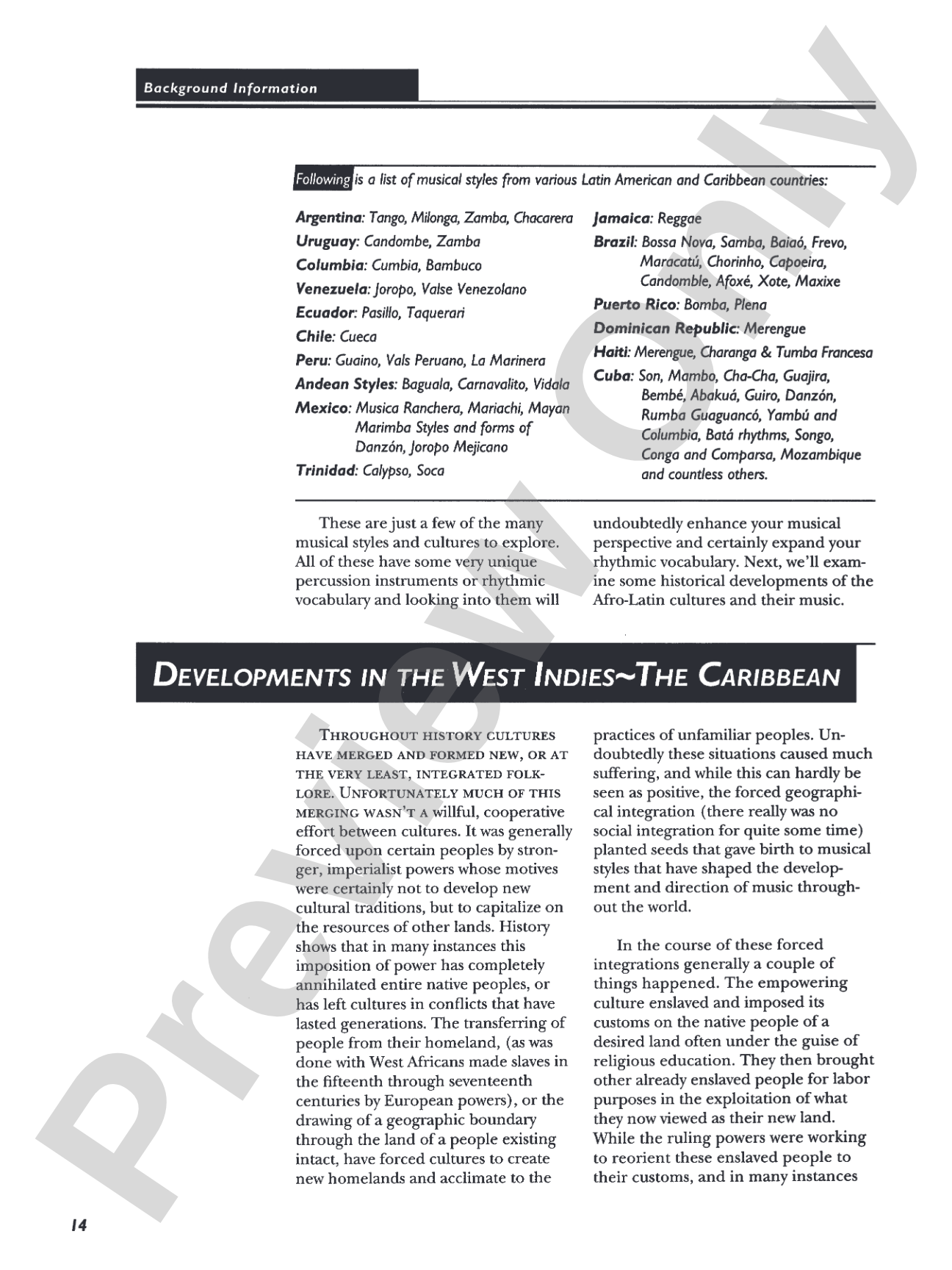
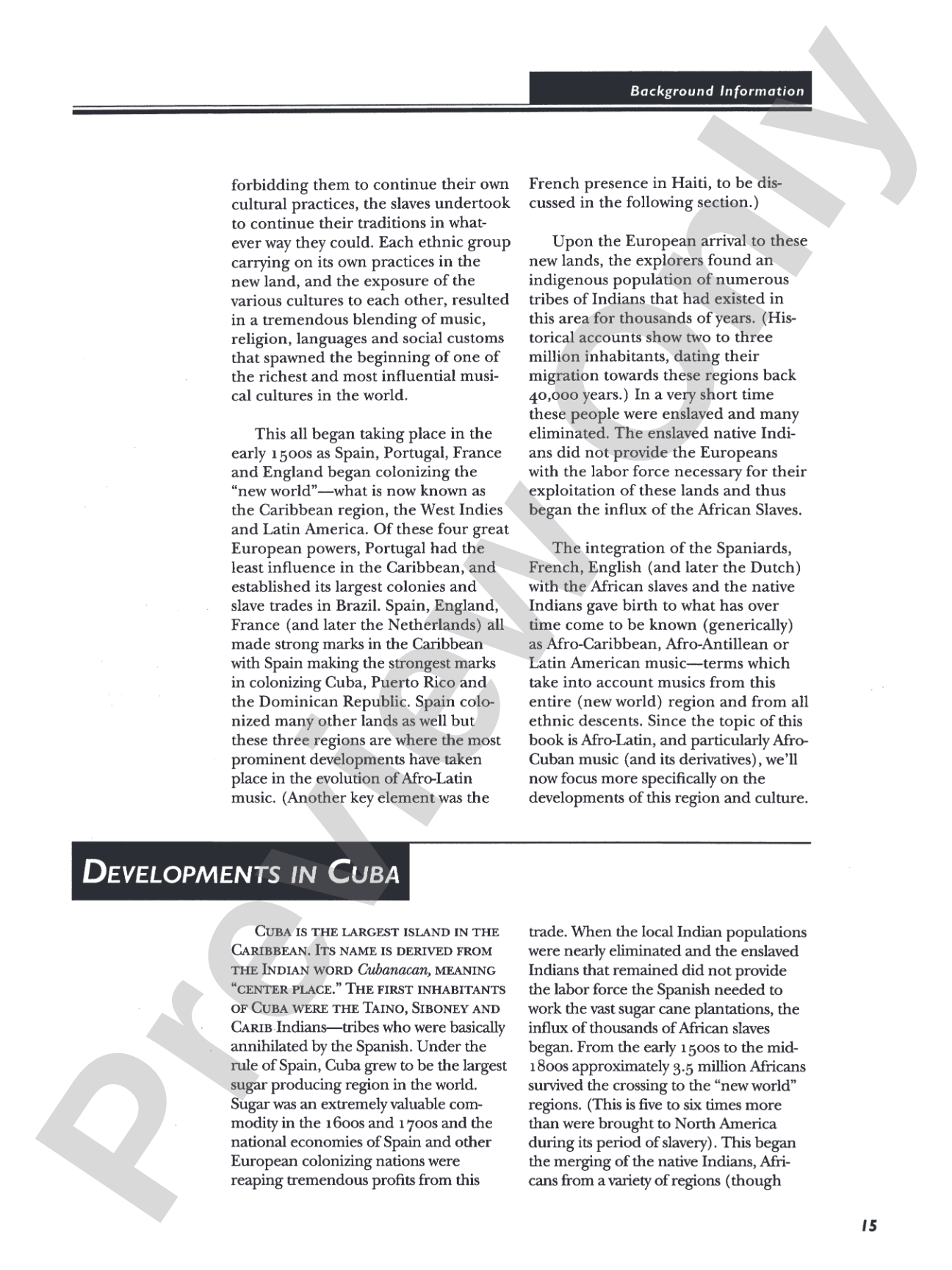
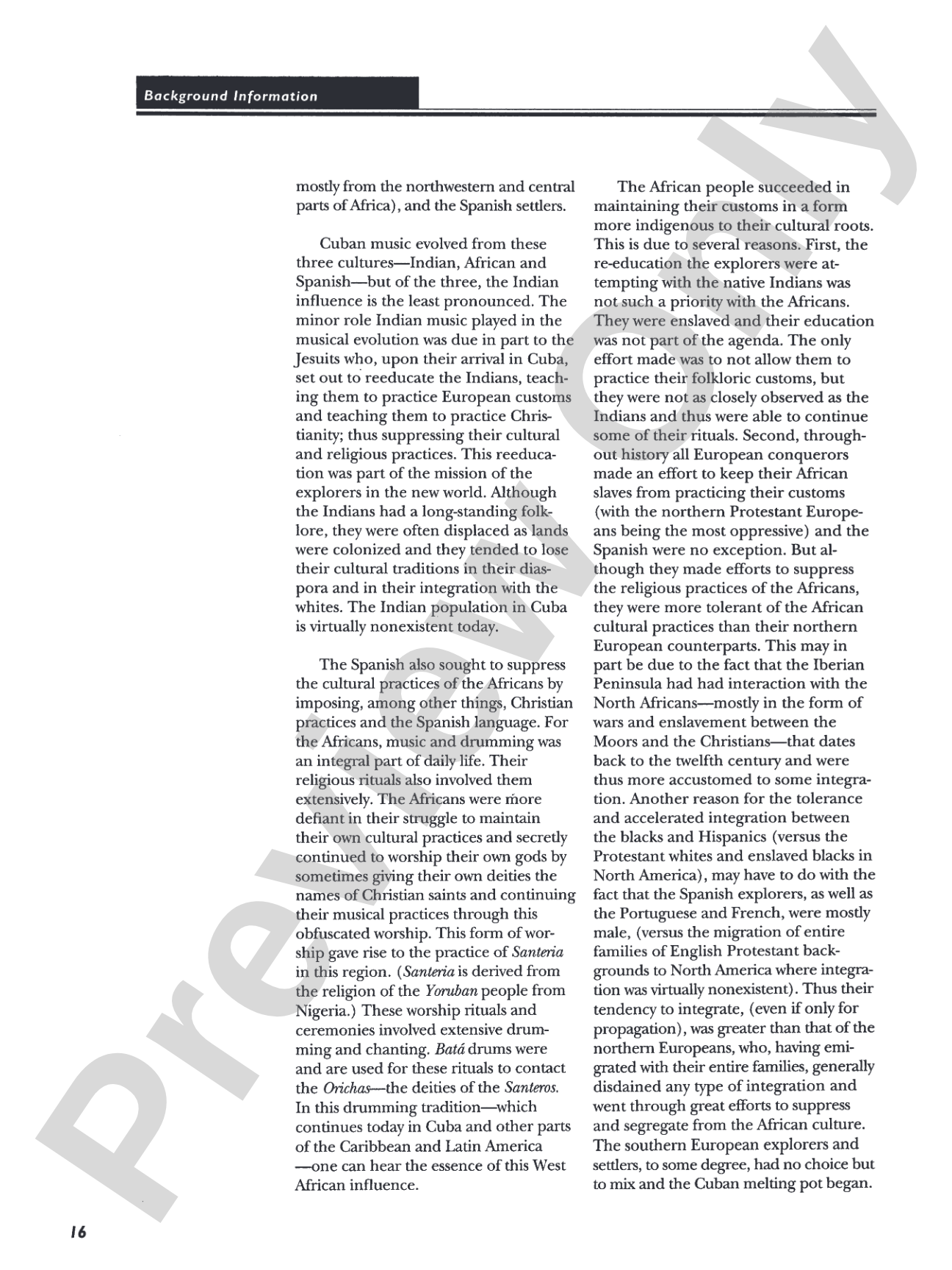
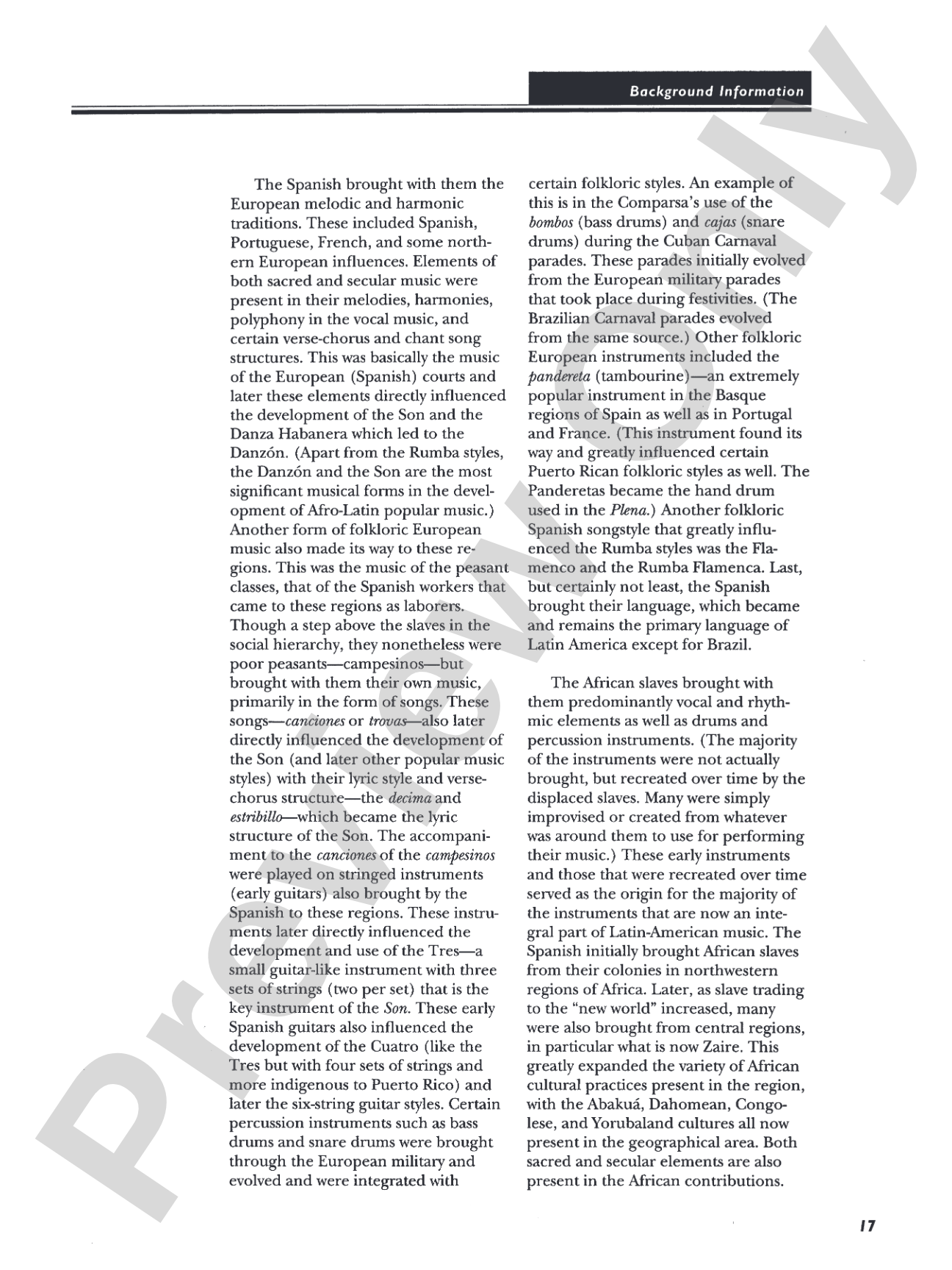
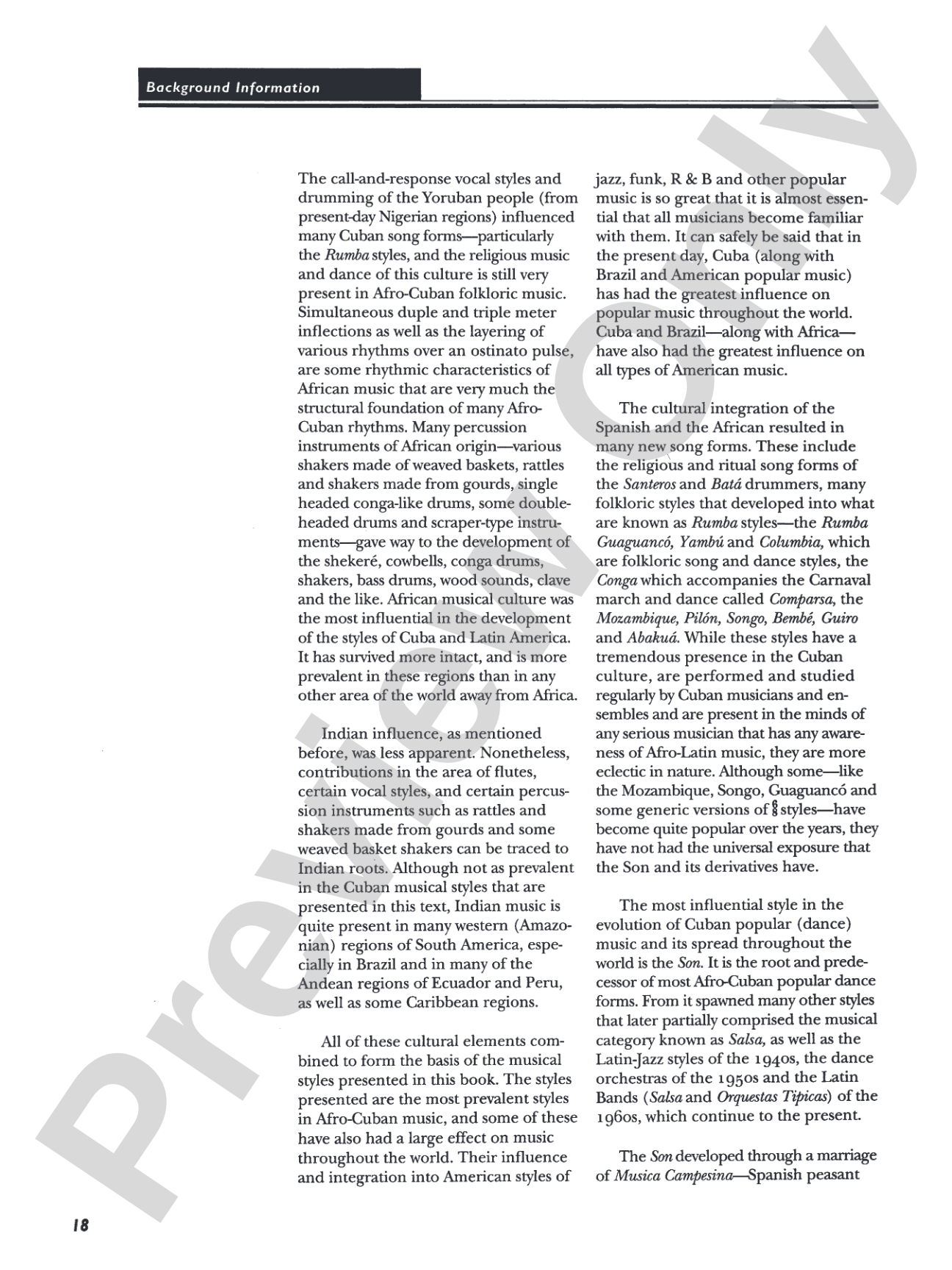
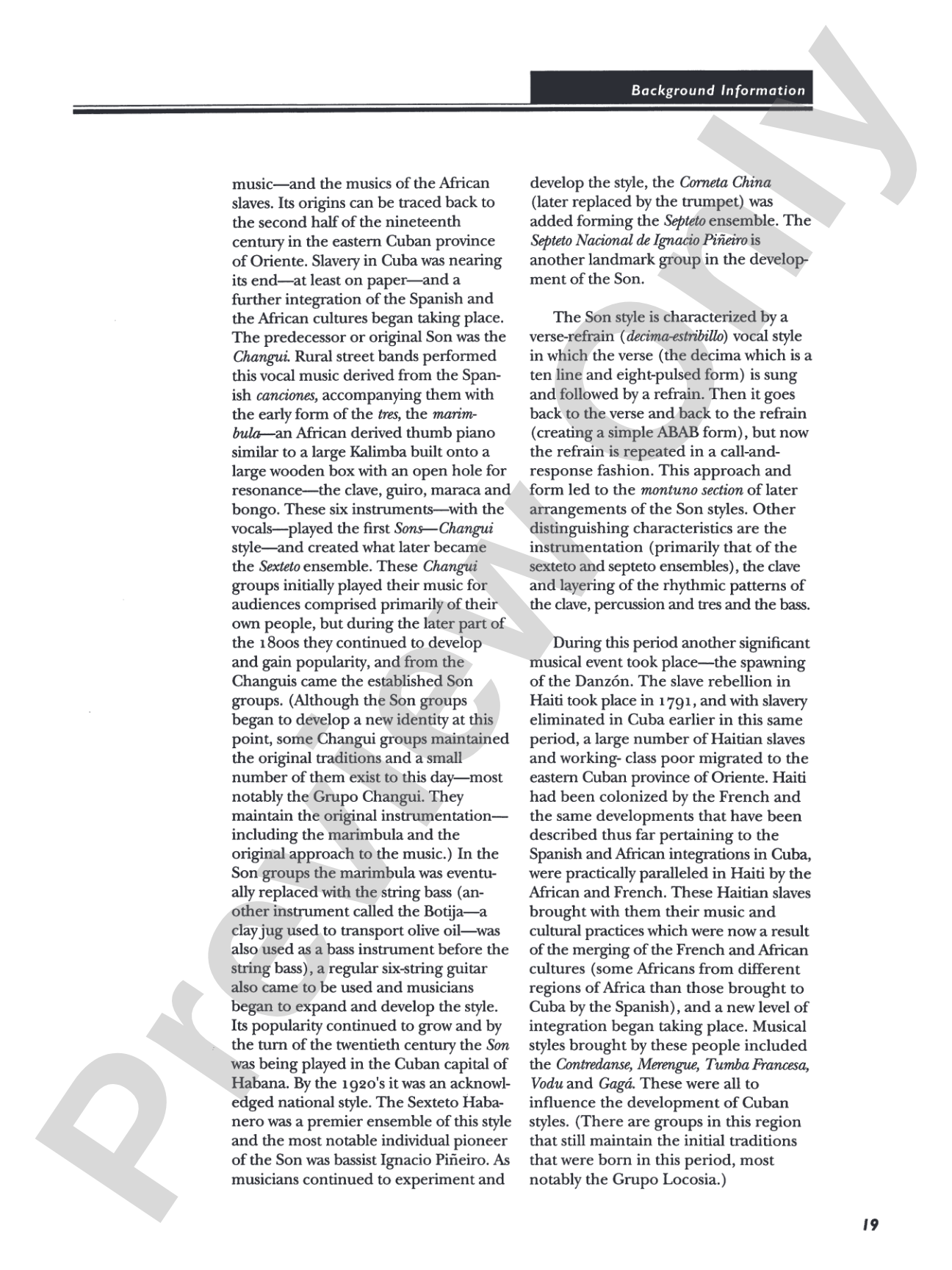
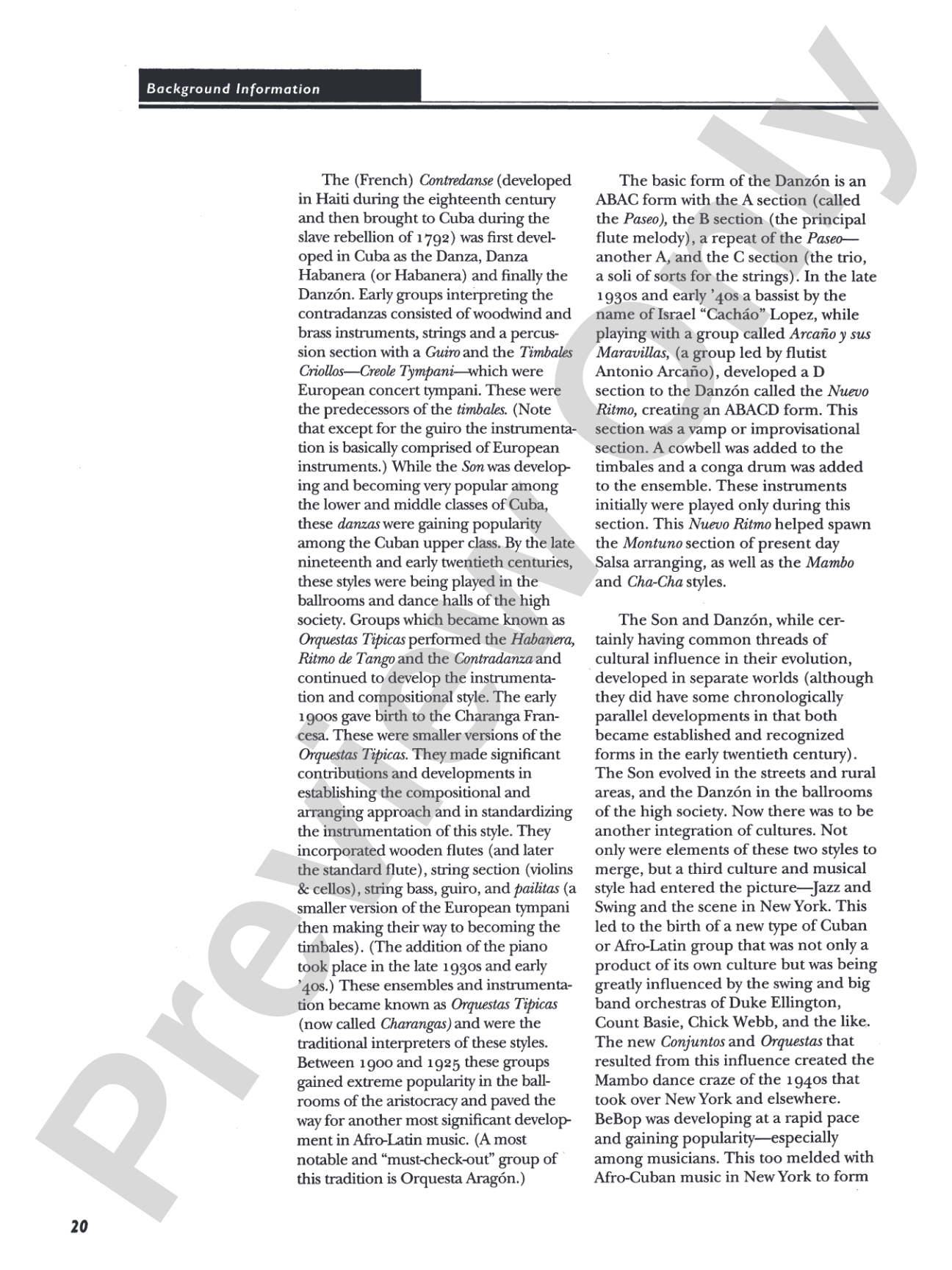
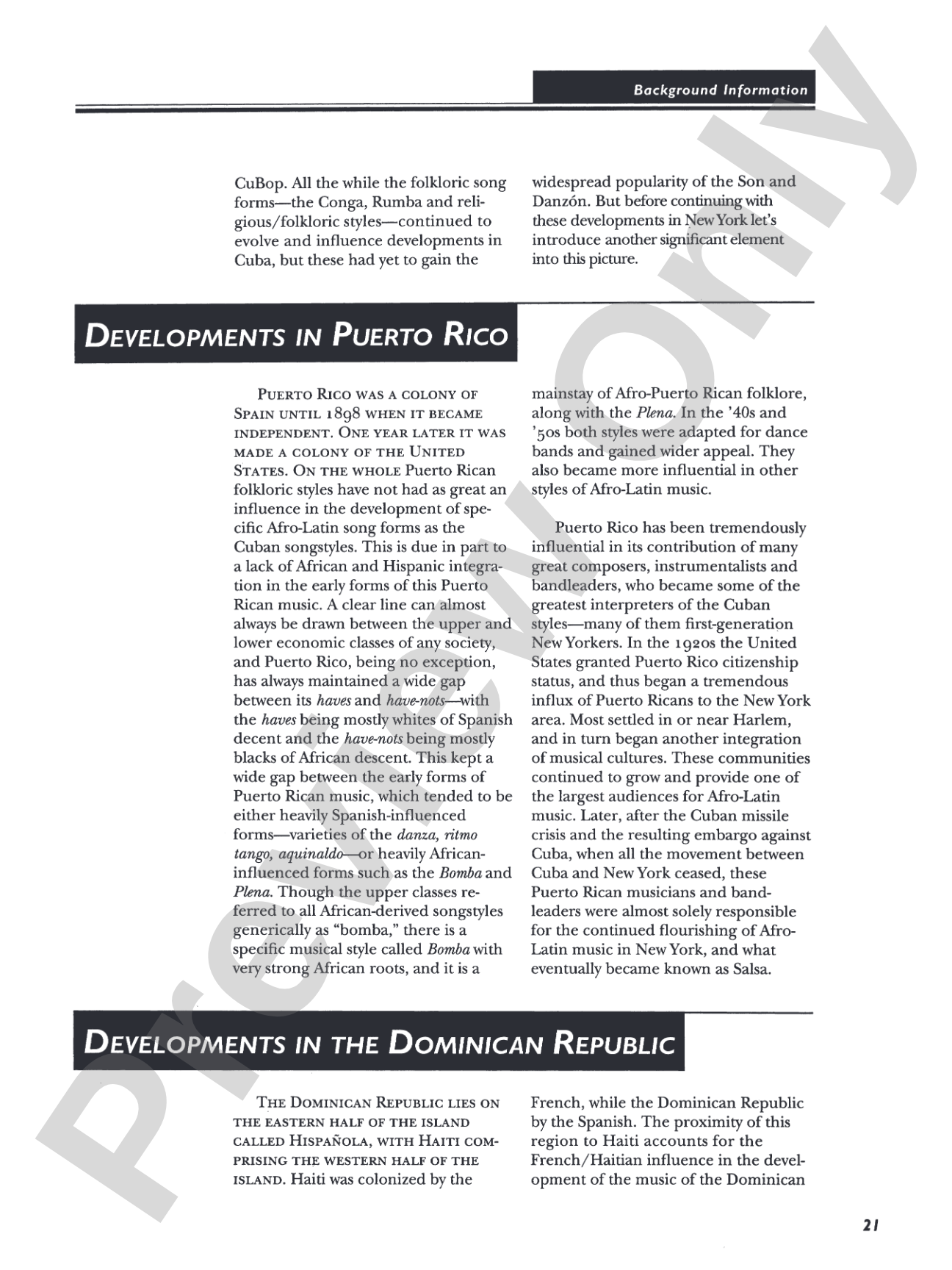
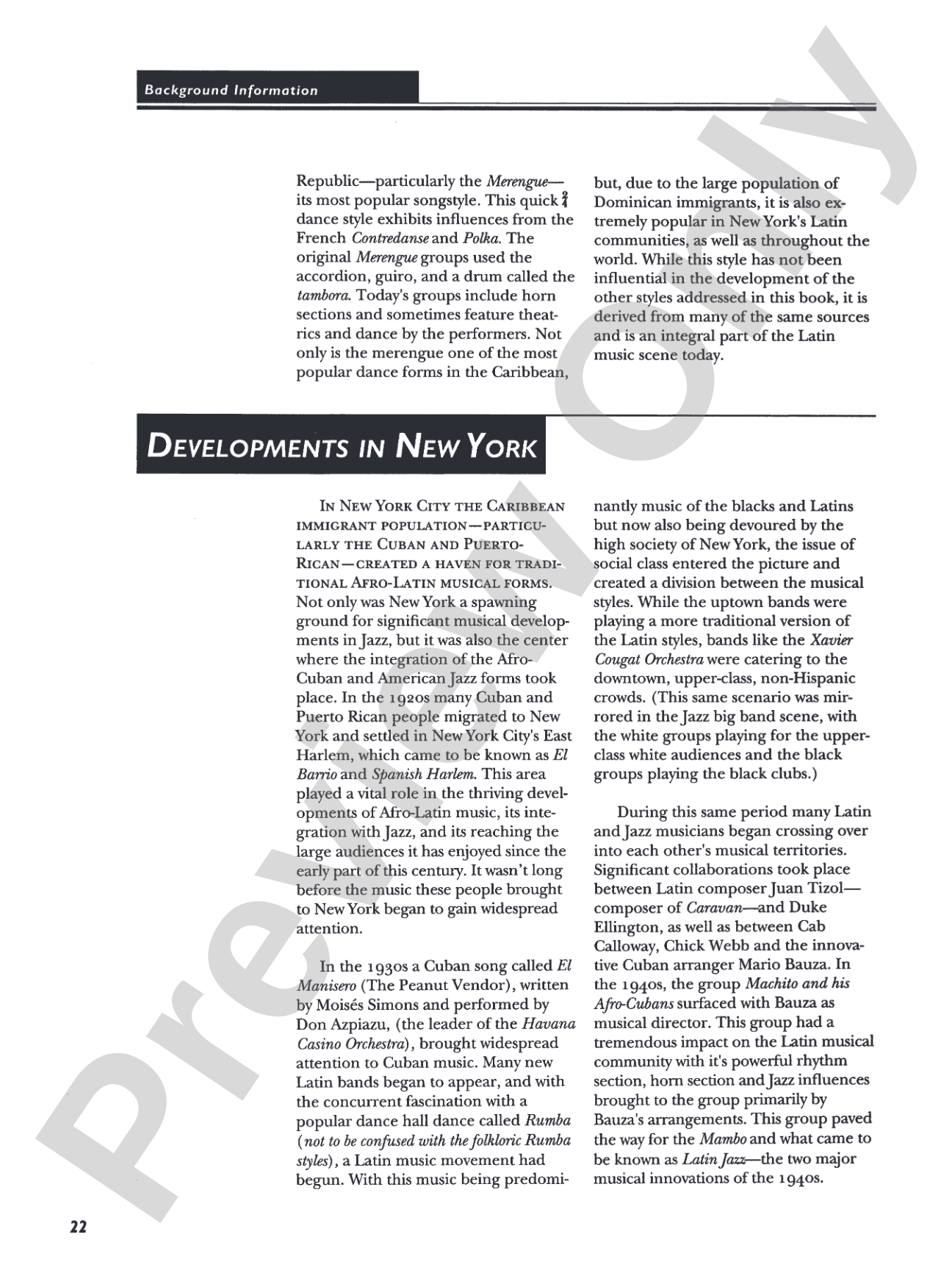
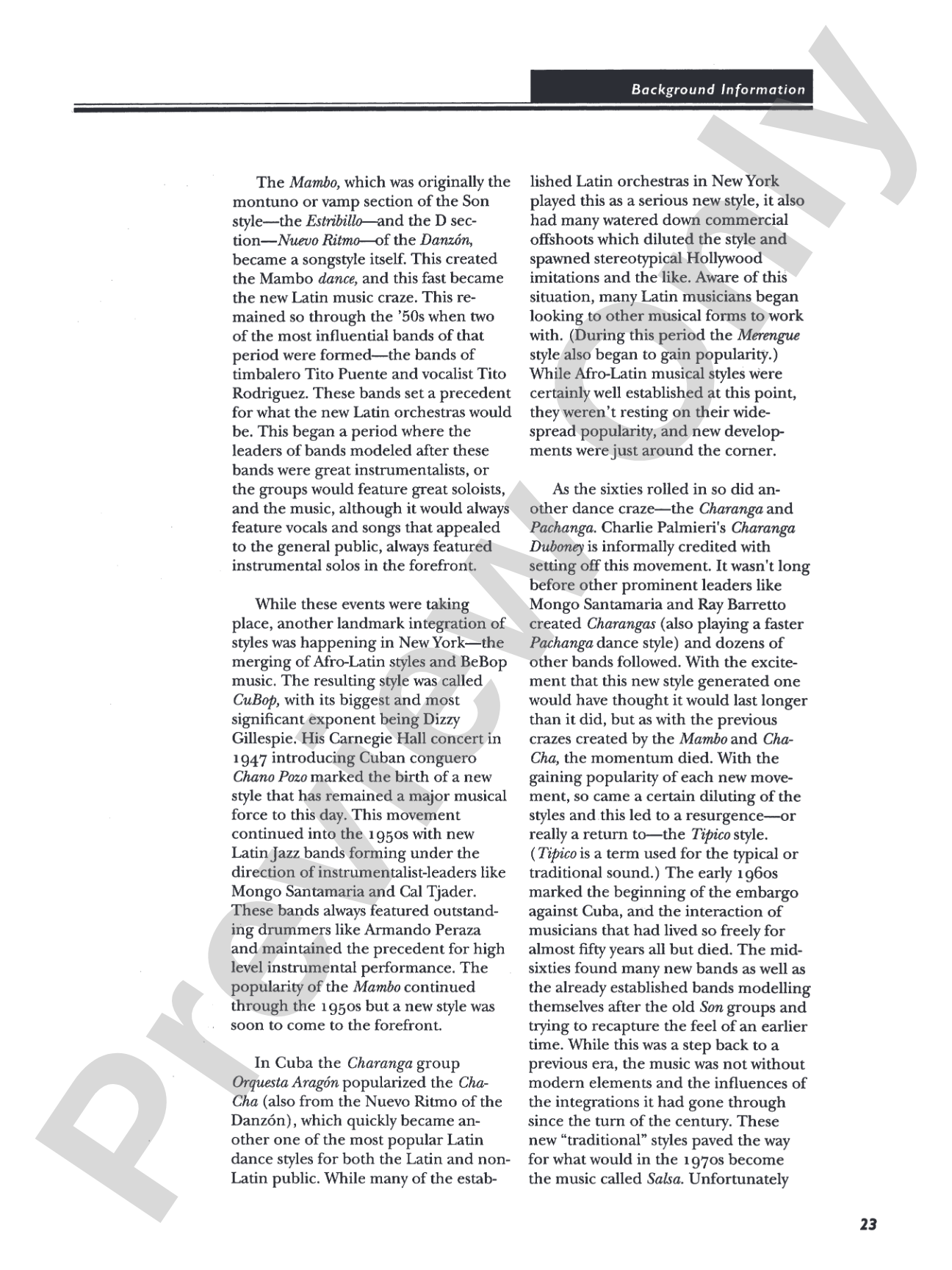
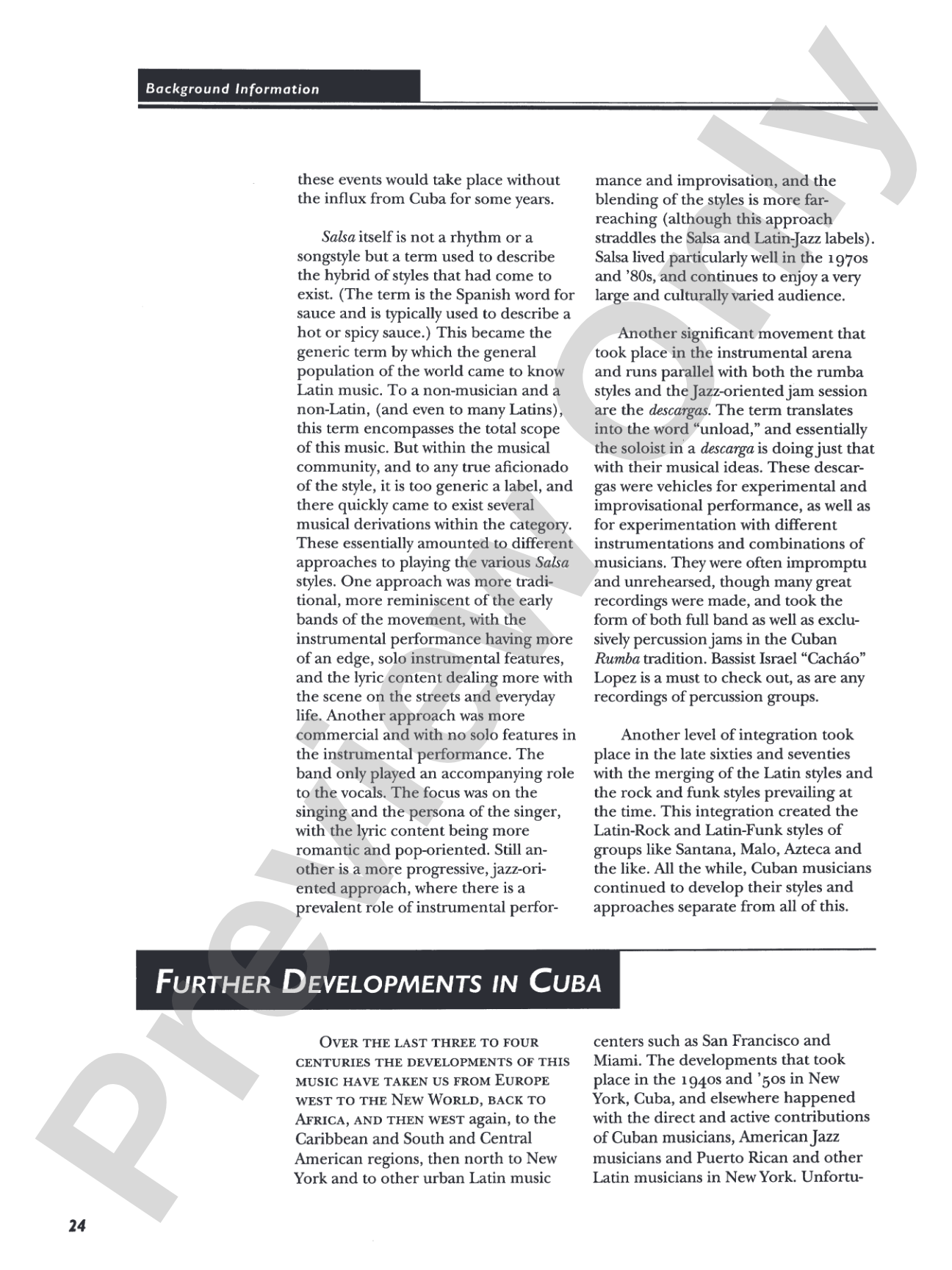
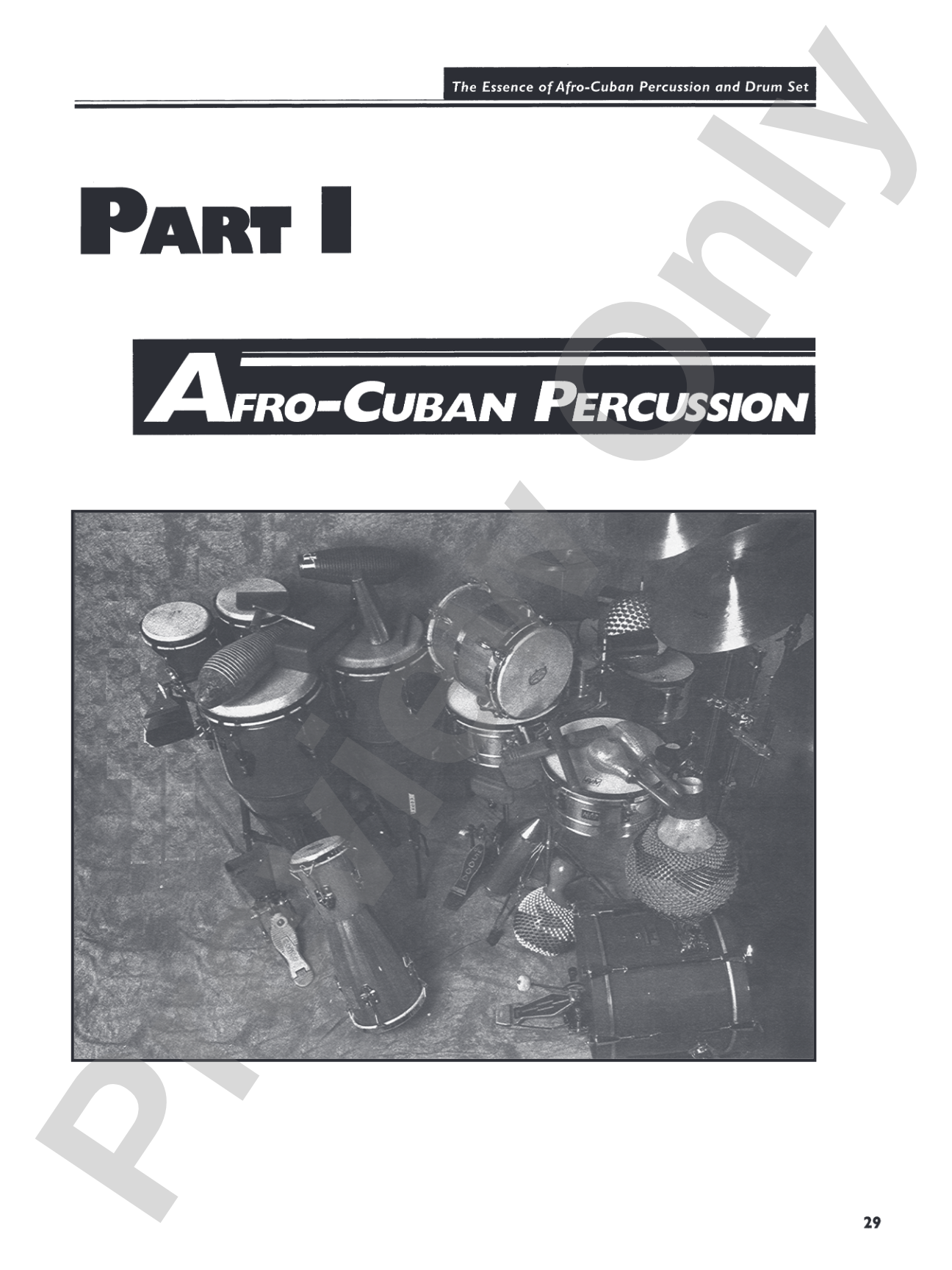
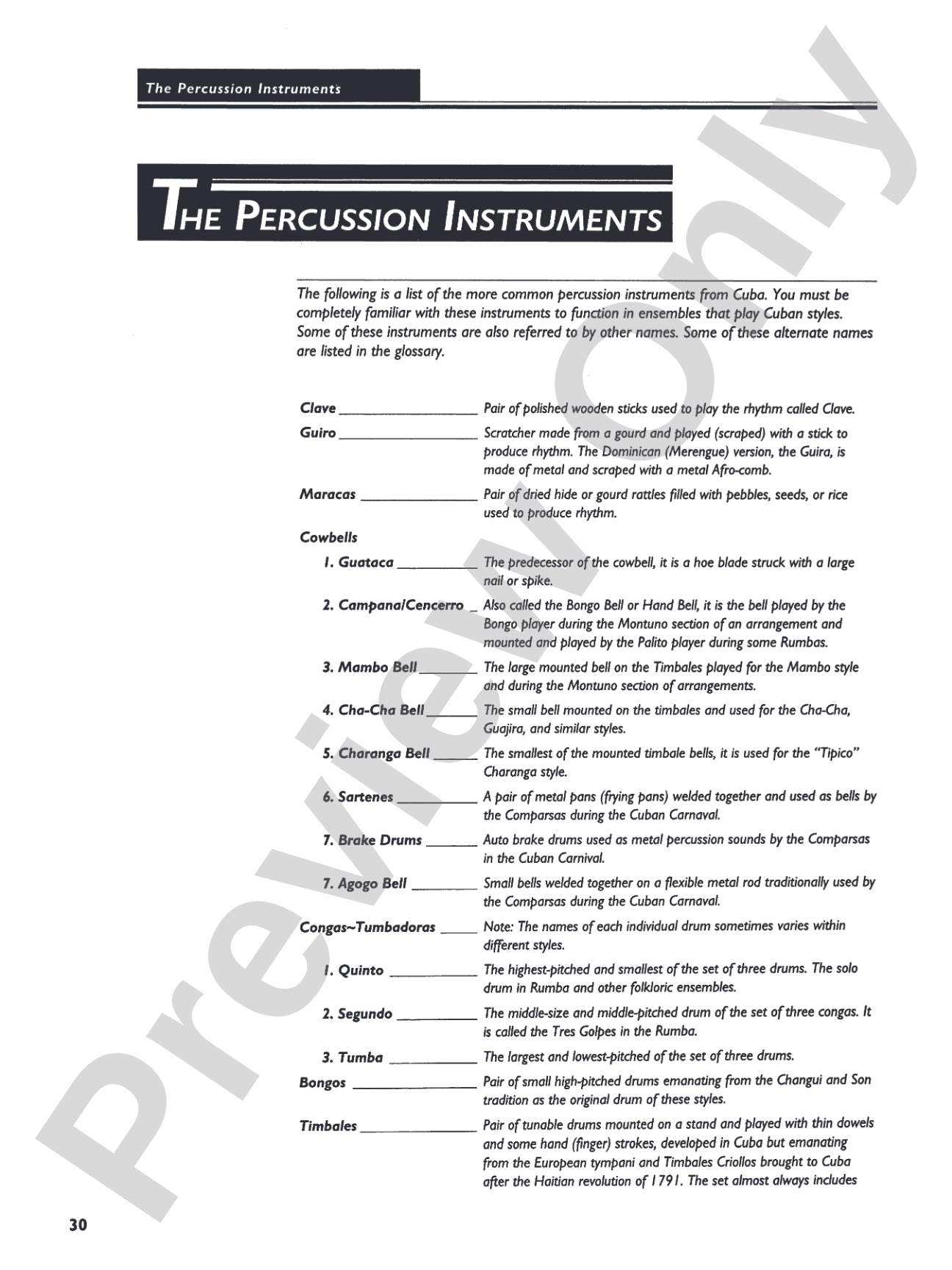
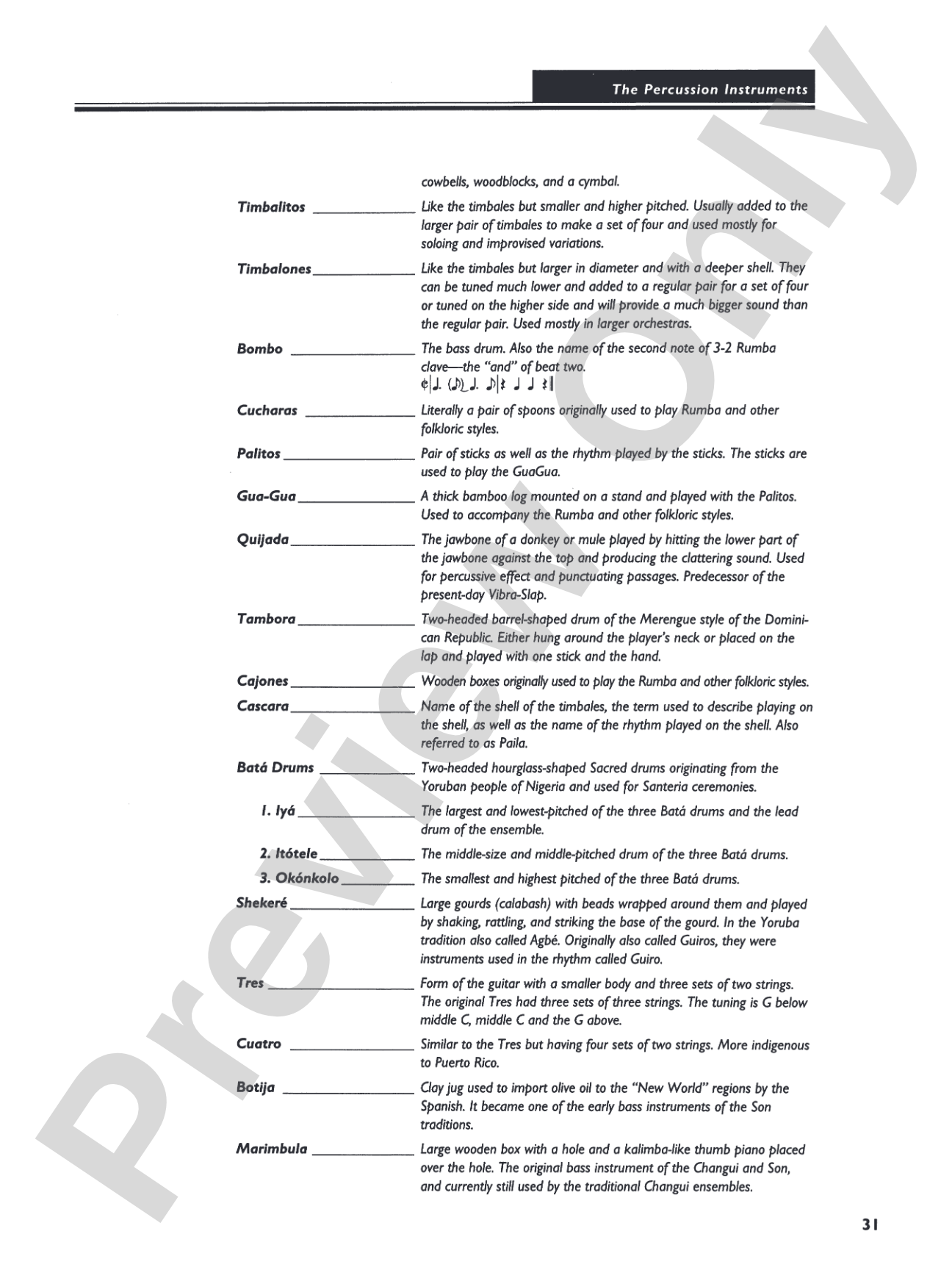
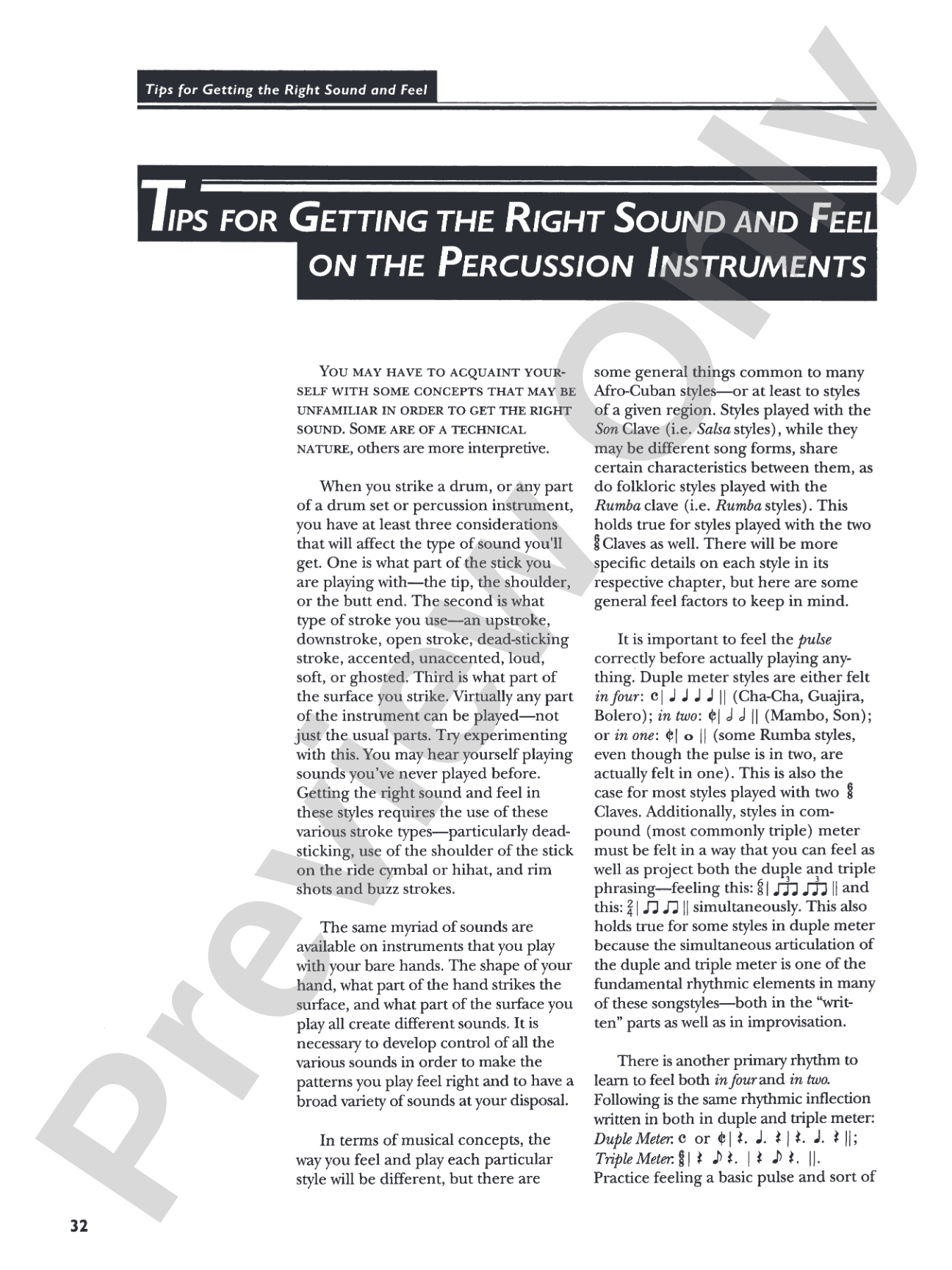
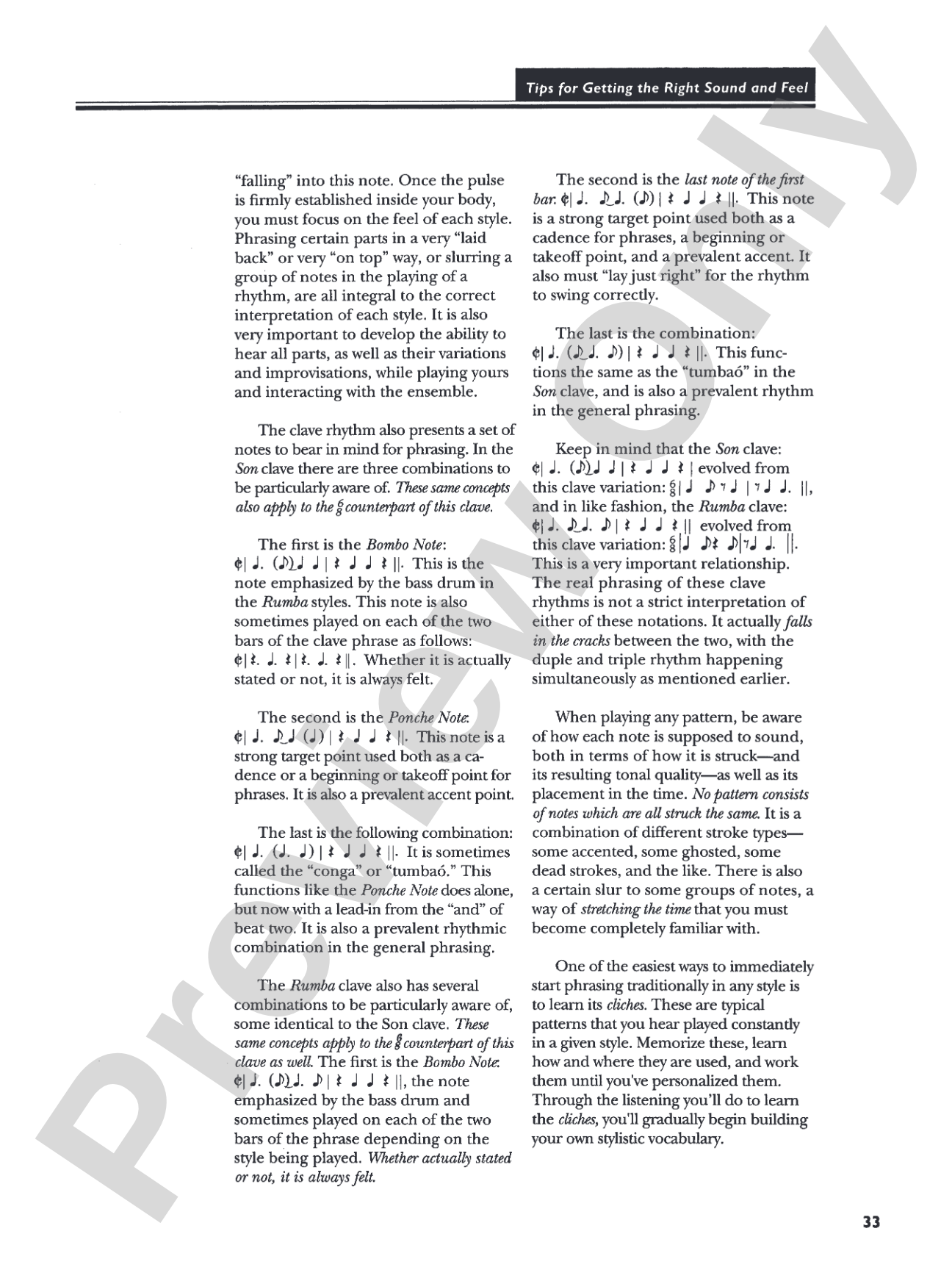
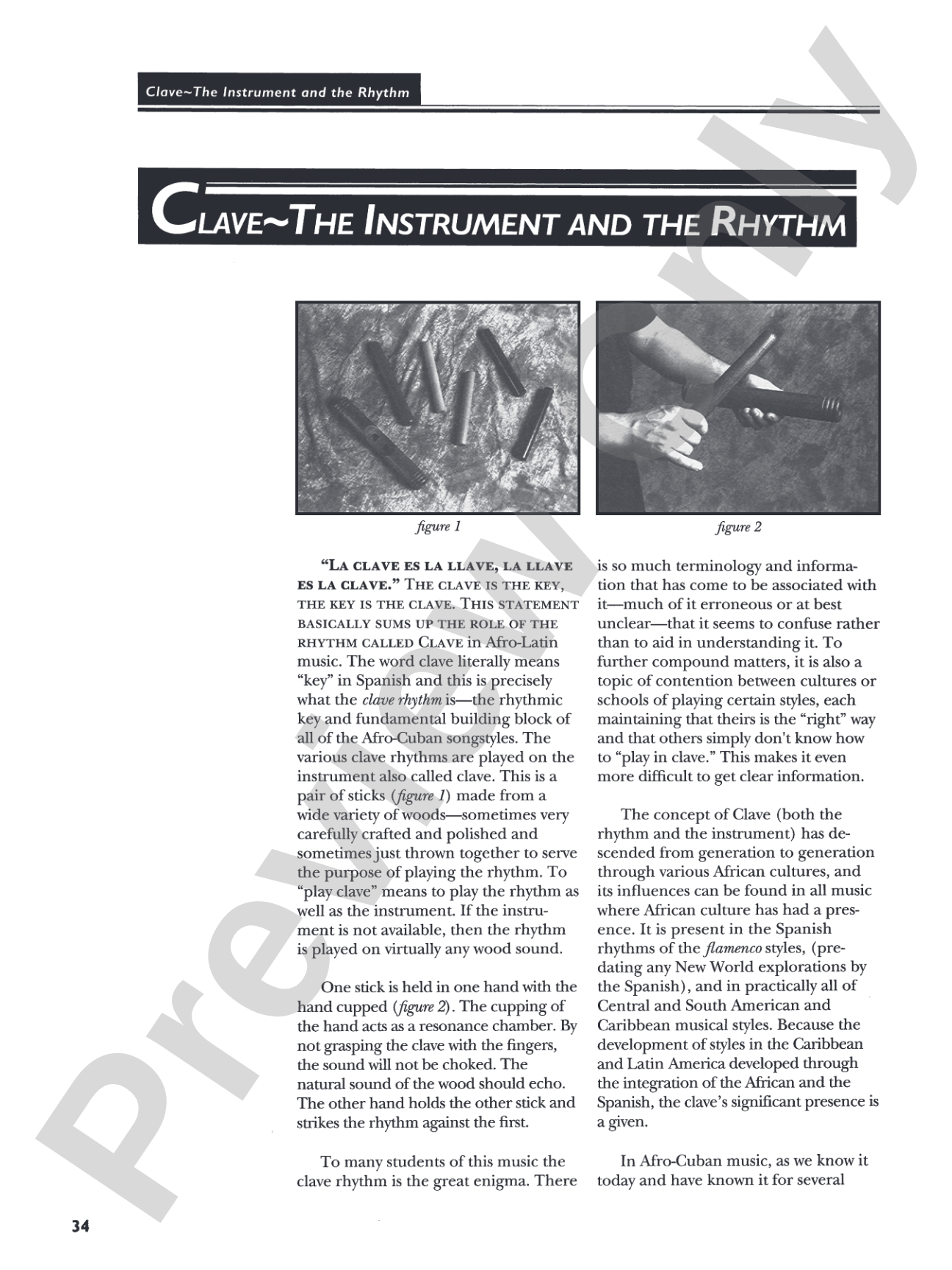
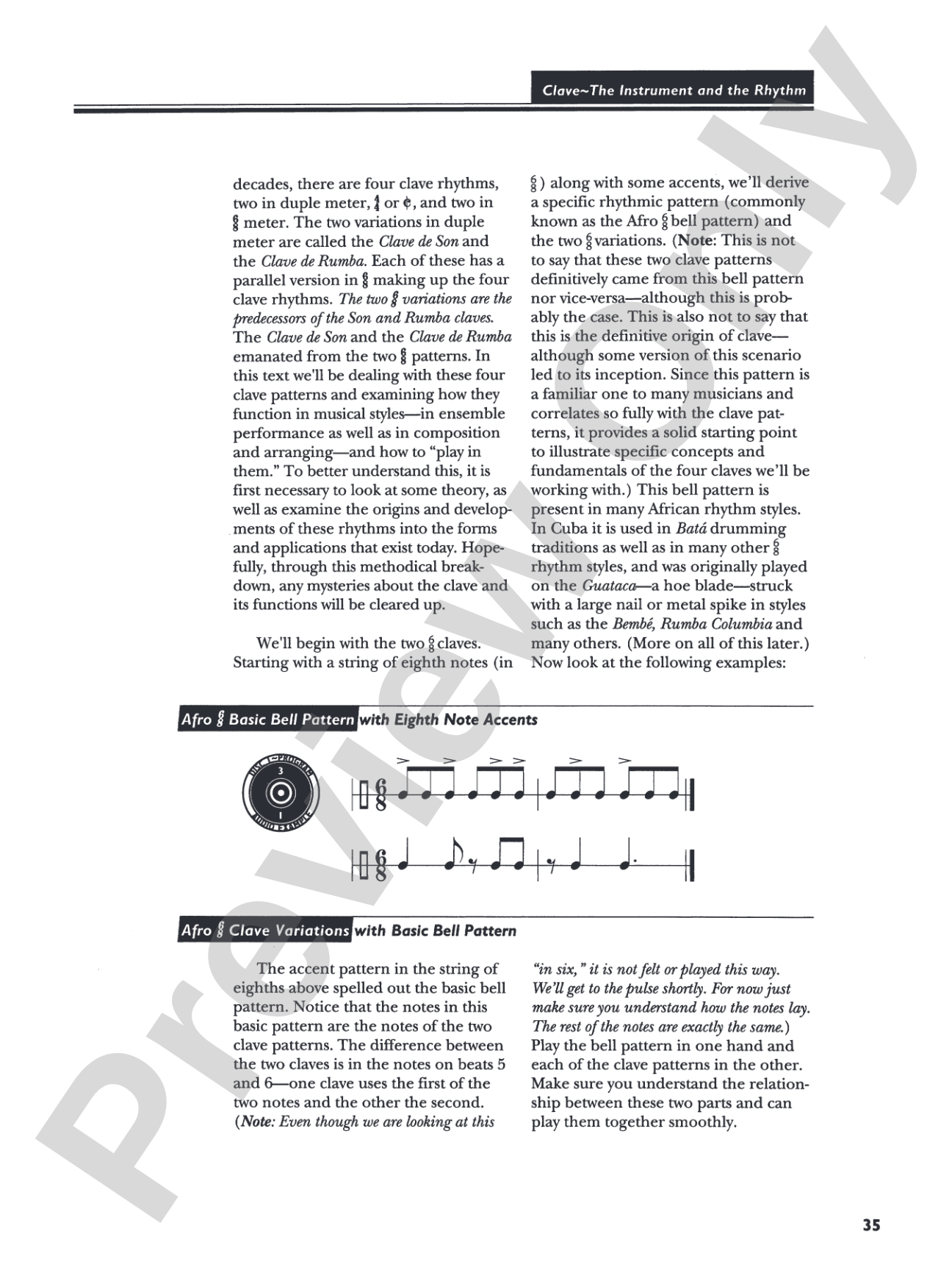
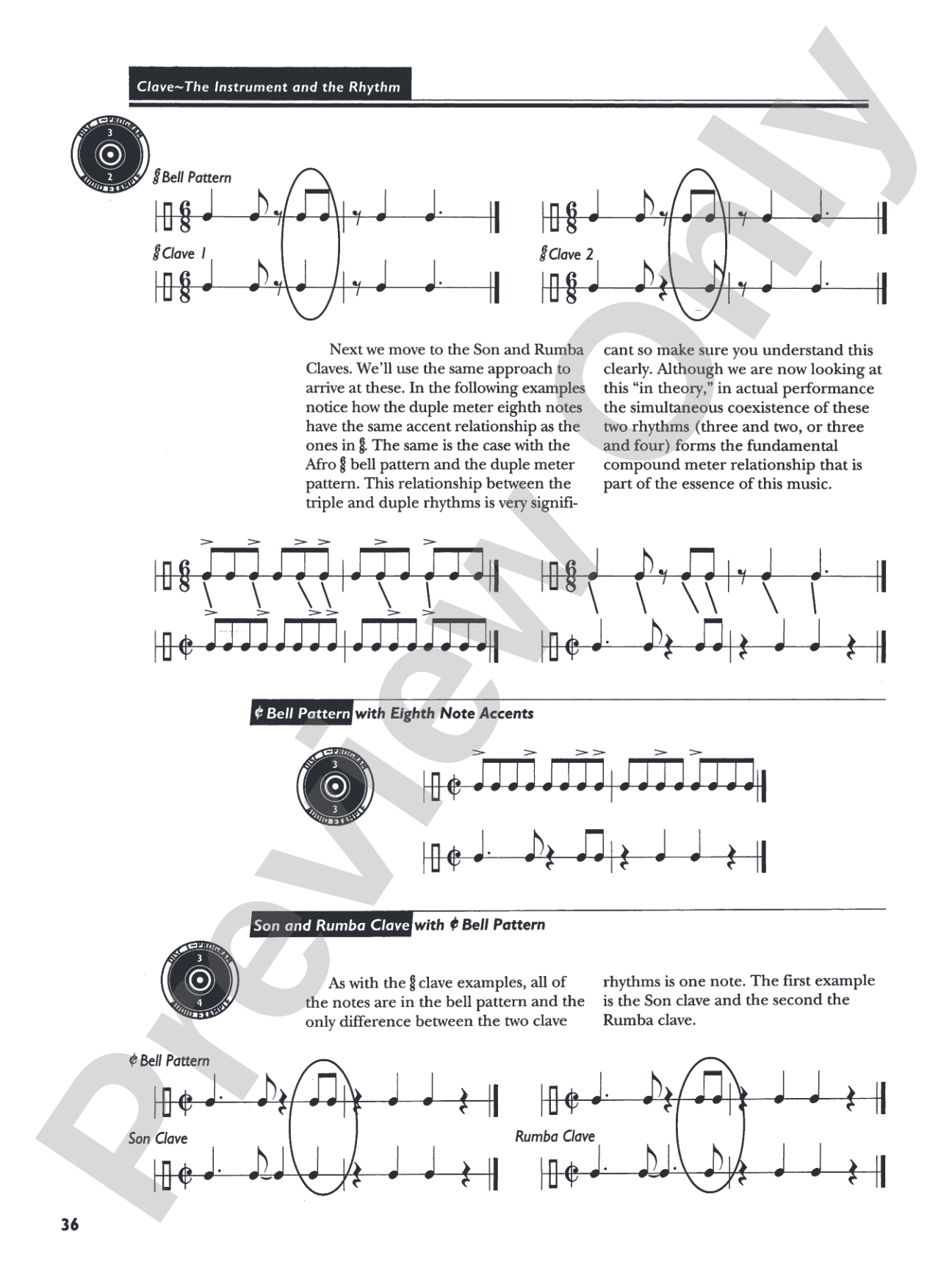
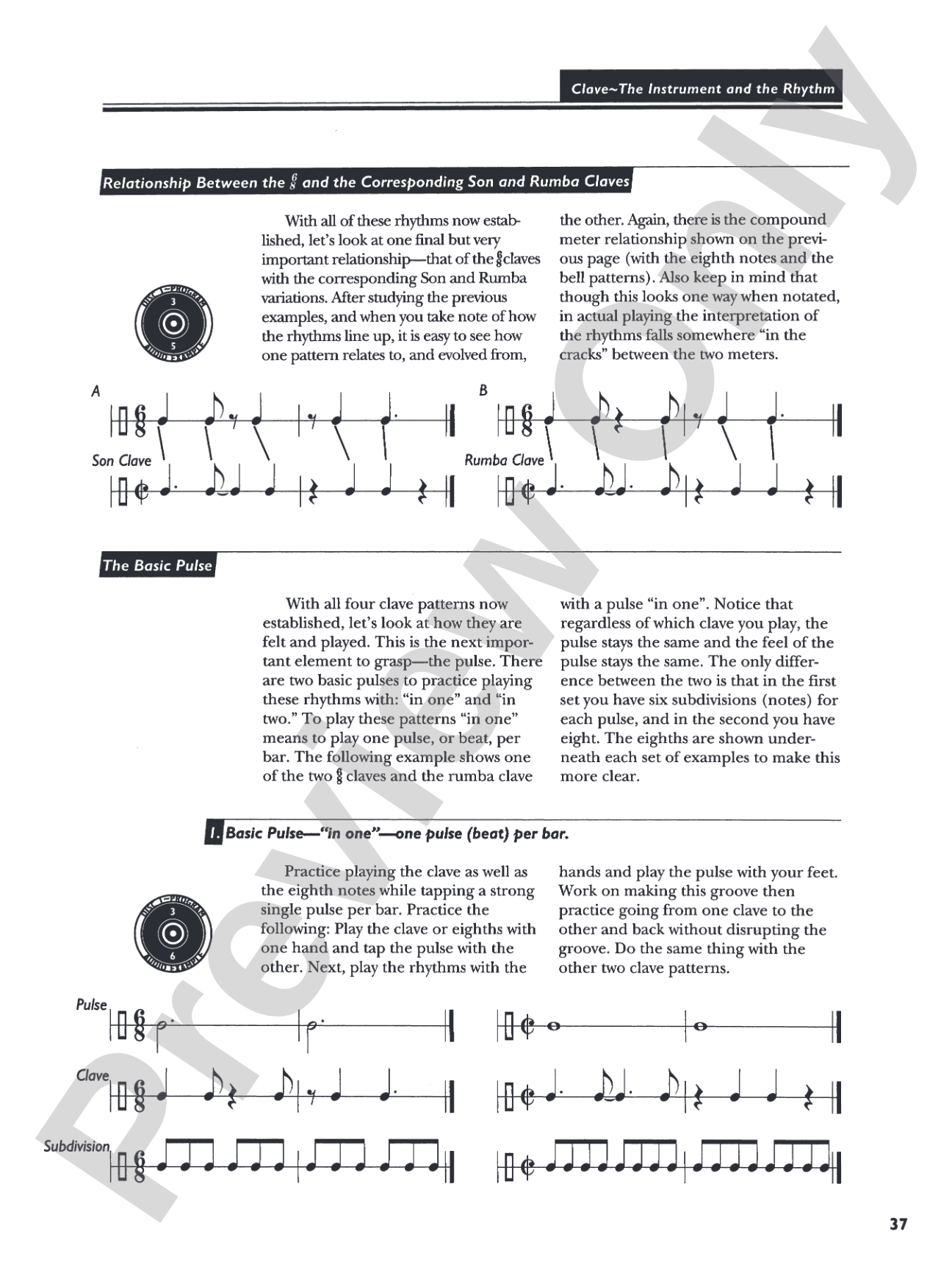
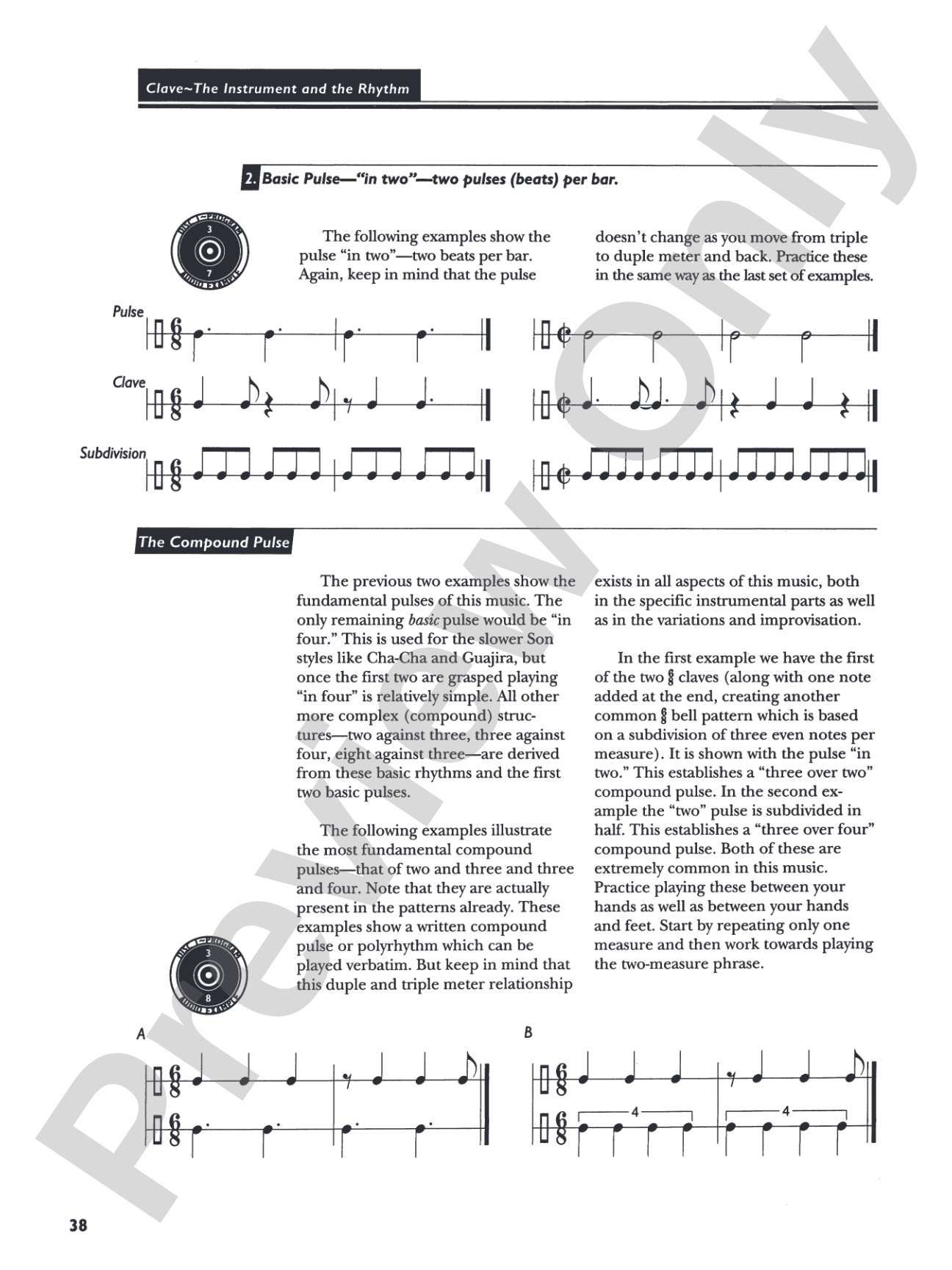
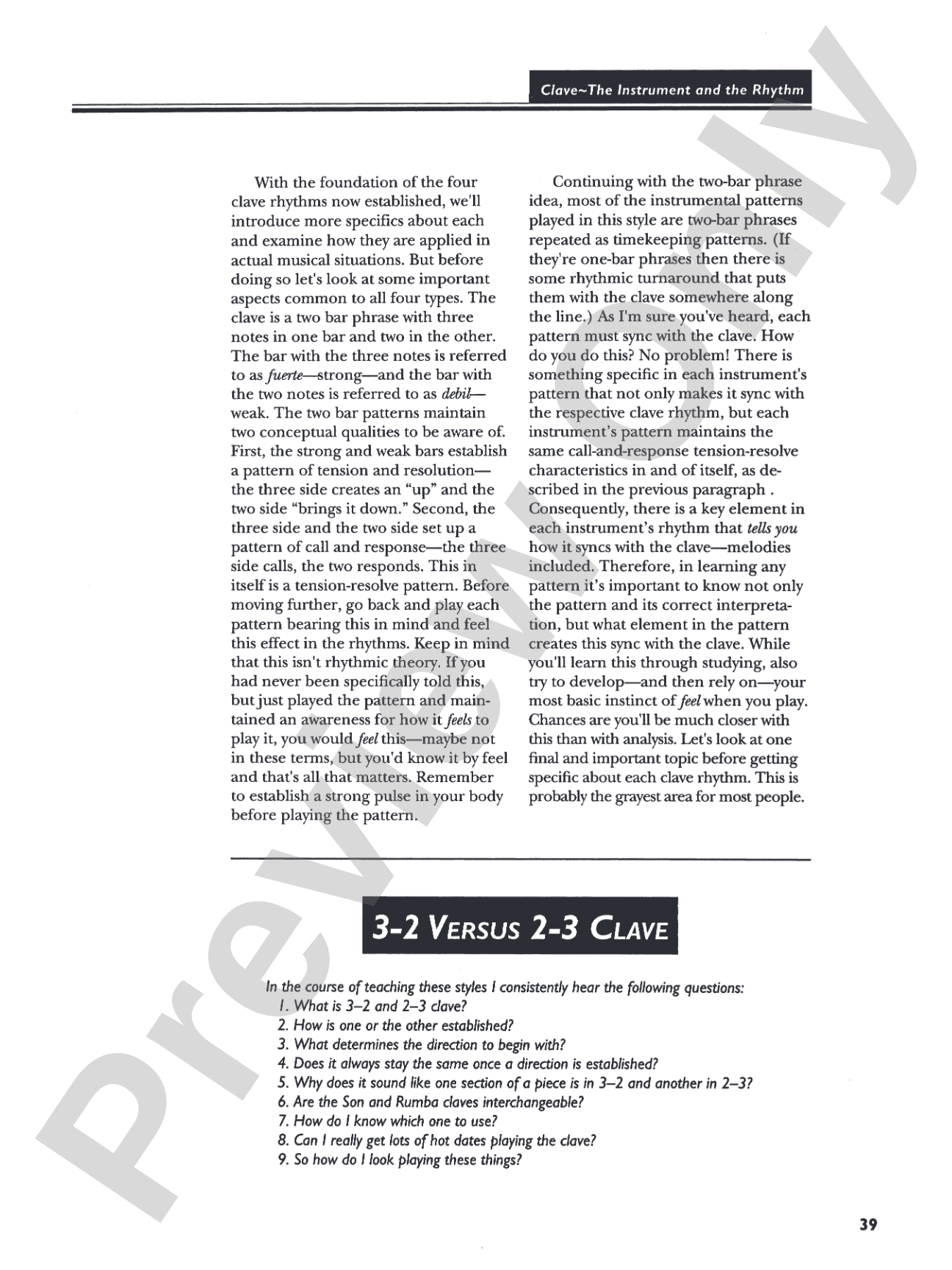
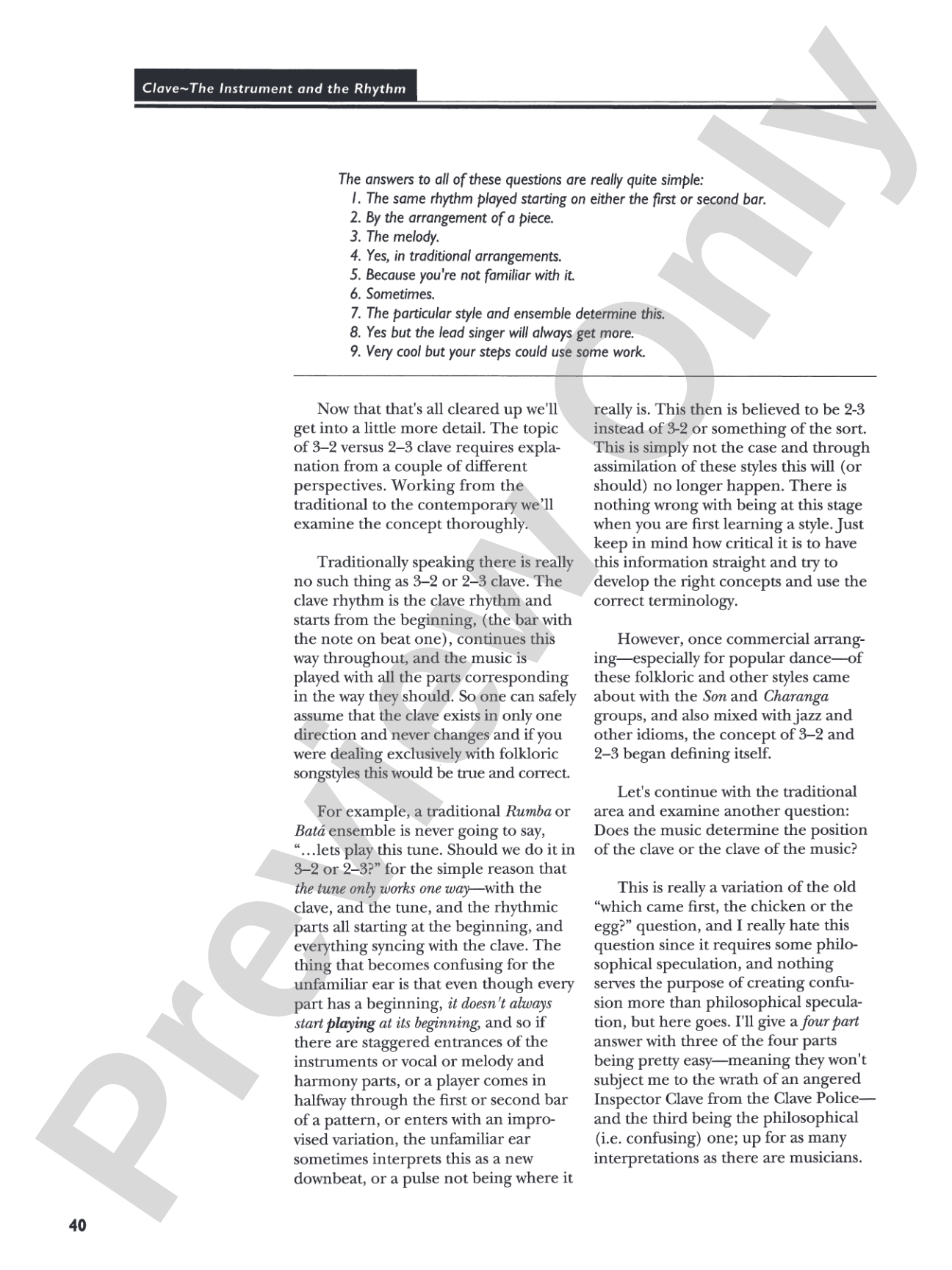
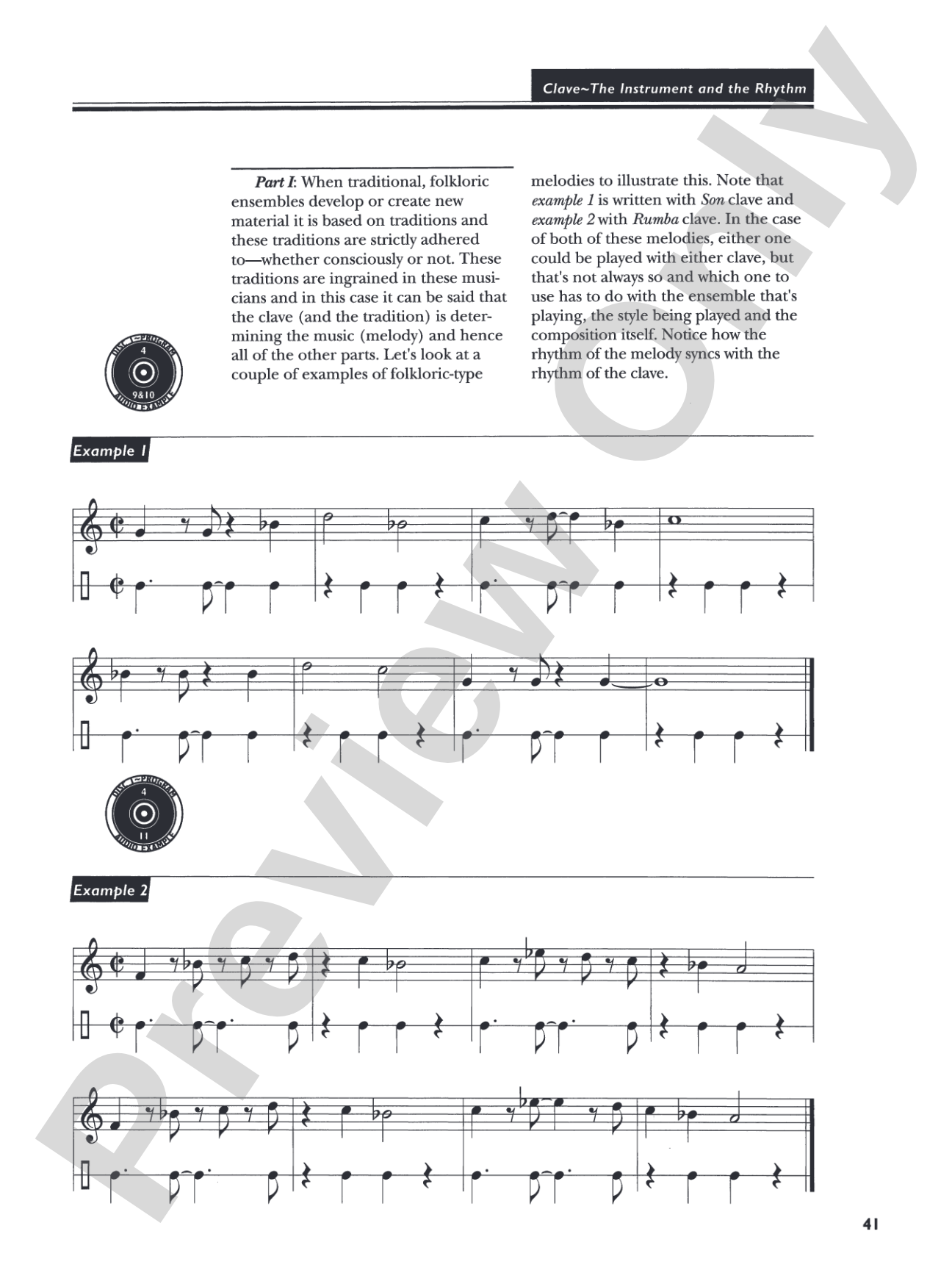
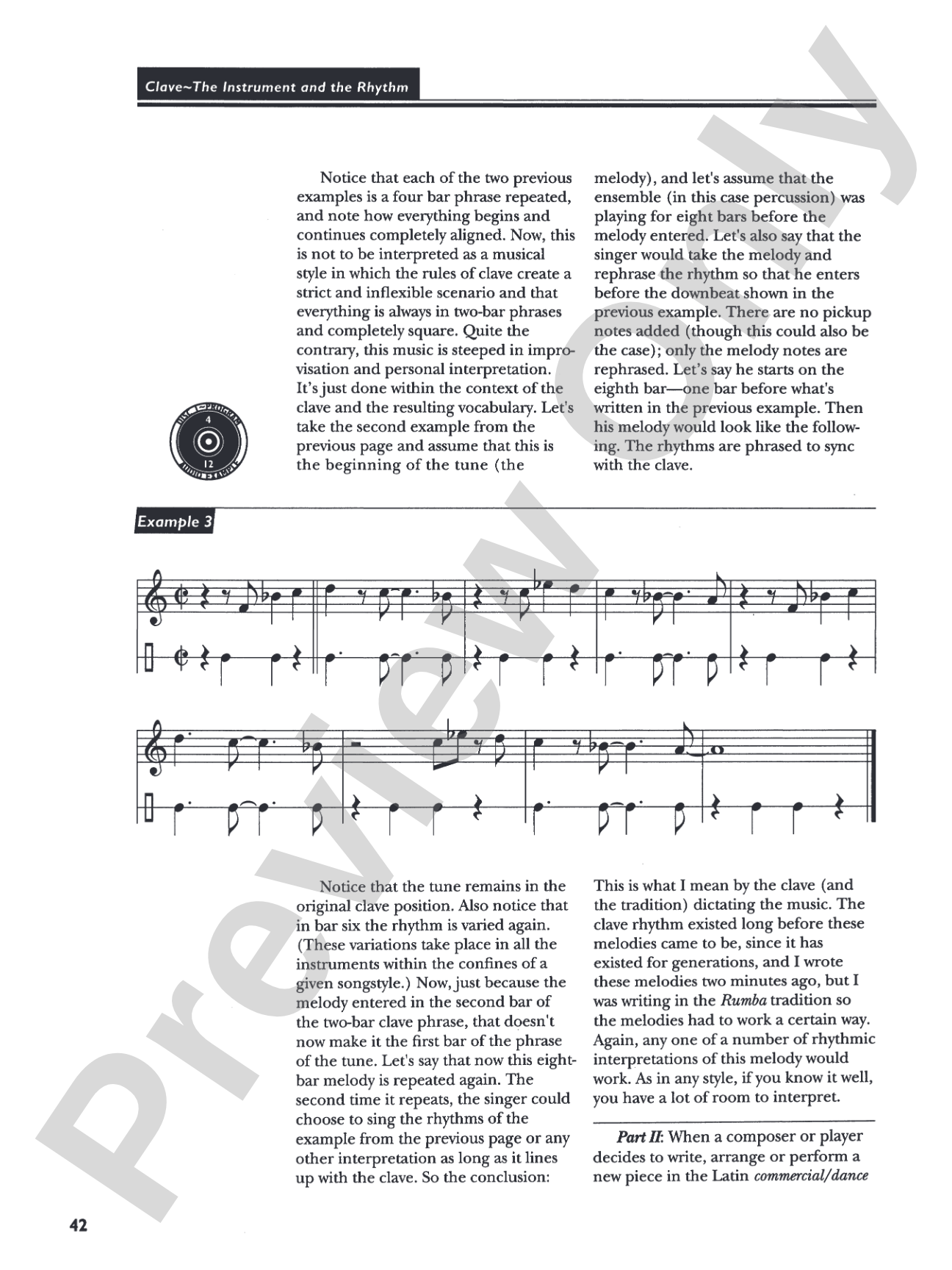
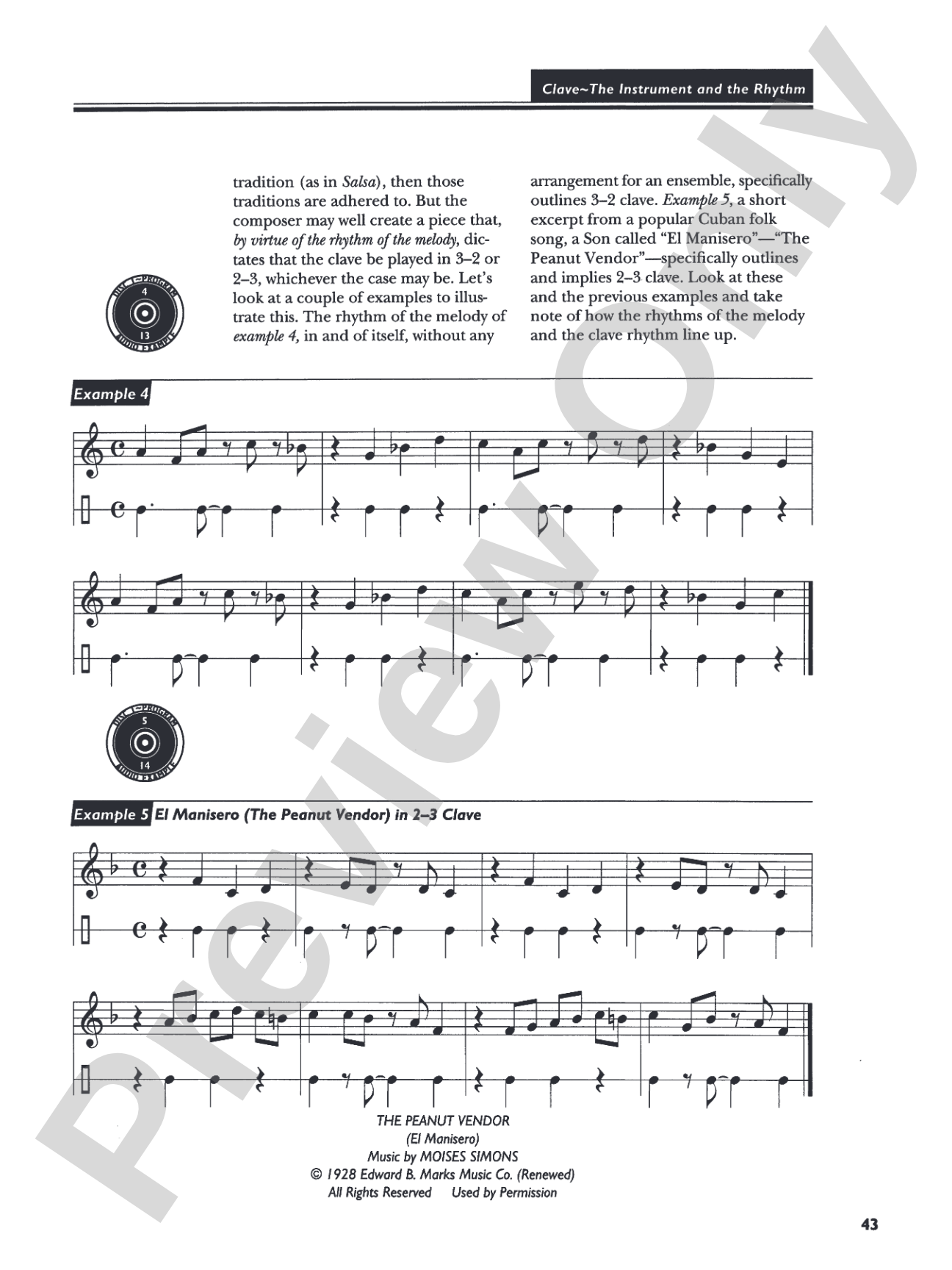
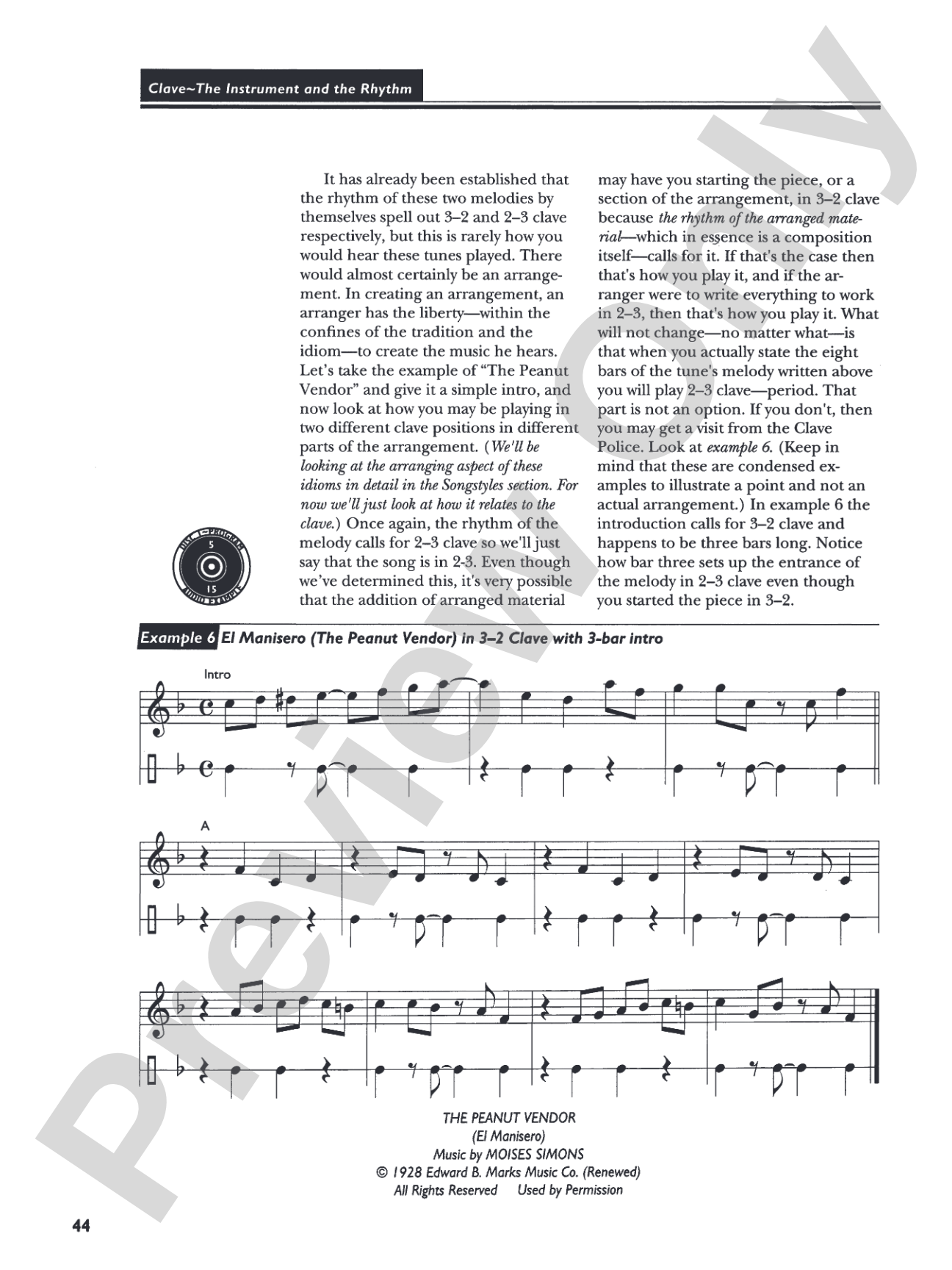
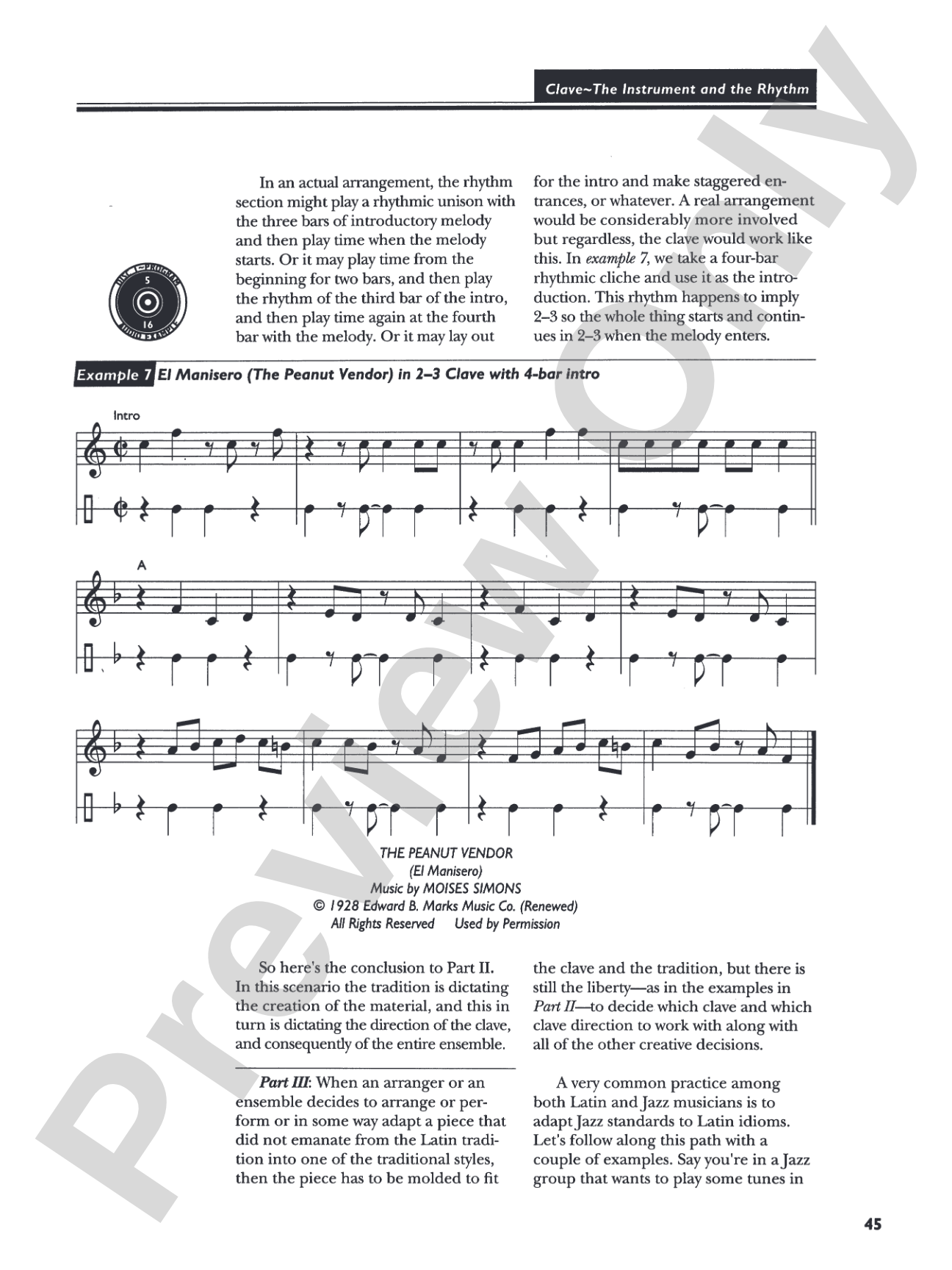
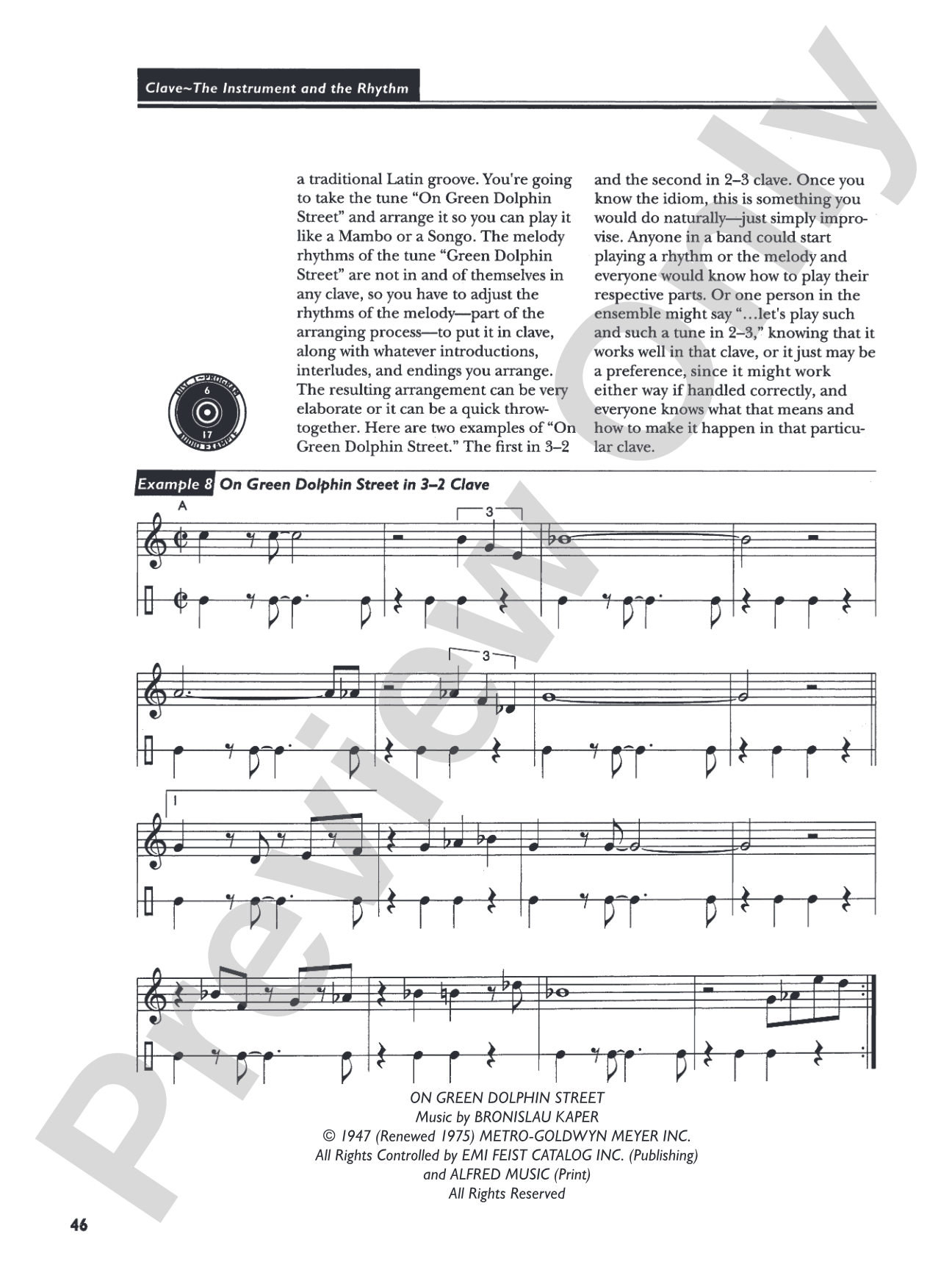
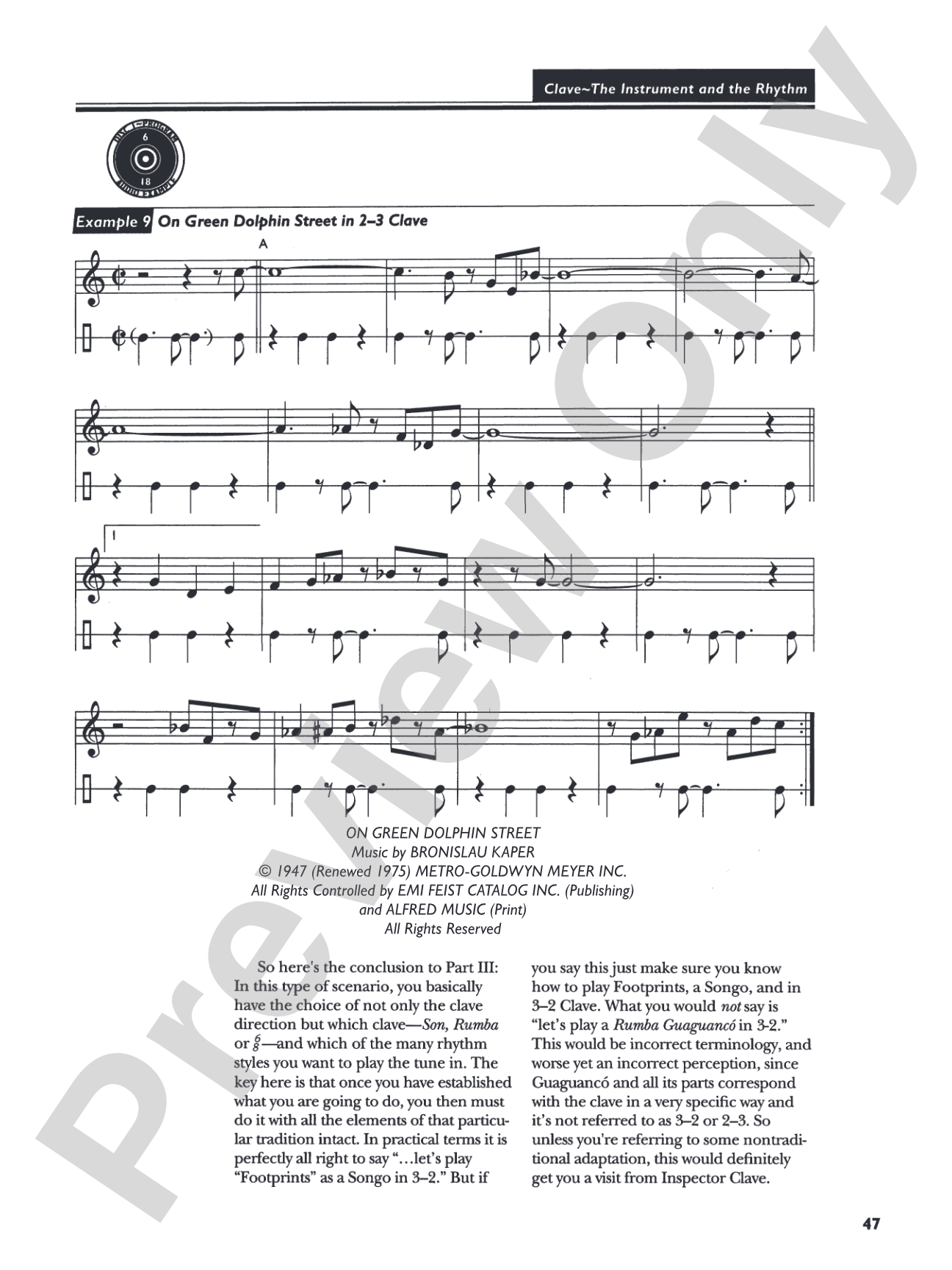
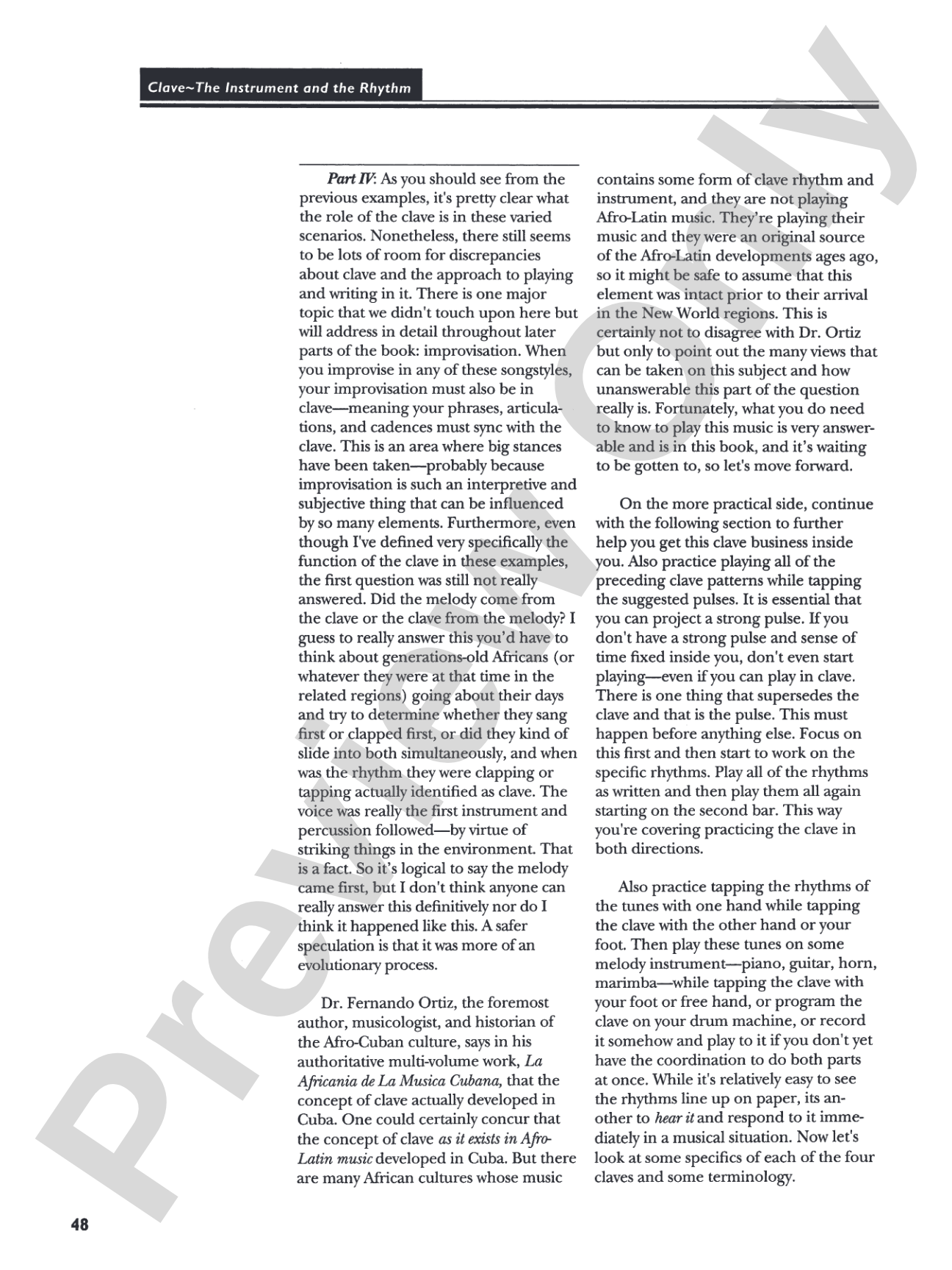
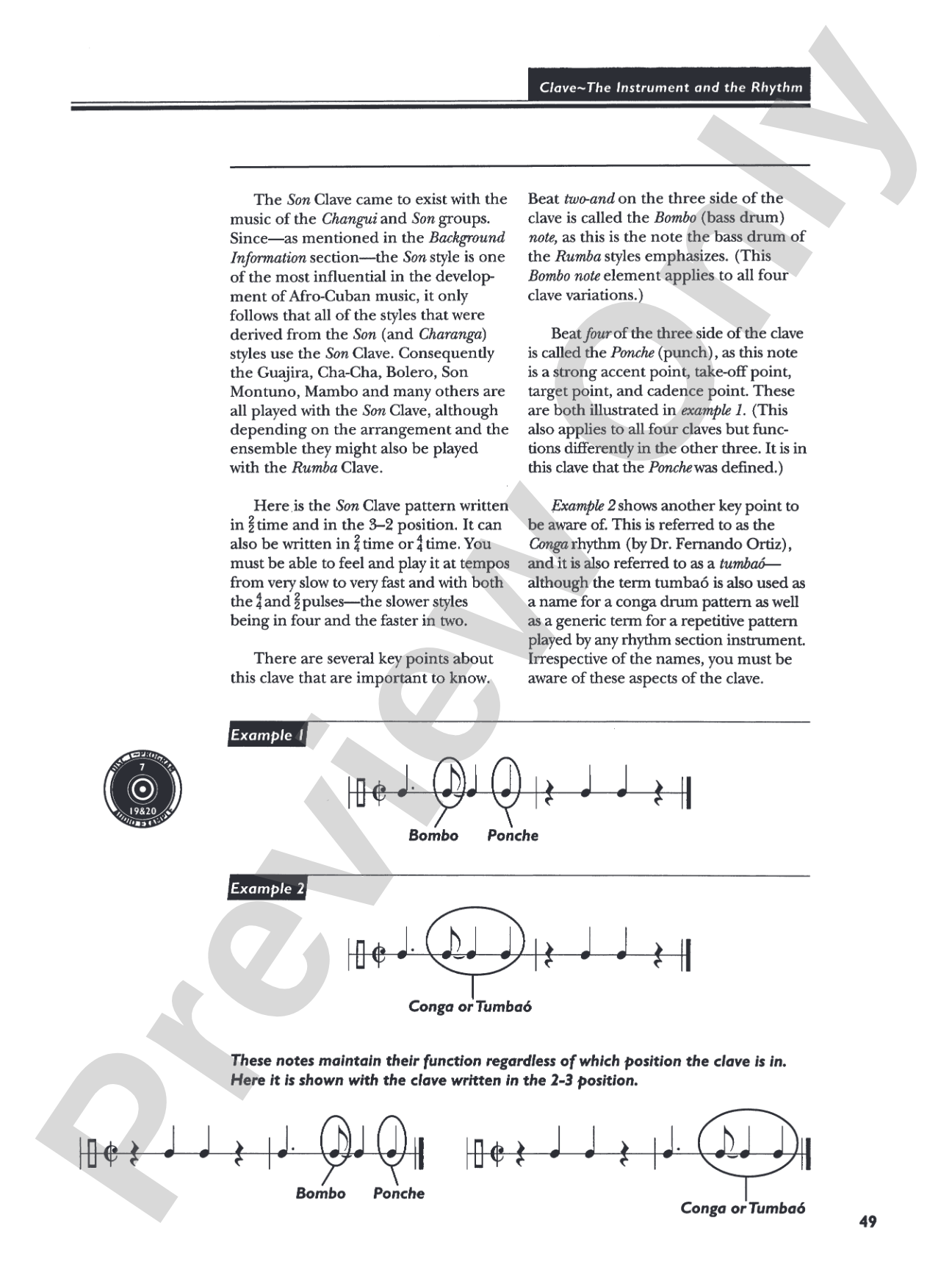
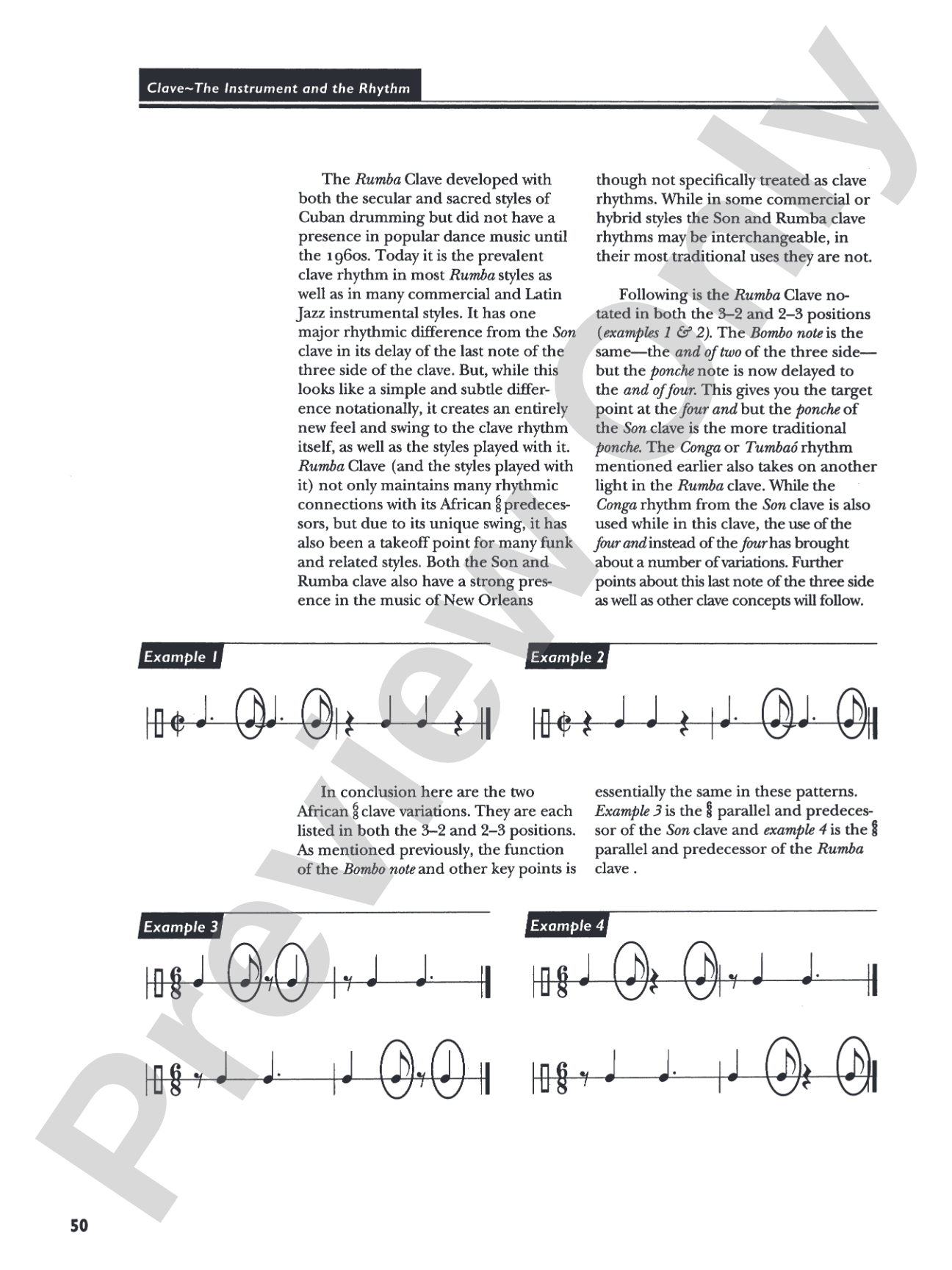
An in-depth study (324 pages) of all the percussion instruments, rhythms and song styles of Afro-Cuban music, along with their applications to the drumset. Detailed technical studies of each instrument are presented along with notations of many rhythm styles. The entire rhythm section (parts for bass, piano, horn section, string section, tres, and guitar) is also studied in detail. The book comes with online audio that includes performances of each percussion instrument, drumset, all rhythm section instruments, as well as examples of all musical styles with full instrumentation in score form.


The Essence of Afro-Cuban Percussion & Drum Set: Includes the Rhythm Section Parts for Bass, Piano, Guitar, Horns, & Strings isn't in MakeMusic Cloud just yet...but it could be. Let us know you'd like to see it, and you'll help shape what comes next. In the meantime, start a free trial and dive into thousands of interactive titles your students can play along with today.
Request This Title
Tell us you want it.
Start Your Free Trial
Explore everything that's ready to play right now.
Sample Audio
1
Afro With Backbeat Section
--:--
2
Mambo patterns
--:--
3
Montuno Over Common Chord Progressions
--:--
4
Syncopated Campana Patterns
--:--
Afro With Backbeat Section
0:00
0:00
Sample Video
No sample videos found.
Additional Details
Publisher:
Alfred Music
Page Count:
328
SKU:
00-PB-0001992
More about this title
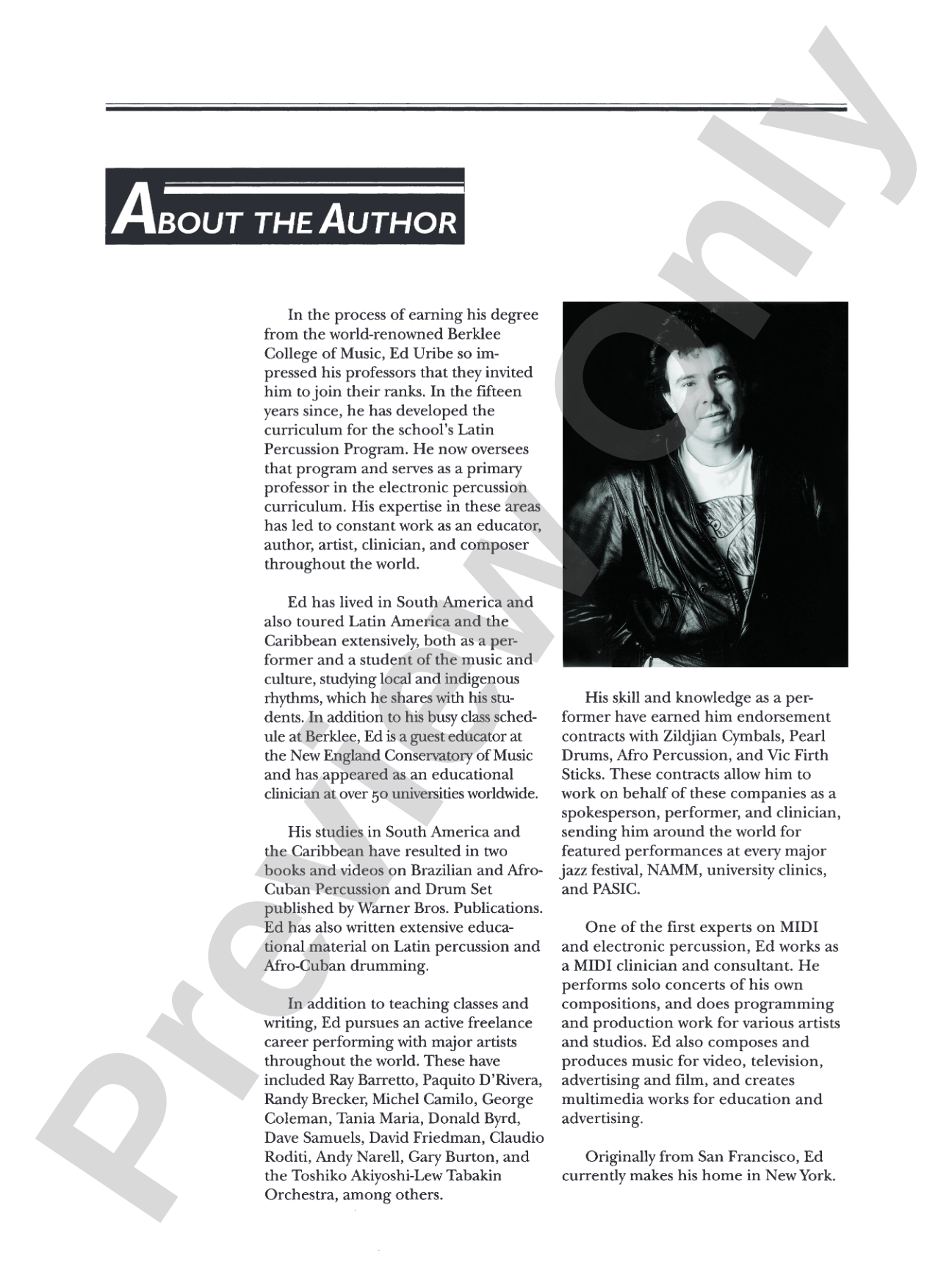
About the Composer: Ed Uribe
Ed Uribe is a percussionist and educator whose work has shaped how drummers and percussionists approach Latin music in North America. His method books combine scholarly rigor with practical application, grounding players in the cultural and musical foundations of Afro-Cuban styles rather than treating them as isolated techniques.
Why we love this
This book stands apart because it refuses to isolate the drumset from the ecosystem it sits in. By treating the entire rhythm section as an integrated unit and providing parts for bass, piano, guitar, horns, and strings, Uribe shows drummers and percussionists exactly how their instrument functions within authentic Afro-Cuban contexts. The 328 pages of detailed instrument studies paired with full-score audio examples create a resource that works equally well for individual practice and ensemble preparation.
What to expect
Immersive and grounded. Rather than treating Afro-Cuban rhythms as exotic accessories, this book reveals them as coherent musical systems with their own logic and beauty. The combination of detailed notation, audio demonstrations, and full ensemble contexts creates an experience of gradual mastery rather than cultural tourism.
Who it's for
Drummers committed to mastering Afro-Cuban music with authentic understanding rather than surface approximation, and any rhythm section player seeking to deepen their role within Latin ensembles. Directors building comprehensive Latin jazz programs will find this invaluable for coaching students across multiple instruments.
How to get the most out of it
- Study each percussion instrument's characteristic sound and articulation before attempting to interpret it on the drumset. The audio examples allow you to hear the exact tonal qualities you're aiming for.
- Work through the rhythm section parts in small groups. Having a bassist, pianist, and drummer playing together while referencing the notation solidifies how individual patterns lock into the larger groove.
- Isolate individual rhythm styles first, then layer them. Many Afro-Cuban patterns build complexity through the combination of simple, repeating cells rather than single complicated figures.
- Reference the full-score examples after mastering individual instruments. Hearing all parts together reveals why certain percussion choices work and how dynamics and timbre interact across the ensemble.
How to use it
Use this as the pedagogical backbone for any Latin jazz or world music ensemble. Directors can assign sections to specific students based on their instrument and level, building ensemble literacy across an entire group. For individual study, assign style-specific sections in sequence to create a structured progression from foundational instruments through full rhythm section coordination.
Skills your students will build
- Reading and performing Afro-Cuban clave, tumbao, and montuno patterns across multiple instruments
- Translating percussion instrument techniques and sounds to the drumset
- Coordinating hand and foot independence on the drumset while maintaining complex polyrhythmic relationships
- Listening to and identifying rhythmic and tonal characteristics of specific Afro-Cuban styles
- Collaborating with rhythm section musicians by understanding how bass, piano, guitar, and horns interact within traditional grooves
- Interpreting musical notation specific to Latin percussion and drumset styles