
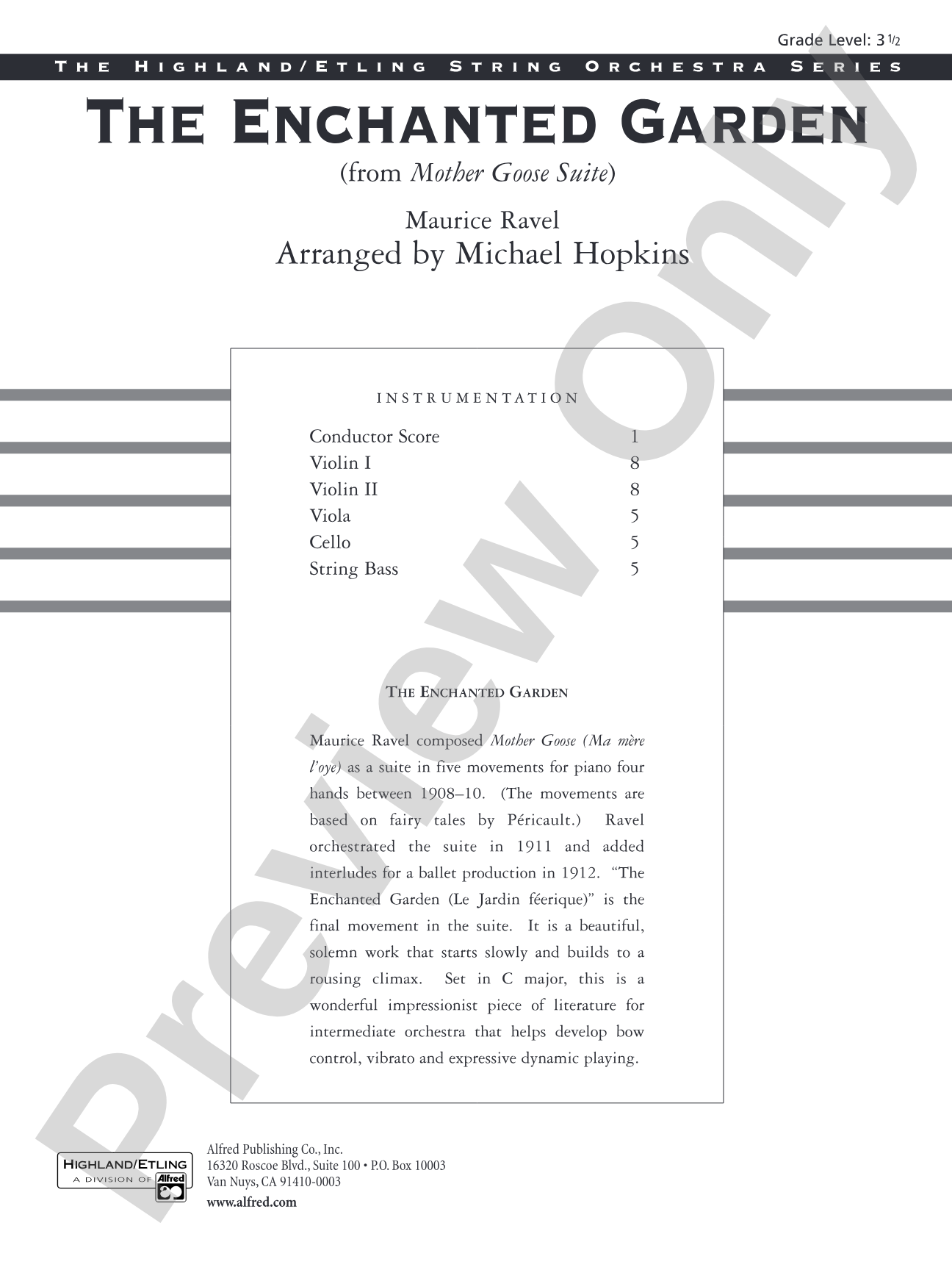
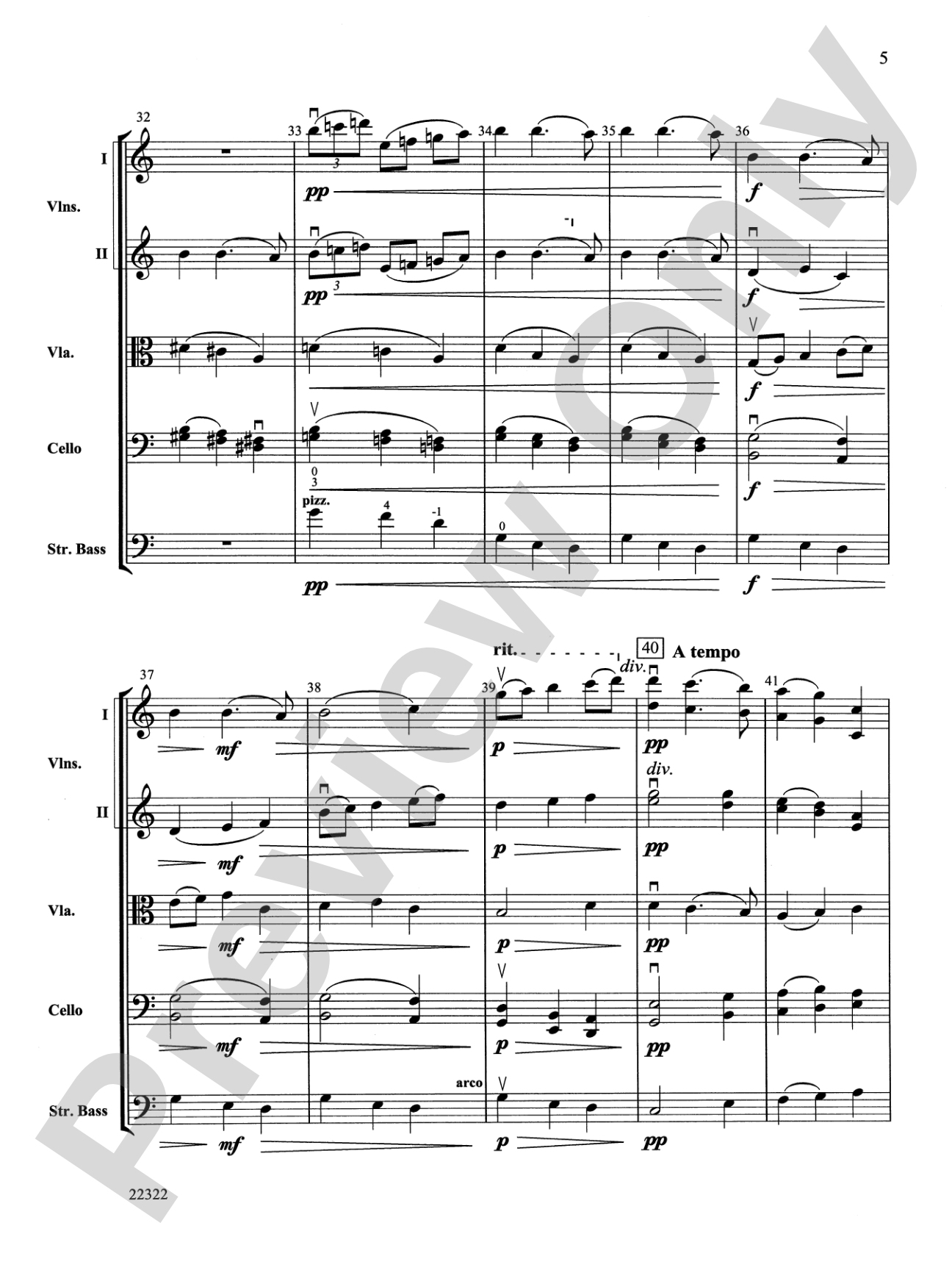
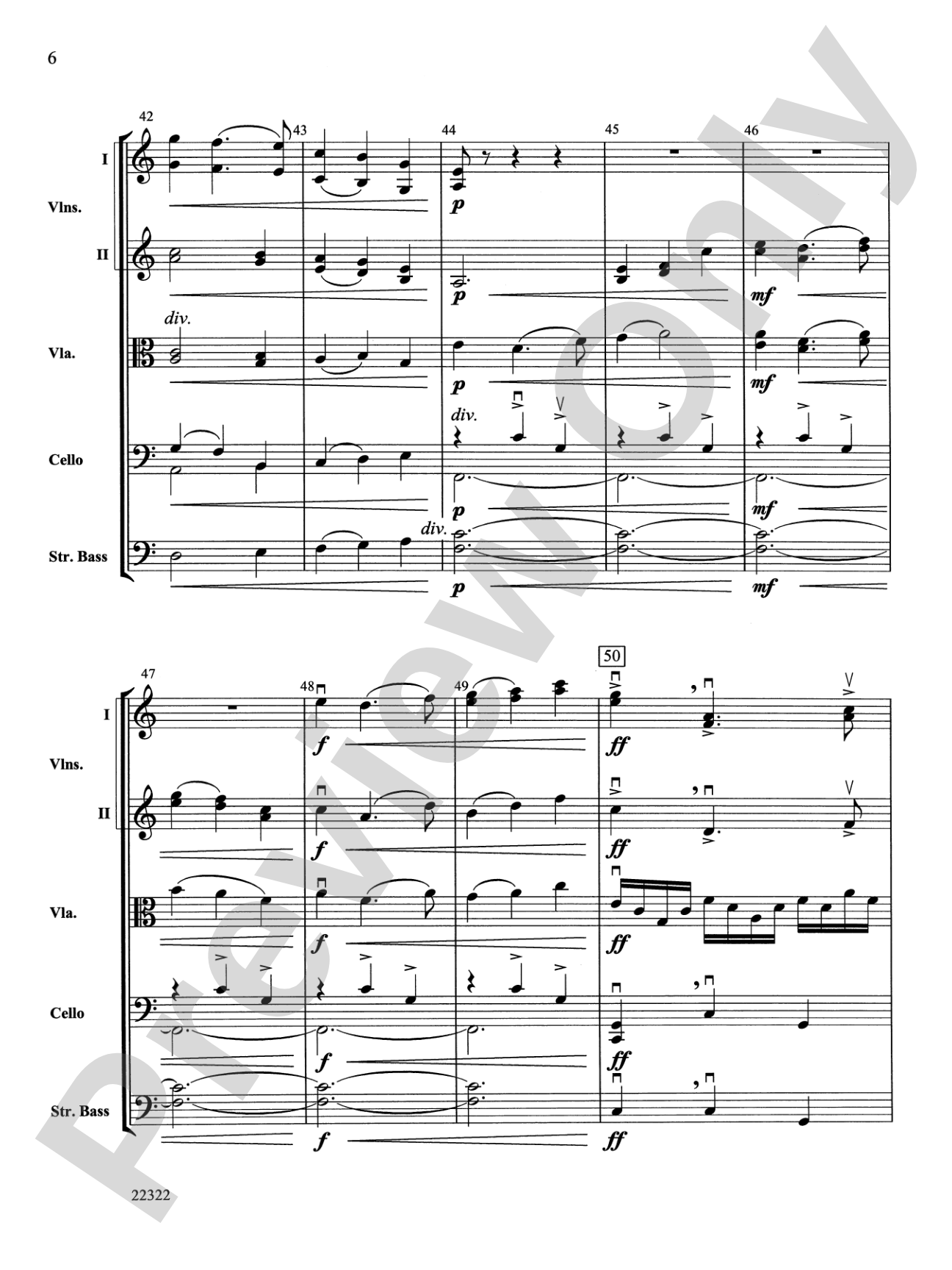
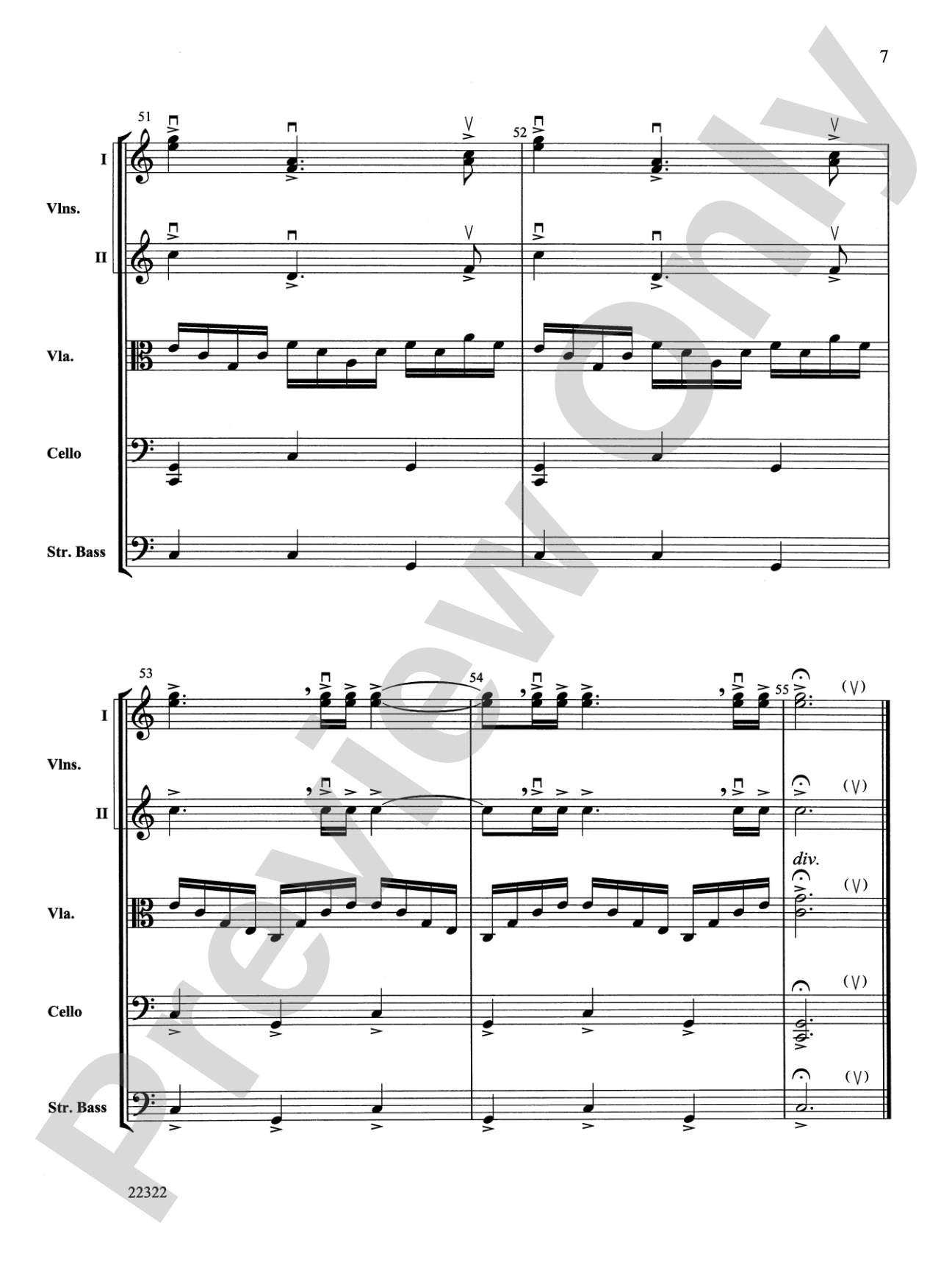


The Enchanted Garden: Score
(from Mother Goose Suite)
By Maurice Ravel / arr. Michael Hopkins
Grade: 3.5
Item: 00-PR-0000565
$6.00
Pickup currently not available
Description
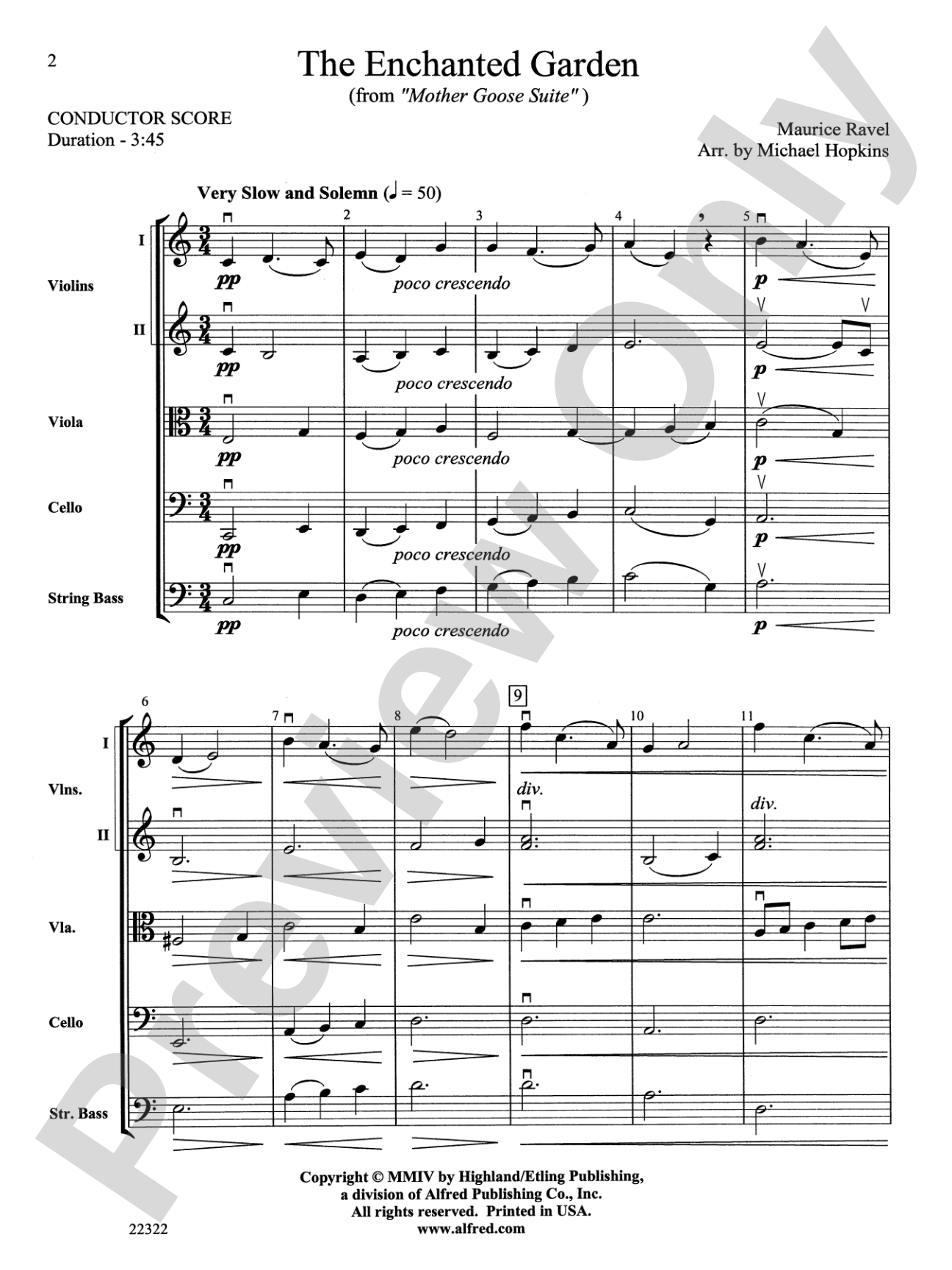
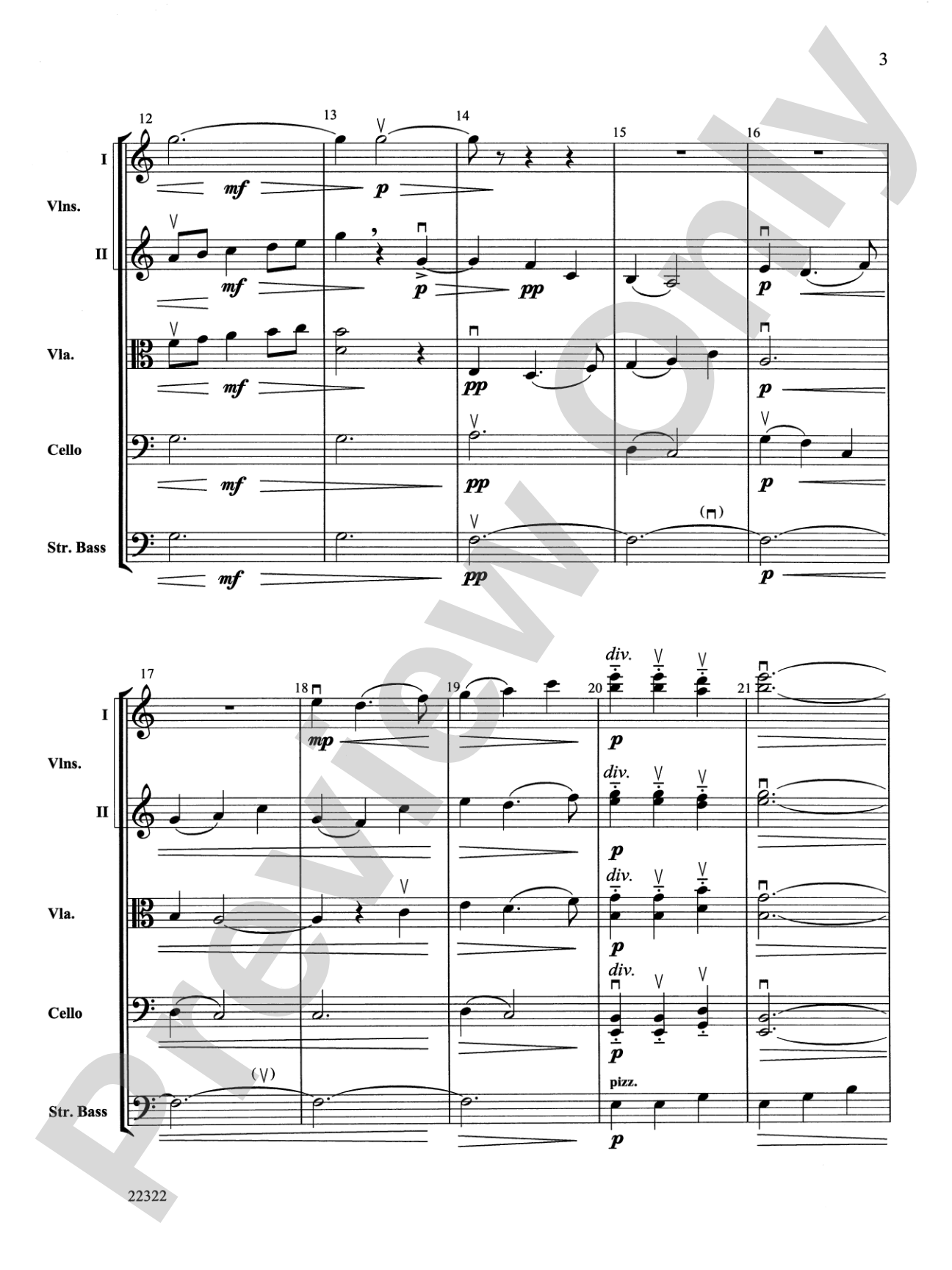
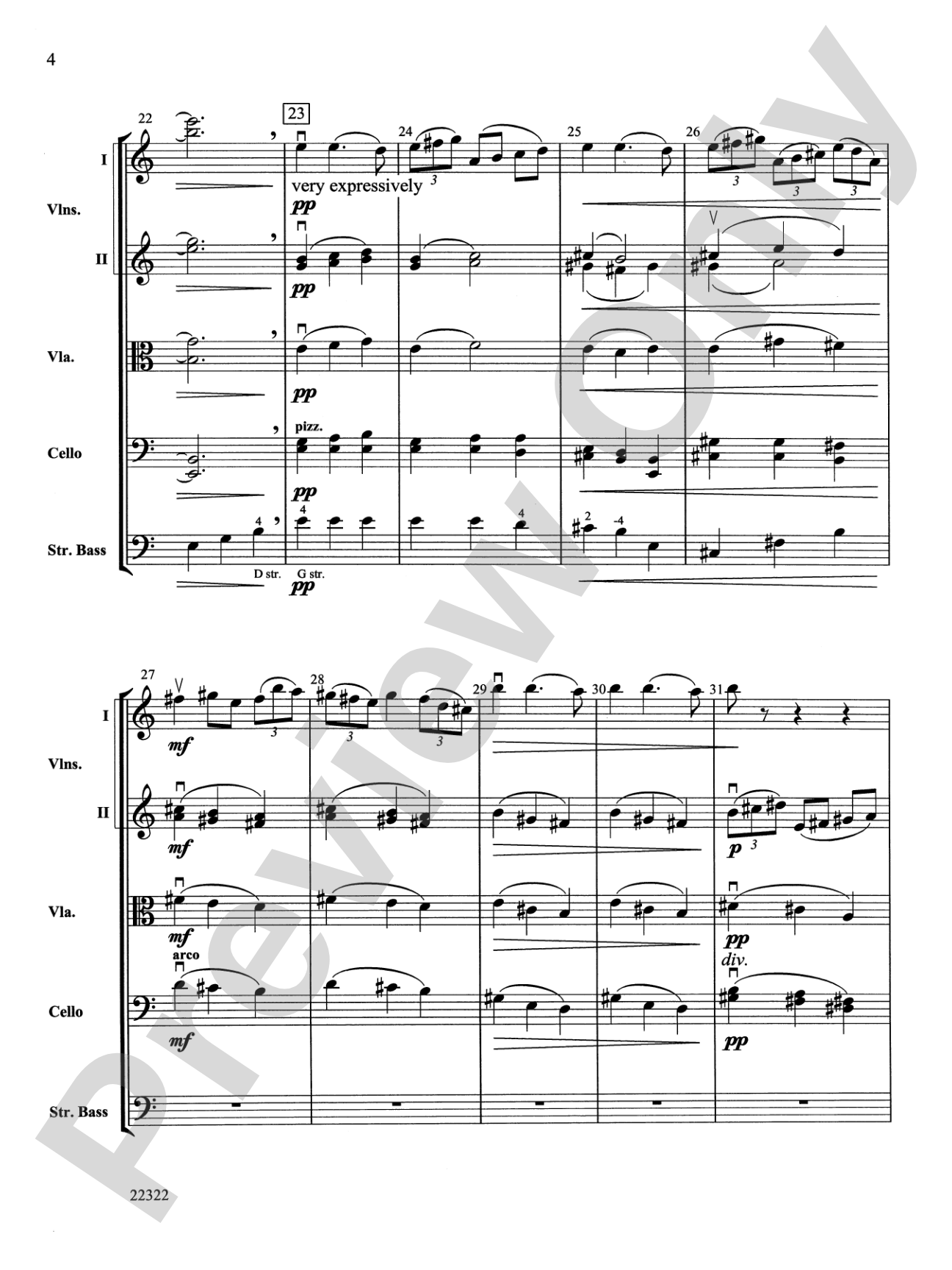
Maurice Ravel composed Mother Goose (Ma mère l'oye) as a suite in five movements for piano four hands between 1908-10. He orchestrated the suite in 1911. "The Enchanted Garden (Le Jardin féerique)," the final movement in the suite, is a beautiful, solemn work that starts slowly and builds to a rousing climax. Set in C major, this shimmering impressionist piece of literature for intermediate orchestra helps develop bow control, vibrato and expressive dynamic playing. This title is available in MakeMusic Cloud.


Don't just read it, hear it, play along with it, and watch your students grow with it. In MakeMusic Cloud, The Enchanted Garden: Score comes alive with professional accompaniment, adjustable tempo, and built-in practice tools that turn solo practice into real progress.
Open in the Player
Jump straight in and assign it today.
Start Your Free Trial
Open this title and explore the full library in minutes.
Sample Audio
1
Audio File
--:--
0:00
0:00
Sample Video
No sample videos found.
Additional Details
Series:
Highland/Etling String Orchestra
Publisher:
Alfred Music
Page Count:
62
SKU:
00-PR-0000565
More about this title
About the Composer: Maurice Ravel
Maurice Ravel (1875-1937) was a French composer whose orchestrations rank among the most sophisticated and colorful in the classical repertoire. His gift for translating musical ideas across instrumental combinations made him equally comfortable writing for solo piano, chamber ensembles, and full orchestra. Ravel's meticulous approach to orchestration and his fascination with impressionistic color and texture influenced generations of composers and remain central to how we understand twentieth-century instrumental writing.
Beyond Mother Goose, Ravel's catalog includes Boléro, Daphnis et Chloé, and the Piano Concerto in G Major. His work balances structural clarity with sensory richness, a combination that rewards both careful study and pure listening. For music educators, Ravel's orchestrations offer students a window into how great composers think about timbre, balance, and the expressive potential of each instrument.
Why we love this
Michael Hopkins's arrangement brings Ravel's shimmering masterwork within reach of intermediate orchestras without compromising the impressionistic language that makes this movement so distinctive. The Grade 3.5 scoring preserves the harmonic sophistication and dynamic arc of the original while remaining playable by developing musicians. Programming this finale gives your ensemble a taste of major-work repertoire and a compelling concert closer that audiences recognize and remember.
What to expect
The piece unfolds like a spell being cast over a magical landscape. Delicate, glistening sonorities shimmer at the opening, then gradually deepen and expand, building tension through layered orchestration until the music blooms into a radiant climax. There is both mystery and wonder in this impressionist garden, painting vivid images through pure instrumental color.
Who it's for
String orchestras at the intermediate level seeking a piece that combines musical sophistication with technical manageability. Directors preparing contest or festival entries will find this an excellent choice for demonstrating ensemble maturity and refined ensemble control.
How to get the most out of it
- Shape the opening measures with sustained, warm bow tone; the stillness here establishes the garden's enchanted atmosphere before the gradual buildup begins.
- Balance the inner voices carefully as layers accumulate toward the climax; clarity of texture matters more than volume.
- Approach vibrato as an expressive tool rather than a constant; allow some passages to speak with a purer, straighter tone before adding vibrato for warmth and intensity.
- Control the dynamic swell across the full arc of the piece; avoid pushing too hard early and leaving nowhere to go as the piece reaches its rousing conclusion.
How to use it
This work excels as a concert finale, offering audiences a recognizable masterwork and your ensemble a chance to demonstrate refined musicianship. It pairs naturally with other impressionist repertoire or as the anchor piece in a program exploring early twentieth-century orchestration. Contest and festival settings highlight its value as a showcase for dynamic control and expressive string playing.
Skills your students will build
- Controlled vibrato and its use for expressive shaping
- Bow management across extended dynamic ranges
- Balancing individual voice lines within thickening harmonic texture
- Playing with clarity and precision in impressionistic harmonic language
- Responding to subtle tempo and dynamic changes that shape musical phrasing