
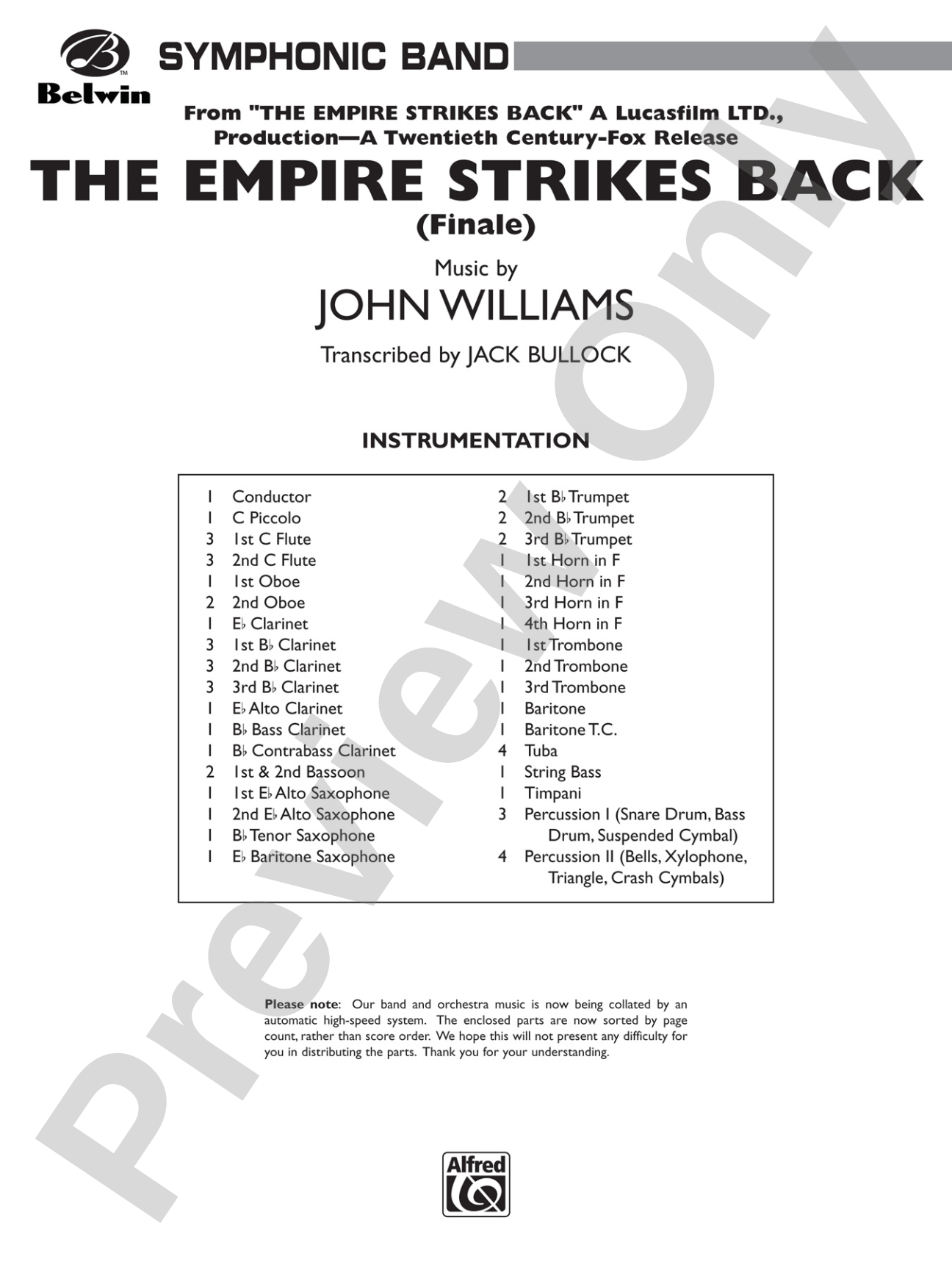

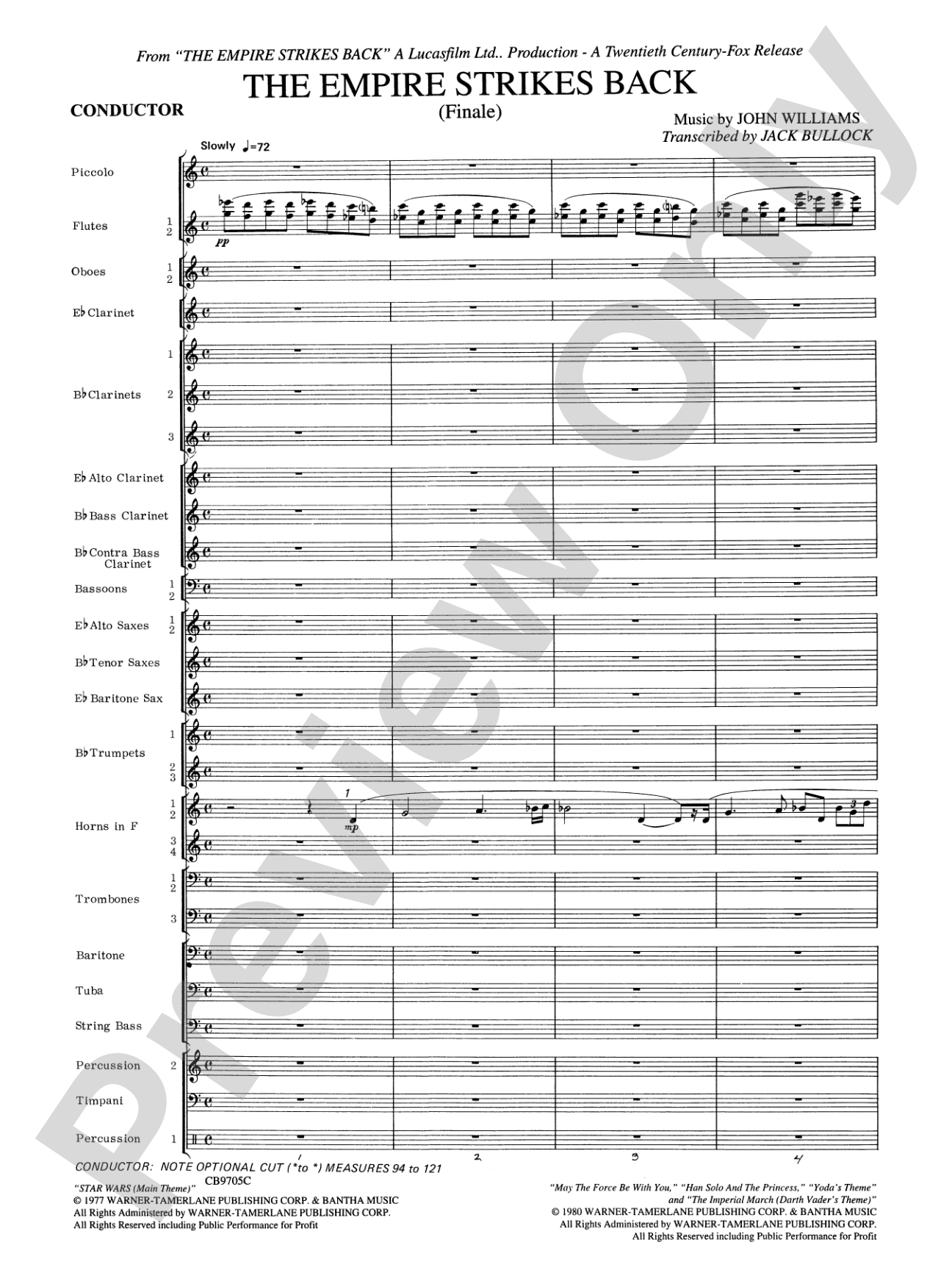
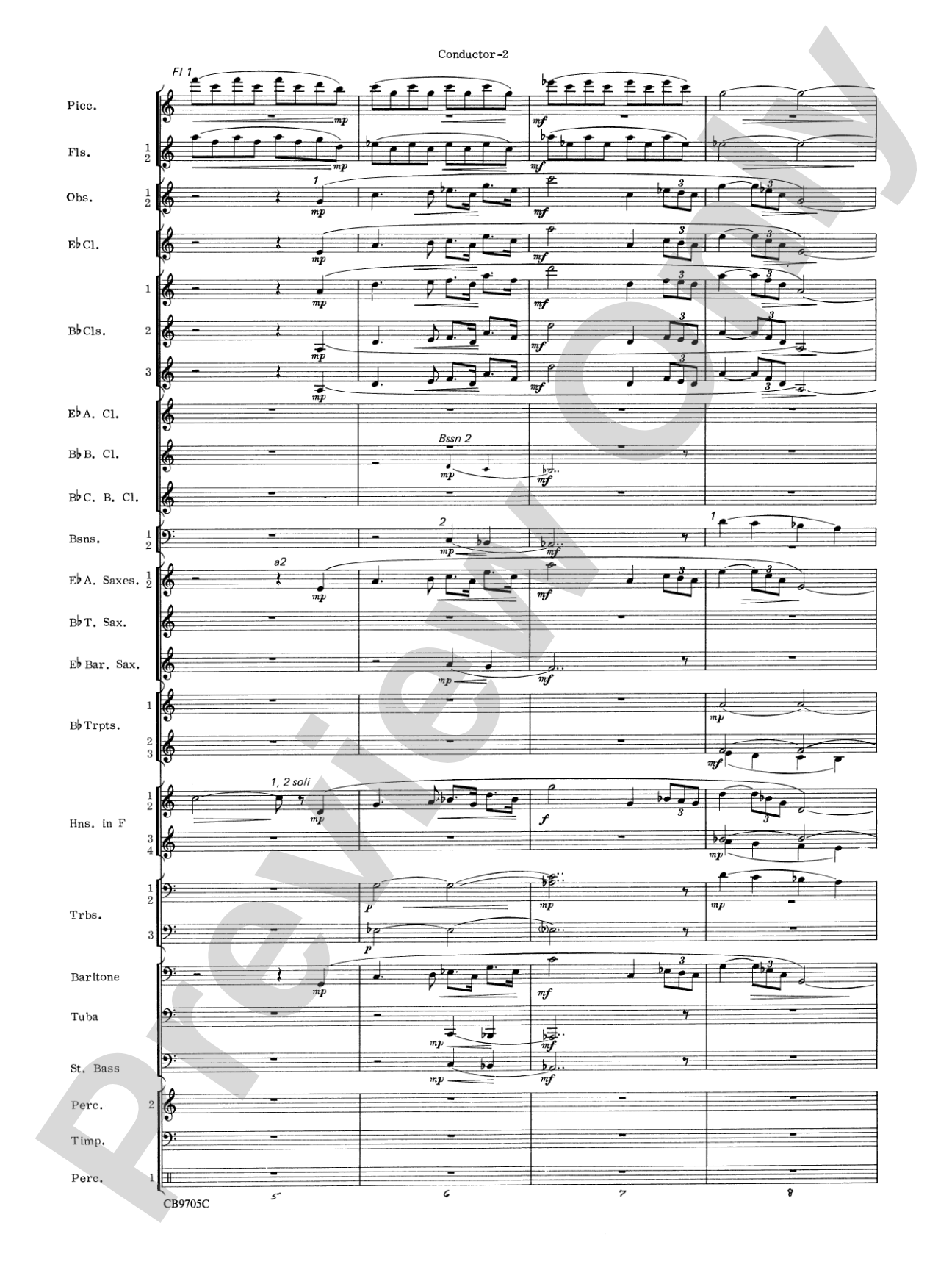
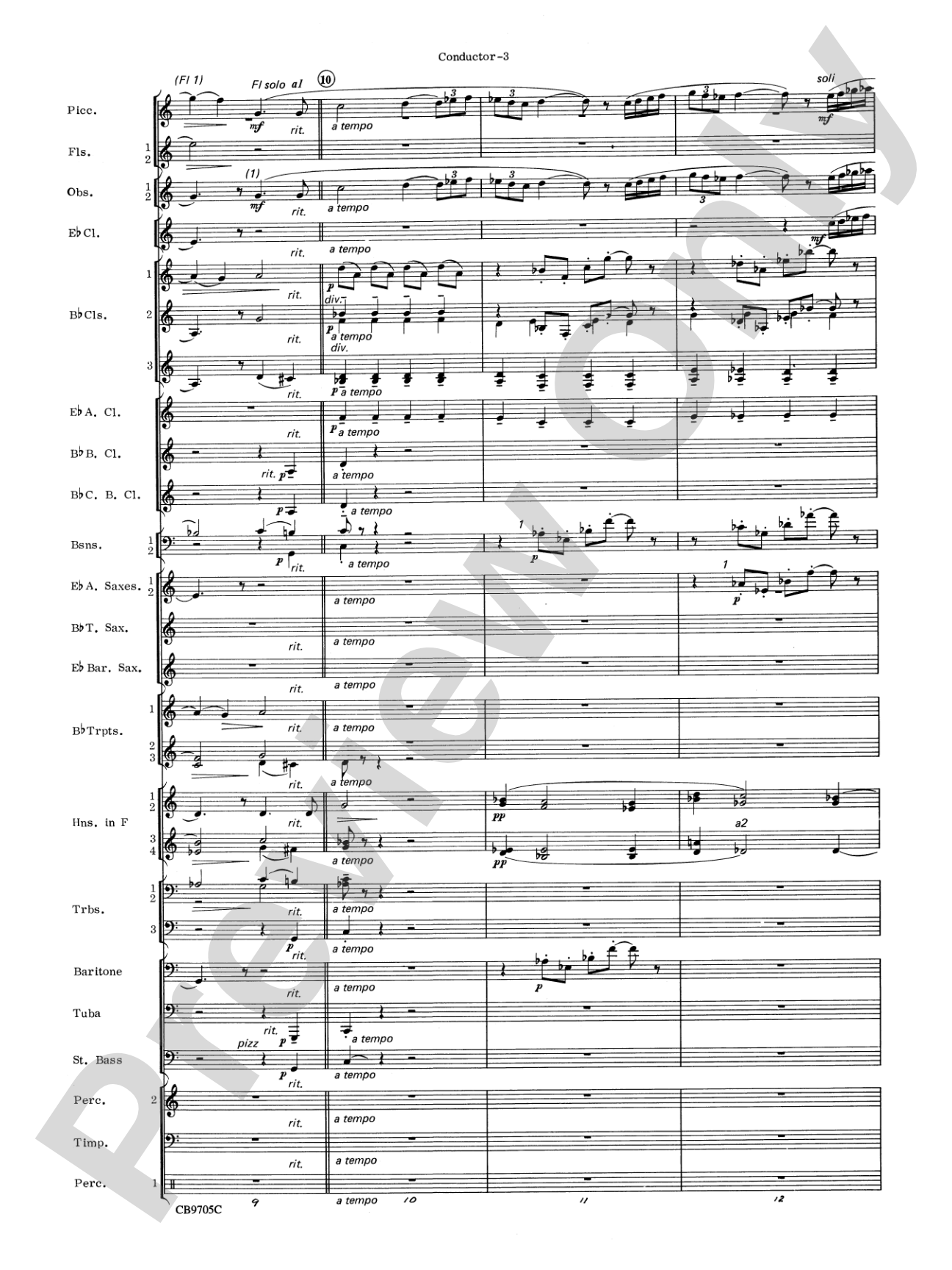
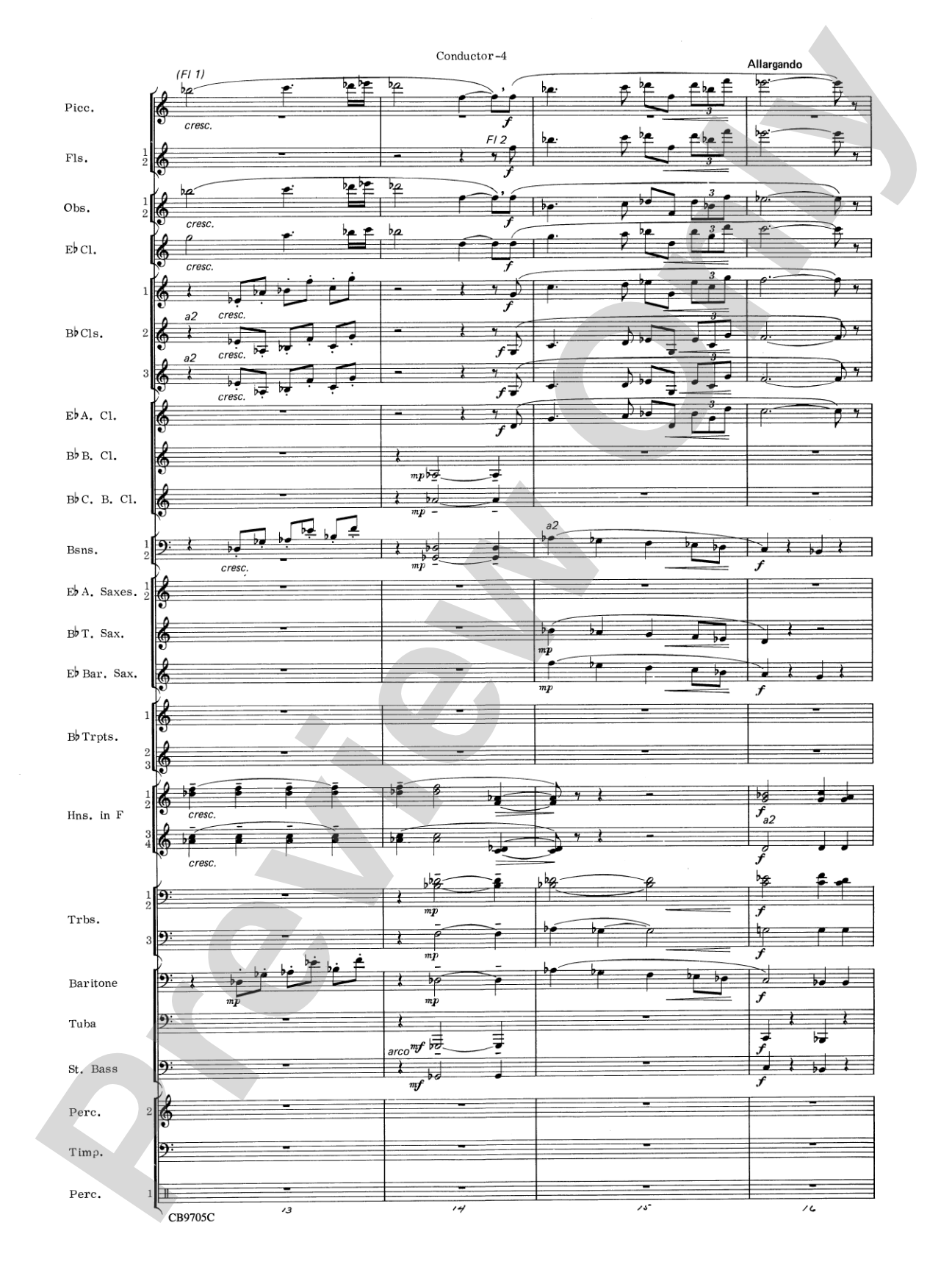
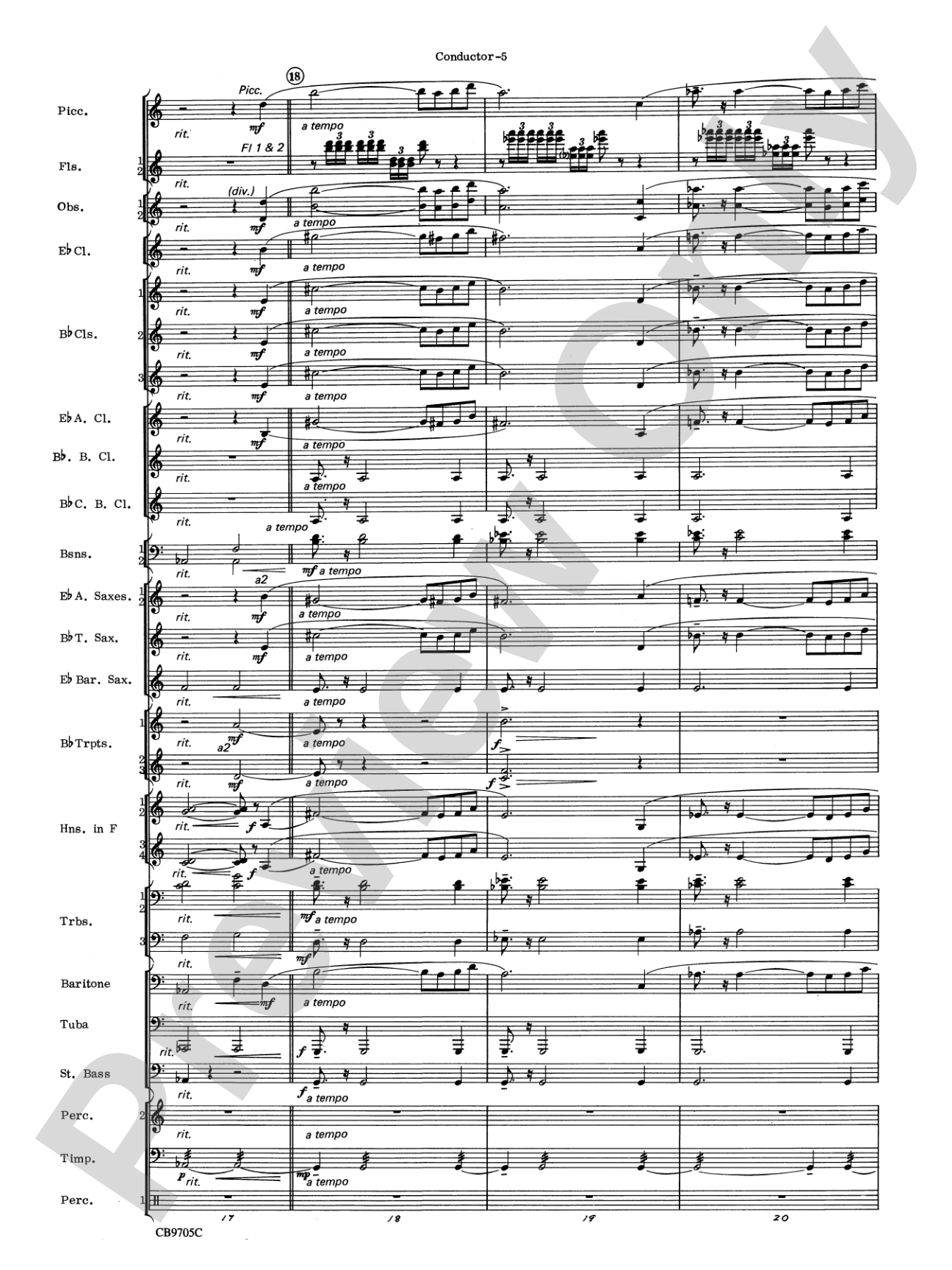
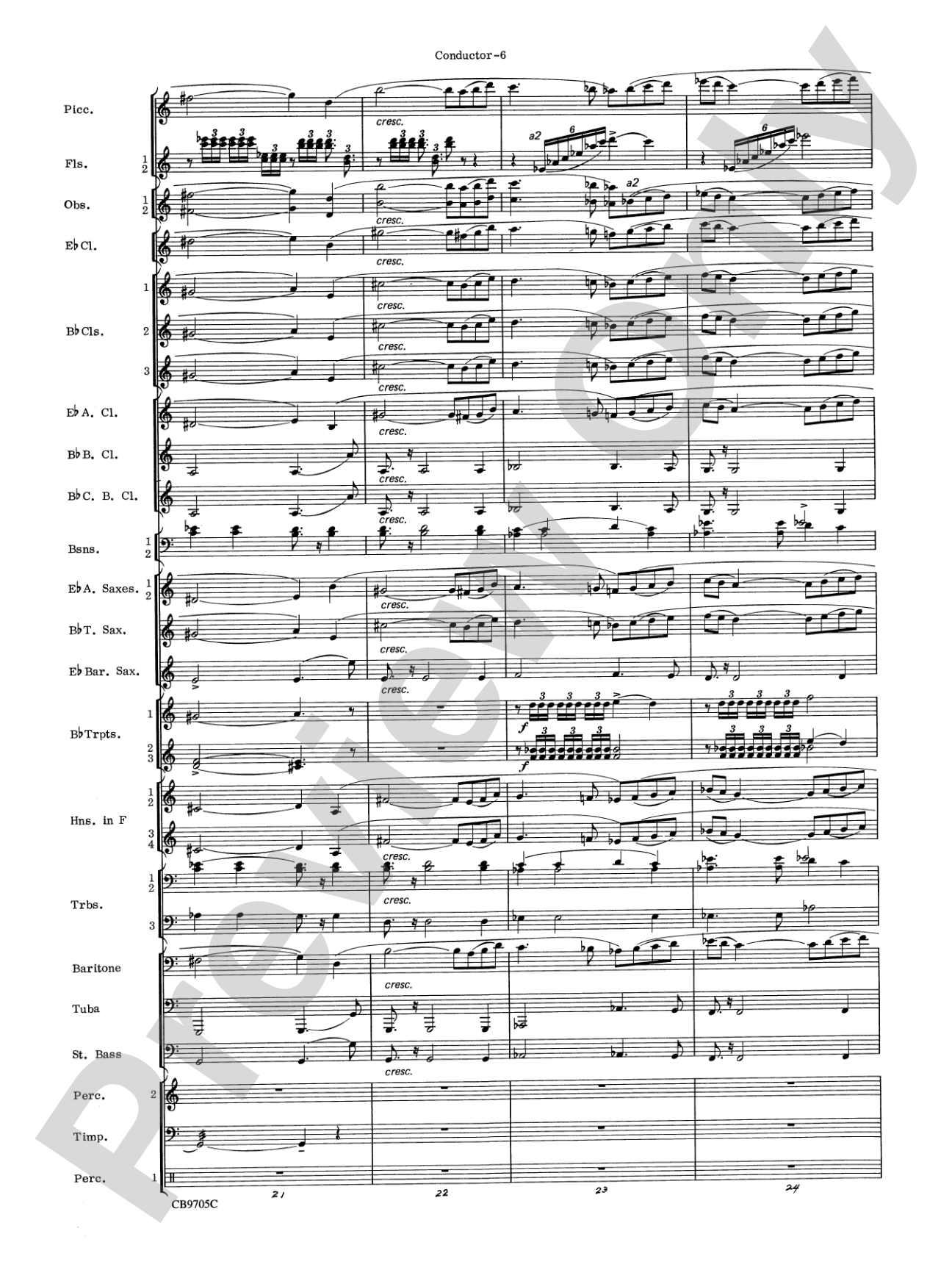
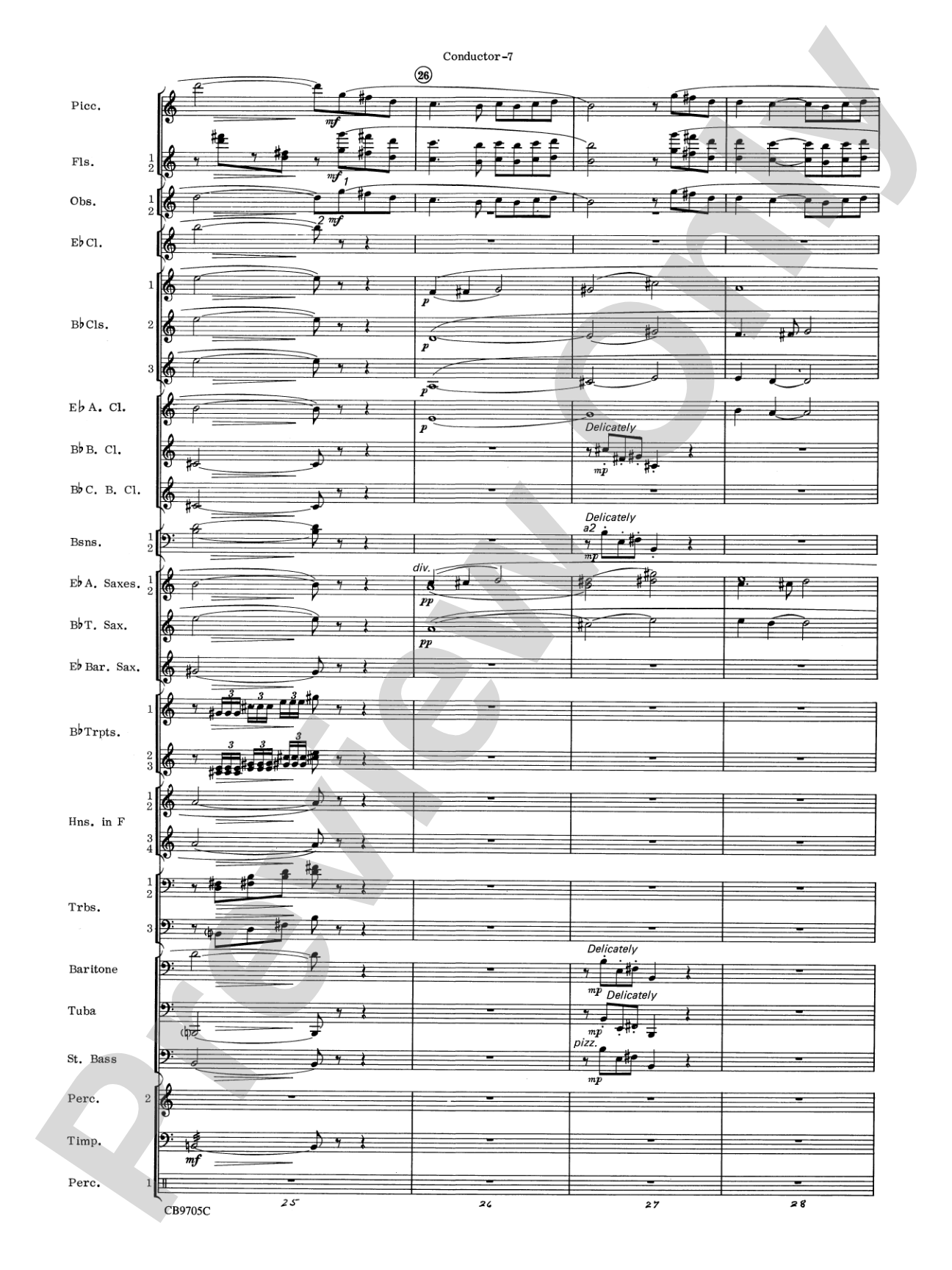
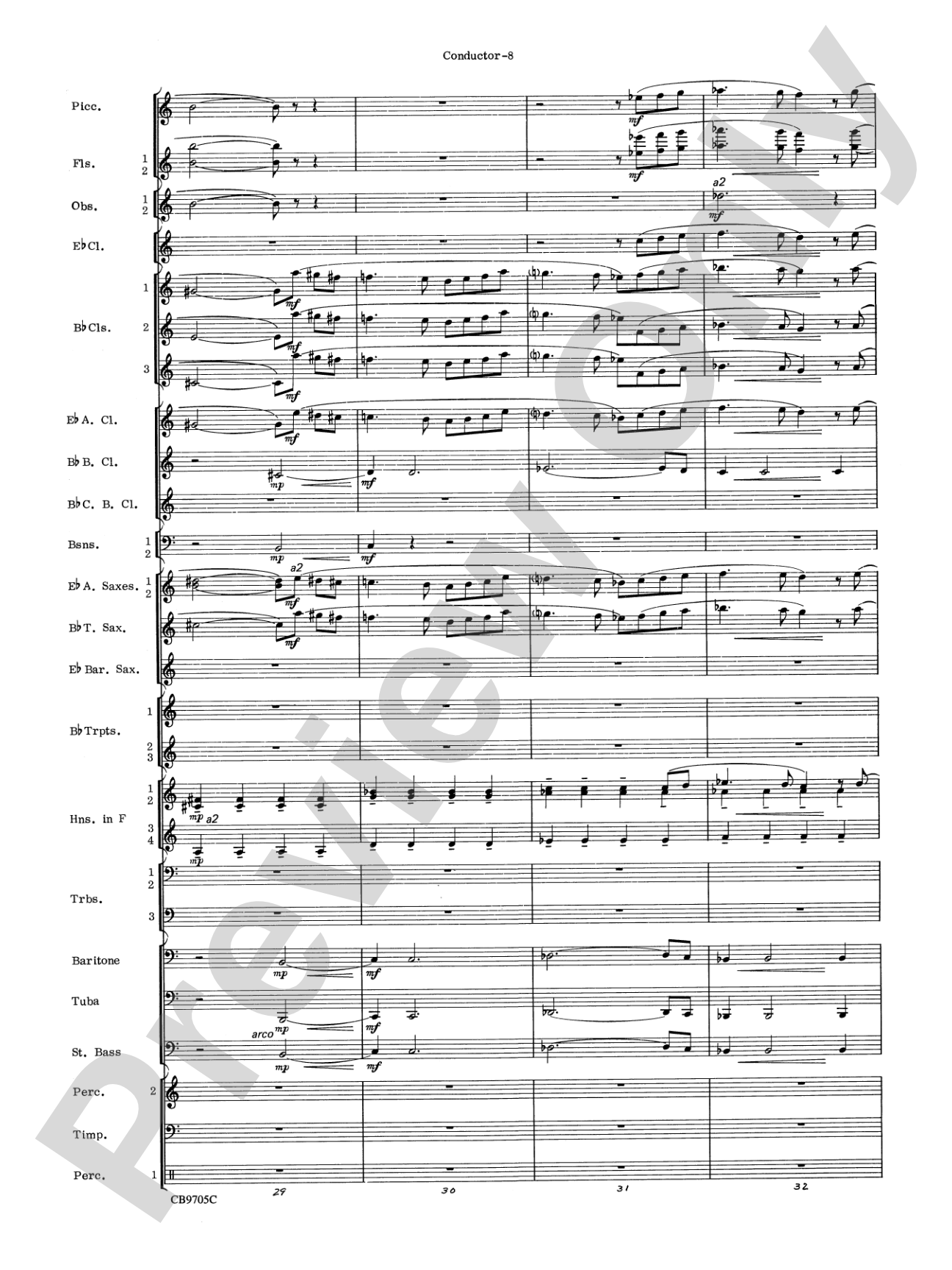
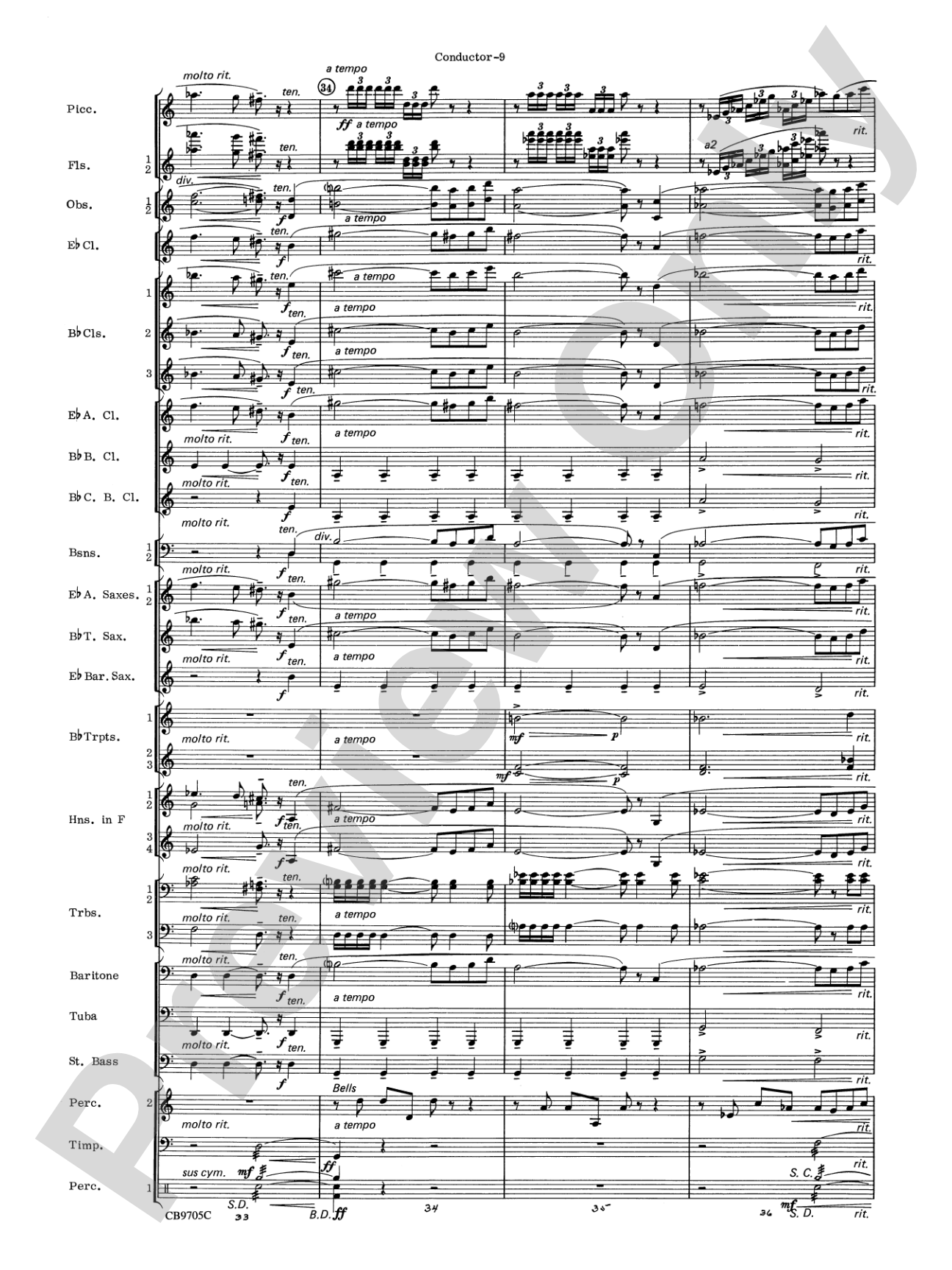
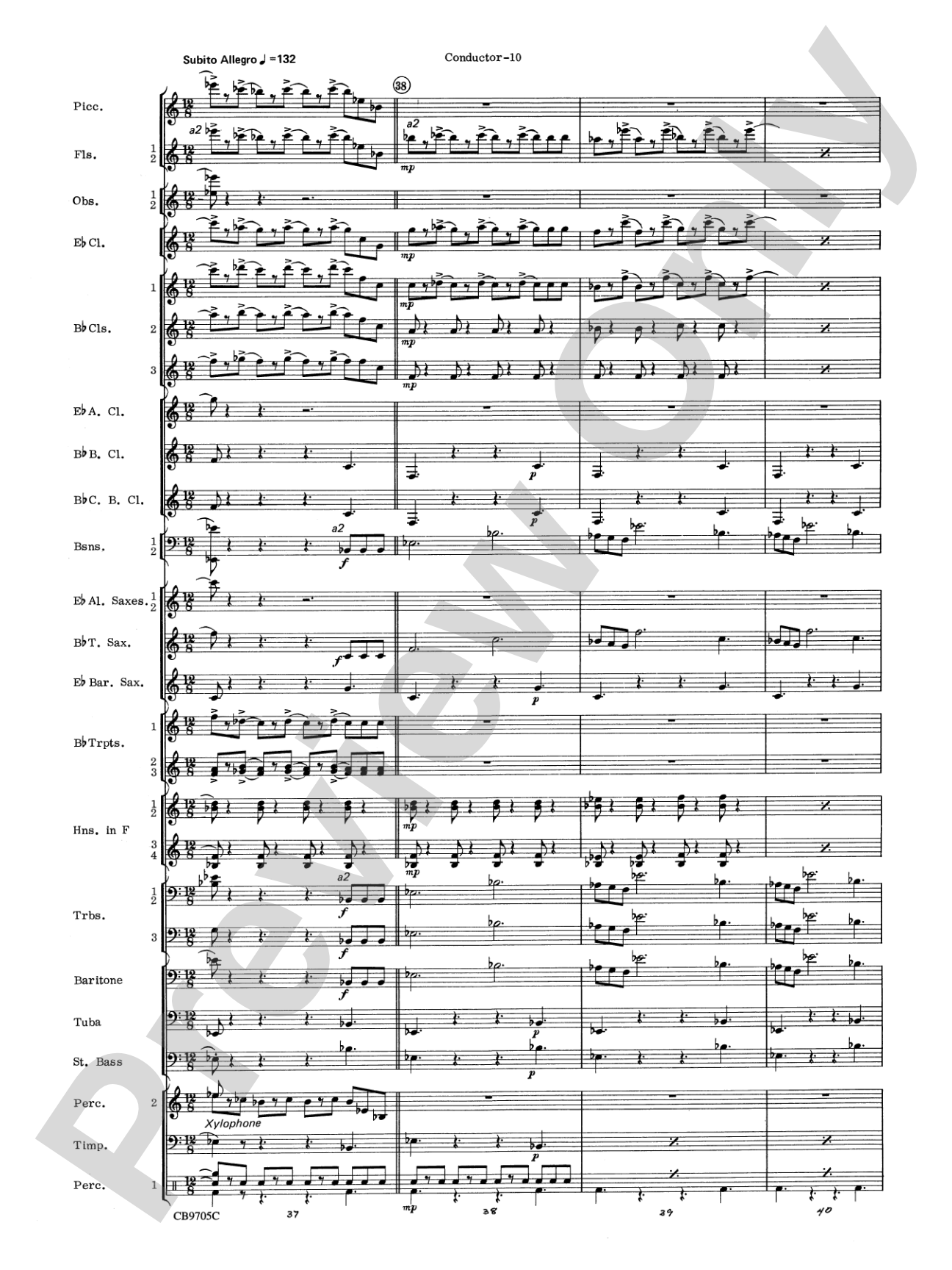
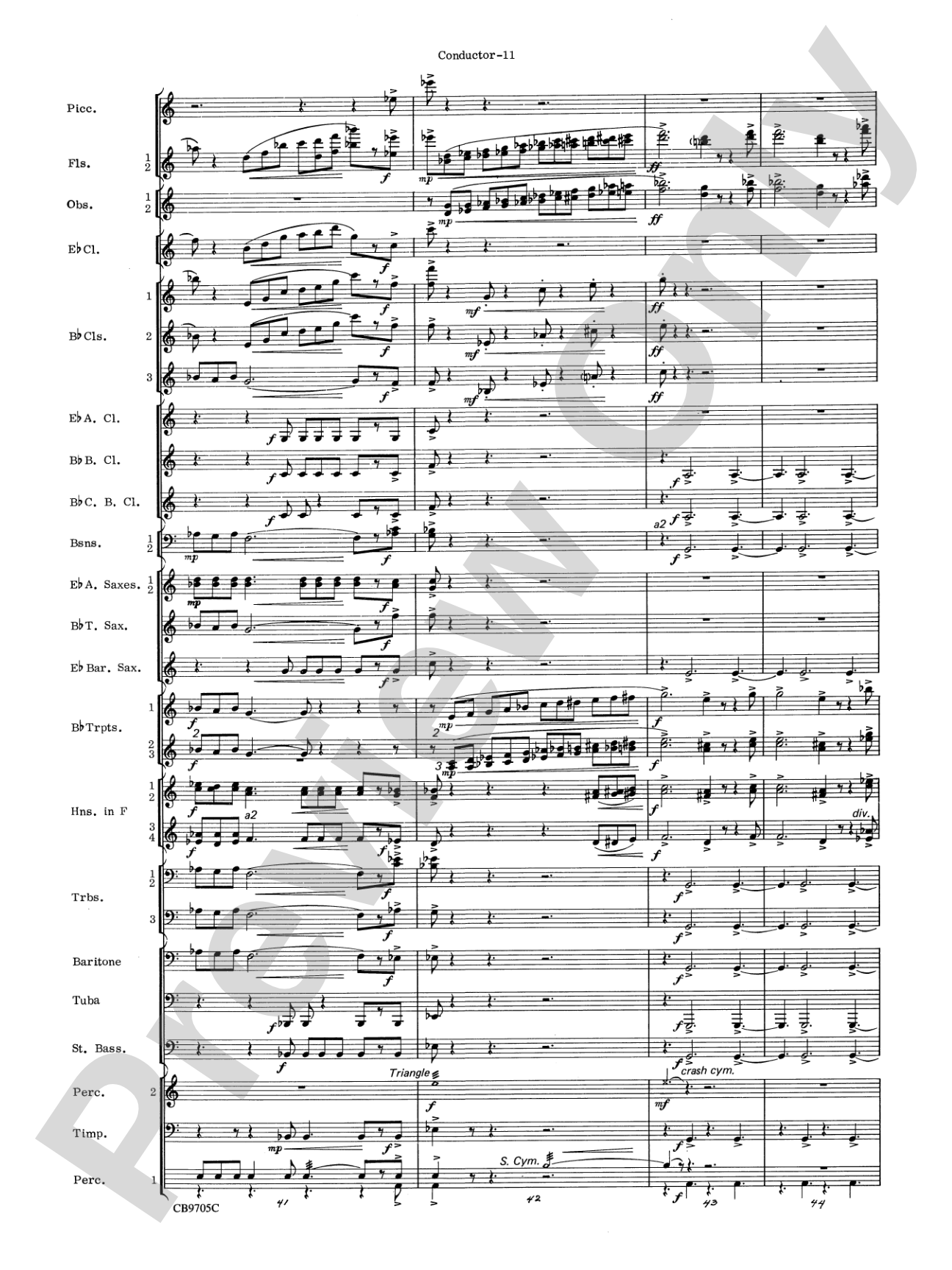
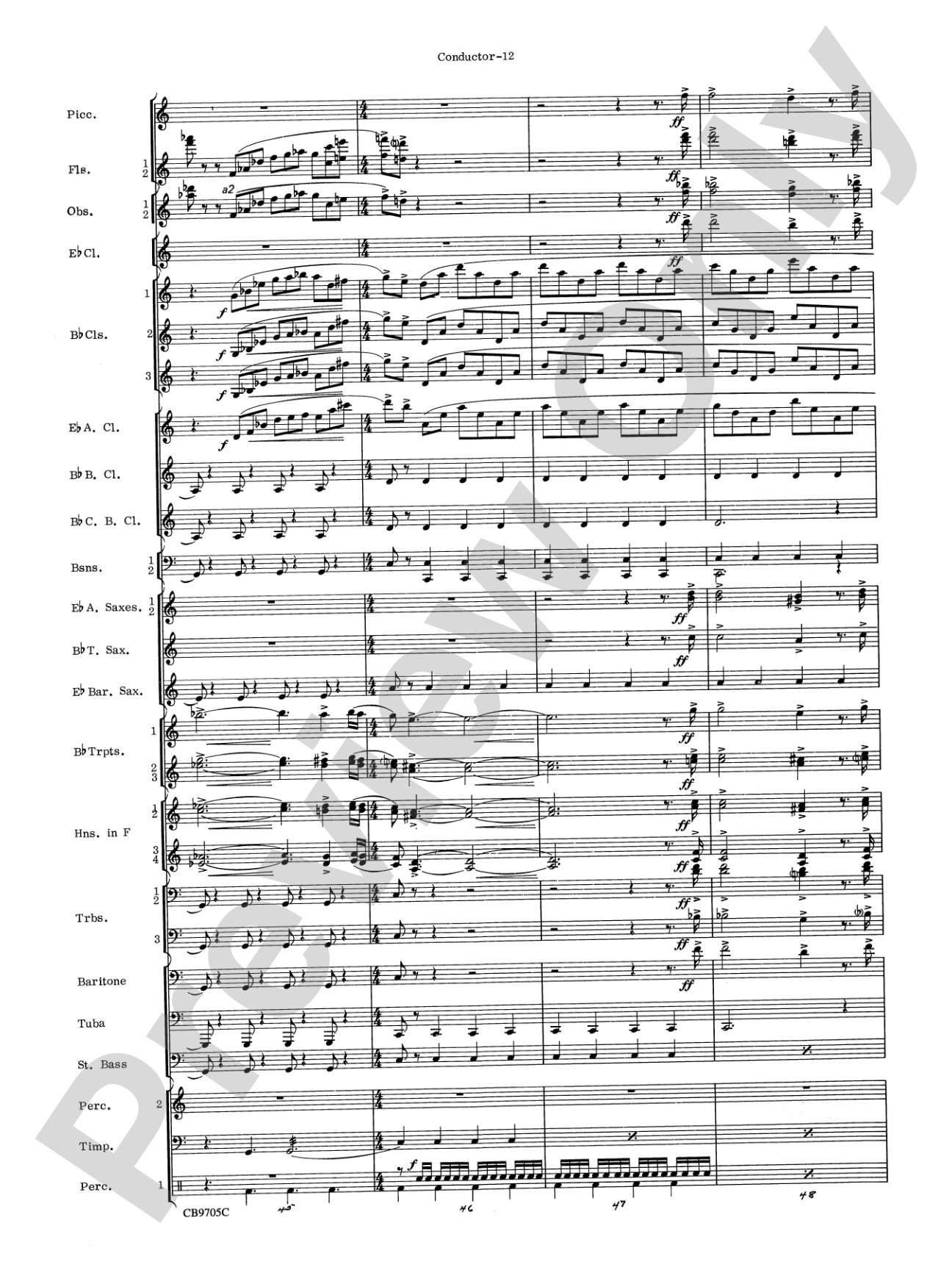
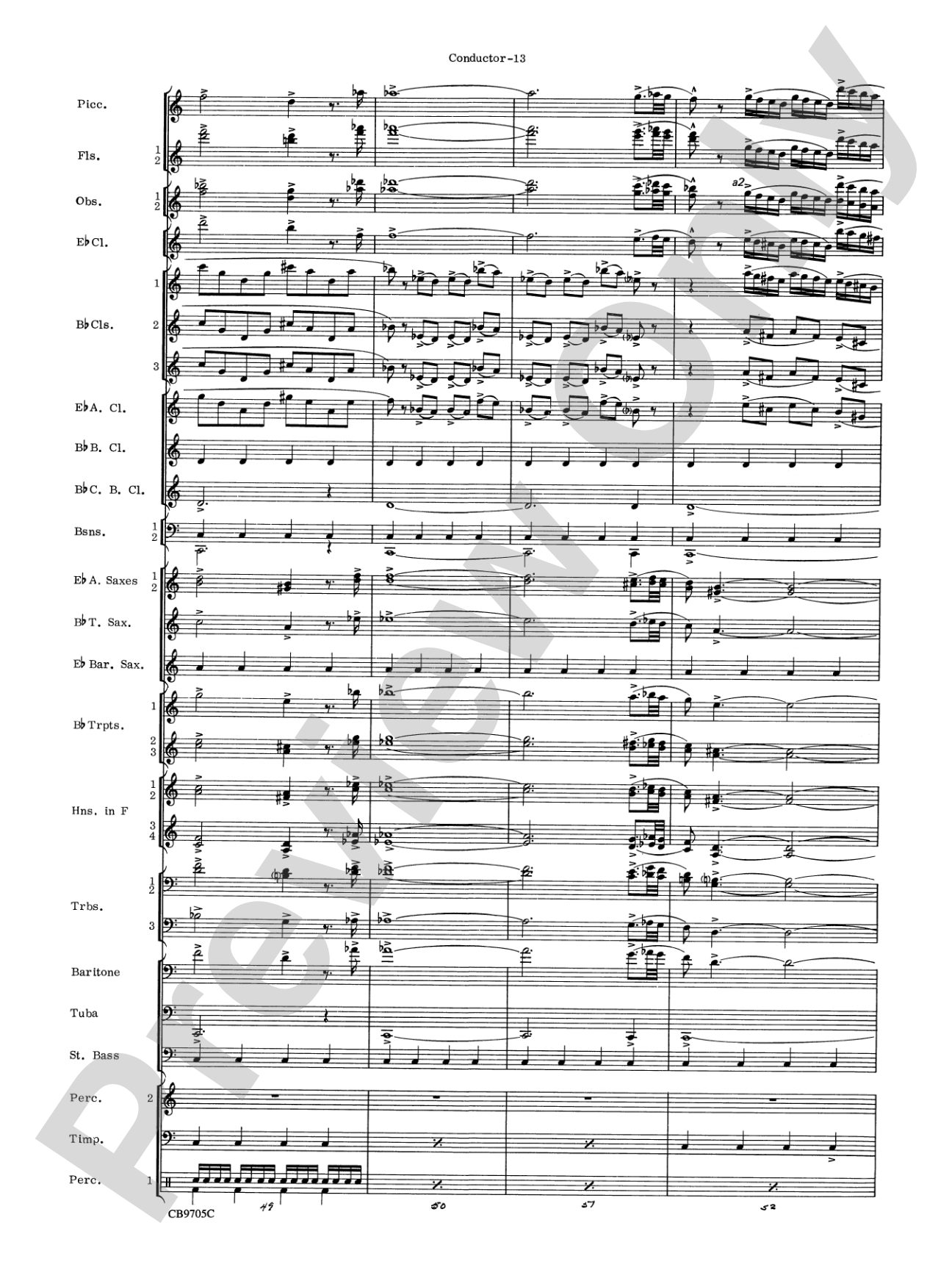
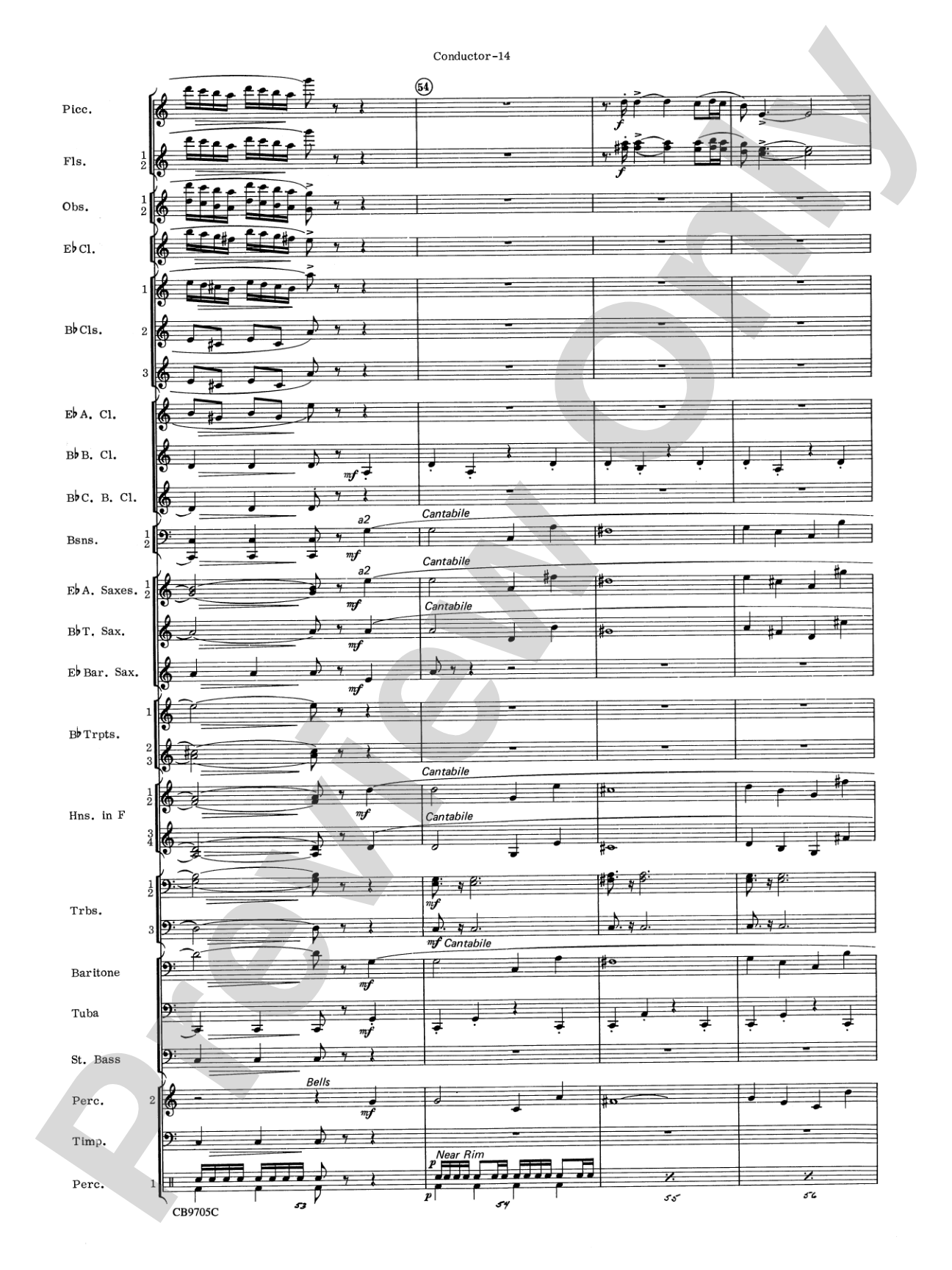
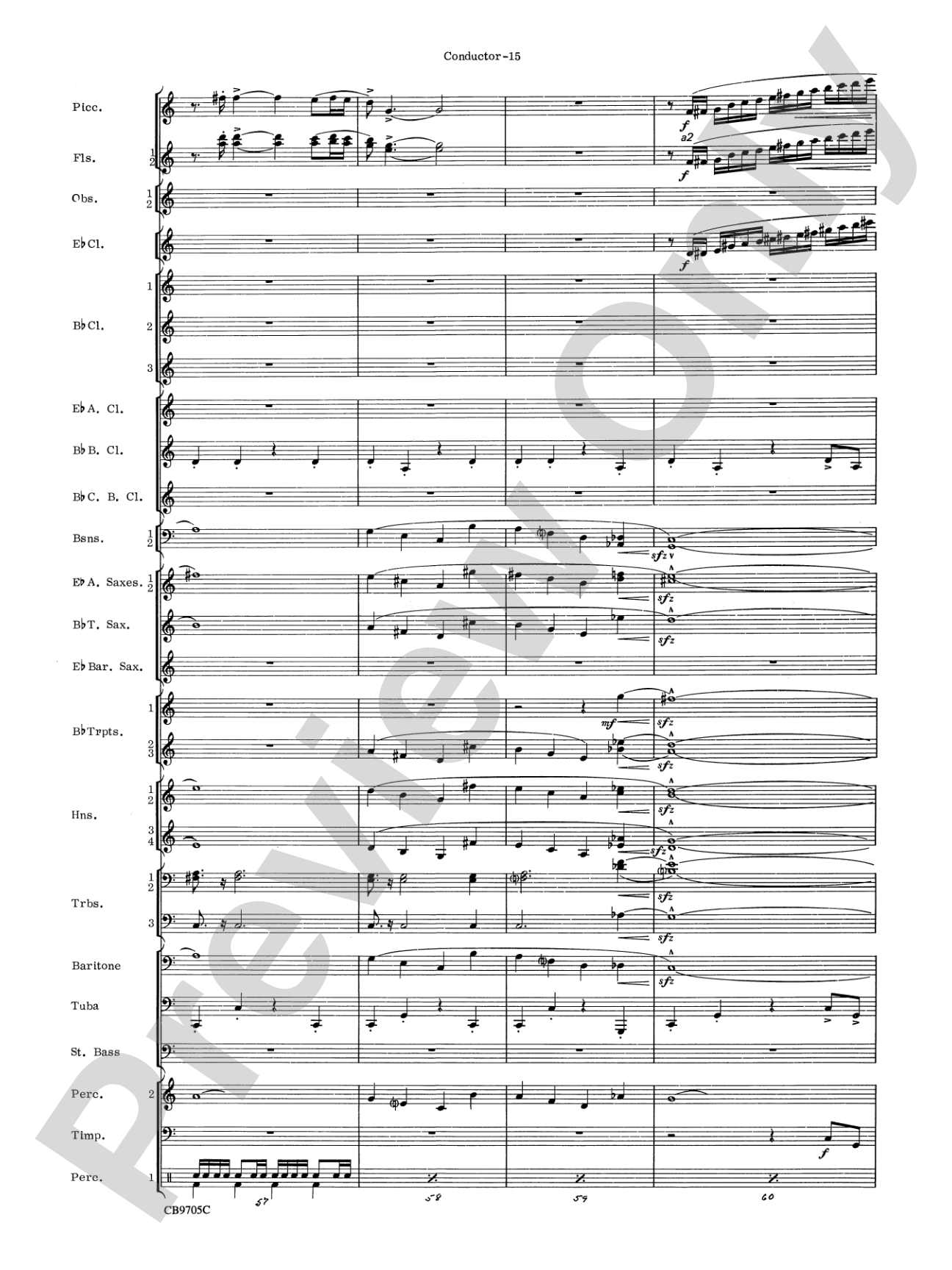
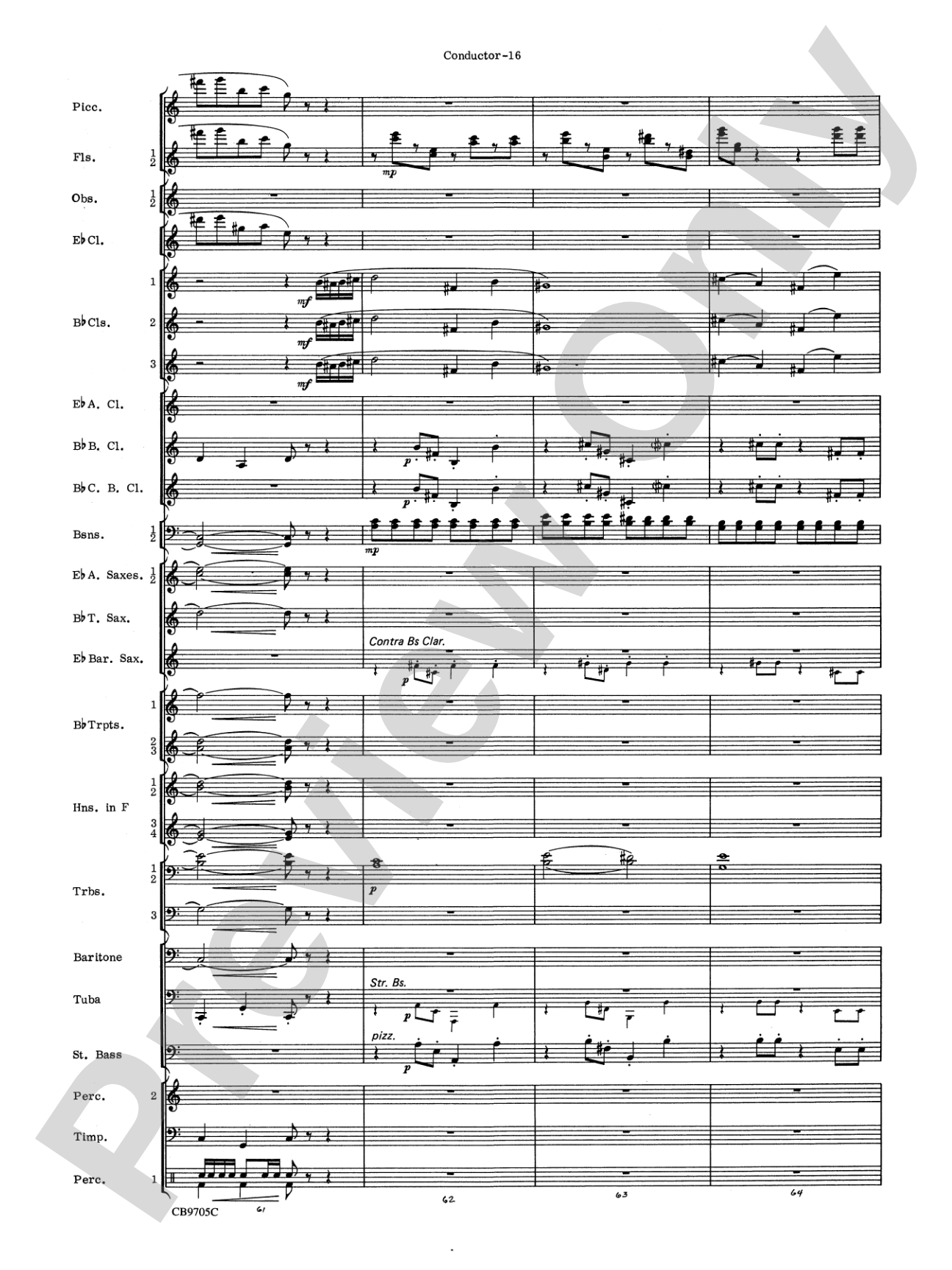
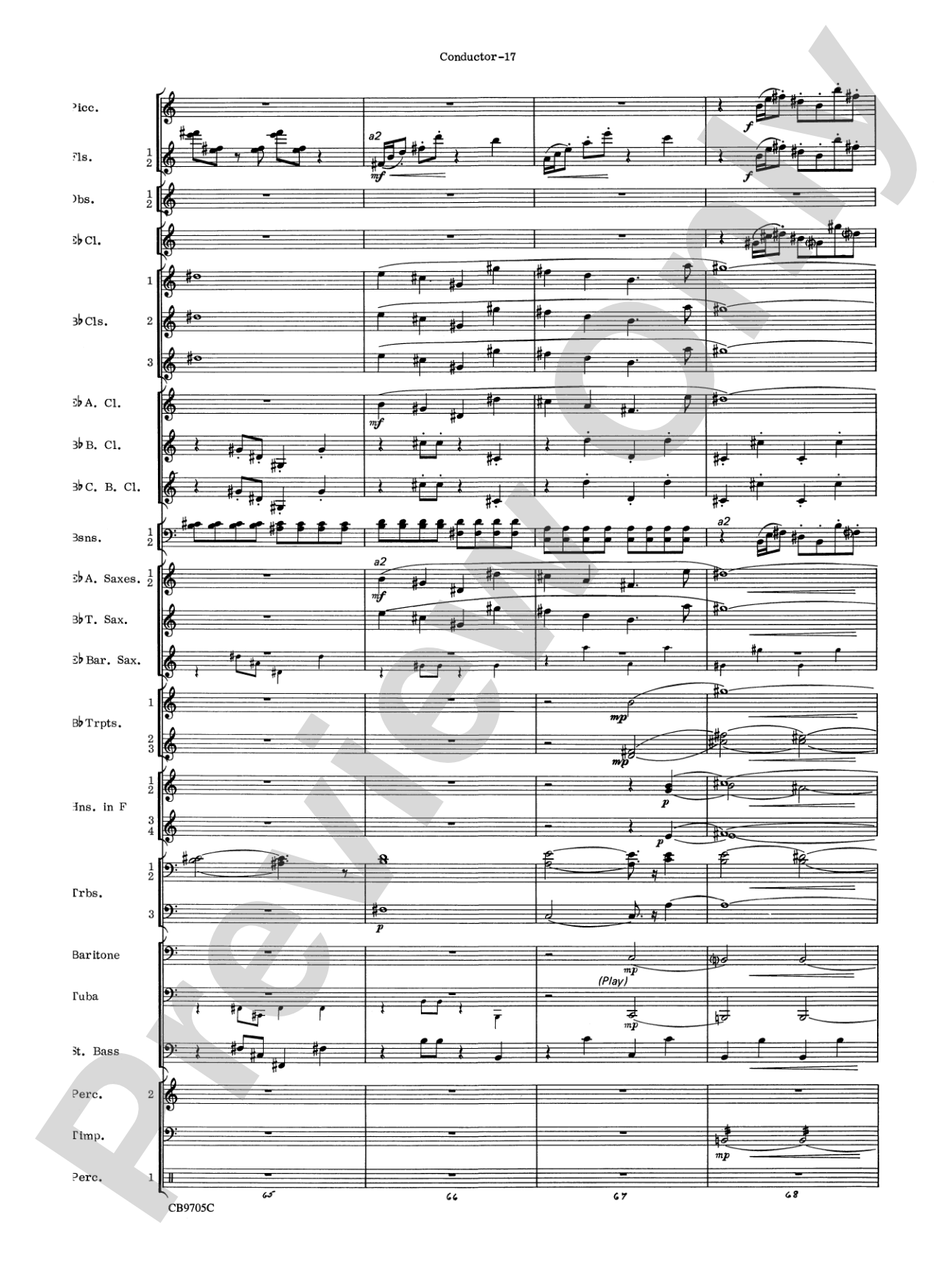
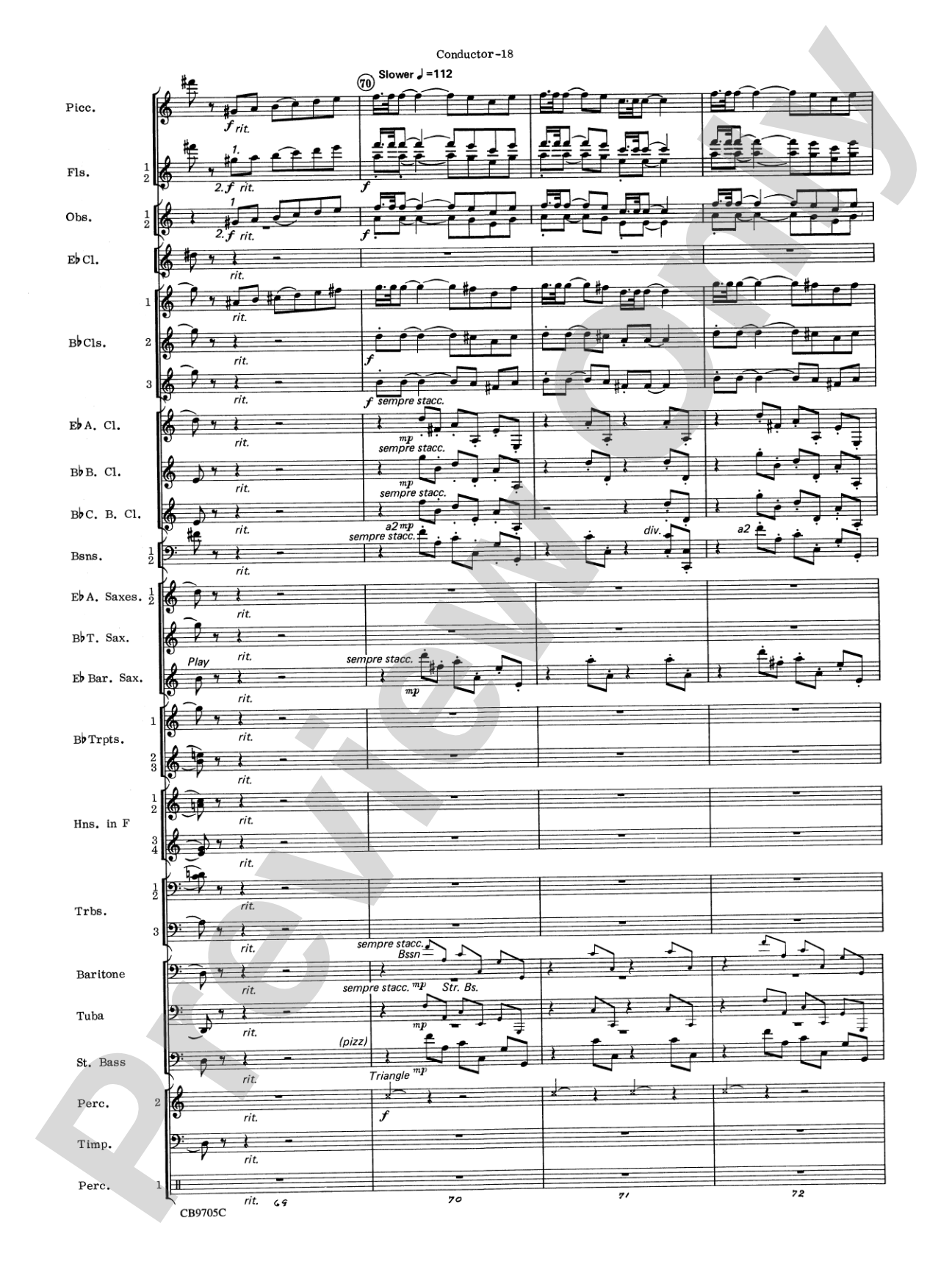
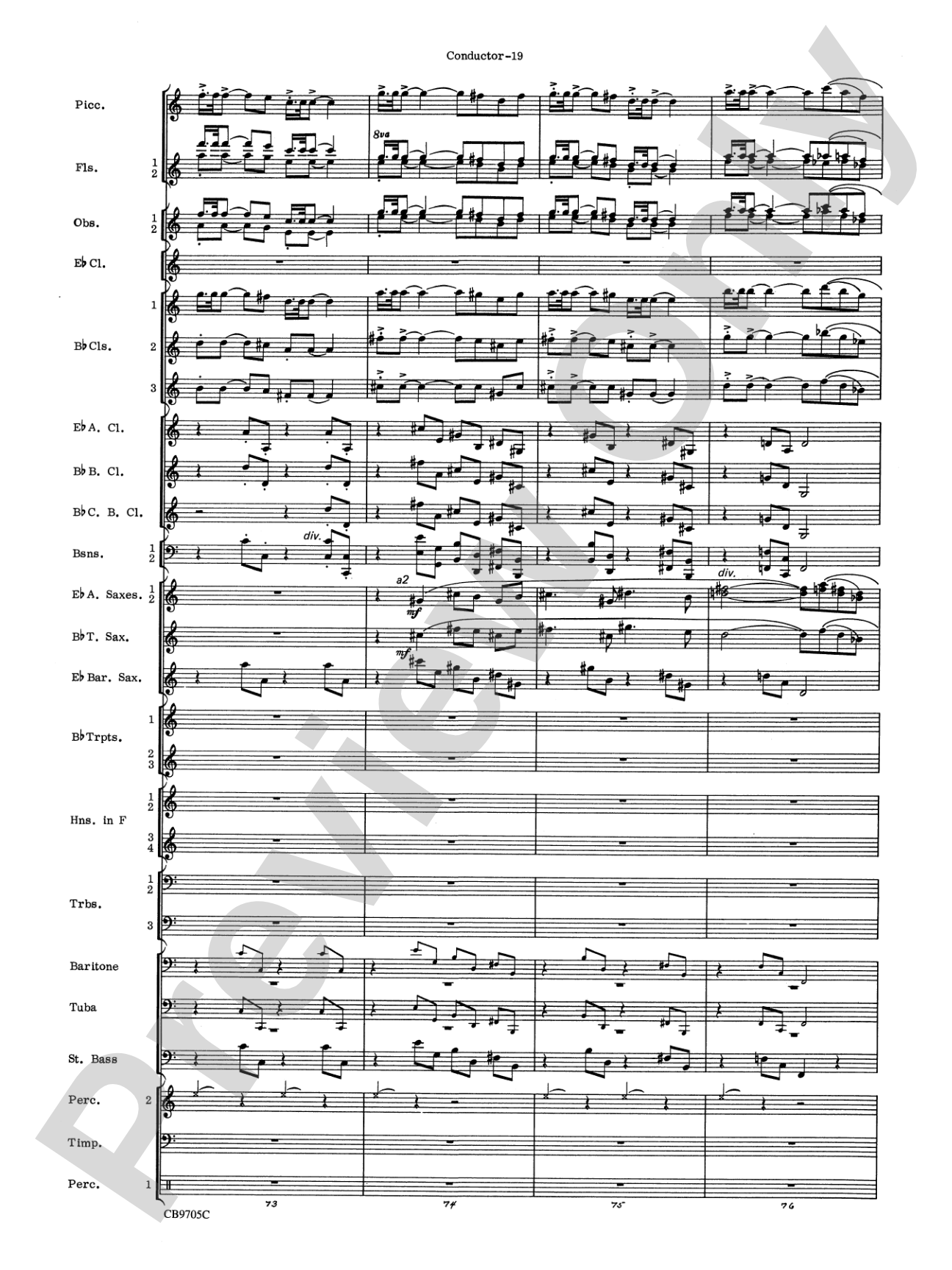
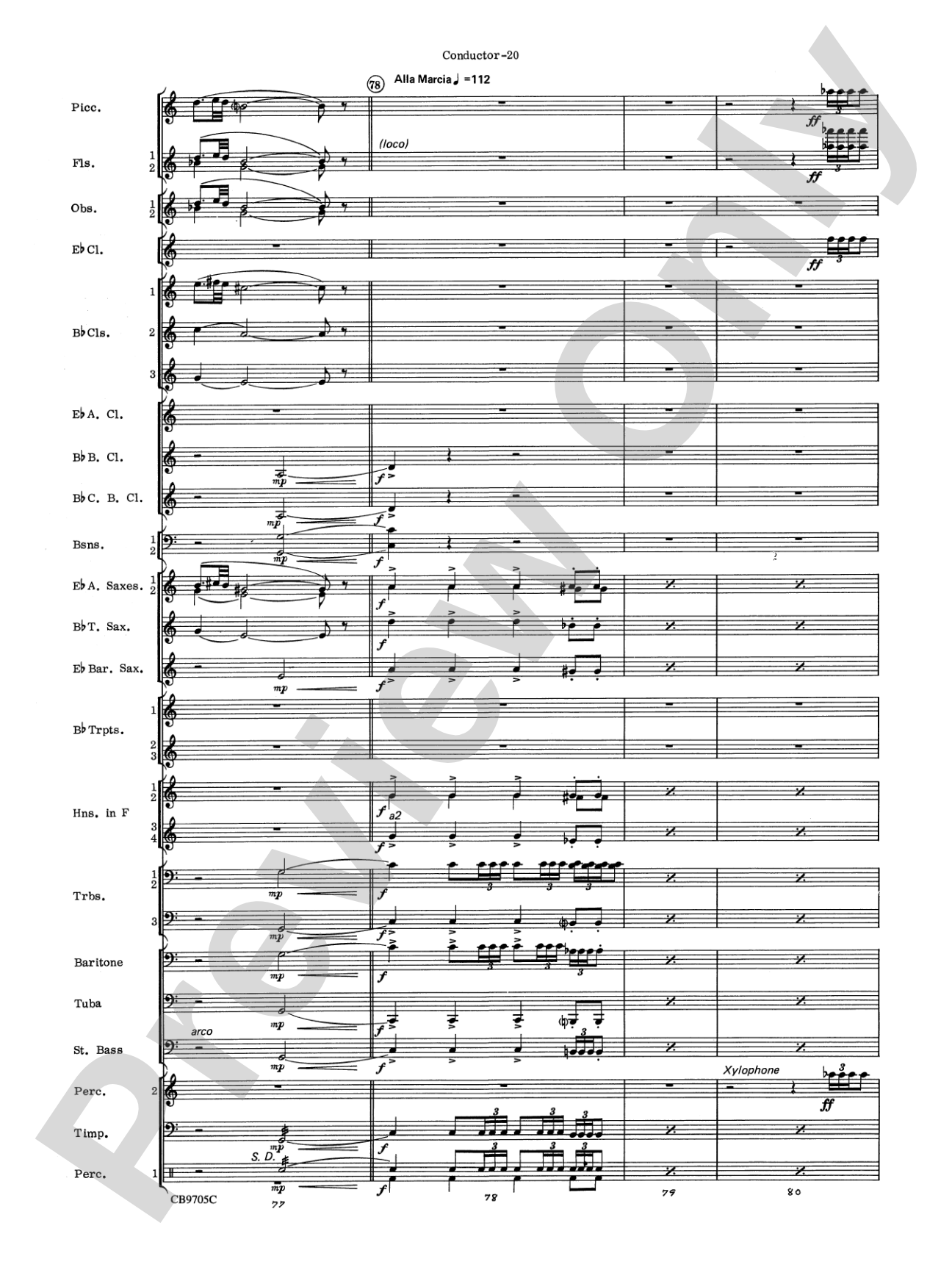
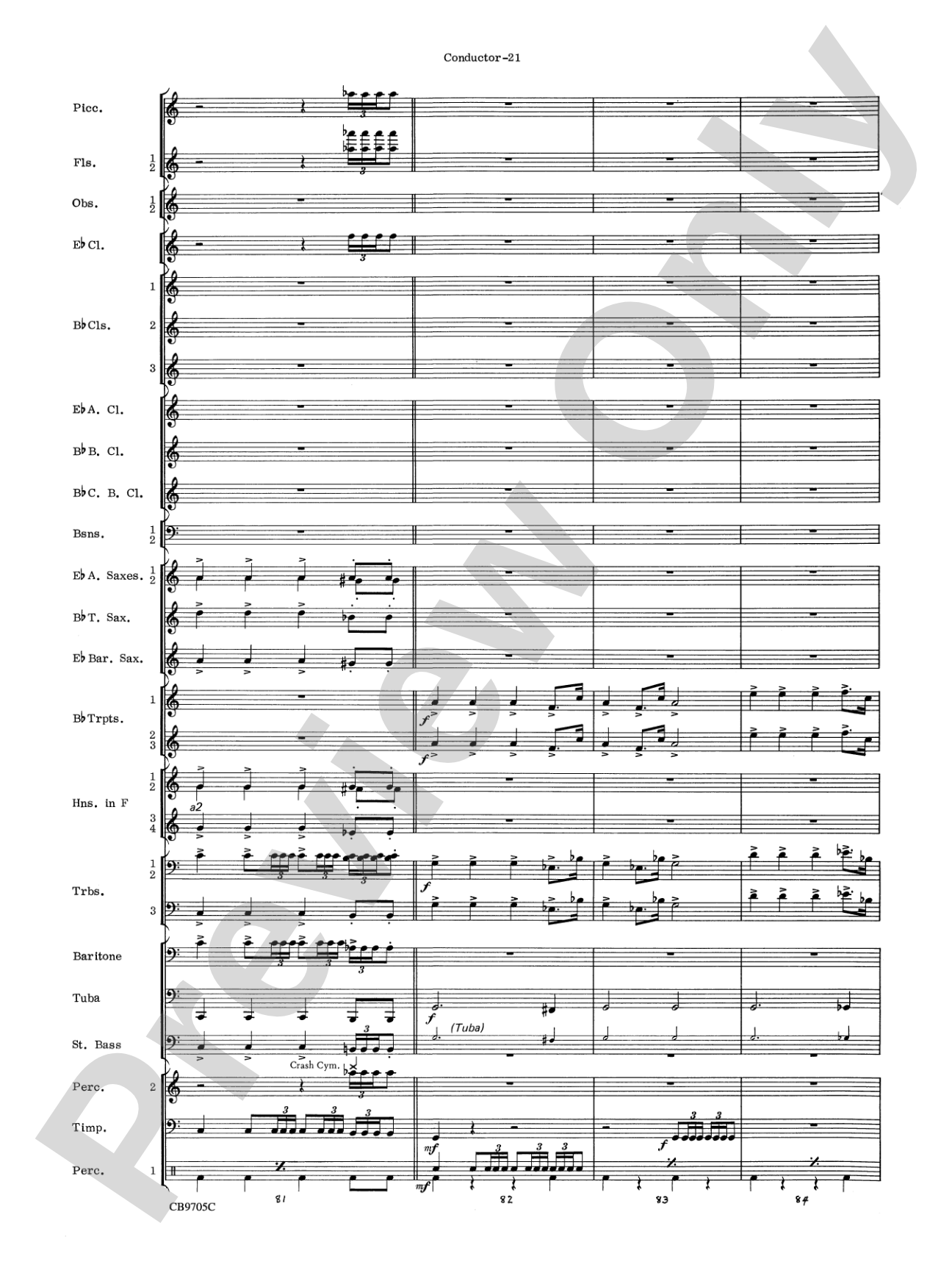
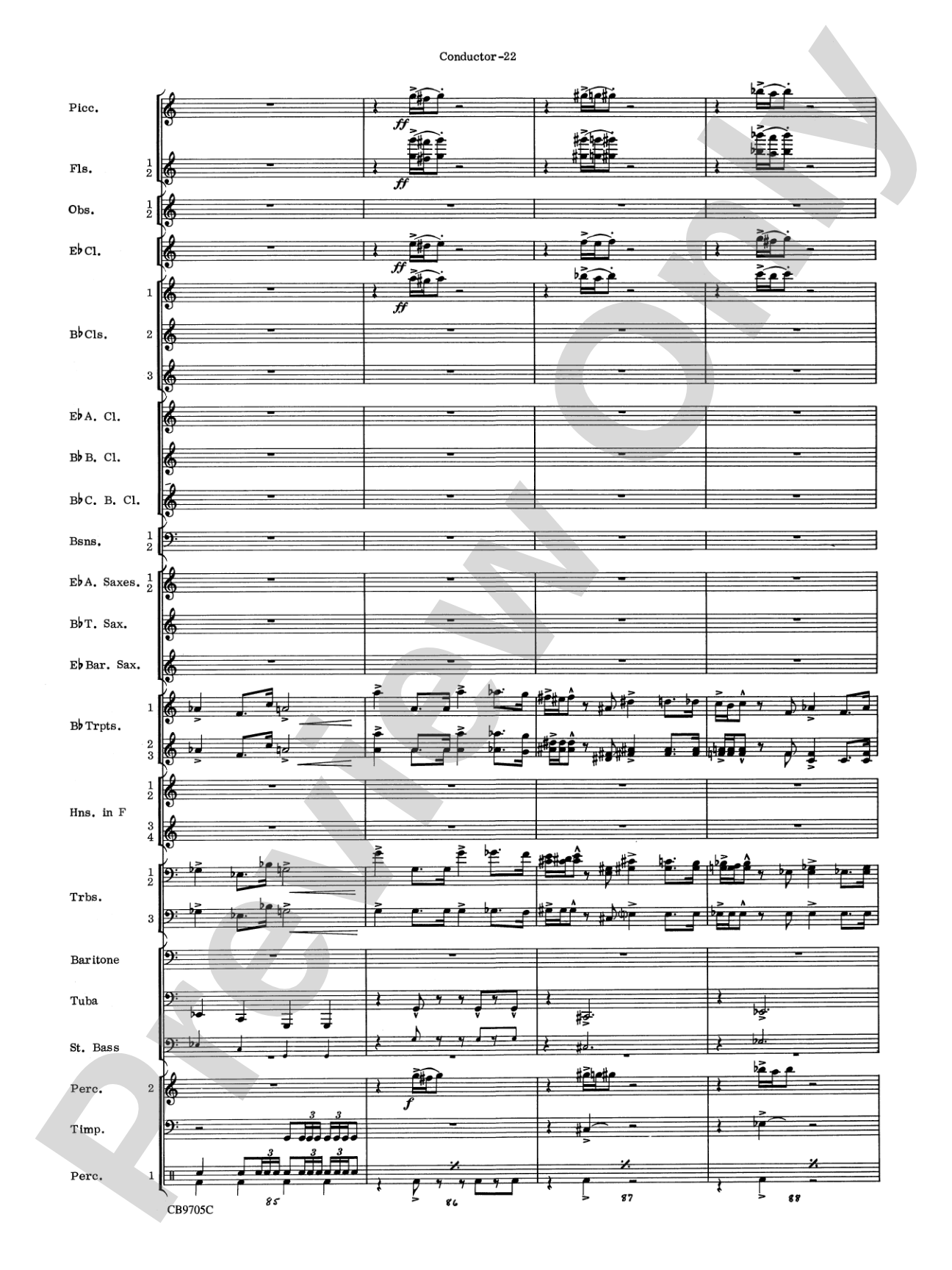
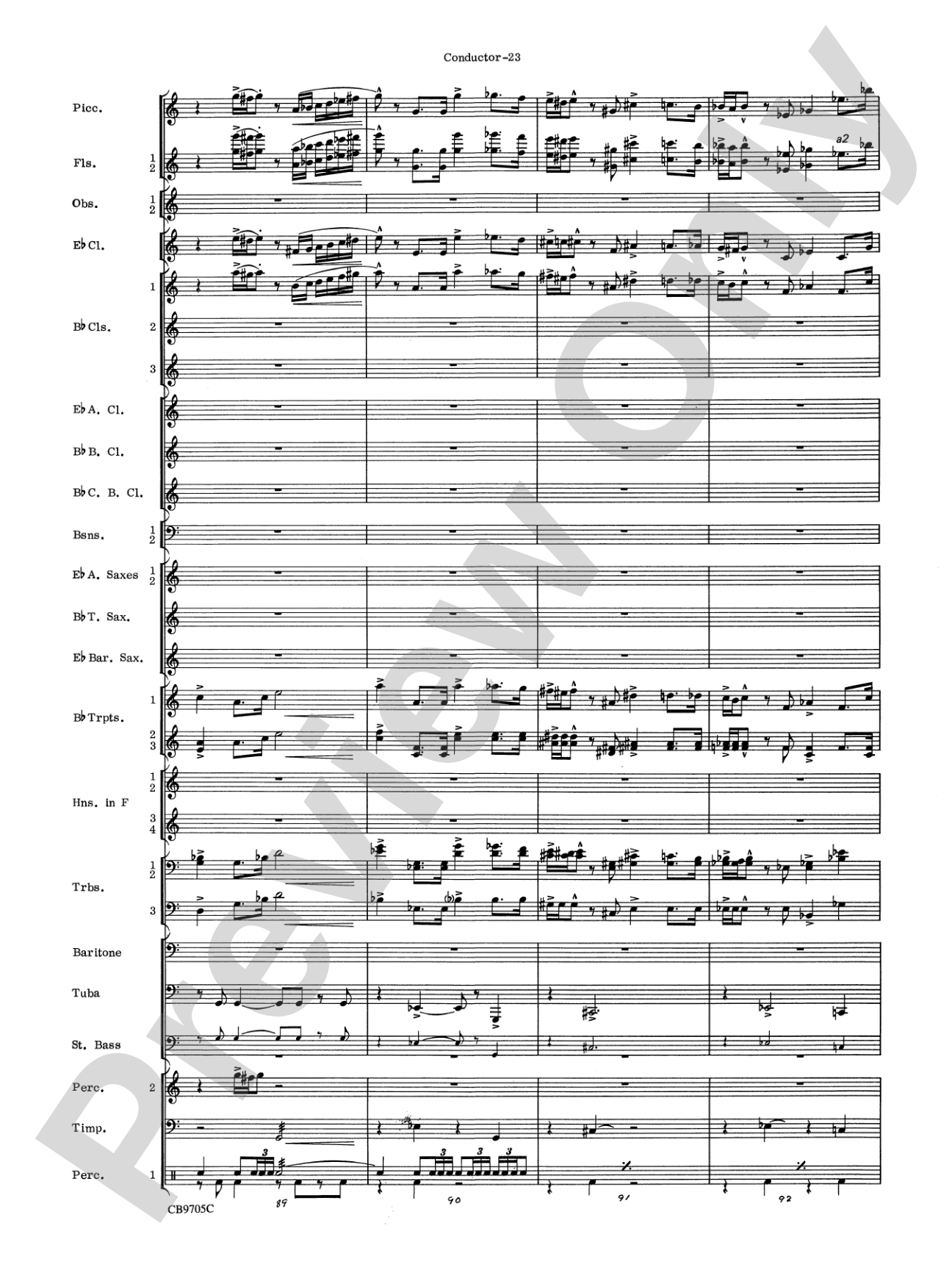
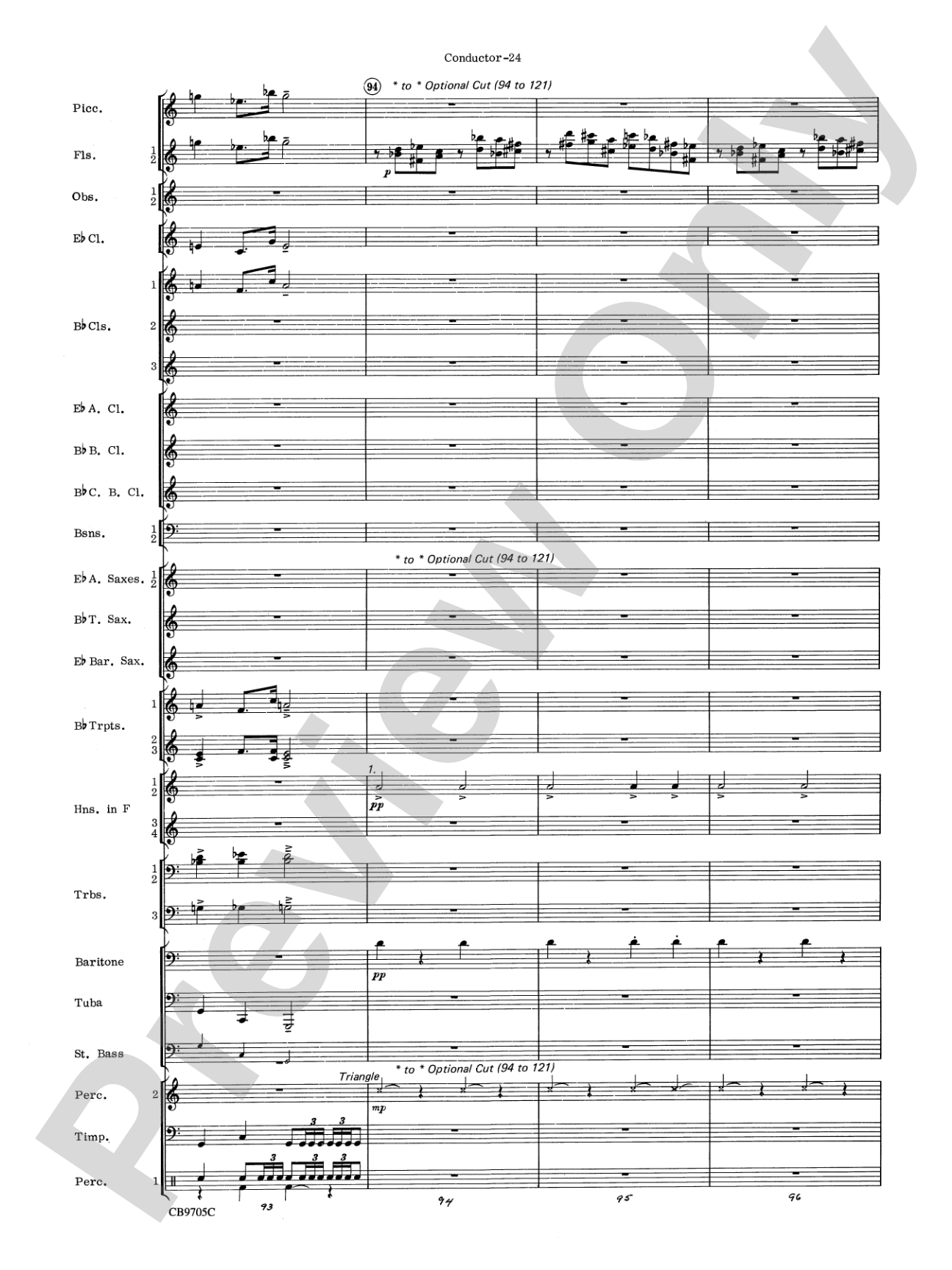
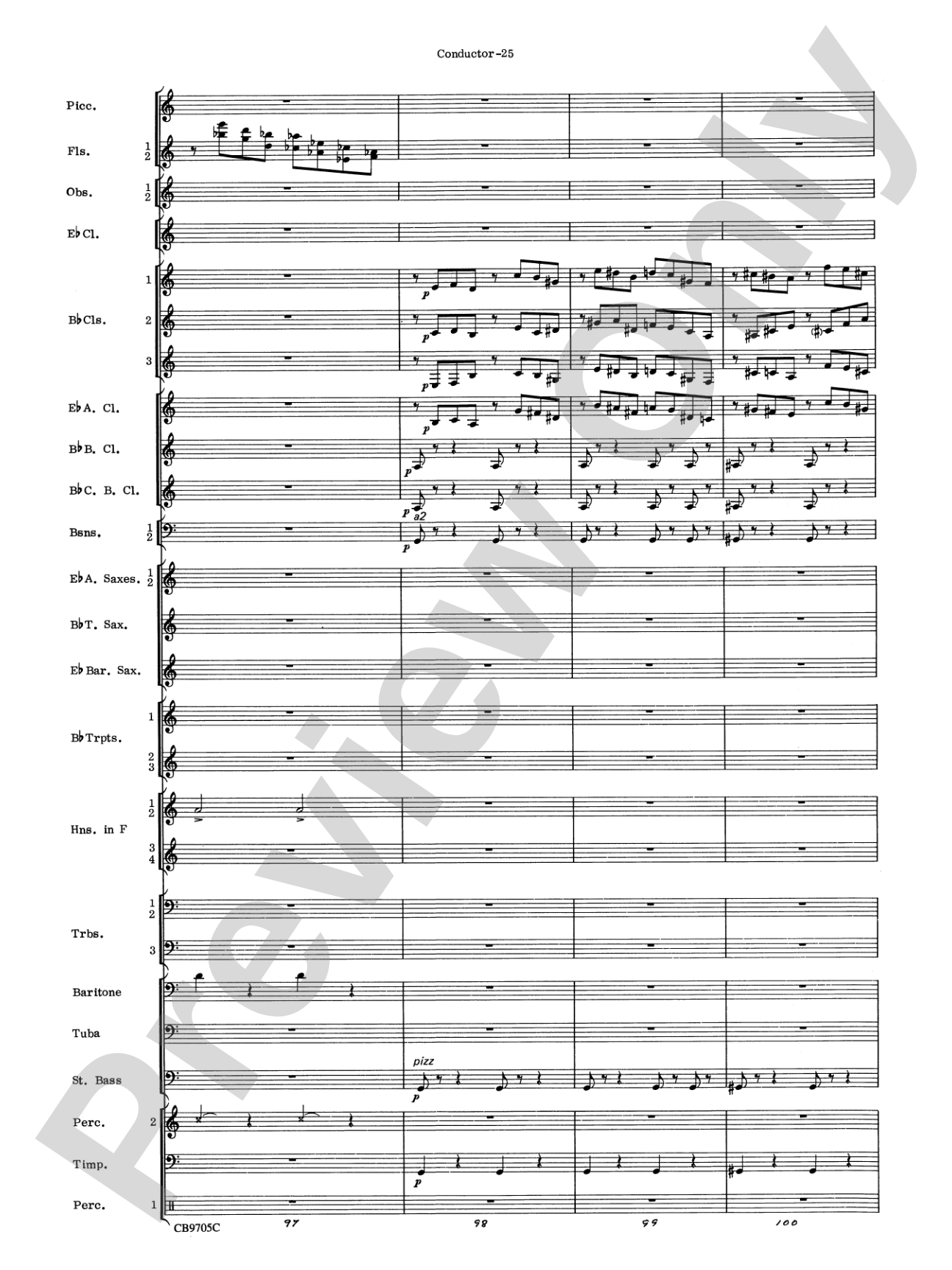
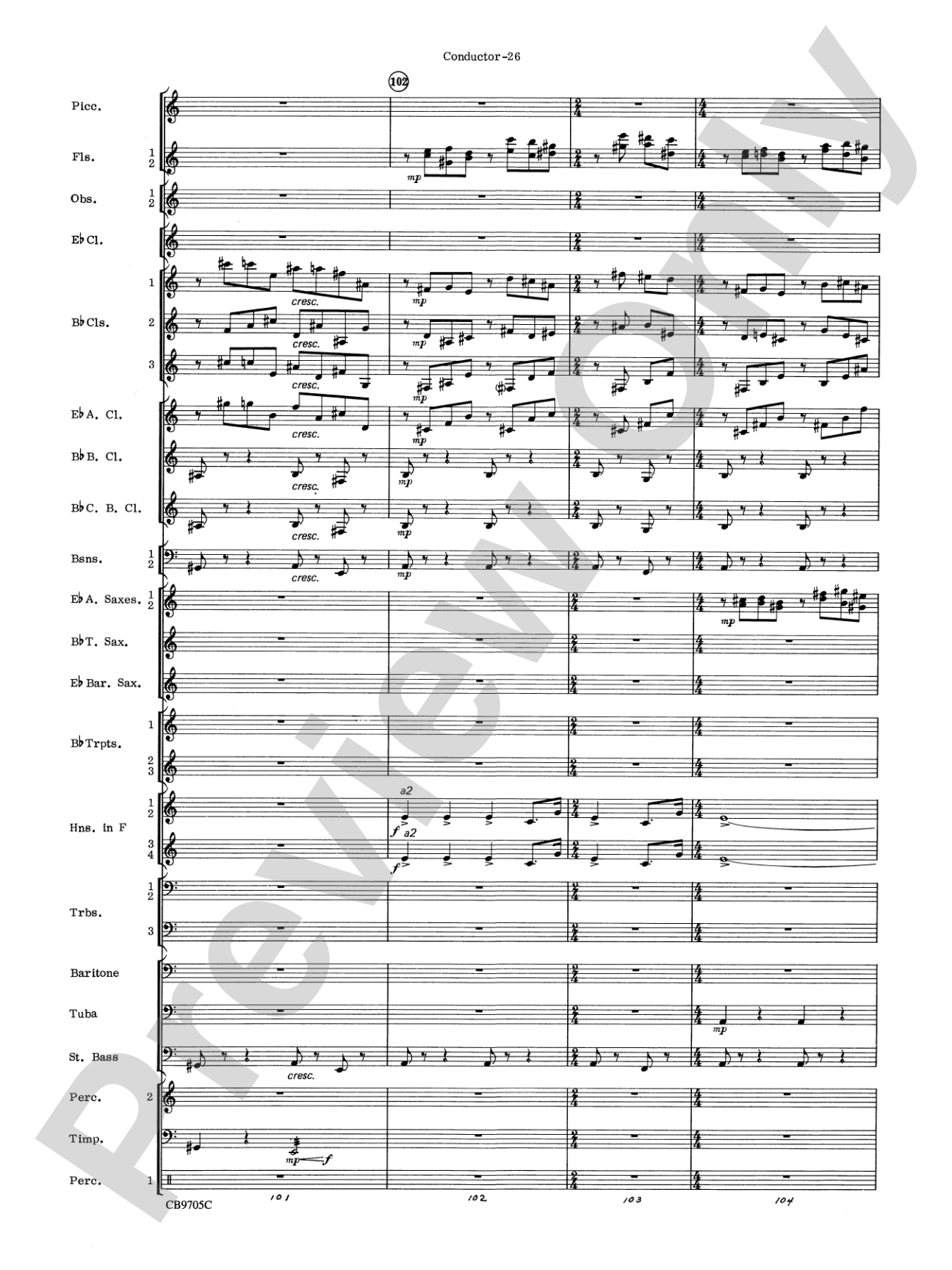
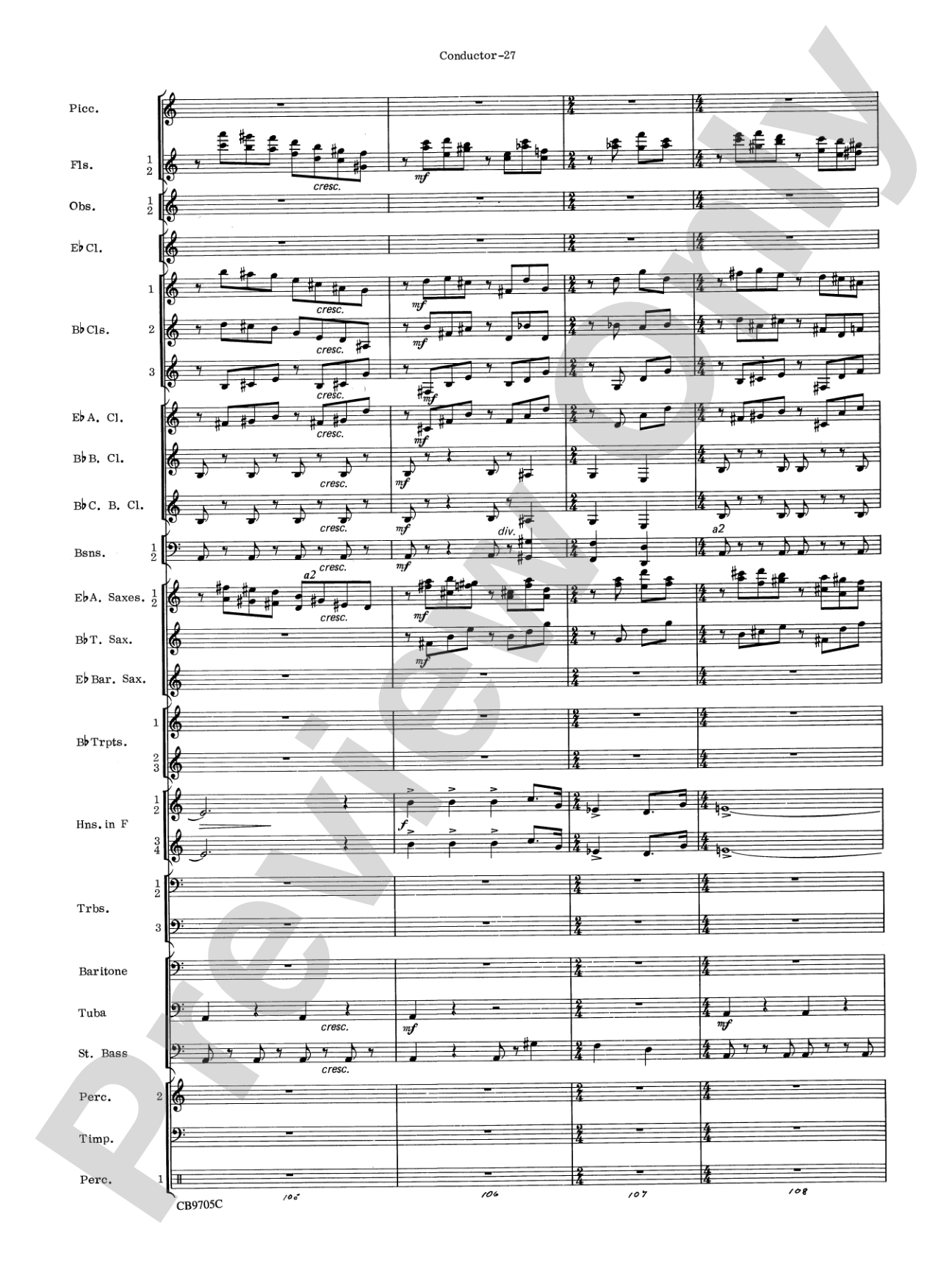
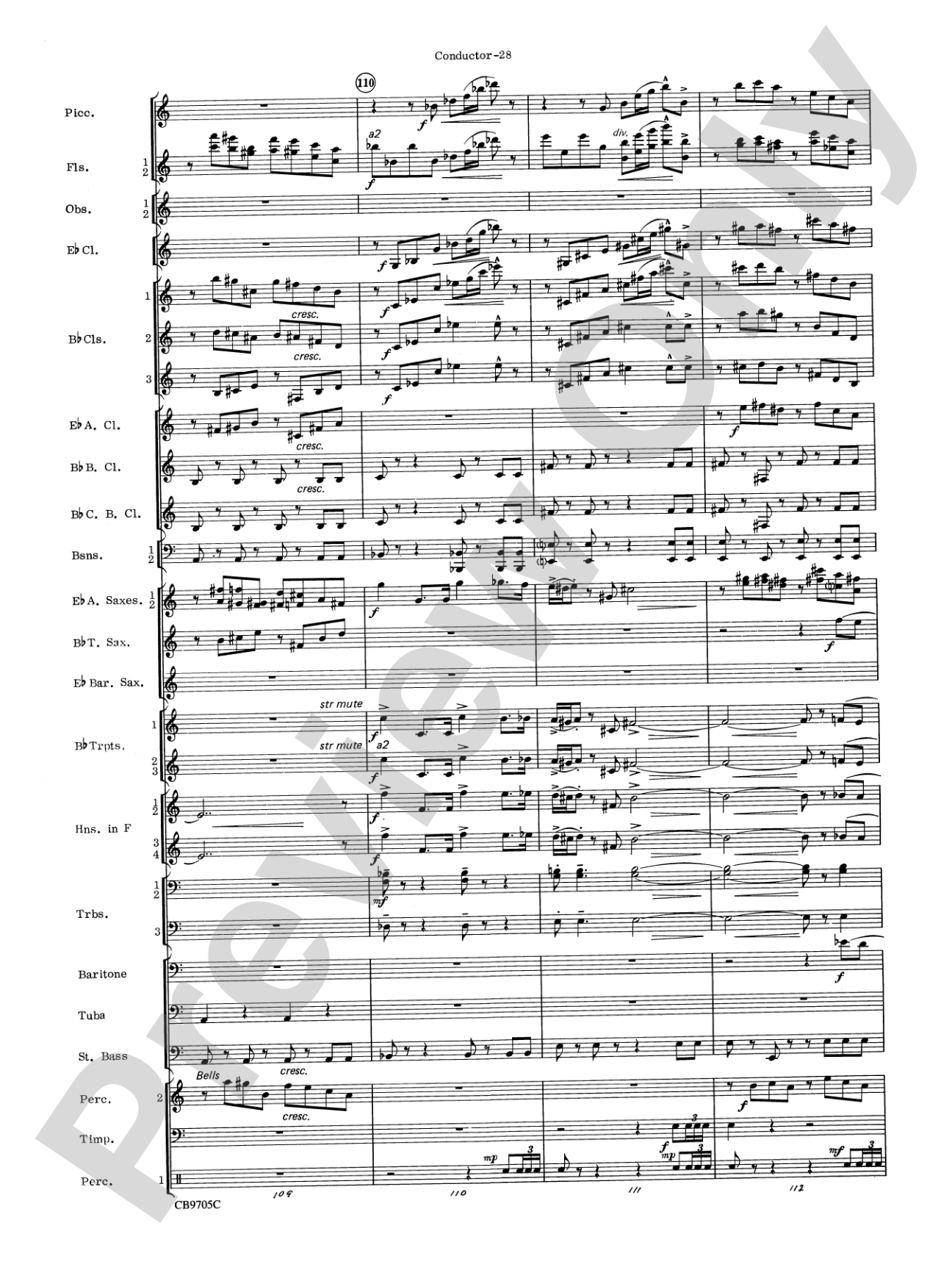
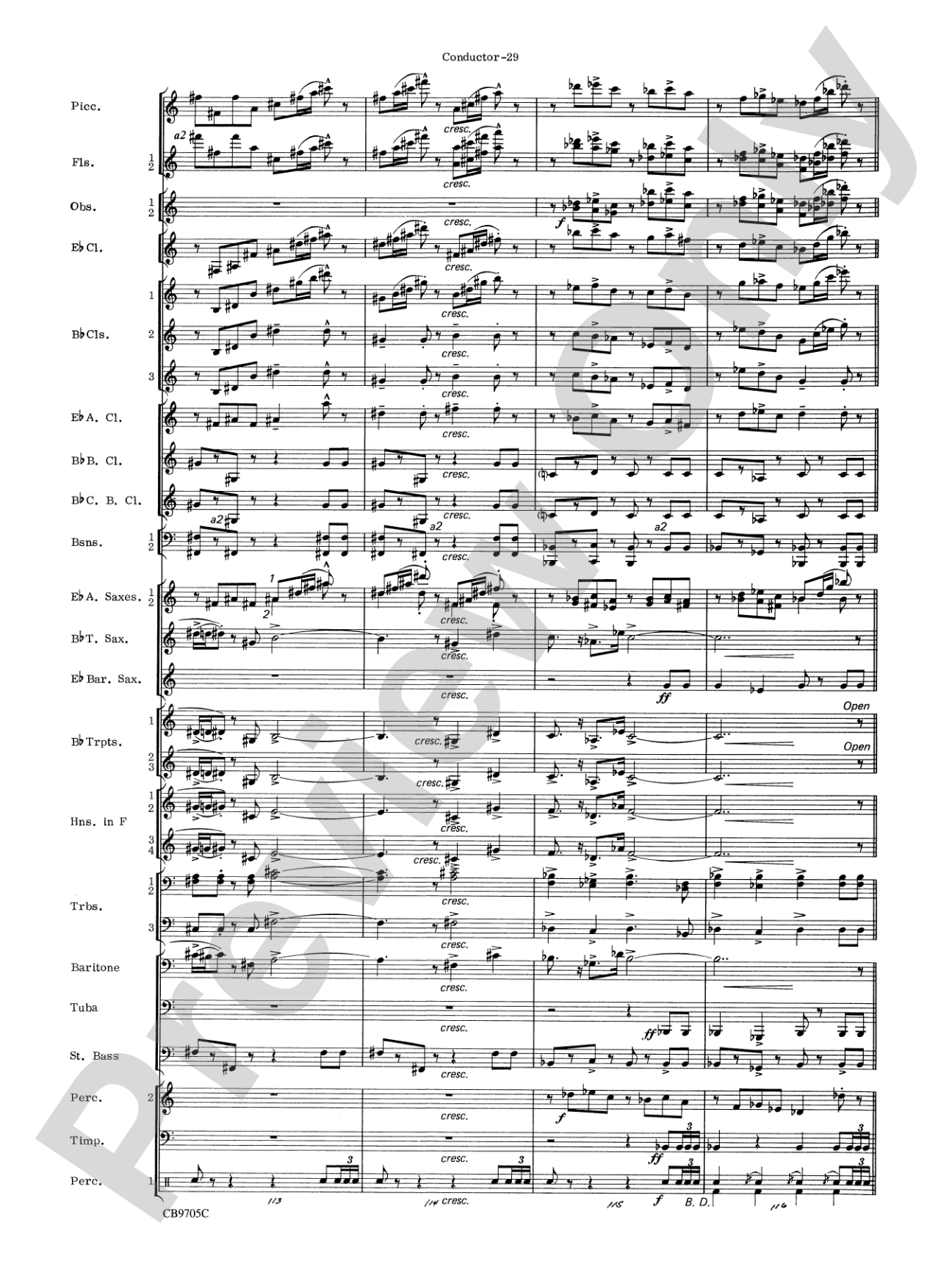
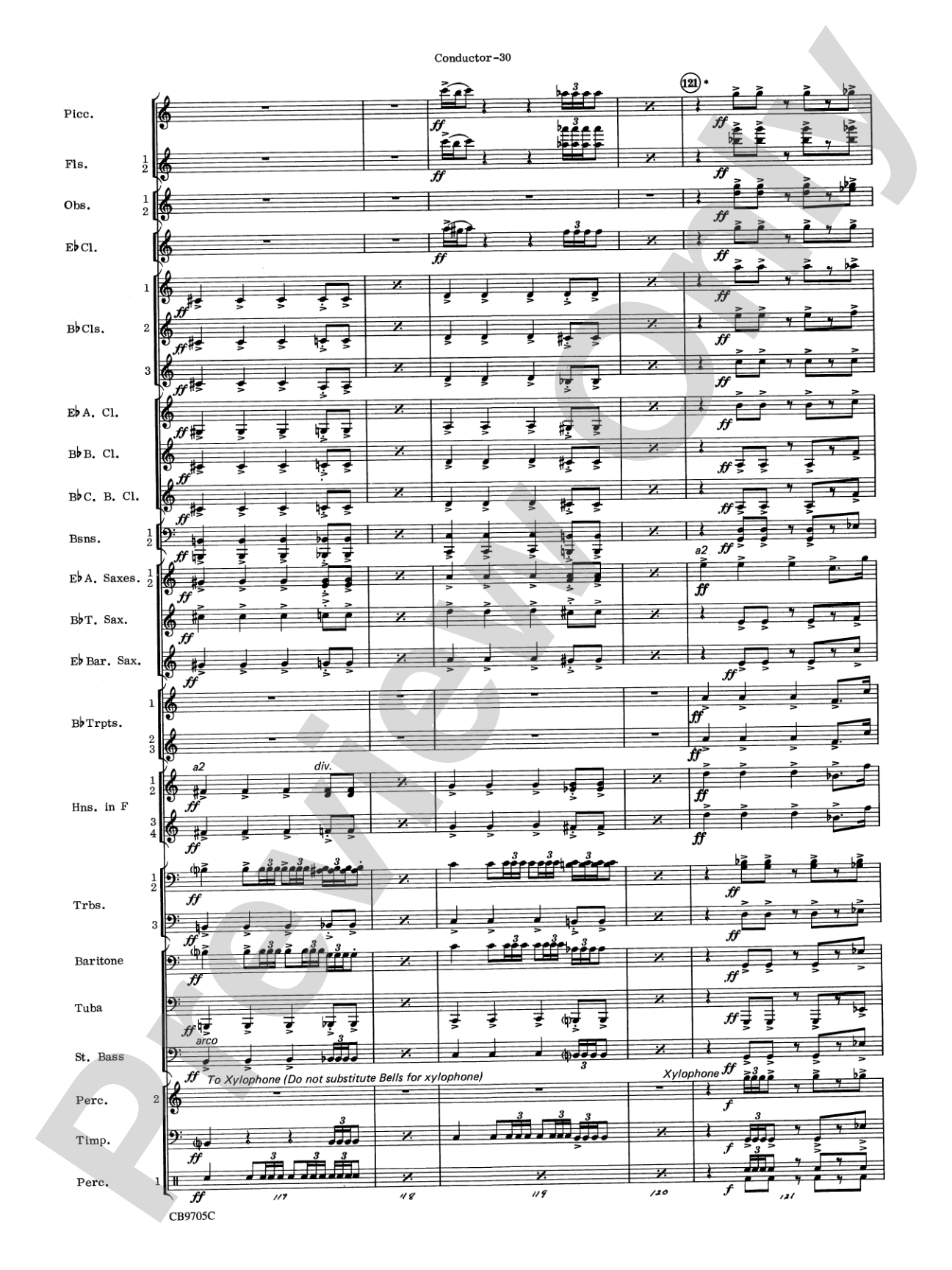
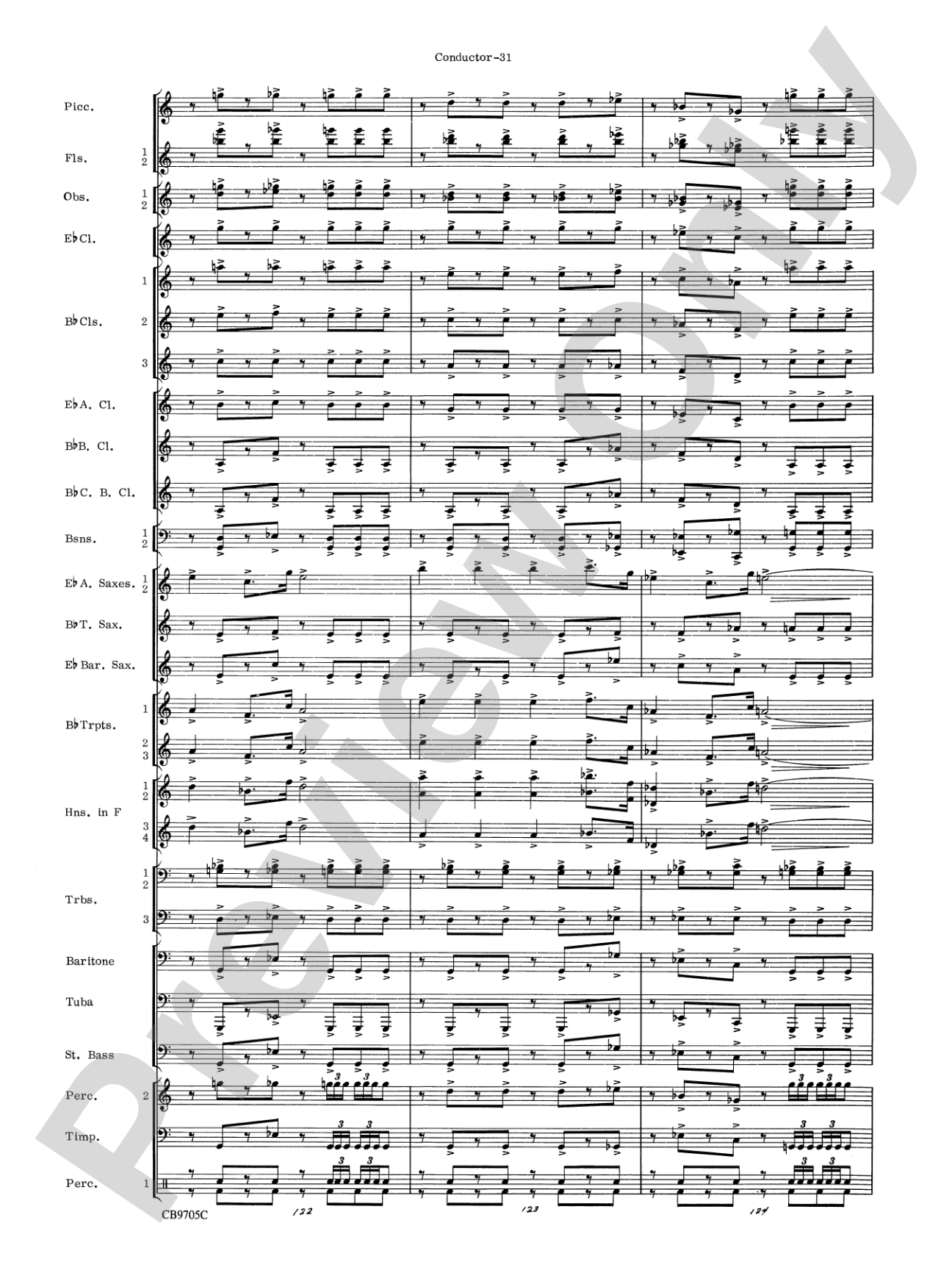
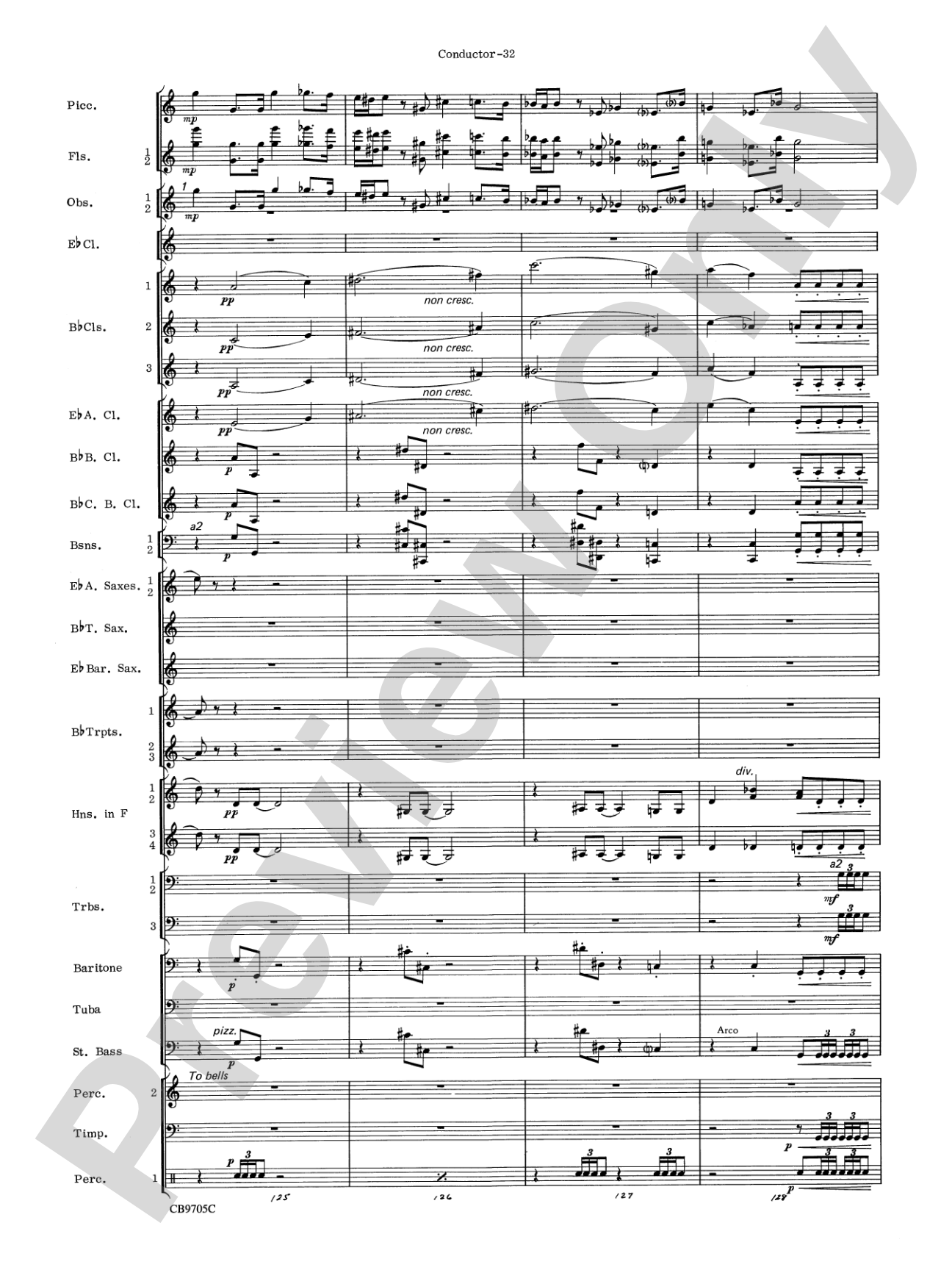
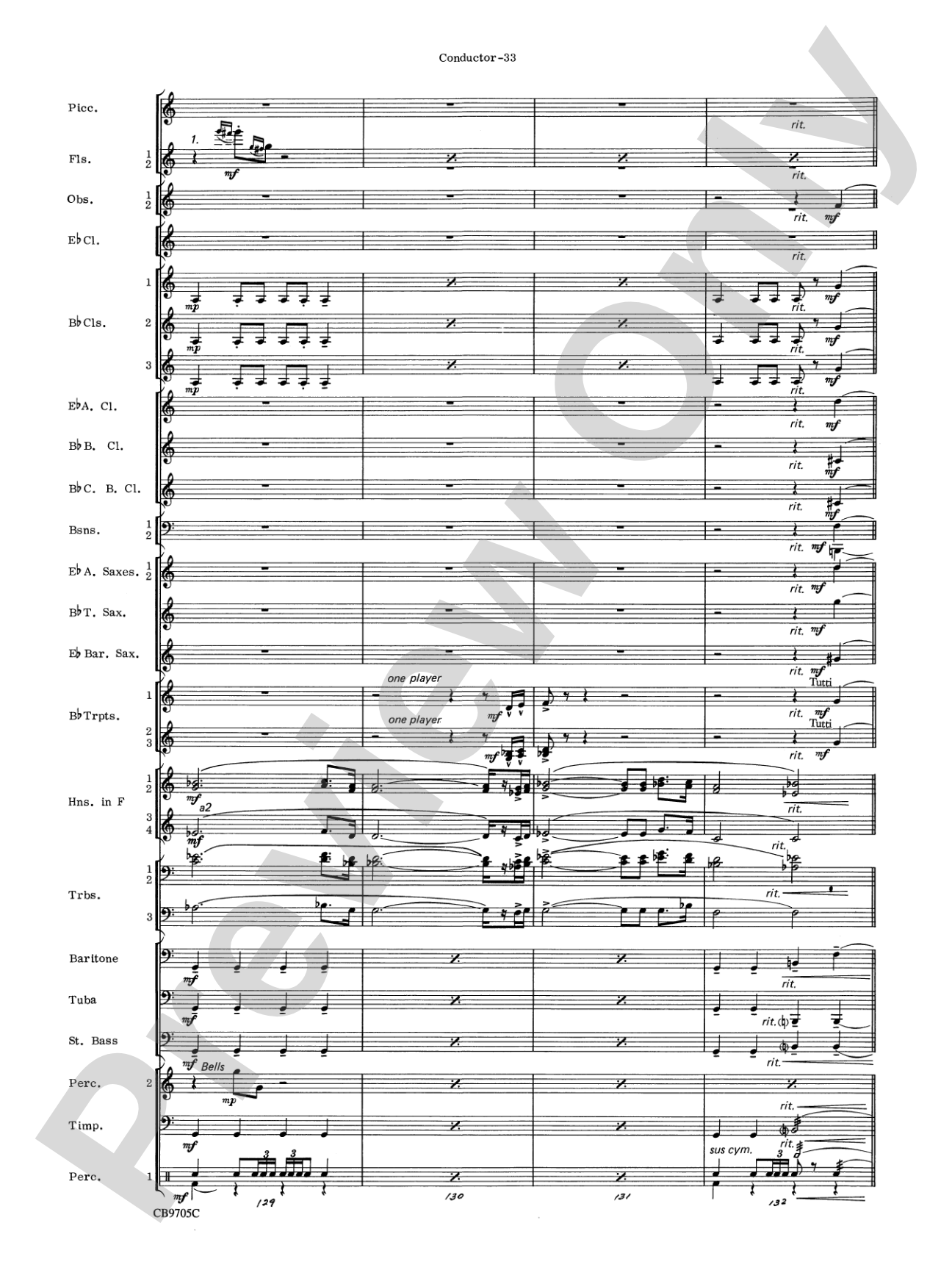
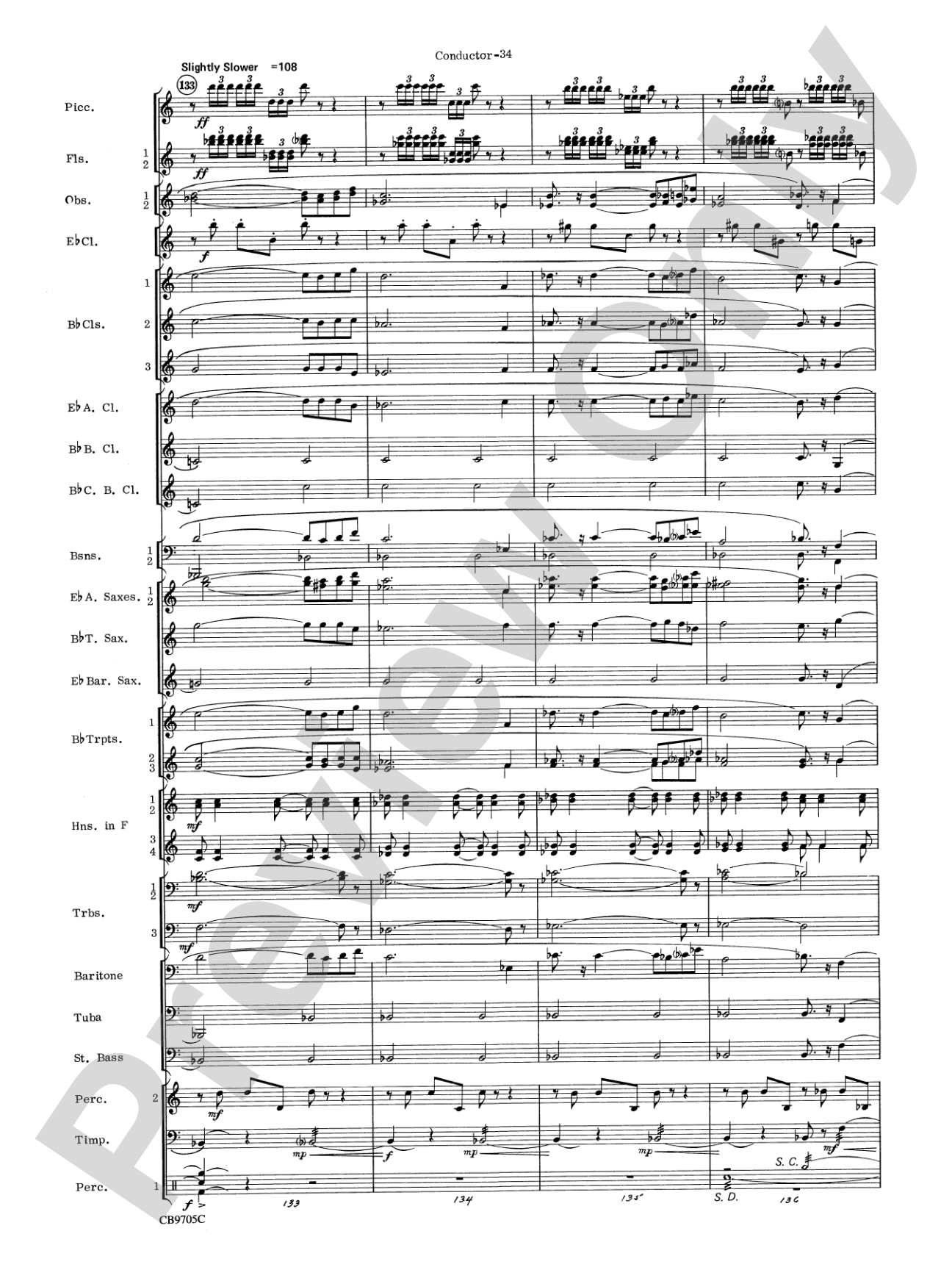
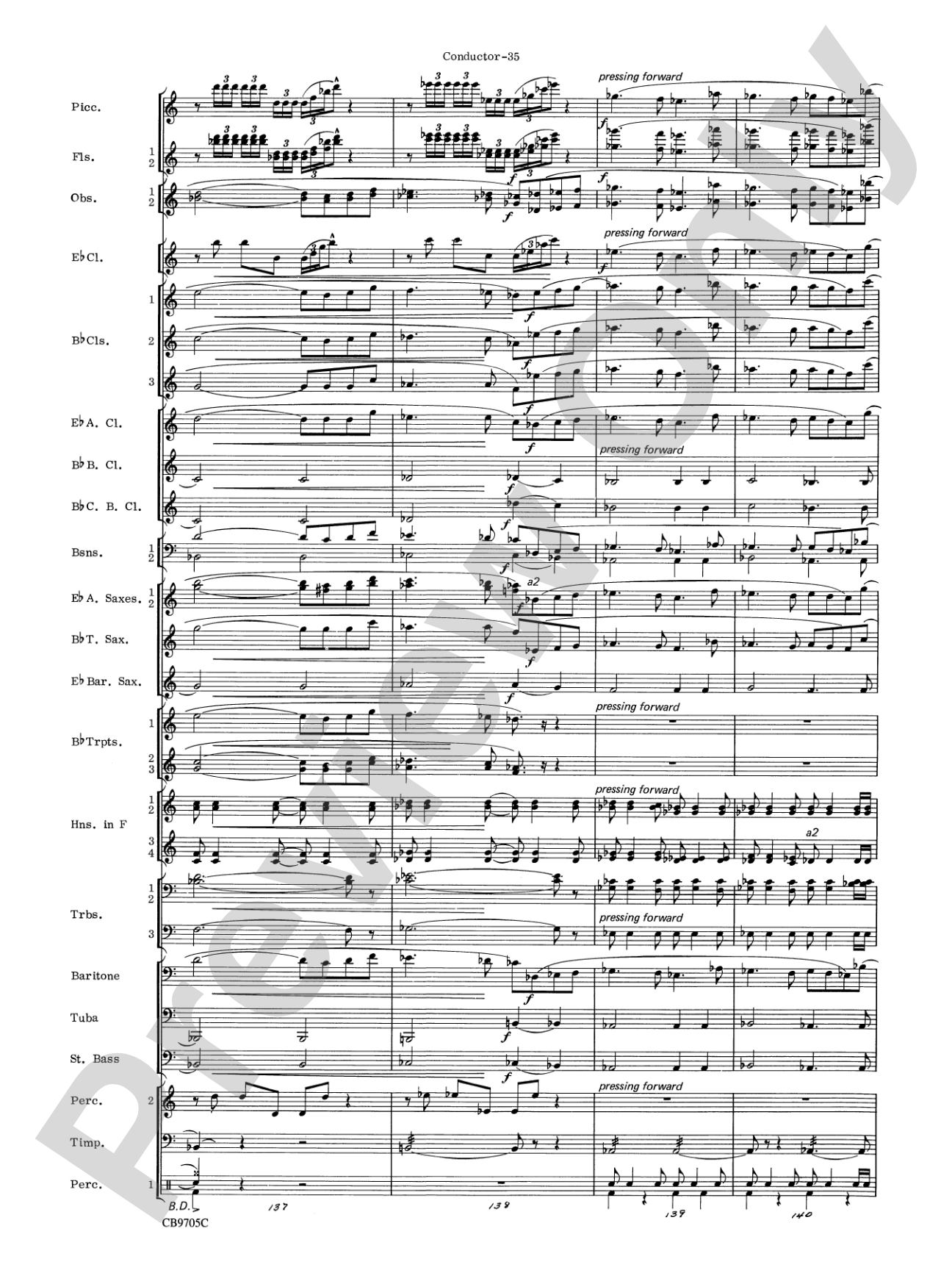
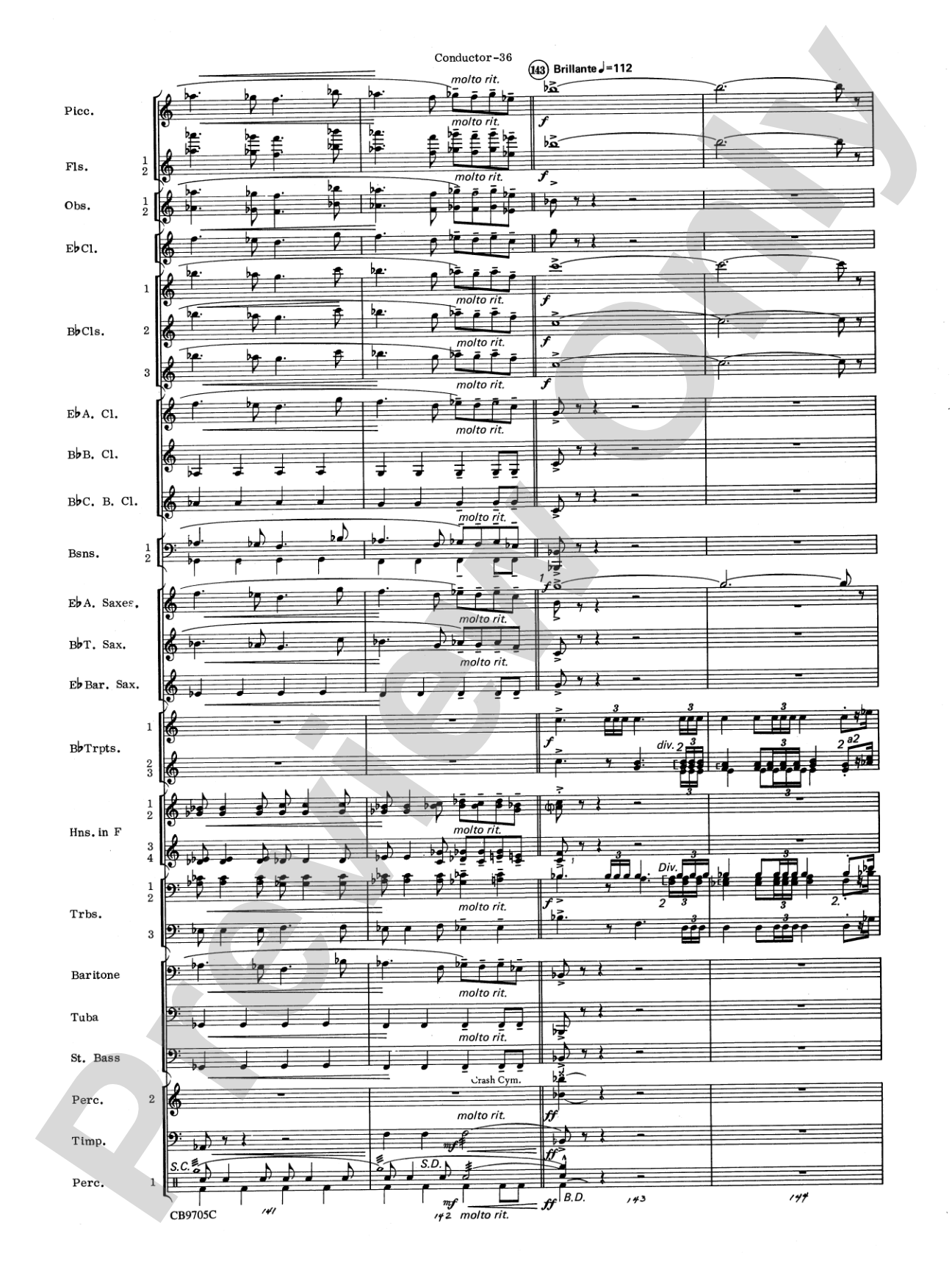
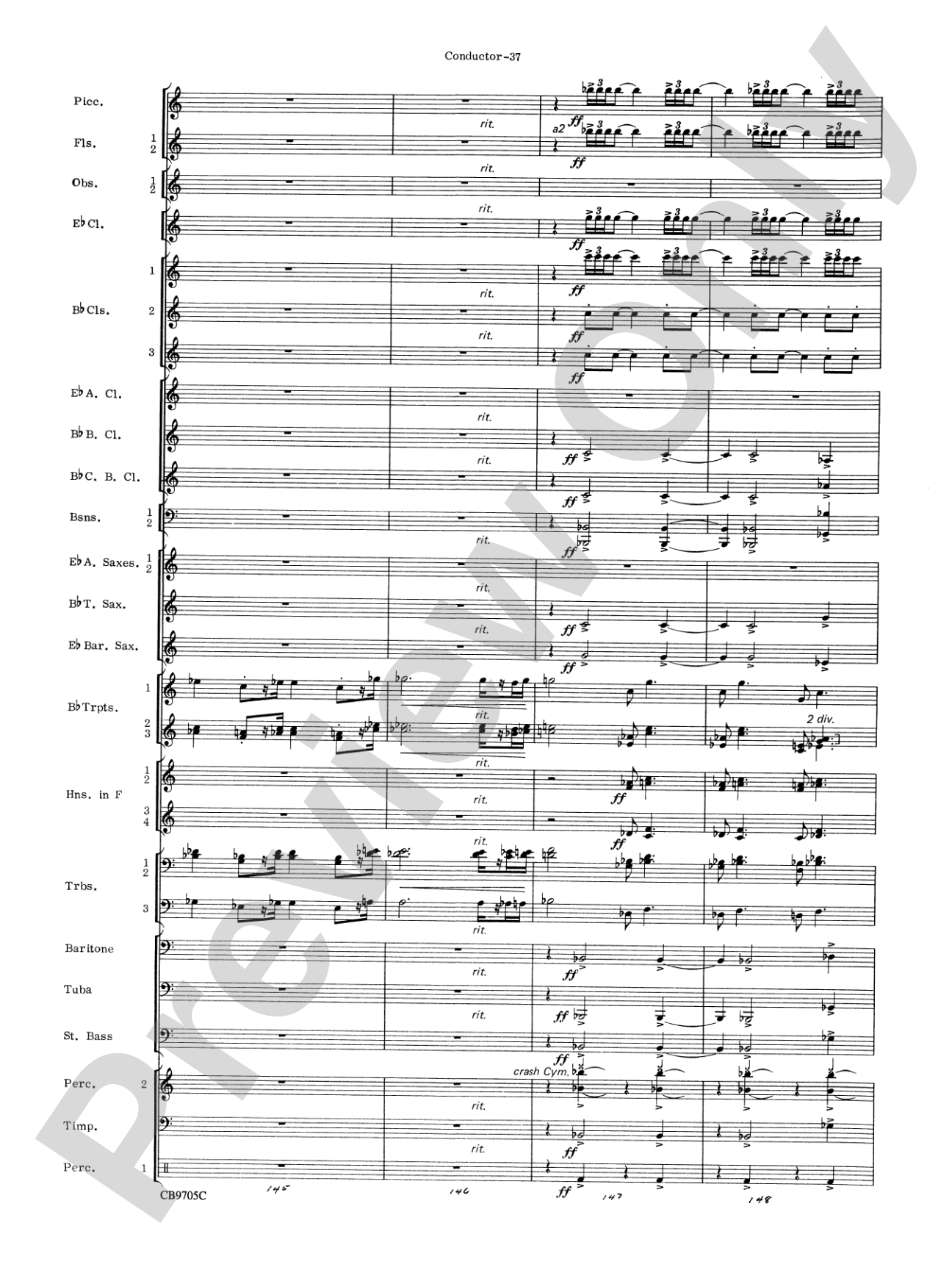
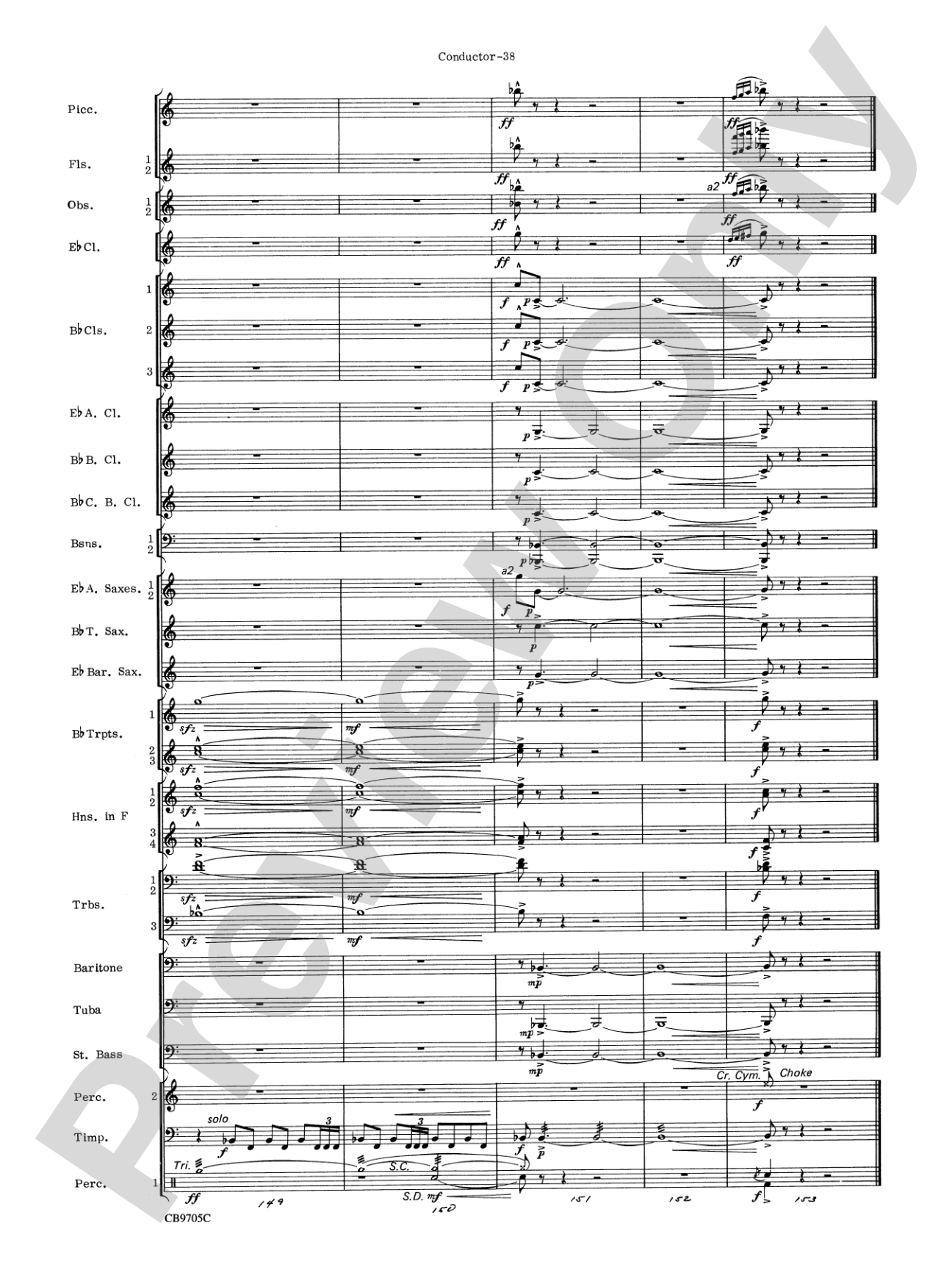

The Empire Strikes Back (Finale): Concert Band Conductor Score & Parts
By John Williams / arr. Jack Bullock
Grade: 4 (Medium)
Item: 00-PK-0002326

$87.00
One moment…
Description
We leave the cares of our troubled world and escape to a distant galaxy where we are enveloped in one of the most captivating ongoing adventures of all time. The continuing Star Wars saga crosses all barriers of generations. From The Empire Strikes Back comes this charismatic medley. Titles include: "Star Wars (Main Theme)", "The Imperial March (Darth Vader's Theme)", "Yoda's Theme", "Han Solo and the Princess", and "May The Force Be With You." Thoroughly entertaining! (duration 6:39)


Don't just read it, hear it, play along with it, and watch your students grow with it. In MakeMusic Cloud, The Empire Strikes Back (Finale): Concert Band Conductor Score & Parts comes alive with professional accompaniment, adjustable tempo, and built-in practice tools that turn solo practice into real progress.
Open in the Player
Jump straight in and assign it today.
Start Your Free Trial
Open this title and explore the full library in minutes.
Sample Audio
No sample audio found.
Sample Video
No sample videos found.
Additional Details
Series:
Pop Symphonic Band
Publisher:
Alfred Music
Page Count:
268
SKU:
00-PK-0002326
More about this title
About the Composer: John Williams
John Williams stands as one of the most prolific and celebrated film composers in cinema history, with a catalog spanning nearly six decades. His thematic genius and orchestral mastery have defined the soundtracks to some of the most iconic franchises ever created, from Star Wars to Indiana Jones to Harry Potter, earning him five Academy Awards and numerous Grammy Awards.
Why we love this
This medley captures the galaxy-spanning scope of the original trilogy while remaining highly playable at the Grade 4 level. Students get to perform some of the most recognizable themes in film history, which means instant engagement and genuine pride in what they're playing. The arrangement balances accessibility with enough harmonic interest and dynamic contrast to keep the ensemble challenged throughout.
What to expect
A sweeping journey through one of cinema's greatest soundscapes. The piece shifts from the majestic grandeur of the main theme to the ominous march of Darth Vader, then softens into the contemplative wisdom of Yoda before soaring into the romantic adventure of Han and Leia. Throughout, you're carried forward by some of the most memorable orchestral writing ever composed.
Who it's for
Concert bands at the intermediate level (Grades 5-8 and beyond) looking to program something with immediate crowd appeal and cultural relevance. Directors seeking a substantial piece that builds ensemble cohesion while celebrating music from film and popular culture.
How to get the most out of it
- The Imperial March demands clarity and precision in articulation; treat the theme as menacing rather than cartoonish, with a steady, relentless pulse that feels militaristic without rushing.
- Balance melodic voices carefully in "Han Solo and the Princess," as the romantic character of this section depends on warm, singing playing rather than mechanical execution.
- Use the dynamic contrast between the themes to create shape across the entire medley; let softer moments truly breathe rather than rushing to the next climactic passage.
- Lock in the rhythm section (timpani, bass drum, and low brass) to anchor the marching sections; precision here gives the ensemble confidence and clarity.
How to use it
Program this as a finale to a concert centered on film and popular music, or use it as a standalone crowd-pleaser that bridges classical and popular repertoire. The six-minute-plus duration and energetic character make it ideal for closing a concert on a high note that audiences will recognize and remember.
Skills your students will build
- Reading and executing rapid dynamic shifts across an ensemble
- Maintaining ensemble balance when multiple melodic lines occur simultaneously
- Articulation clarity in fast-moving passages (particularly "The Imperial March")
- Sustaining legato playing through longer lyrical sections
- Responding to conductor gestures that shape thematic transitions between contrasting sections