

The Drumset Soloist: Designed to Build the Vocabulary and Confidence of the Drumset Soloist
Designed to Build the Vocabulary and Confidence of the Drumset Soloist
By Steve Houghton
Item: 00-PB-0002050
$26.99
Pickup currently not available
Related Items
The Drumset Soloist: Drumset Book & Online Audio |
$26.99
|
View |
Description
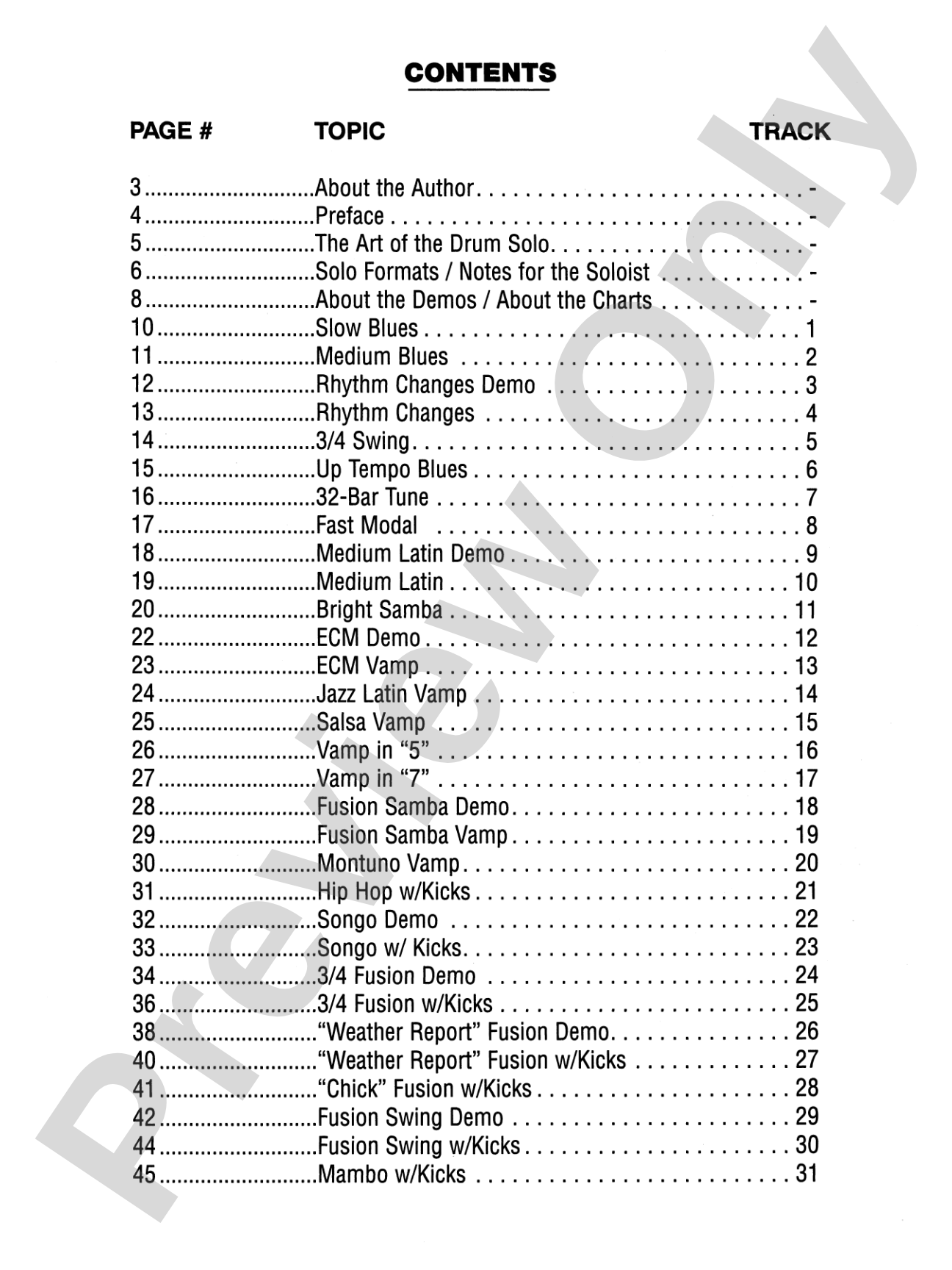
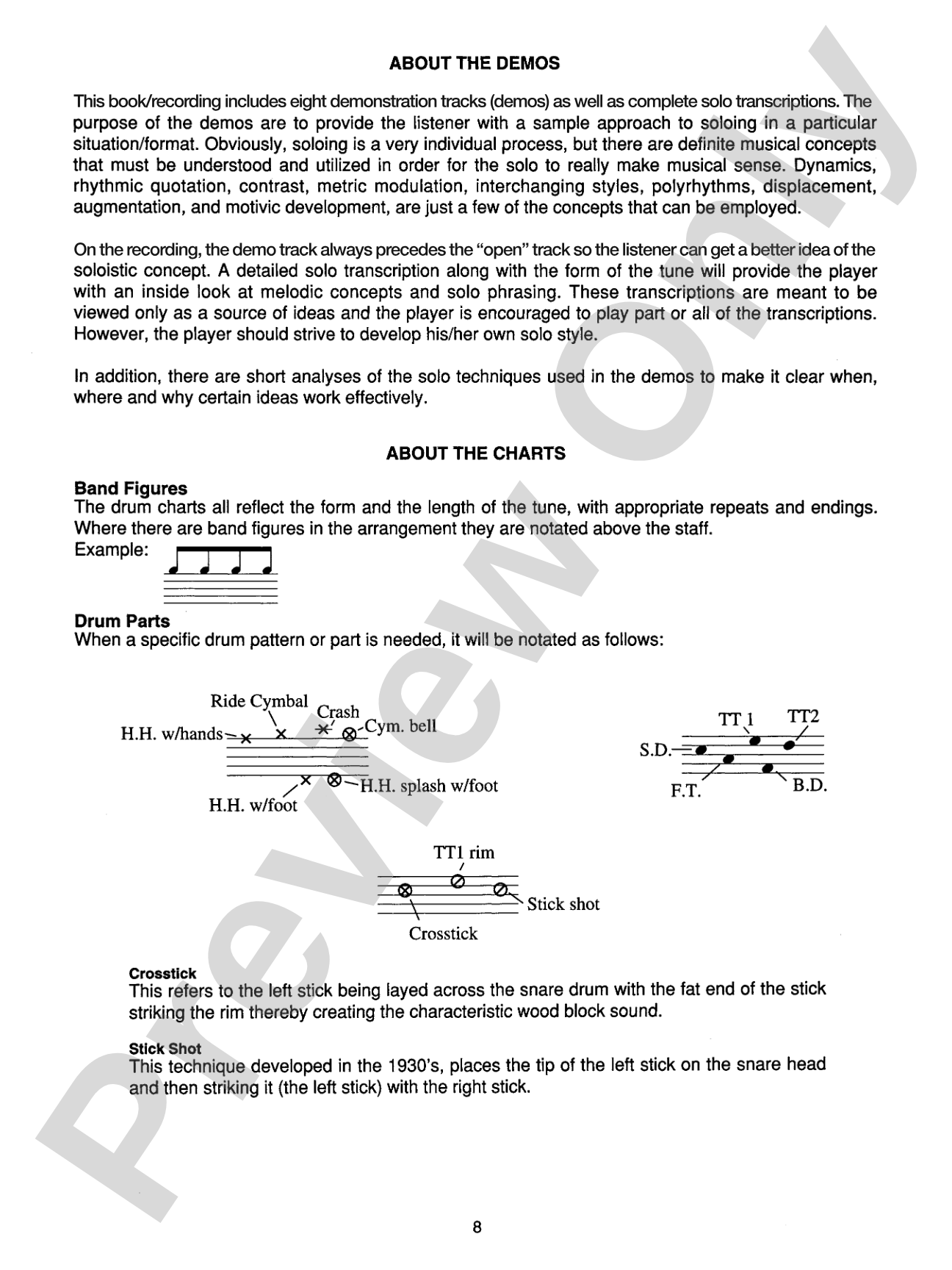
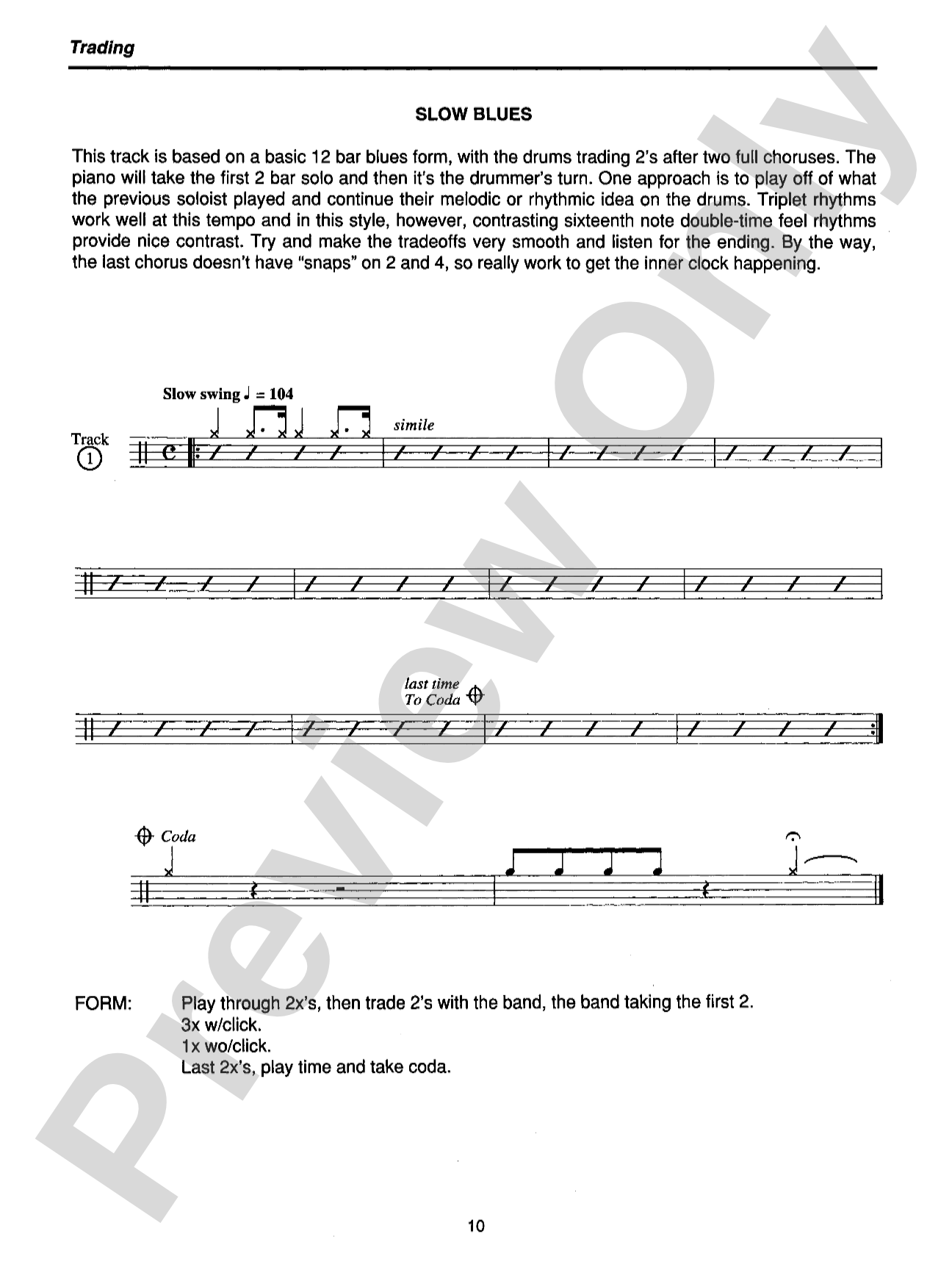
The Drumset Soloist was written to provide drummers with the practice material to approach any solo, in any style, with ease. Techniques such as trading, playing over vamps, and playing over kicks (or figures) are examined, demonstrated, and made available in an audio play-along format.


The Drumset Soloist: Designed to Build the Vocabulary and Confidence of the Drumset Soloist isn't in MakeMusic Cloud just yet...but it could be. Let us know you'd like to see it, and you'll help shape what comes next. In the meantime, start a free trial and dive into thousands of interactive titles your students can play along with today.
Request This Title
Tell us you want it.
Start Your Free Trial
Explore everything that's ready to play right now.
Sample Audio
No sample audio found.
Sample Video
No sample videos found.
Additional Details
Publisher:
Alfred Music
Page Count:
48
SKU:
00-PB-0002050
More about this title
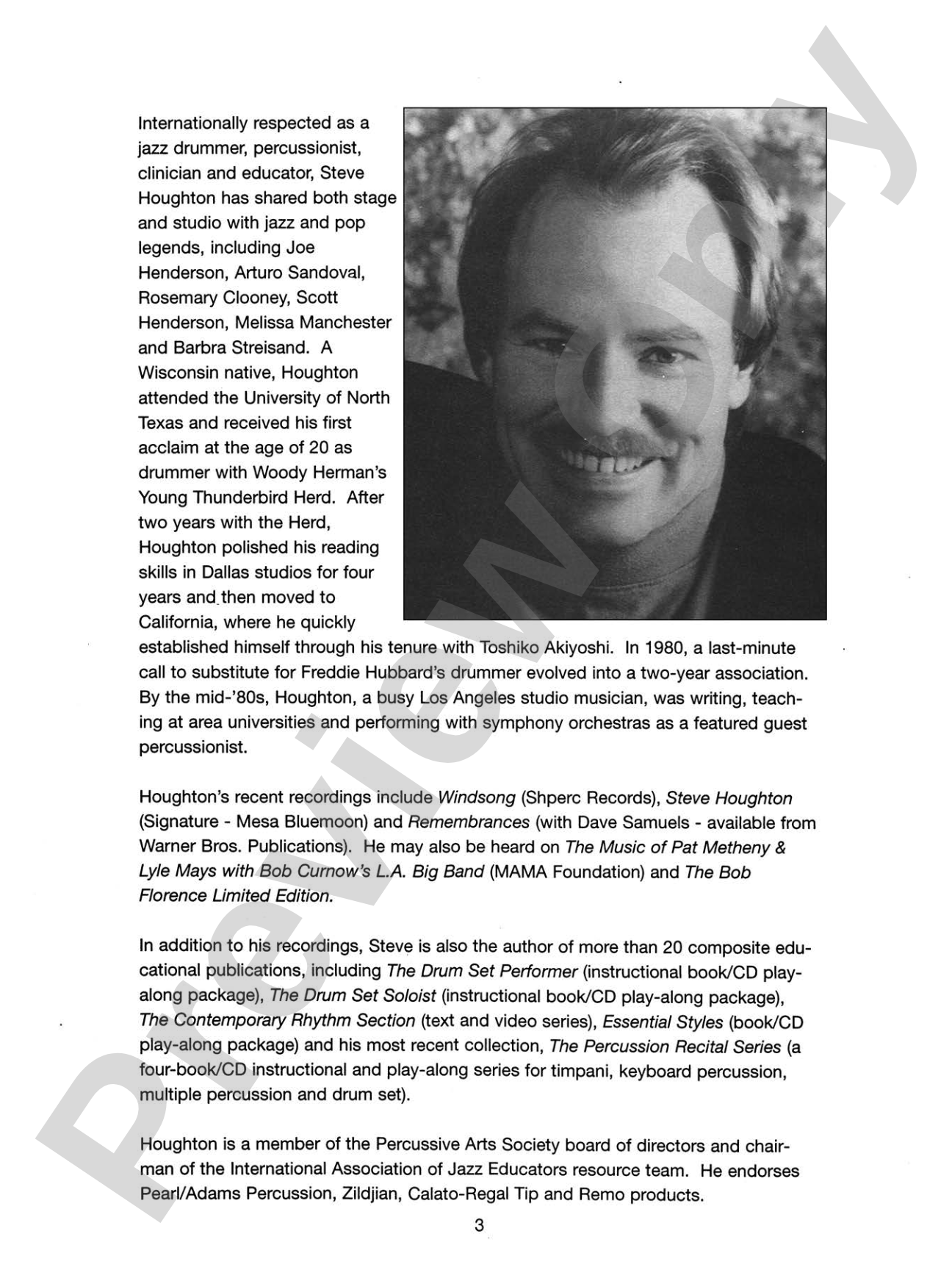
About the Composer: Steve Houghton
Steve Houghton has shaped generations of drummers through his work as a clinician, educator, and author. His teaching philosophy centers on building genuine command of the drumset by isolating and mastering fundamental techniques in isolation before applying them in musical contexts.
Houghton's method books and etude collections have become standard references in percussion studios and college drum programs, known for their systematic approach to developing soloing vocabulary across multiple styles.
Why we love this
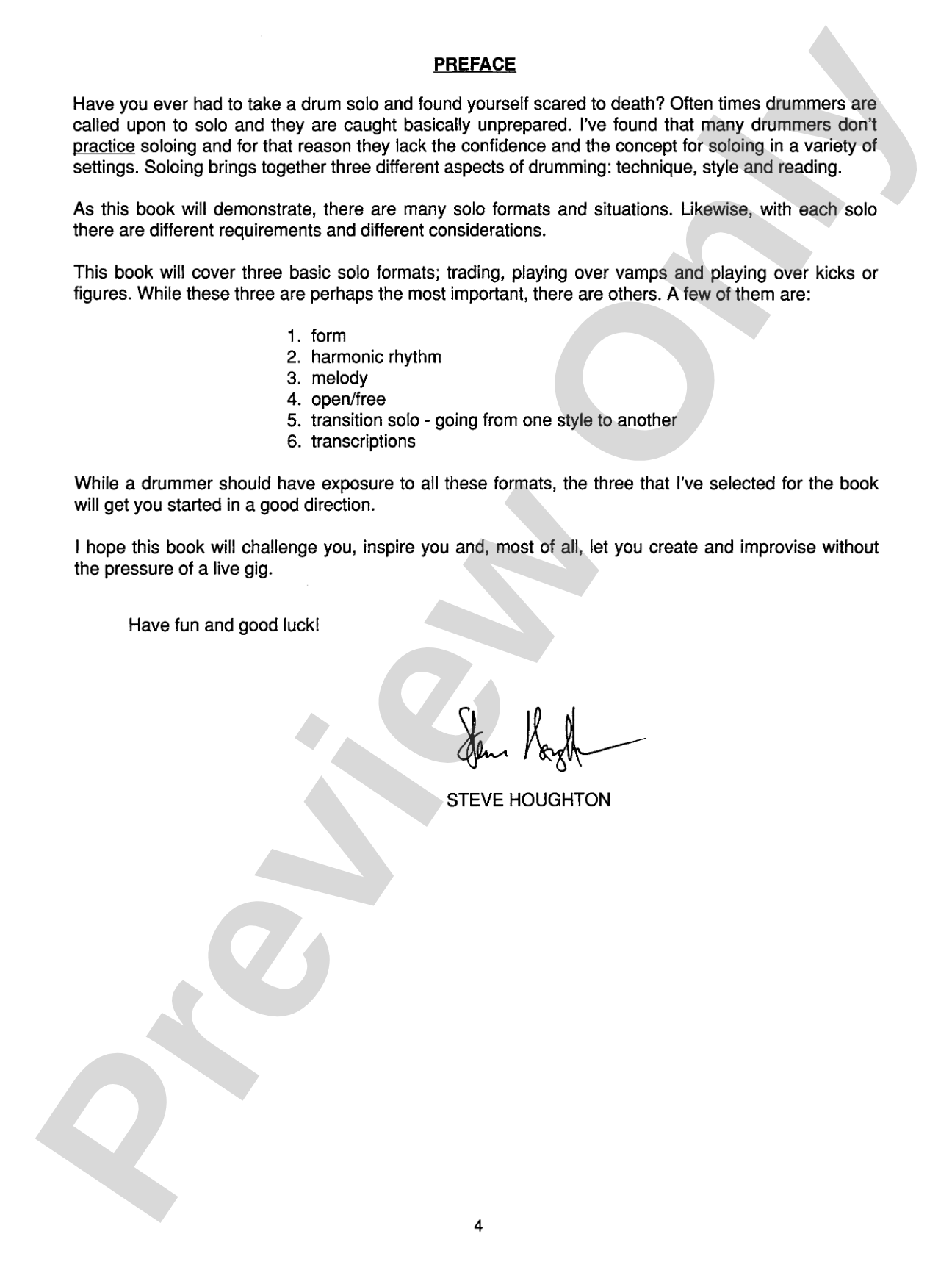
This book addresses what most drummers struggle with: moving confidently from reading exercises to executing a solo in real time. Houghton's decision to isolate three specific techniques (trading, playing over vamps, and playing over rhythmic figures) gives students concrete tools rather than vague instruction, and the recorded accompaniments transform what could be dry technical work into actual musical problem-solving.
What to expect
Focused and purposeful. The material refuses to overwhelm with endless variations; instead, it builds confidence through repetition and incremental complexity. Playing along with the accompaniments feels like having a functioning rhythm section behind you, which transforms the emotional experience from practicing technique into something closer to actual performance.
Who it's for
Serious drumset students who have developed basic kit facility but lack experience soloing in structured musical settings. This book works equally well for high school students preparing for jazz band solos and college drummers building the vocabulary needed for professional situations.
How to get the most out of it
- Start with the vamp exercises before tackling the full solo contexts. These isolated passages teach your body how to maintain musical independence from the accompaniment without the cognitive load of managing a complete form.
- Use the recorded accompaniments at slower tempos first, even if the marked tempo feels achievable. Trading figures demand precision in your listening and responding, and you need time to develop that without rushing.
- Approach the kick figure sections by locking in with the bass drum pattern for two or four bars before attempting to play freely over it. This anchors your sense of harmonic time before you layer complexity on top.
- Record yourself playing along with the accompaniments. Hearing the playback reveals rhythmic issues and phrasing choices that feel fine in the moment but need adjustment.
How to use it
Assign sections of this book alongside jazz band repertoire to give soloists concrete preparation for the songs they will actually play in concert. The vamp and kick figure work translates directly to real solo sections in standard jazz charts, making the study immediately relevant rather than abstract.
Skills your students will build
- Trading phrases (call-and-response) at tempo
- Soloing over static harmonic vamps
- Playing melodic and rhythmic figures against a consistent bass drum pattern
- Listening and responding to accompaniment cues
- Building solo vocabulary across multiple style contexts
- Developing rhythmic independence between hands and feet