
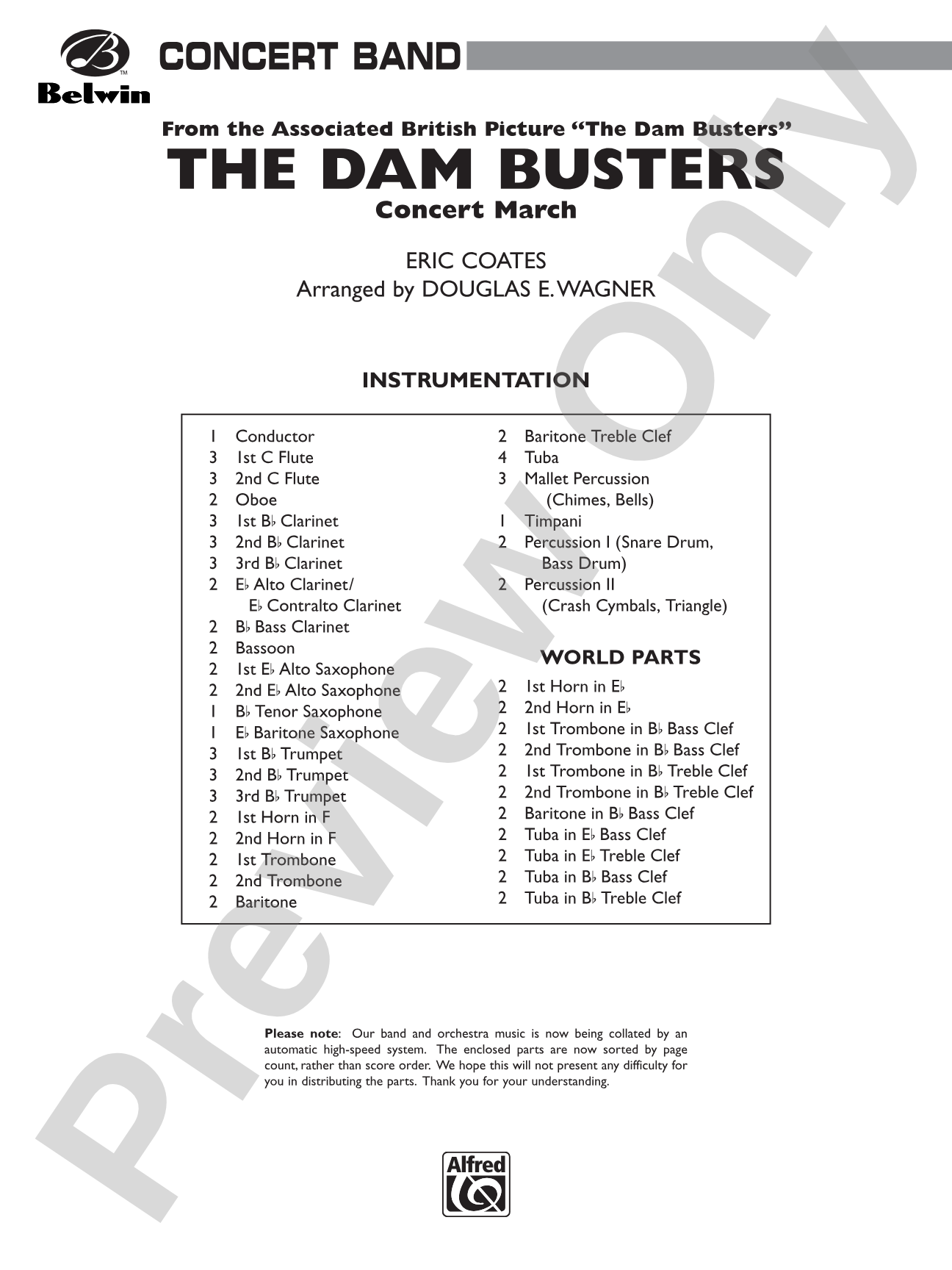

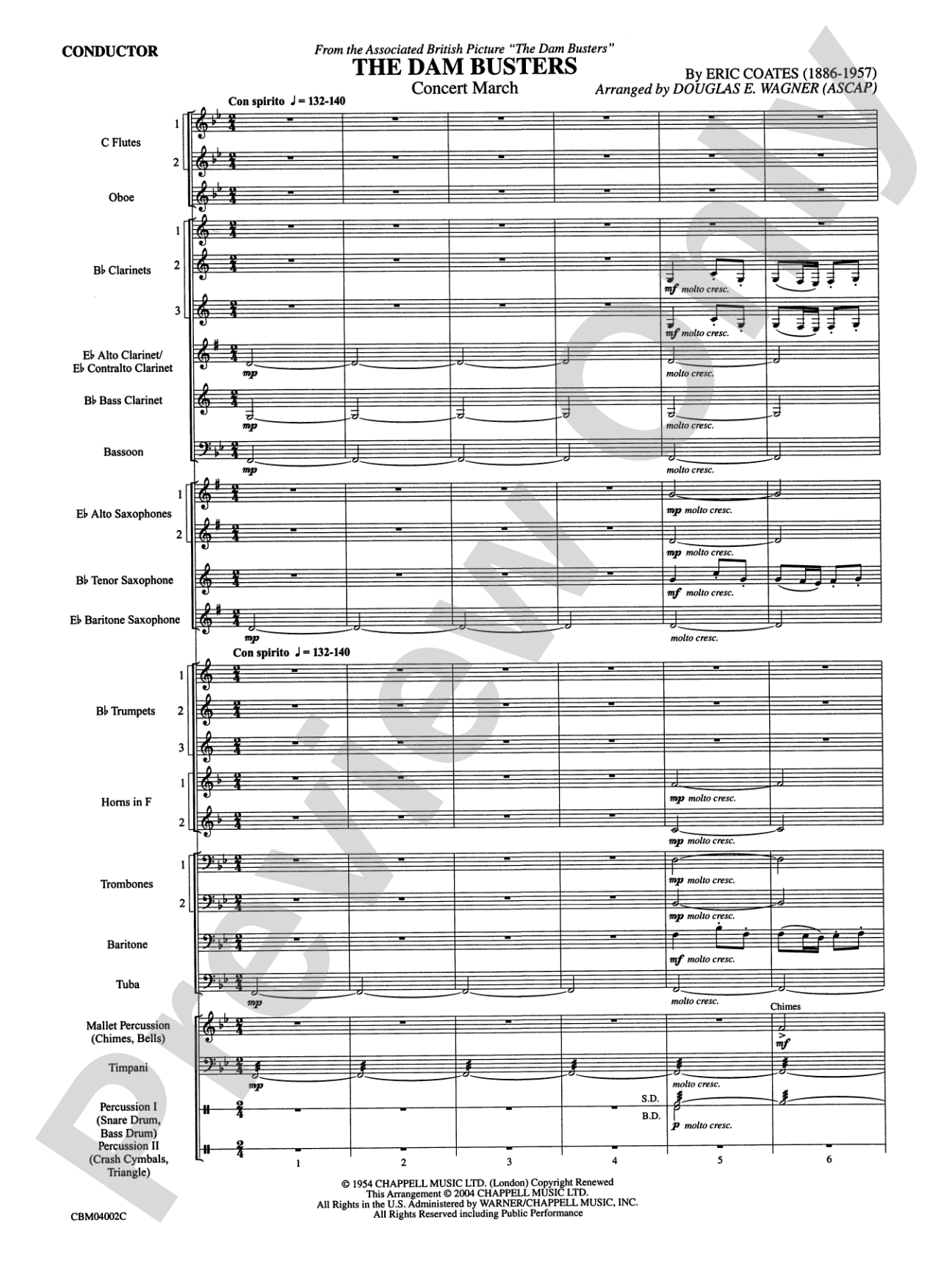
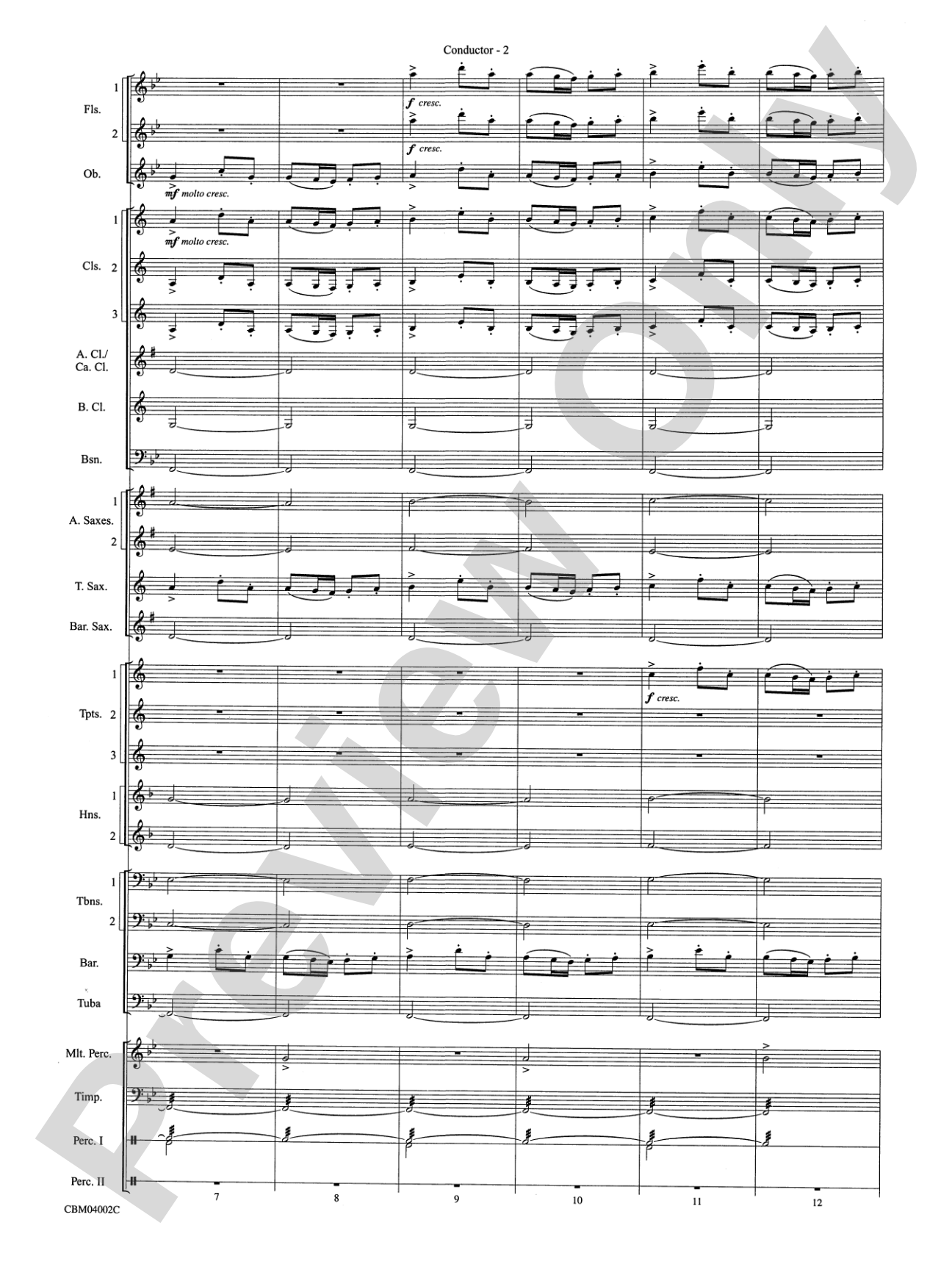
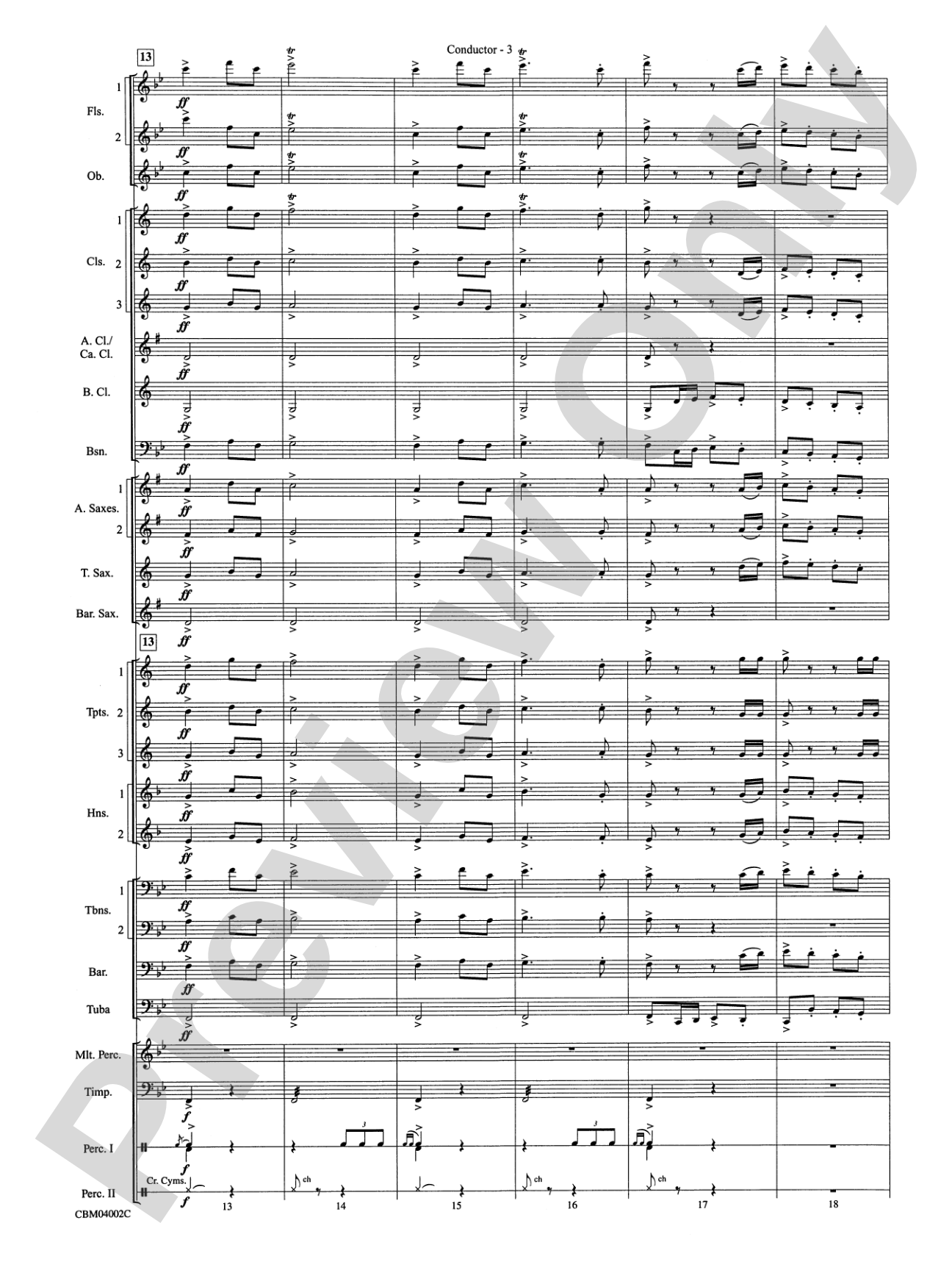
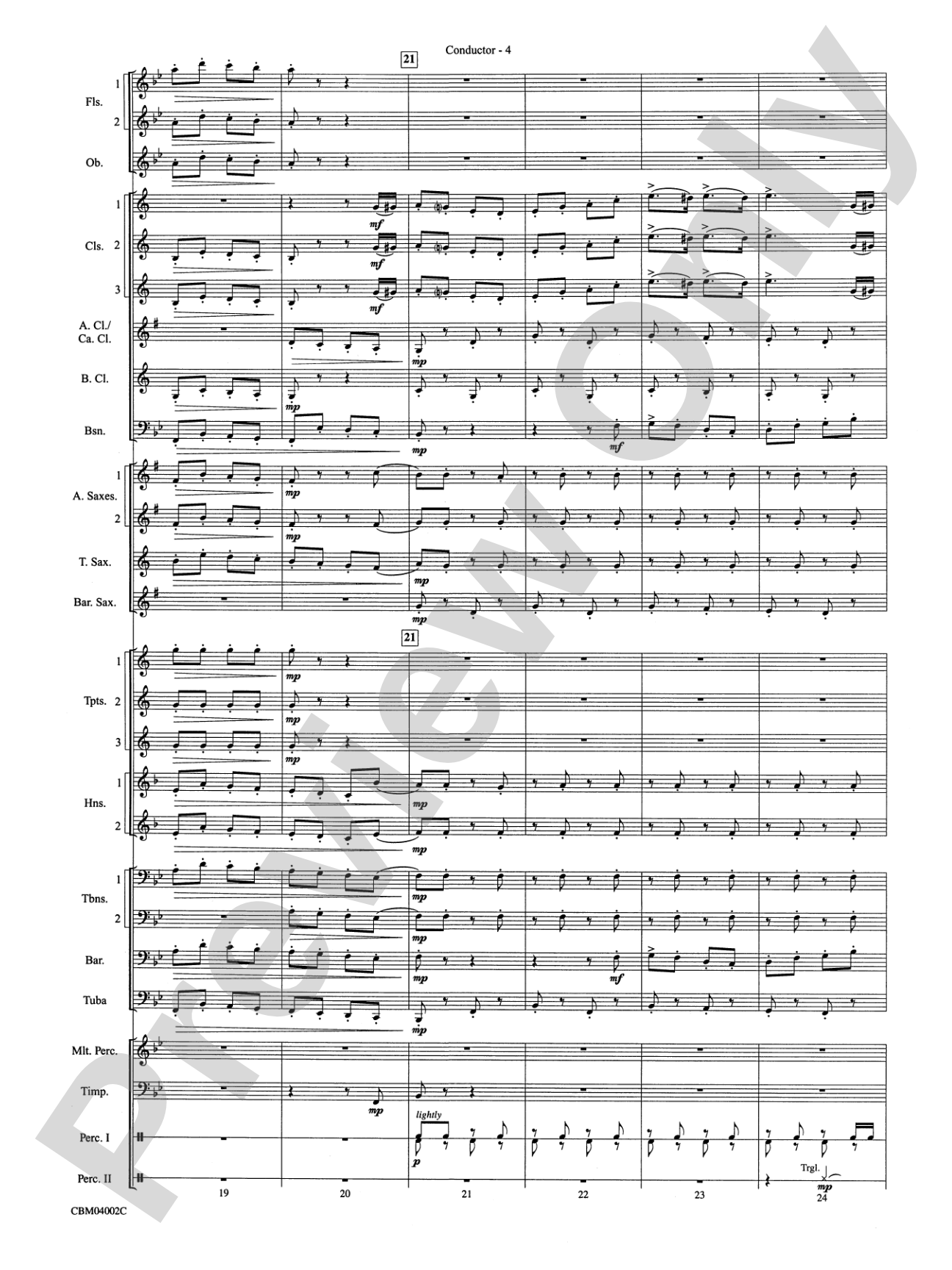
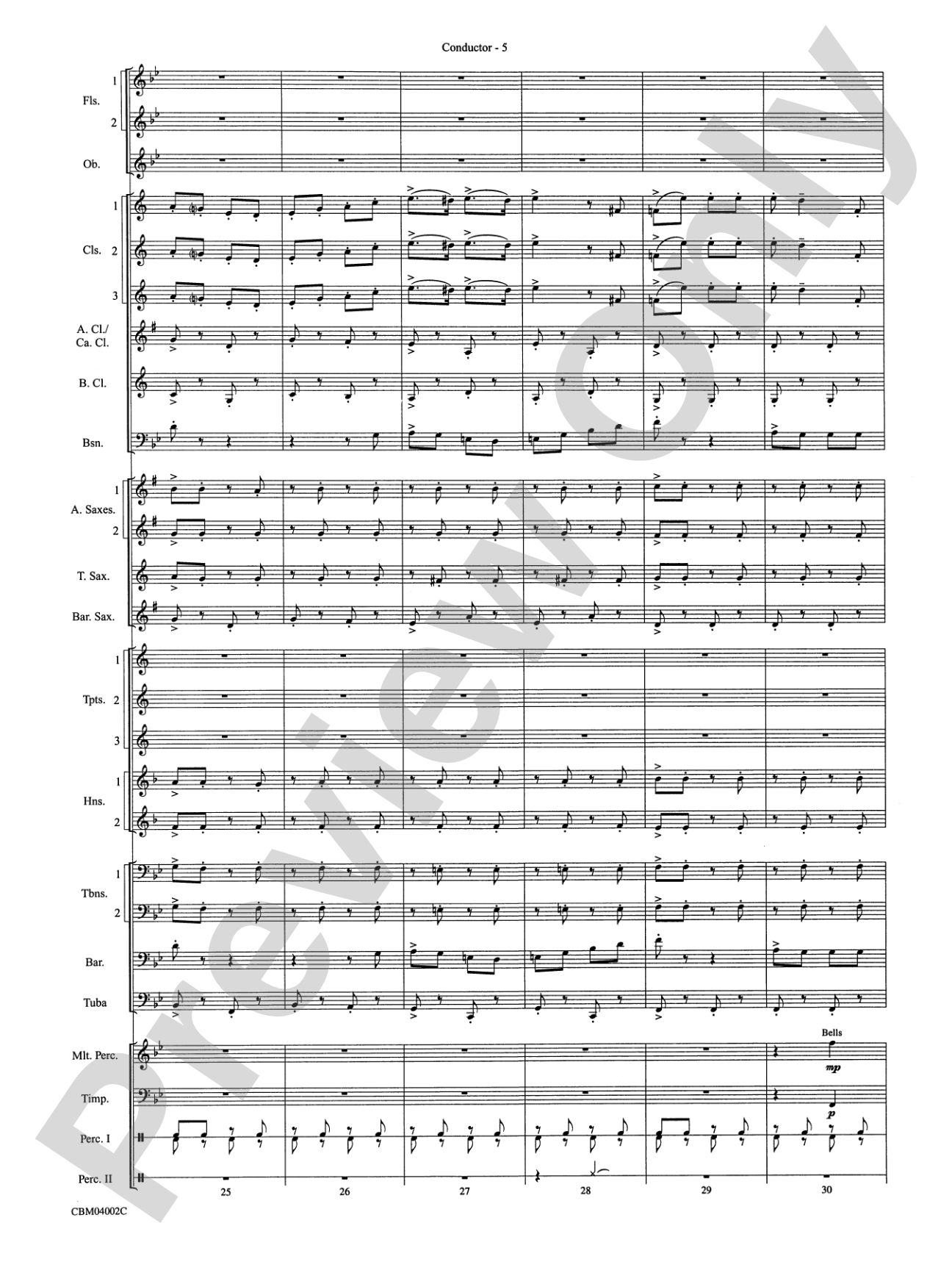
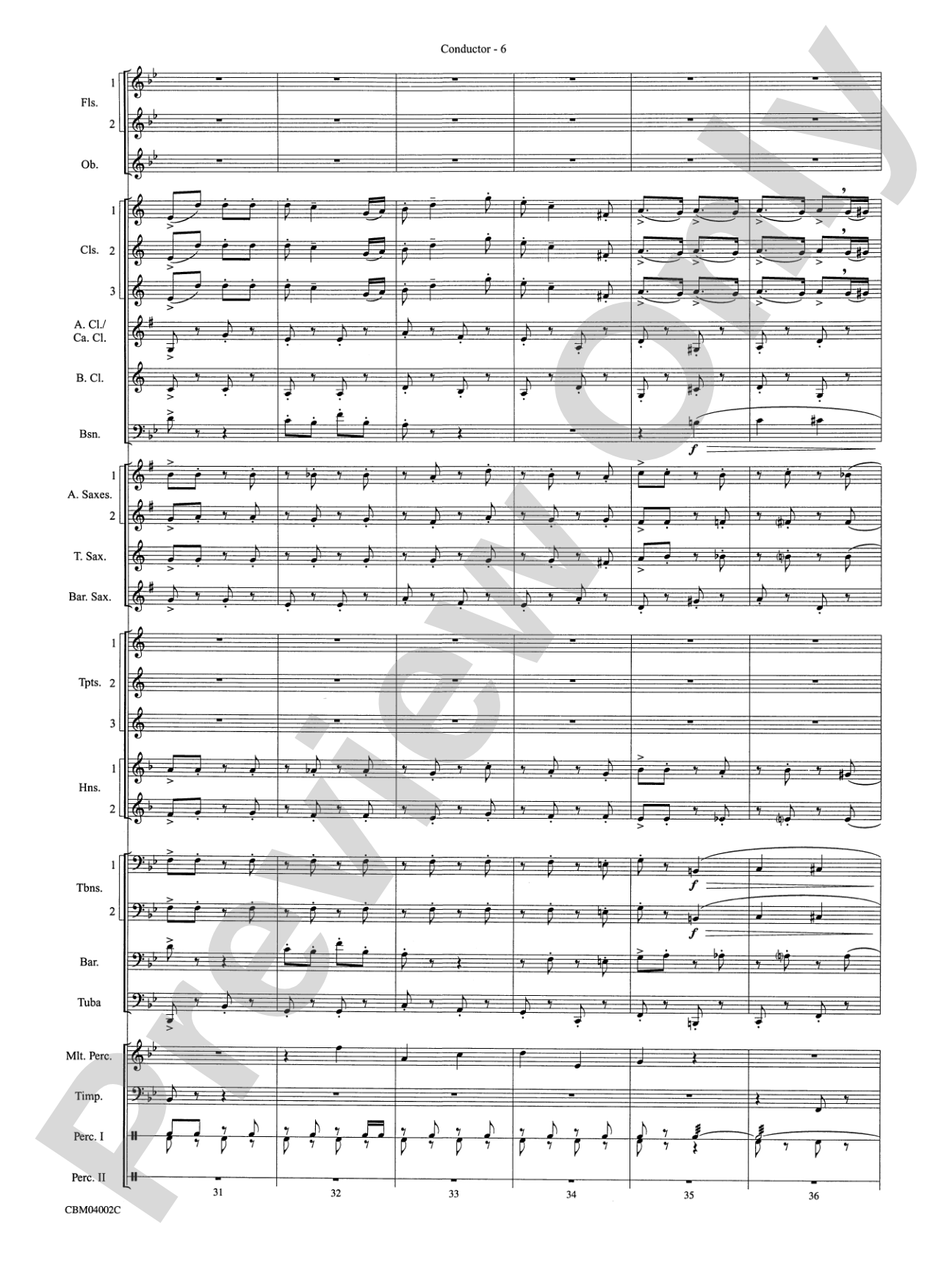
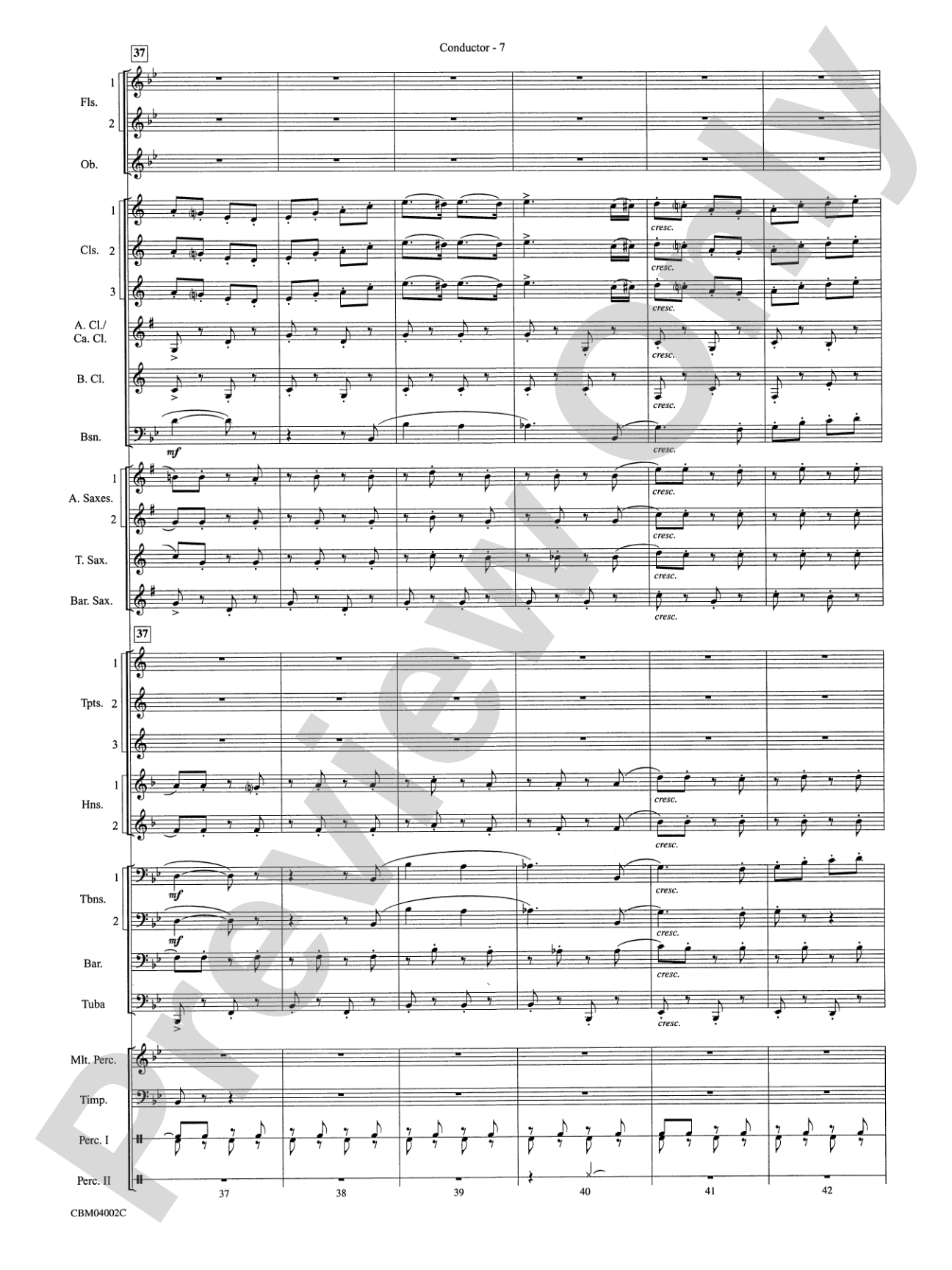
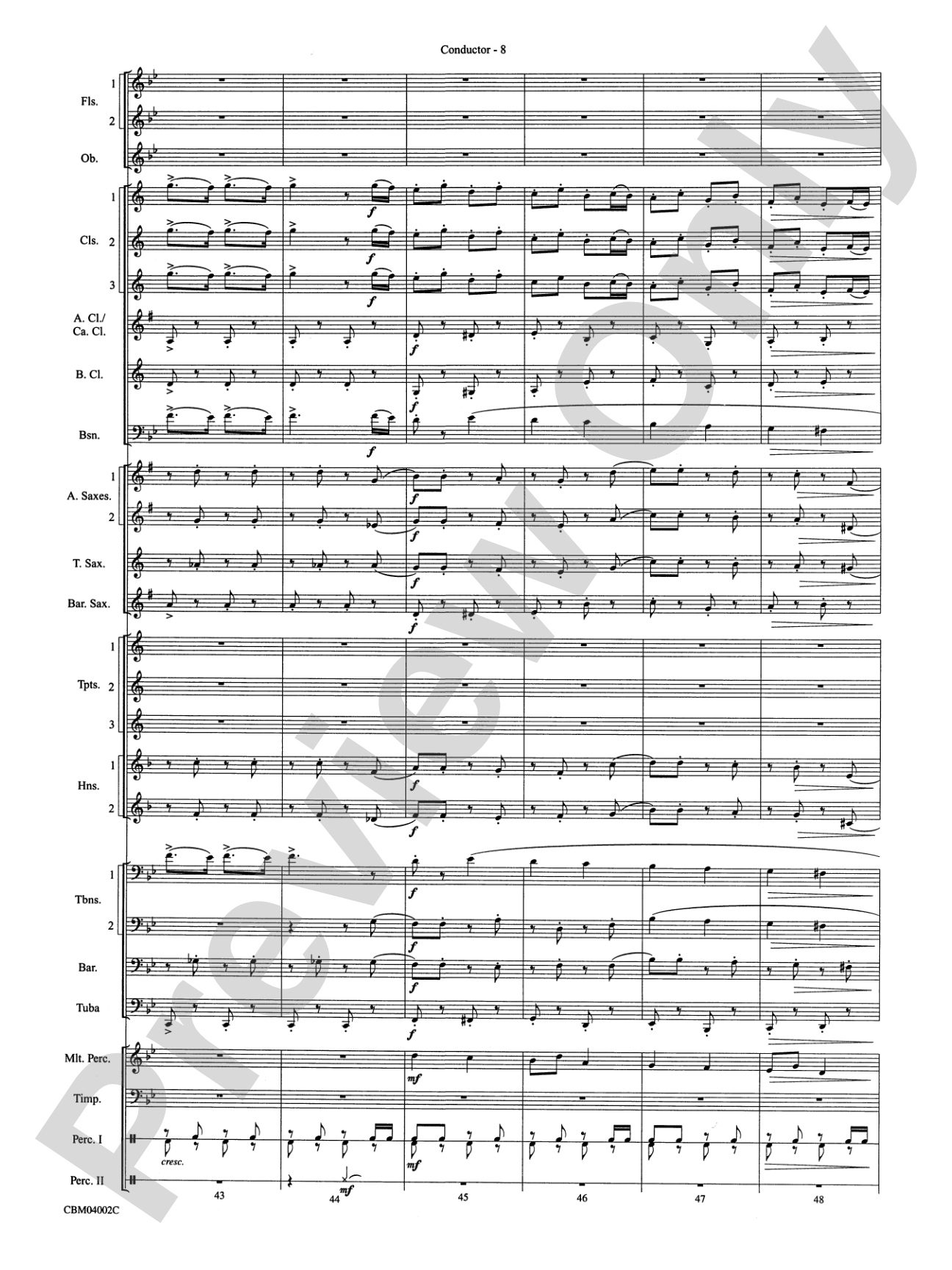
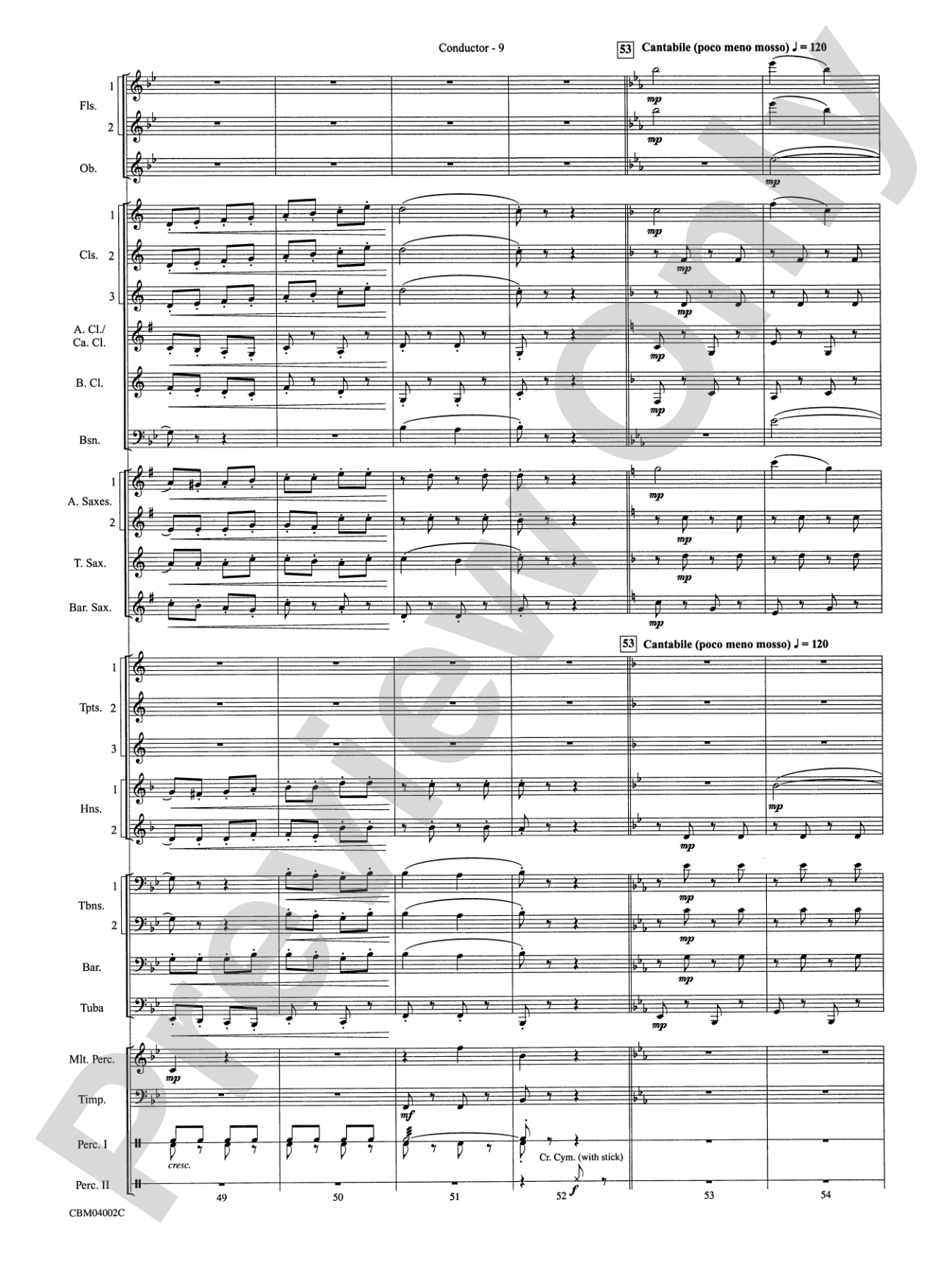
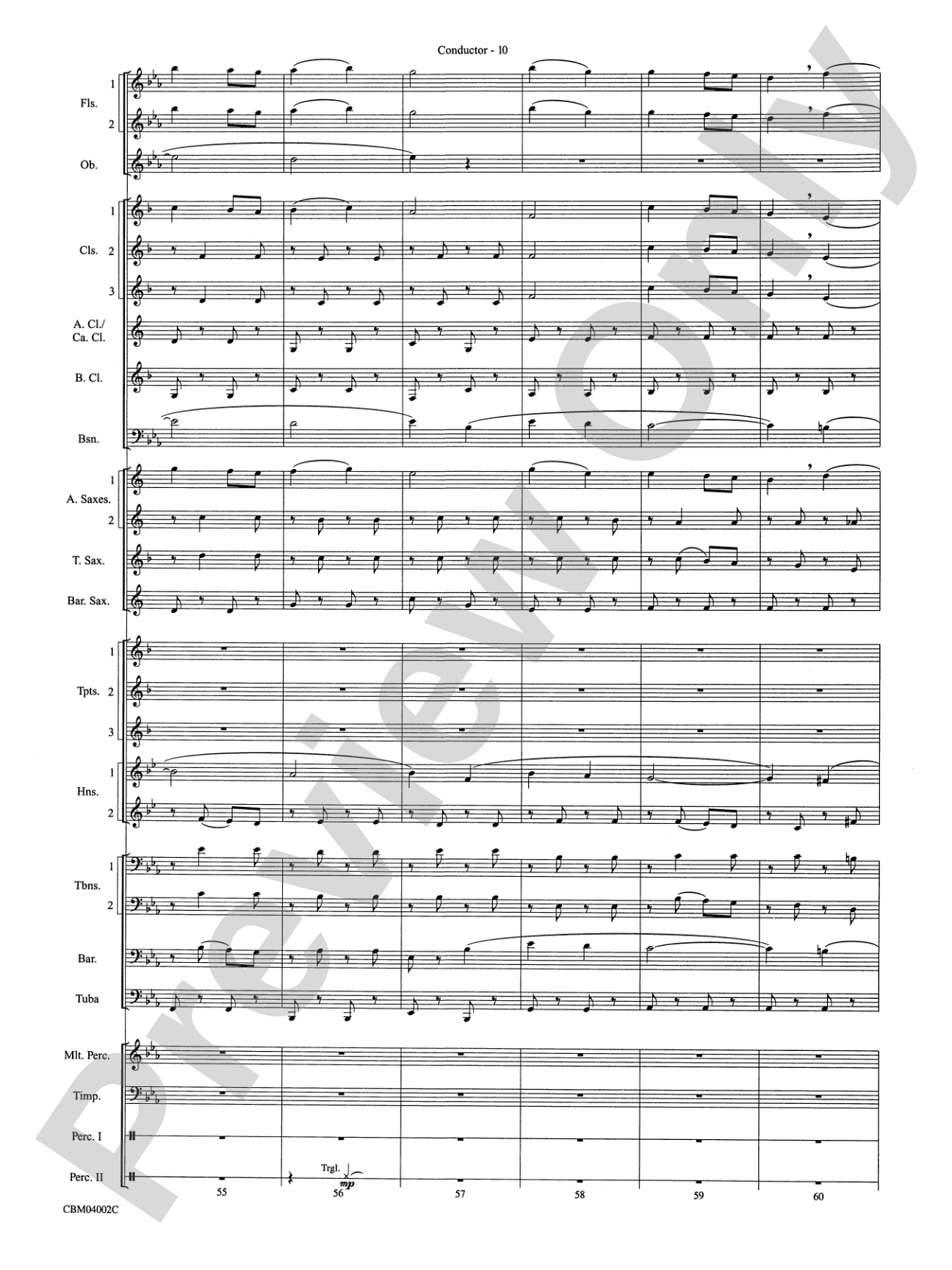
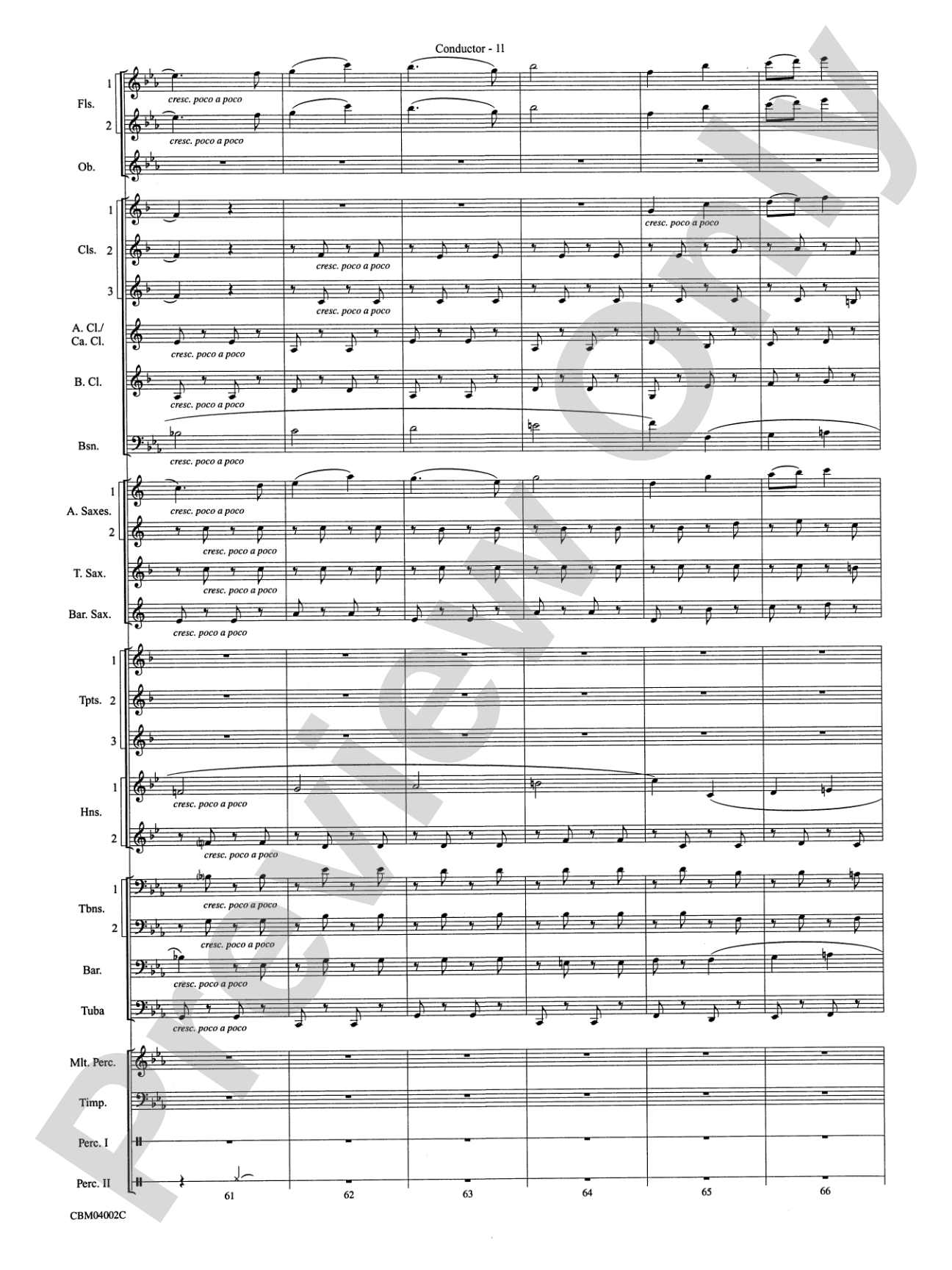
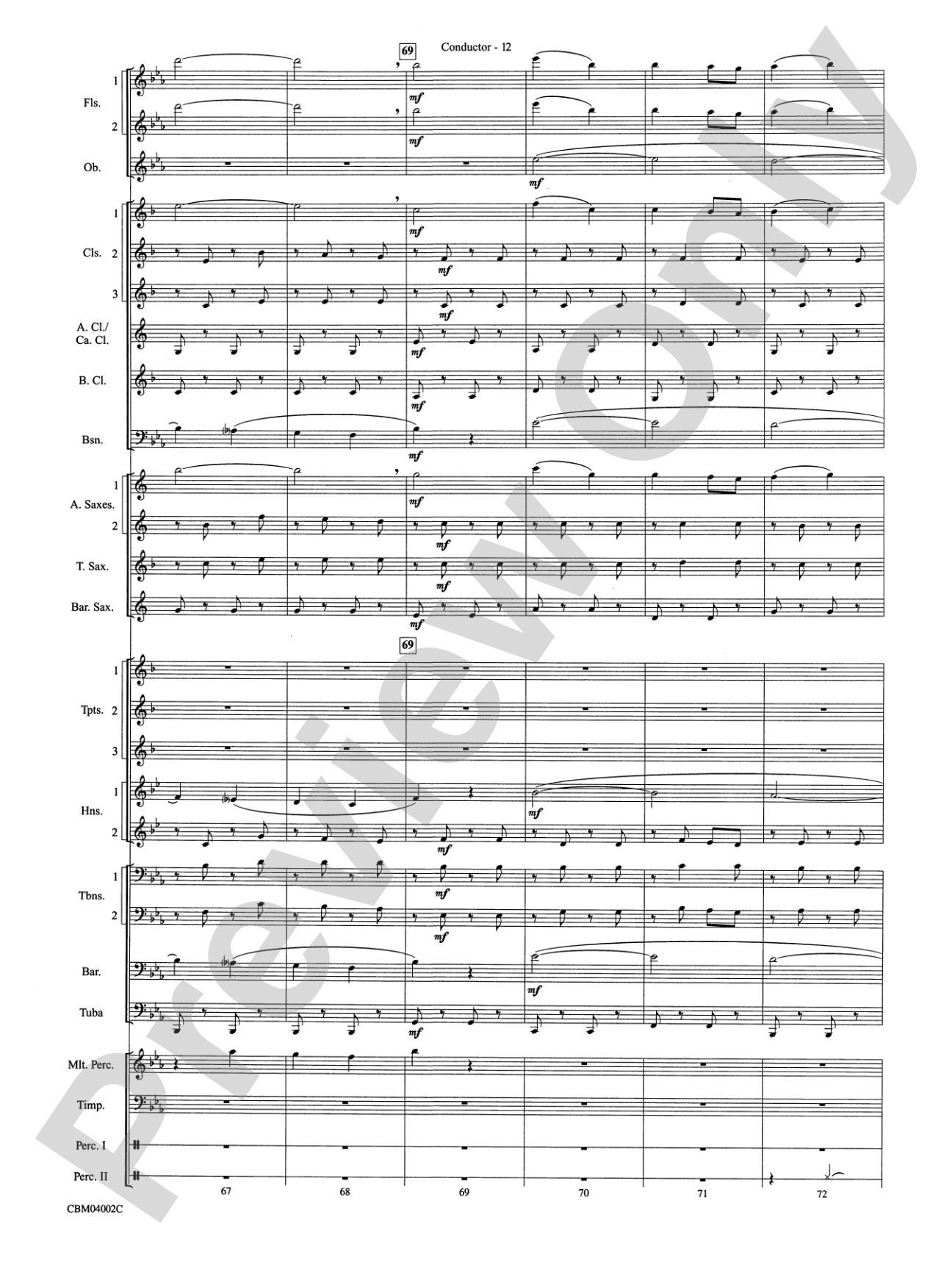
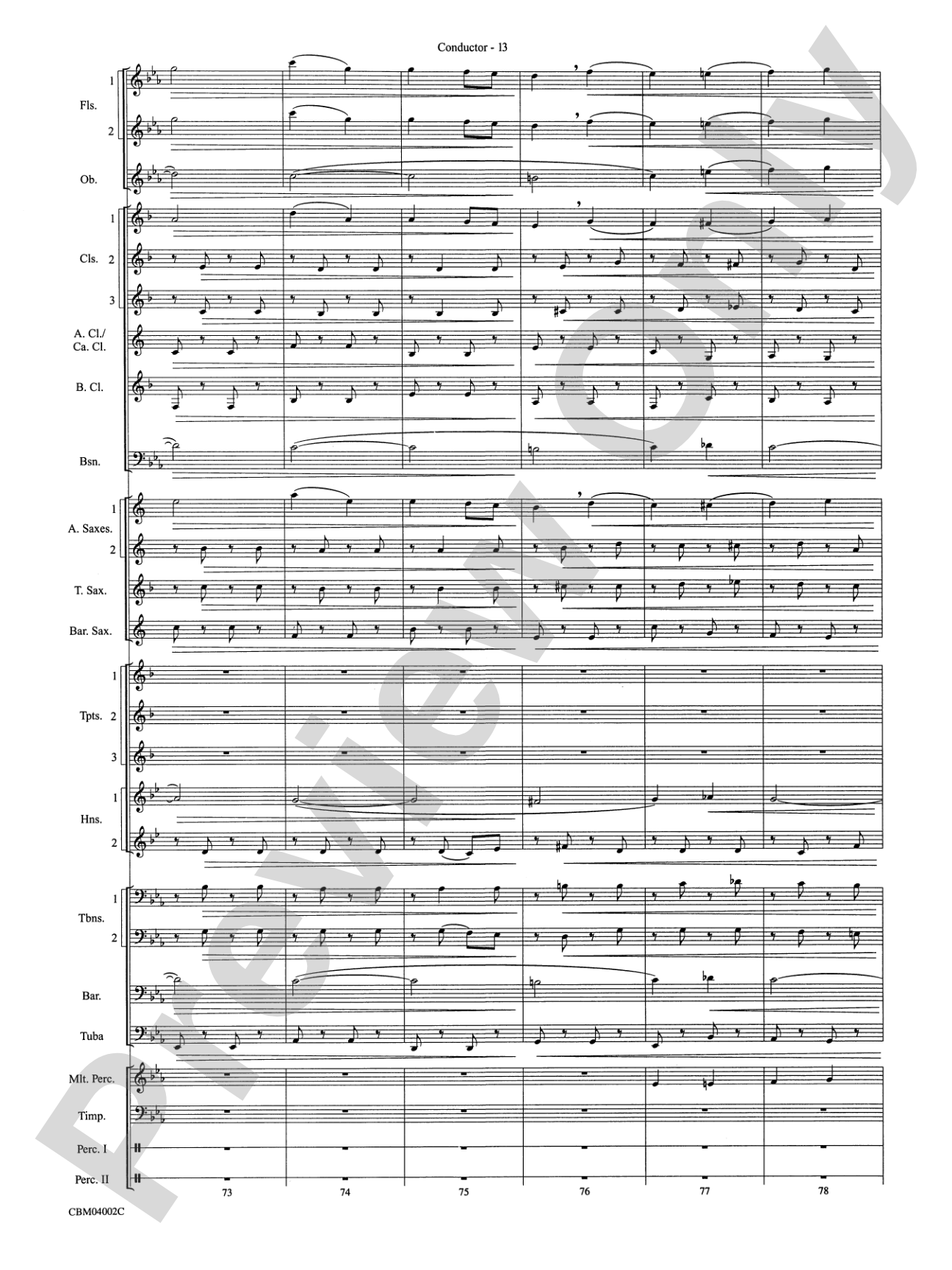
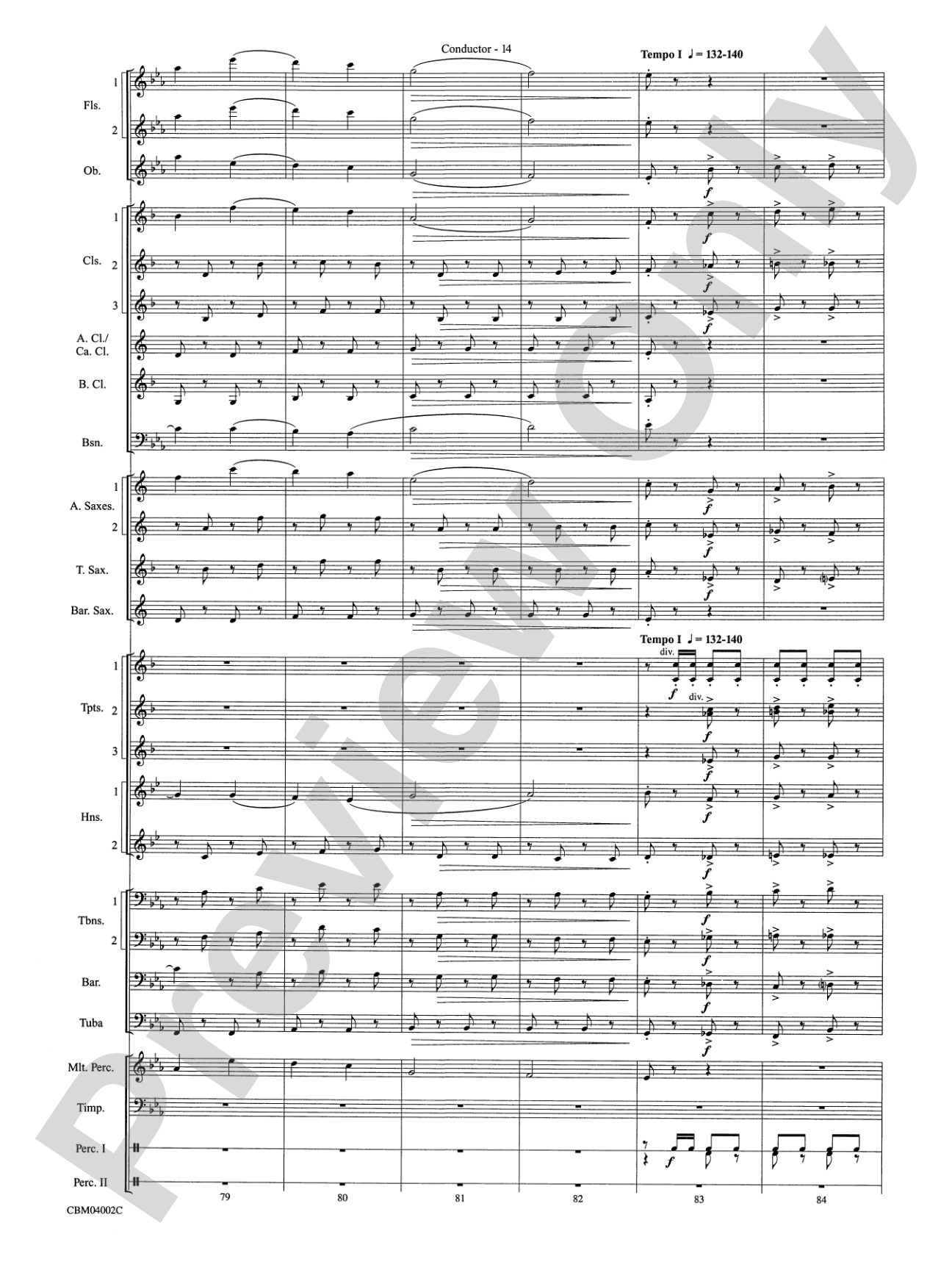
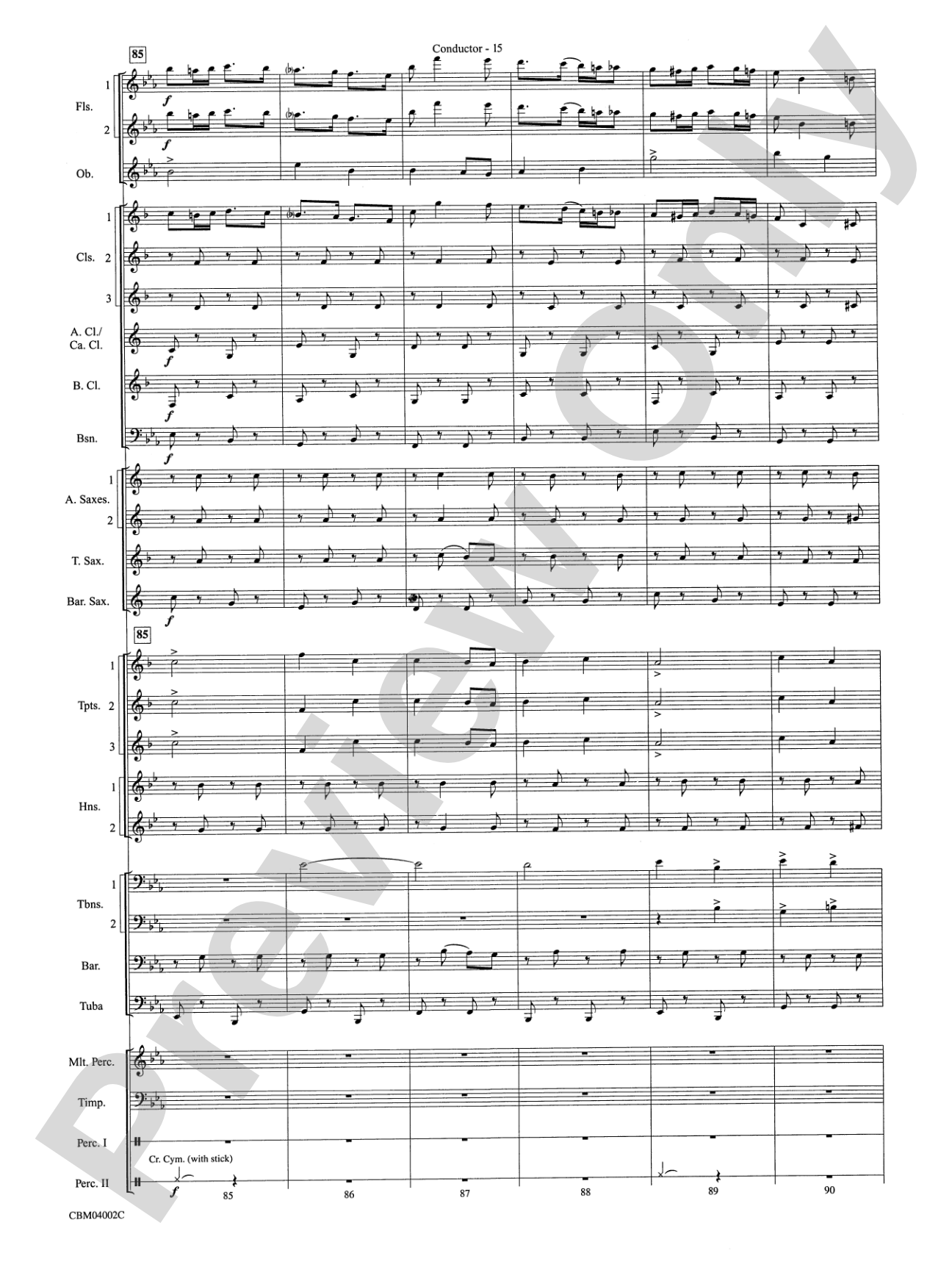
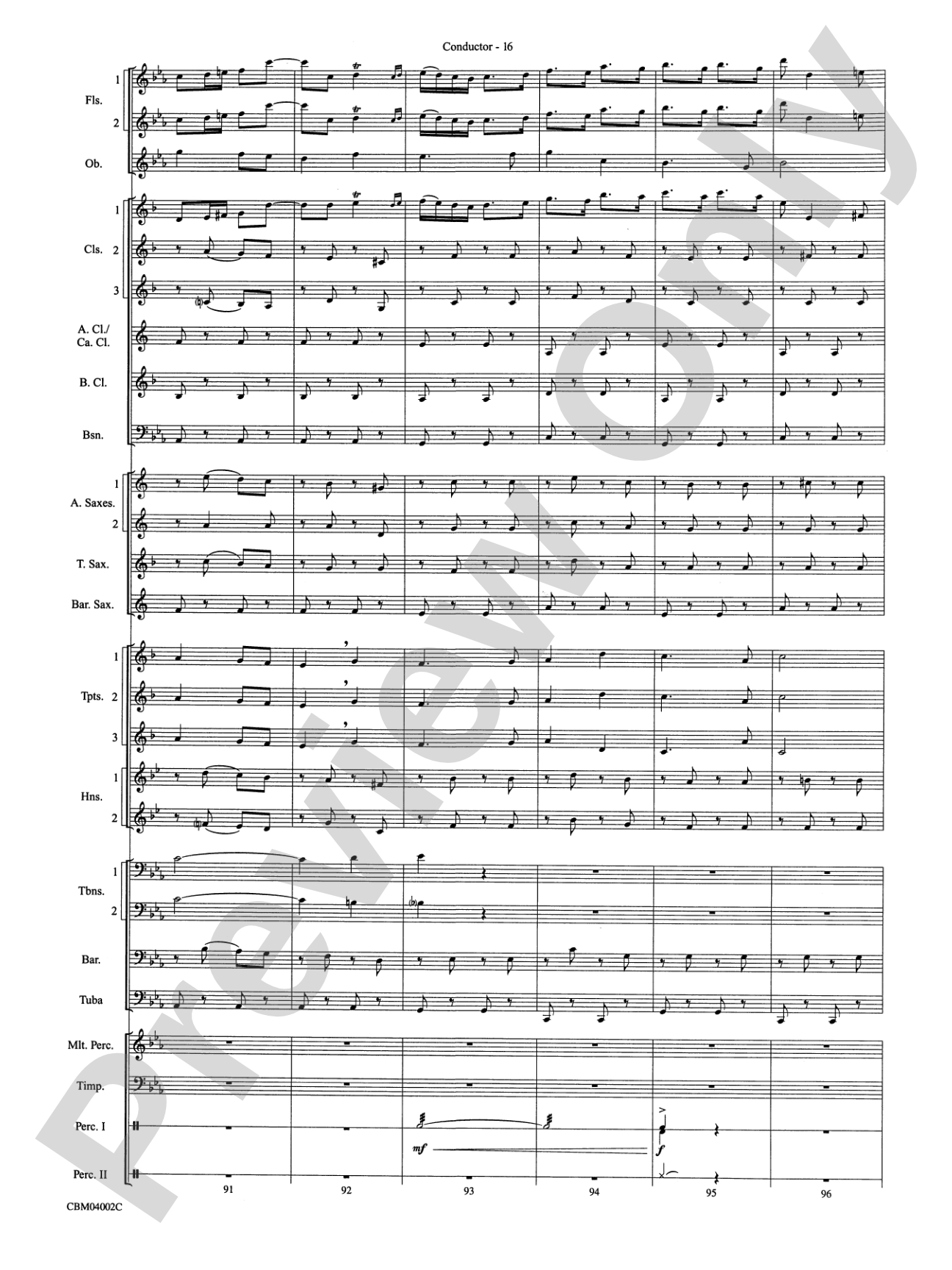
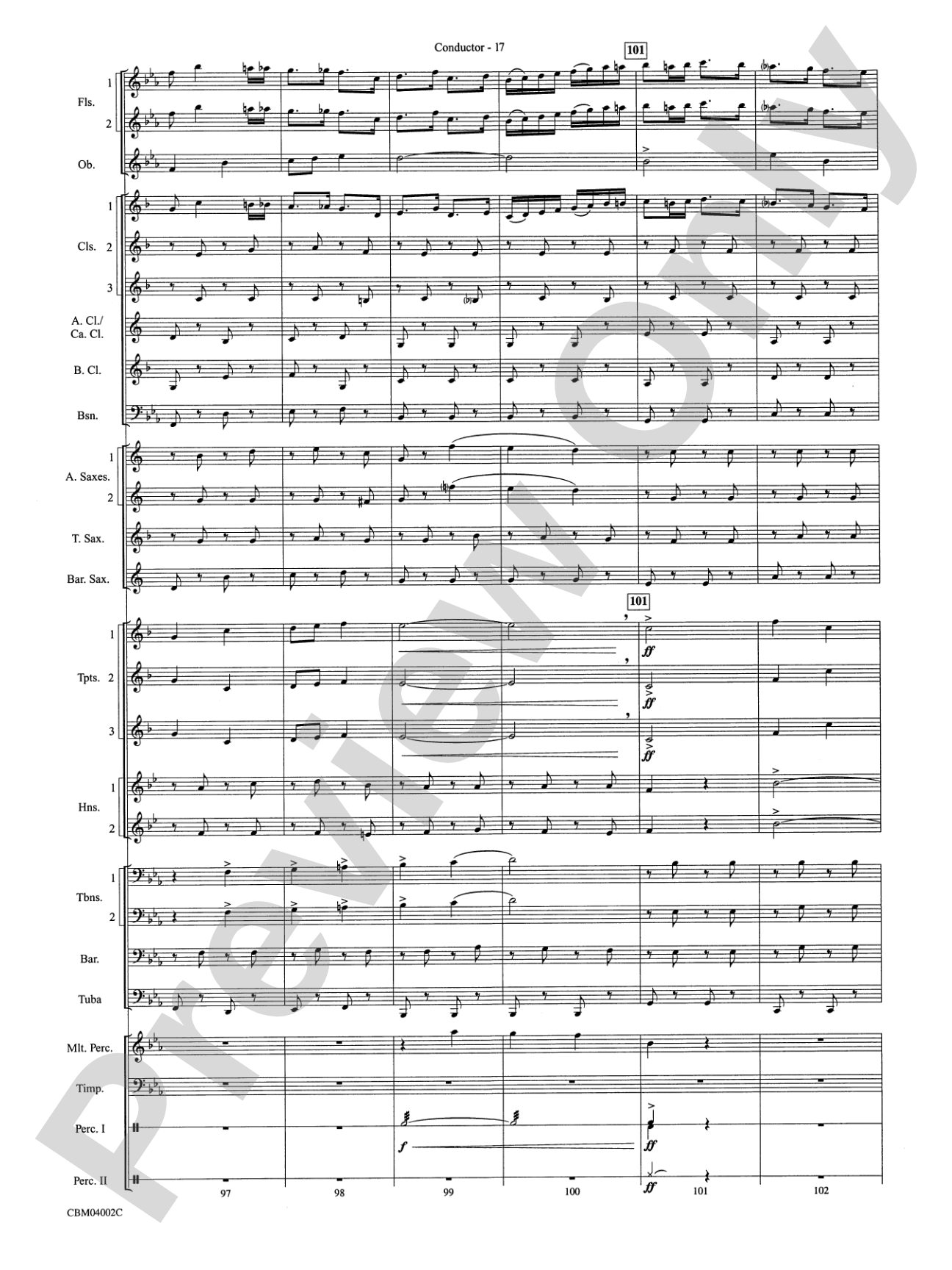
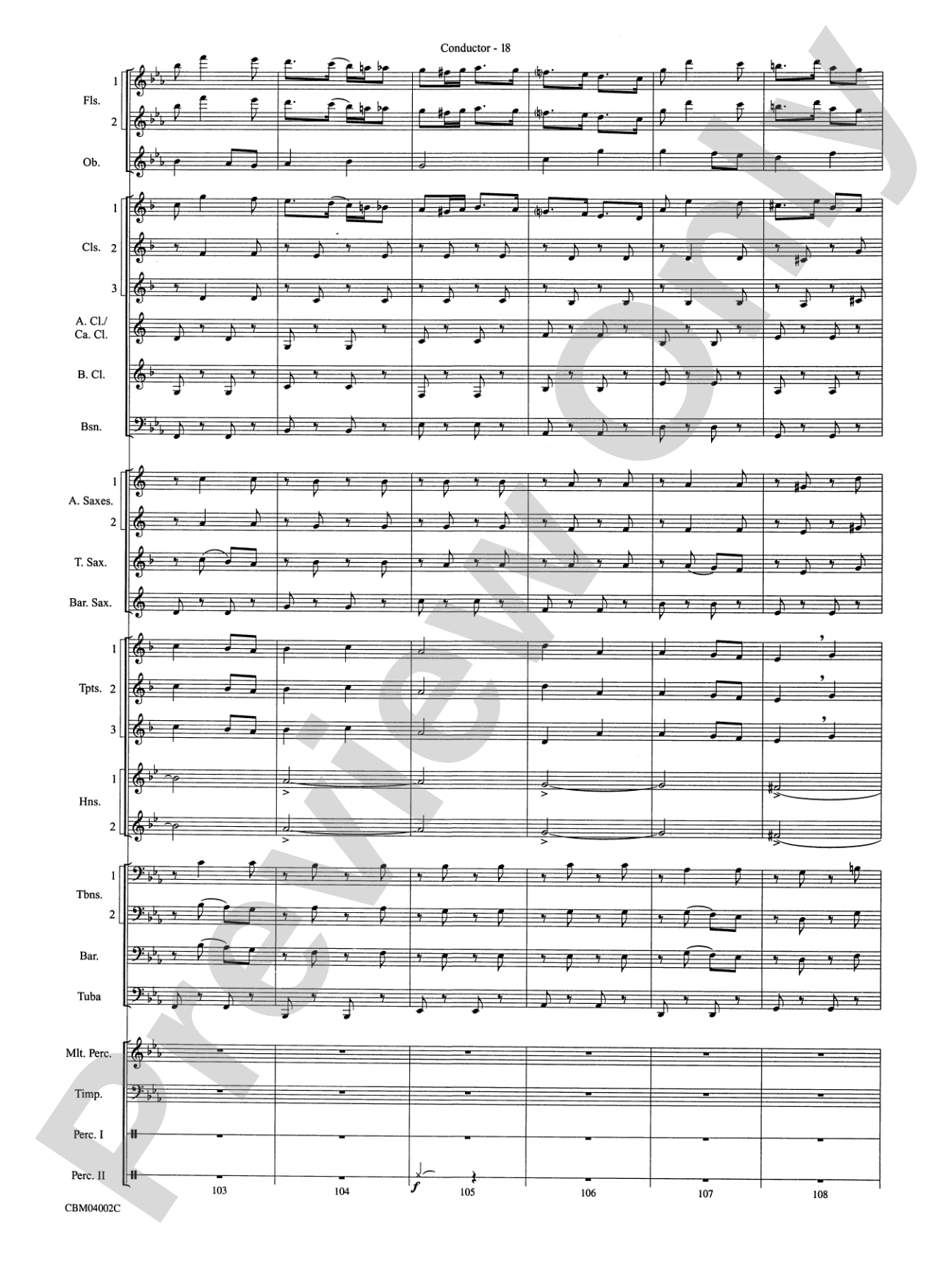
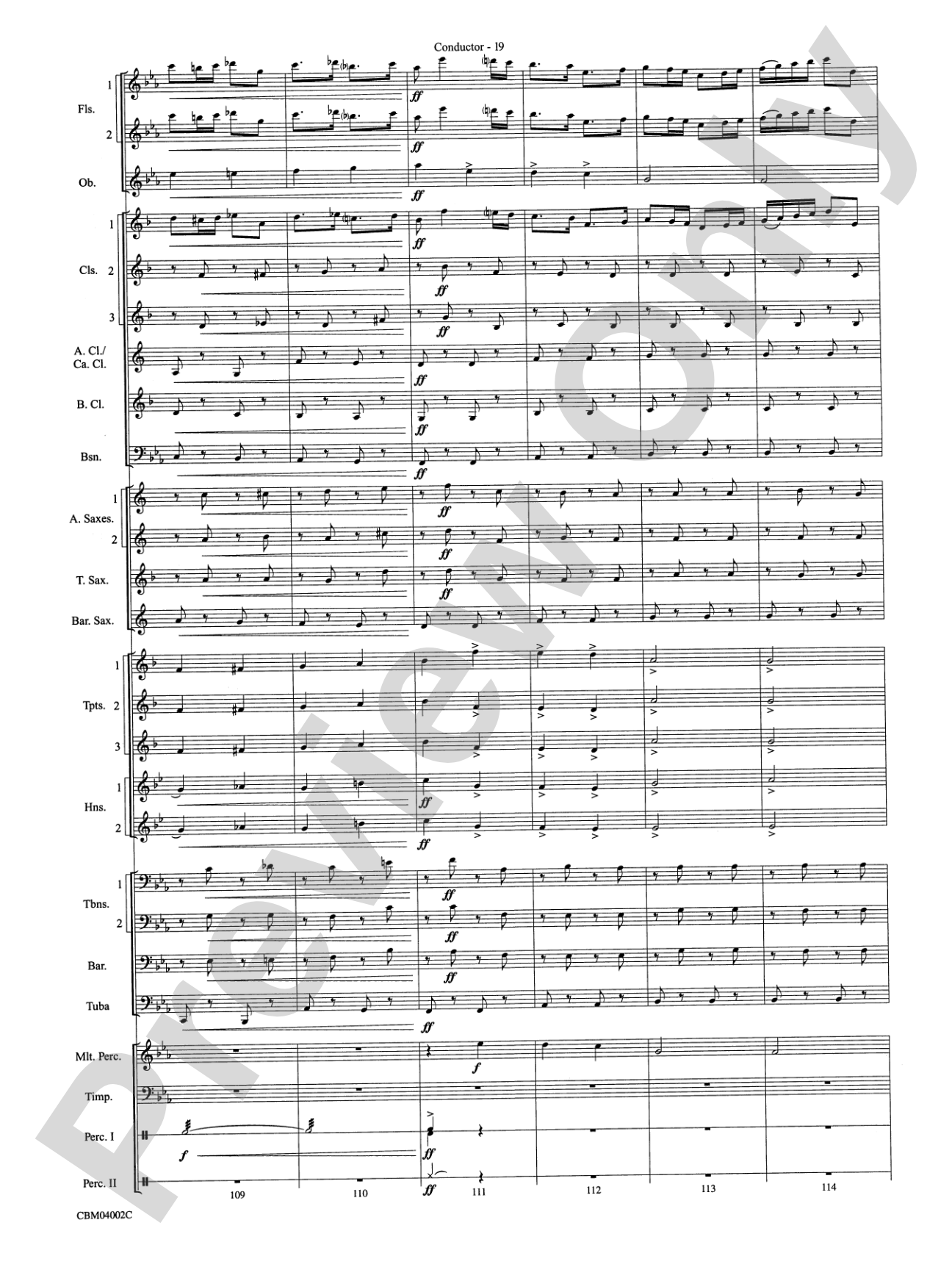
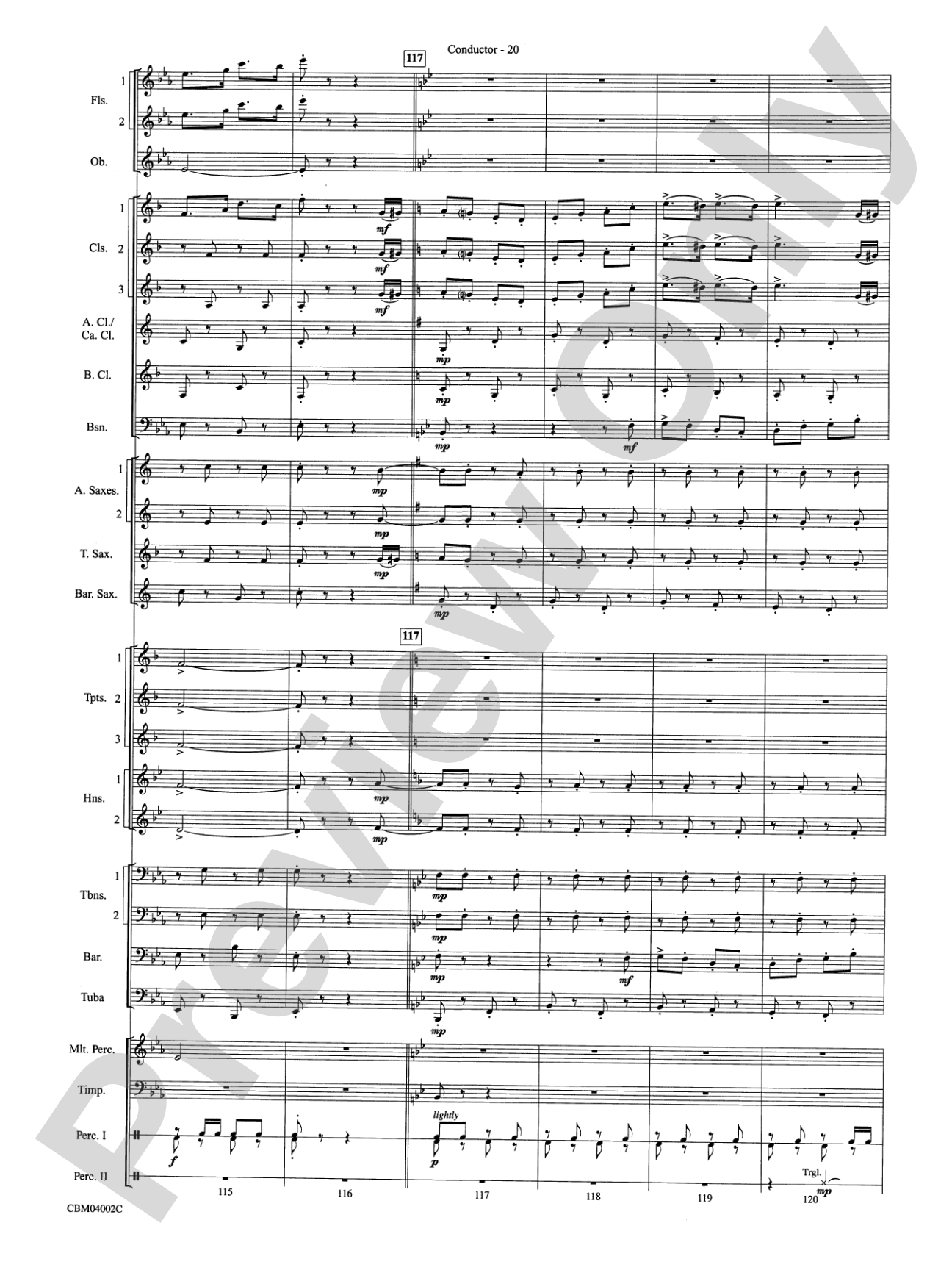
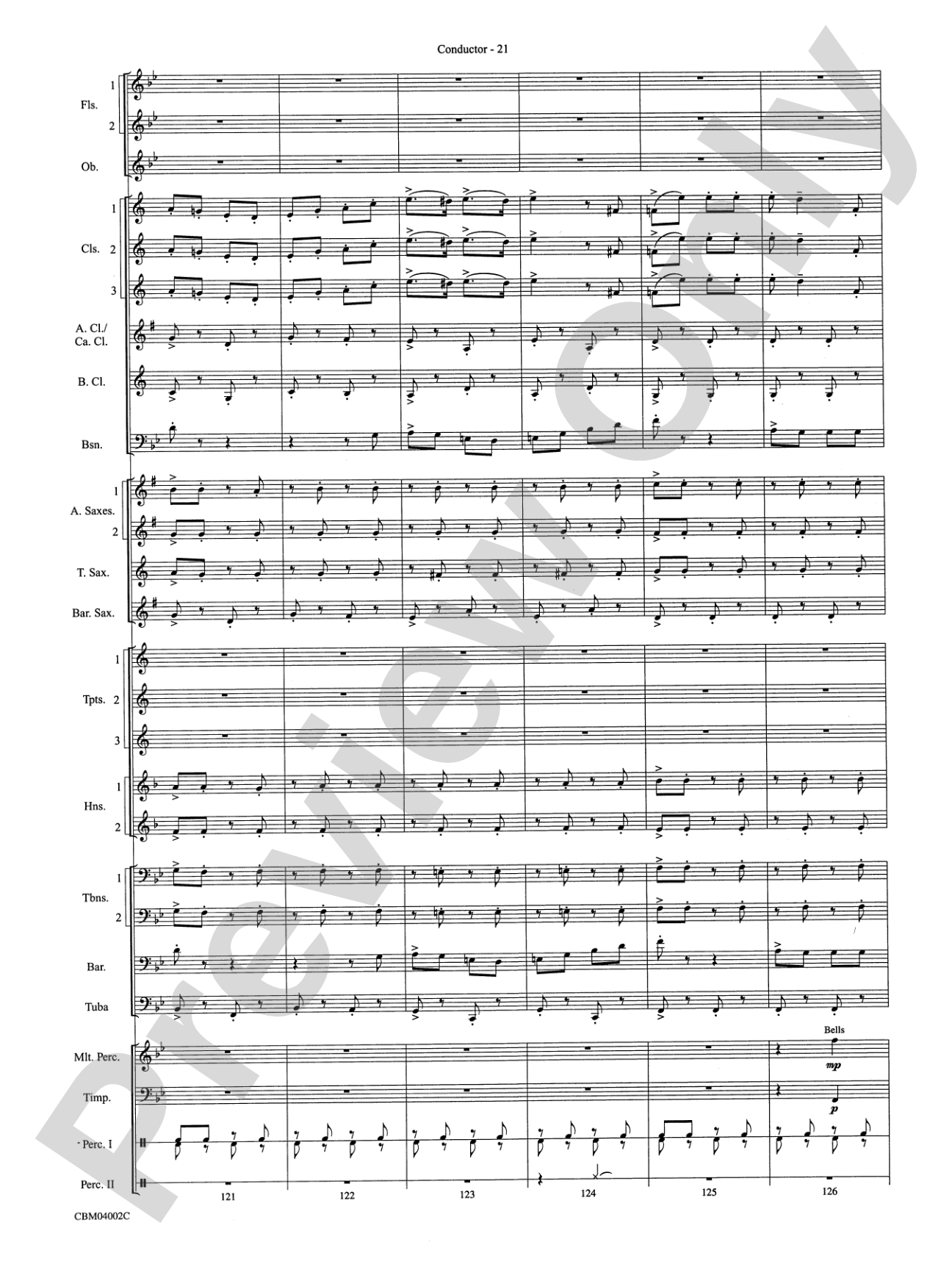
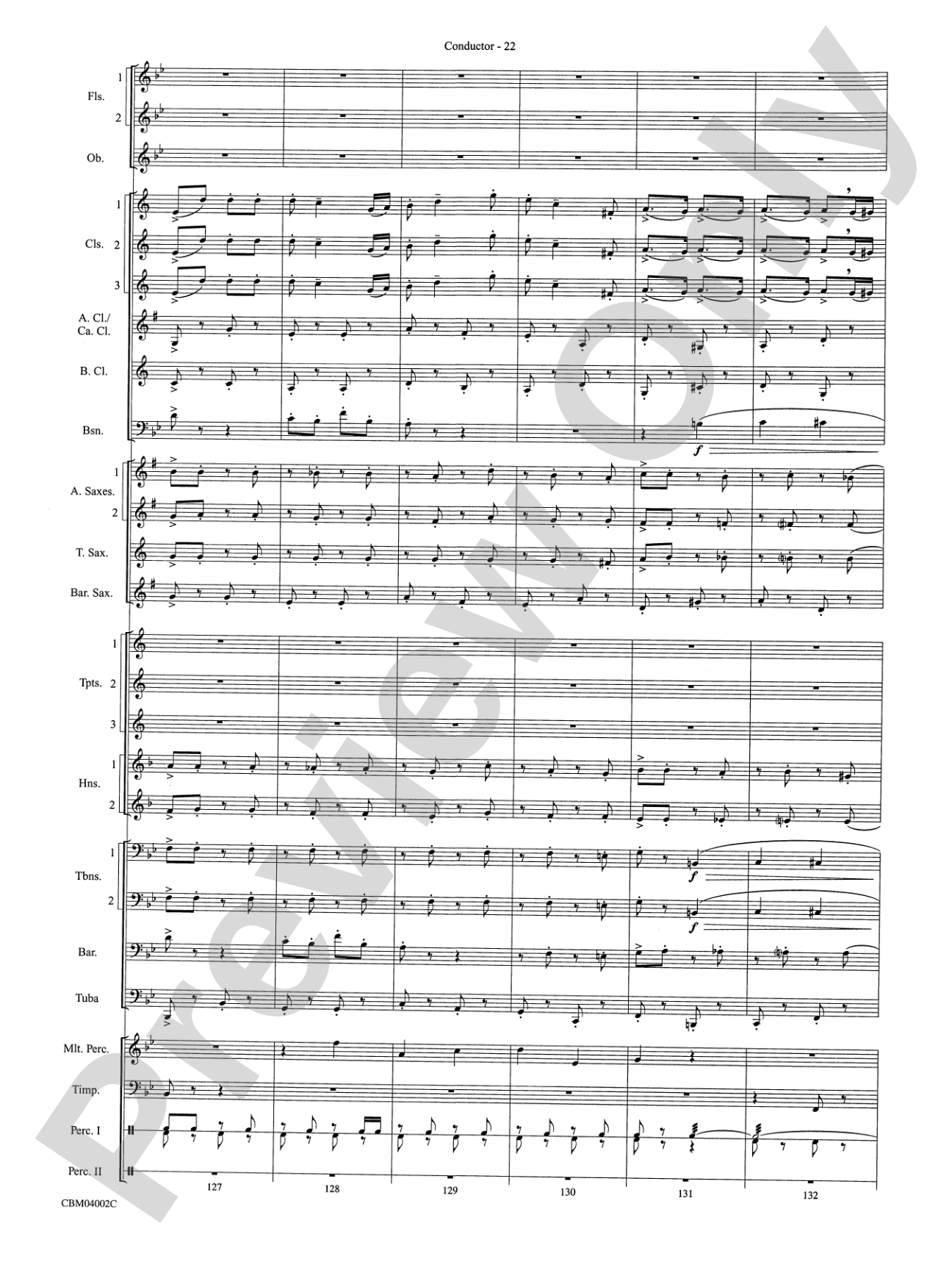
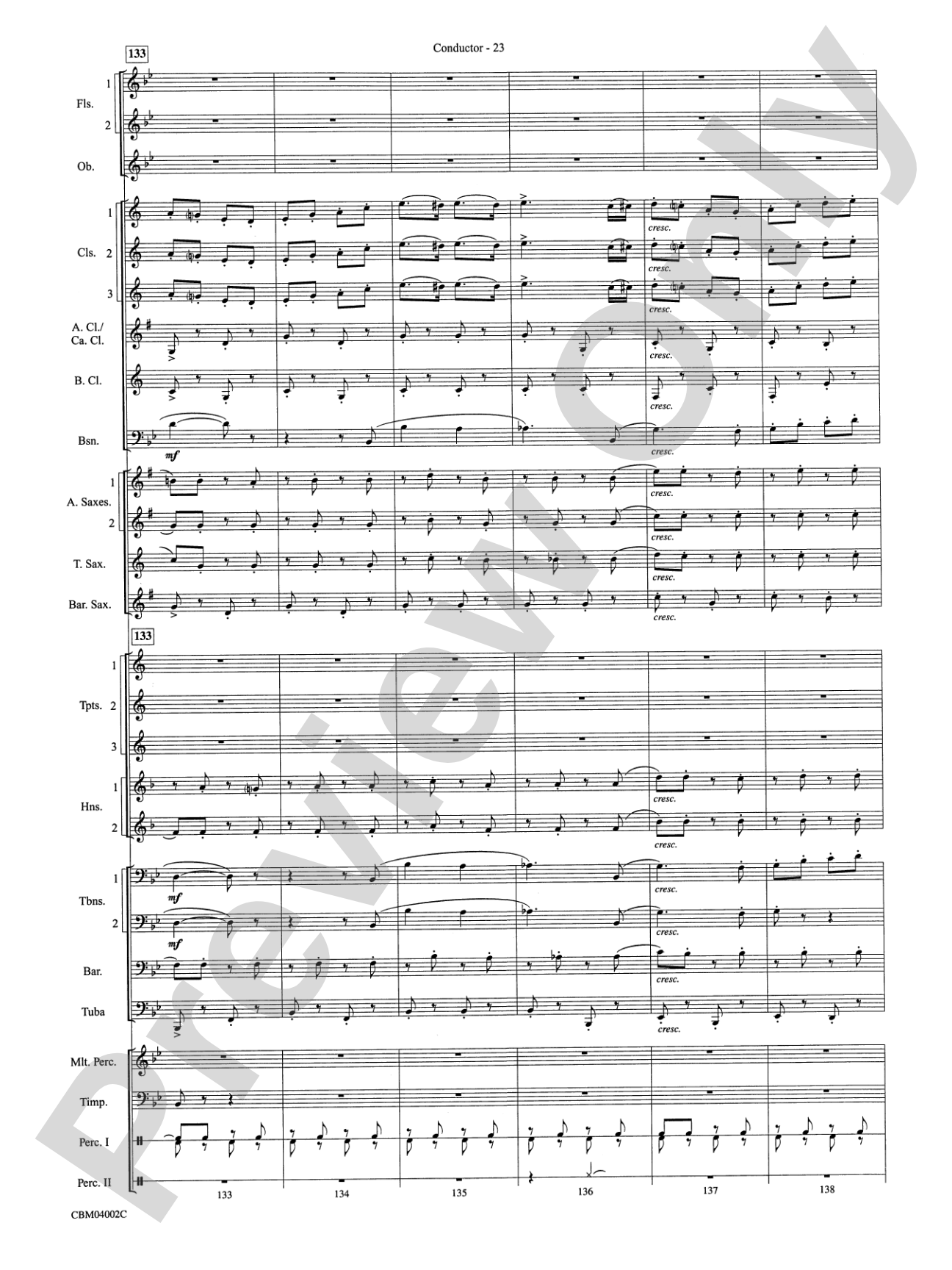
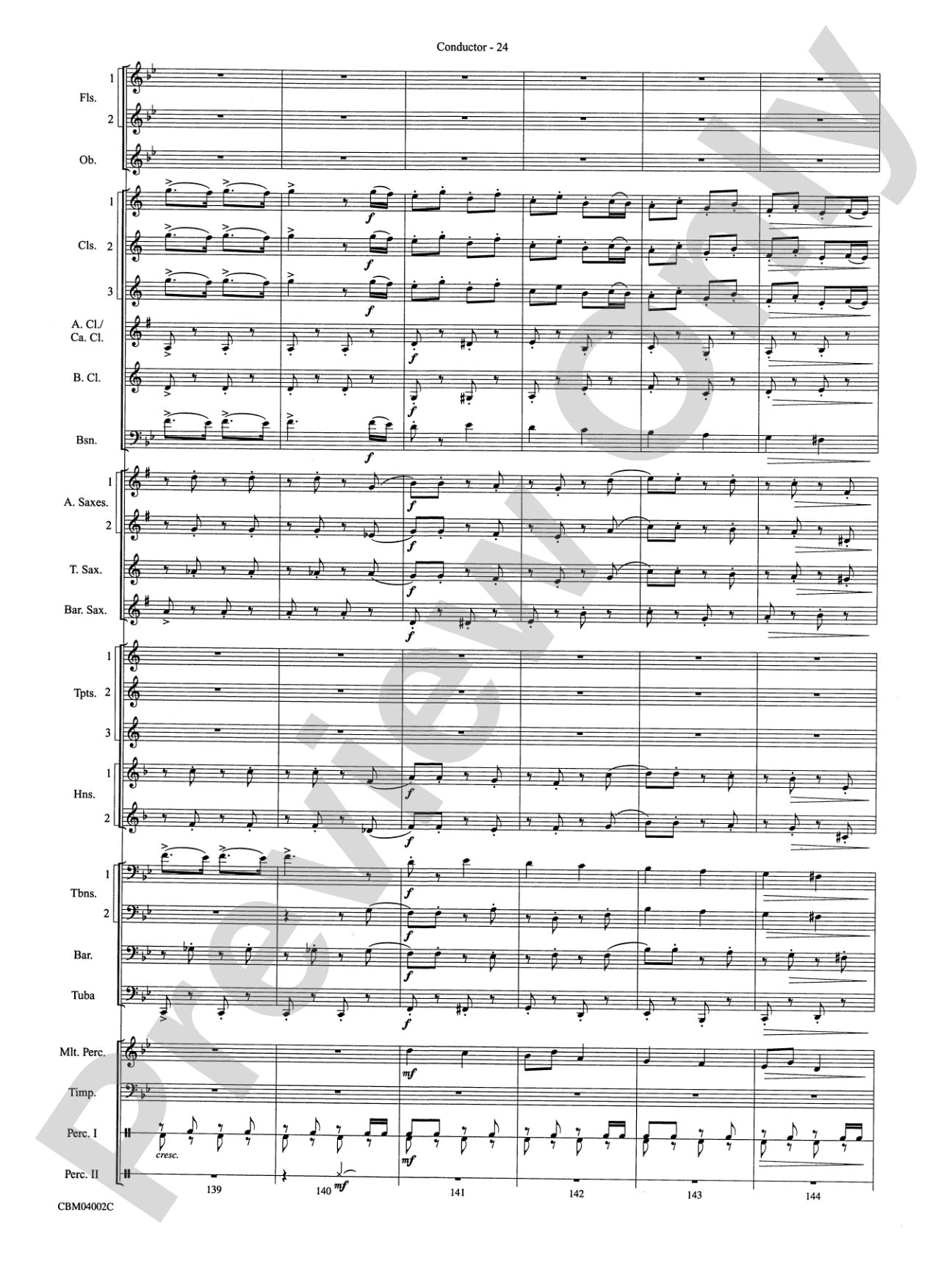
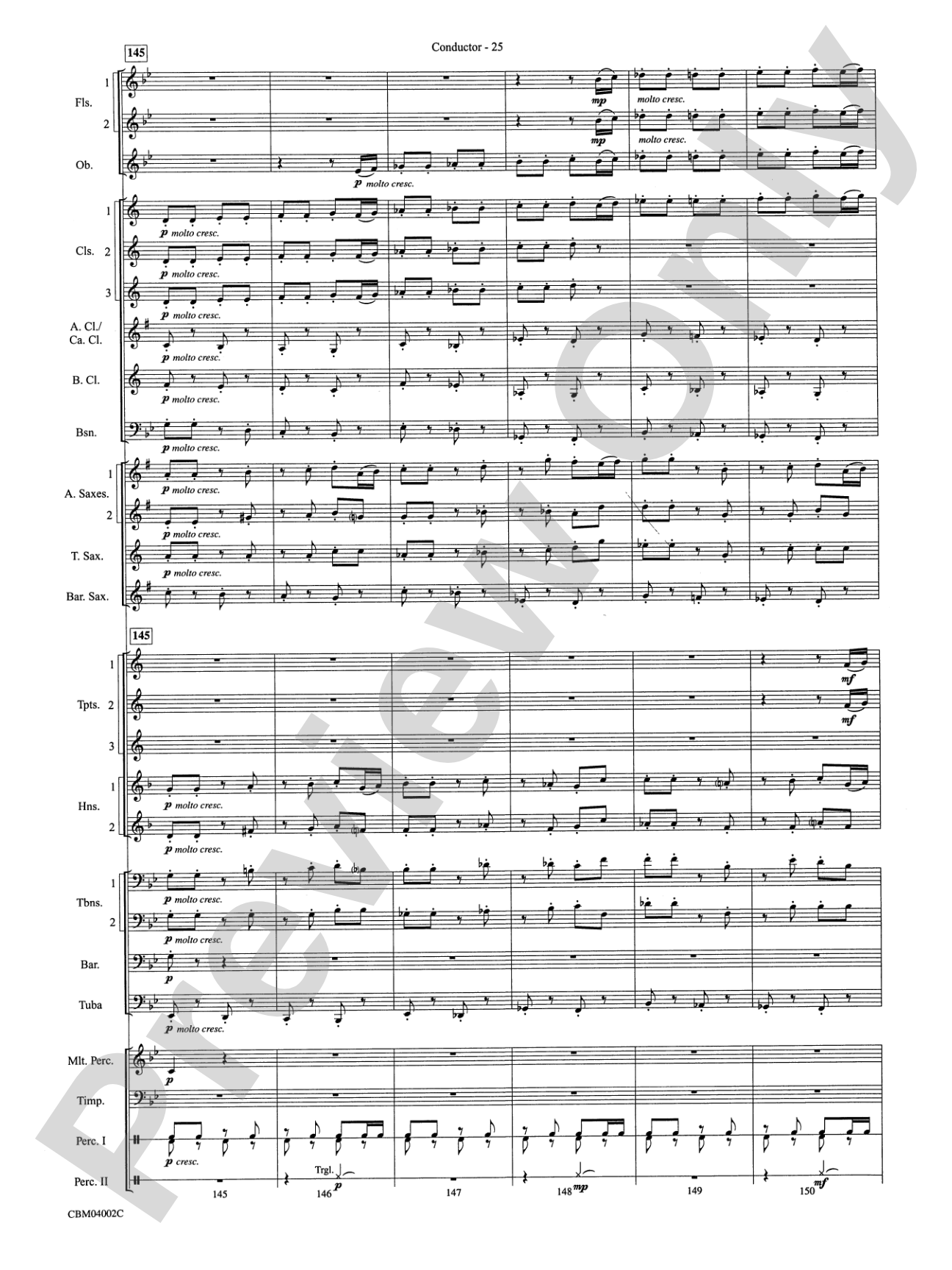
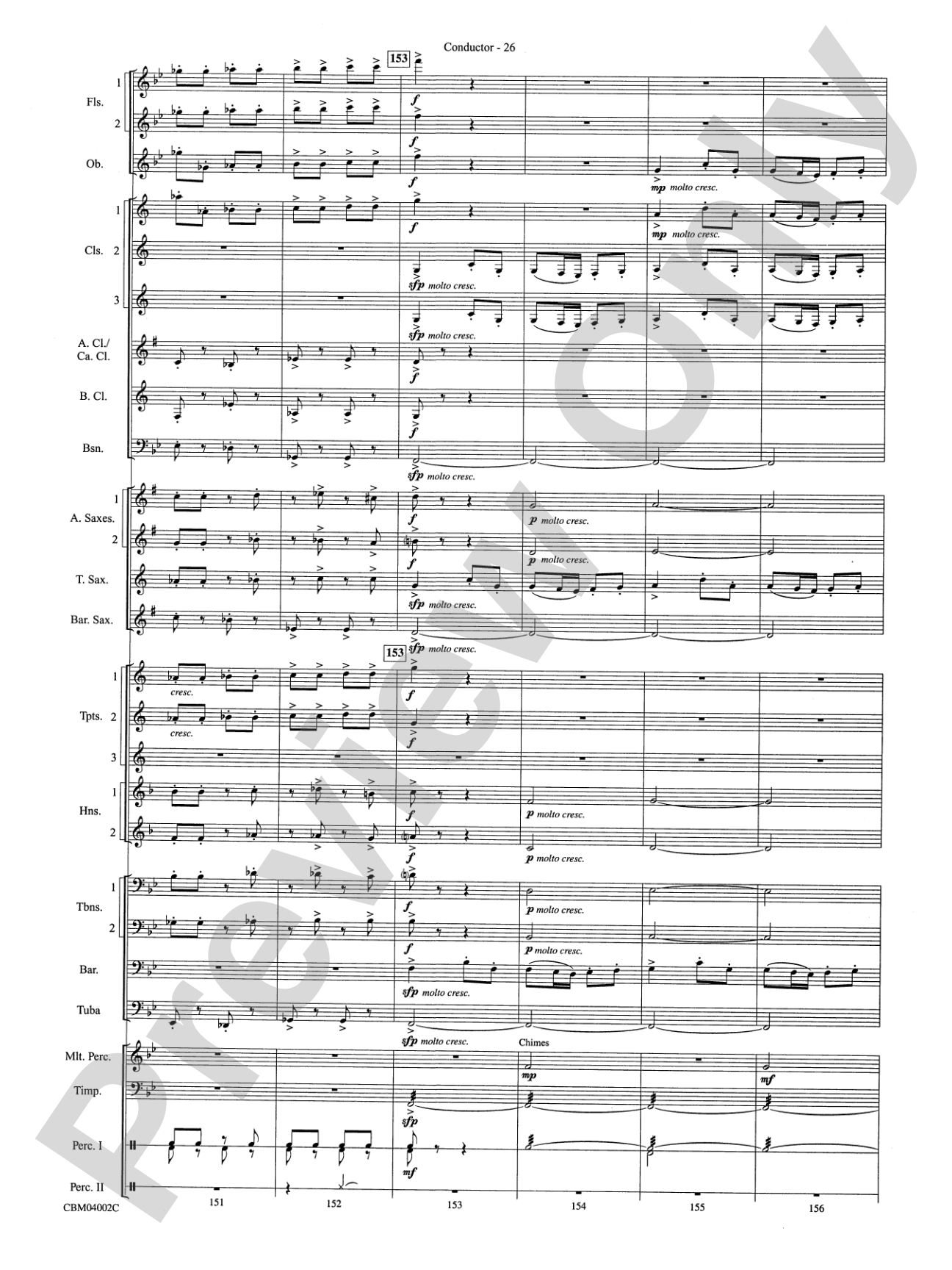
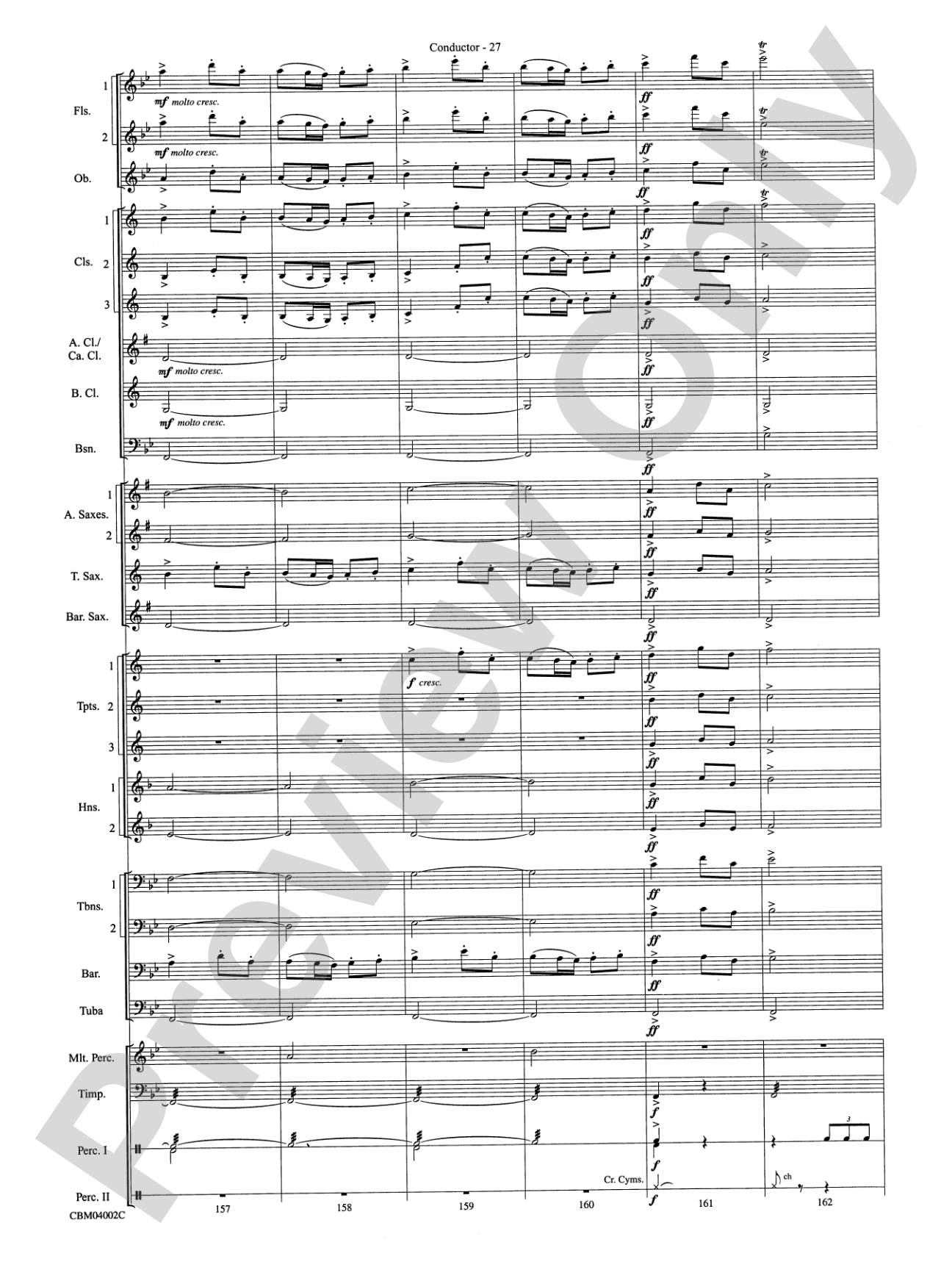
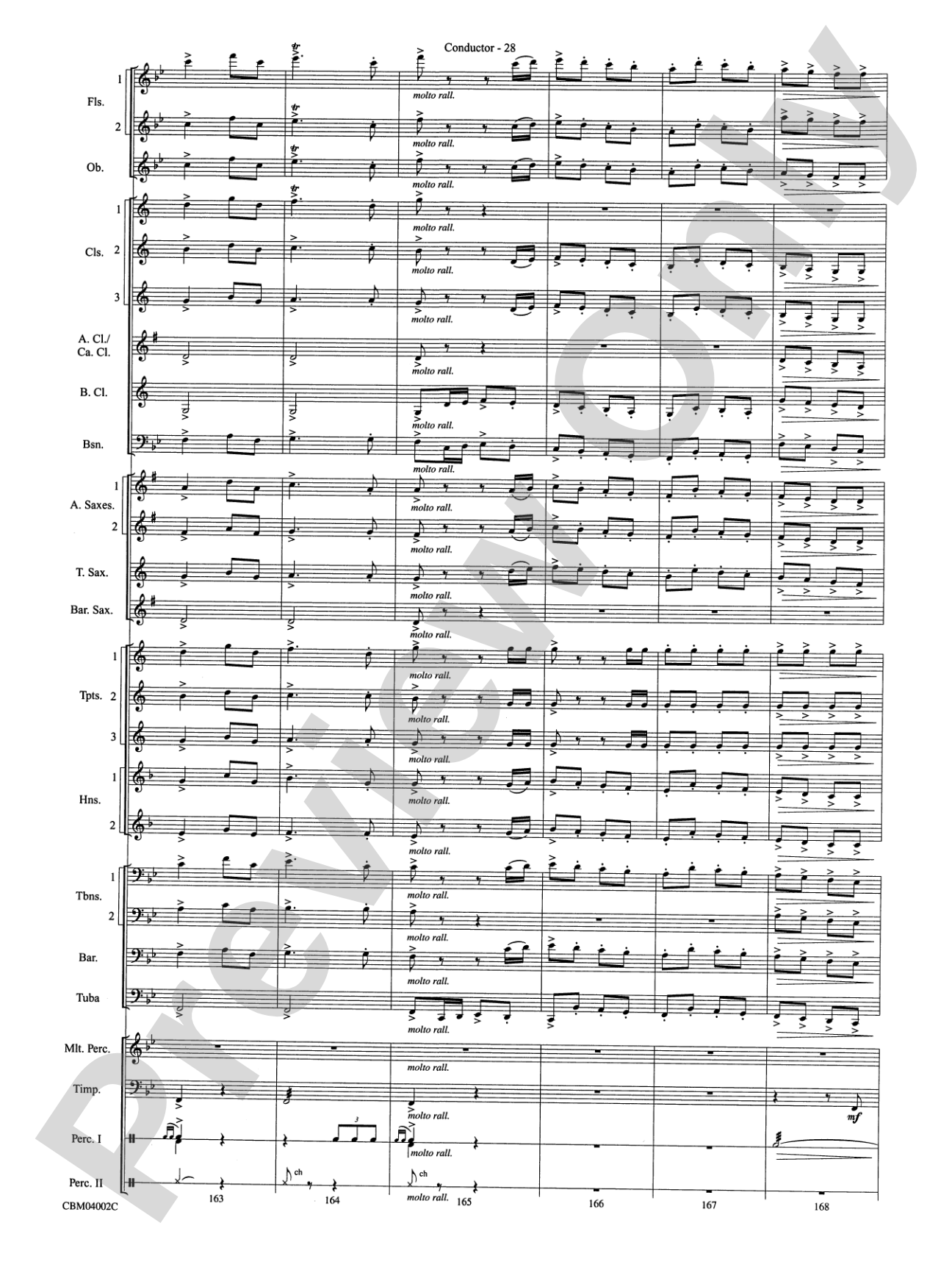
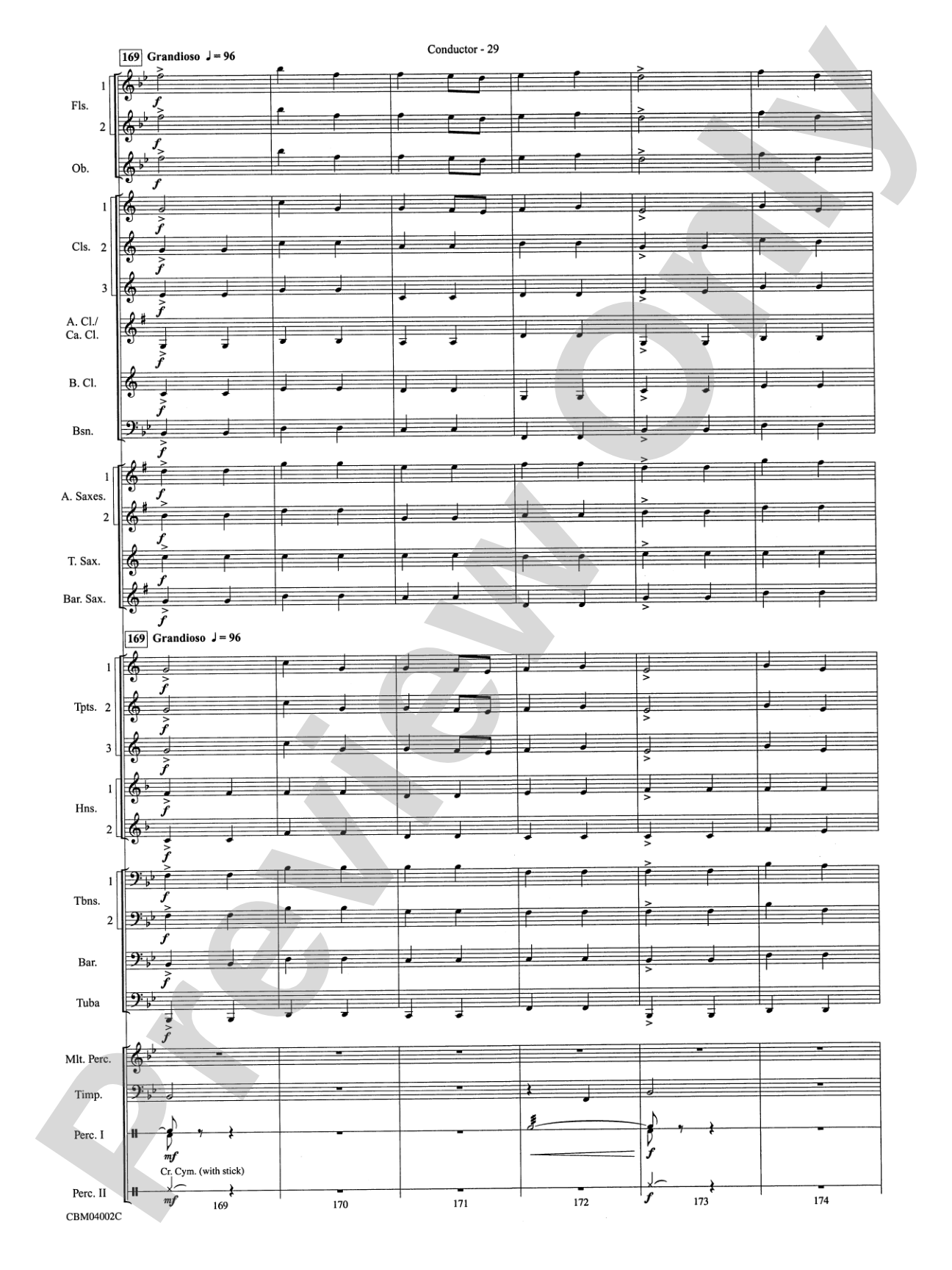
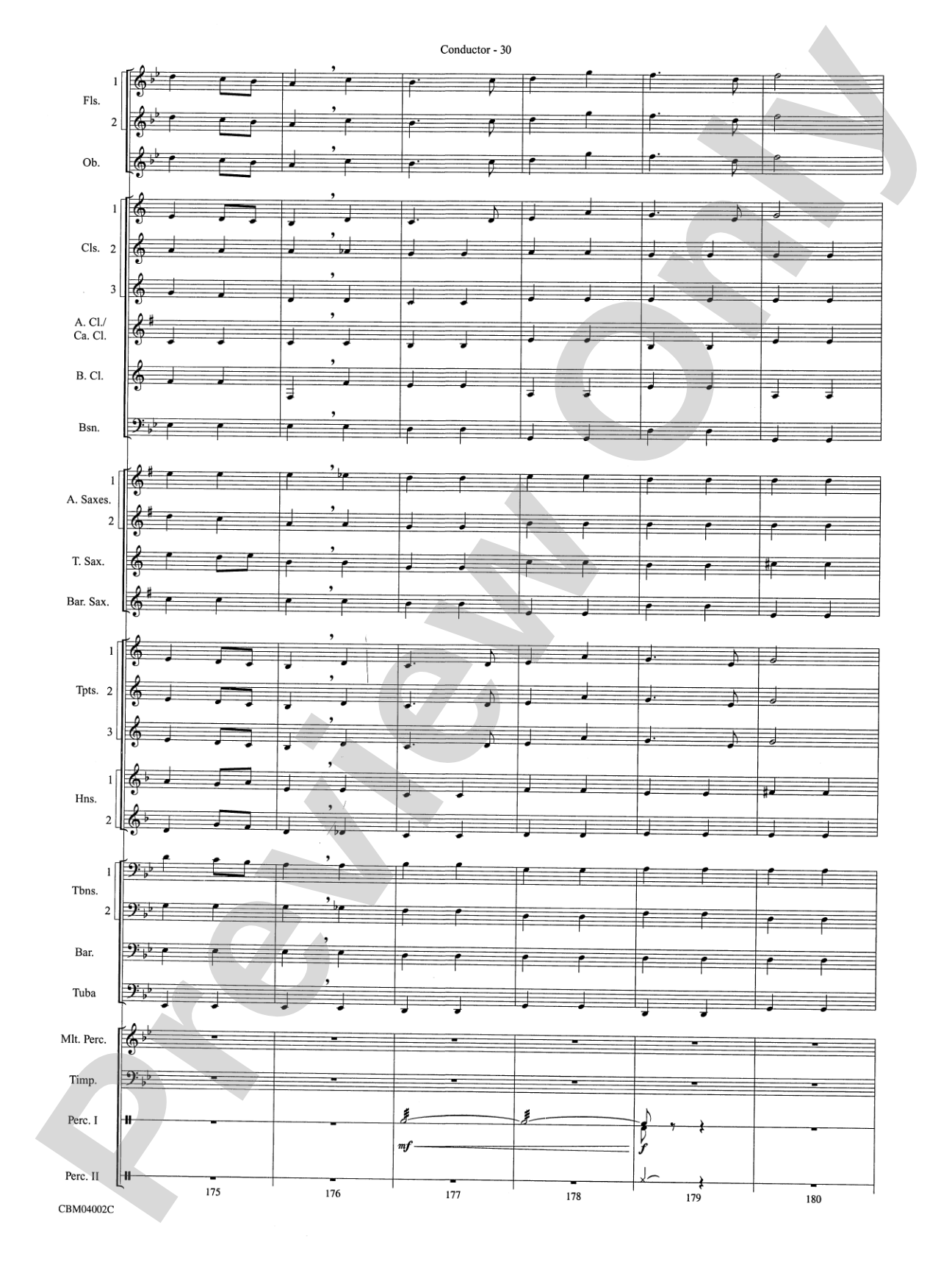
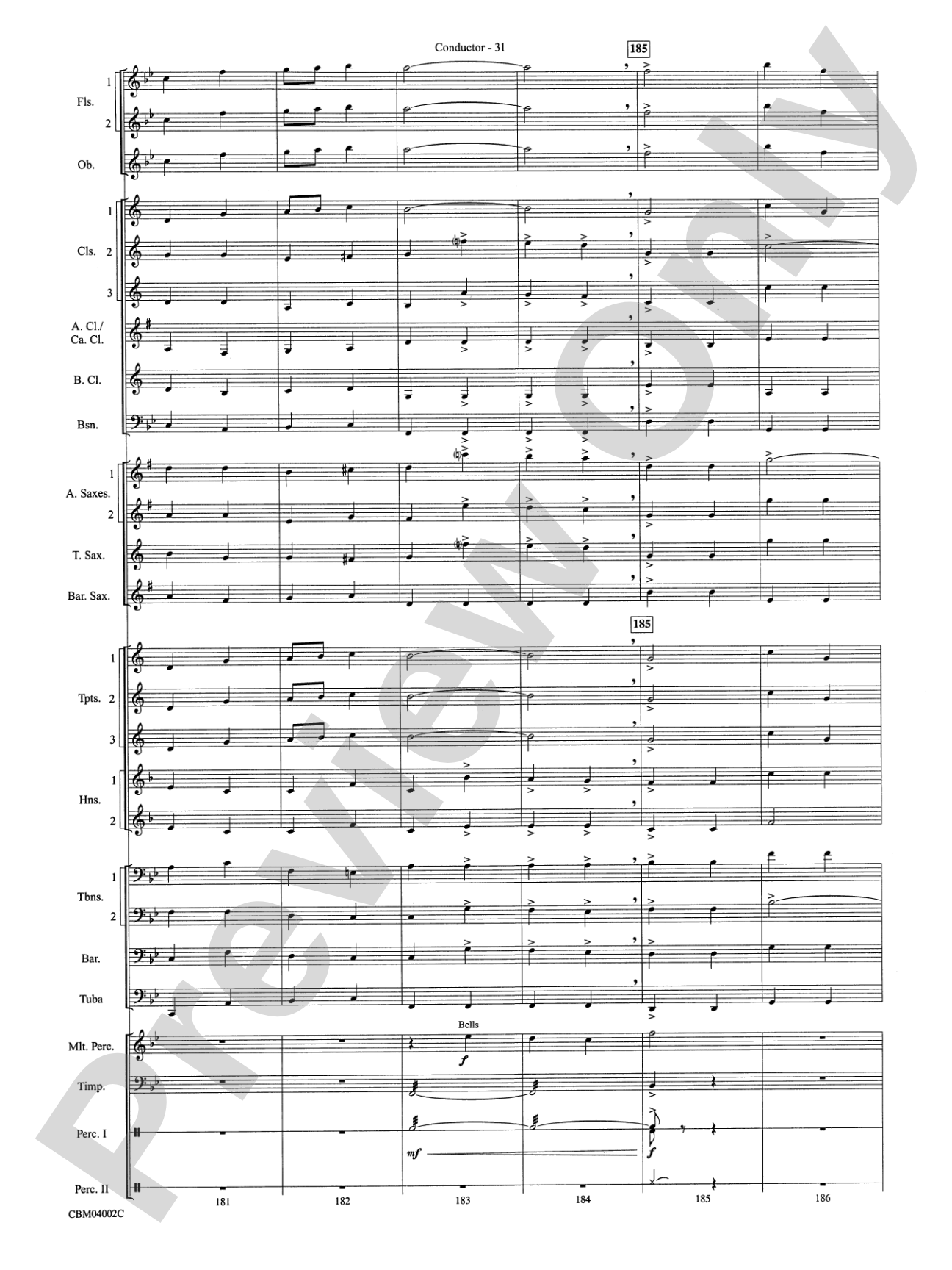
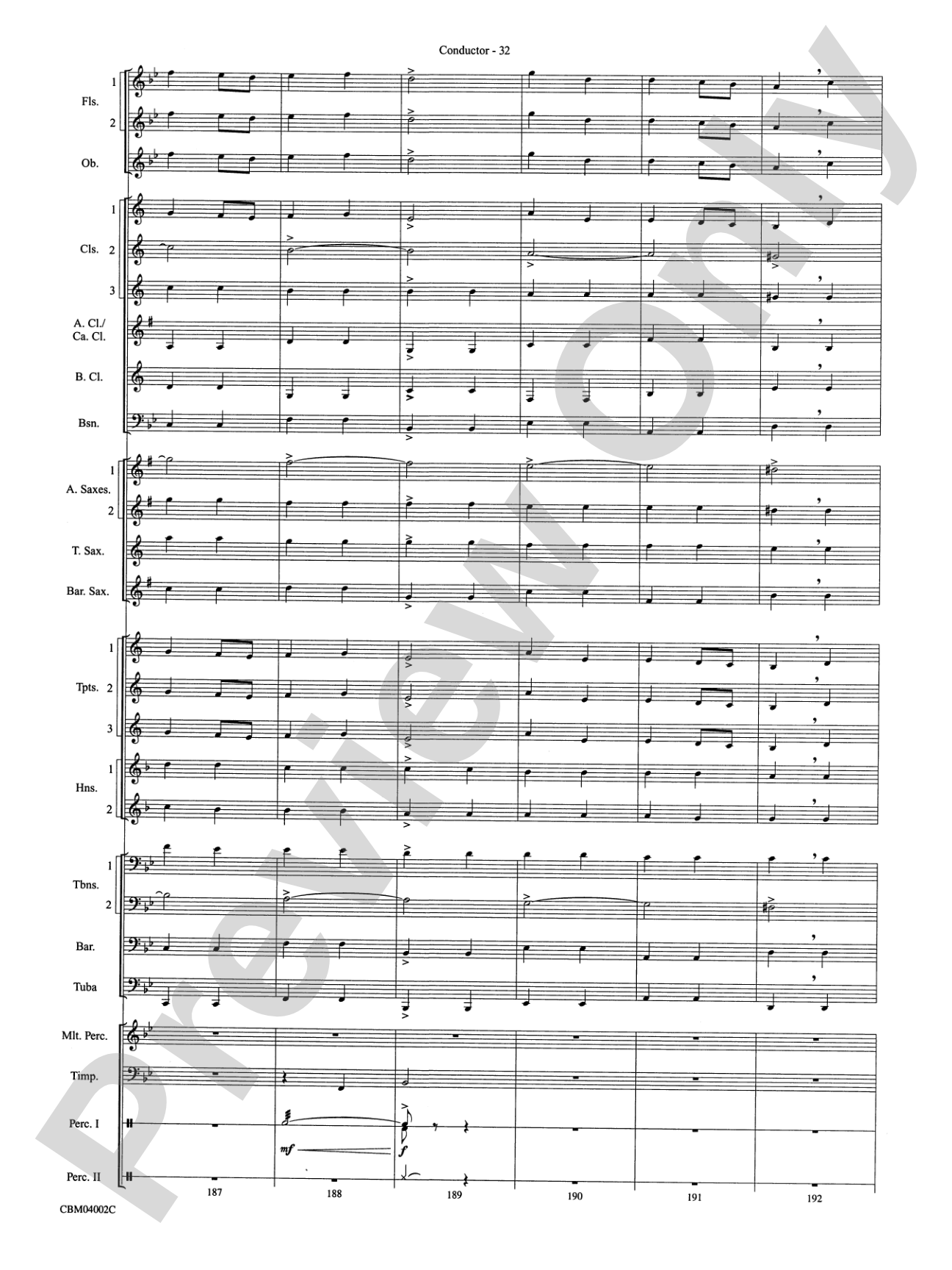
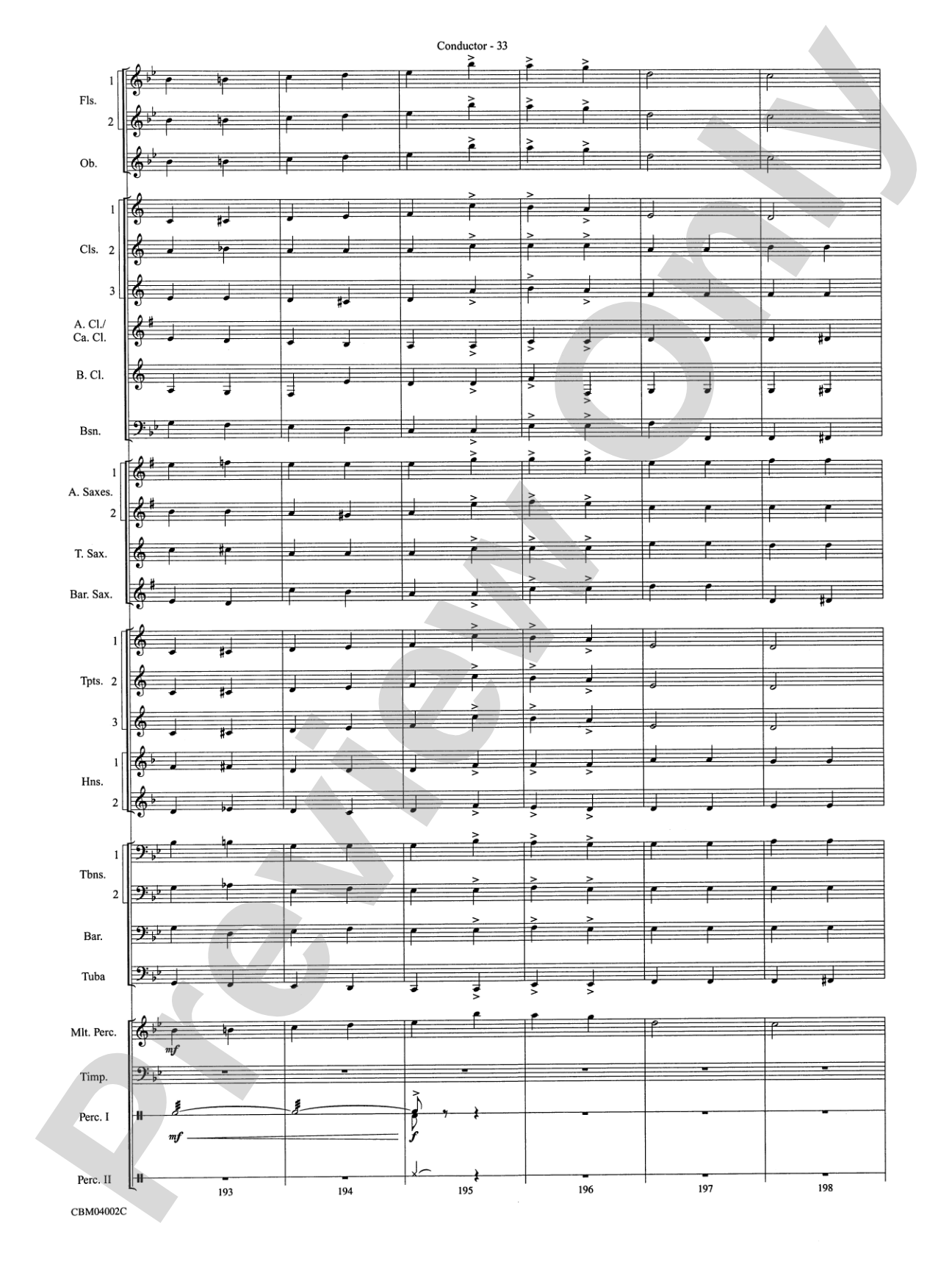
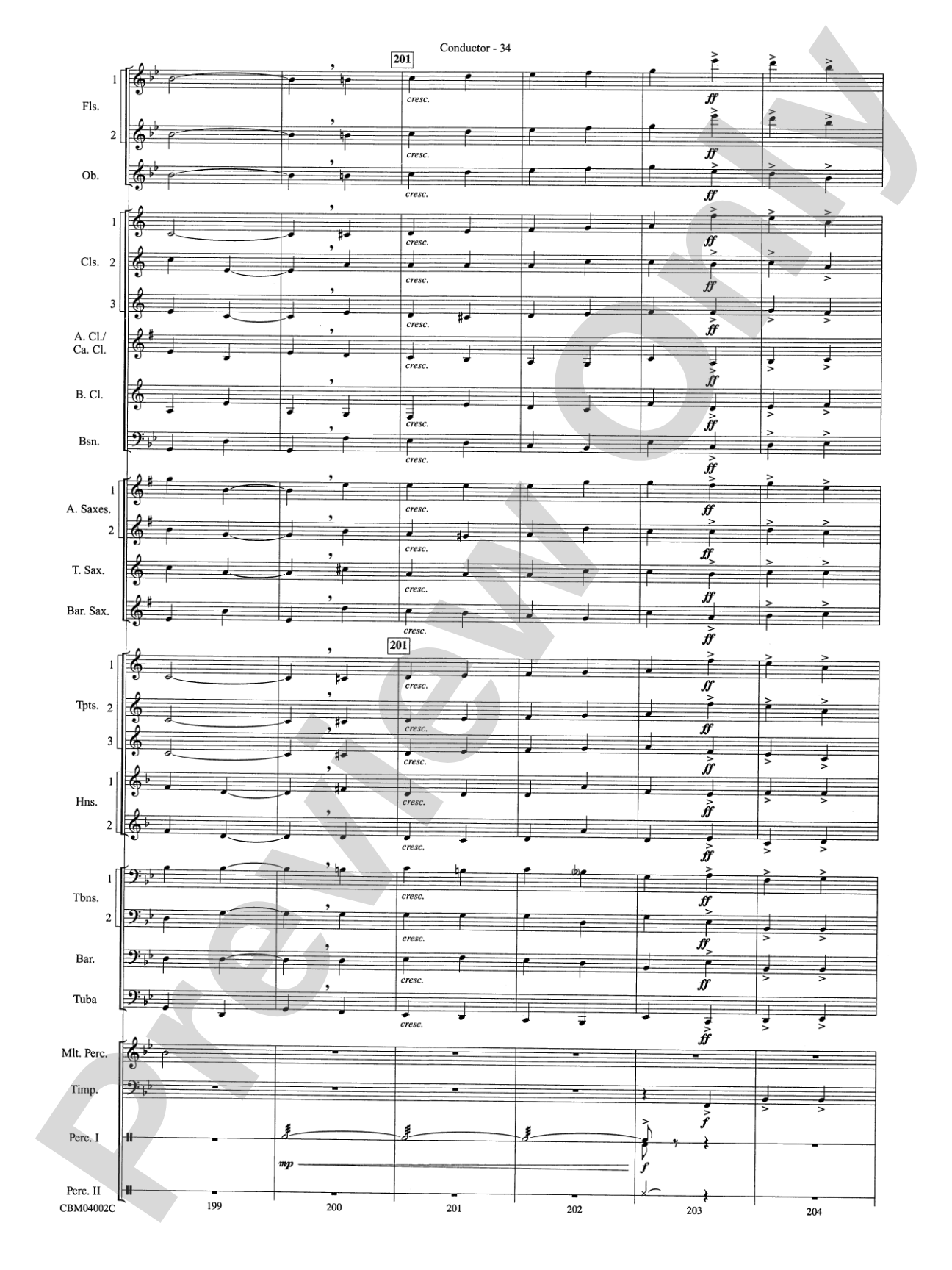
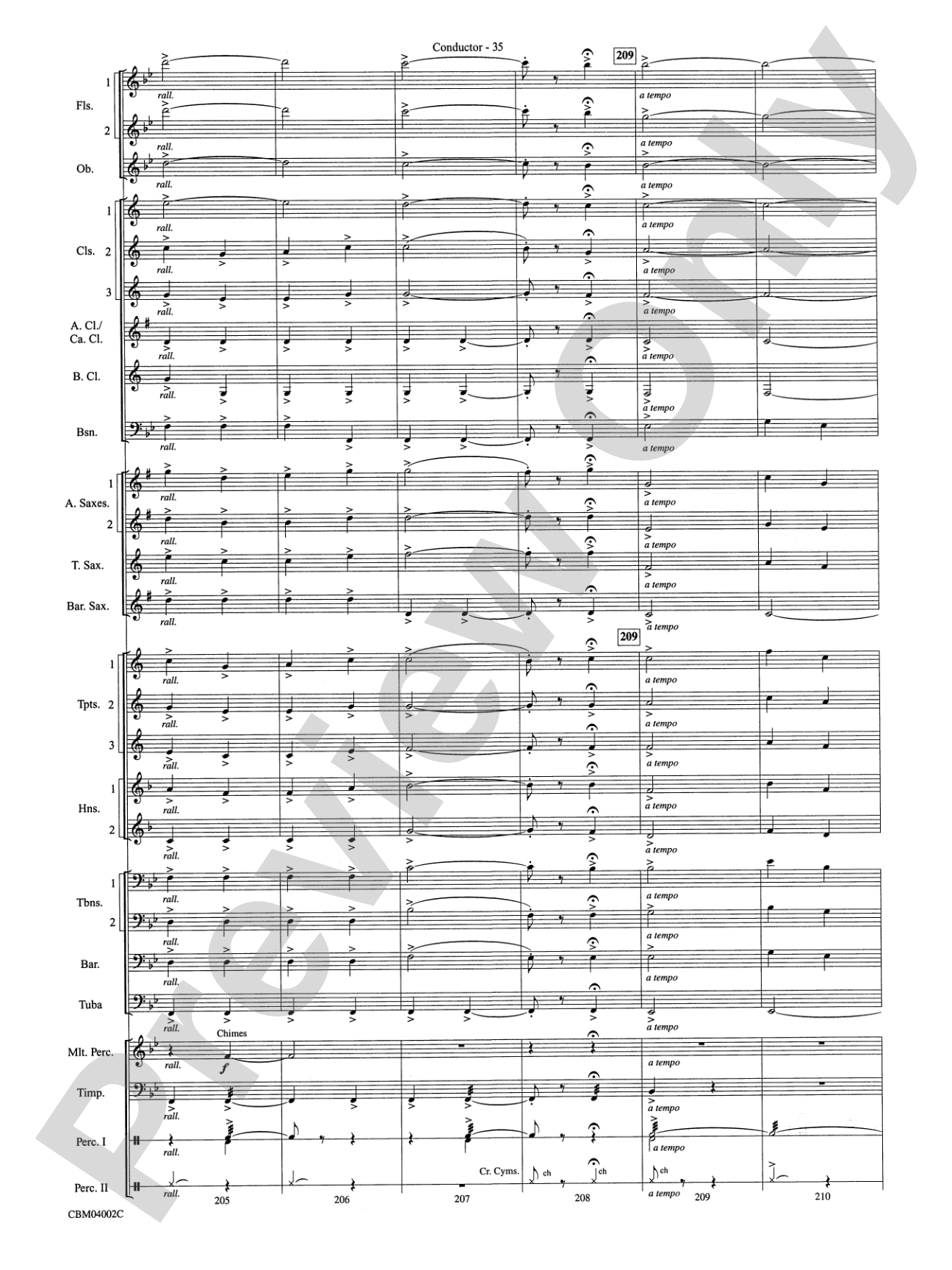
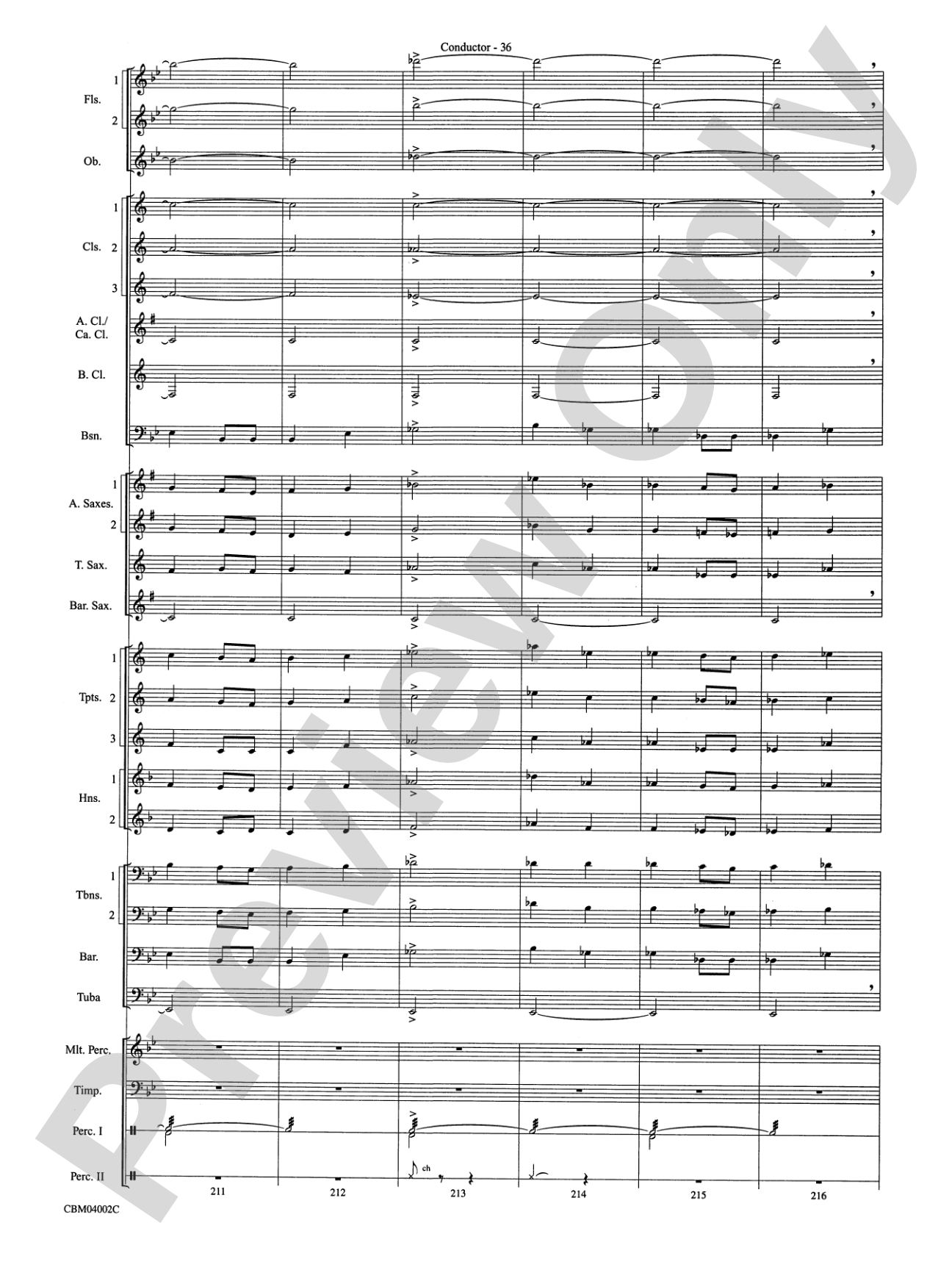
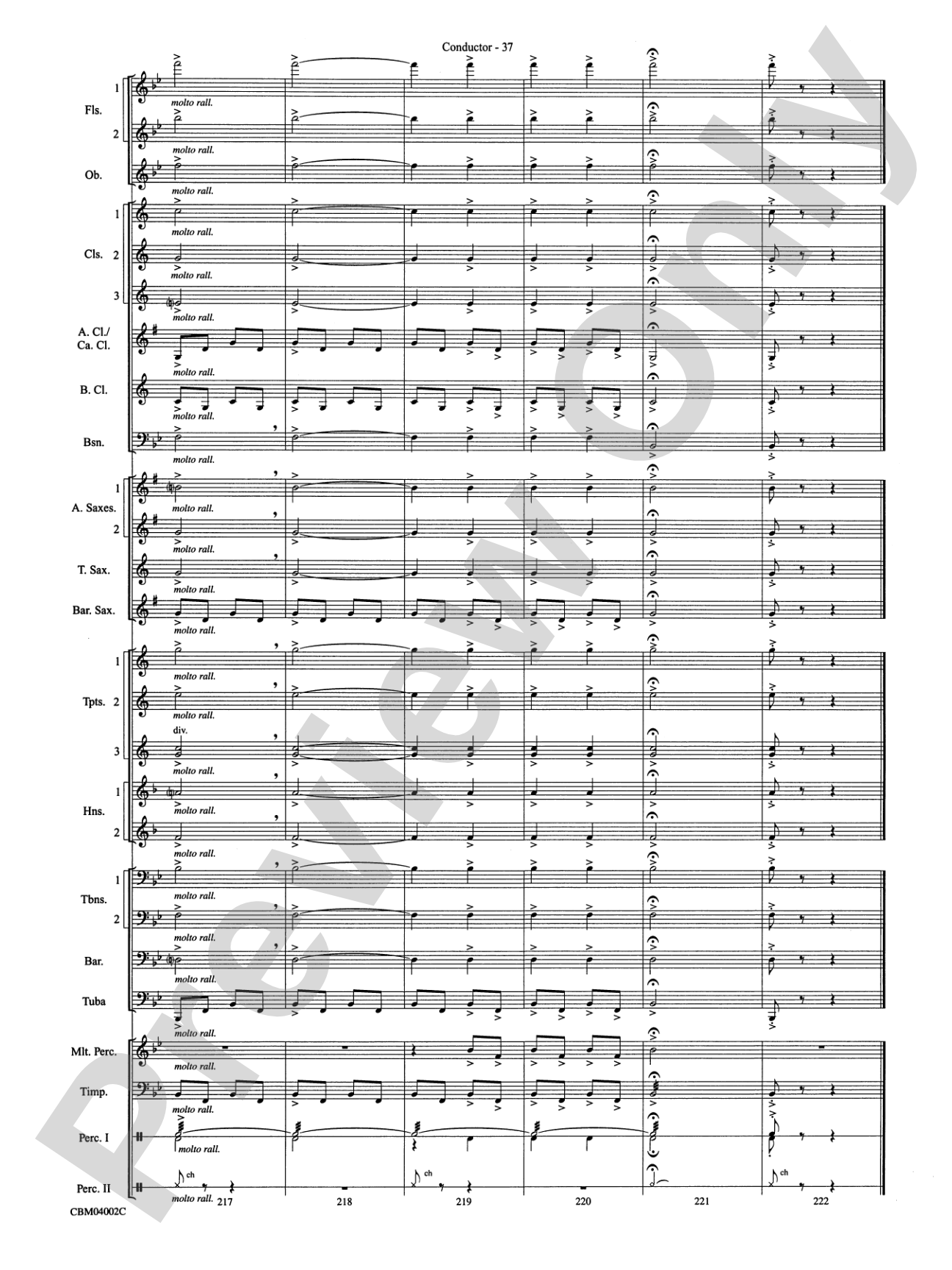


The Dam Busters Concert March: Concert Band Conductor Score & Parts
By Eric Coates / arr. Douglas E. Wagner
Grade: 3 (Medium Easy)
Item: 00-PK-0002362

$78.00
One moment…
Description
Eric Coates' musical genius is celebrated in this new arrangement from Douglas E. Wagner. From the film of the same name, The Dam Busters was an instant classic and was named after a string of successful bombings on the Ruhr River which brought World War II to a more rapid end. This new arrangement of the classic march celebrates the fiftieth anniversary of the composition. (3:51)


Don't just read it, hear it, play along with it, and watch your students grow with it. In MakeMusic Cloud, The Dam Busters Concert March: Concert Band Conductor Score & Parts comes alive with professional accompaniment, adjustable tempo, and built-in practice tools that turn solo practice into real progress.
Open in the Player
Jump straight in and assign it today.
Start Your Free Trial
Open this title and explore the full library in minutes.
Sample Audio
No sample audio found.
Sample Video
No sample videos found.
Additional Details
Series:
Pop Concert Band
Publisher:
Alfred Music
Page Count:
240
SKU:
00-PK-0002362
More about this title
About the Composer: Eric Coates
Eric Coates (1886-1957) was a British composer and conductor whose light orchestral works became synonymous with mid-twentieth-century popular music. He excelled at writing accessible, melodically direct compositions that combined sophistication with immediate appeal, making him one of the most performed British composers of his era. His film scores and concert marches remain standards in the band and orchestra repertoire, valued for their craftsmanship and emotional clarity.
Coates' ability to write music that serves narrative purposes while standing independently as concert works made him ideal for film composition during Hollywood's golden age. The Dam Busters March exemplifies his skill at combining rousing orchestration with memorable melodic content, qualities that make his music enduringly effective in educational settings.
Why we love this
This arrangement captures everything that made the original march unforgettable while sitting perfectly at Grade 3, where the parts are playable but the energy never flags. Wagner's scoring honors Coates' original material without oversimplifying it, giving your band a genuine concert piece rather than a watered-down version. The historical context and film connection engage students immediately; they know this music belongs in their sound.
What to expect
The Dam Busters March radiates confidence and forward motion. Its main theme is bold and celebratory, supported by driving rhythmic accompaniment that propels the music forward with almost inevitable momentum. The arrangement balances jubilation with the gravitas of its historical subject matter, creating a piece that feels both triumphant and earnest.
Who it's for
Concert bands at the intermediate level will find this arrangement well-suited to their capabilities and aspirations. It works equally well for school bands, community ensembles, or contest programs seeking accessible repertoire with real musical substance.
How to get the most out of it
- Keep the tempo steady and energetic throughout. The march's momentum depends on precise ensemble rhythm, especially in the supporting figures underneath the main melody.
- Balance the melody line clearly so it cuts through the harmonic texture. This is often divided among sections, so ensure those players understand they're carrying the tune for that measure.
- Shape the dynamic rises and falls as a full ensemble rather than section by section. Unified dynamics create the sense of one propulsive musical statement.
How to use it
Program this as a concert opener or closer where you want to establish energy and engagement immediately. It pairs well with other accessible concert band standards and film-inspired repertoire, and works particularly effectively when paired with other Coates marches or light orchestral works that share his melodic directness.
Skills your students will build
- Maintaining ensemble precision in rhythmically driven accompaniment figures
- Balancing melody lines distributed across multiple sections
- Sustaining forward momentum through a complete march form
- Reading and executing characteristic march rhythms and articulations
- Blending parts into a cohesive harmonic texture