
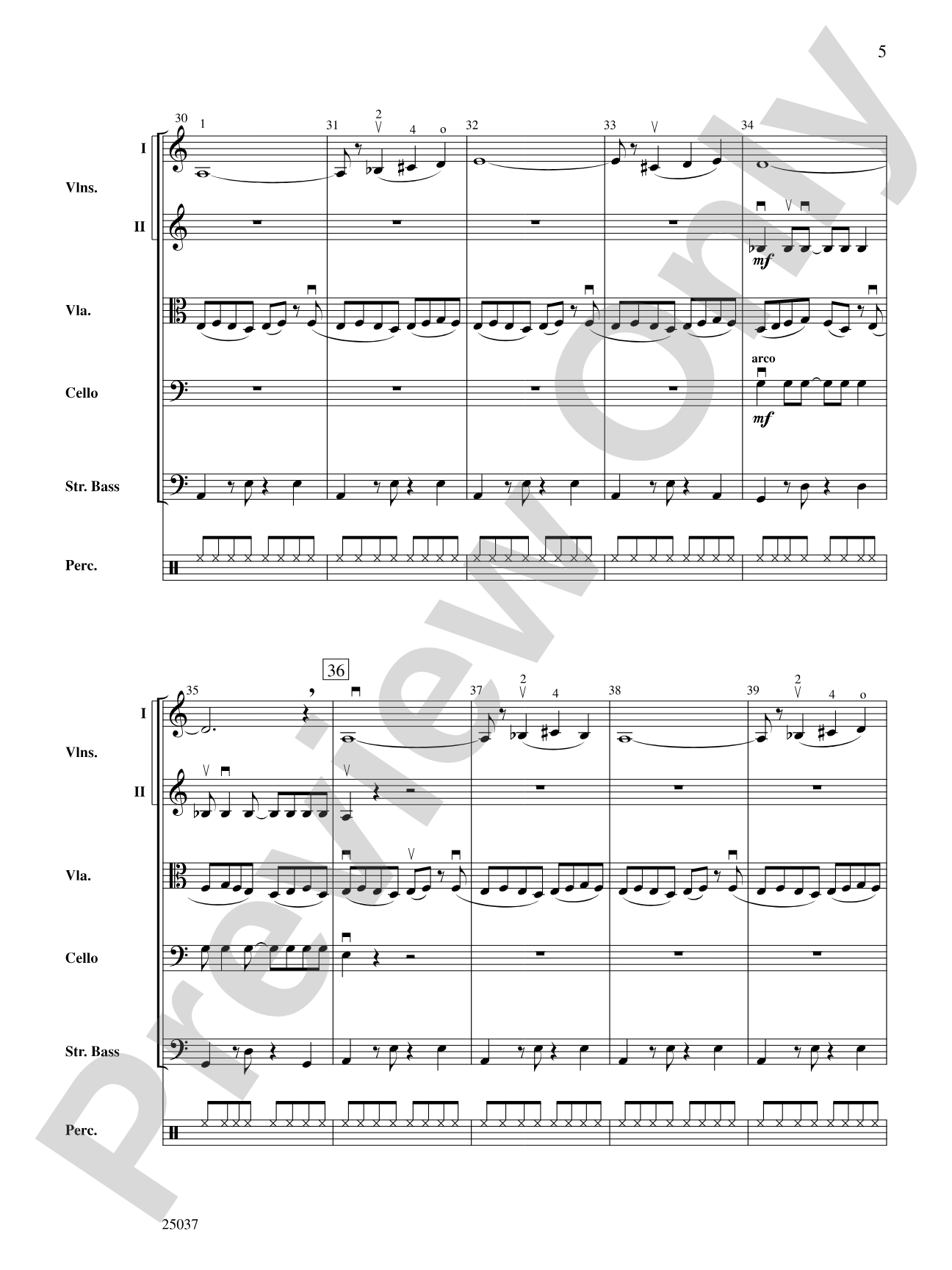
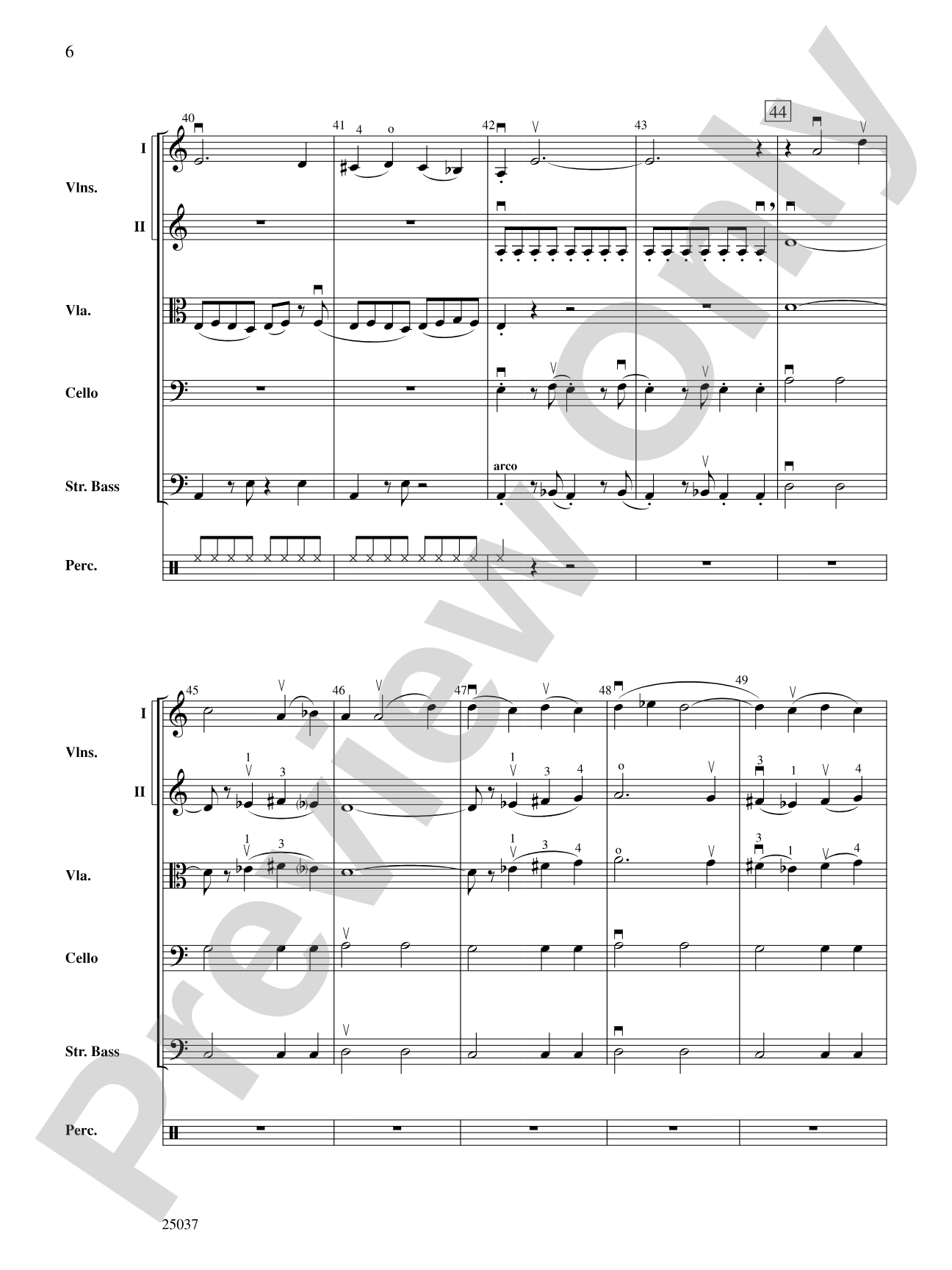
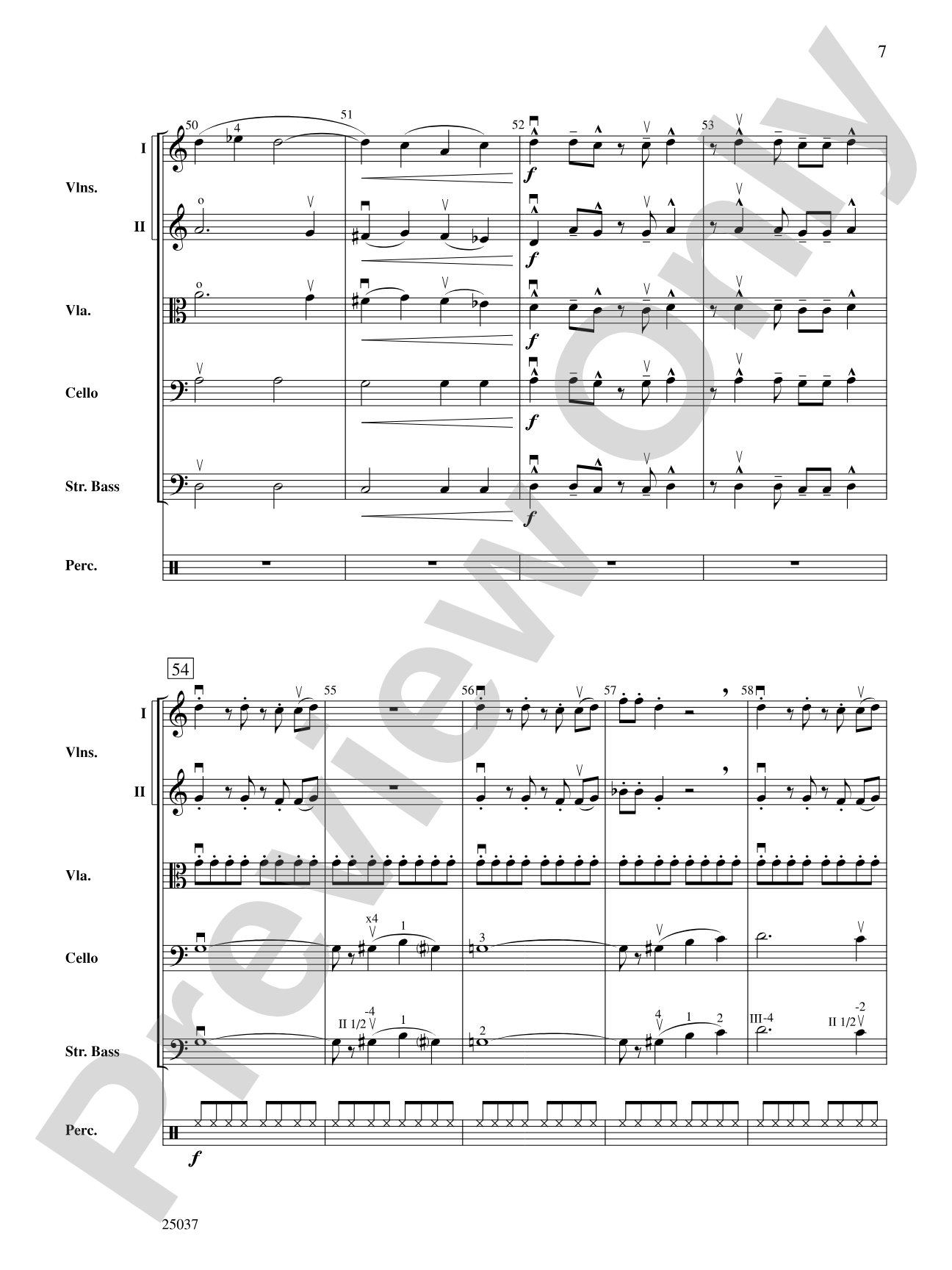
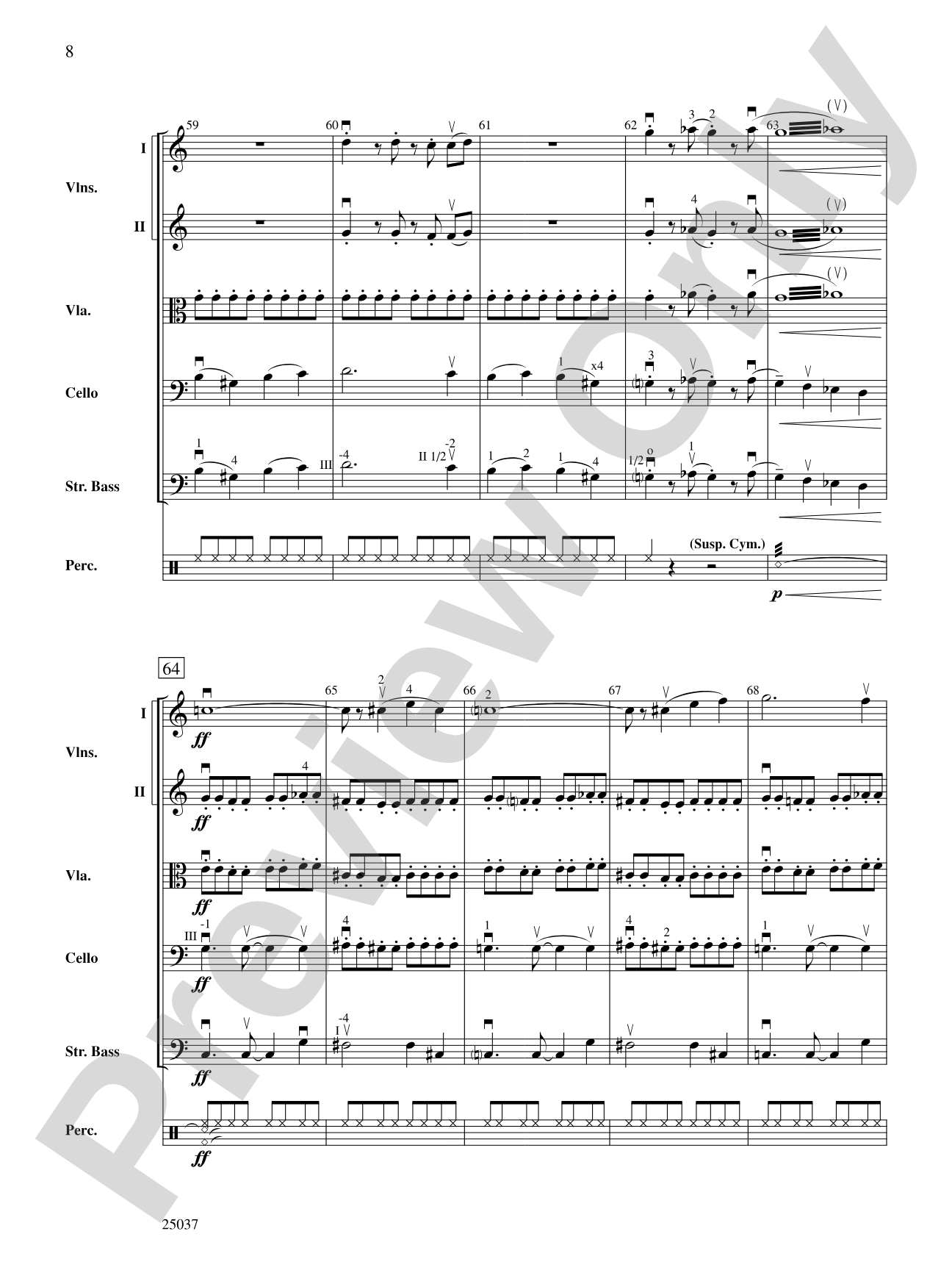

The Curse of Tutankhamun: String Orchestra Conductor Score & Parts
By Michael Story
Grade: 3
Item: 00-PK-0001016

$56.00
Pickup currently not available
Buy Extra Parts (Digital PDF Download)
| Product | Price | Quantity |
|---|---|---|
| The Curse of Tutankhamun: Score | $8.00 | |
| The Curse of Tutankhamun: 1st Violin | $5.99 | |
| The Curse of Tutankhamun: 2nd Violin | $5.99 | |
| The Curse of Tutankhamun: Viola | $5.99 | |
| The Curse of Tutankhamun: Cello | $5.99 | |
| The Curse of Tutankhamun: String Bass | $5.99 | |
| The Curse of Tutankhamun: 1st Percussion | $5.99 |
Parts Added to Cart!
Related Items
The Curse of Tutankhamun: Concert Band Conductor Score & Parts |
$65.00
|
View | |
The Curse of Tutankhamun: Flexible Band/String Ensemble Score & Parts |
$75.00
|
View | |
The Curse of Tutankhamun: String Orchestra Conductor Score & Parts |
$55.00
|
View | |
The Curse of Tutankhamun: String Orchestra Conductor Score |
$8.00
|
View | |
The Curse of Tutankhamun: Concert Band Conductor Score & Parts |
$65.00
|
View | |
The Curse of Tutankhamun: Concert Band Conductor Score |
$10.00
|
View | |
The Curse of Tutankhamun: Flexible Band/String Ensemble Score & Parts |
$75.00
|
View | |
The Curse of Tutankhamun: HybridNOW Flexible Score & Parts |
$75.00
|
View | |
The Curse of Tutankhamun: Flexible Band/String Ensemble Score |
$10.00
|
View |
Description
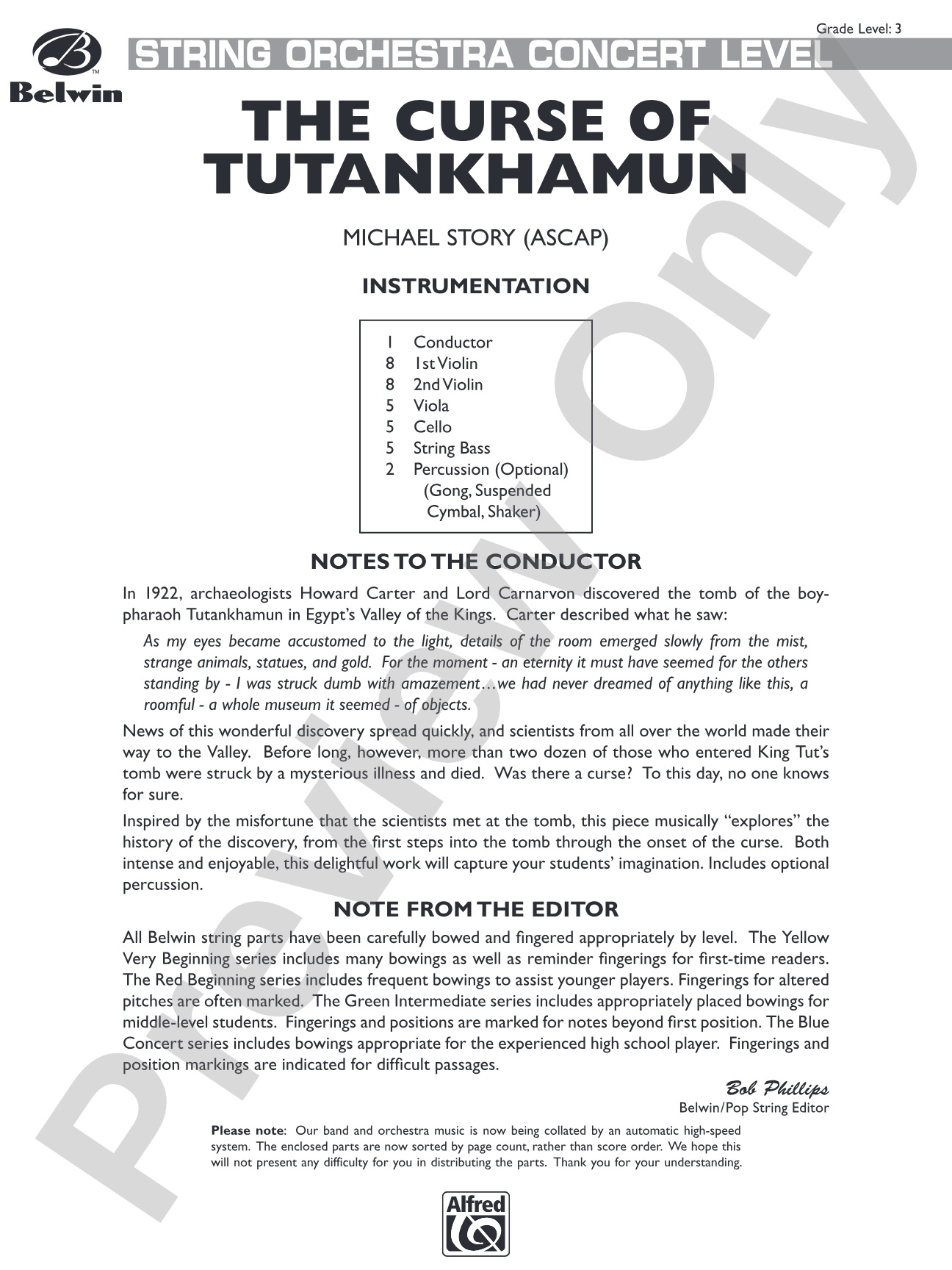
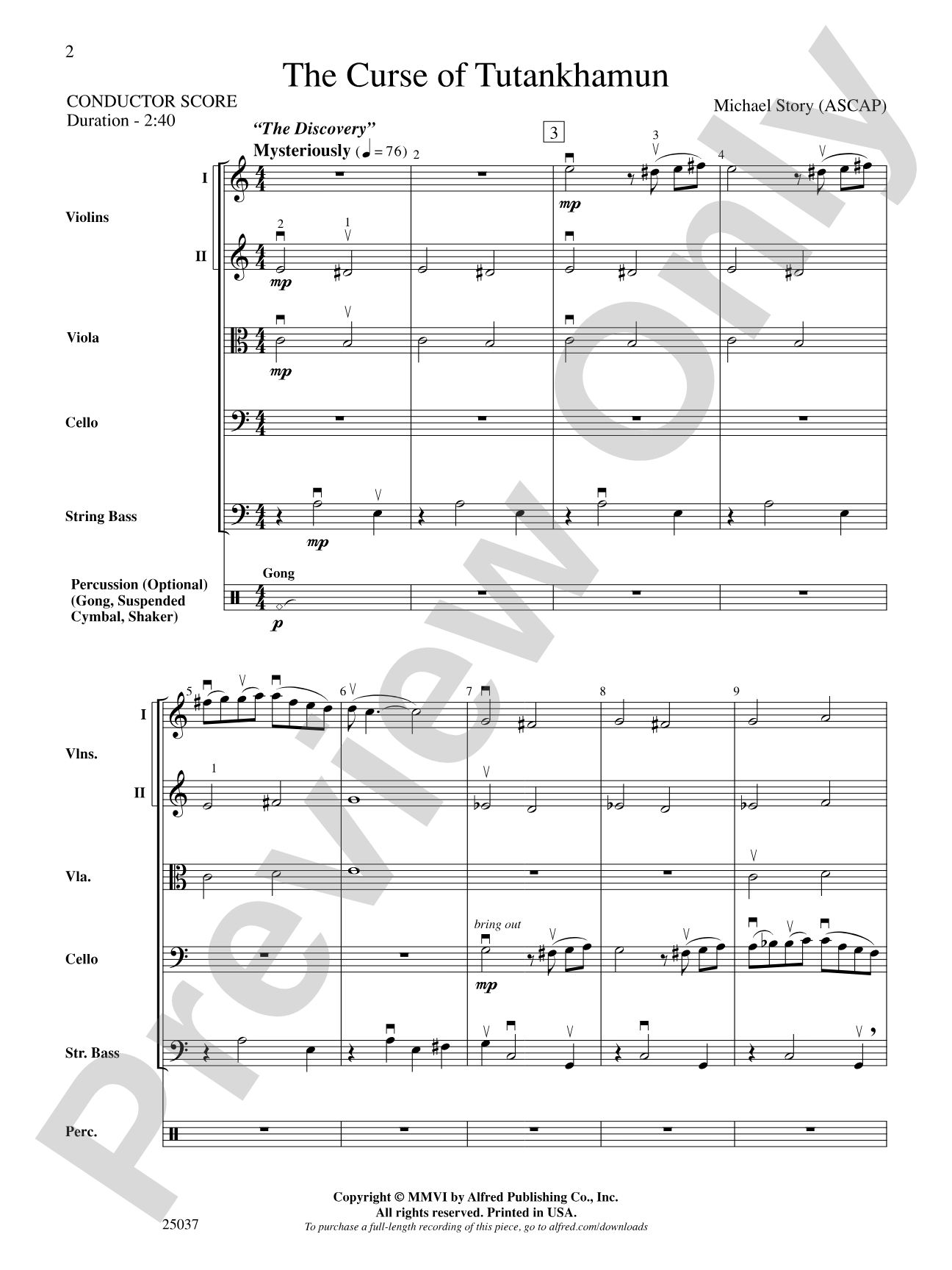
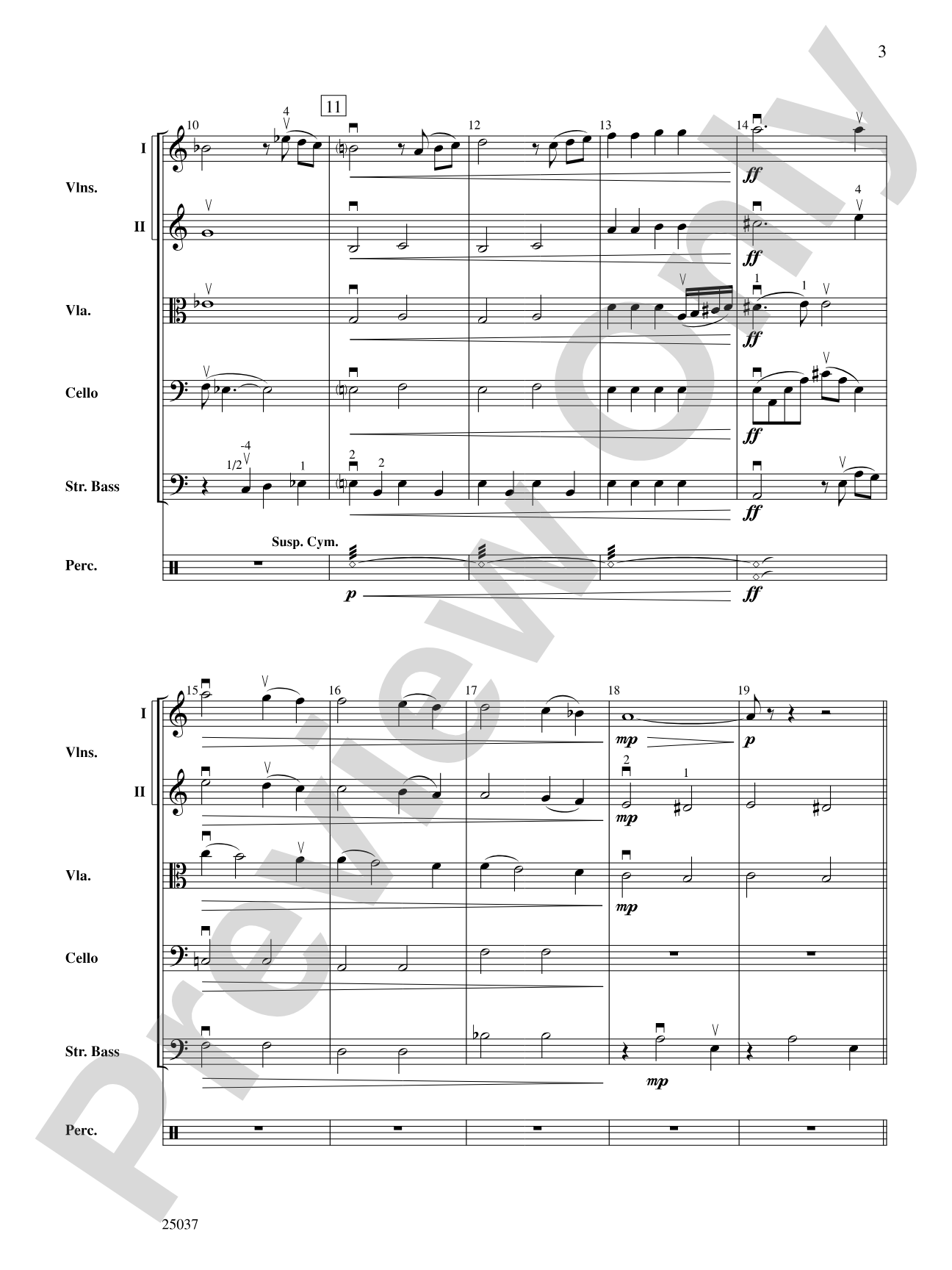
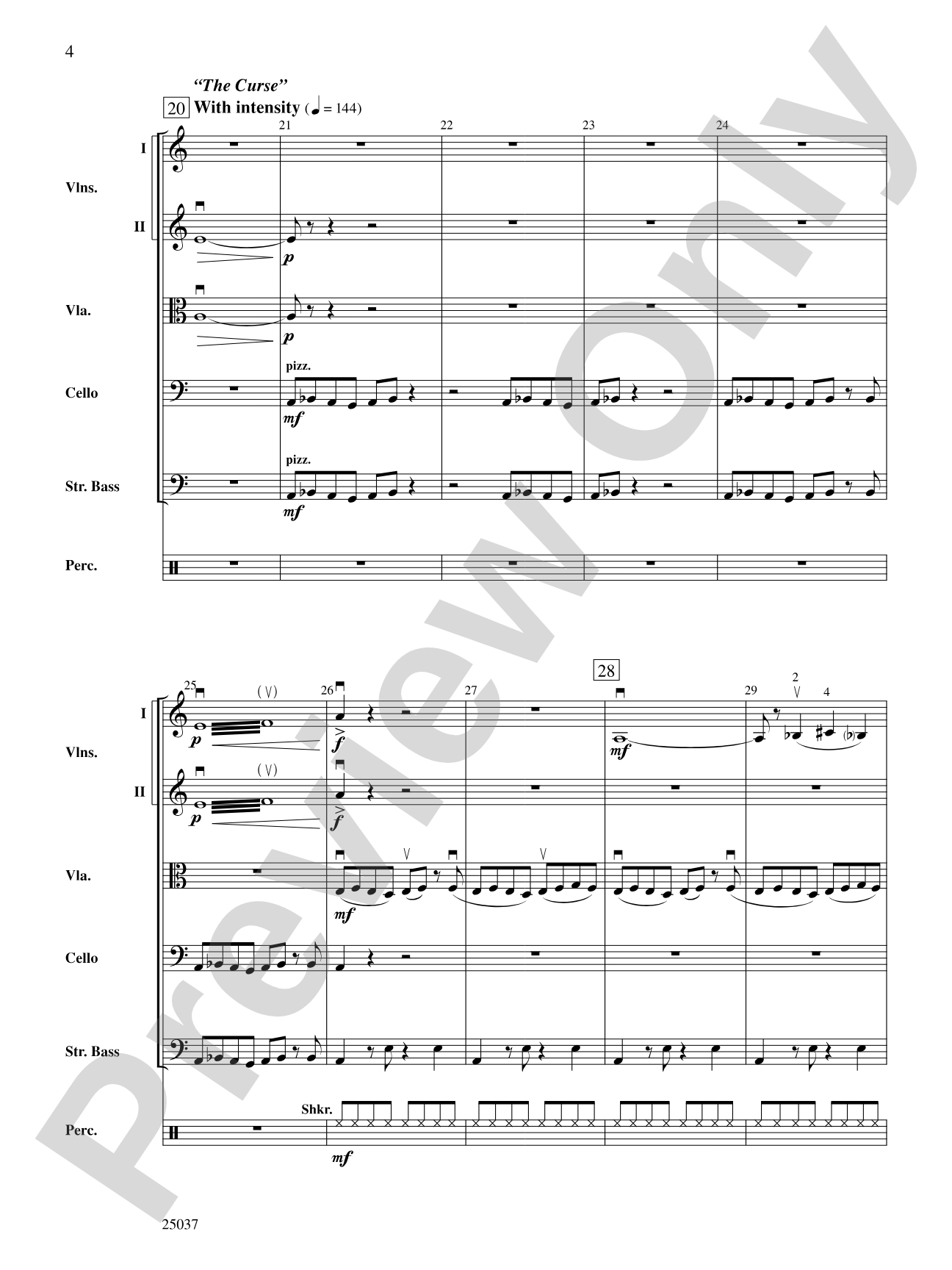
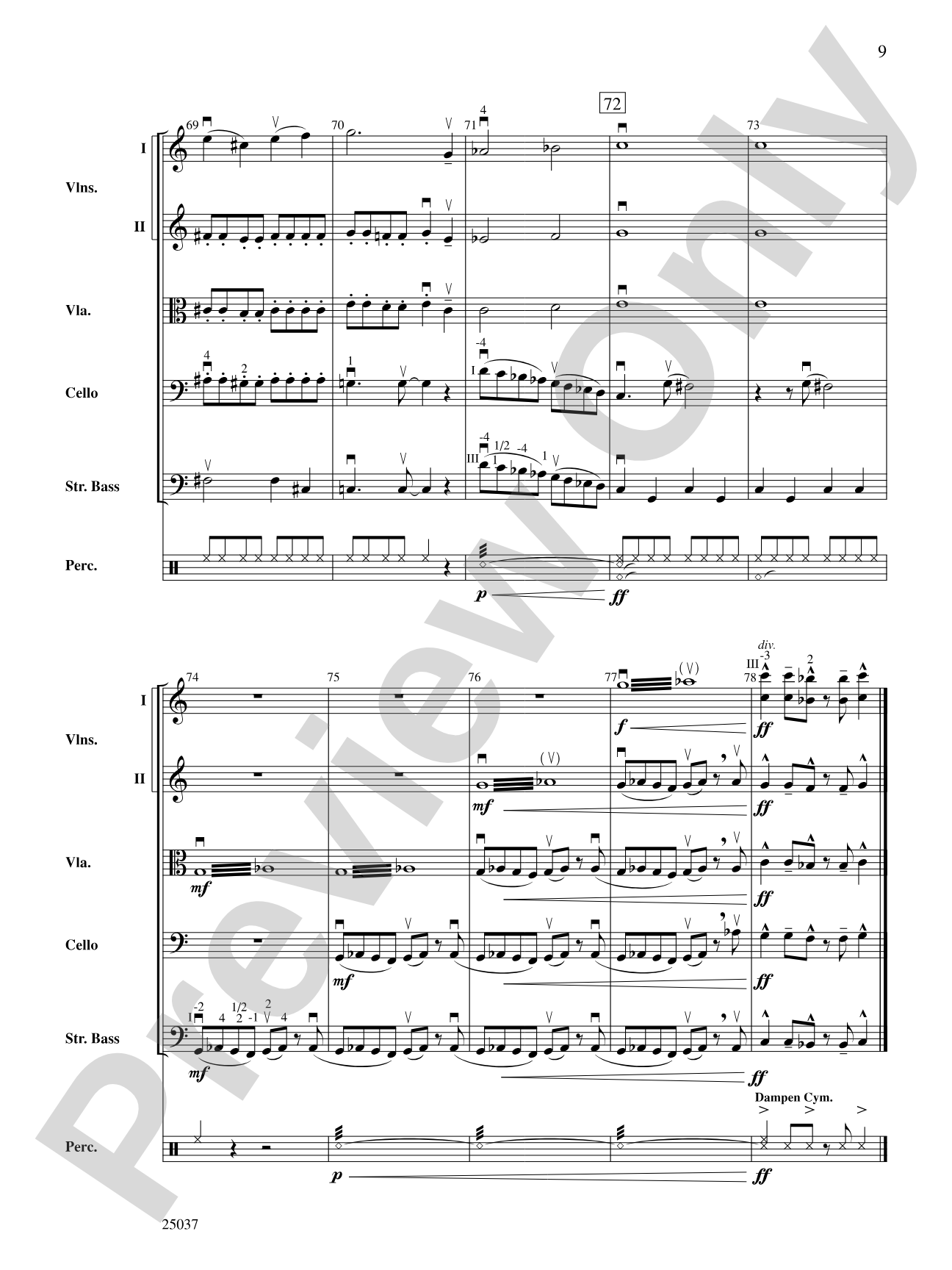
Inspired by the illness that scientists experienced while exploring the tomb of the boy-pharaoh Tutankhamun in the 1920s, this work musically traces the history from the discovery of the tomb through the mysterious curse. Both intense and enjoyable, this delightful work will capture your students' imagination. Includes optional percussion.


Don't just read it, hear it, play along with it, and watch your students grow with it. In MakeMusic Cloud, The Curse of Tutankhamun: String Orchestra Conductor Score & Parts comes alive with professional accompaniment, adjustable tempo, and built-in practice tools that turn solo practice into real progress.
Open in the Player
Jump straight in and assign it today.
Start Your Free Trial
Open this title and explore the full library in minutes.
Sample Audio
1
Audio File
--:--
0:00
0:00
Sample Video
No sample videos found.
Additional Details
Series:
Belwin Concert String Orchestra
Publisher:
Alfred Music
Page Count:
65
SKU:
00-PK-0001016
More about this title
About the Composer: Michael Story
Michael Story is a prolific composer and arranger whose output spans concert band, wind ensemble, orchestra, and choral genres. His works are known for combining musical substance with accessibility, making them favorites in school music programs across the country. Story has a gift for writing orchestral music that engages young musicians while maintaining genuine artistic merit.
His compositions often draw inspiration from historical events, literary themes, and cultural subjects that spark student interest and imagination. This ability to marry educational value with compelling musical narratives has made his work a staple in string orchestra and band repertoire at the middle and high school levels.
Why we love this
This piece strikes an ideal balance between narrative intrigue and musical substance. Students connect immediately to the Tutankhamun story, which gives them genuine reasons to listen closely and perform with character. The orchestration remains transparent enough for Grade 3 players to execute successfully while delivering the atmospheric and dramatic effects that make the program memorable.
What to expect
The music evokes the wonder and unease of archaeological discovery, moving from mysterious opening gestures through intensifying drama as the curse narrative unfolds. Orchestral colors shift between eerie and grand, mirroring the tension between the tomb's secrets and the historical events surrounding its opening. The piece balances tension and enjoyment, never becoming overly dark or inaccessible.
Who it's for
String orchestra directors programming Grade 3 ensembles who want repertoire with genuine dramatic arc and student appeal. This score works equally well for groups seeking thematic programming around history, mythology, or Halloween concerts, and for directors who value music that engages students' imaginations beyond the notes themselves.
How to get the most out of it
- Shape the opening sections to establish mood and mystery; lean into the minor tonalities and modal colors that underscore the tomb's discovery.
- Bring the optional percussion into rehearsals early to lock ensemble timing, particularly during transition passages where percussion accents can anchor rhythm.
- Balance intensity with clarity in climactic moments; the piece builds effectively only when players maintain technical control rather than simply playing louder.
- Work with your concertmaster to establish expressive phrasing in the melodic lines, ensuring sustained tones sing rather than sit on the page.
How to use it
This works beautifully in a concert built around historical or cultural themes, or as a standalone centerpiece for an October program. The dramatic arc and student engagement make it an excellent choice for a young orchestra's showcase concert, and its Halloween applicability offers natural programming flexibility for fall performances.
Skills your students will build
- Executing minor and modal tonalities with expressive control
- Balancing ensemble blend across multiple string parts during dramatic climaxes
- Sustaining legato lines over longer phrases
- Responding to conductor cues that shape narrative progression
- Coordinating with optional percussion parts for rhythmic precision