
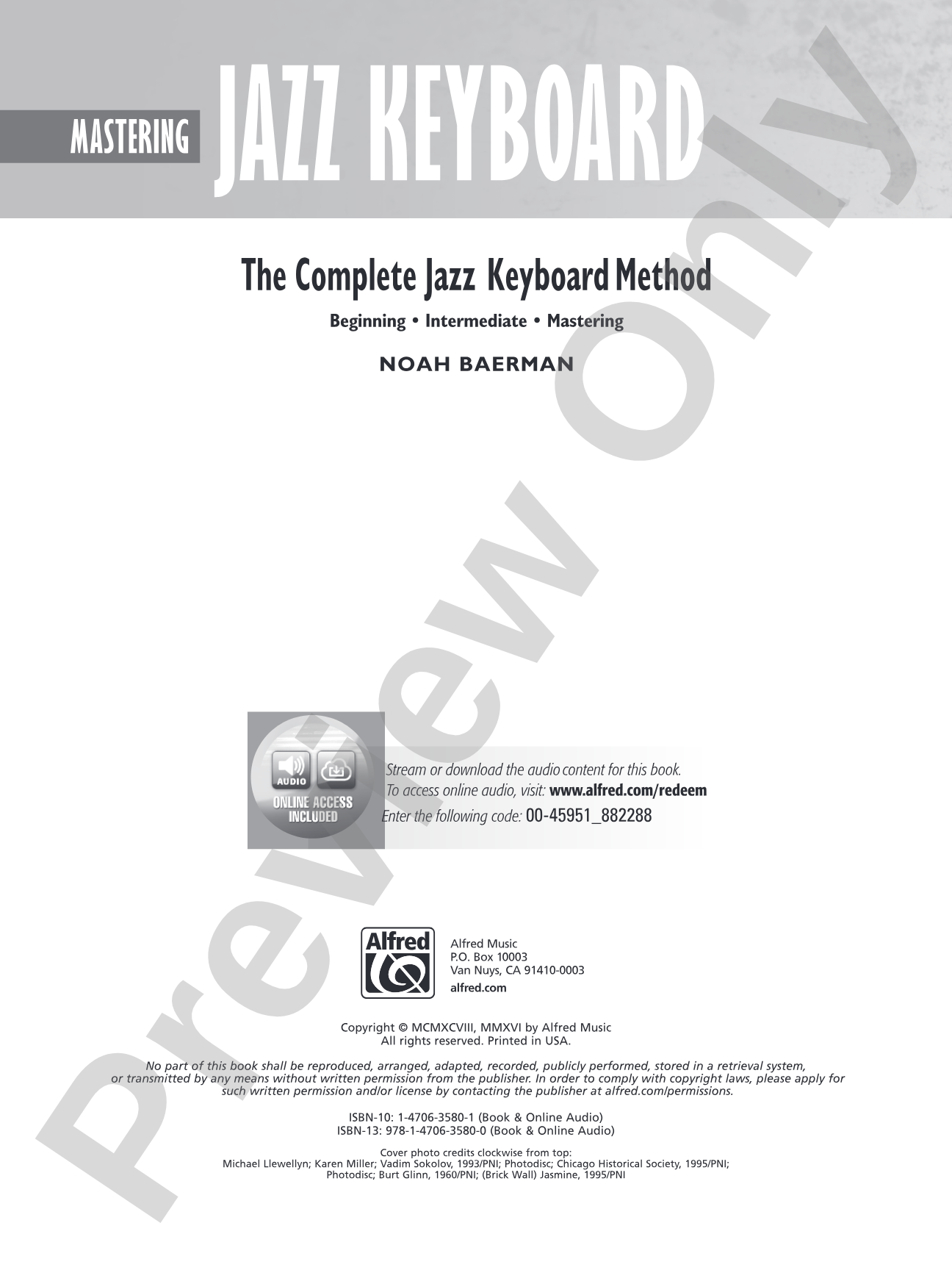
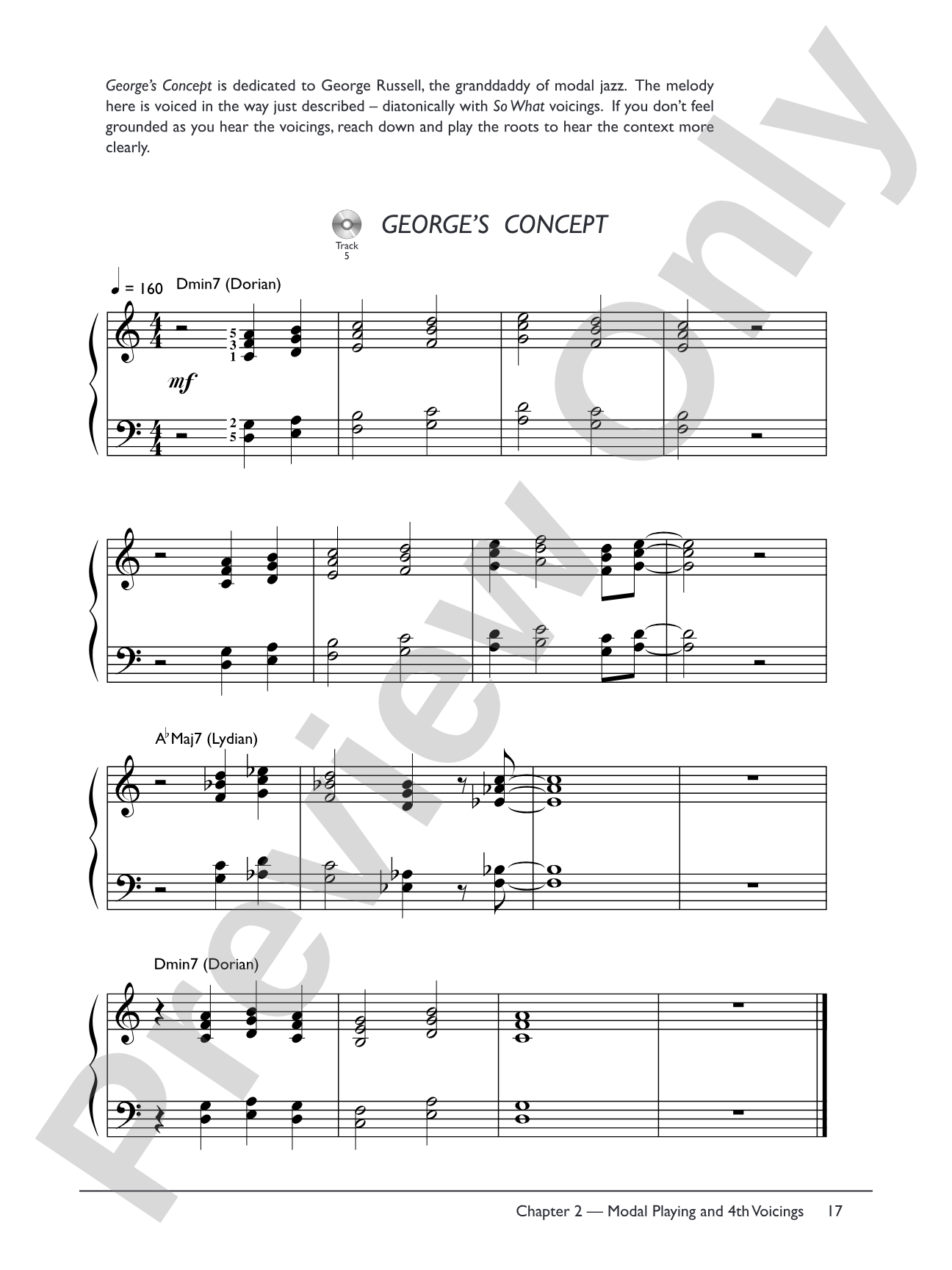
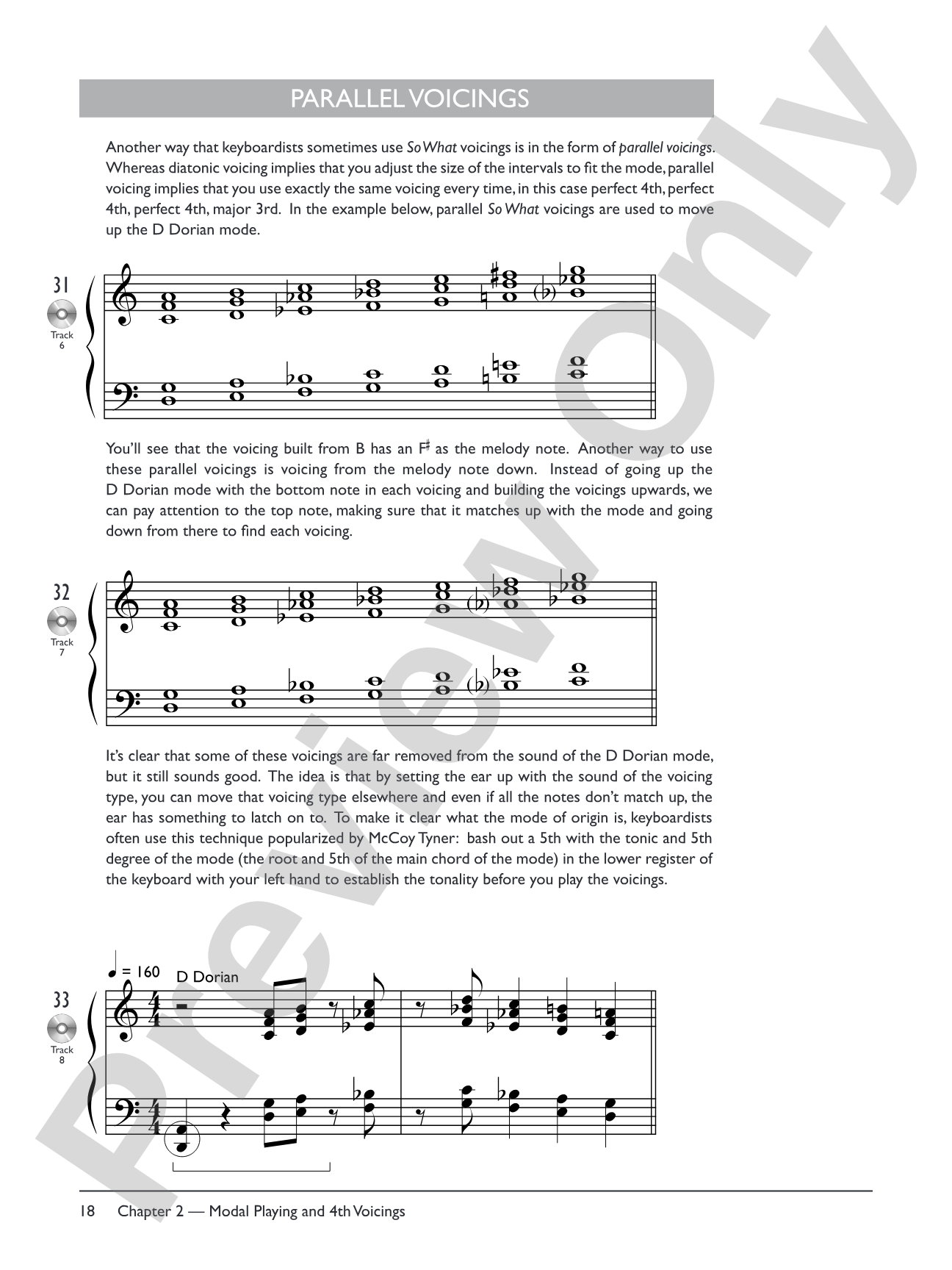
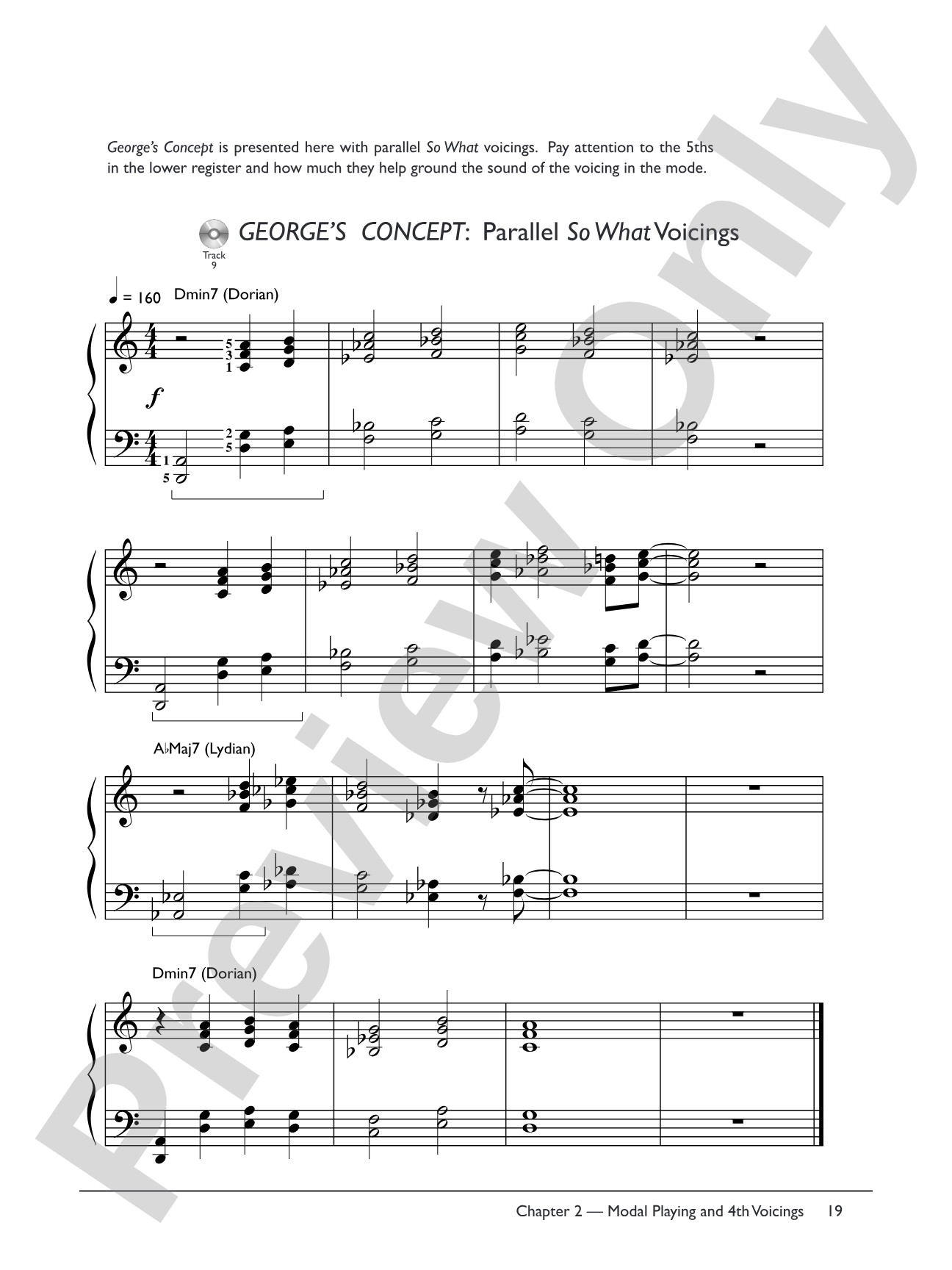
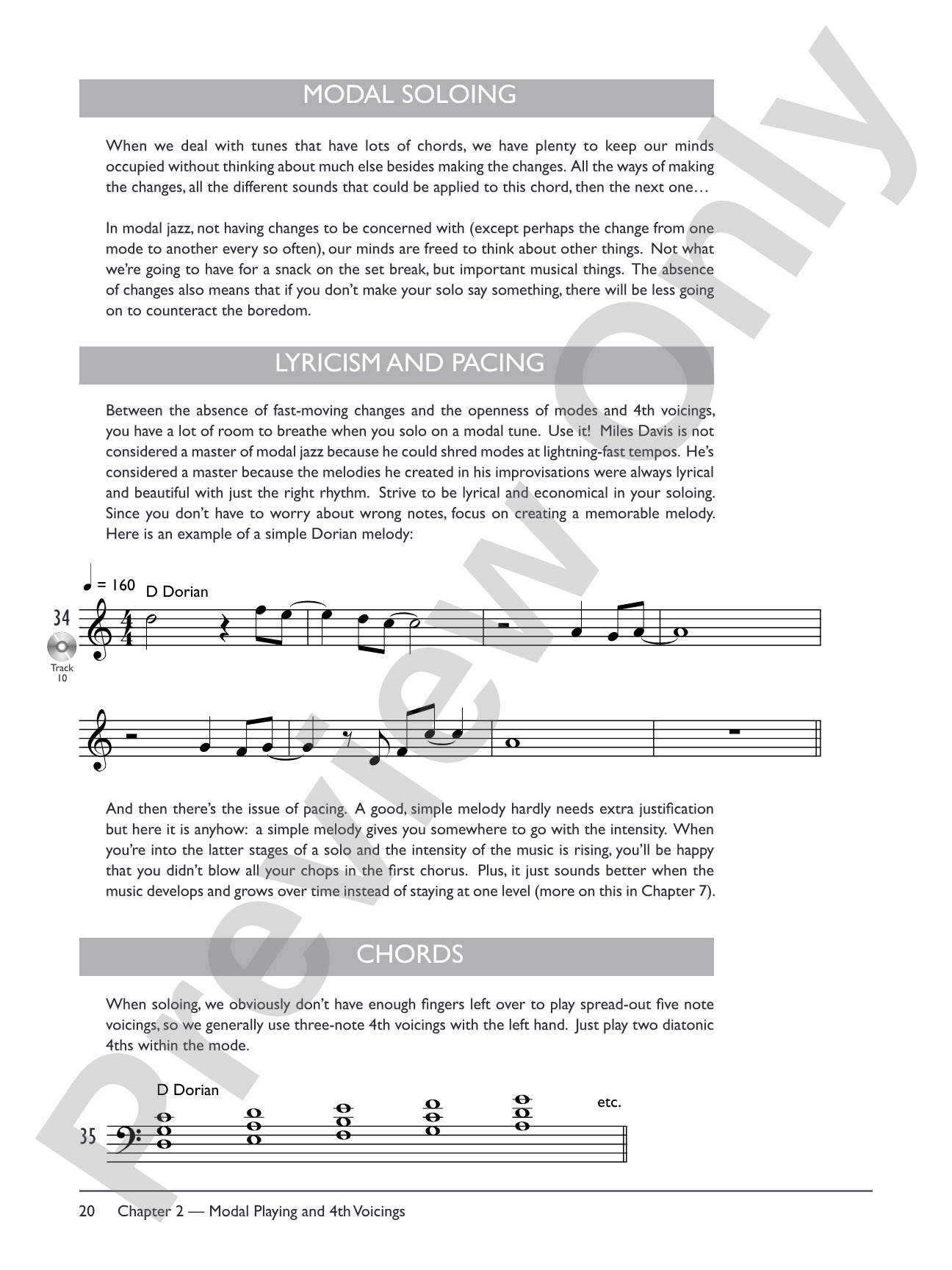

The Complete Jazz Keyboard Method: Mastering Jazz Keyboard: Piano
By Noah Baerman
Item: 00-PB-0001875
$19.99
Pickup currently not available
Description
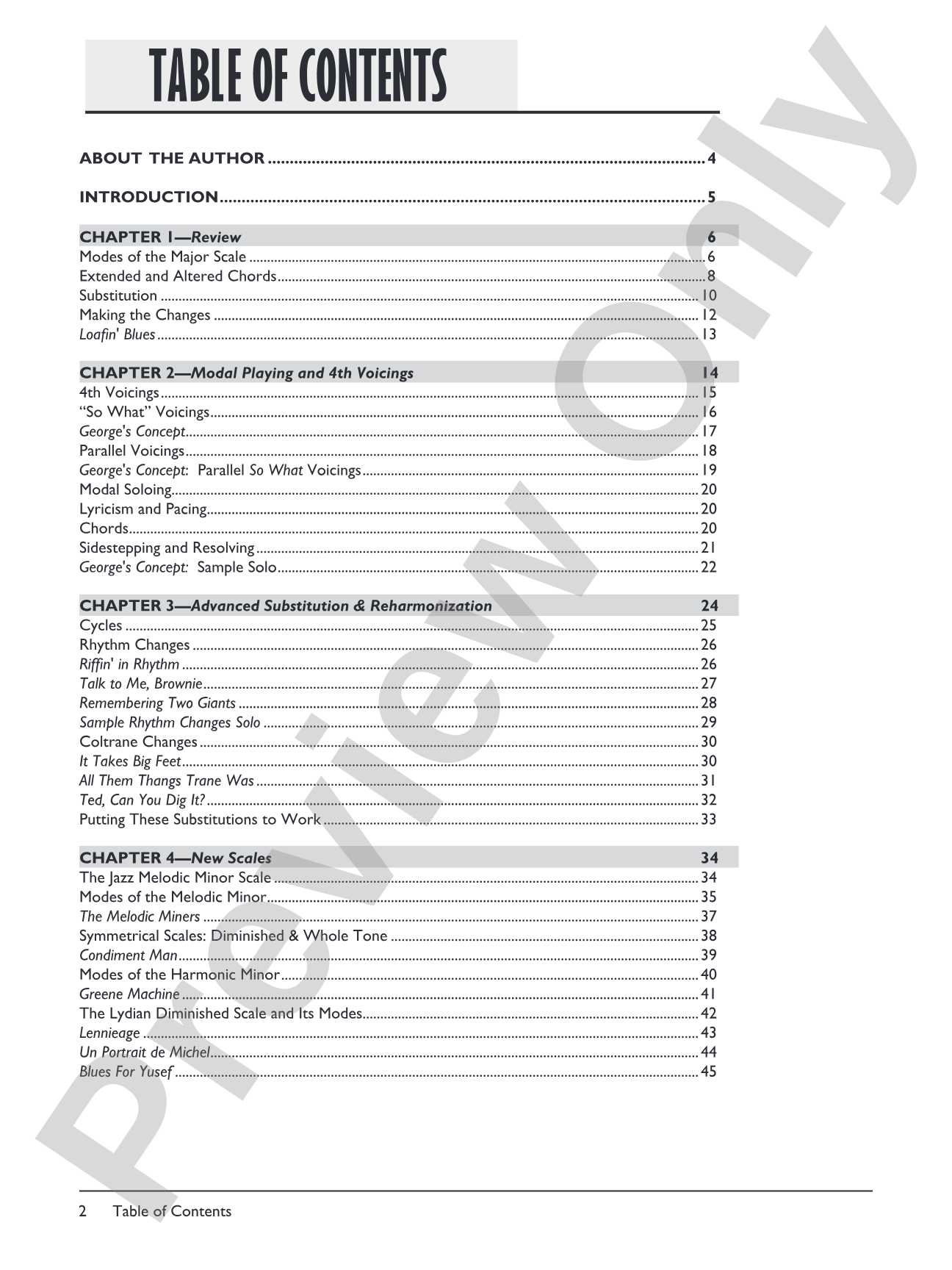
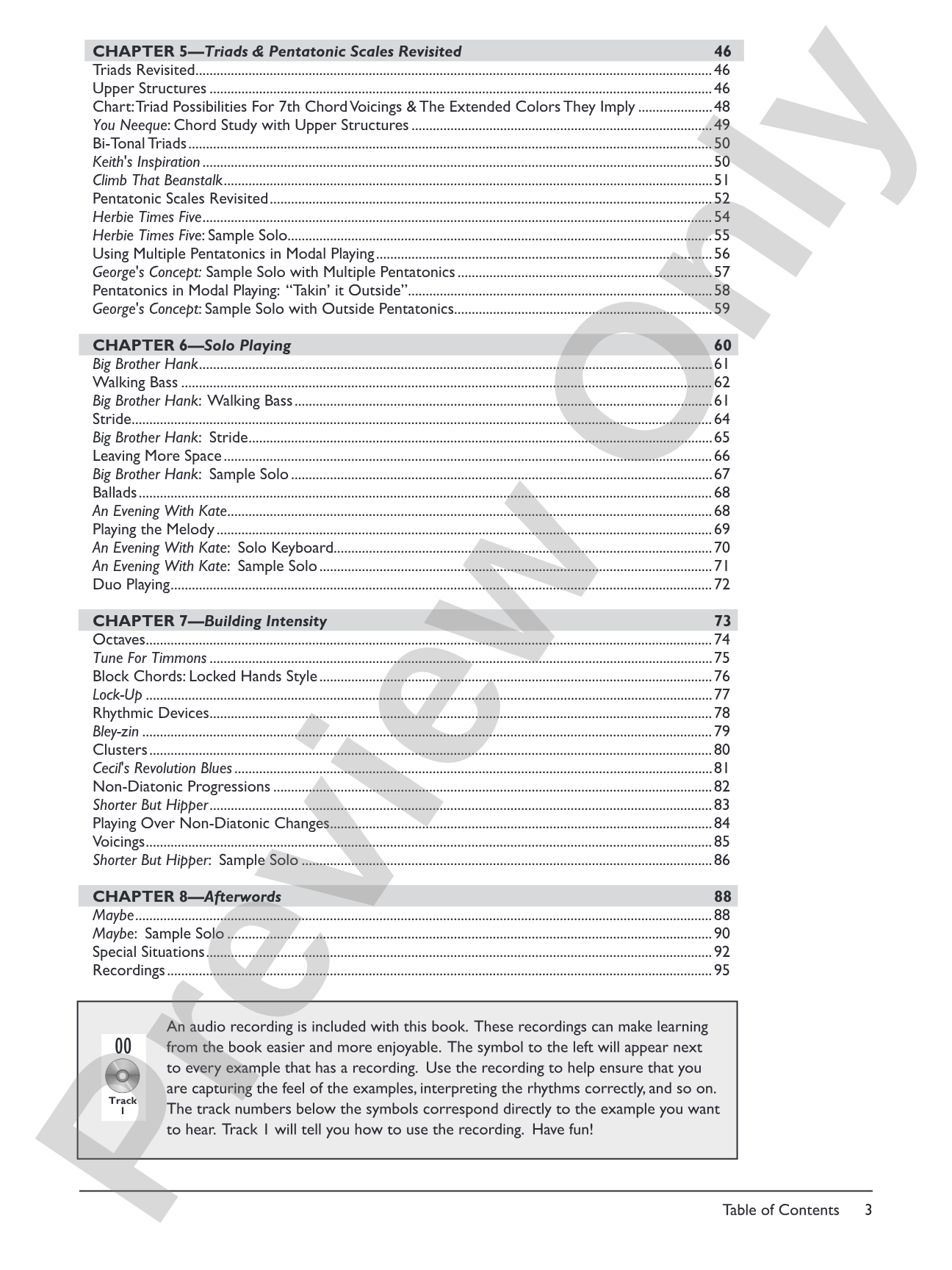
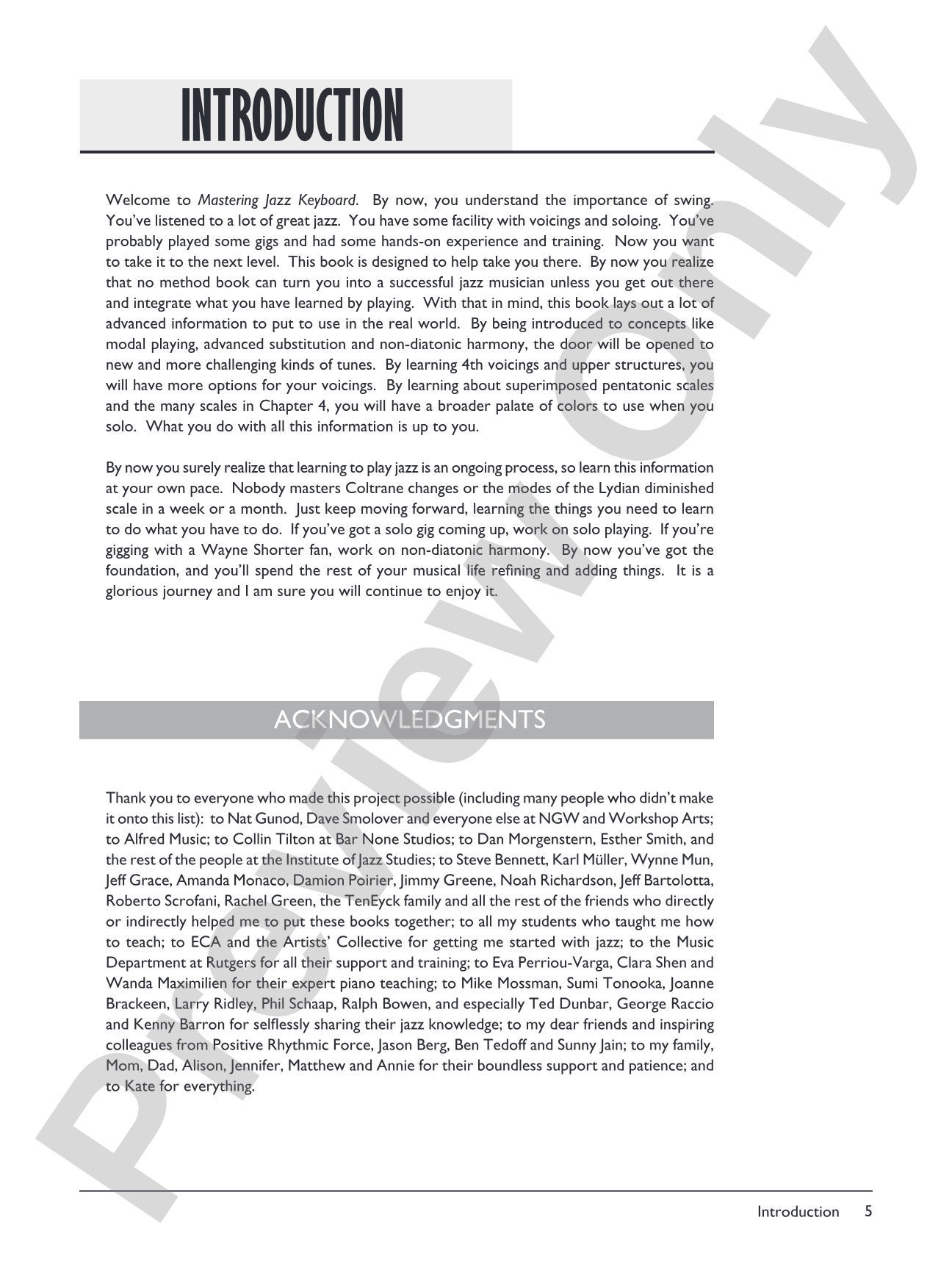
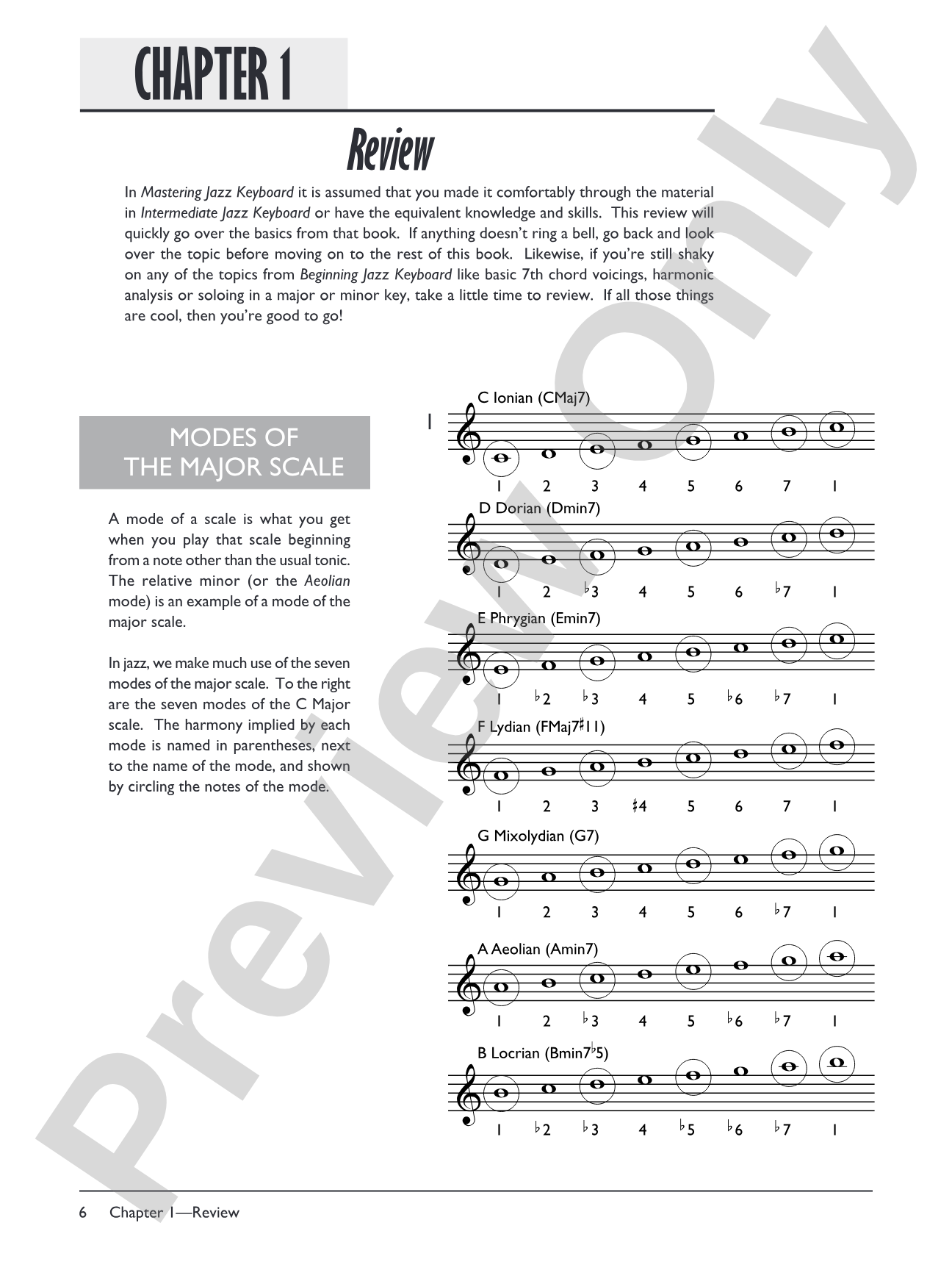
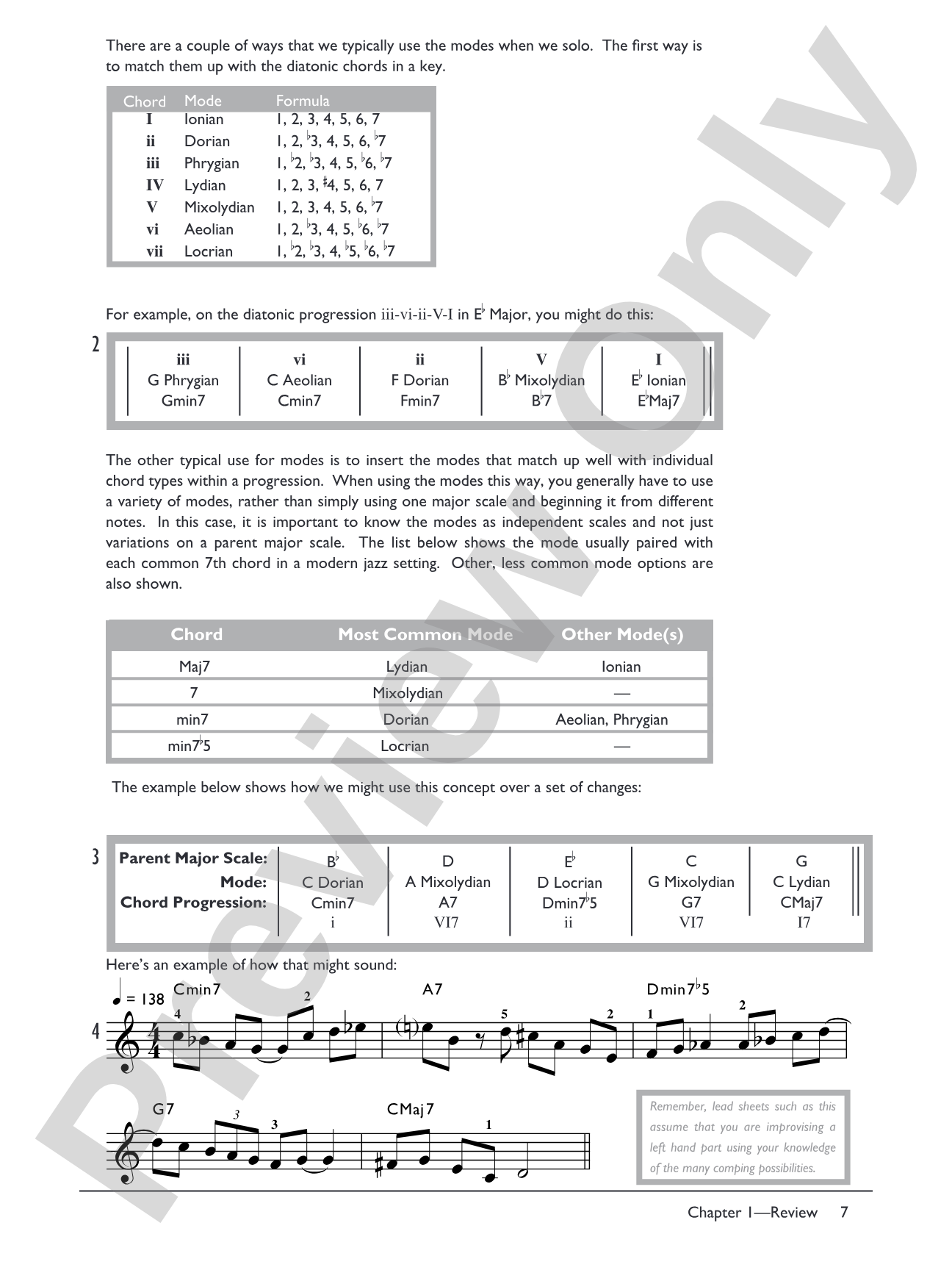
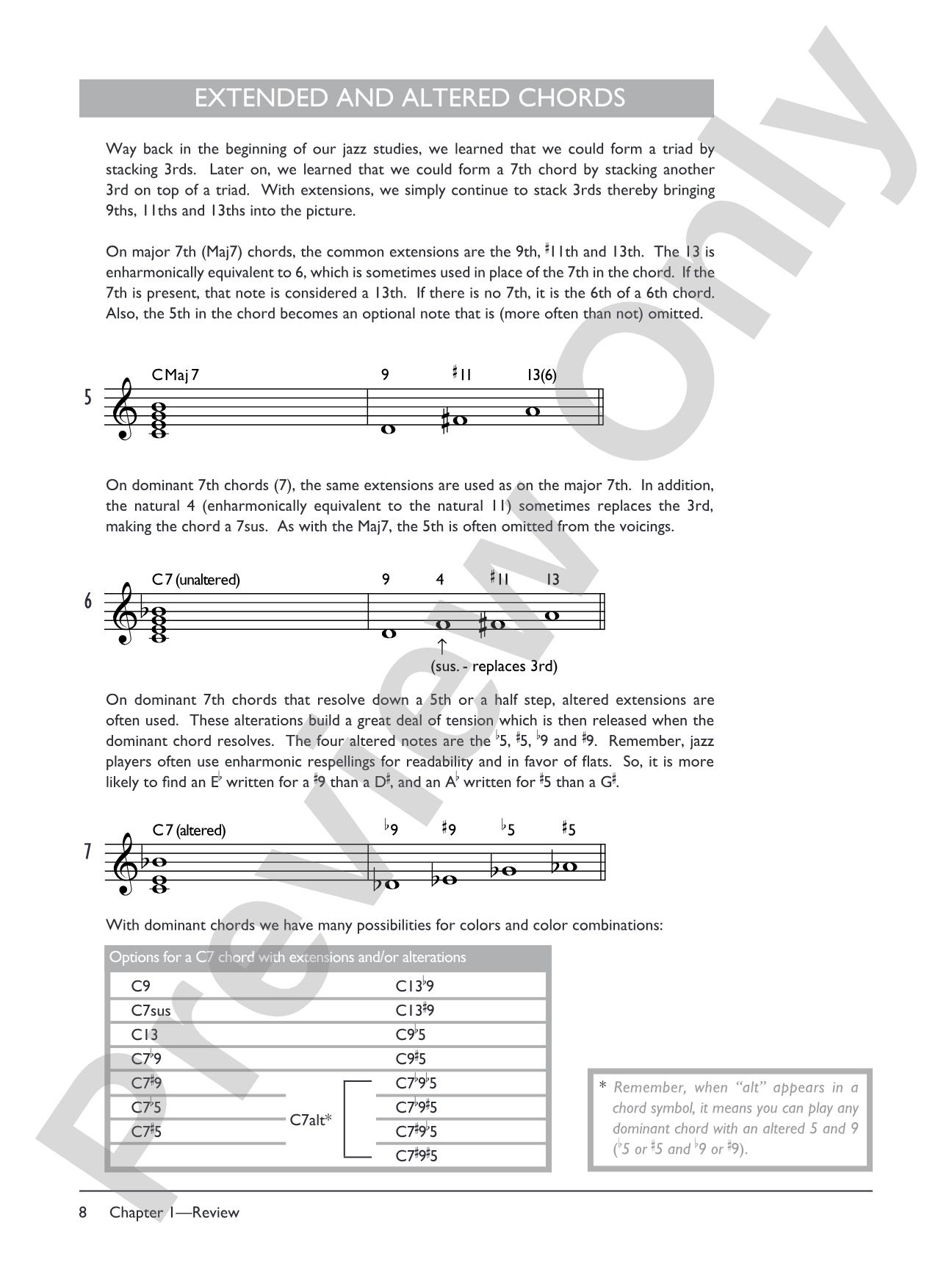
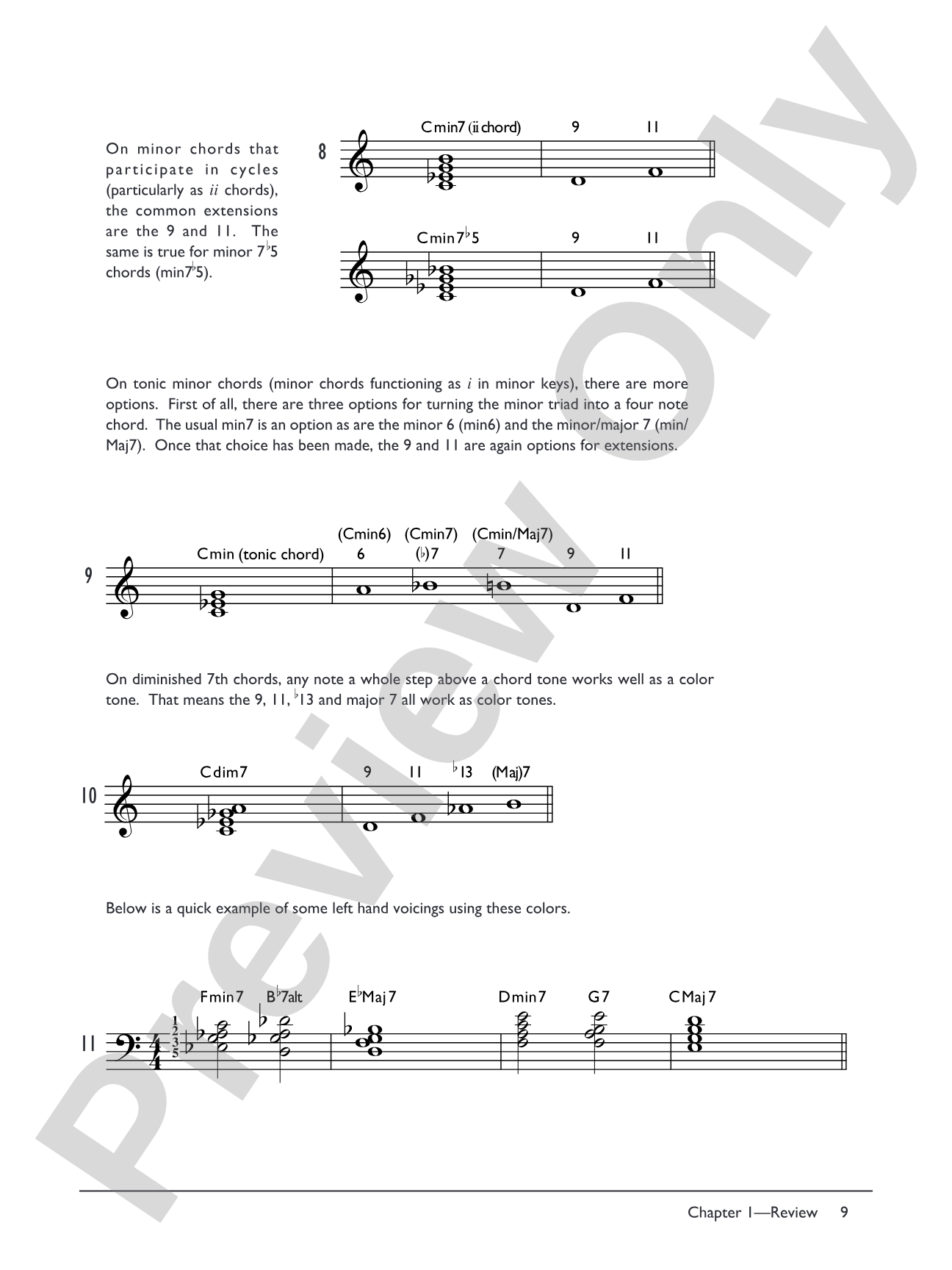
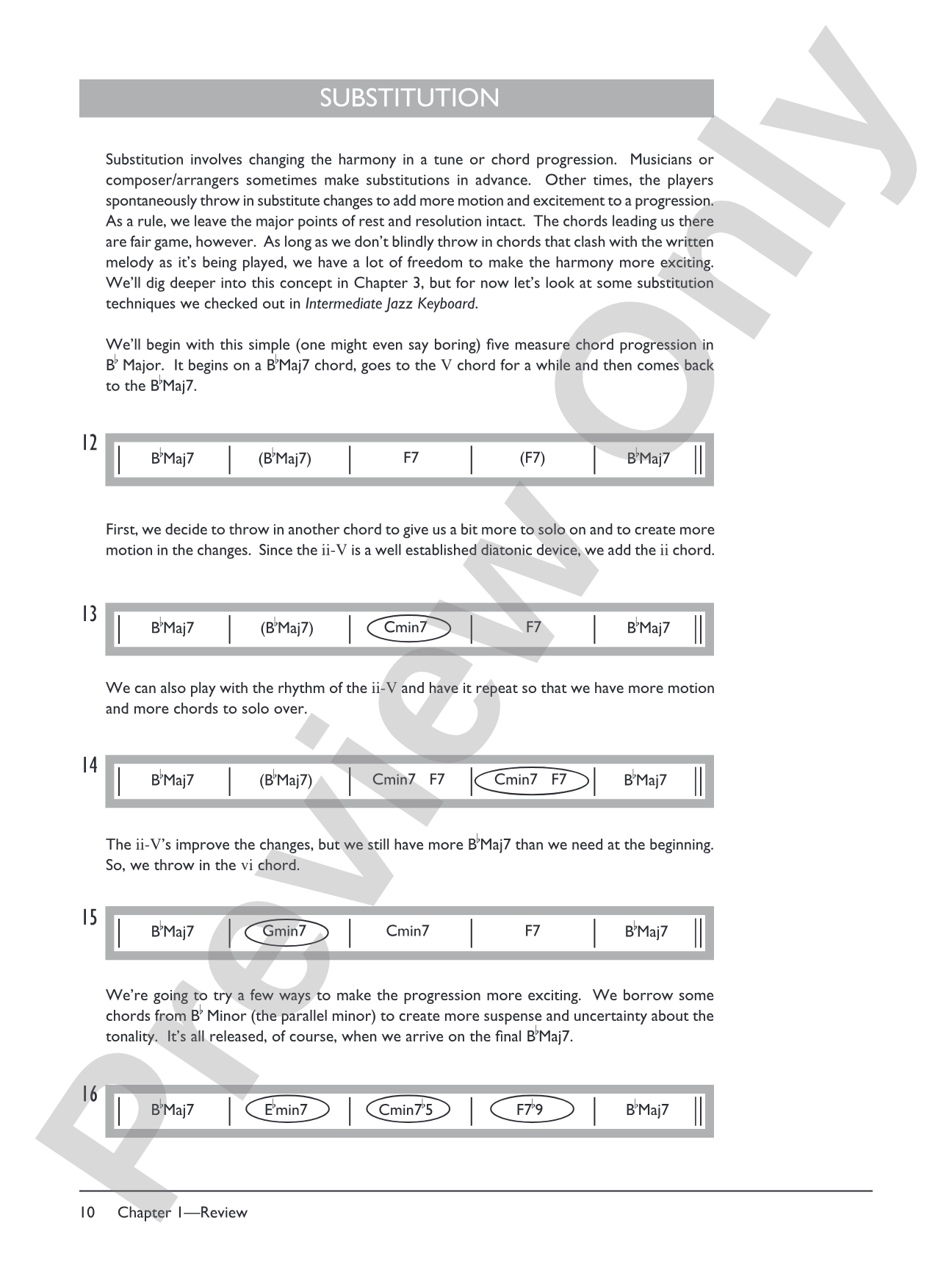
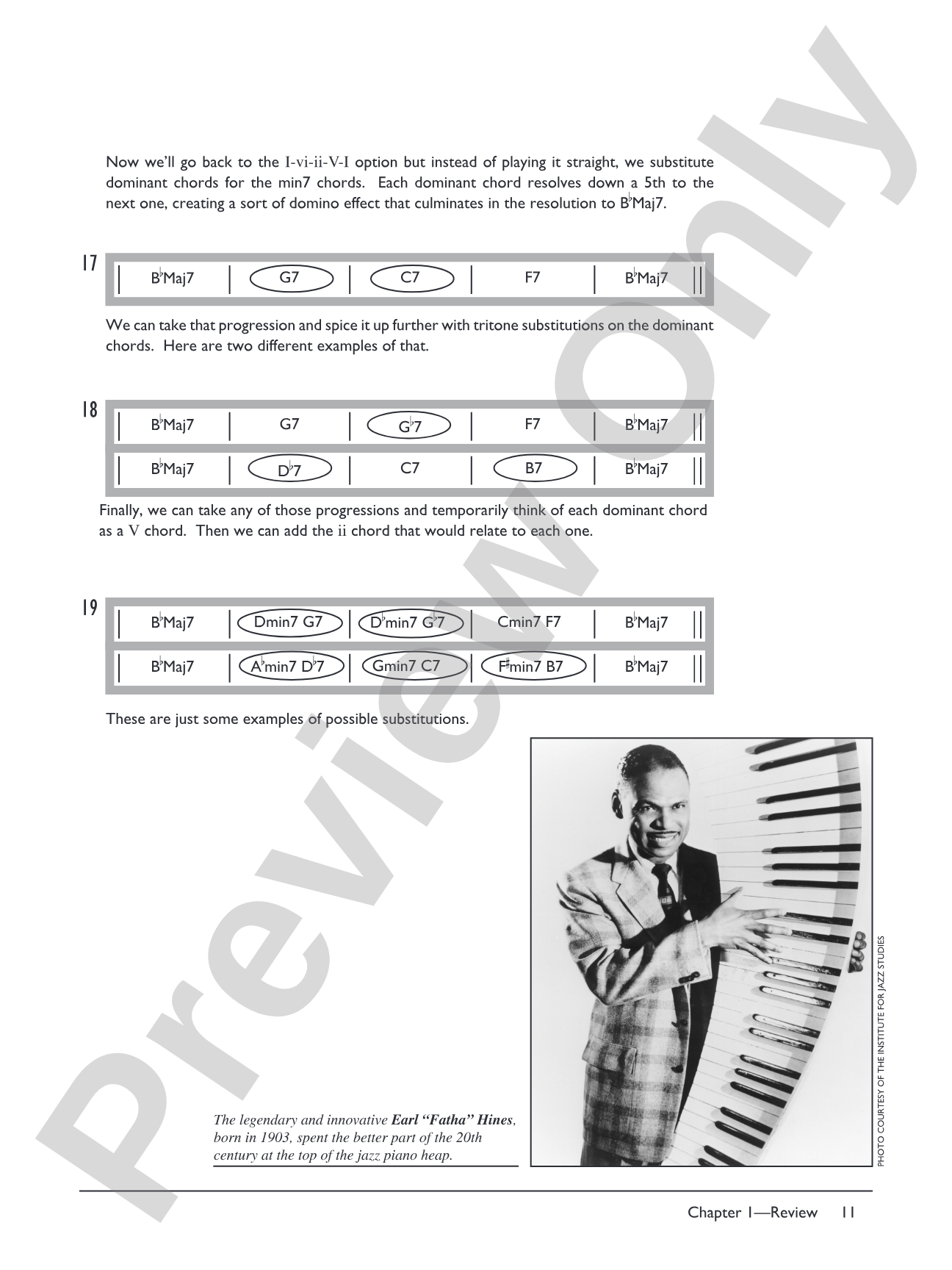
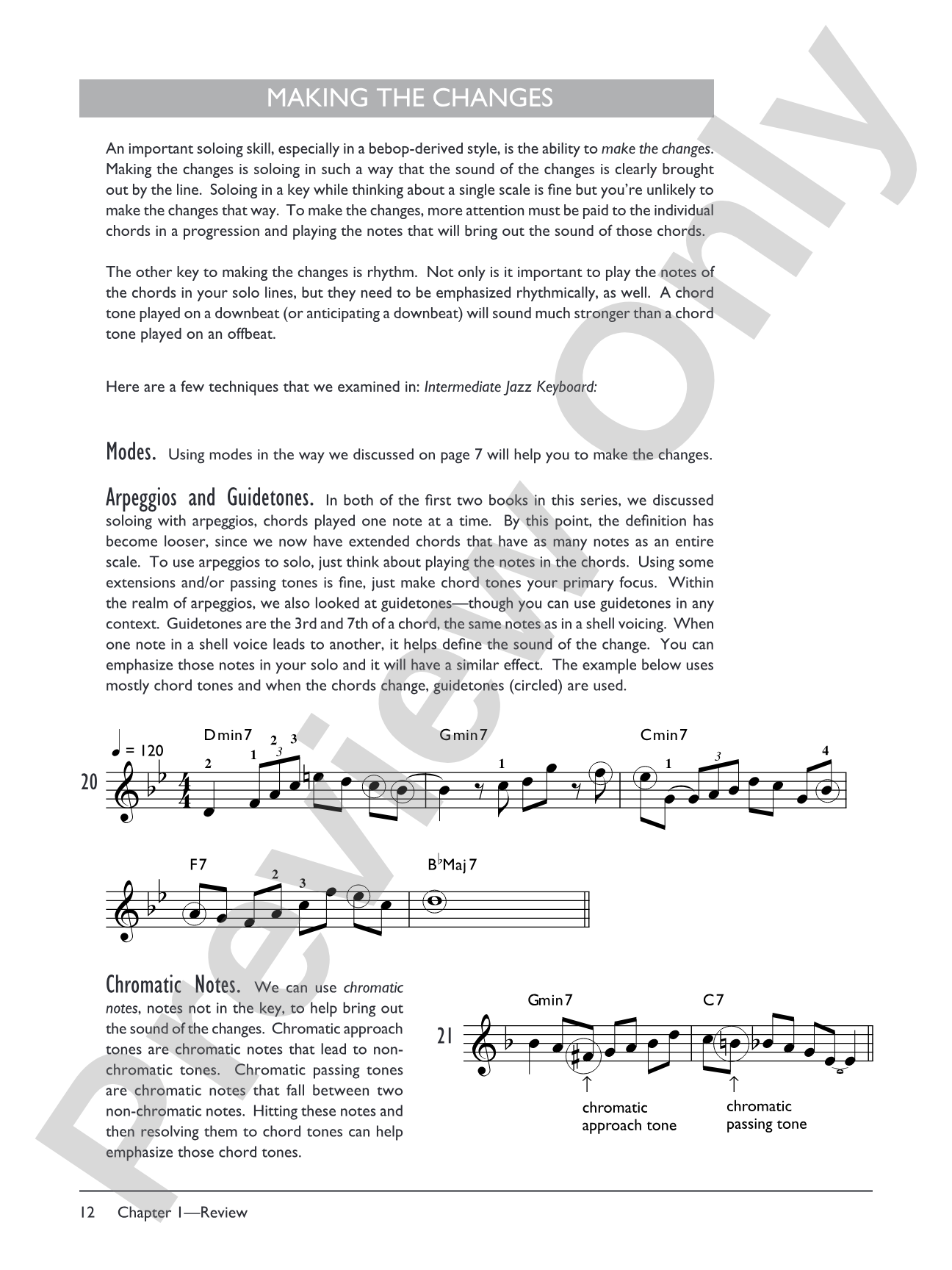
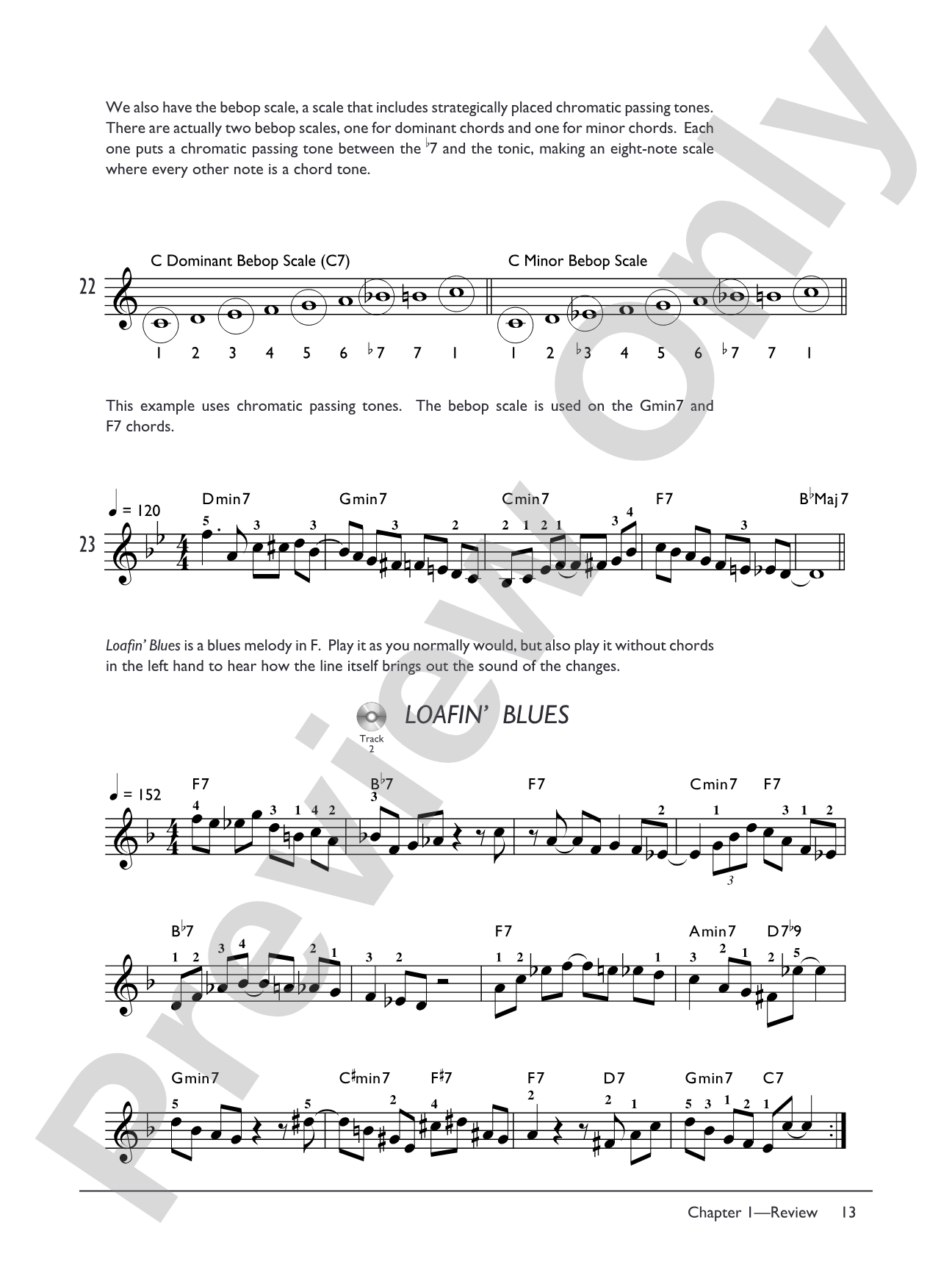
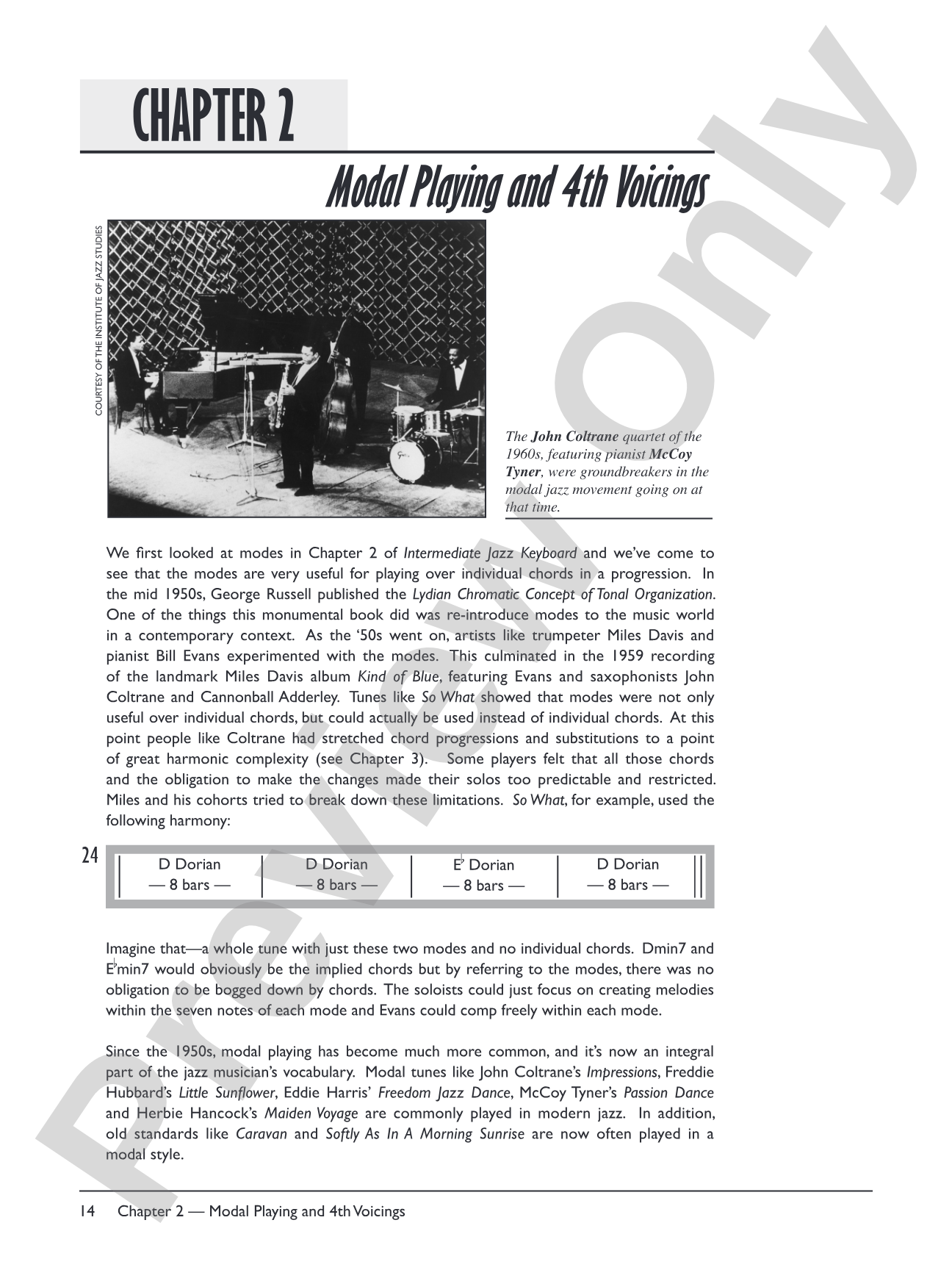
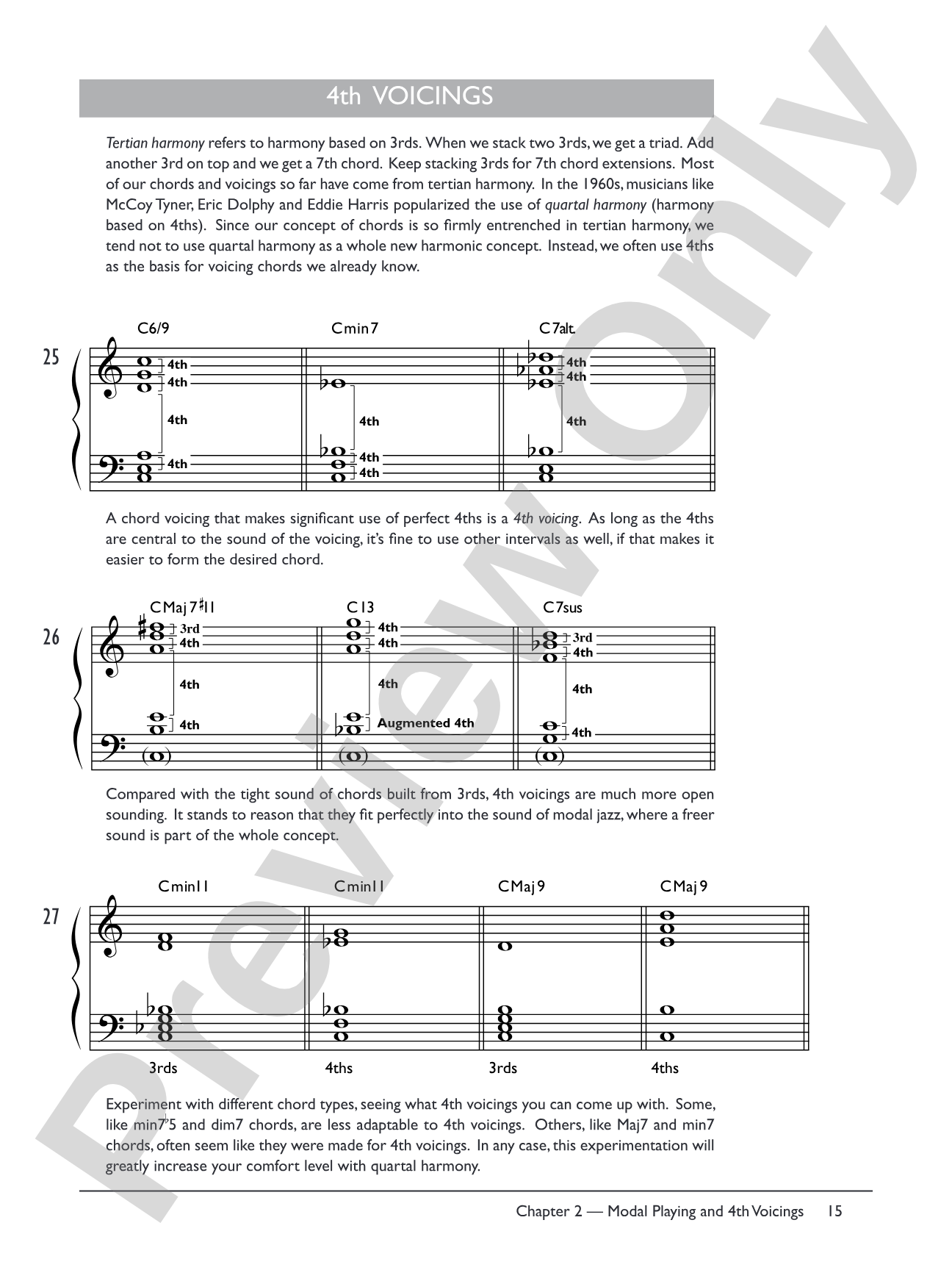
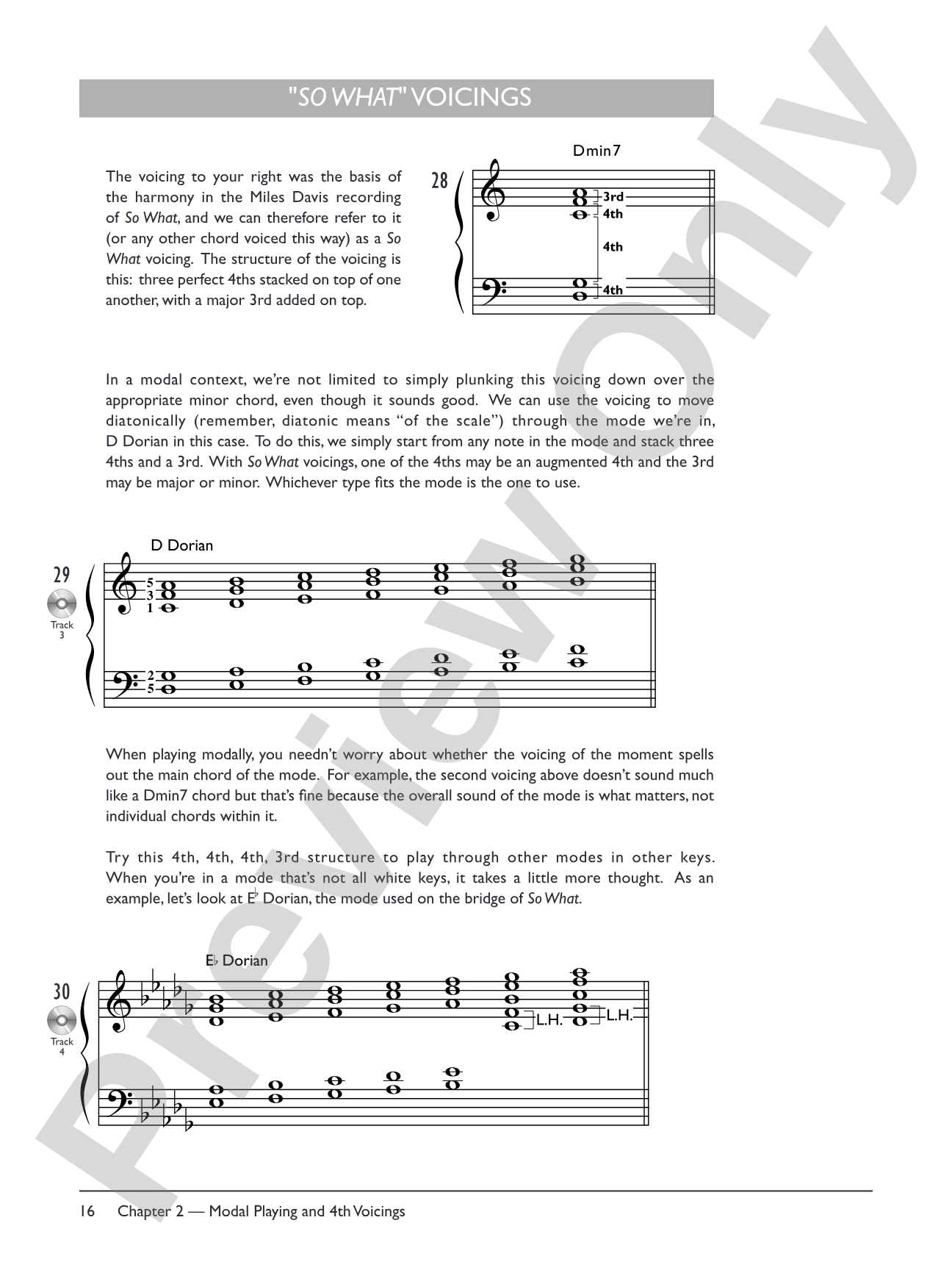
The conclusion to this power-packed jazz method starts with a review of concepts from Intermediate Jazz Keyboard and quickly moves on to more-advanced concepts like chord voicings, modal soloing, substitution, reharmonization, modes of the minor scales, diminished and whole tone scales, walking bass, stride piano technique, non-diatonic progressions, and much more. The perfect launching pad for a lifetime of discovery and joy from playing music, Mastering Jazz Keyboard is essential to any keyboardist's journey into jazz. Companion MP3 audio demonstration tracks are included and can be streamed online or downloaded.


The Complete Jazz Keyboard Method: Mastering Jazz Keyboard: Piano isn't in MakeMusic Cloud just yet...but it could be. Let us know you'd like to see it, and you'll help shape what comes next. In the meantime, start a free trial and dive into thousands of interactive titles your students can play along with today.
Request This Title
Tell us you want it.
Start Your Free Trial
Explore everything that's ready to play right now.
Sample Audio
1
Track 15
--:--
2
Track 26
--:--
3
Track 48
--:--
4
Track 68
--:--
Track 15
0:00
0:00
Sample Video
No sample videos found.
Additional Details
Series:
Complete Method
Publisher:
Alfred Music
Page Count:
96
SKU:
00-PB-0001875
More about this title
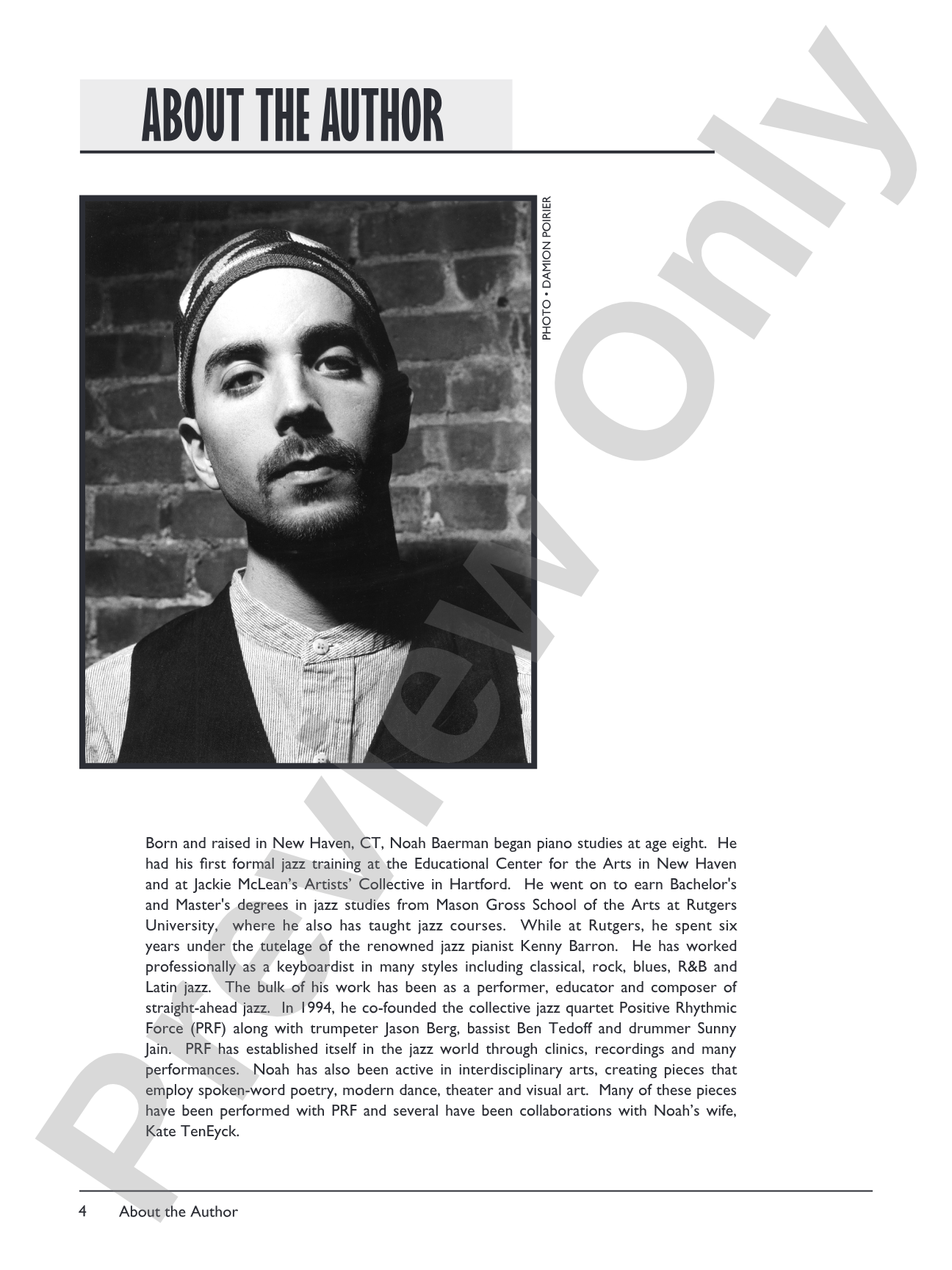
About the Composer: Noah Baerman
Noah Baerman has established himself as a trusted voice in jazz keyboard pedagogy, bringing both practical experience and thoughtful curriculum design to his method books. His approach balances technical rigor with accessibility, creating pathways for students to internalize jazz concepts rather than simply memorize patterns.
Why we love this
Baerman structures advanced concepts in logical progression, never overwhelming students with too much at once. The inclusion of stride piano technique, reharmonization, and non-diatonic progressions alongside modal soloing gives keyboardists genuine tools for professional-level improvisation and comping.
What to expect
Stepping into advanced jazz keyboard territory feels like moving from understanding the rules to knowing how and when to bend them. The material opens ears to the harmonic language of classic jazz recordings while building the technical foundation needed to voice chords with flexibility and color.
Who it's for
This book serves keyboardists who have completed intermediate jazz studies and are ready to engage with sophisticated harmonic concepts and authentic jazz idioms. It's equally valuable for students preparing for jazz studies programs and working musicians seeking to deepen their facility with reharmonization and substitution.
How to get the most out of it
- Isolate voicing patterns by playing them across all twelve keys before applying them to progressions; muscle memory builds faster with systematic transposition than random exploration.
- Record yourself walking bass lines at half tempo, then gradually increase speed; this develops precision without the cognitive load of simultaneous comping.
- Practice modal soloing over the provided tracks by outlining chord tones first, then layering in approach notes and extensions once the harmonic center feels secure.
- Work stride technique with a metronome on the left hand alone before coordinating it with right-hand melody or comping; the independence takes intentional building.
How to use it
Deploy this method as the centerpiece of advanced jazz keyboard study in the second or third year of a student's jazz education. Pair it with real jazz standards and lead sheets to immediately contextualize the voicing and soloing techniques within actual repertoire.
Skills your students will build
- Advanced chord voicing and reharmonization techniques
- Modal soloing over various harmonic contexts
- Harmonic substitution and non-diatonic chord navigation
- Walking bass independence and stride piano technique
- Diminished and whole tone scale application in improvisation
- Integration of modes from the natural minor and harmonic minor scales