
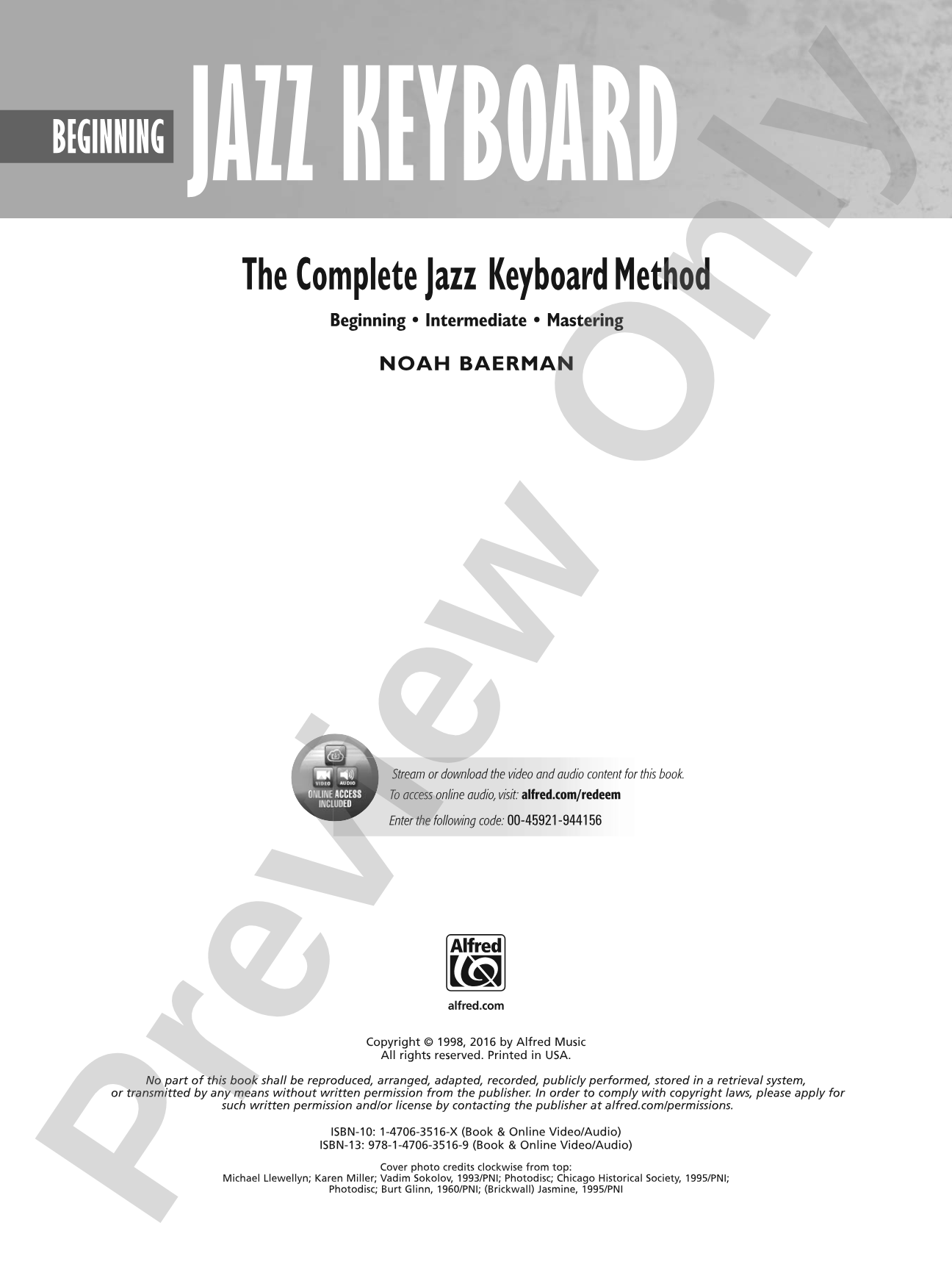

The Complete Jazz Keyboard Method: Beginning Jazz Keyboard: Piano
By Noah Baerman
Item: 00-PB-0001872
$19.99
Pickup currently not available
Description
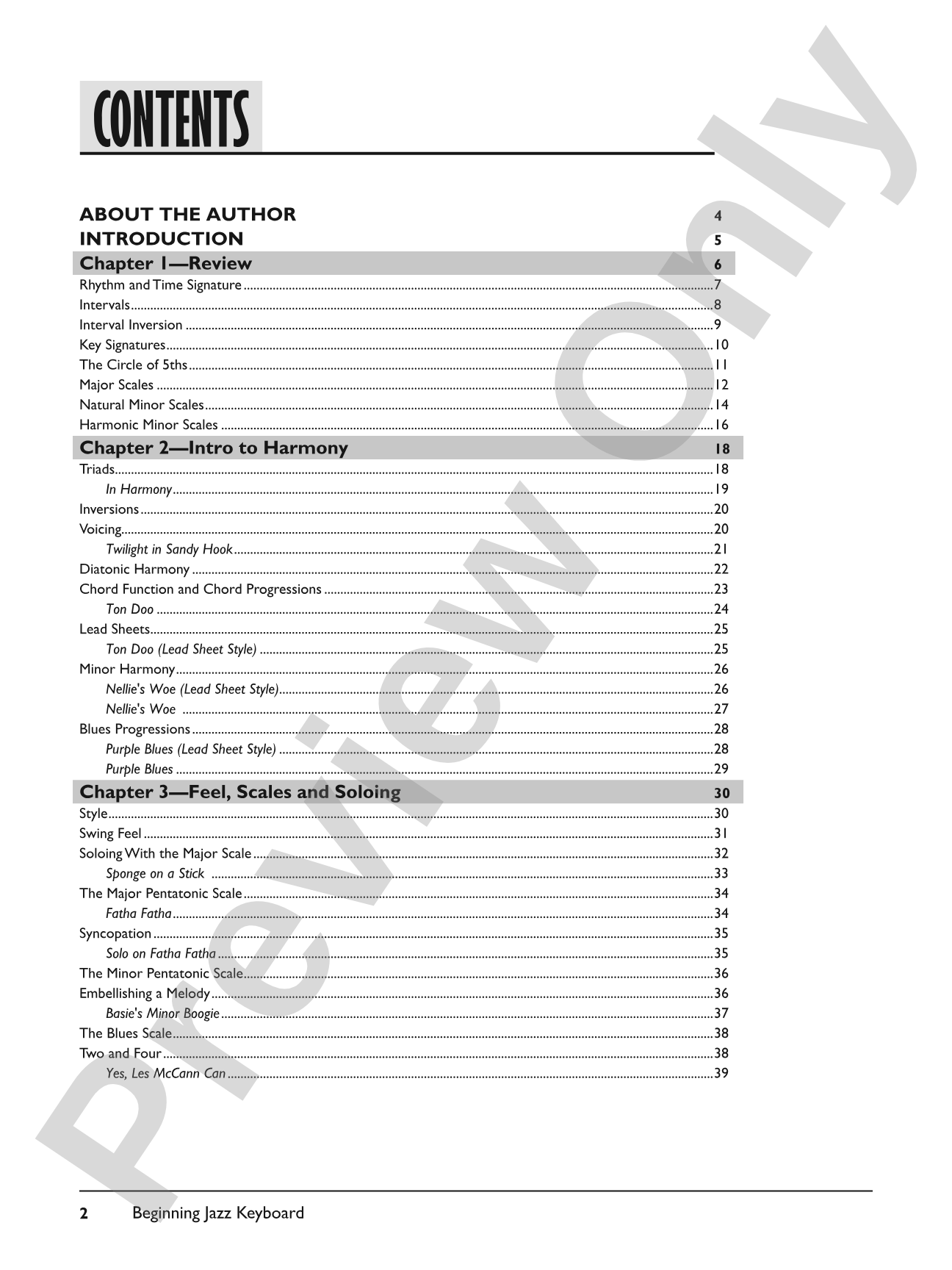
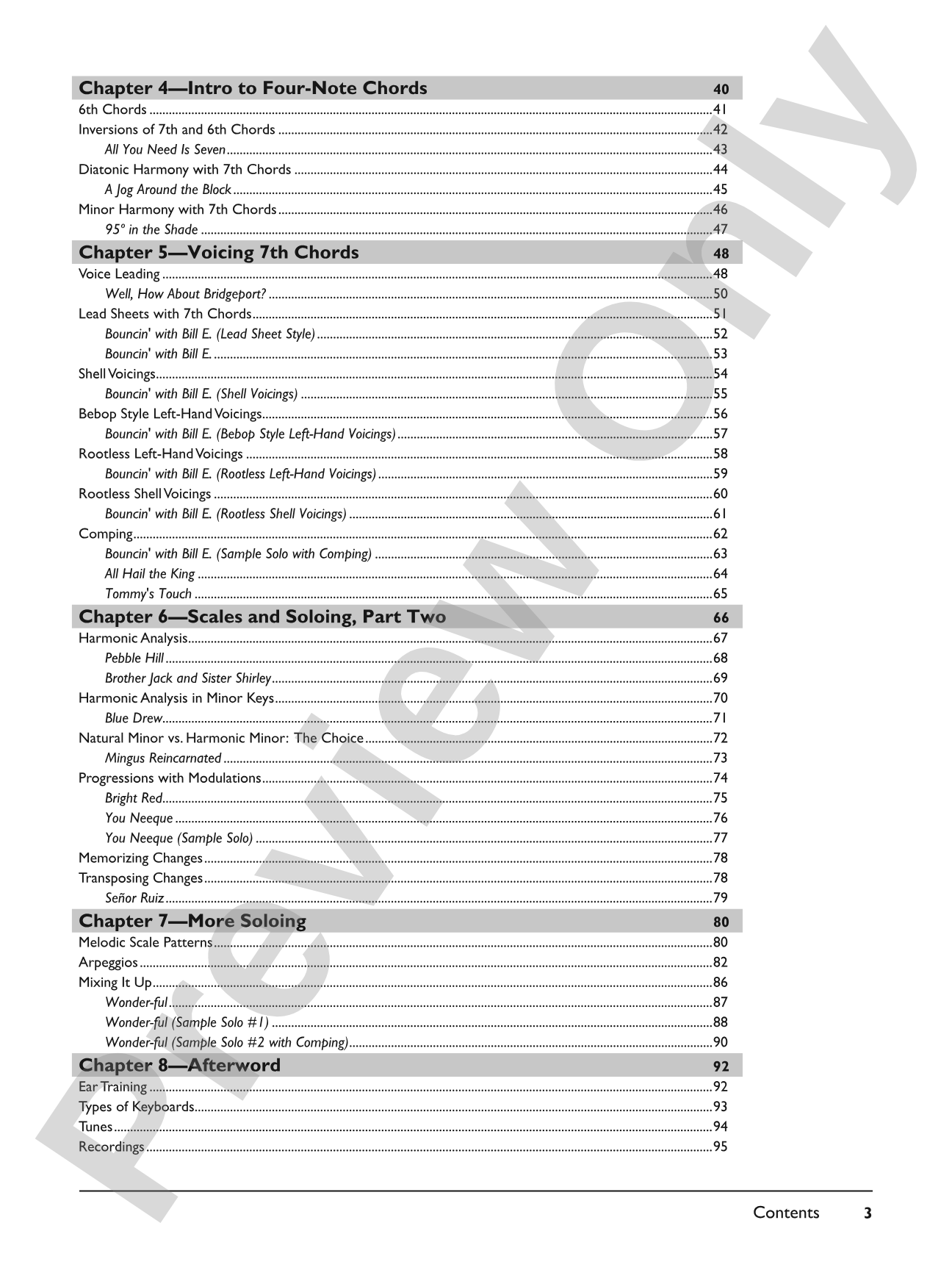
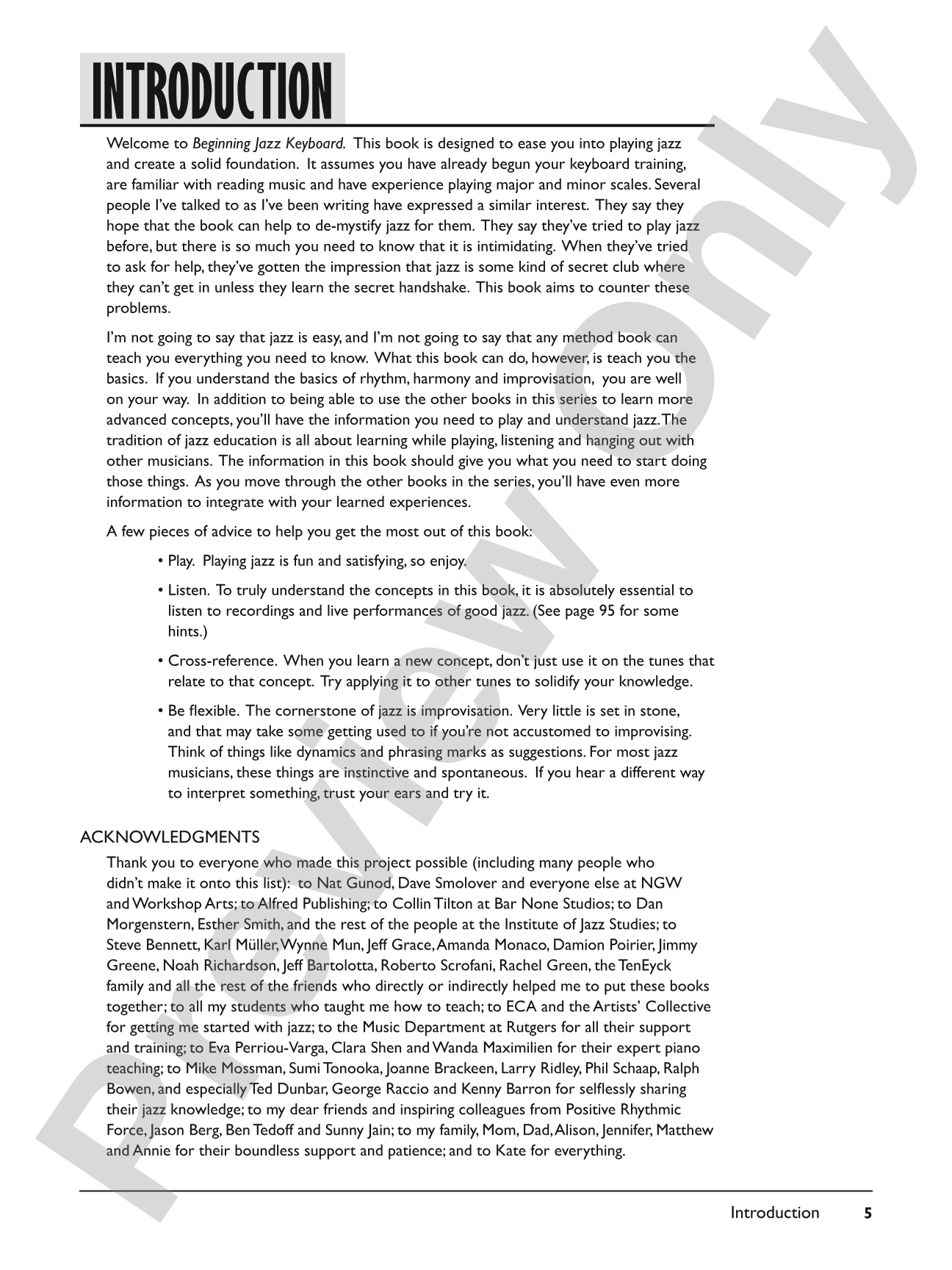
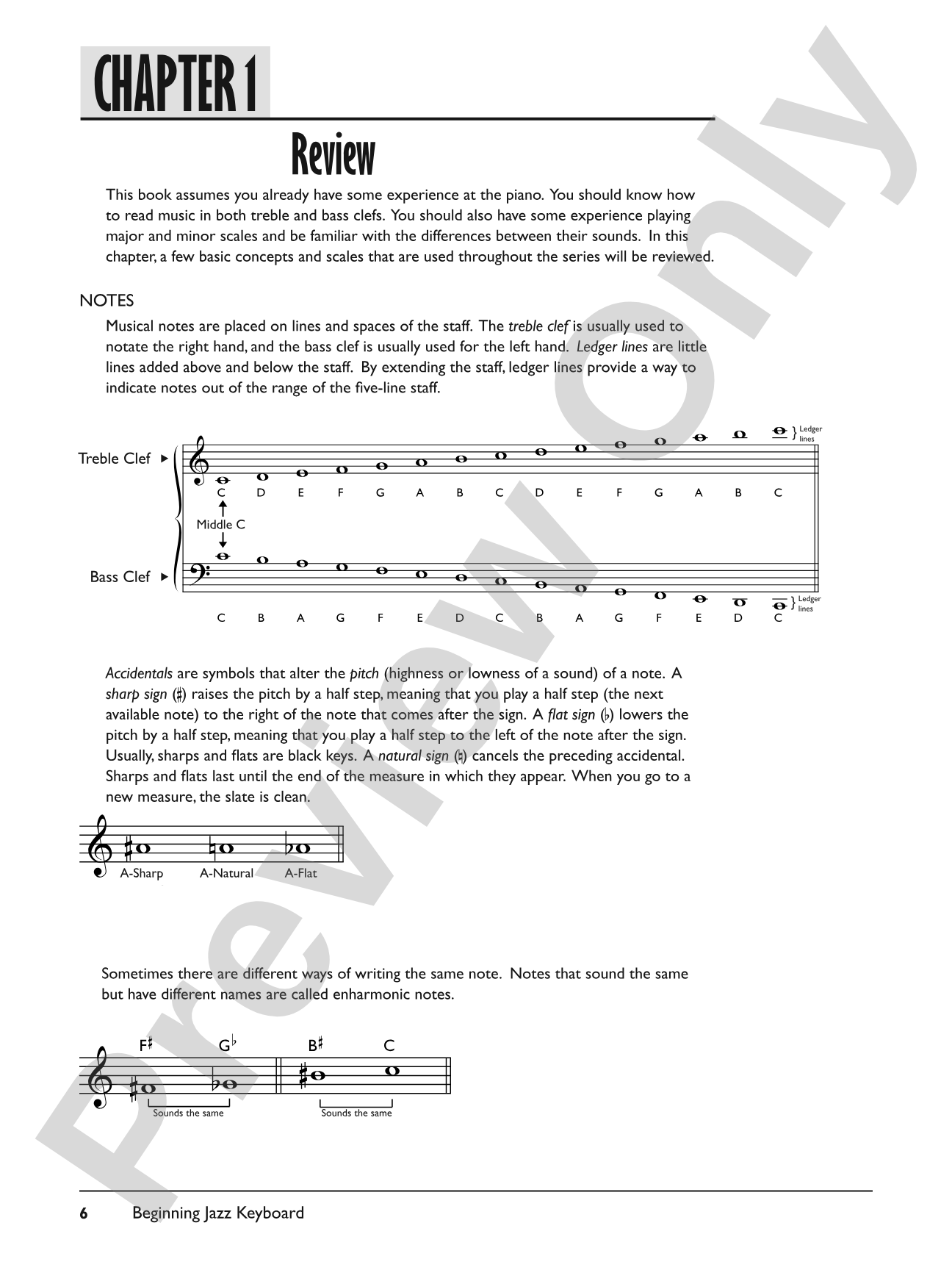
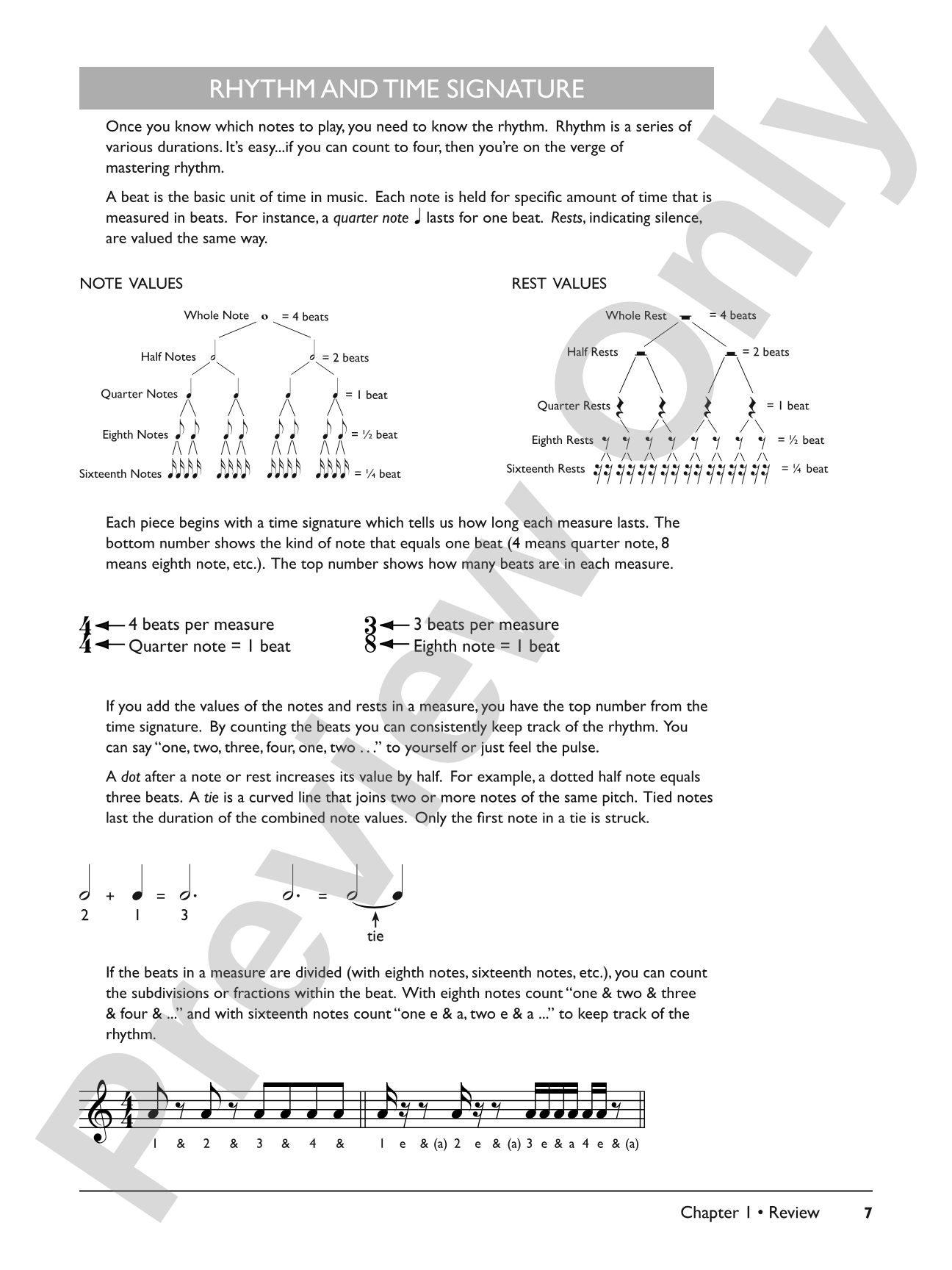
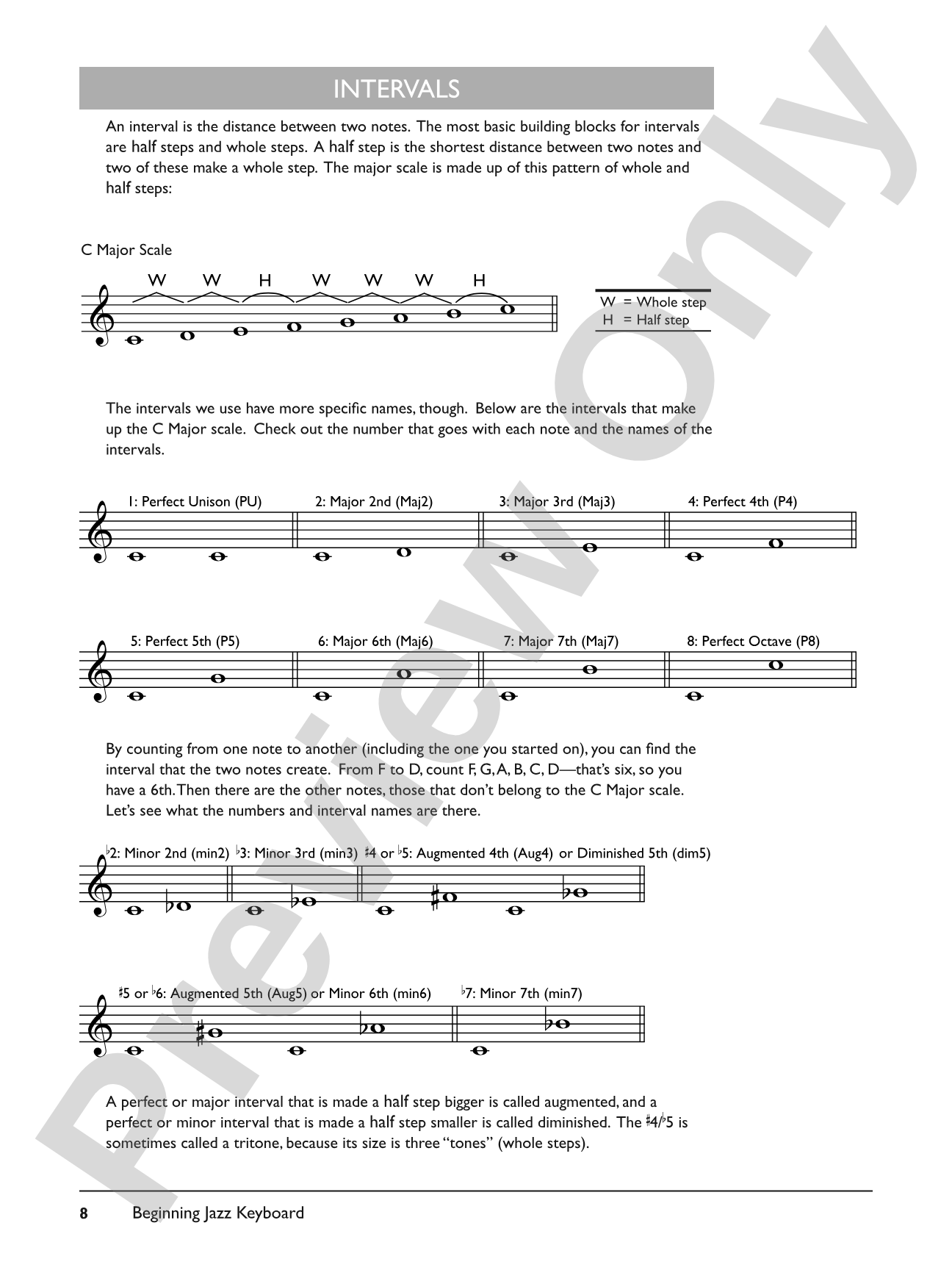
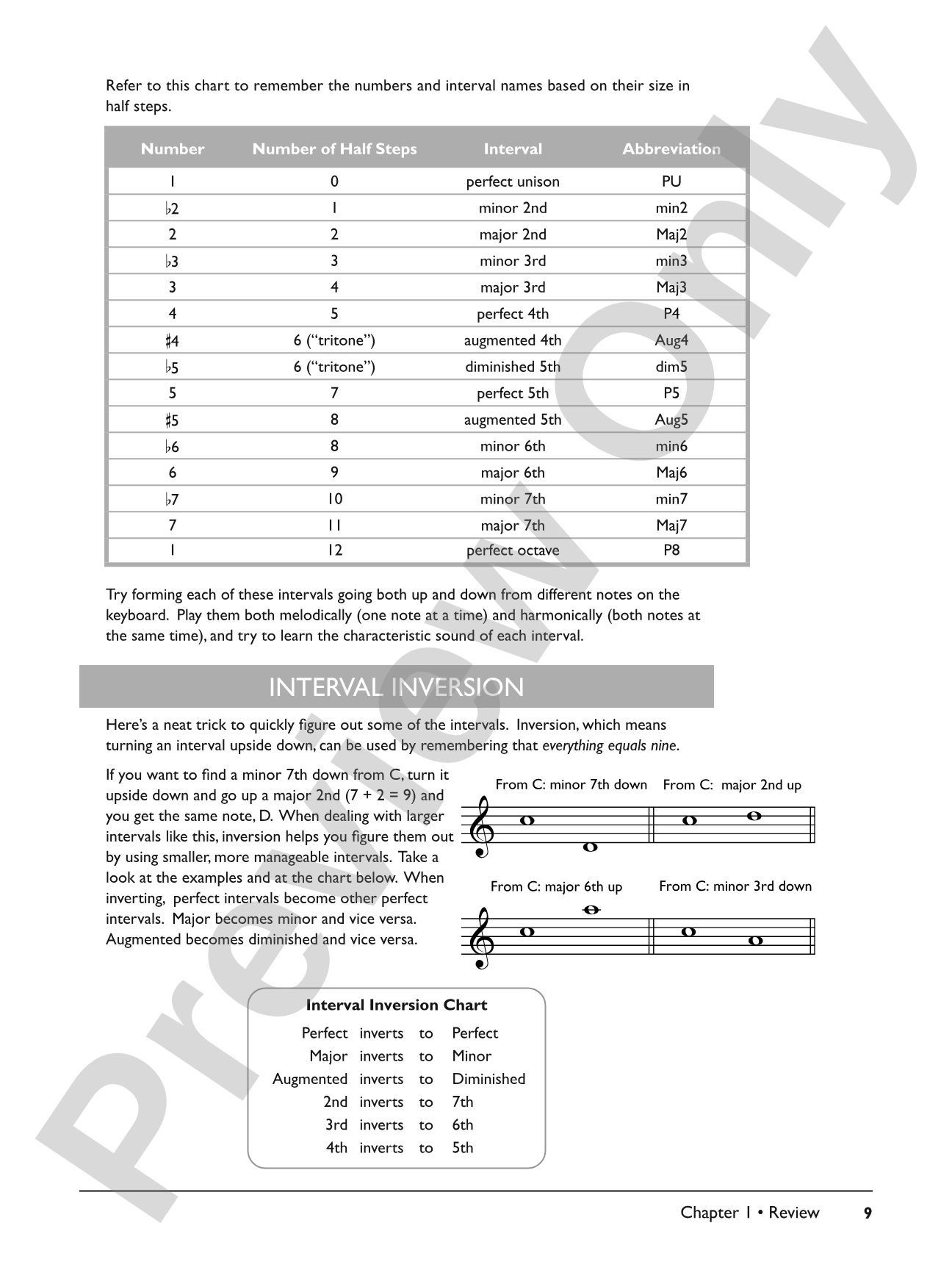
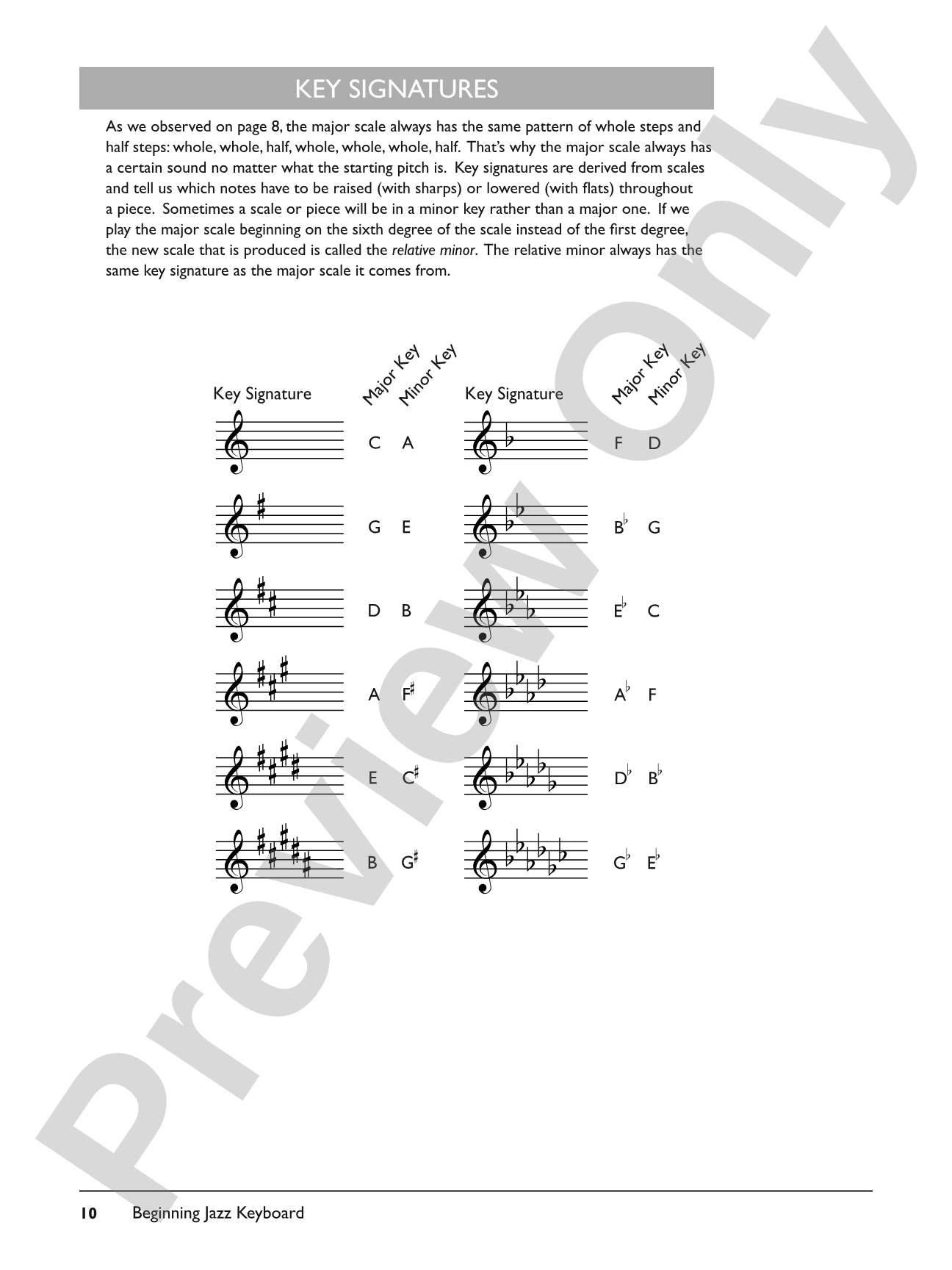
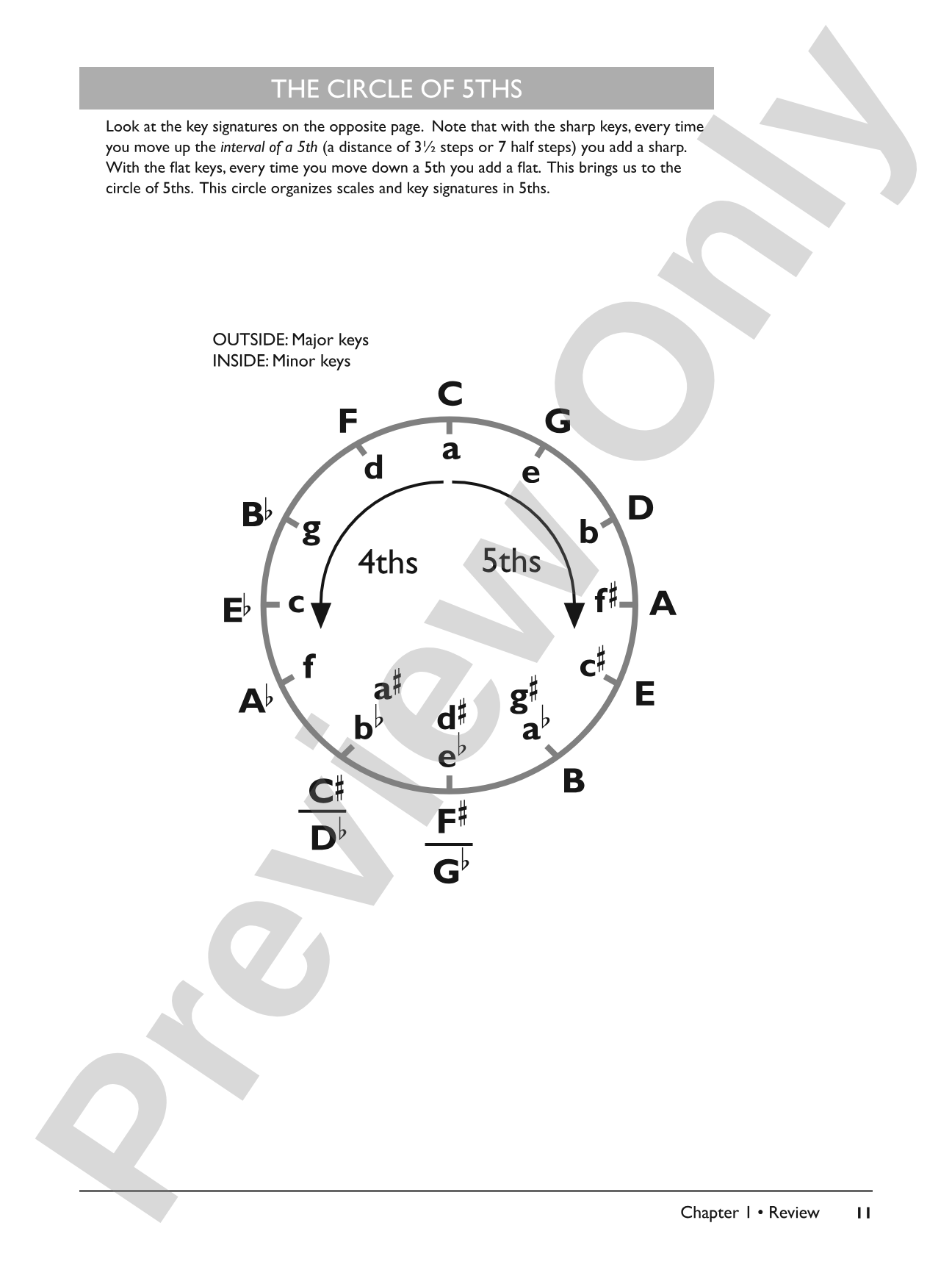
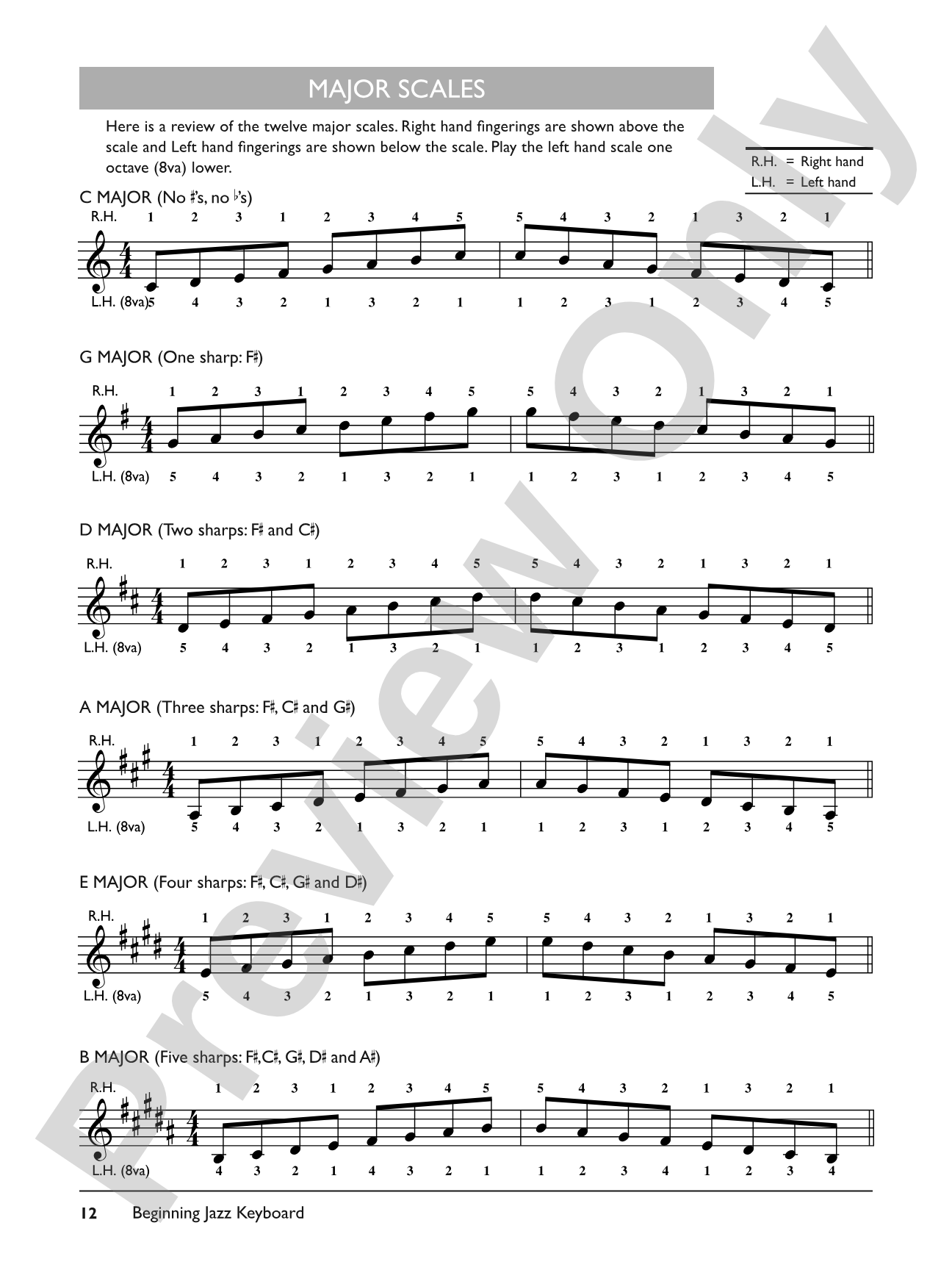
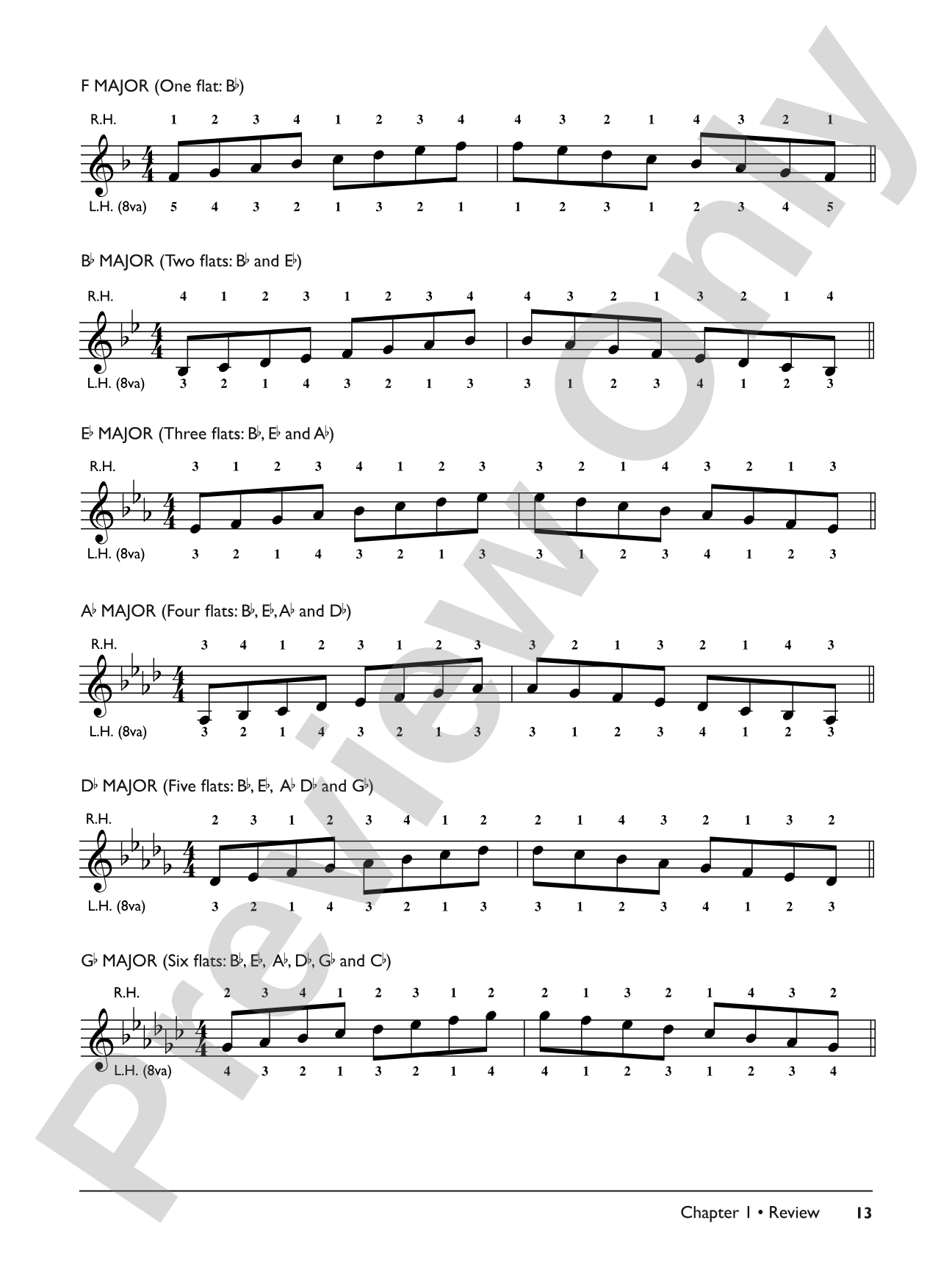
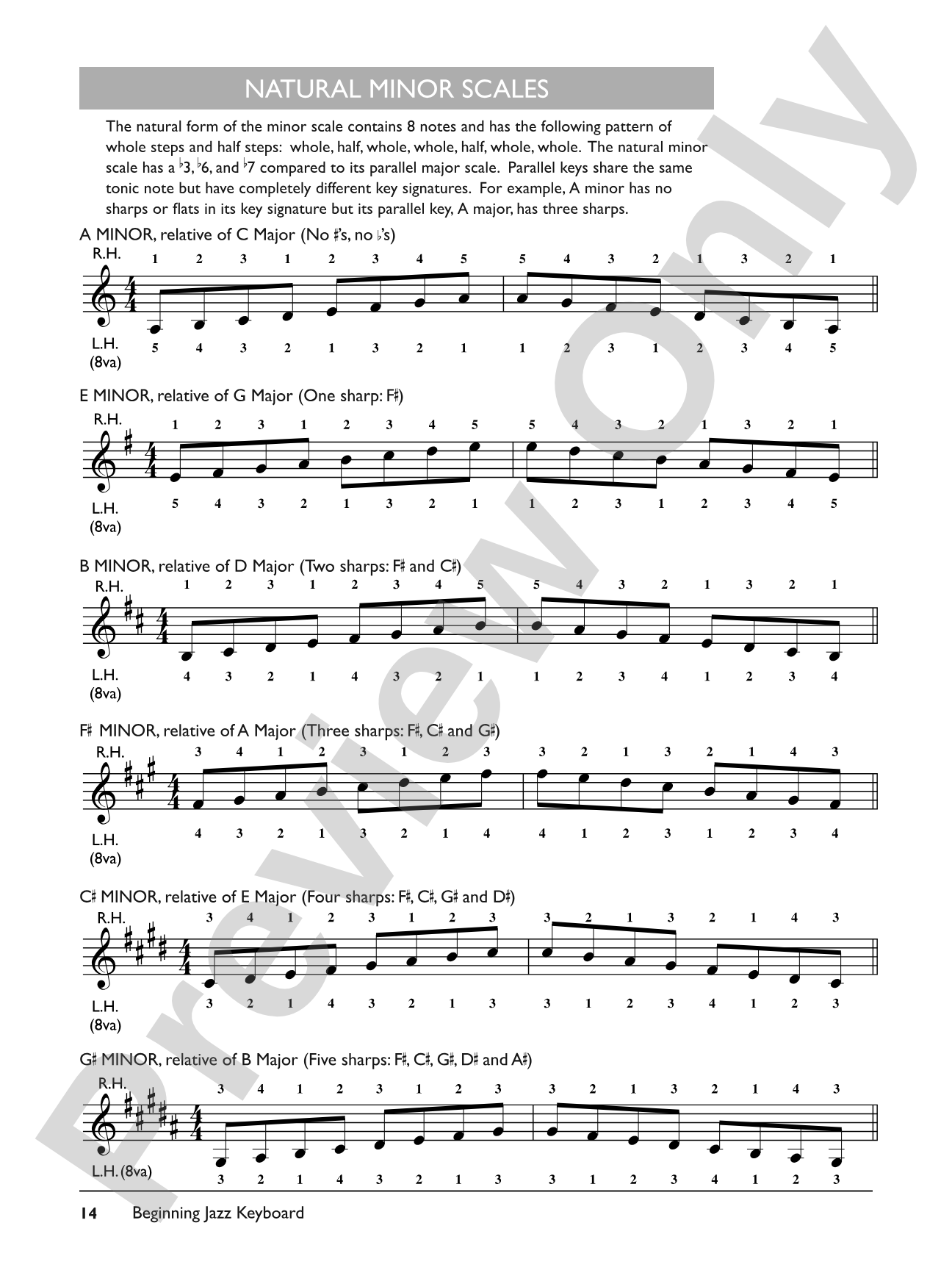
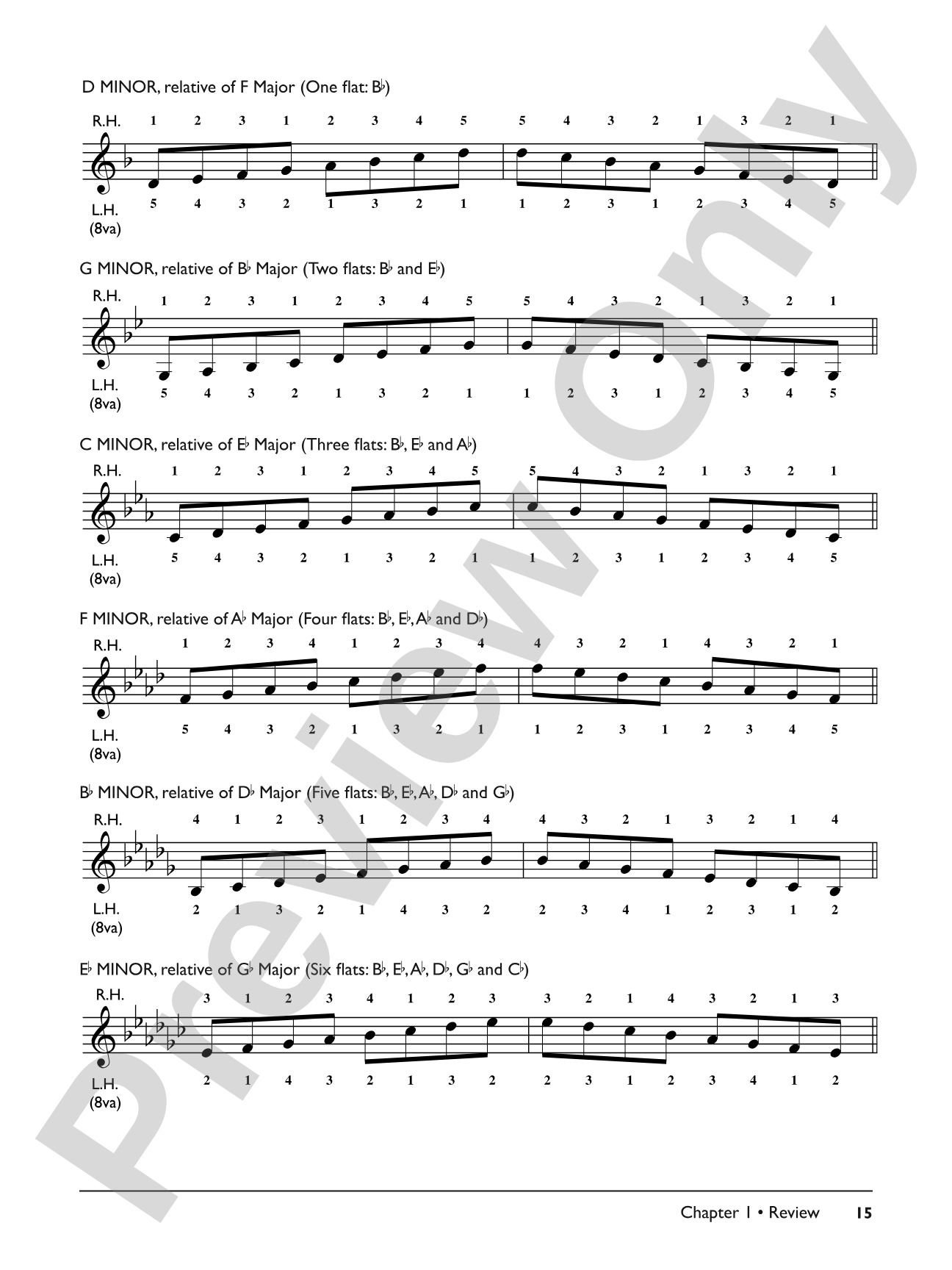
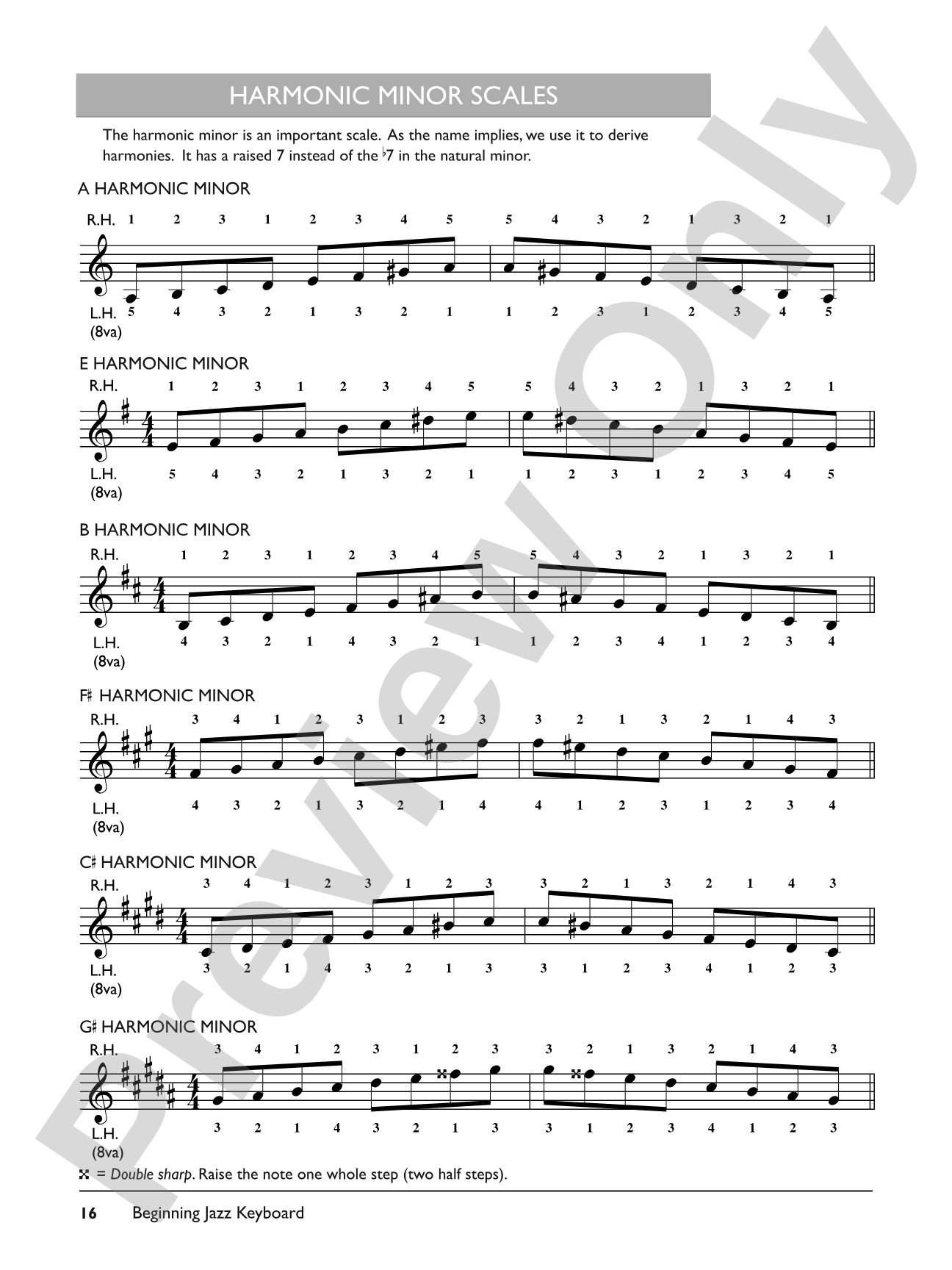
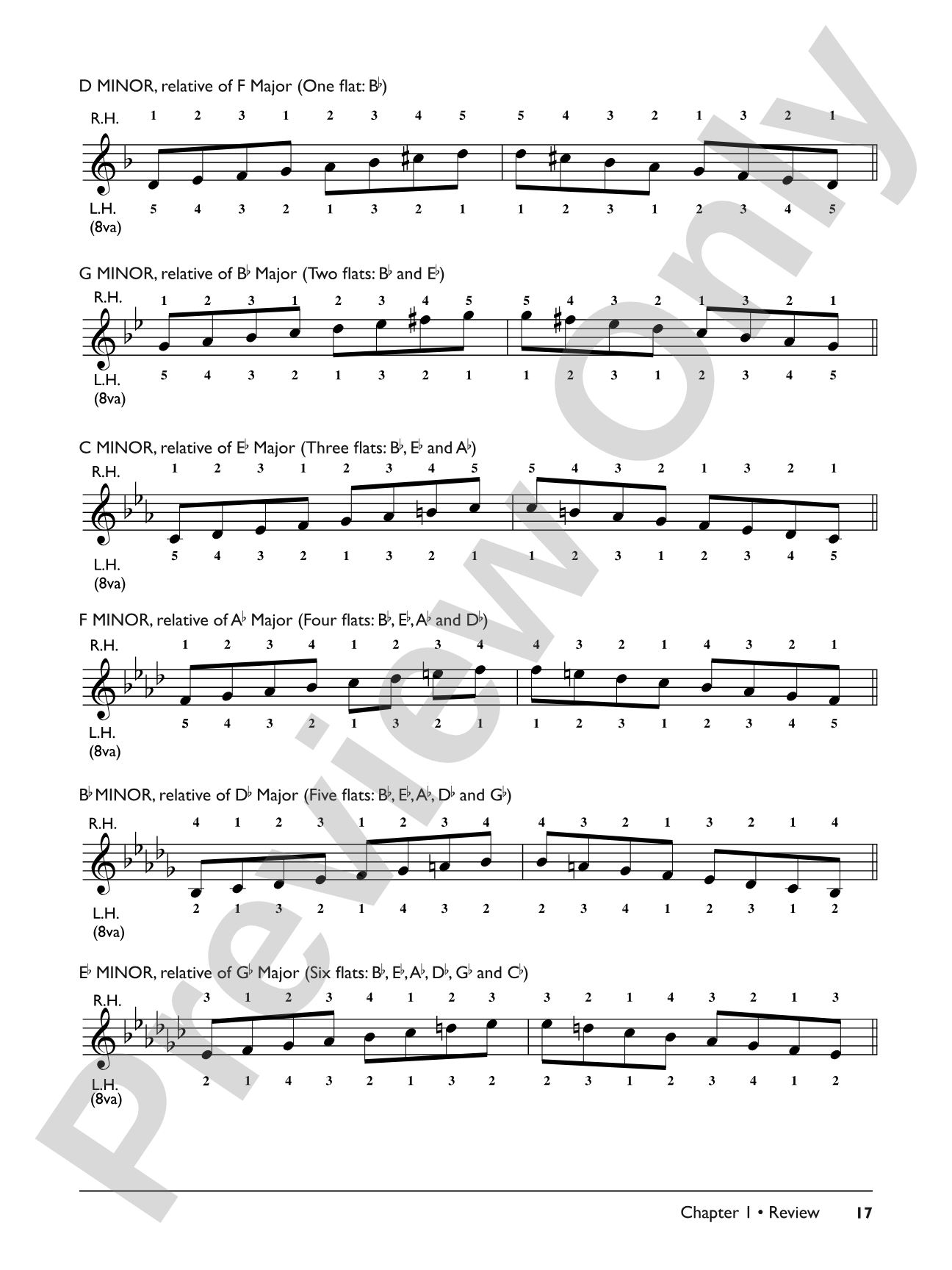
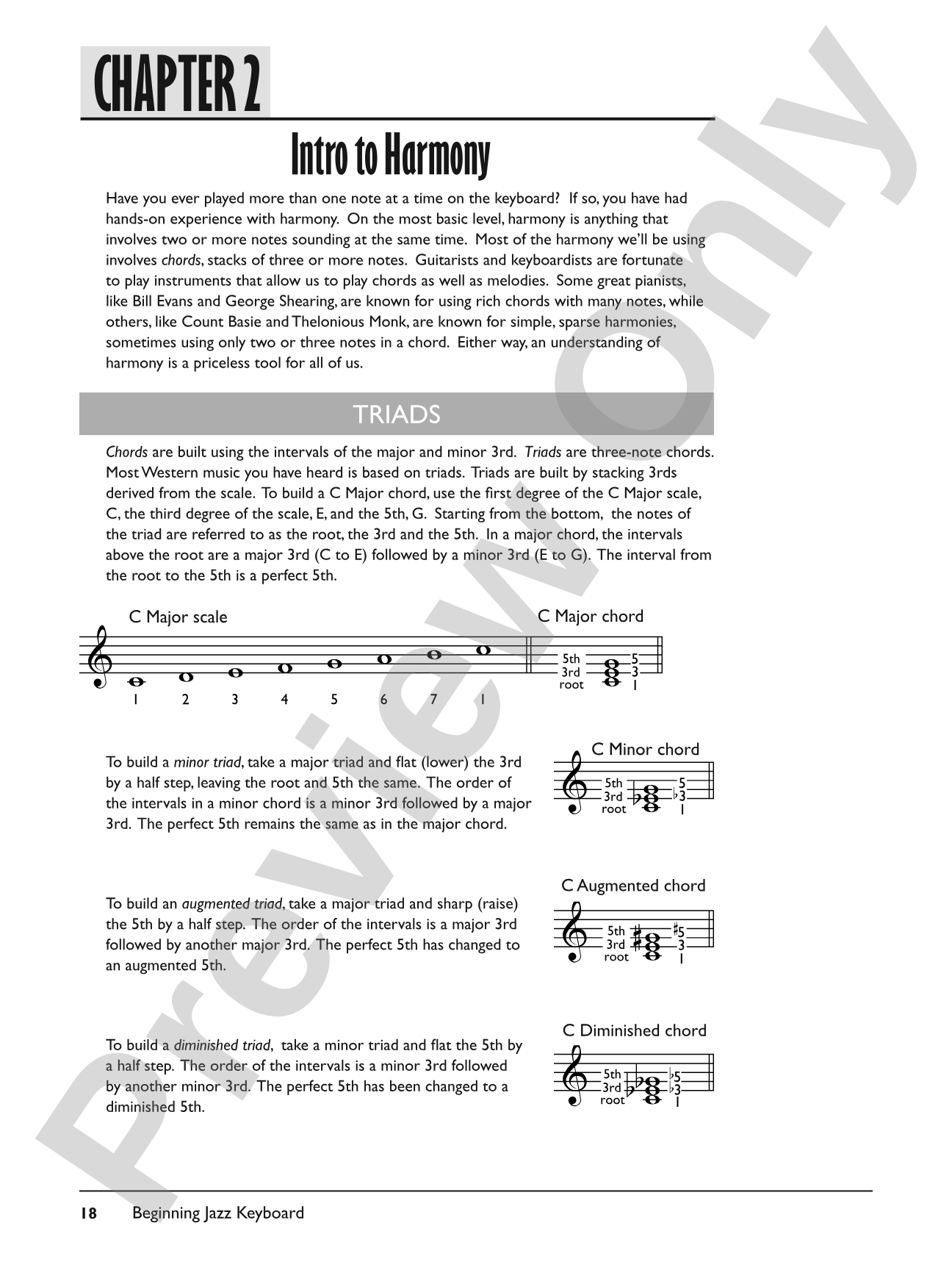
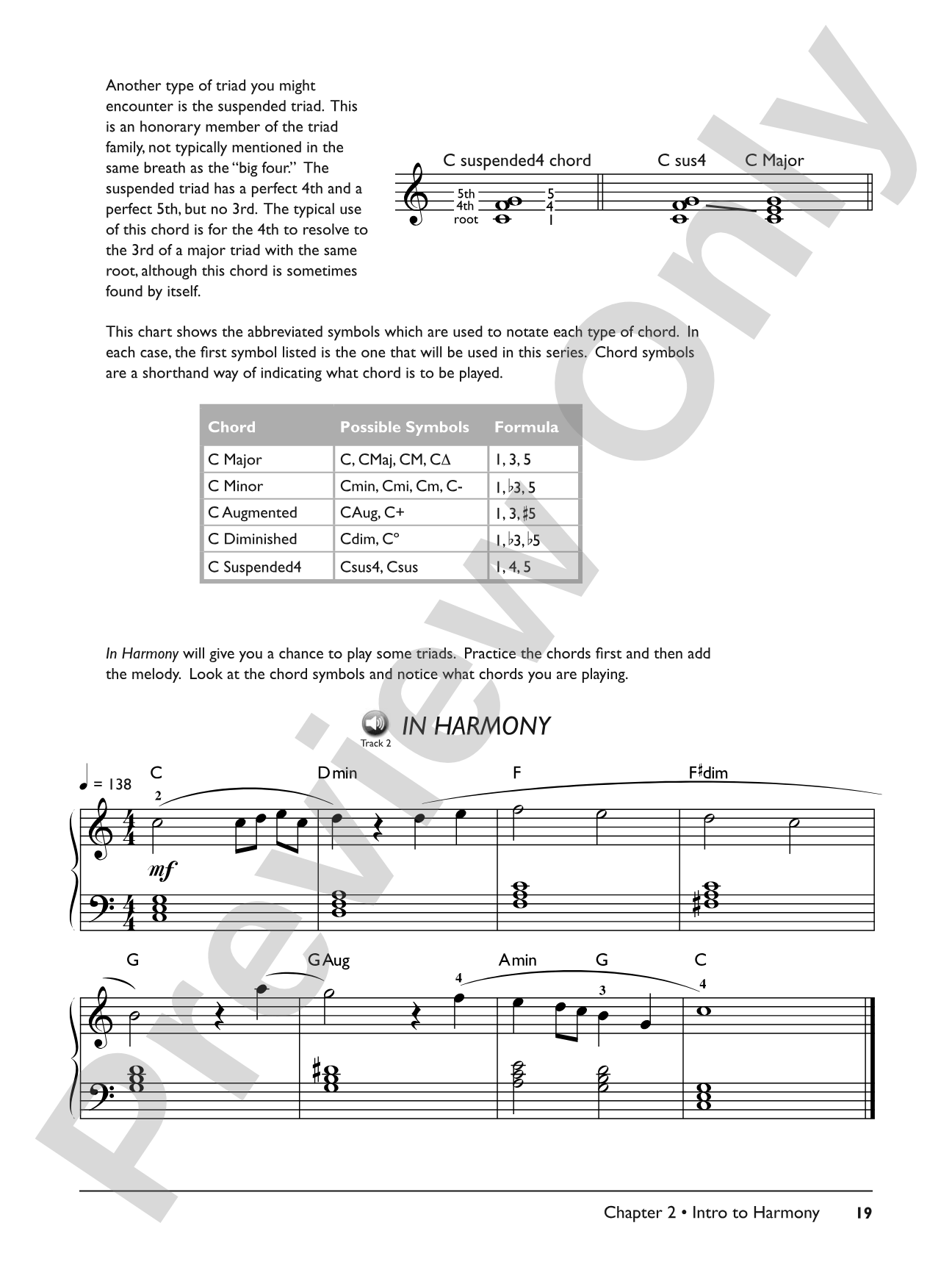
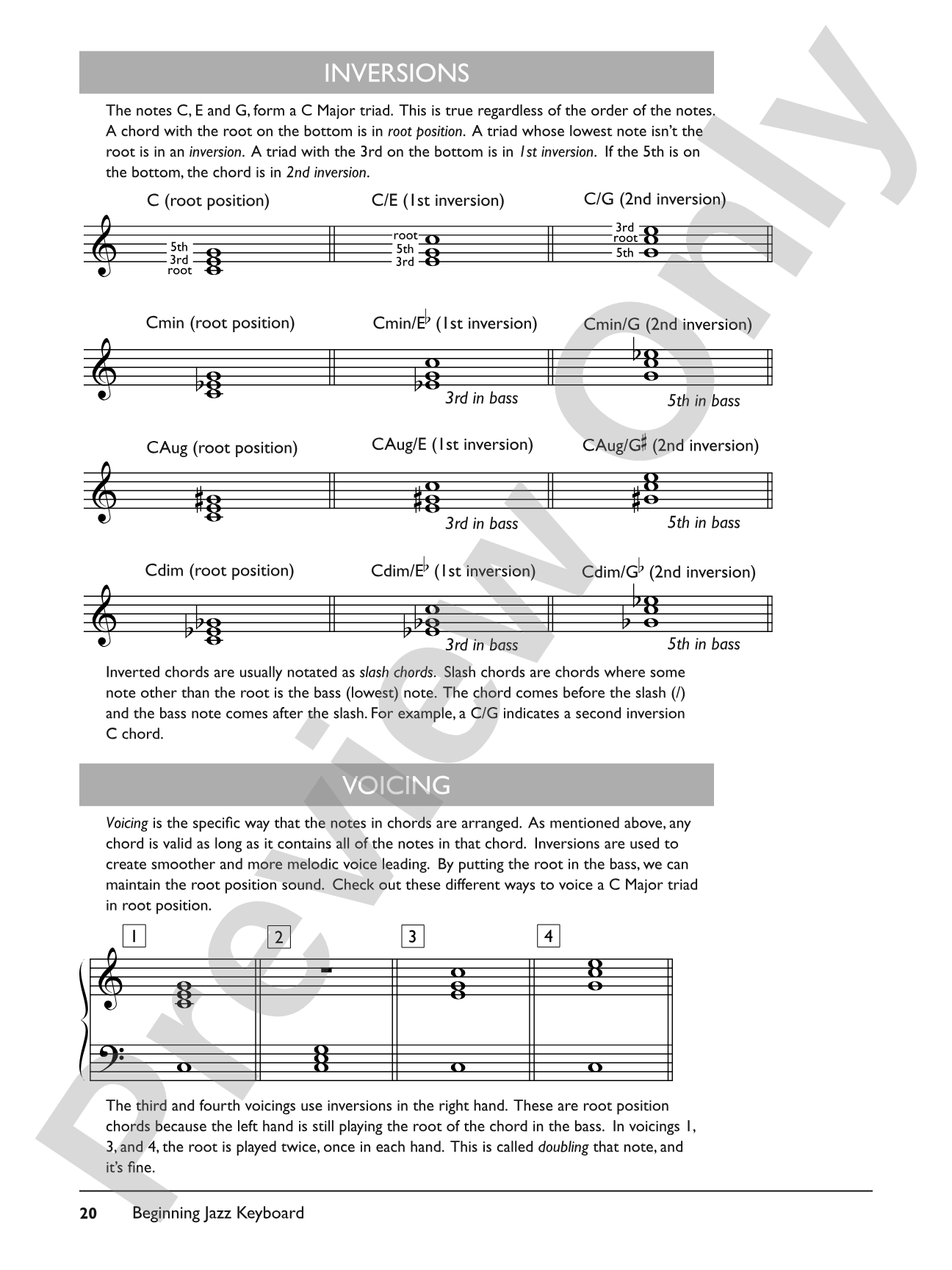
Anyone with basic keyboard skills (equivalent to Alfred's Basic Piano Library: Lesson Book 2) can dig right in and begin learning jazz right away. From the major scale and basic triad theory all the way through to 7th chords, pentatonic scales, and modulating chord progressions, this book covers it all and features a full etude or tune demonstrating every new concept introduced. Beginning Jazz Keyboard breaks the age-old tradition of dry and confusing jazz books to provide a step-by-step, enjoyable method for learning to play jazz.
Includes online video lessons and MP3 audio demonstrations of the examples in the book.


Includes online video lessons and MP3 audio demonstrations of the examples in the book.
The Complete Jazz Keyboard Method: Beginning Jazz Keyboard: Piano isn't in MakeMusic Cloud just yet...but it could be. Let us know you'd like to see it, and you'll help shape what comes next. In the meantime, start a free trial and dive into thousands of interactive titles your students can play along with today.
Request This Title
Tell us you want it.
Start Your Free Trial
Explore everything that's ready to play right now.
Sample Audio
1
Track 11
--:--
2
Track 30
--:--
3
Track 38
--:--
4
Track 43
--:--
Track 11
0:00
0:00
Sample Video
No sample videos found.
Additional Details
Series:
Complete Method
Publisher:
Alfred Music
Page Count:
96
SKU:
00-PB-0001872
More about this title
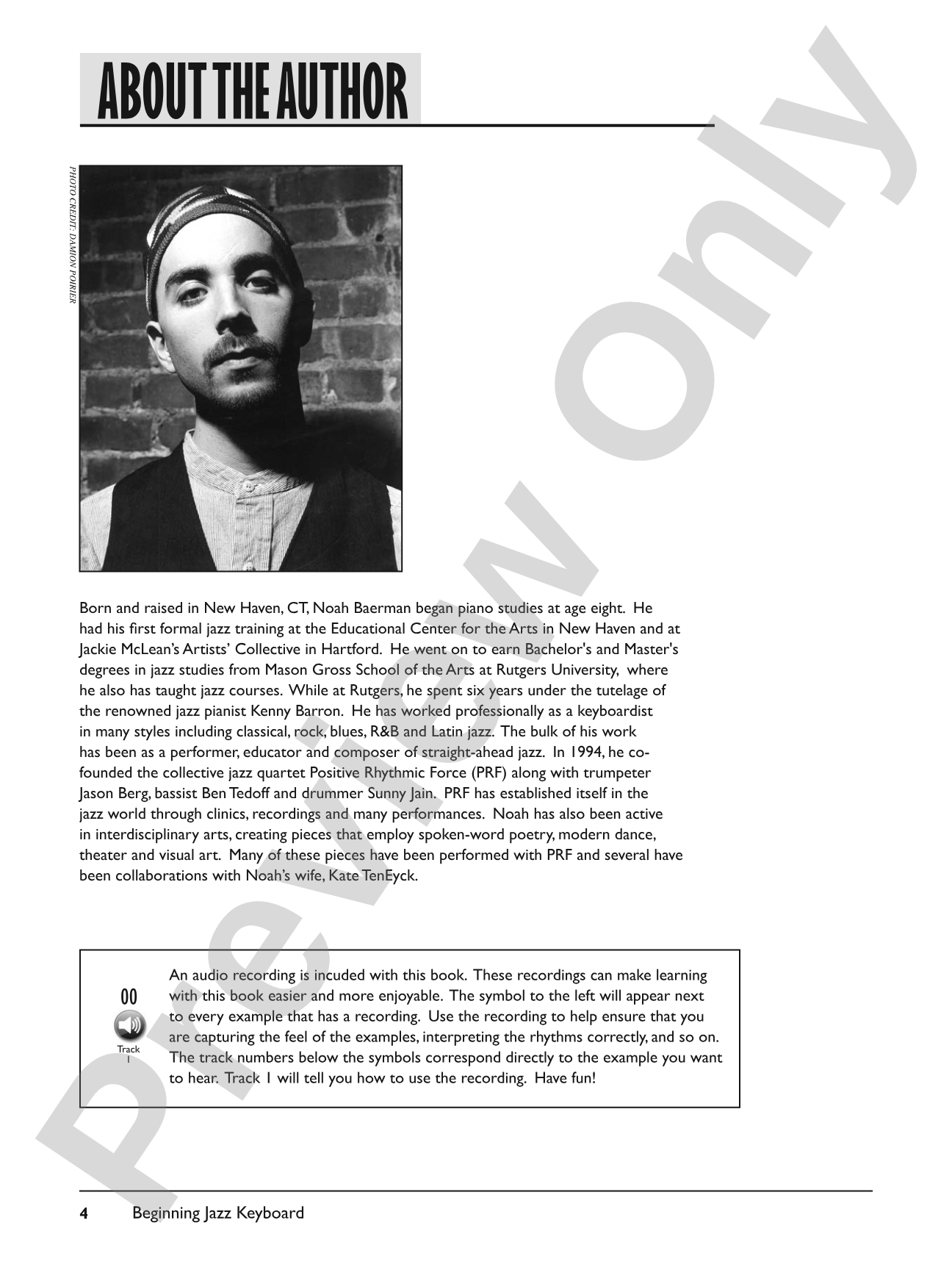
About the Composer: Noah Baerman
Noah Baerman has spent years developing accessible approaches to jazz pedagogy, recognizing that many pianists hit a wall when traditional jazz books assume too much prior knowledge. His work emphasizes clarity and sequential building of concepts, making sure each new idea lands before the next one arrives.
Why we love this
This method strips away the mystique that surrounds jazz piano instruction. Baerman structures the progression so deliberately that students experience genuine understanding rather than confusion, and the inclusion of video lessons and audio demos means you're not left explaining concepts in the abstract.
What to expect
Opening this book feels refreshing after the density of traditional jazz theory texts. The progression is patient and encouraging, building from familiar major scales into the rich harmonic world of seventh chords and modal interchange without ever abandoning you.
Who it's for
Any pianist with basic reading skills and genuine curiosity about how jazz actually works. This works equally well for high school students exploring jazz as an elective, adult learners picking up jazz later in their musical lives, or younger students who've finished their classical foundation and want to branch out.
How to get the most out of it
- Work through the etudes slowly enough that the harmonic movement registers clearly in your ear. Rushing past new chord changes defeats the purpose of the sequential design.
- Use the audio demonstrations as a reference for phrasing and articulation before you worry about tempo. Jazz language requires listening, not just reading.
- Return to earlier chapters even as you advance. The foundational concepts revisit themselves in new contexts, and this spiraling reinforcement builds real fluency.
- Experiment with the pentatonic exercises in multiple keys. The book introduces them in one context, but transposing them yourself is where the material becomes yours.
How to use it
Assign this as supplemental material for students who want to understand jazz vocabulary beyond what an ensemble rehearsal can teach. It also serves as an excellent resource for your jazz ensemble pianists, giving them a structured way to deepen their comping and improvisation skills between rehearsals.
Skills your students will build
- Major scale and triad construction
- Seventh chord quality recognition and application
- Pentatonic scale patterns and their relationship to chords
- Basic jazz improvisation over standard chord progressions
- Modulating chord progressions and voice leading
- Interpreting jazz notation and stylistic conventions
- Developing harmonic listening skills specific to jazz