

The Complete Book of Scales, Chords, Arpeggios & Cadences: Includes All the Major, Minor (Natural, Harmonic, Melodic) & Chromatic Scales -- Plus Additional Instructions on Music Fundamentals: Piano
Includes All the Major, Minor (Natural, Harmonic, Melodic) & Chromatic Scales -- Plus Additional Instructions on Music Fundamentals
By Willard A. Palmer, Morton Manus, and Amanda Vick Lethco
Item: 00-PB-0001069
$14.99
Pickup currently not available
Related Items
The Complete Book of Scales, Chords, Arpeggios & Cadences: Piano Book |
$14.99
|
View |
Description
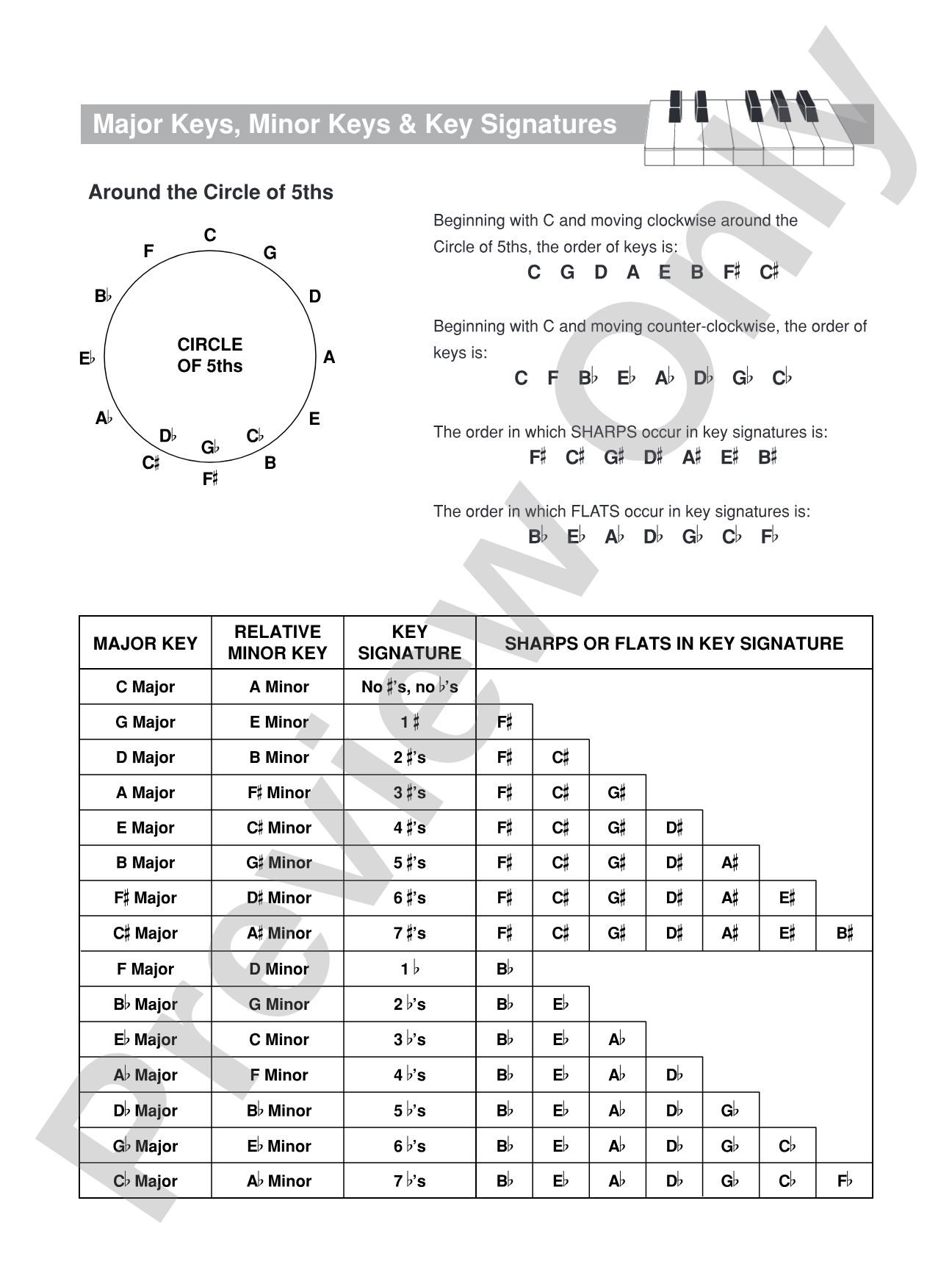
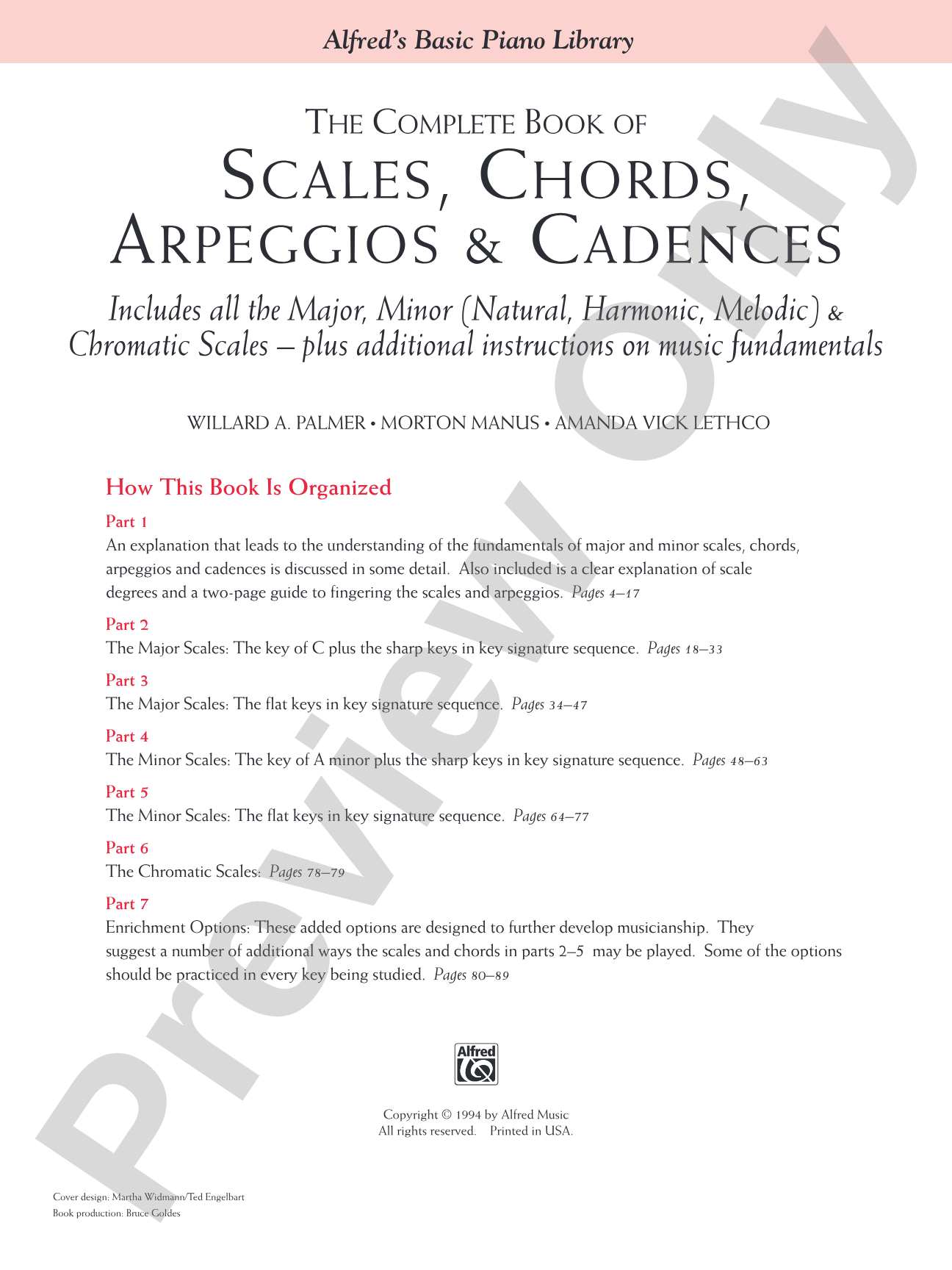
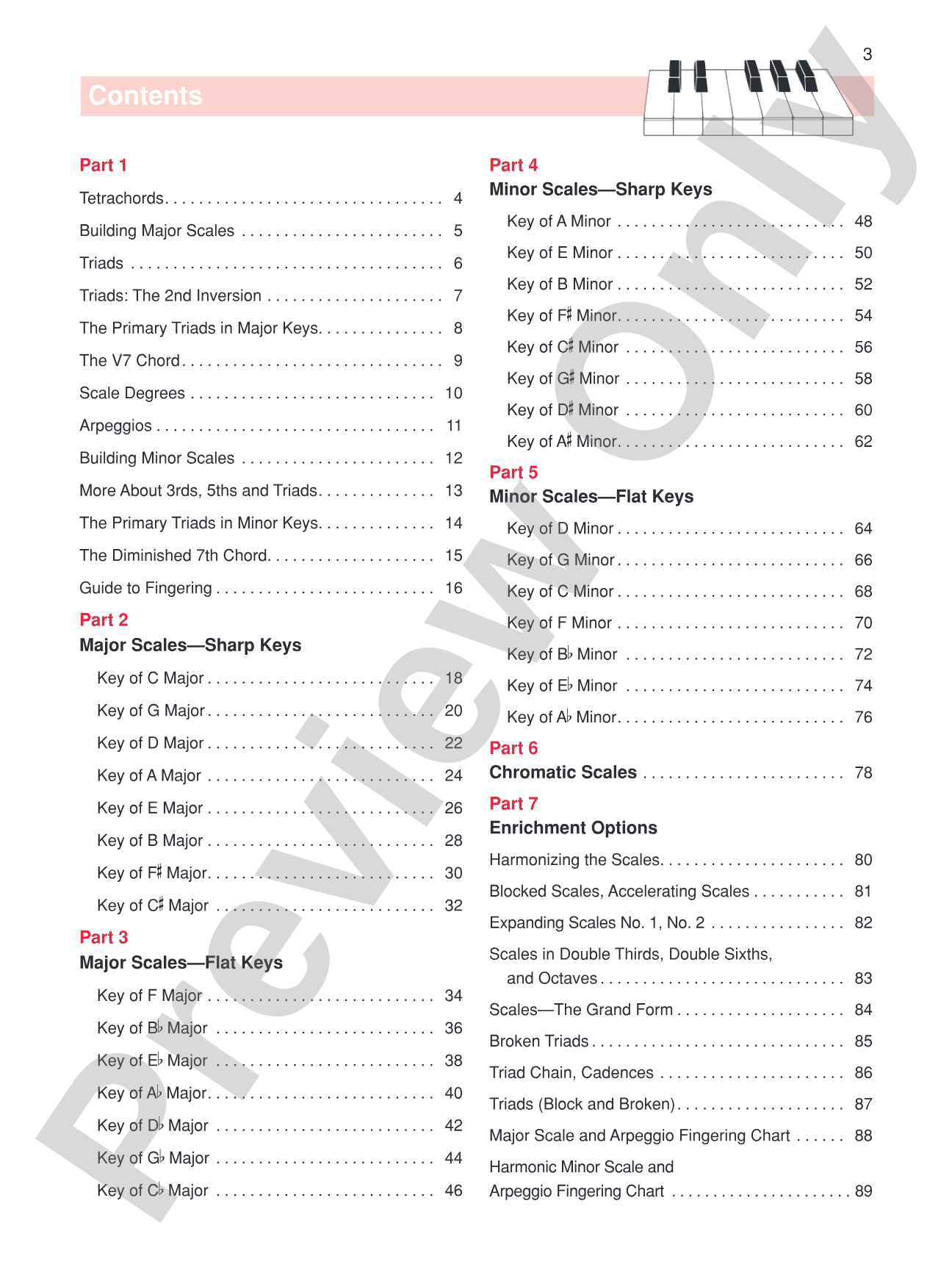
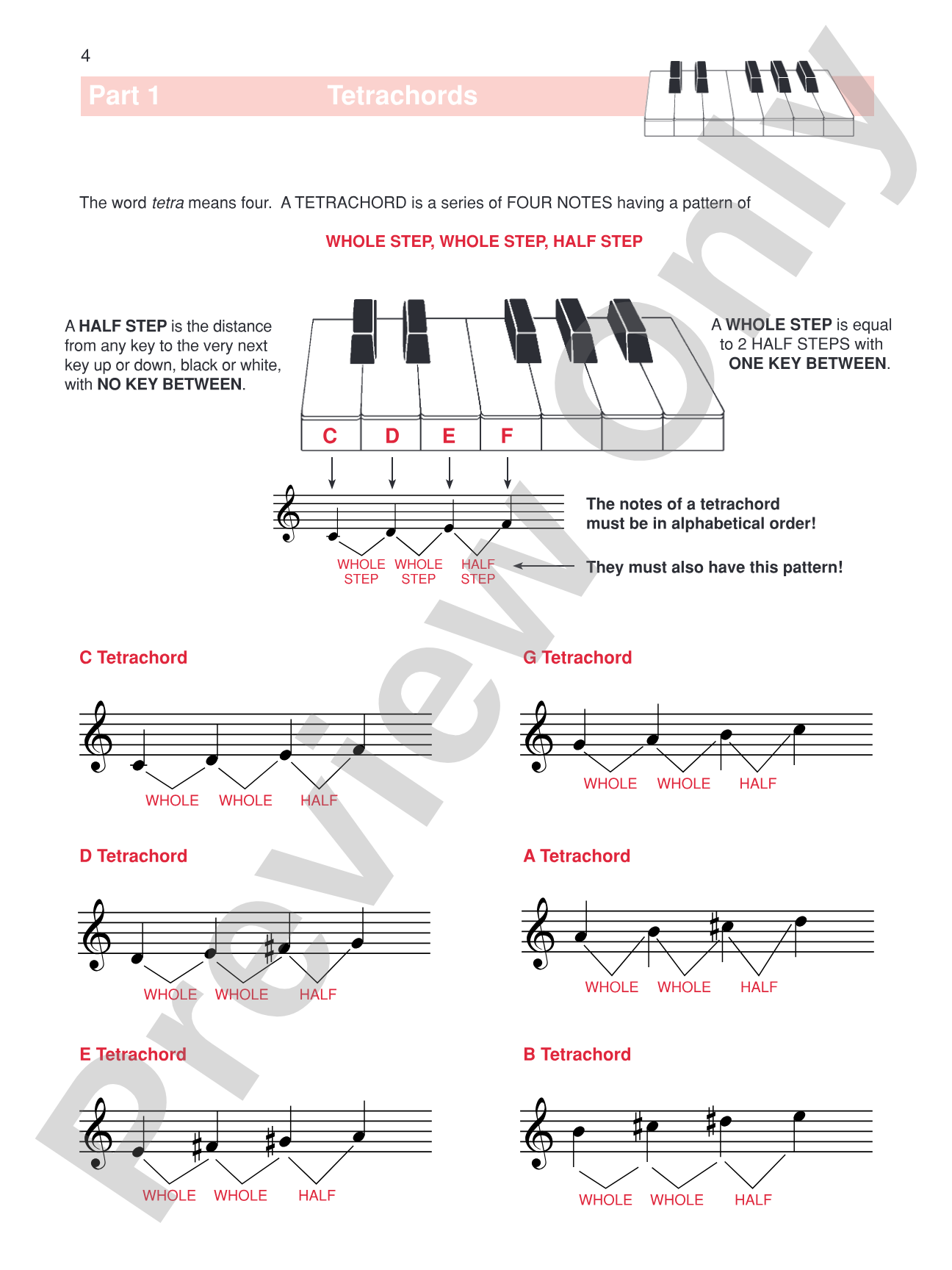
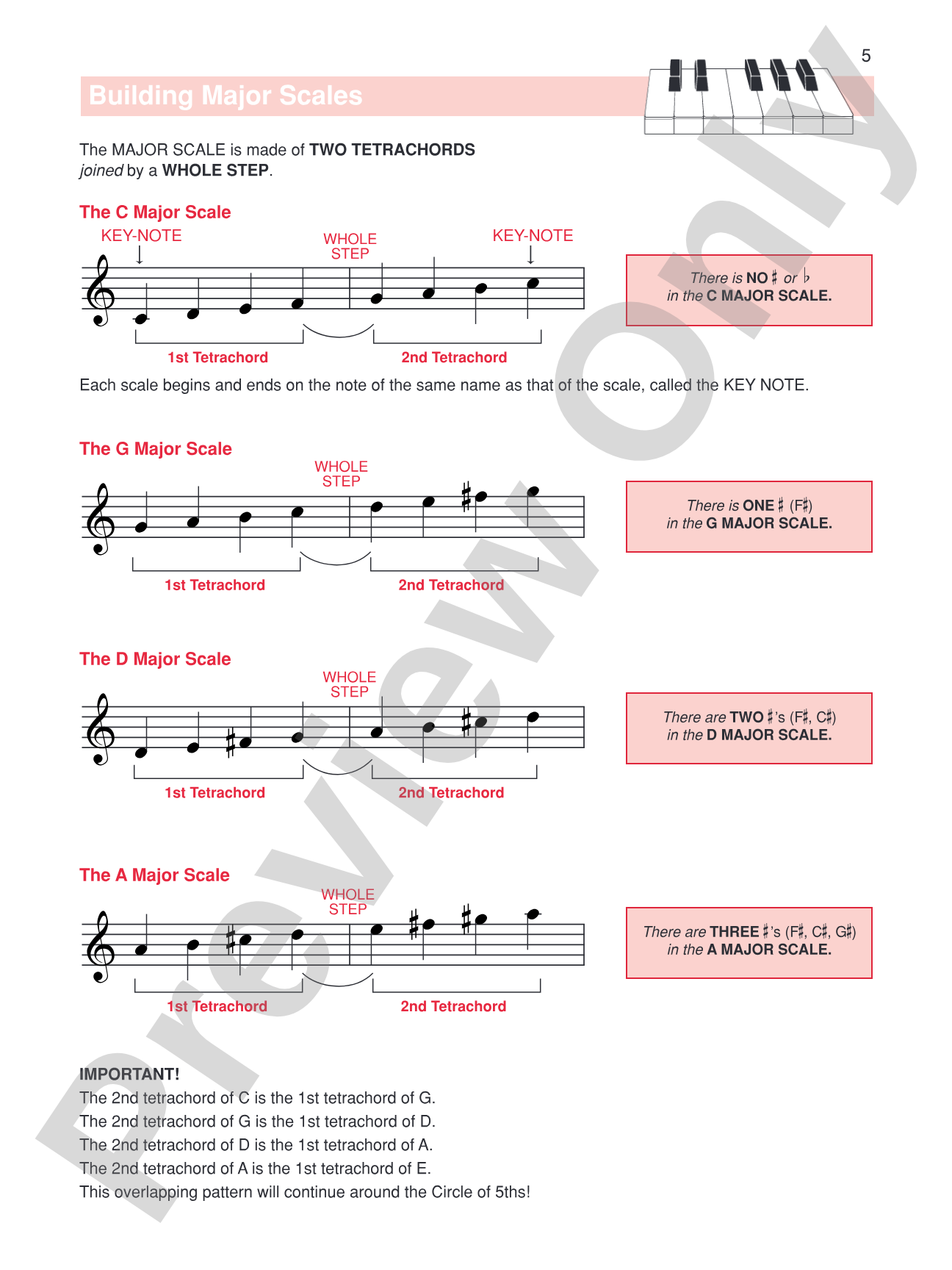
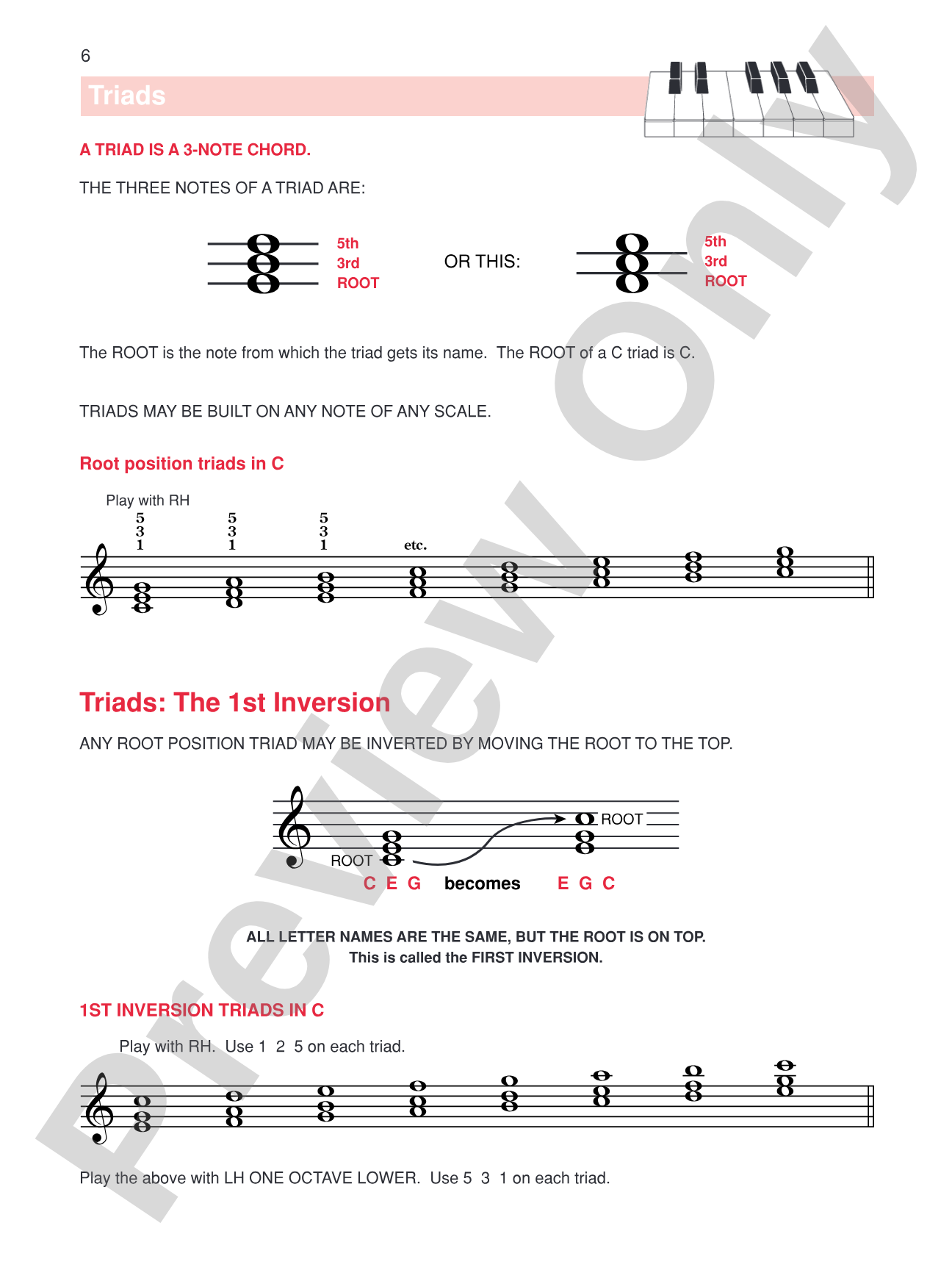
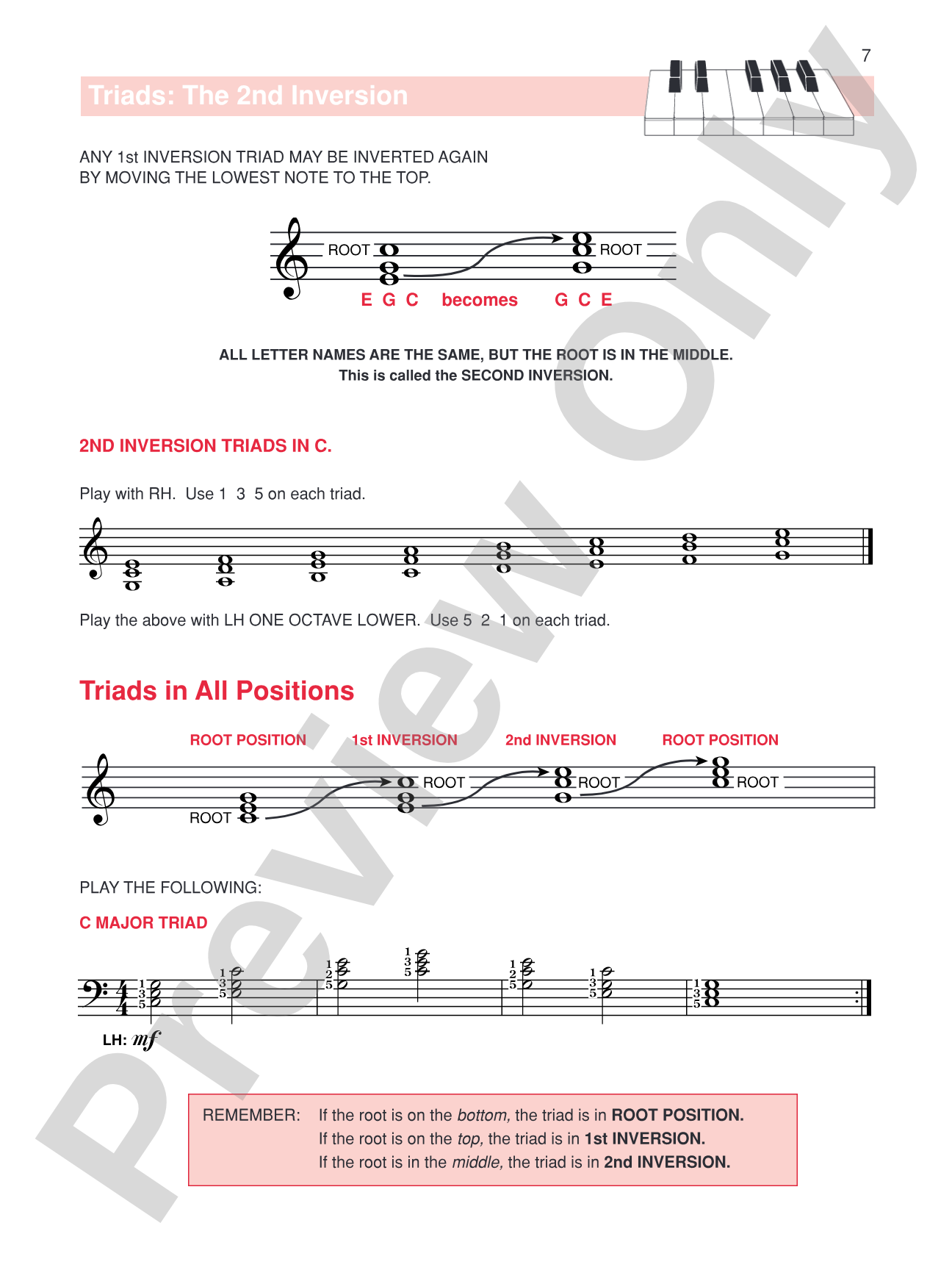
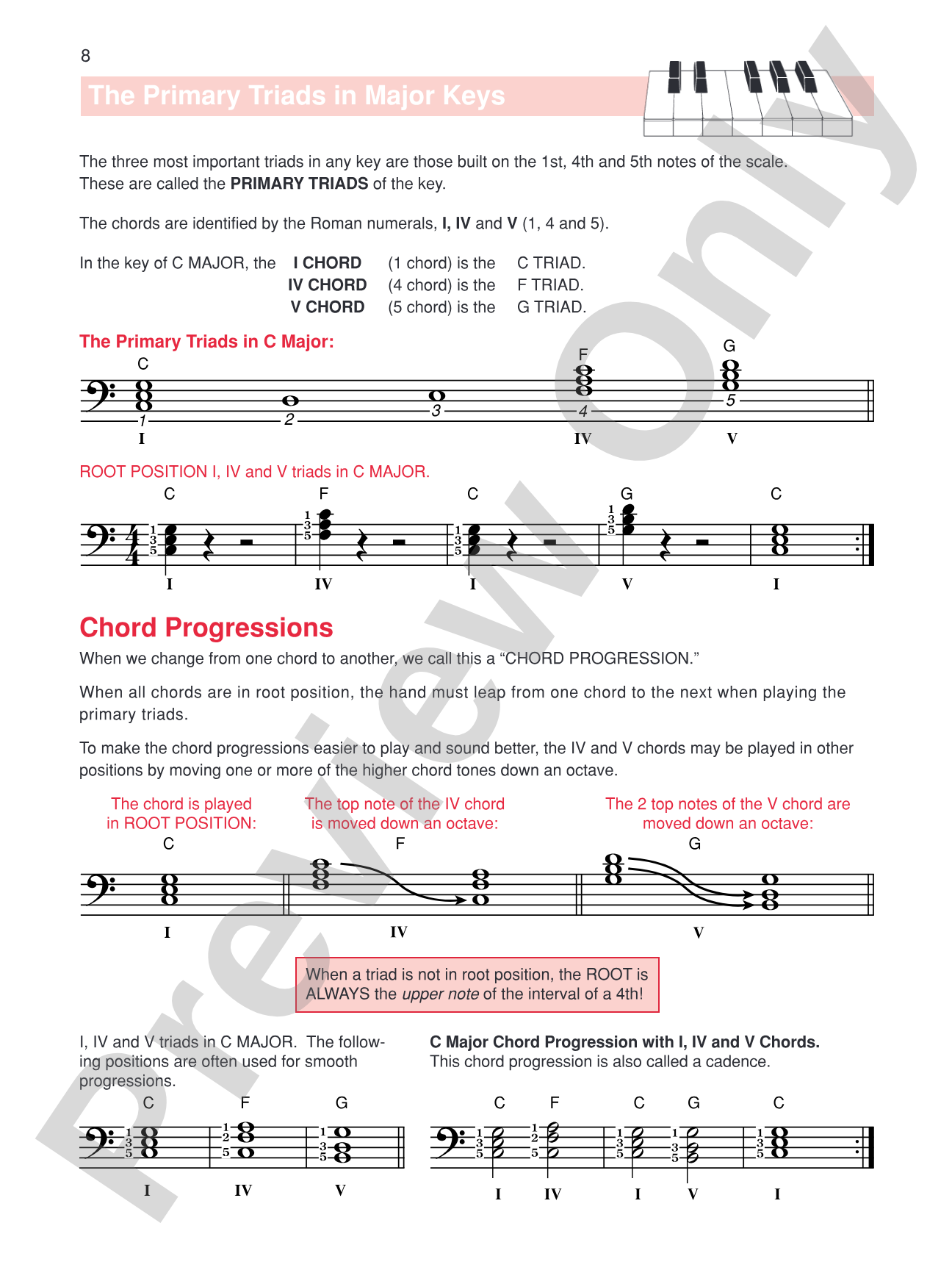
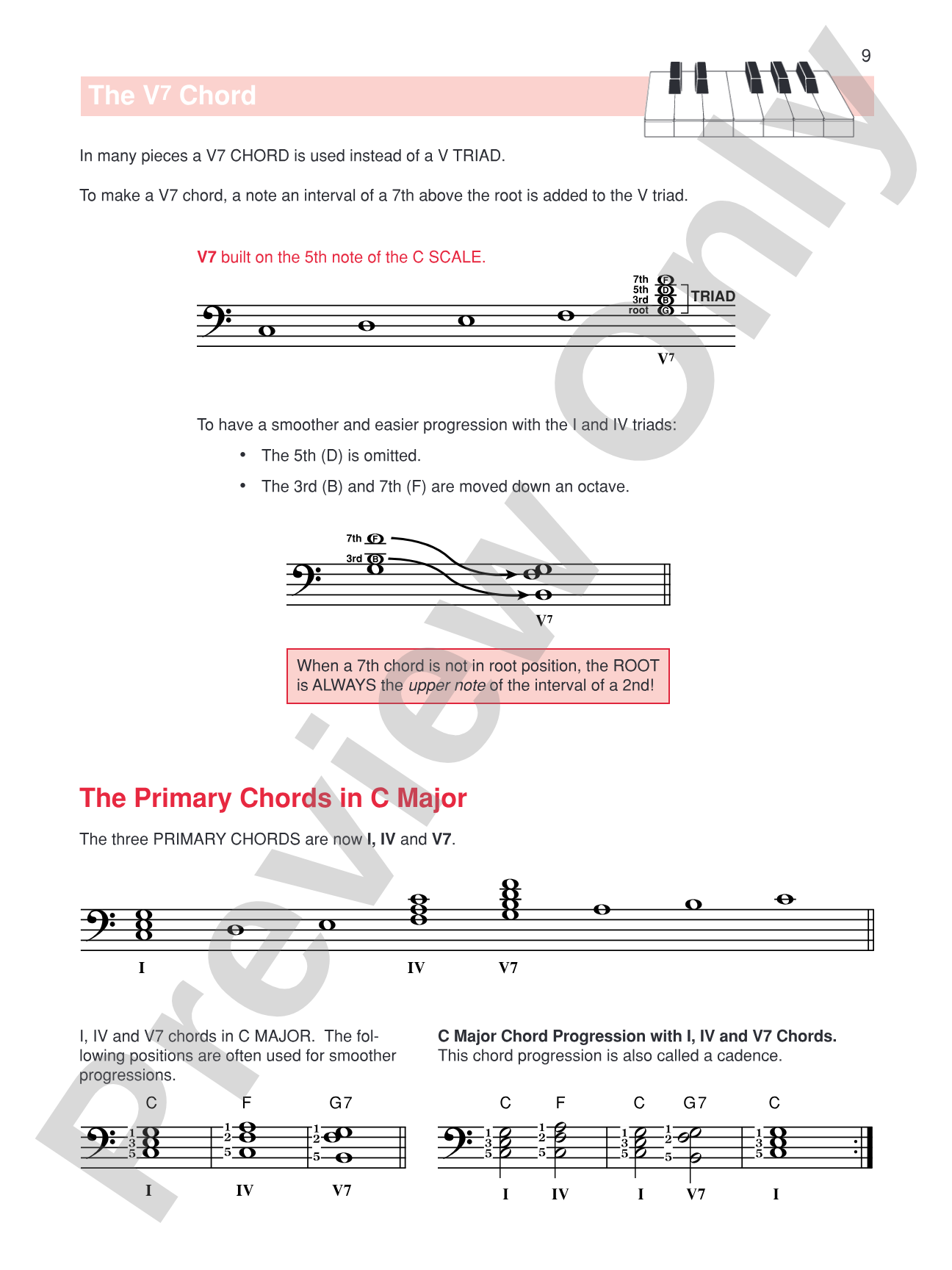
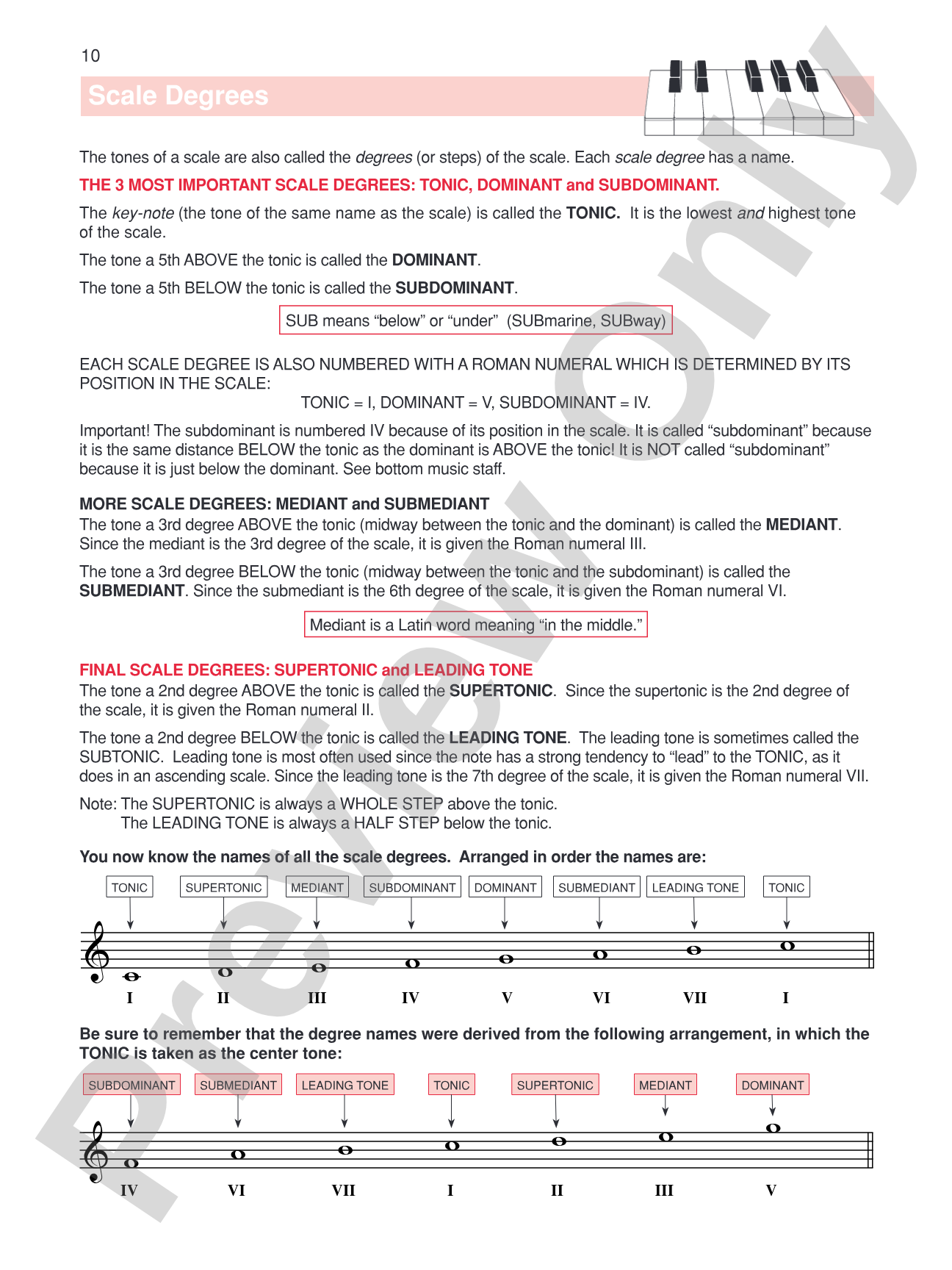
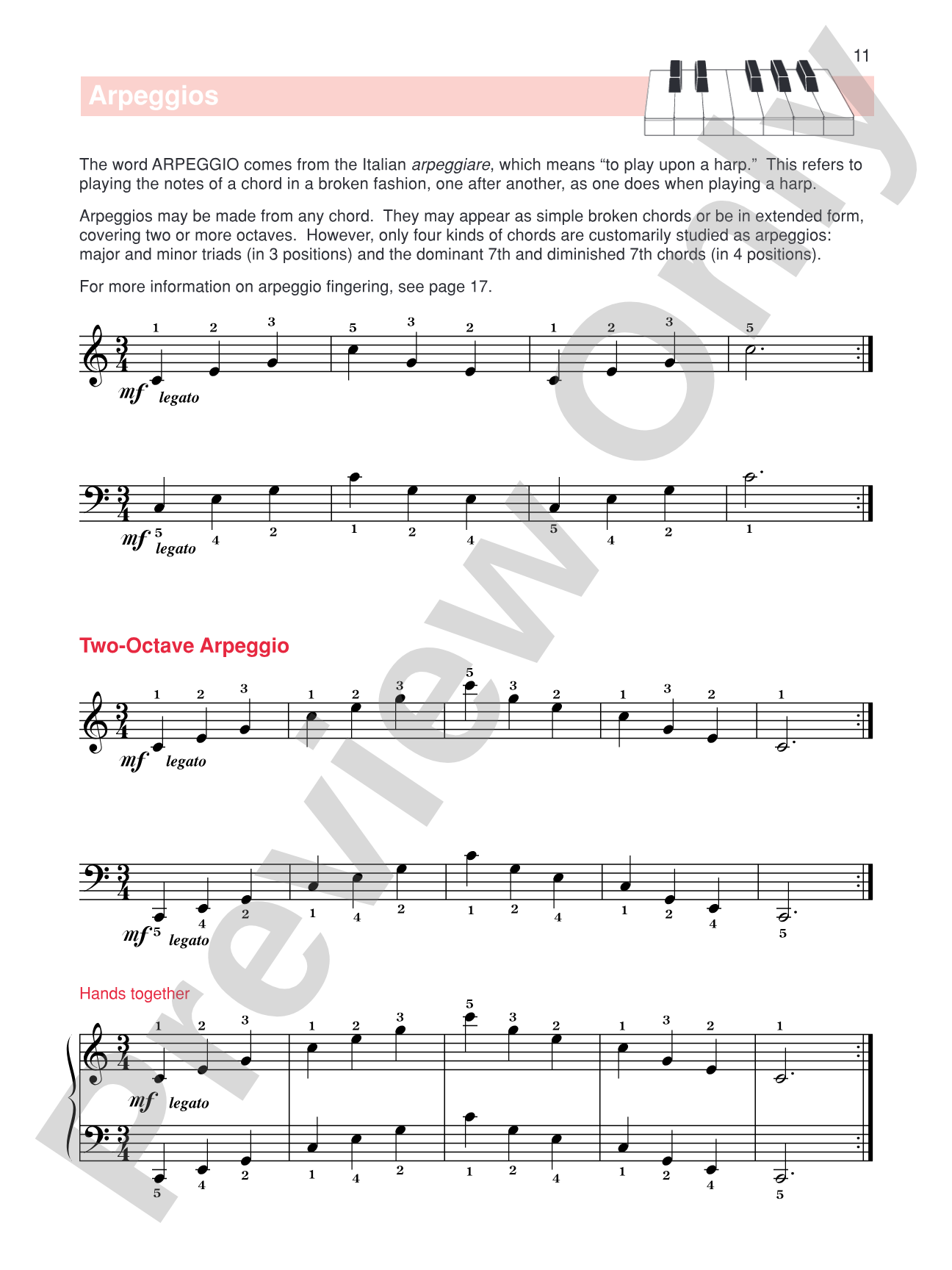
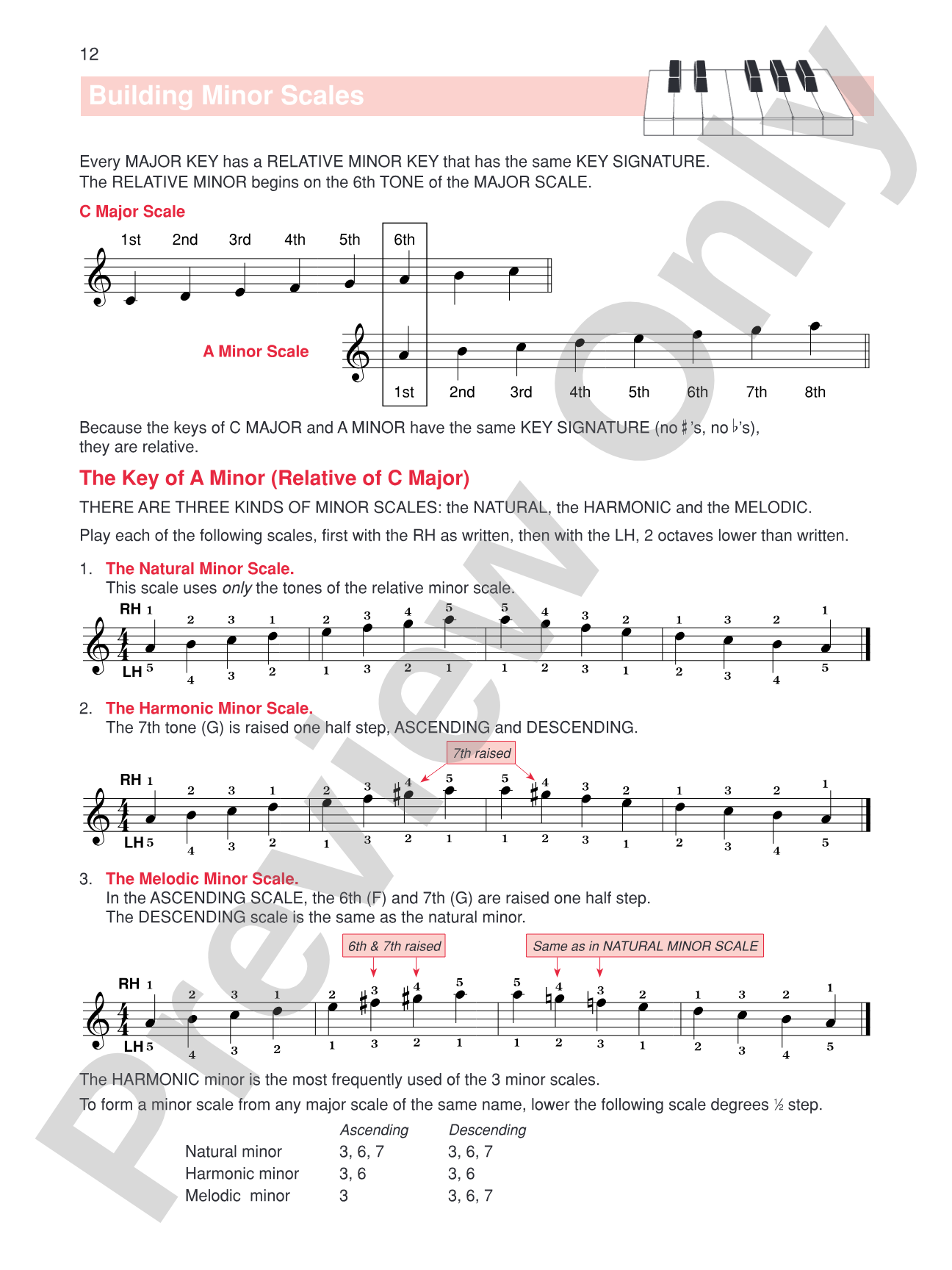
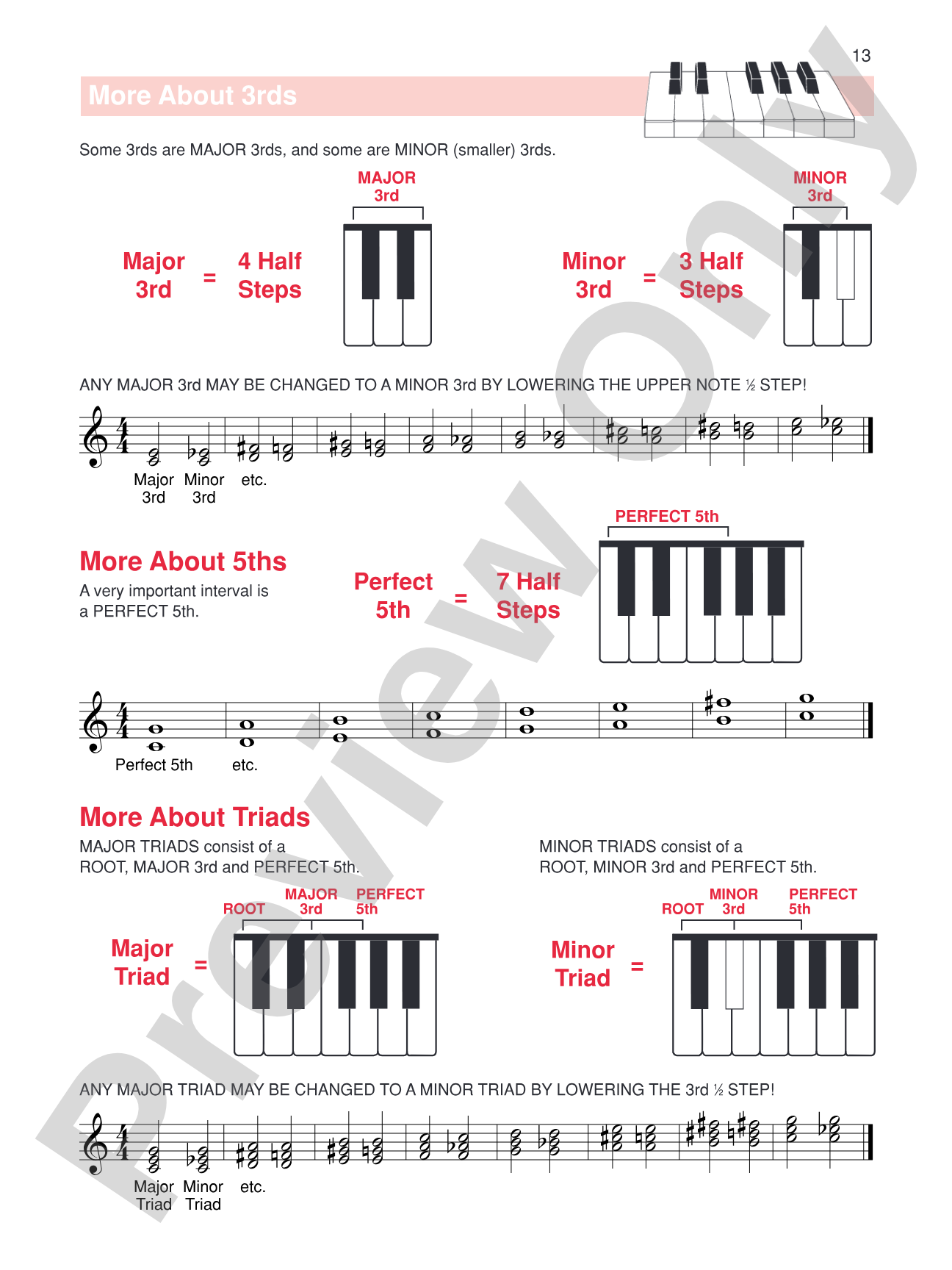
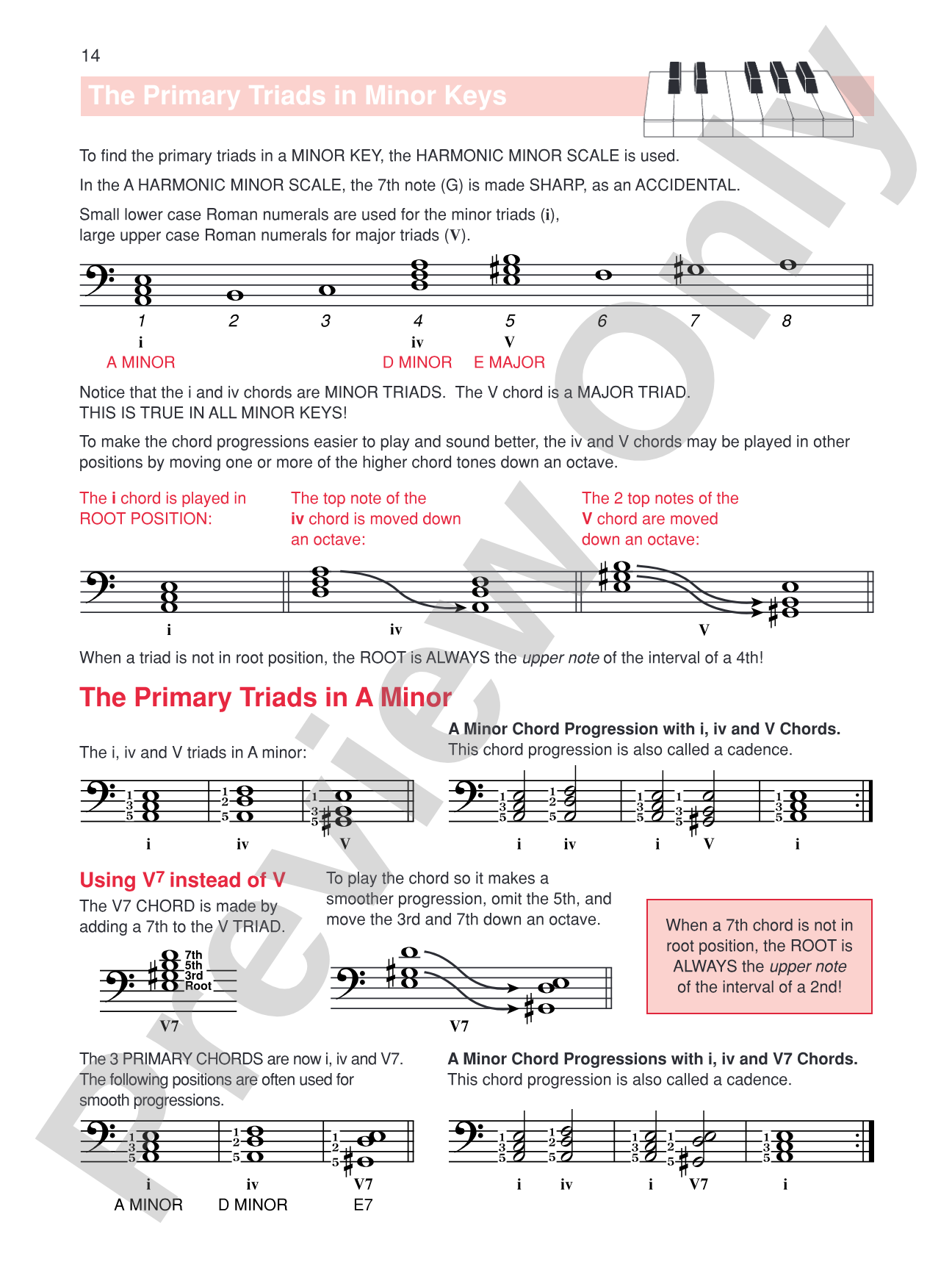
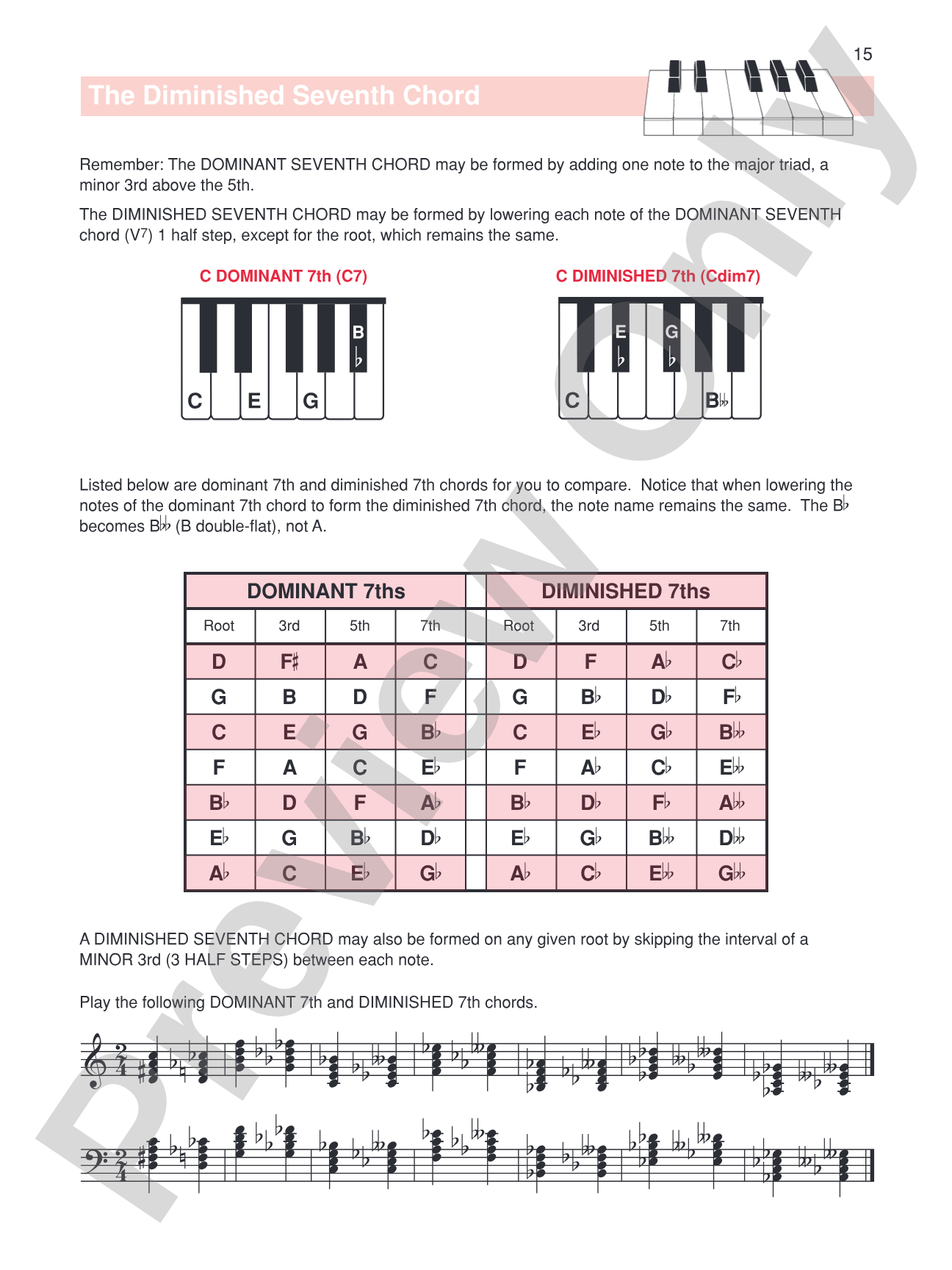
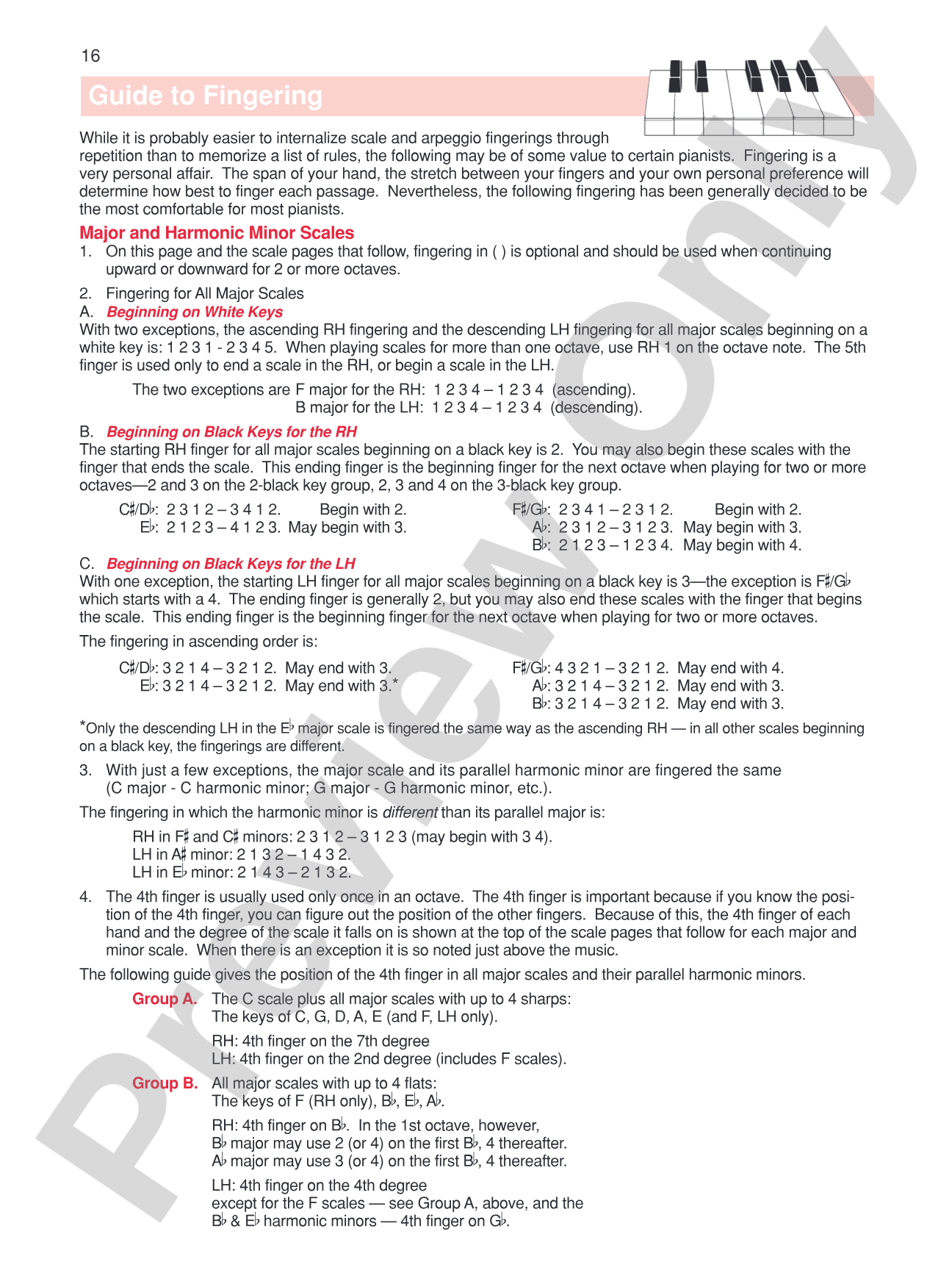
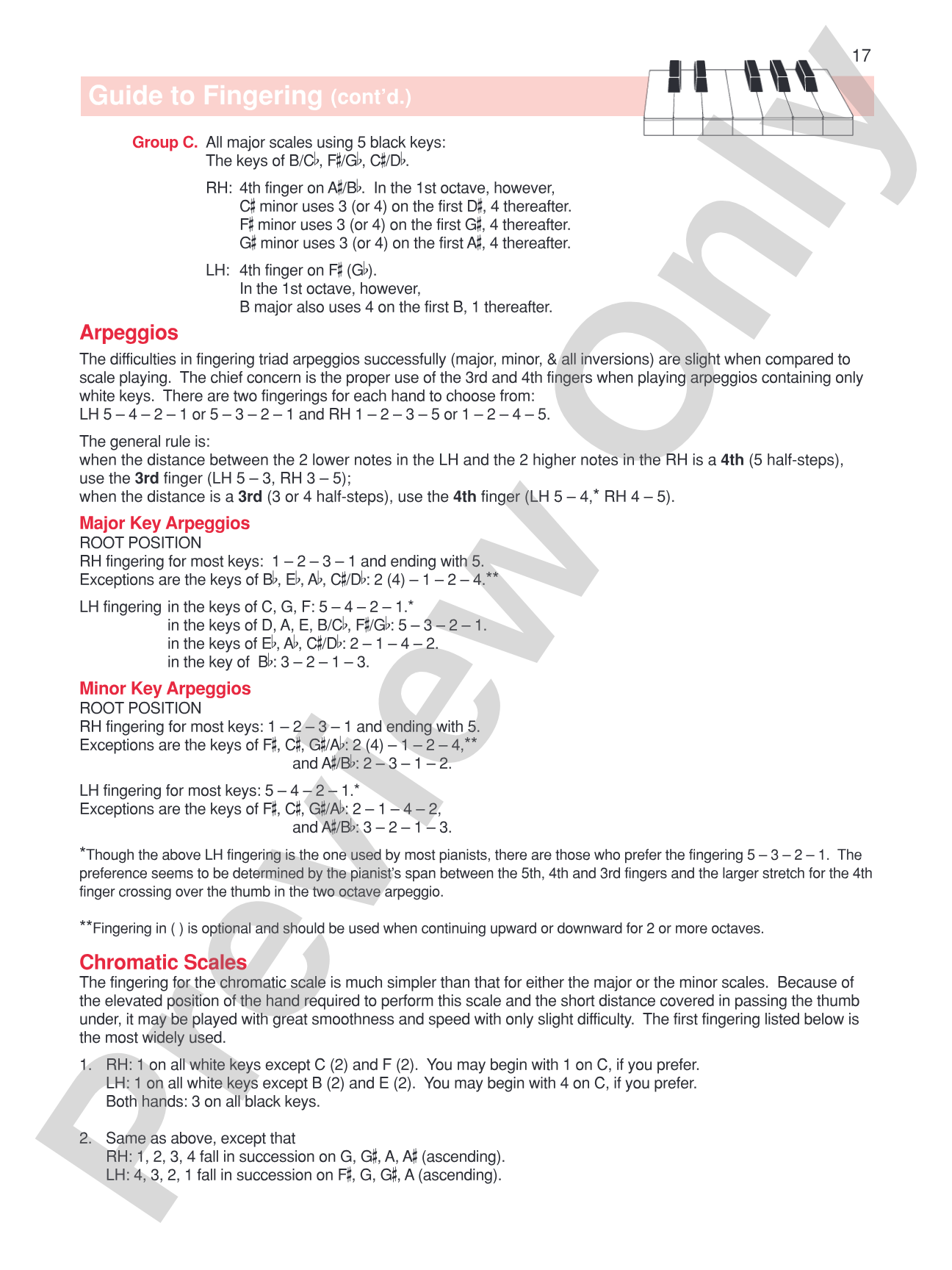
Scale, chord, arpeggio and cadence studies in all major and minor keys presented in a convenient two-page format. Includes an in-depth 12 page explanation that leads to complete understanding of the fundamentals of major and minor scales, chords, arpeggios and cadences plus a clear explanation of scale degrees and a two-page guide to fingering the scales and arpeggios. In addition, several "enrichment options" are provided with exercises such as harmonizing scales, accelerating scales expanding scales and much more!
These excellent all-inclusive books teach scales, chords, arpeggios, and cadences at three different levels. The FIRST book (#11761) accommodates the learning pace of younger students such as those in Alfred's Basic, Level 2. The BASIC book (#5754) is slightly more in-depth, presenting scales, chords, arpeggios, and cadence studies in all the major and minor keys. The COMPLETE book (#5743) features everything in the BASIC book, plus extra features like a 12-page explanation that leads to complete understanding of the fundamentals of major and minor scales, chords, arpeggios, and cadences; a clear explanation of scale degrees; and a two-page guide to fingering the scales and arpeggios


These excellent all-inclusive books teach scales, chords, arpeggios, and cadences at three different levels. The FIRST book (#11761) accommodates the learning pace of younger students such as those in Alfred's Basic, Level 2. The BASIC book (#5754) is slightly more in-depth, presenting scales, chords, arpeggios, and cadence studies in all the major and minor keys. The COMPLETE book (#5743) features everything in the BASIC book, plus extra features like a 12-page explanation that leads to complete understanding of the fundamentals of major and minor scales, chords, arpeggios, and cadences; a clear explanation of scale degrees; and a two-page guide to fingering the scales and arpeggios
Discover MakeMusic Cloud: thousands of interactive titles your students can play along with today.
Sample Audio
No sample audio found.
Sample Video
No sample videos found.
Additional Details
Publisher:
Alfred Music
Page Count:
88
SKU:
00-PB-0001069
More about this title
About the Composer: Willard A. Palmer

Willard A. Palmer was a prolific composer and pedagogue whose career spanned decades of innovation in music education. Author of over 789 published works, Palmer earned international recognition for his expertise in Baroque music ornamentation and became a leading voice in classical music pedagogy. He studied at the Conservatory of Leipzig on scholarship, later joining the University of Houston faculty where he pioneered accordion instruction at the college level for 18 years. His meticulous scholarship and methodological rigor earned him both a Doctor of Humanities degree (1971) and a Doctor of Music degree (1983).
Palmer's influence extended across multiple instruments and genres. A skilled pianist and accordionist from childhood, he performed on radio before his teen years and maintained active performance and teaching roles alongside his scholarly work. As director of the Riemenschneider Bach Institute and a member of numerous professional organizations, Palmer shaped the foundation of the highly respected Alfred Masterworks series. His legacy rests on a fundamental belief that solid technique and clear understanding of music fundamentals unlock deeper musical learning.
Why we love this
This book eliminates the guesswork from teaching scales and arpeggios by offering a unified resource that serves students across multiple levels of advancement. The 12-page foundational section provides exactly the kind of conceptual clarity that prevents scales from becoming rote finger exercises, while the enrichment options reward diligent students with creative extensions that build musicality alongside technique. Unlike piecemeal scale handouts, this single reference teaches the 'why' behind what students practice.
What to expect
Moving through this book is methodical and purposeful. The two-page key layouts create a sense of order and progression, while the explanatory sections reward curious students who want to understand the architecture beneath their fingers. Working through the enrichment exercises transforms scales from obligatory warm-ups into genuine musical exploration.
Who it's for
This book serves piano students from late beginner through intermediate levels who are ready to systematize their scale and arpeggio work across all keys. Private studio teachers will find it invaluable for establishing consistent technical expectations, while students preparing for exams or performance auditions benefit from having all major and minor key studies organized in one resource.
How to get the most out of it
- Follow the fingering guide precisely during early practice sessions; Palmer's fingering choices optimize hand position and prevent tension-building patterns that students might otherwise develop on their own.
- Use the two-page format strategically by working through one key pair per practice session rather than sight-reading multiple keys at once, allowing focus and accuracy to build gradually.
- Rotate between the core studies and enrichment exercises weekly; harmonizing scales and accelerating scales reinforce pattern recognition and prevent monotony that derails student practice.
- Approach arpeggios and cadences as musical phrases rather than mechanical sequences; listen for balance across the hand and smooth voice leading within chord changes.
How to use it
Assign this as a long-term technical reference rather than a book to complete sequentially. Guide students to the specific keys they encounter in their repertoire studies, allowing the scale and arpeggio work to directly support the pieces they are learning. The enrichment options serve as advanced projects for students who finish their weekly assignments early.
Skills your students will build
- Major and minor scale construction (natural, harmonic, and melodic forms)
- Correct fingering patterns across all keys
- Chord voicing and cadence progression in context
- Arpeggio technique and hand position maintenance
- Understanding scale degrees and harmonic function
- Extended techniques: scale harmonization, accelerated patterns, and scale expansion