
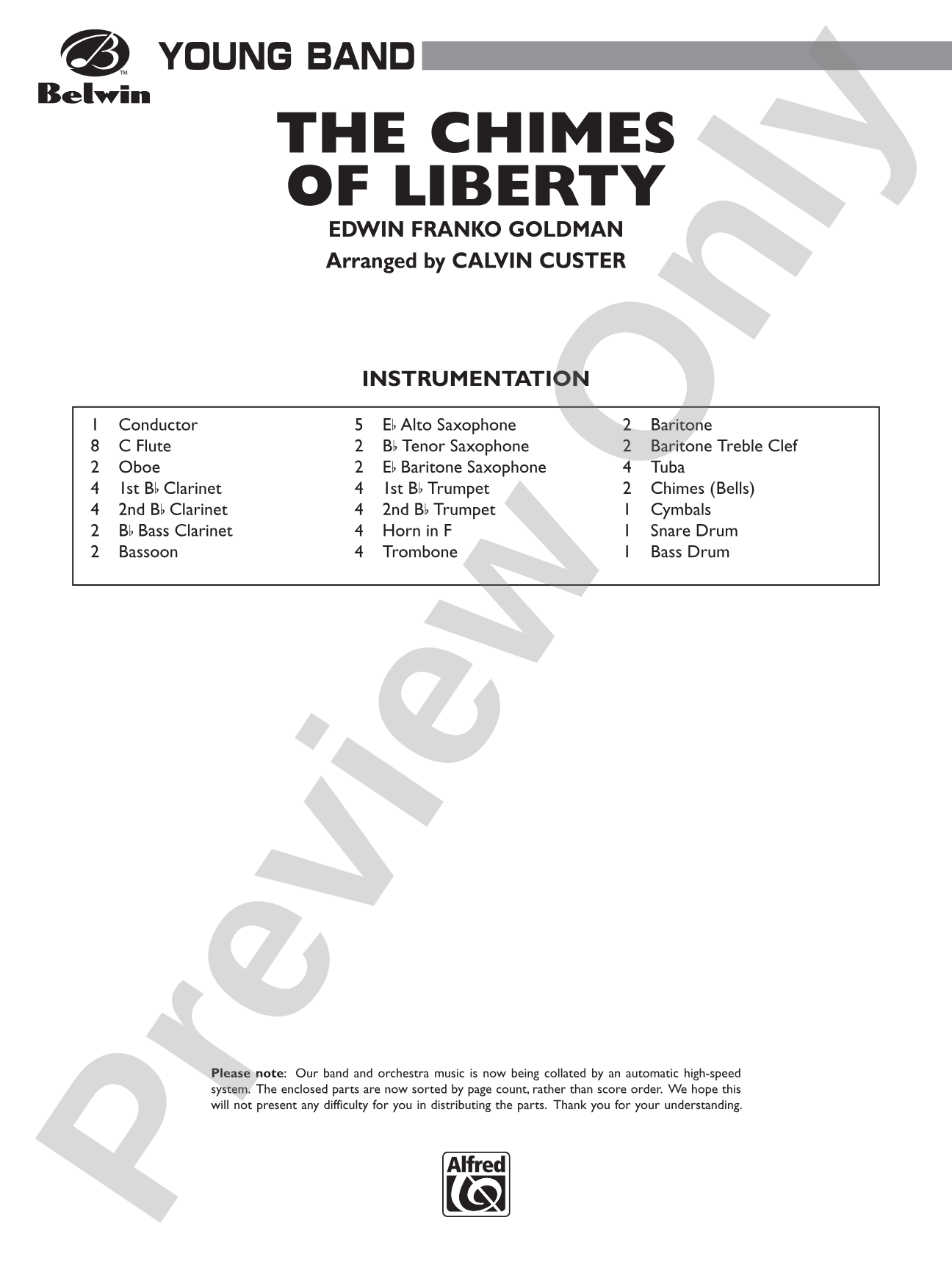
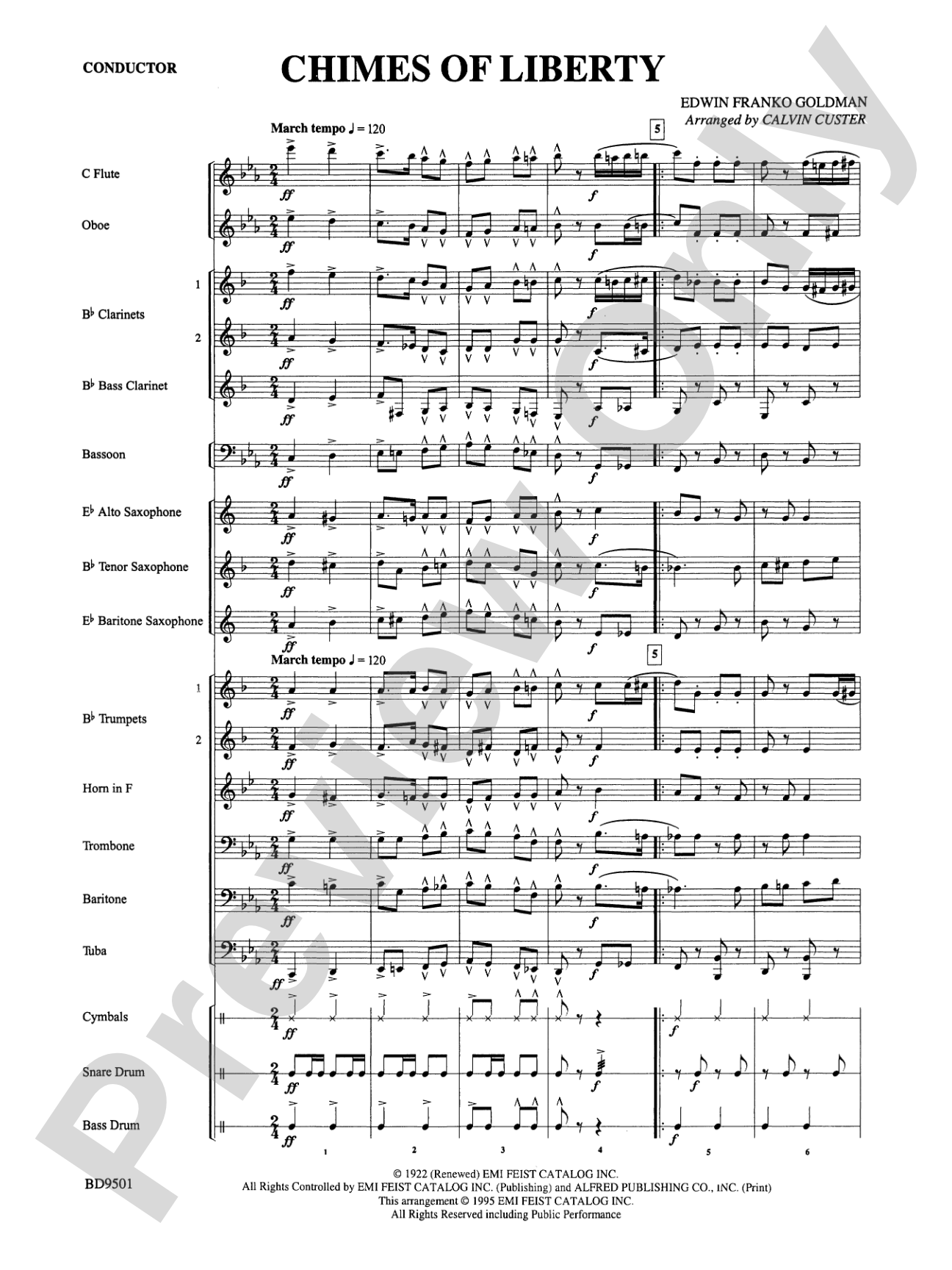
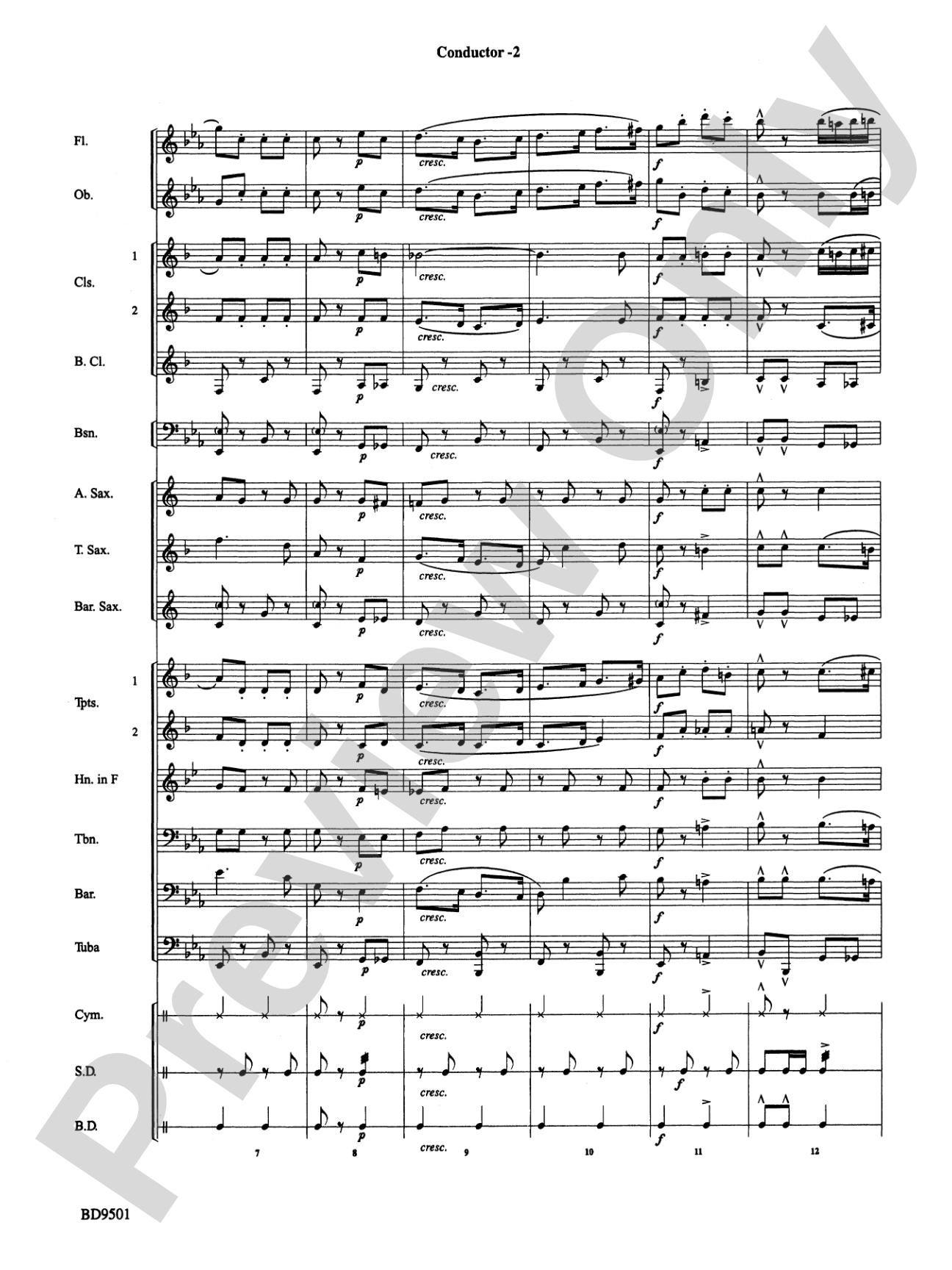
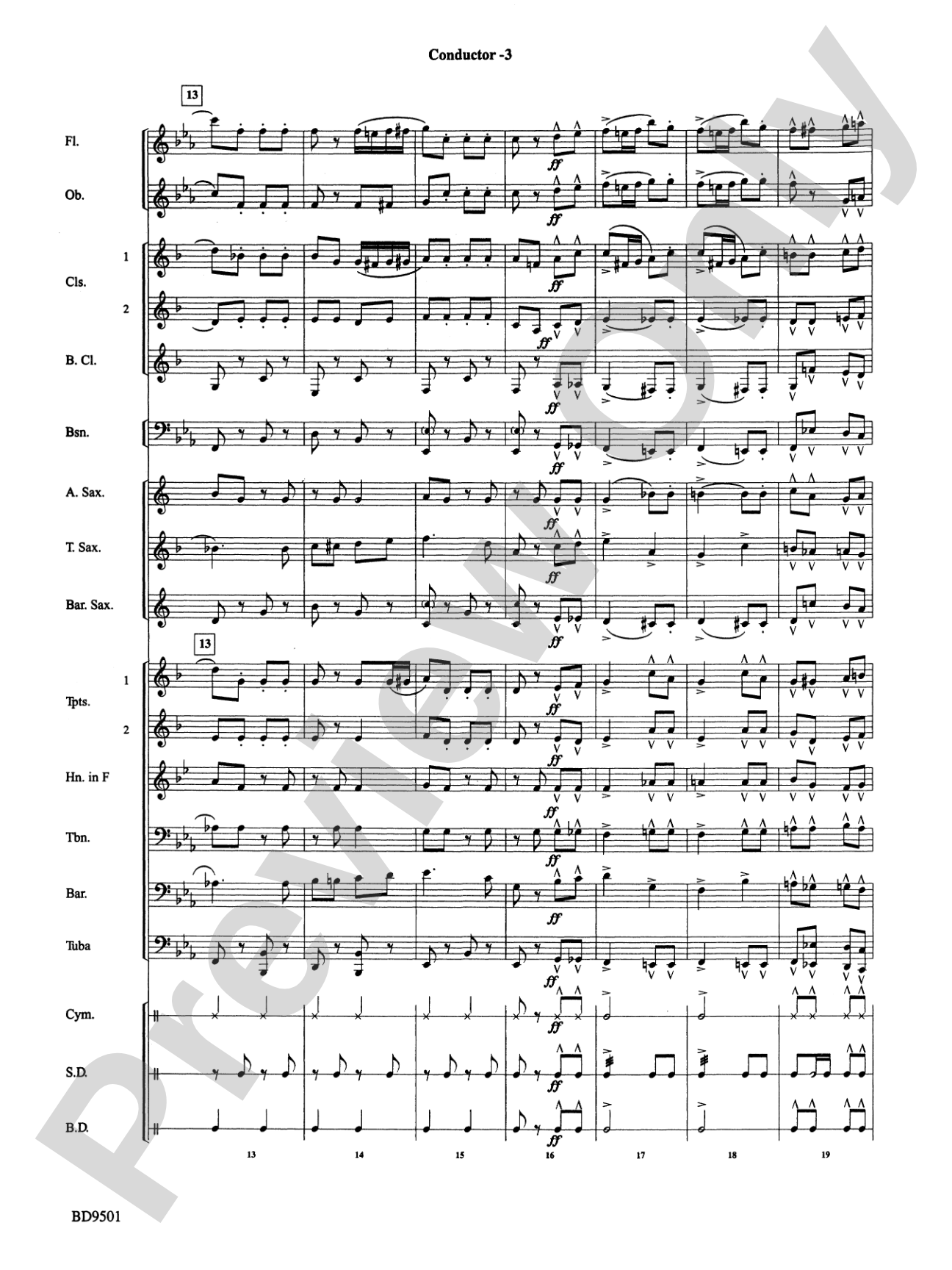
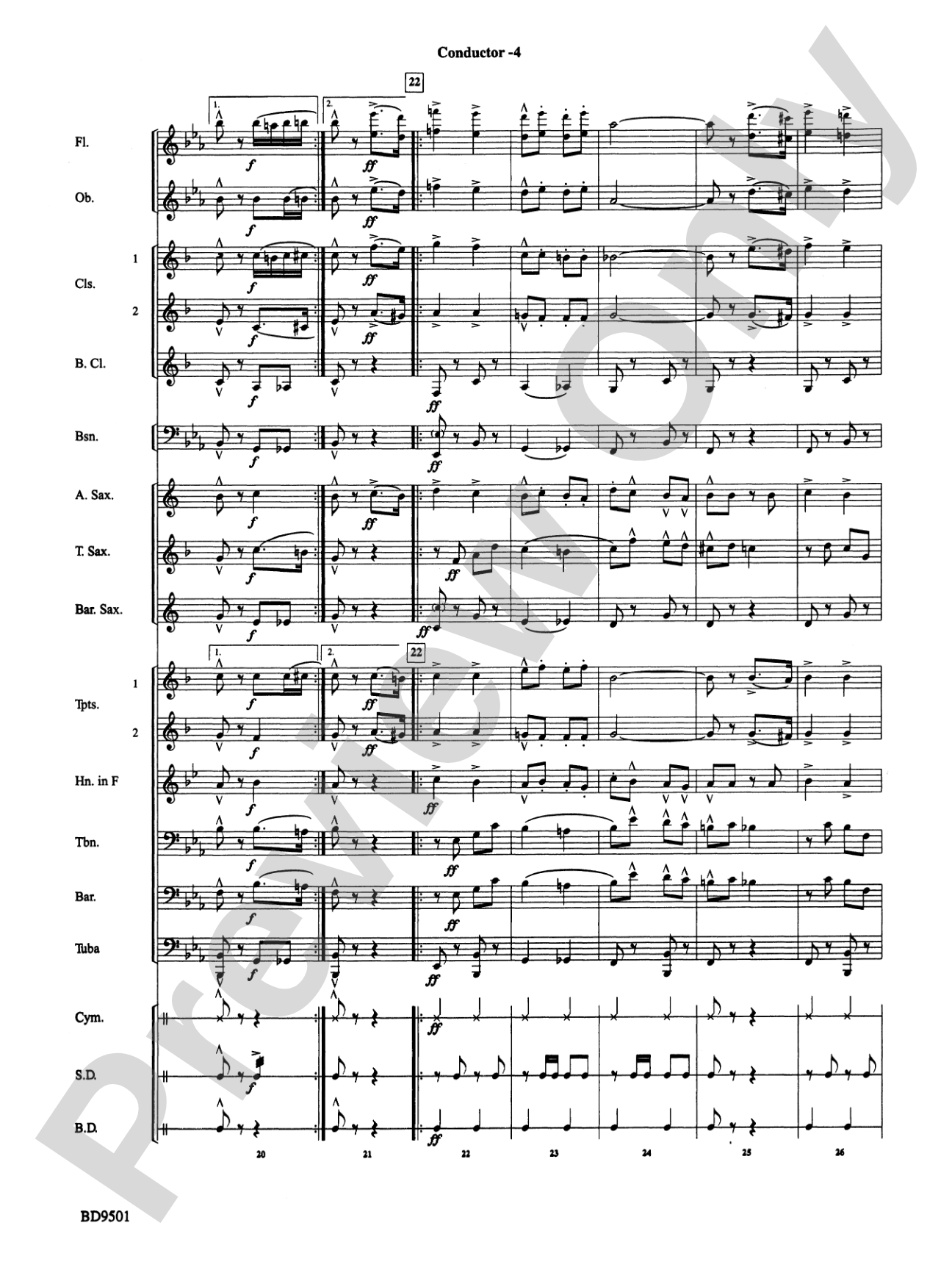
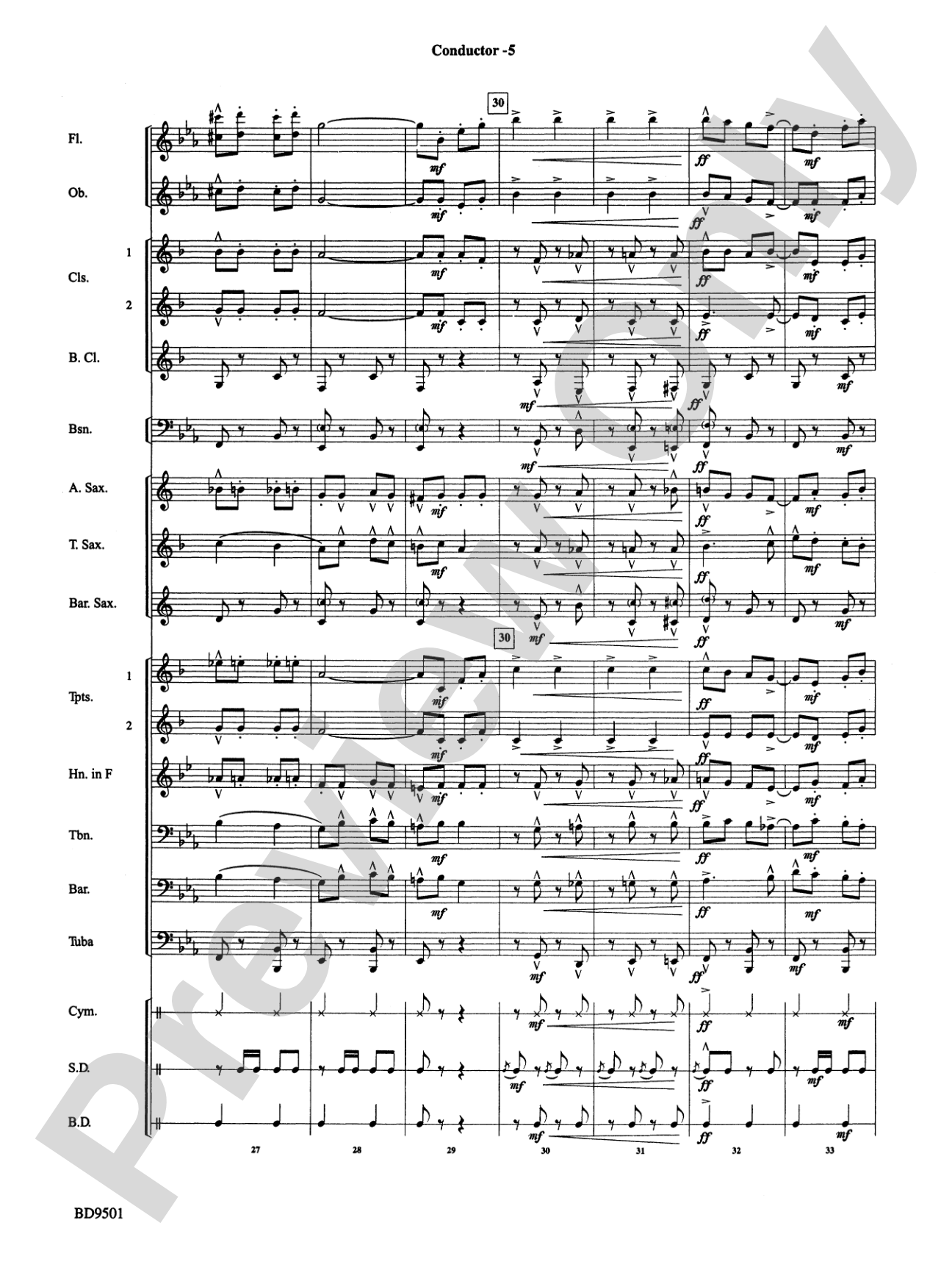
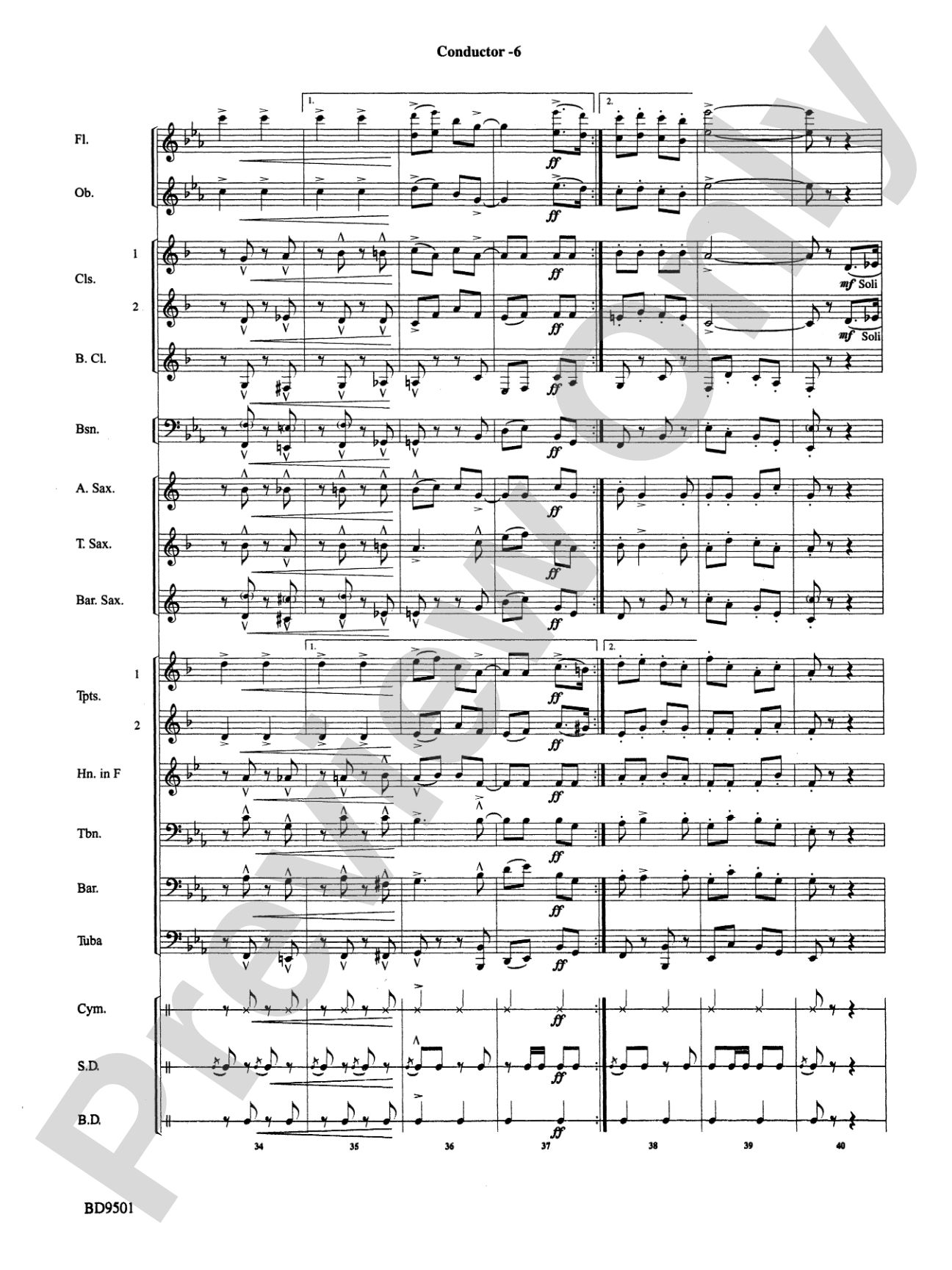
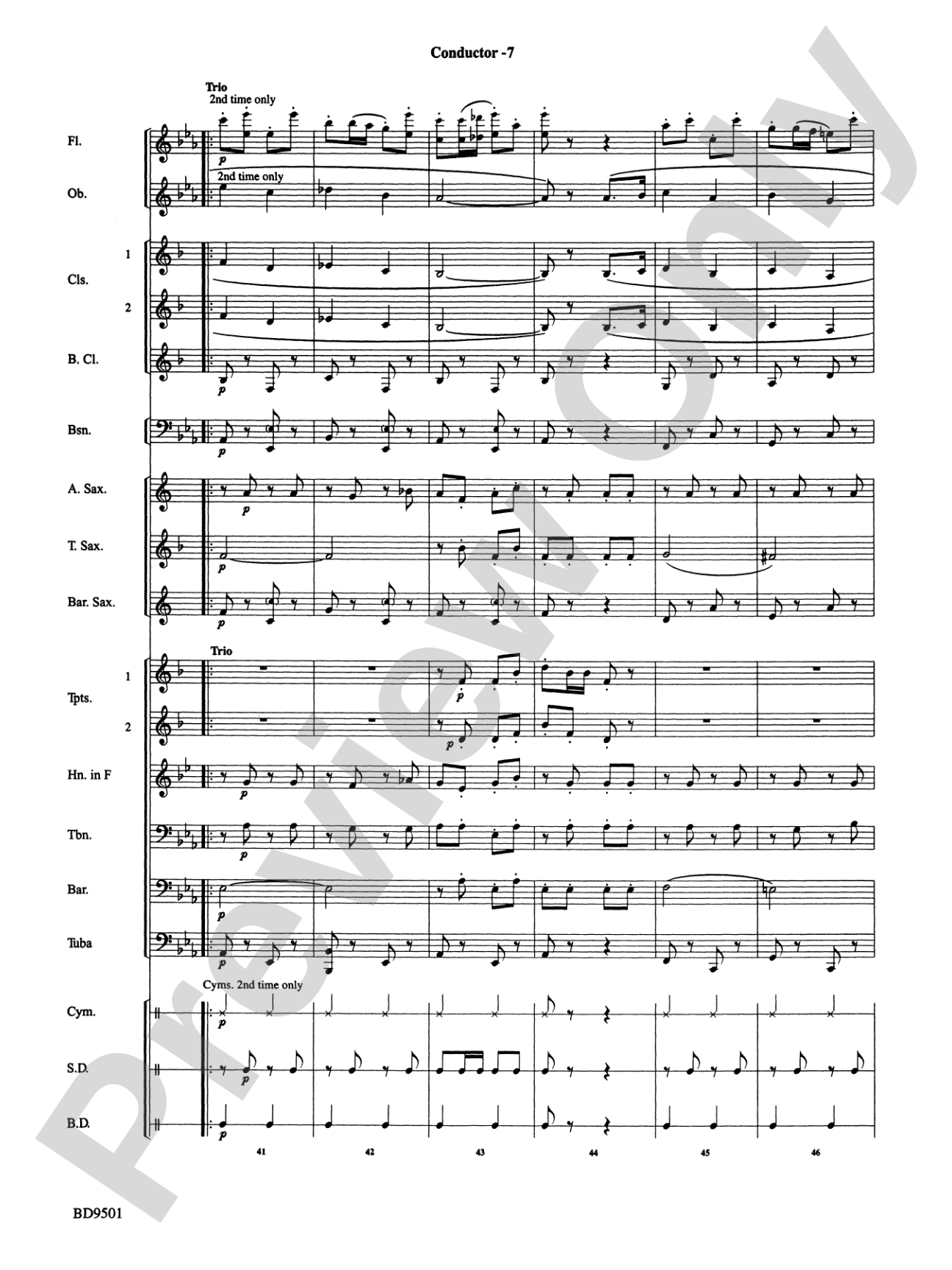
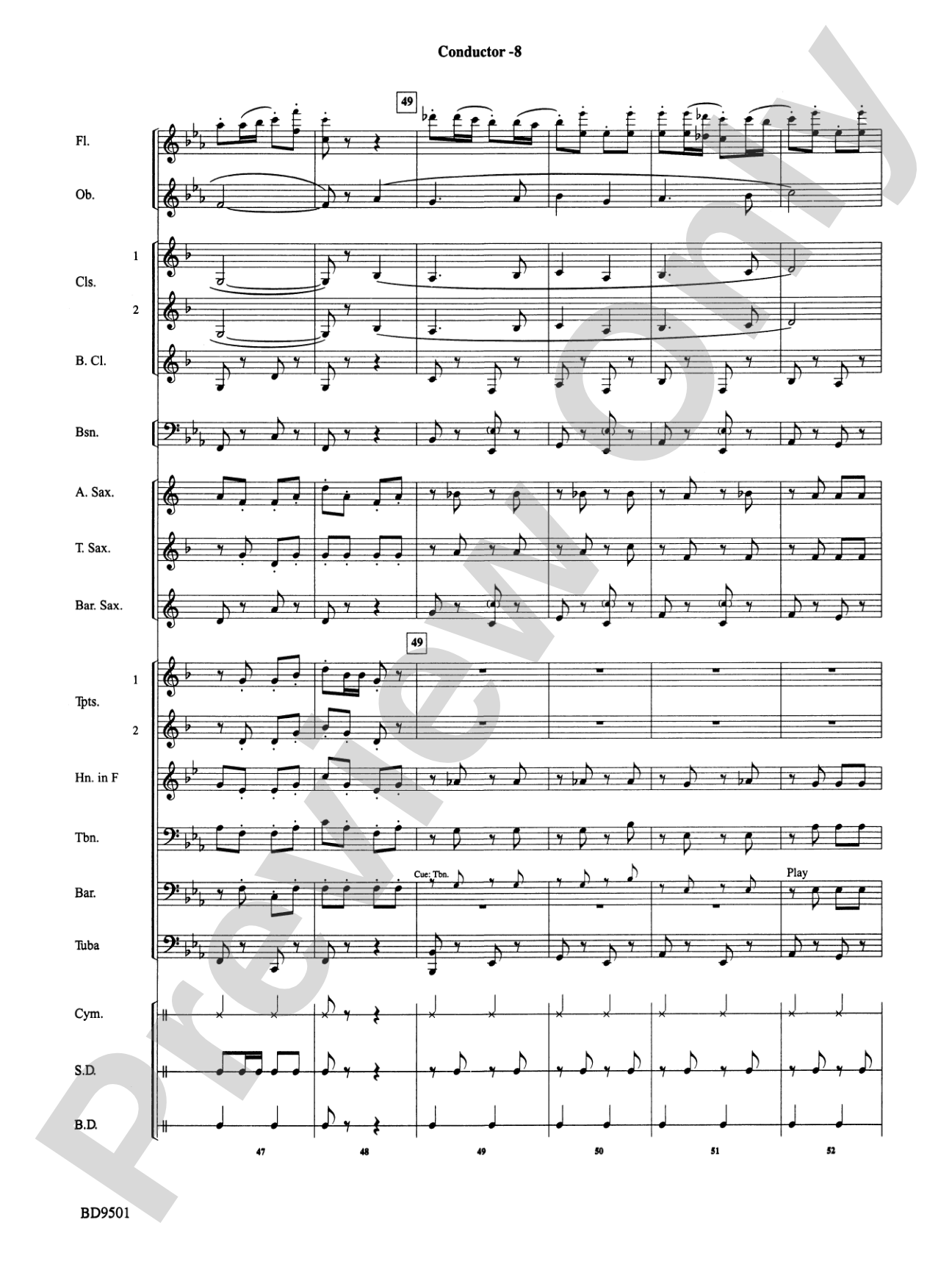
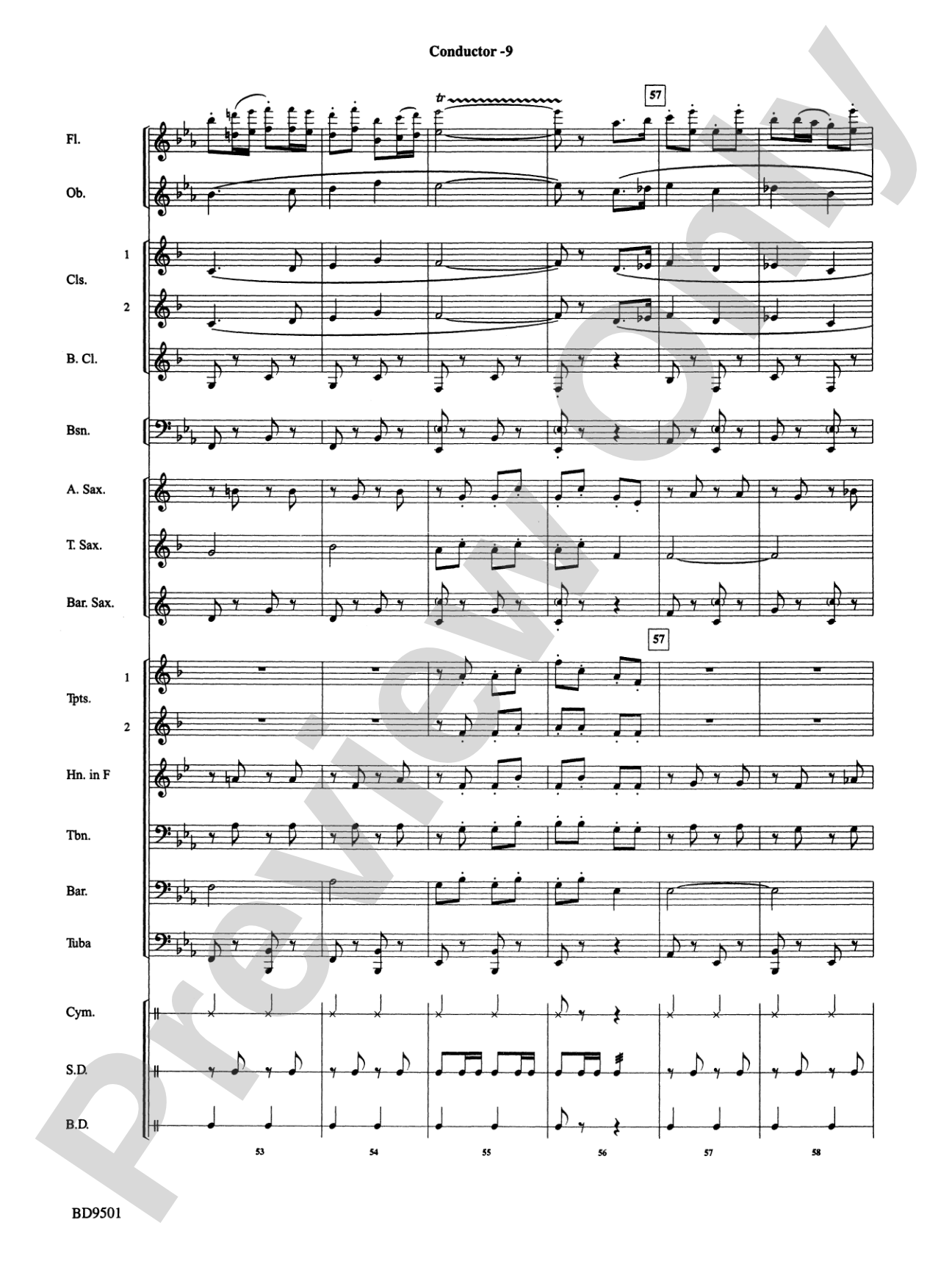
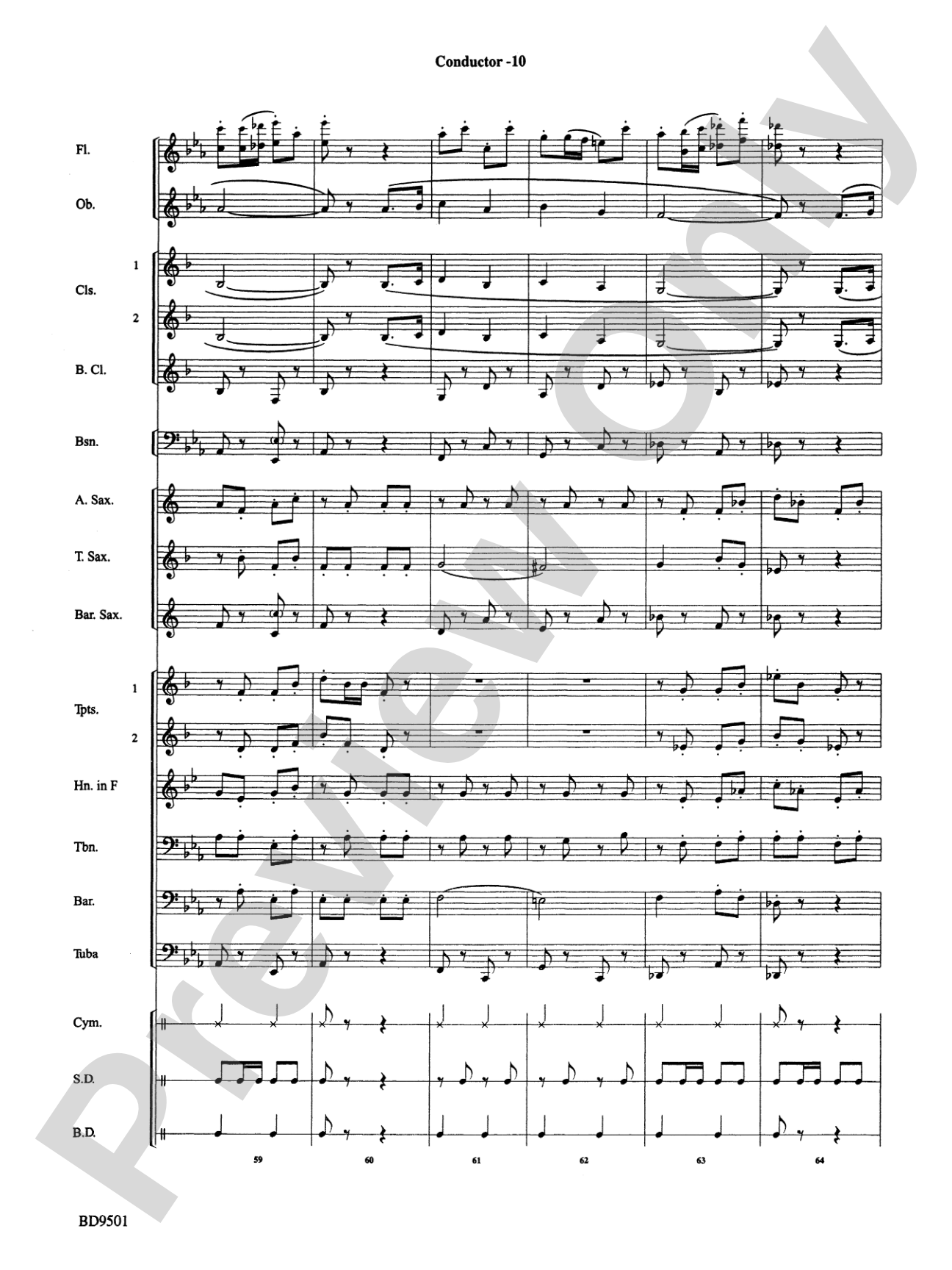
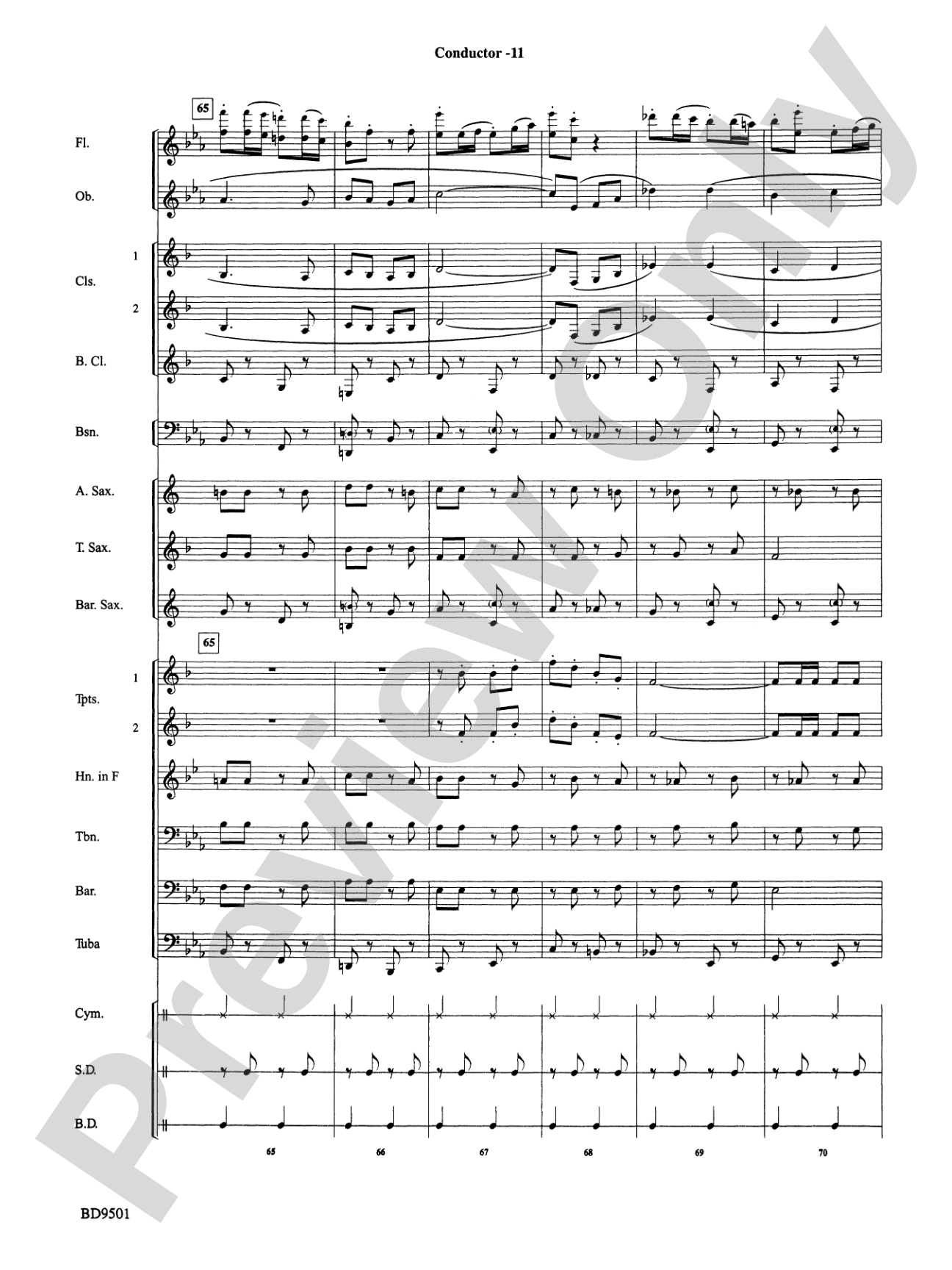
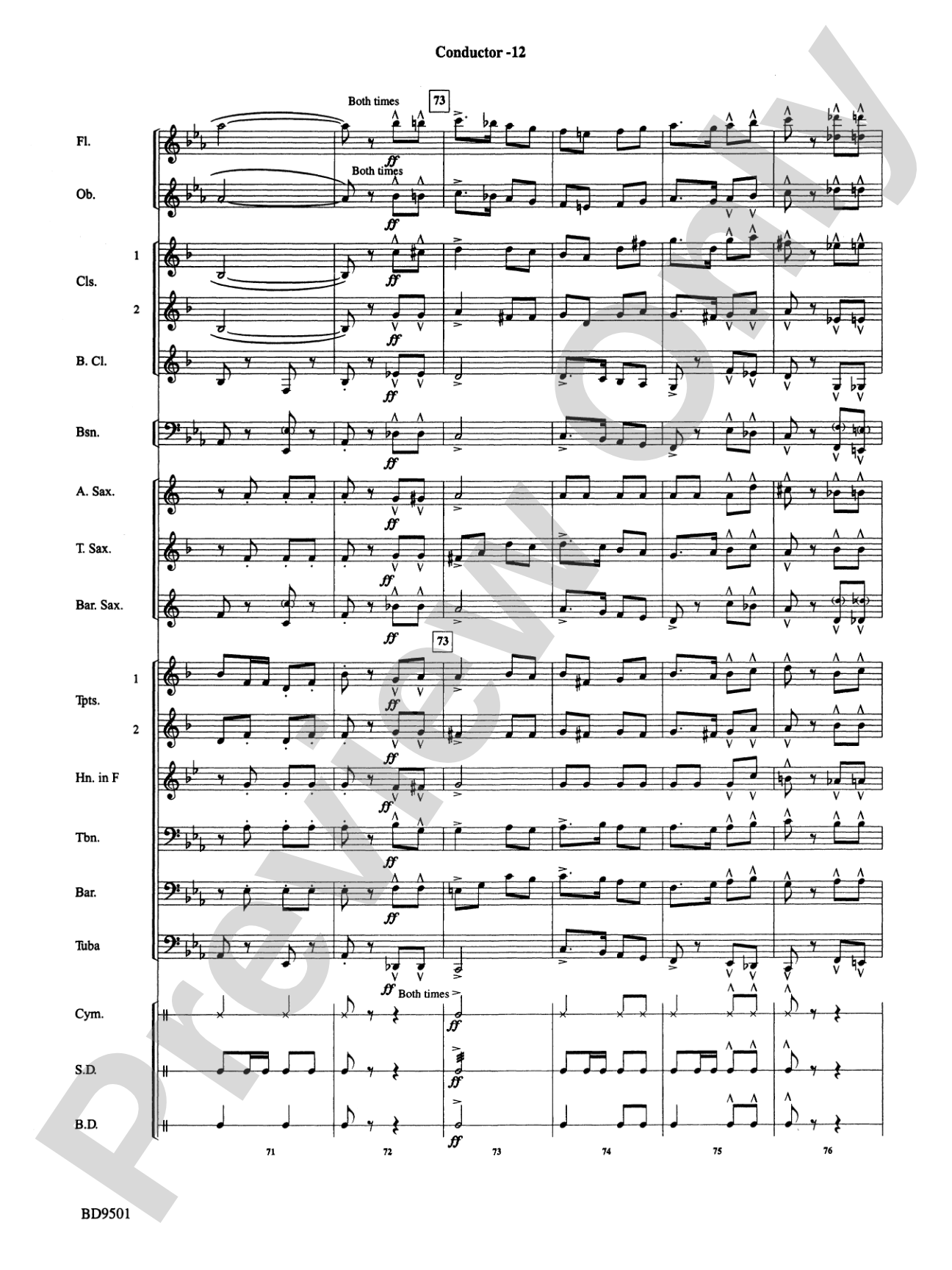
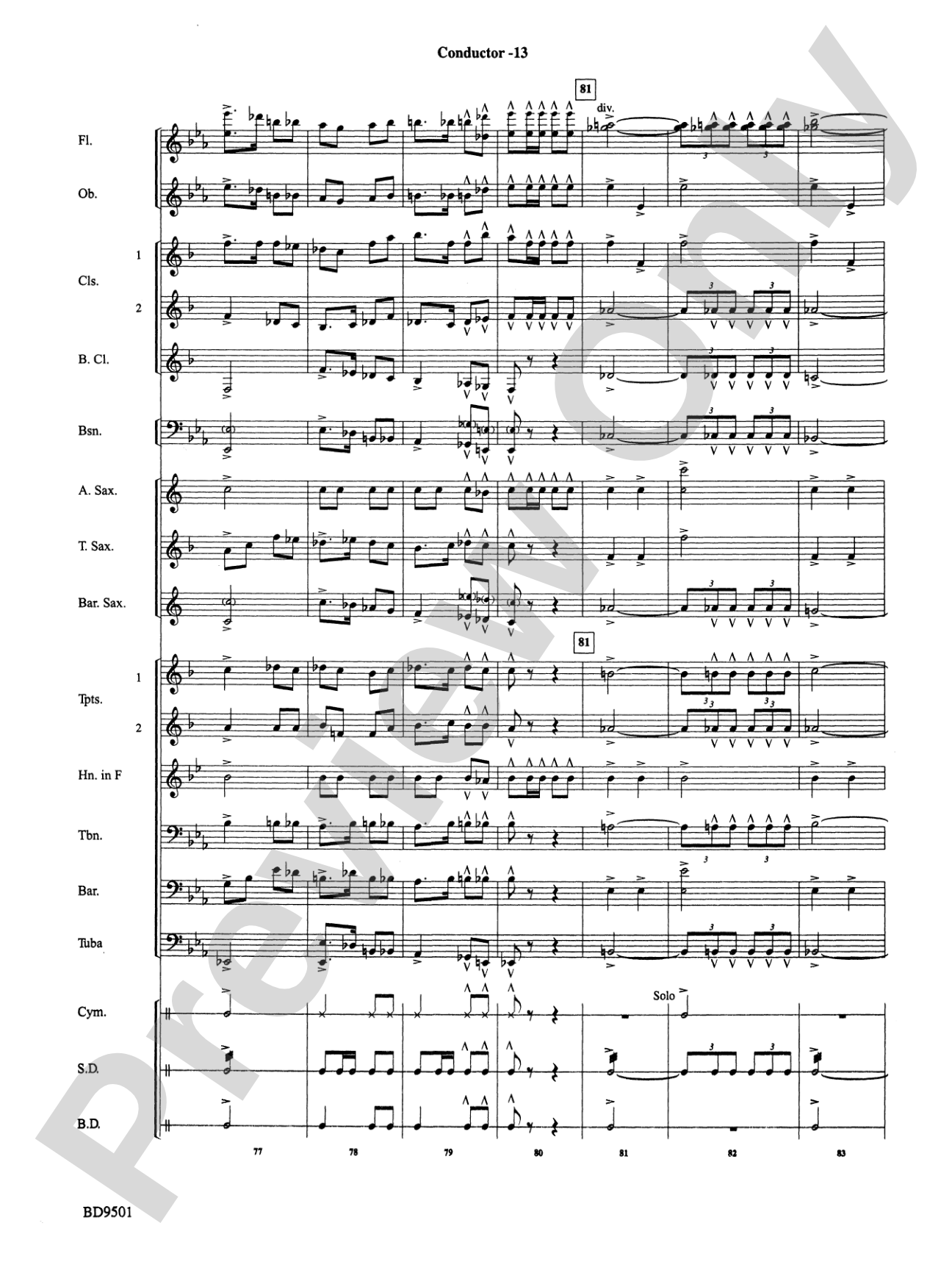
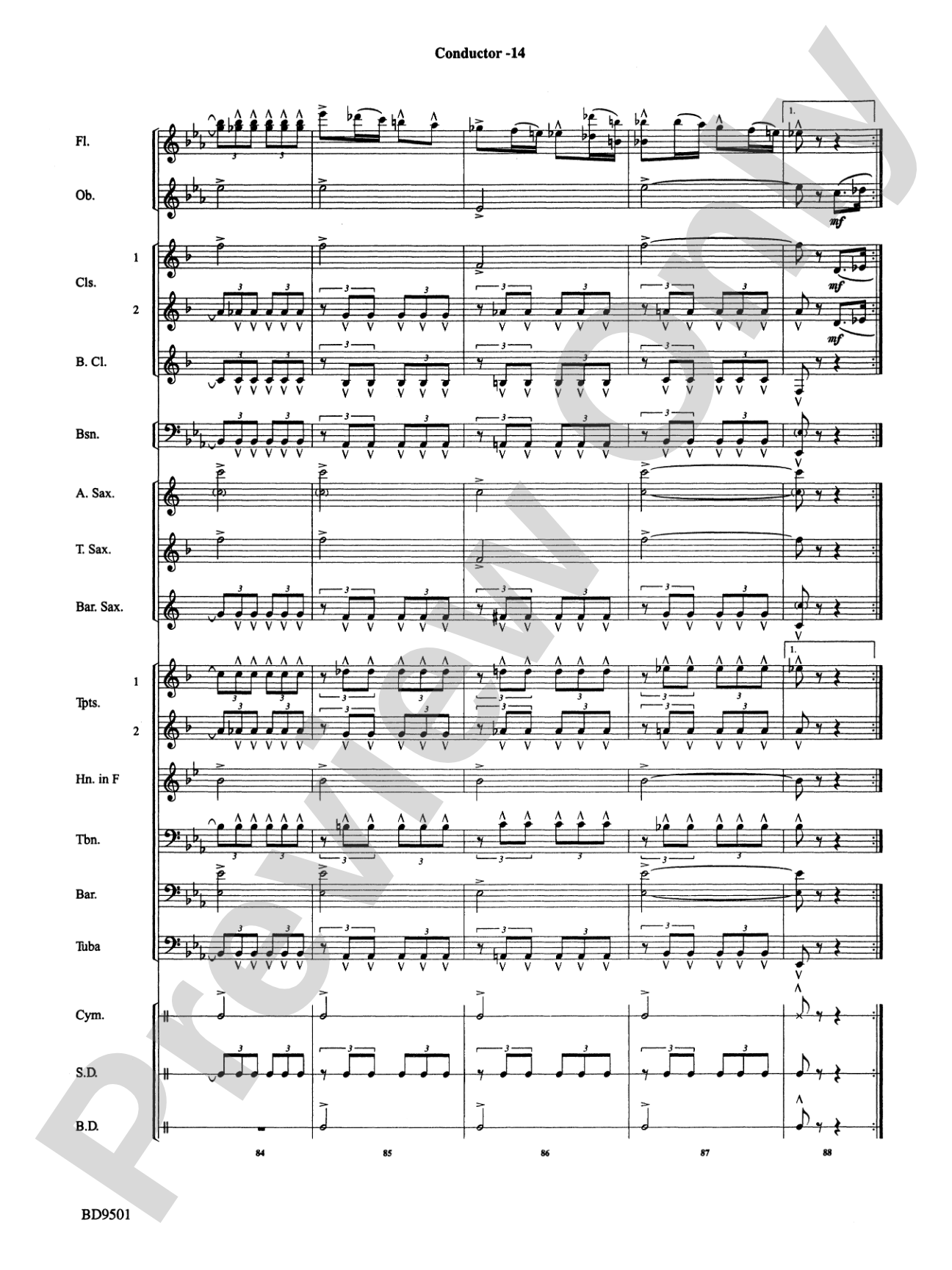
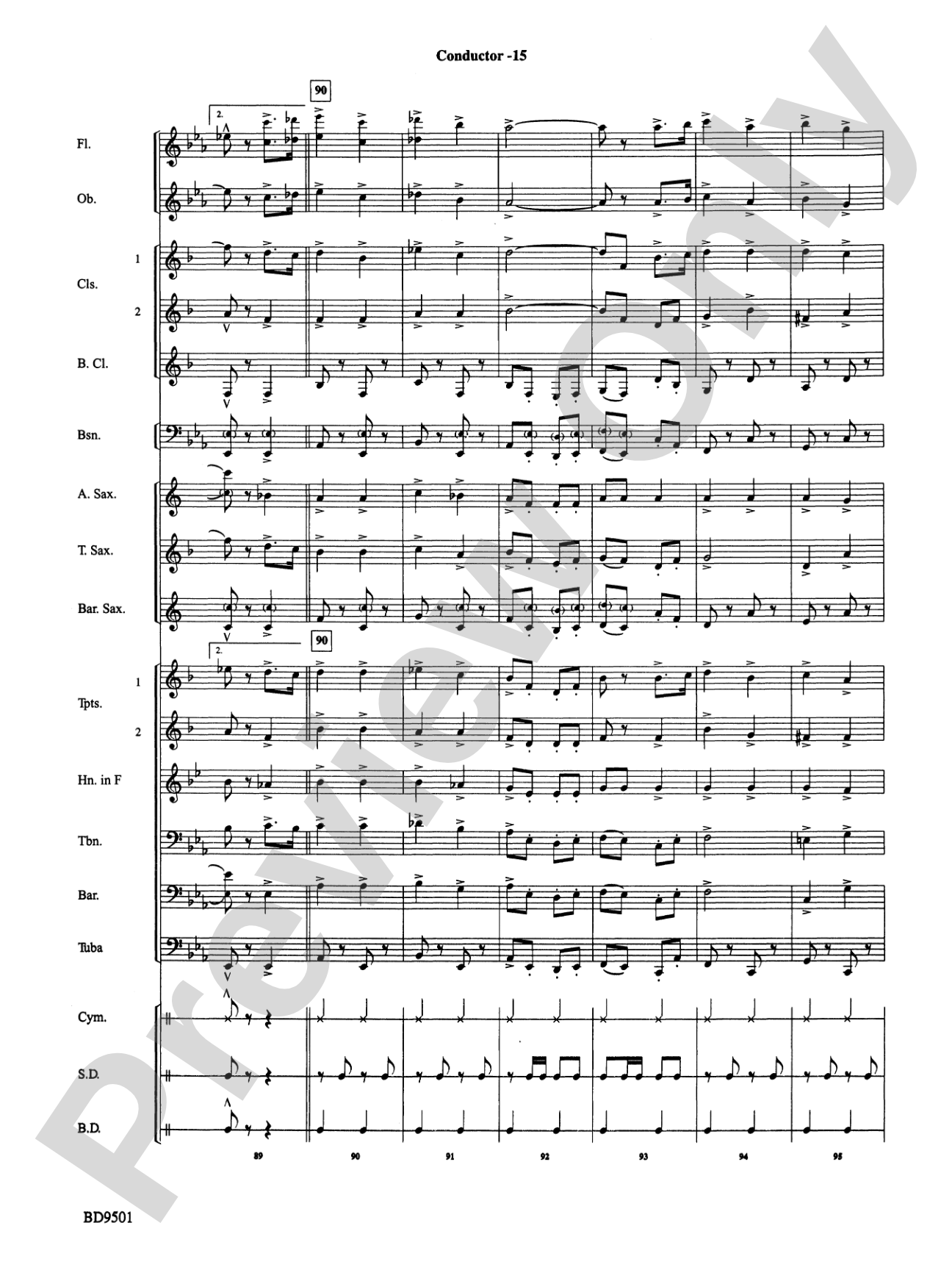
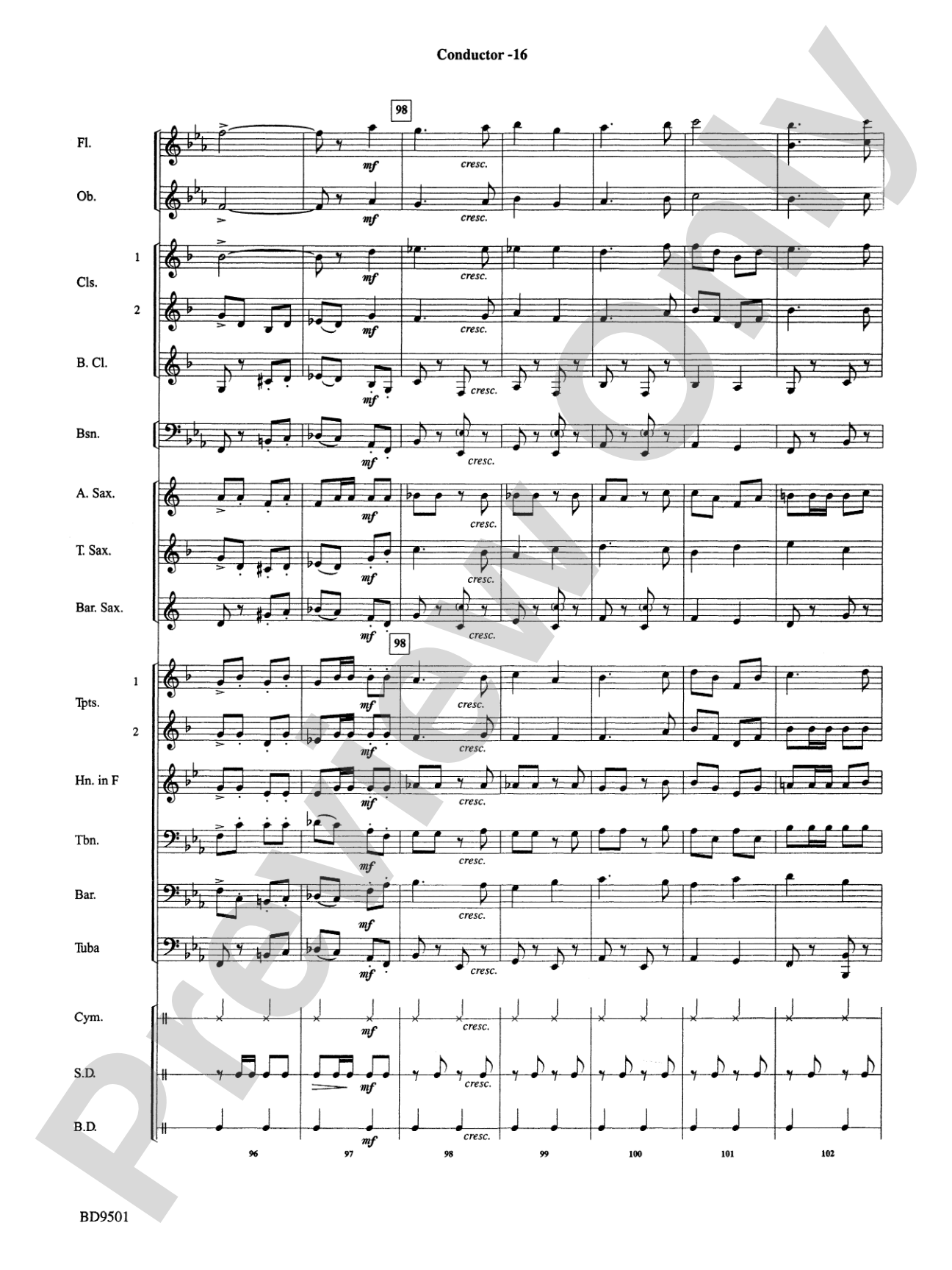
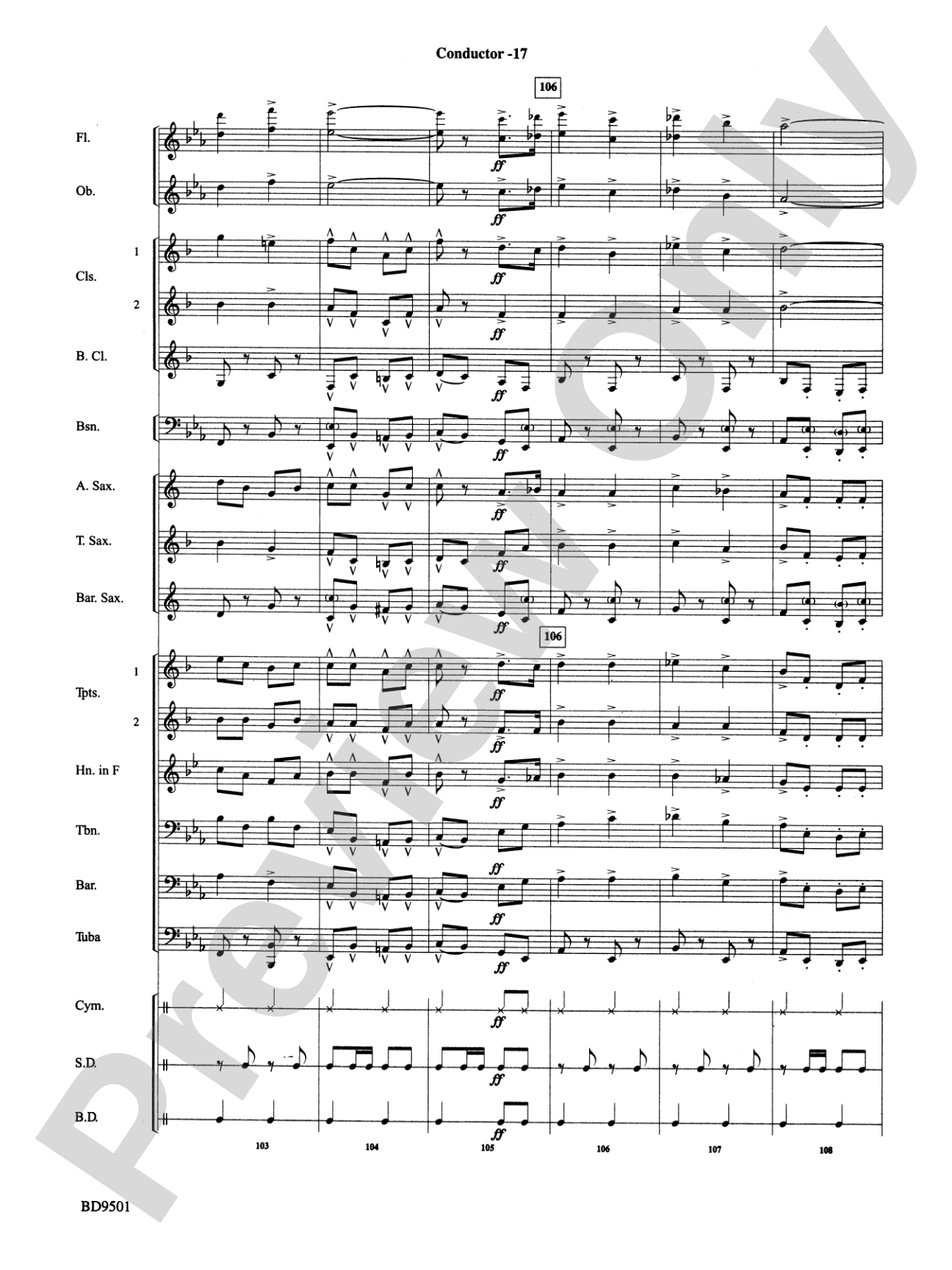
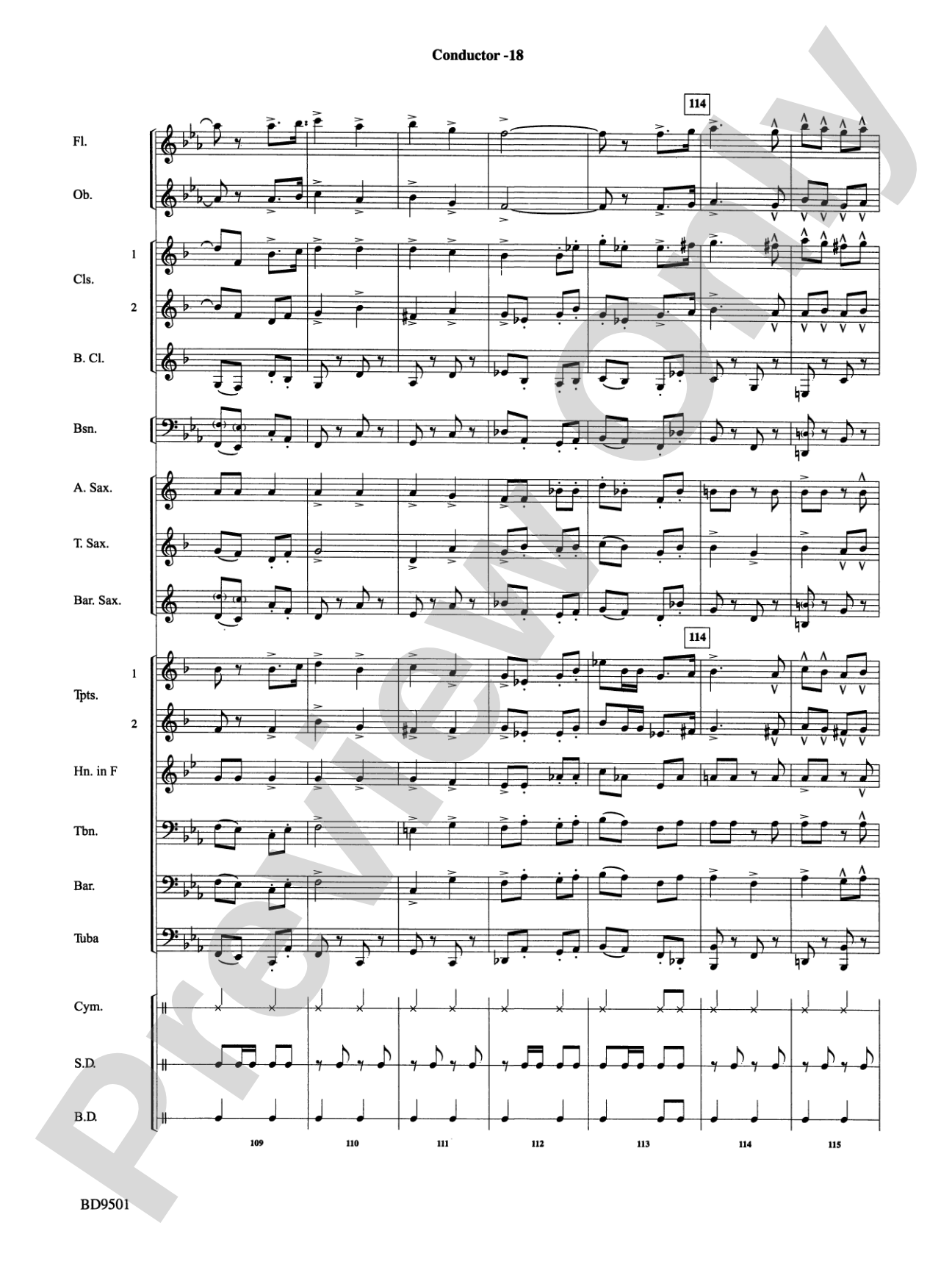
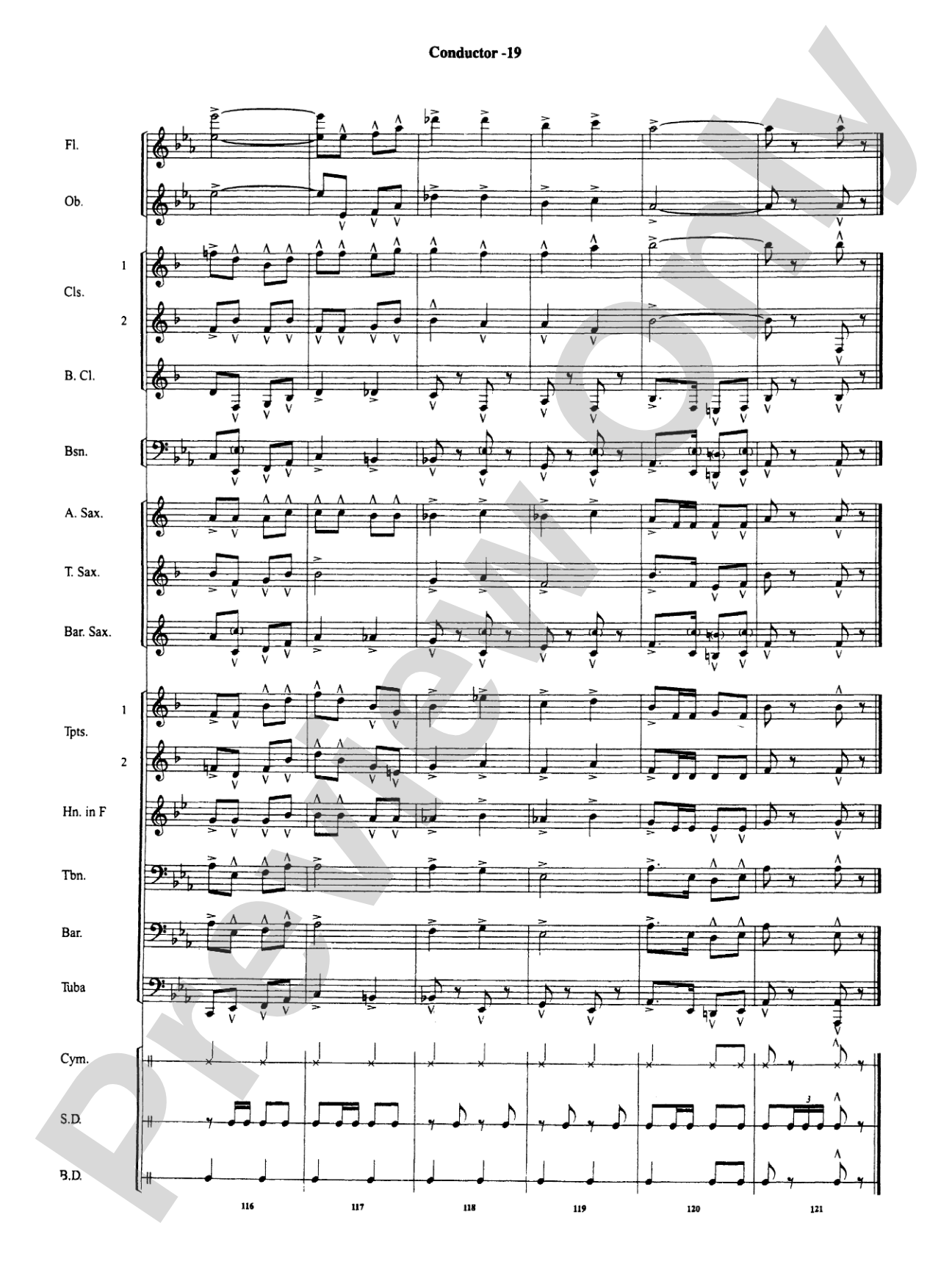

The Chimes of Liberty: Score
By Edwin Franko Goldman / arr. Calvin Custer
Grade: 2 (Easy)
Item: 00-PR-0001982
$10.00
Pickup currently not available
Description
From bandmaster to composer, Edwin Franko Goldman has become the proverbial household word, and the impact of his life's work on generations of band musicians has indeed been monumental. Calvin Custer has reworked Goldman's best-known march, keeping the original spirit and brilliance intact, but bringing the technical demands within the appropriate educational guidelines. A work by which others can be measured. This title is available in MakeMusic Cloud.


Don't just read it, hear it, play along with it, and watch your students grow with it. In MakeMusic Cloud, The Chimes of Liberty: Score comes alive with professional accompaniment, adjustable tempo, and built-in practice tools that turn solo practice into real progress.
Open in the Player
Jump straight in and assign it today.
Start Your Free Trial
Open this title and explore the full library in minutes.
Sample Audio
1
Audio File
--:--
0:00
0:00
Sample Video
No sample videos found.
Additional Details
Series:
Belwin Young Band
Publisher:
Alfred Music
Page Count:
232
SKU:
00-PR-0001982
More about this title
About the Composer: Edwin Franko Goldman
Edwin Franko Goldman (1878–1956) founded the Goldman Band in 1911 and spent more than four decades championing the concert band as a serious musical medium. His marches became cornerstones of the American band repertoire, performed by ensembles across the country and setting a standard for melodic clarity, harmonic sophistication, and orchestral color that influenced generations of bandmasters and composers.
Goldman's legacy extends beyond his own compositions. His vision of accessible yet artistically rigorous band music helped establish the concert band as an educational institution, proving that young musicians could perform works of genuine artistic merit without compromise. The Chimes of Liberty stands among his most enduring contributions to the band repertoire.
Why we love this
Calvin Custer's reworking respects Goldman's original melodic and harmonic vision while genuinely serving Grade 2 musicians. You get the architectural sophistication and patriotic spirit of a Goldman march without forcing young players into technical gymnastics that overshadow the music itself. This is a piece your band will want to perform because it sounds genuinely accomplished.
What to expect
Stately and celebratory, with the straightforward dignity that defines Goldman's best marches. The orchestration glows with color despite the modest Grade 2 setting, and the melody carries the kind of natural lyricism that rewards musicians who play it with intention and musicality.
Who it's for
Young band directors seeking repertoire that honors the American march tradition without demanding advanced technical facility. This work suits ensembles in their first or second year of building a concert band program and want to program a recognizable, artistically legitimate patriotic selection.
How to get the most out of it
- Establish the march character through a steady, energized pulse from the opening; the clarity and momentum of the main theme depend on rhythmic confidence across the entire band.
- Balance the melody line across first and second cornet (or trumpet) to ensure both the opening exposition and any secondary statements sing with equal weight and projection.
- Let the percussion section anchor the harmonic rhythm in the lower voices; crisp articulation in the low brass and bass line will lift the entire texture and reinforce the march's forward momentum.
- Attend to dynamic shape within phrases rather than holding a single level; small crescendos toward phrase peaks will bring out Goldman's gift for melodic phrasing without requiring dramatic changes in tempo.
How to use it
Program this for a summer pops concert, Independence Day celebration, or community festival where patriotic repertoire is expected. It also serves as an excellent opener for a concert that includes other American works, establishing both the band's professionalism and its connection to the broader concert band tradition.
Skills your students will build
- Steady march meter and pulse maintenance across varying textures
- Transparent voicing of four-part harmonic progressions in brass and woodwind choirs
- Phrase shaping and dynamic planning without radical tempo changes
- Section and full-band balance in a formal ensemble setting
- Melodic independence when supporting or sharing principal lines