
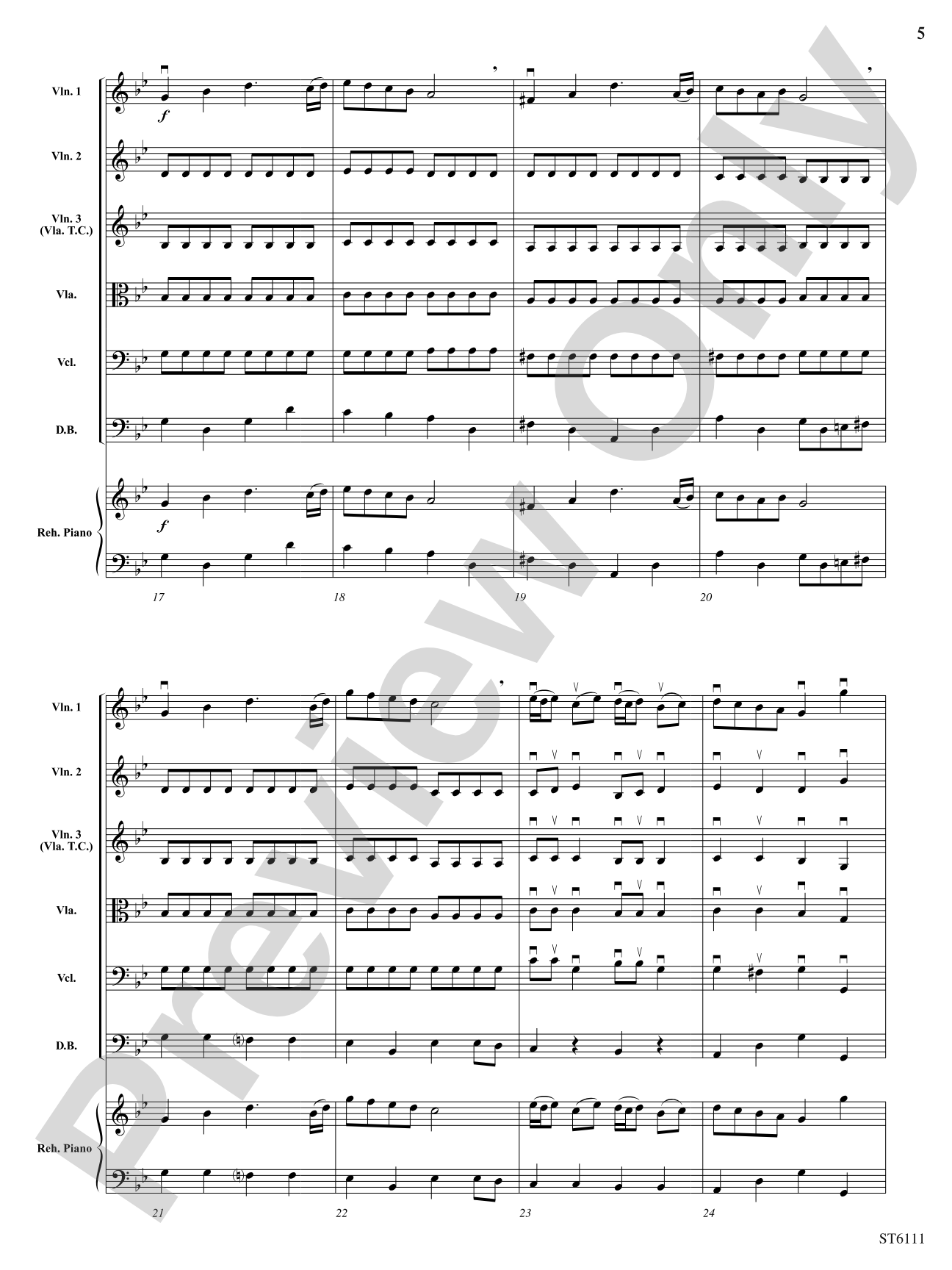
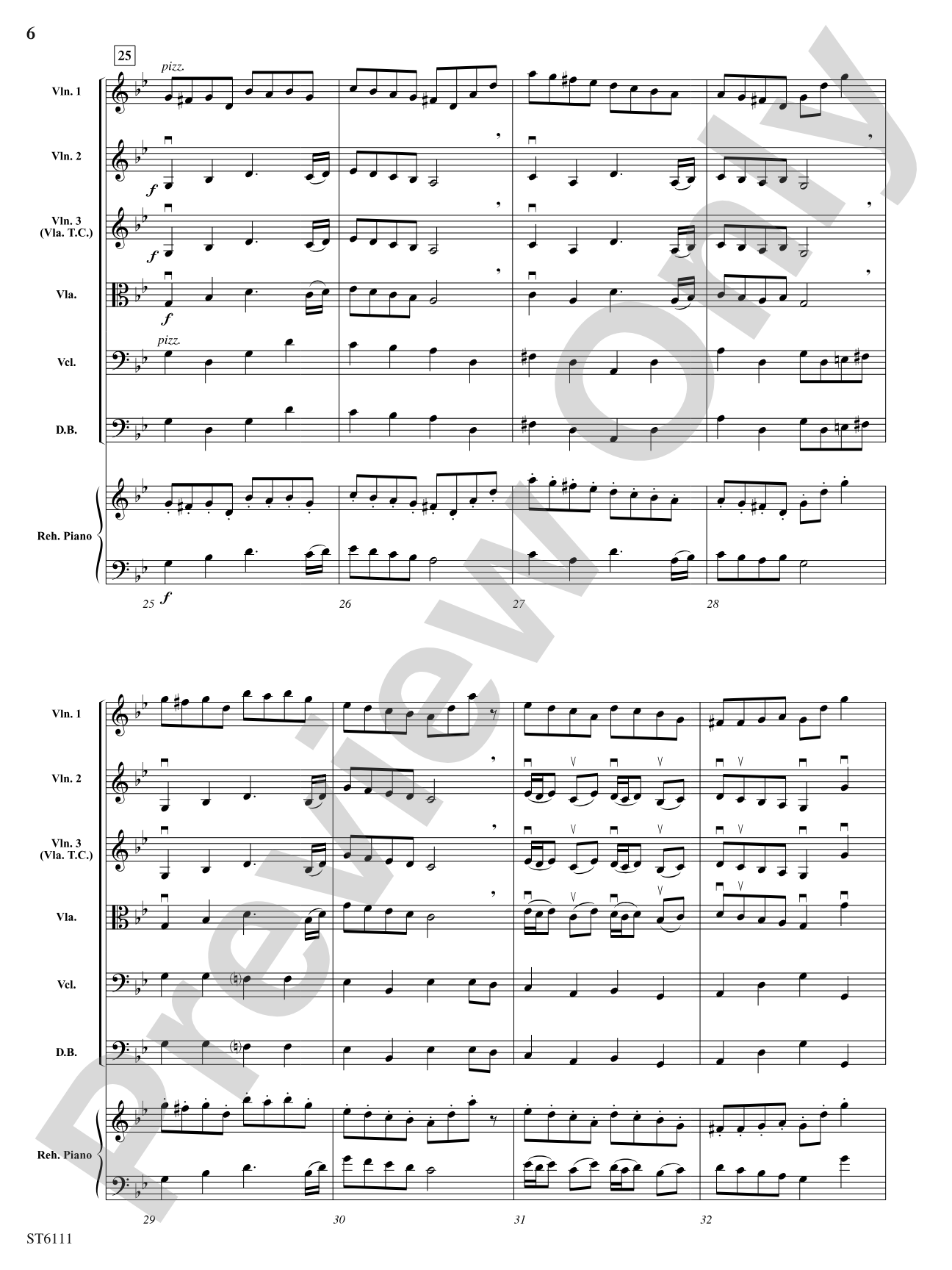
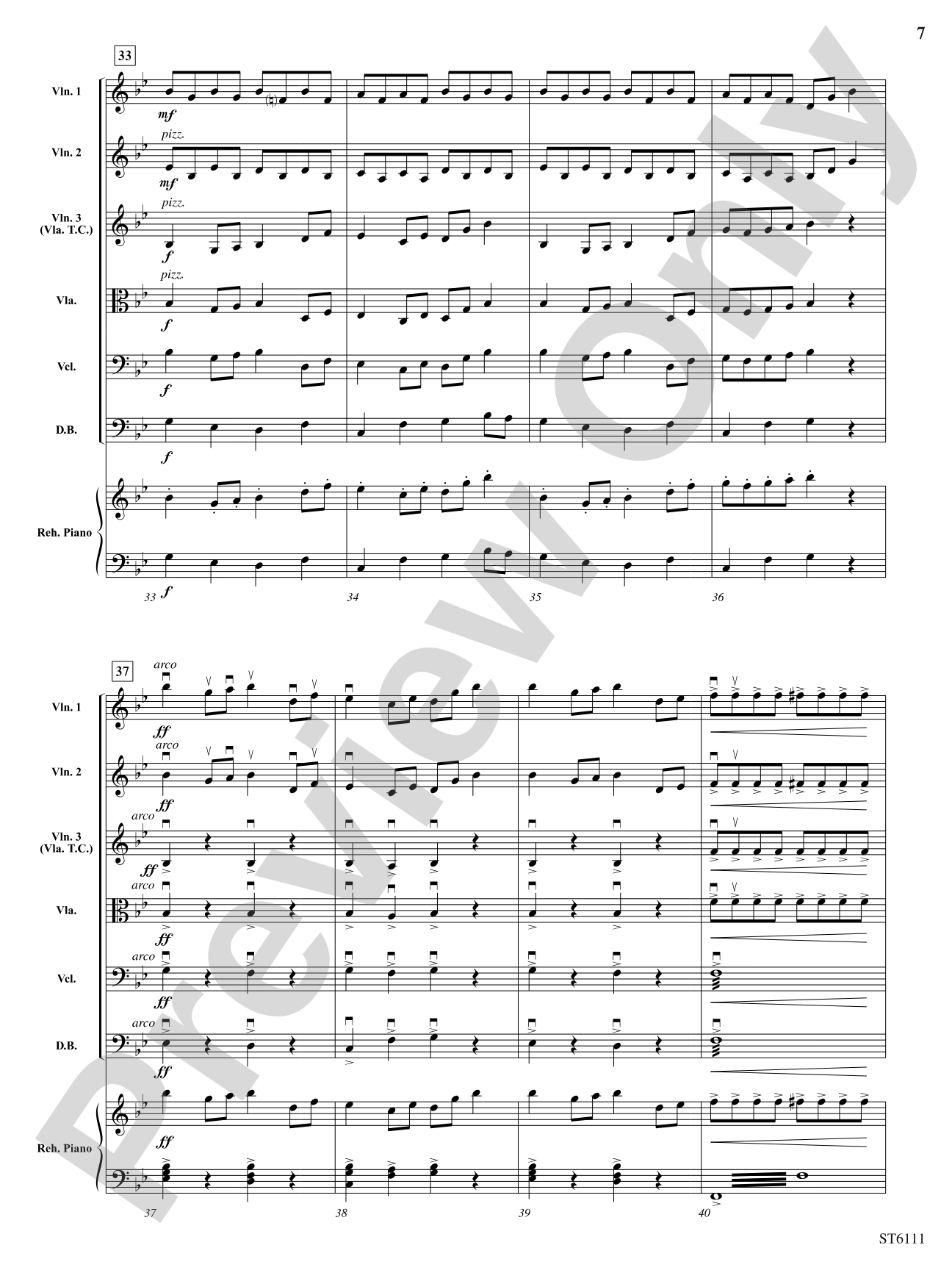
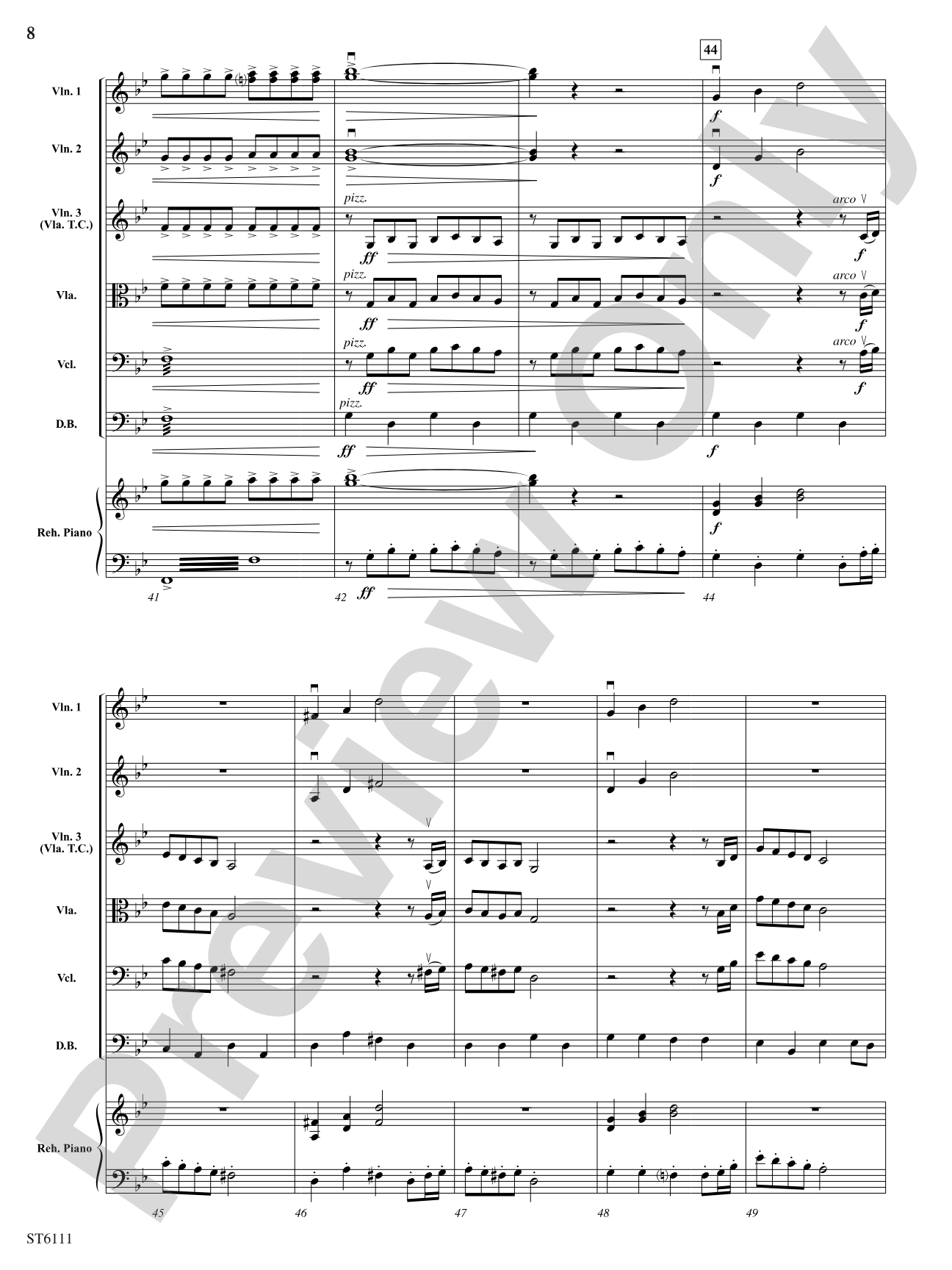
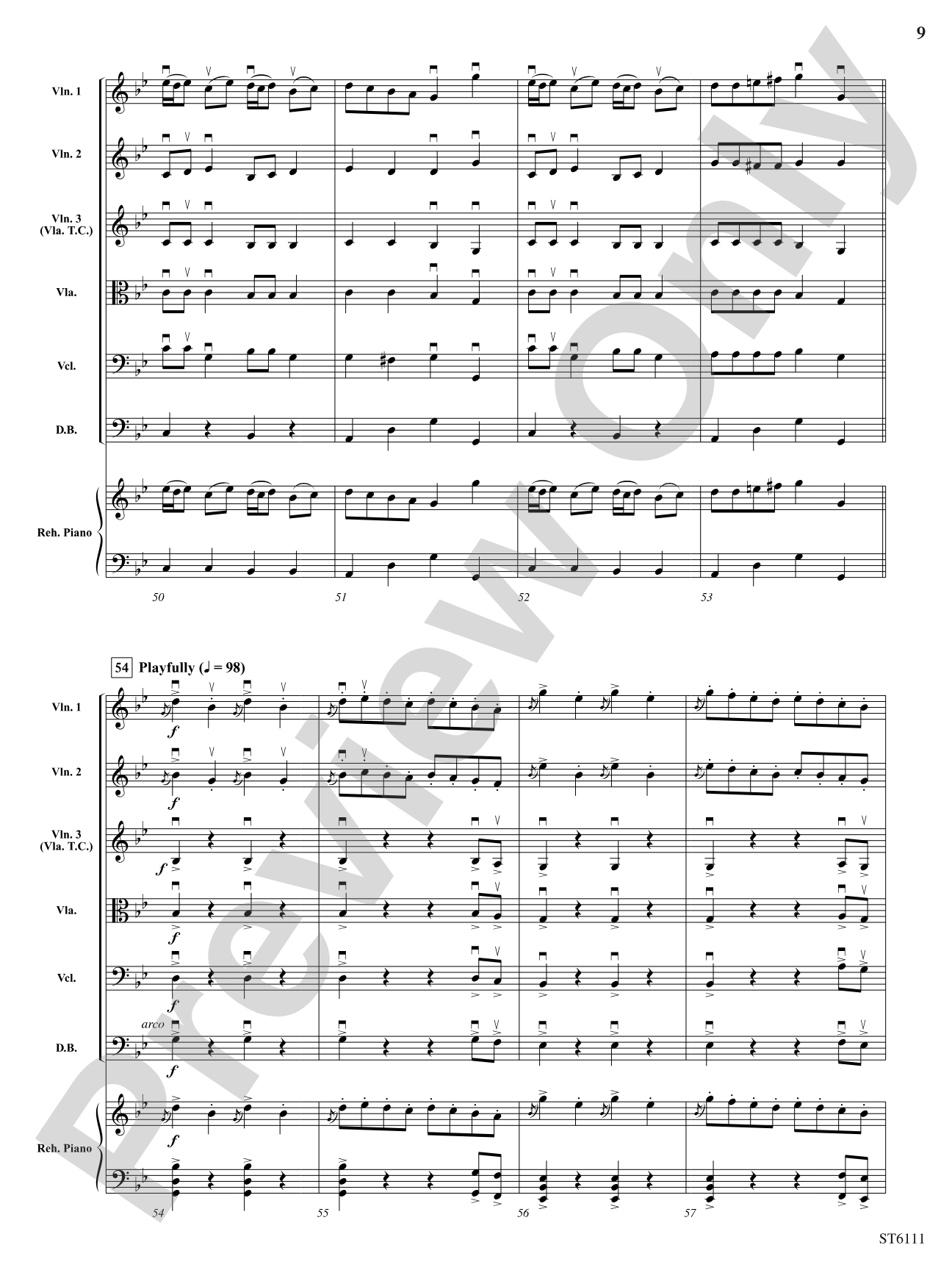
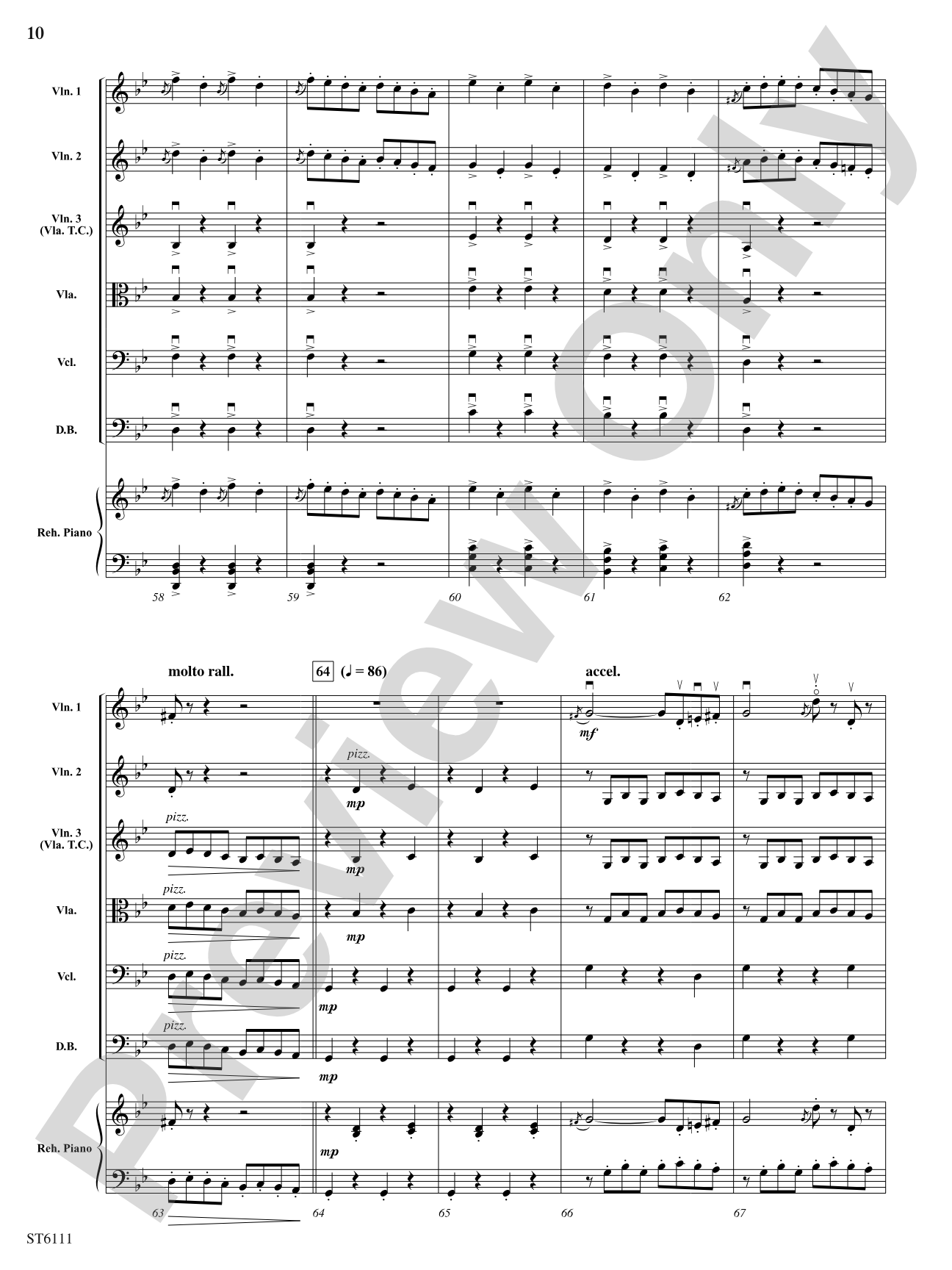
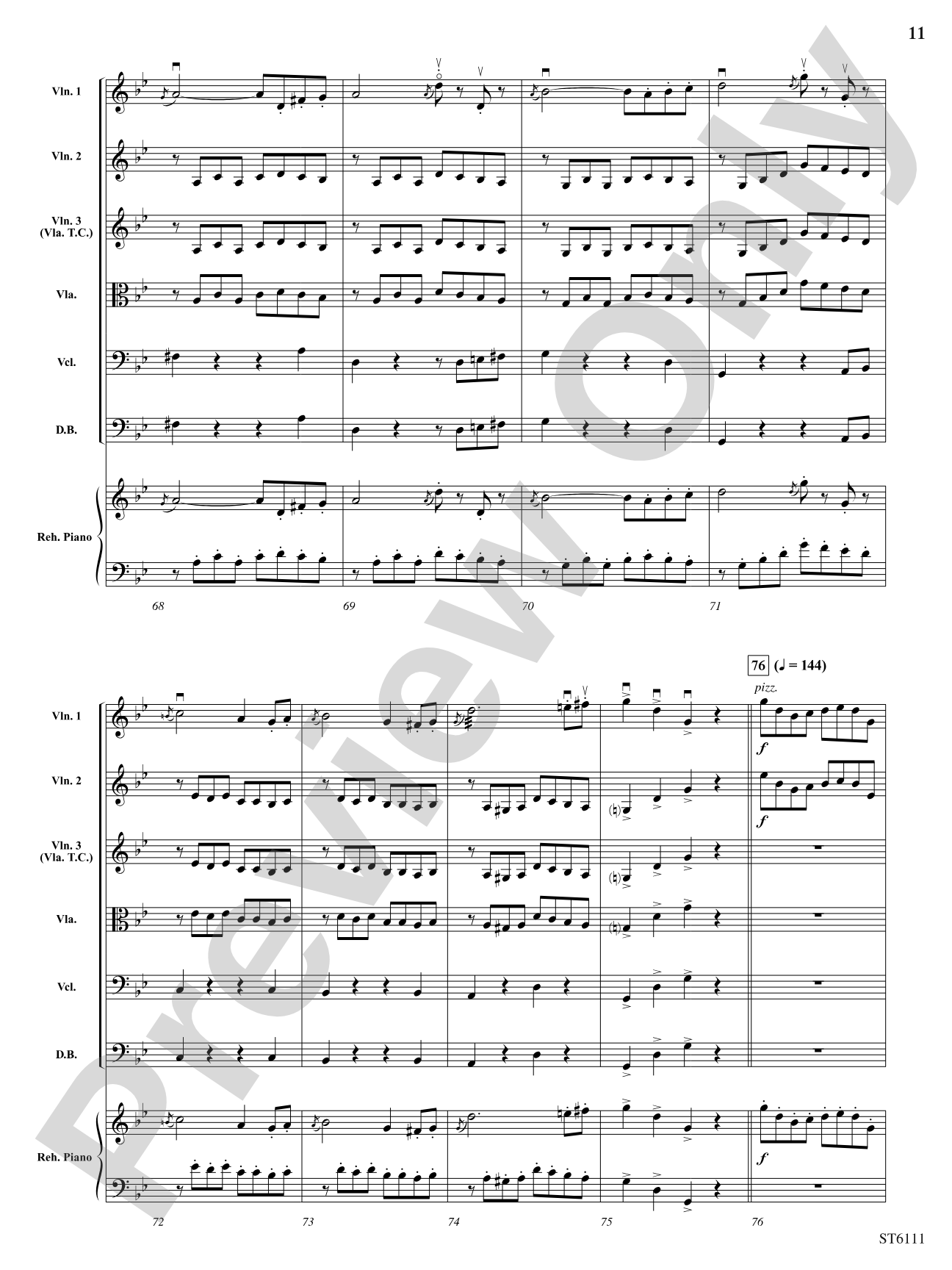
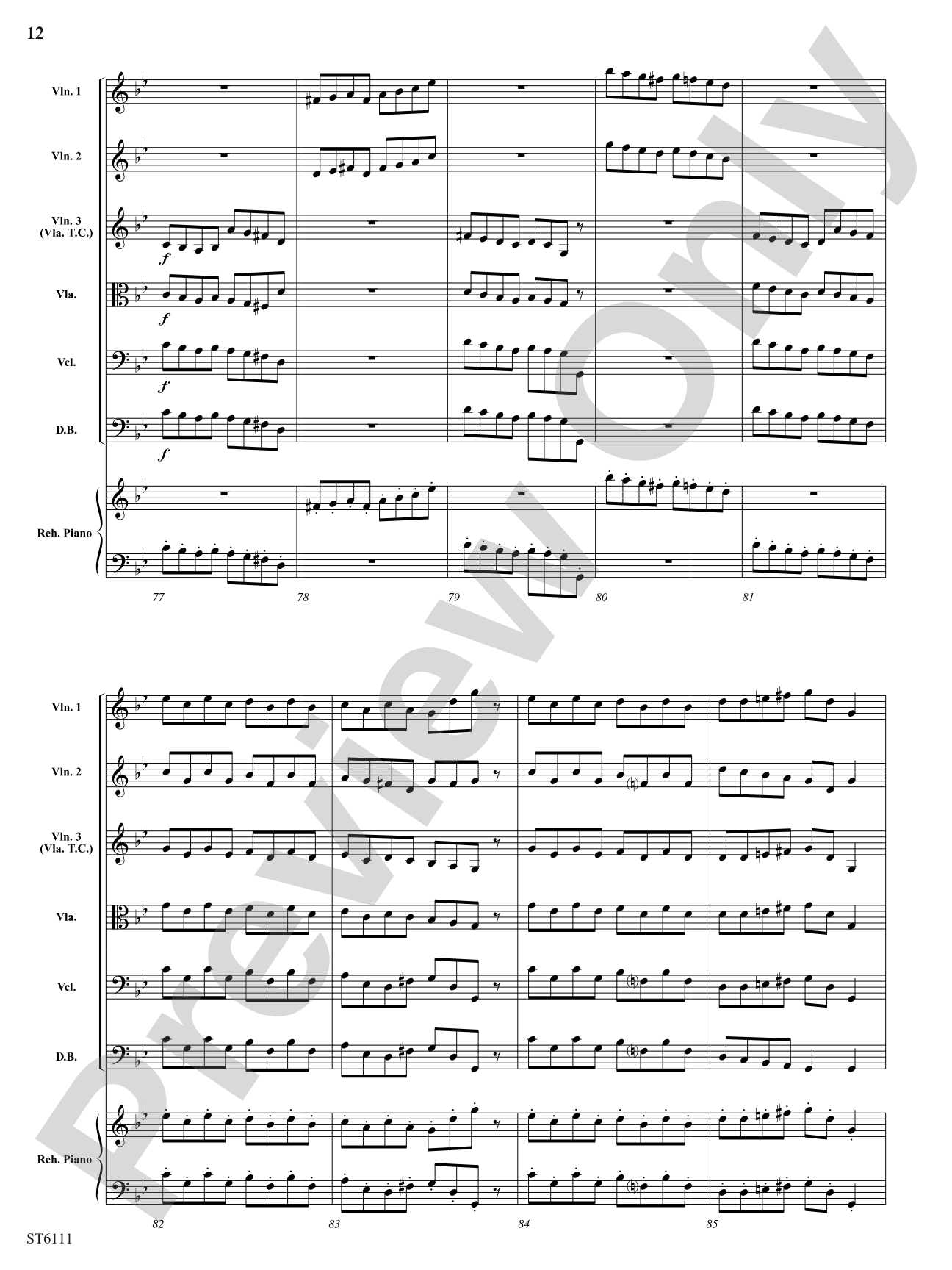

The Chase: Score
By David Shaffer
Grade: 3
Item: 98-DST6111S
$5.00
Pickup currently not available
Description
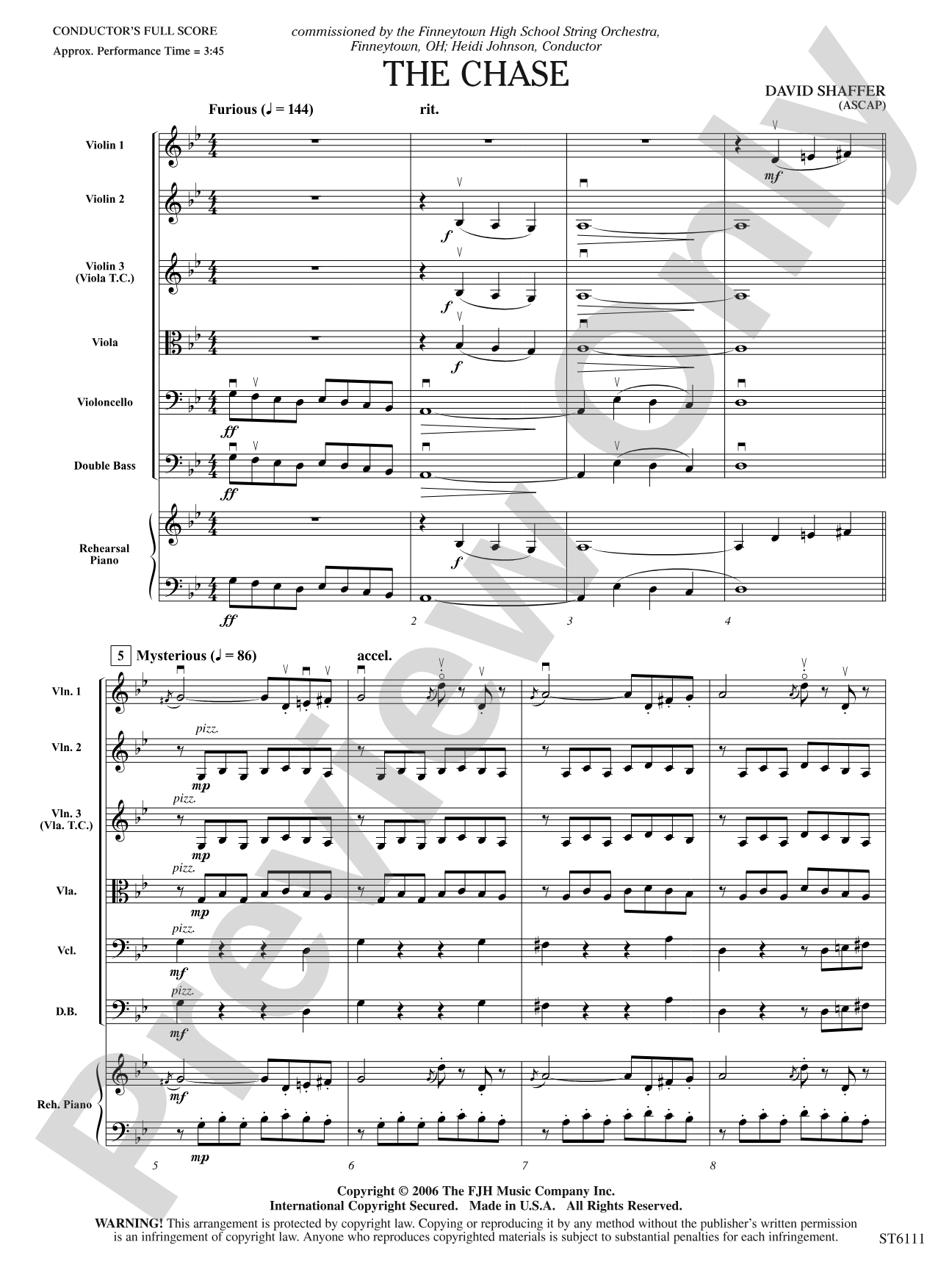
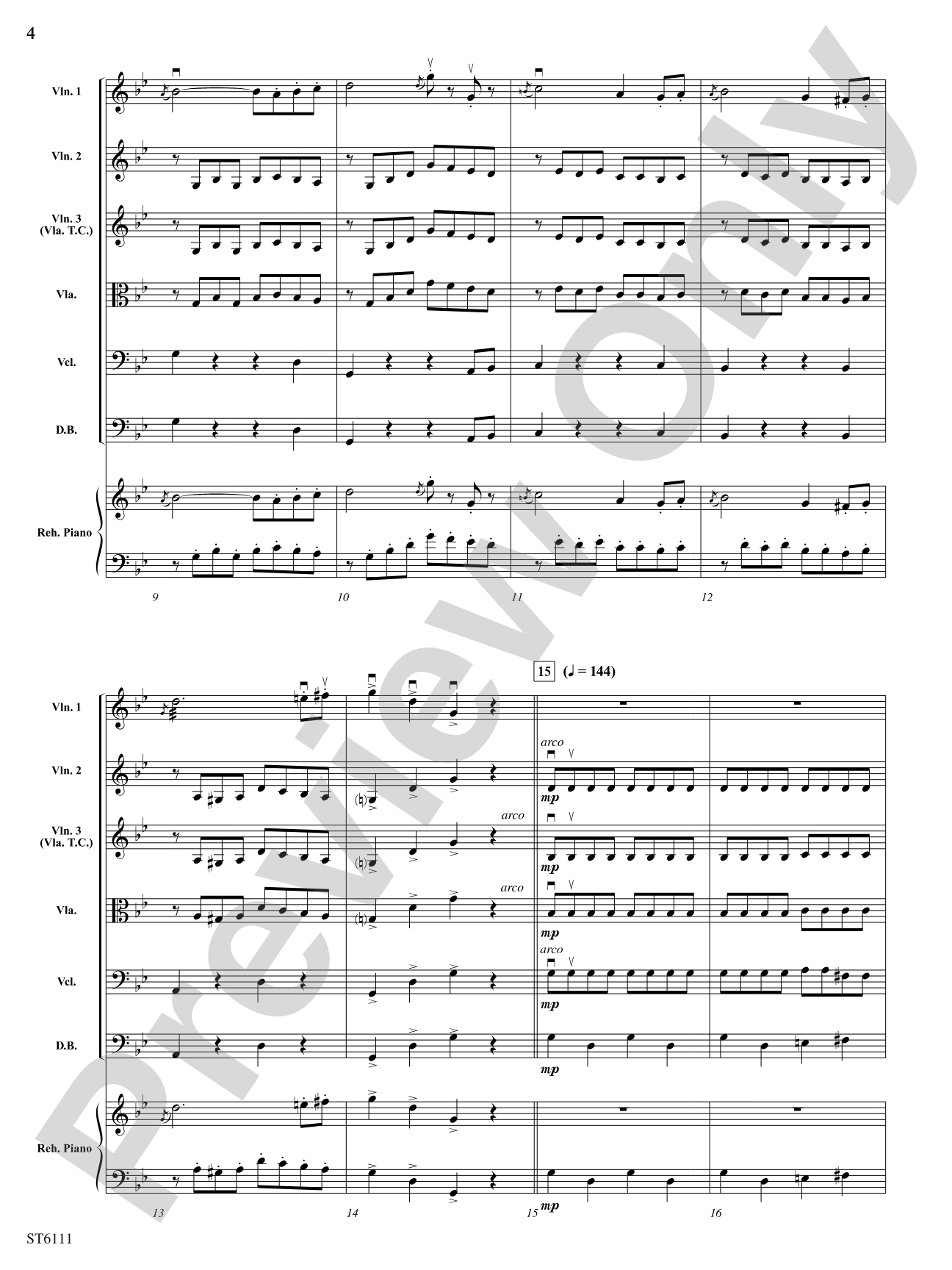
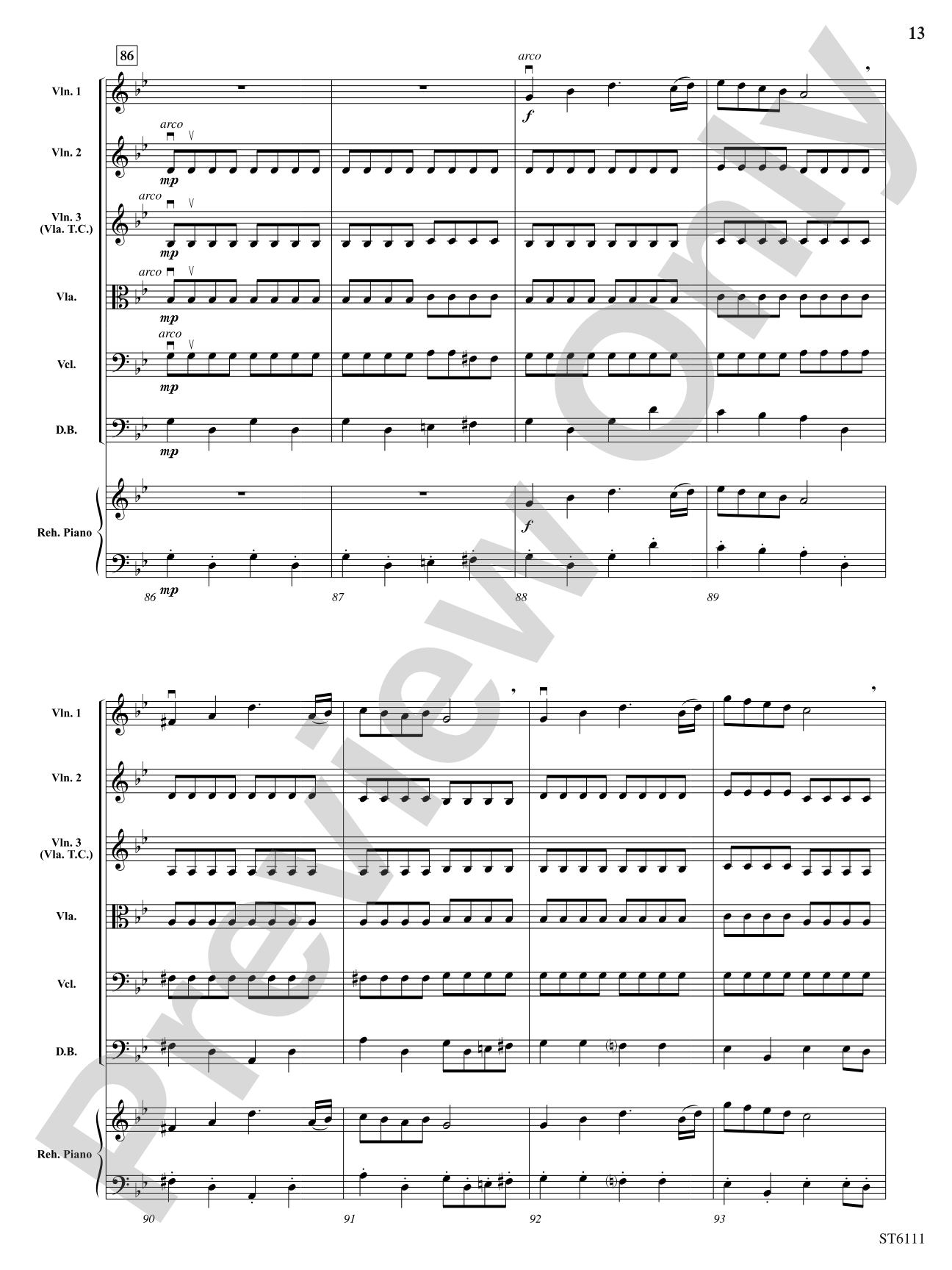
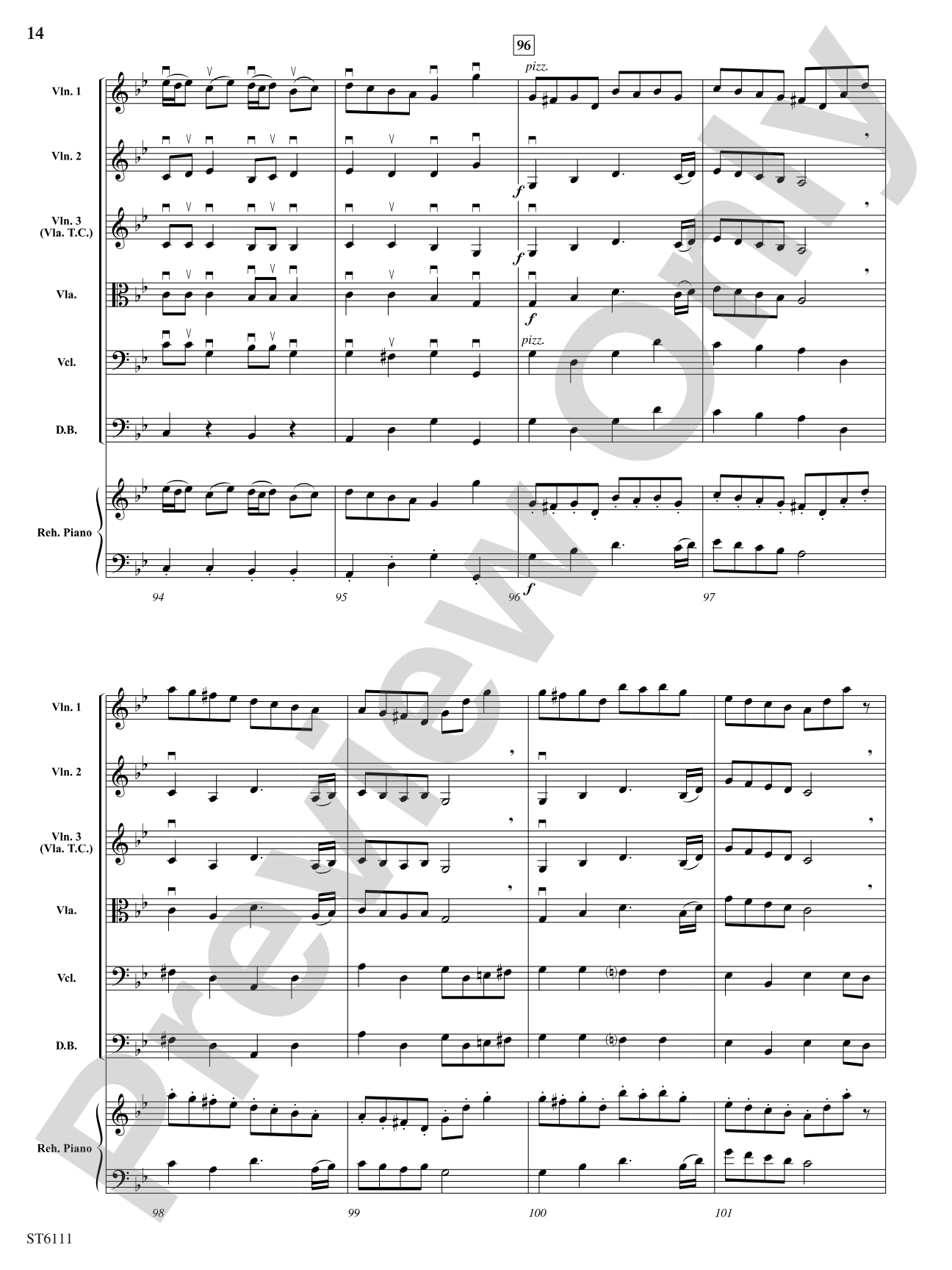
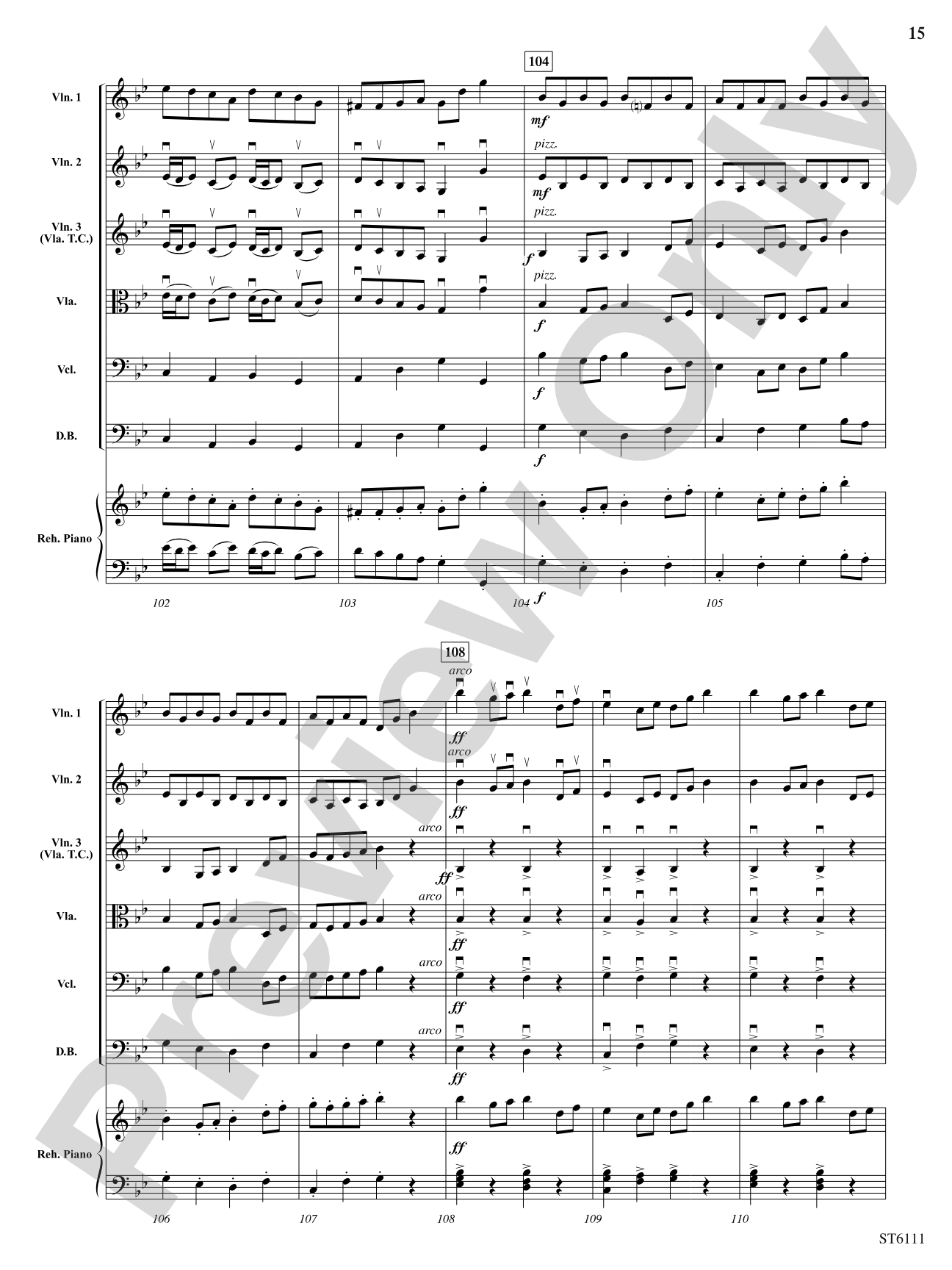
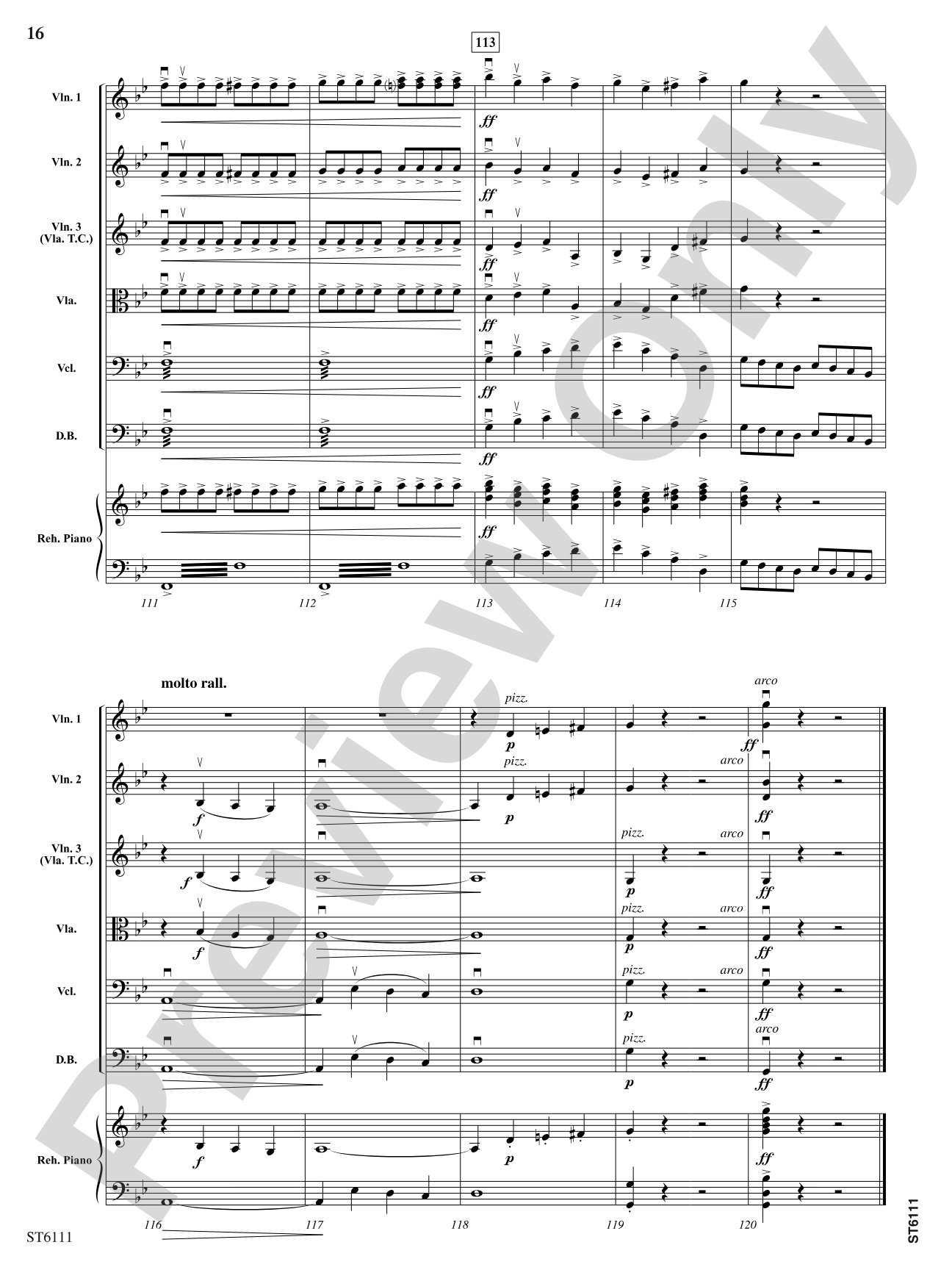
This clever work introduces a melody that is "chased" around various sections of the ensemble using different performance techniques. Easy-to-achieve harmonics add flair as your group tears through a whirlwind of styles in continuing pursuit. Eventually, the work calms, only to surprise the audience with a final solitary outburst. Lots of fun!


Don't just read it, hear it, play along with it, and watch your students grow with it. In MakeMusic Cloud, The Chase: Score comes alive with professional accompaniment, adjustable tempo, and built-in practice tools that turn solo practice into real progress.
Open in the Player
Jump straight in and assign it today.
Start Your Free Trial
Open this title and explore the full library in minutes.
Sample Audio
1
Audio File
--:--
0:00
0:00
Sample Video
No sample videos found.
Additional Details
Series:
FJH String Orchestra
Publisher:
The FJH Music Company, Inc.
SKU:
98-DST6111S
More about this title
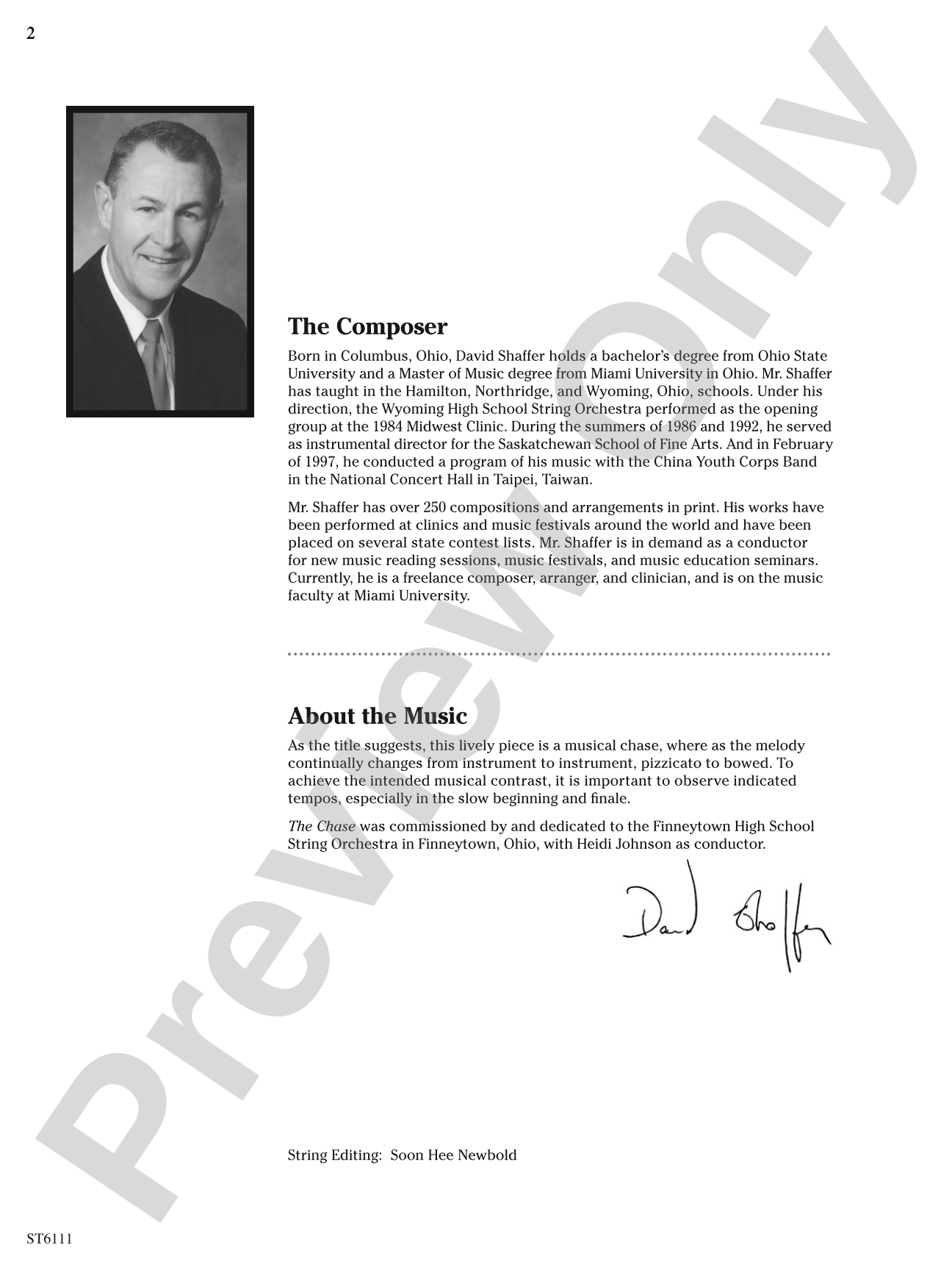
About the Composer: David Shaffer
David Shaffer is a prolific composer whose catalog of works for young musicians spans multiple ensemble configurations. His compositions are known for their clever orchestration, rhythmic vitality, and ability to engage student performers through musical storytelling rather than technical excess.
Shaffer's approach to pedagogical writing balances musical substance with accessibility. Works like The Chase demonstrate his gift for creating pieces that teach ensemble cohesion and stylistic flexibility while remaining genuinely enjoyable for both players and audiences.
Why we love this
The Chase succeeds because it makes your ensemble sound far more sophisticated than Grade 3 technique alone would suggest. The layering of a pursued melody through different sections creates natural opportunities for balance and blend work, while the harmonic passages feel like a real musical payoff rather than a technical exercise. You'll find yourself with a piece that earns concert applause and gives every section a moment to shine.
What to expect
Energetic and clever, with a sense of musical playfulness that keeps both players and audiences engaged. The constant motion of the chased melody creates momentum, then the sudden calm feels like a genuine musical breath before the unexpected final jolt of energy.
Who it's for
String orchestras in the Grade 3 range who are ready for pieces that combine playful character with orchestration challenges. It works well for groups that have developed basic section awareness and can handle the kind of rhythmic coordination the chase passages demand.
How to get the most out of it
- Establish the main melodic line with confidence before introducing the chase passages. Once the basic shape is secure, the passing of the melody between sections becomes a game rather than confusion.
- Treat the harmonics as a textural shift, not a special effect. Have players practice the harmonic fingerings slowly and separately so they can execute the shifts cleanly without disrupting the forward motion of the chase.
- Bring contrast to the calm section by genuinely releasing tension in tempo and dynamic. When the final outburst arrives, the surprise will land more effectively if the middle section has genuinely reset the energy.
- Support violins who carry the opening melody with light accompaniment in violas and cellos. The chase effect depends on hearing the single line pursue across the ensemble.
How to use it
Program this as a concert centerpiece in the middle of a set, where its lighter character and clever concept provide contrast without dropping musical standards. It also works well for festival or contest formats, where the memorable melodic idea and clear structural arc tend to impress adjudicators.
Skills your students will build
- Tracking melodic lines passed between instrumental sections
- Clean execution of natural harmonics on strings
- Balancing accompaniment against a featured melody
- Dynamic contrast and ensemble cohesion across style shifts
- Rhythmic precision during repeated passage work