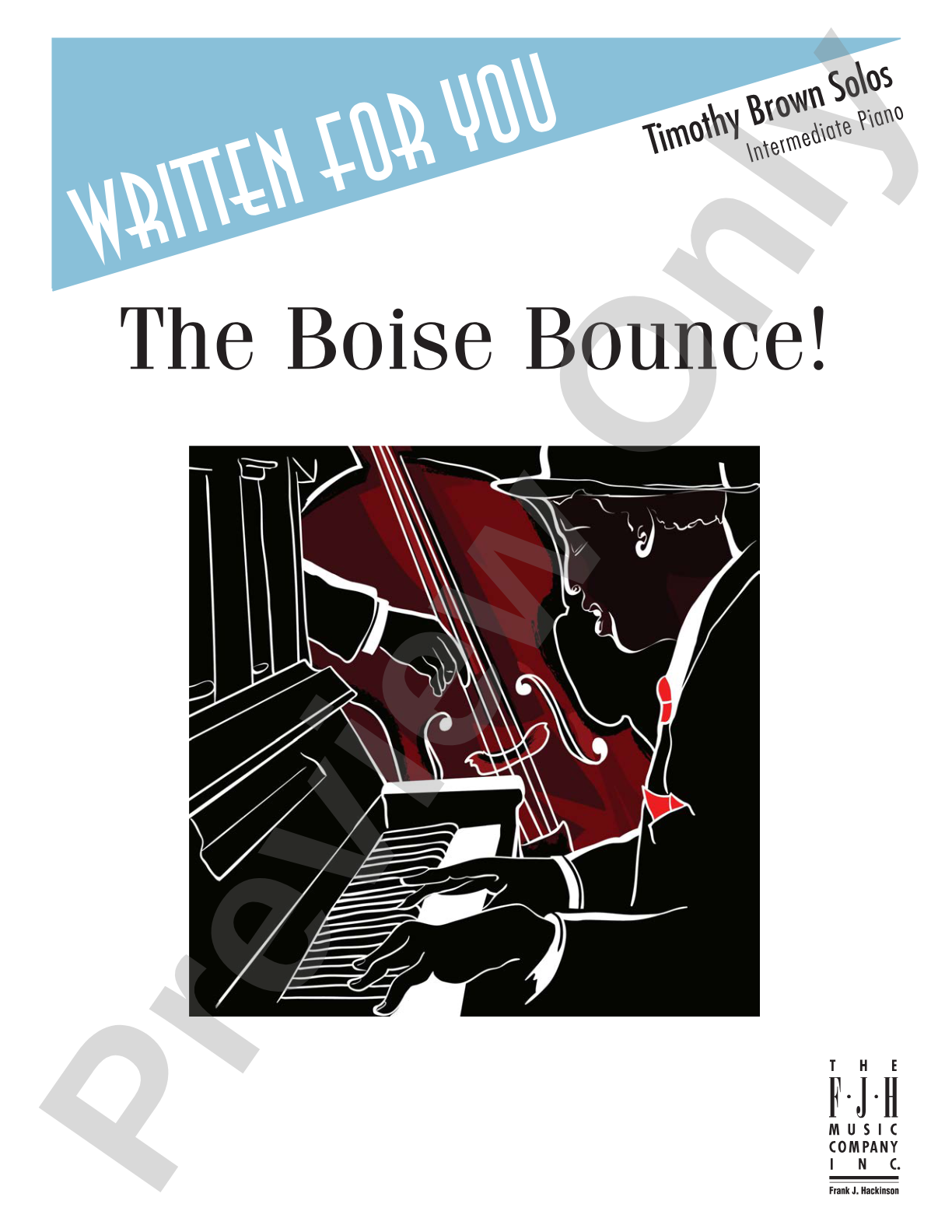
This charming, nostalgic ragtime piece is a commission by the Idaho's Treasure Valley MTA. It bounces along effortlessly in D major while the hands often play a combination of touches: R.H. legato with L.H. staccato. There is easy syncopation throughout and no pedal needed. Fun for all ages!
Discover MakeMusic Cloud: thousands of interactive titles your students can play along with today.
Brown captures the spirit of early ragtime without asking for technical fireworks, which means students can focus on the real work: coordinating two different touch qualities between the hands while keeping the syncopation bouncy and clean. The D major key and lack of pedal requirement make this accessible enough for intermediate players to succeed quickly, yet the hand independence and rhythmic clarity demand genuine musicianship.
What to expect
Bright and infectious, like a player piano rolling through a turn-of-the-century dance hall. The nostalgic warmth comes from the D major tonality and straightforward ragtime groove, yet the legato-staccato interplay gives it a refined touch that keeps it from feeling purely imitative. It invites the performer to smile while playing.
Who it's for
Intermediate pianists who are ready to explore hand independence and period style without complex voicings or technical demands. This works well for students building comfort with syncopation and learning to hear ragtime idioms in a simplified, manageable context.
How to get the most out of it
Establish the staccato pulse in the left hand first, tapping it out separately until it feels automatic. This frees your right hand to shape the legato line without fighting the rhythm.
Practice the syncopated passages slowly with a metronome, subdividing to locate exactly where the off-beat notes land. Once the placement is secure, the bounce emerges naturally at tempo.
Keep the legato singing in the right hand—avoid the temptation to match the staccato energy of the left hand. The contrast between the two touches is what gives this piece its character.
Play through without pedal as written, but listen closely to balance the hand volumes so the melody projects over the rhythmic accompaniment.
How to use it
Perfect for a casual or educational concert where you want a crowd-pleasing solo that showcases style and coordination without intimidating the audience. It pairs well alongside other ragtime or early 20th-century American piano pieces, or as an intermission moment that lightens a recital's mood.
Skills your students will build
Hand independence (legato in right hand, staccato in left hand)
Syncopation and ragtime rhythm patterns
Maintaining steady tempo with contrasting articulations
Touch control and dynamic balance between hands
Stylistic awareness of early ragtime idiom
You May Also Like
Scan to Complete Your Purchase
Use your phone's camera to scan the code below
You'll log in on your phone and the order will be added to your account