
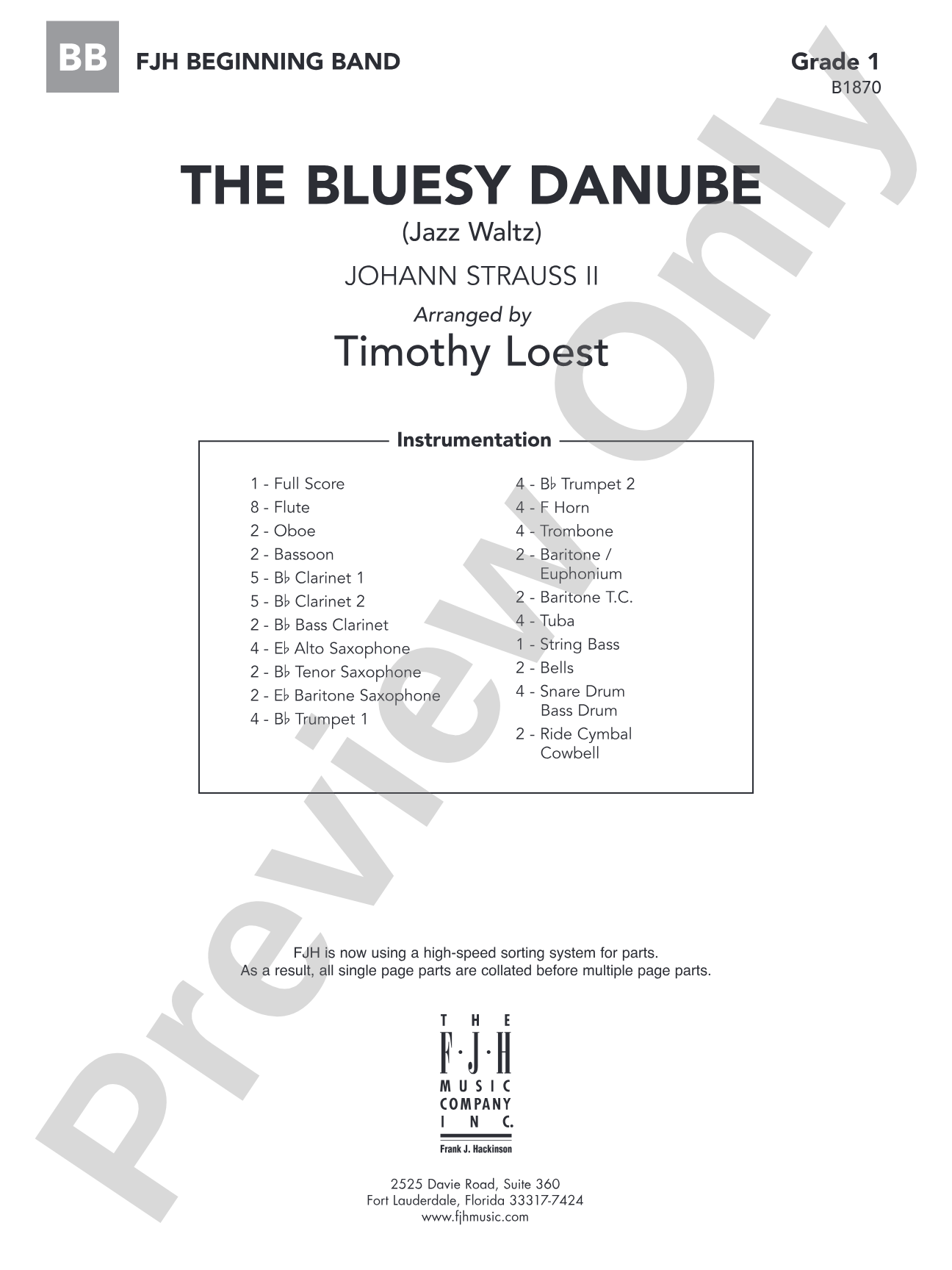
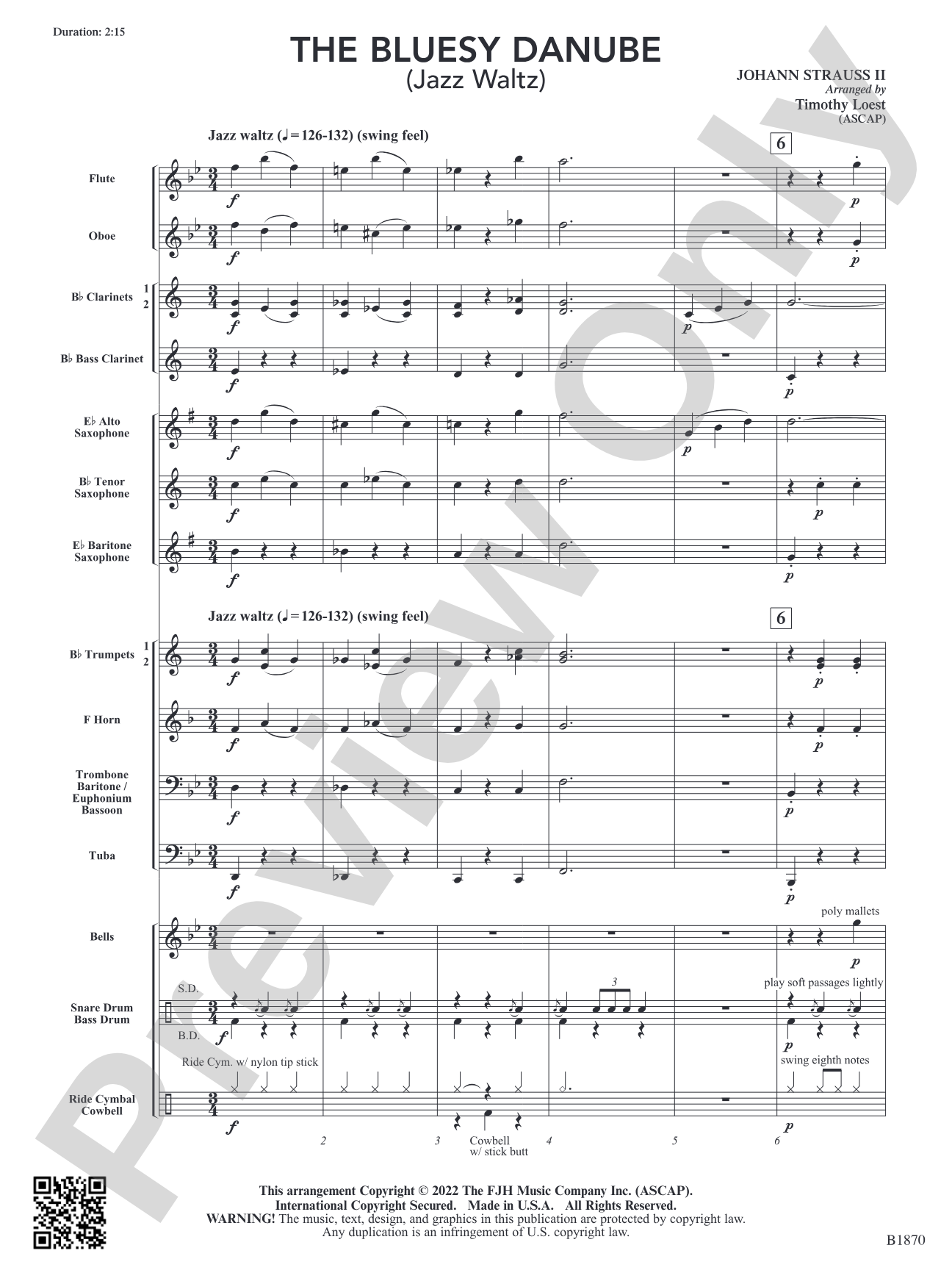
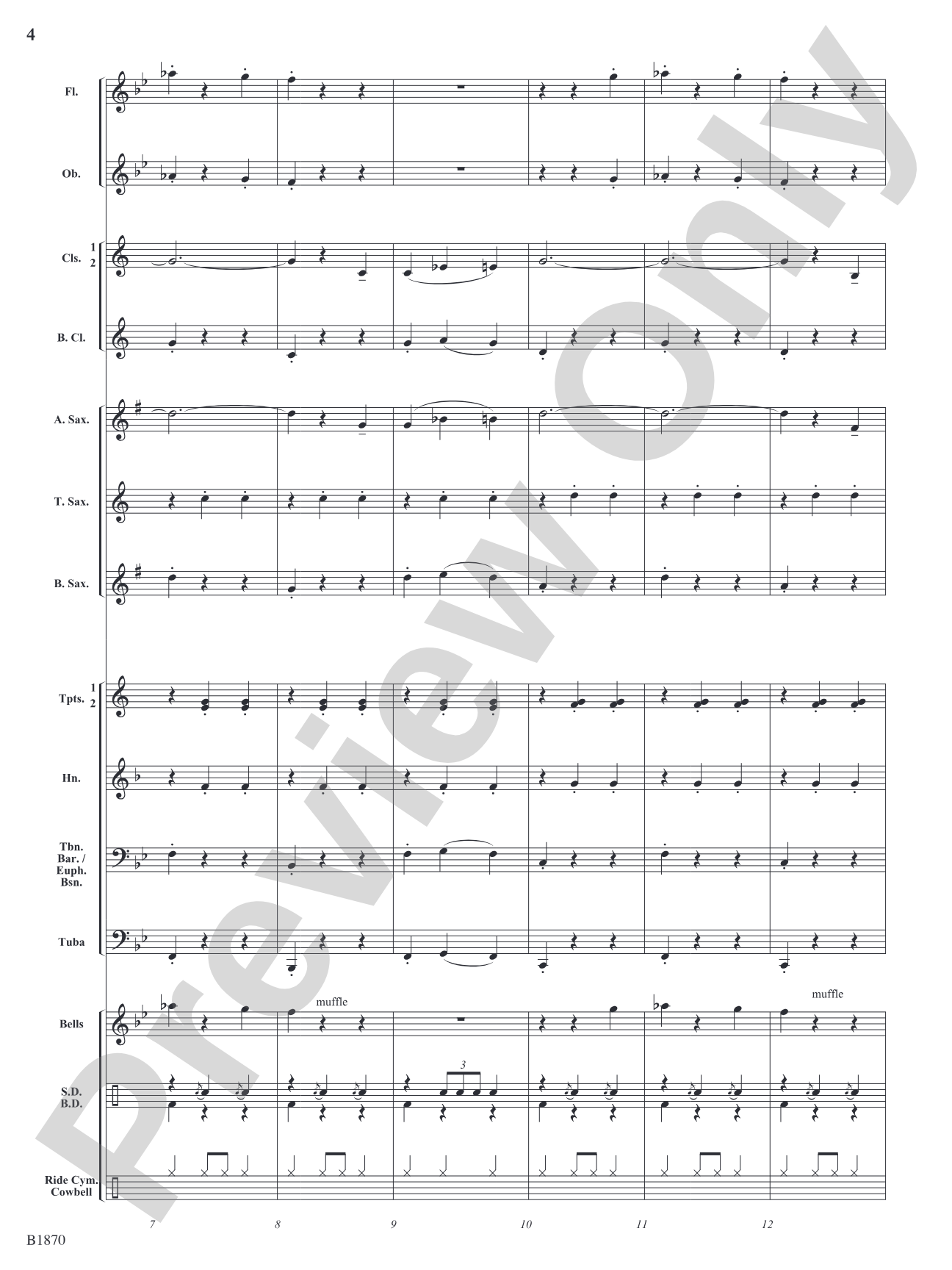
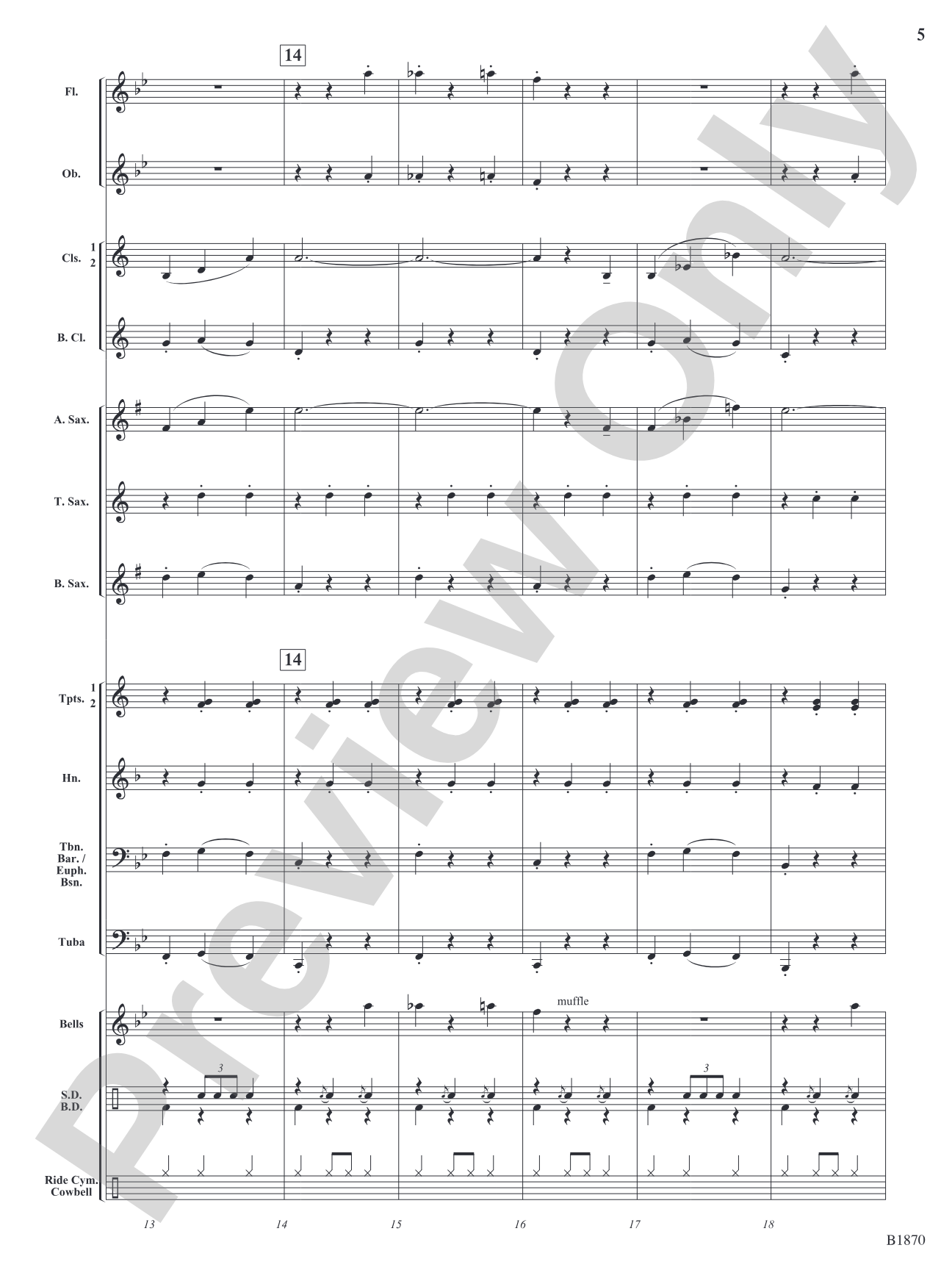
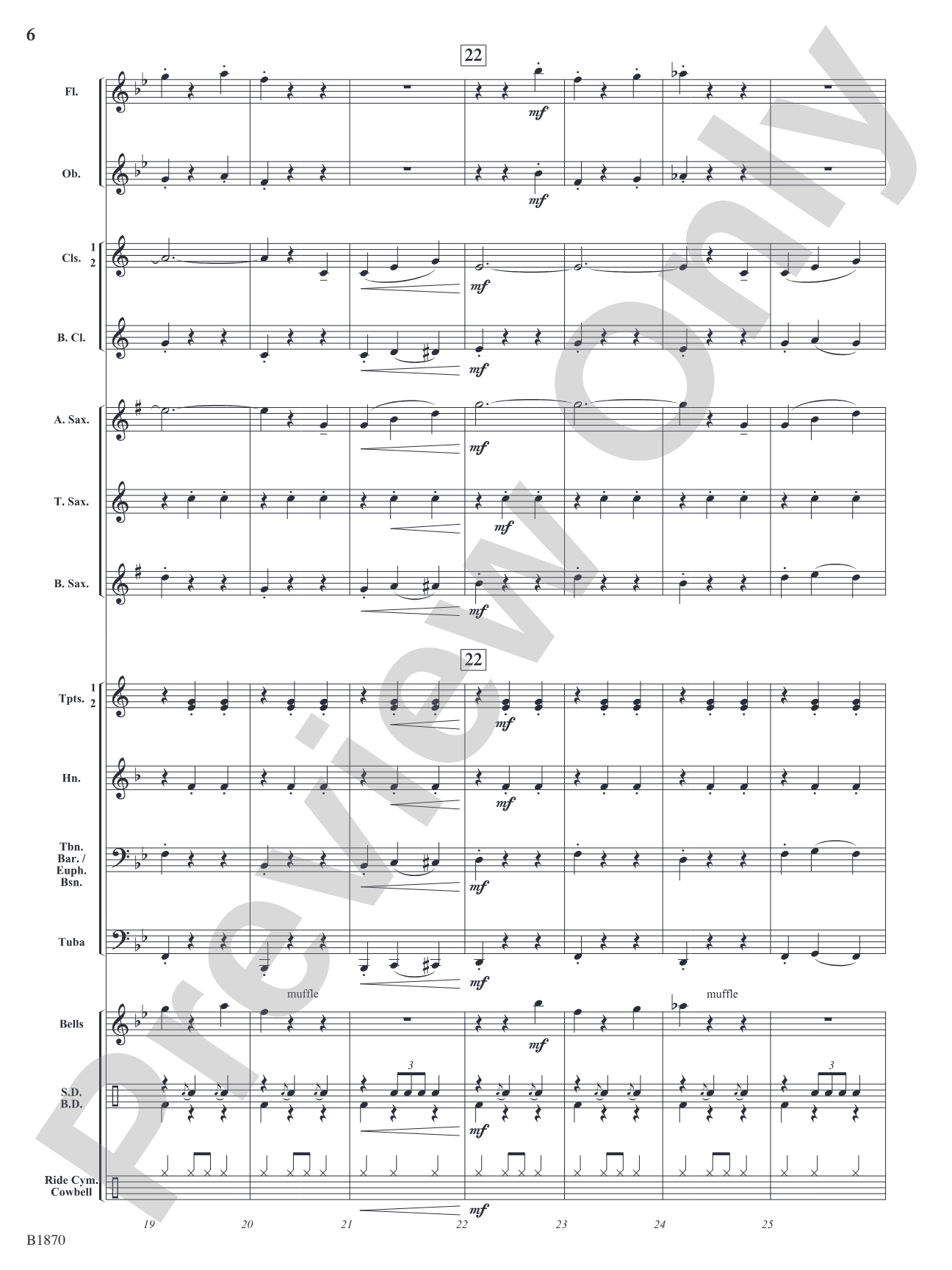
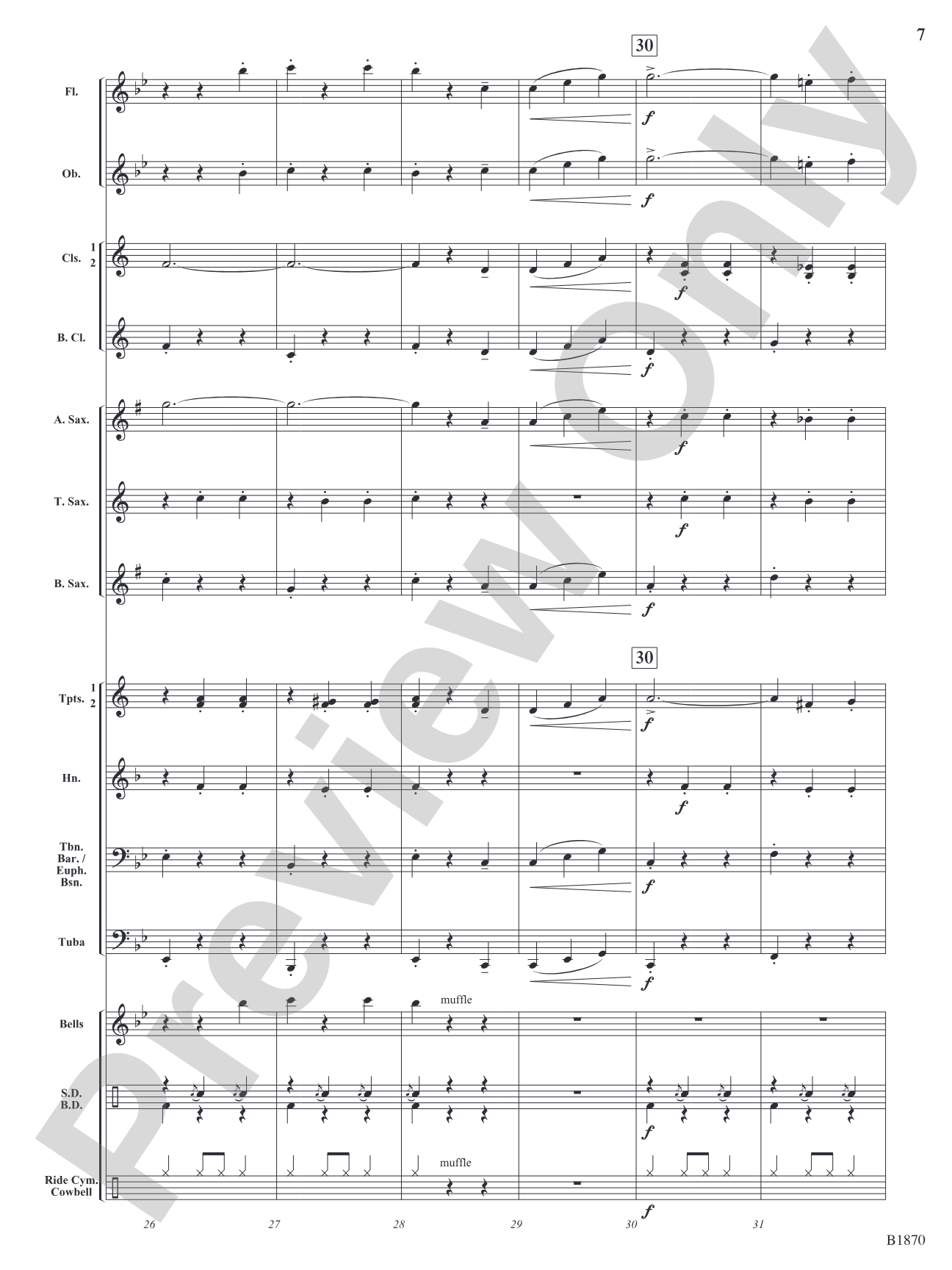
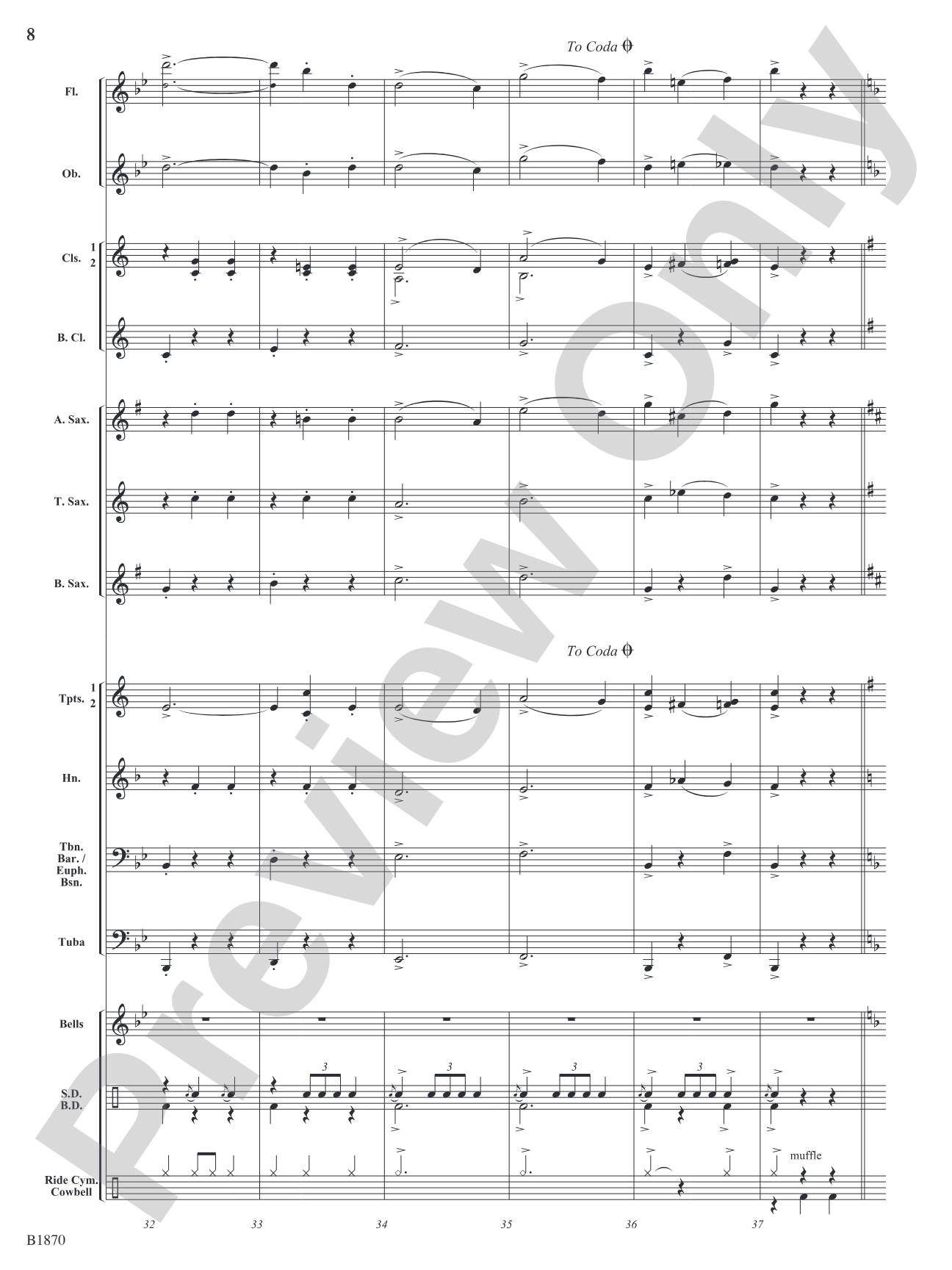
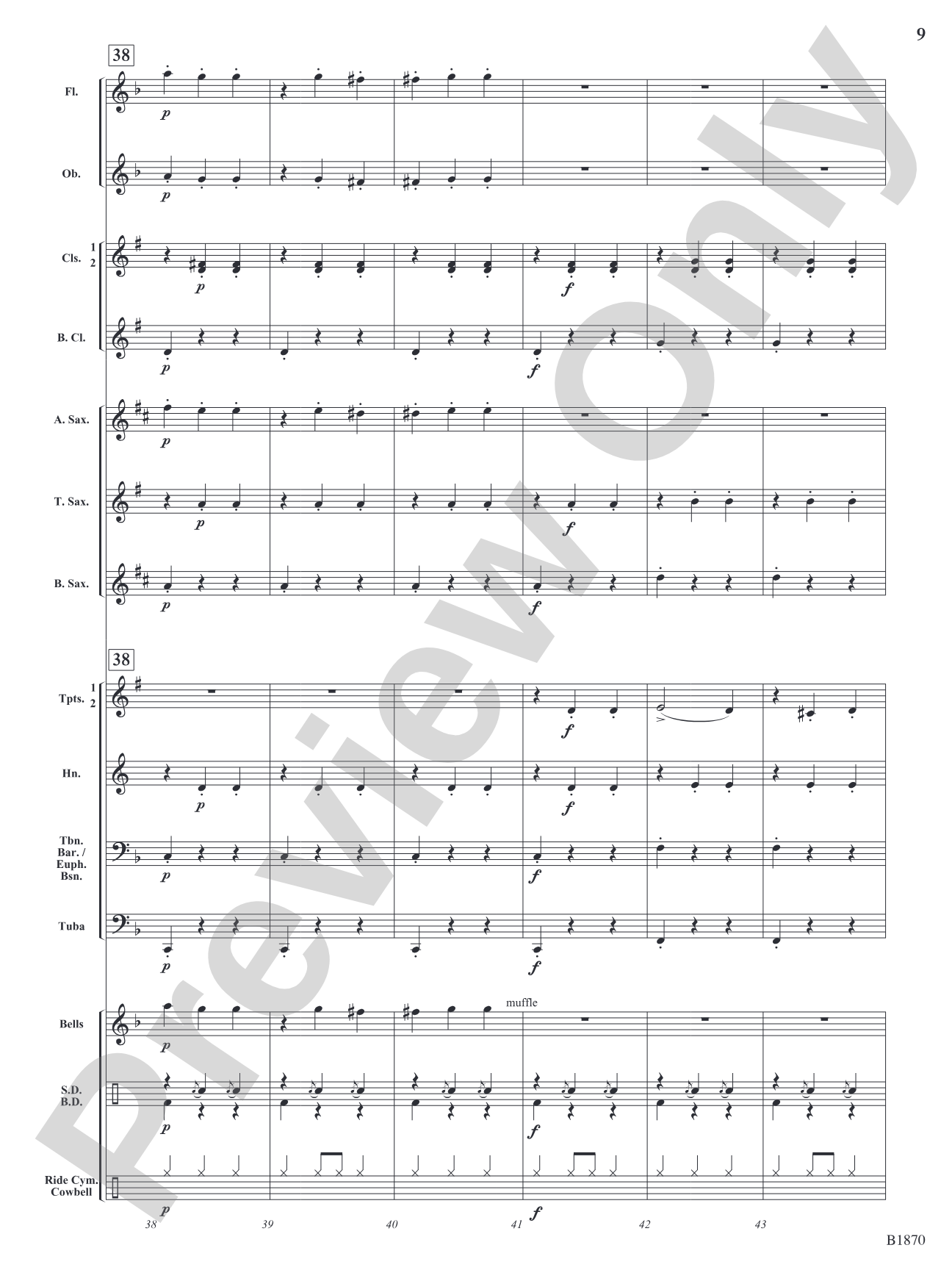
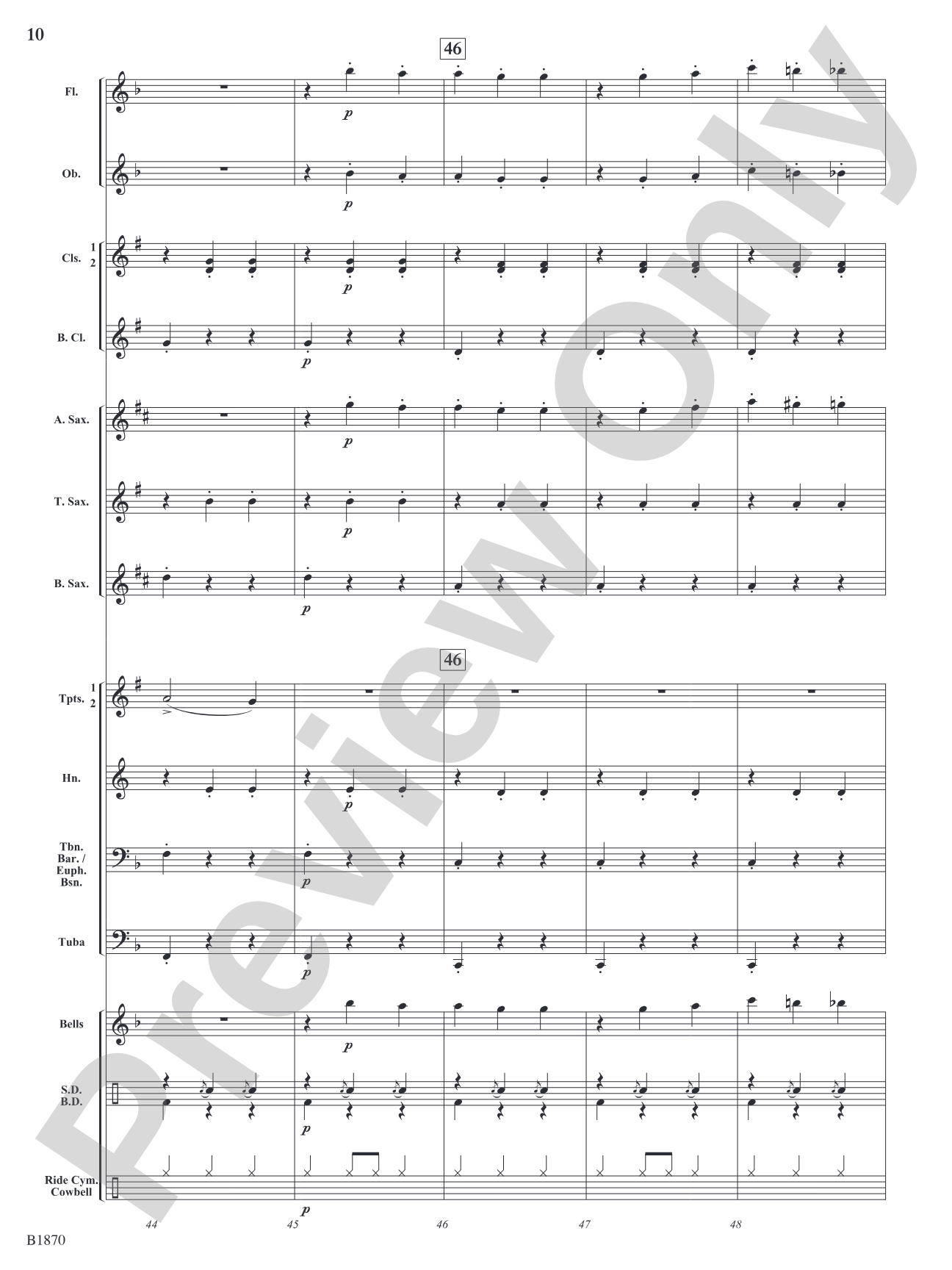
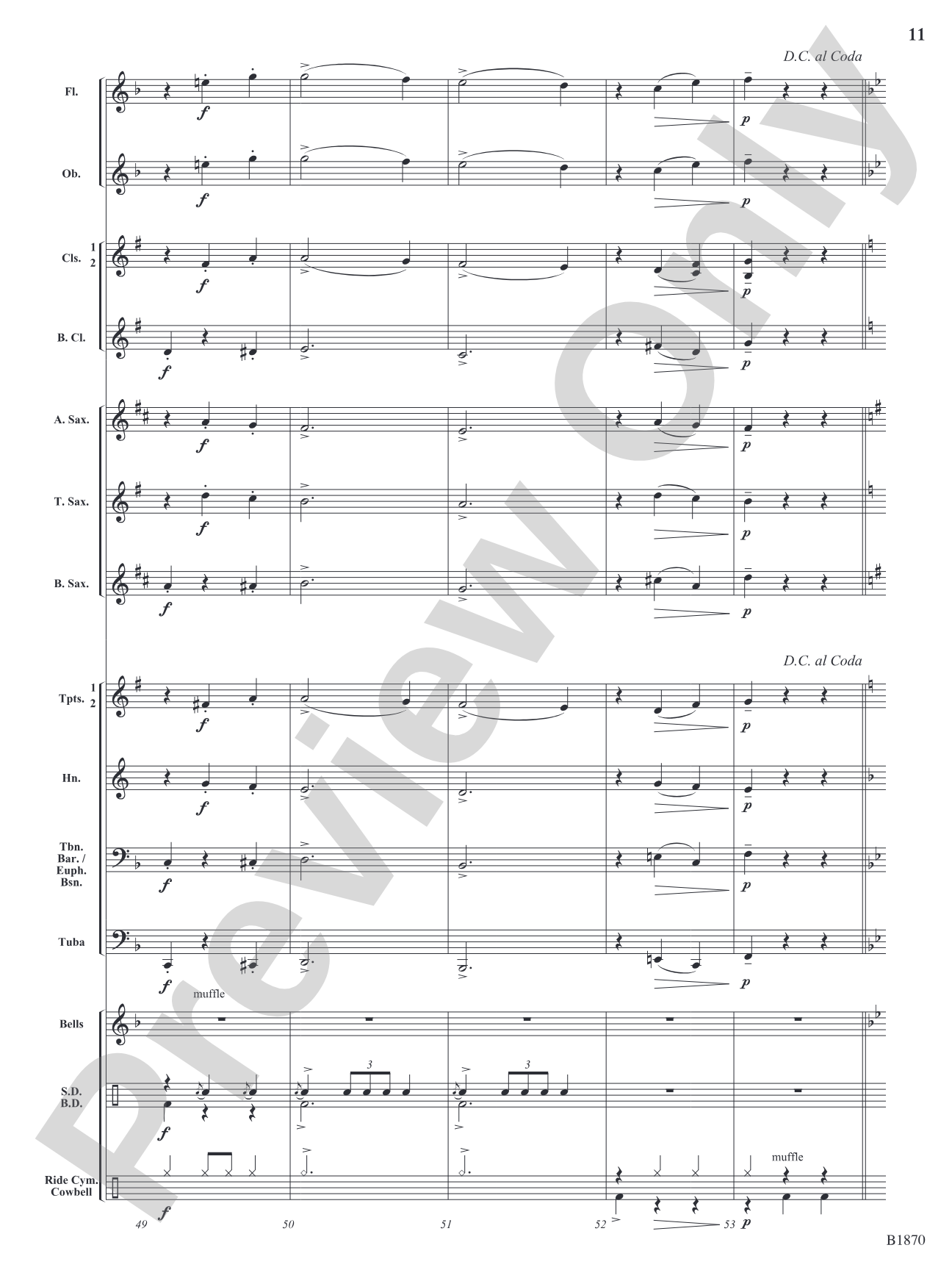
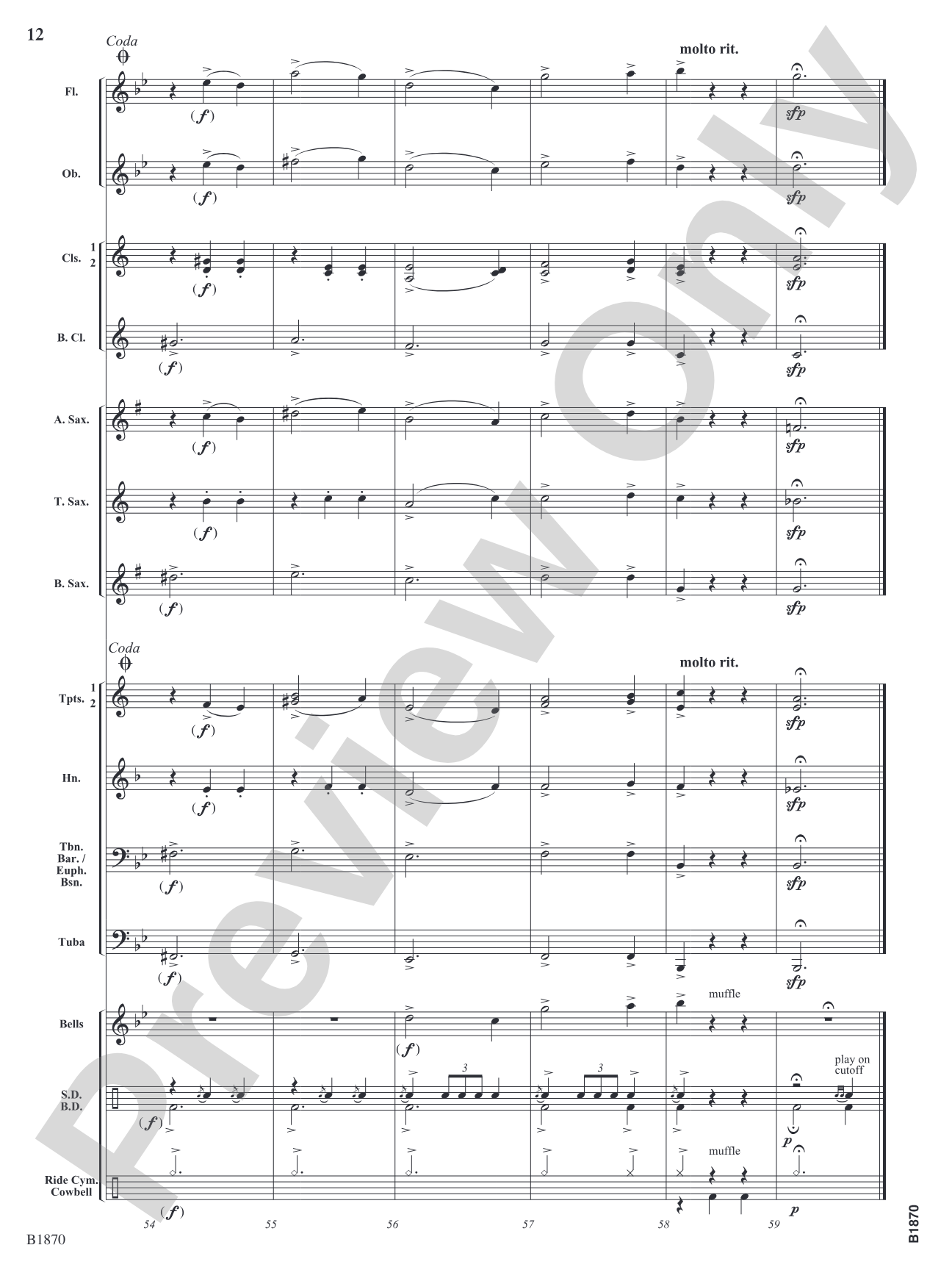

The Bluesy Danube: Score
By Johann Strauss II / arr. Timothy Loest
Grade: 1
Item: 98-DB1870S
$6.00
Pickup currently not available
Description
Experience sheer bluesy delight with this skillfully-crafted arrangement of The Blue Danube waltz. This modern New Orleans take on the old Viennese classic will instantly connect with your audience while making 3/4 time and swing feel accessible for even the youngest players. Elvis may have left the building, but Strauss is in the house!


Don't just read it, hear it, play along with it, and watch your students grow with it. In MakeMusic Cloud, The Bluesy Danube: Score comes alive with professional accompaniment, adjustable tempo, and built-in practice tools that turn solo practice into real progress.
Open in the Player
Jump straight in and assign it today.
Start Your Free Trial
Open this title and explore the full library in minutes.
Sample Audio
1
Audio File
--:--
0:00
0:00
Sample Video
Additional Details
Series:
FJH Beginning Band
Publisher:
The FJH Music Company, Inc.
SKU:
98-DB1870S
More about this title
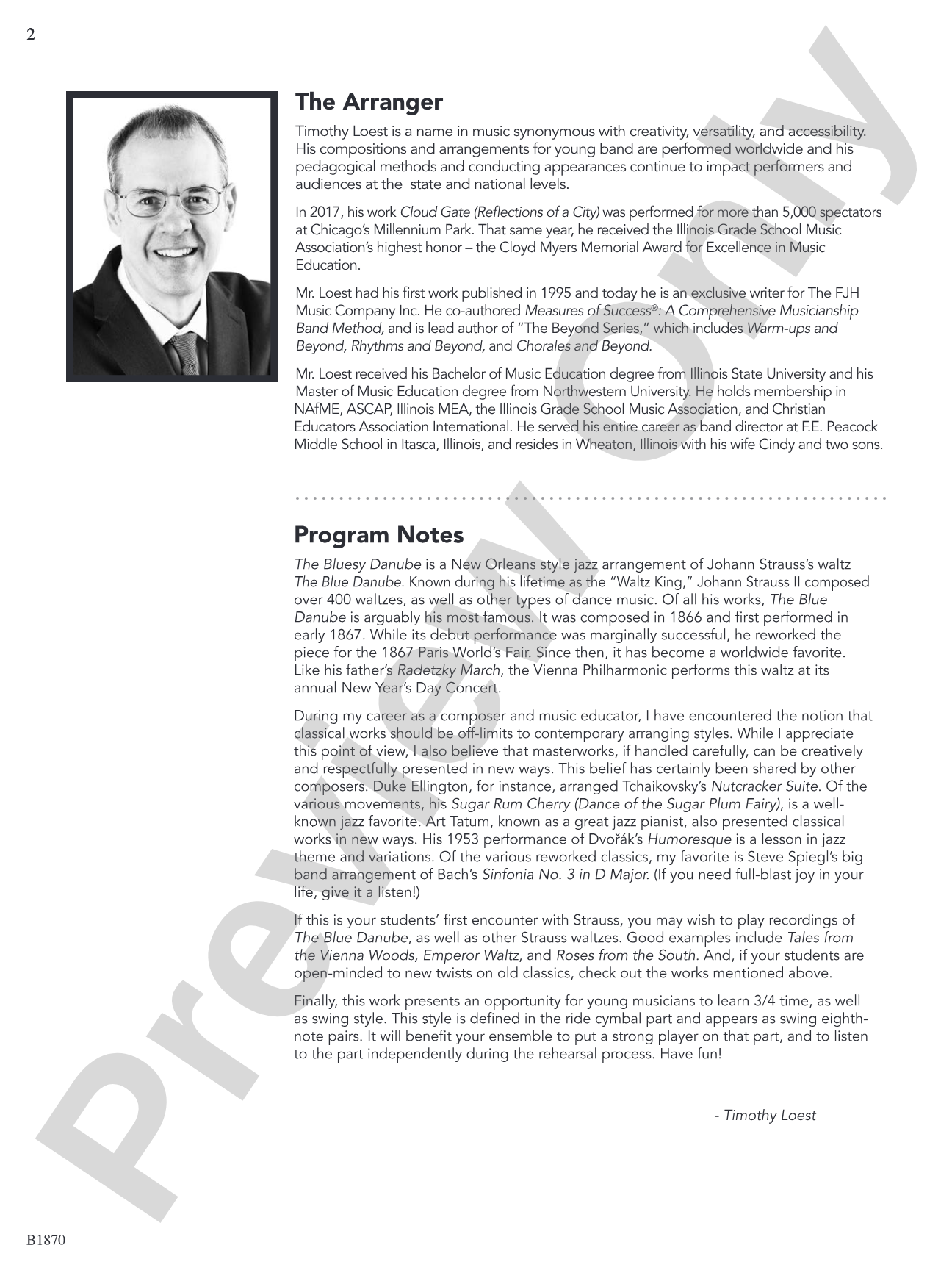
About the Composer: Johann Strauss II
Johann Strauss II (1825-1899) earned the title "Waltz King" by composing over 500 works that defined the sound of 19th-century Vienna. His gift for melody and elegant orchestration made the waltz the dominant social dance of his era, and his music remains a cornerstone of the classical repertoire. The Blue Danube, premiered in 1867, stands as his most recognizable composition and continues to captivate audiences across all musical traditions.
Strauss's compositions have proven remarkably adaptable. Teachers and arrangers regularly reimagine his works for developing ensembles because his melodies are instantly singable, his harmonic language is transparent, and his forms are architecturally clear. This timeless quality is precisely why a Grade 1 band can carry his vision without distortion.
Why we love this
This arrangement opens The Blue Danube to young bands without sacrificing the waltz's essential character. Timothy Loest has infused New Orleans swing feel into a Viennese masterpiece, which means your students get to inhabit both classical tradition and contemporary groove simultaneously. For a Grade 1 ensemble, that's a remarkable pedagogical gift.
What to expect
A waltz transforms into a slow strut, elegant and playful at once. The familiar Danube melody glides across your band with an easy, bluesy sophistication, while the 3/4 lilt keeps everything grounded and accessible. It's old-world Vienna meeting the spirit of New Orleans.
Who it's for
Grade 1 concert bands encountering waltz time and swing feel for the first time will find this arrangement immediately playable and genuinely rewarding. The Strauss melody is so well-known that even new musicians feel like they're playing something important, which builds confidence and engagement.
How to get the most out of it
- Shape each phrase with gentle dynamic contours rather than playing at one volume throughout. Young bands often hold steady; Strauss's melodies sing when you let them breathe and swell organically.
- Anchor the swing feel through your rhythm section. Even at Grade 1, defined chop and lift in the low brass and percussion section makes the New Orleans character land clearly.
- Balance the melody across your woodwind and brass lines. This arrangement likely distributes the famous tune across sections, so listen for places where the lead passes and ensure hand-offs are seamless and equally projected.
- Honor the waltz pulse without rushing. The 3/4 meter should feel spacious and grounded, not hurried. Use your conducting to maintain a steady, danceable tempo.
How to use it
Open a concert with this piece to immediately connect with your audience and establish a relaxed, engaging tone for the program. It also works beautifully in a family or community concert where listeners span all ages and musical backgrounds. The arrangement's accessibility and charm make it an ideal choice for a band's first public performance.
Skills your students will build
- Reading and maintaining 3/4 meter
- Playing swing rhythms in a concert setting
- Phrasing and dynamic shaping of a famous melody
- Ensemble balance across woodwind and brass sections
- Ensemble listening to rhythmic pocket and groove