
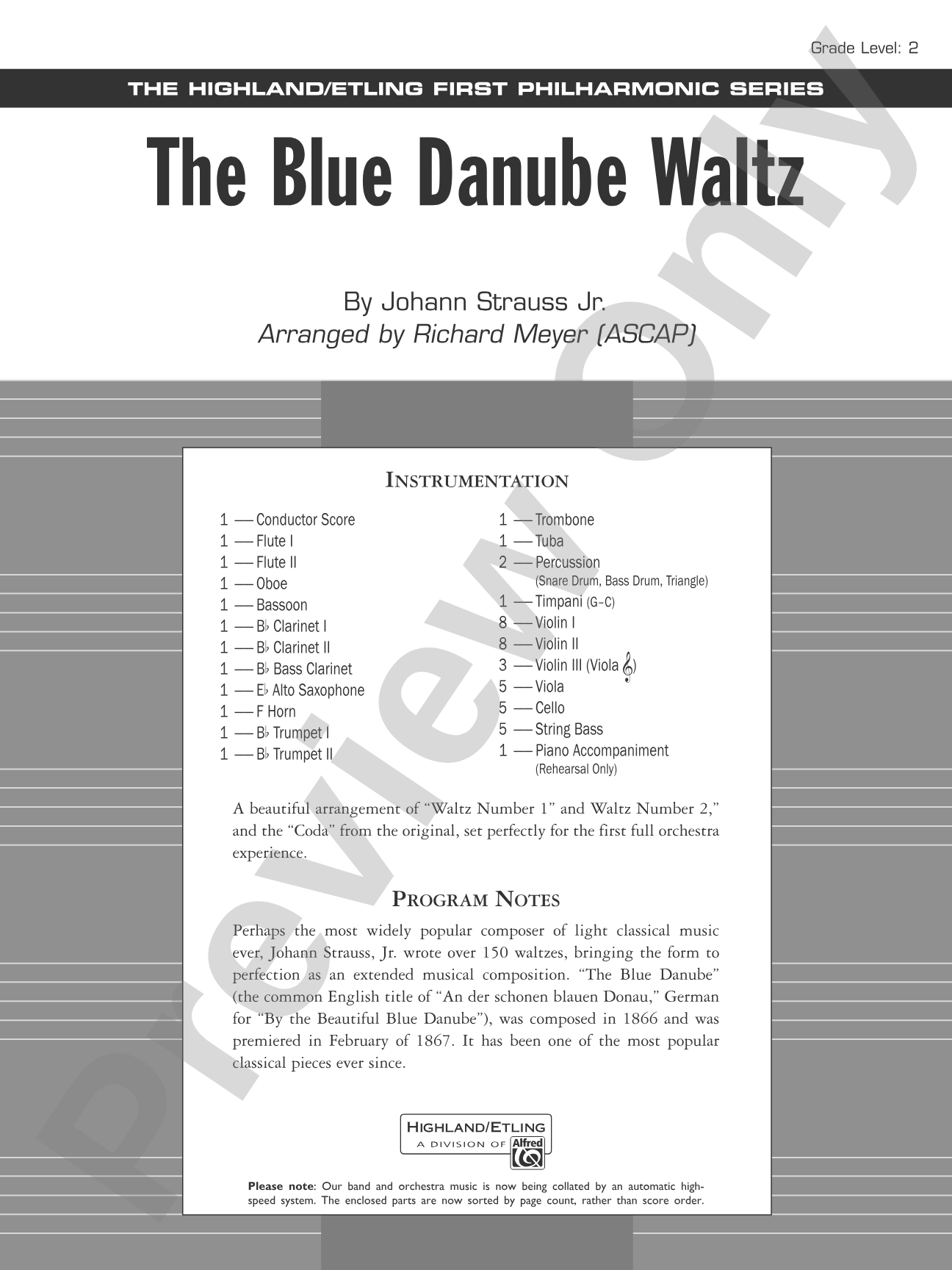
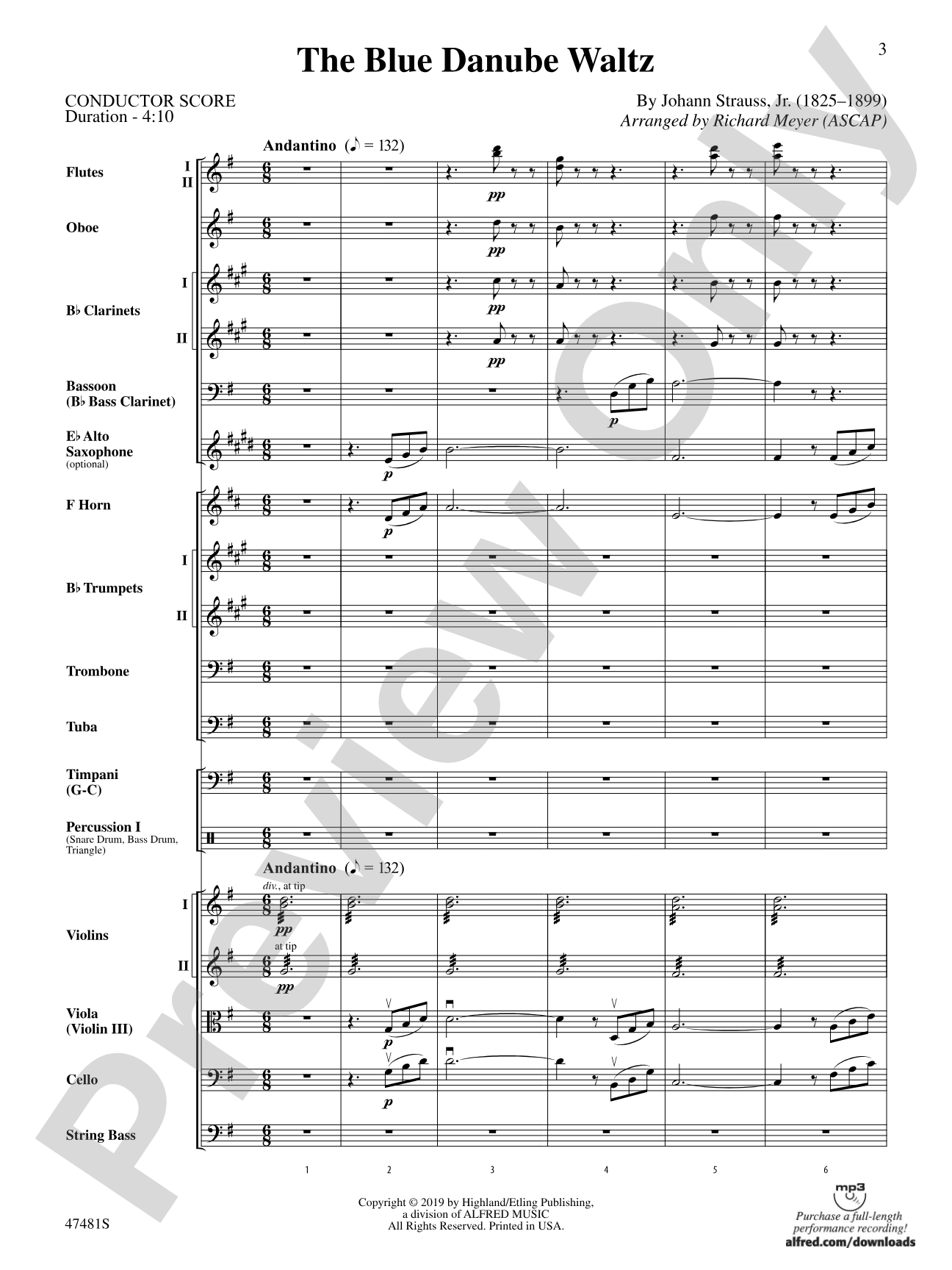
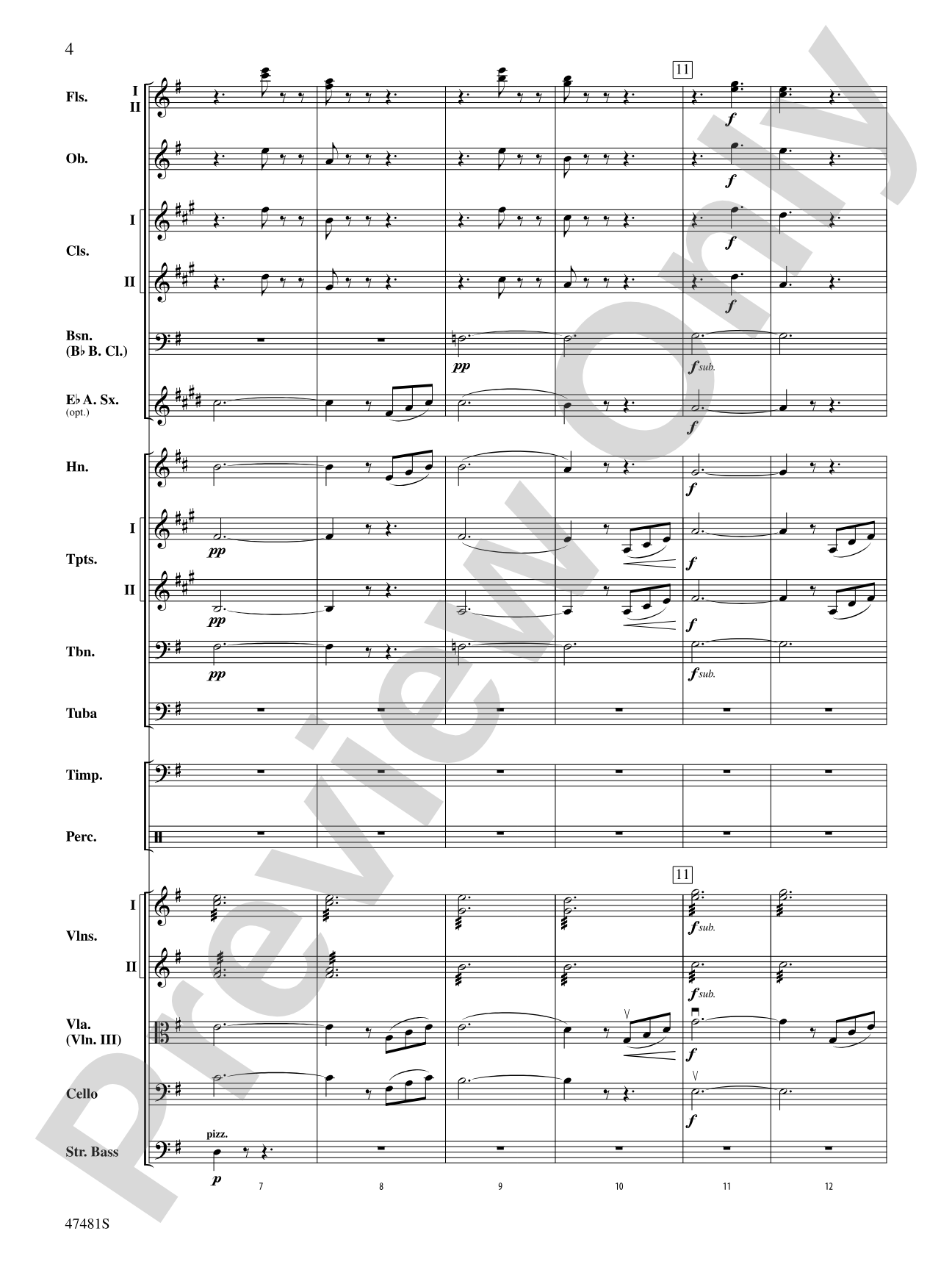
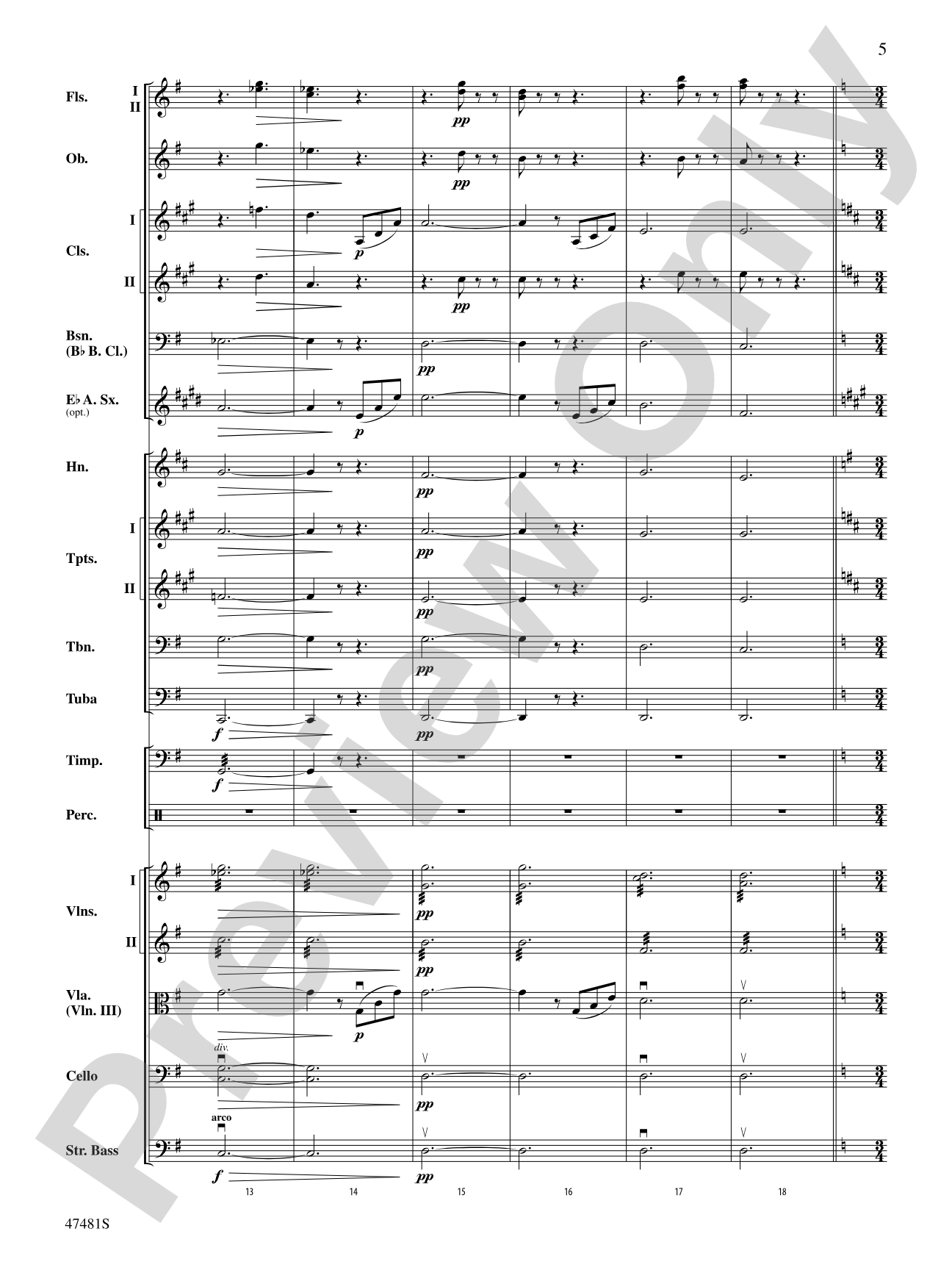
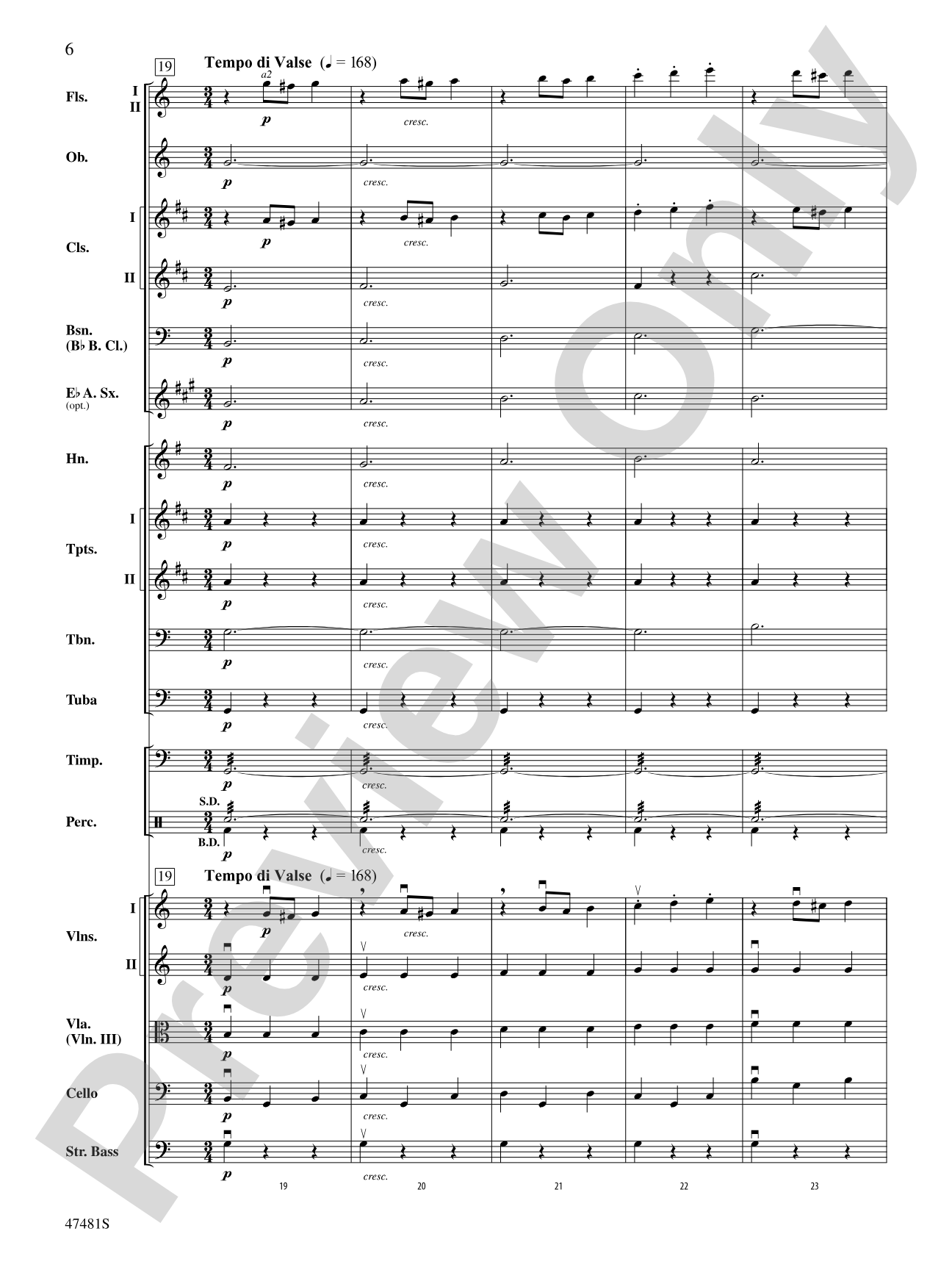
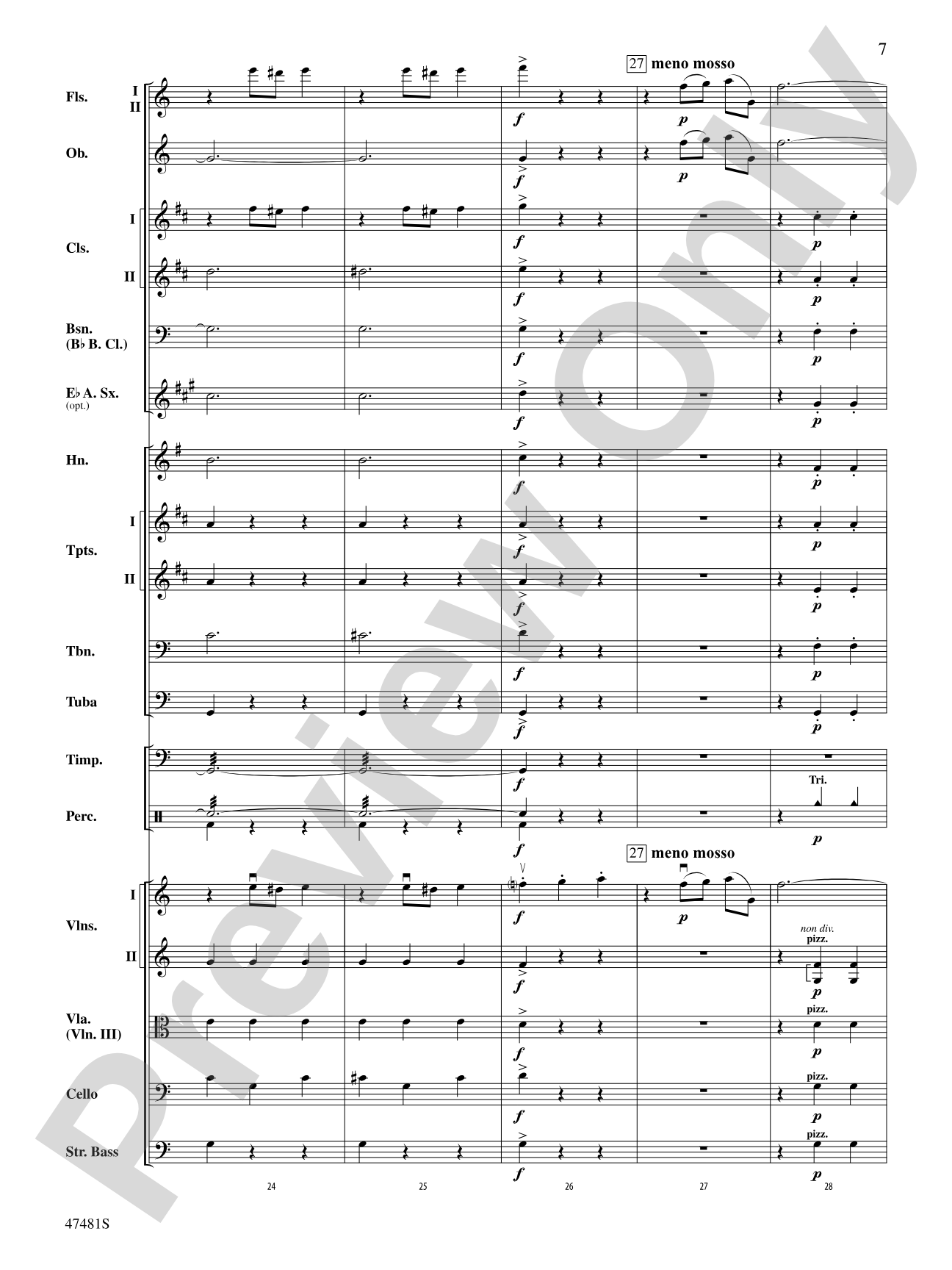
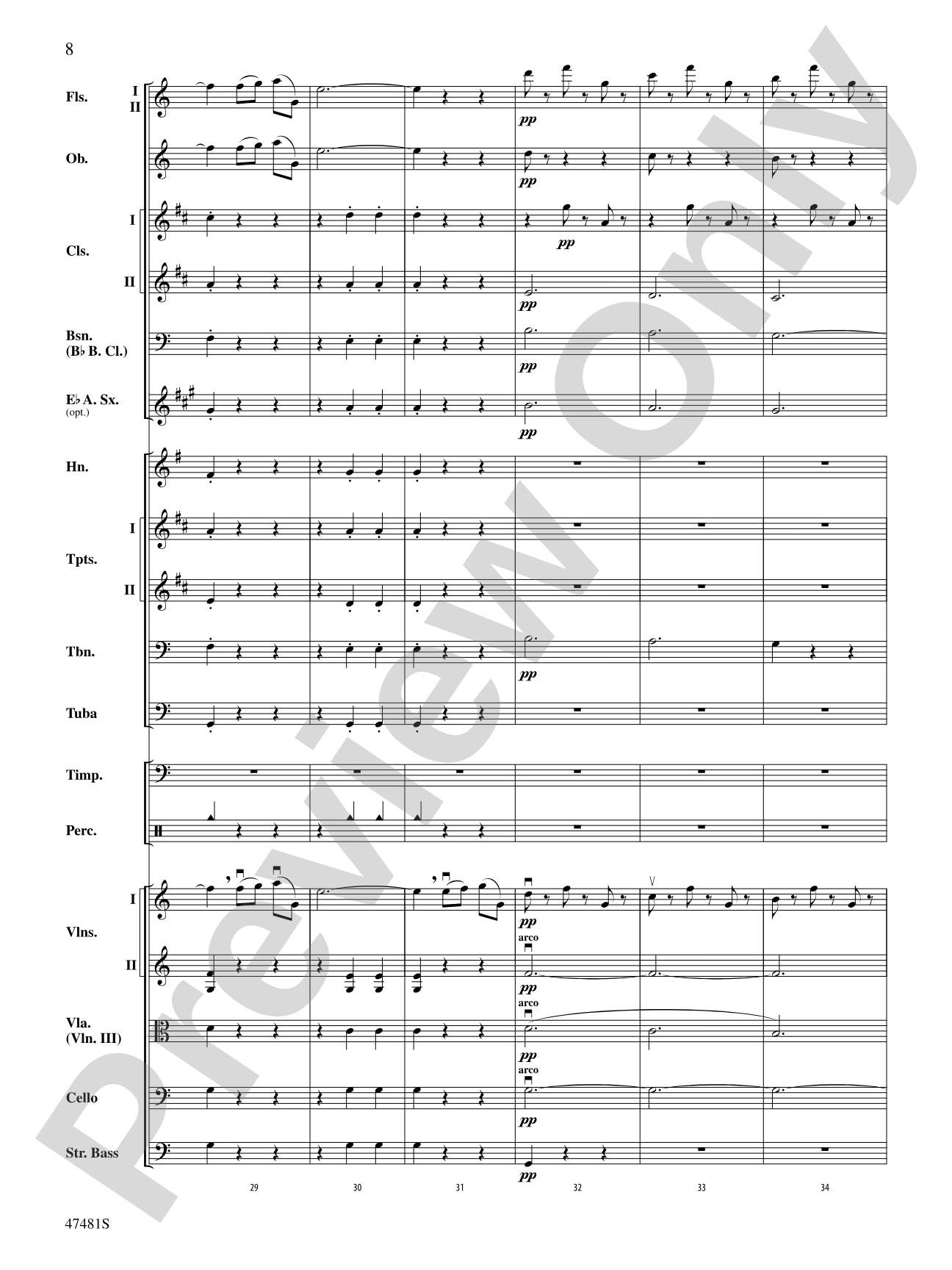
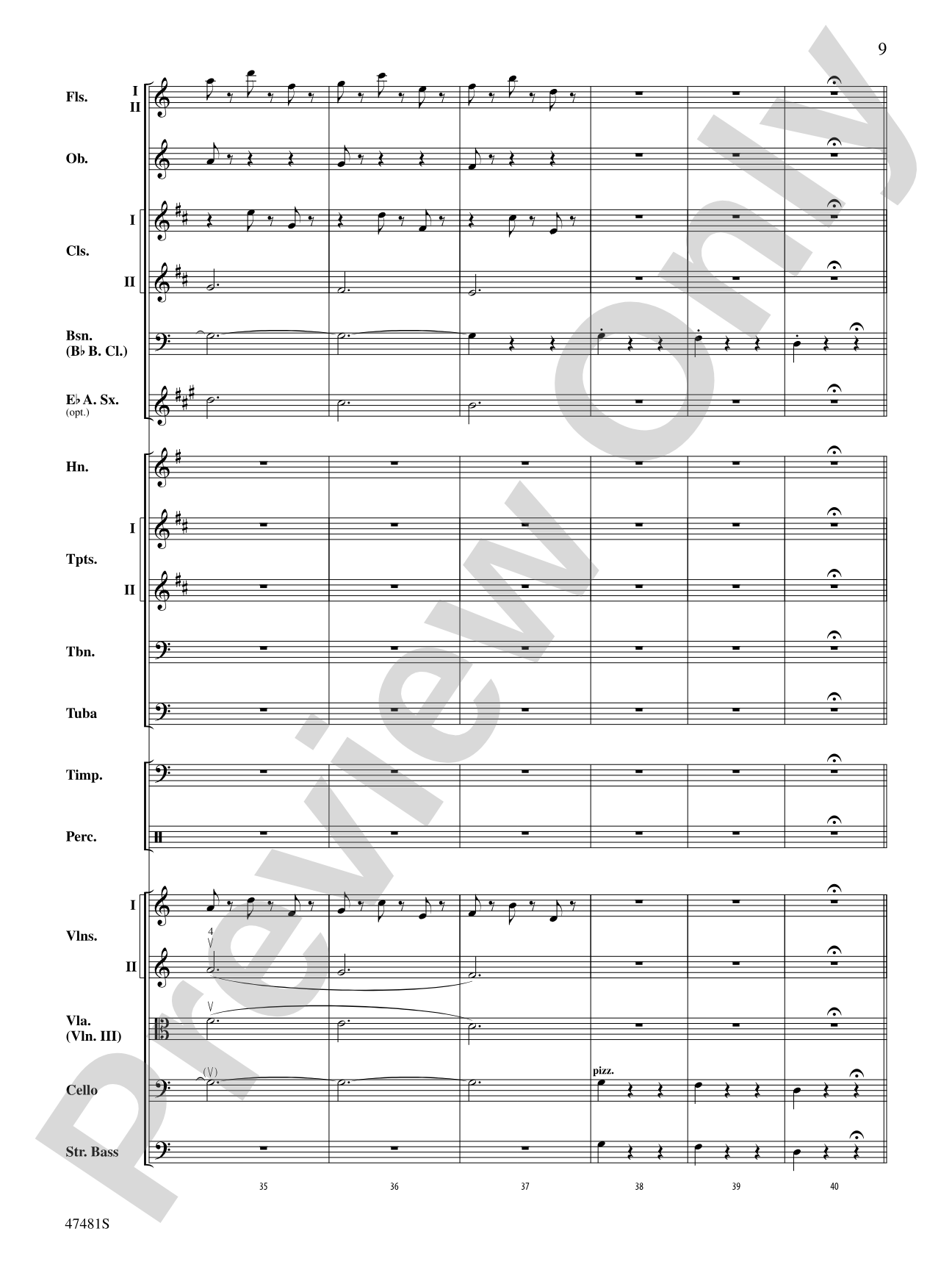
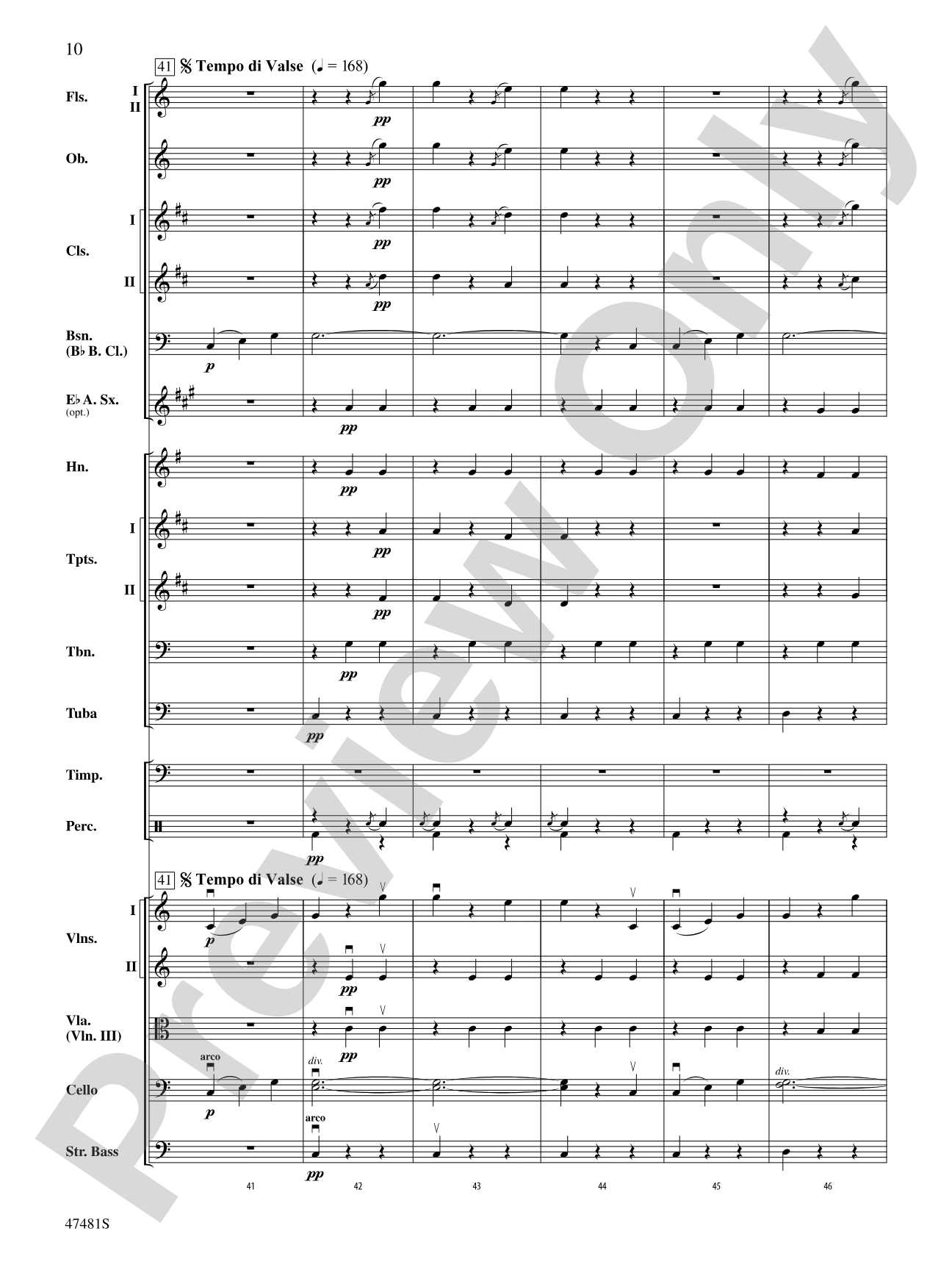
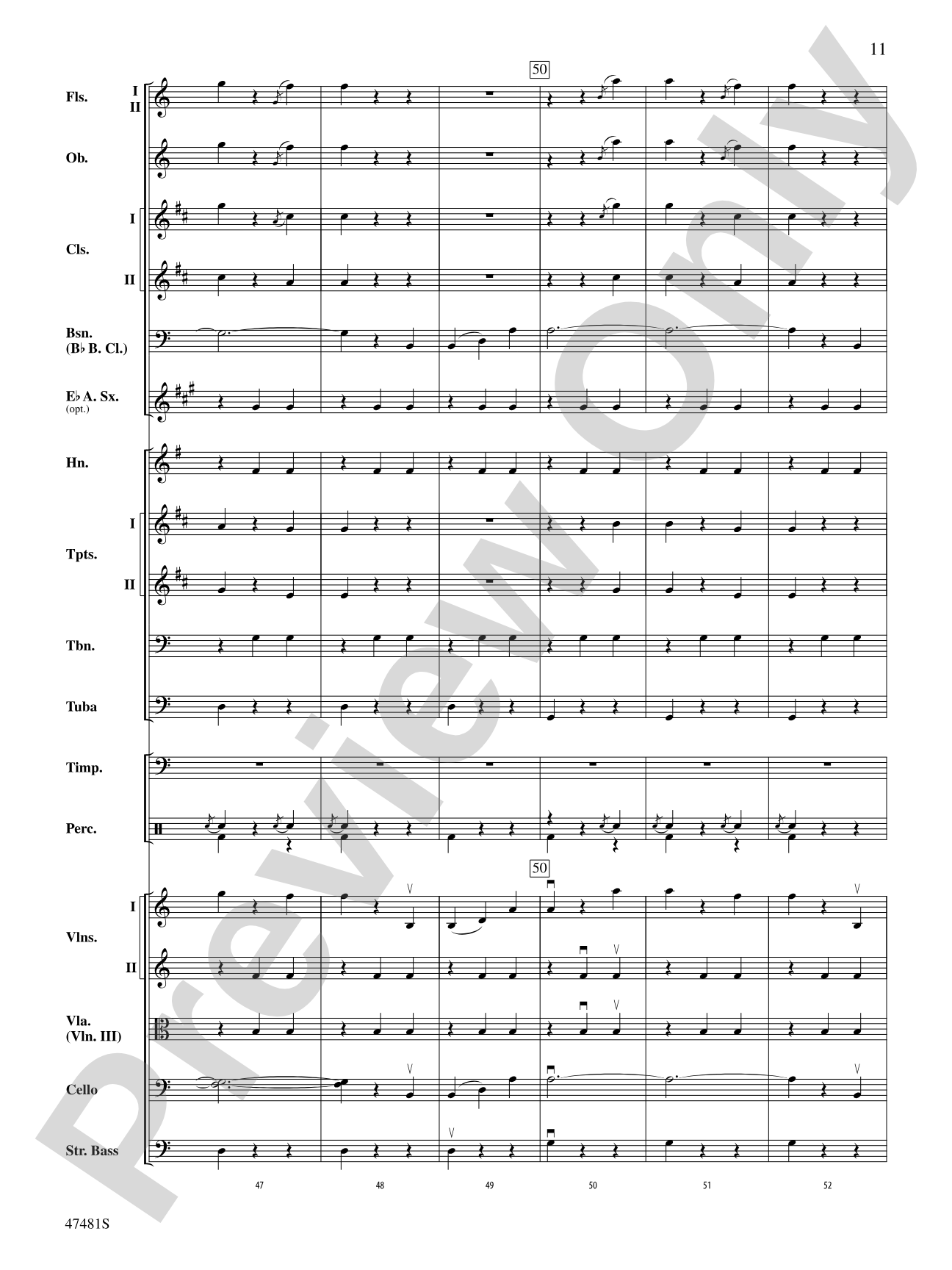
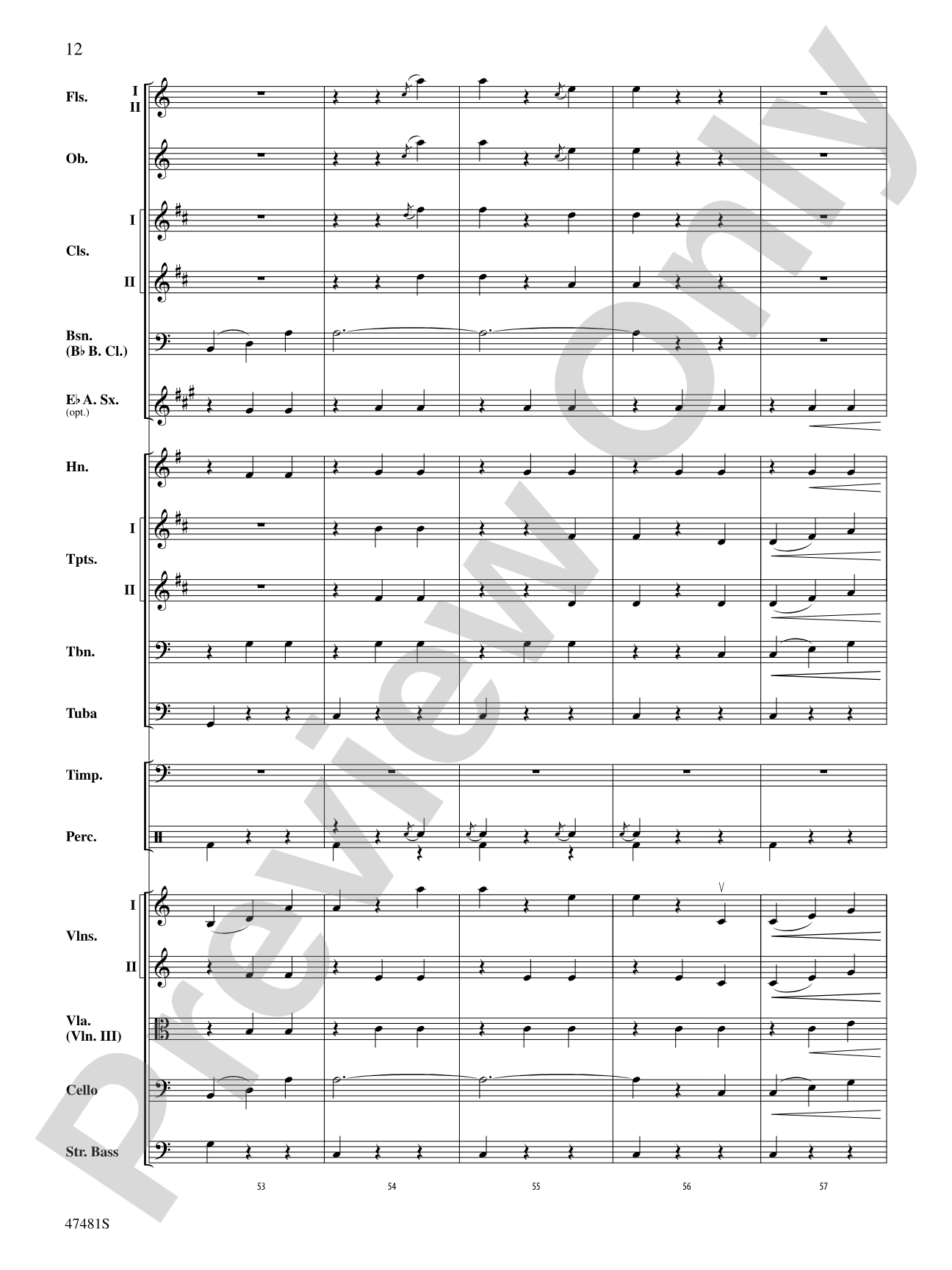
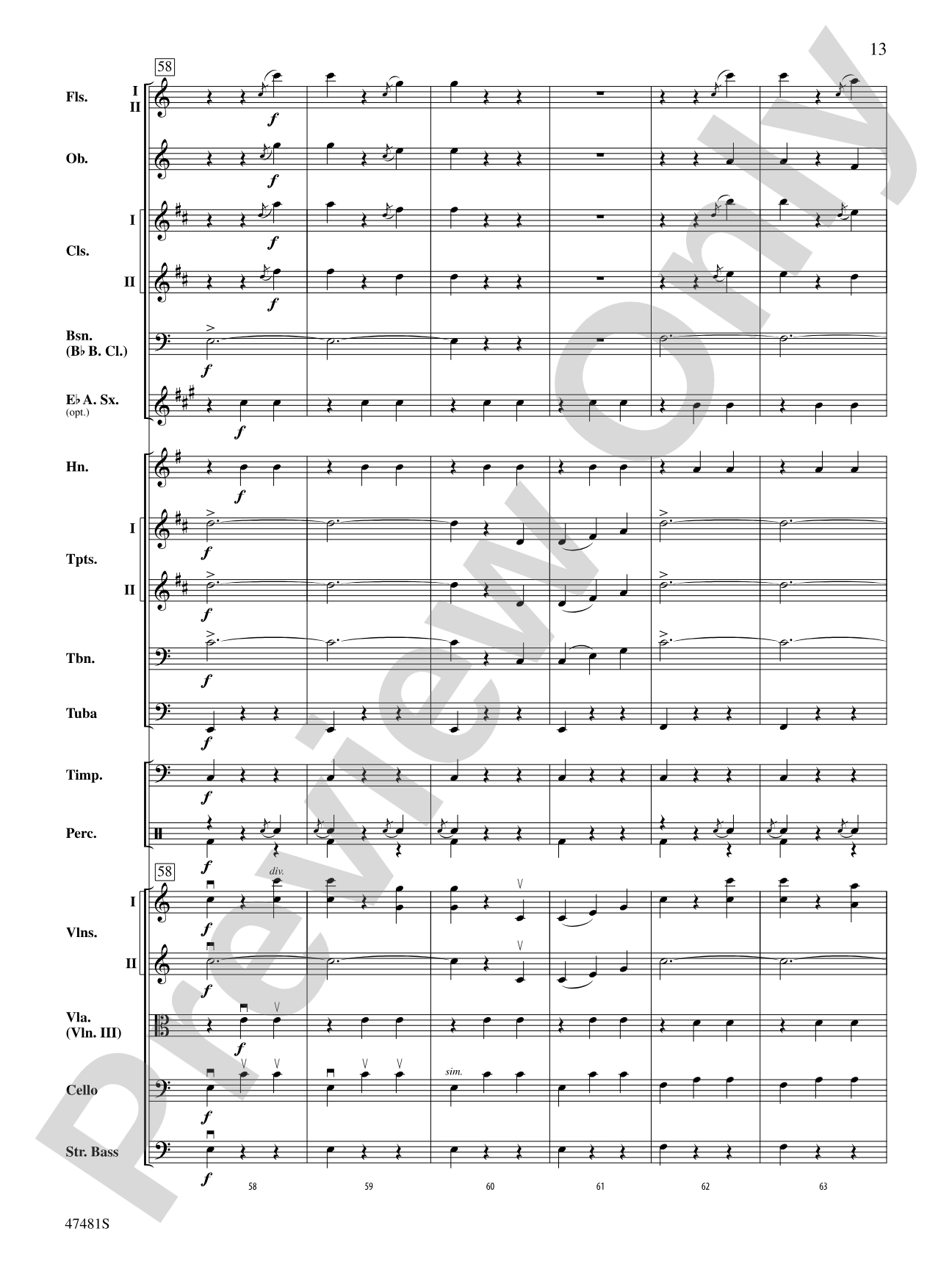
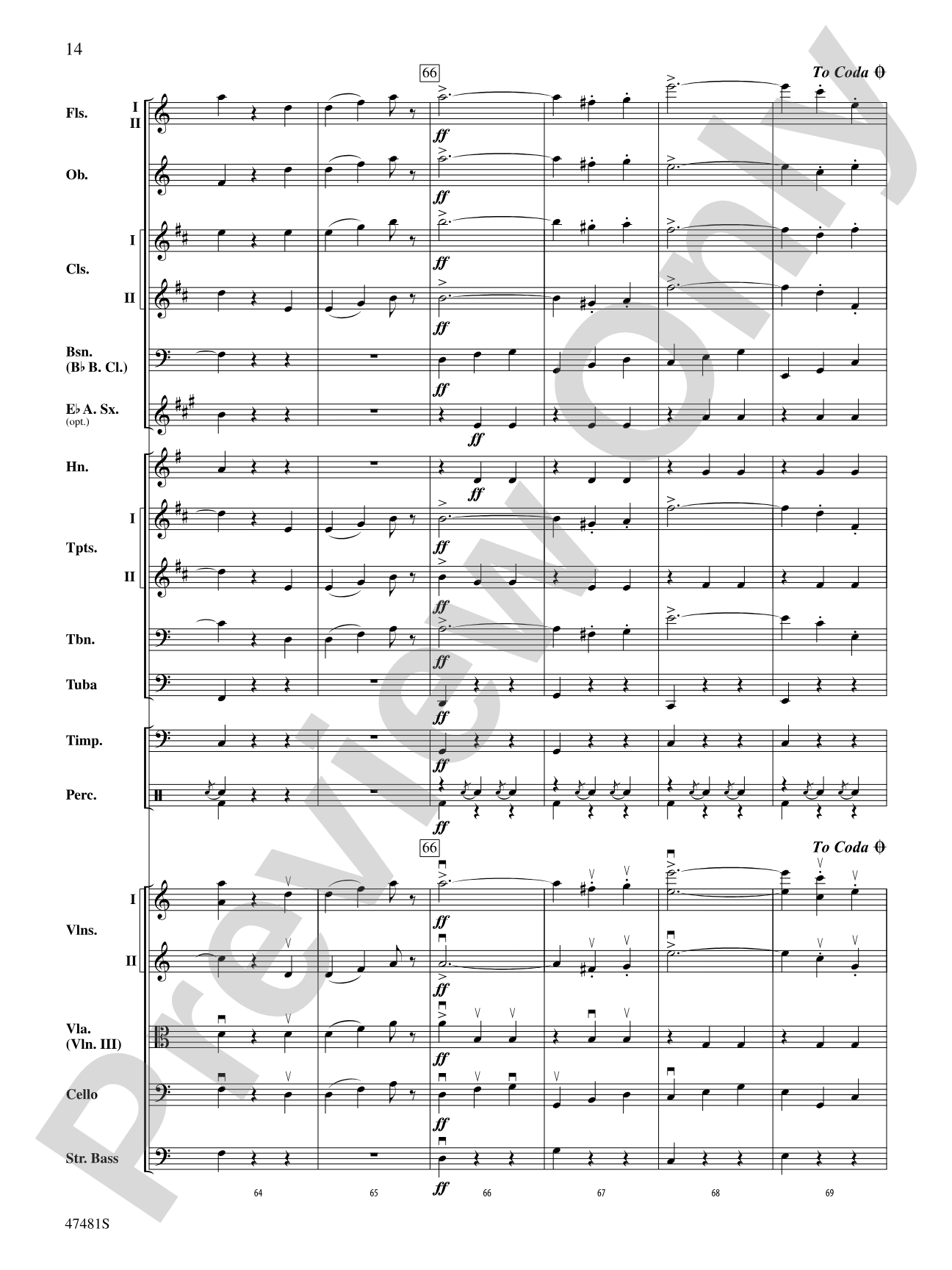
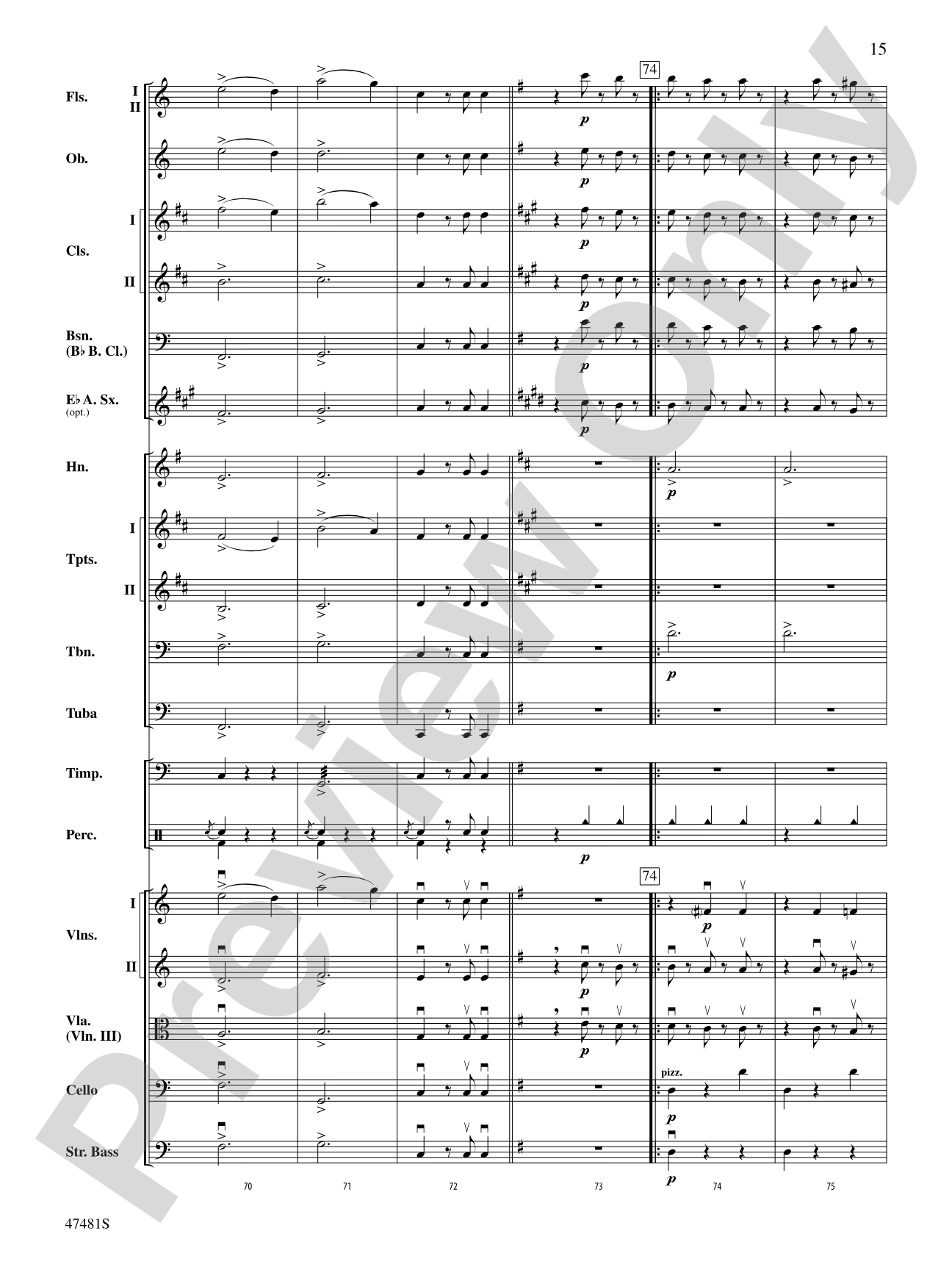
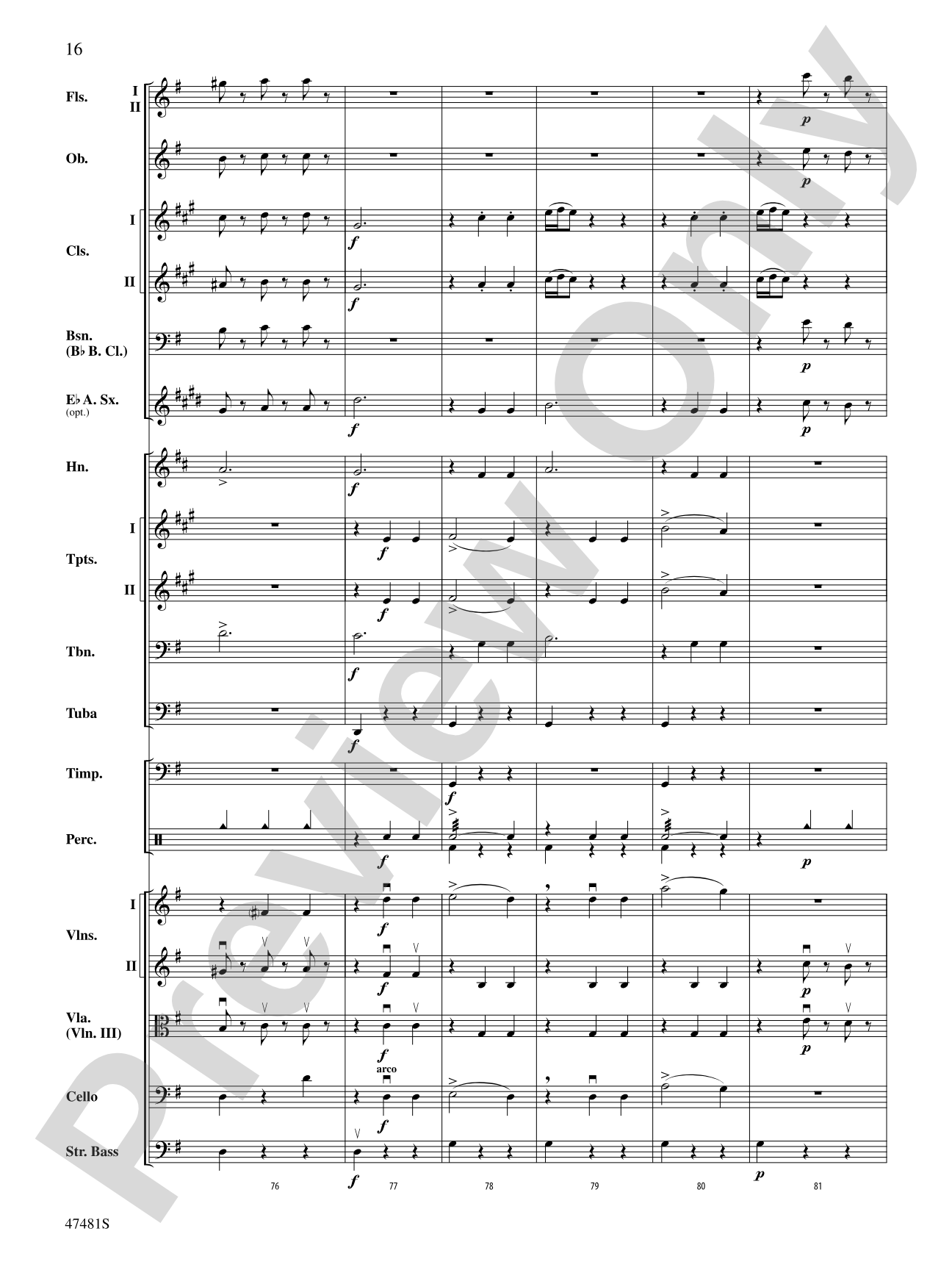
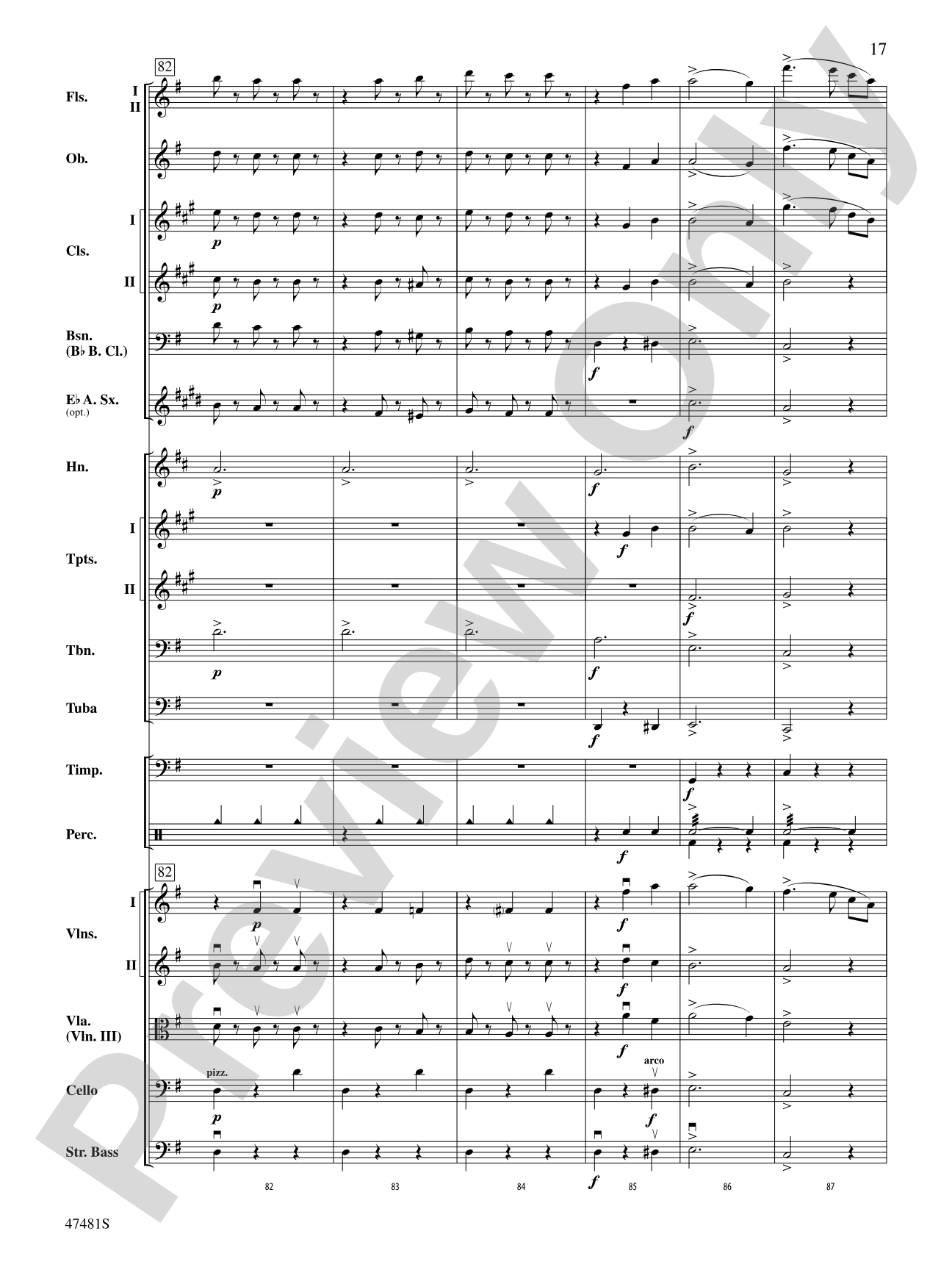
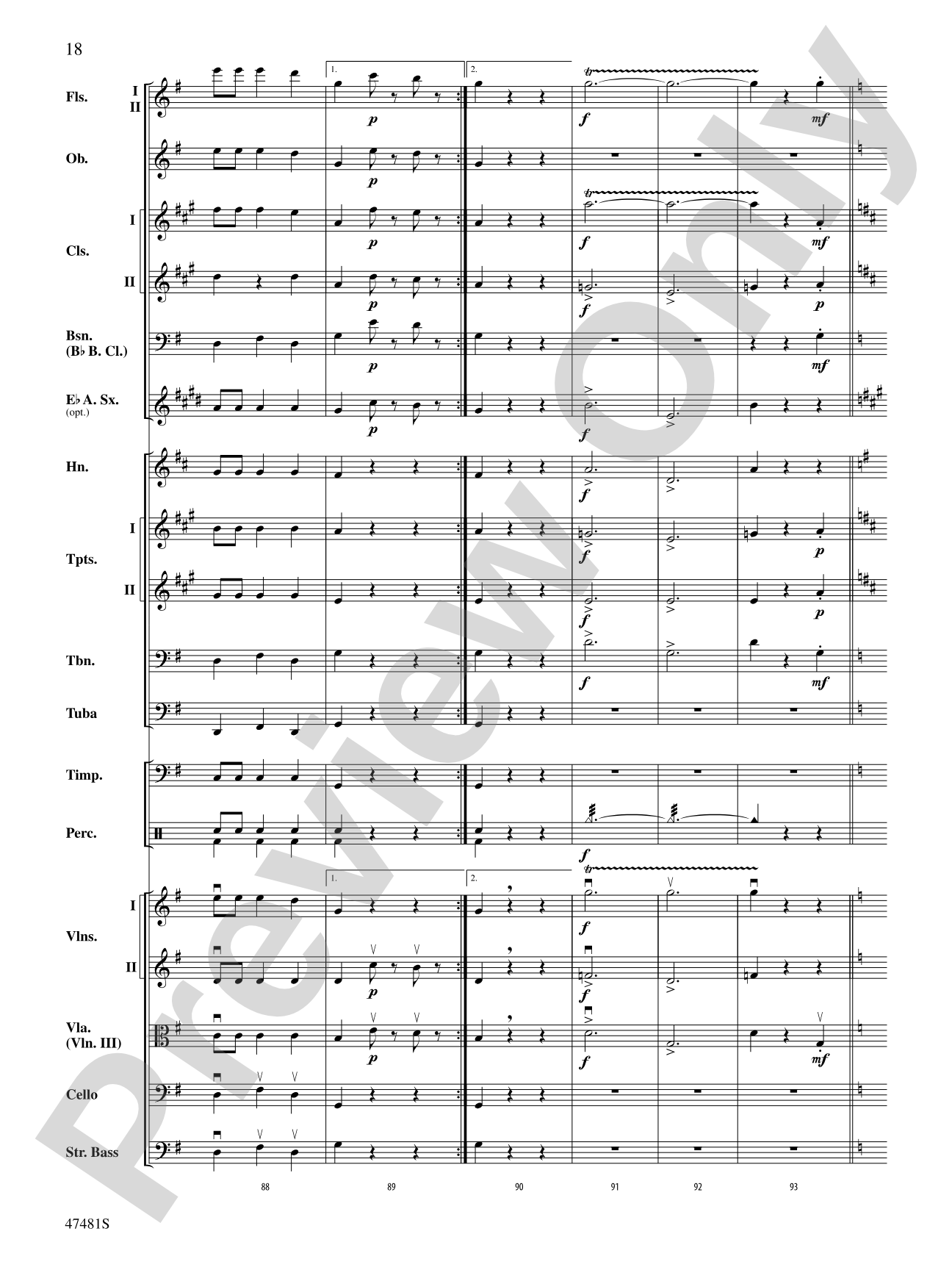
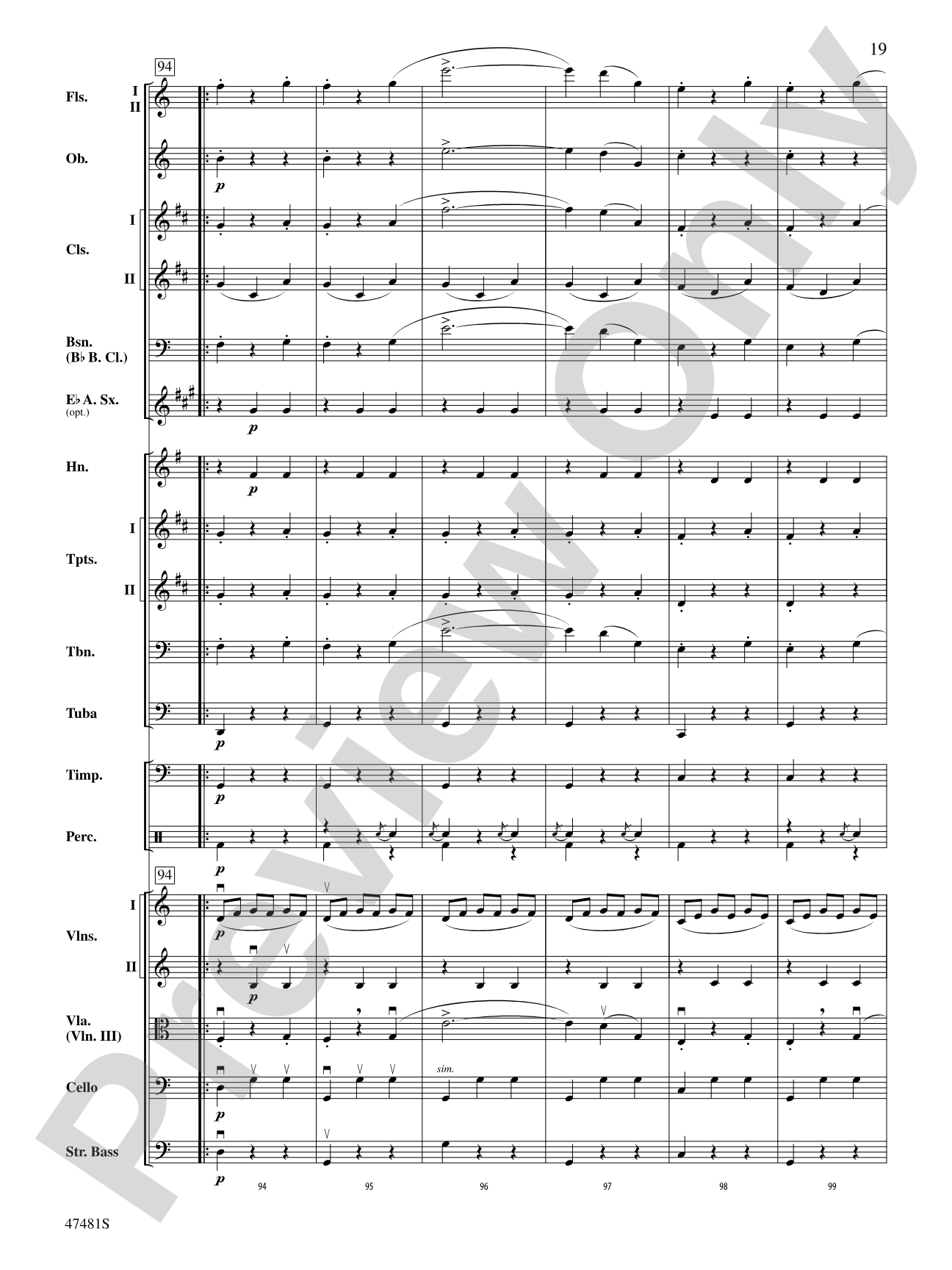
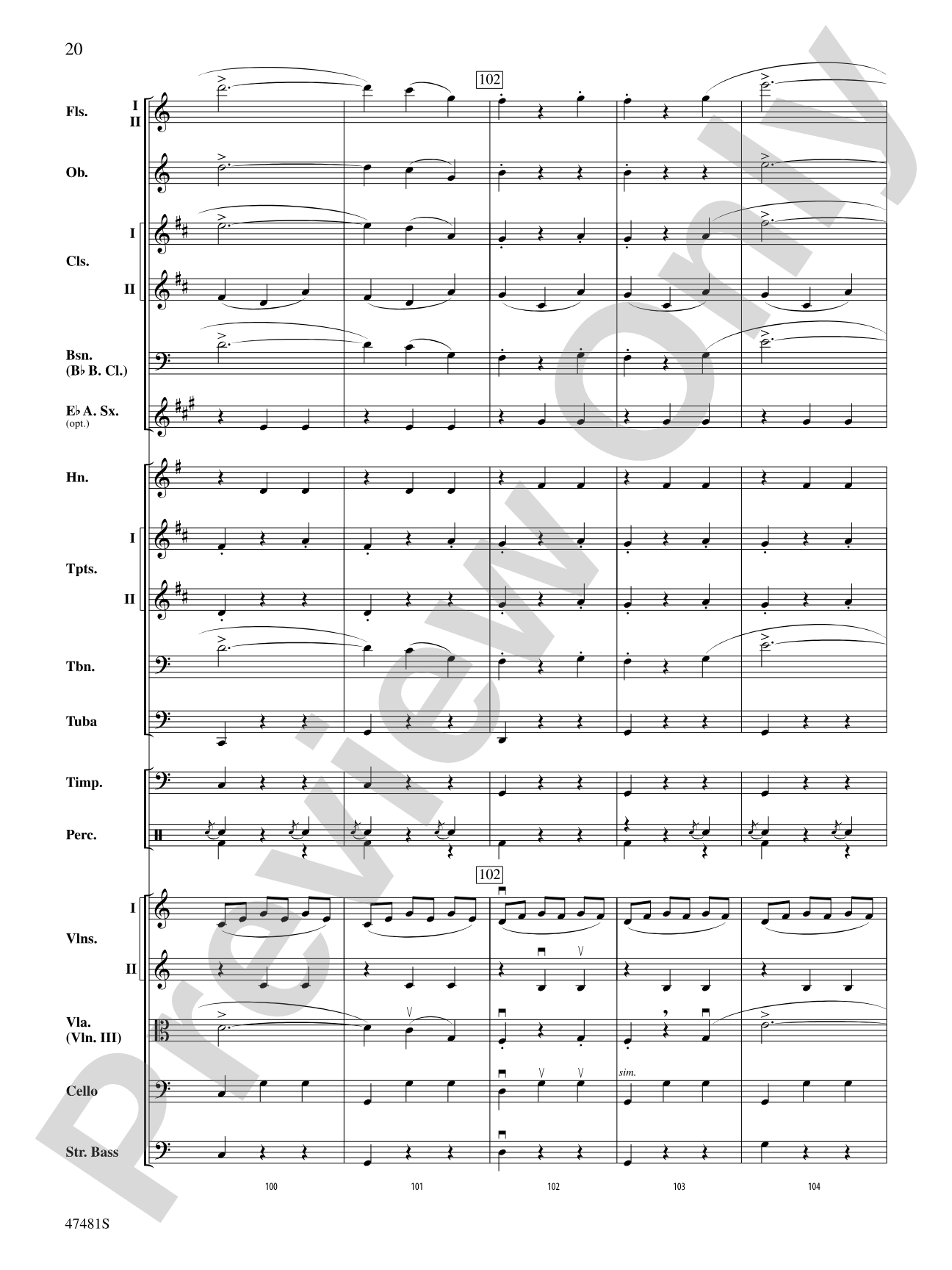
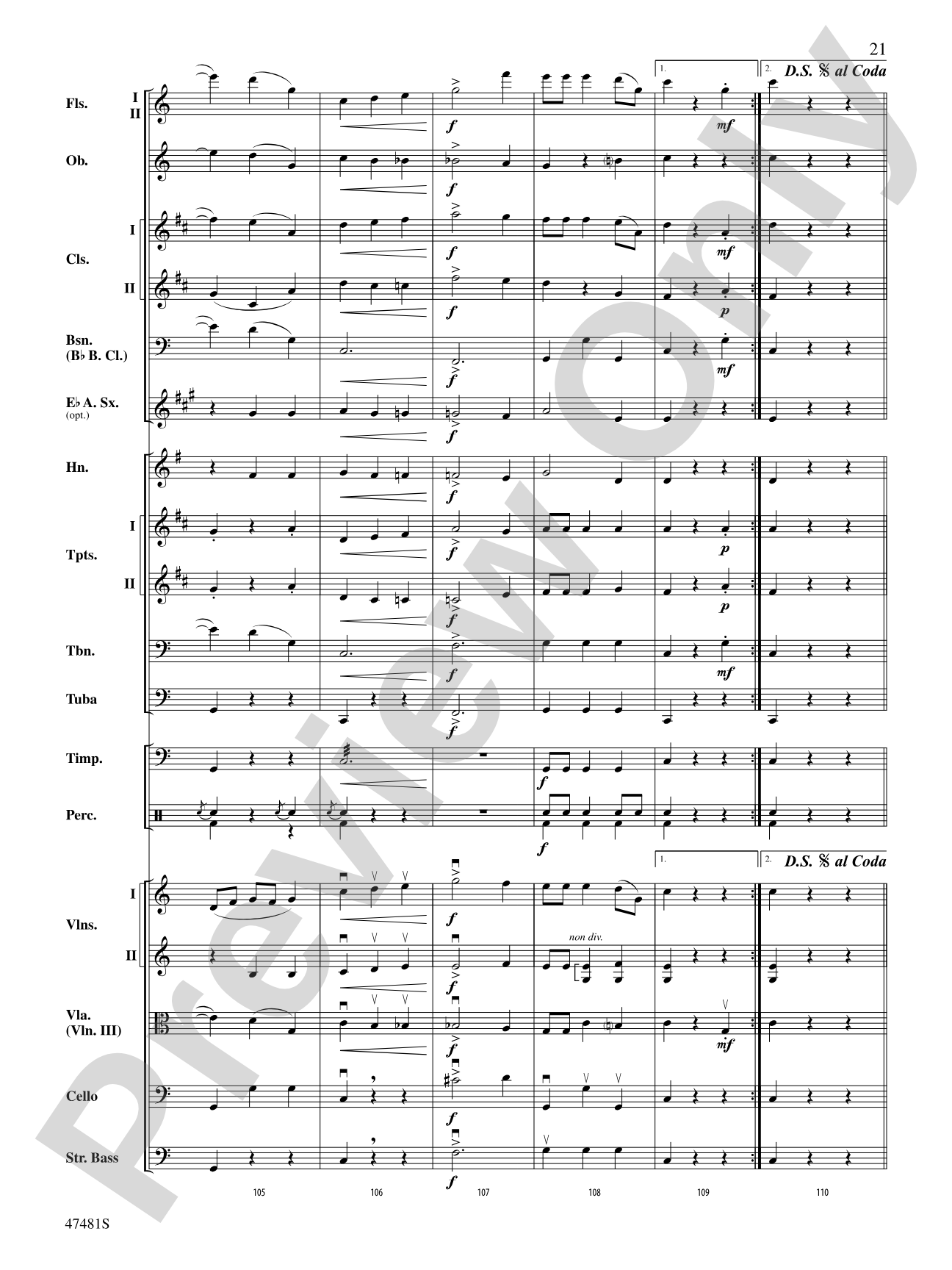
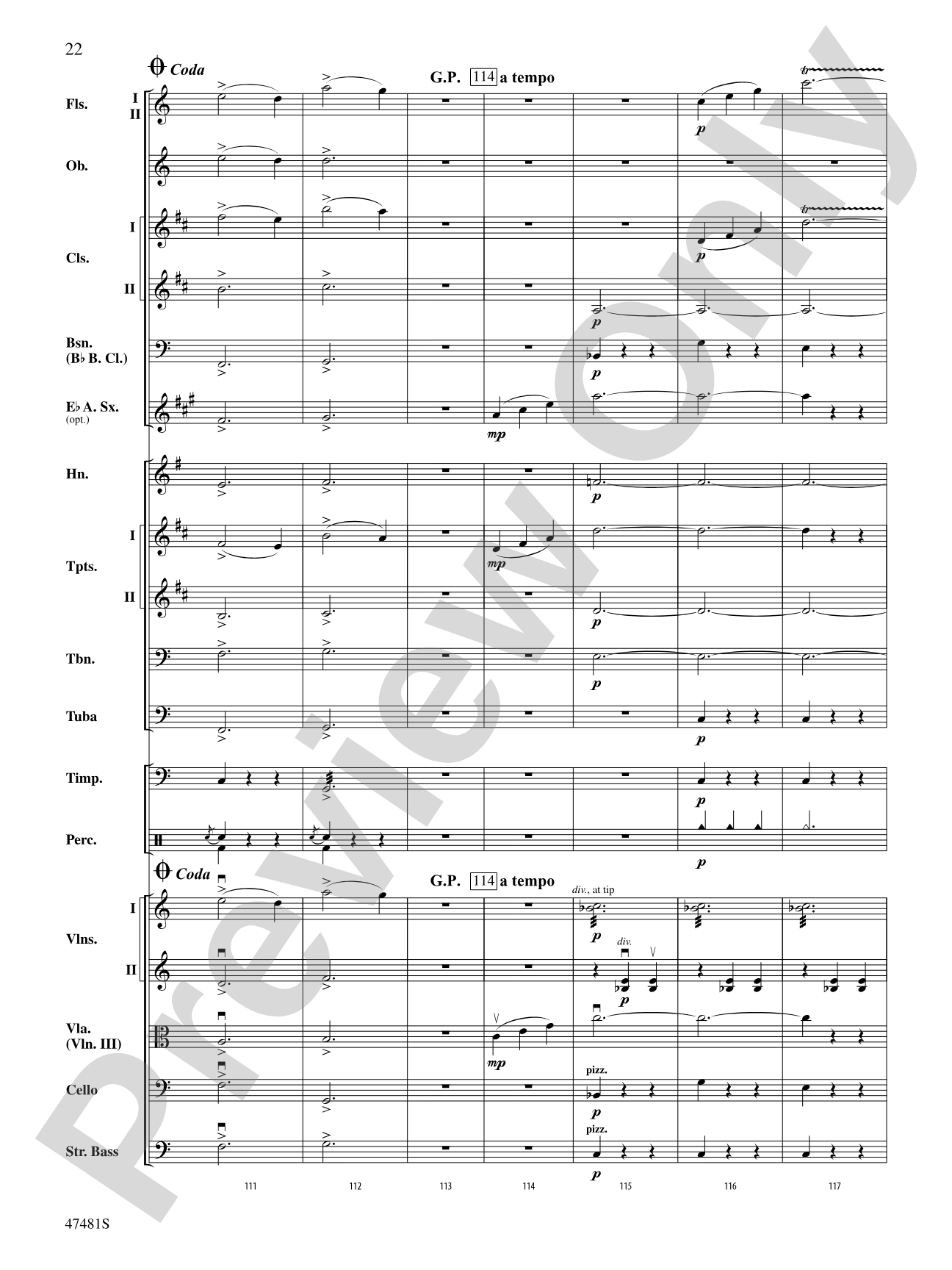
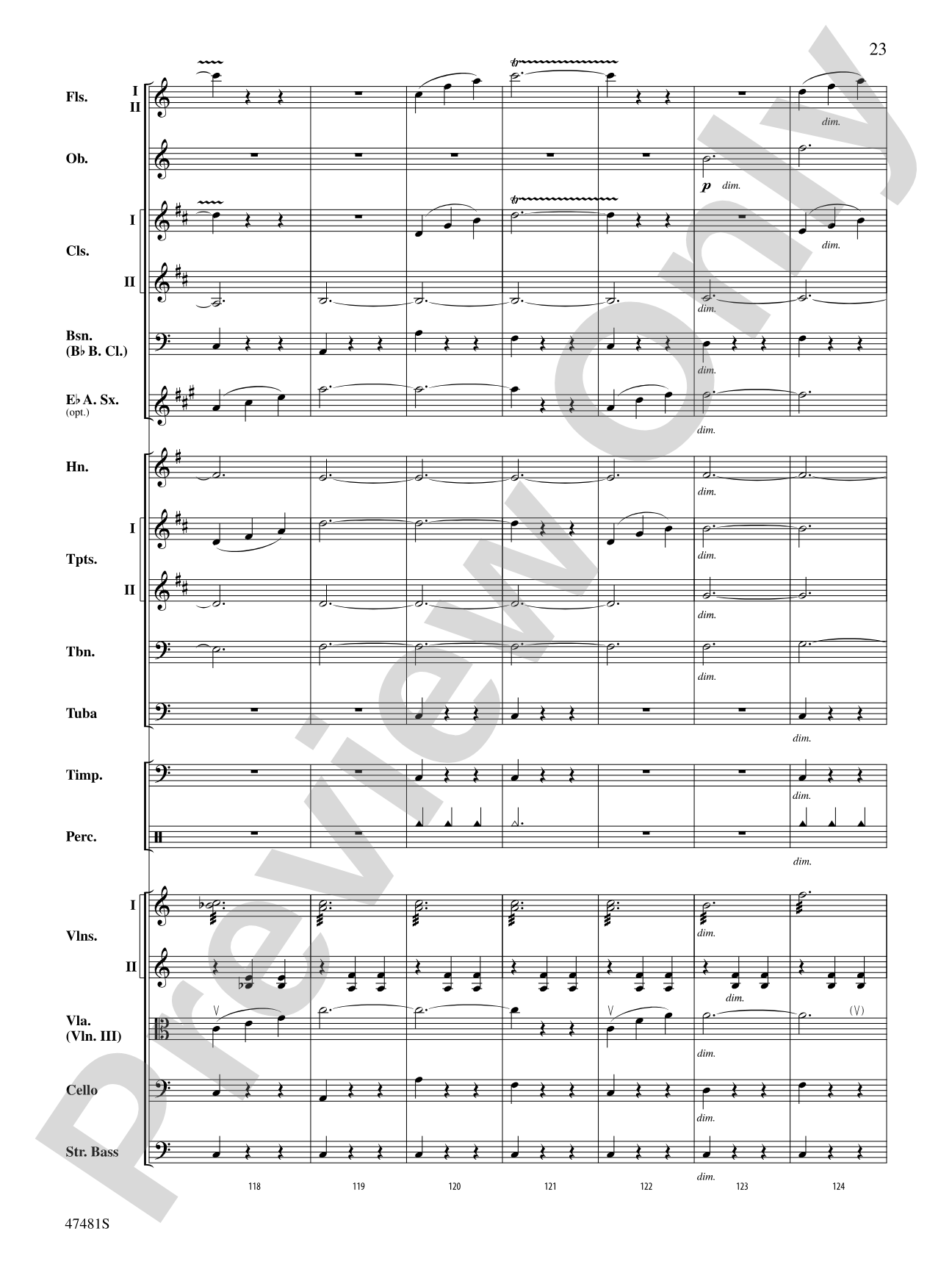
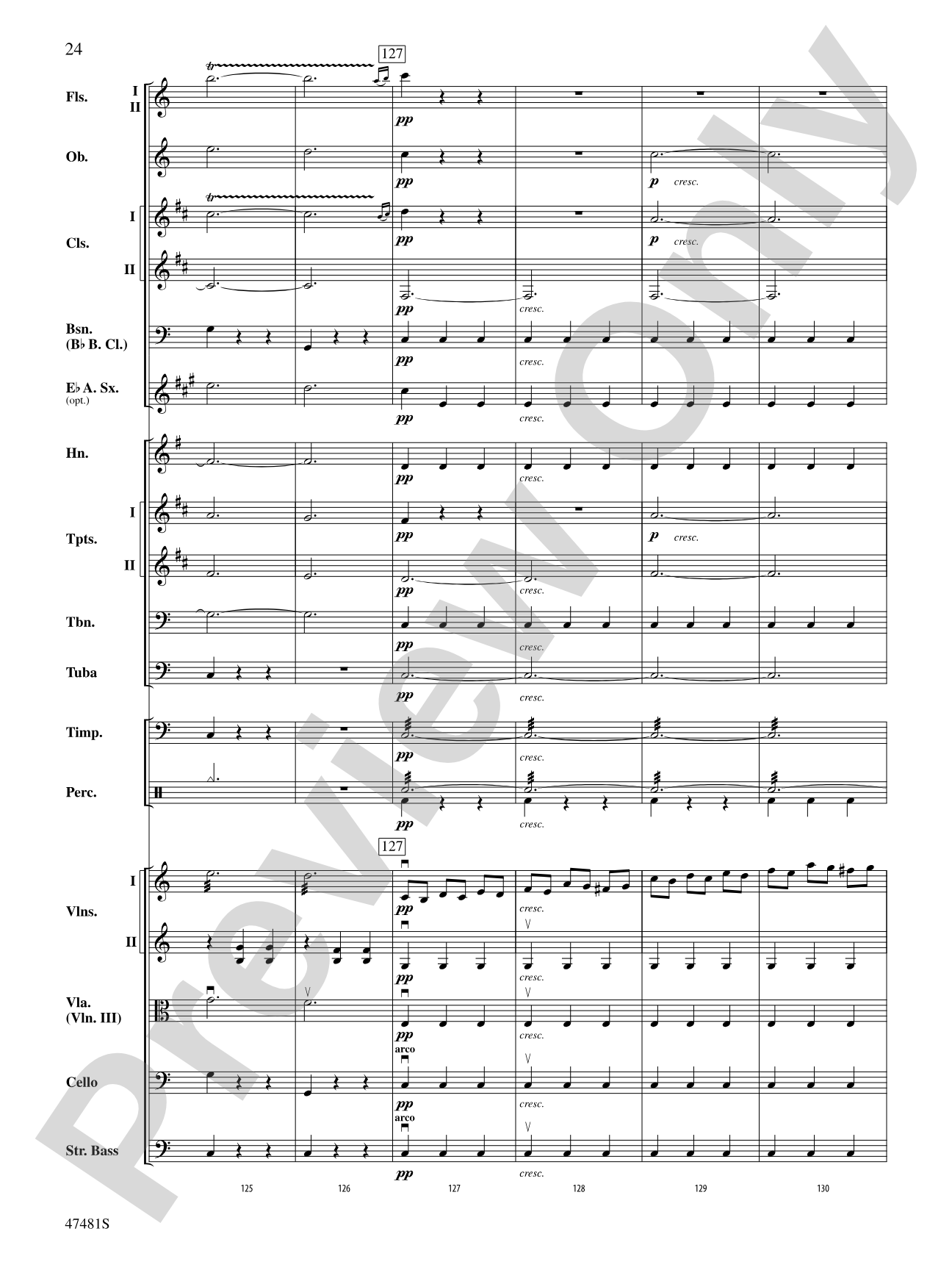
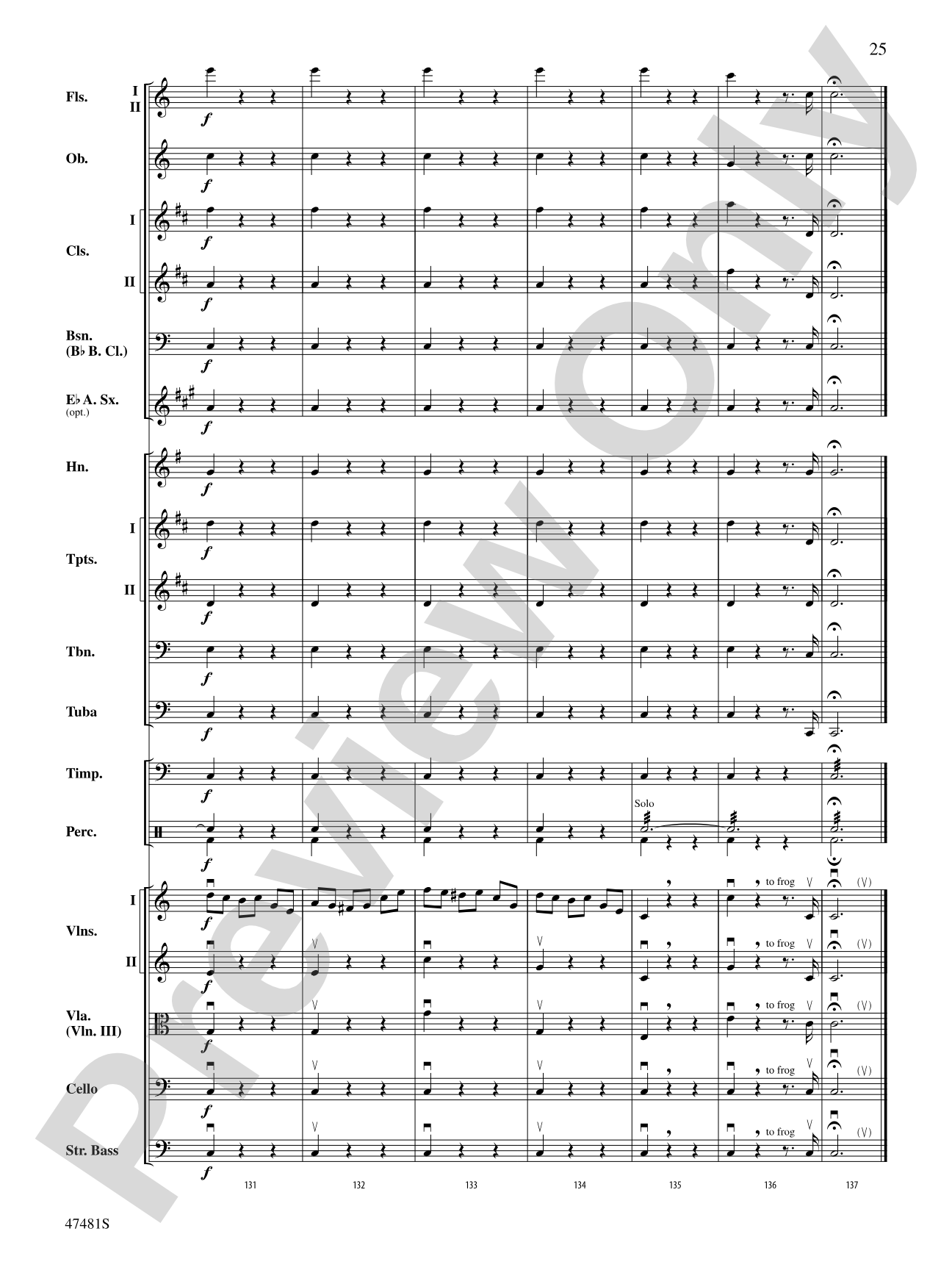

The Blue Danube Waltz: Score
By Johann Strauss, Jr. / arr. Richard Meyer
Grade: 2
Item: 00-PR-0006214
$10.00
Pickup currently not available
Description
A beautiful arrangement by Richard Meyer of "Waltz Number 1," "Waltz Number 2," and the "Coda" from the original, set perfectly for the first full-orchestra experience. Perhaps the most widely popular composer of light classical music ever, Johann Strauss, Jr. wrote over 150 waltzes, bringing the form to perfection as an extended musical composition. The Blue Danube (the common English title of An der schonen blauen Donau---German for "By the Beautiful Blue Danube"), was composed in 1866 and was premiered in February of 1867. It has been one of the most popular classical pieces ever since. This title is available in MakeMusic Cloud.


Don't just read it, hear it, play along with it, and watch your students grow with it. In MakeMusic Cloud, The Blue Danube Waltz: Score comes alive with professional accompaniment, adjustable tempo, and built-in practice tools that turn solo practice into real progress.
Open in the Player
Jump straight in and assign it today.
Start Your Free Trial
Open this title and explore the full library in minutes.
Sample Audio
1
Audio File
--:--
0:00
0:00
Sample Video
Additional Details
Series:
Highland/Etling First Philharmonic
Publisher:
Alfred Music
Page Count:
200
SKU:
00-PR-0006214
More about this title
About the Composer: Johannes Brahms
Johann Strauss, Jr. (1825-1899) stands as the defining voice of the Viennese waltz, a form he elevated from popular dance music to sophisticated concert repertoire. His prolific output of over 150 waltzes earned him the title "Waltz King," and his influence on orchestral music extended far beyond his own era, shaping how composers approached melody, orchestration, and the possibilities of the three-beat form.
Why we love this
Richard Meyer's arrangement captures the lift and elegance of this masterwork while keeping the instrumentation accessible for ensembles discovering full orchestra texture for the first time. At Grade 2, students encounter sophisticated melodic writing and genuine concert-hall material without the density or technical demands that would overwhelm a developing ensemble. The piece delivers real musicianship rewards and audiences recognize it immediately, making it an ideal confidence-builder for young orchestras.
What to expect
Effortless grace and Continental elegance. The piece moves with the natural lilt of dancers, combining singing melodic lines with the characteristic rhythmic swing of the waltz, evoking ballrooms and celebrations without a trace of pretension.
Who it's for
Young full orchestras stepping into their first genuine masterwork concert experience. This arrangement works for advancing student ensembles in Grades 3-7 who need a piece that sounds polished and complete without excessive technical burden.
How to get the most out of it
- Shape each waltz section with a clear sense of phrase architecture rather than mechanical beat-keeping; the magic lies in how the melody breathes across measures.
- Balance the string melody against the characteristic accompaniment pattern without burying the lilt; resist the urge to overweight the bass line.
- Lean into the character changes between the three waltzes; adjust articulation and tone color to give the piece narrative arc.
- Let the coda build momentum steadily; young orchestras often rush excitement, so prepare deliberate tempo control through the final measures.
How to use it
This belongs on a spring or winter concert as a centerpiece offering, particularly when programming alongside other standard orchestra repertoire; it reads as a refined middle work that demonstrates how far a young ensemble has developed. It also serves as an excellent choice for festival or contest settings where adjudicators expect to hear students engage meaningful literature with style and musicianship.
Skills your students will build
- Balancing melodic content across orchestral sections
- Shaping extended phrasing in a dance-form context
- Maintaining consistent waltz rhythm without mechanical rigidity
- Responding to color and character changes within a single work
- Coordinating ensemble texture in a full orchestra setting