
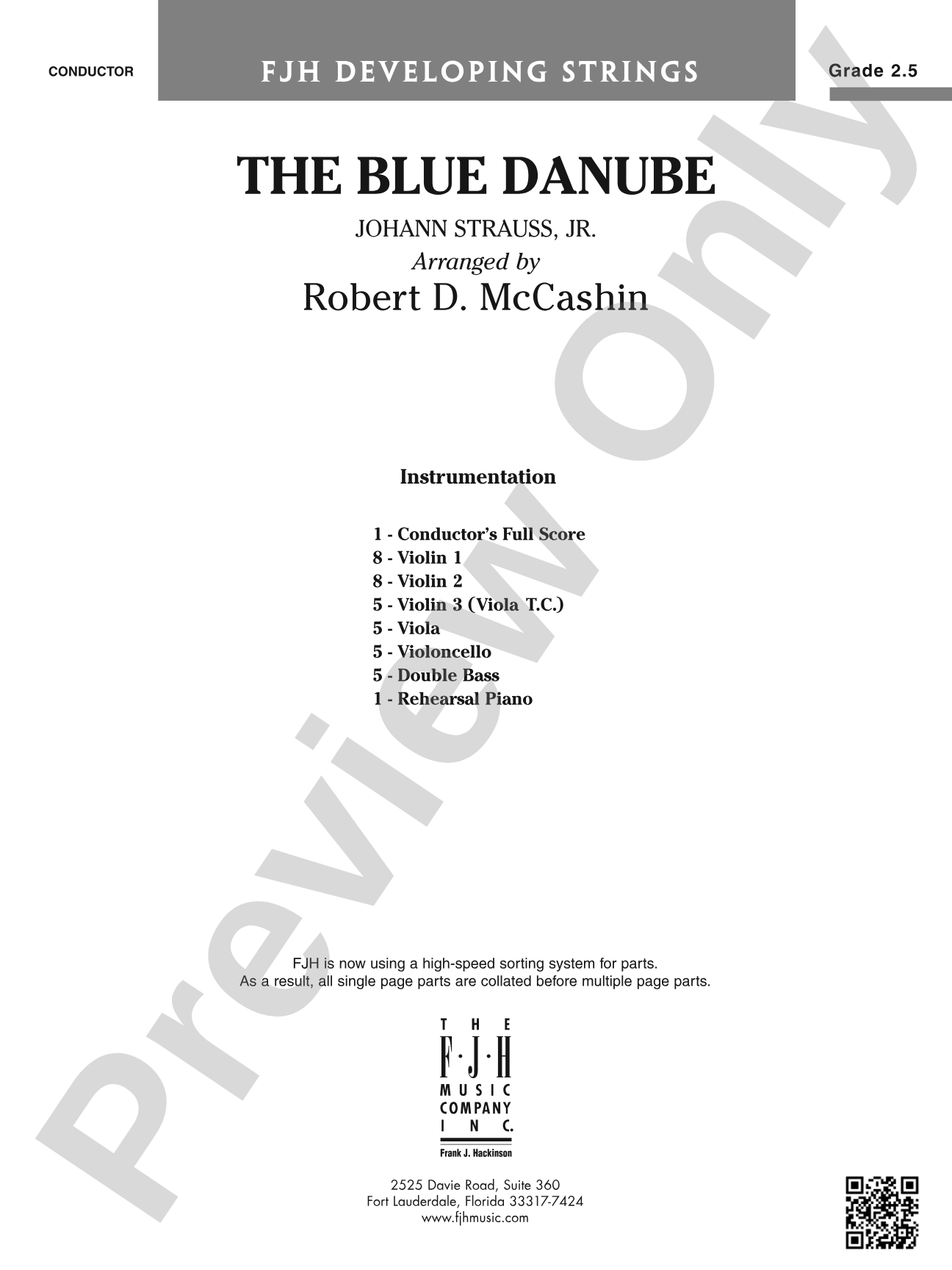
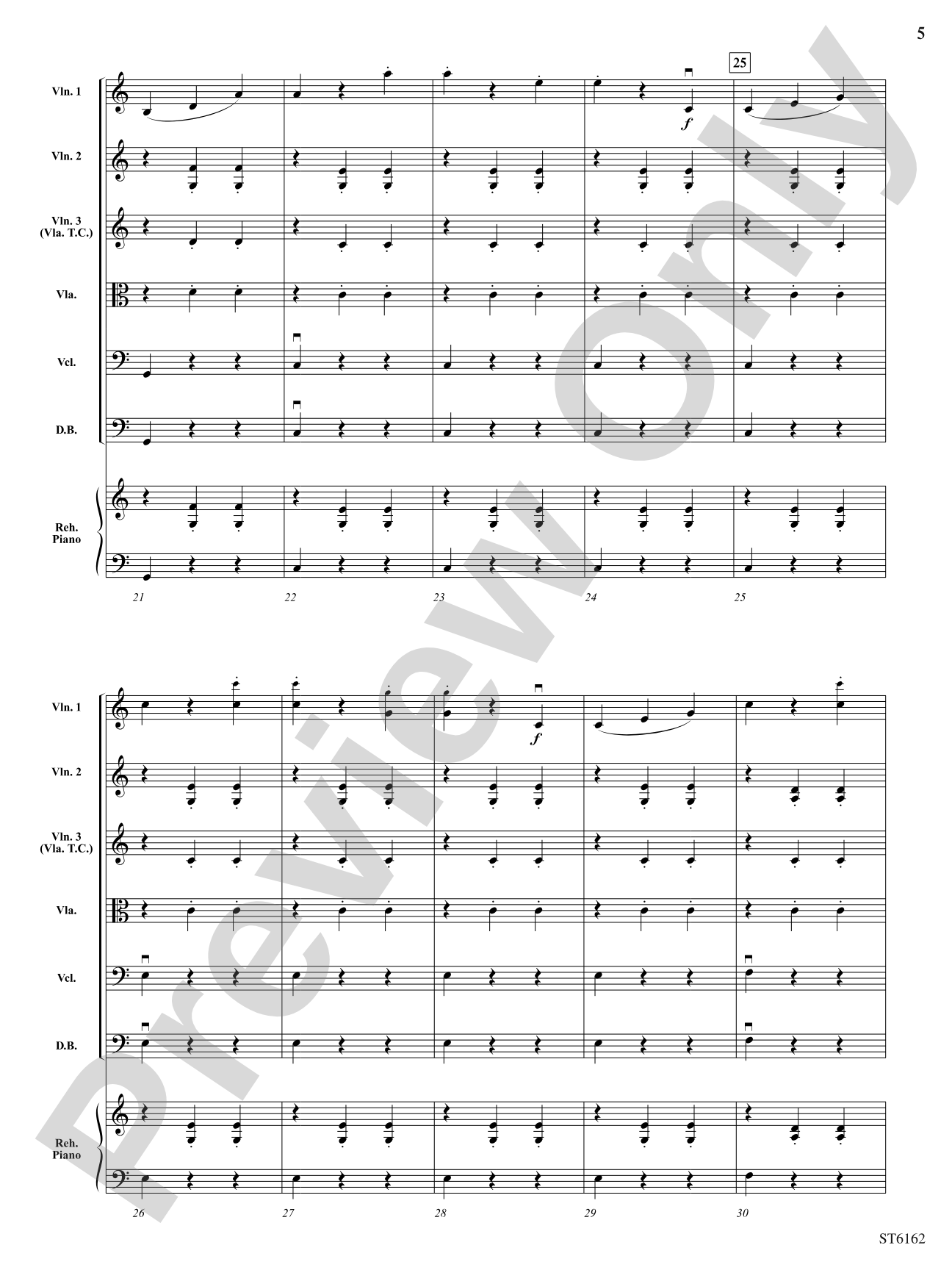
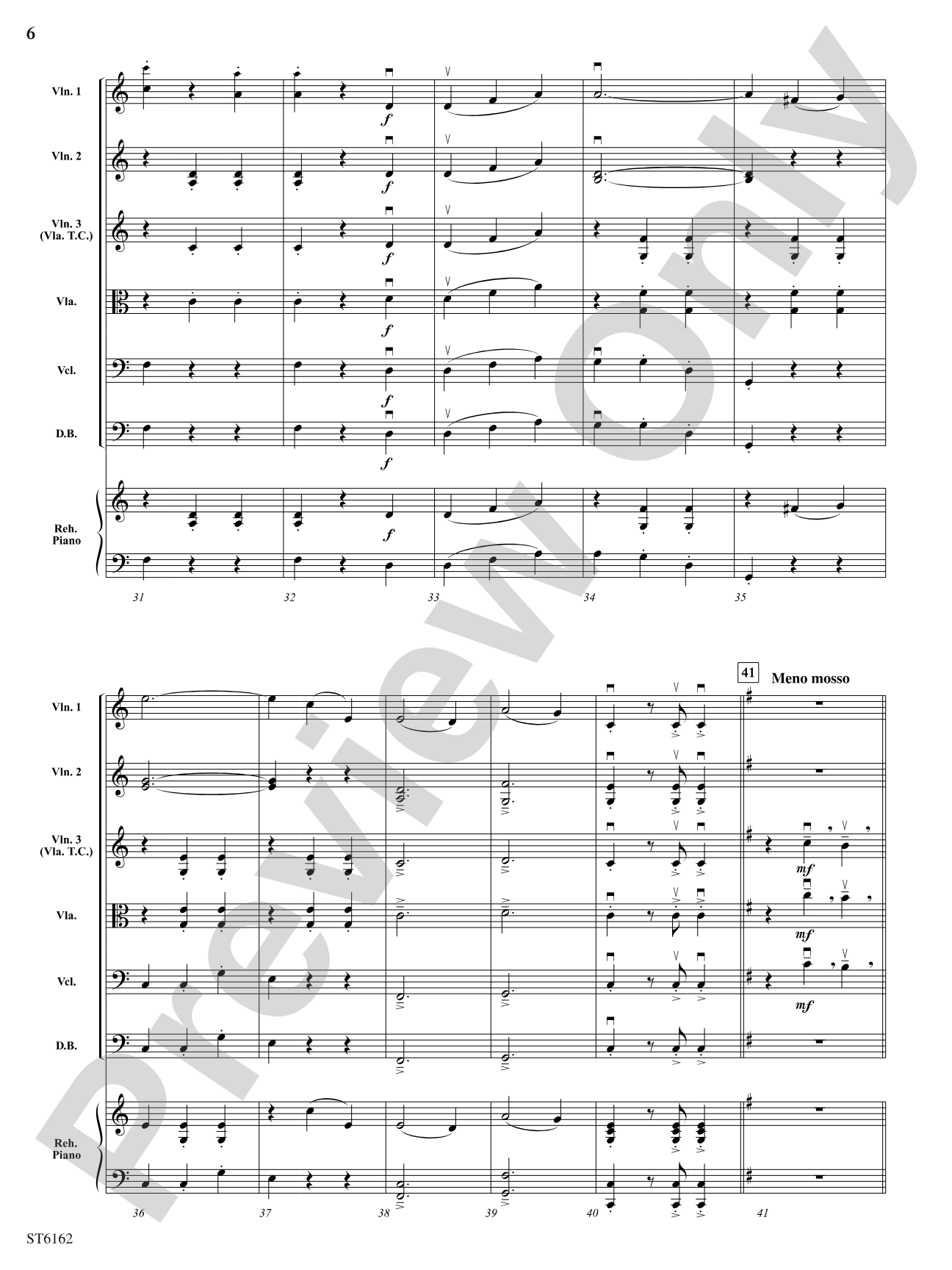
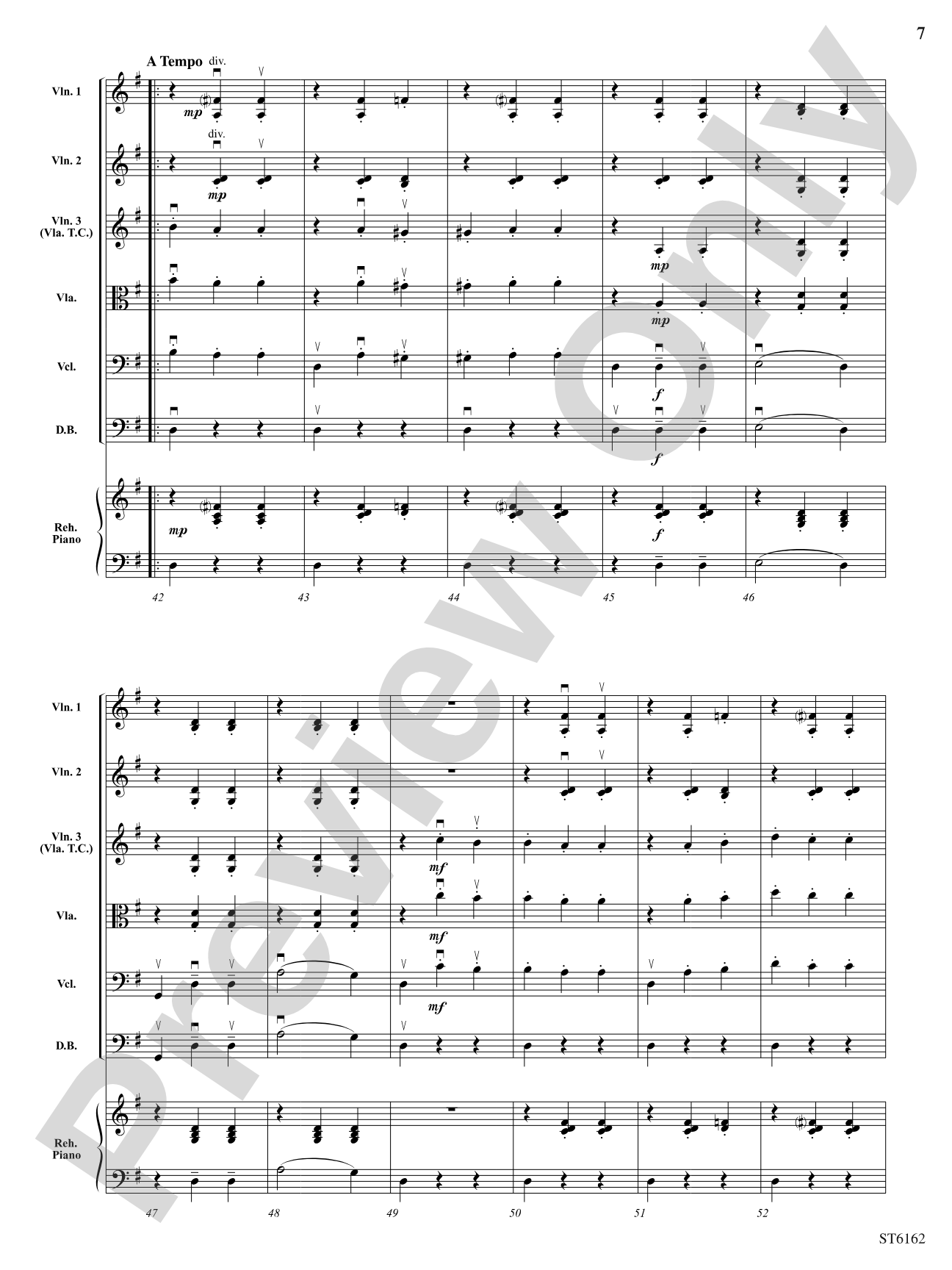
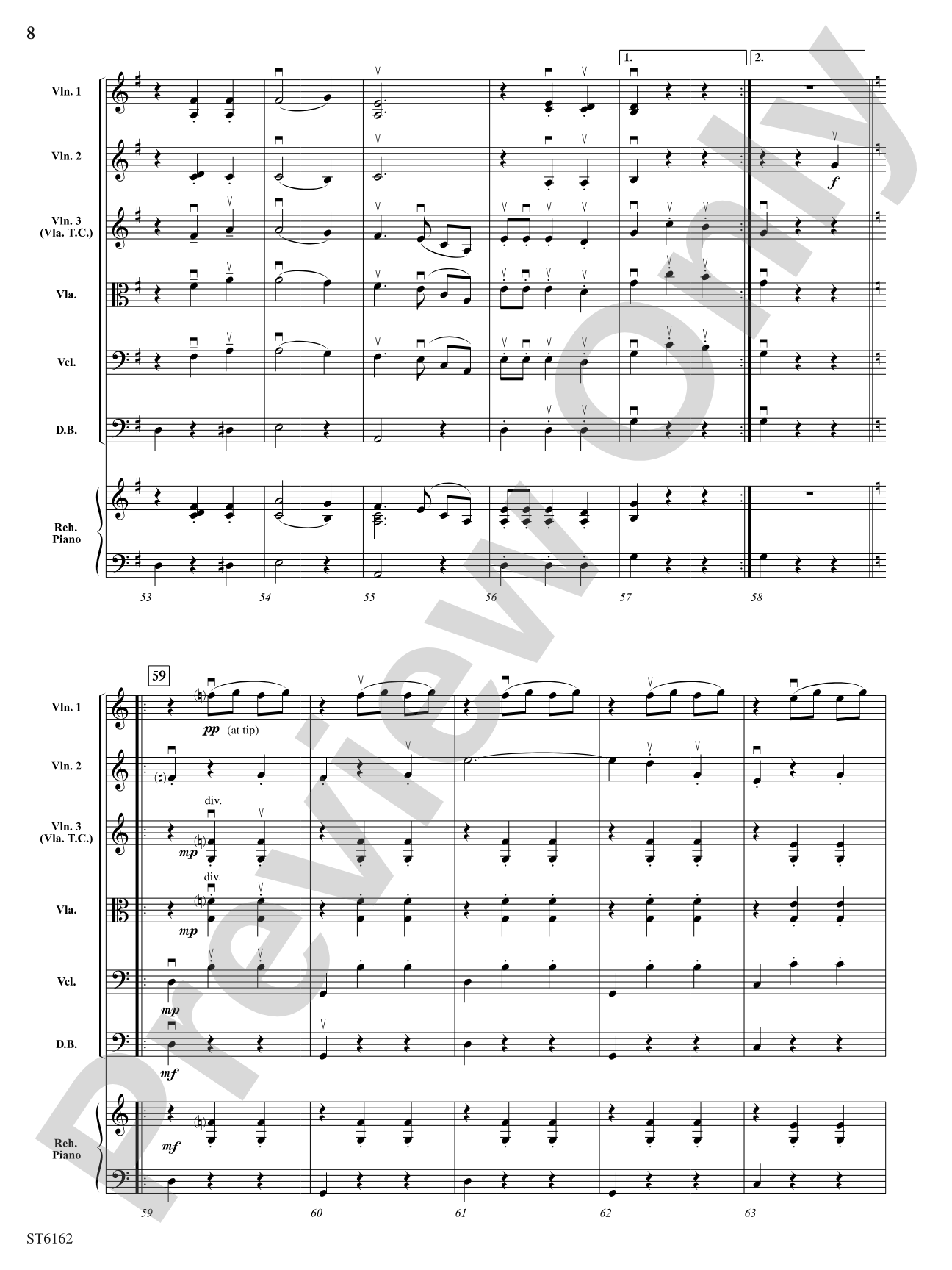
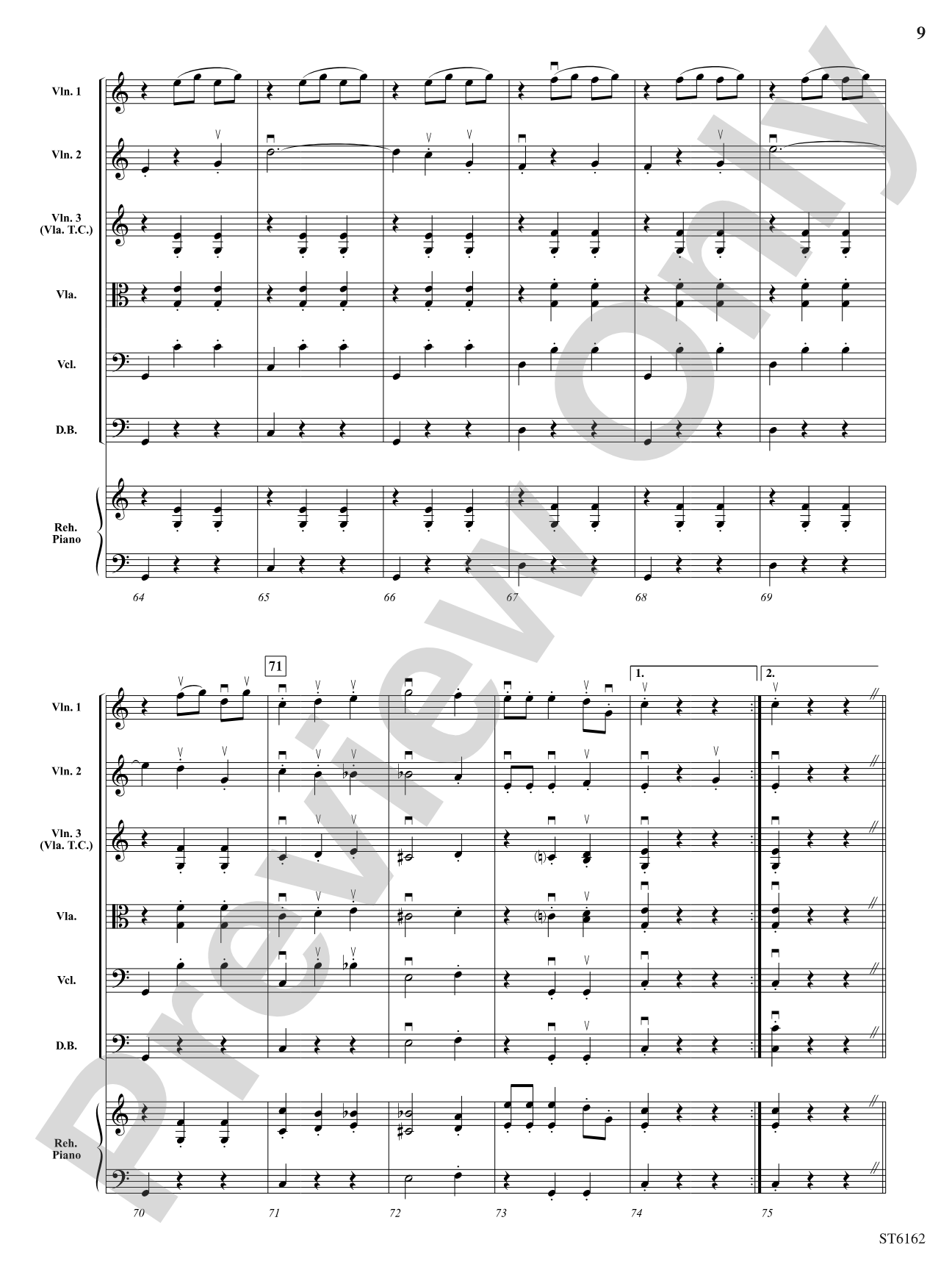
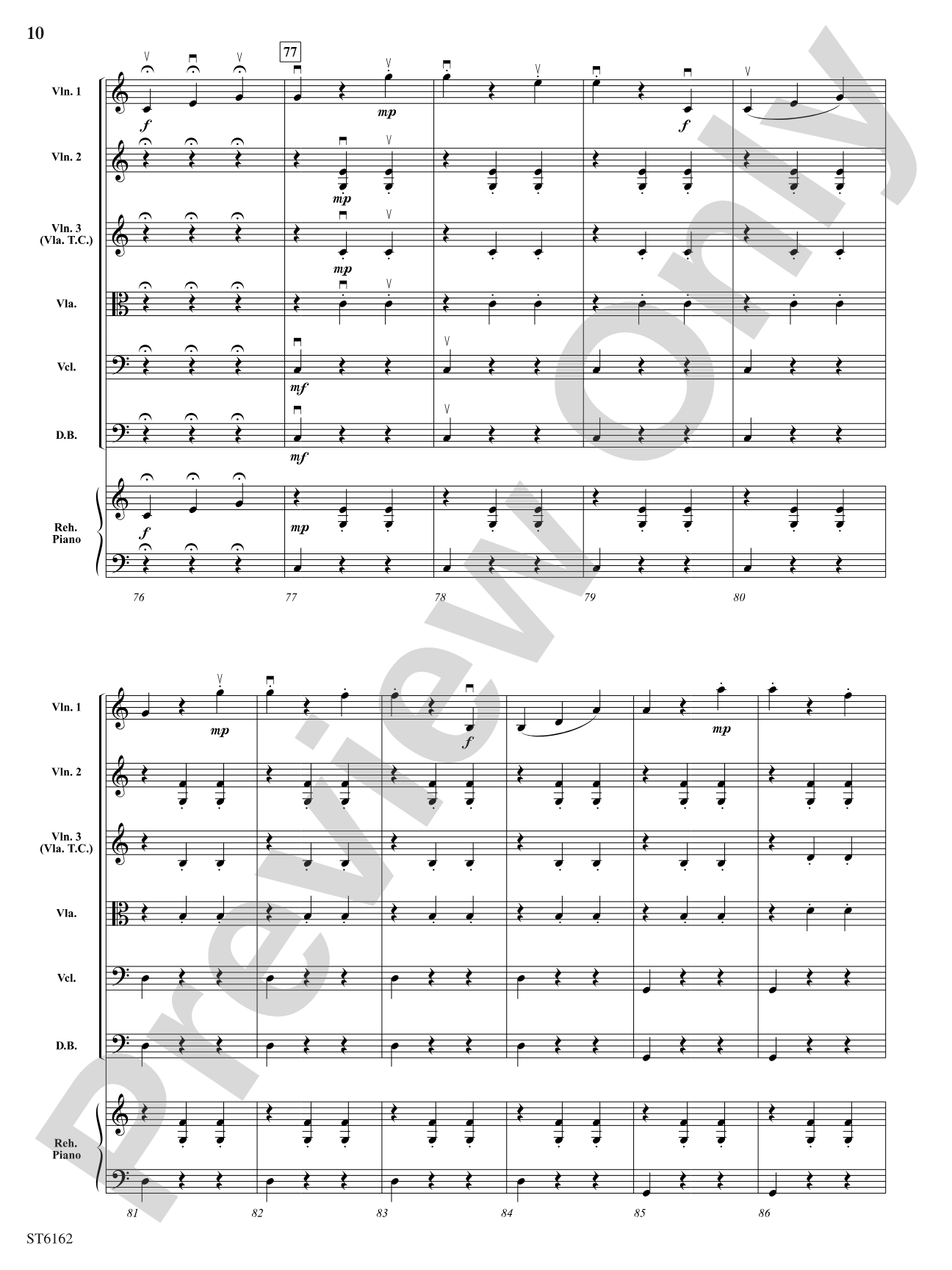
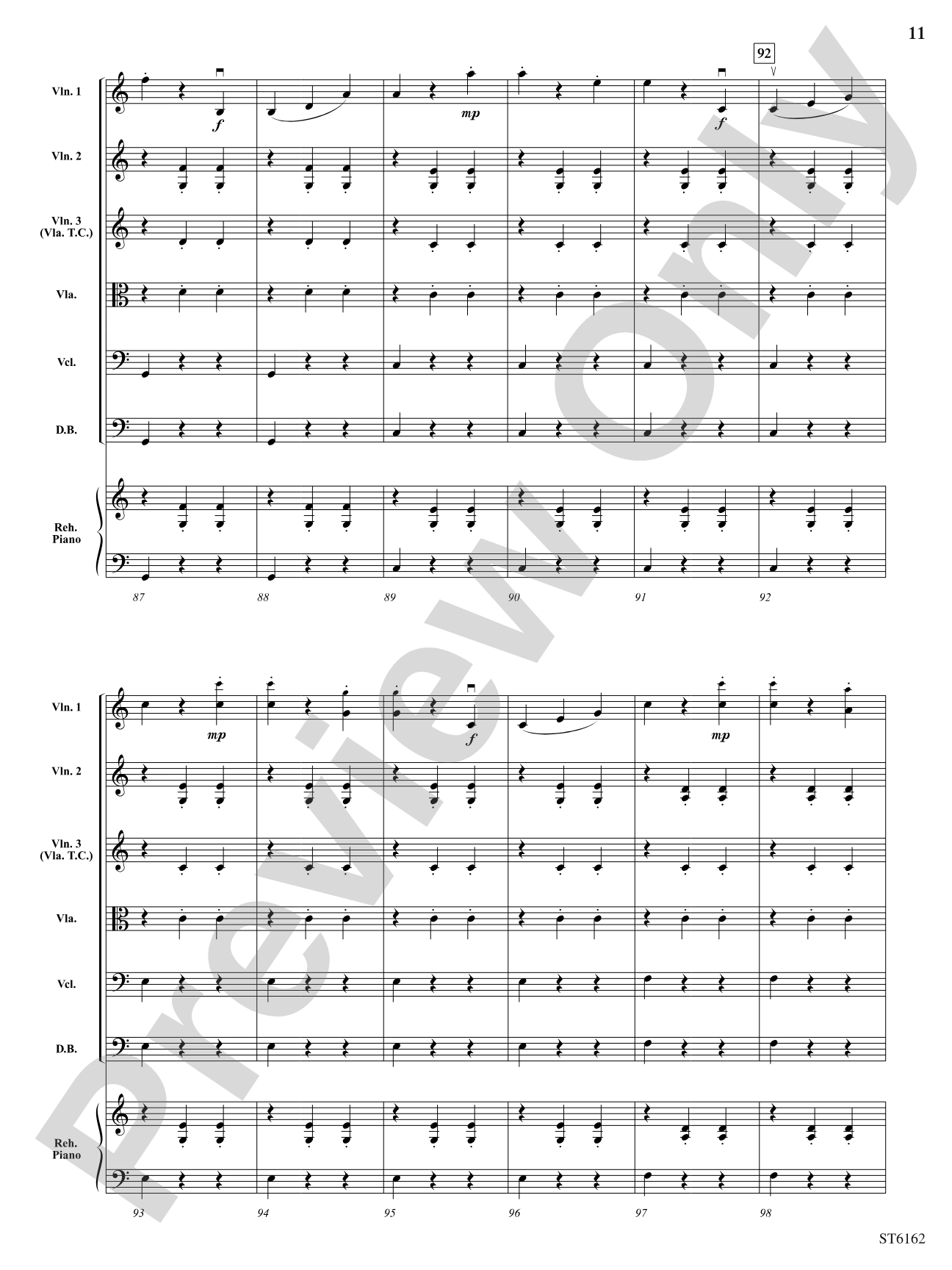
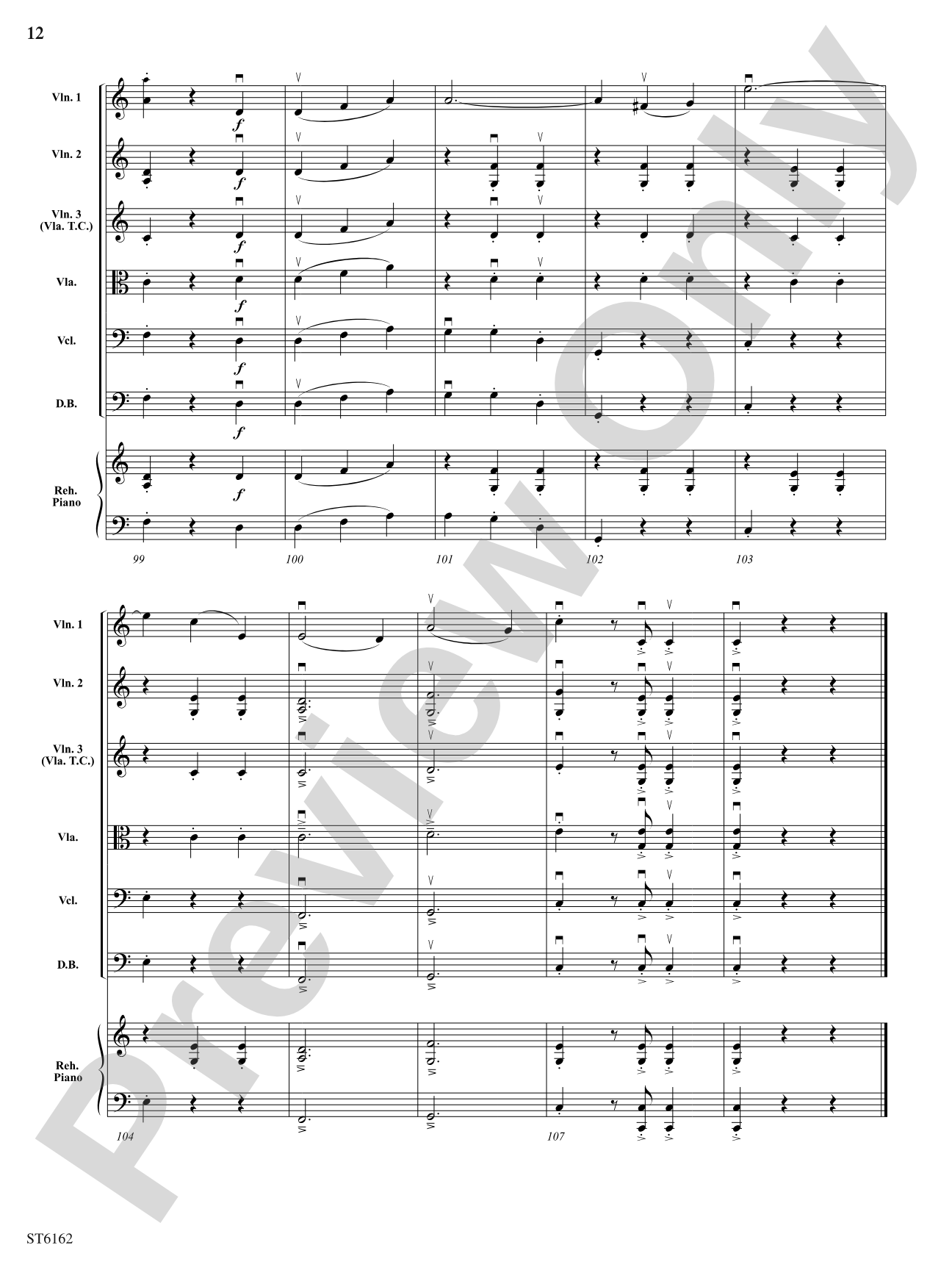

The Blue Danube: String Orchestra Conductor Score & Parts
By Johann Strauss Jr. / arr. Robert D. McCashin
Grade: 2.5
Item: 98-DST6162
$50.00
Pickup currently not available
Buy Extra Parts (Digital PDF Download)
| Product | Price | Quantity |
|---|---|---|
| The Blue Danube: Score | $5.00 | |
| The Blue Danube: Violin 1 | $7.00 | |
| The Blue Danube: Violin 2 | $7.00 | |
| The Blue Danube: Violin 3 (Viola T.C.) | $7.00 | |
| The Blue Danube: Viola | $7.00 | |
| The Blue Danube: Violoncello | $7.00 | |
| The Blue Danube: Double Bass | $7.00 | |
| The Blue Danube: Rehearsal Piano | $7.00 |
Parts Added to Cart!
Description
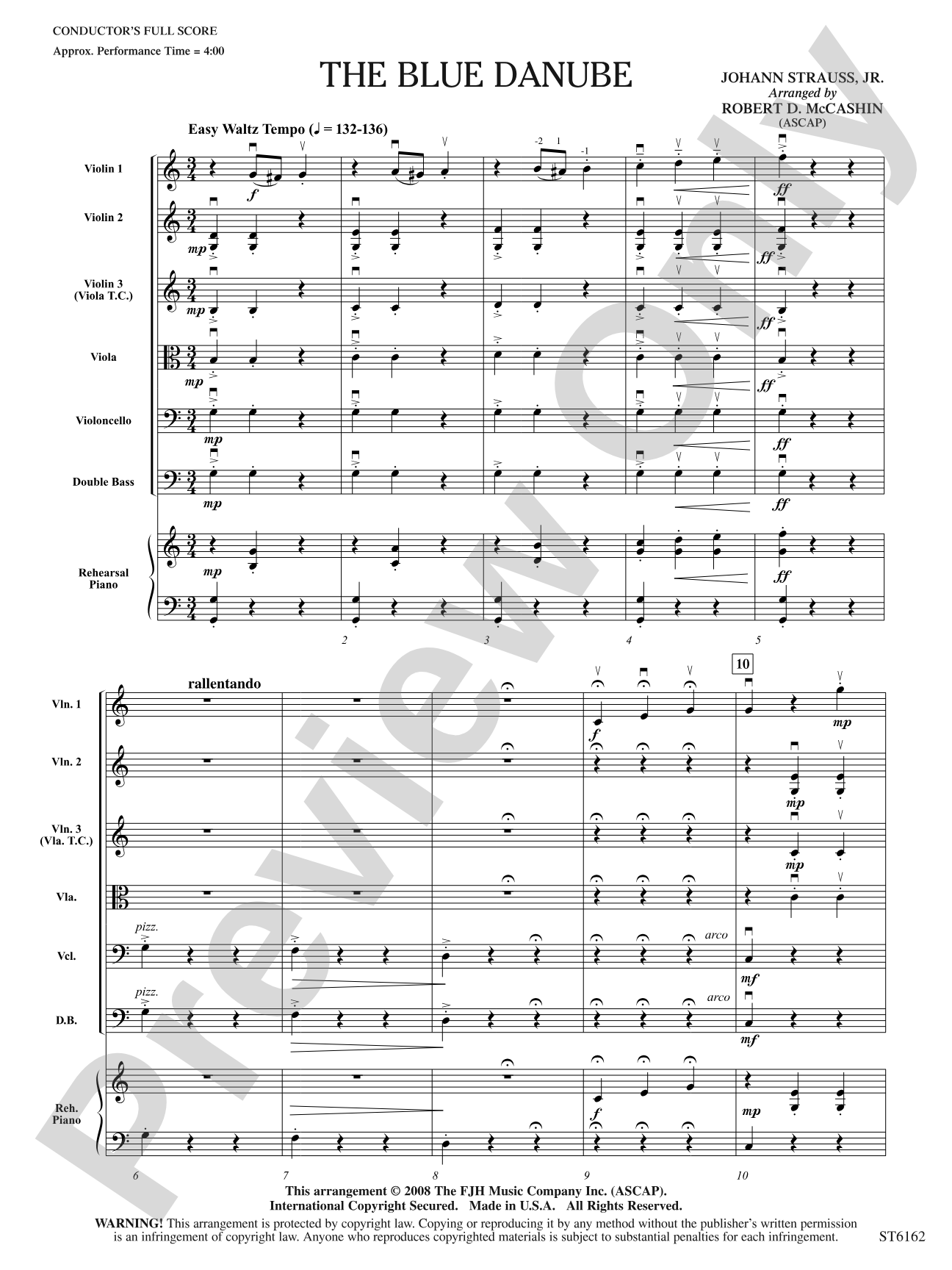
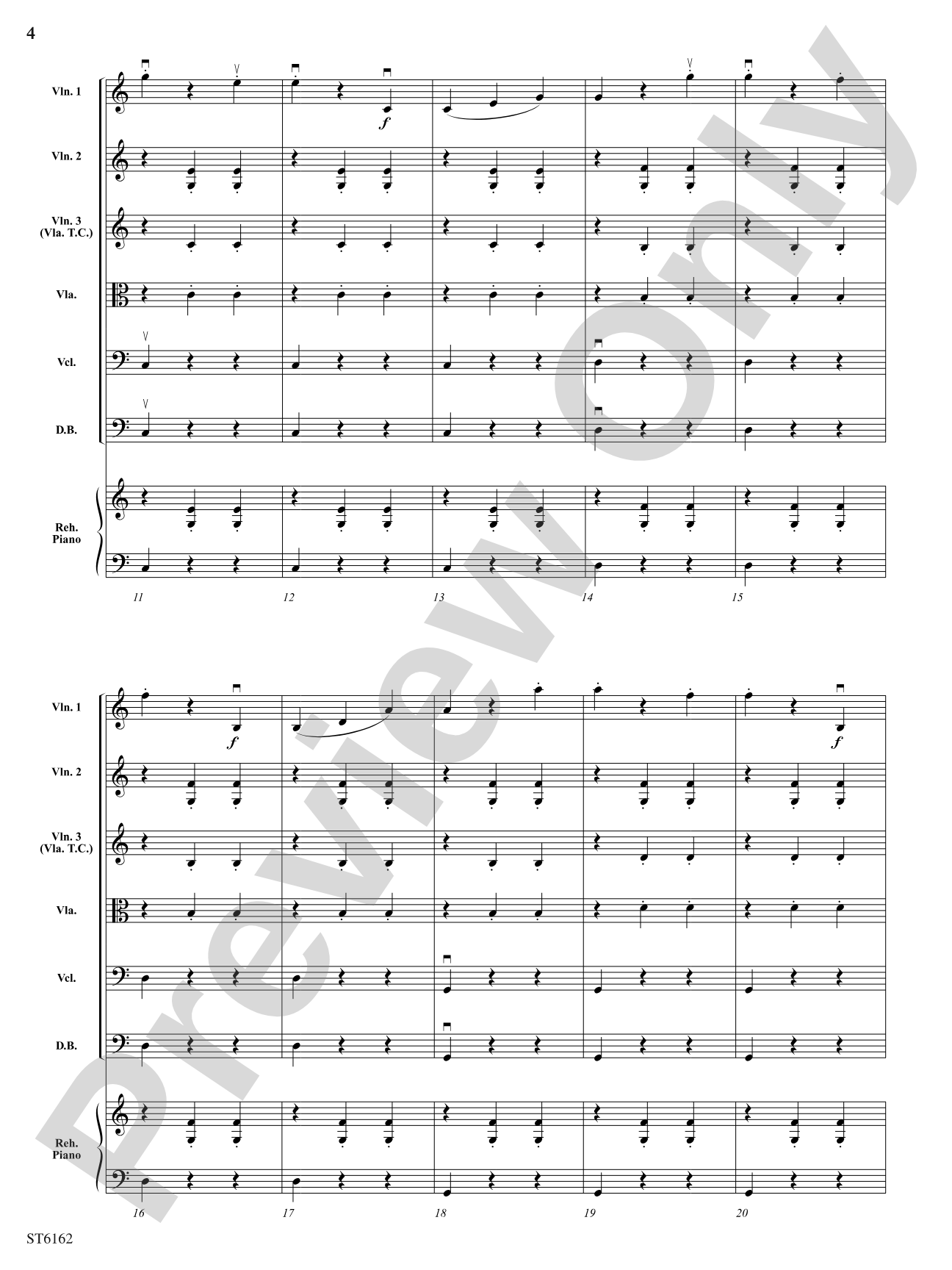
Expose your students to the music of Johann Strauss and one of the most famous waltzes of all time. Capturing the full elegance of the original while making it accessible for younger orchestras, this arrangement is a wonderful way to include some lighter classical music on your next program.


The Blue Danube: String Orchestra Conductor Score & Parts isn't in MakeMusic Cloud just yet...but it could be. Let us know you'd like to see it, and you'll help shape what comes next. In the meantime, start a free trial and dive into thousands of interactive titles your students can play along with today.
Request This Title
Tell us you want it.
Start Your Free Trial
Explore everything that's ready to play right now.
Sample Audio
1
Audio File
--:--
0:00
0:00
Sample Video
No sample videos found.
Additional Details
Series:
FJH Developing Strings
Publisher:
The FJH Music Company, Inc.
SKU:
98-DST6162
More about this title
About the Composer: Johann Strauss, Jr.
Johann Strauss, Jr. (1825-1899) earned his reputation as the "Waltz King" by composing over 500 works during his lifetime, transforming the waltz from a simple dance form into a sophisticated concert genre. His melodies became synonymous with Viennese elegance, and his orchestrations set the standard for light classical music that remains influential today.
Why we love this
This McCashin arrangement captures everything that makes the original so enduring: graceful phrasing, singable melodic lines, and the characteristic waltz rhythm students recognize instantly. At Grade 2.5, it gives younger orchestras access to a masterwork without sacrificing musical integrity, and the lighter orchestration means your ensemble can sound polished while focusing on ensemble control and stylistic refinement.
What to expect
Graceful and buoyant, with a sophisticated elegance that feels both intimate and celebratory. The waltz rhythm propels the music forward gently, allowing melodies to unfold with a natural warmth that engages both players and audiences without requiring dramatic gestures.
Who it's for
String orchestras in grades 6-8 or community ensembles looking to build musicianship through proven, culturally significant repertoire. Directors preparing a student orchestra for festival appearances will find this both accessible and impressive; the reduced scoring suits younger players while maintaining authentic Strauss character.
How to get the most out of it
- Shape each phrase with a gentle swell rather than maintaining a rigid dynamic; waltzes breathe naturally, and your string sections need room to voice the melody with warmth.
- Clarify the three-beat pulse through your conducting without emphasizing the downbeat too heavily; the elegance of the waltz depends on a light, lilting feel.
- Balance the melody prominently in the first violins while keeping inner voices transparent so harmonic motion supports rather than clutters the line.
- Tune the thirds and sixths between parts carefully; at this accessible level, intonation becomes the primary marker of polish and maturity.
How to use it
Program this alongside lighter contemporary works or other arrangements to create a "classical crossover" concert that demonstrates your orchestra's range in style. It pairs well with student compositions or shorter pedagogical pieces and works beautifully as a festival selection where audiences expect to hear recognizable, well-crafted music.
Skills your students will build
- Conducting and playing in 3/4 meter with clear waltz character
- Balancing melody and accompaniment in a string texture
- Phrase shaping and dynamic control without excessive expression
- Ensemble intonation and tuning of harmonic intervals
- Stylistic understanding of Viennese classical traditions