
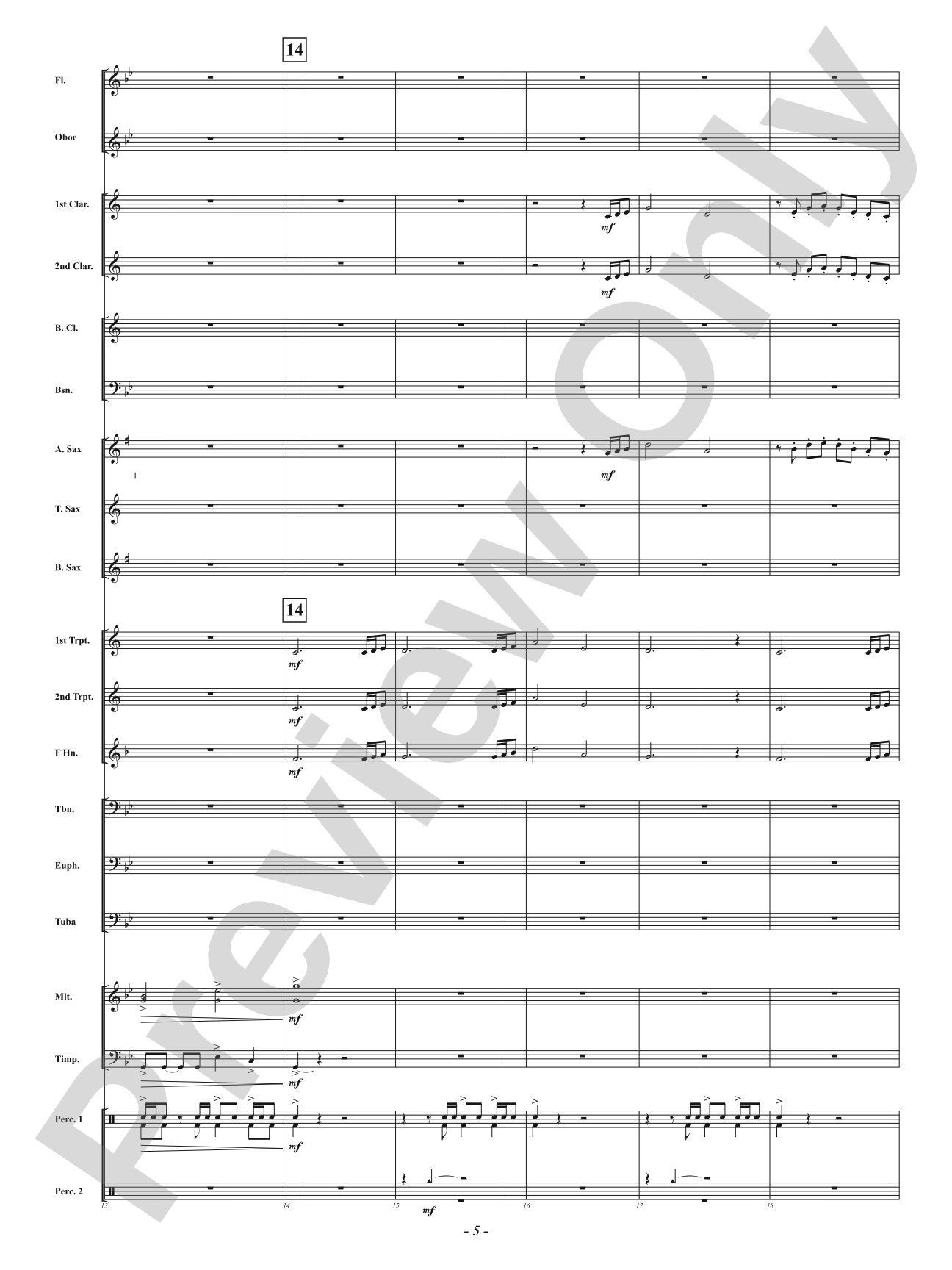
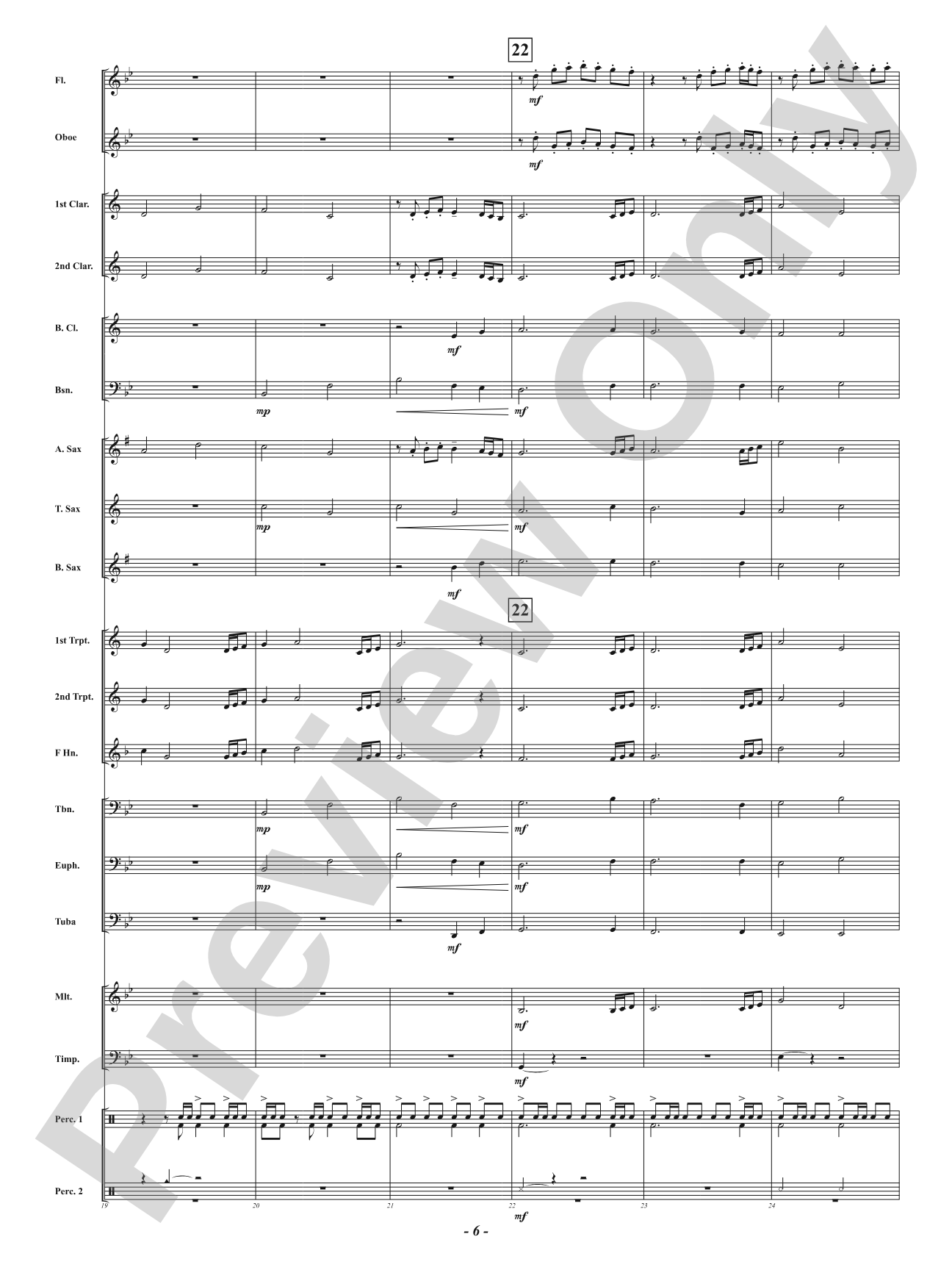
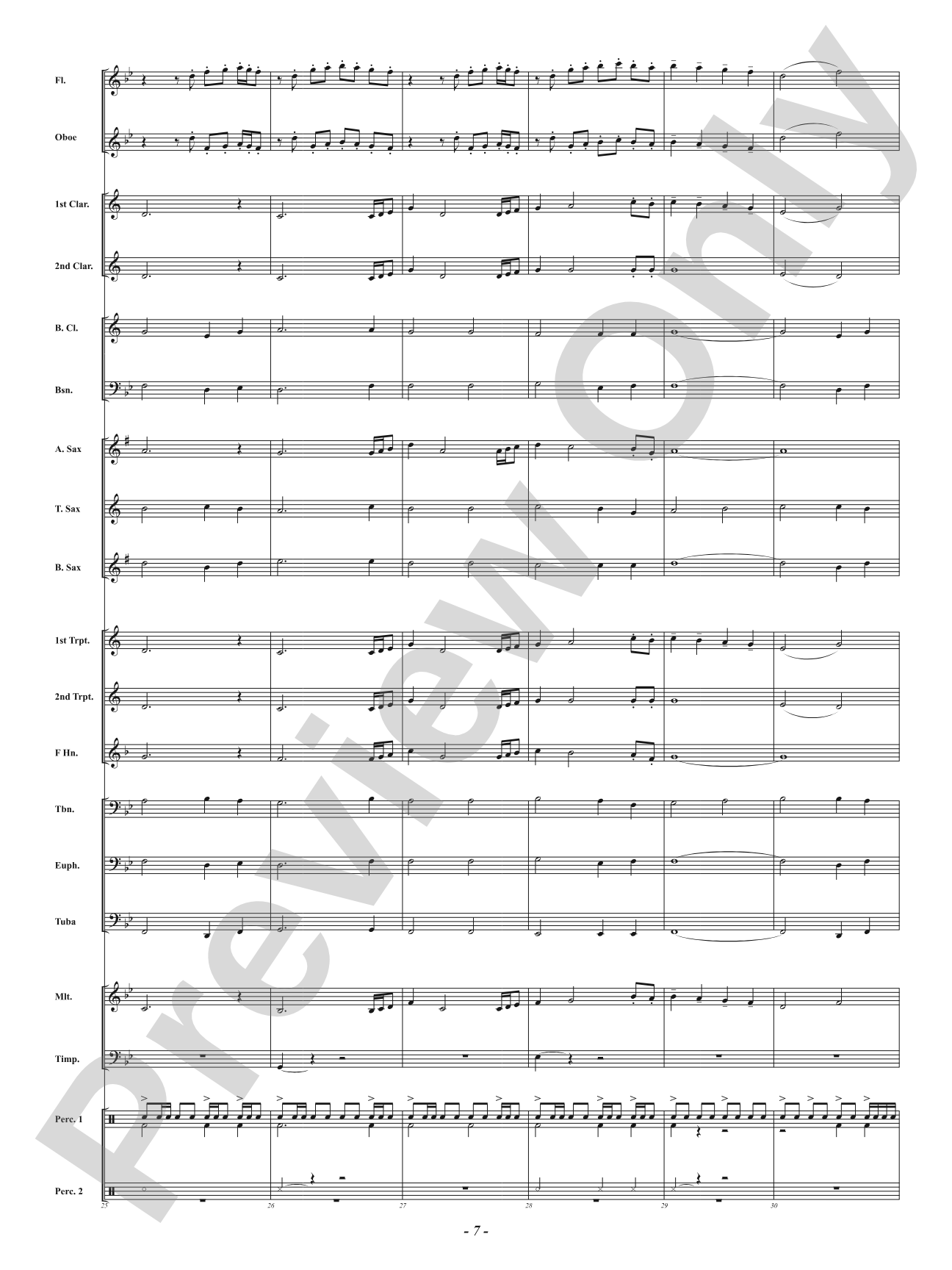
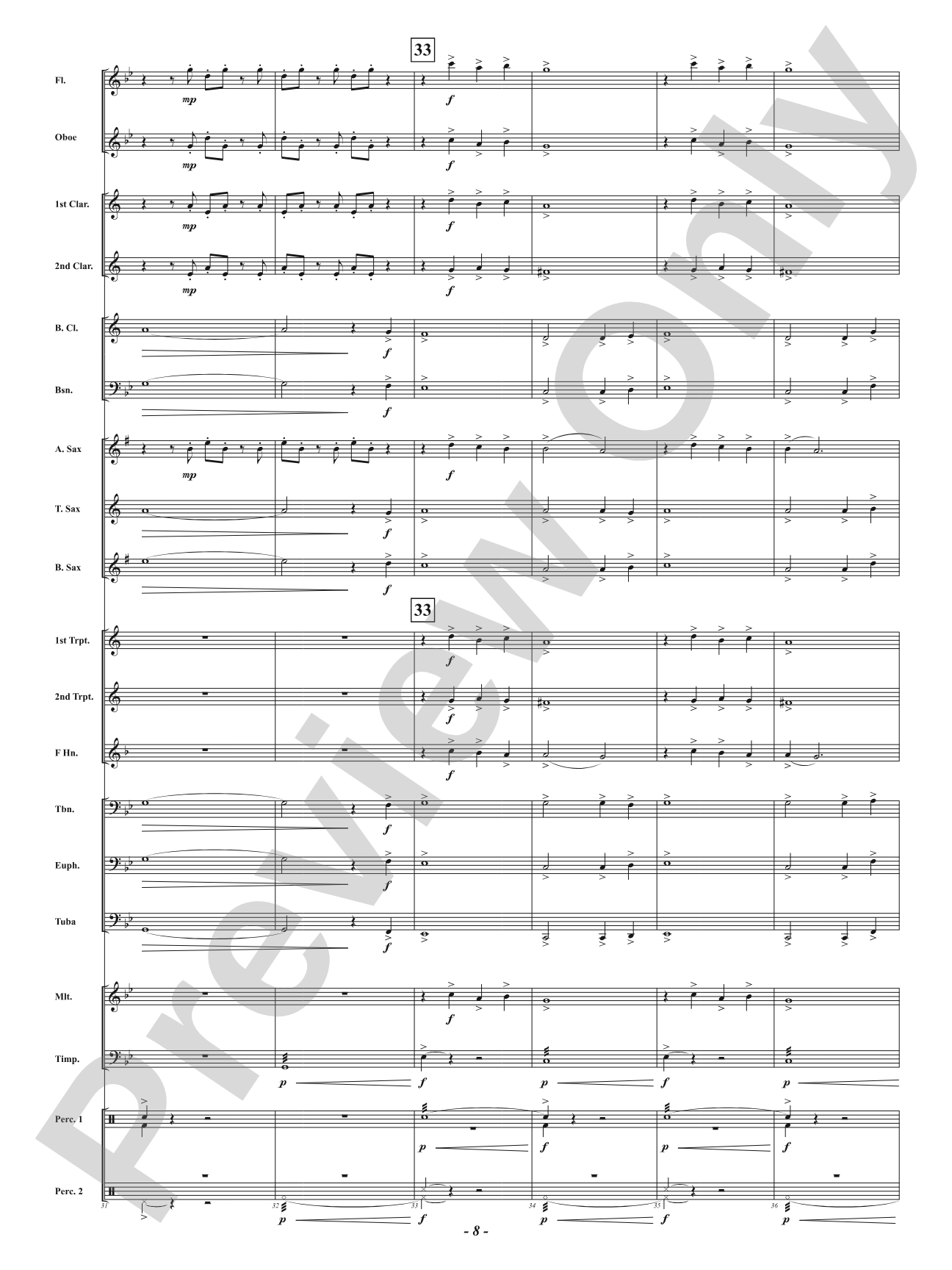
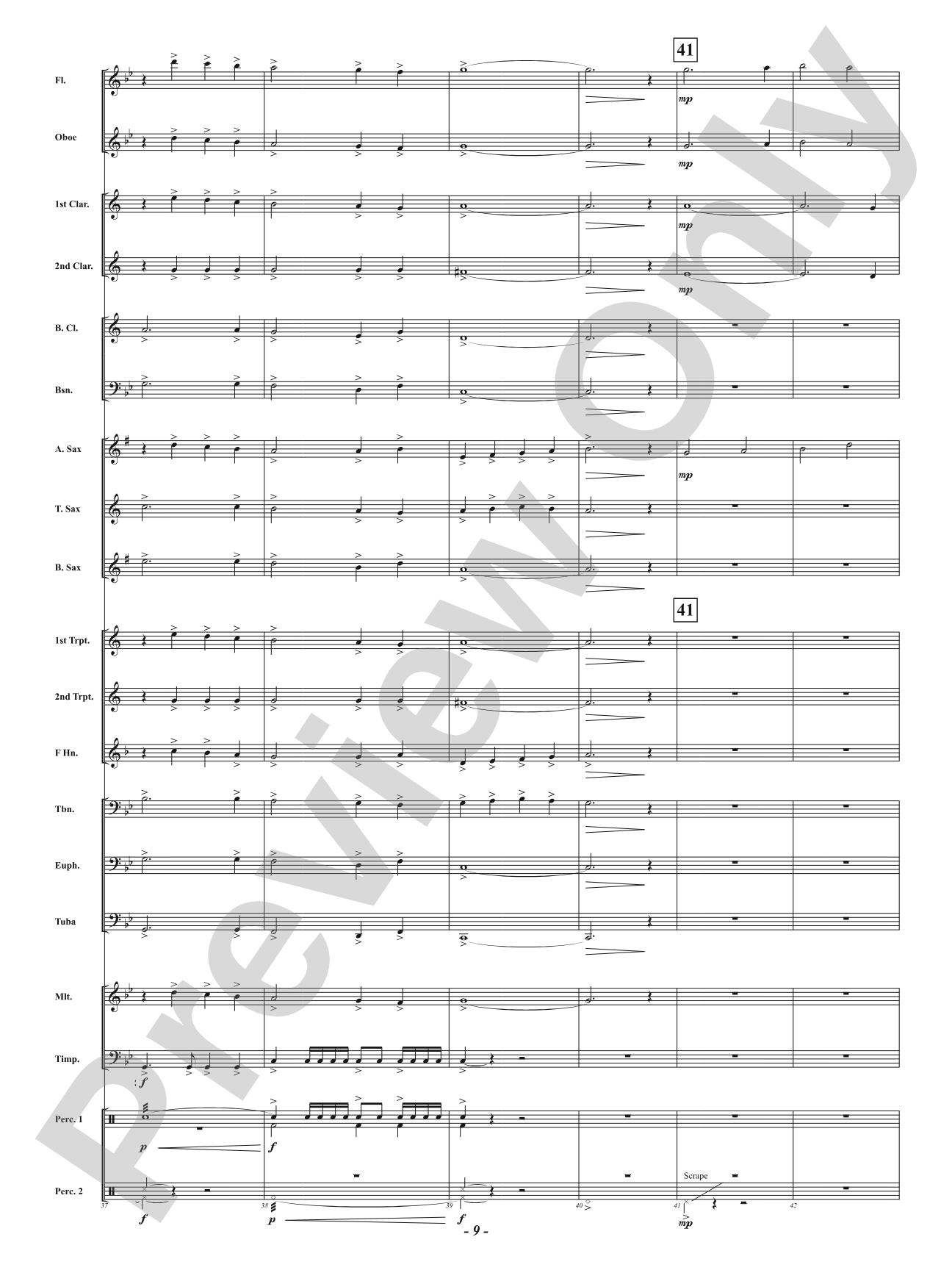
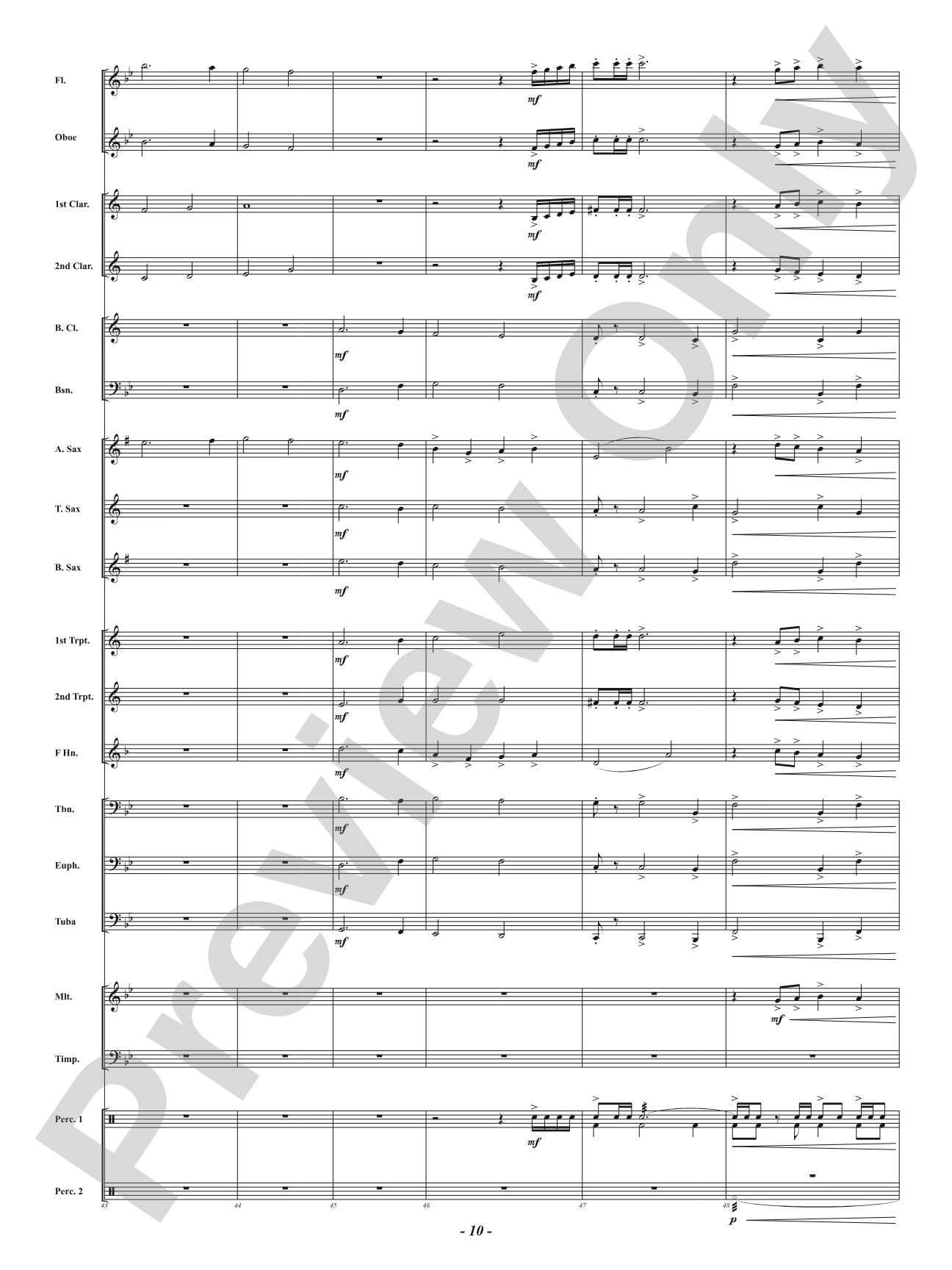
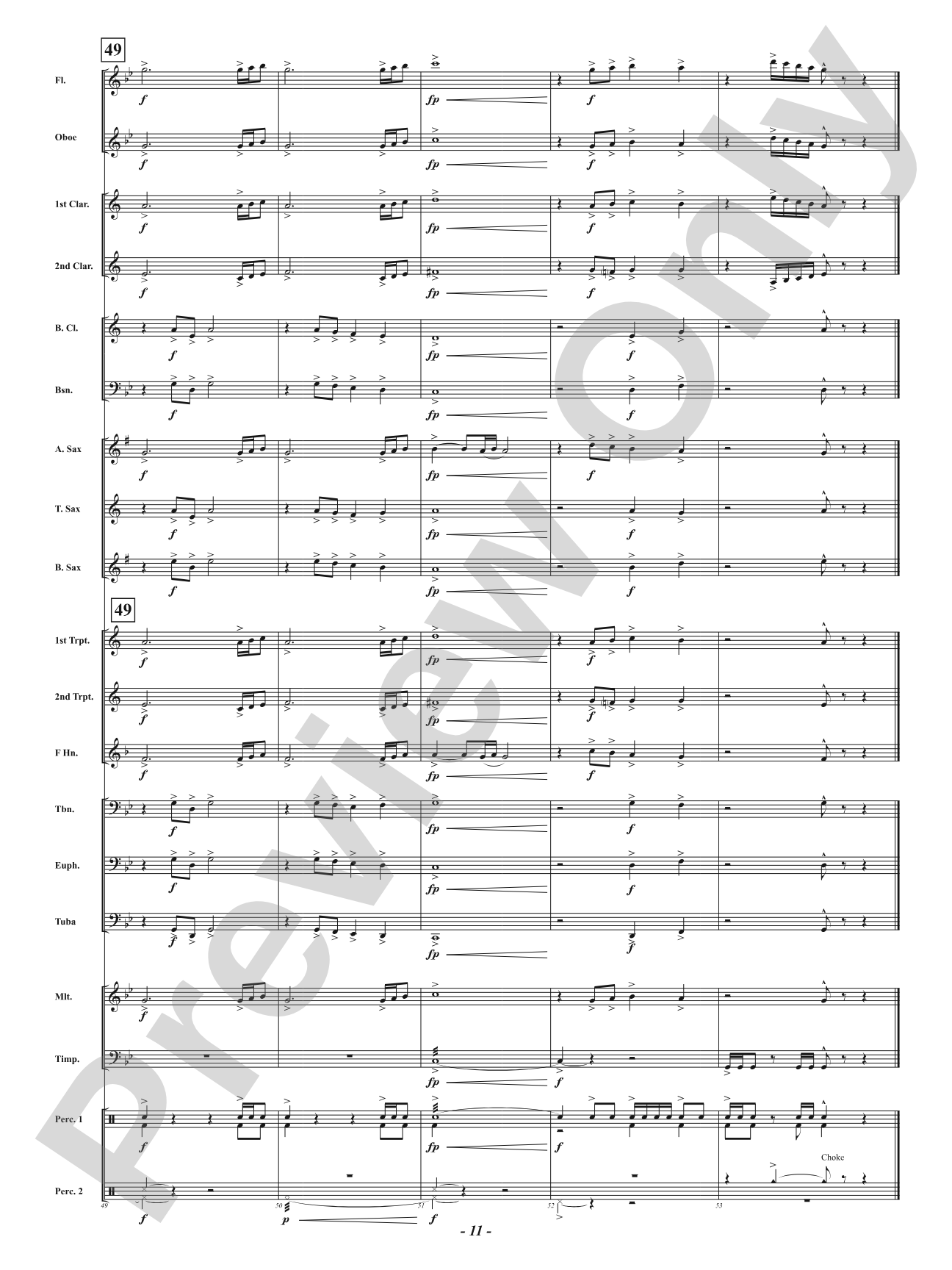


The Blacksmith's Blade: Concert Band Conductor Score & Parts
By Brian Bankston
Grade: 2.5
Item: 98-PK-RWS1938
$65.00
Pickup currently not available
Buy Extra Parts (Digital PDF Download)
Parts Added to Cart!
Description
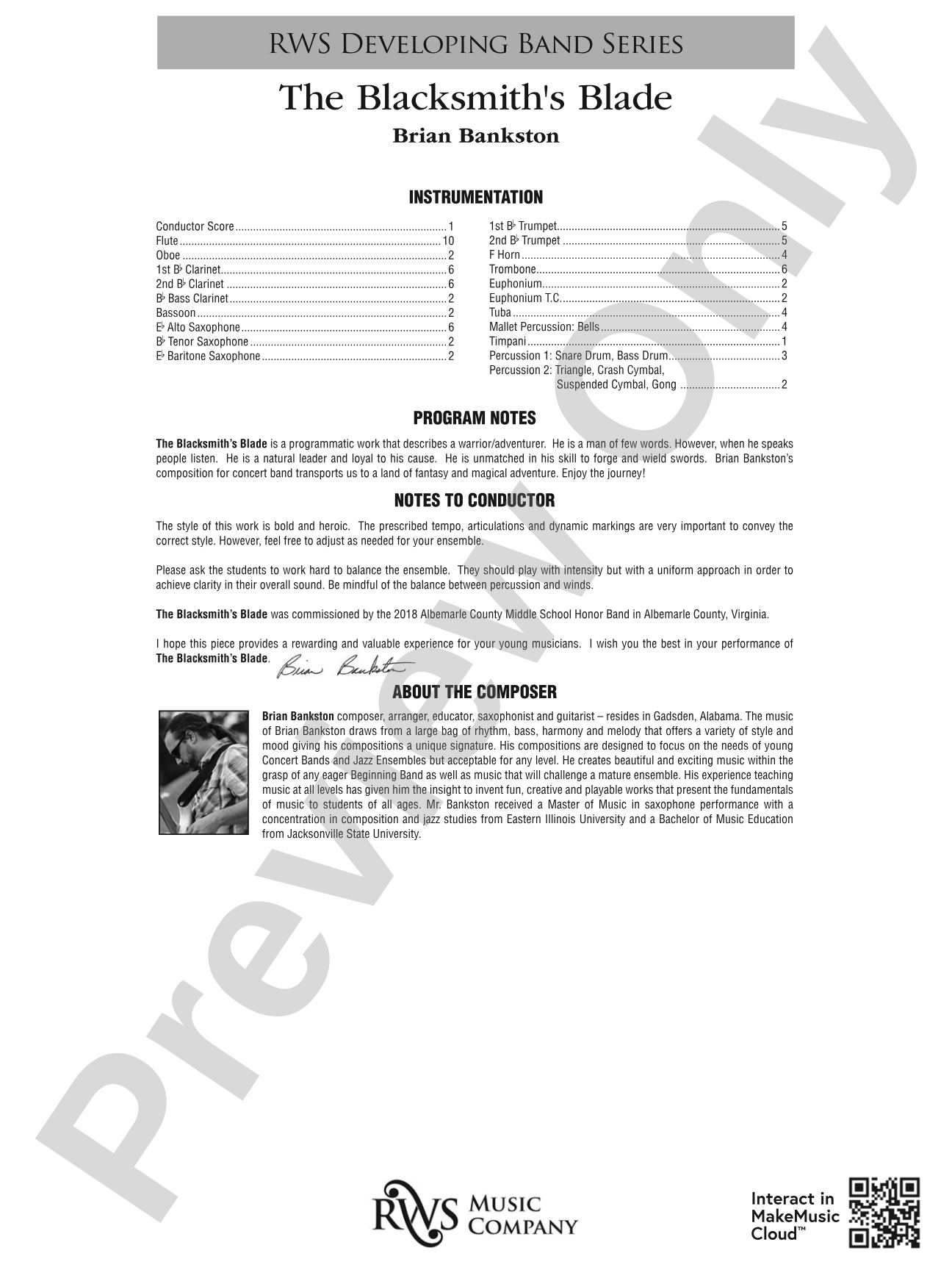
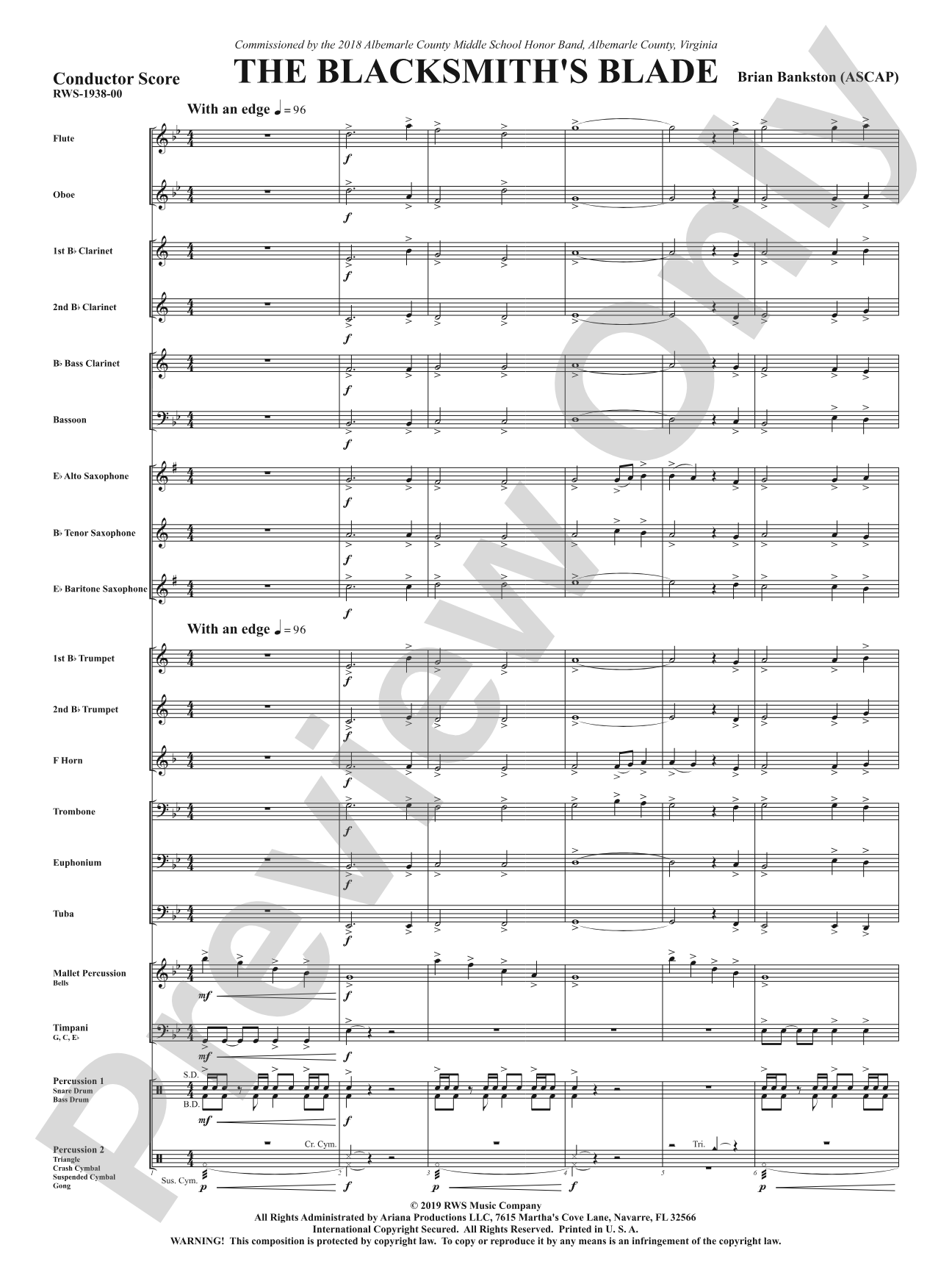
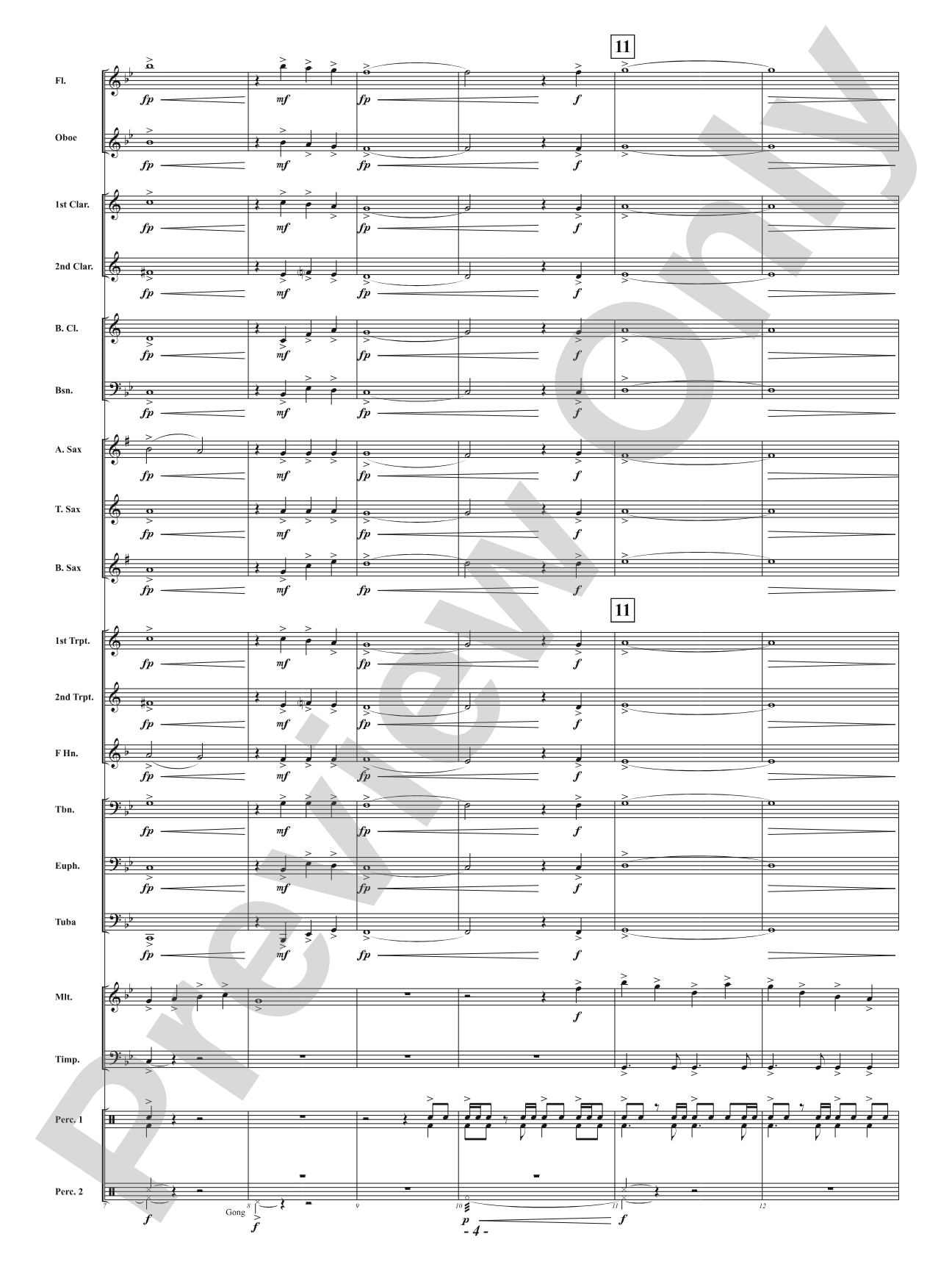
"The Blacksmith's Blade" explores courageous melodic content combined with rich harmonic support. Brian Bankston, an accomplished middle school director and composer, has expertly scored this exciting work for the developing concert band to reinforce sound fundamental tone production and technique while providing an exciting experience for musician and audience.
Original Item#: RWS-1938-00


Original Item#: RWS-1938-00
The Blacksmith's Blade: Concert Band Conductor Score & Parts isn't in MakeMusic Cloud just yet...but it could be. Let us know you'd like to see it, and you'll help shape what comes next. In the meantime, start a free trial and dive into thousands of interactive titles your students can play along with today.
Request This Title
Tell us you want it.
Start Your Free Trial
Explore everything that's ready to play right now.
Sample Audio
1
Audio File
--:--
0:00
0:00
Sample Video
No sample videos found.
Additional Details
Series:
RWS - Developing Band
Publisher:
RWS Music Company
SKU:
98-PK-RWS1938
More about this title
About the Composer: Brian Bankston
Brian Bankston brings the perspective of a working middle school director to his compositional voice. His understanding of developing musicians informs every orchestration decision, balancing the pedagogical needs of intermediate ensembles with genuine musical substance.
Why we love this
Bankston understands what developing bands need: music that sounds substantial without demanding virtuosity. The harmonic language here is sophisticated enough to engage your ears during rehearsal, and the melodic writing gives students something genuinely worth playing rather than a glorified etude. It sits perfectly at 2.5, challenging fundamentals without frustrating players who are still building their foundation.
What to expect
Brave and purposeful. The blacksmith imagery suggests forge and craft, metallurgical strength conveyed through deliberate melodic motion and harmonic weight. The piece captures the dignity of labor without veering into bombast, engaging both player and listener with a sense of noble work.
Who it's for
Concert bands at the 2.5 grade level who are ready for programmatic content but still developing core technique and intonation. This works well for groups that need music with real musical substance while maintaining accessibility across all sections.
How to get the most out of it
- Shape the melodic lines dynamically even within the middle-school range; ask your section leaders to sing their parts first so players hear the arc rather than playing note-to-note.
- Balance the rich harmonies by having one section rehearse the melody alone, then add harmonic parts one layer at a time; this prevents the supporting voices from drowning out the main line.
- Mark breathing points clearly on parts and establish a consistent approach to phrase endings; tighter control of releases will tighten the overall ensemble sound.
- Use the contrasts in dynamics and texture as rehearsal landmarks; label major sections by character so transitions feel intentional rather than abrupt.
How to use it
Program this as a concert opener or closer where you want to establish serious musical intent without technical intimidation. It works equally well in a contest setting or as a spring concert feature that bridges the gap between foundational repertoire and more ambitious works your band might tackle later.
Skills your students will build
- Sustaining tone production through longer phrases
- Balancing melody and accompaniment across section ranges
- Reading and executing programmatic musical intent
- Controlling dynamic shape within a moderate range