The Big Band Theory Cover Image

The Big Band Theory: Jazz Ensemble Conductor Score & Parts

$42.00 USD
Sale price  $42.00 USD Regular price 
Skip to product information
The Big Band Theory Cover Image

The Big Band Theory: Jazz Ensemble Conductor Score & Parts

By Vince Gassi

Grade: 1 (Easy)

Item: 00-43670

makemusic Cloud badge

Need it now?

Buy Digital Version
$42.00
Shipped

One moment…

Description
This fun swing chart, "Big Band Theory," is played around 150 BPM with written solos for tenor 1 and trombone 1. Vince Gassi included easy brass ranges, an interlude, unison section solis, and optional parts to include vibes. It's all here! (3:15) This title is available in MakeMusic Cloud.

Don't just read it, hear it, play along with it, and watch your students grow with it. In MakeMusic Cloud, The Big Band Theory: Jazz Ensemble Conductor Score & Parts comes alive with professional accompaniment, adjustable tempo, and built-in practice tools that turn solo practice into real progress.

Sample Pages

Sample Audio
0:00
0:00
Sample Video
Additional Details
Series: First Year Charts for Jazz Ensemble
Publisher: Alfred Music
Page Count: 86
UPC: 038081500218
SKU: 00-43670

More about this title

About the Composer: Vince Gassi
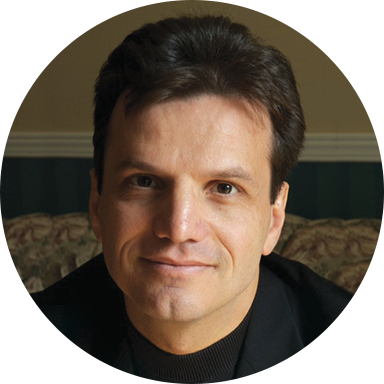
Vince Gassi

Vince Gassi has established himself as a prolific composer with over 100 published titles since joining Alfred Music in 2006. His work balances immediate appeal with genuine musical substance, earning regular performances at prestigious festivals and clinics, including the Midwest Clinic. He holds a Bachelor of Music from the University of Western Ontario and studied composition and arranging at the Dick Grove School of Music in Los Angeles before completing a Ph.D. at York University in Toronto.

With 25 years of classroom experience teaching instrumental music at elementary and secondary levels, Gassi brings deep pedagogical insight to his writing. He remains an active guest conductor, adjudicator, and clinician across North America, leading seminars on creative engagement and digital workflows for music directors. His commissions have been recorded and performed internationally, reflecting his standing in both educational and professional circles.

Why we love this

Big Band Theory delivers genuine swing energy without sacrificing accessibility. Gassi's scoring choices (easy brass ranges, an interlude that breaks up the momentum, and optional vibes) show a director who understands what first-year jazz ensembles can actually pull off, while the written tenor and trombone solos give your section leaders something real to dig into musically.

What to expect

Infectious and driving. The swing groove locks in immediately, pulling the ensemble forward with unmistakable momentum. Moments of unison trading and the interlude's structural breathing room keep the energy fresh and prevent fatigue, while the tenor and trombone solos add personality and showcase individual voices without losing sight of the ensemble sound.

Who it's for

Jazz directors building their first-year ensemble library. Students at the grade 1 level gain exposure to swing style and solo writing without being overwhelmed by range demands or complex changes. The written solos and optional parts make this flexible enough to match your ensemble's actual roster.

How to get the most out of it

  • Lock the rhythm section into the 150 BPM swing feel early in rehearsal; clean precision from drums, bass, and piano sets up everything else.
  • Balance the unison soli passages so they lock in tight. These moments showcase ensemble cohesion and give the piece structural definition.
  • Work the tenor 1 and trombone 1 solos separately before full ensemble run-throughs. Each soloist needs space to develop phrasing and command.
  • Use the interlude as a reset point in rehearsal. It's a natural place to breathe and can serve as a confidence builder for your ensemble midway through the performance.

How to use it

This works well early in your jazz calendar when you're building foundational swing vocabulary. The approachable level and upbeat character suit fall festivals and winter concerts equally, and its 3:15 duration fits neatly into both informal performances and formal contest settings.

Skills your students will build

  • Swing rhythm feel and jazz phrasing in a driving tempo (150 BPM)
  • Reading and executing written solo passages over chord changes
  • Ensemble balance and unison articulation in the soli sections
  • Trumpet and trombone range security with conservative voicing
  • Jazz comping and time-feel from the rhythm section

You May Also Like
