

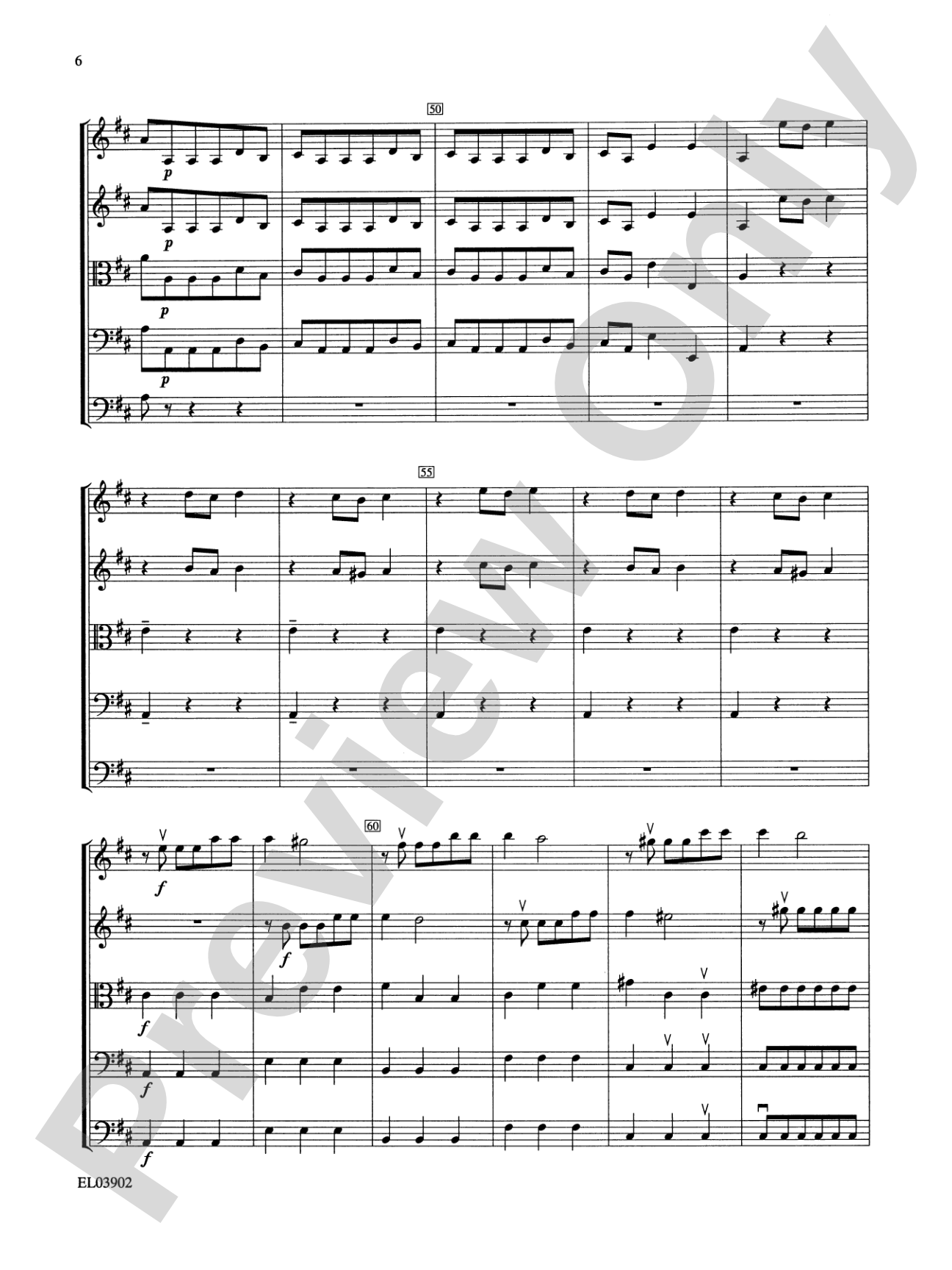
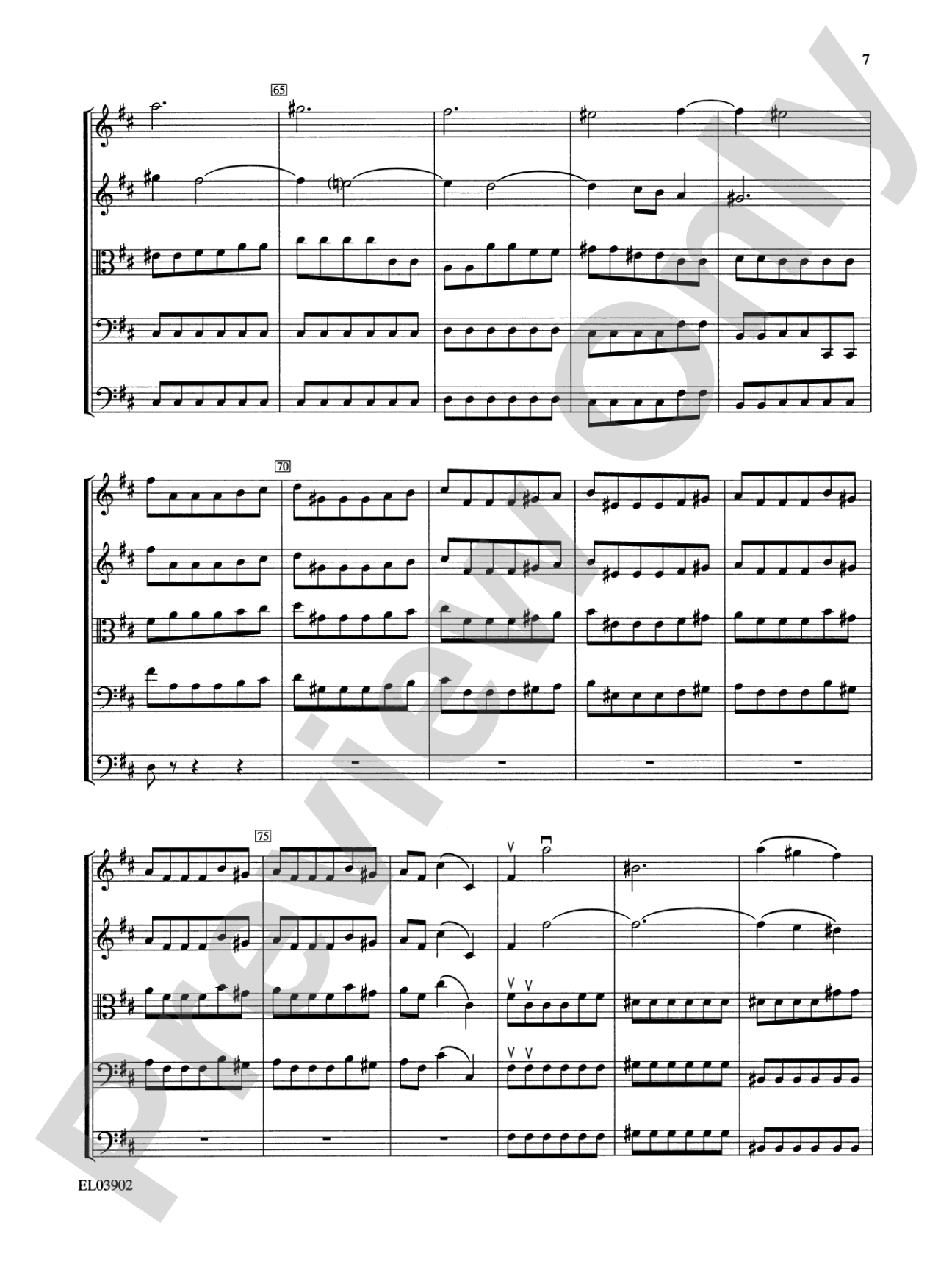
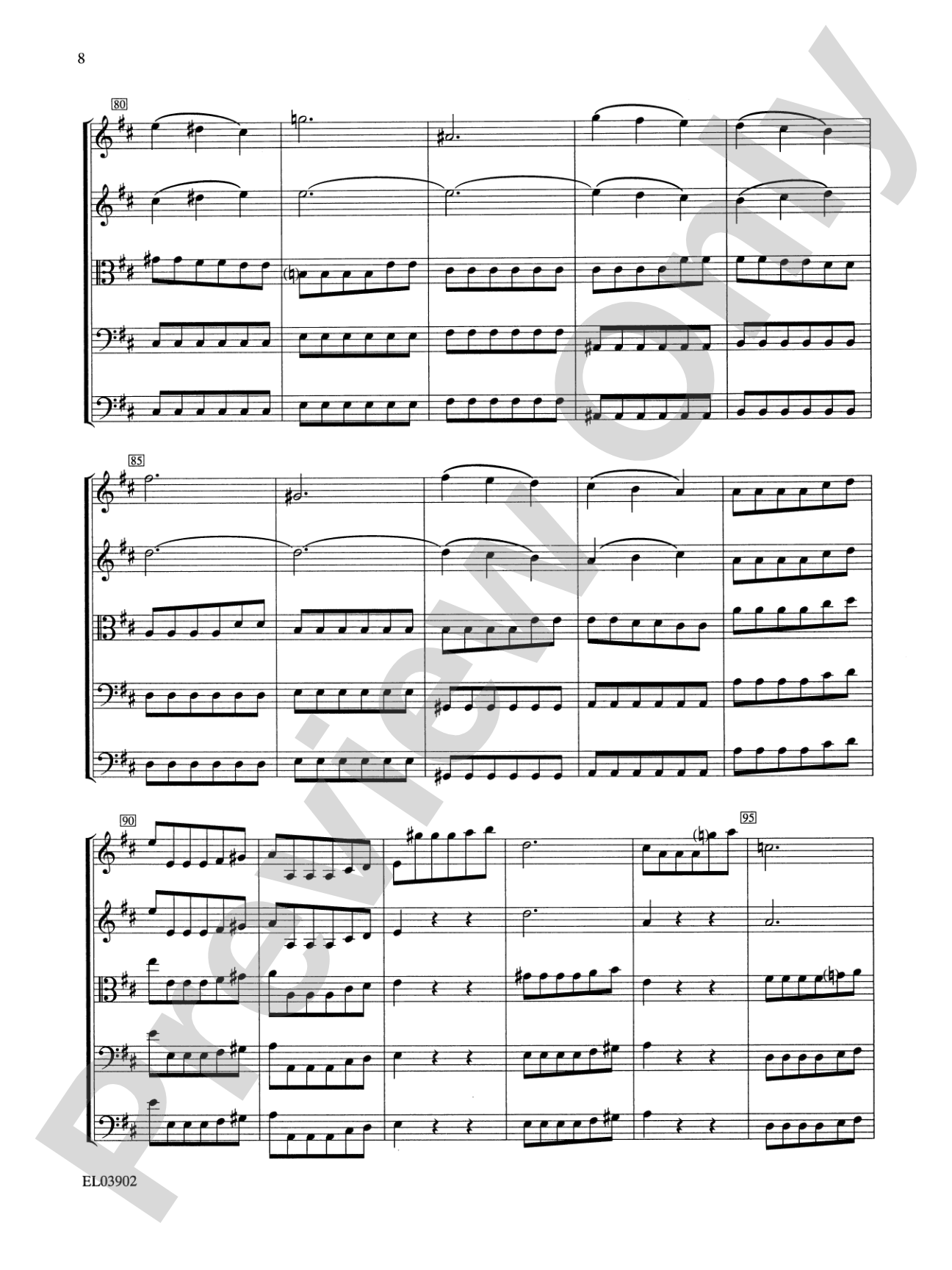
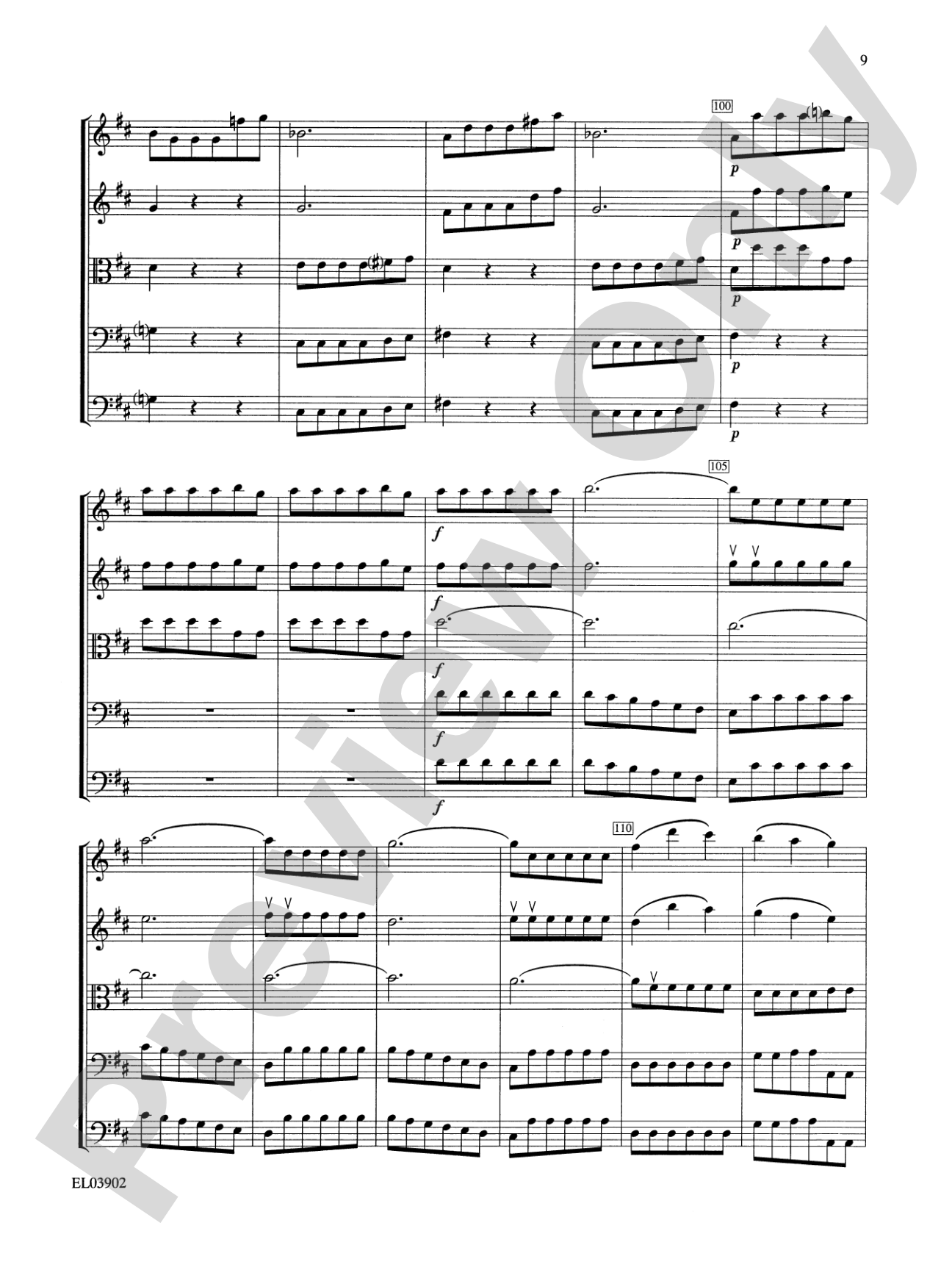
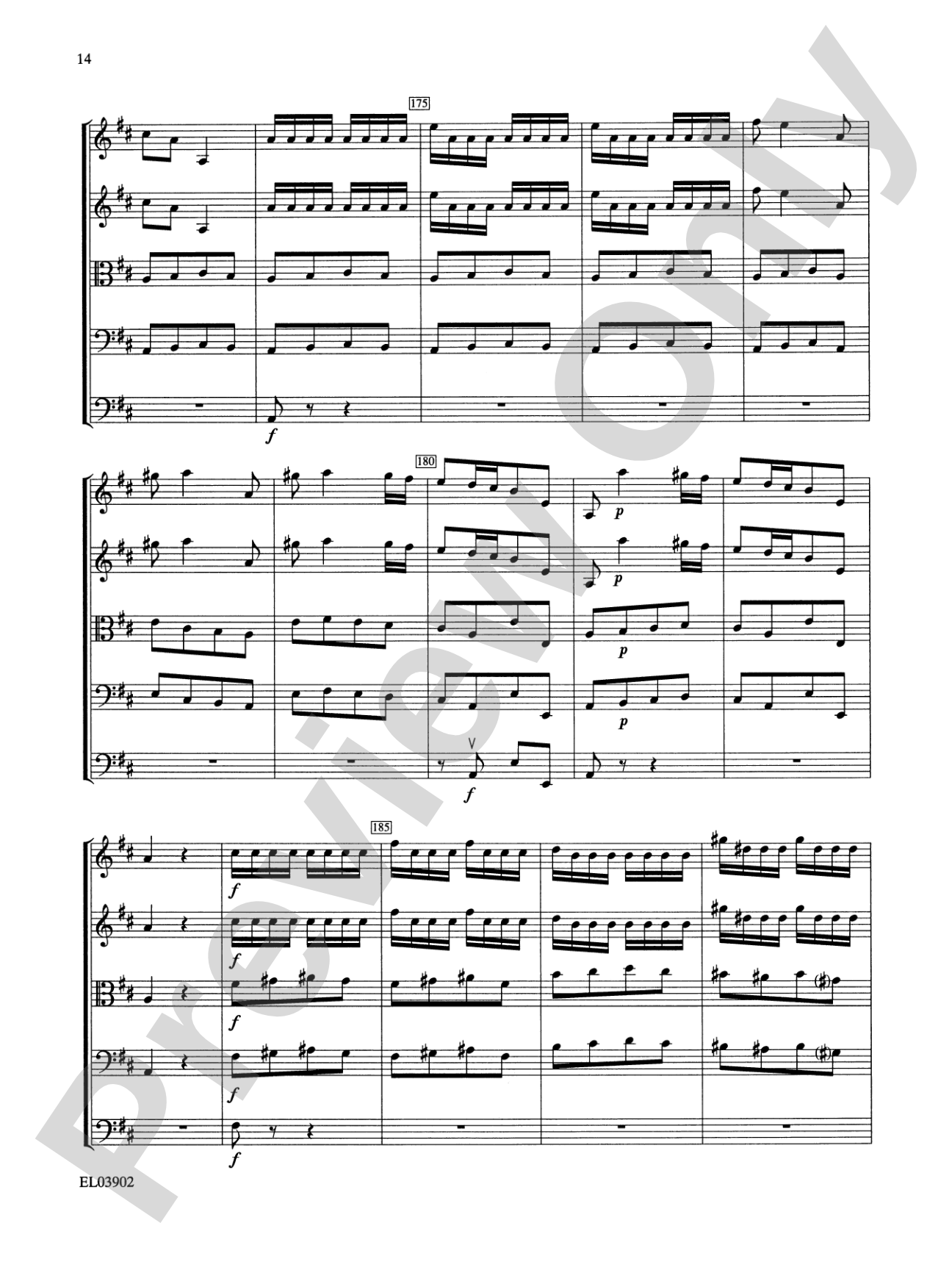
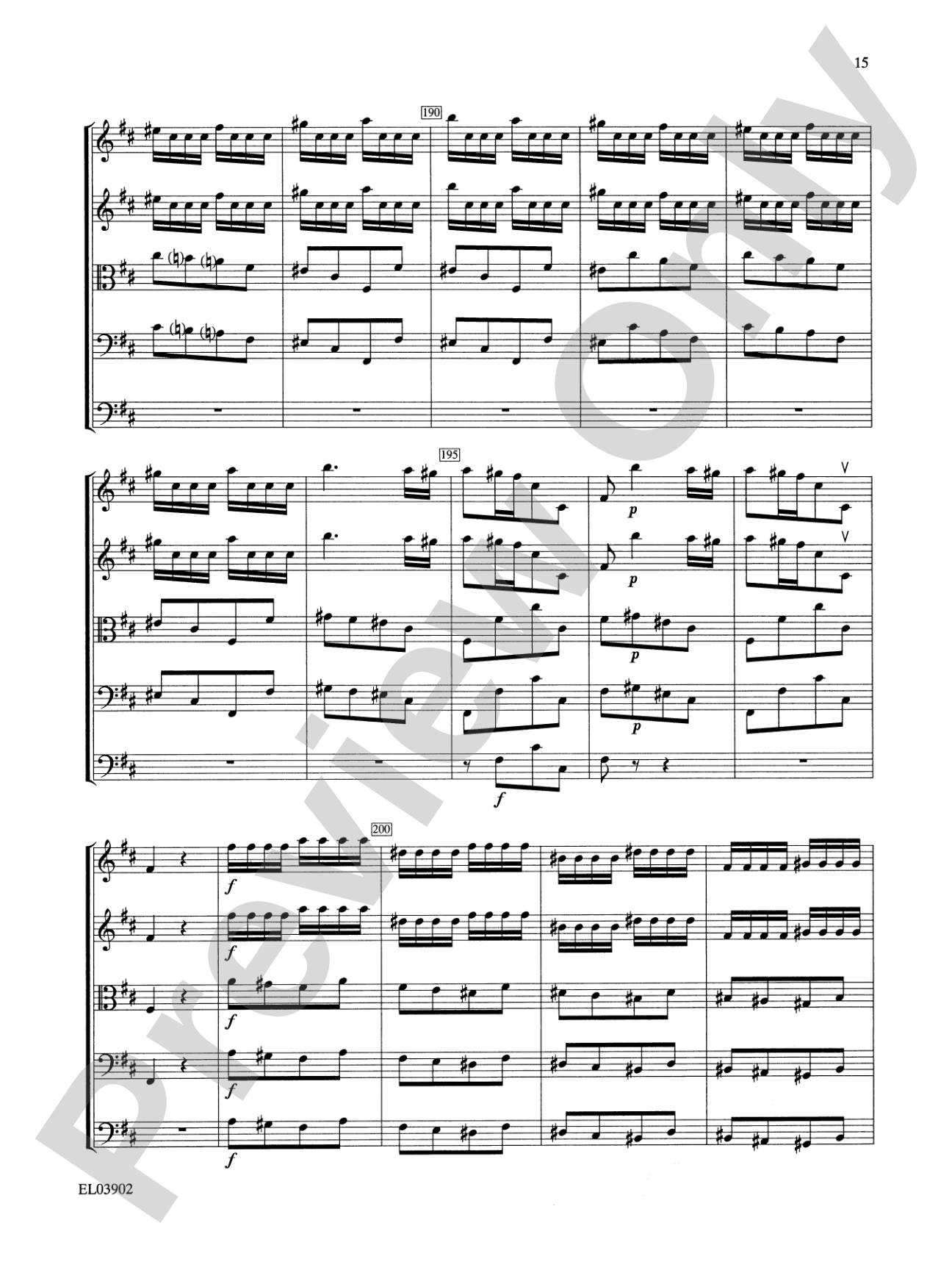
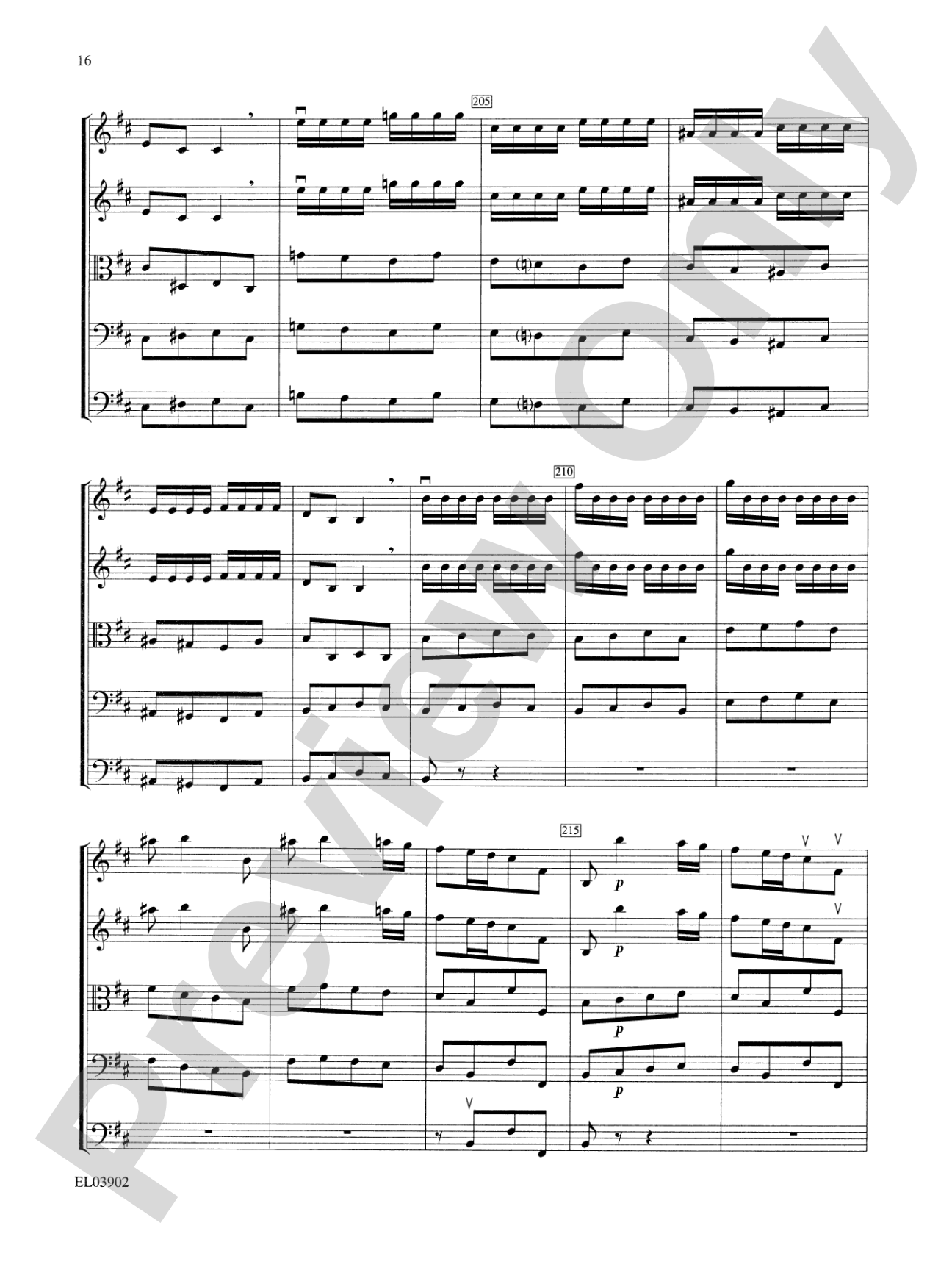
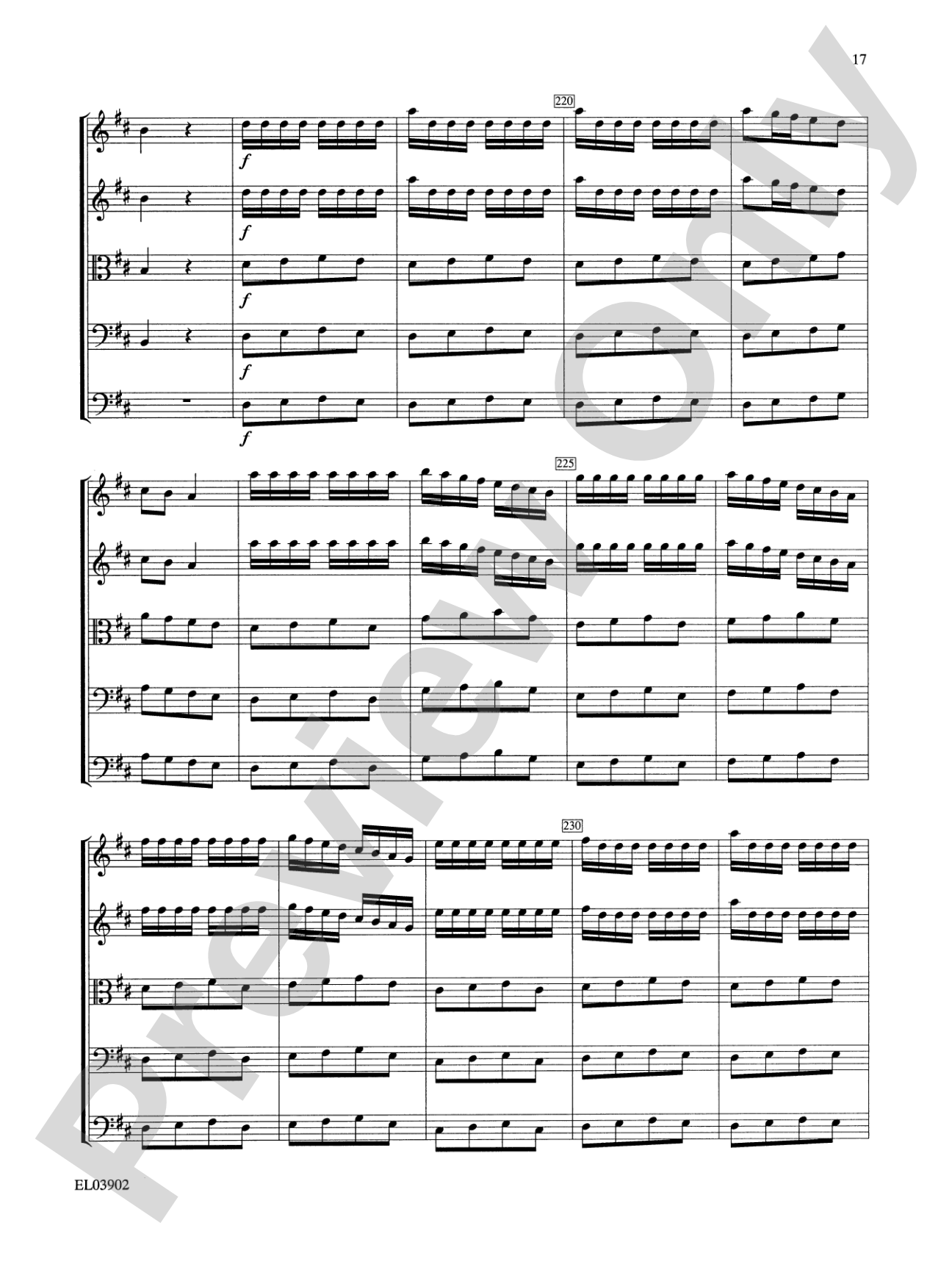

The Best of Antonio Vivaldi Concertos, Volume One: For String Orchestra or String Quartet: Piano
For String Orchestra or String Quartet
[Antonio Vivaldi] Ed. Paul Paradise
Level: Medium-Advanced
Item: 00-PB-0002642
$22.95
Pickup currently not available
Related Items
The Best of Antonio Vivaldi Concertos, Volume One: Score |
$22.95
|
View | |
The Best of Antonio Vivaldi Concertos, Volume One: 1st Violin Book |
$6.99
|
View | |
The Best of Antonio Vivaldi Concertos, Volume One: 2nd Violin Book |
$6.99
|
View | |
The Best of Antonio Vivaldi Concertos, Volume One: Viola Book |
$6.99
|
View | |
The Best of Antonio Vivaldi Concertos, Volume One: Cello Book |
$6.99
|
View | |
The Best of Antonio Vivaldi Concertos, Volume One: String Bass Book |
$6.99
|
View |
Description
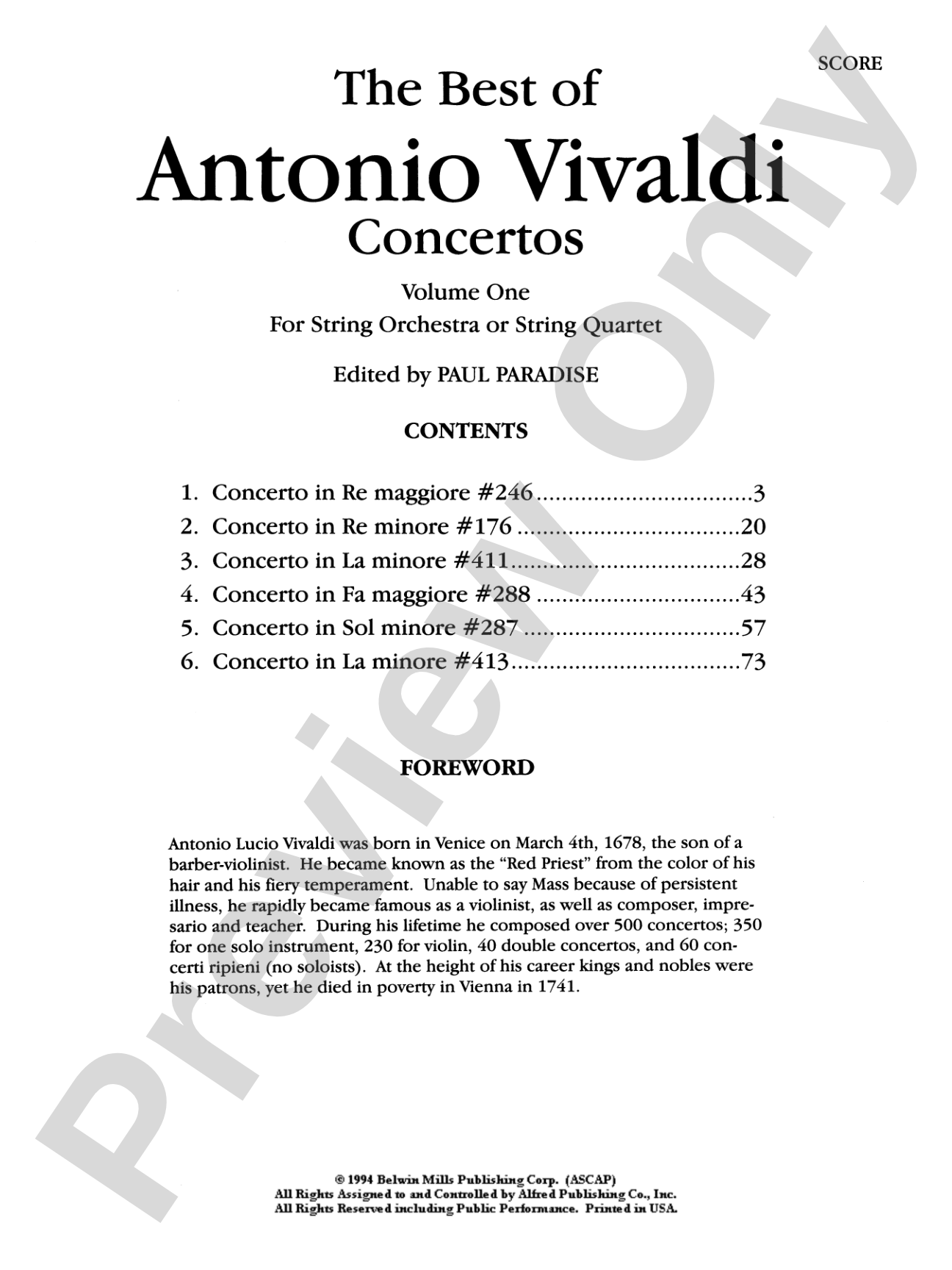
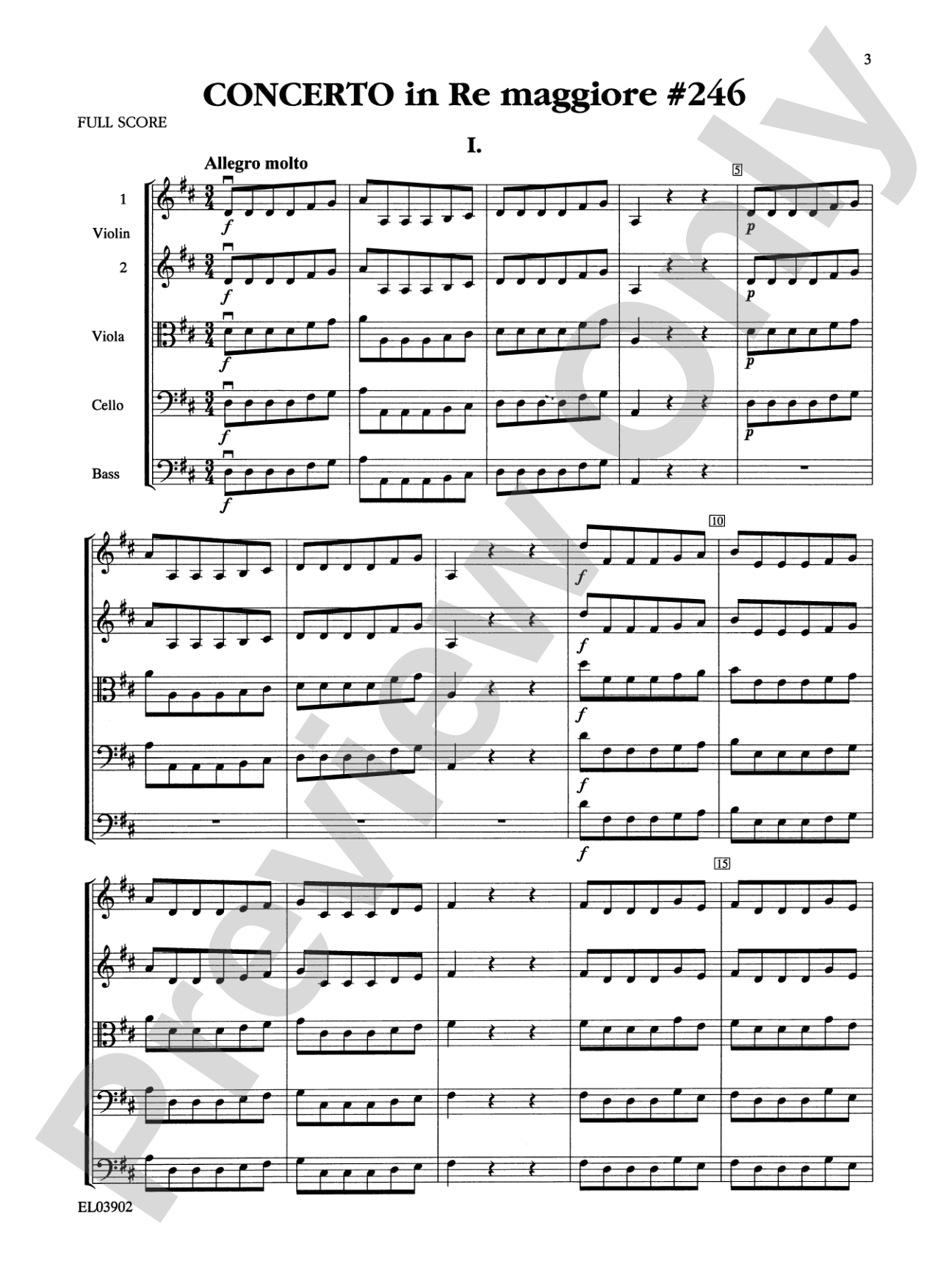
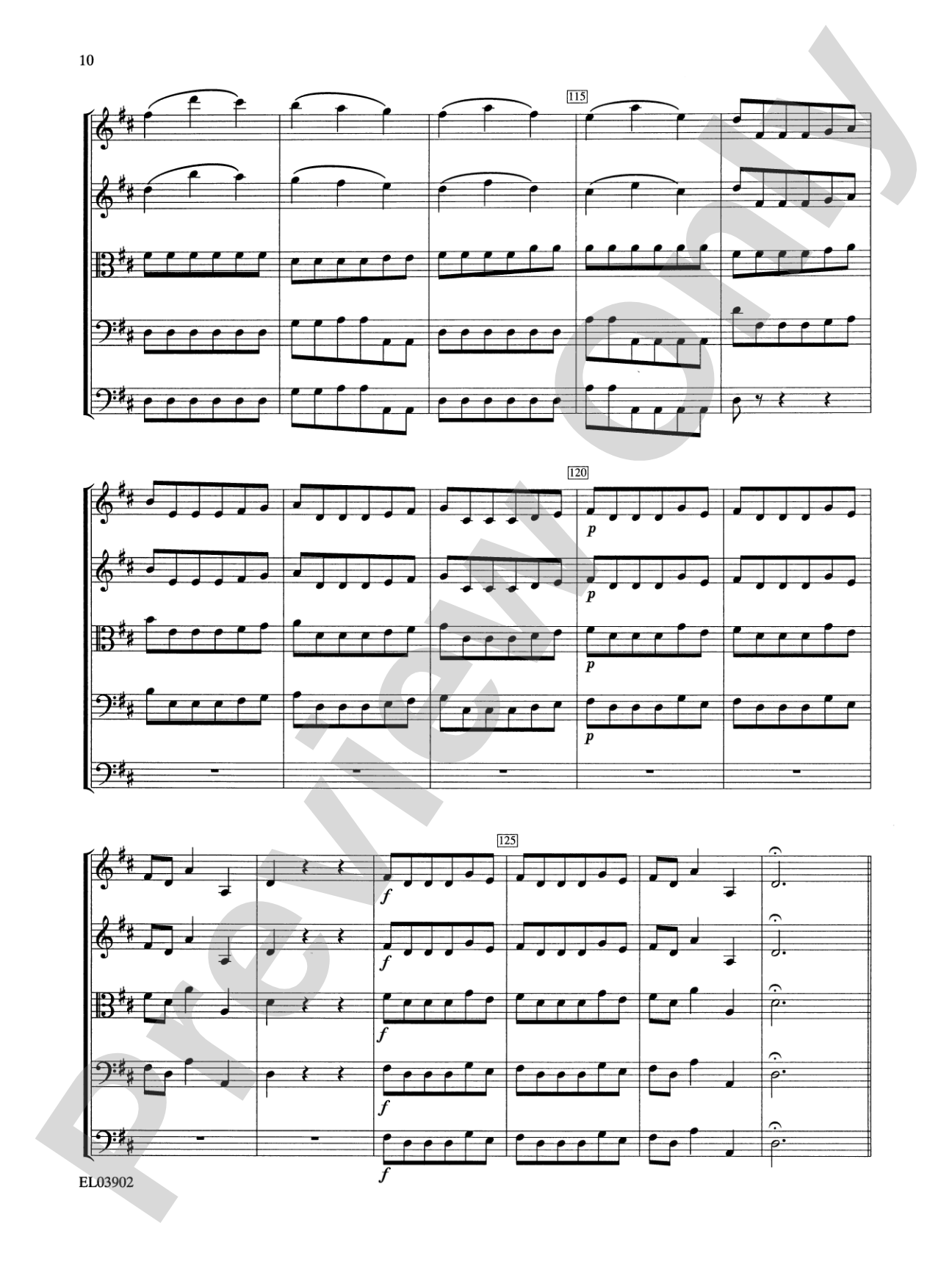
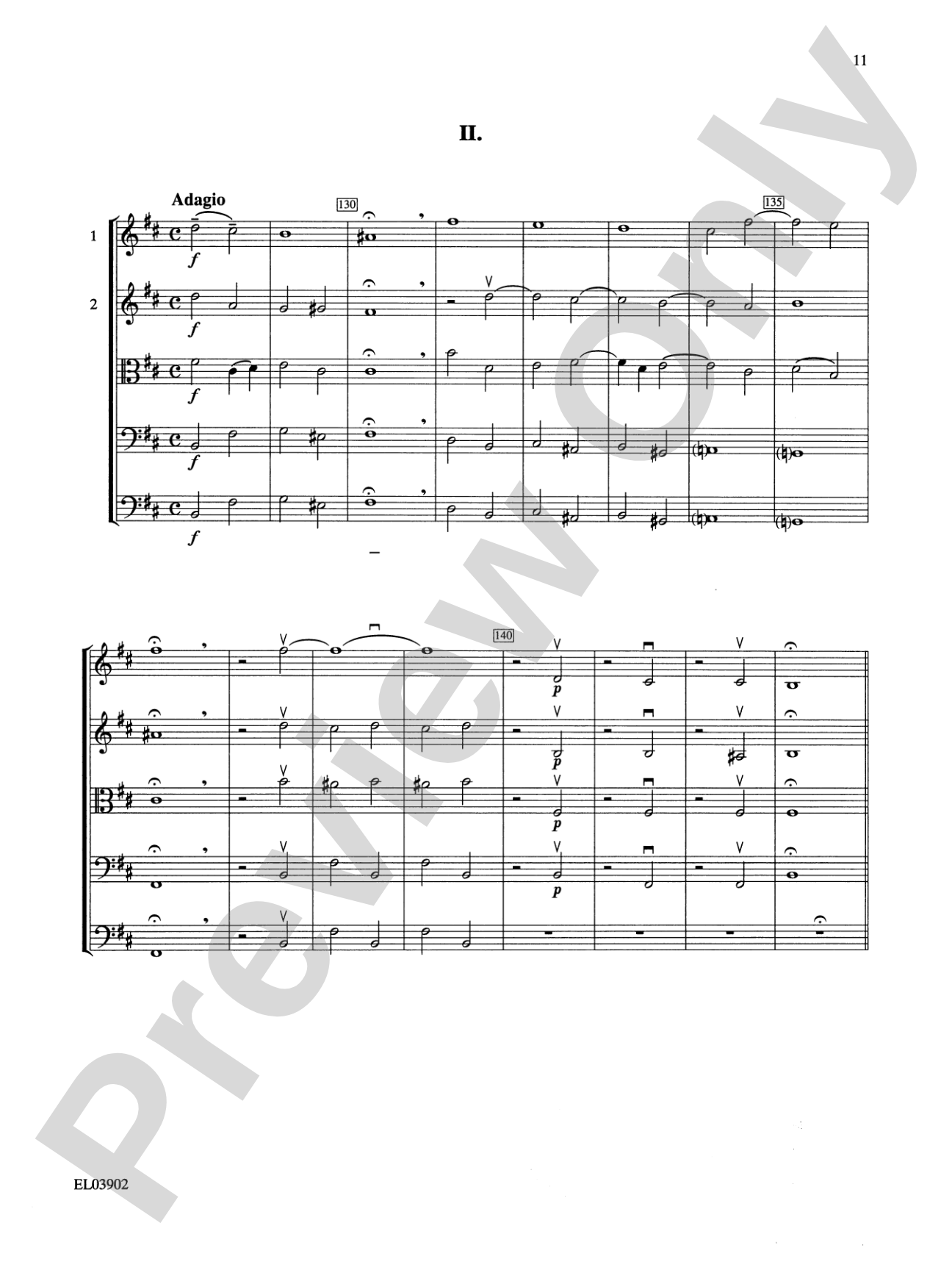
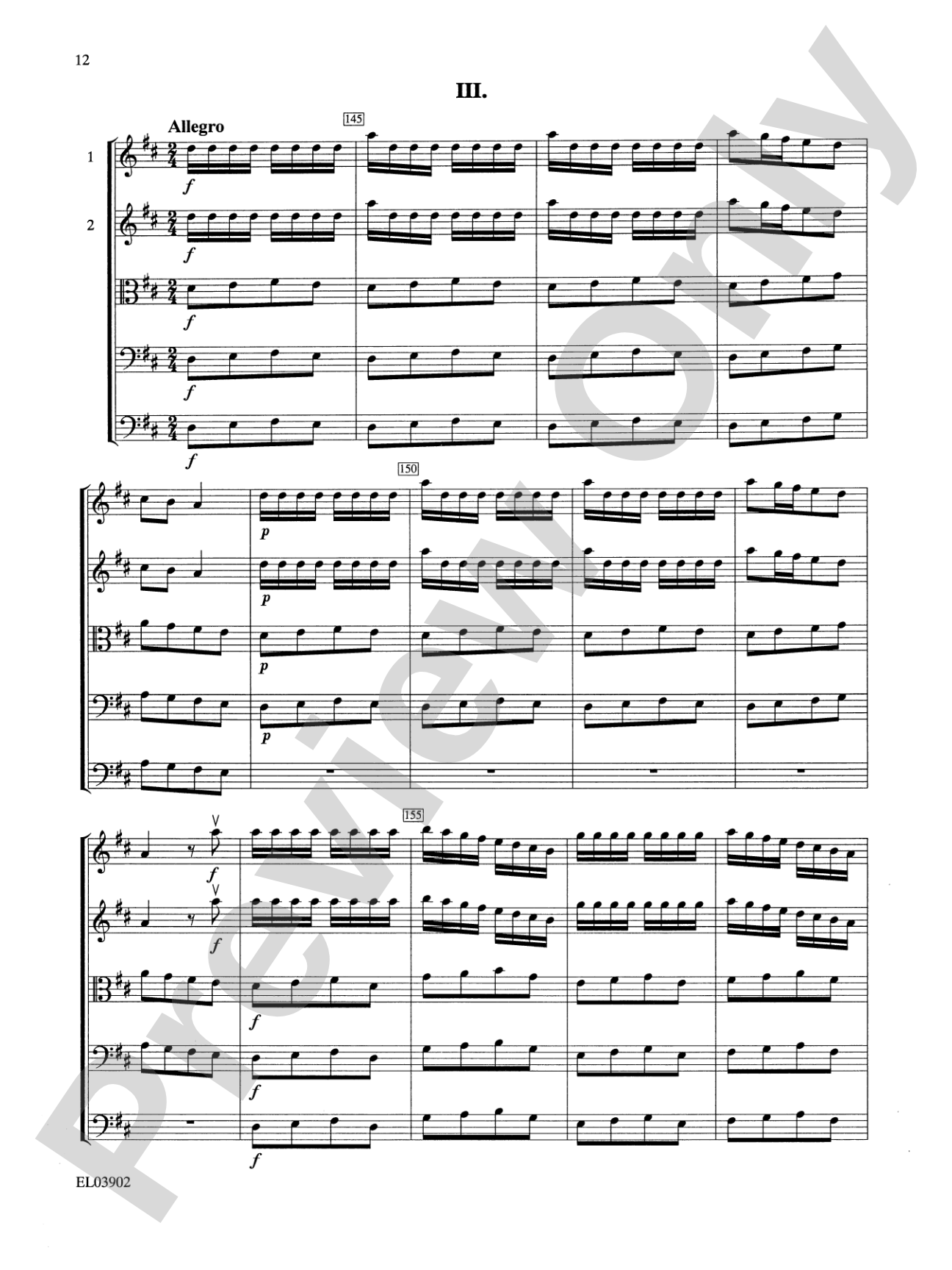
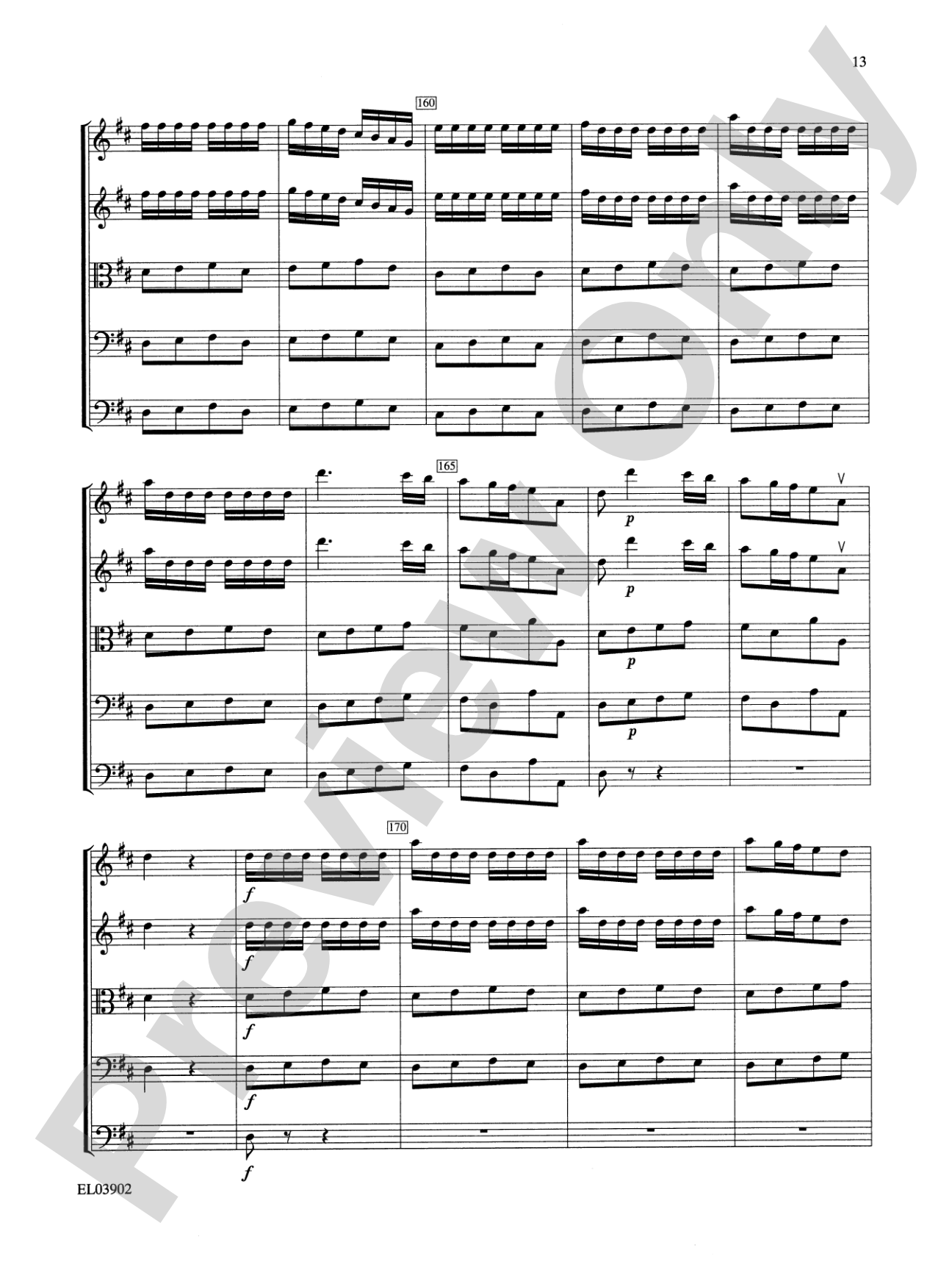
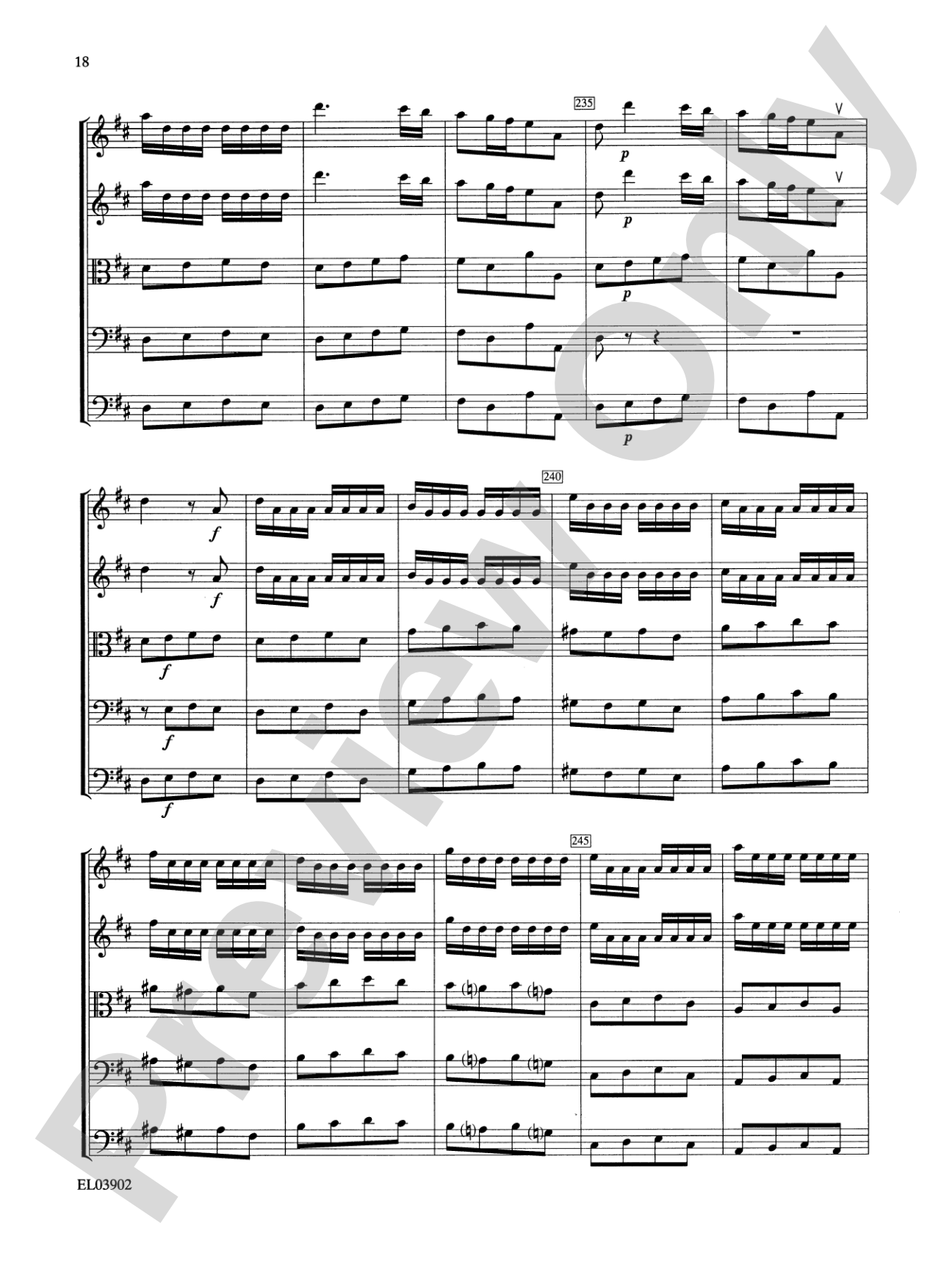
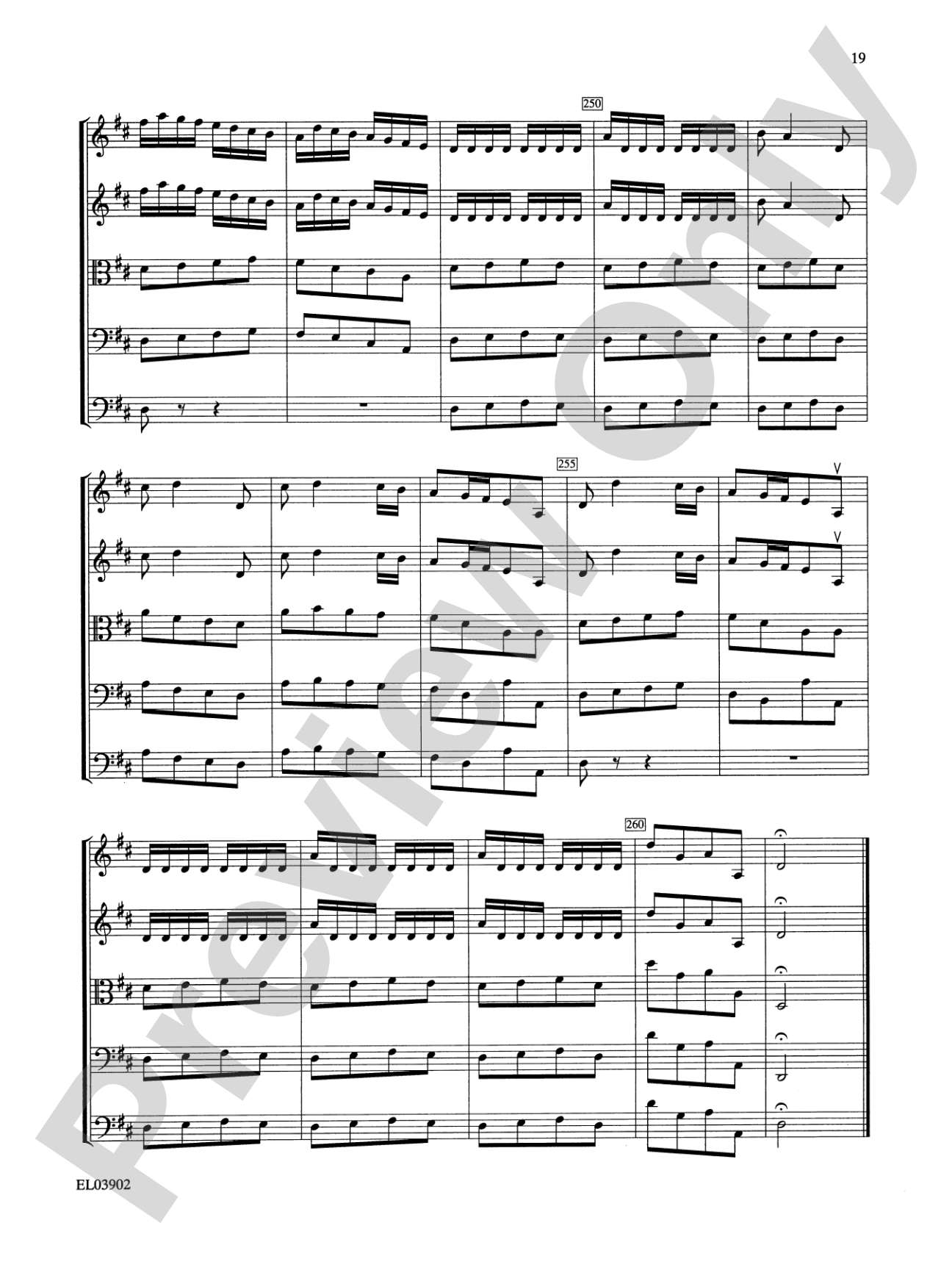
Famous as a violinist, as well as a composer, impresario and teacher, Antonio Vivaldi produced over 500 concertos in his lifetime. Paul Paradise has selected and edited eight Vivaldi concertos for string orchestra or string quartet. The pieces were chosen to provide each player with a meaningful part, and have been edited with contemporary fingerings and bowings. Contents are: Concerto in Re maggiore #246 * Concerto in Re minore #176 * Concerto in La minore #411 * Concerto in Fa maggiore #288 * Concerto in Sol minore #287 * Concerto in La minore #413.


Discover MakeMusic Cloud: thousands of interactive titles your students can play along with today.
Sample Audio
No sample audio found.
Sample Video
No sample videos found.
Additional Details
Series:
The Best of...
Publisher:
Alfred Music
Page Count:
96
SKU:
00-PB-0002642
Instrumentation:
Score
More about this title
About the Composer: Antonio Vivaldi
Antonio Vivaldi (1678–1741) was one of the Baroque era's most prolific composers, creating over 500 concertos across his lifetime while maintaining a reputation as a virtuoso violinist and influential teacher at the Ospedale della Pietà in Venice. His concertos established many conventions that defined the form for generations: the ritornello structure, the solo episode framework, and the harmonic language that balanced Baroque counterpoint with emerging Classical clarity. In the classroom, Vivaldi's works serve as masterworks of orchestration for strings and as documents of pedagogical thinking—his pieces were written for students and professionals alike, making them inherently teachable.
Why we love this
Paradise's selection of eight concertos gives you pieces that genuinely sing rather than display virtuosity for its own sake, and the editorial choices around fingerings and bowings reflect what modern string players actually need. The arrangement respects Vivaldi's voice leading across all parts, so your second violins, violas, and cellos have music that matters rather than padding. You get proven concert repertoire that works equally well for chamber ensembles and full orchestras.
What to expect
These concertos carry the architectural clarity and rhythmic drive that made Vivaldi's music so influential. There's an openness in the voice leading and a natural cantability that invites players to shape phrases generously without sounding anachronistic or self-conscious.
Who it's for
String orchestras and chamber ensembles working at the intermediate to advanced level will find these concertos immediately accessible and musically substantive. Teachers building a Baroque repertoire foundation also gain material that demonstrates how concerto form functions across different keys and character types.
How to get the most out of it
- Attend to the articulation patterns in the ritornello sections; consistent tonguing or bowing in the tutti passages unifies the ensemble sound and clarifies Vivaldi's harmonic progressions.
- Let the solo episodes breathe without slowing down. The dialogue between soloist and ripieno moves forward naturally if you maintain the underlying pulse while shaping phrase contours.
- Balance the upper strings against the bass line carefully. Vivaldi's figured bass language depends on hearing both the harmonic anchors and the violin melodies as equal partners.
How to use it
Program one or two of these concertos as a thematic set in a Baroque concert, or use them as cornerstones of a string orchestra repertoire day that explores how concerto form evolved. They also work as spring concert material when you want substance without the complexity of larger-scale works.
Skills your students will build
- Ritornello form and solo episode structure
- Baroque phrasing and articulation conventions
- Collaborative ensemble playing across independent instrumental lines
- Reading figured bass implications in modern string arrangements
- Stylistically informed vibrato and bow control