
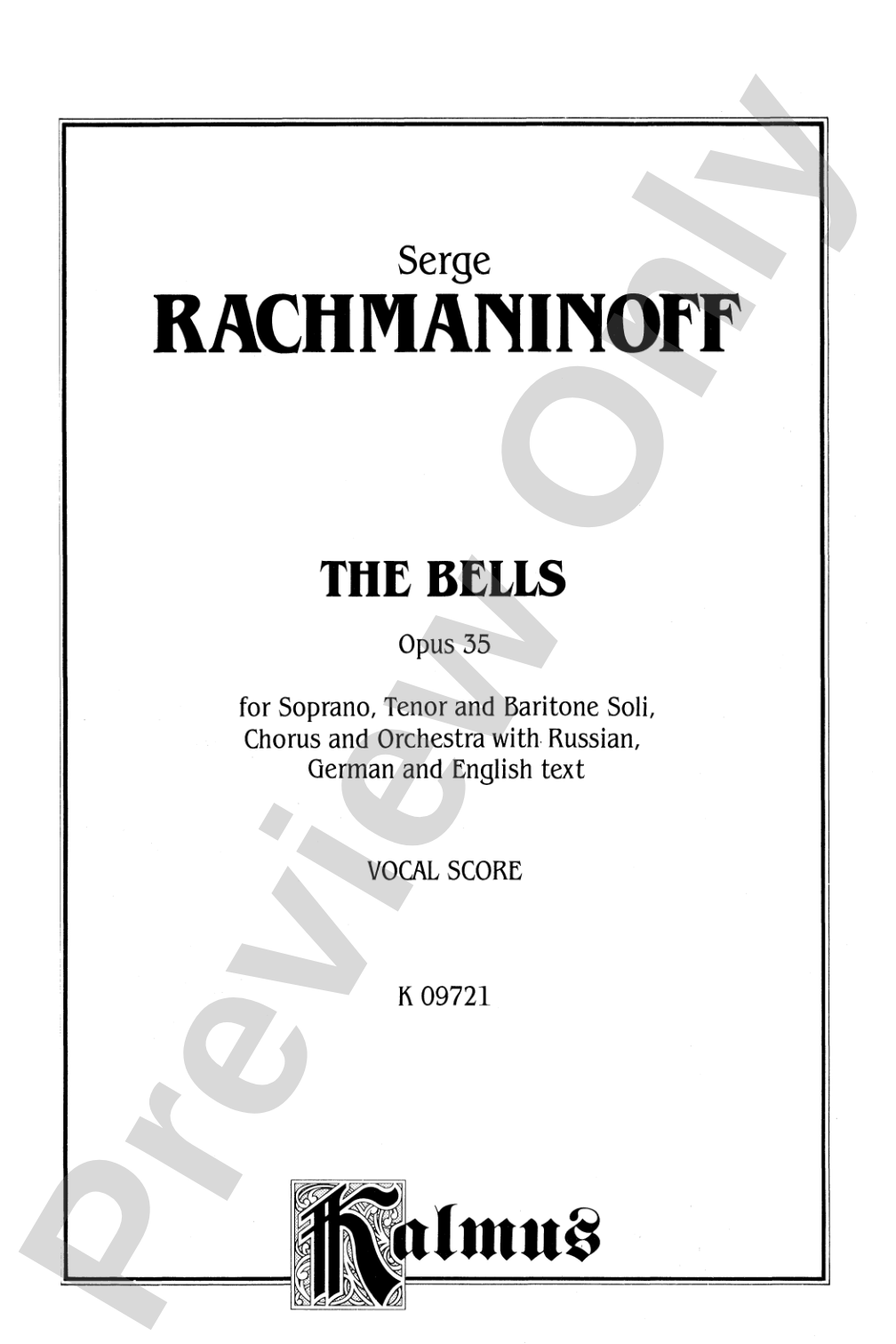
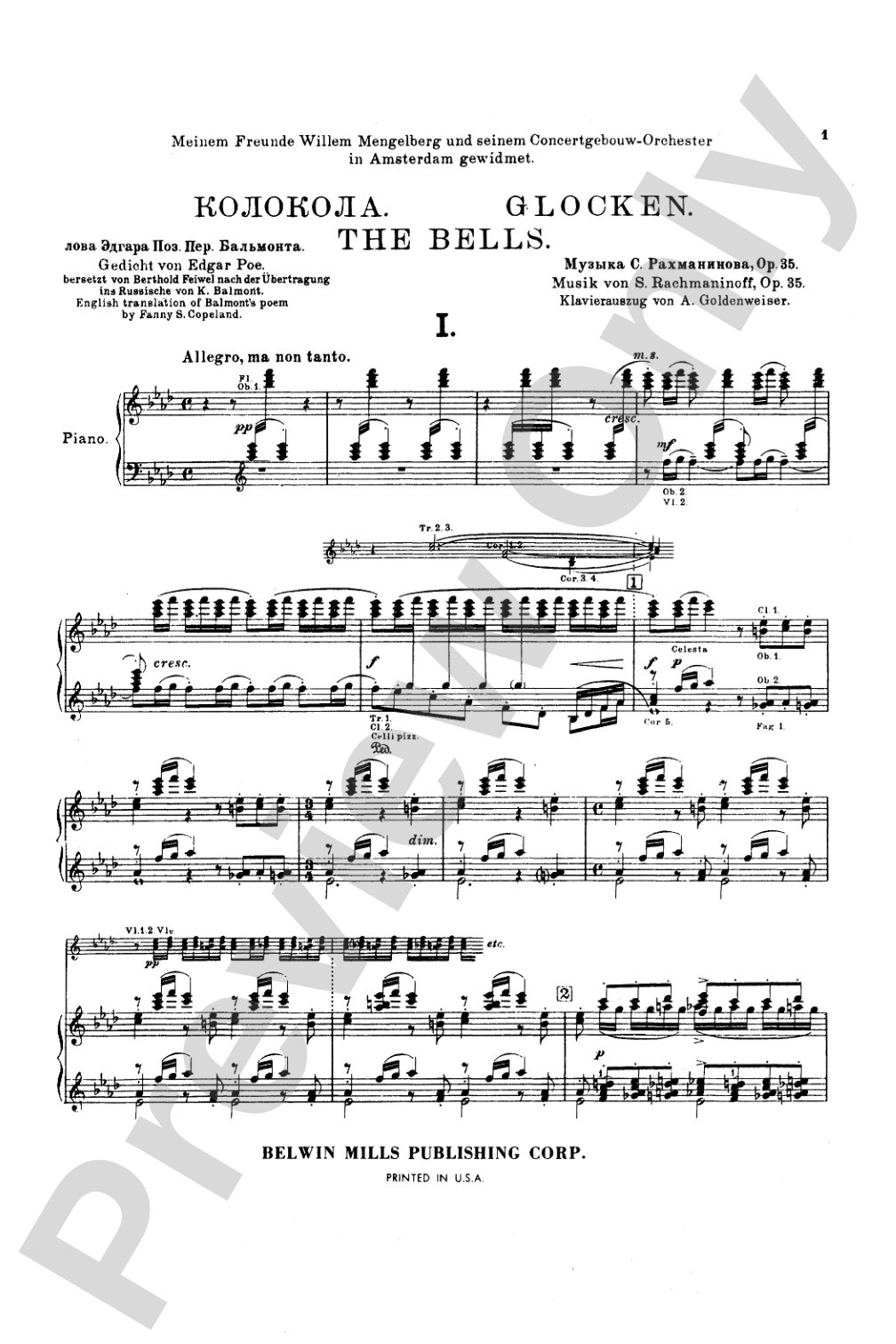
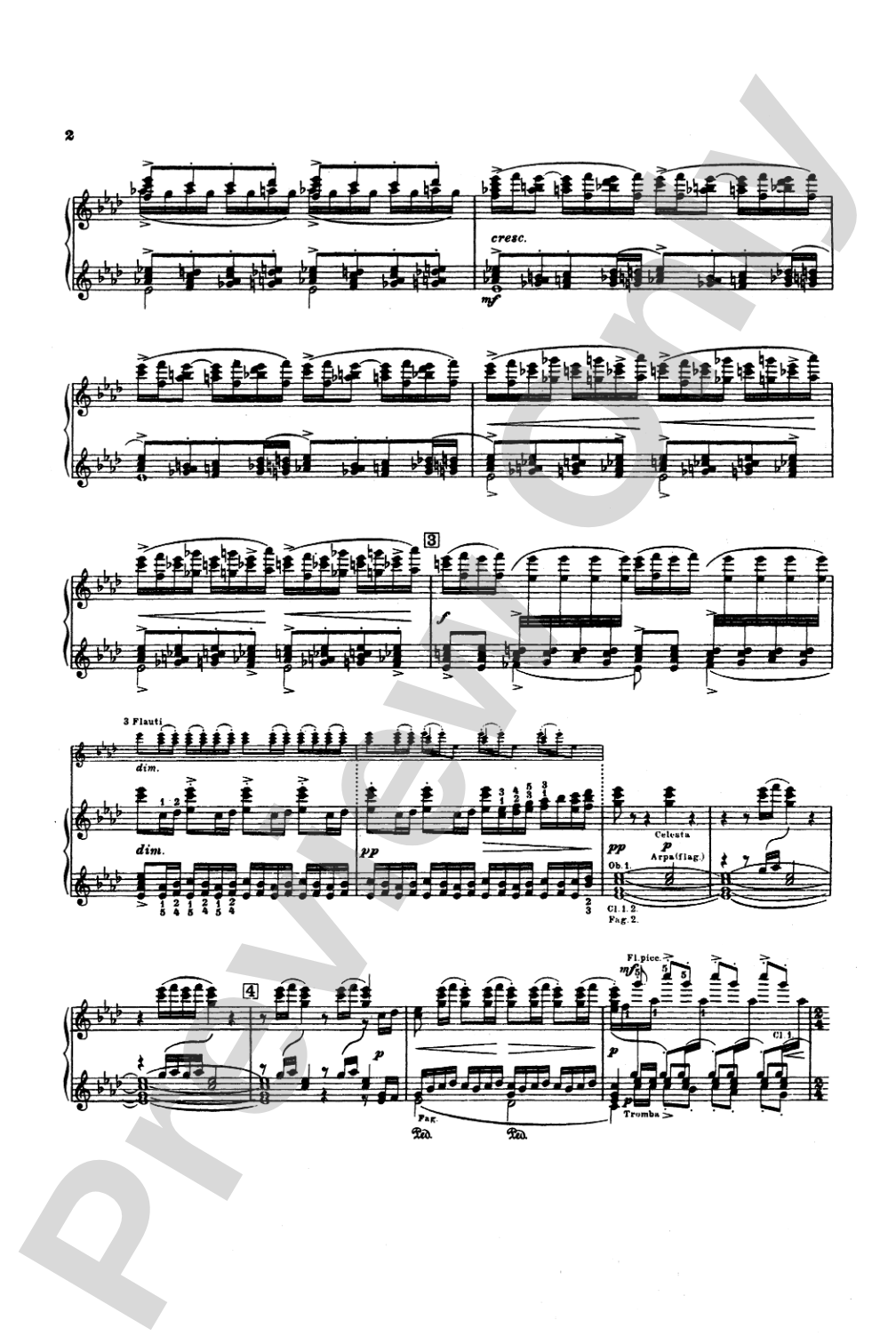
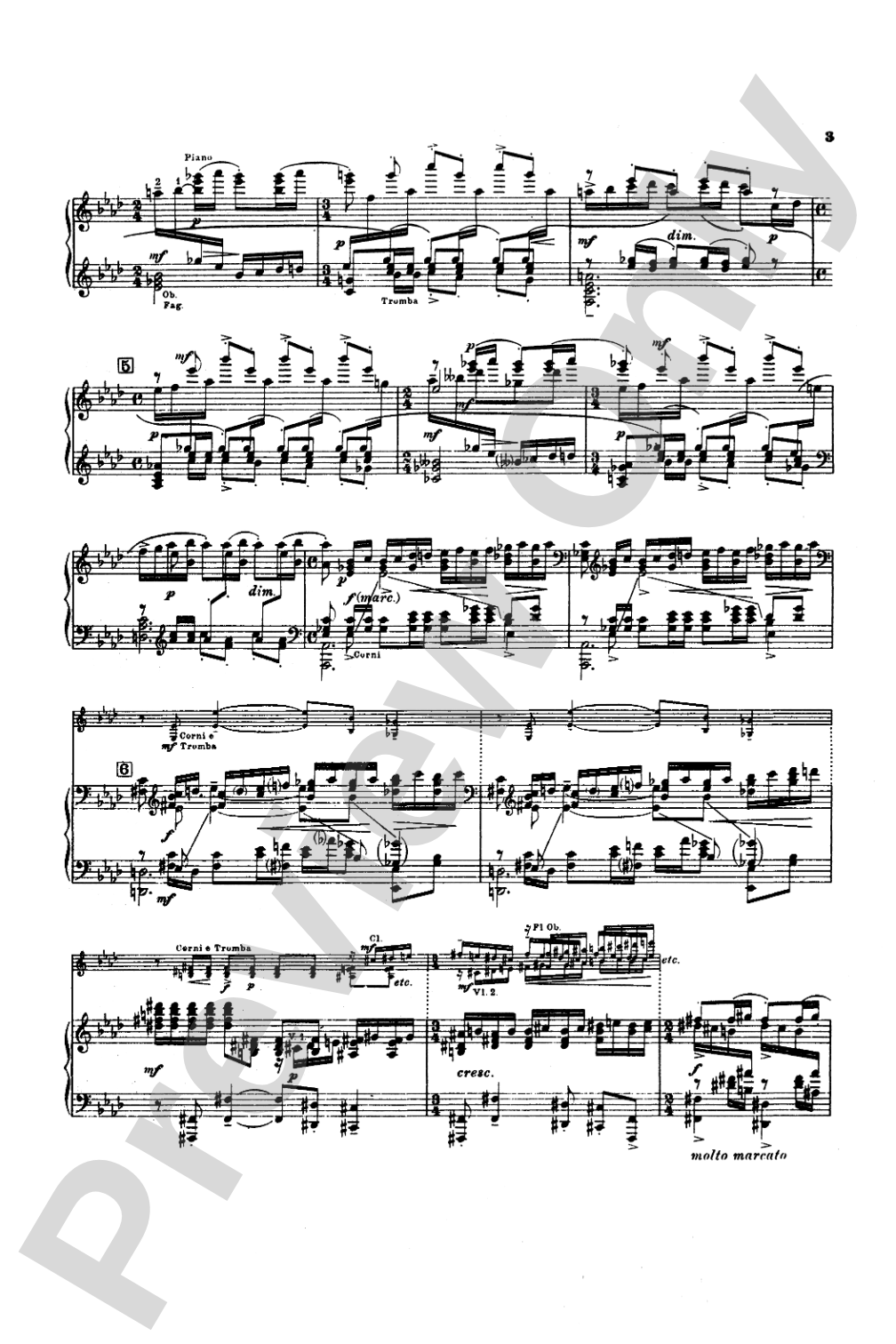
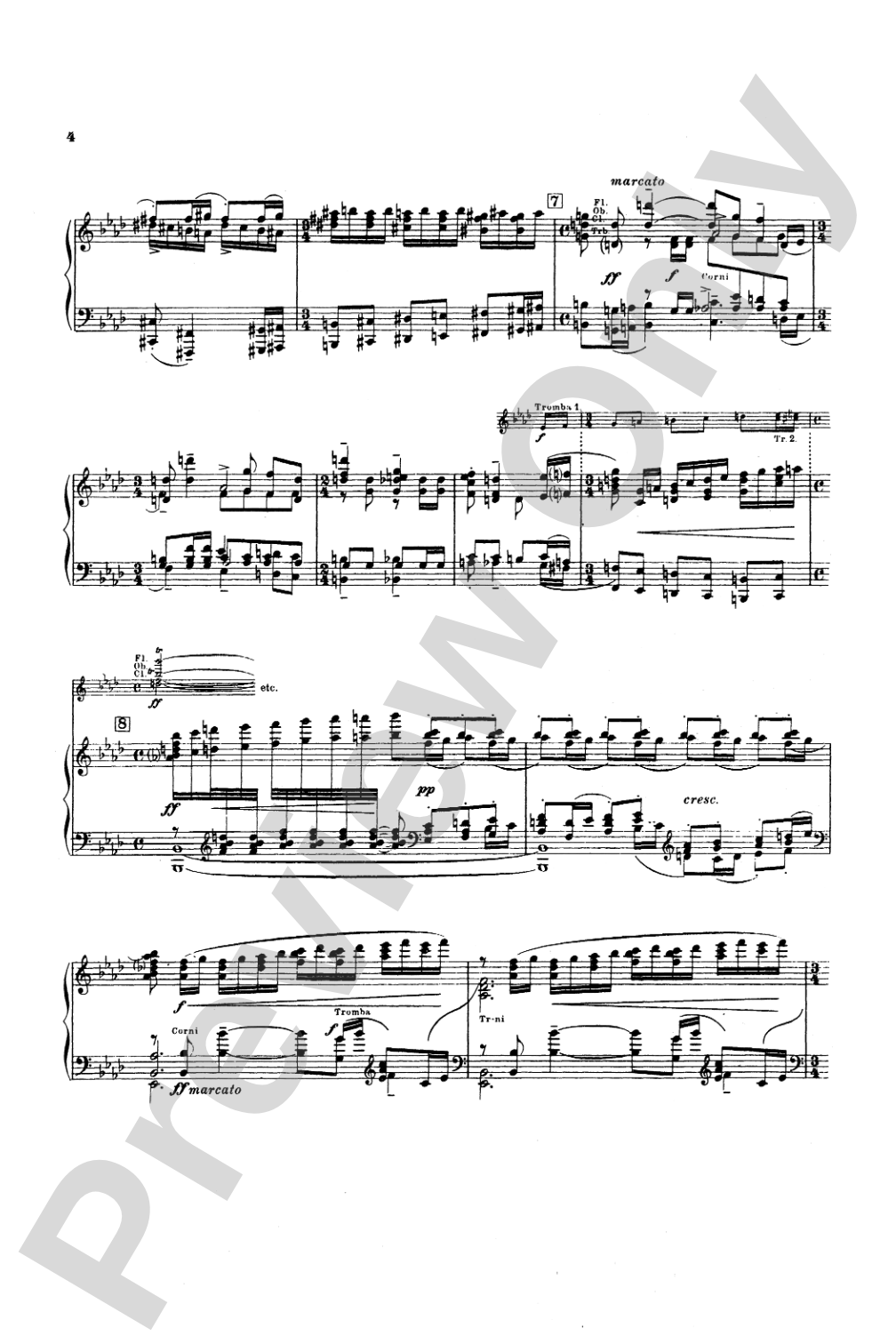
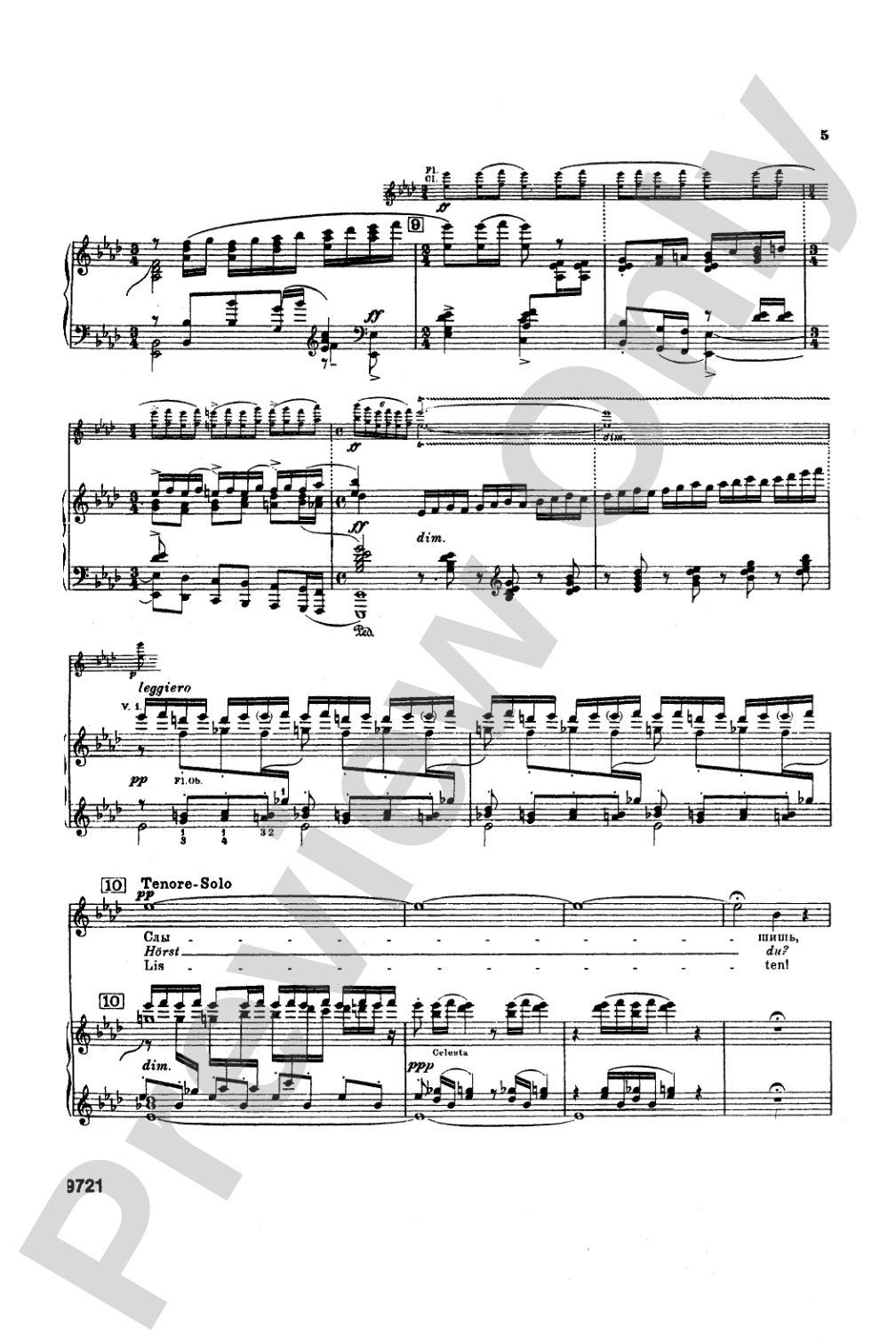
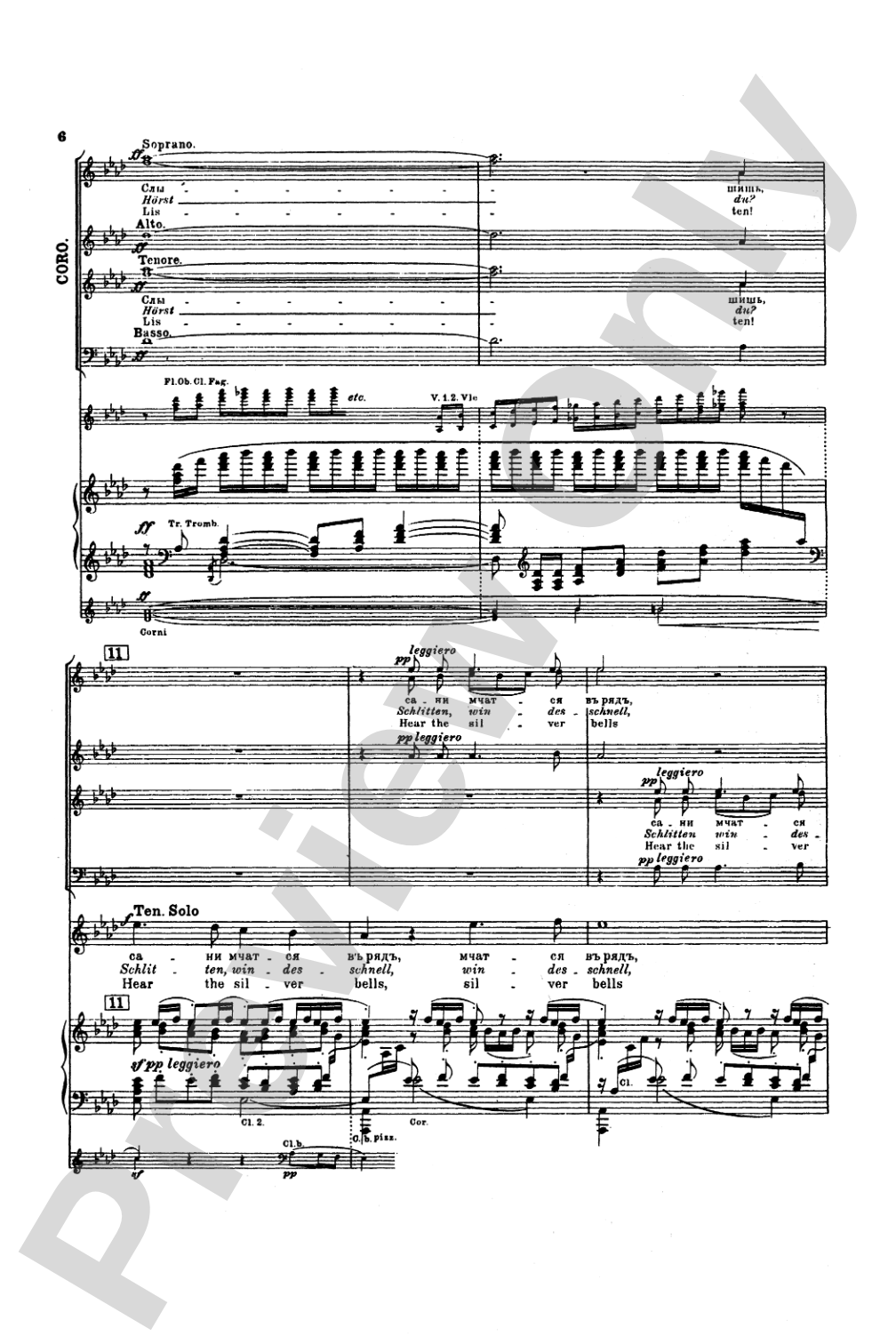
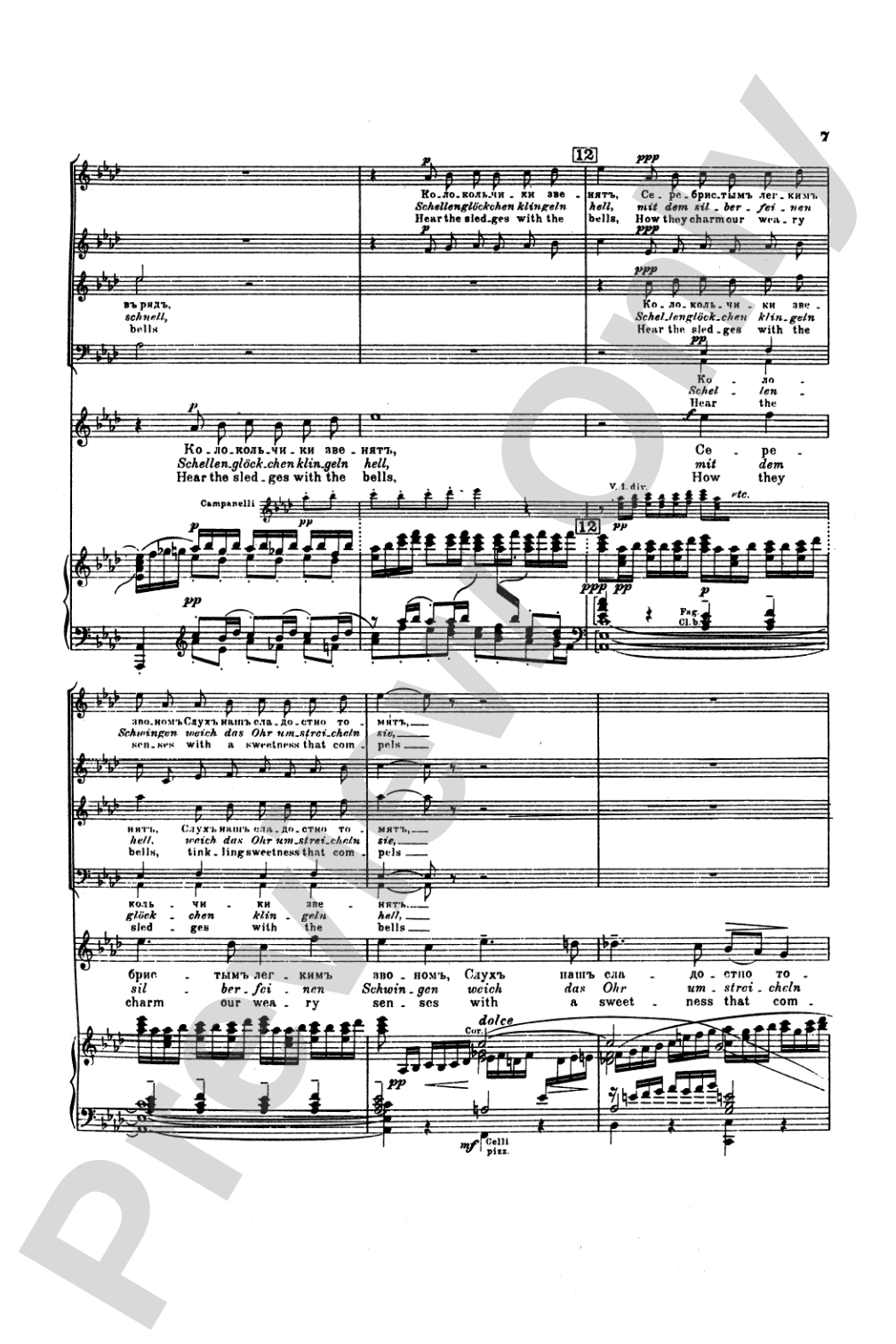
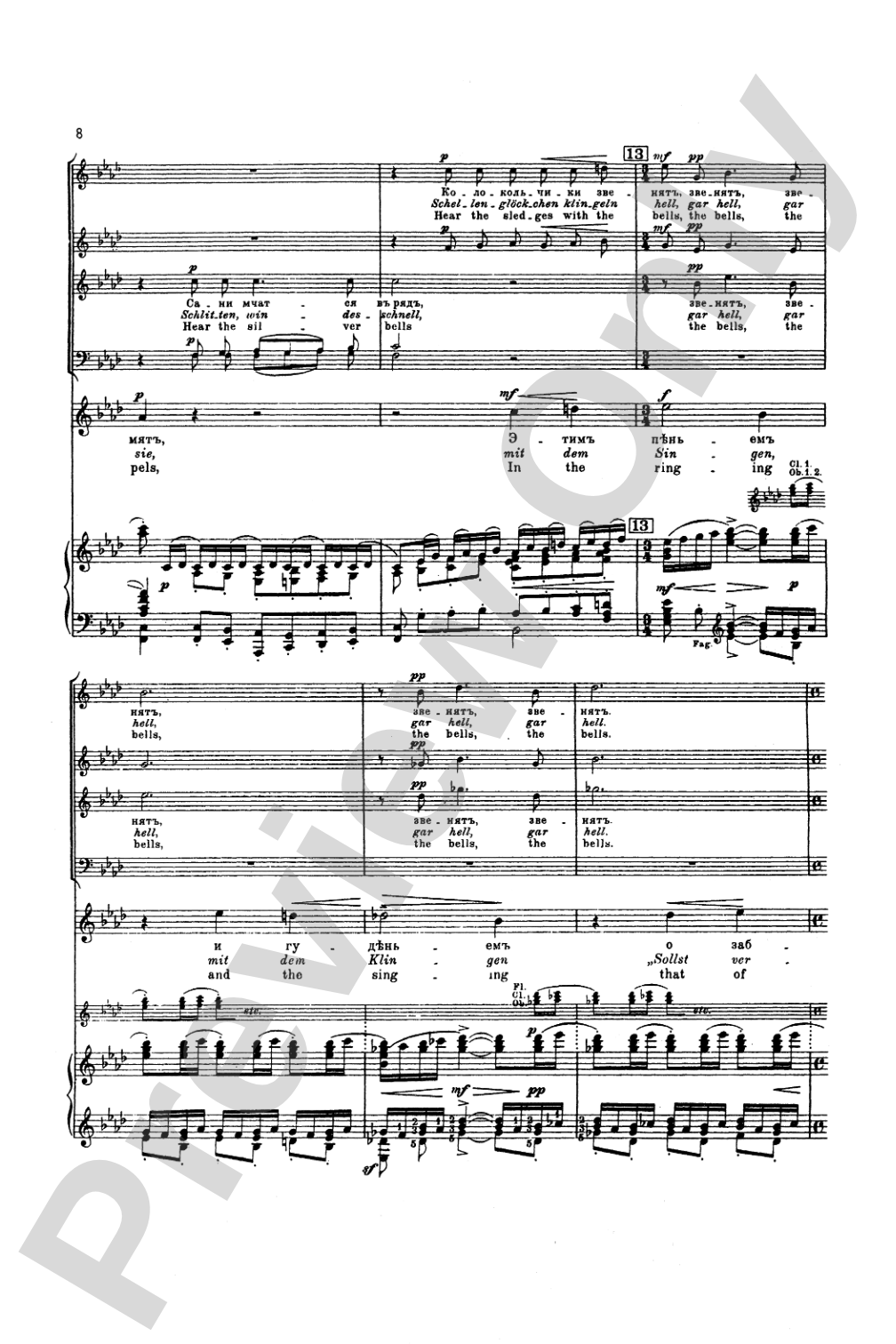
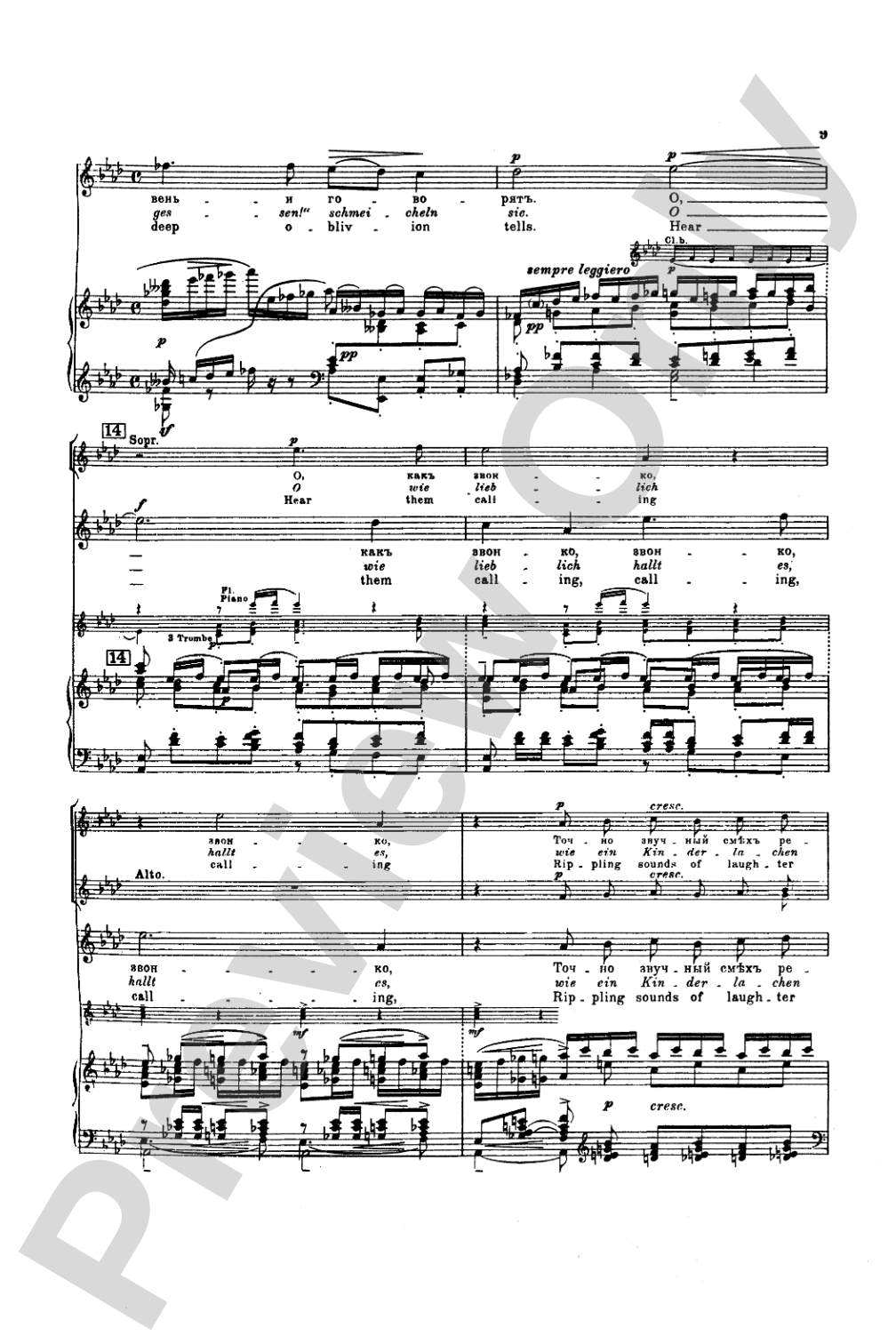
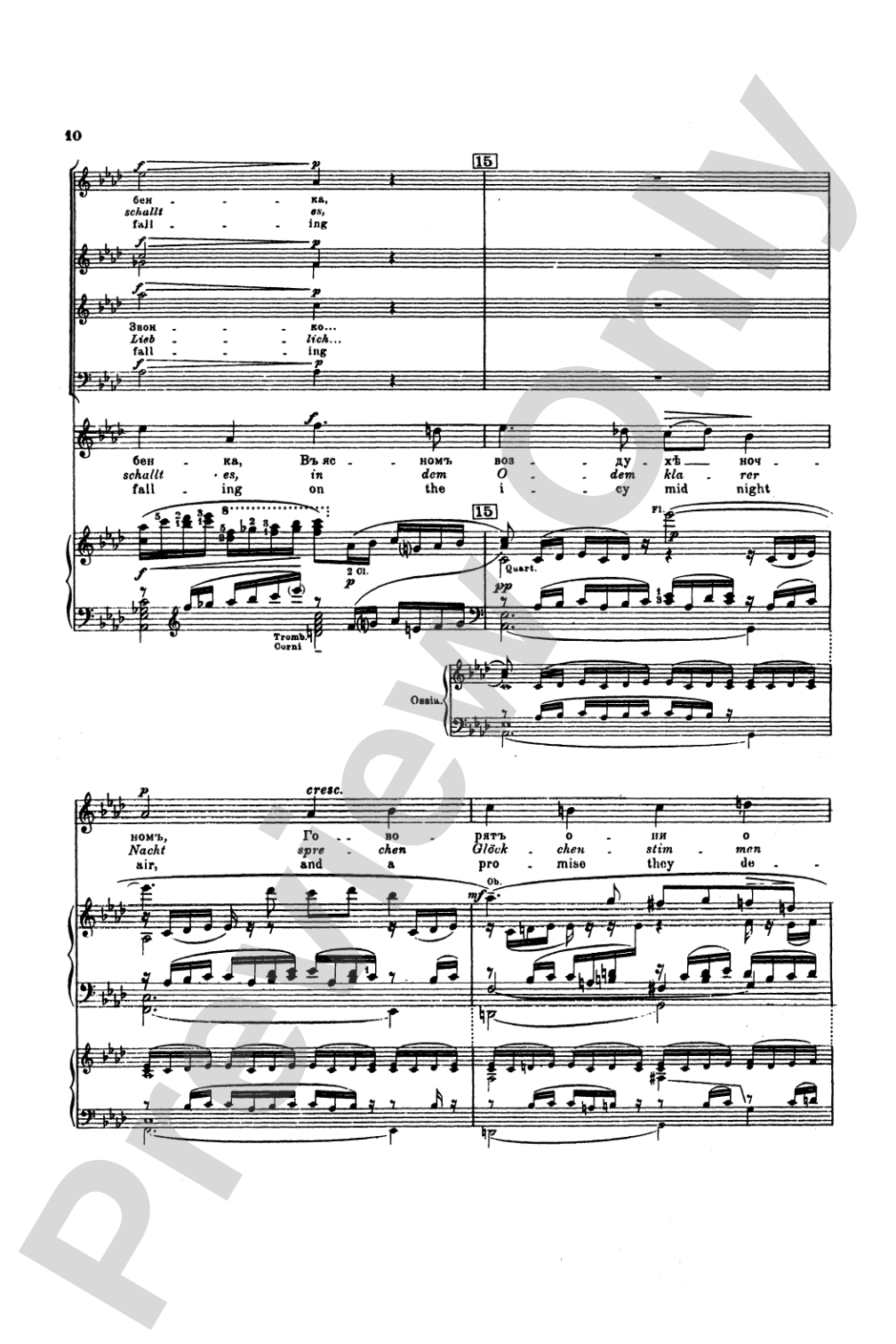
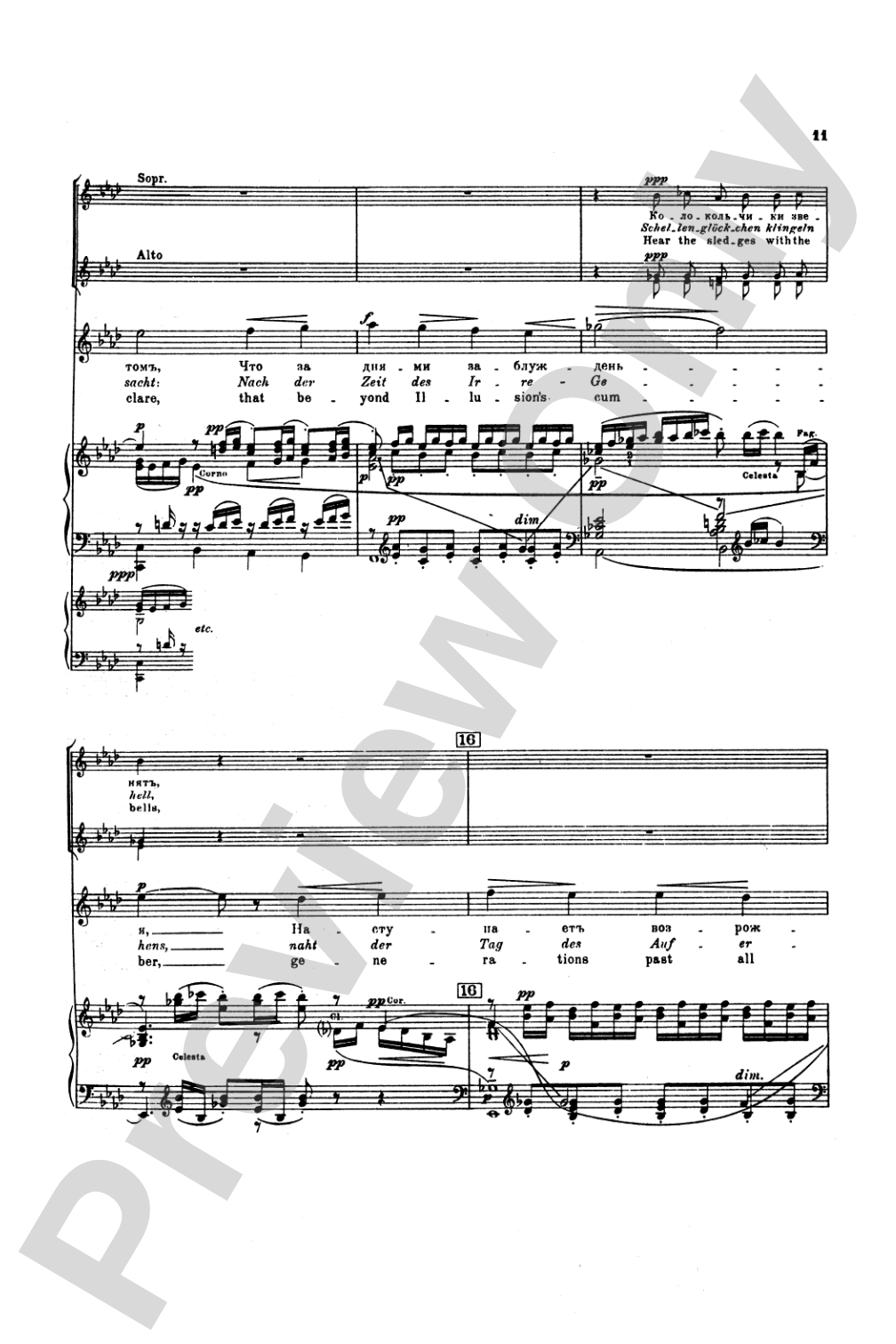
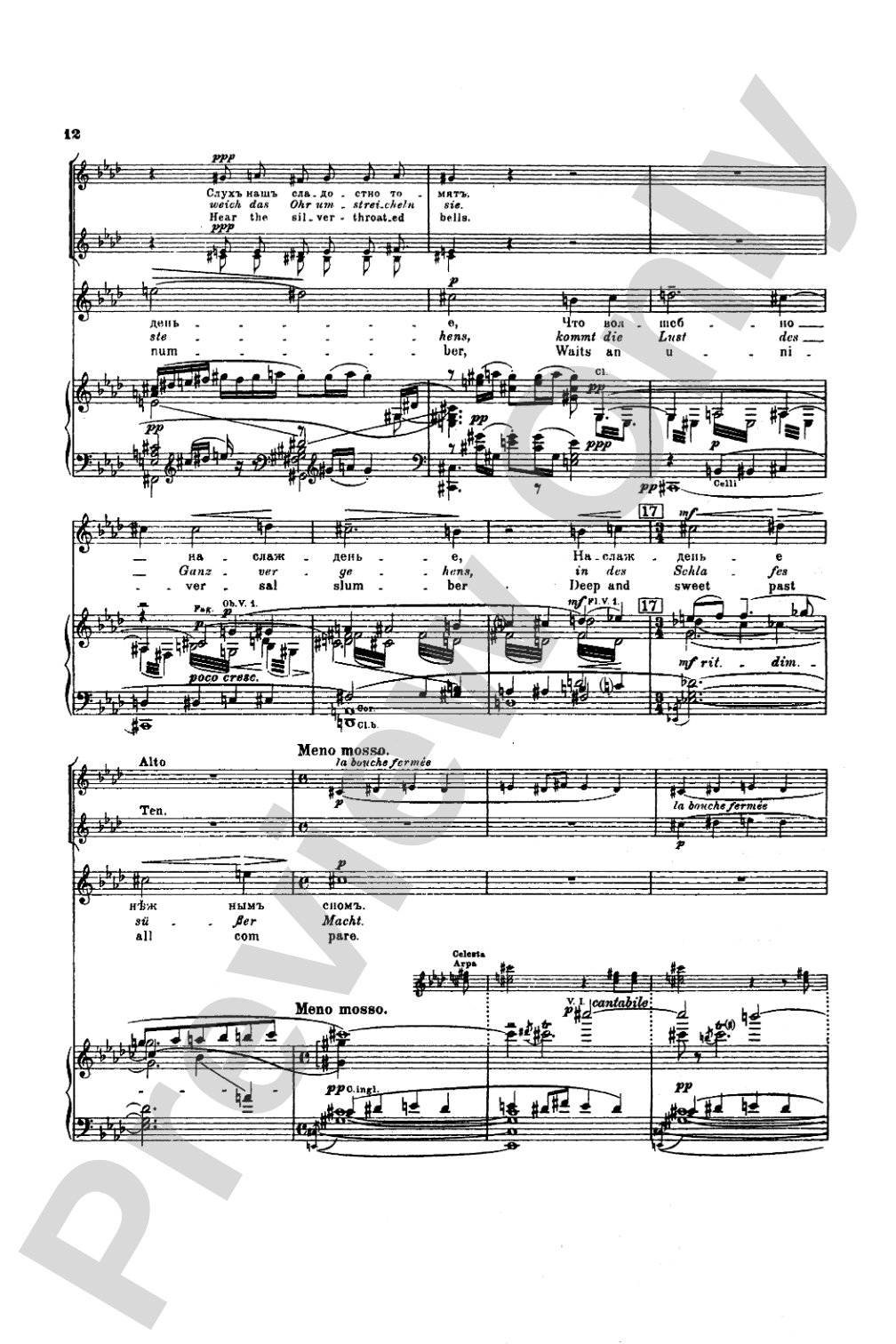

The Bells, Opus 35: Choir
By Sergei Rachmaninoff
Item: 00-PB-0001163
$16.99
Pickup currently not available
Related Items
The Bells, Opus 35: Choral Mixed Chorus with Solo Book |
$16.99
|
View |
Description
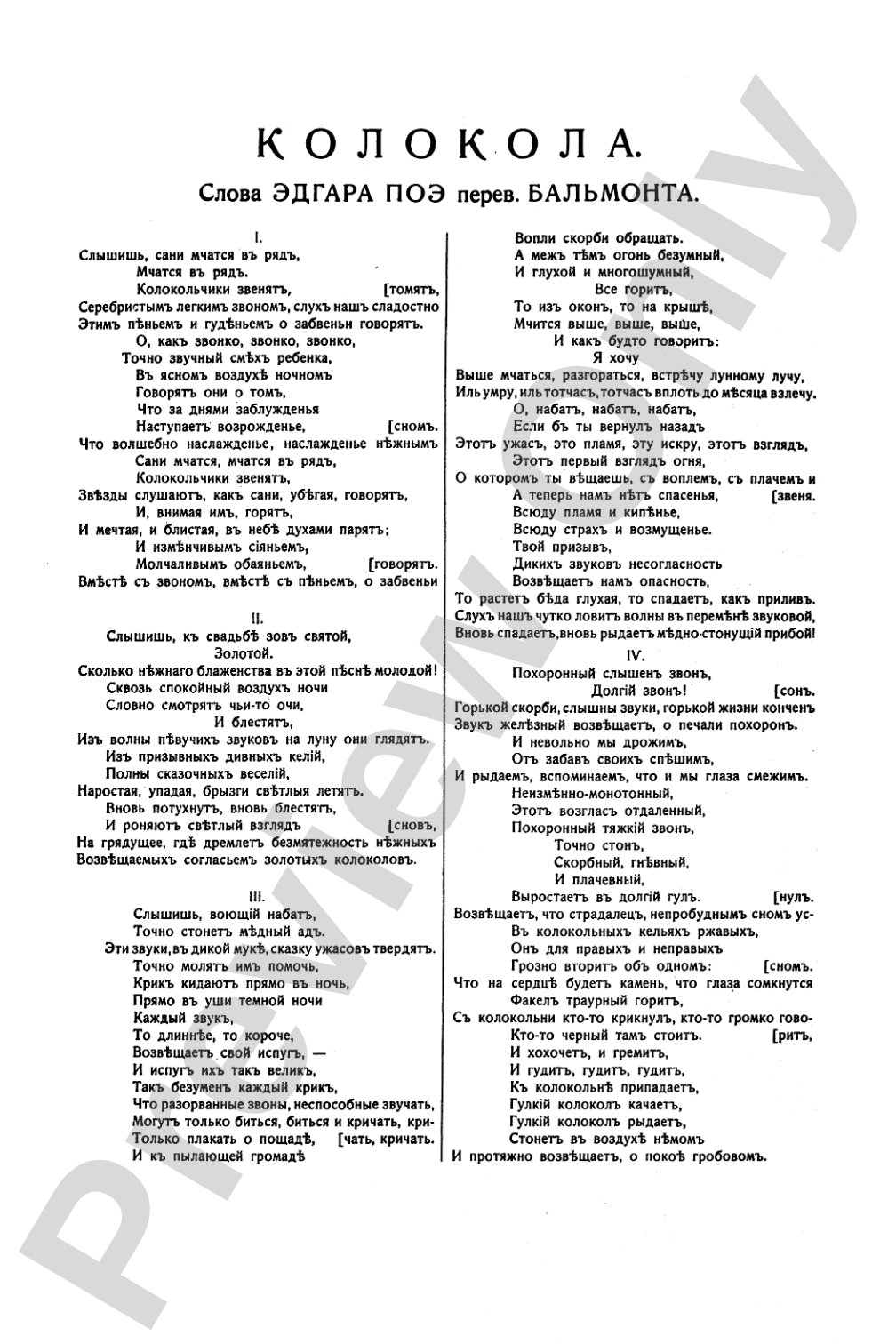
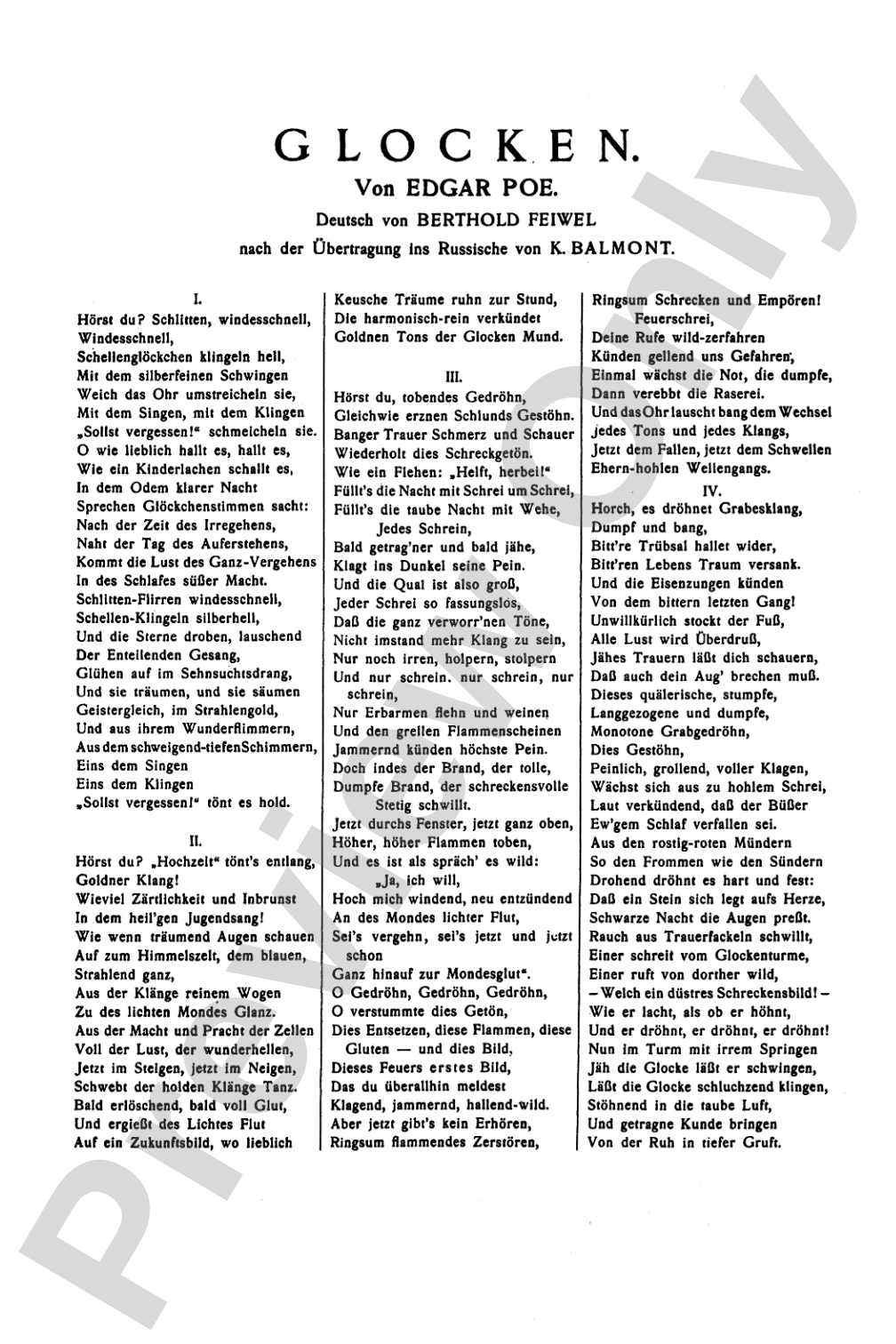
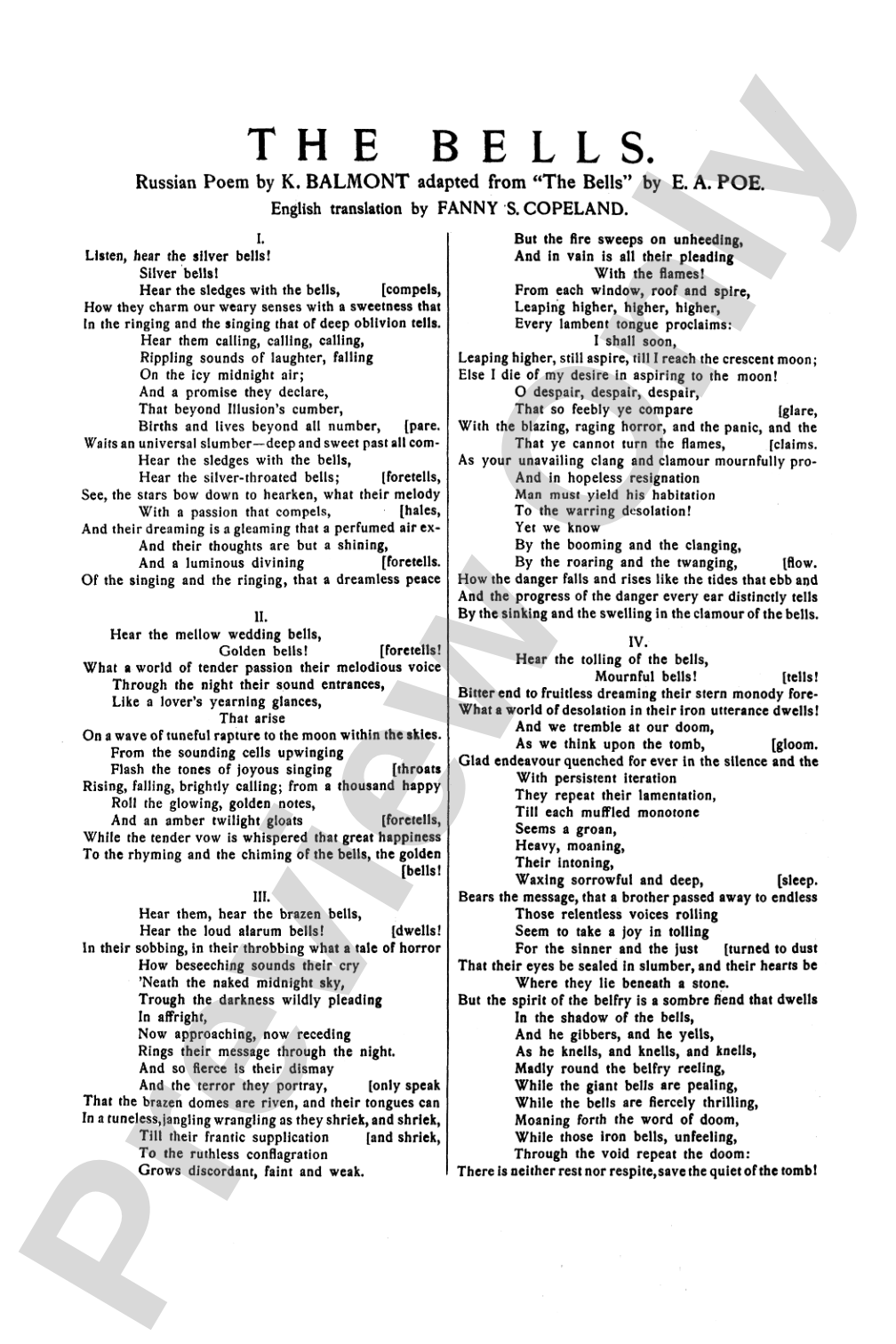
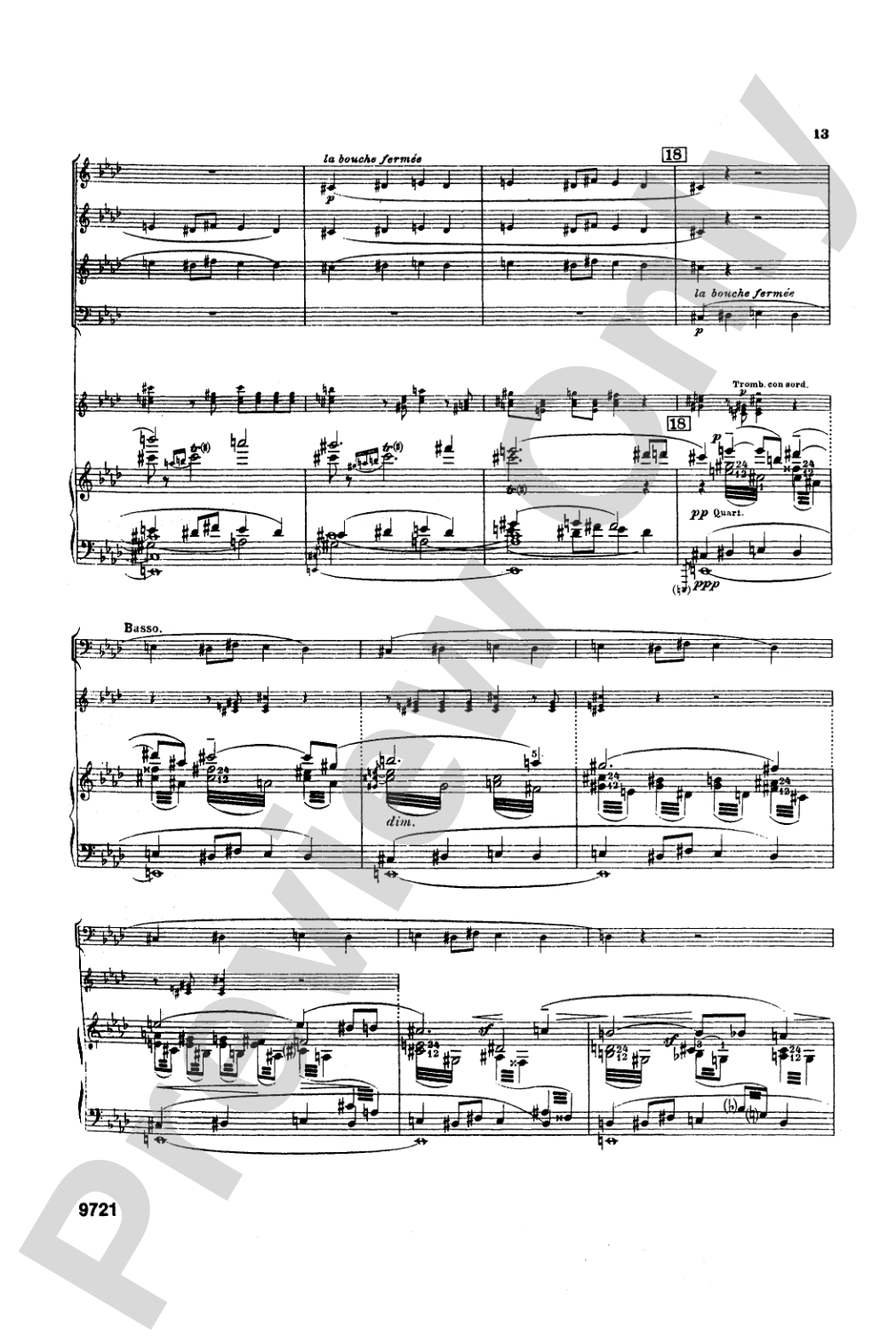
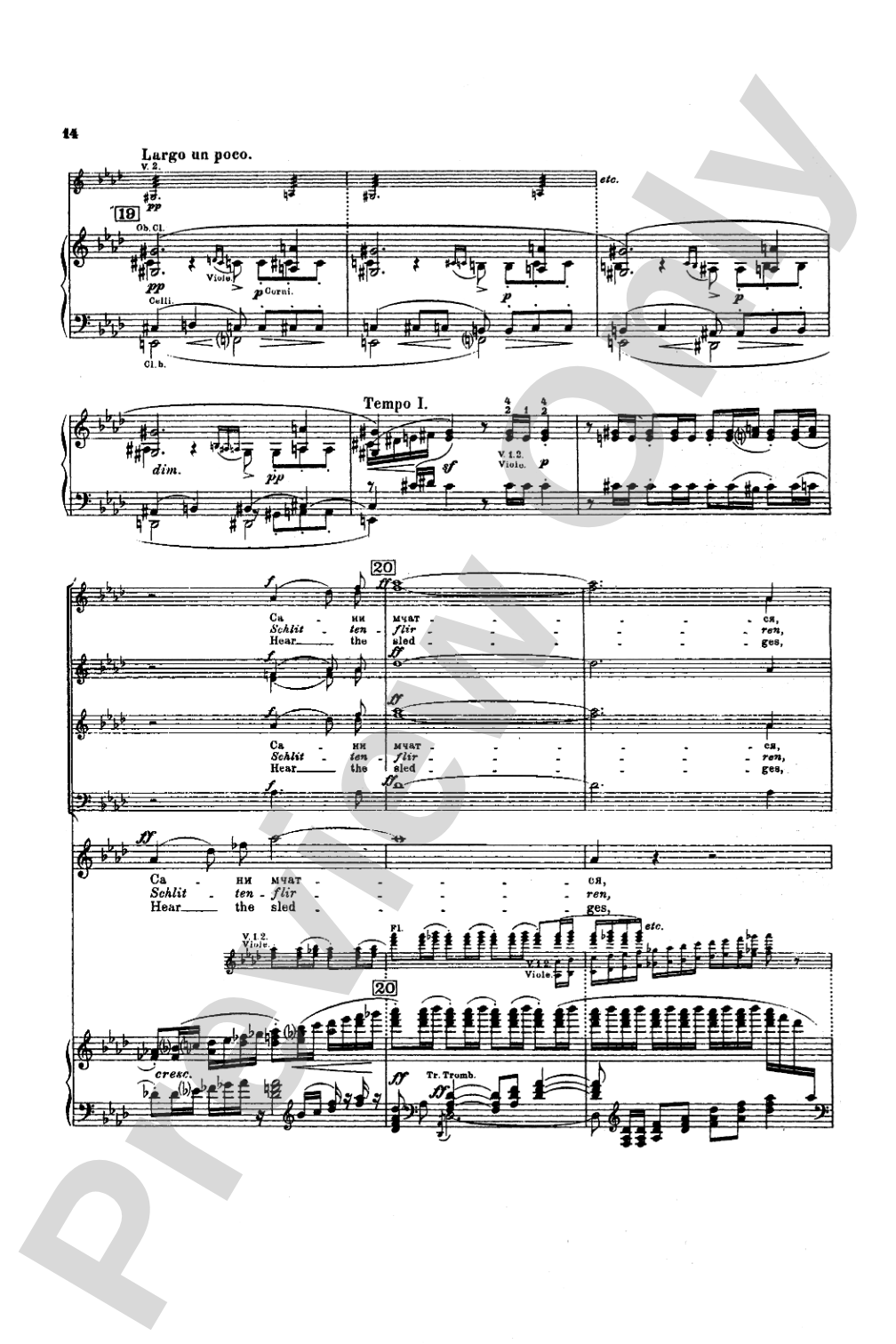
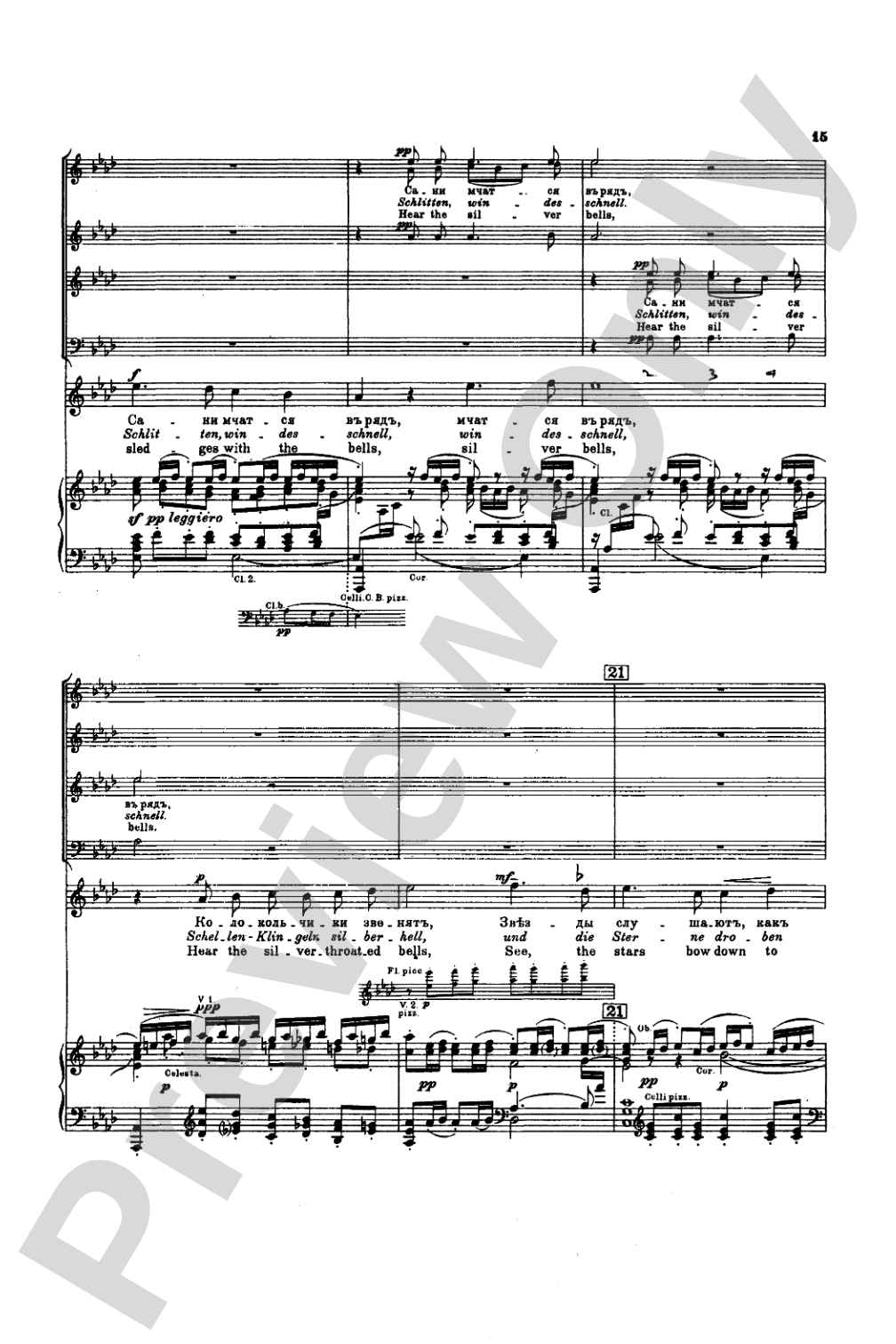
Rachmaninoff wrote his Opus 35, "The Bells," as a choral symphony in 1913. The words are adapted from the Edgar Allan Poe poem by the same name. Includes: Allegro, ma non tanto * Lento * Presto * Lento Lugubre. Vocal score, soloists and chorus, with piano accompaniment. Text in Russian, German and English.


The Bells, Opus 35: Choir isn't in MakeMusic Cloud just yet...but it could be. Let us know you'd like to see it, and you'll help shape what comes next. In the meantime, start a free trial and dive into thousands of interactive titles your students can play along with today.
Request This Title
Tell us you want it.
Start Your Free Trial
Explore everything that's ready to play right now.
Sample Audio
No sample audio found.
Sample Video
No sample videos found.
Additional Details
Series:
Kalmus Edition
Publisher:
Alfred Music
Page Count:
96
SKU:
00-PB-0001163
More about this title
About the Composer: Sergei Rachmaninoff
Sergei Rachmaninoff (1873–1943) stands as one of the last great Romantic composers, bridging the 19th century's emotional intensity with 20th century modernism. His choral writing—particularly in large-scale works like The Bells—combines Russian vocal tradition with chromatic harmony and lush orchestration that influenced generations of composers.
Why we love this
Rachmaninoff's treatment of Poe's text creates a choral symphony that feels both introspective and monumental, with each movement capturing a distinct emotional state. The four-movement arc from bright celebration through darkness to resignation gives singers material that demands real musical maturity and offers audiences something genuinely substantial. The soloists-and-chorus texture allows you to feature ensemble singers while giving confident performers moments to shine.
What to expect
The Bells unfolds like a meditation on time itself, moving from bright celebration through yearning introspection and finally into something closer to resignation. Rachmaninoff's lush harmonies and soaring vocal lines create moments of overwhelming beauty interrupted by passages of unsettling stillness, reflecting Poe's poem about life's journey from youth to age.
Who it's for
Advanced college and university choirs, semi-professional vocal ensembles, and high school programs with accomplished singers who can sustain Rachmaninoff's harmonic language across extended passages. This demands soloists with stamina and a chorus comfortable with Russian repertoire and chromatic vocal writing.
How to get the most out of it
- Balance the vocal score's piano part carefully; it supports rather than doubles the voices, so singers must maintain independent line integrity even when accompaniment texture thickens
- Mark the textual underlay in all three languages during early rehearsals so singers can commit to proper diction before interpretive work begins
- Shape the Presto movement's energy through careful attention to vowel consistency rather than relying on tempo alone; the words move fast but the musical line must stay legible
- Prepare the Lento Lugubre's lower dynamic range in isolation, as the piece's impact depends on singers controlling color without losing resonance
How to use it
This 96-page work functions as a complete concert event or the centerpiece of a program exploring early 20th century choral music. Its four distinct movements allow flexible programming; some groups perform select movements alongside shorter Russian choral works, while others present the full symphony as a season's ambitious goal.
Skills your students will build
- Sustaining long vocal lines through chromatic harmonic progressions without losing pitch center
- Managing Russian diction across four extended movements
- Balancing ensemble texture when soloists emerge from choral sections
- Navigating rapid rhythmic passages in the Presto while maintaining musical line
- Interpreting extreme dynamic contrasts from fff to ppp
- Understanding Romantic-era choral orchestration and its transfer to piano score reduction