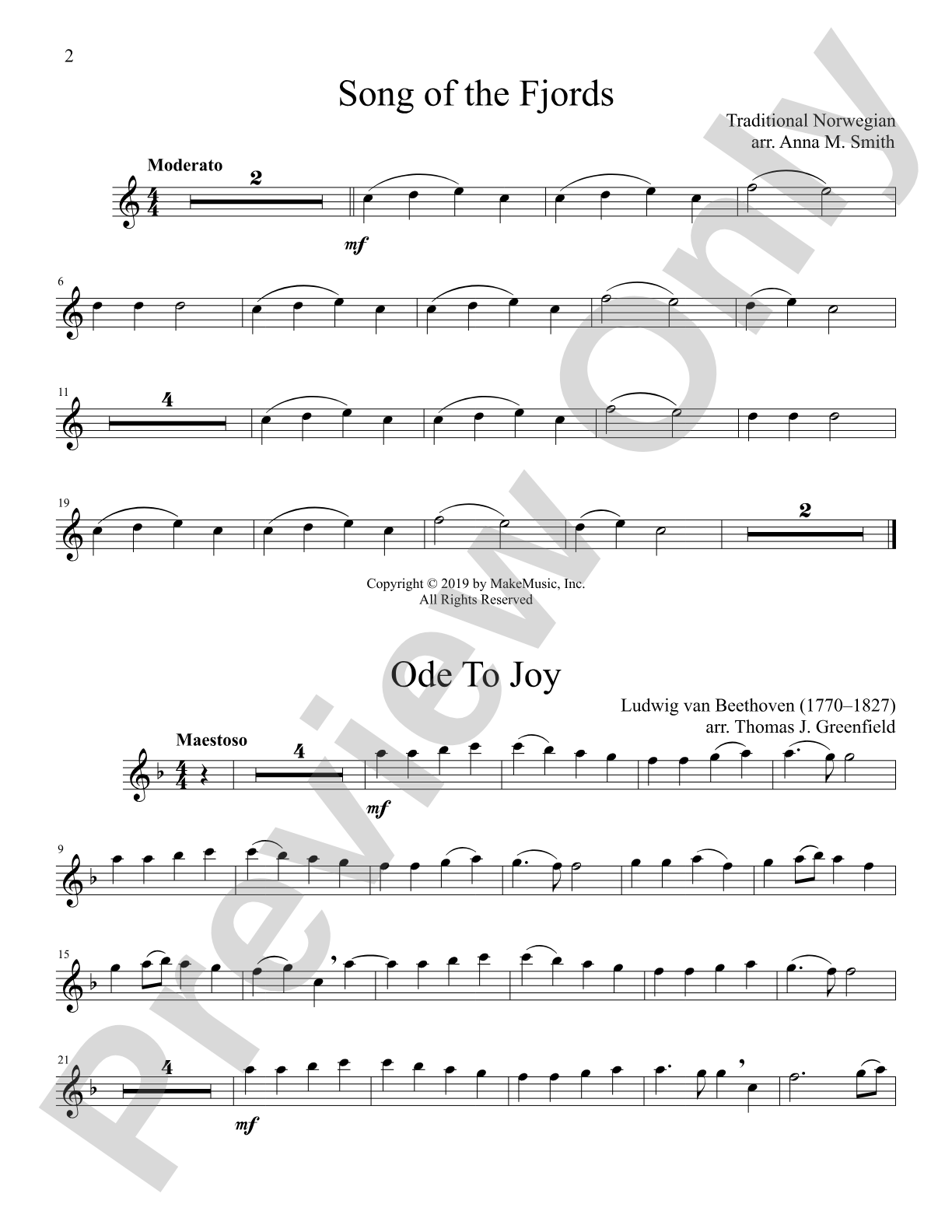
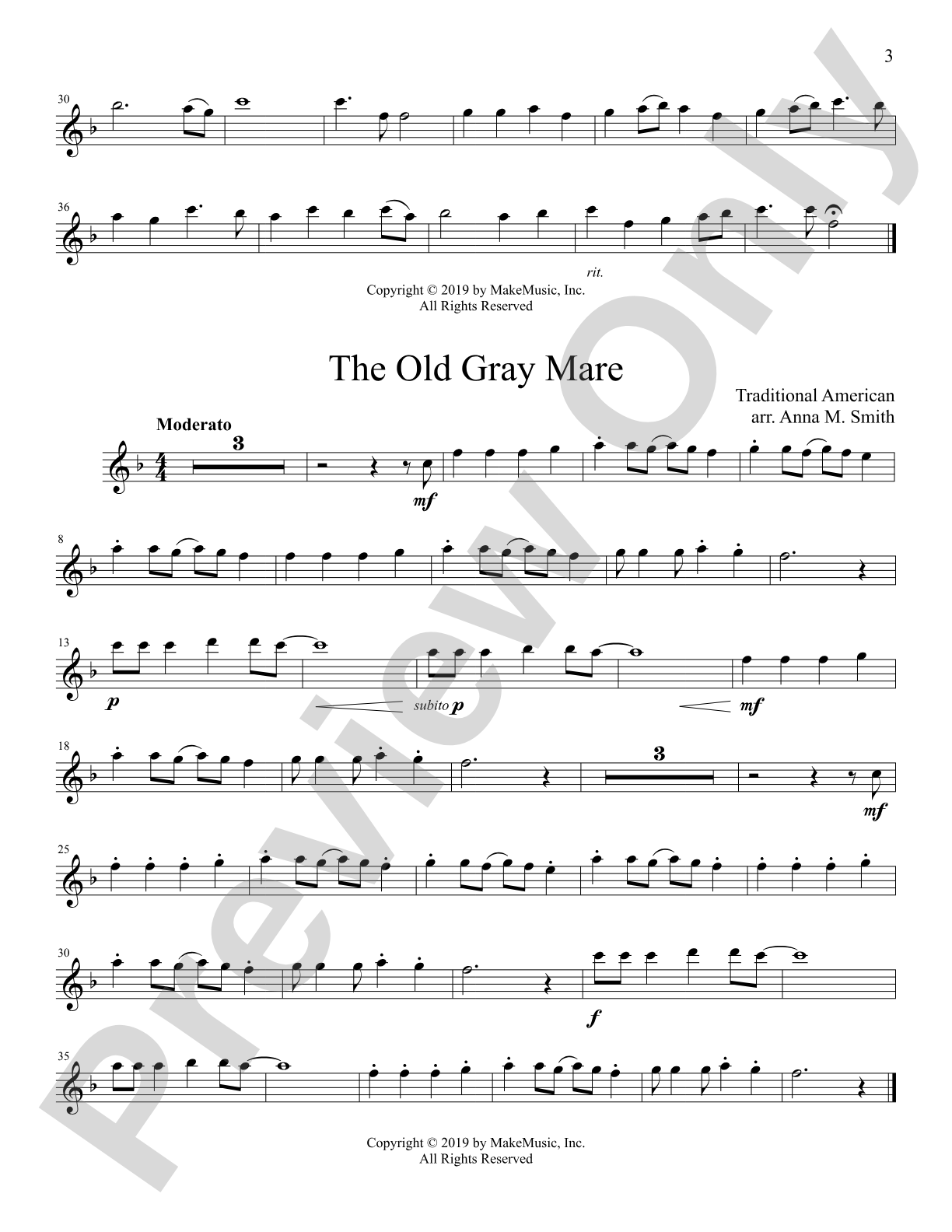
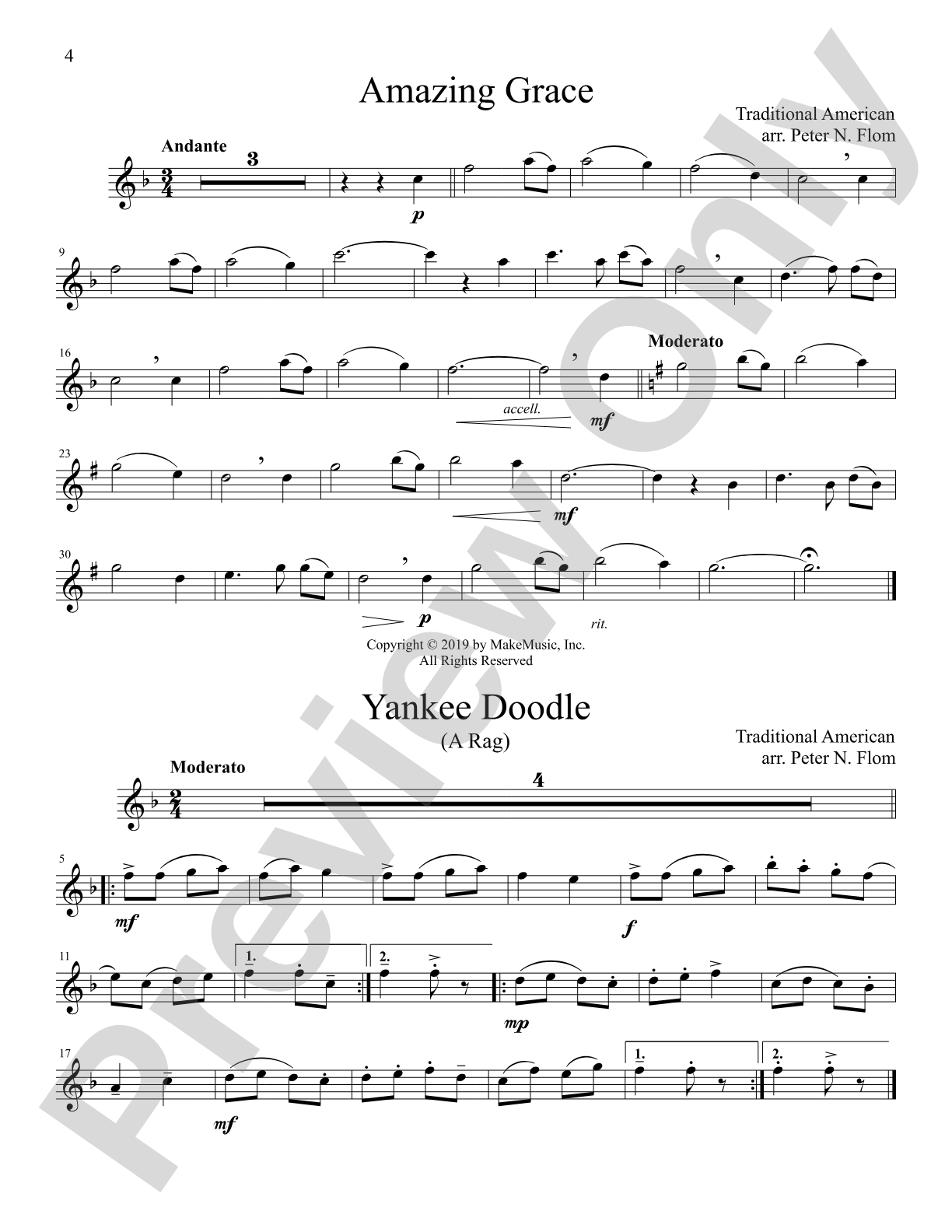
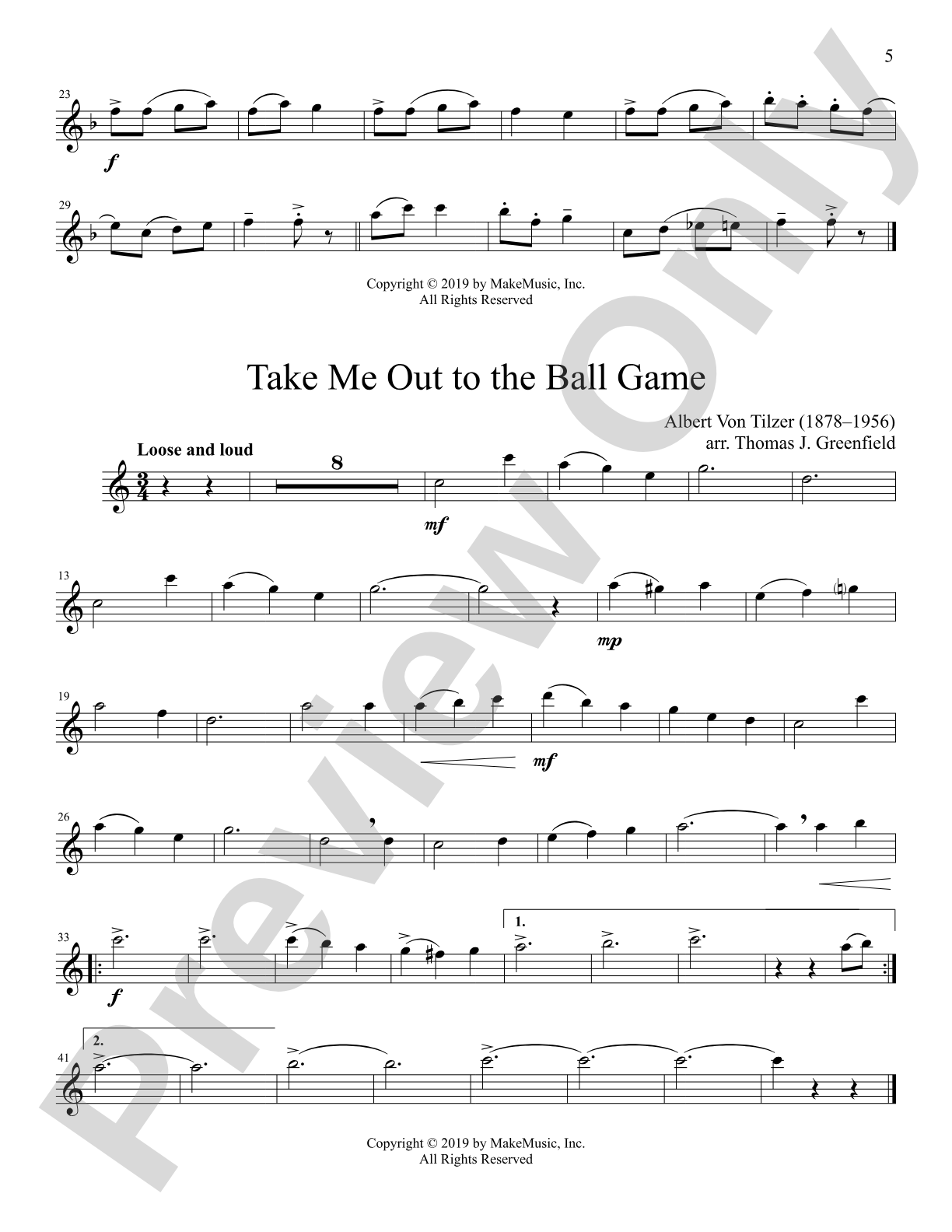
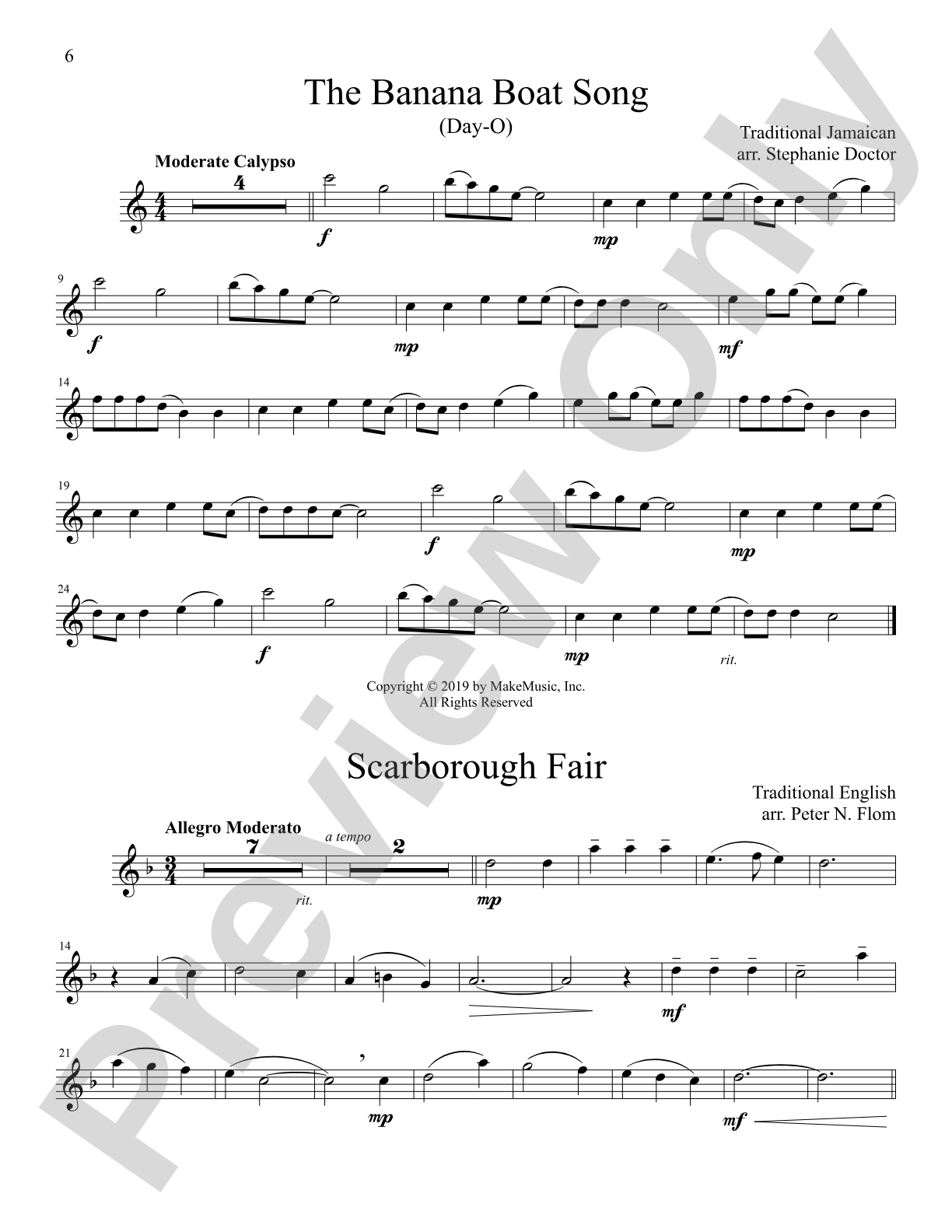
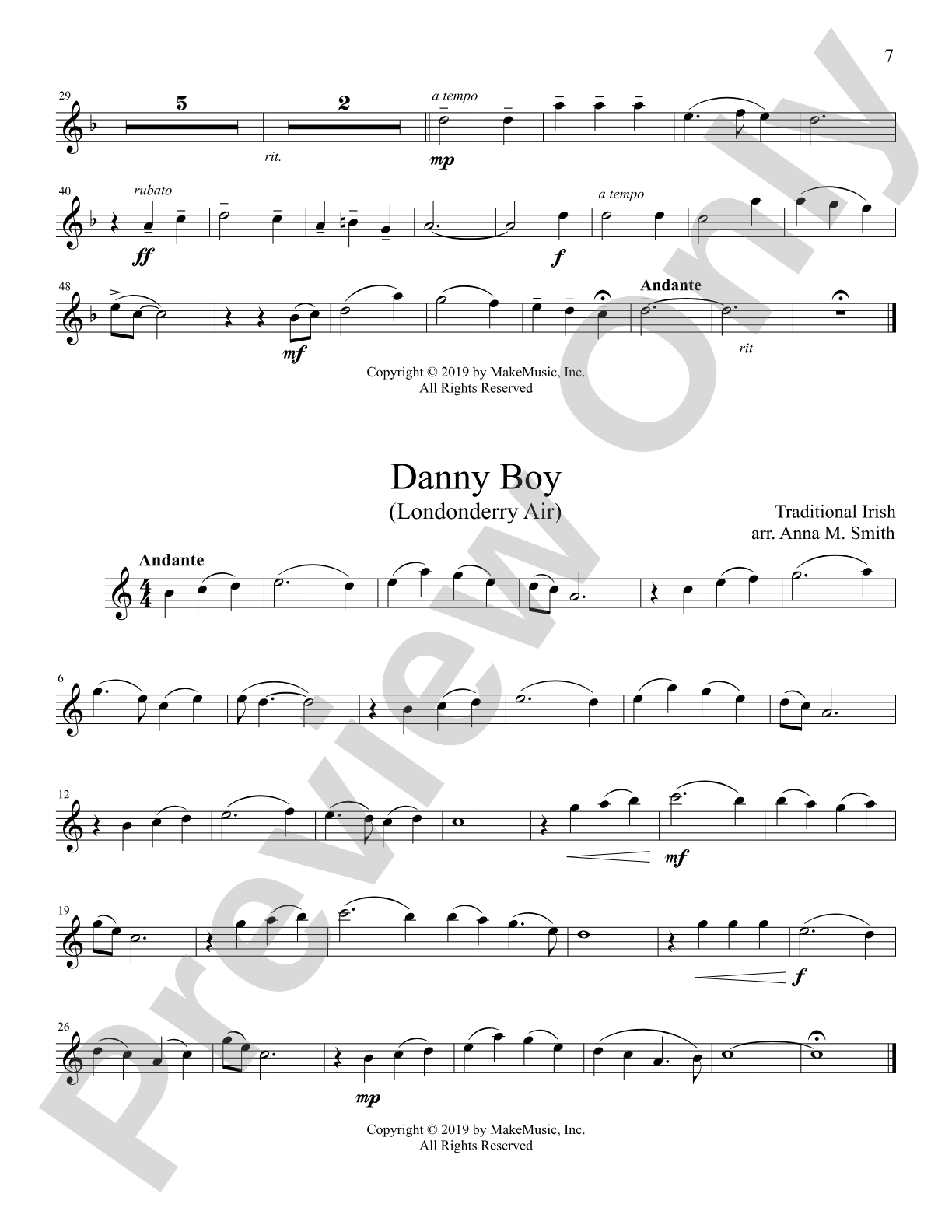
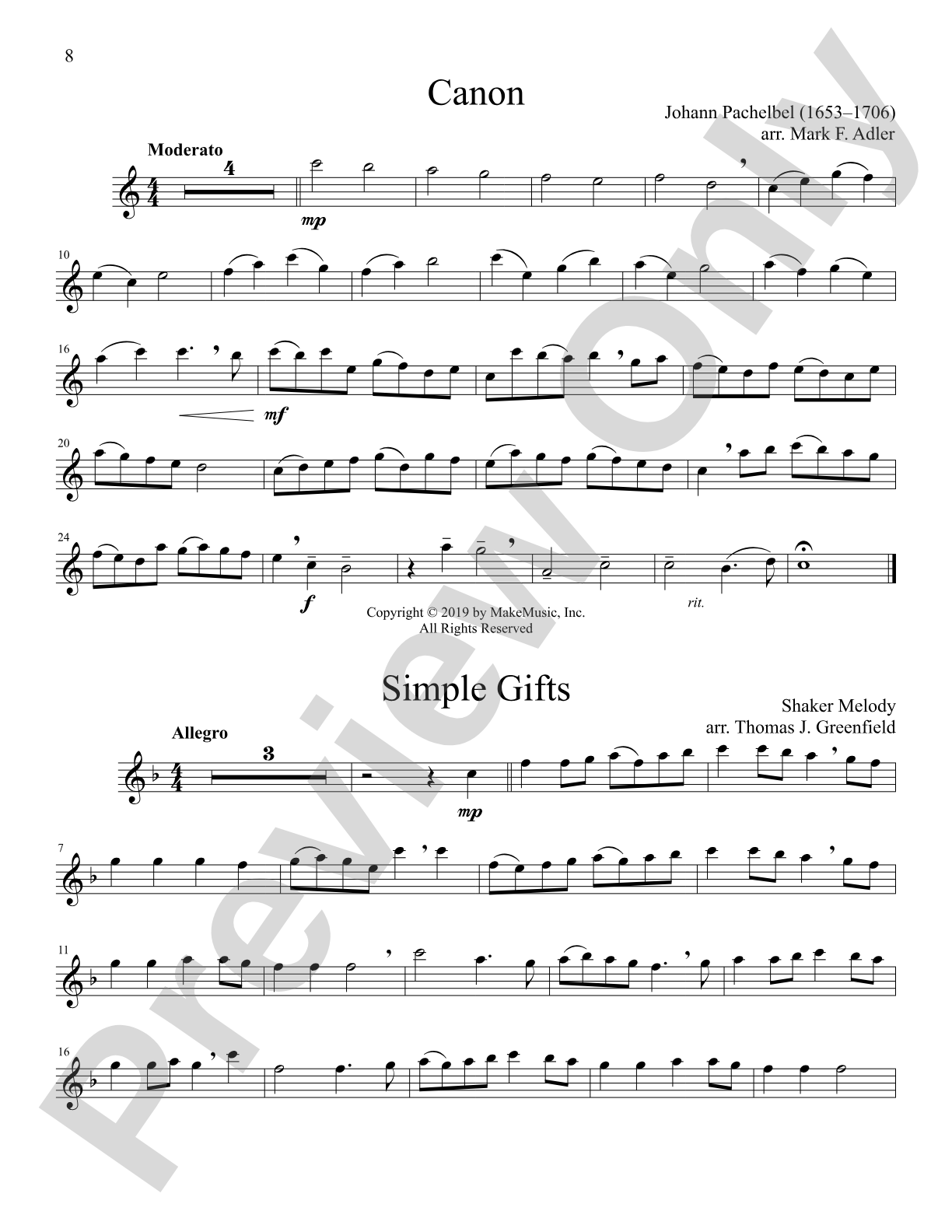
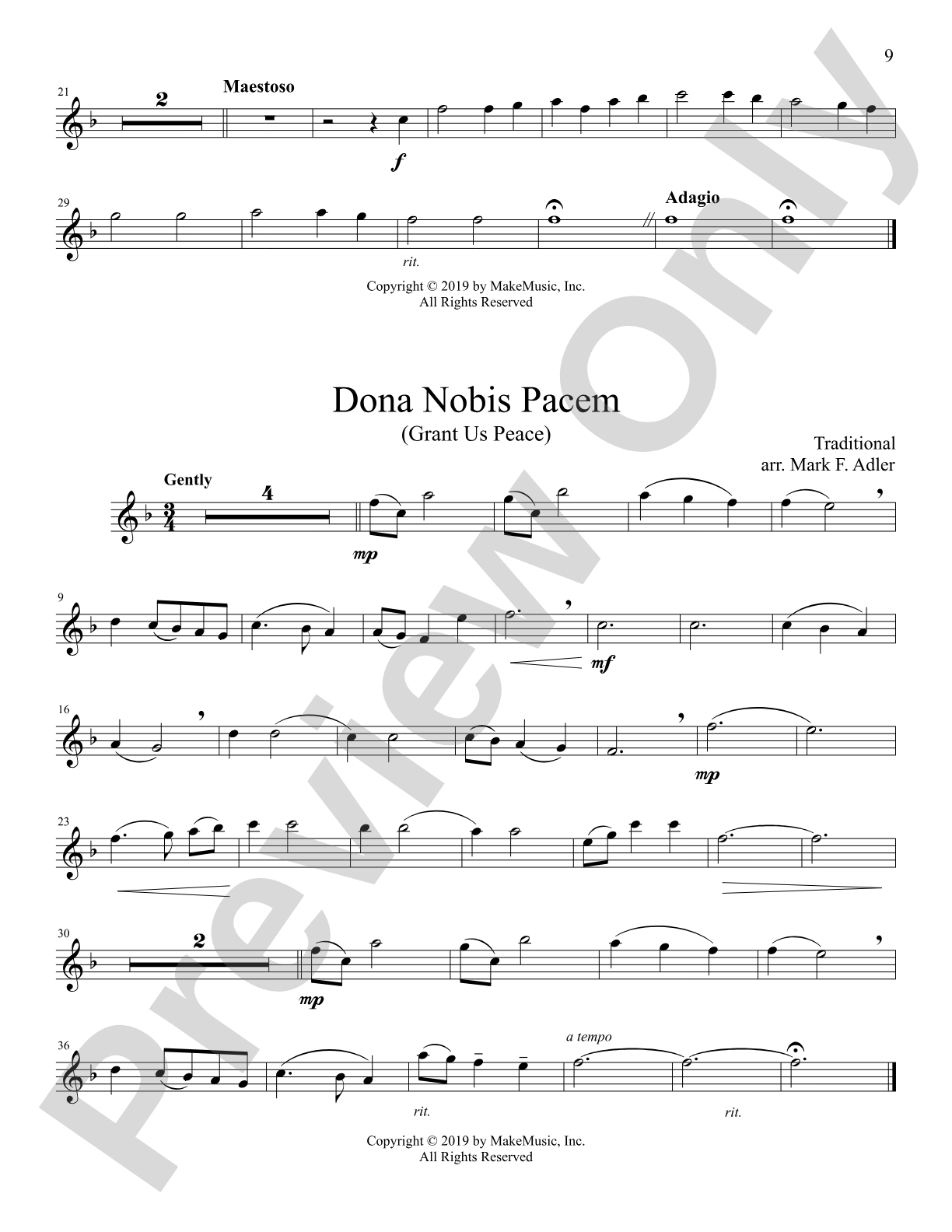
The Beginning Tenor Saxophone Soloist Sheet Music Preview

The Beginning Tenor Saxophone Soloist: Solo & Small Ensemble

Level: Beginning

Item: 00-PS-0016139

Digital Download
$6.99
Description
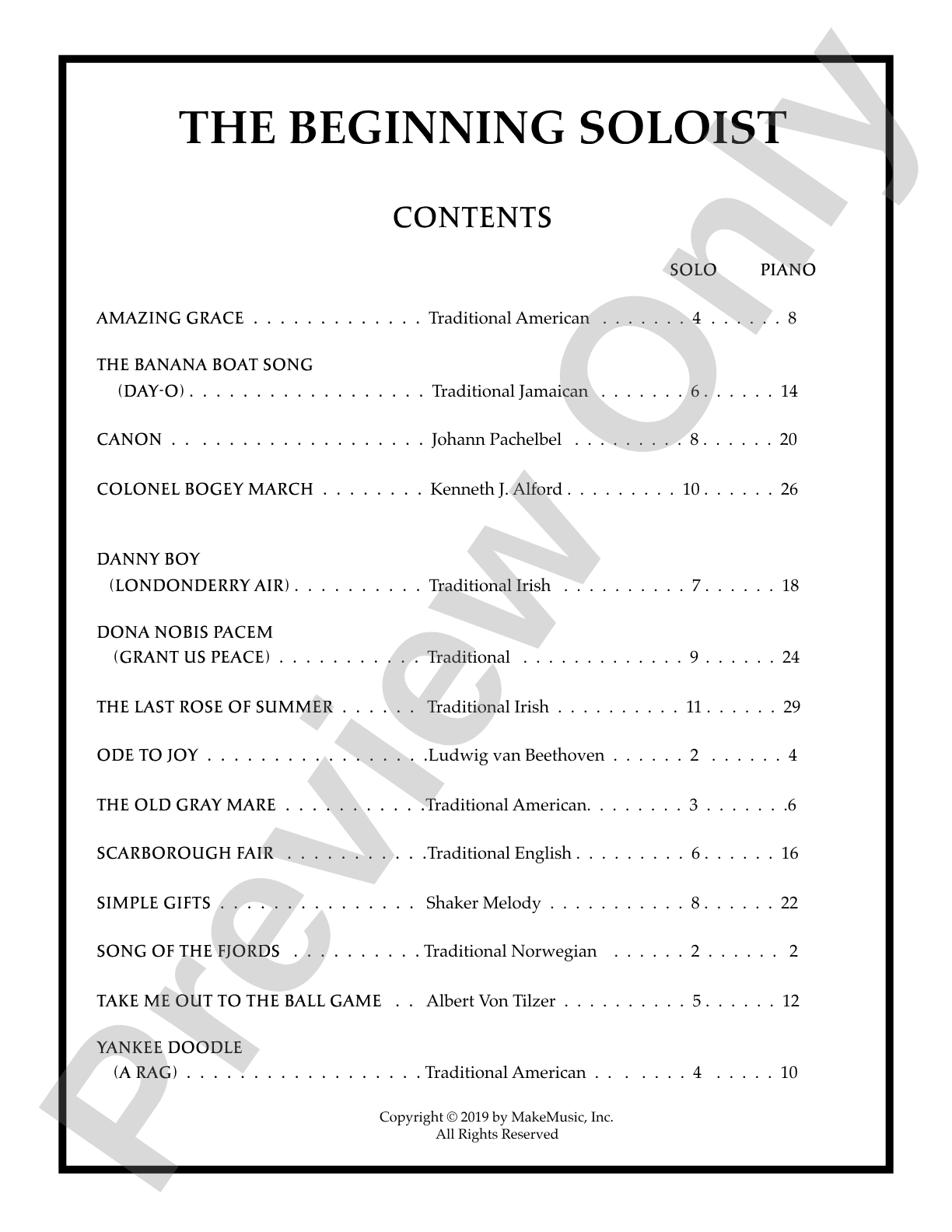
The Beginning Soloist series is made up of 14 fresh, new arrangements of familiar tunes. These accessible Level 1--2 solos are ideal for the beginning student's first recital or concert.

The Beginning Tenor Saxophone Soloist: Solo & Small Ensemble isn't in MakeMusic Cloud just yet...but it could be. Let us know you'd like to see it, and you'll help shape what comes next. In the meantime, start a free trial and dive into thousands of interactive titles your students can play along with today.

Sample Audio
No sample audio found.
Sample Video
Additional Details
Series: Beginning Soloist
SKU: 00-PS-0016139
Instrumentation: B-flat Tenor Saxophone

More about this title

Why we love this

Fourteen arrangements of recognizable melodies mean students connect immediately to the music they're performing, building confidence faster than unfamiliar material does. The Level 1–2 difficulty keeps the focus on tone production and phrasing rather than wrestling with technical passages, so beginners can actually sound musical from their first public performance.

What to expect

Familiar melodies arranged with fresh character that honors the original tune while showcasing what the tenor saxophone does best: warm, singing tone with enough room to breathe and shape each phrase. The accessibility means you can focus on enjoying the sound you're making rather than fighting the notes.

Who it's for

Beginning tenor saxophone students preparing for their first recital or concert performance. These solos work equally well for young band students stepping into the spotlight or for self-directed learners who want achievable solo repertoire with immediate musical payoff.

How to get the most out of it

  • Find the natural breathing points in each melody and use them as moments to reset your embouchure and posture rather than rushing through phrases.
  • Record yourself on your phone and listen back to identify spots where the rhythm drifts or the tone thins; this trains your ear to hear what the audience hears.
  • Practice the highest notes in each solo at a comfortable dynamic level first, then gradually bring them up to performance volume so they sit naturally in the range rather than sounding forced.

How to use it

Feature one or two solos on a student recital to give beginning players meaningful solo experience without the pressure of highly demanding material. You can also blend them into a concert program where young soloists alternate with ensemble pieces, breaking up the pacing for your audience.

Skills your students will build

  • Shaping musical phrases with appropriate breathing and dynamics
  • Playing with consistent tone quality across the full range of beginning repertoire
  • Managing solo performance nerves in a low-pressure context
  • Interpreting familiar melodies expressively rather than just reading notes
  • Building endurance for complete solo statements without fatigue

You May Also Like