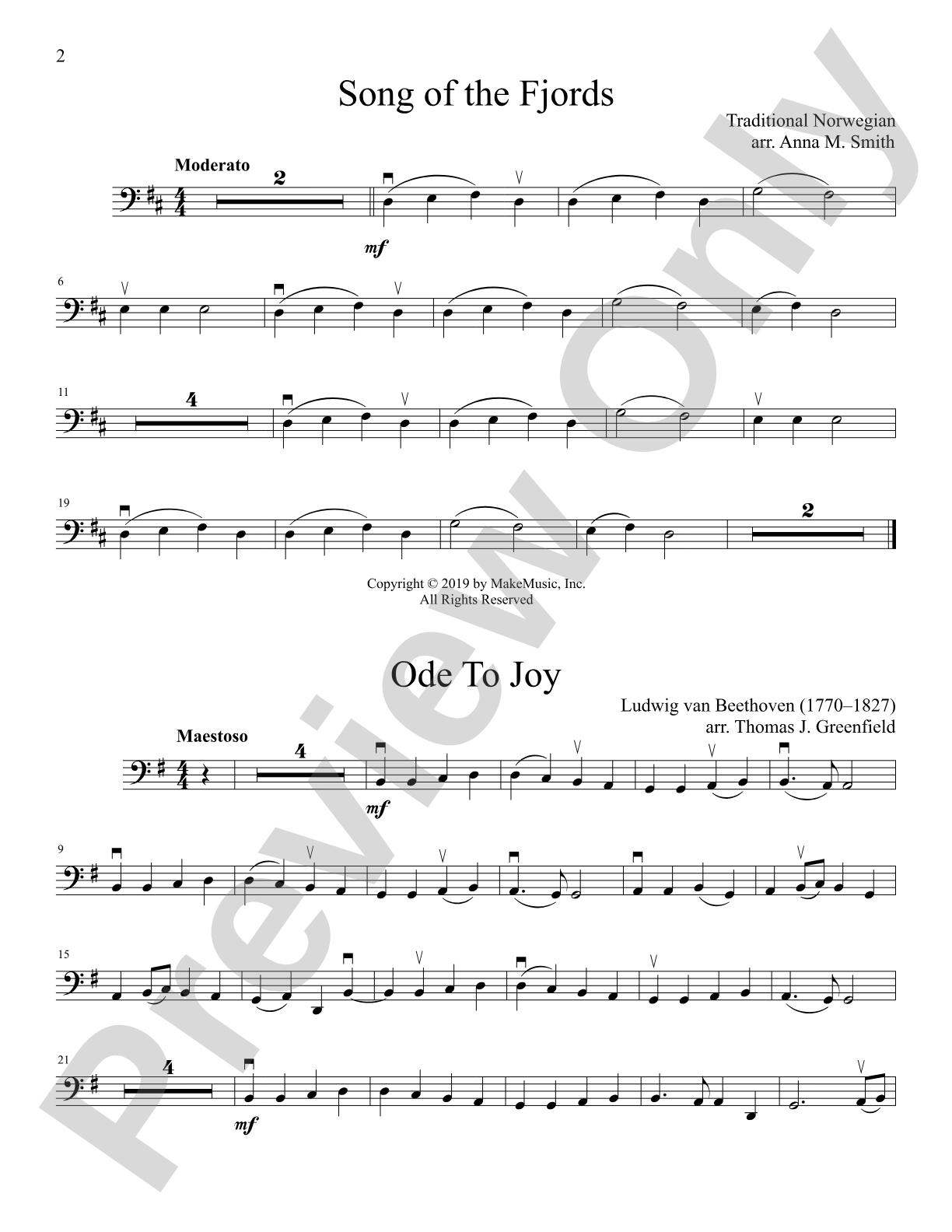
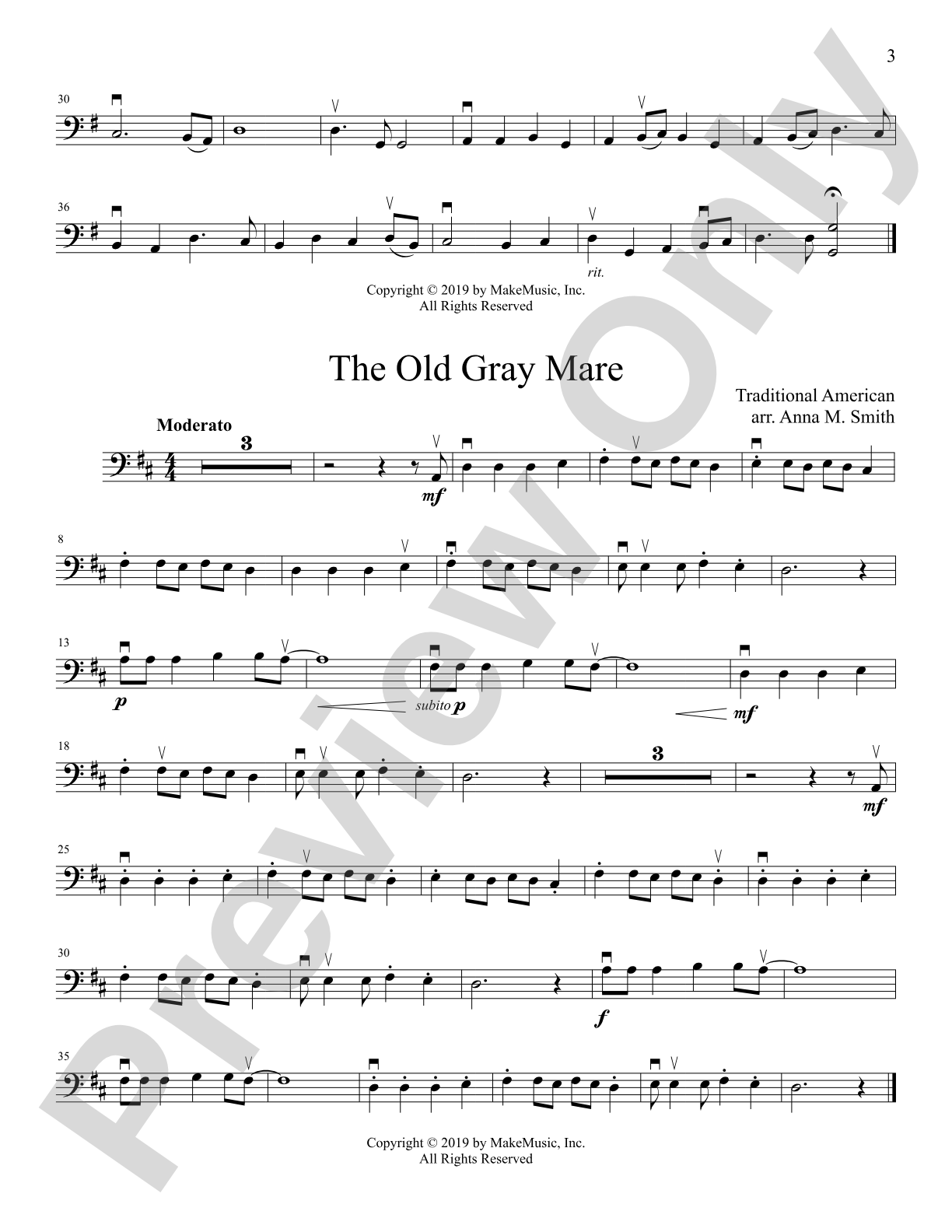
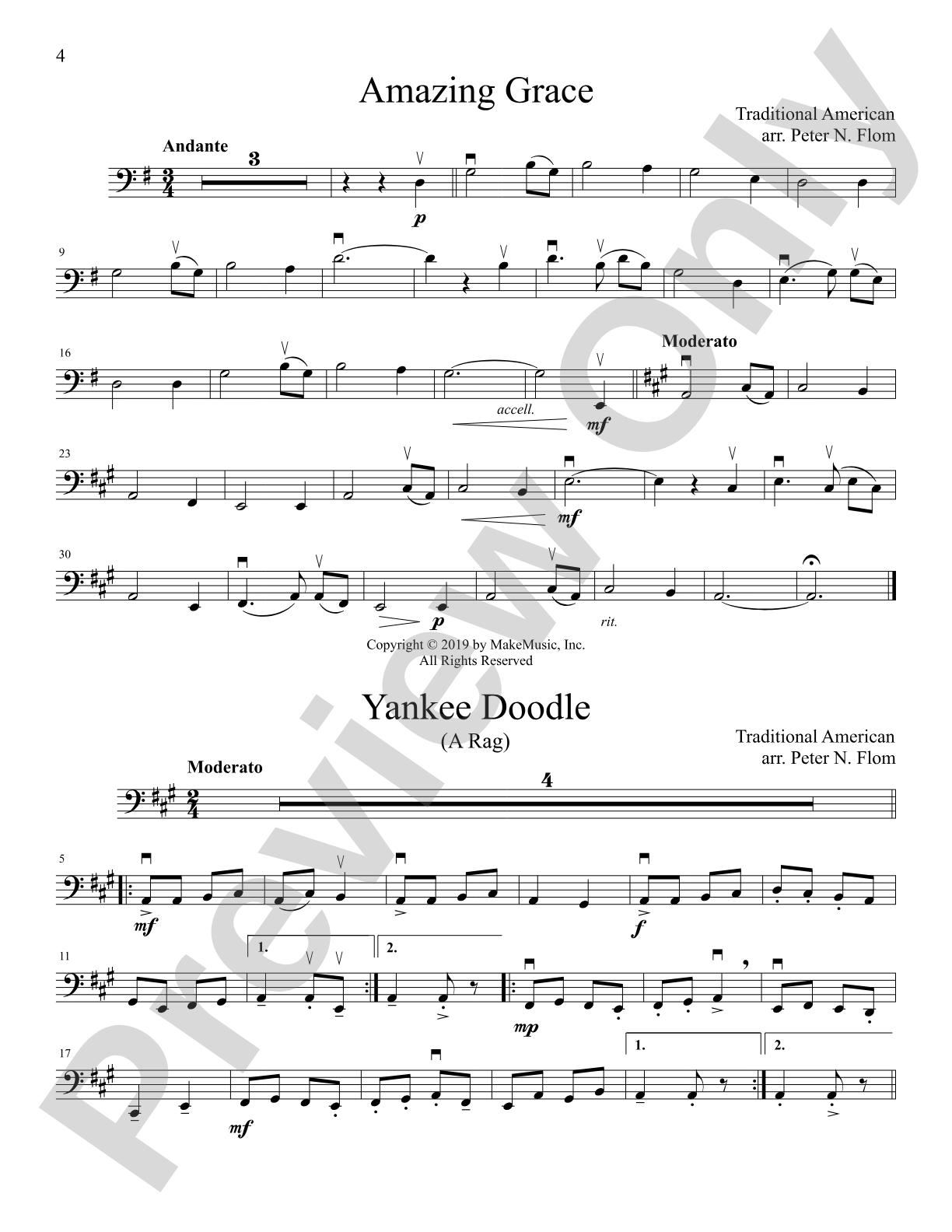
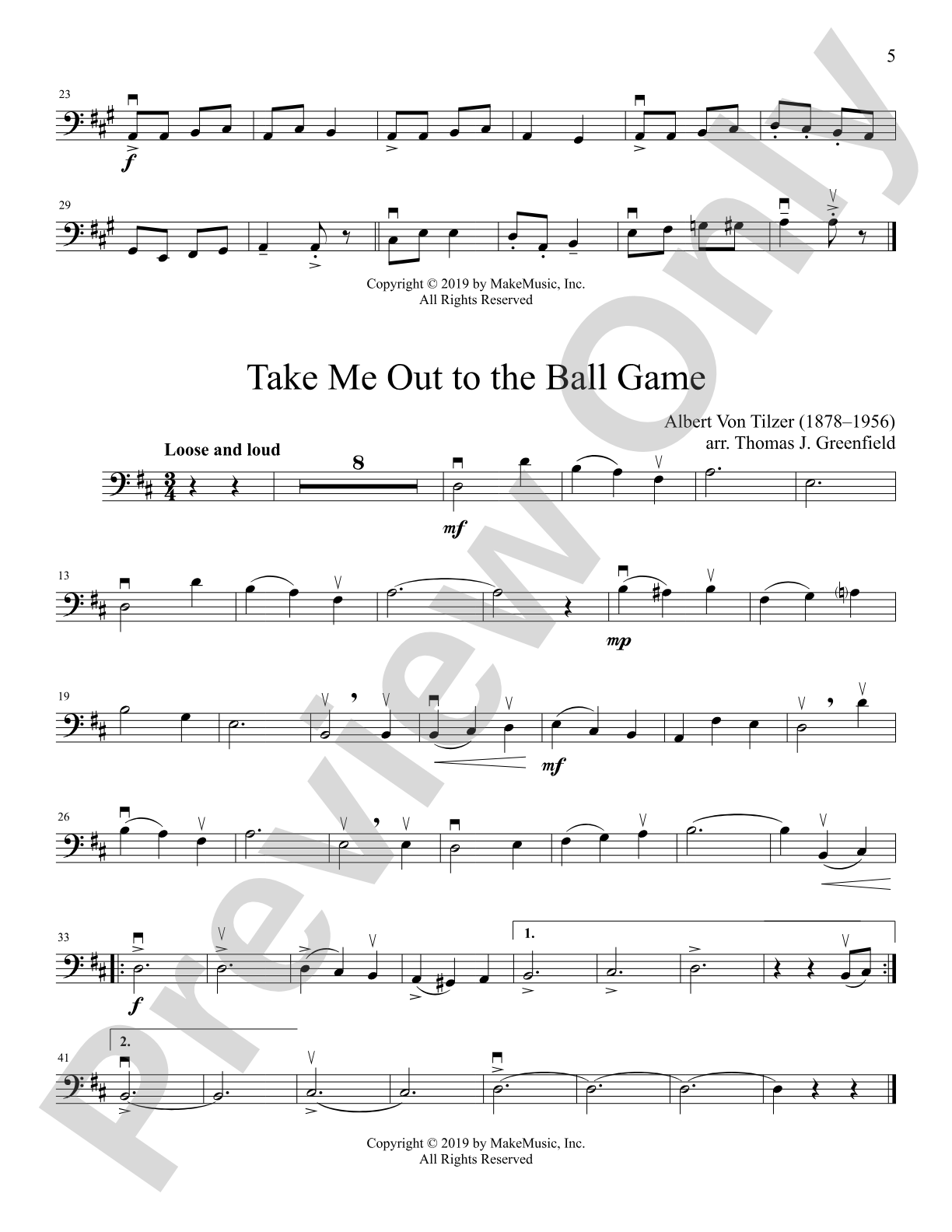
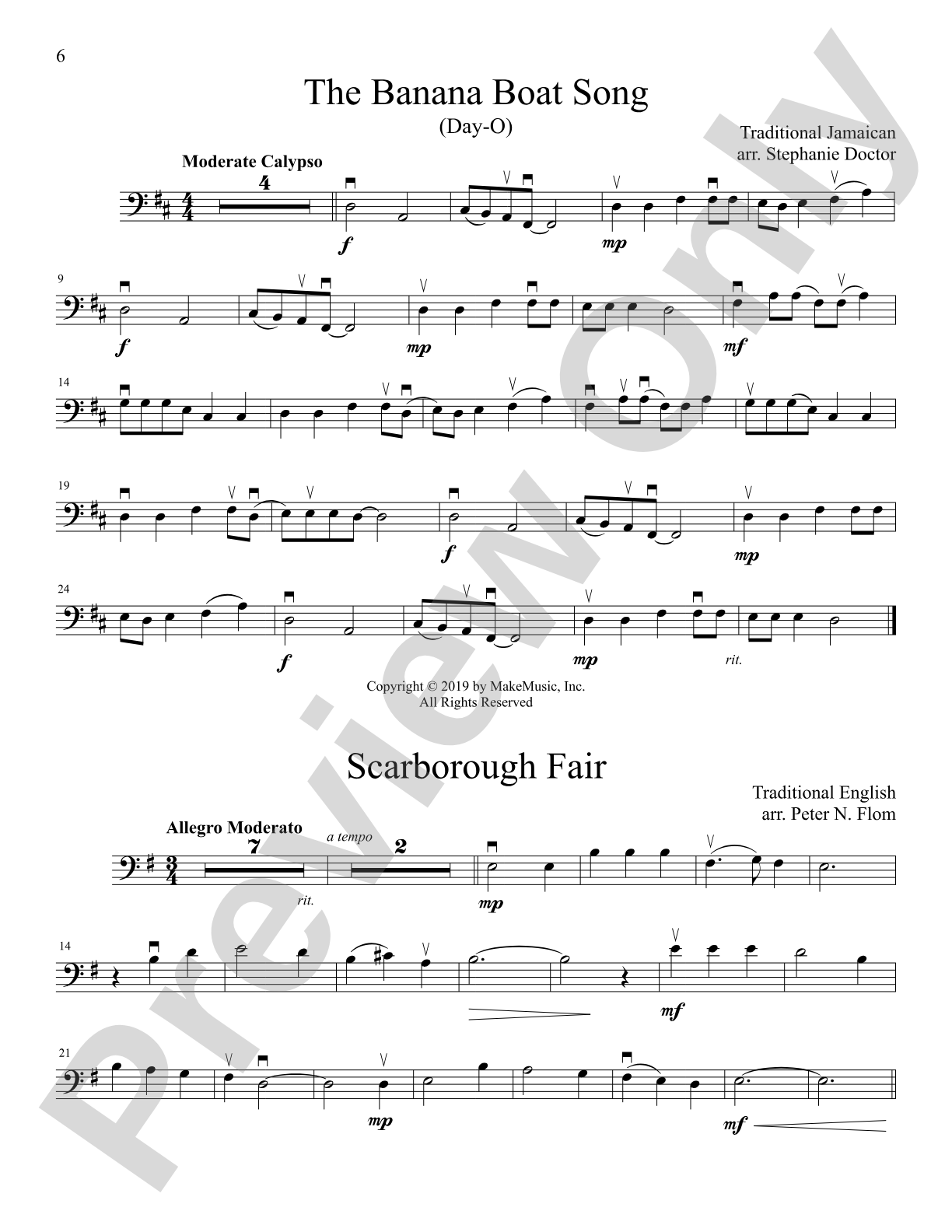
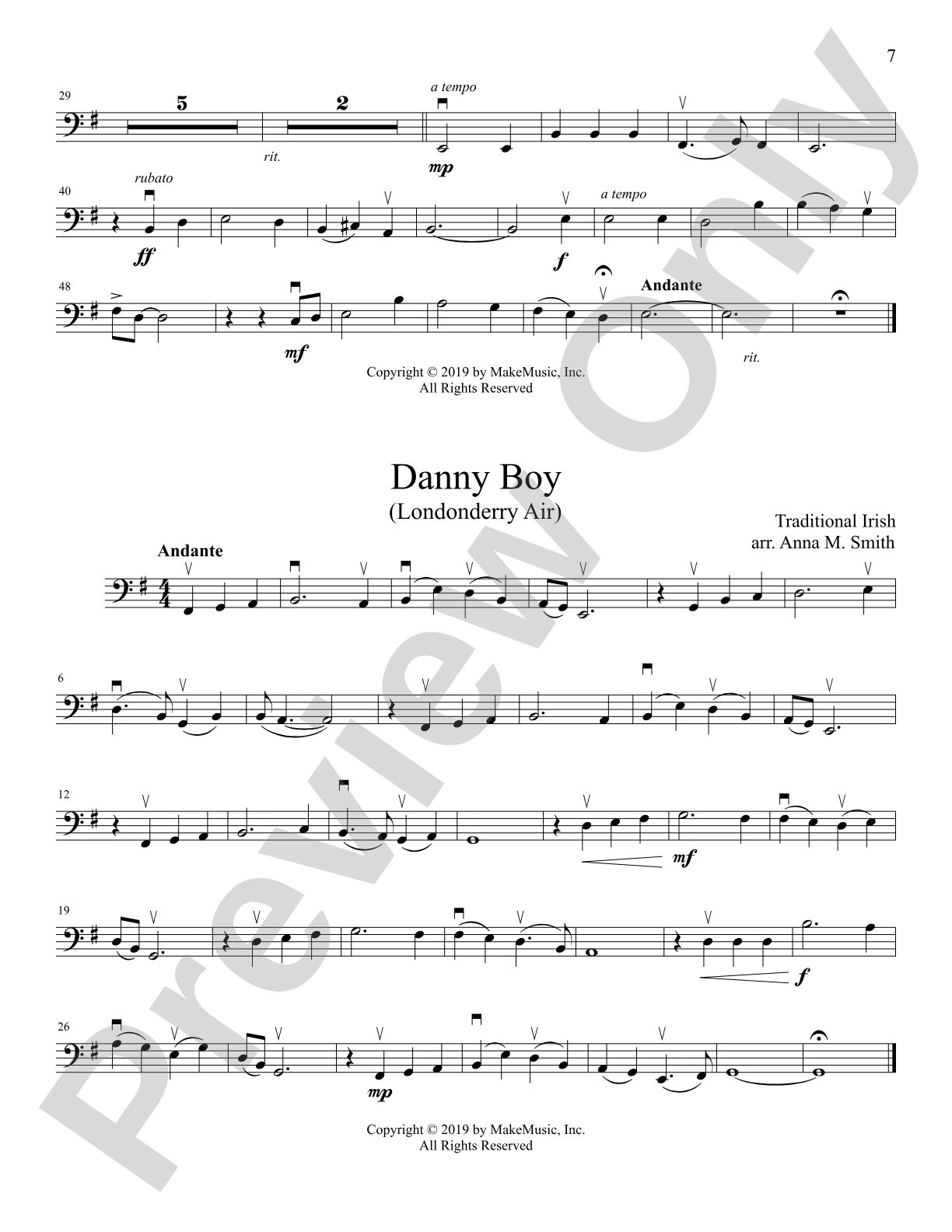
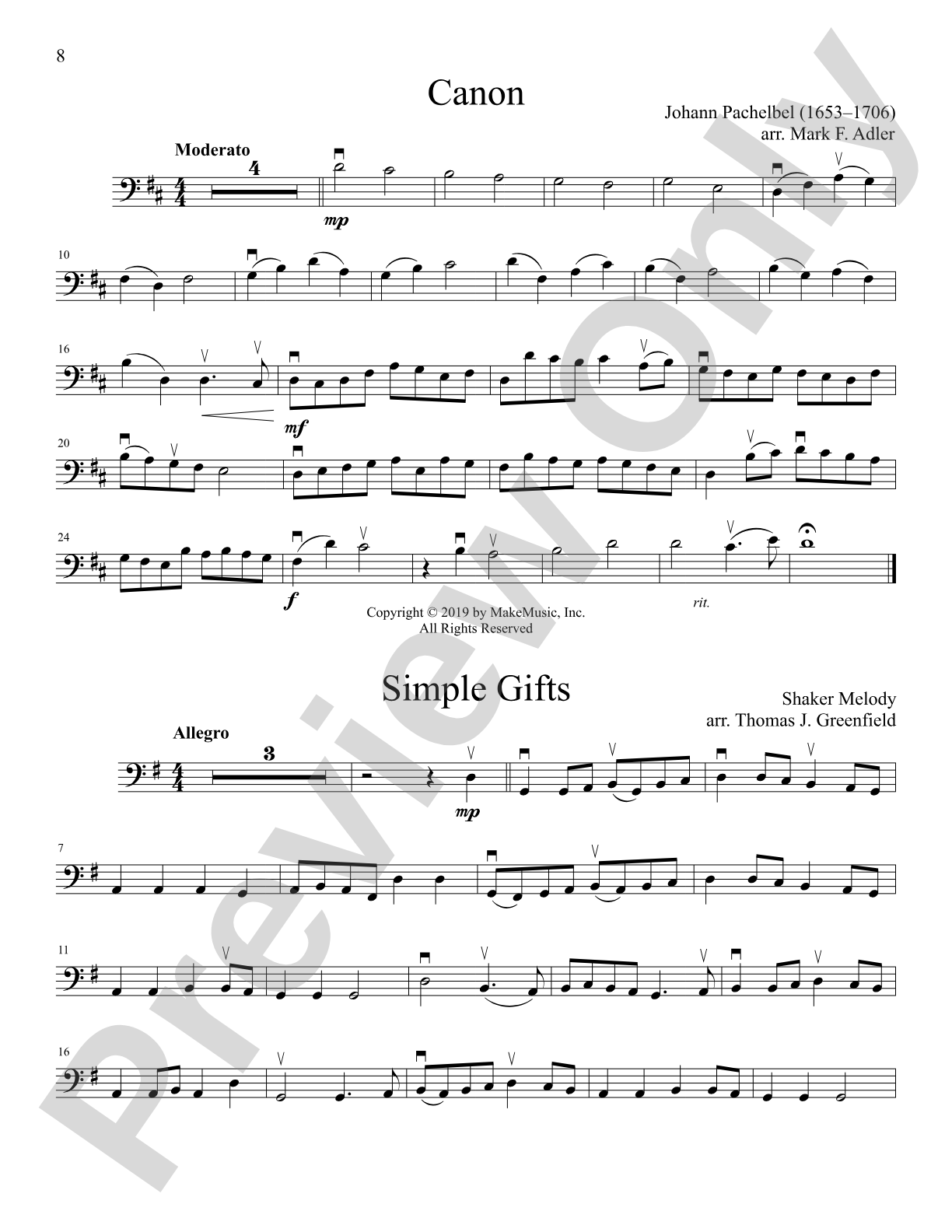
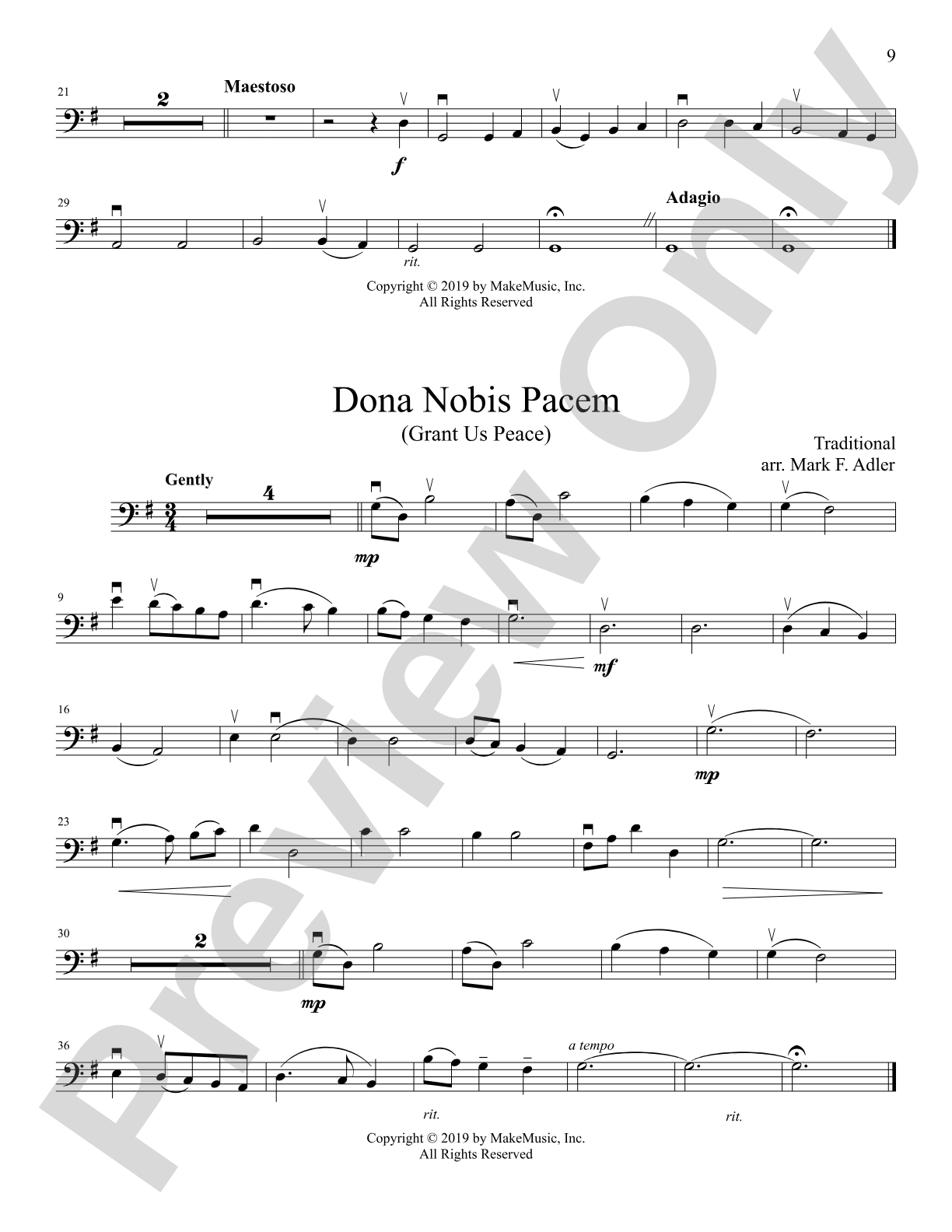
The Beginning String Bass Soloist Sheet Music Preview

The Beginning String Bass Soloist: Solo & Small Ensemble

Level: Beginning

Item: 00-PS-0016138

Digital Download
$6.99
Description
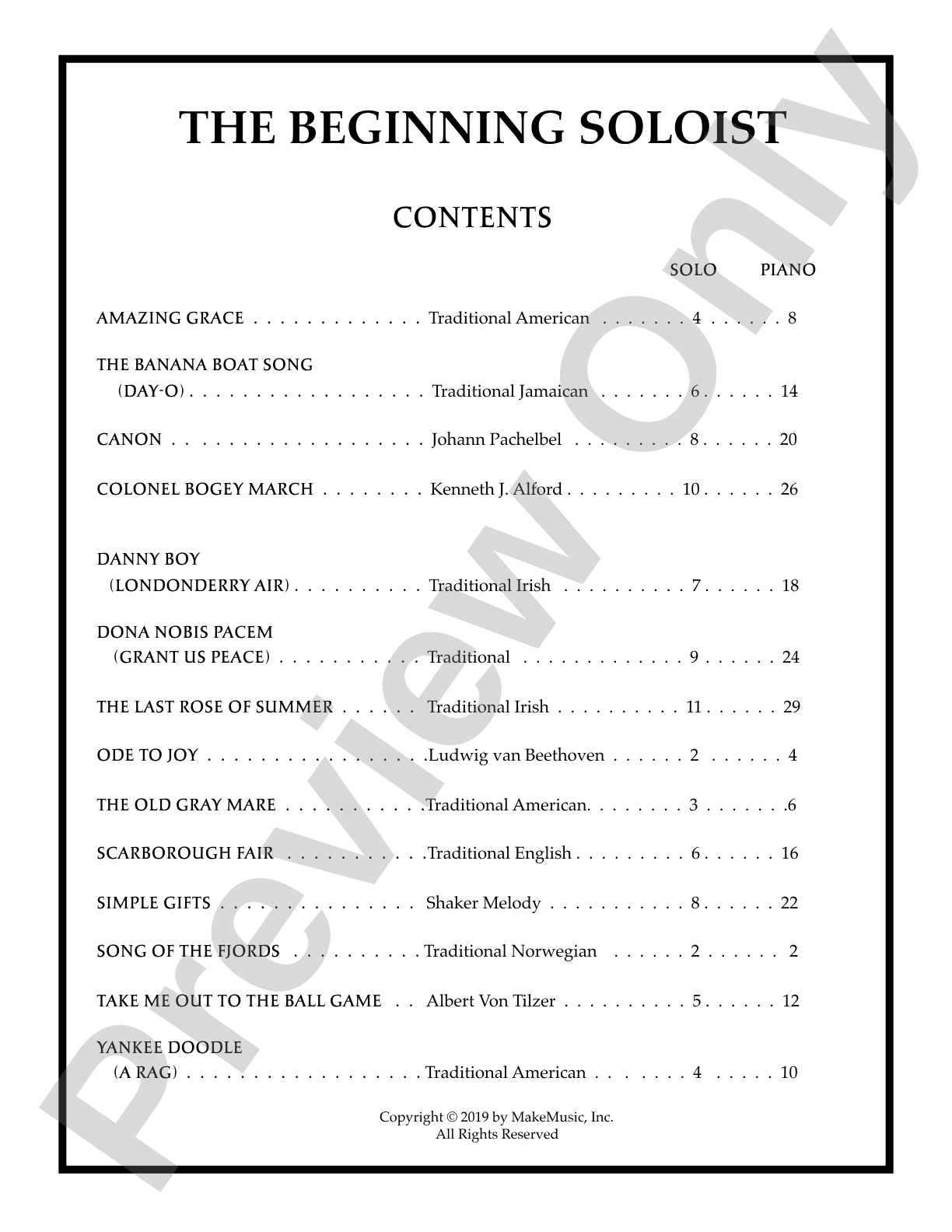
The Beginning Soloist series is made up of 14 fresh, new arrangements of familiar tunes. These accessible Level 1--2 solos are ideal for the beginning student's first recital or concert.

The Beginning String Bass Soloist: Solo & Small Ensemble isn't in MakeMusic Cloud just yet...but it could be. Let us know you'd like to see it, and you'll help shape what comes next. In the meantime, start a free trial and dive into thousands of interactive titles your students can play along with today.

Sample Audio
No sample audio found.
Sample Video
Additional Details
Series: Beginning Soloist
SKU: 00-PS-0016138
Instrumentation: Bass

More about this title

Why we love this

A beginning string bassist's first solo recital deserves music that sounds genuine, not simplified beyond recognition. These 14 arrangements preserve the character of familiar tunes while staying squarely in the accessible range where early soloists can actually succeed.

What to expect

Familiar melodies take on new personality when you're the one driving them forward. There's the satisfaction of recognizing a tune your friends and family know, paired with the reality that playing it solo demands precision and ownership that's very different from blending with a section.

Who it's for

Beginning string bassists preparing their first solo recital or wanting to explore solo repertoire beyond orchestra parts. These pieces work equally well in a studio lesson setting or on a school concert where showcasing early-stage soloists matters.

How to get the most out of it

  • Choose a tune that matches your student's personality. Since these are familiar melodies, lean into what makes each one distinctive rather than playing it safe.
  • Pay attention to where the bass line naturally sits in each arrangement. The first solo appearance is your moment to establish ownership of the melody.
  • Let the accompaniment breathe. Beginning soloists often rush to fill silence; resist that impulse and let measures that feature only the bass truly land.
  • Record yourself early and often. Hearing playback helps you catch rhythmic unevenness that feels fine in the moment but needs work.

How to use it

Feature one or two of these on a studio recital where variety keeps the audience engaged and gives younger students a model for what solo playing sounds like. They also work well in school concerts where community members appreciate recognizable material performed by developing musicians.

Skills your students will build

  • Playing a complete solo line from start to finish without section support
  • Sustaining tone and intonation while carrying the melodic responsibility
  • Shaping familiar melodies with intentional phrasing
  • Managing the transition between rehearsal focus and solo performance context

You May Also Like