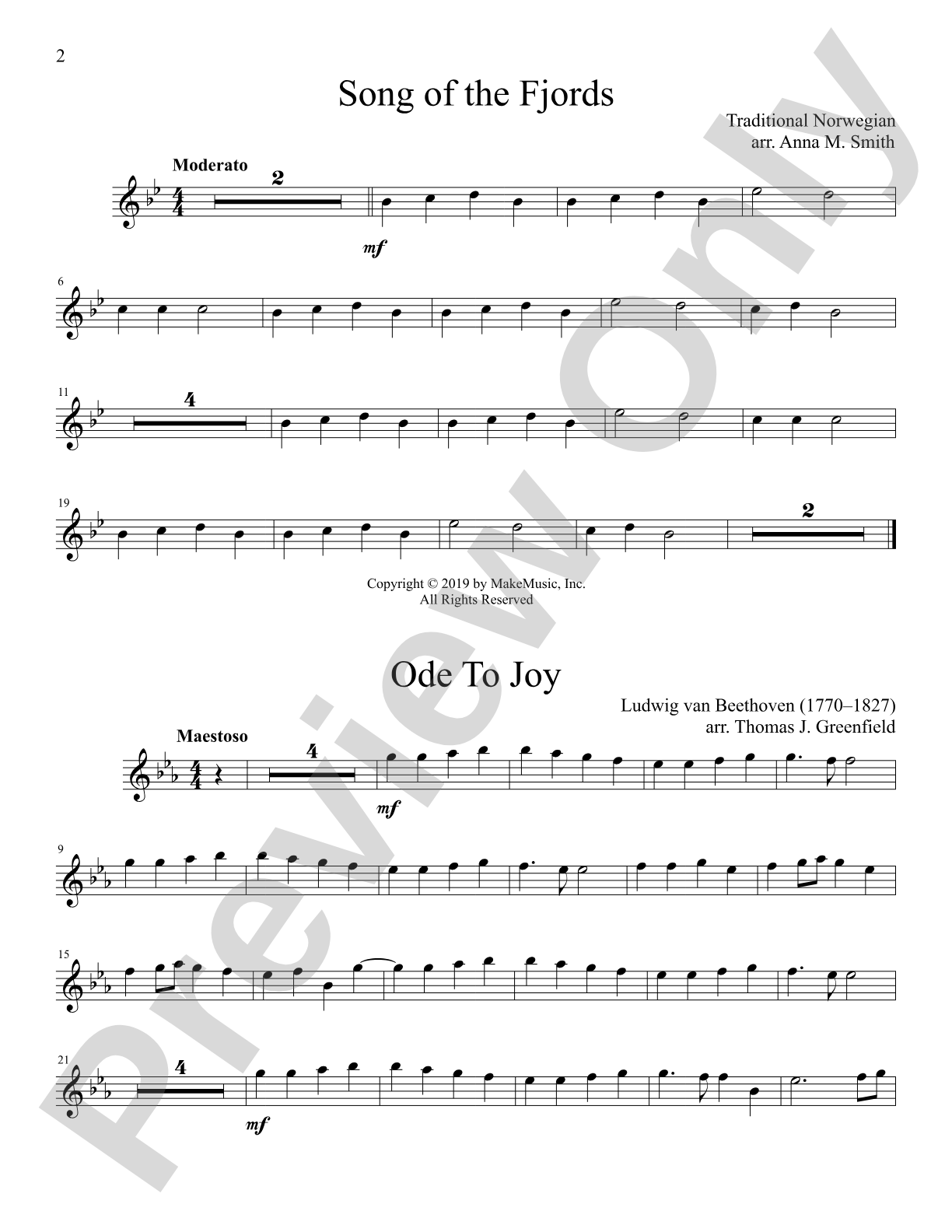
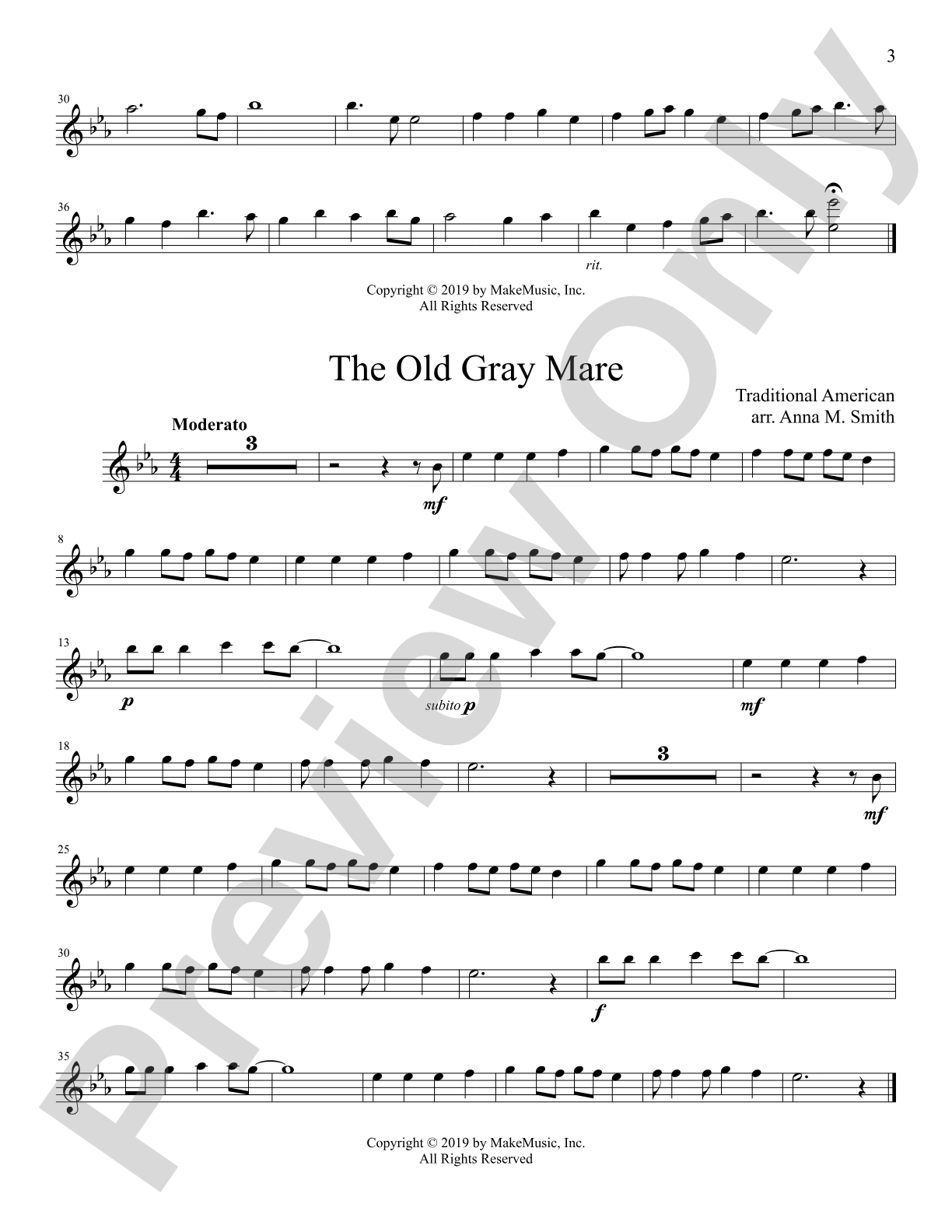
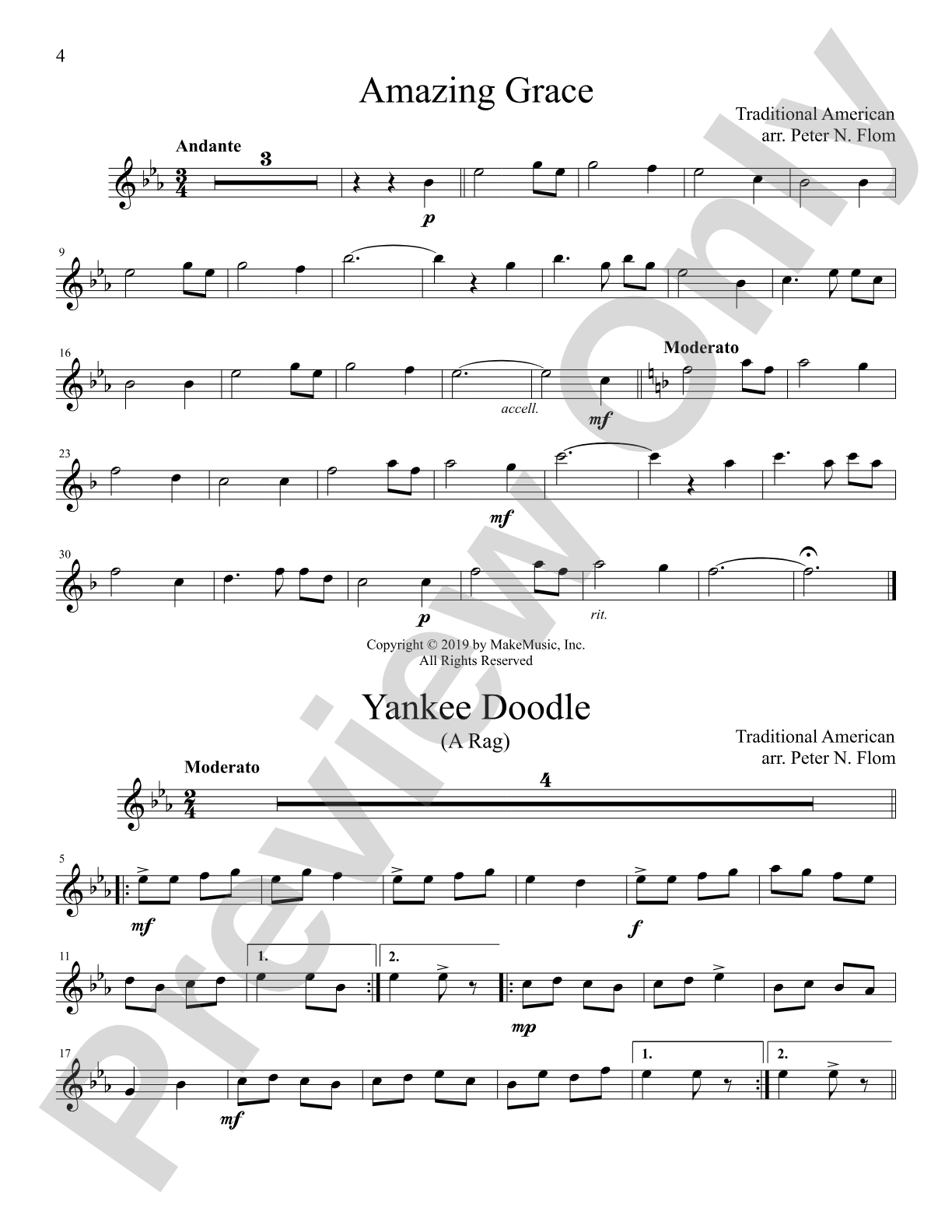
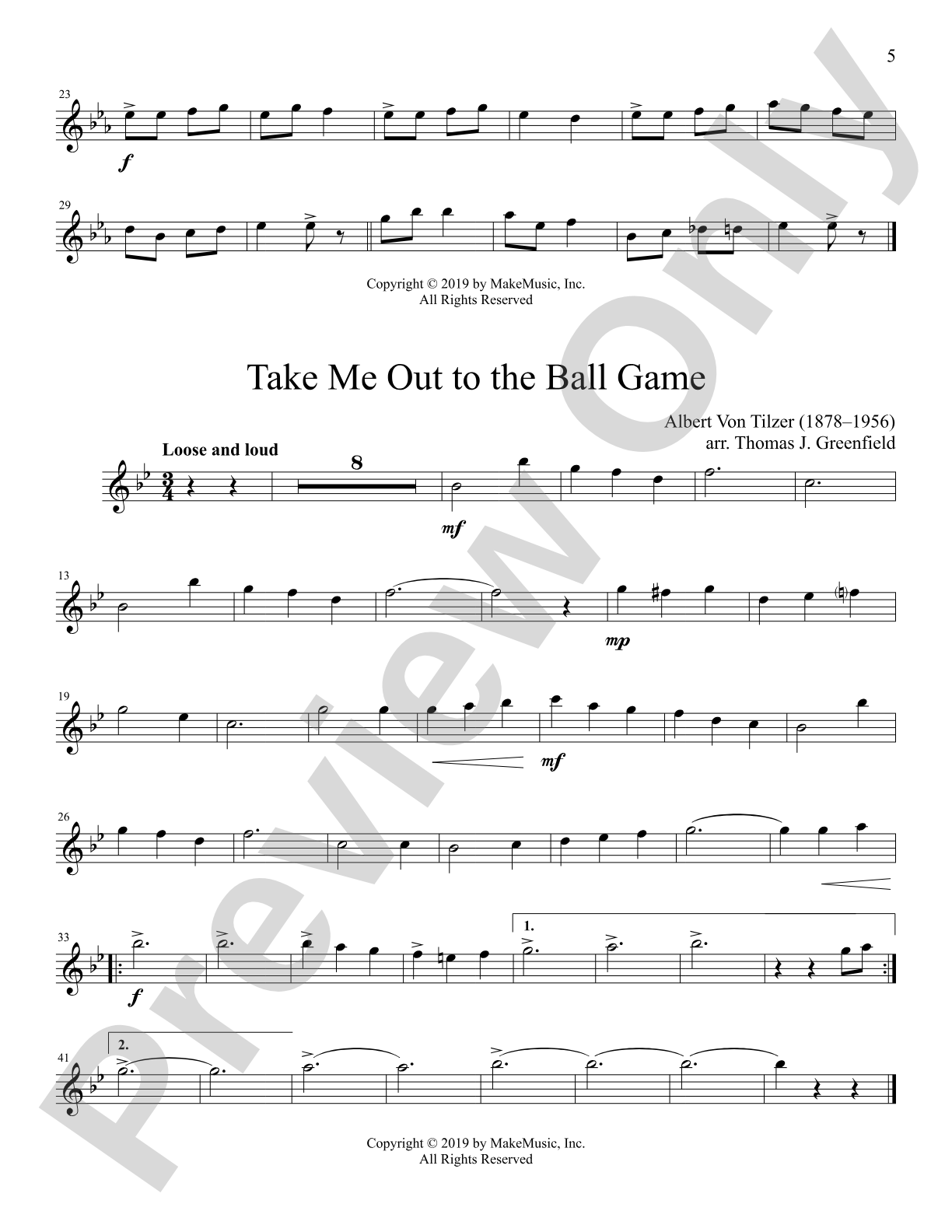
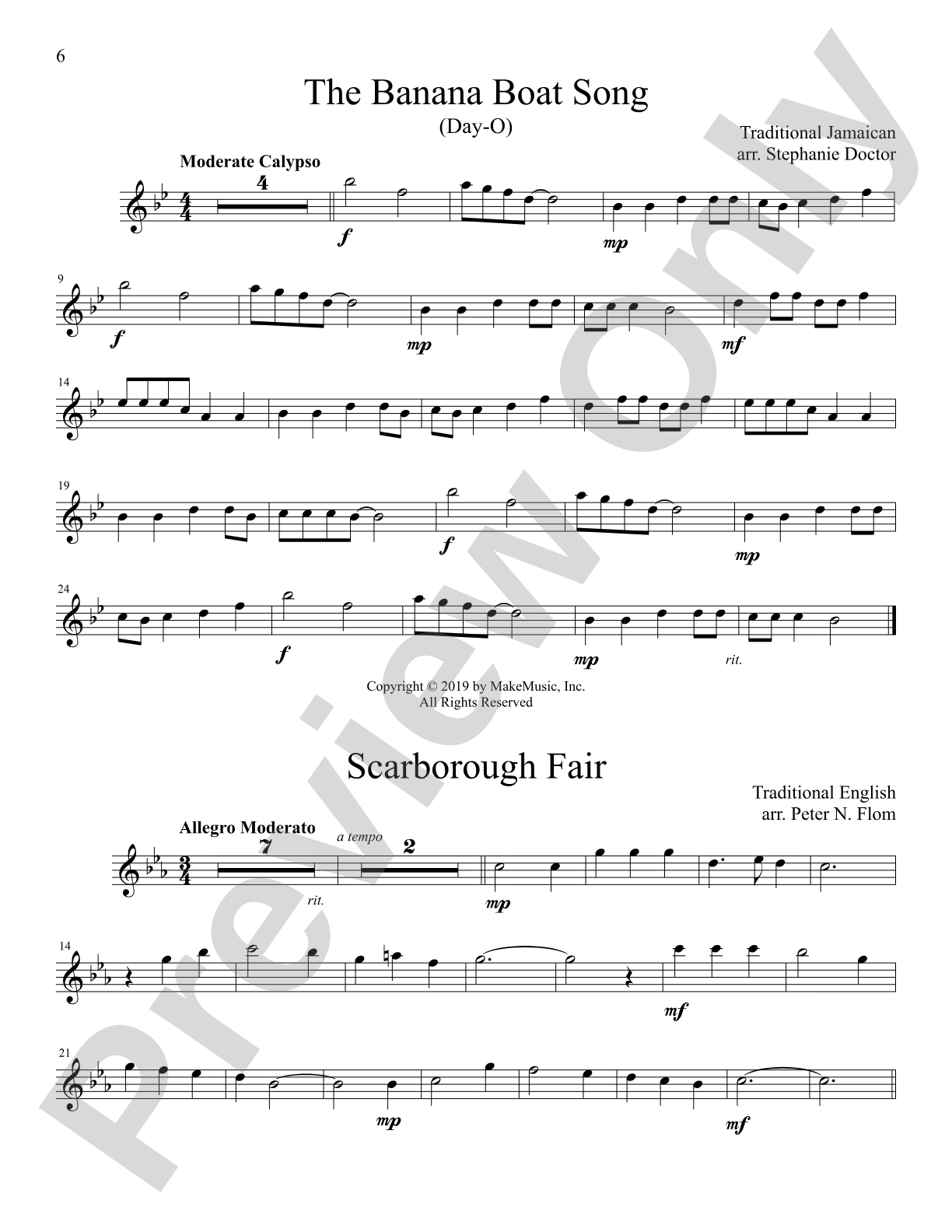
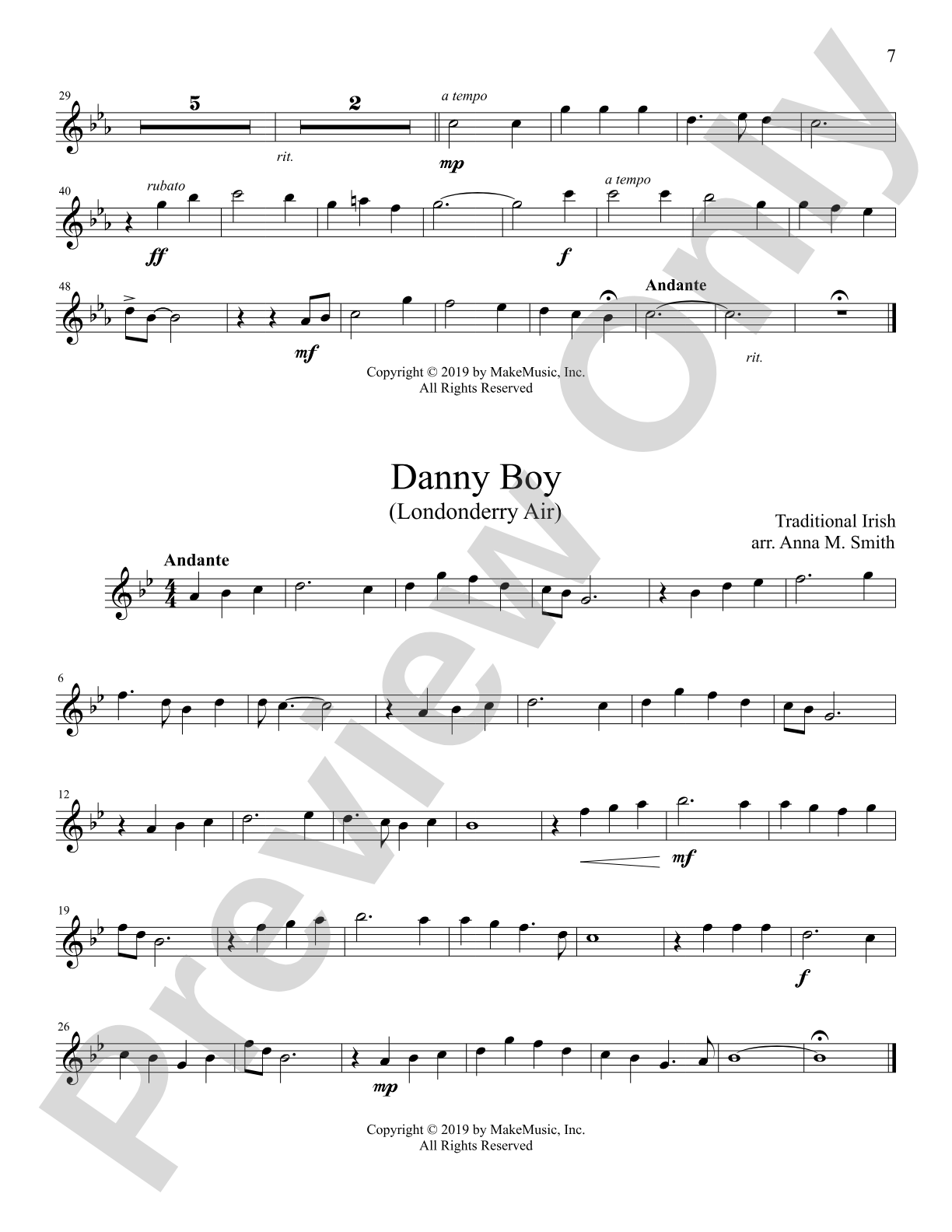
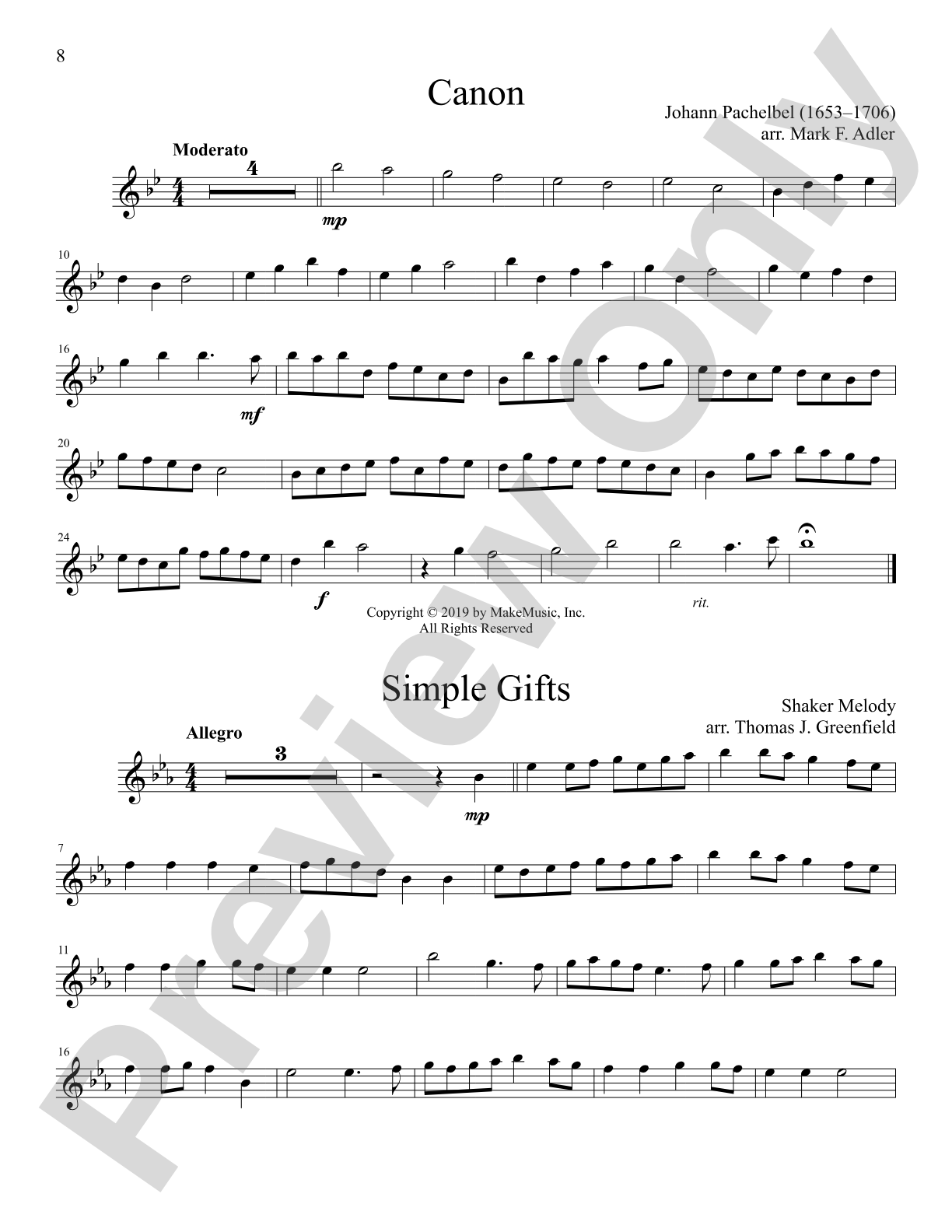
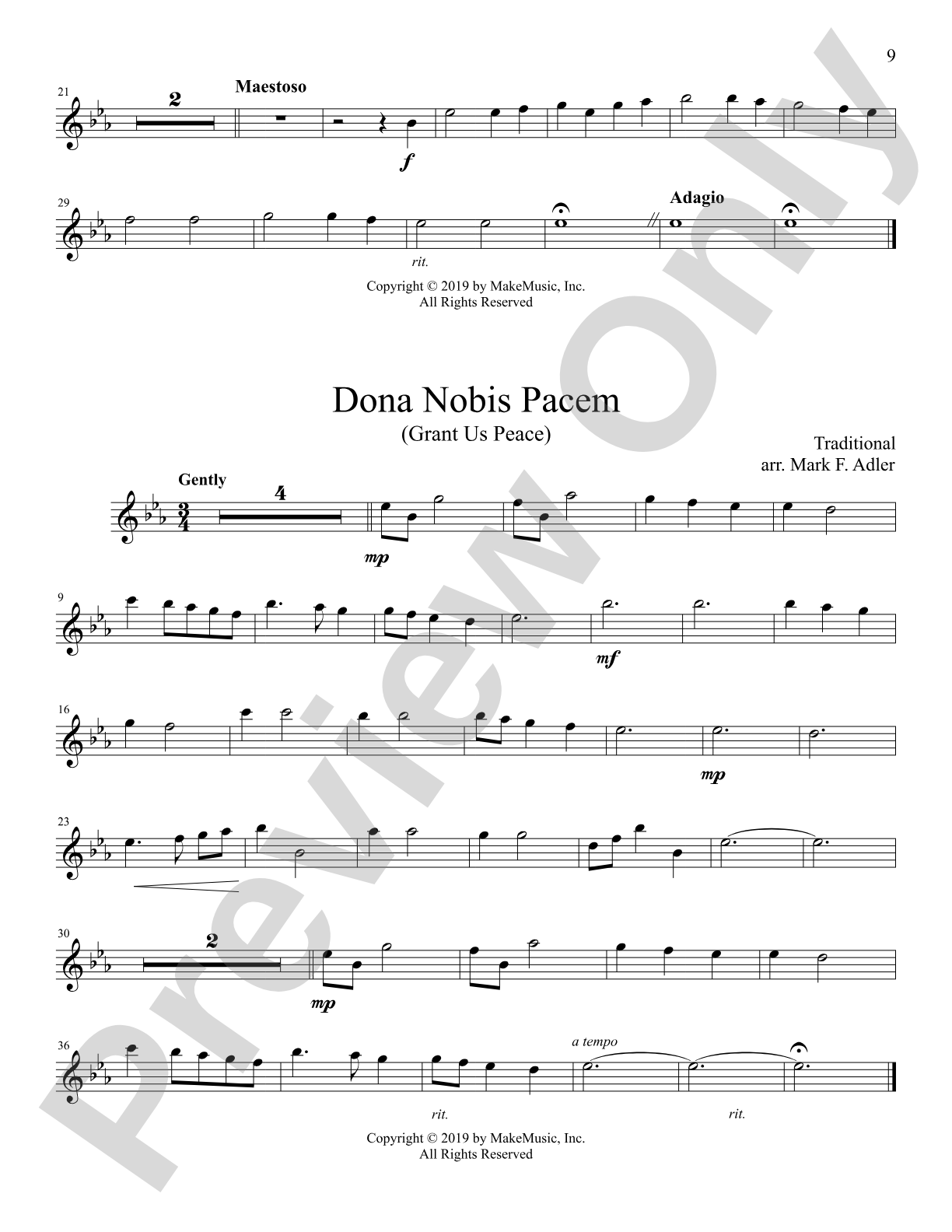
The Beginning Mallet Soloist Sheet Music Preview

The Beginning Mallet Soloist: Solo & Small Ensemble

Level: Beginning

Item: 00-PS-0016136

Digital Download
$6.99
Description
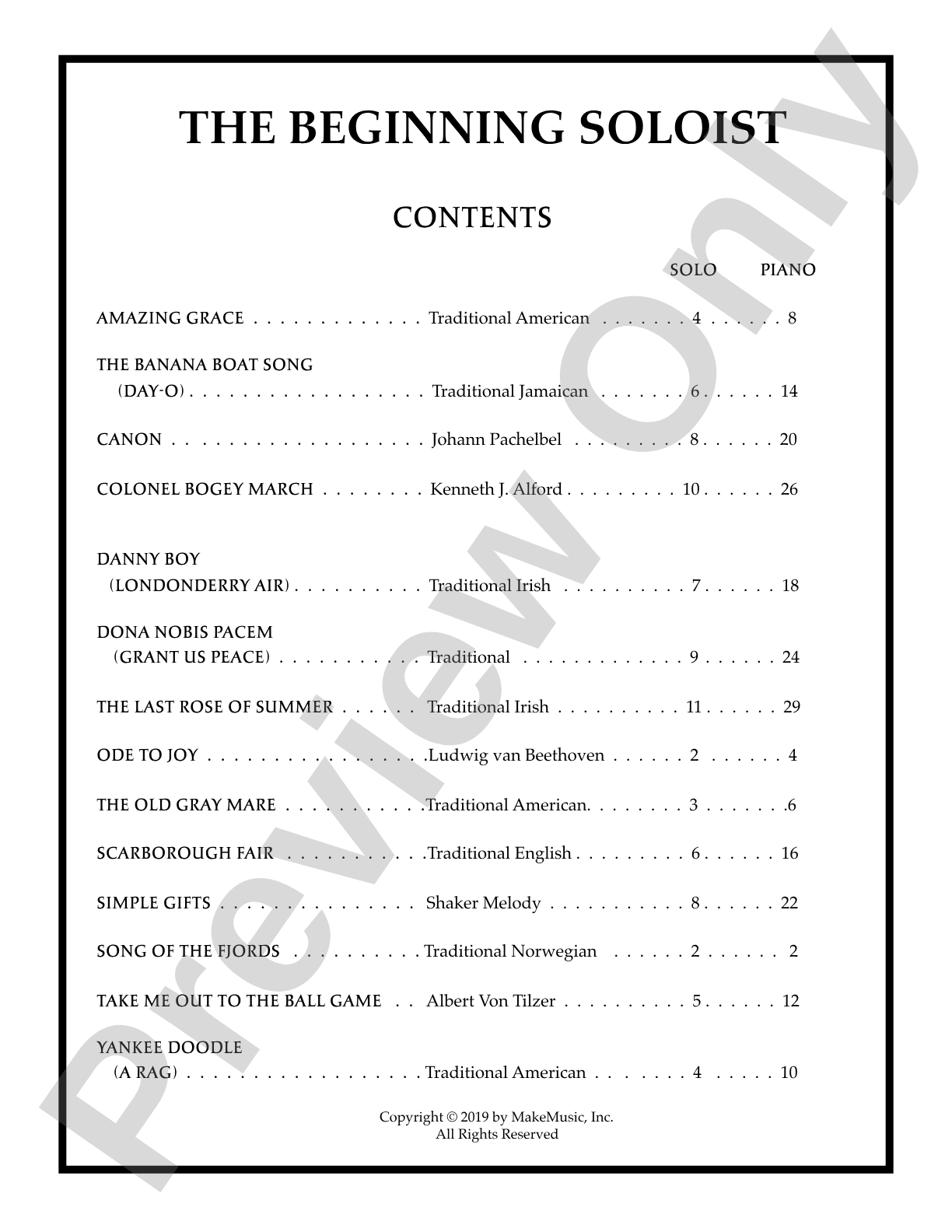
The Beginning Soloist series is made up of 14 fresh, new arrangements of familiar tunes. These accessible Level 1--2 solos are ideal for the beginning student's first recital or concert.

The Beginning Mallet Soloist: Solo & Small Ensemble isn't in MakeMusic Cloud just yet...but it could be. Let us know you'd like to see it, and you'll help shape what comes next. In the meantime, start a free trial and dive into thousands of interactive titles your students can play along with today.

Sample Audio
No sample audio found.
Sample Video
Additional Details
Series: Beginning Soloist
SKU: 00-PS-0016136
Instrumentation: Mallet Percussion

More about this title

Why we love this

Fourteen fresh arrangements of recognizable tunes remove the intimidation factor for young percussionists stepping into the spotlight for the first time. The Level 1-2 writing builds confidence without sacrificing musicality, making these pieces genuinely rewarding to perform rather than mere stepping stones.

What to expect

Familiar tunes take on new life when arranged for mallet percussion, creating moments of genuine musicality alongside the technical growth. Each piece invites the soloist to sing through the instrument, transforming simple melodies into confident, expressive performances.

Who it's for

Beginning mallet percussionists preparing for their first recital or ensemble performance. Students at this level benefit from recognizable melodies that let them focus on technique and expression rather than deciphering unfamiliar material.

How to get the most out of it

  • Map out mallet changes before rehearsal so transitions feel natural during performance; mark them clearly on your score to avoid last-minute hesitation.
  • Work the dynamic shape of each phrase independently, then connect them so the piece breathes as a whole rather than sounding like isolated moments.
  • Practice the beginning and ending sections extra carefully; audiences remember how you start and finish more than anything in the middle.
  • Lock in your tempo early in rehearsals and stick with it; beginning soloists often rush when nervous, so a steady internal beat is your best friend.

How to use it

Feature these solos in chamber settings or student recitals where variety and accessibility matter most. Pair multiple selections from the collection in a single program to showcase a student's progress, or use individual pieces as anchor points between longer ensemble works.

Skills your students will build

  • Mallet control and independent four-mallet technique
  • Reading and performing simple melodic lines on pitched percussion instruments
  • Dynamic shaping and phrasing within accessible ranges
  • Confidence performing alone or in small group settings
  • Interpreting and conveying musical expression on percussion instruments

You May Also Like