
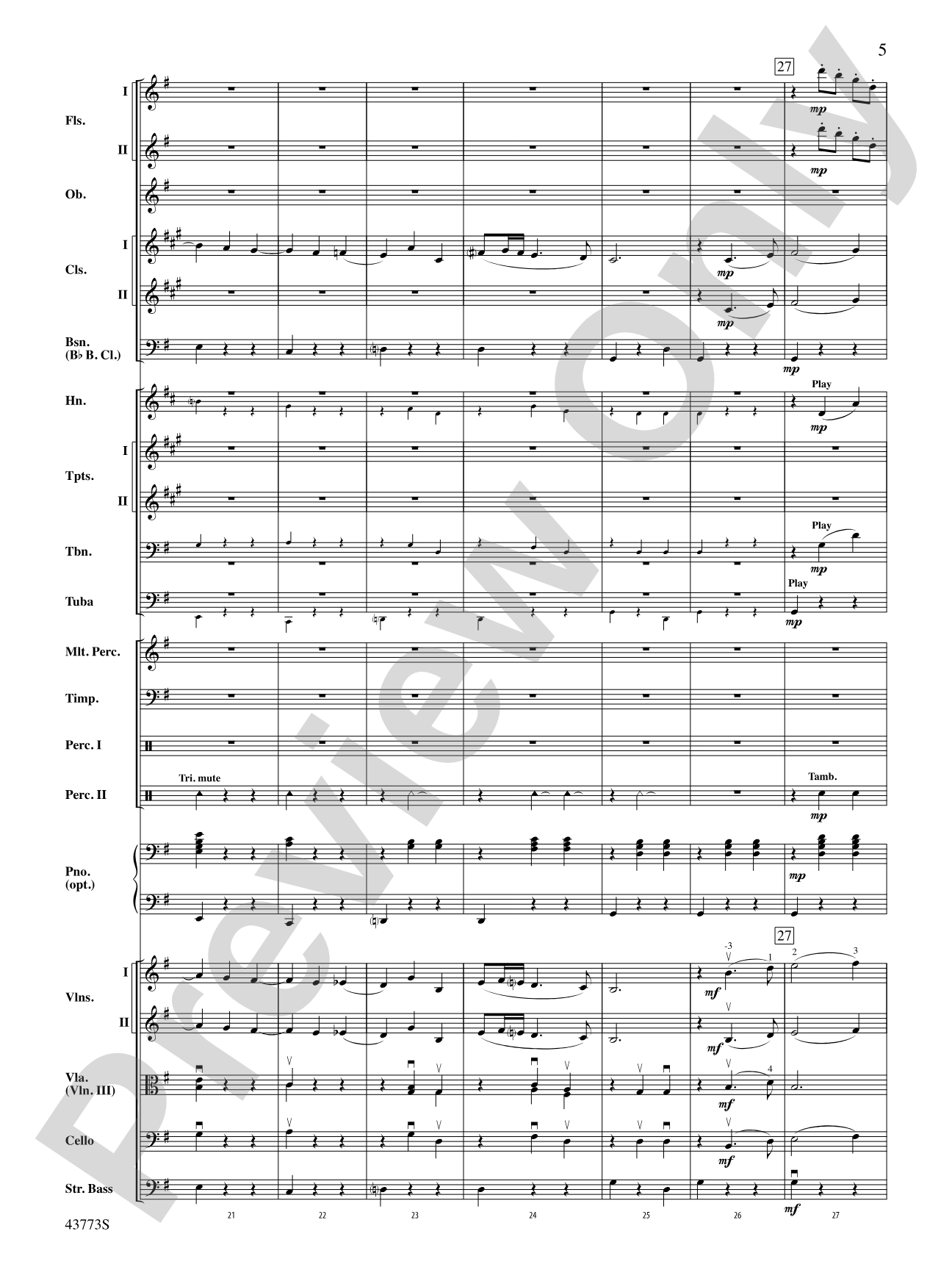
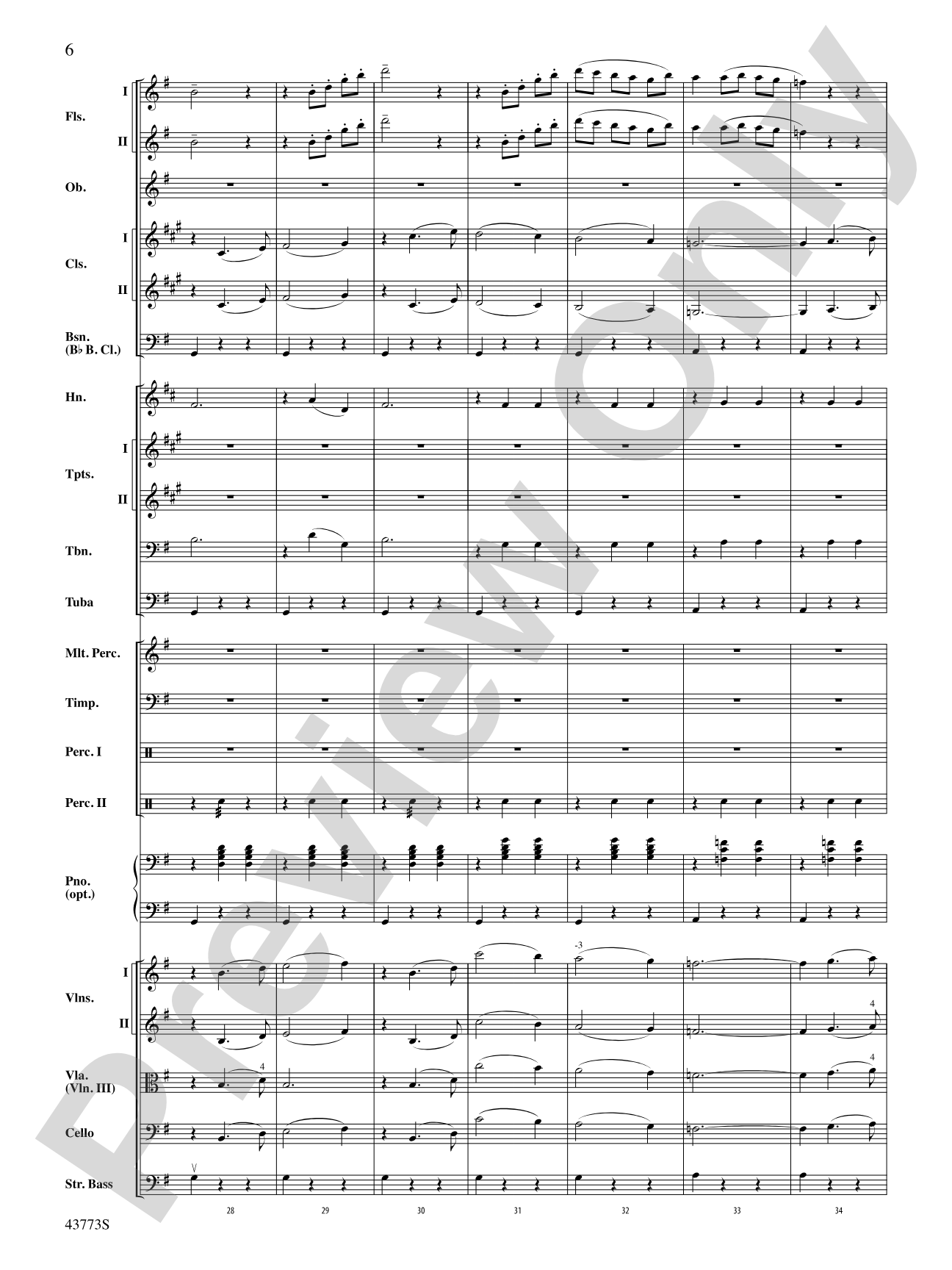
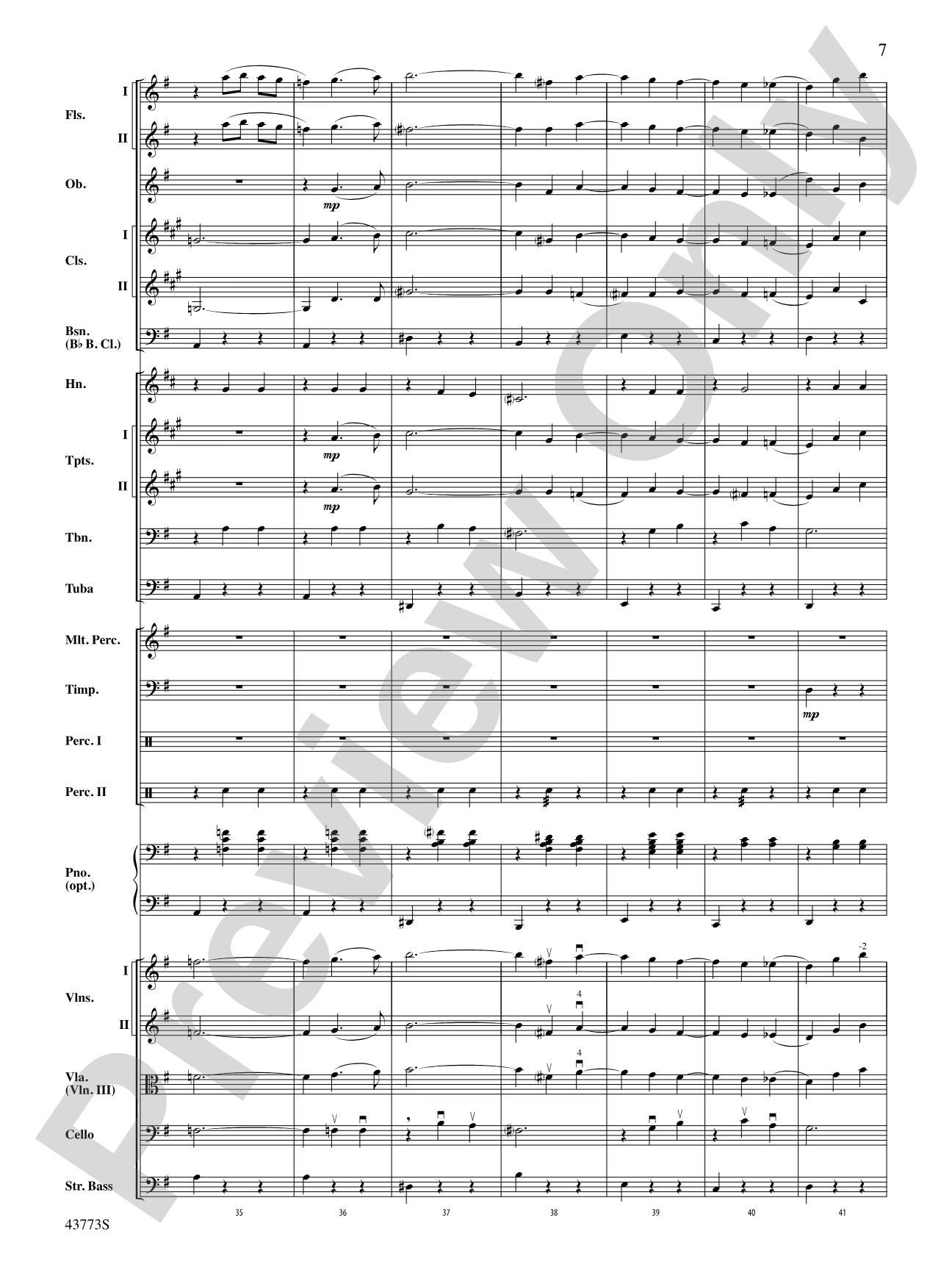
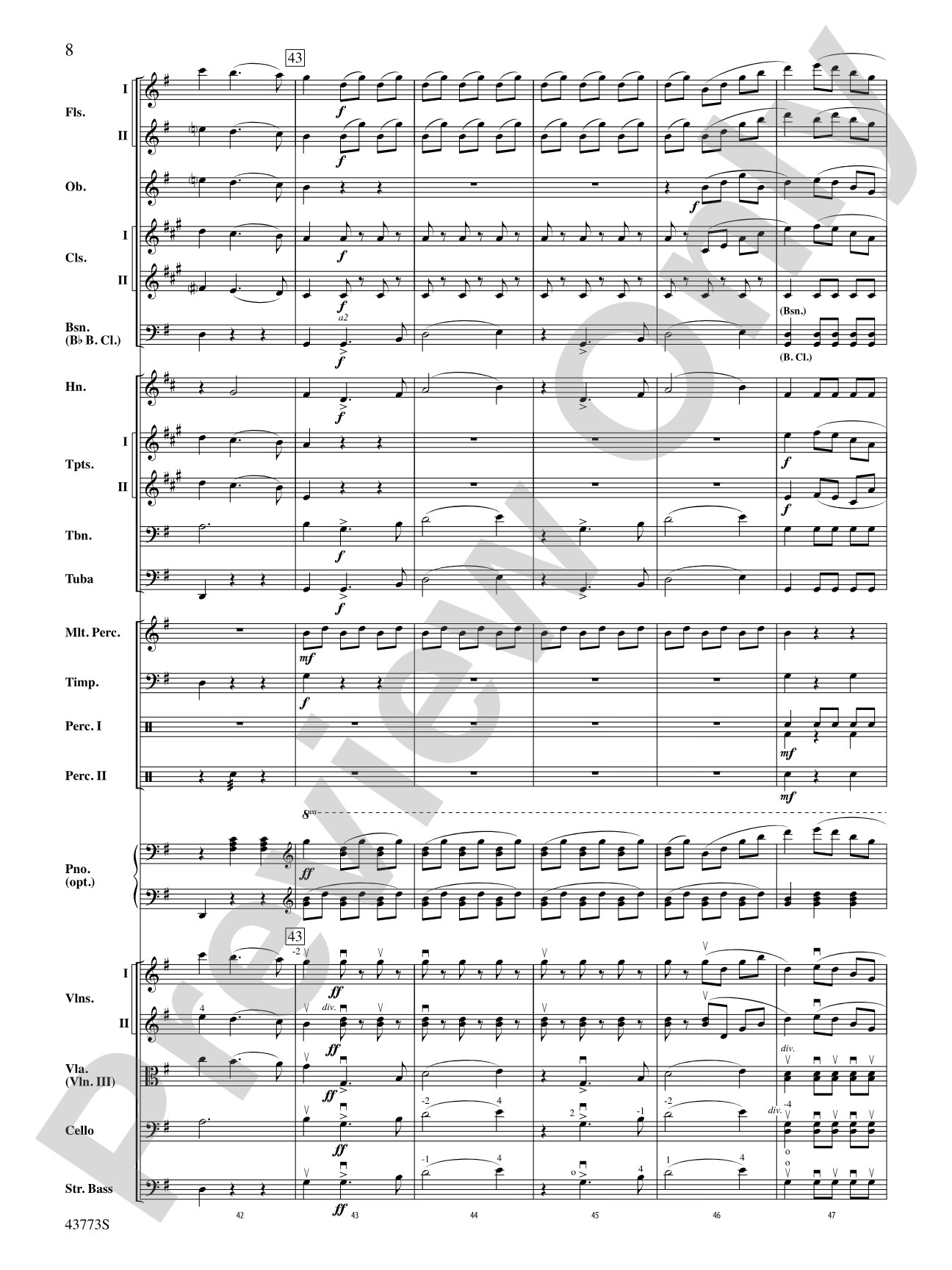
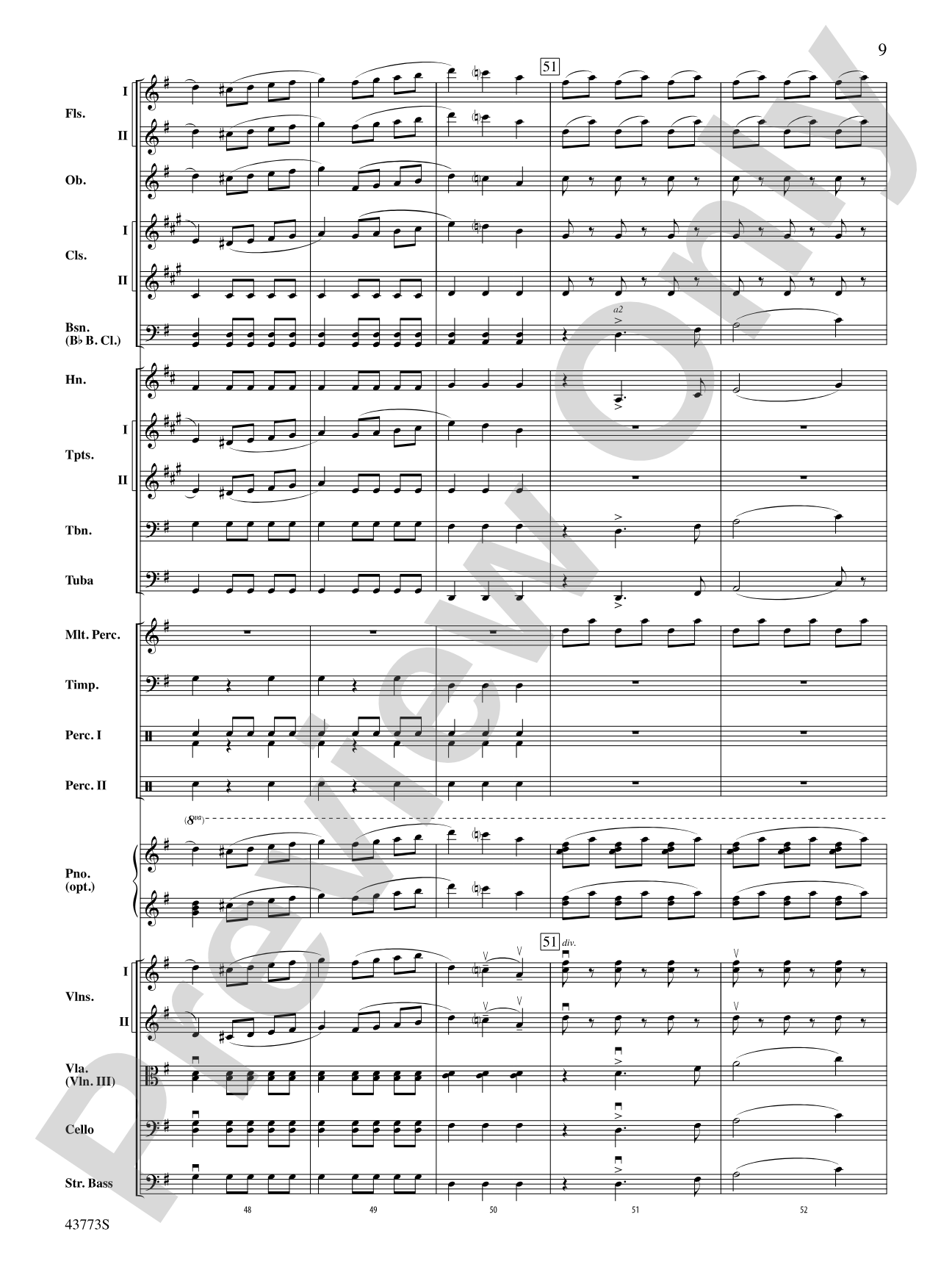
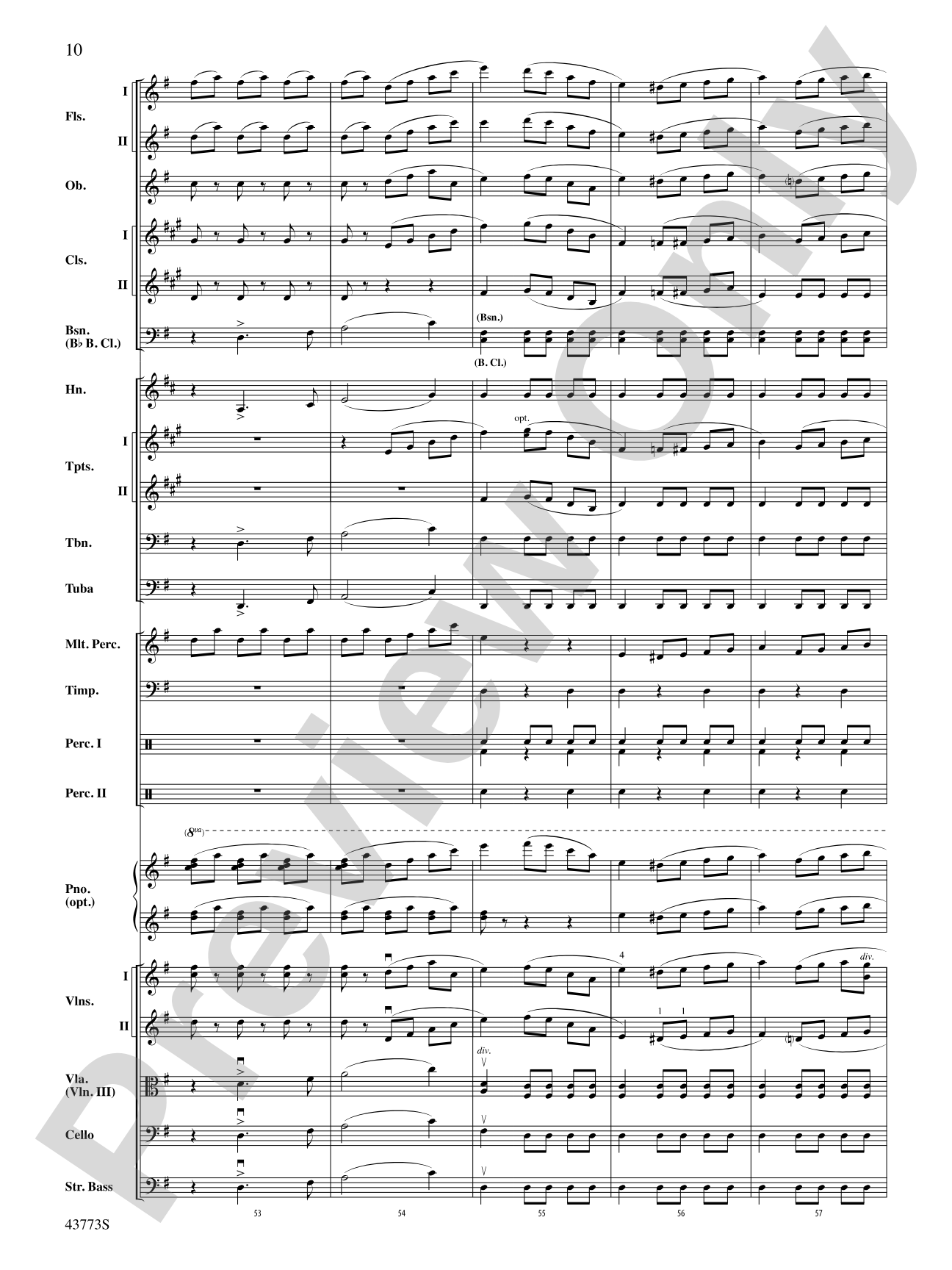
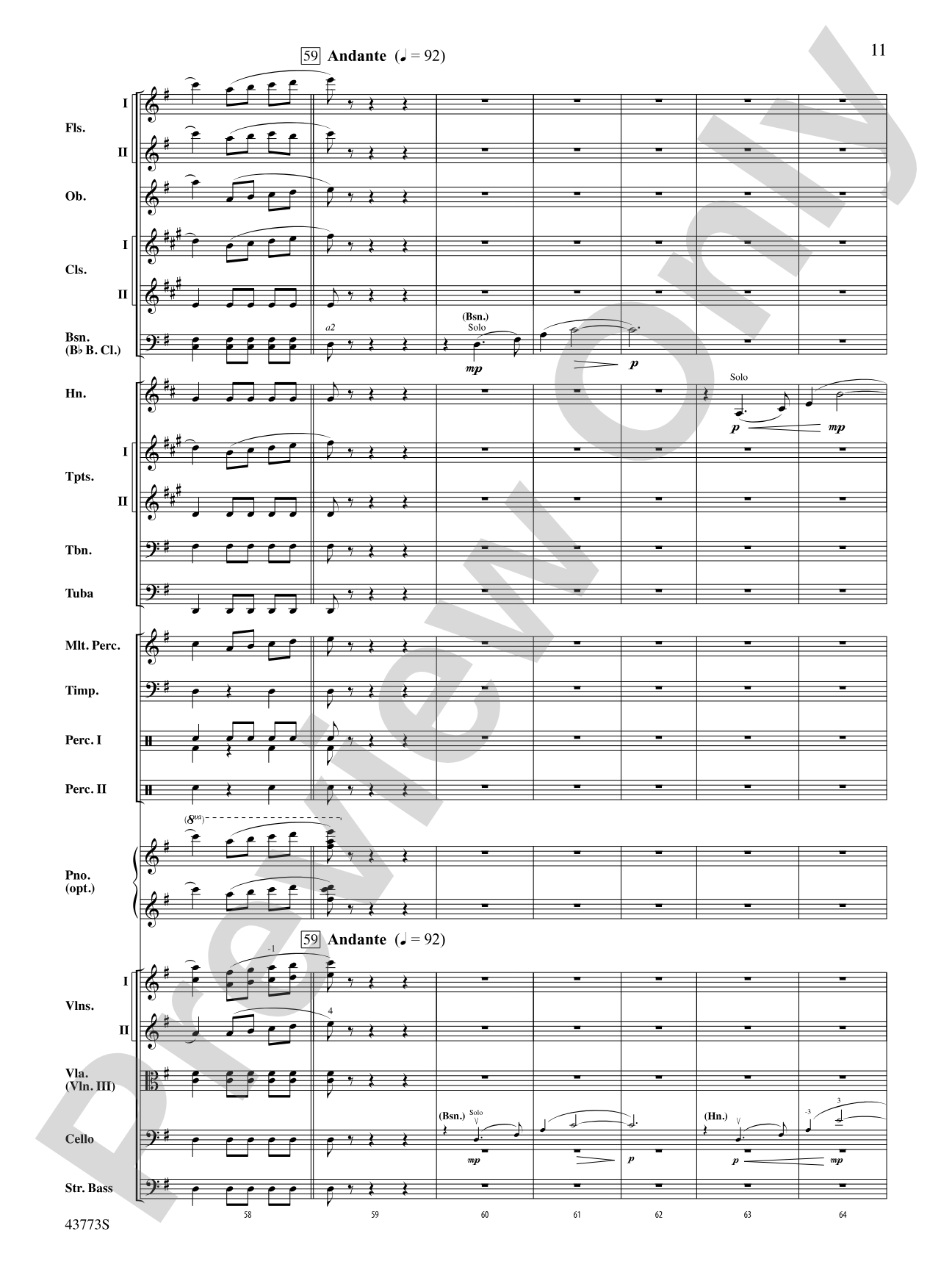
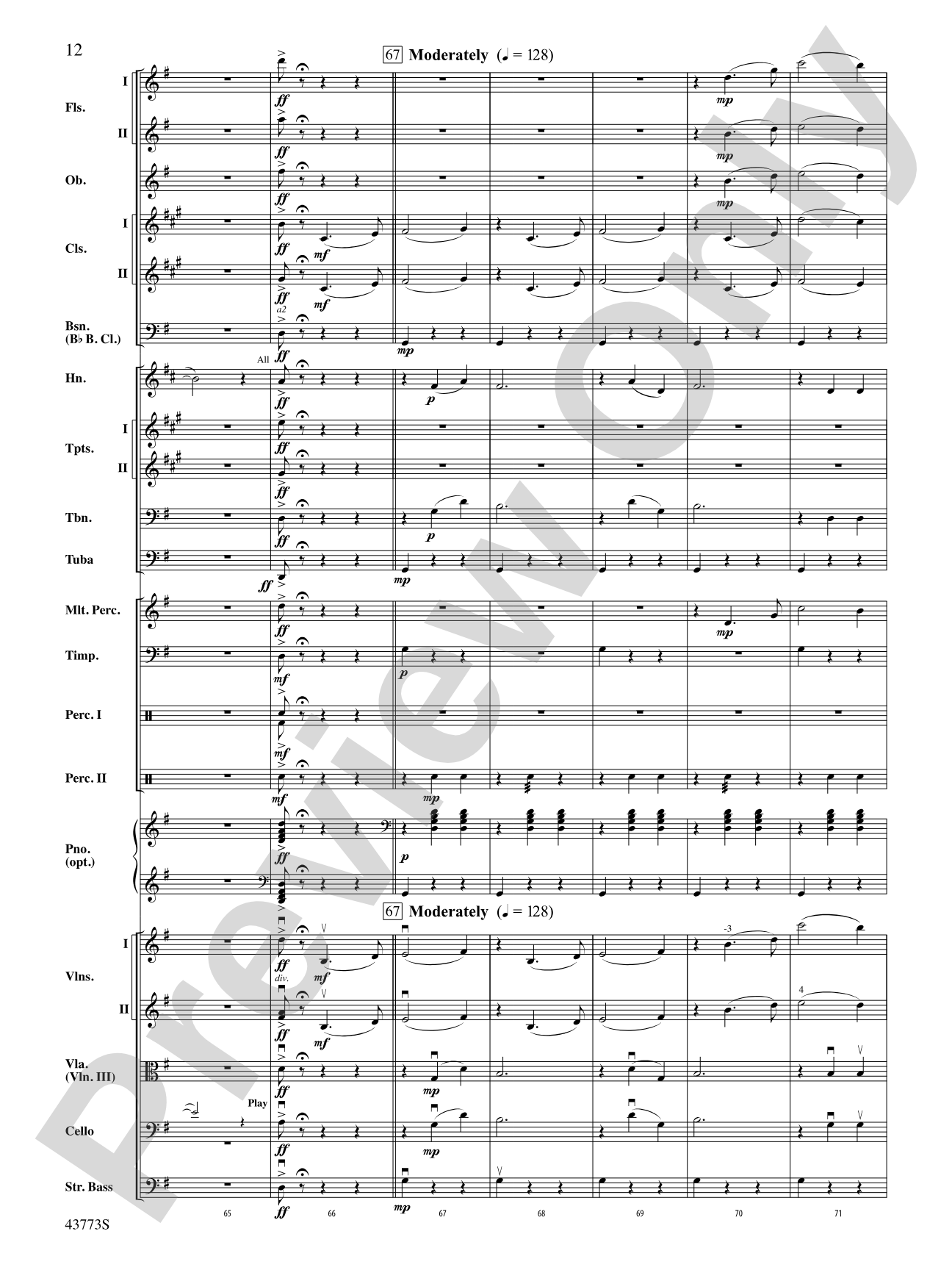
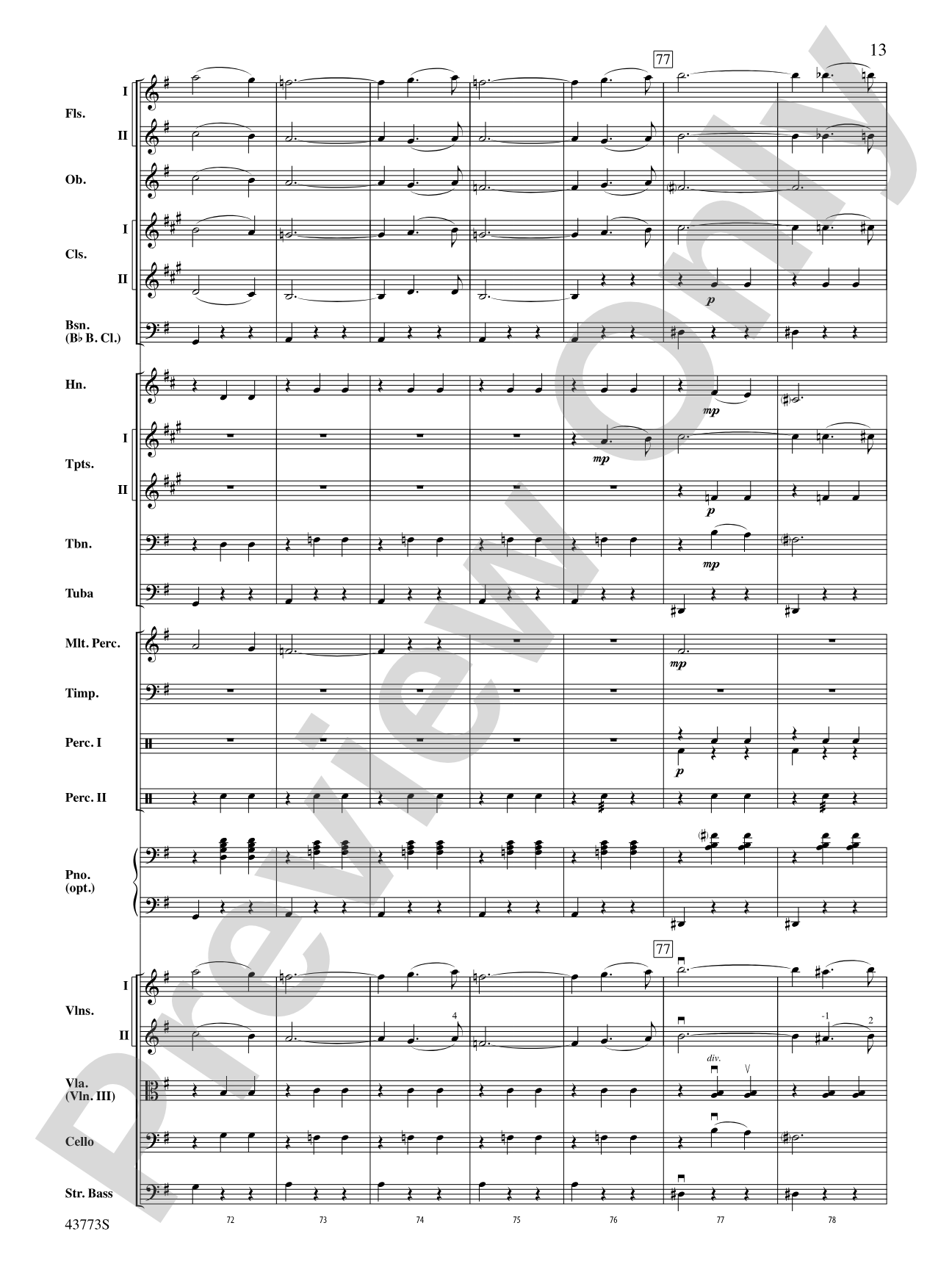
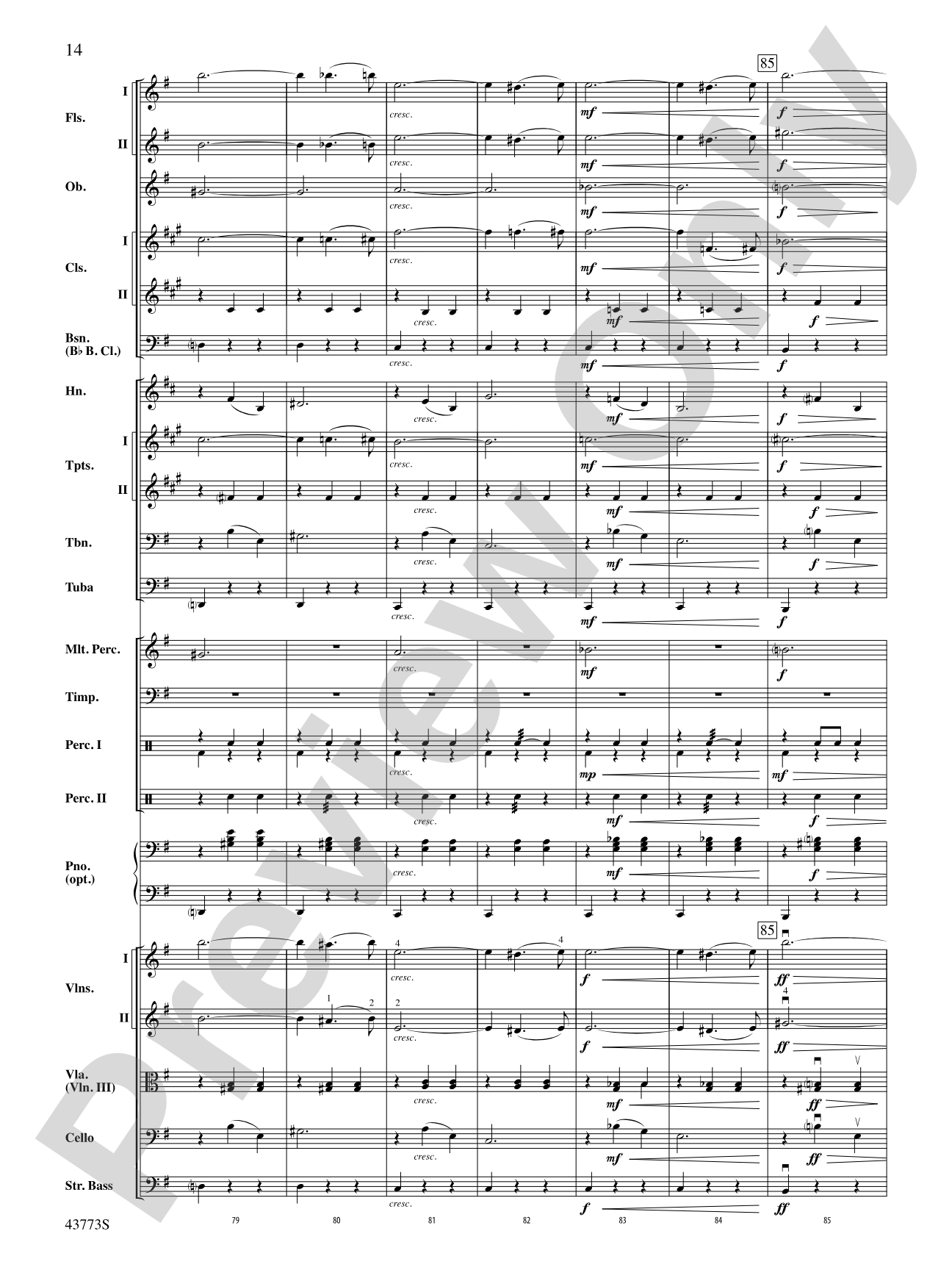
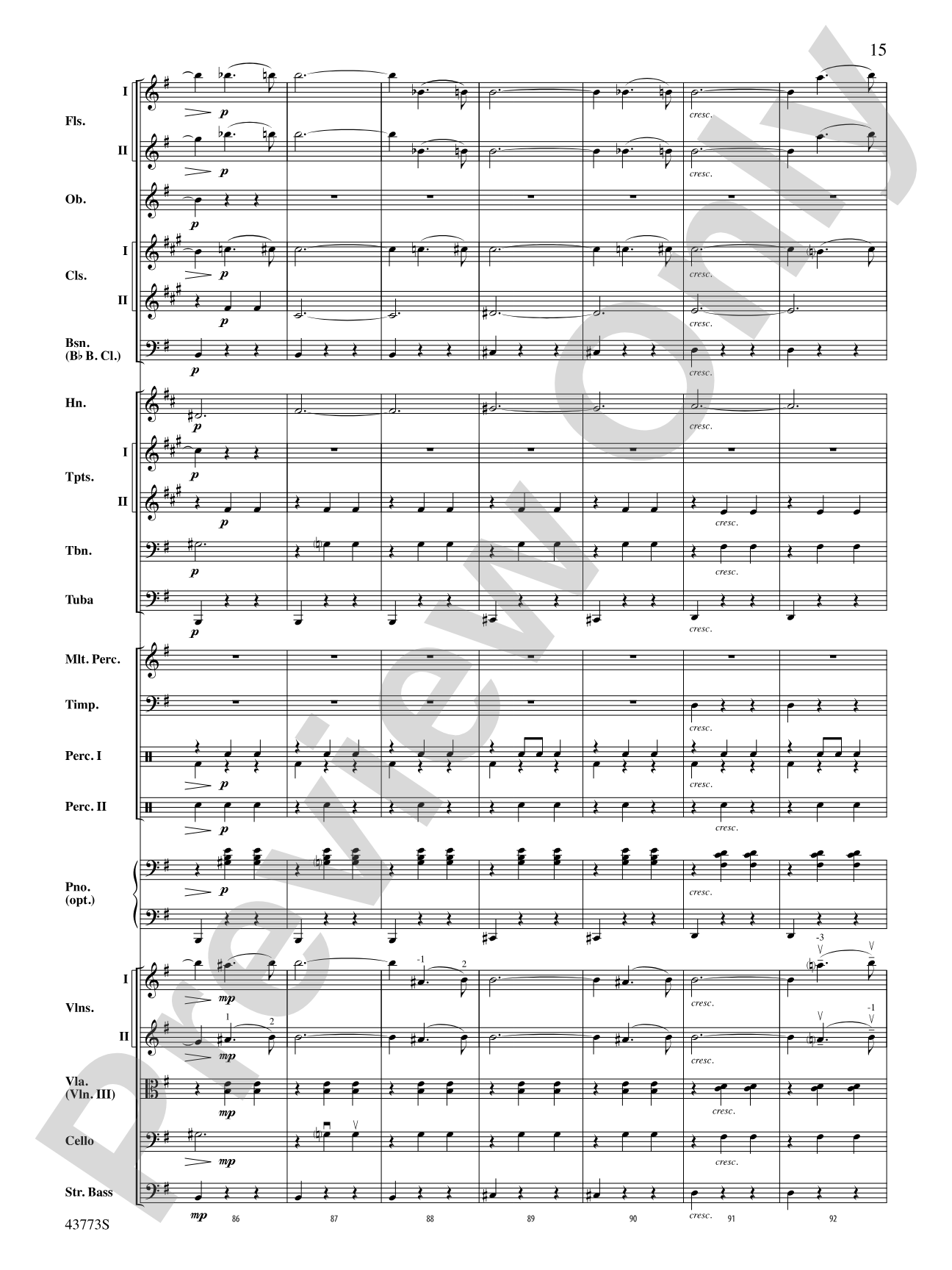
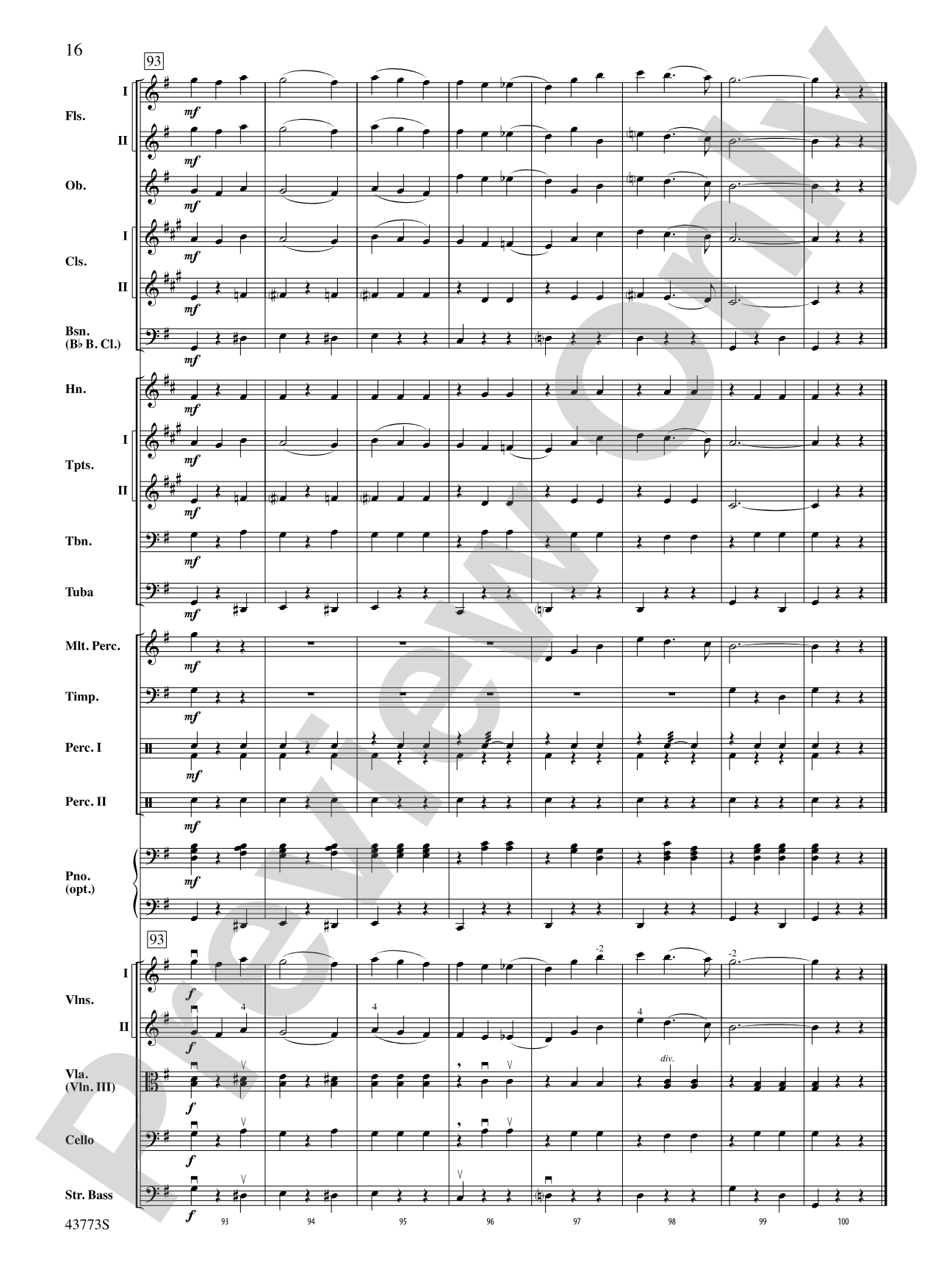

The Beautiful Galatea: Score
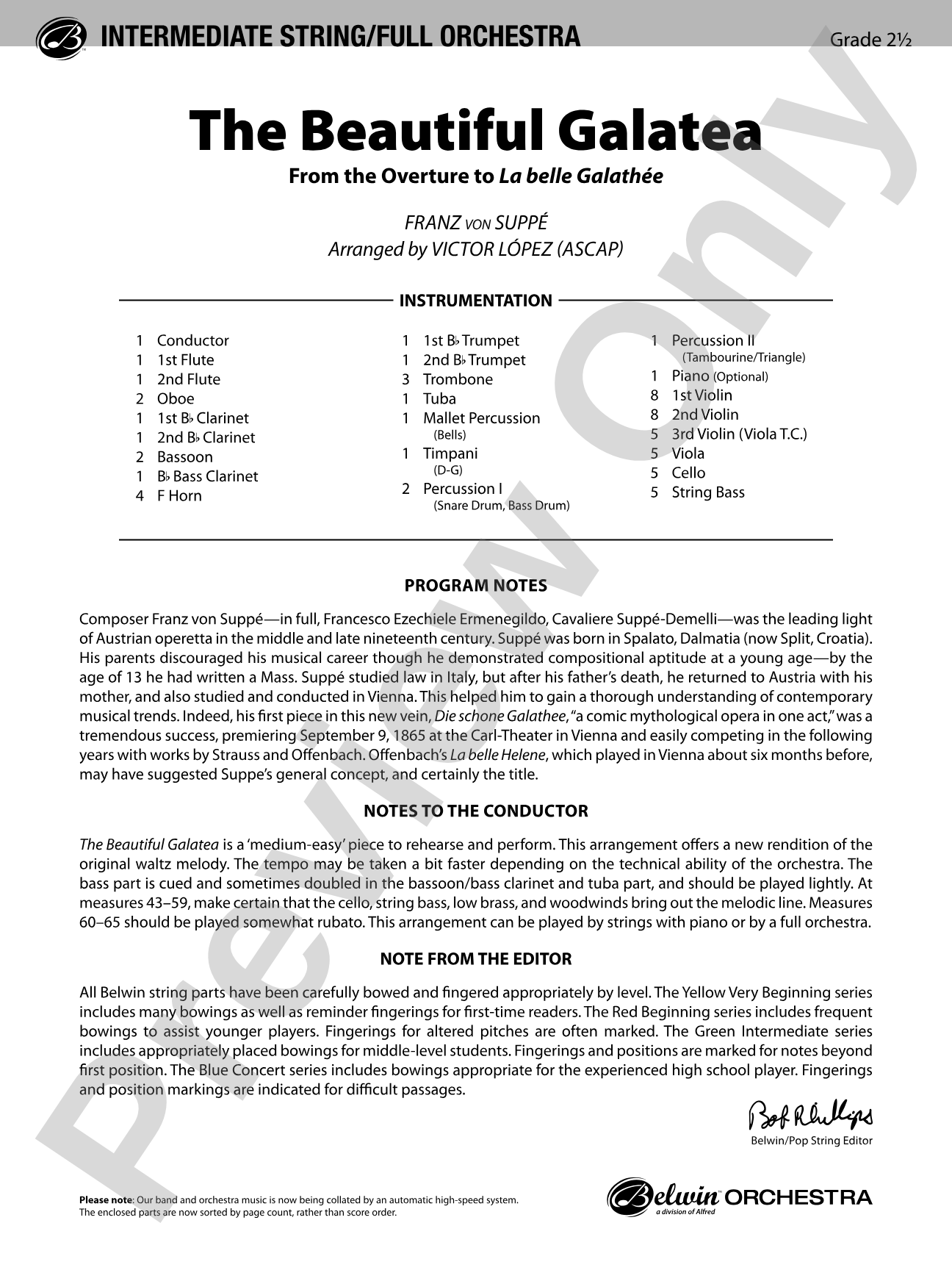
From the Overture to La belle Galathée
By Franz von Suppé / arr. Victor López
Grade: 2.5
Item: 00-PR-0005117
$9.00
Pickup currently not available
Description
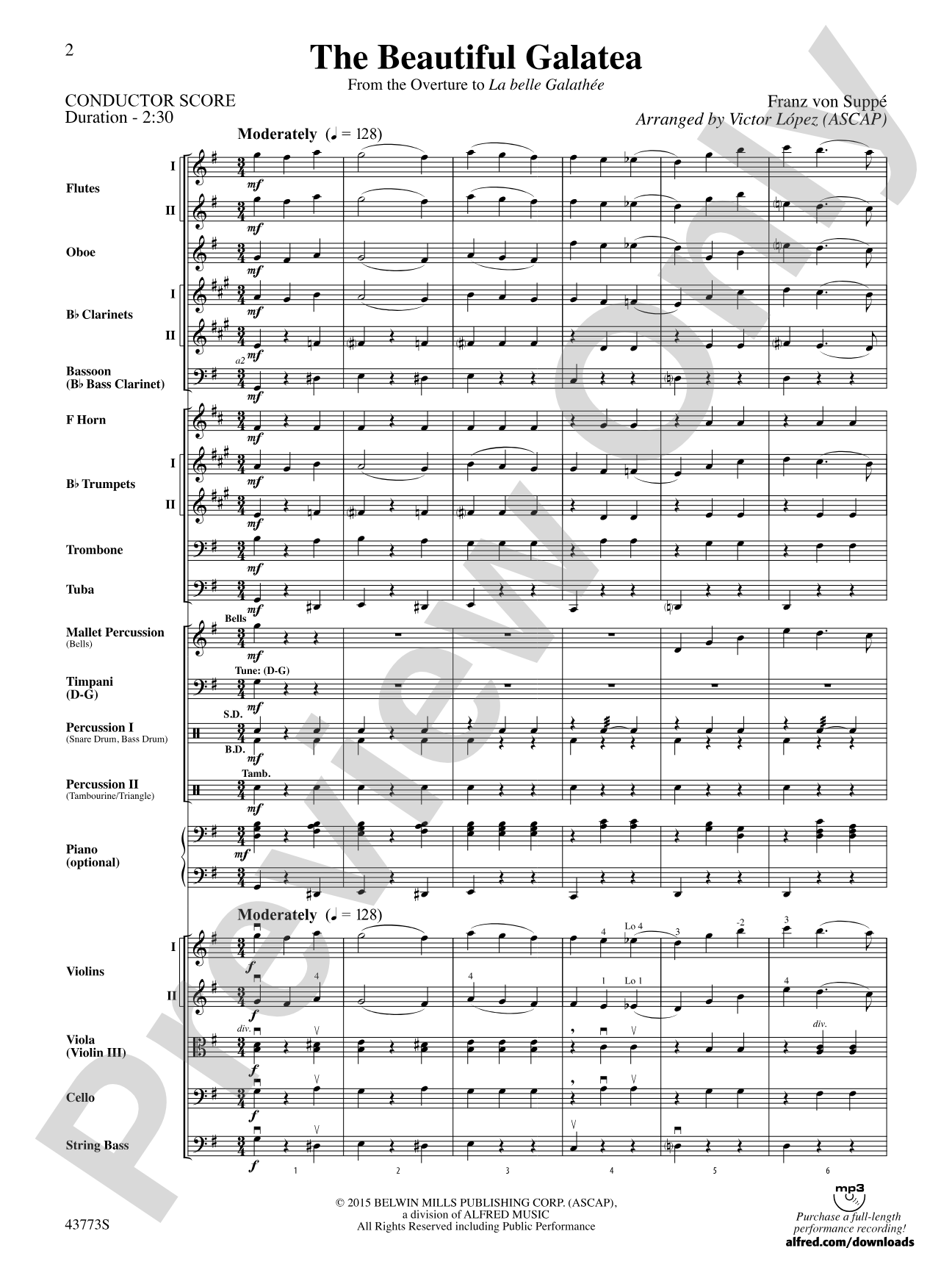
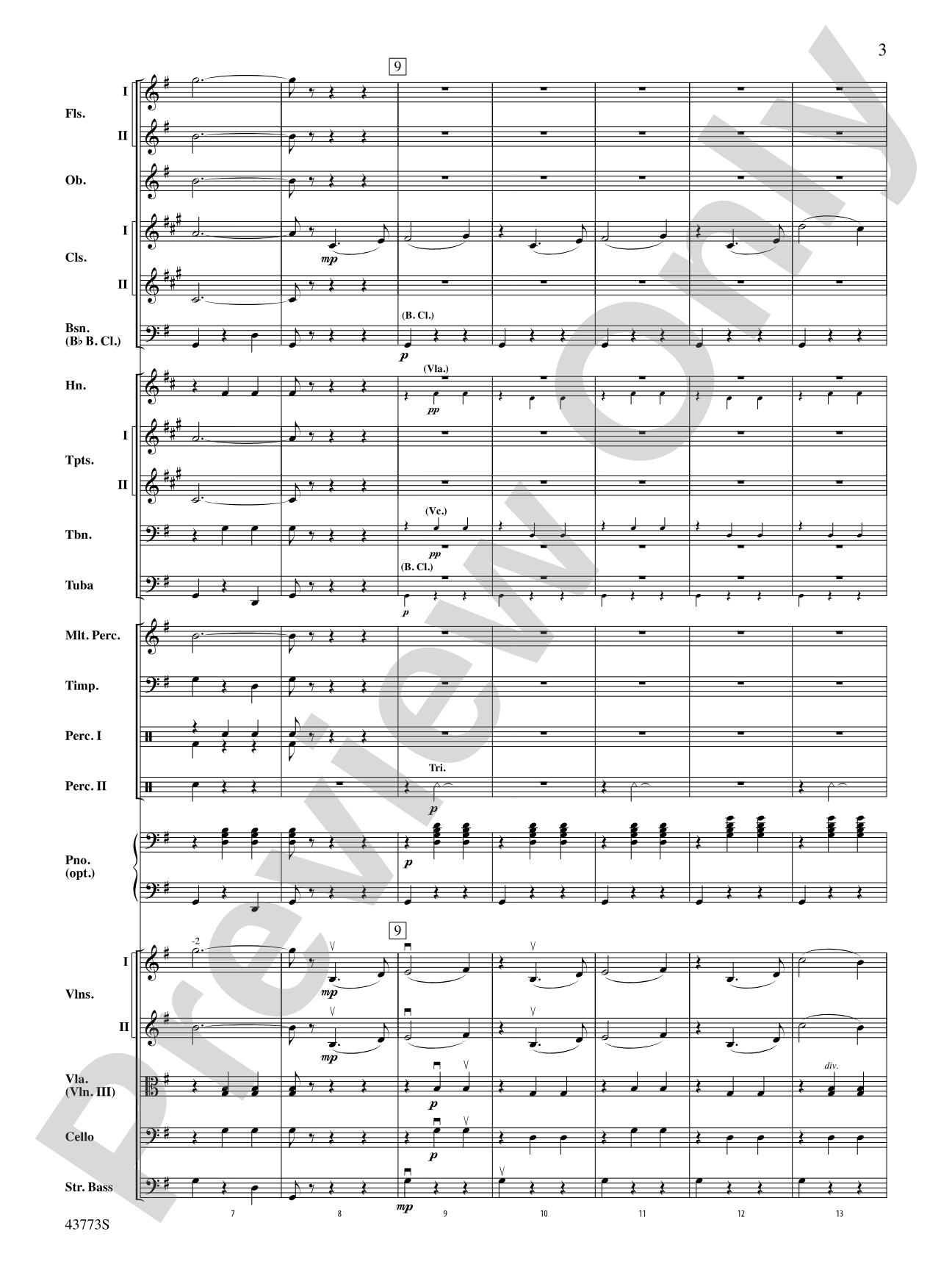
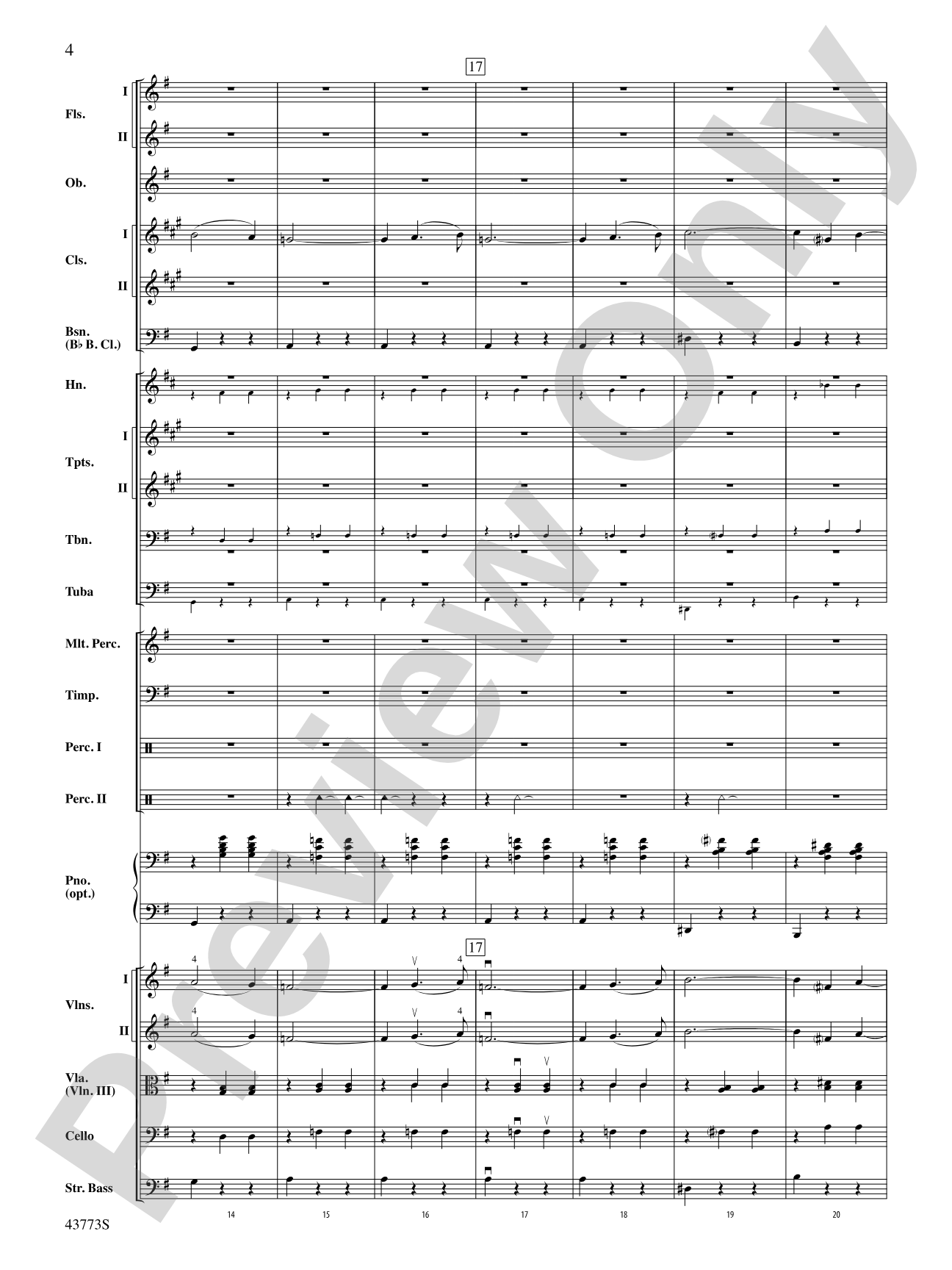
Here is a magnificent work from the operetta also known as "Die schone Galathee." This arrangement is incredibly playable and offers a new rendition of the original waltz melody. Playable by full orchestra or strings with piano. (2:30)


Don't just read it, hear it, play along with it, and watch your students grow with it. In MakeMusic Cloud, The Beautiful Galatea: Score comes alive with professional accompaniment, adjustable tempo, and built-in practice tools that turn solo practice into real progress.
Open in the Player
Jump straight in and assign it today.
Start Your Free Trial
Open this title and explore the full library in minutes.
Sample Audio
1
Audio File
--:--
0:00
0:00
Sample Video
No sample videos found.
Additional Details
Series:
Belwin Intermediate String/Full Orchestra
Publisher:
Alfred Music
Page Count:
222
SKU:
00-PR-0005117
More about this title
About the Composer: Franz von Suppé
Franz von Suppé (1819-1895) was an Austrian composer and conductor whose operettas defined the genre during the Romantic era. Born in Split (then part of the Austro-Hungarian Empire), he spent his most productive years in Vienna, where he composed over 30 stage works that combined wit, memorable melodies, and orchestral brilliance. His operettas remain staples of concert and educational repertoire worldwide.
Why we love this
Victor López's arrangement captures the elegance of Suppé's waltz without sacrificing the orchestration that makes it sing. The Grade 2.5 scoring keeps all sections engaged and allows developing players to access authentic Romantic-era writing. This is the kind of piece that sounds far more sophisticated than it plays, making it ideal for contests, festivals, and concerts where you want genuine musicality from students who are still building fundamentals.
What to expect
Galatea dances across the stage with grace and warmth. The melody flows like a Viennese waltz should: elegant but never stiff, charming without sentimentality. Beneath the surface lightness, Suppé's harmonic language reveals the Romantic sophistication that earned his operettas their lasting place in the repertoire.
Who it's for
Directors programming intermediate full orchestras or string orchestras with piano will find this arrangement immediately useful. It suits ensembles at the 2.5 level who are ready to tackle genuine concert literature but need orchestrations that don't exceed their technical range. This works equally well for contest/festival entries and regular concert programming.
How to get the most out of it
- Balance the waltz melody between first violins and woodwinds; let each section breathe into the phrase rather than pushing the tempo to compensate for rhythmic uncertainty
- Observe the 2:30 timing by maintaining consistent pulse through the dance sections; rushing the accompaniment figures undermines the lilting character
- Use the conductor's score to shape dynamic contours across the full ensemble; Romantic operetta writing rewards gentle swells that highlight harmonic movement
- Invest in clean articulation from lower strings and bass line to support the melody; clarity here prevents the piece from sounding muddy despite its lush harmony
How to use it
Program this alongside other Romantic lighter works or as a bridge between classical and contemporary sections. Its 2:30 duration makes it an excellent concert opener or an elegant interlude. The piece also shines in festival contexts where it demonstrates student musicianship without requiring virtuosic technical display.
Skills your students will build
- Phrasing long melodic lines over accompanying figures
- Balancing independent orchestral voices while maintaining ensemble cohesion
- Playing authentic Romantic-era style and dance character
- Reading full orchestral texture with multiple dynamic layers
- Sustaining consistent waltz pulse across extended sections