
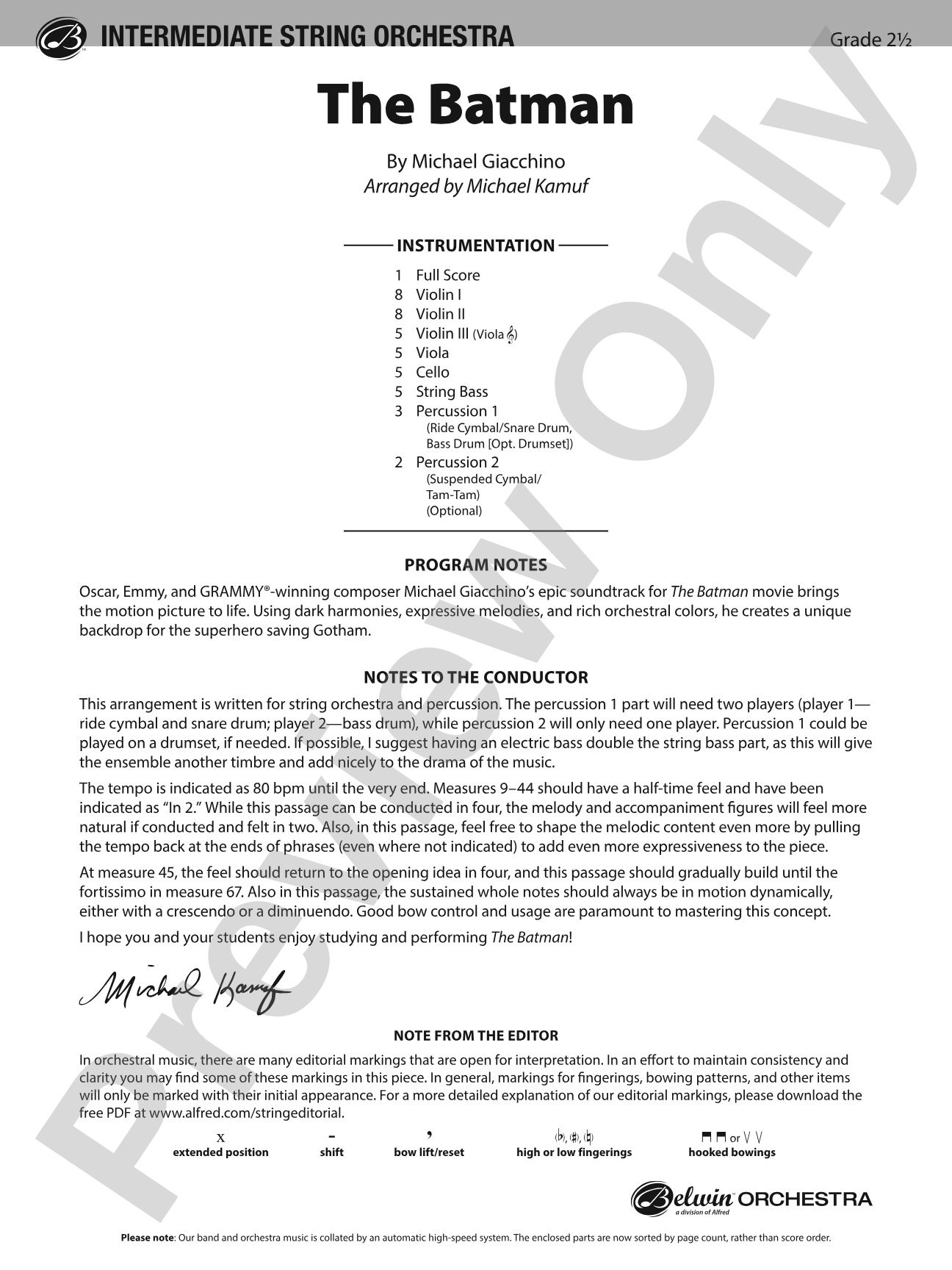

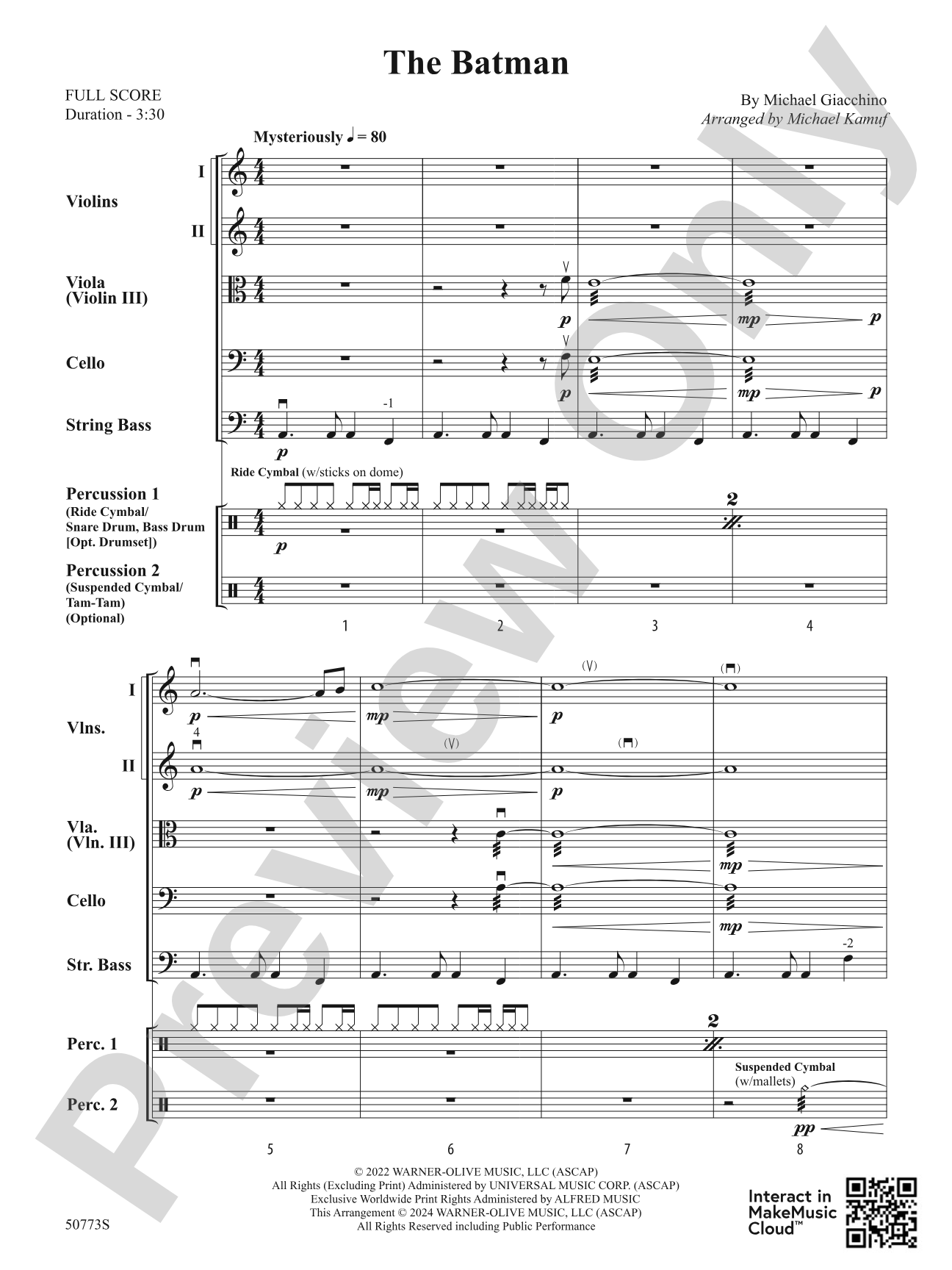
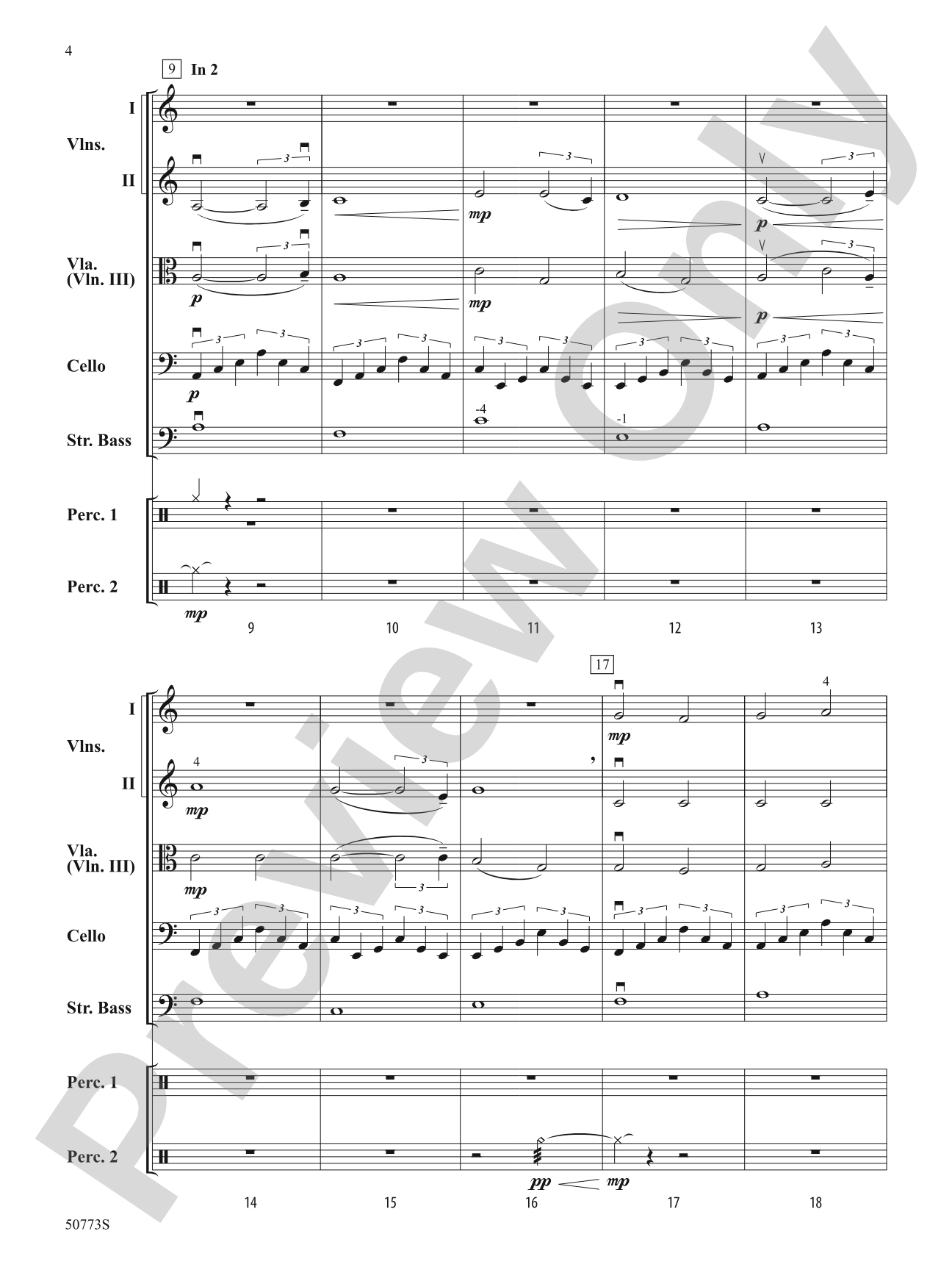
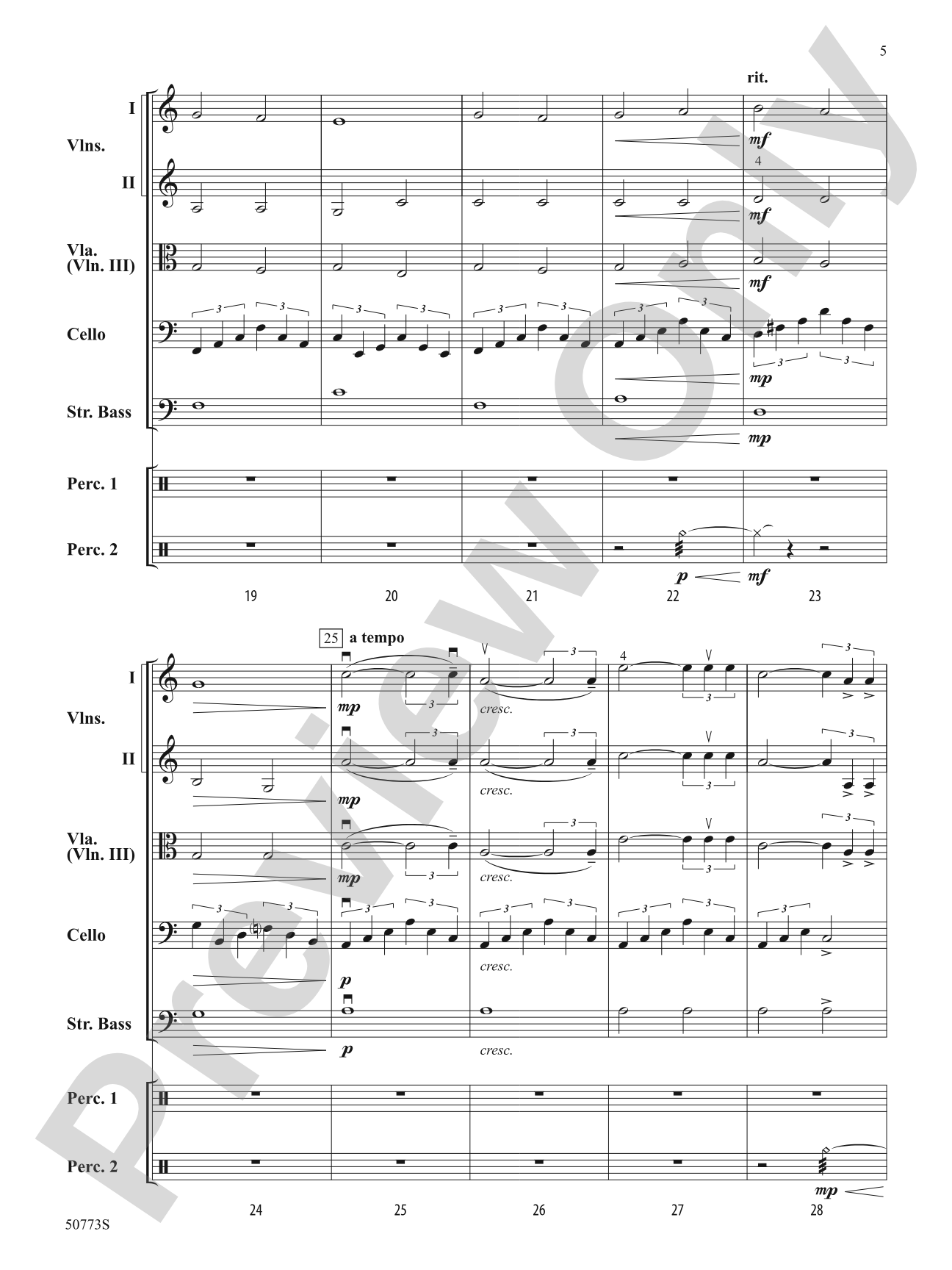

The Batman: Score
By Michael Giacchino / arr. Michael Kamuf
Grade: 2.5
Item: 00-PR-0007557
$10.00
Pickup currently not available
Description
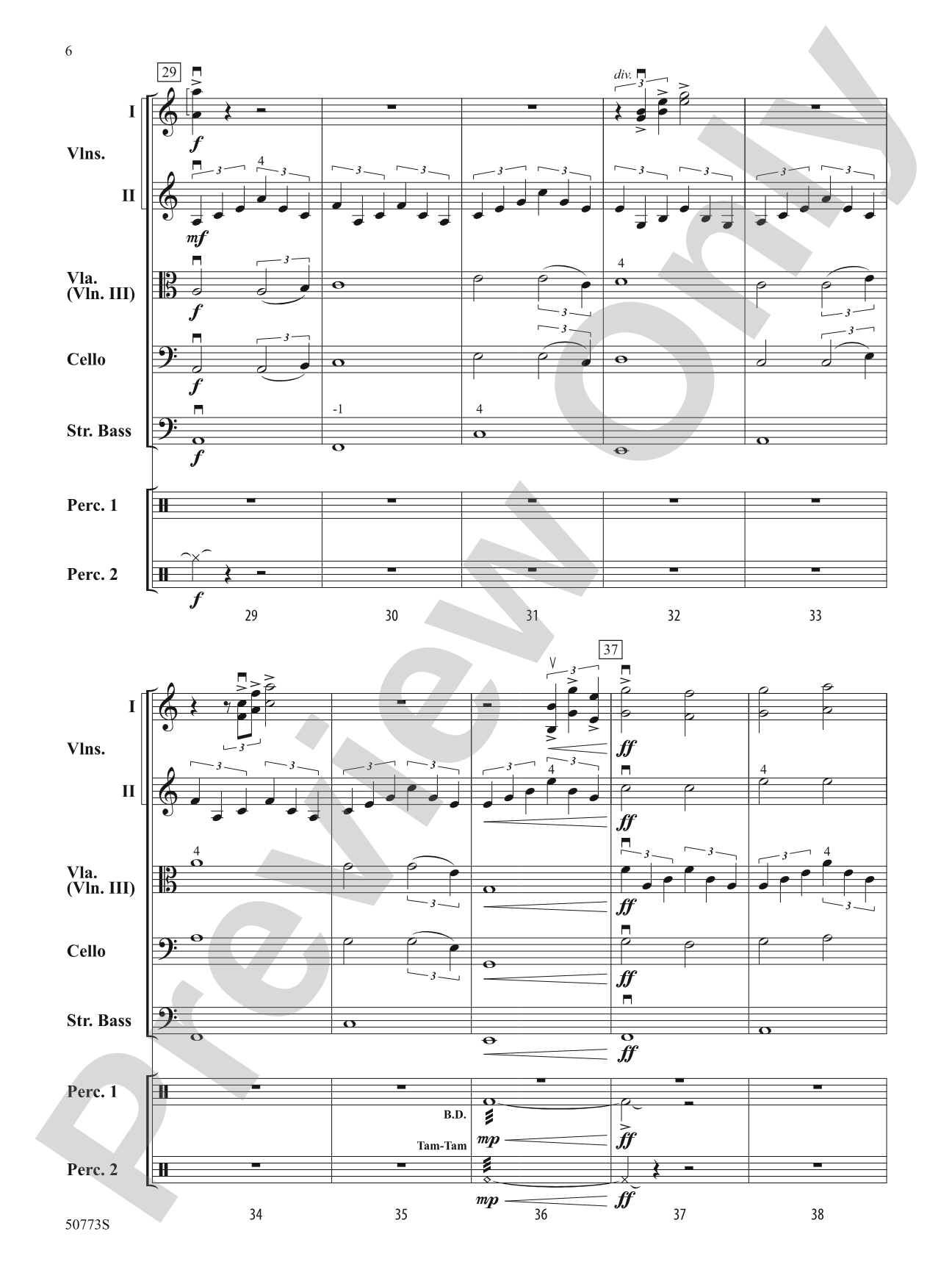
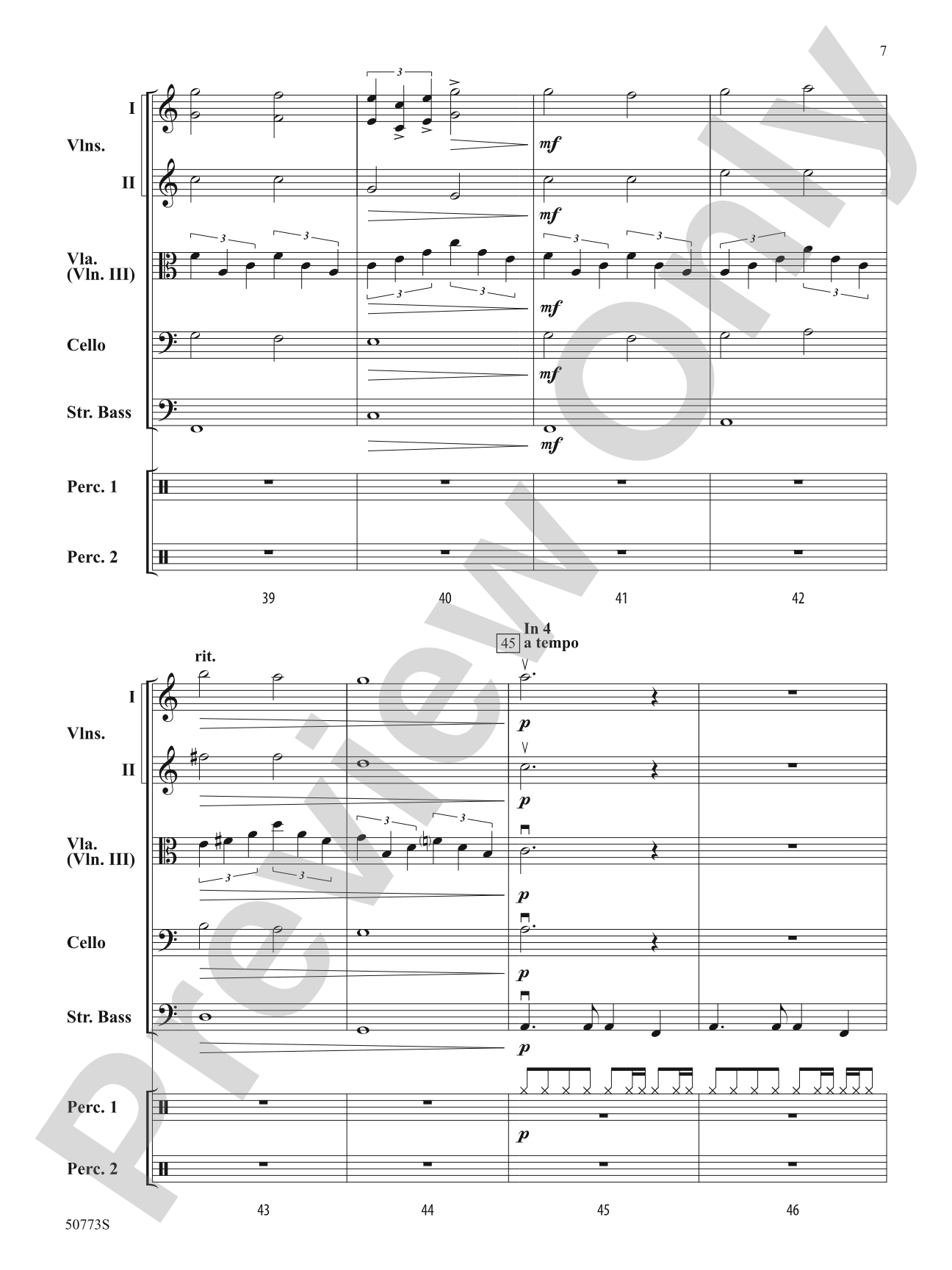
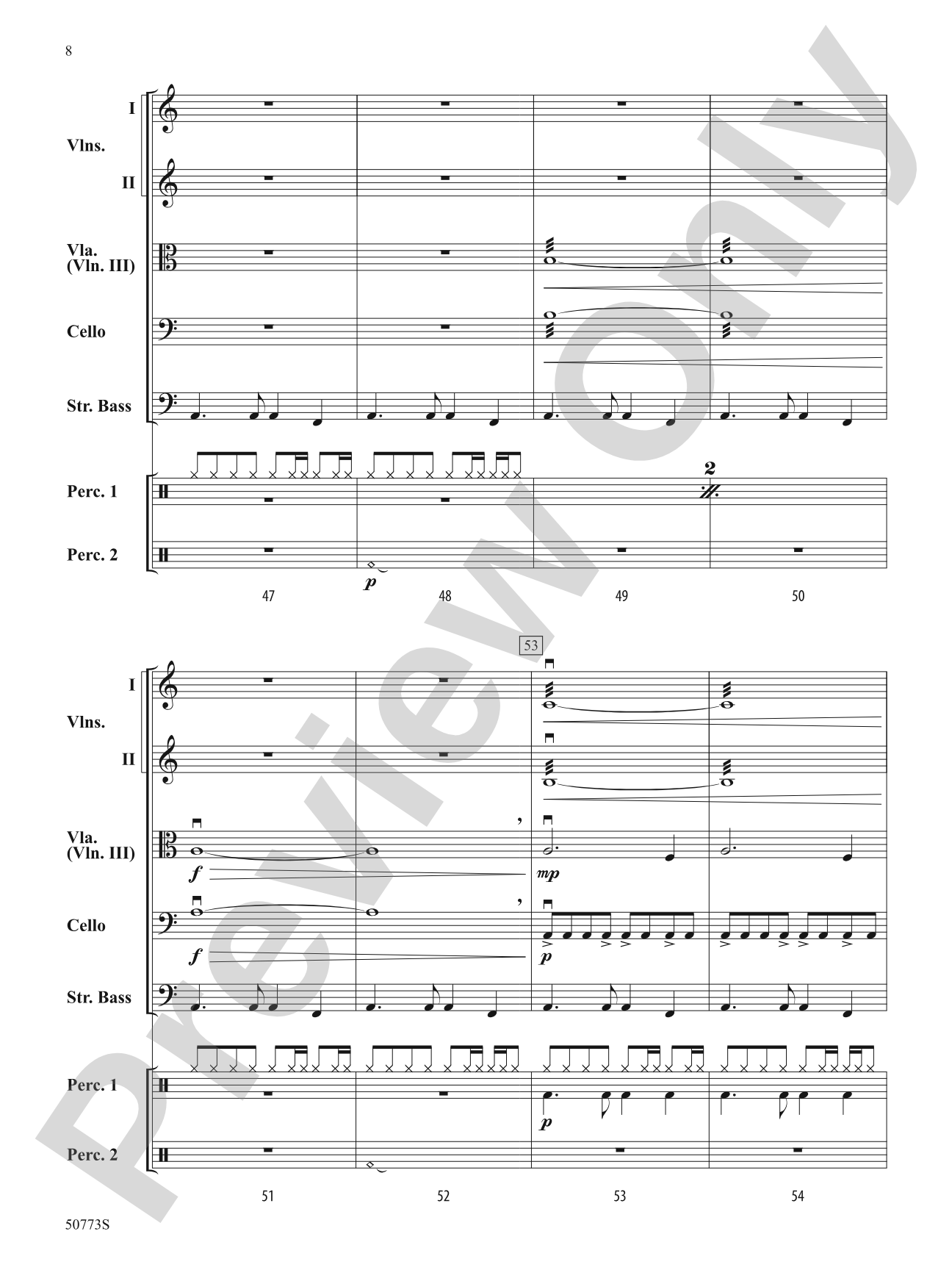
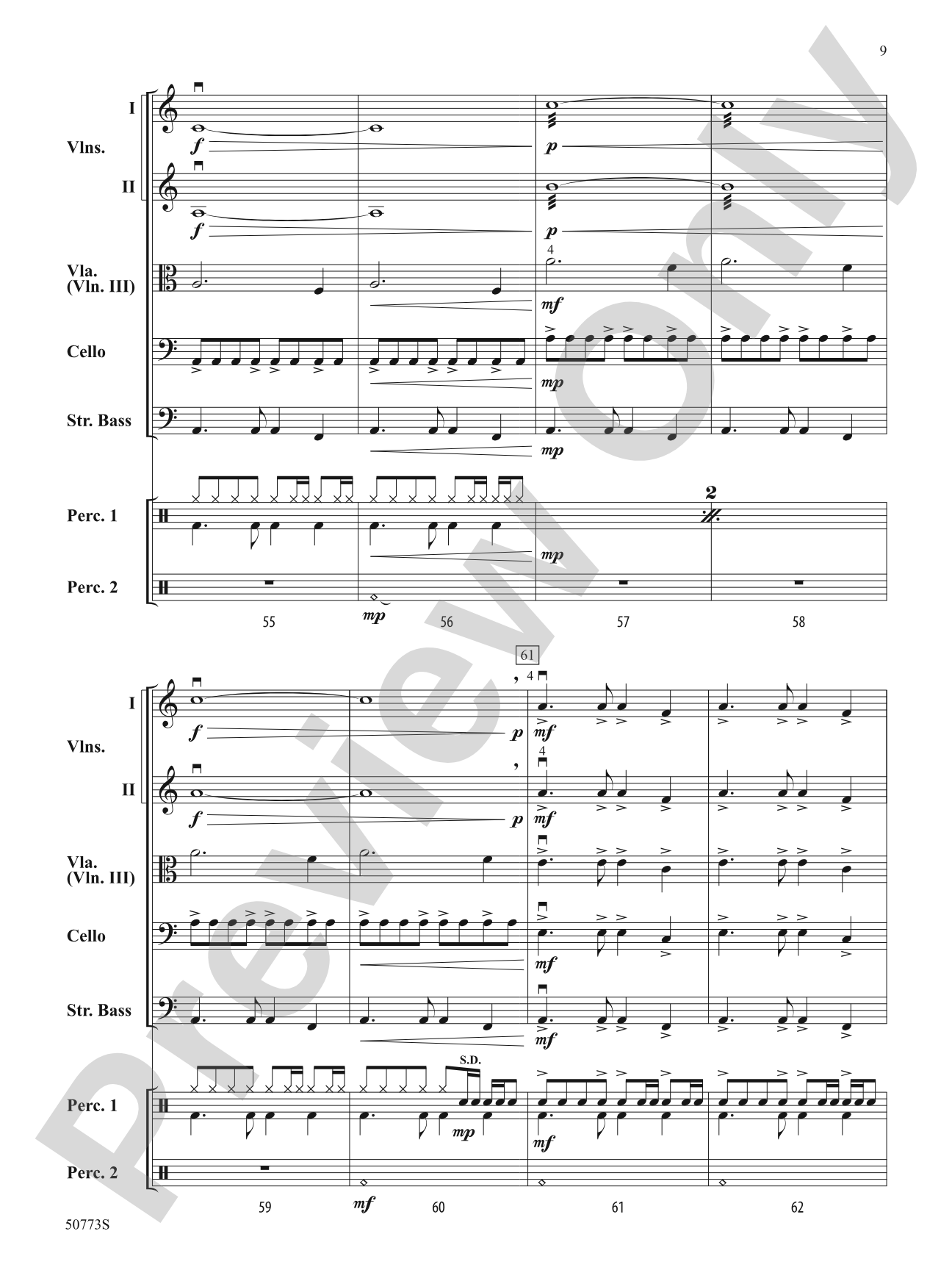
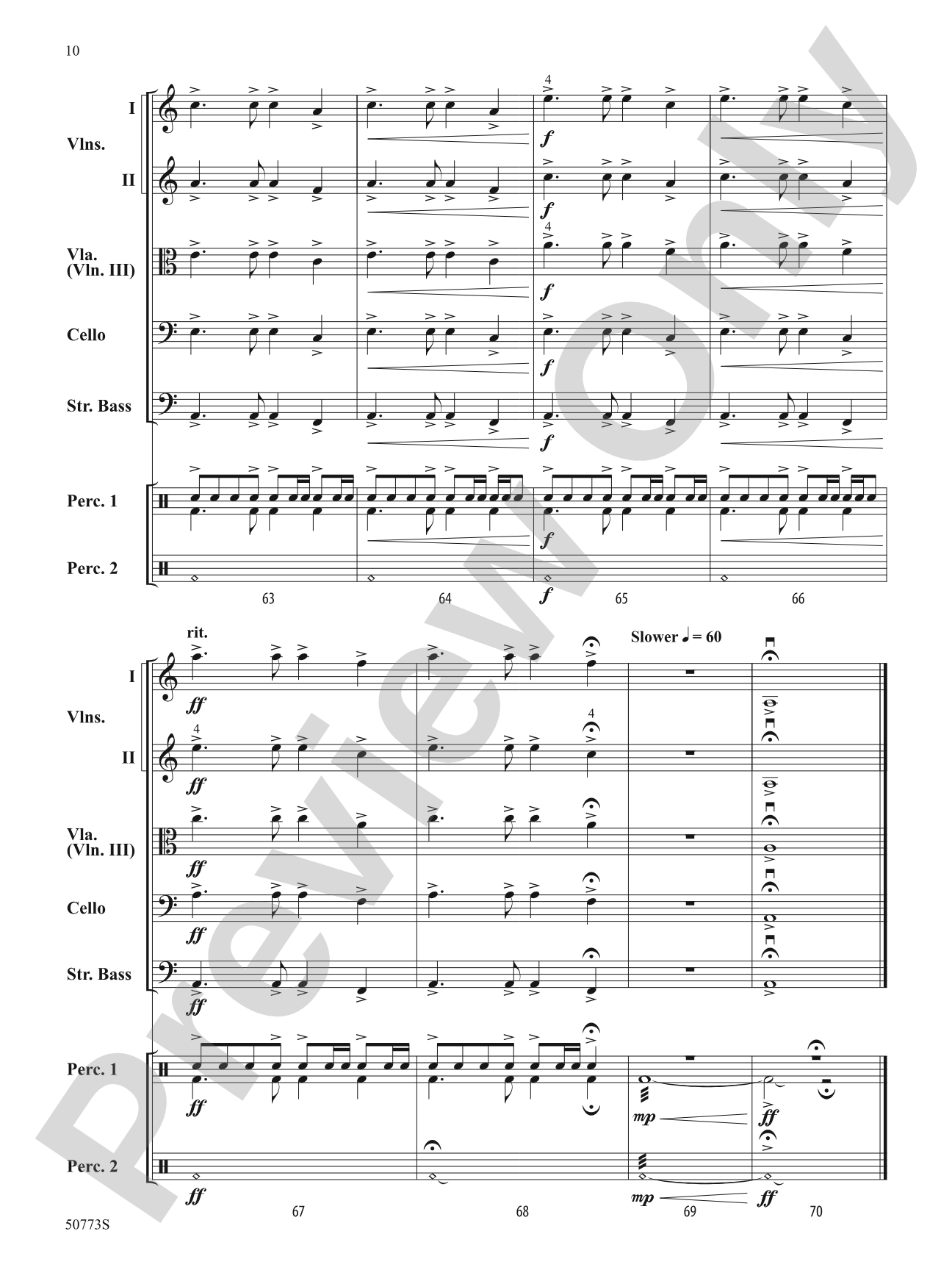
Bring the drama and tension of Oscar, Emmy, and GRAMMY® winning Michael Giacchino's epic soundtrack to your concert stage. Arranger Michael Kamuf brings expressive melodies and dark harmonies to life for intermediate strings in this fun and playable arrangement that your students and audiences will enjoy! (3:30)


Don't just read it, hear it, play along with it, and watch your students grow with it. In MakeMusic Cloud, The Batman: Score comes alive with professional accompaniment, adjustable tempo, and built-in practice tools that turn solo practice into real progress.
Open in the Player
Jump straight in and assign it today.
Start Your Free Trial
Open this title and explore the full library in minutes.
Sample Audio
1
Audio File
--:--
0:00
0:00
Sample Video
Additional Details
Series:
Pop Intermediate String Orchestra
Publisher:
Alfred Music
SKU:
00-PR-0007557
More about this title
About the Composer: Michael Giacchino
Michael Giacchino has composed music for some of the most visually stunning and emotionally resonant films of the past two decades, from the Pixar universe to the DC Universe. His gift for crafting memorable themes that blend orchestral sophistication with immediate accessibility has earned him three Academy Awards, multiple Emmy Awards, and GRAMMY recognition. In the classroom, his work demonstrates how film composers use instrumentation and harmony to deepen narrative tension and character development.
Why we love this
Michael Kamuf's arrangement captures the psychological edge of Giacchino's score without sacrificing the playability that intermediate orchestras need to succeed. Your students will feel genuinely connected to music written for a major motion picture, which transforms rehearsal time from technique work into storytelling. The arrangement respects the original's dark harmonic language while keeping the part-writing accessible enough that individual sections can shine.
What to expect
The Batman theme unsettles and intrigues; it sits in minor tonalities and sparse orchestration that suggest danger without melodrama. You'll hear dark, brooding colors in the harmonies and a sense of forward momentum beneath what sounds almost still, creating the musical equivalent of watching someone move through shadows.
Who it's for
Intermediate string orchestras and directors seeking concert-ready arrangements of contemporary film music that engage both performers and audiences. This works equally well for orchestras that program entirely classical repertoire and want one modern anchor point, and for groups focused on film and popular music.
How to get the most out of it
- Shape the opening to establish atmosphere from the first note; this piece lives in tension rather than overt drama, so avoid rushing the pacing
- Balance the violas and cellos carefully in the harmonic foundation; they carry much of the weight that creates the score's moody quality
- Treat the melodic passages as character voices; encourage first violins to sing through the minor tonalities without becoming overly bright
- Lock the rhythmic figures with your lower strings so the ensemble feels unified despite the darker, less obviously "orchestral" harmonic movement
How to use it
Program this as an opener or transition piece in a concert built around darker or more sophisticated repertoire, where it can anchor a "film and narrative" thematic section. At 3:30, it's substantial enough to justify its own moment without demanding a full standalone set. It also works beautifully as a concert finale if your program leans toward contemporary music.
Skills your students will build
- Playing expressively in minor tonalities and dark harmonic contexts
- Maintaining precise rhythm through sparse, syncopated accompaniment figures
- Balancing inner voices that carry harmonic color rather than melody
- Shaping sustained notes to create atmospheric tension
- Reading and executing film score orchestration techniques at the intermediate level