
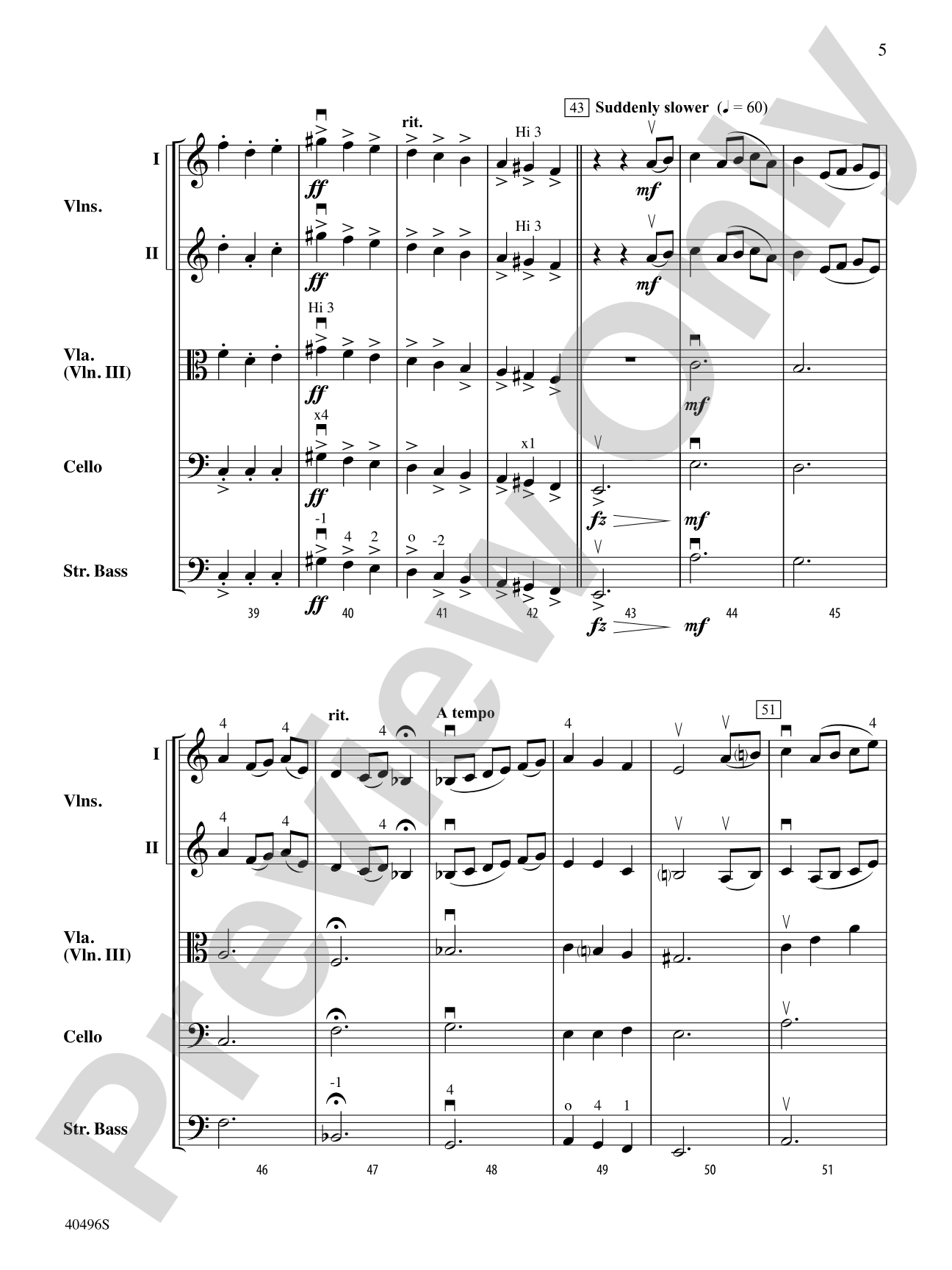
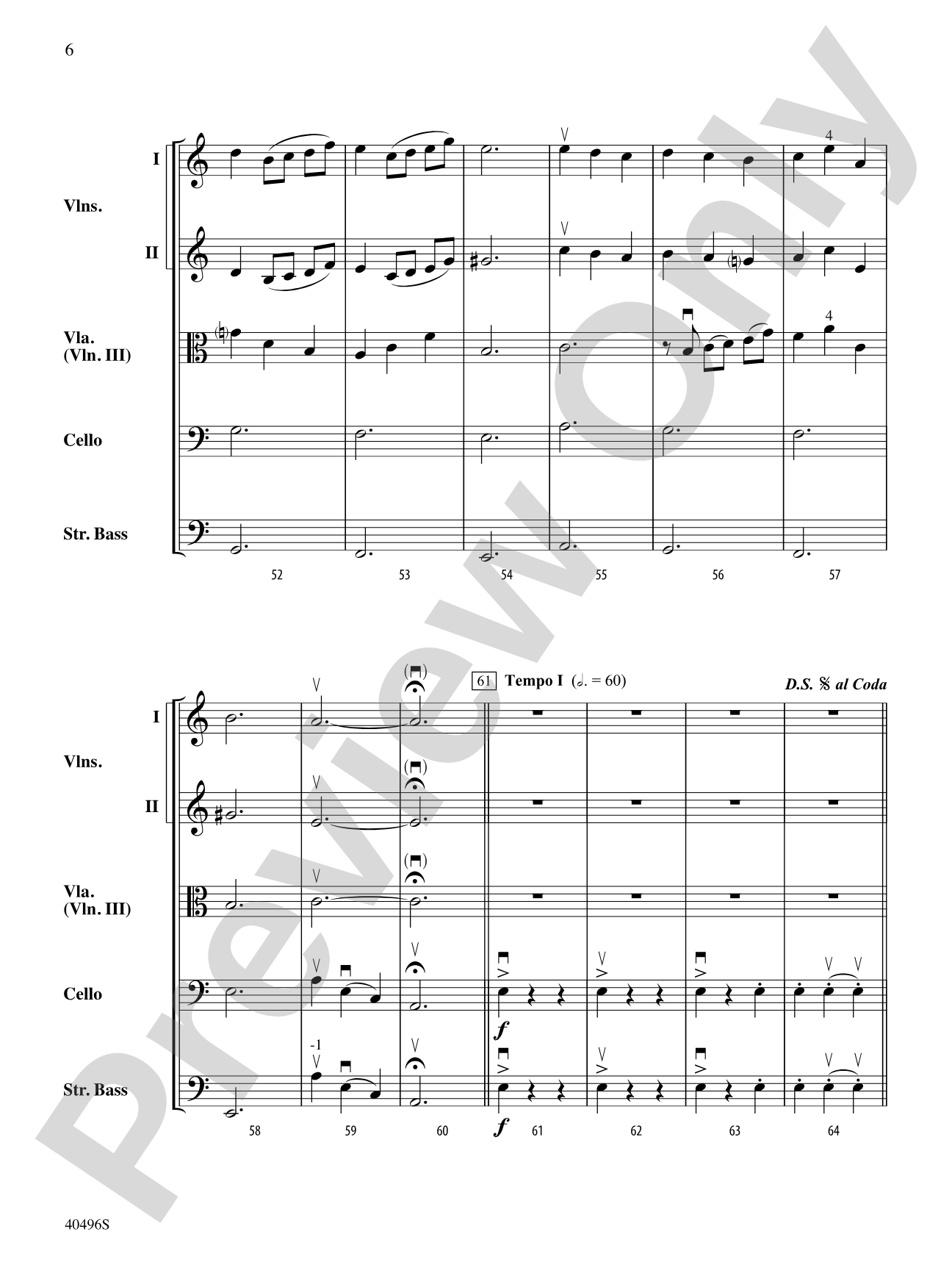
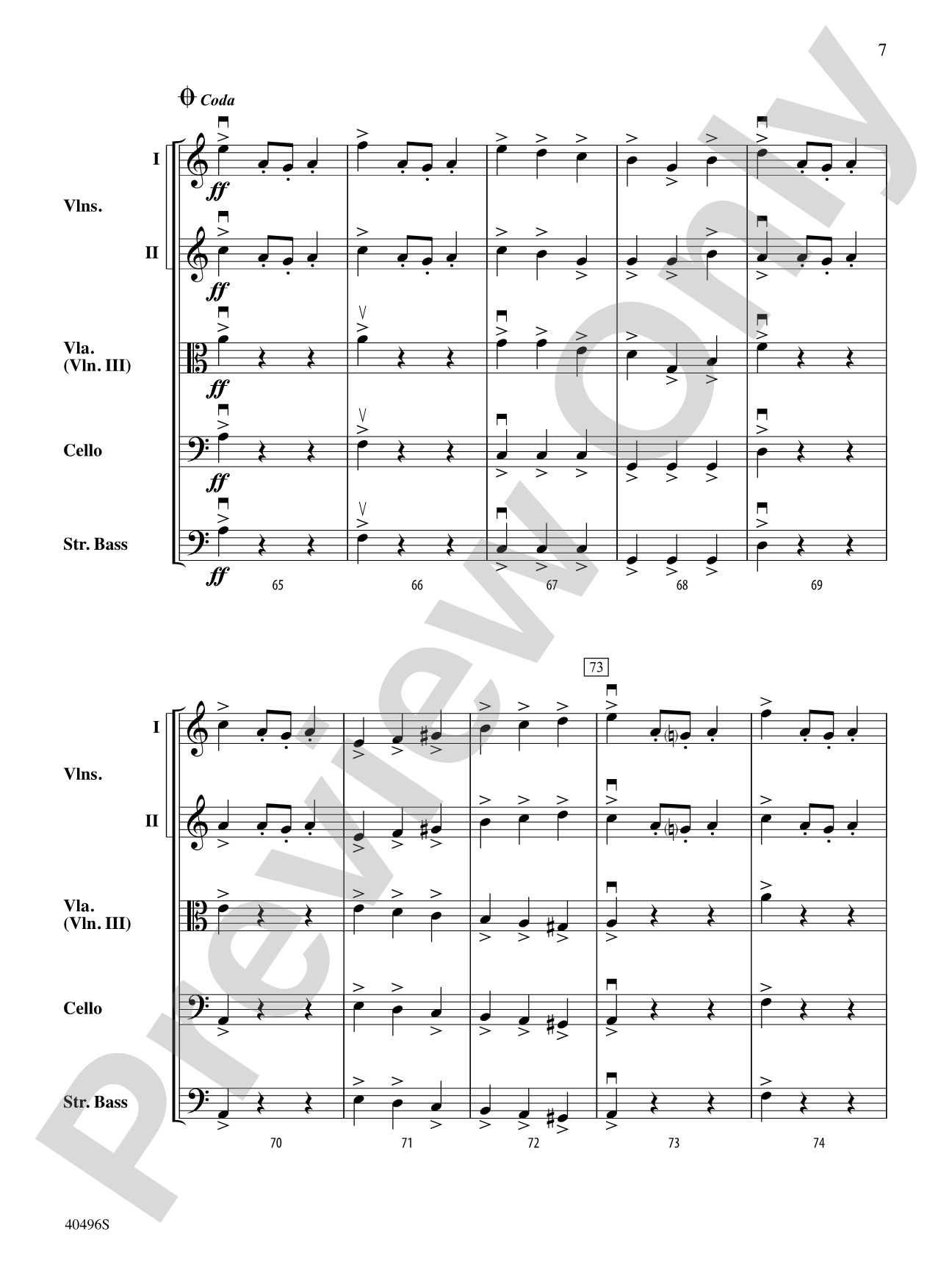
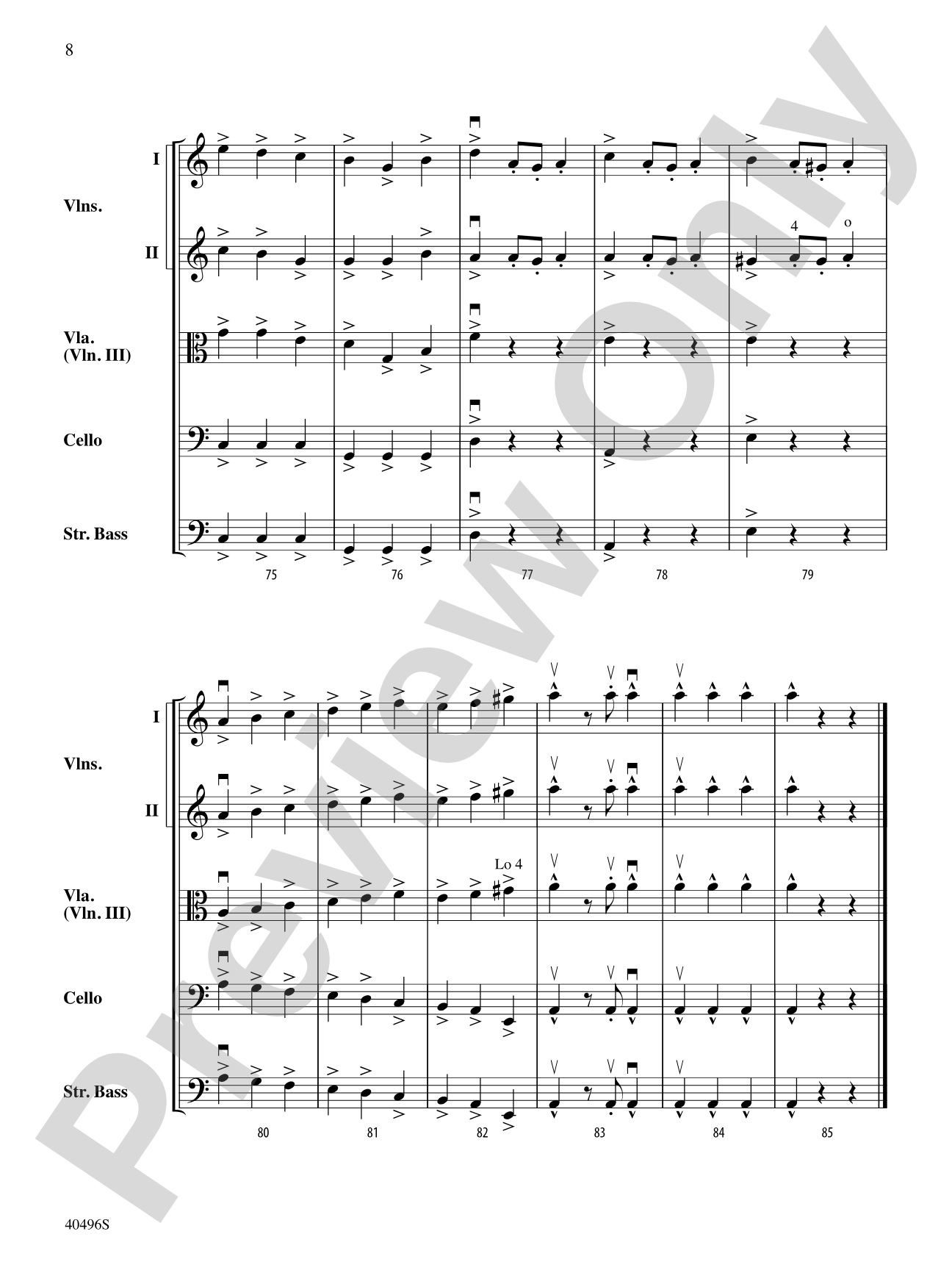

The Bachaneer: String Orchestra Conductor Score & Parts
Inspired by Minuet in G Major
[Based on the music of Johann Sebastian Bach] By Jeffrey E. Turner
Grade: 2.5
Item: 00-PK-0005774

$46.00
Pickup currently not available
Buy Extra Parts (Digital PDF Download)
| Product | Price | Quantity |
|---|---|---|
| The Bachaneer: Score | $9.00 | |
| The Bachaneer: 1st Violin | $5.99 | |
| The Bachaneer: 2nd Violin | $5.99 | |
| The Bachaneer: 3rd Violin (Viola [TC]) | $5.99 | |
| The Bachaneer: Viola | $5.99 | |
| The Bachaneer: Cello | $5.99 | |
| The Bachaneer: String Bass | $5.99 |
Parts Added to Cart!
Description
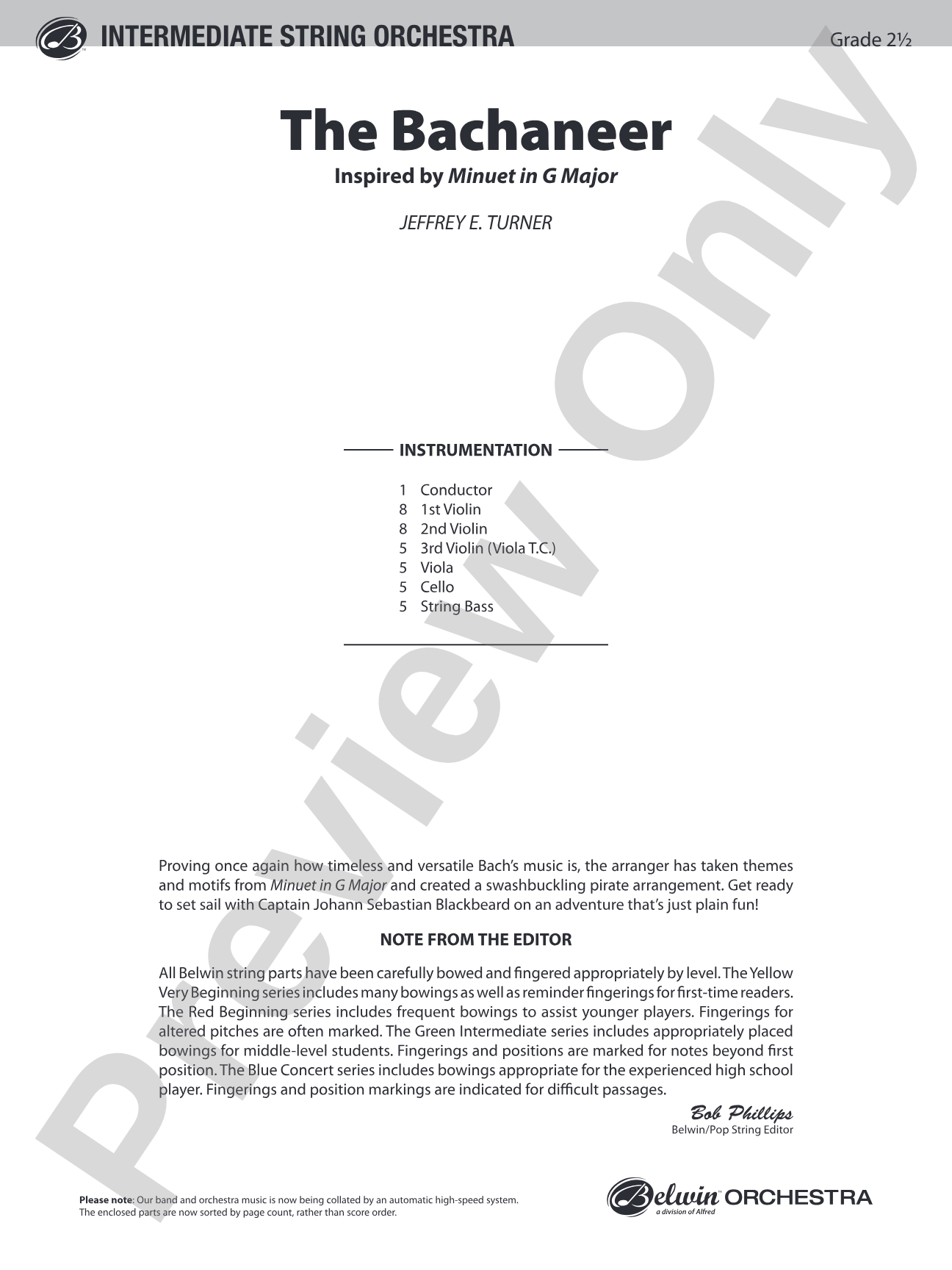
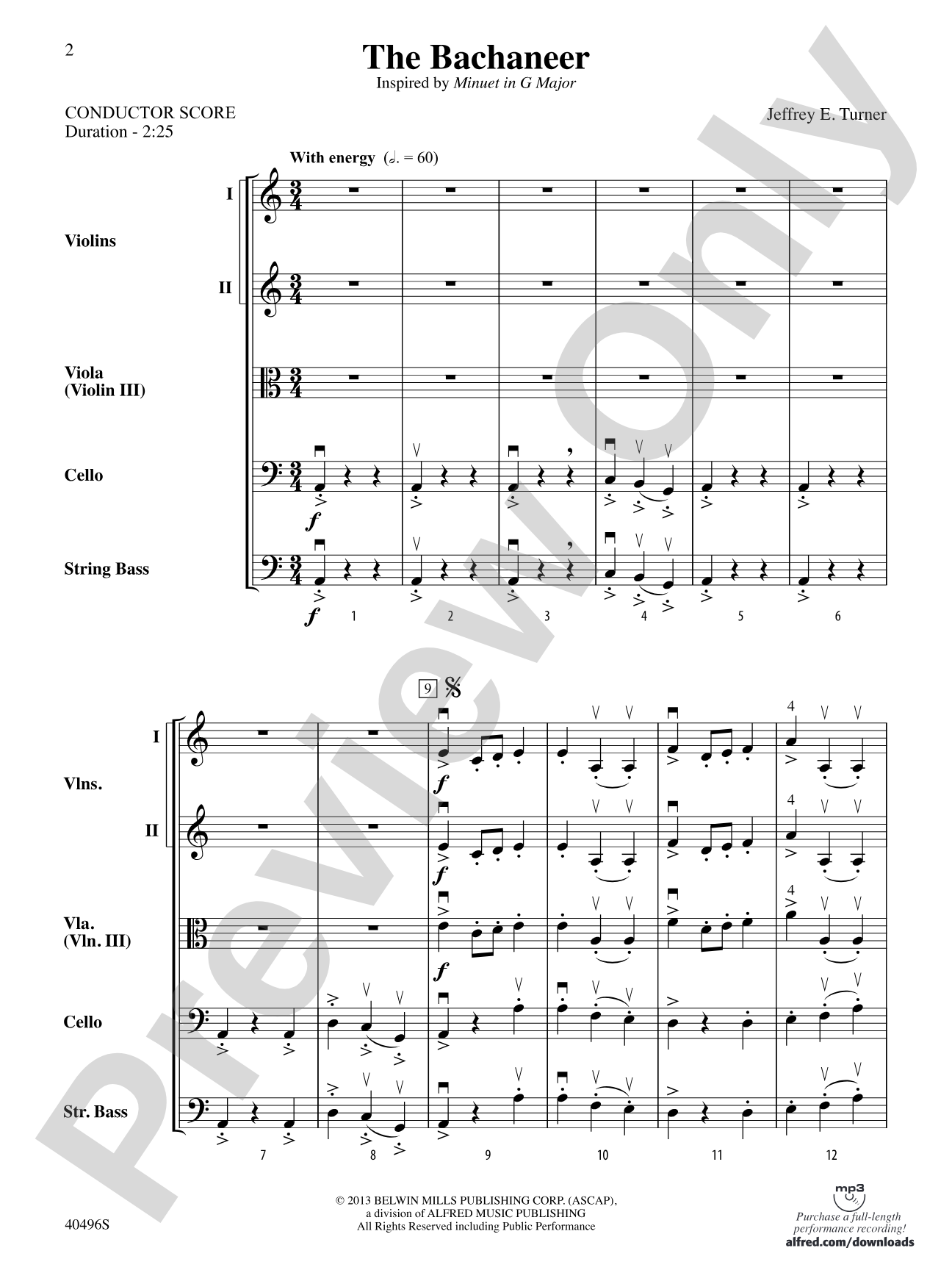
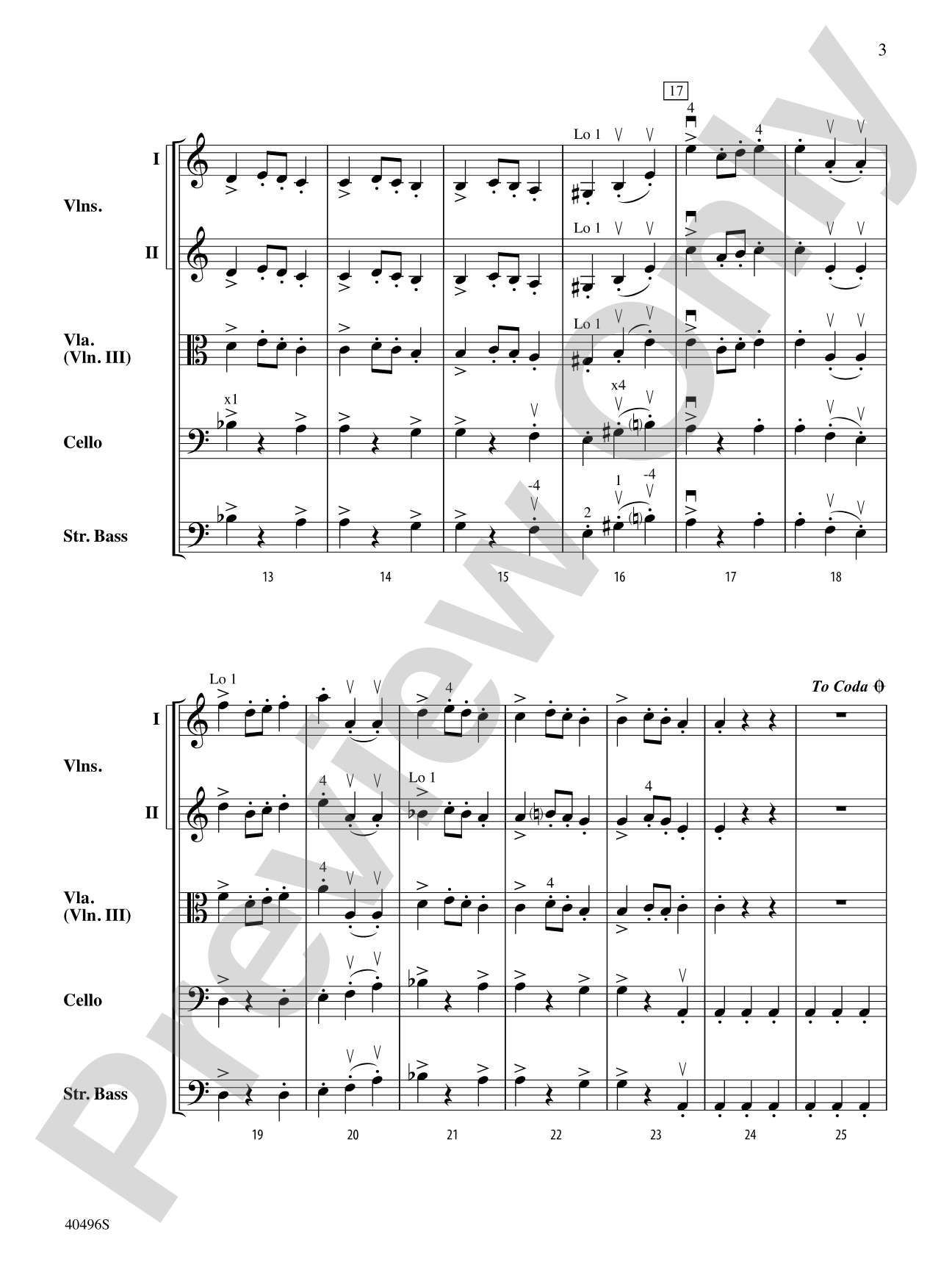
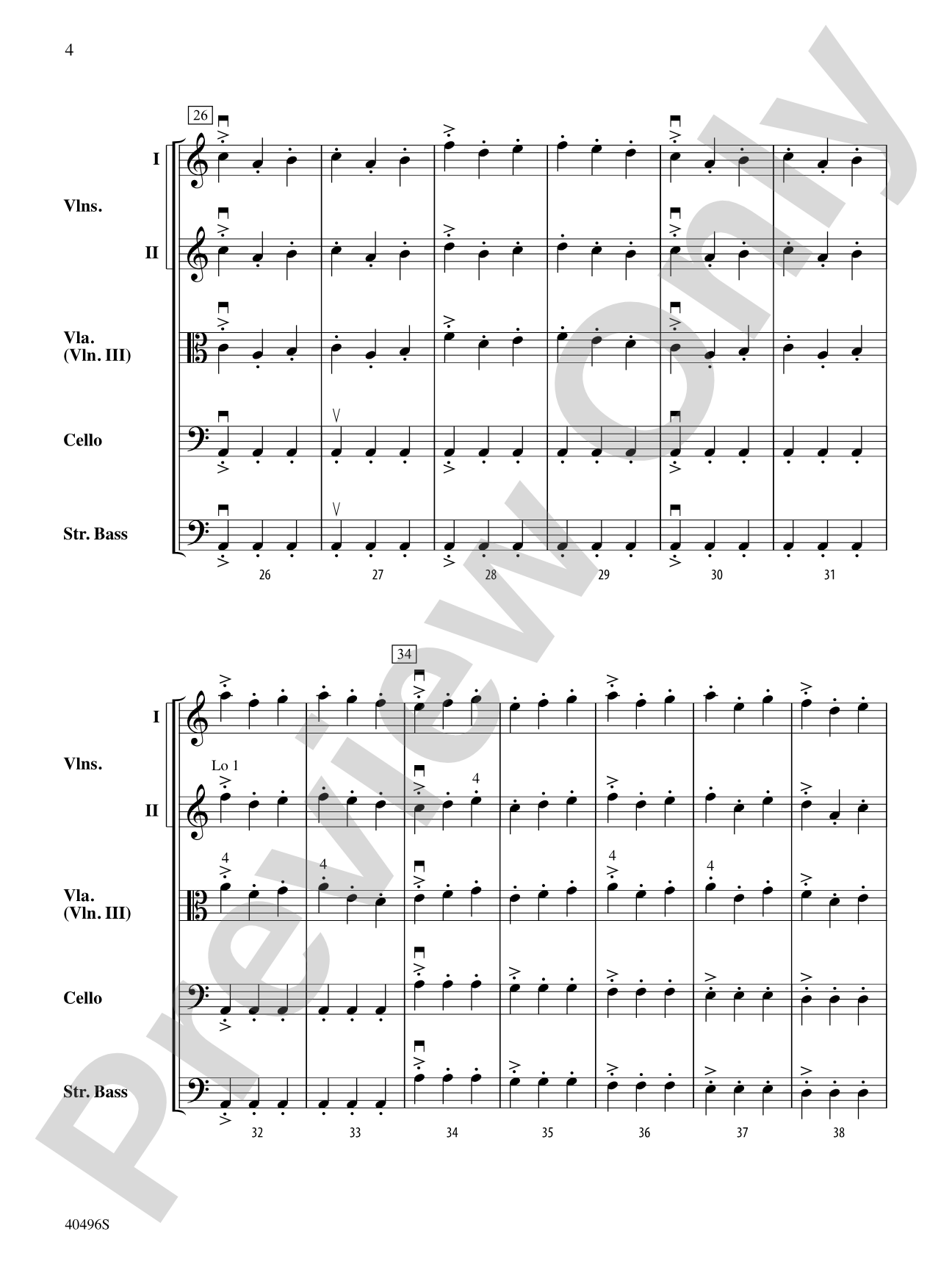
Proving once again how timeless and versatile Bach's music is, the arranger has taken themes and motifs from "Minuet in G Major" and created a swashbuckling pirate arrangement. Get ready to set sail with Captain Johann Sebastian Blackbeard on an adventure that's just plain fun!
This title is available in MakeMusic Cloud.


This title is available in MakeMusic Cloud.
Don't just read it, hear it, play along with it, and watch your students grow with it. In MakeMusic Cloud, The Bachaneer: String Orchestra Conductor Score & Parts comes alive with professional accompaniment, adjustable tempo, and built-in practice tools that turn solo practice into real progress.
Open in the Player
Jump straight in and assign it today.
Start Your Free Trial
Open this title and explore the full library in minutes.
Sample Audio
1
Audio File
--:--
0:00
0:00
Sample Video
No sample videos found.
Additional Details
Series:
Belwin Intermediate String Orchestra
Publisher:
Alfred Music
Page Count:
72
SKU:
00-PK-0005774
More about this title
About the Composer: Johann Sebastian Bach
Johann Sebastian Bach (1685, 1750) shaped the foundation of Western music through his mastery of counterpoint, harmonic invention, and structural clarity. His work across every genre, from intimate keyboard pieces to massive choral works, established principles of composition that still define how we teach and understand music today. More than three centuries later, his melodic and harmonic language remains immediately accessible to performers and audiences alike, which is precisely why his music adapts so naturally to new settings and styles.
Why we love this
This arrangement captures what makes Bach perpetually teachable: clear melodic writing, balanced textures, and harmonic logic that young string players can actually hear and follow. The pirate concept adds theatrical momentum and genuine fun without sacrificing musical substance, making it equally effective as a festival piece and a concert crowd-pleaser.
What to expect
A swashbuckling voyage where Bach's elegance meets theatrical adventure. The piece sparkles with rhythmic verve and playful character while the underlying melodic material, unmistakably Bach, keeps the music grounded in real compositional craft.
Who it's for
String orchestras at the intermediate level (Grade 2.5) will find accessible, well-crafted writing that challenges without overwhelming. This arrangement works for ensembles seeking contest or festival repertoire with recognizable melodic material and genuine entertainment value.
How to get the most out of it
- Balance the melodic lines across sections so the Bach themes remain audible even as the arrangement layers in accompaniment figures. Younger string players often need explicit reminders about which voice carries the primary material at any given moment.
- Establish a steady, confident tempo that supports the swashbuckling character without rushing. The arrangement's effectiveness depends on clear rhythmic articulation, particularly in the accompanying figures that suggest the adventurous narrative.
- Use dynamic contrast to shape the phrases. The Baroque origins of this material suggest natural phrase arcs; let your strings breathe at logical musical moments rather than pressing relentlessly forward.
- Attend to intonation in the double stops and harmonic passages. The Grade 2.5 level assumes developing bow control, so rehearse these sections early and often to build confidence.
How to use it
This piece shines in concert contexts where you want to showcase both the musicianship of your ensemble and their ability to engage an audience with narrative storytelling. It pairs well alongside more traditional Baroque arrangements or as a palate-cleanser between serious contemporary works. It's equally at home in a festival competition where clear musicianship and audience connection both matter.
Skills your students will build
- Sustaining clear melodic lines while managing accompanying figures
- Reading articulation markings that drive character and storytelling
- Playing balanced two-part divisi writing in intermediate string textures
- Maintaining rhythmic precision in syncopated and driving accompaniment patterns
- Understanding how harmonic and melodic materials from one era can be recontextualized without losing structural integrity