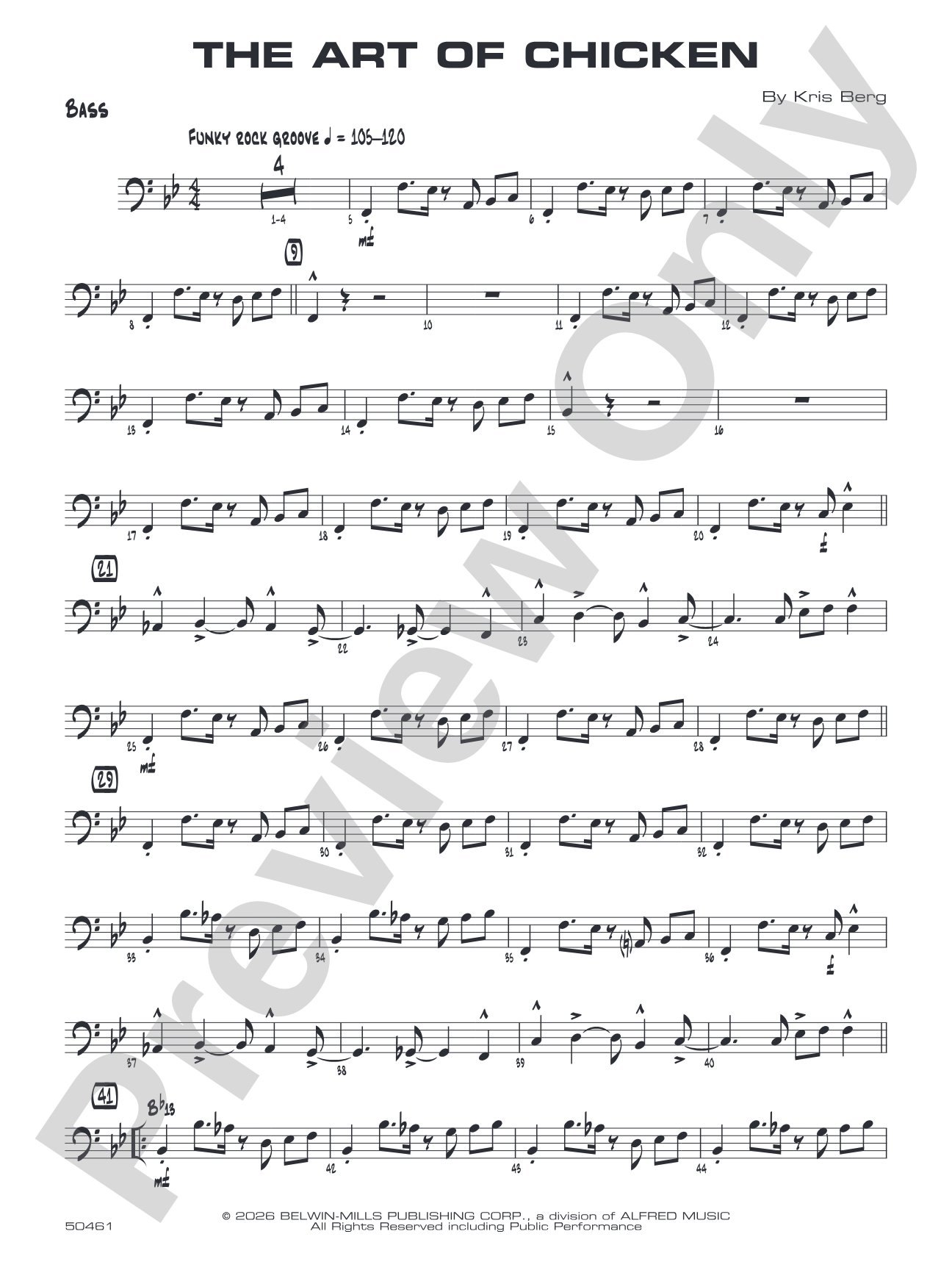
The Art of Chicken: String Bass Sheet Music Preview

The Art of Chicken: String Bass

By Kris Berg

Grade: 2.5

Item: 00-PC-0019865_SB

Digital Download
$3.00
Description
Of course it's funky! The groove is around 110 BPM, with solo space for alto, tenor, trumpet 2, and trombone 1. Lead trumpet range is to written G on top of the staff. Optional parts include flute and vibes. This chicken is delish!

The Art of Chicken: String Bass isn't in MakeMusic Cloud just yet...but it could be. Let us know you'd like to see it, and you'll help shape what comes next. In the meantime, start a free trial and dive into thousands of interactive titles your students can play along with today.

Sample Audio
0:00
0:00
Sample Video
Additional Details
Series: Belwin Young Jazz
Publisher: Alfred Music
SKU: 00-PC-0019865_SB

More about this title

About the Composer: Kris Berg

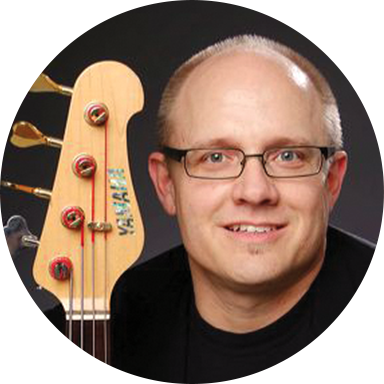
Kris Berg

Kris Berg directs the jazz program at Collin County Community College in Texas and holds degrees in jazz studies from the University of North Texas. His work as a composer and arranger has earned him recognition across the globe; ensembles under his direction have performed at Montreux, and his charts continue to be recorded and performed worldwide.

Beyond the classroom, Berg founded and directs both the Collin Jazz Fest and the Texas All-Star Jazz Camp. He serves as a clinician and artist for Yamaha Corporation and has collaborated with jazz luminaries including Kurt Elling, Randy Brecker, Peter Erskine, and Clark Terry. His original method book, Bass Lines in Minutes, reflects his approach to building functional musicianship in ensemble contexts.

Why we love this

Berg's writing here lives in that sweet spot where accessibility meets authentic groove. A Grade 2.5 funk chart that doesn't sacrifice character or swing feel, with enough solo real estate to give your section players meaningful moments while keeping the ensemble engaged throughout.

What to expect

Funky and grounded, built on a pocket-conscious groove that swings hard without losing its tight, percussive edge. The solo spaces breathe naturally within the arrangement, inviting each voice to speak without losing sight of the ensemble's collective energy.

Who it's for

Jazz ensembles at the early intermediate level looking for material with genuine funk character and solo opportunities. Works equally well for groups still building ensemble confidence and those ready to stretch their rhythm section and soloists.

How to get the most out of it

  • Nail the pocket at 110 BPM before adding the solos. This groove rides on precision, not speed. Lock your rhythm section first, then layer the horn hits.
  • Feature your soloists strategically. With four voices taking space (alto, tenor, trumpet 2, trombone 1), use the score to signal clear entry and exit points so transitions land cleanly.
  • Balance the lead trumpet range (written G above the staff) by keeping the section supporting the line rather than fighting it. A secure first trumpet sets the tone for the whole ensemble.
  • Optional flute and vibes add color but aren't essential. Try the chart without them first to establish the core voice leading, then layer in the optional parts once the foundation holds.

How to use it

Program this early in a jazz concert to establish an energetic mood and give your soloists a chance to shine in a forgiving, groove-forward context. Pairs well with swing standards or Latin-influenced pieces on the same concert.

Skills your students will build

  • Funk and rock groove pocket at moderate tempos
  • Balancing solo freedom with ensemble cohesion
  • Articulation and phrasing in a contemporary jazz idiom
  • Section coordination and dynamic blend across multiple voices taking solo space

You May Also Like