


The American Spirit: Choral Instrumental Pak
By Mark Hayes / As performed by Pamela T. Stewart
Item: 35-PK00289509
$125.00
Pickup currently not available
Buy Extra Parts (Digital PDF Download)
Parts Added to Cart!
Description
Written for a combined chorus performance at Avery Fisher Hall, Lincoln Center with the composer conducting, this major work in 3 movements is both poignant and inspiring. Drawing inspiration from the words of Henry David Thoreau and quoting Simple Gifts, Zion's Walls, and Materna, this is a classic Mark Hayes composition combining stylistic, contemporary writing with a classical foundation. With piano accompaniment, this will be powerful but with either the full orchestration or the chamber orchestration, it will be unforgettable.


The American Spirit: Choral Instrumental Pak isn't in MakeMusic Cloud just yet...but it could be. Let us know you'd like to see it, and you'll help shape what comes next. In the meantime, start a free trial and dive into thousands of interactive titles your students can play along with today.
Request This Title
Tell us you want it.
Start Your Free Trial
Explore everything that's ready to play right now.
Sample Audio
No sample audio found.
Sample Video
No sample videos found.
Additional Details
Publisher:
Hal Leonard
SKU:
35-PK00289509
More about this title
About the Composer: Mark Hayes
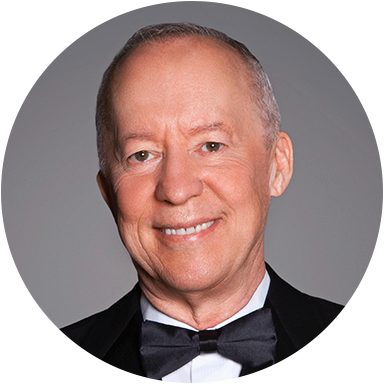
Mark Hayes stands among America's most prolific composers, with over 1,750 published works spanning concert, sacred, and popular music. A summa cum laude graduate in Piano Performance from Baylor University, Hayes has conducted major venues including Lincoln Center, the National Cathedral, and Carnegie Hall, premiering landmark works like his Requiem at Lincoln Center in 2013 and again at St. Ignatius Basilica in Rome as part of a Vatican-sponsored festival.
Beyond composition, Hayes brings expertise as a pianist, orchestrator, and record producer. His work extends into musical theater (orchestrating Madame Buttermilk and arranging We'll Meet Again), film scoring (Civil War Voices won six awards at the Midtown International Theatre Festival), and keyboard literature, with over 100 piano books in print. The Baylor University Center for Christian Music Studies recognized his contributions with the Award for Exemplary Leadership in 2010.
Why we love this
Hayes writes with the ear of someone who has actually conducted these works at institutions like Lincoln Center, so the instrumental forces work together rather than against each other. The orchestration options (full or chamber) give you real flexibility without sacrificing impact, and the literary foundation in Thoreau elevates what could be a straightforward patriotic piece into something with genuine intellectual weight.
What to expect
Reflective and stirring by turns, with a classical foundation that never feels stuffy beneath Hayes's modern harmonic palette. The familiar hymn tunes emerge like objects we recognize from a new angle, asking us to hear them anew while honoring their weight in American musical memory.
Who it's for
Intermediate to advanced mixed ensembles with access to instrumental forces and the interpretive maturity to handle both contemporary harmonic language and classical hymn treatment. The work suits programs that want to program something substantial without retreating into traditional Americana.
How to get the most out of it
- Balance the vocal and instrumental forces carefully during the hymn quotes; these melodies are already embedded in singers' memories, so they need breathing room to resonate rather than competitive playing.
- If you're using the chamber orchestration, let the piano anchor the harmonic language in rehearsals. This helps the ensemble hear Hayes's contemporary writing against its classical framework.
- Mark the three movements as distinct emotional territories in your score study before rehearsal; this three-part architecture shapes how you'll shape phrase arcs and pacing decisions.
- The Thoreau text carries philosophical weight, so ask singers what those specific lines mean to them personally. Hayes's musical setting responds to the text's introspection, not just its patriotic surface.
How to use it
This works as a centerpiece for a concert exploring American identity or spiritual searching, particularly if you're pairing it with other Hayes works or contemporary pieces that similarly blend classical structure with current musical language. The three-movement scope and serious thematic content make it suitable as a concert finale or the anchor of a spring concert celebrating classical choral tradition.
Skills your students will build
- Reading compound and contemporary harmonic language built on classical foundations
- Blending familiar hymn melodies with unfamiliar orchestral textures
- Sustaining phrasing across large-scale three-movement structures
- Interpreting text with literary and philosophical dimensions beyond surface meaning
- Ensemble balance and listening when instrumental forces carry equal musical weight