

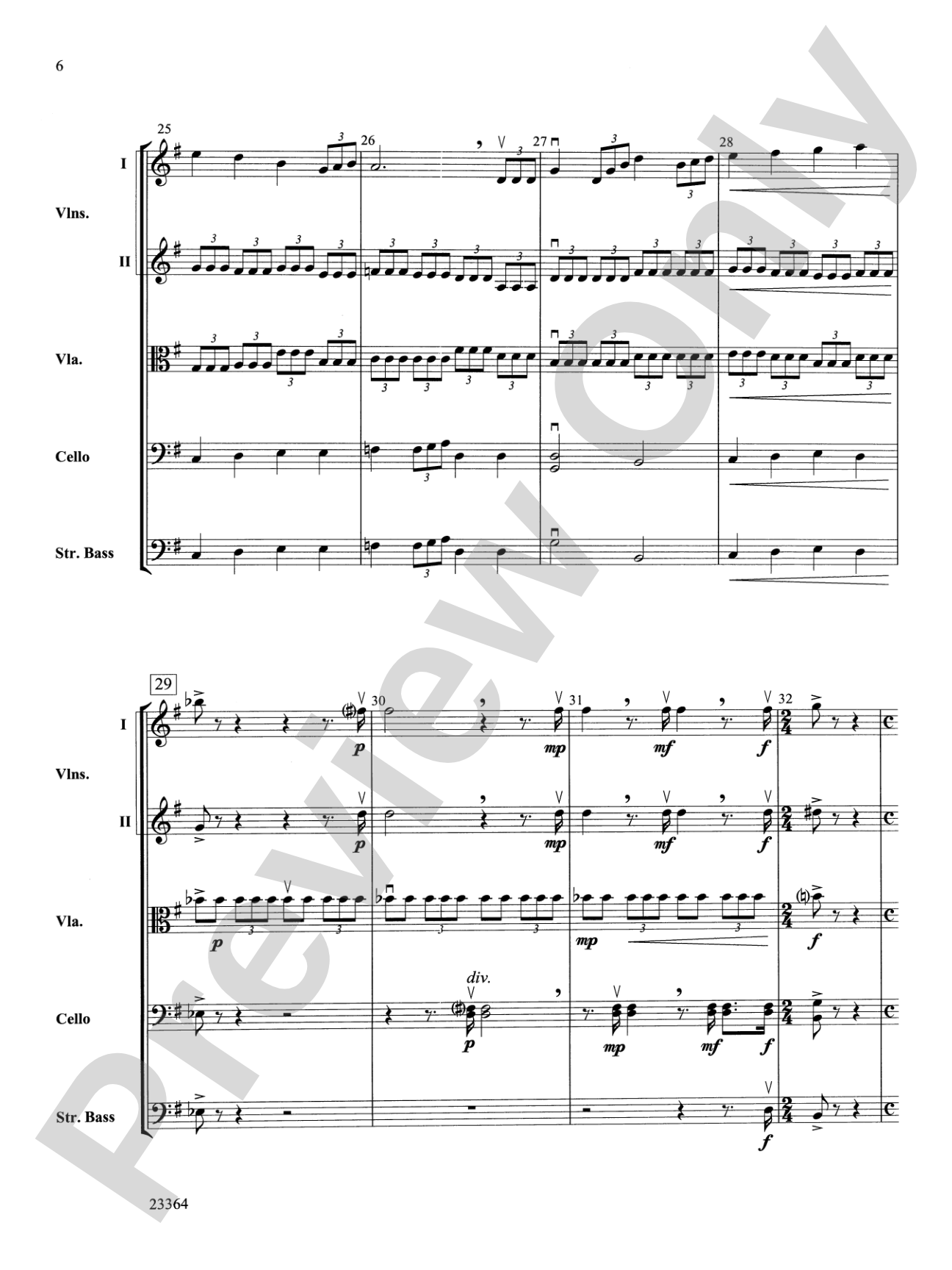
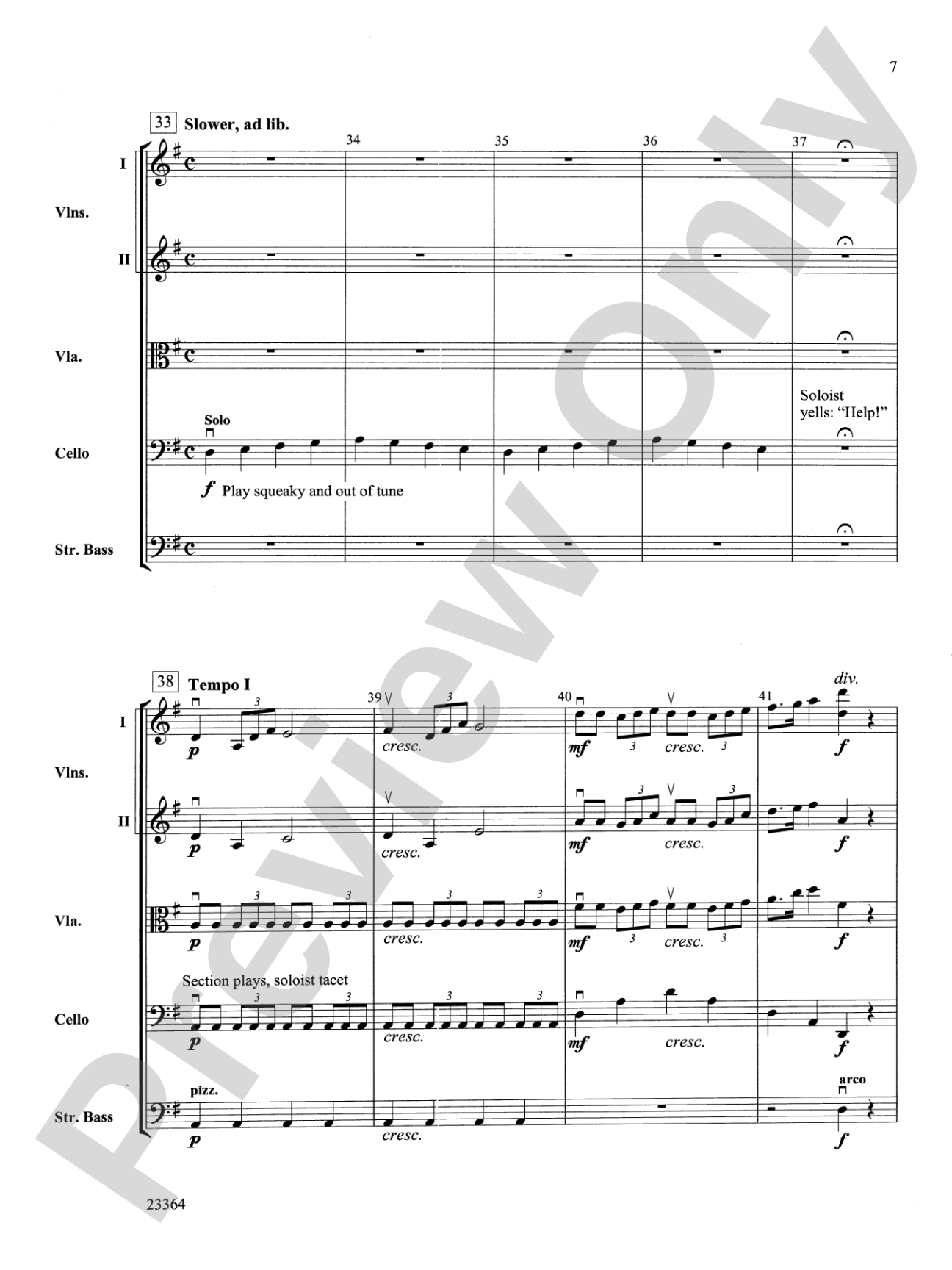
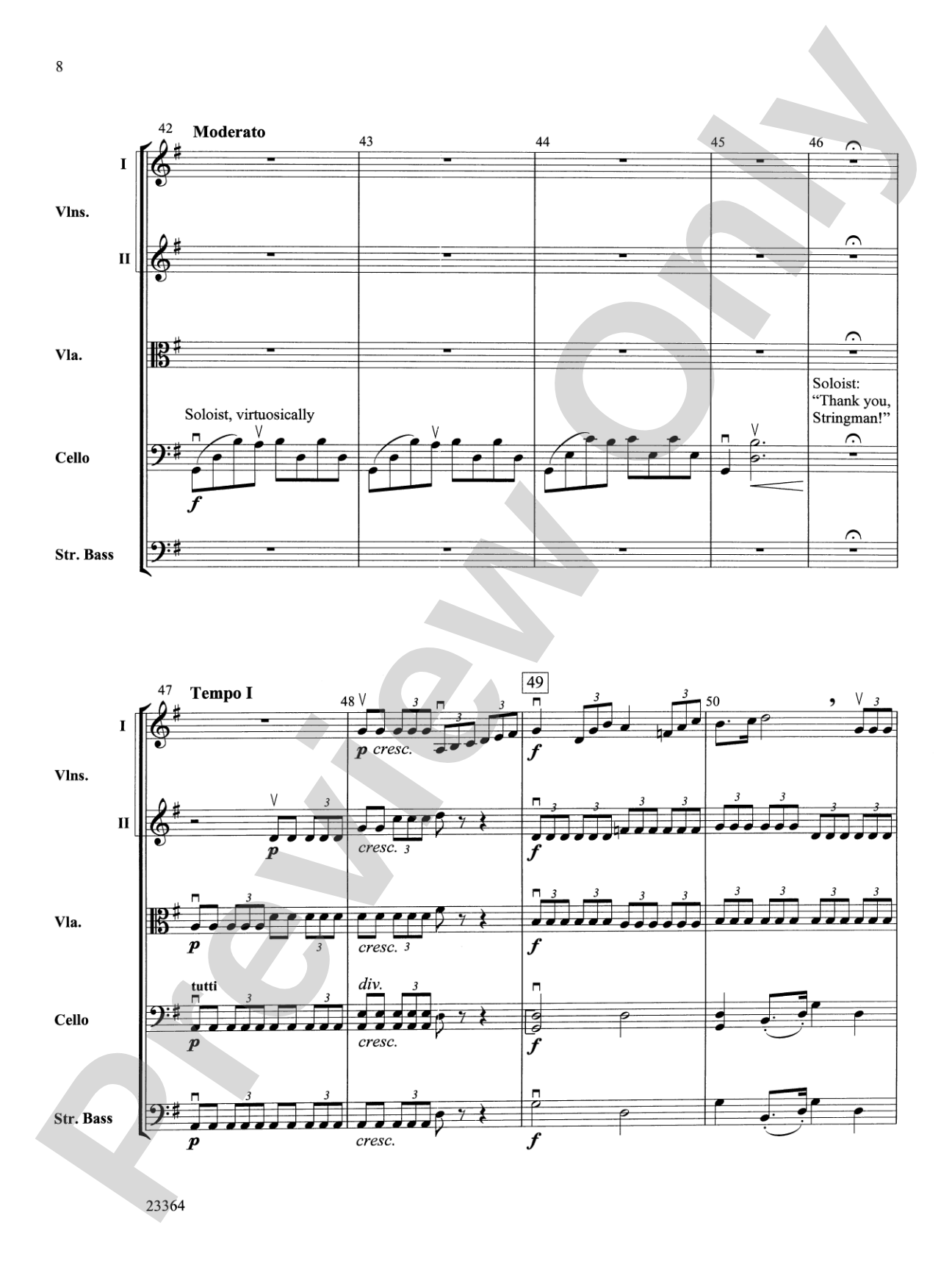
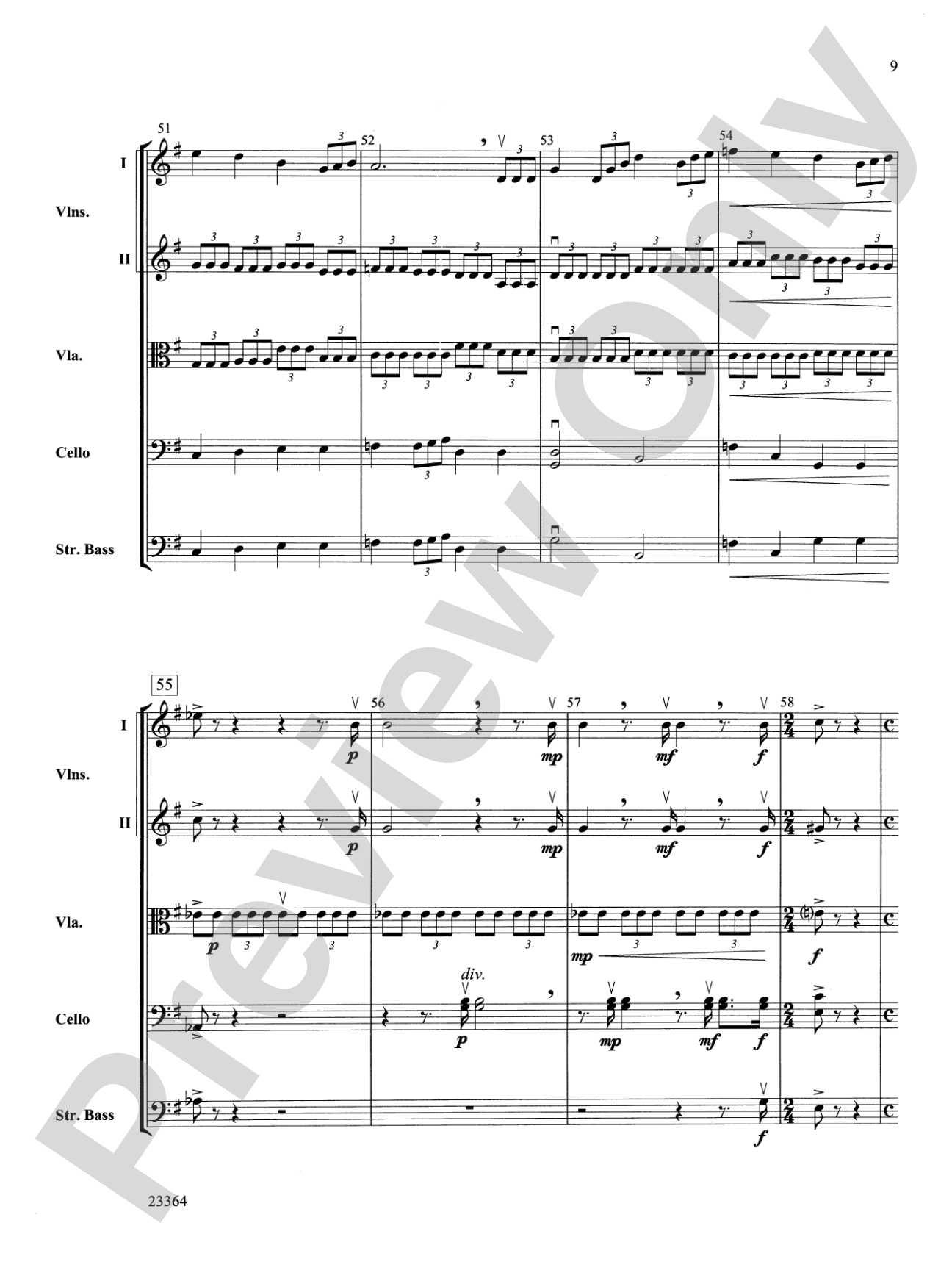
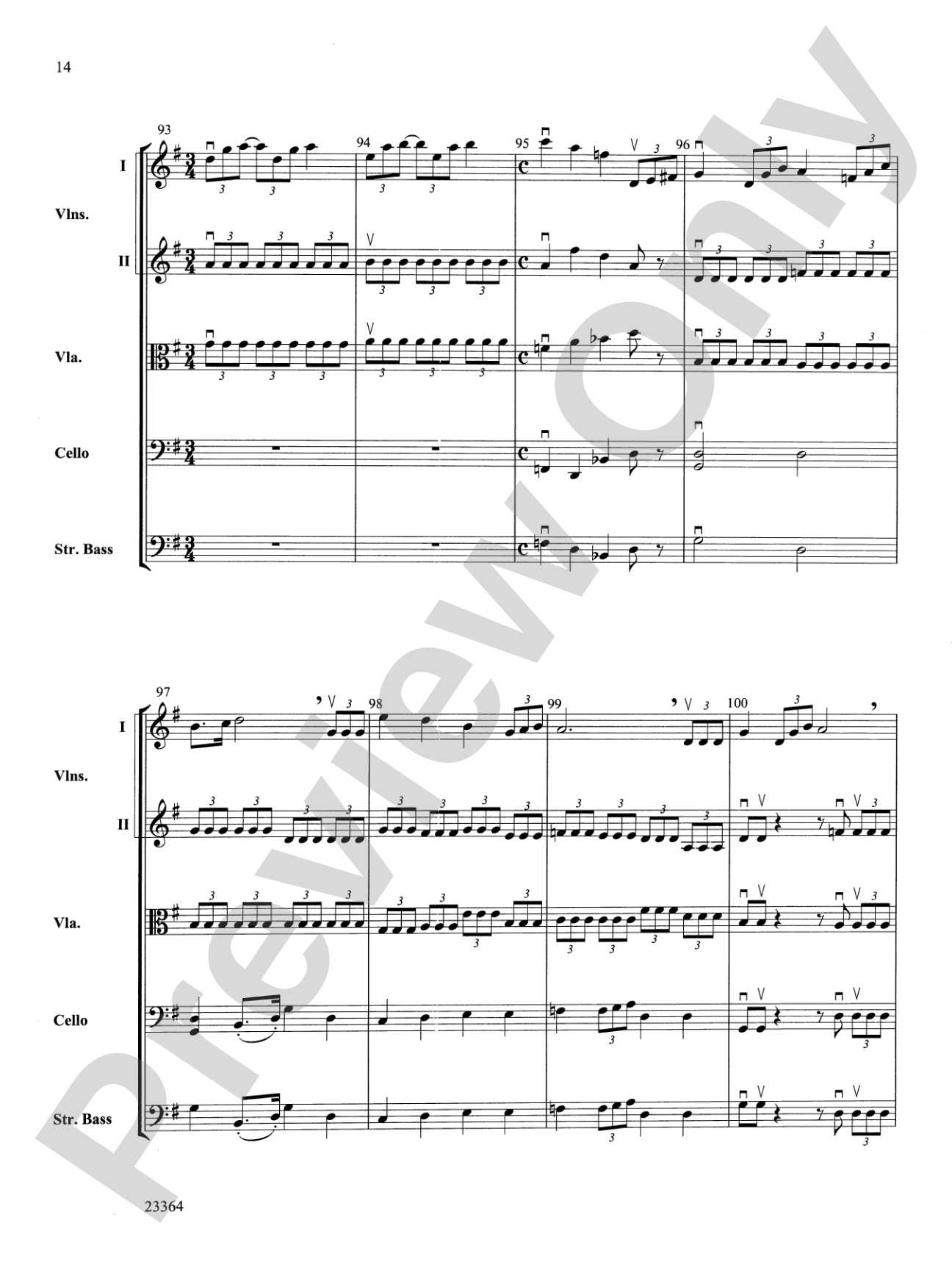
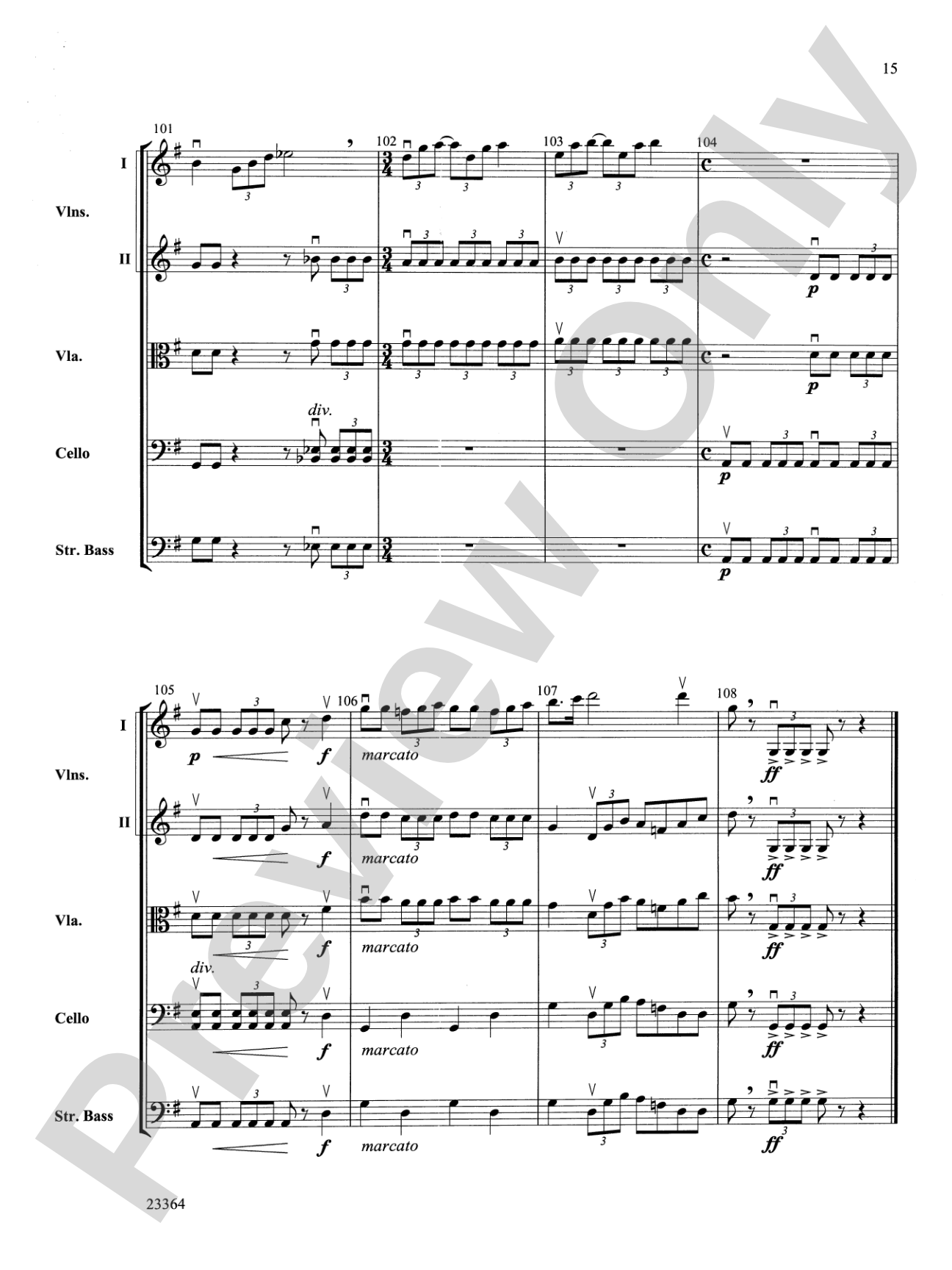


The Adventures of "Stringman": String Orchestra Conductor Score & Parts
By Richard Meyer
Grade: 3
Item: 00-PK-0000717

$56.00
Pickup currently not available
Buy Extra Parts (Digital PDF Download)
| Product | Price | Quantity |
|---|---|---|
| The Adventures of "Stringman": Score | $9.00 | |
| The Adventures of "Stringman": 1st Violin | $5.99 | |
| The Adventures of "Stringman": 2nd Violin | $5.99 | |
| The Adventures of "Stringman": Viola | $5.99 | |
| The Adventures of "Stringman": Cello | $5.99 | |
| The Adventures of "Stringman": String Bass | $5.99 |
Parts Added to Cart!
Description
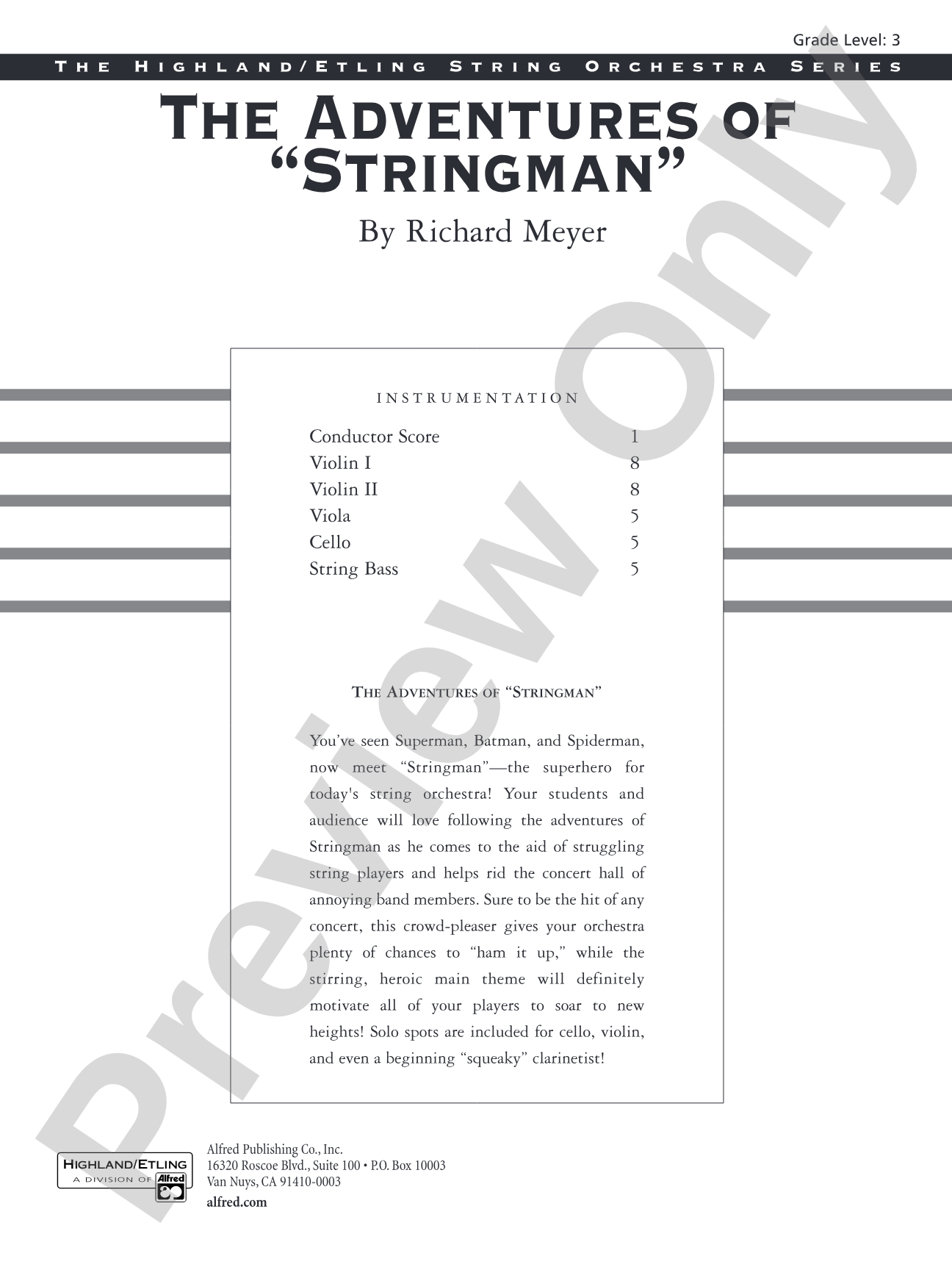
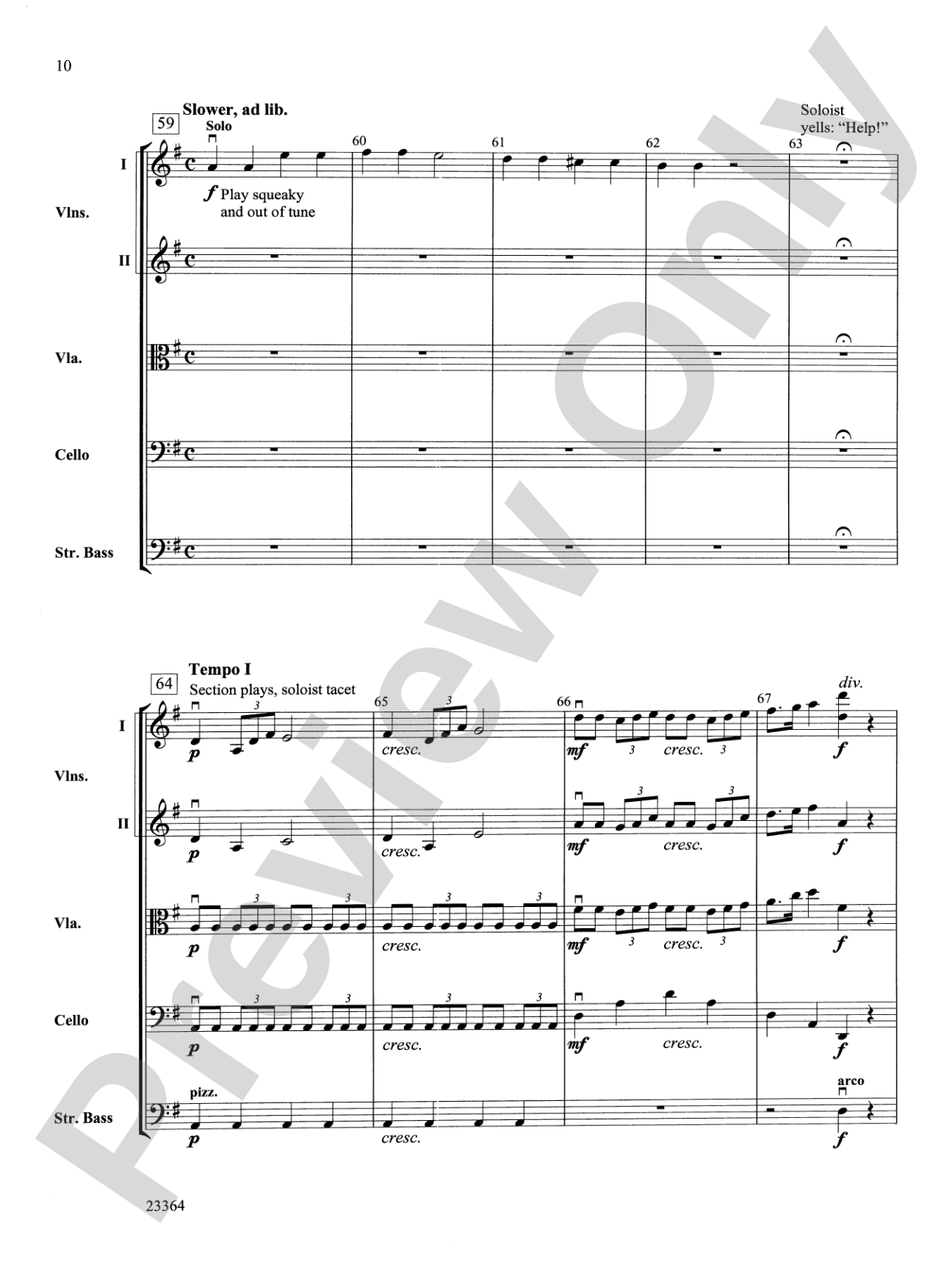
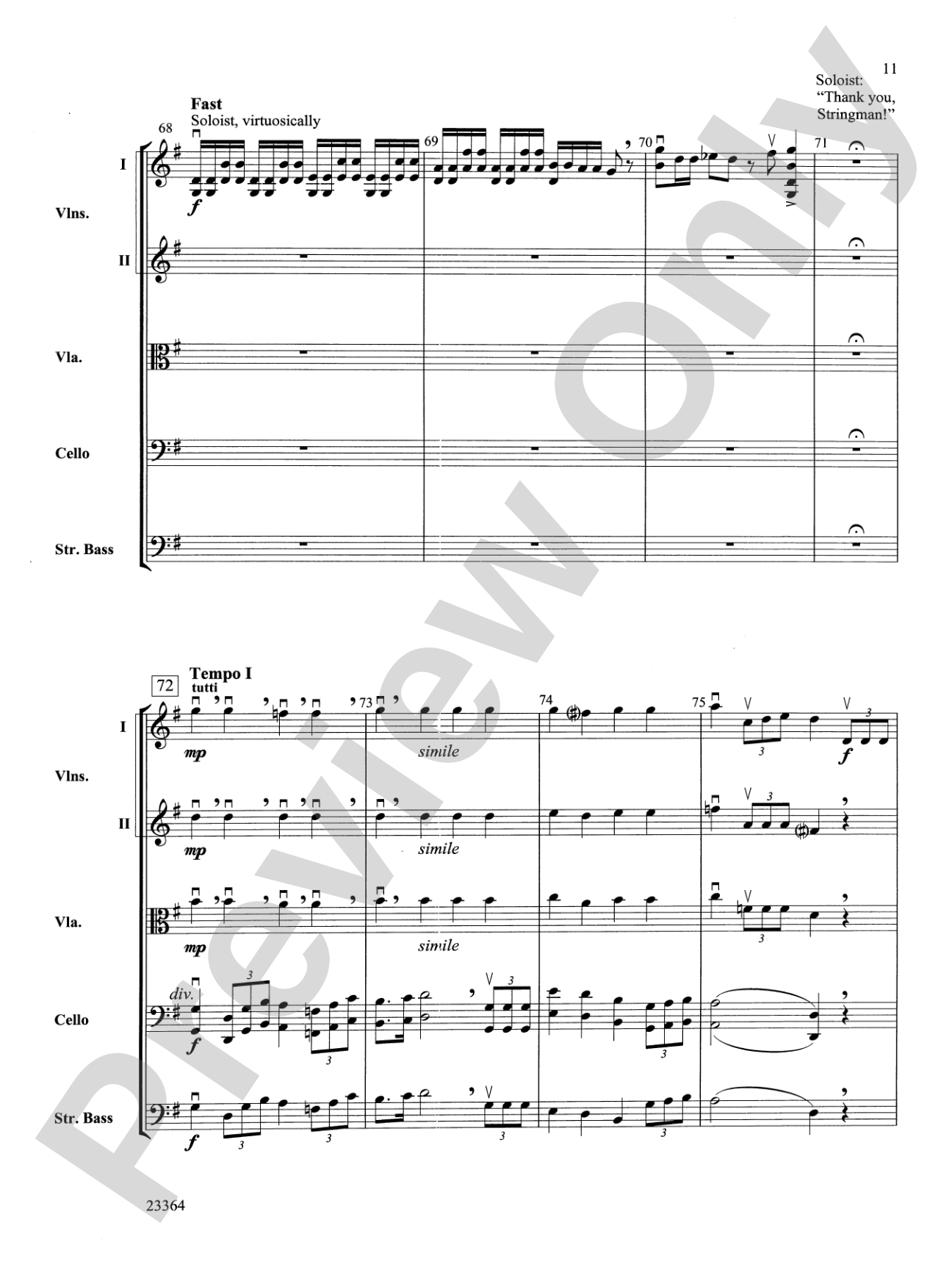
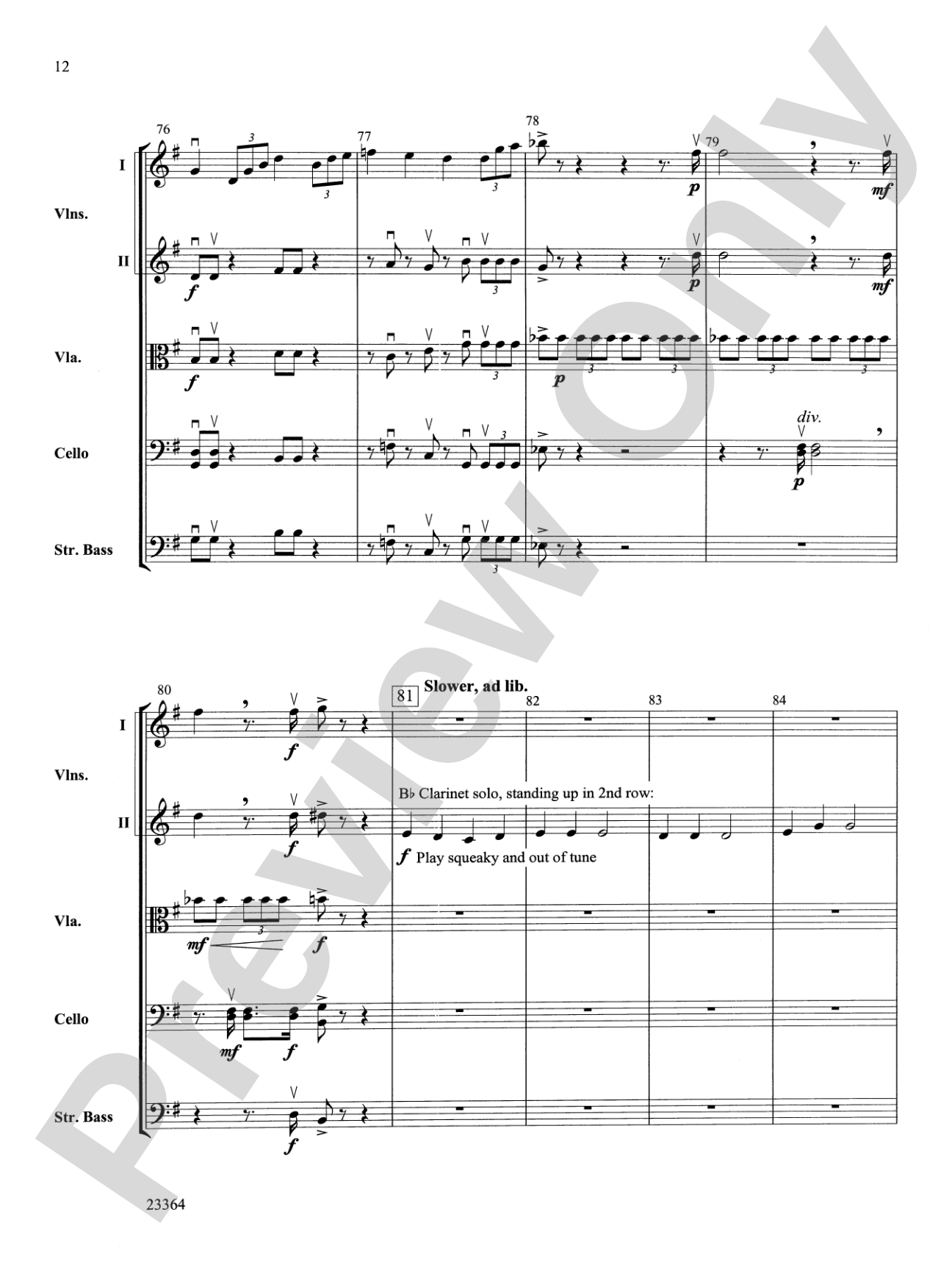
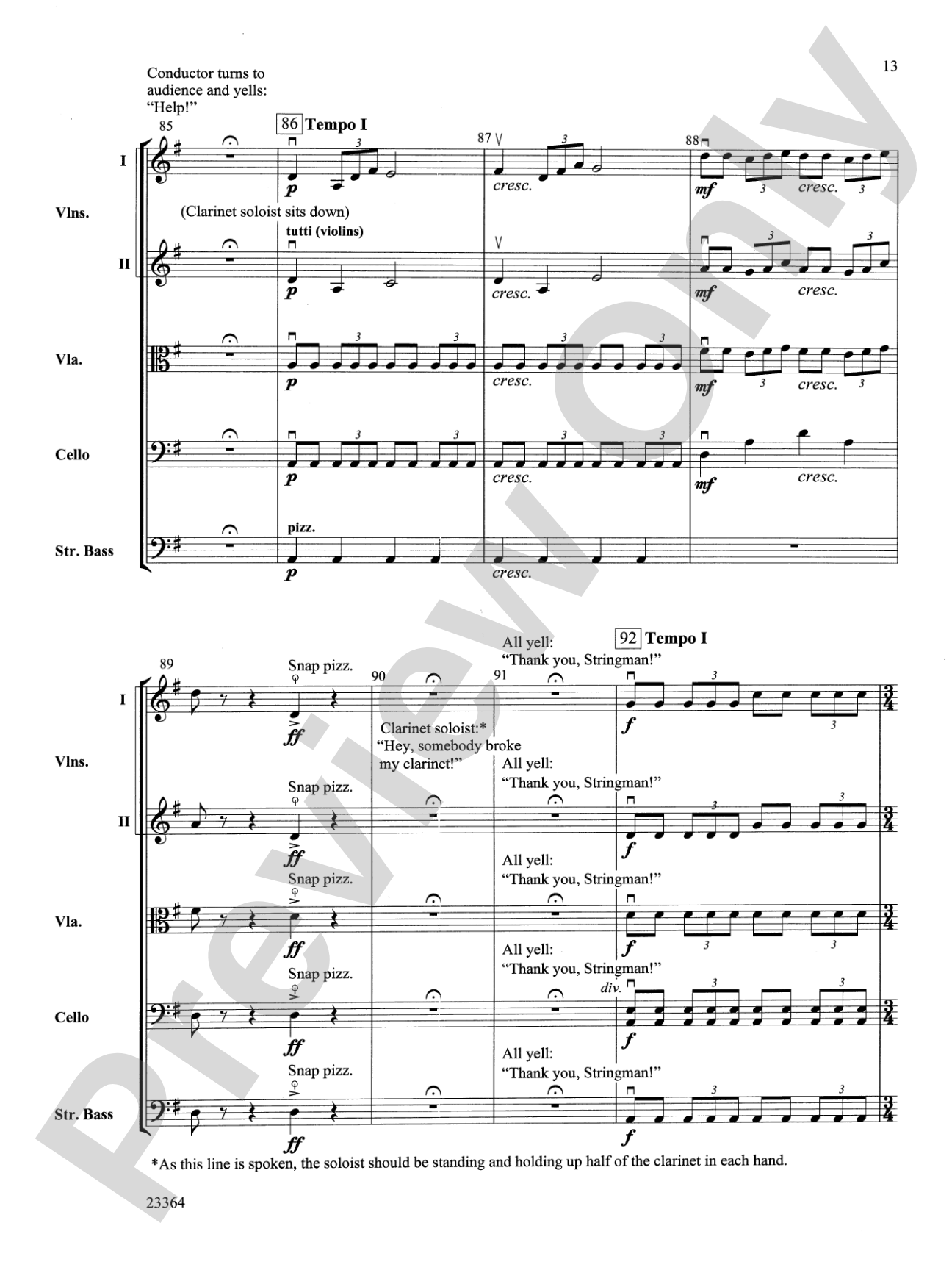
You've seen Superman, Batman, and Spiderman, now meet "Stringman"-the superhero for today's string orchestra! Your students and audience will love following the adventures of Stringman as he comes to the aid of struggling string players and helps rid the concert hall of annoying band members. Sure to be the hit of any concert, this crowd-pleaser gives your orchestra plenty of chances to "ham it up," while the stirring, heroic main theme will definitely motivate all of your players to soar to new heights! Solo spots are included for cello, violin, and even a beginning "squeaky" clarinetist!


Don't just read it, hear it, play along with it, and watch your students grow with it. In MakeMusic Cloud, The Adventures of "Stringman": String Orchestra Conductor Score & Parts comes alive with professional accompaniment, adjustable tempo, and built-in practice tools that turn solo practice into real progress.
Open in the Player
Jump straight in and assign it today.
Start Your Free Trial
Open this title and explore the full library in minutes.
Sample Audio
1
Audio File
--:--
0:00
0:00
Sample Video
No sample videos found.
Additional Details
Series:
Highland/Etling String Orchestra
Publisher:
Alfred Music
Page Count:
124
SKU:
00-PK-0000717
More about this title
About the Composer: Richard Meyer
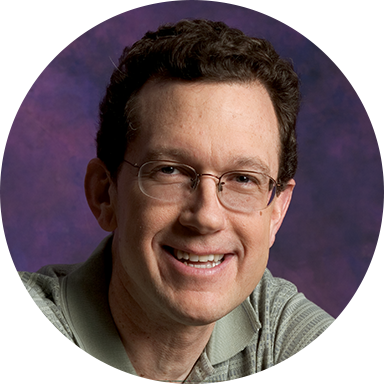
Richard Meyer brings three decades of string teaching experience into every piece he writes. He shaped orchestral programs across Southern California, most notably at Oak Avenue Intermediate School where he grew the ensemble from 29 students to 200, and directed the Pasadena Youth Symphony Orchestra for 16 years through performances across North America, Europe, and Australia.
Meyer's work extends beyond the classroom into advocacy and innovation. In 2009 he launched the "Giving Bach" program, which uses interactive concerts to reach special needs and underserved students throughout the region, a model that has gained national recognition. As a composer and arranger with nearly 200 published works, a former string editor for Alfred Publishing, and co-author of the String Explorer Series and Sight-read It for Strings, Meyer understands exactly what string orchestras at every level need to play and what audiences want to hear.
Why we love this
Meyer writes music that energizes both your students and your audience without sacrificing musicianship. The humor and theatrical storytelling here gives young players permission to perform with personality while the heroic main theme has real substance and demands they play with conviction and control. It's the kind of piece that reminds orchestras why they come to rehearsal.
What to expect
A full-on adventure story unfolding in sound: heroic swells, comedic chaos, and moments of genuine musical storytelling that feel anything but condescending. Your orchestra becomes the storyteller, and the audience is invited into the joke from measure one.
Who it's for
Grade 3 string orchestras looking for repertoire that excites audiences and keeps players engaged. Directors want pieces that build technique while giving students something to genuinely enjoy performing, and this delivers both.
How to get the most out of it
- Lean into the comedic moments. The "squeaky" clarinet solo and the band member chaos are licenses for your students to commit fully to the characterization without worrying they're being silly.
- Shape the main theme with a singing, unified sound across all voices. This is where Stringman's heroism lives, and it needs to soar.
- Balance the solo spots carefully. The cello and violin soloists deserve clarity from the ensemble, but the "squeaky" clarinet joke lands best when the orchestra reacts expressively to those moments.
- Use tempo flexibility at dramatic moments to heighten the theatrical effect and signal transitions between action sequences.
How to use it
Place this as a finale or centerpiece concert number where energy and audience engagement matter most. It pairs well on a program with more traditional concert pieces because it gives students an emotional release and reminds audiences that string orchestras can entertain and uplift, not just impress. Consider it for pops concerts, family concerts, or community performances where lighter material broadens your audience.
Skills your students will build
- Executing contrasting character and mood within a single piece
- Balancing solo passages with ensemble accompaniment
- Playing with dynamic expression and theatrical commitment
- Reading and performing Grade 3 technical material with rhythmic accuracy