
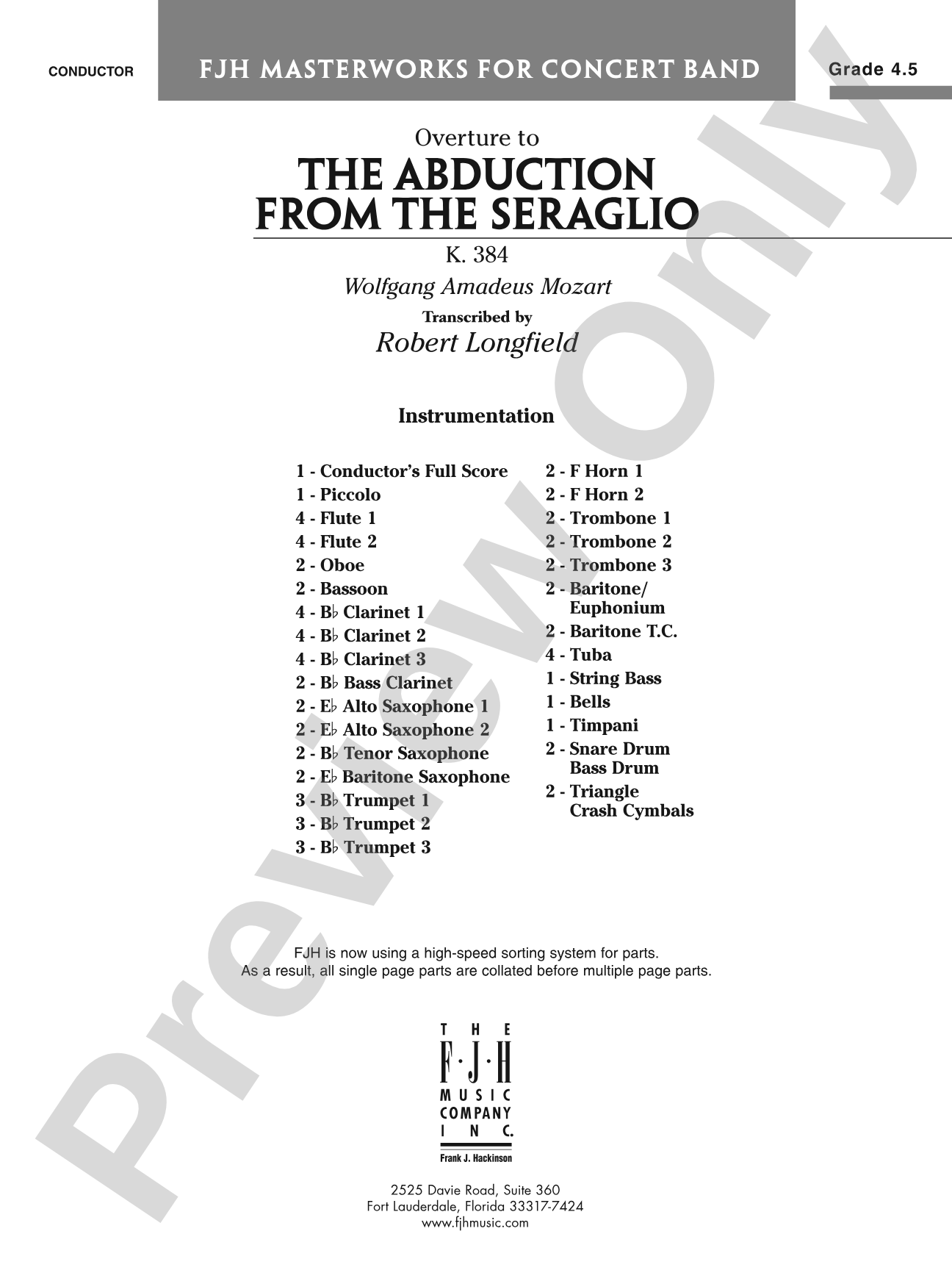
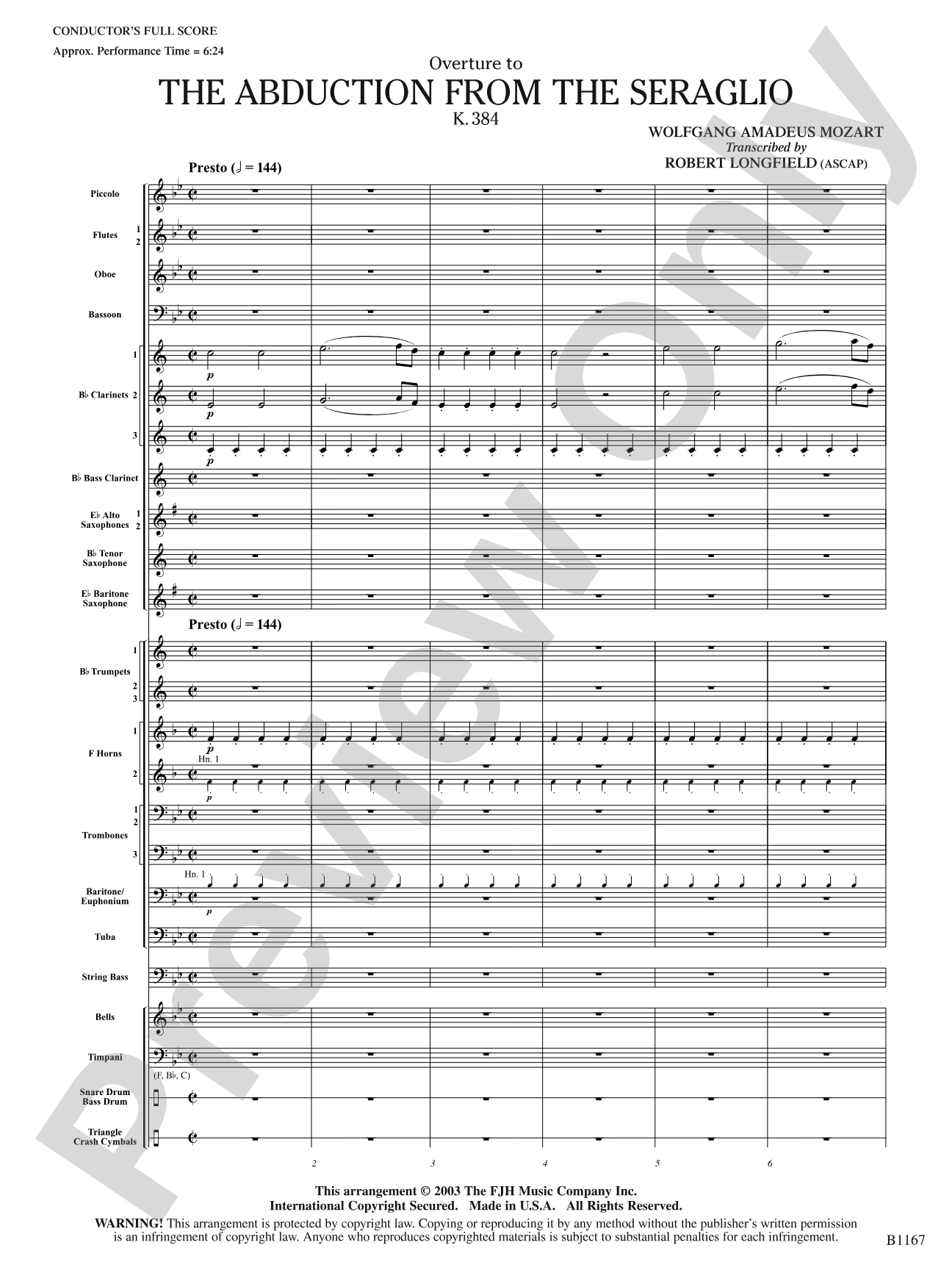
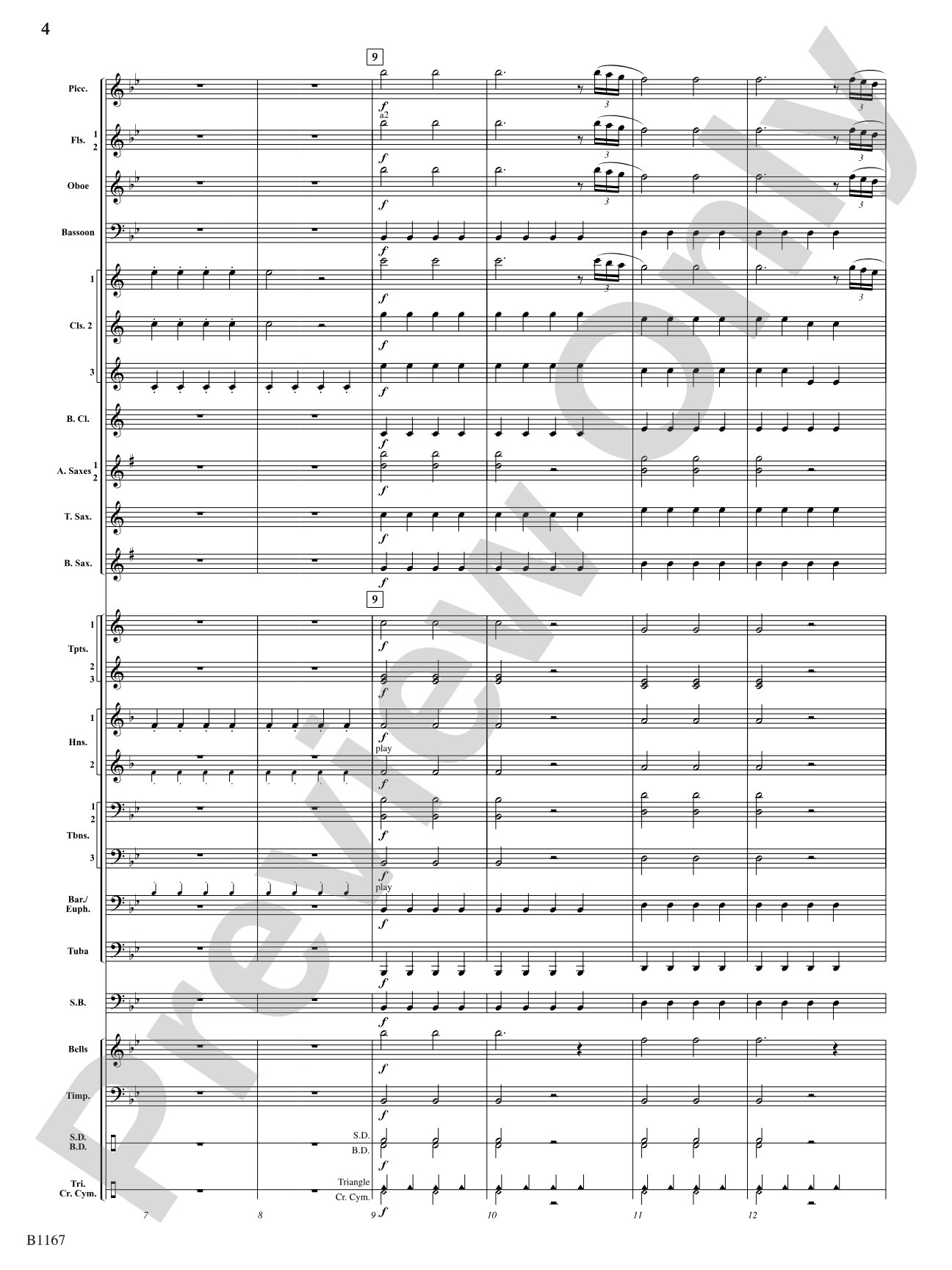
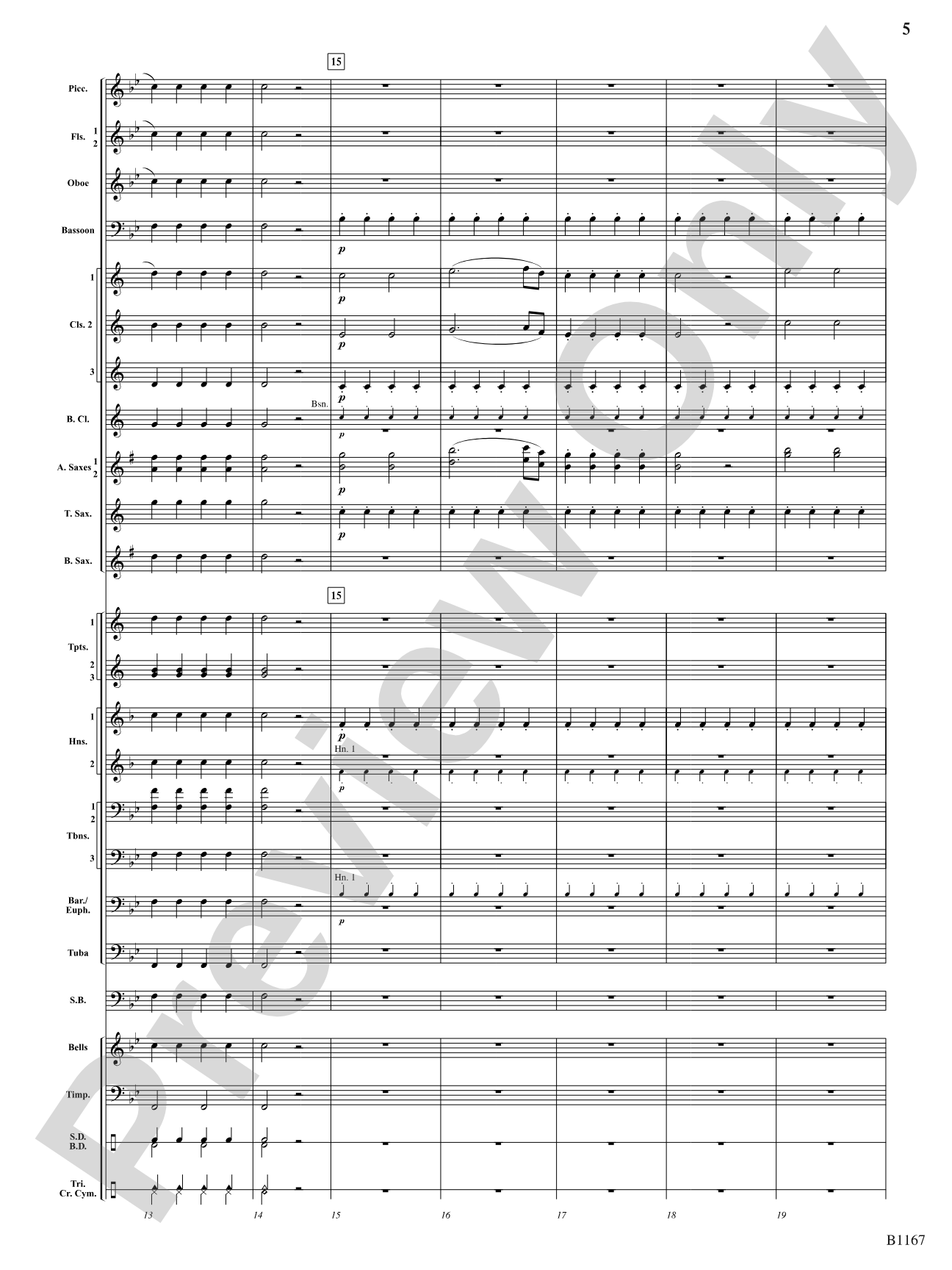
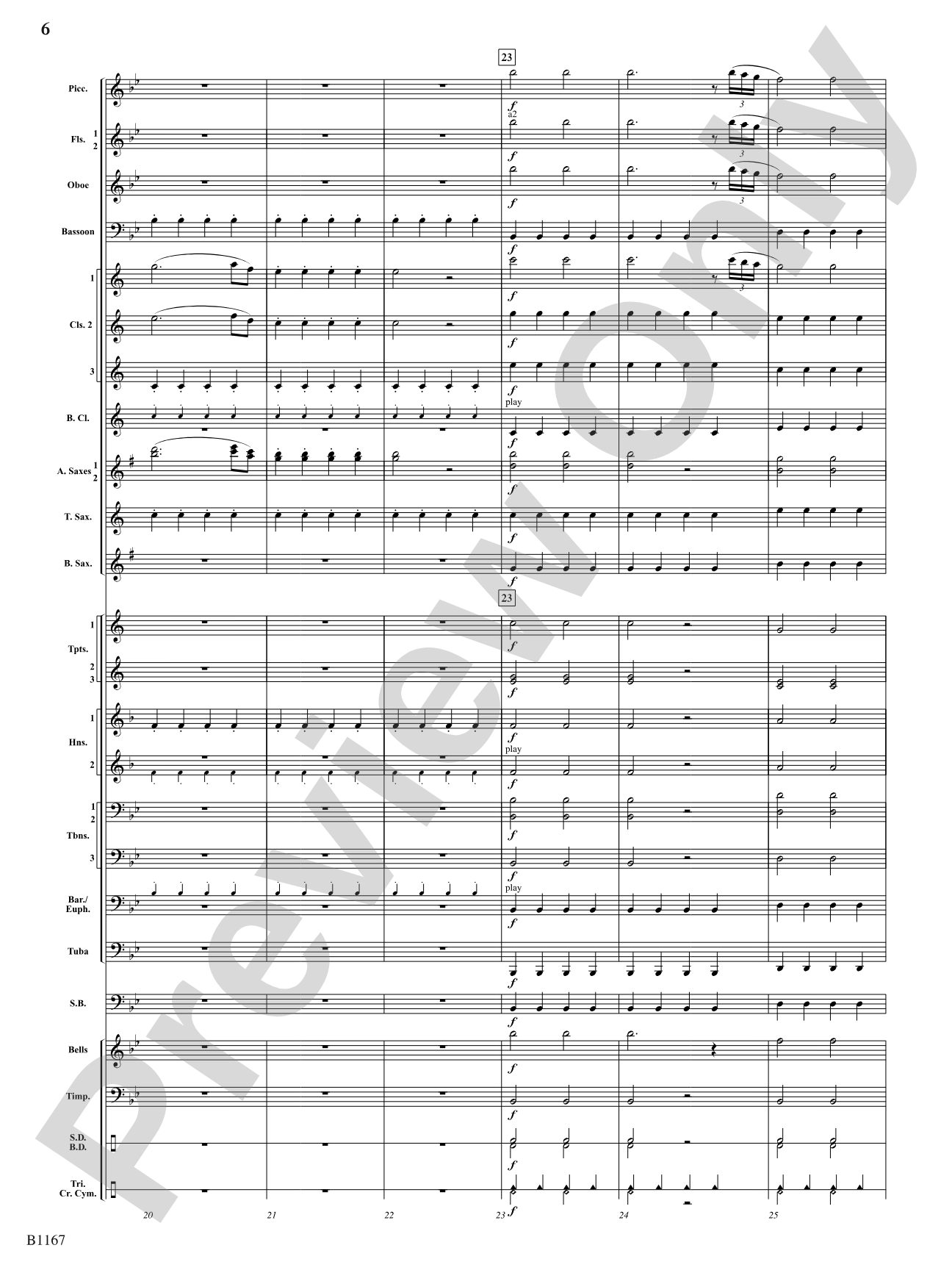
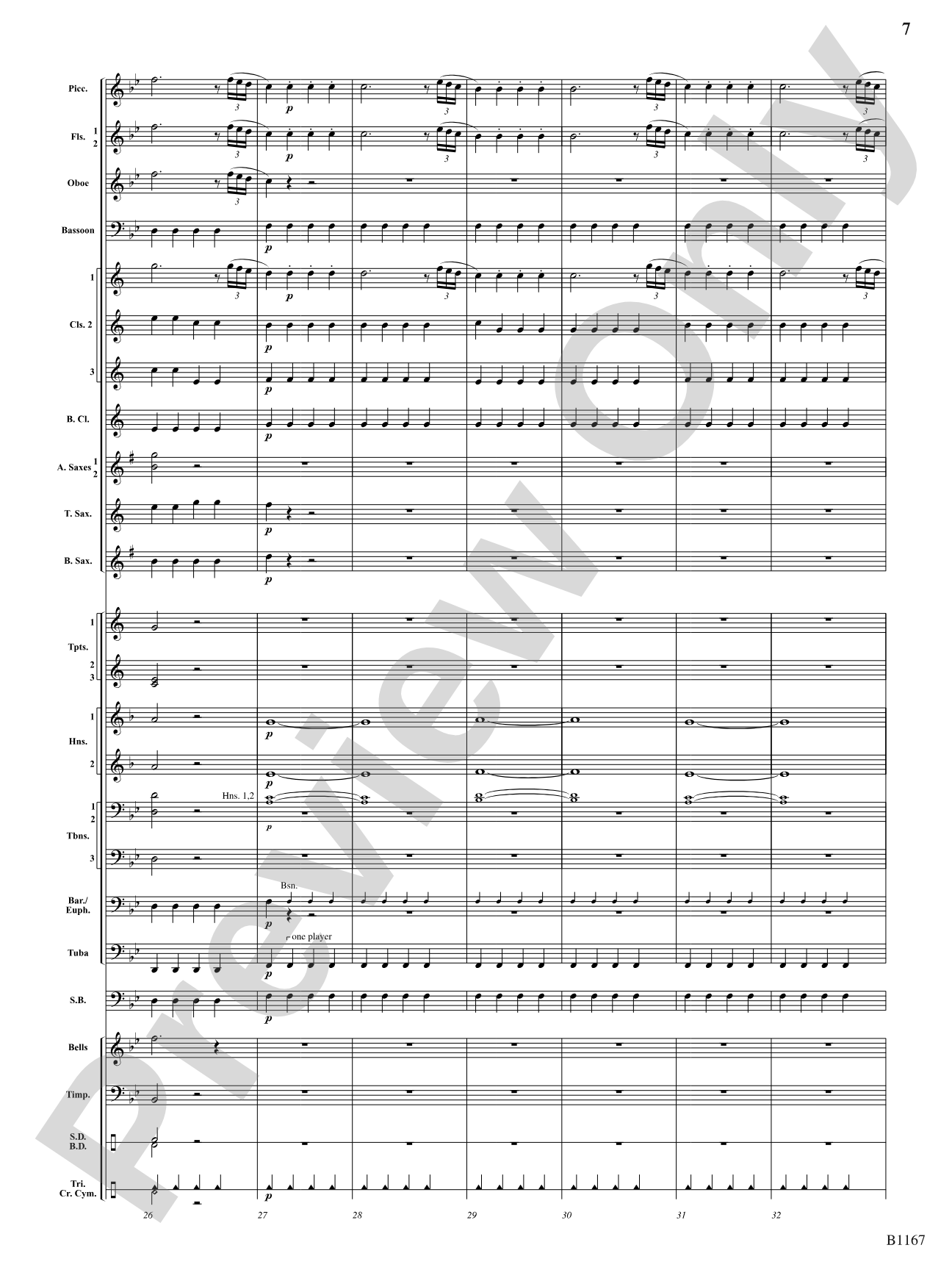
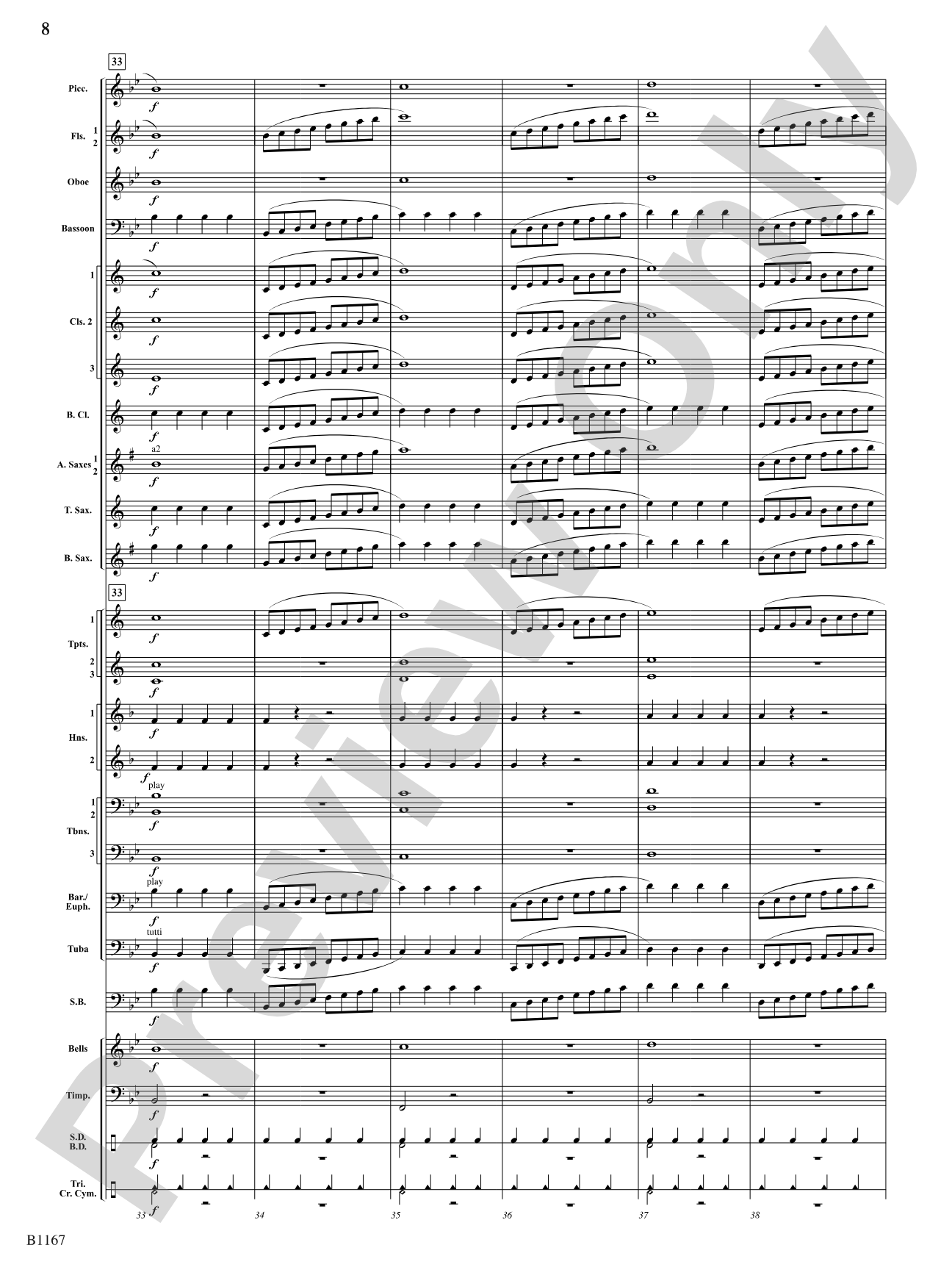
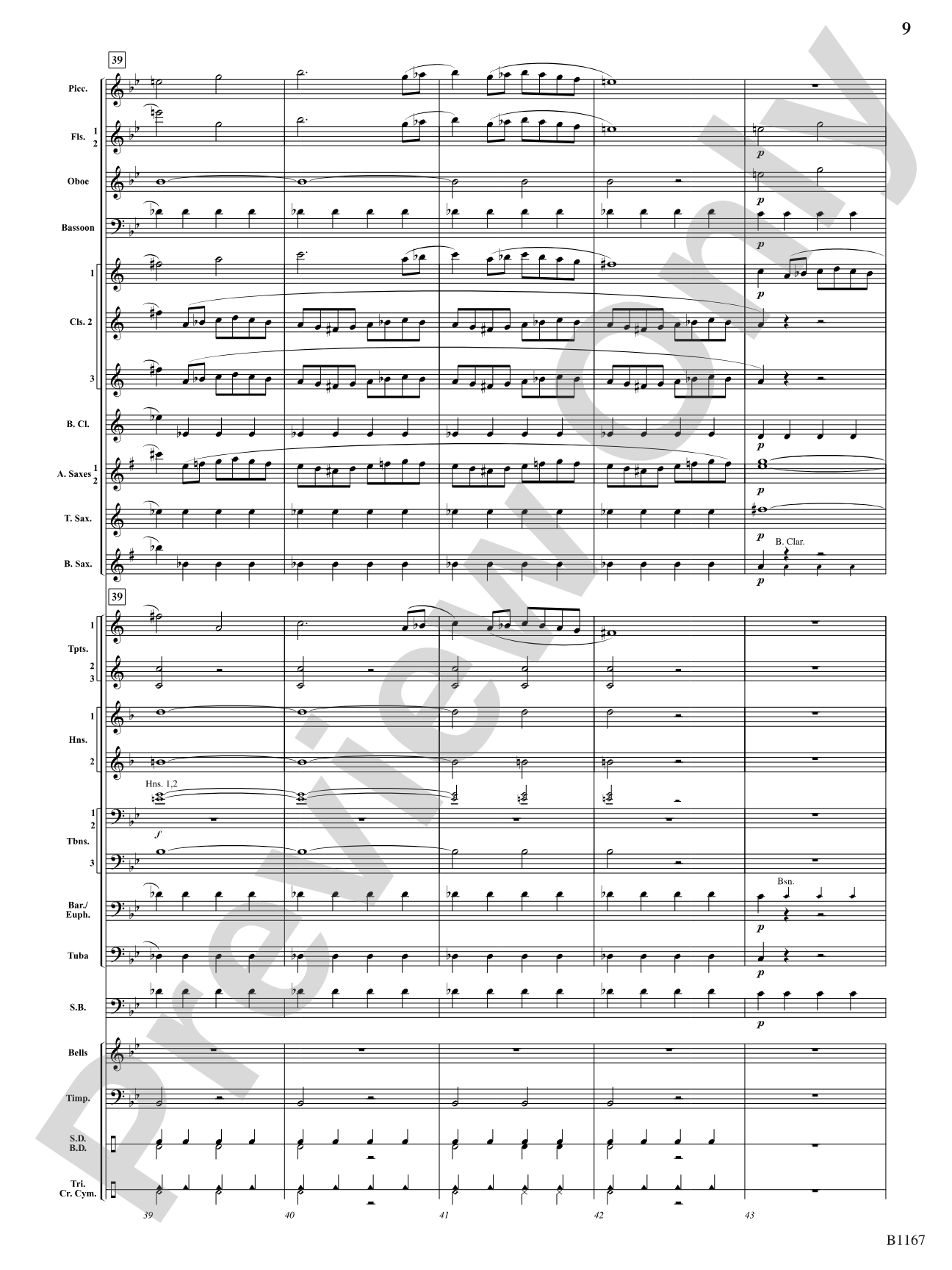
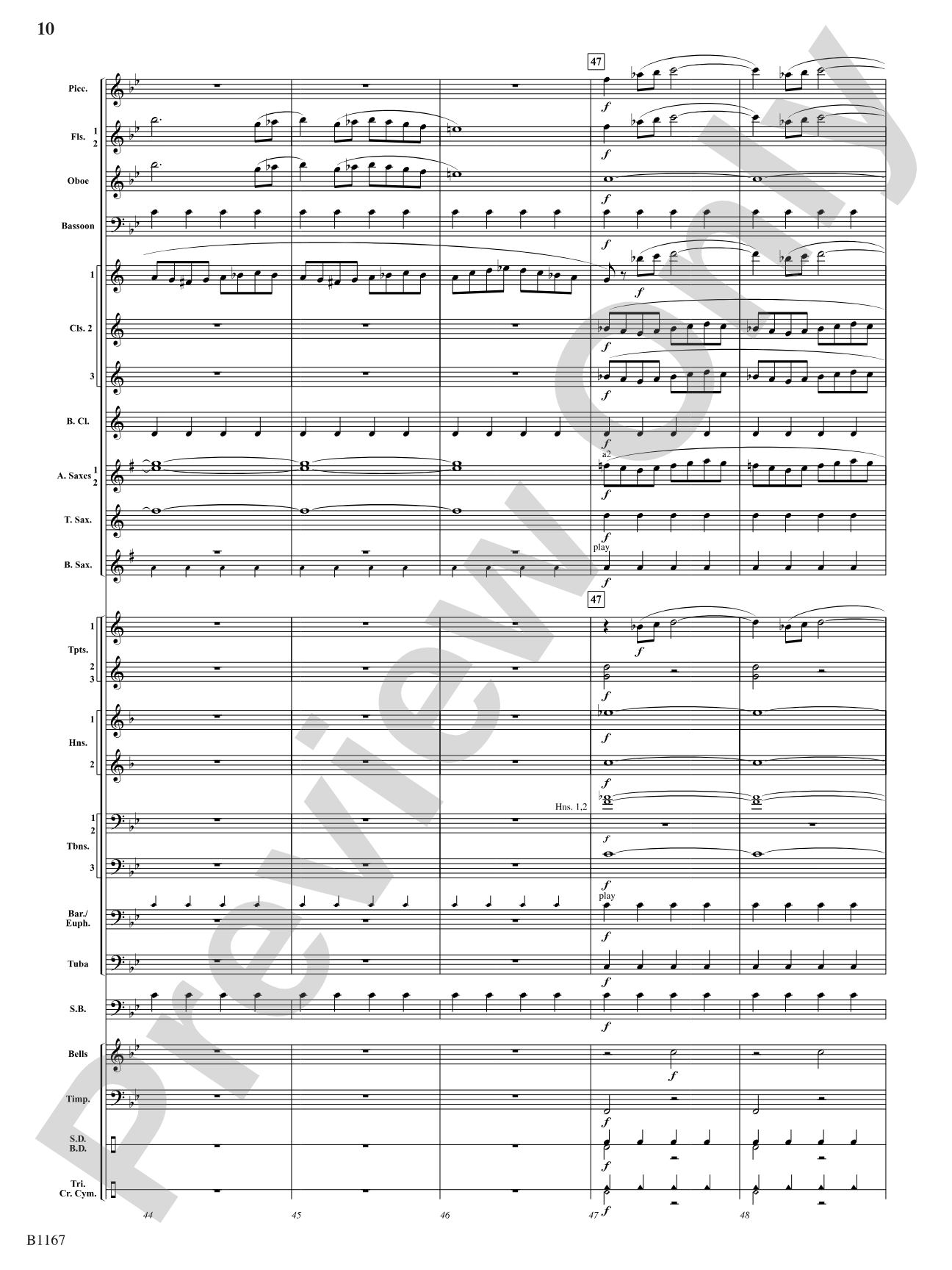
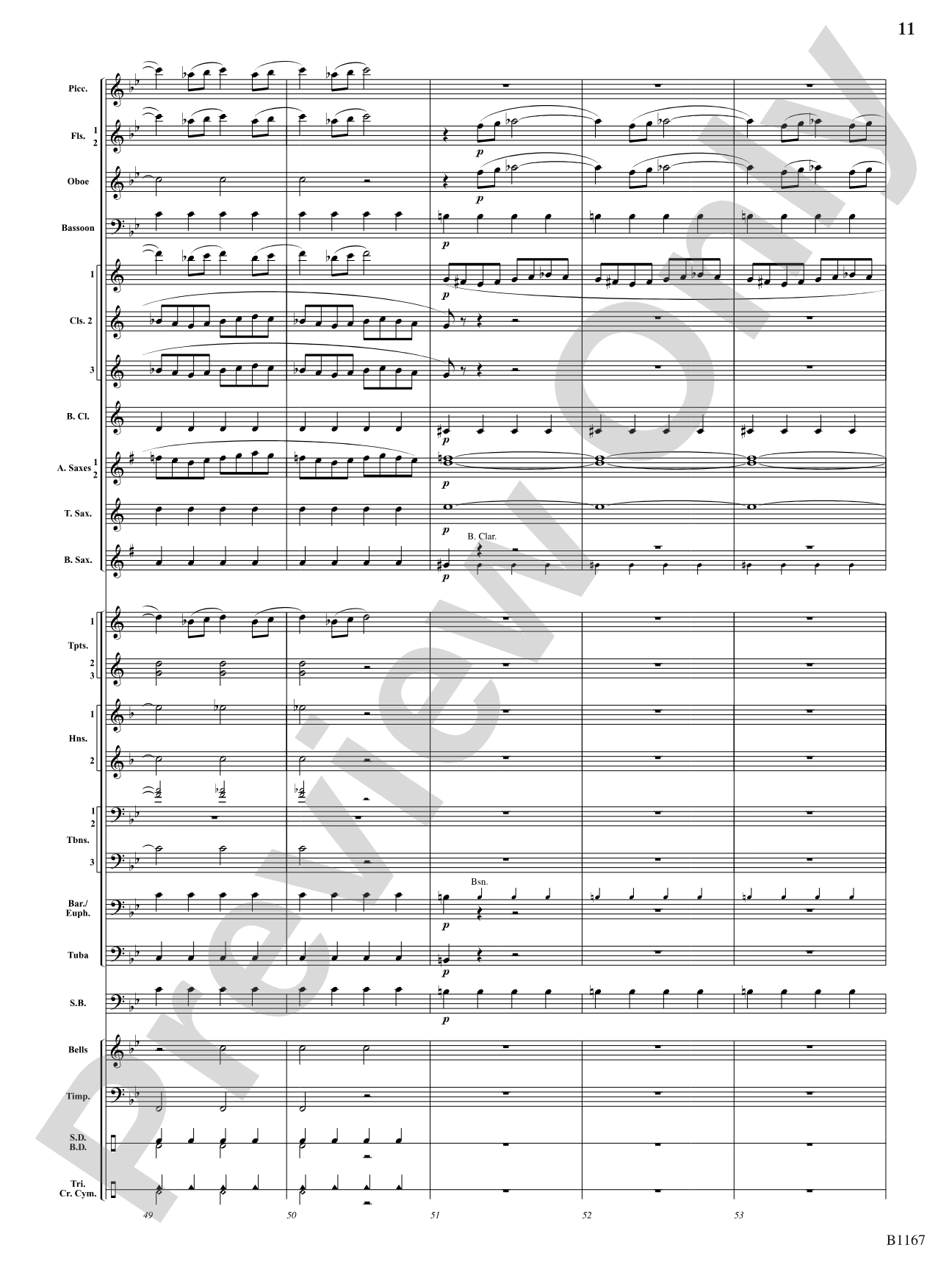
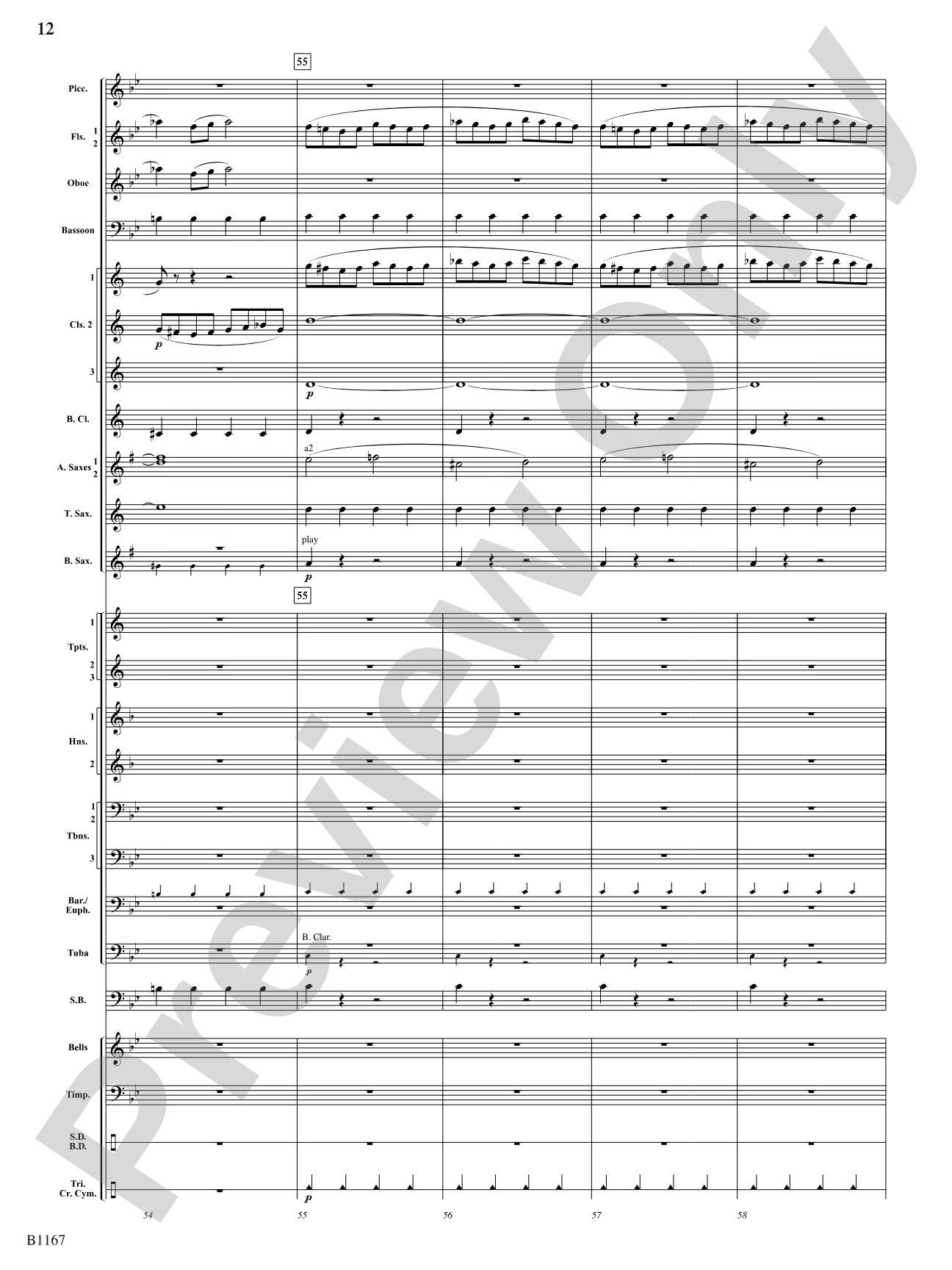
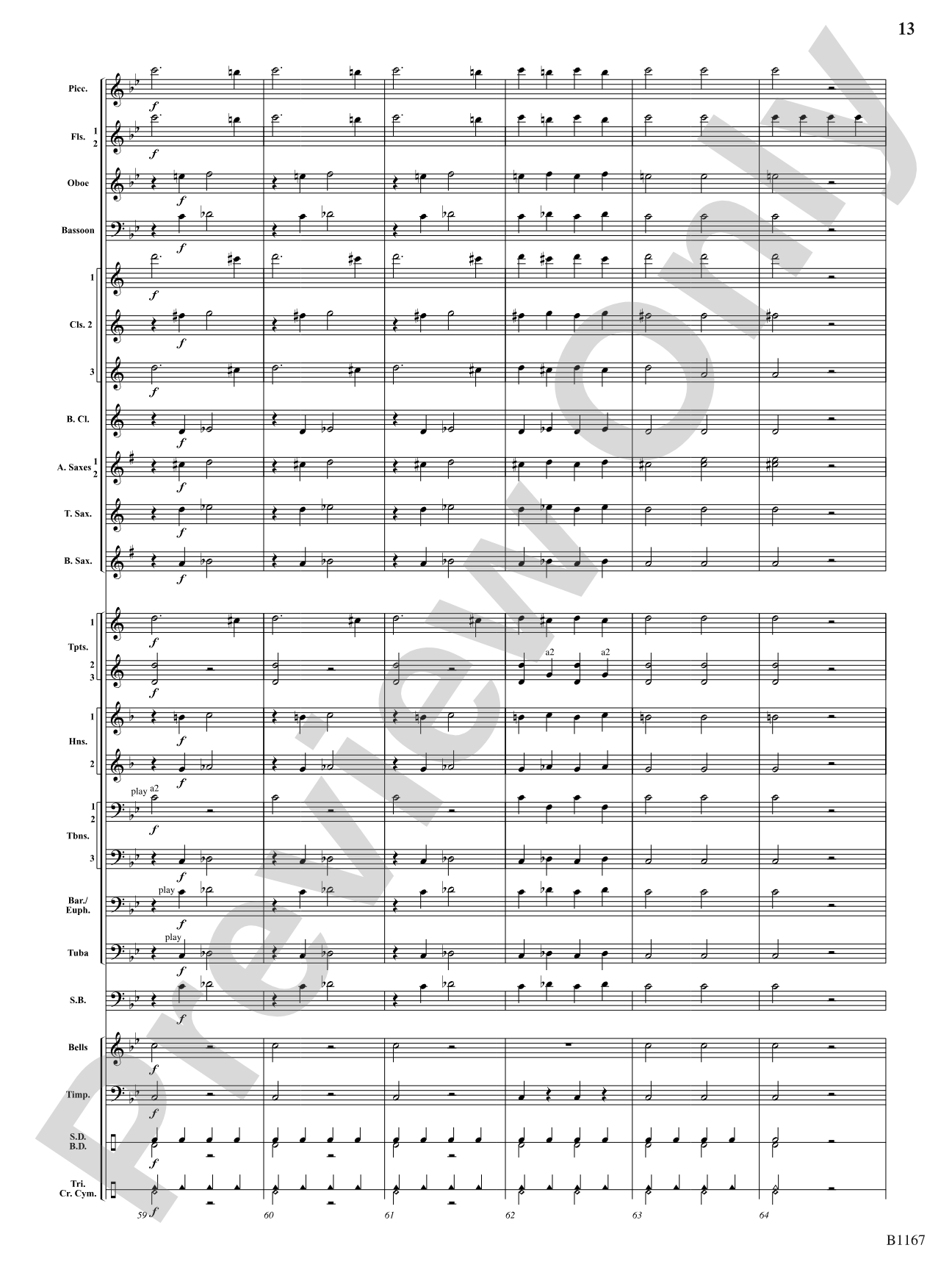
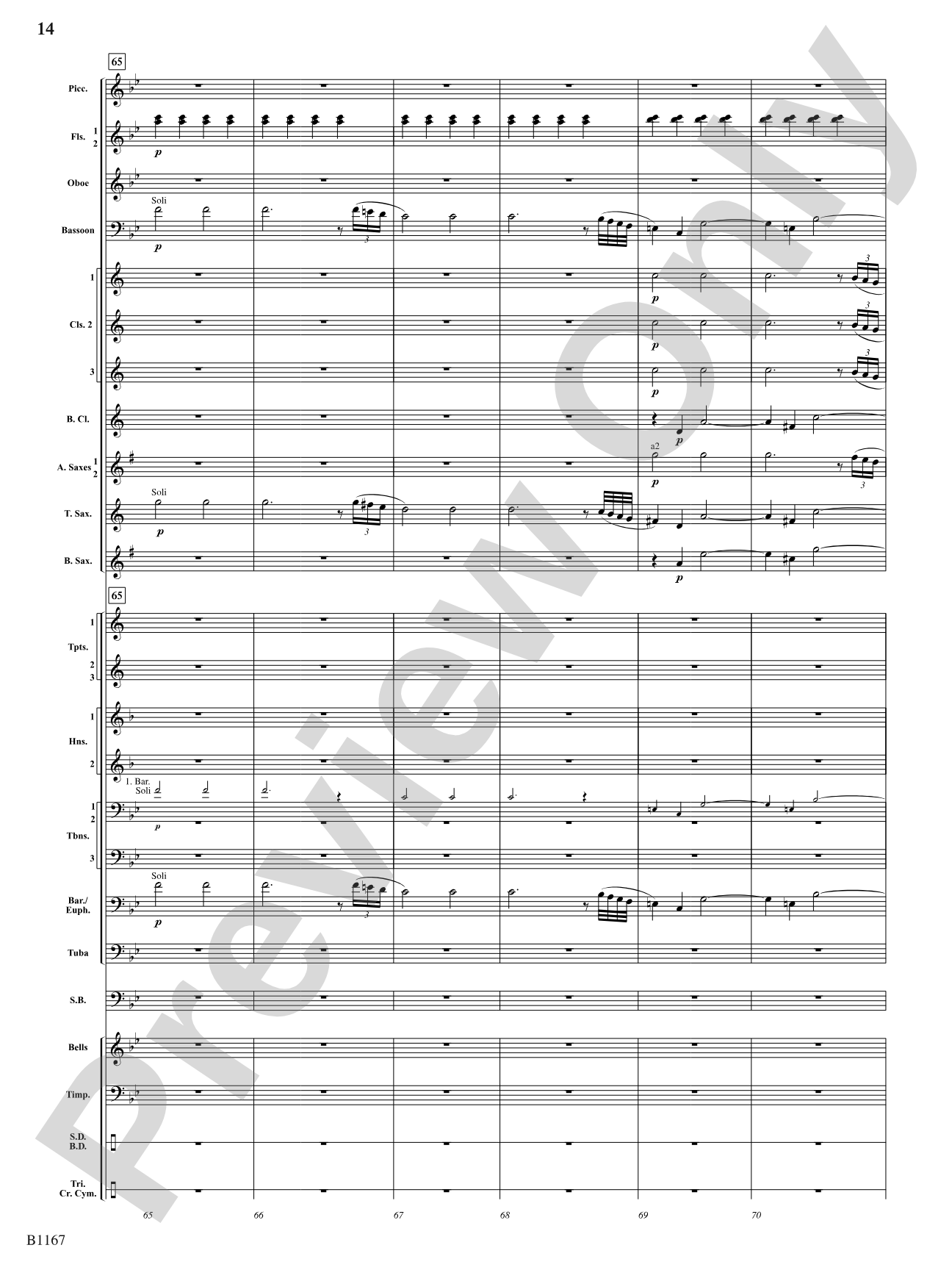
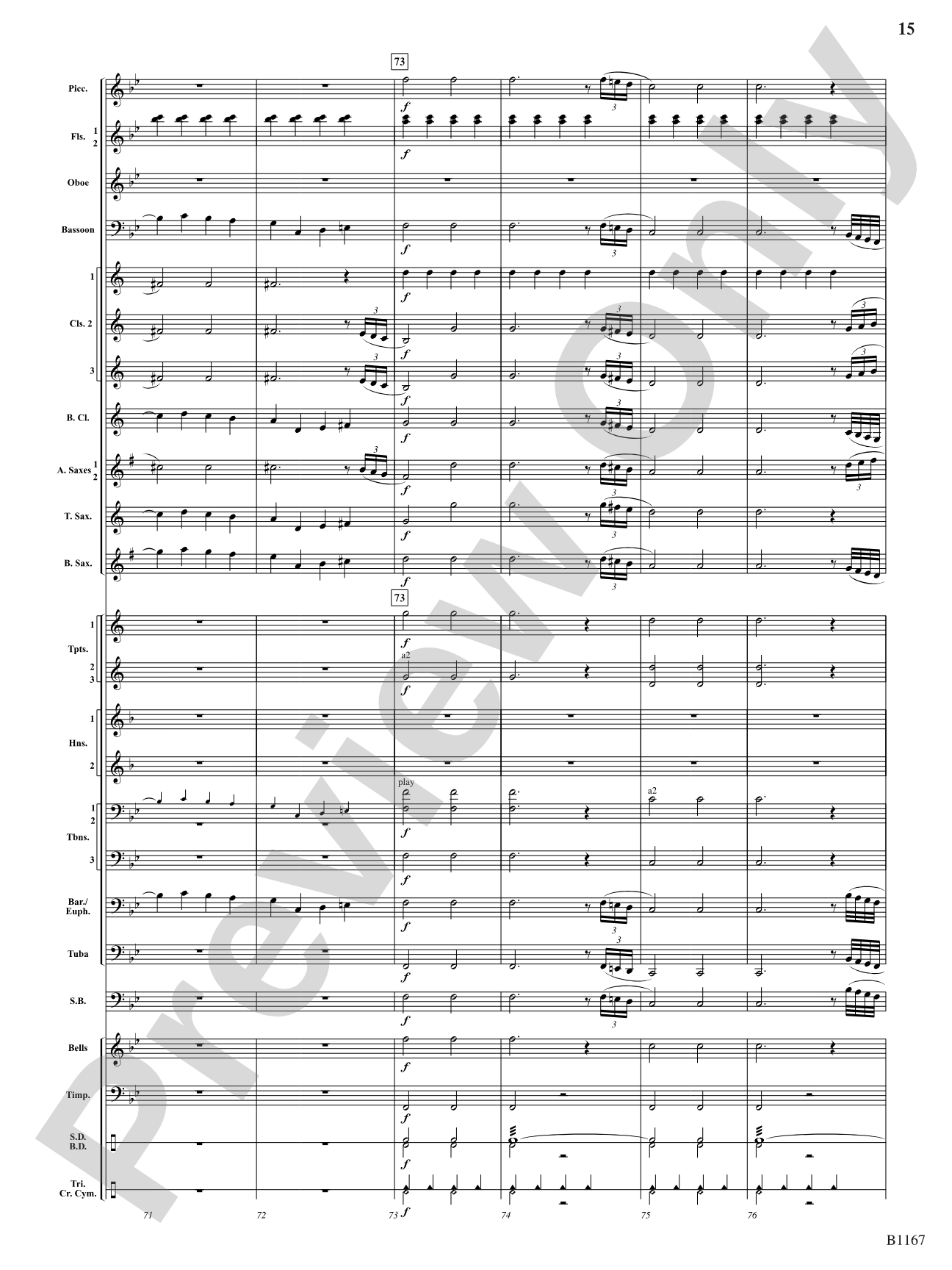
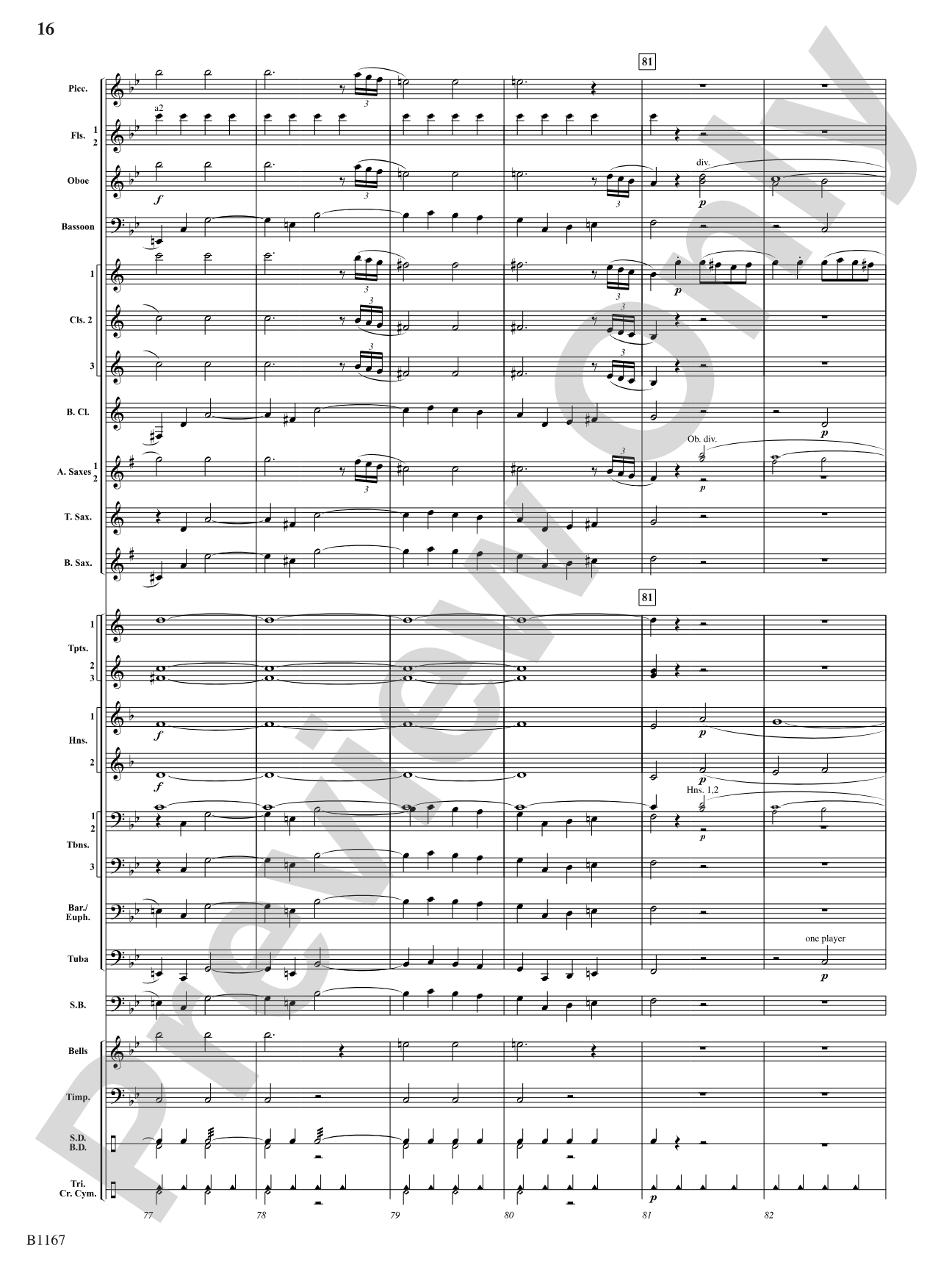
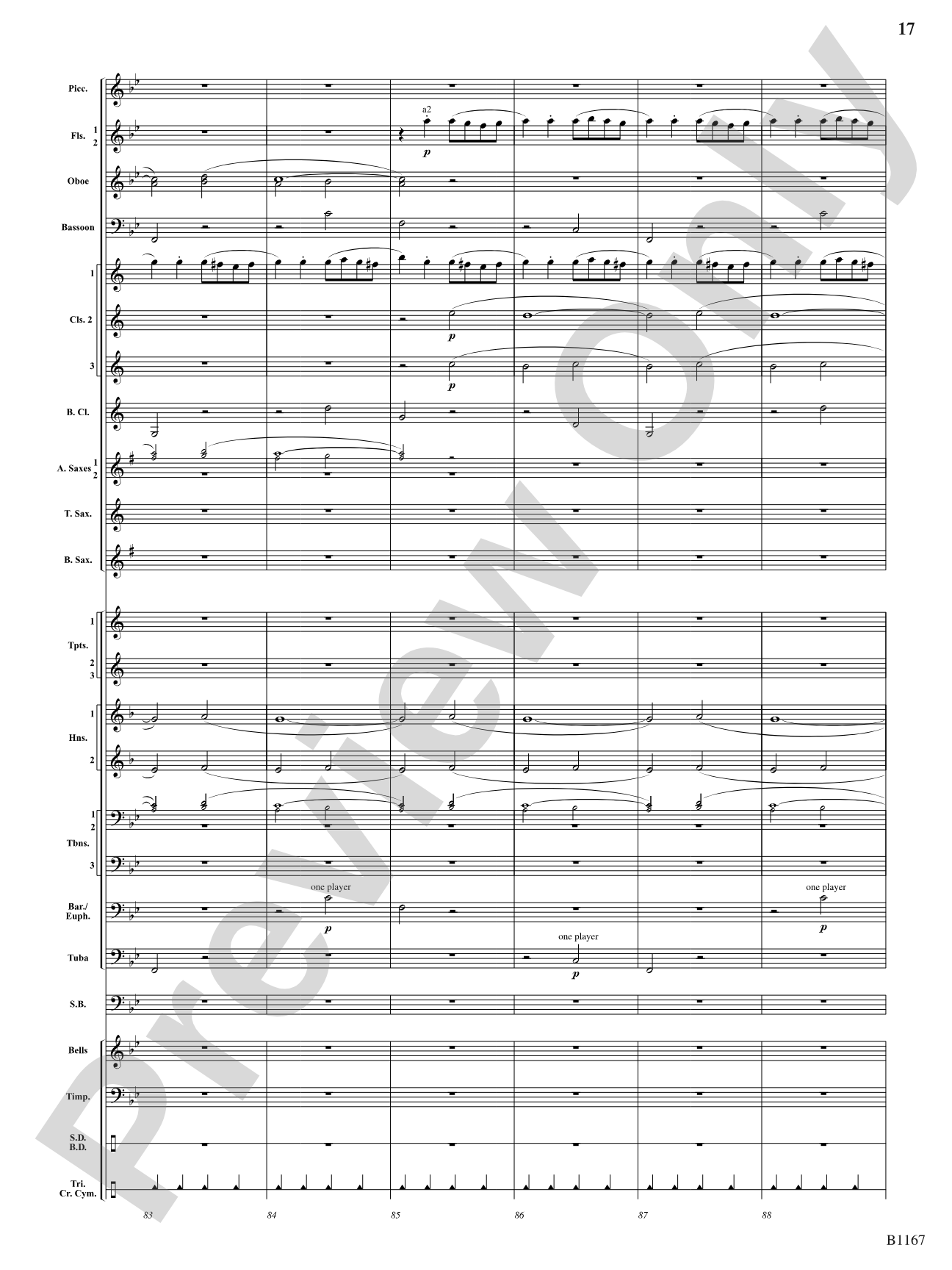
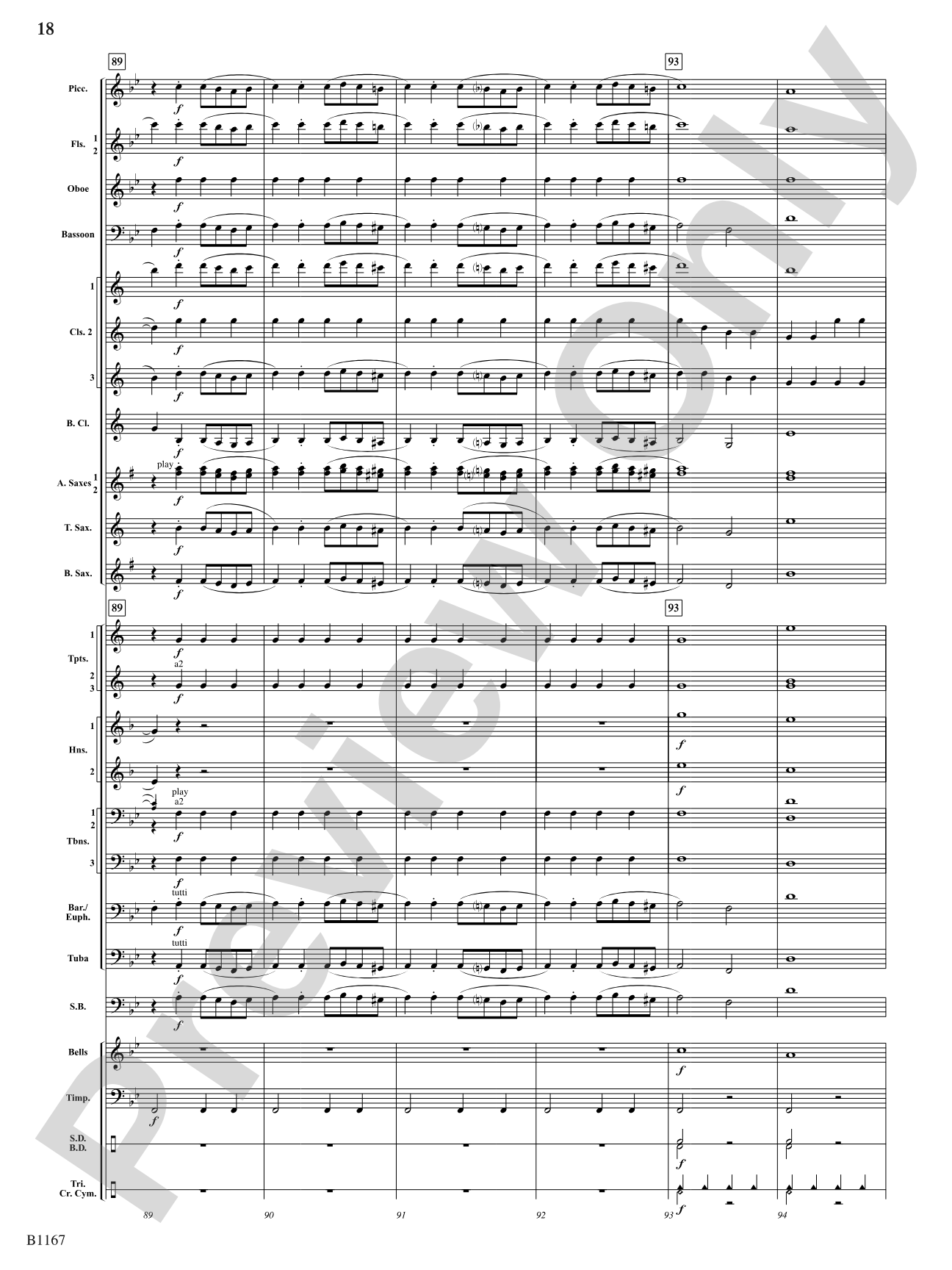
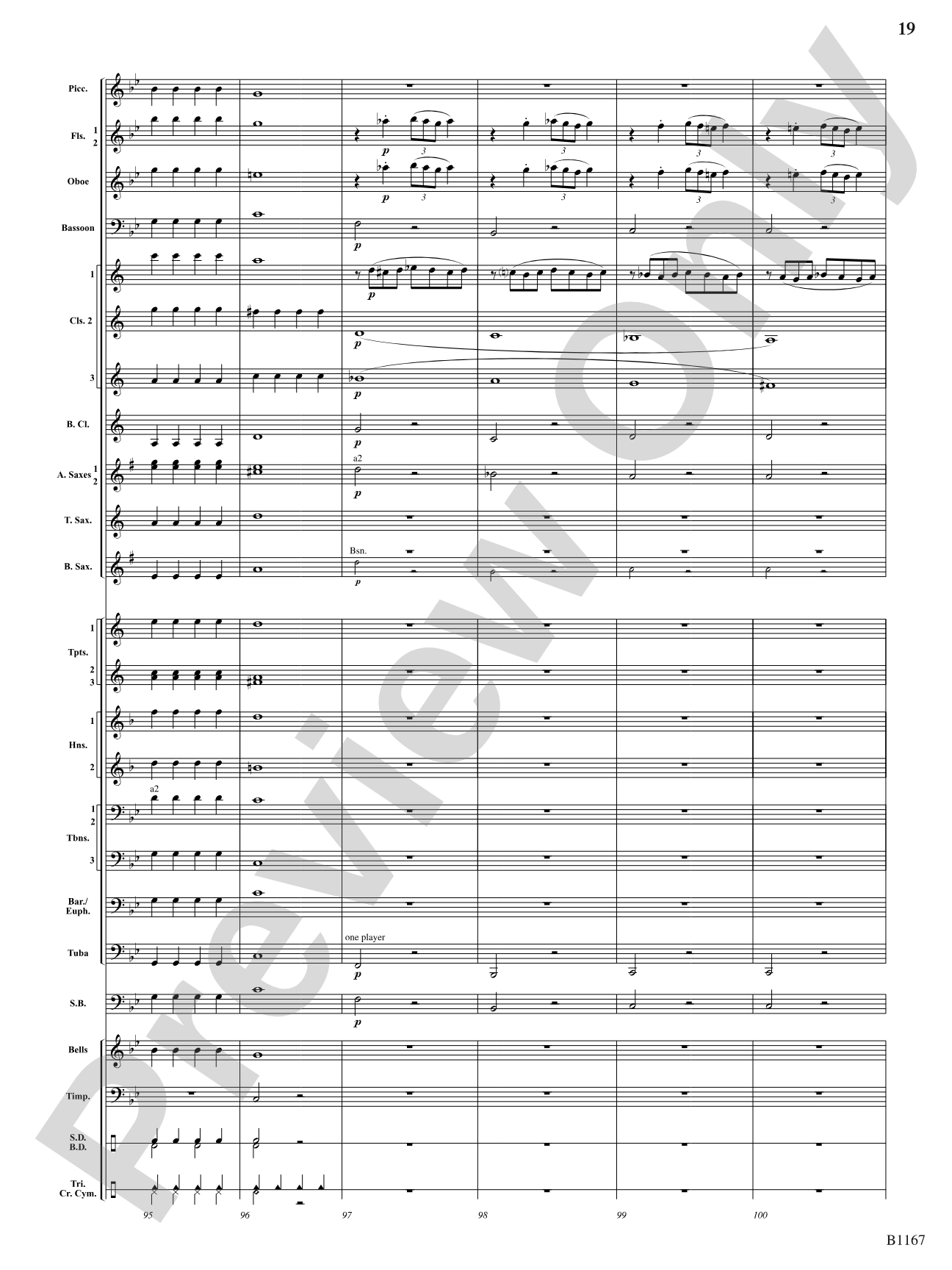
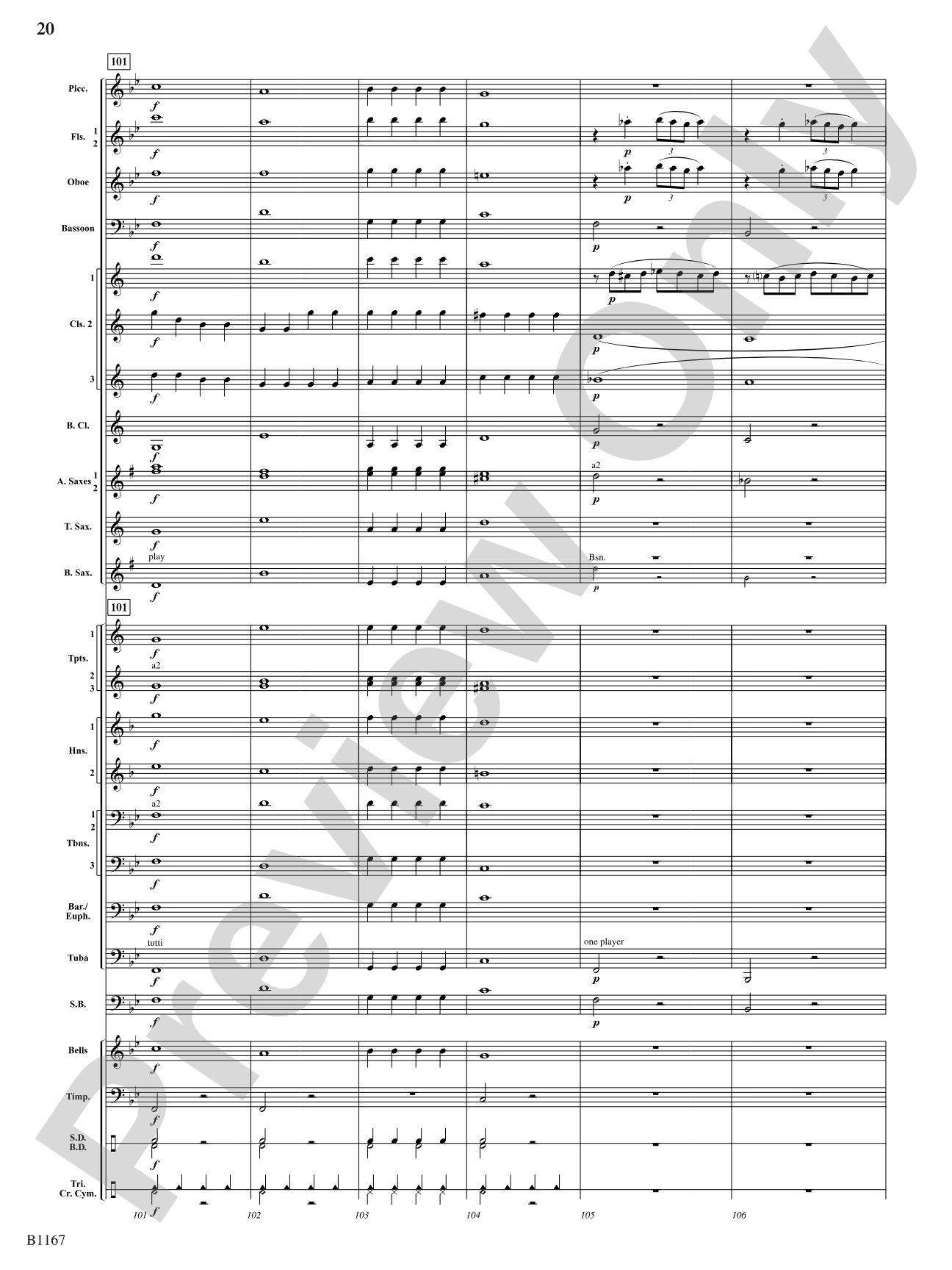
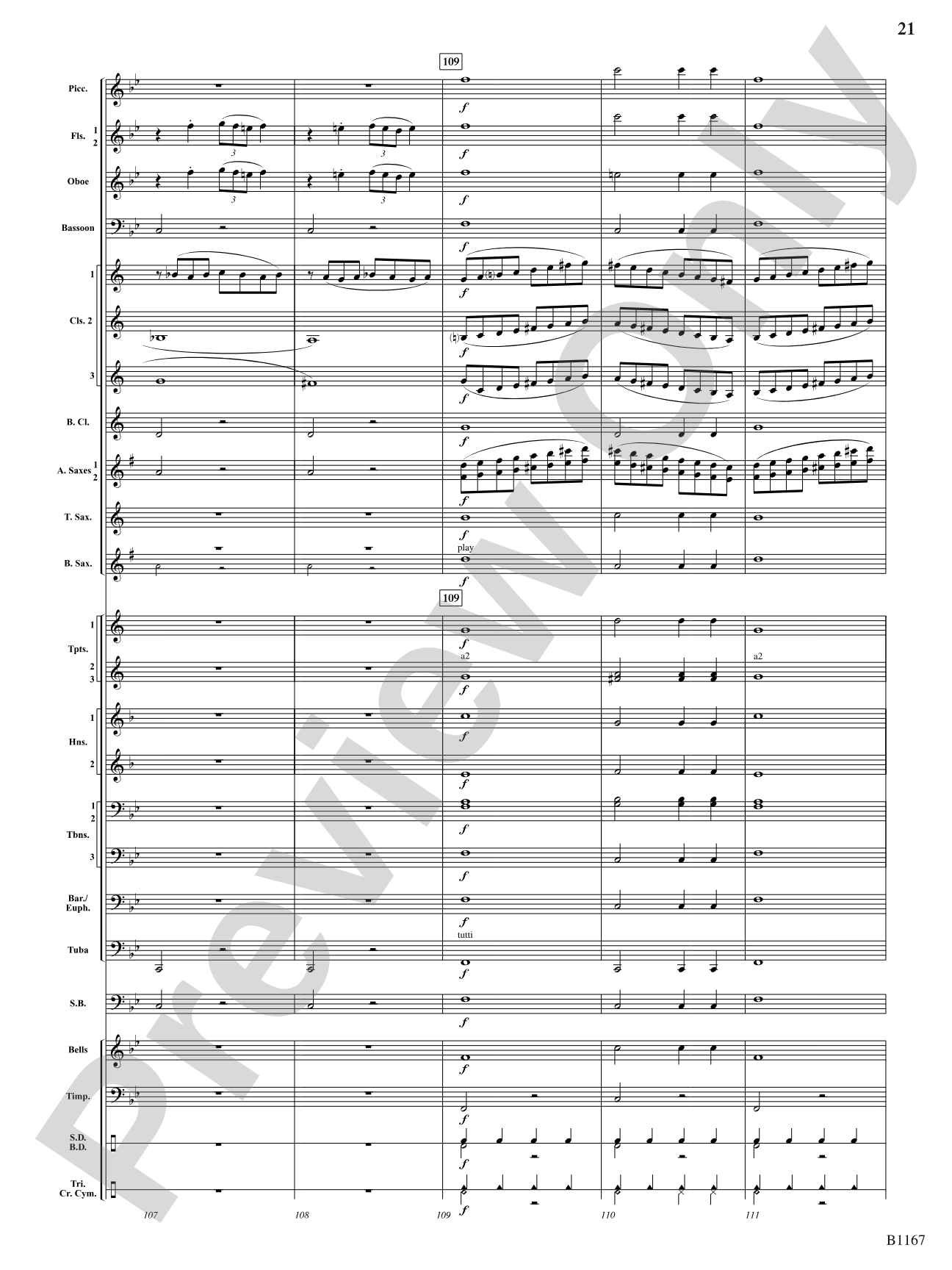
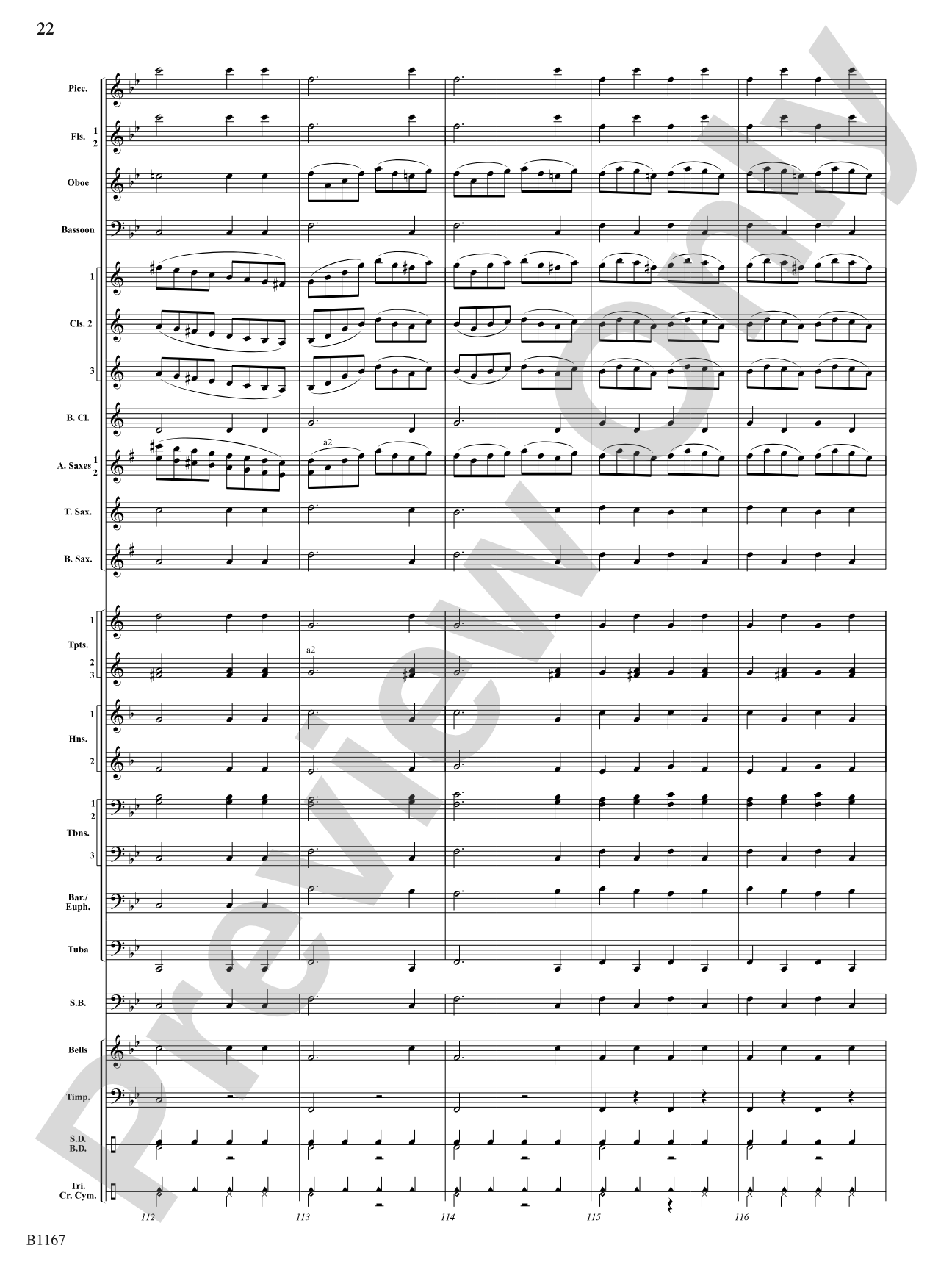
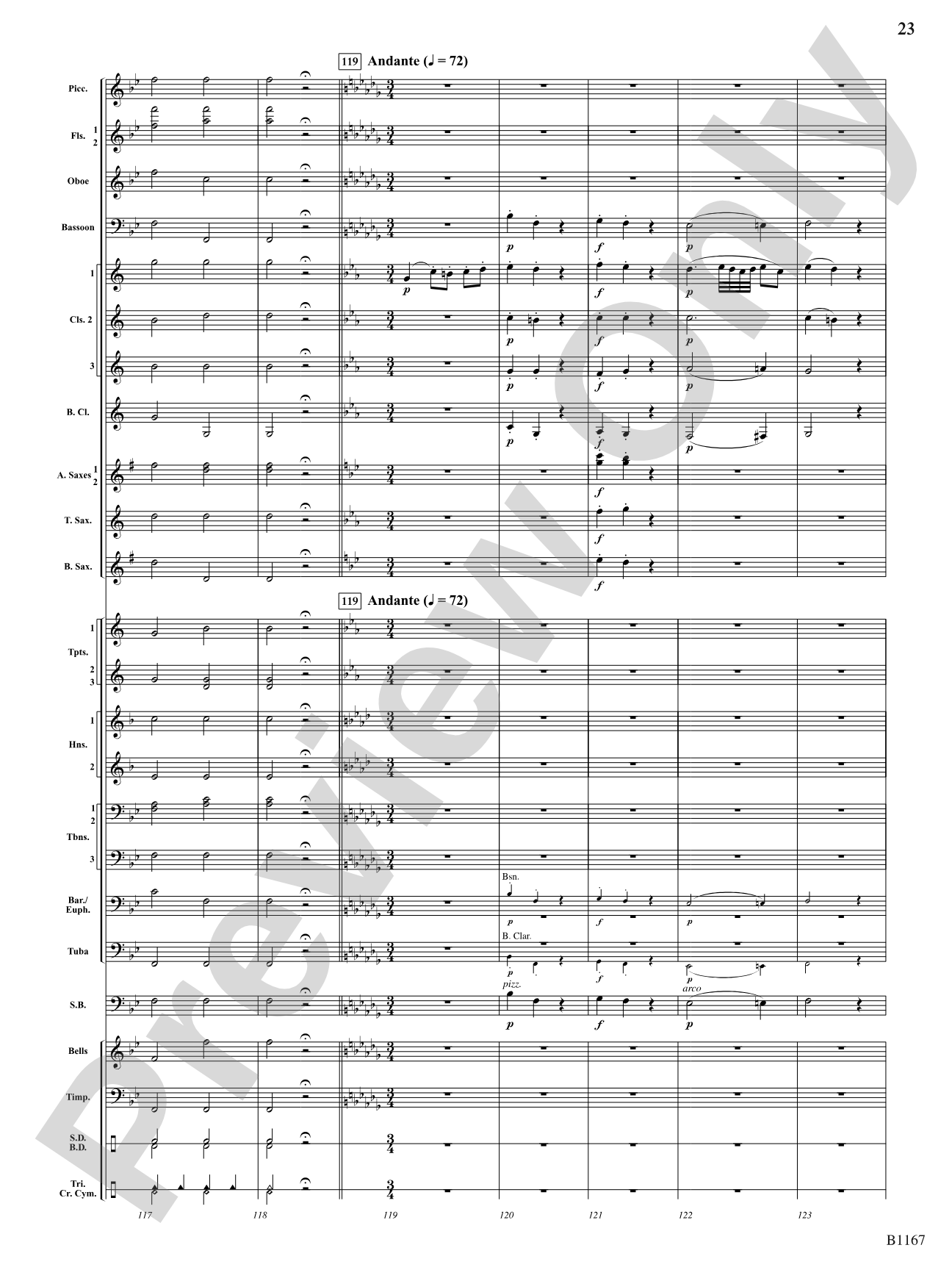
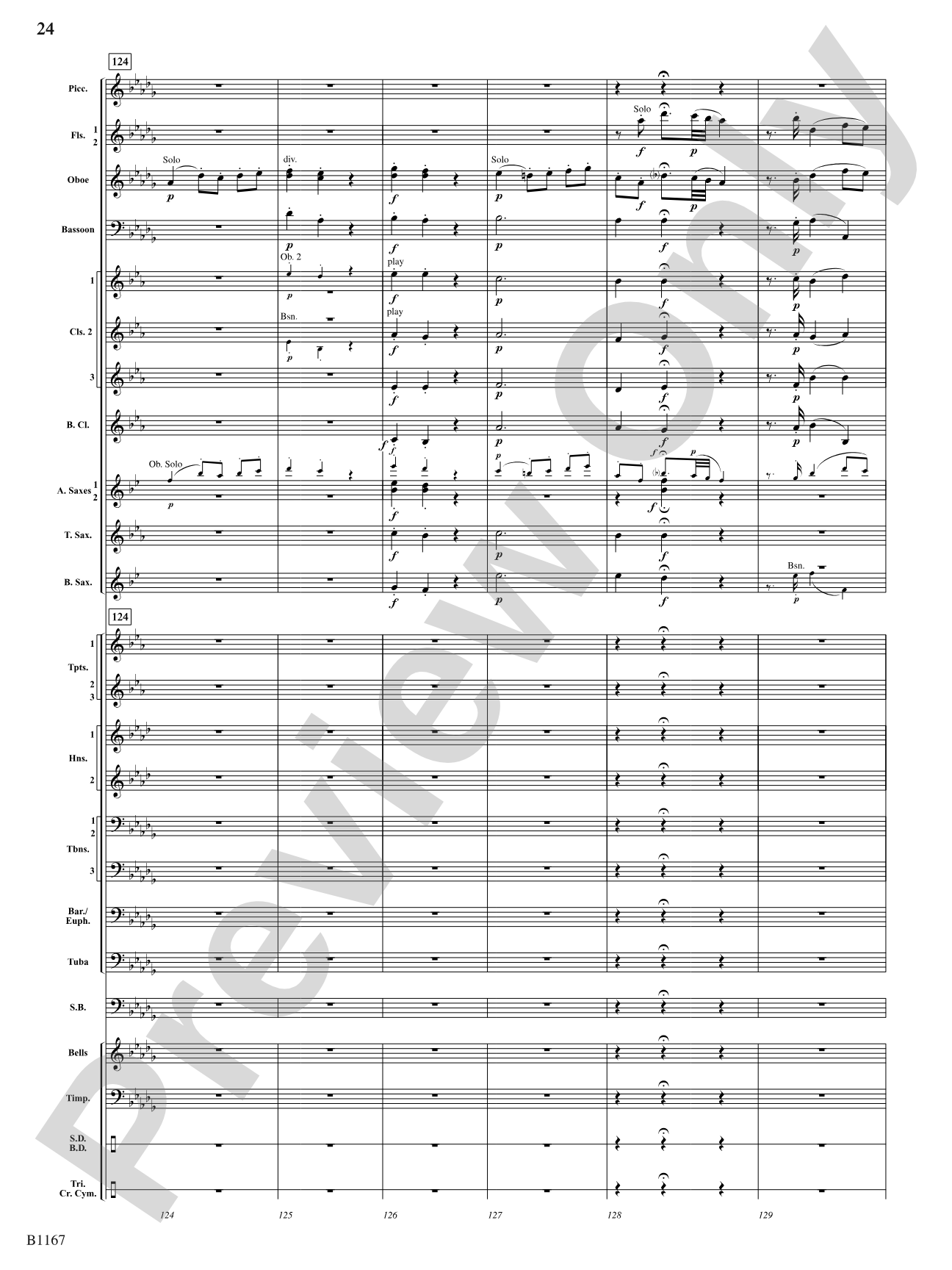
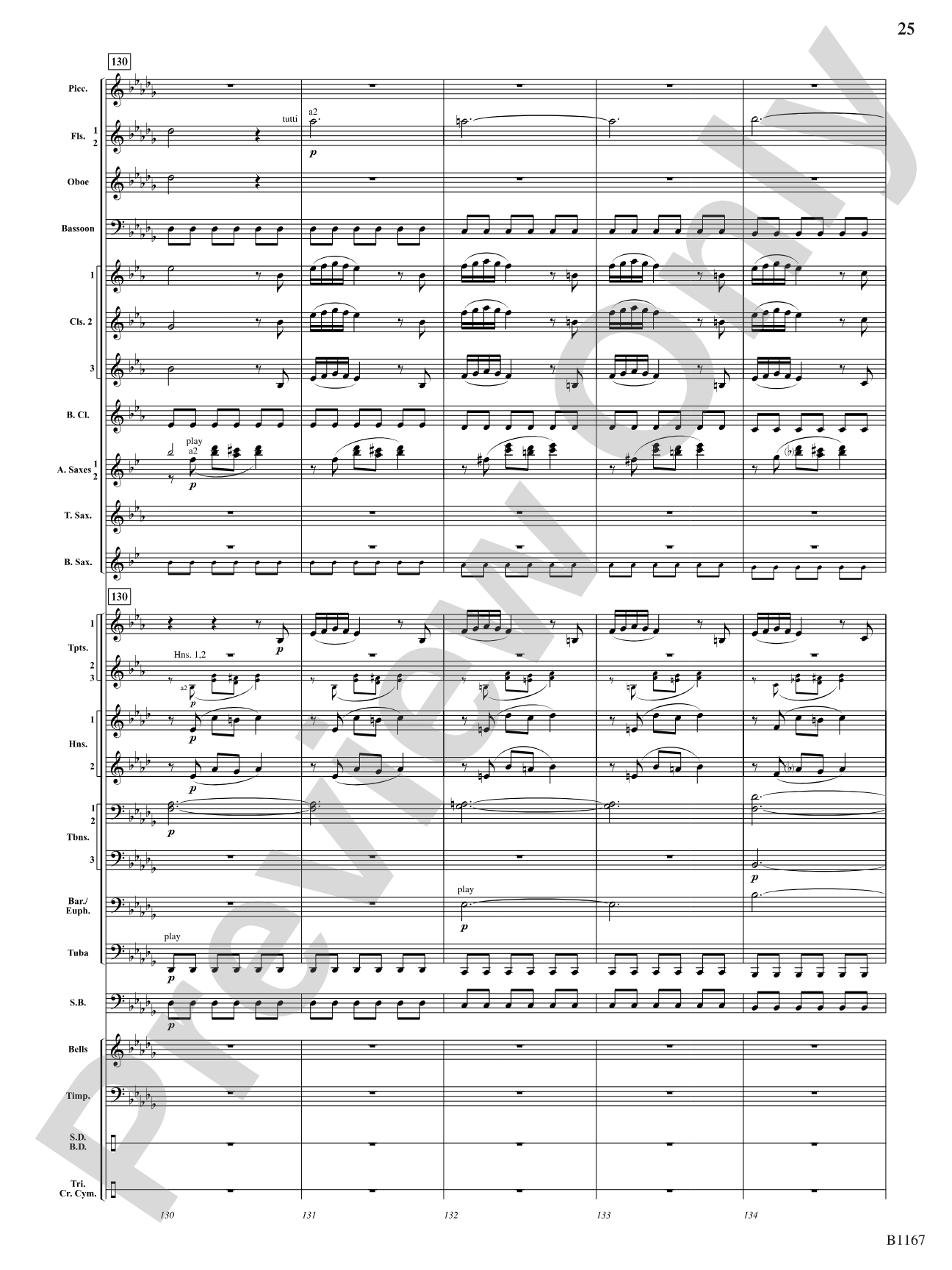
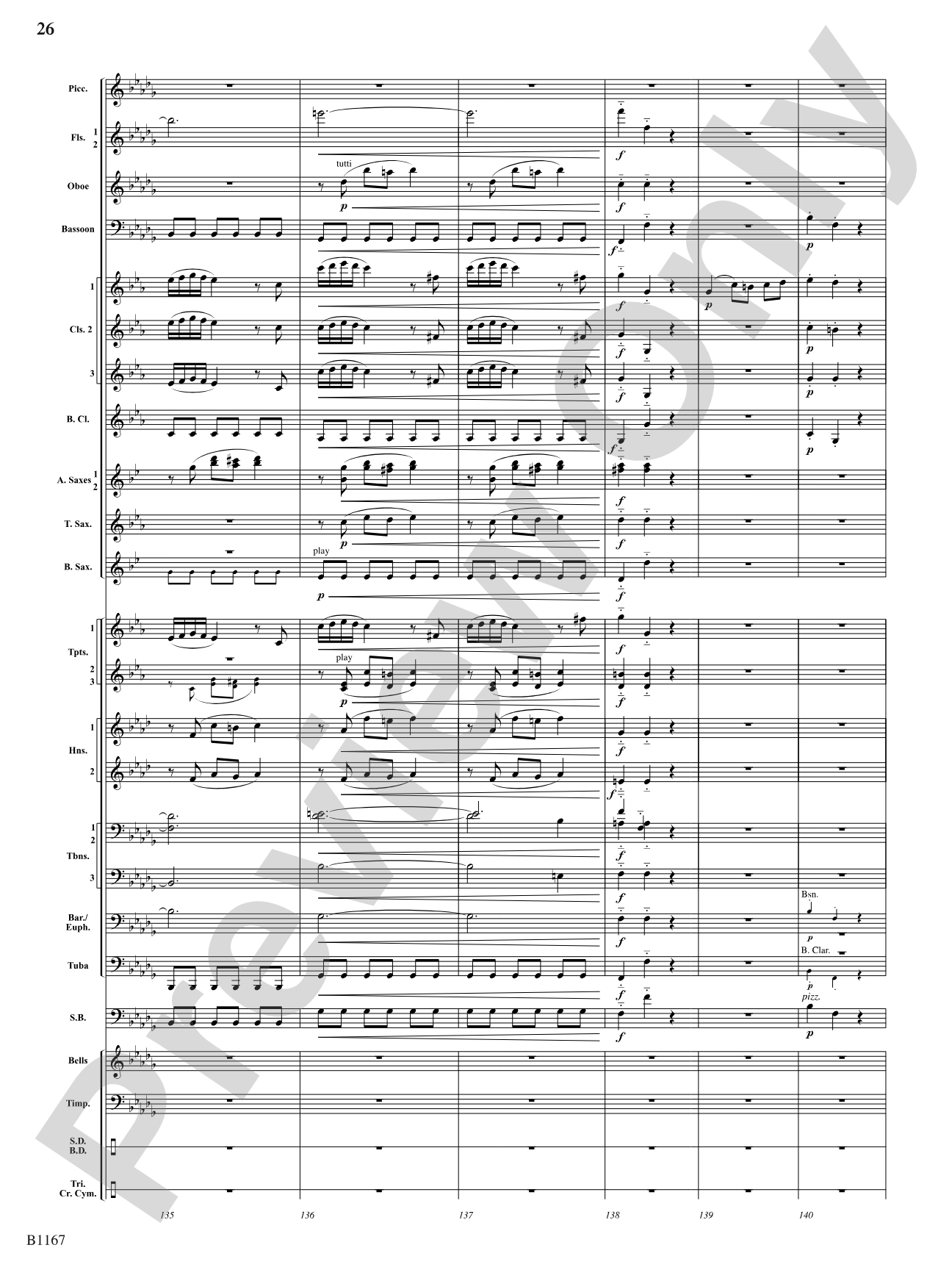
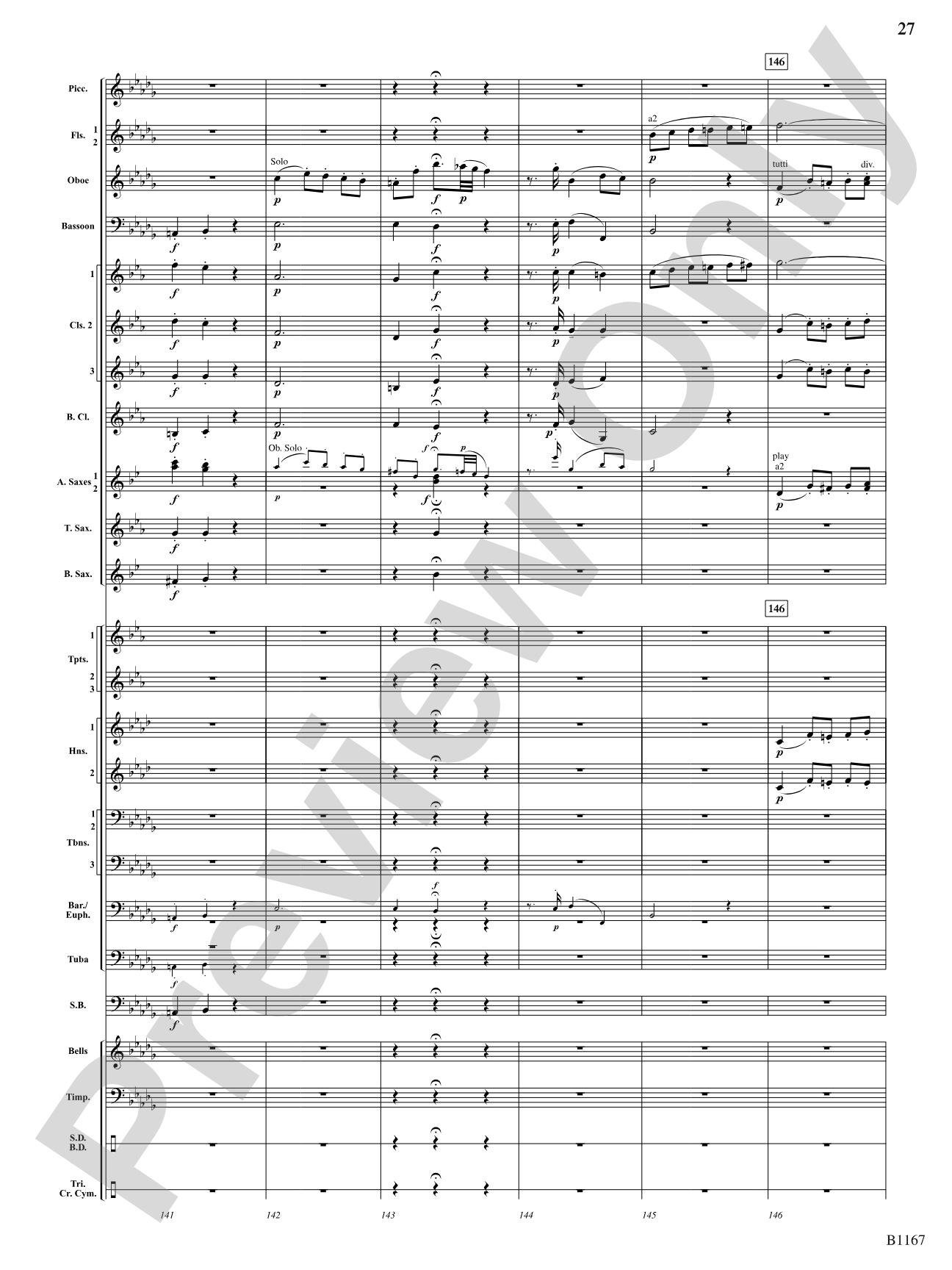
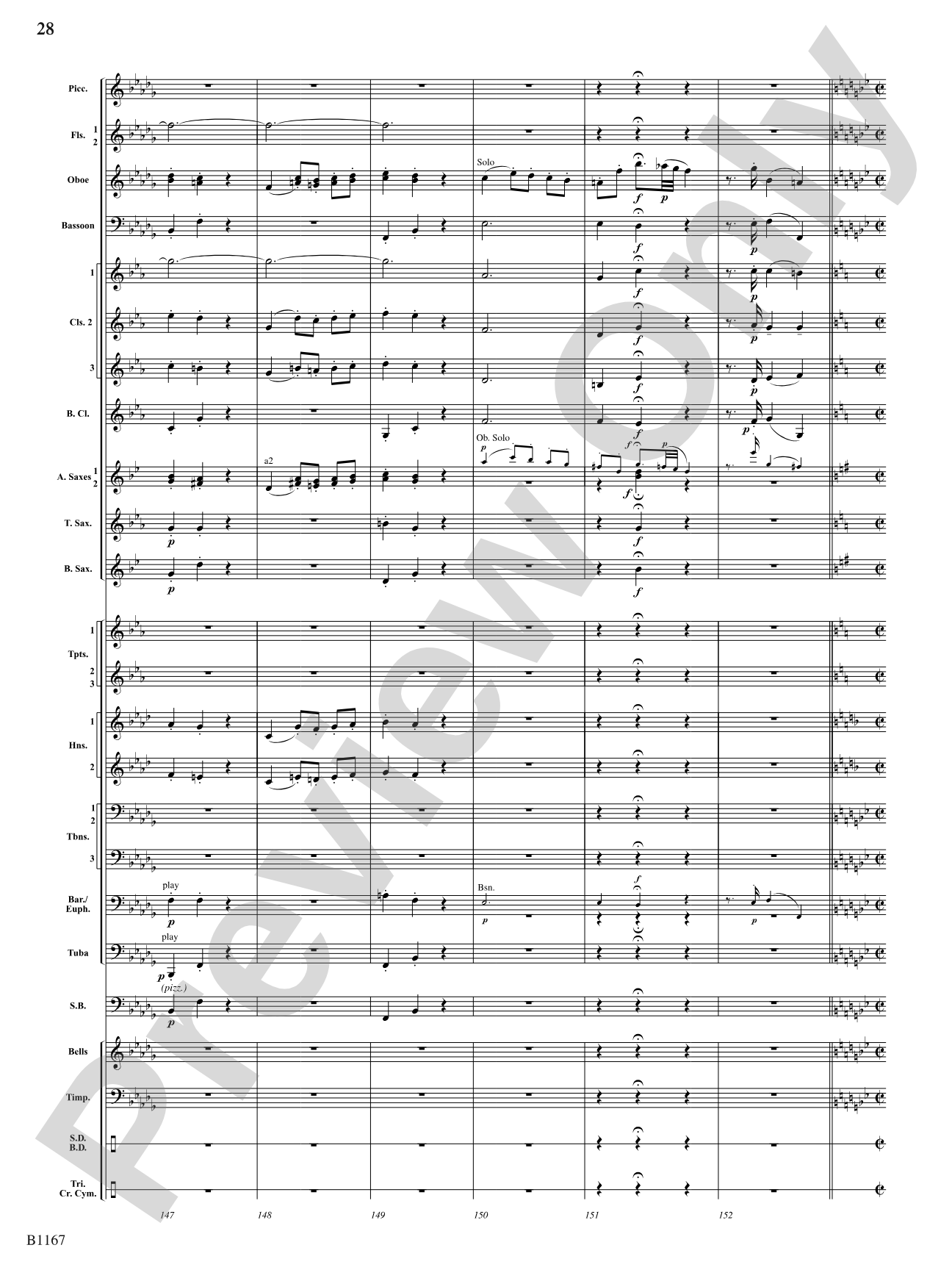
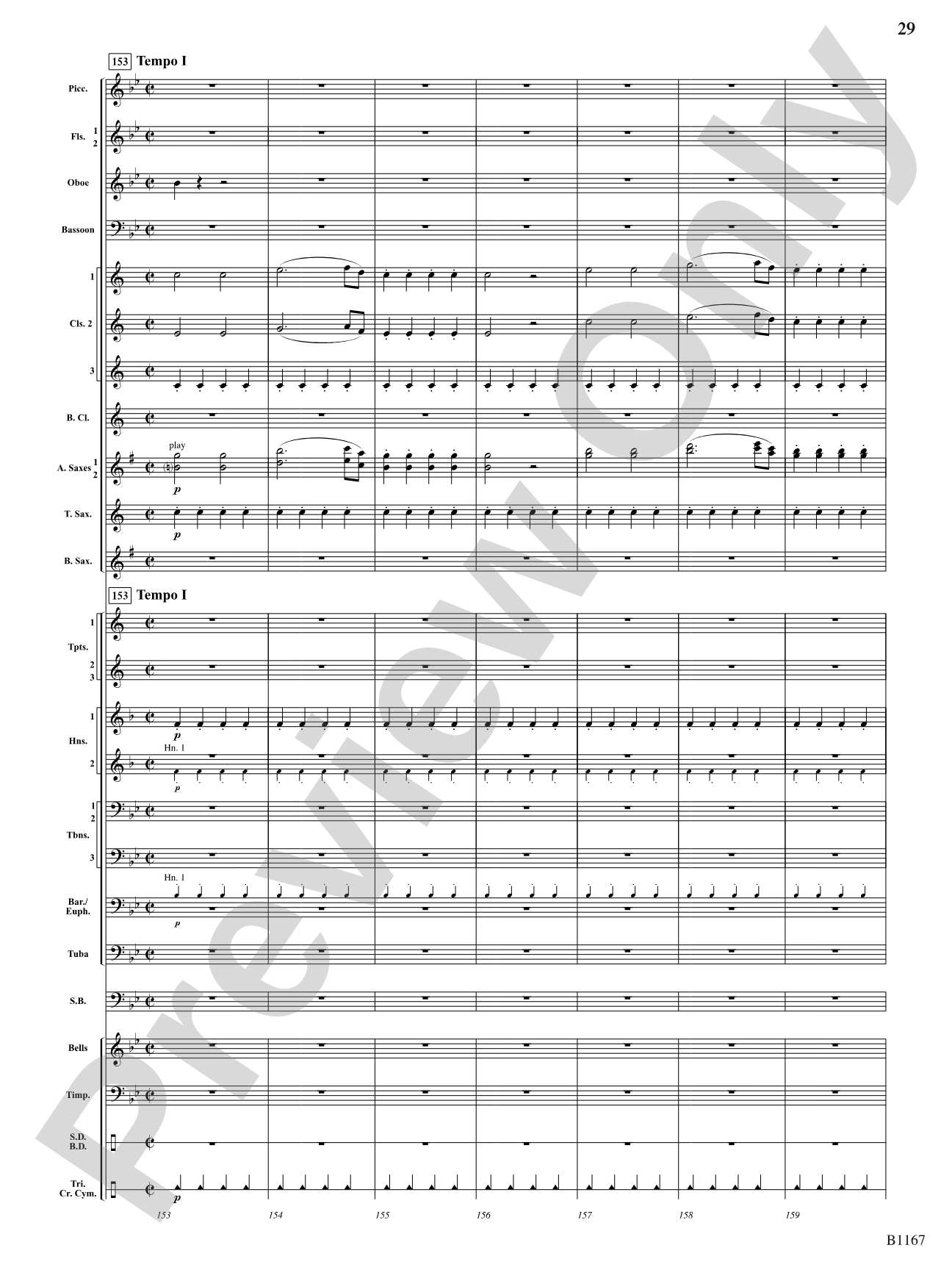
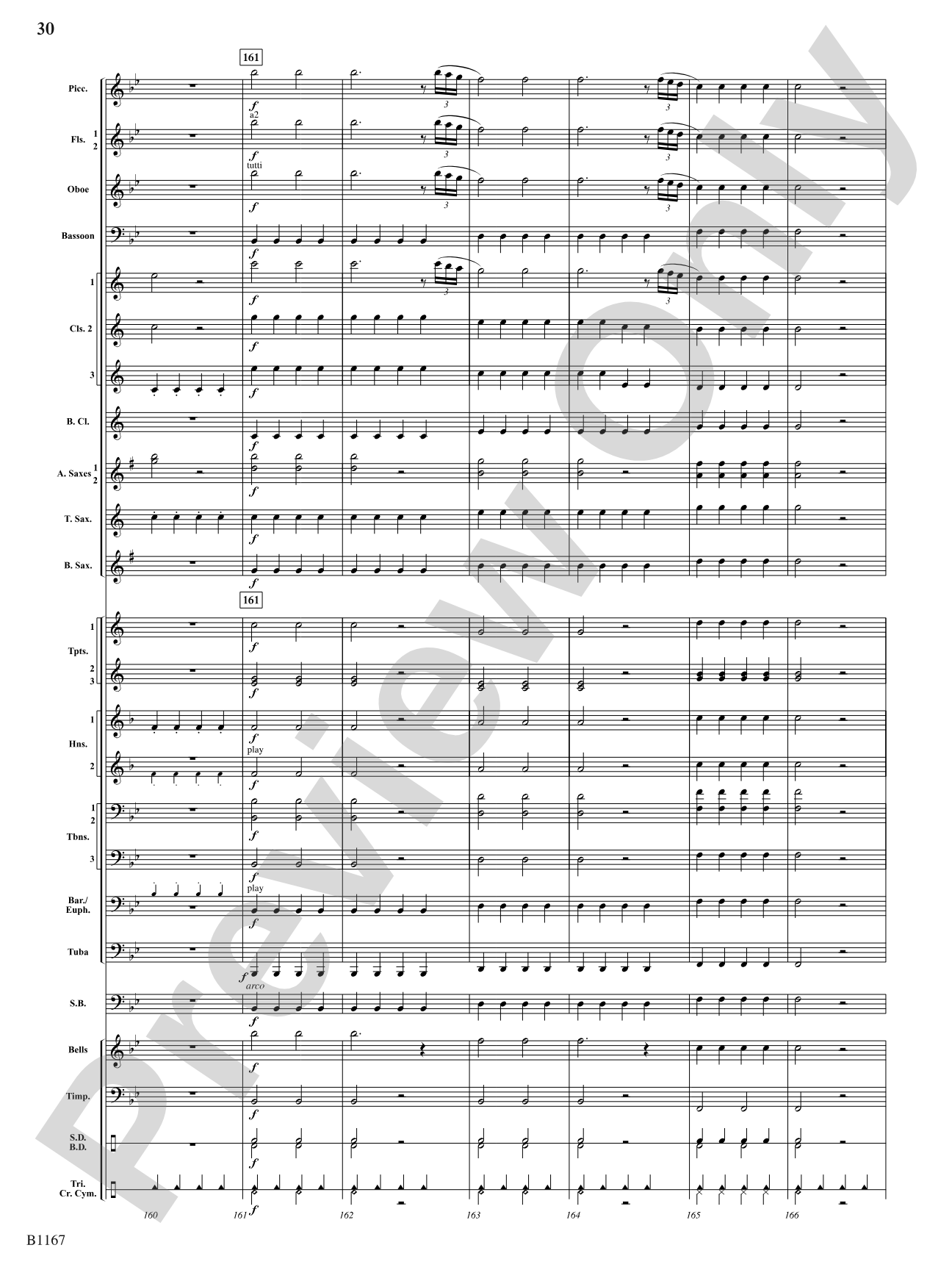
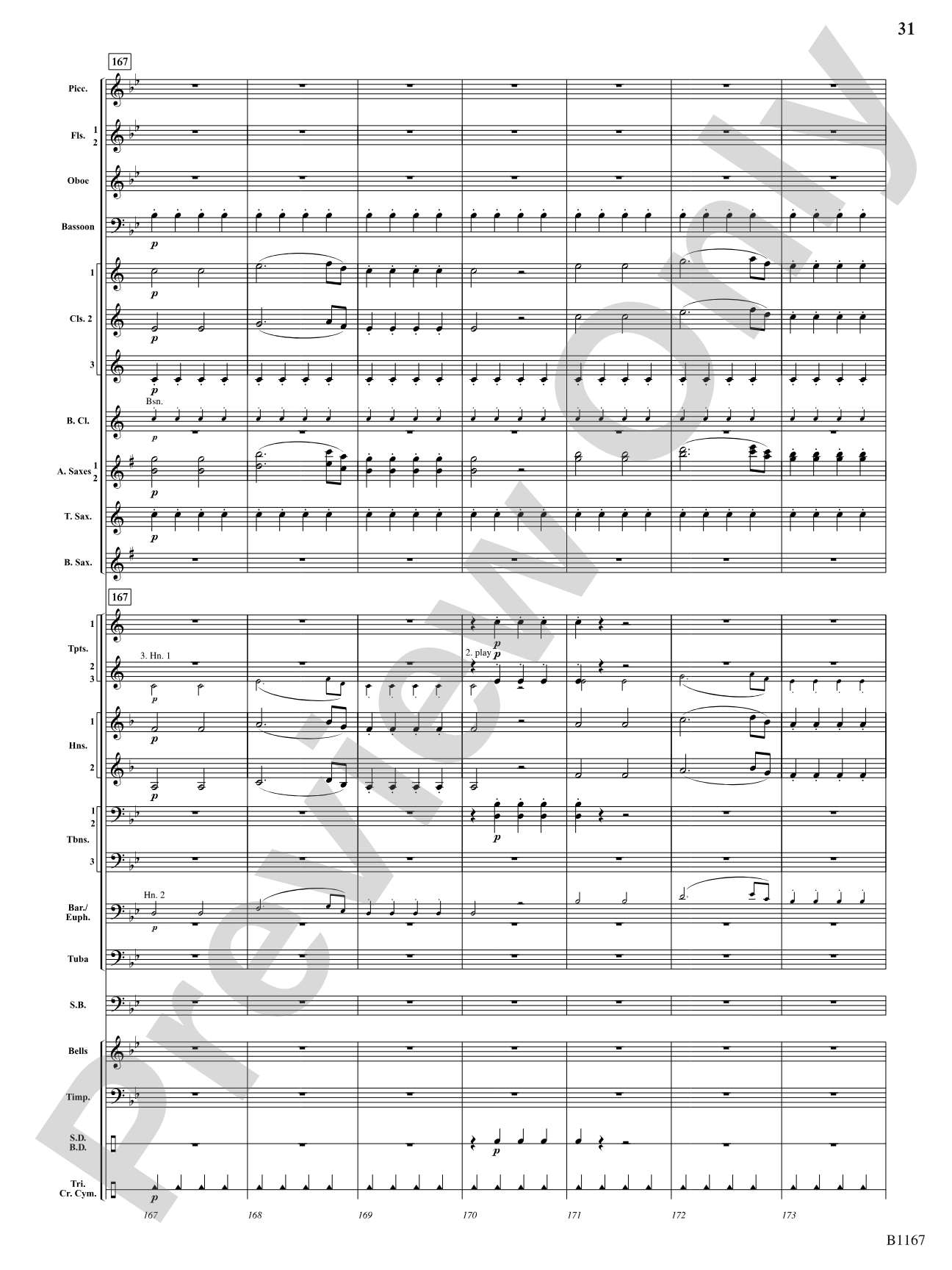
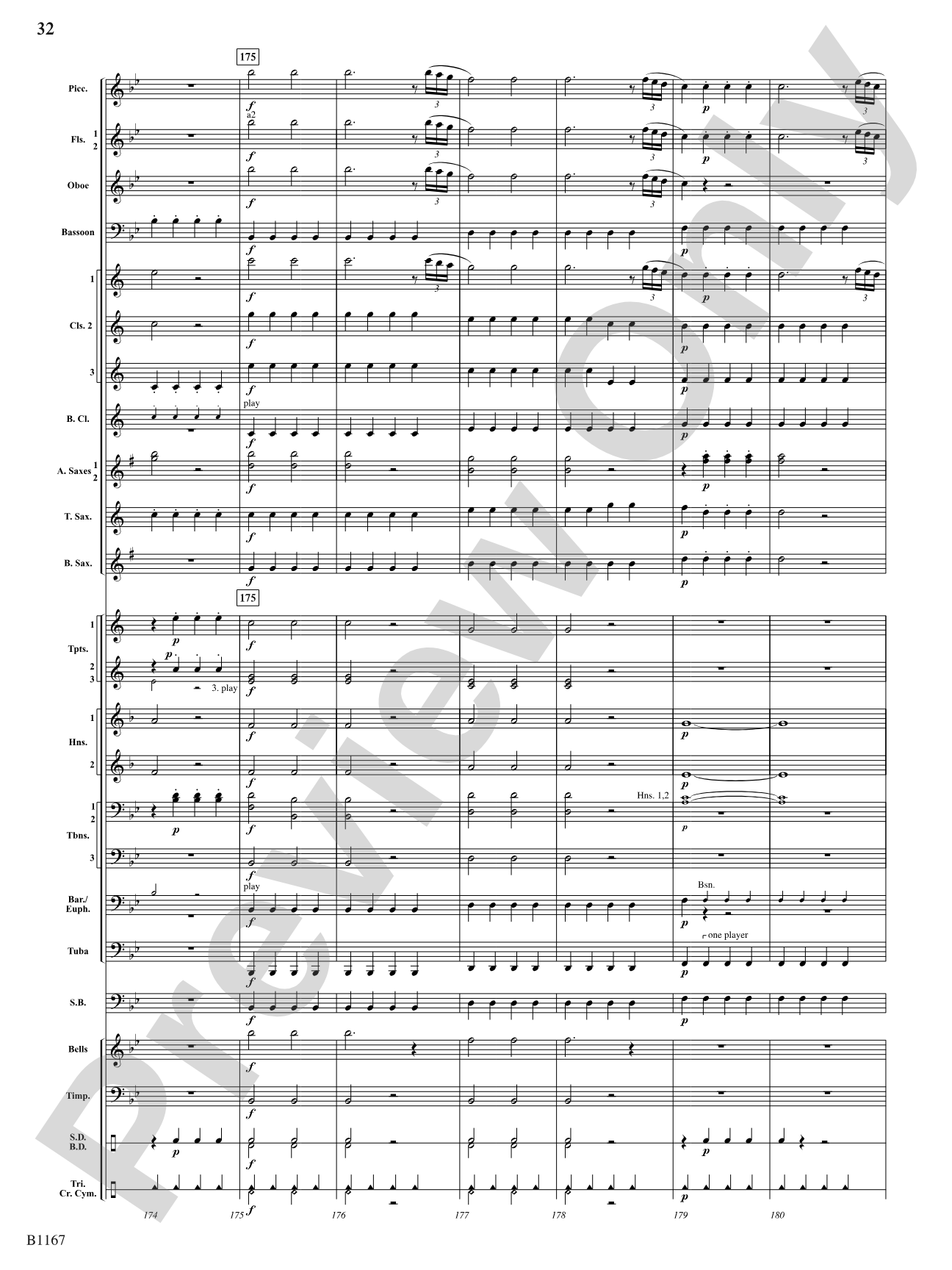
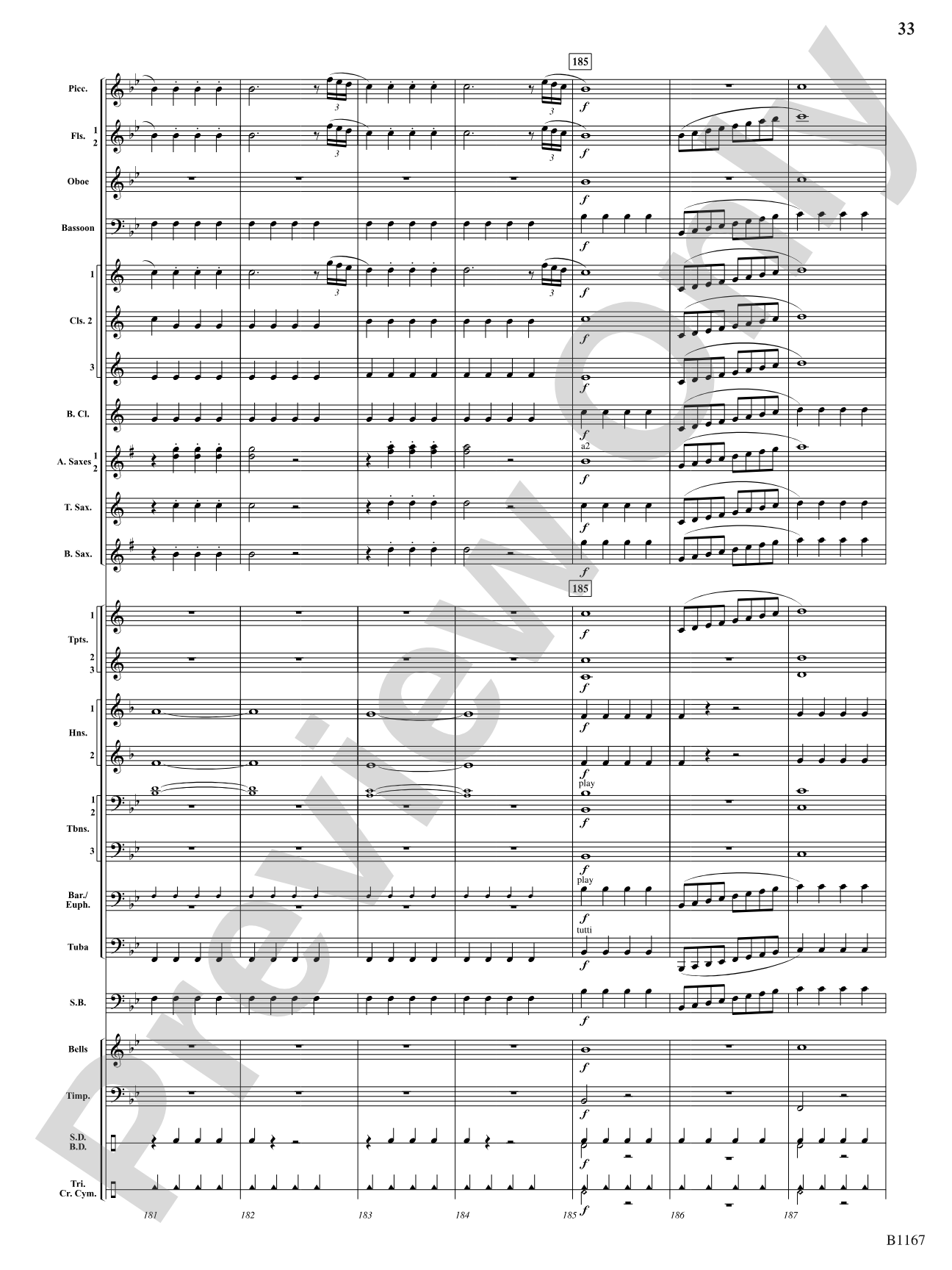
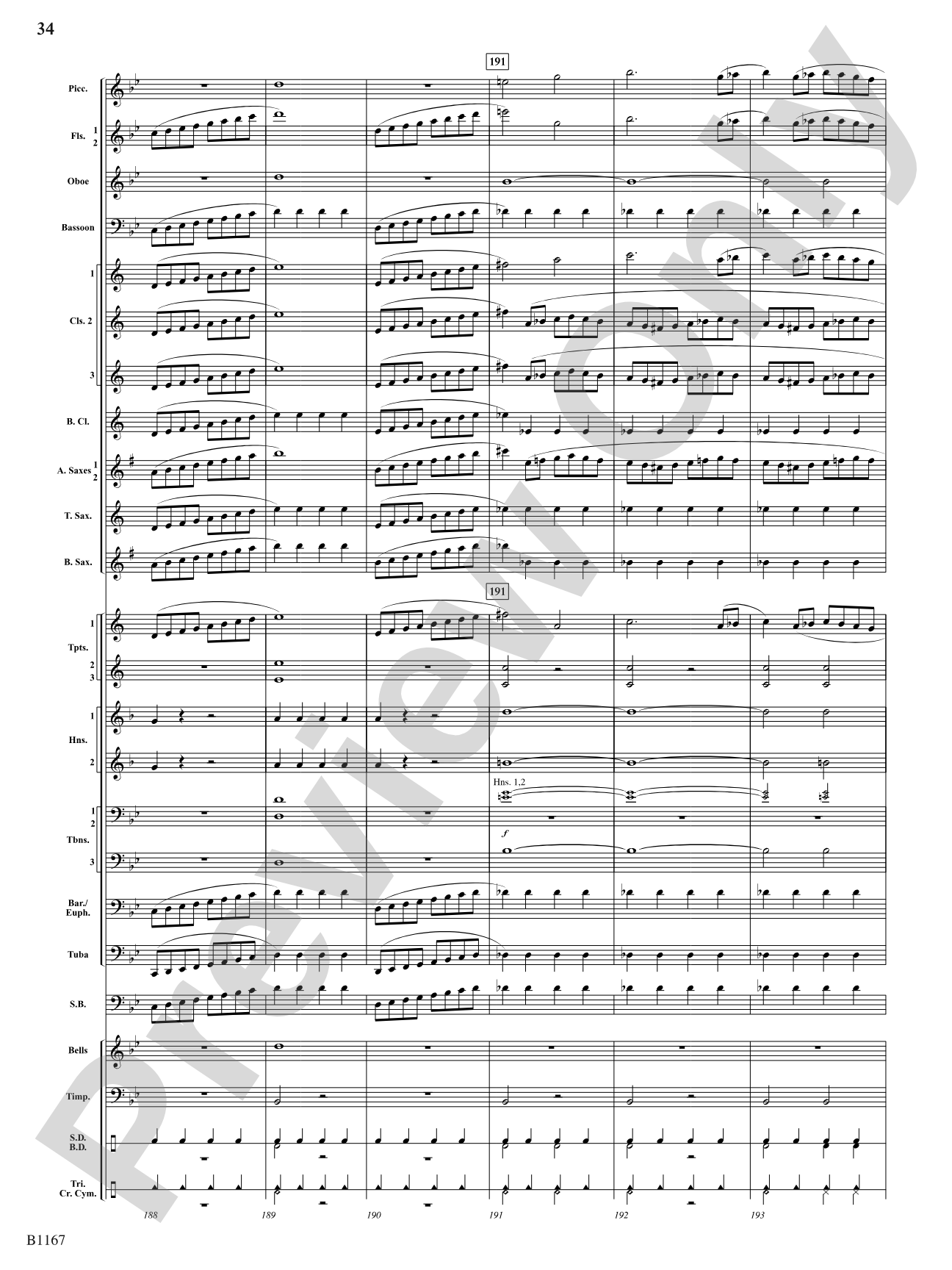
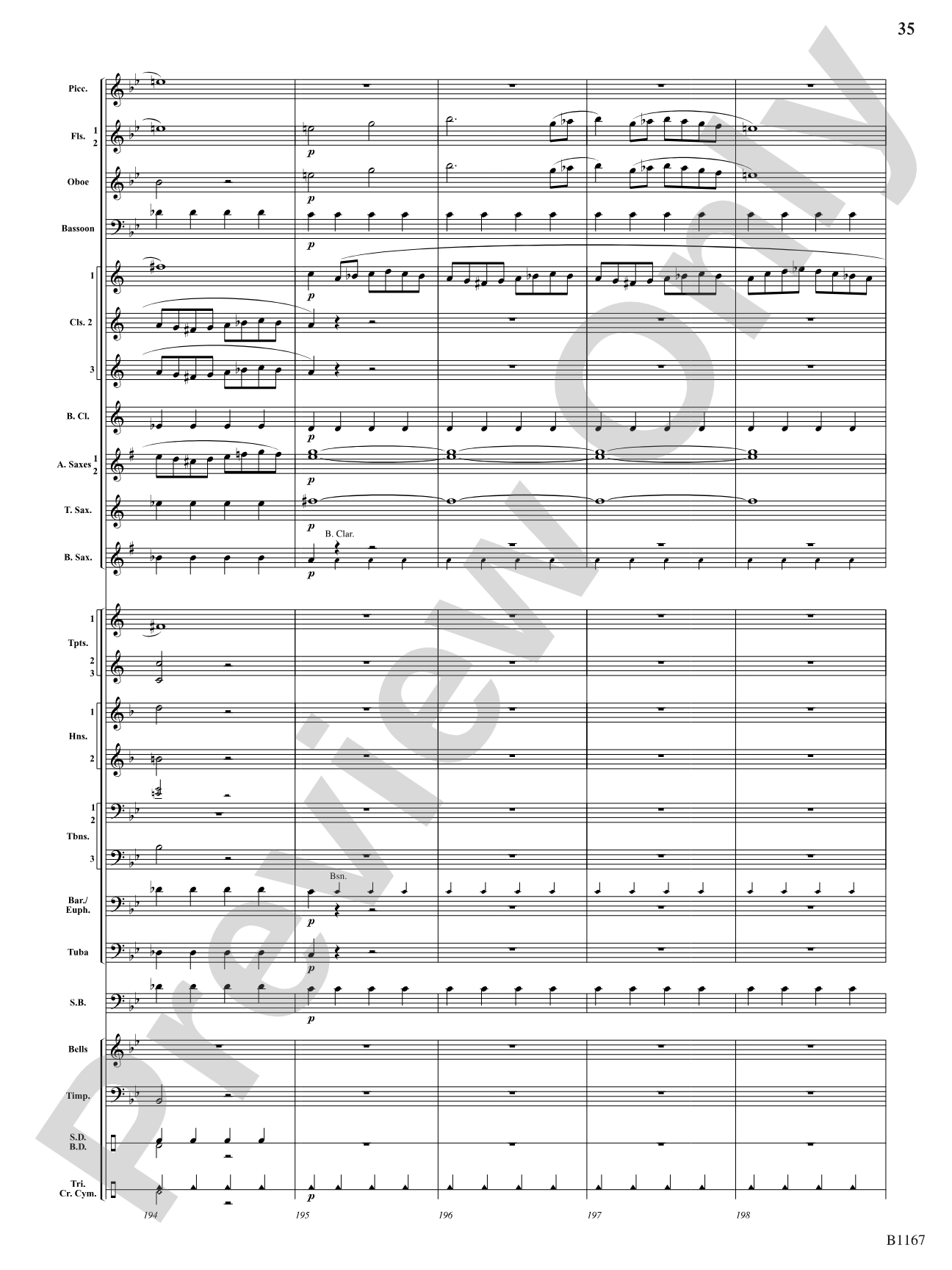
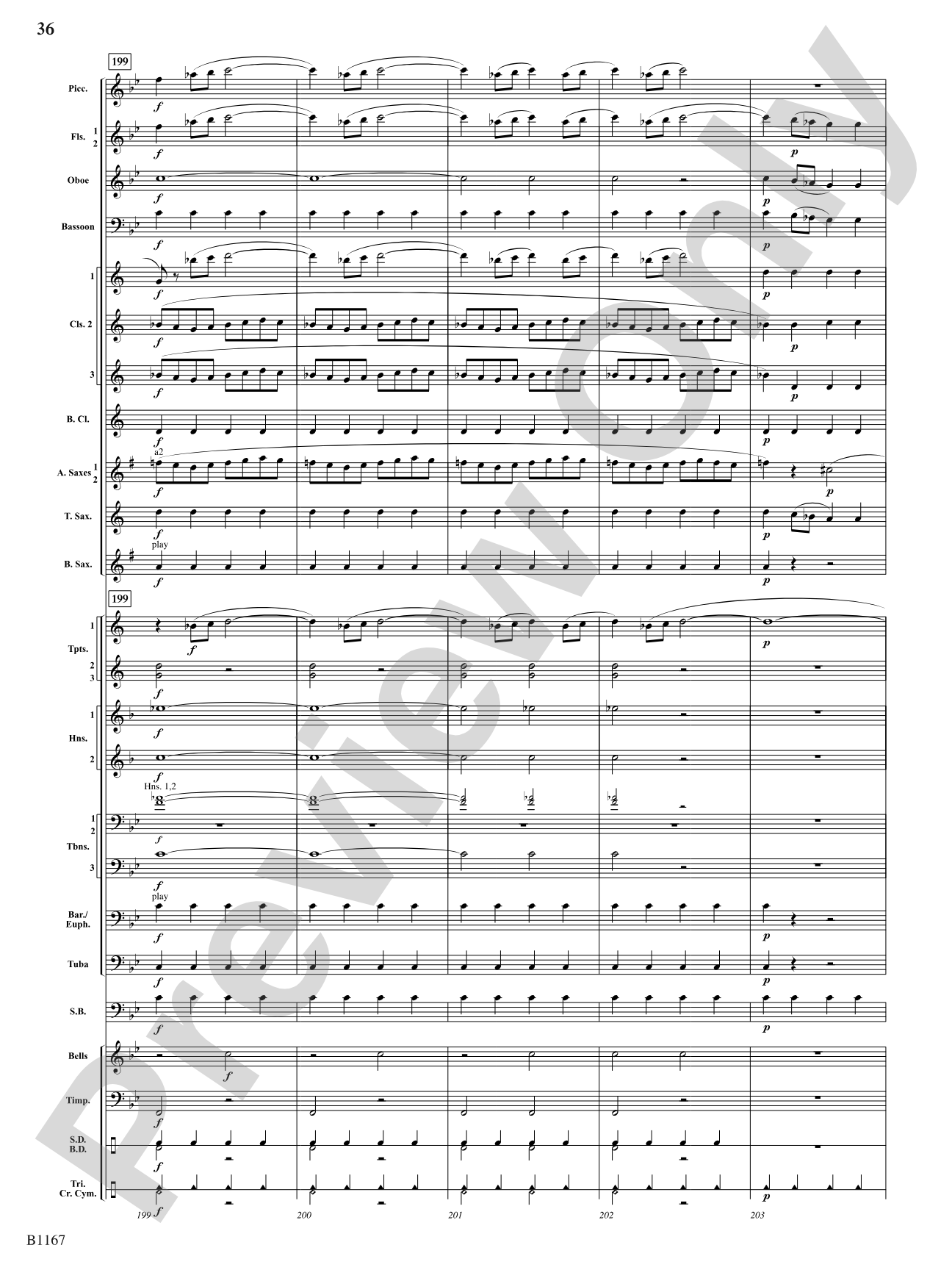
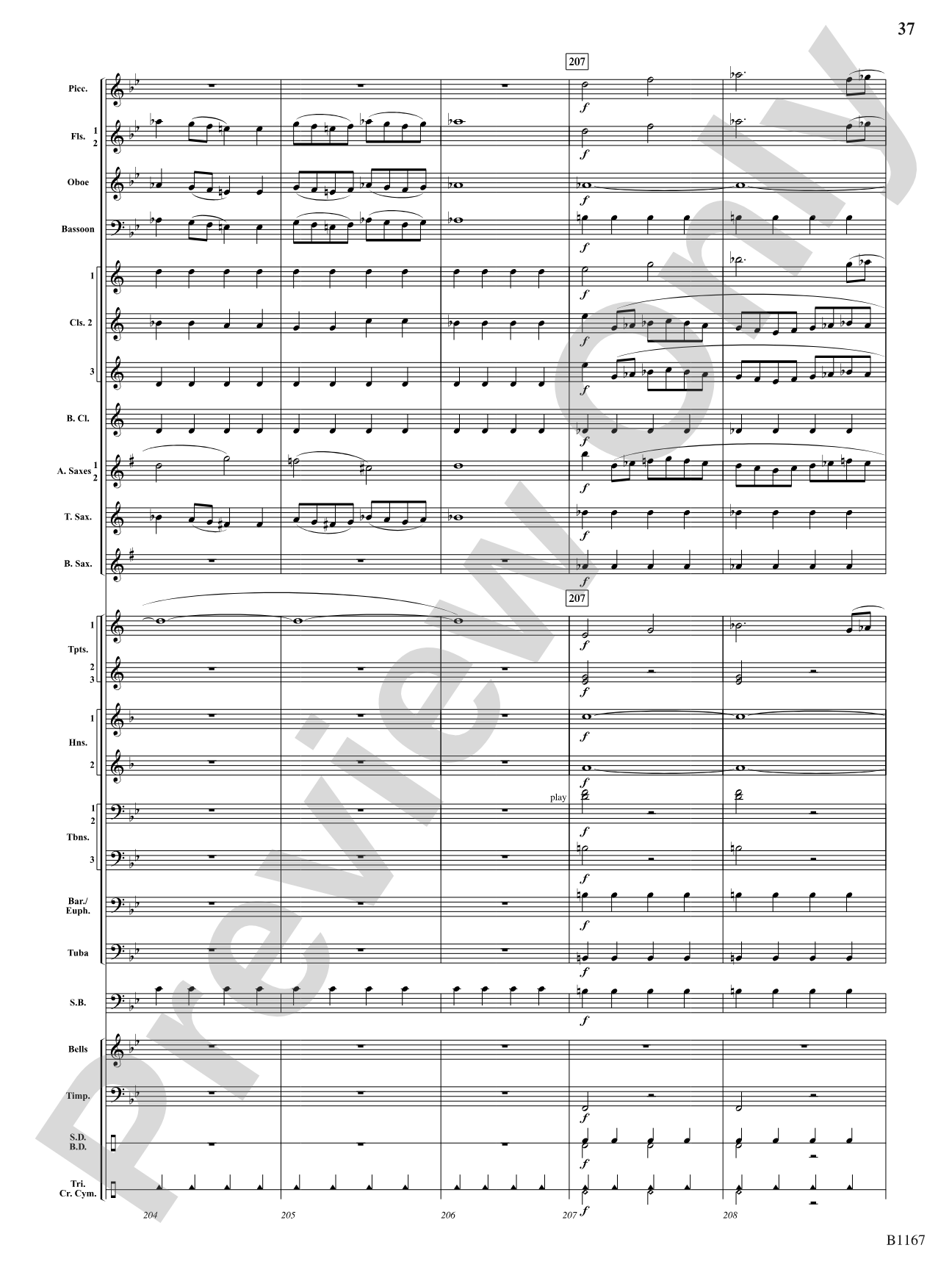
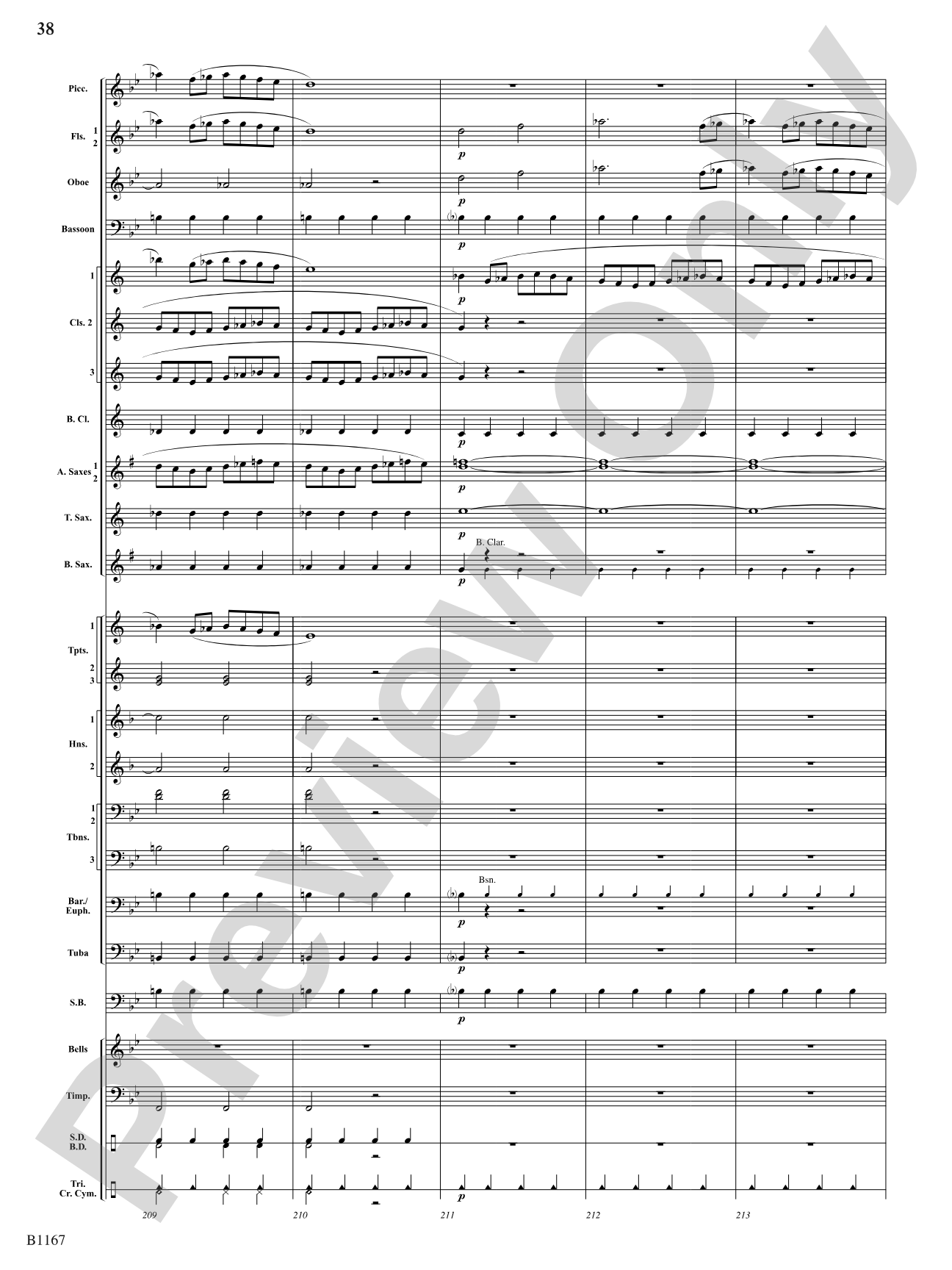
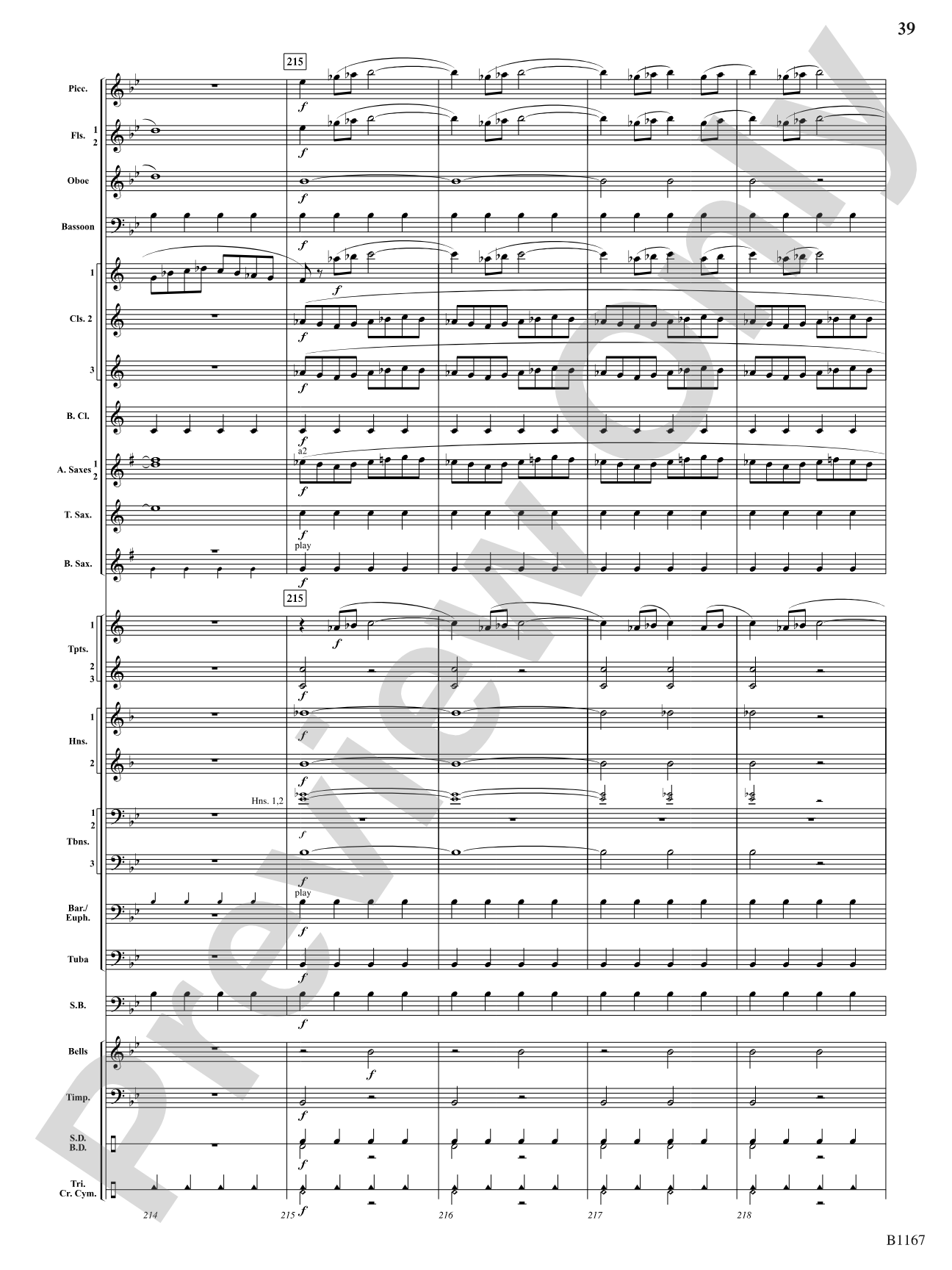
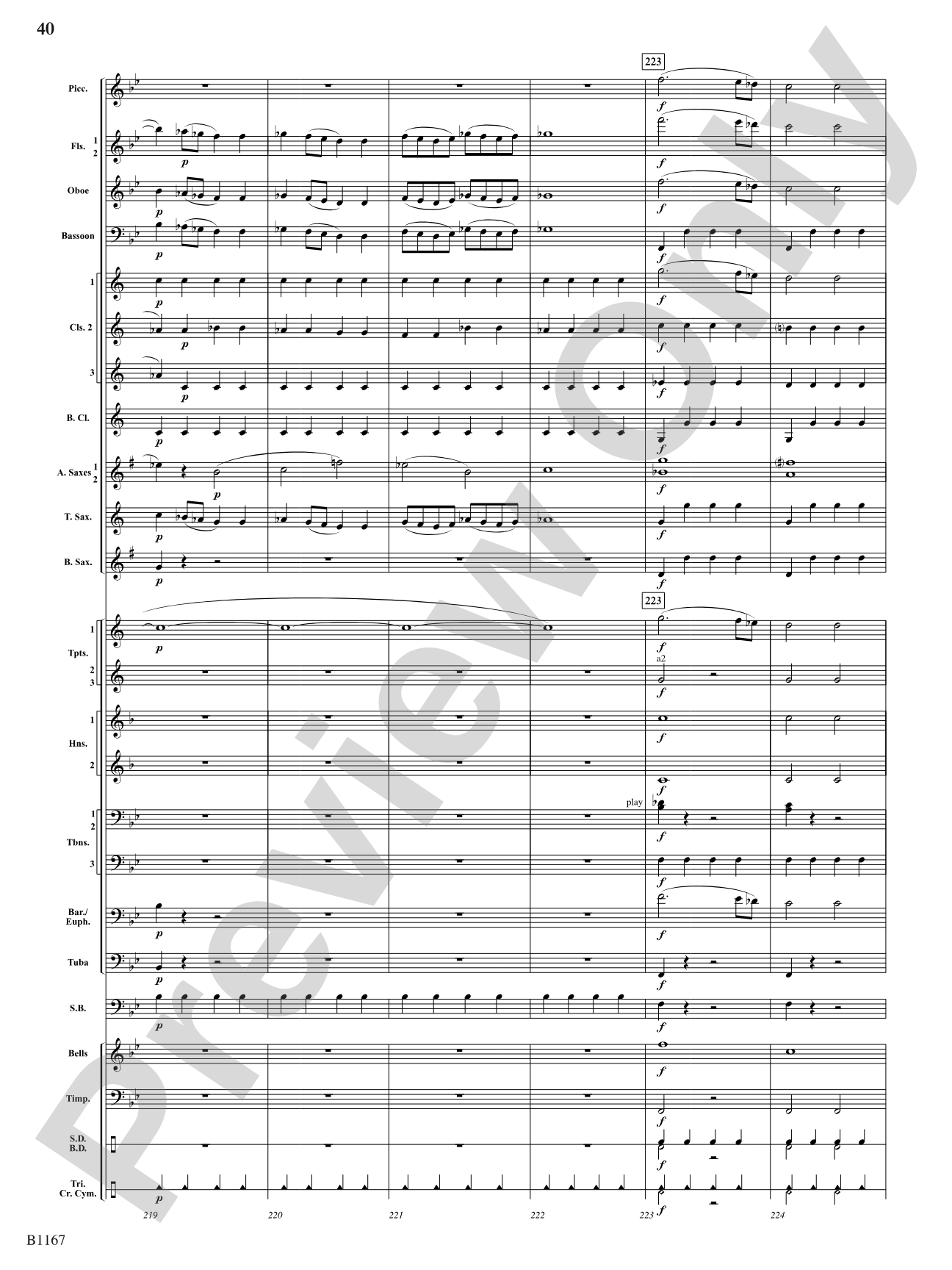
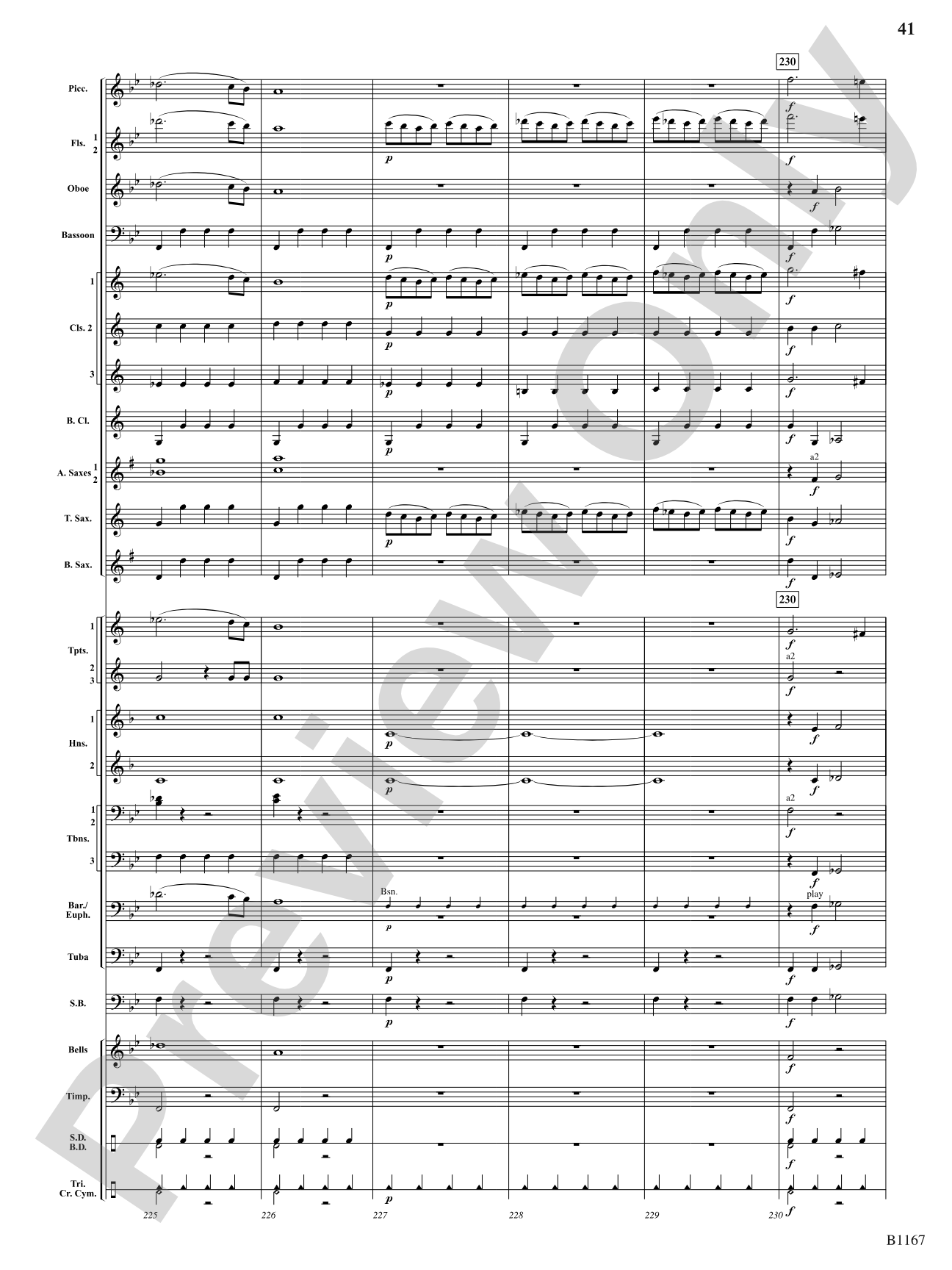
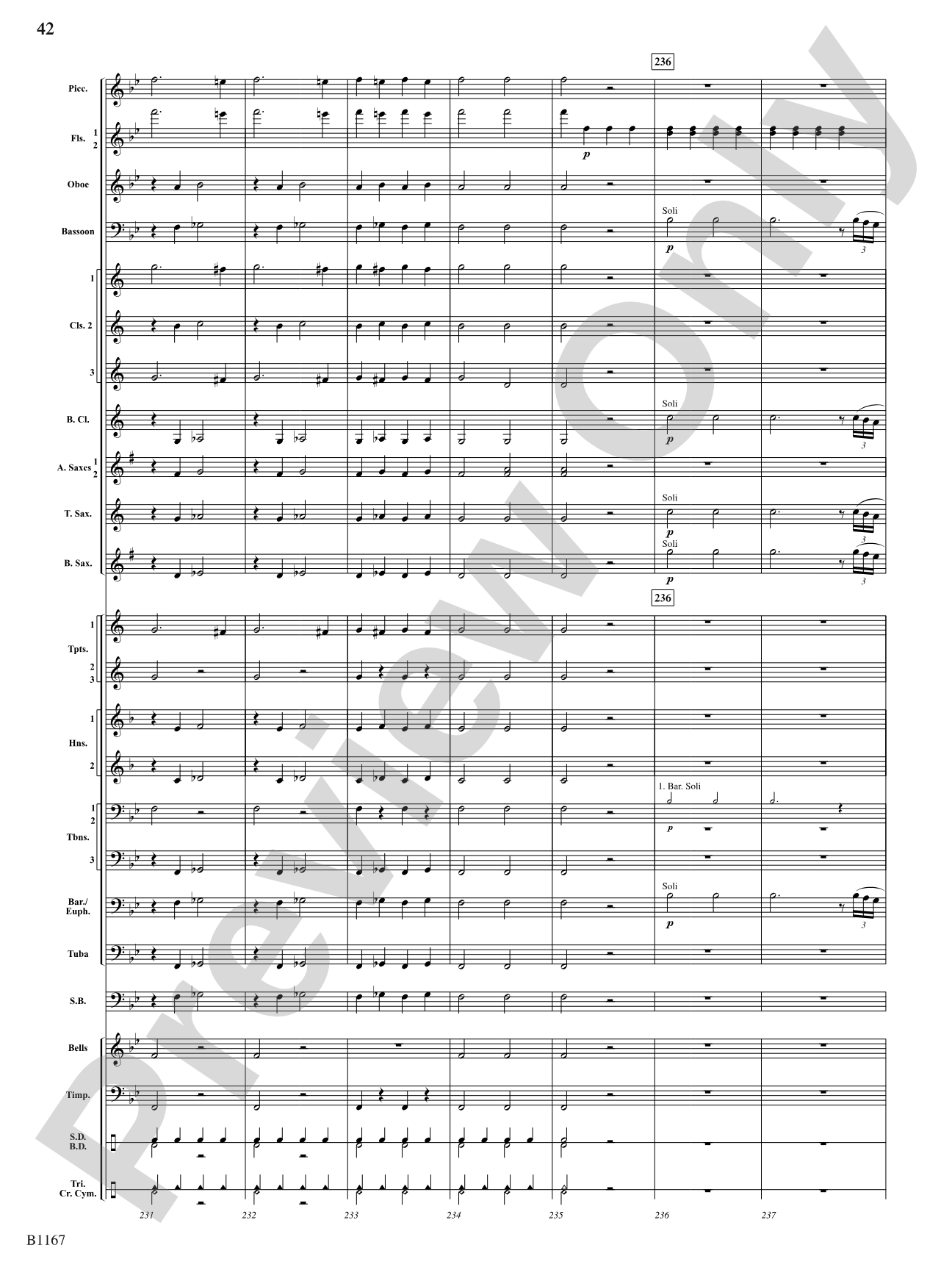
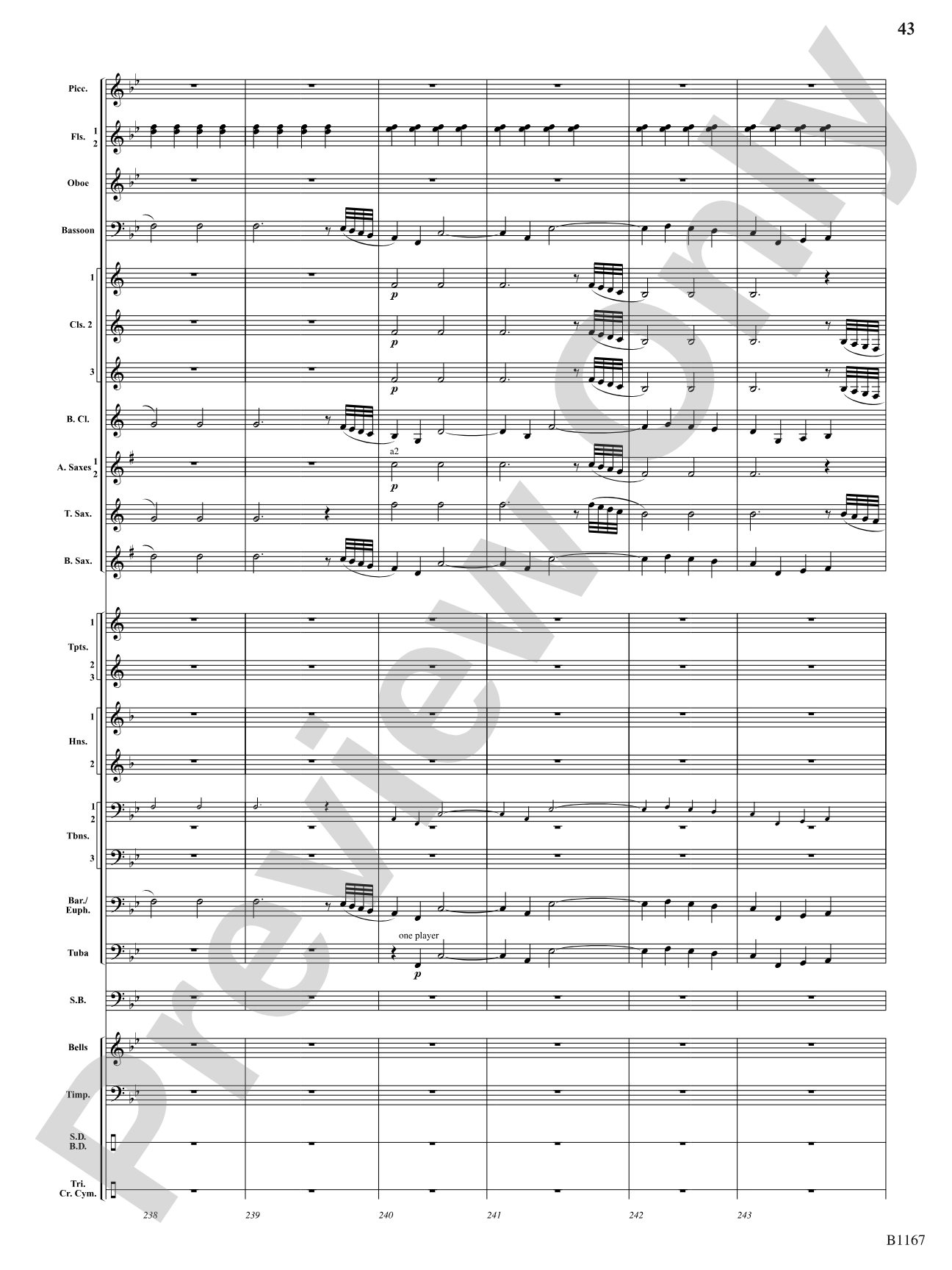
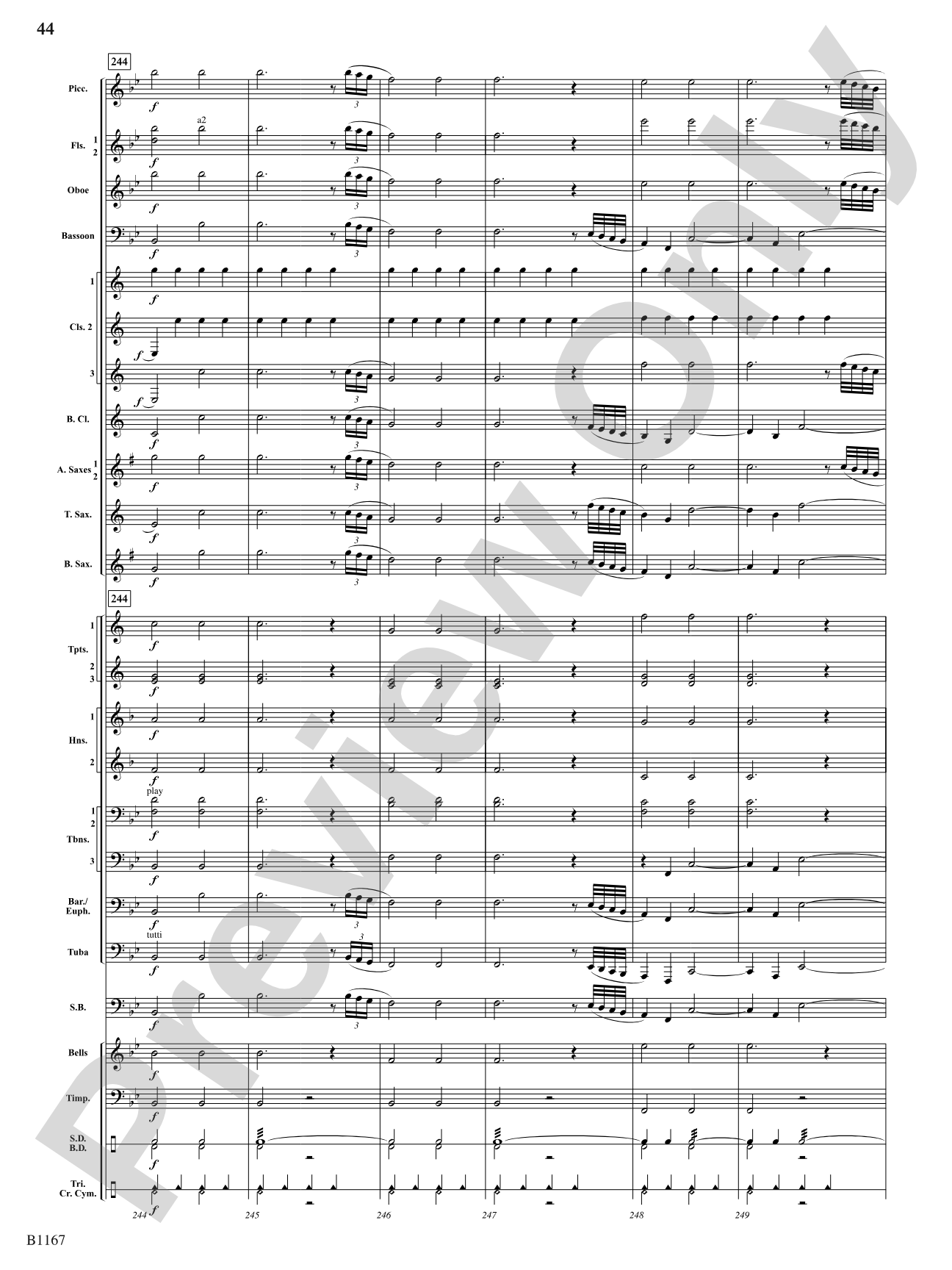
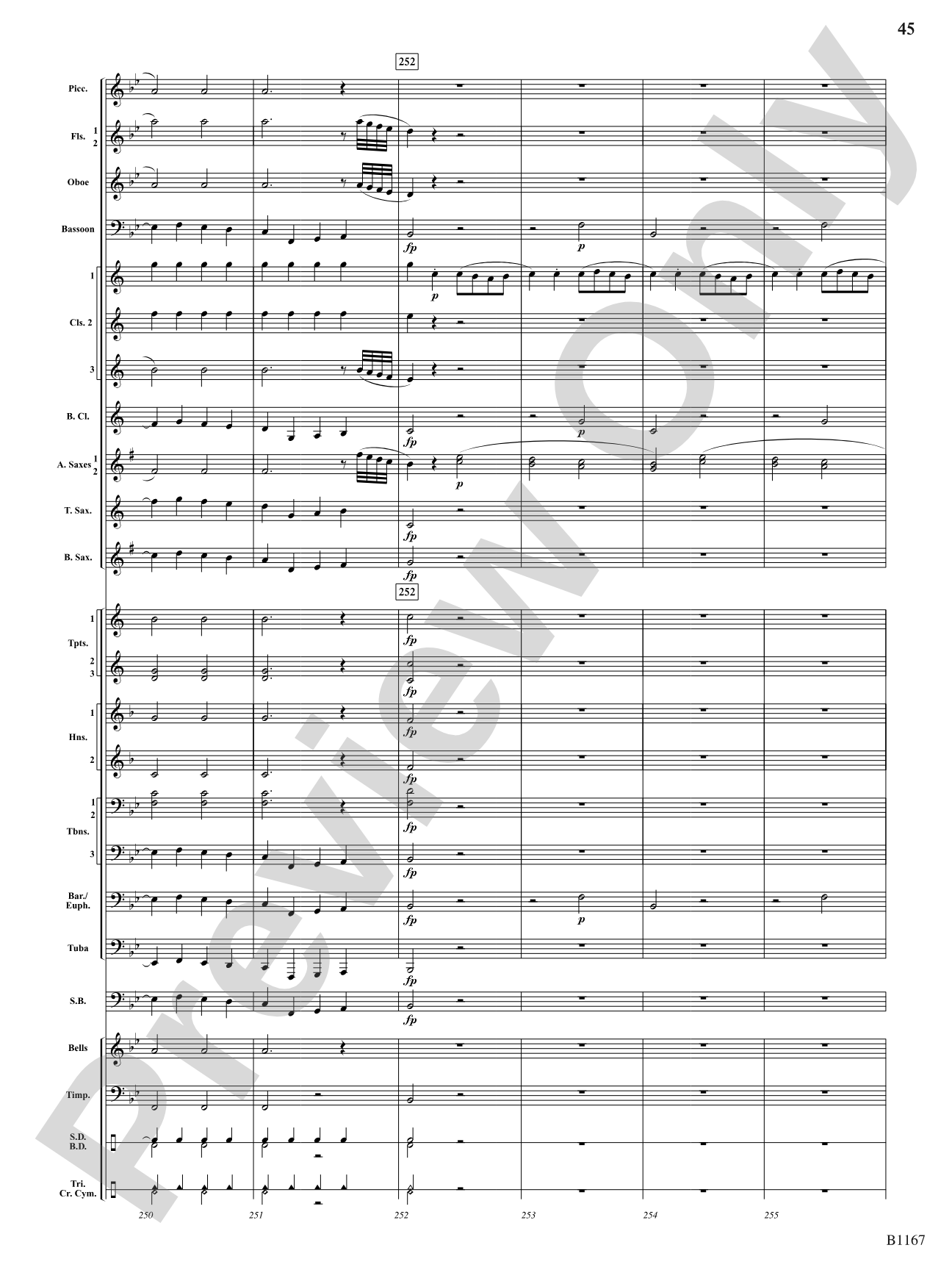
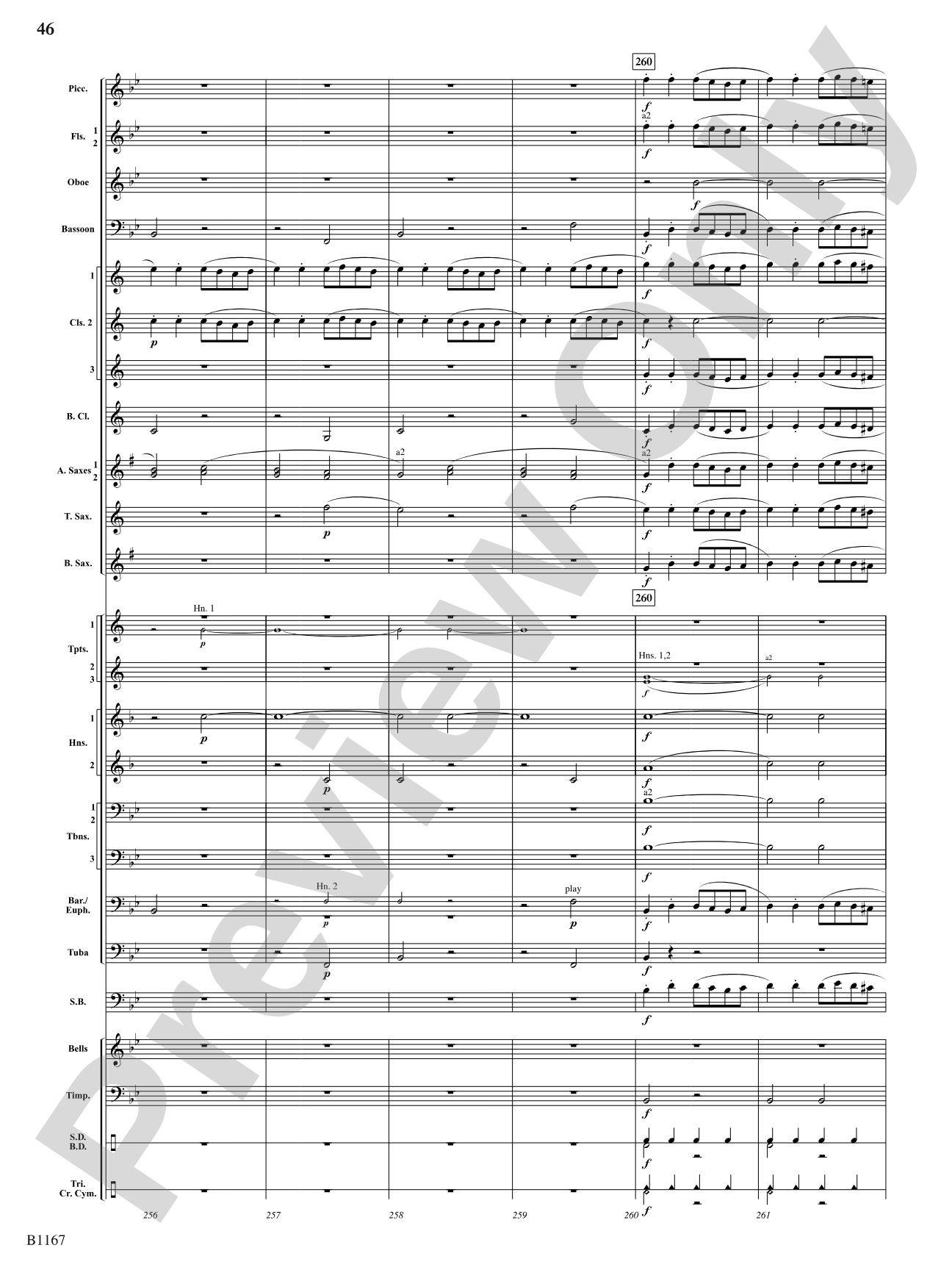
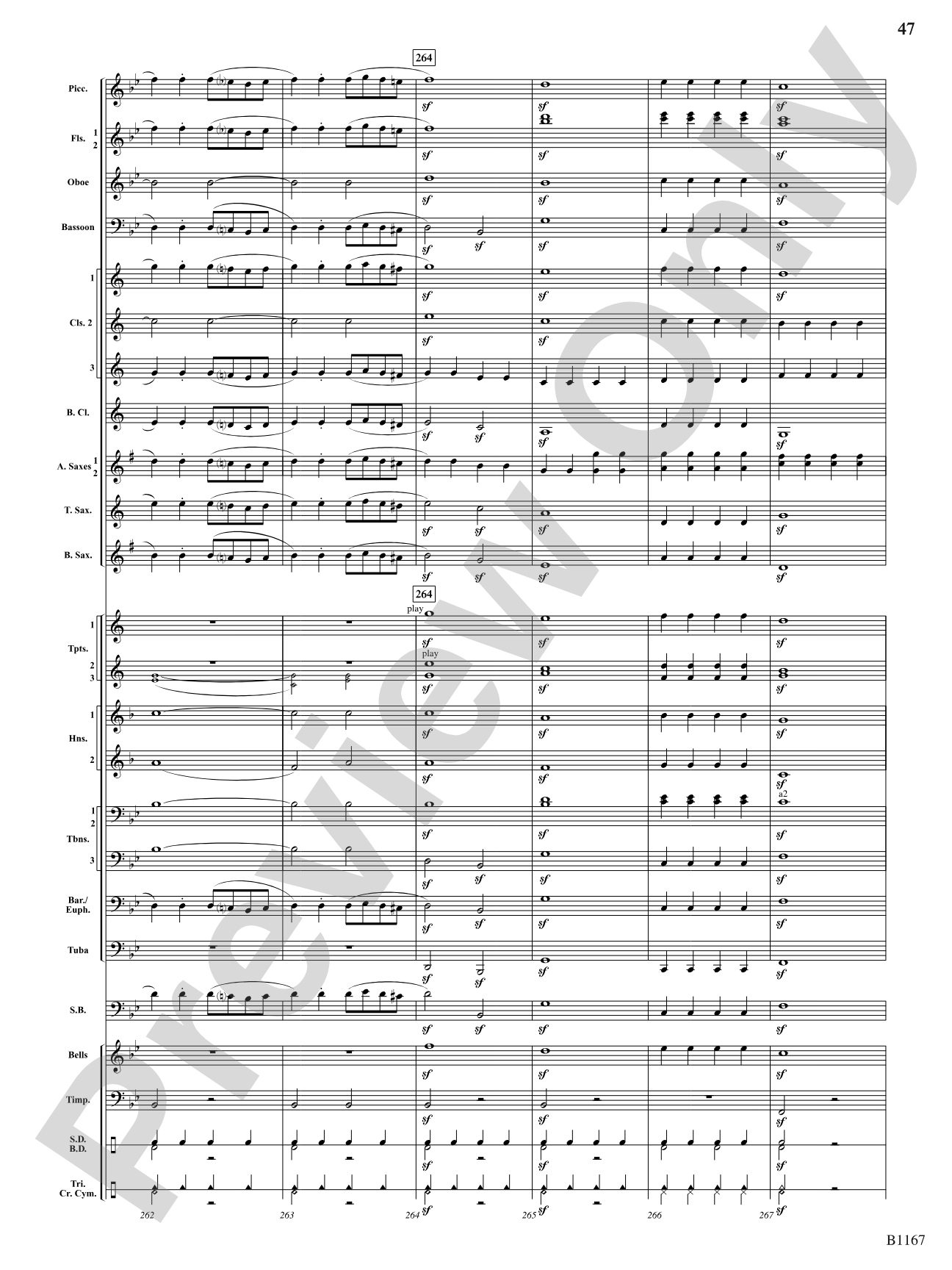
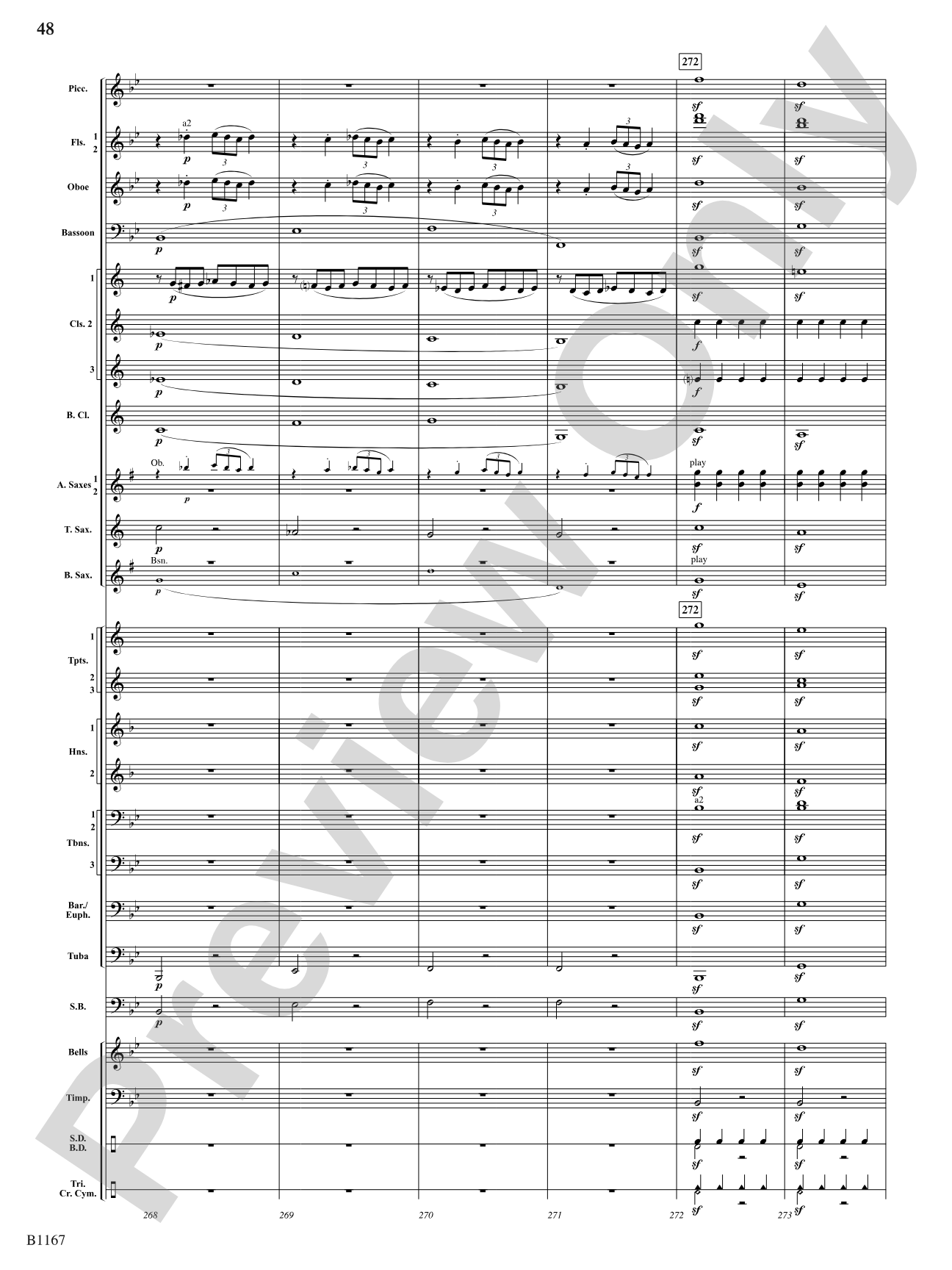

The Abduction from the Seraglio K. 384 (Overture): Concert Band Conductor Score & Parts
Overture
By Wolfgang Amadeus Mozart / arr. Robert Longfield (trans.)
Grade: 4.5
Item: 98-DB1167
$90.00
Pickup currently not available
Buy Extra Parts (Digital PDF Download)
Parts Added to Cart!
Description
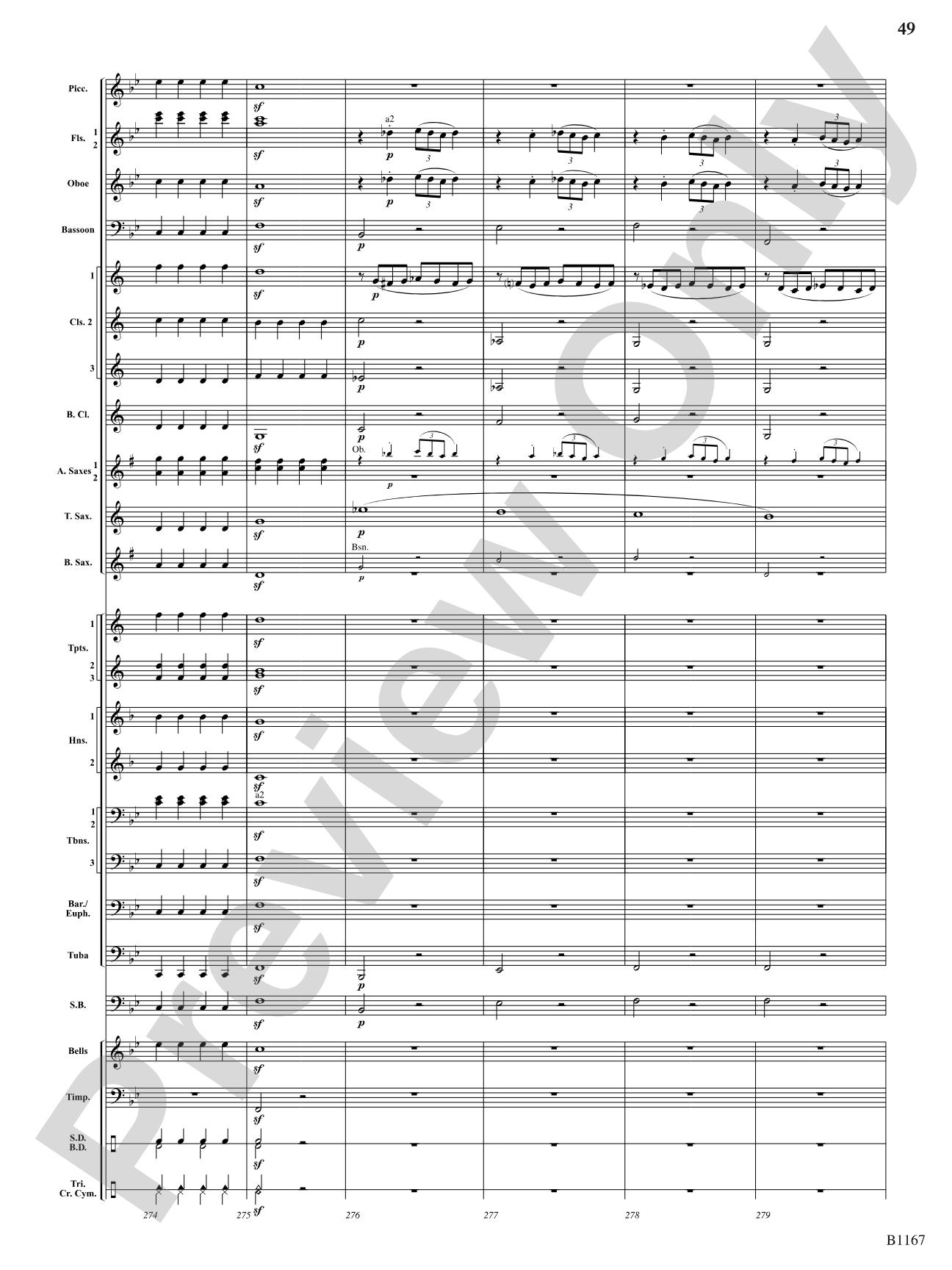
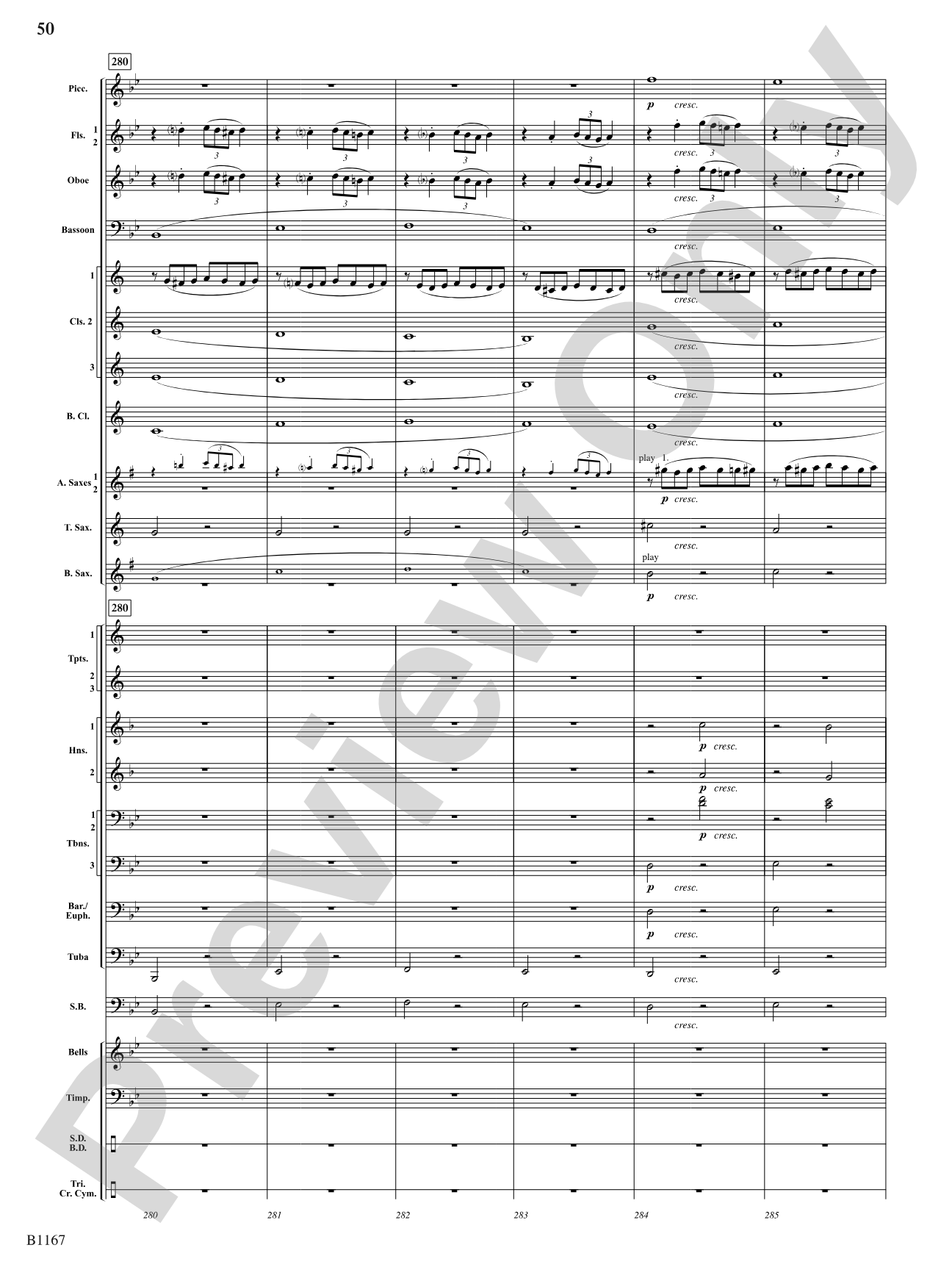
This Mozart transcription from Robert Longfield is excellent for teaching style as it retains the character of the original version. A sensitively scored middle section provides some wonderful exposure to chamber music and is an ideal addition to any concert or festival performance.


The Abduction from the Seraglio K. 384 (Overture): Concert Band Conductor Score & Parts isn't in MakeMusic Cloud just yet...but it could be. Let us know you'd like to see it, and you'll help shape what comes next. In the meantime, start a free trial and dive into thousands of interactive titles your students can play along with today.
Request This Title
Tell us you want it.
Start Your Free Trial
Explore everything that's ready to play right now.
Sample Audio
1
Audio File
--:--
0:00
0:00
Sample Video
No sample videos found.
Additional Details
Series:
FJH Masterworks For Concert Band
Publisher:
The FJH Music Company, Inc.
SKU:
98-DB1167
More about this title
About the Composer: Wolfgang Amadeus Mozart
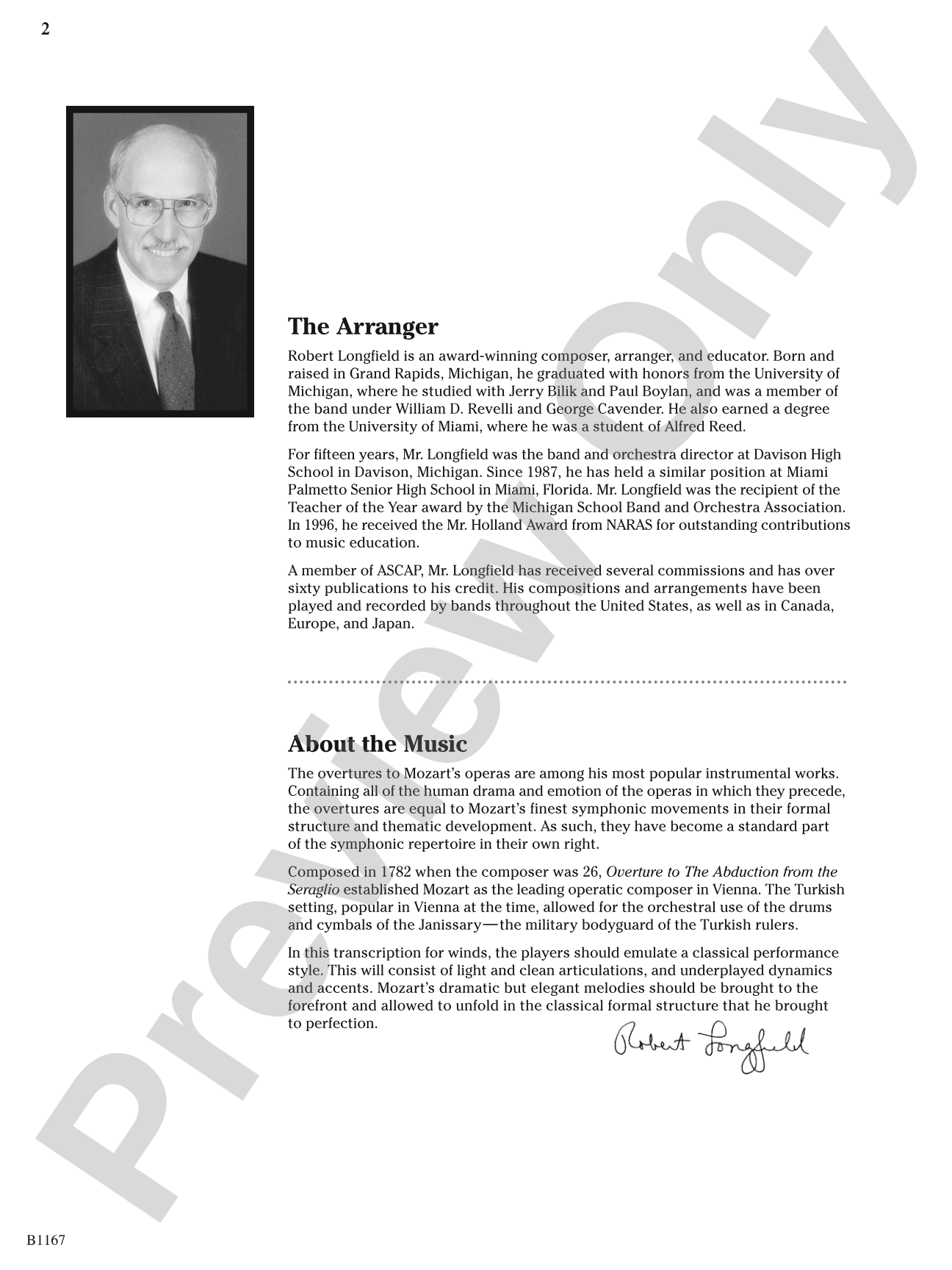
Wolfgang Amadeus Mozart (1756-1791) composed over 600 works across every major genre during his brief life, fundamentally shaping the Classical style. His operas remain cornerstones of the repertoire, and his instrumental music displays the clarity, elegance, and harmonic sophistication that defined an era. For music educators, Mozart's works offer transparent orchestration, memorable melodies, and structural logic that students can follow and learn from at every level.
Why we love this
Longfield's arrangement preserves the sparkle and theatrical flair of Mozart's original while making it genuinely playable for a Grade 4.5 ensemble. The sensitively scored chamber section gives your band a chance to experience Mozart's textural refinement without drowning in complexity, and the overture's infectious energy makes it a crowd-pleaser that never feels compromised.
What to expect
Charming, theatrical, and alive with Classical grace. The overture opens with sharp-edged wit, builds through recognizable themes, and settles into a tenderly orchestrated middle section before returning to infectious energy. You hear Mozart's gift for melody and orchestral storytelling translated into language your band can speak.
Who it's for
Concert bands at the intermediate to early advanced level who want a substantial Mozart experience without the demands of a full symphony. Directors seeking programming that balances musical substance with ensemble accessibility will find this especially useful for mixed-ability concert lineups.
How to get the most out of it
- Honor the comic opera origins by keeping the tempo brisk and the articulation crisp; this is theater music, not a concert etude.
- Balance the middle section carefully so that the chamber writing can breathe; too much volume here loses the intimacy Mozart intended.
- Attend to dynamic contrasts throughout. Mozart's style depends on clear terracing between forte and piano sections, not gradual swells.
- Let the woodwinds and brass trade their characteristic figures with precision; clarity of line matters more than blend in this idiom.
How to use it
This works beautifully as a concert opener, setting a sophisticated and audience-friendly tone before moving into heavier or more contemporary works. It also pairs well with other Classical-era overtures or with Romantic-era band music, creating a programming arc that shows stylistic evolution. Consider it for music festival performances where judges appreciate tasteful arranging and ensemble musicianship.
Skills your students will build
- Playing with articulation clarity and stylistic purpose in the Classical idiom
- Balancing texture and transparency in chamber-scored passages
- Executing fast passages with rhythmic precision and control
- Responding to dynamic and expressive contrasts that shape phrase architecture
- Coordinating ensemble entrances and exits in a complex orchestral texture