

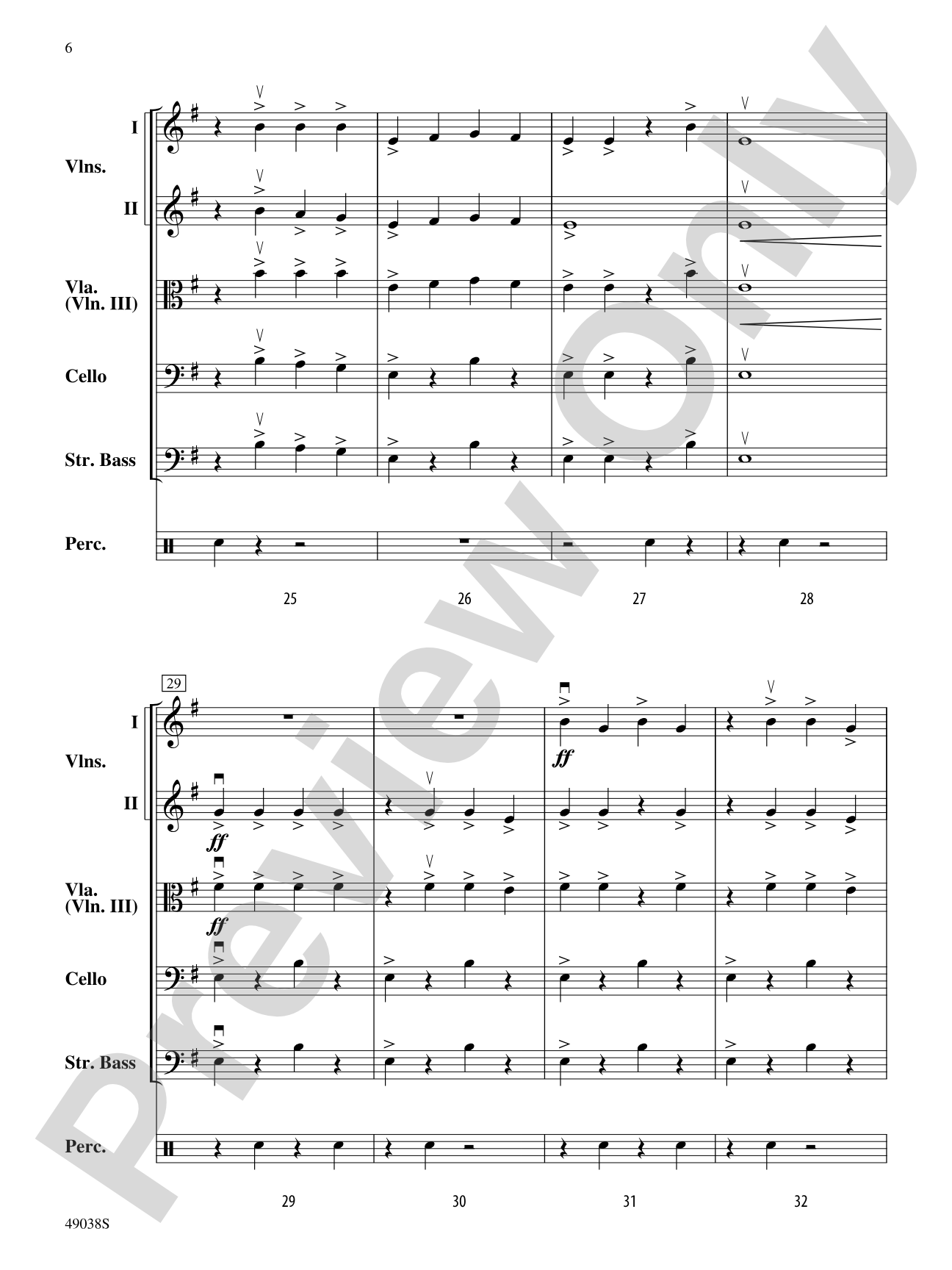
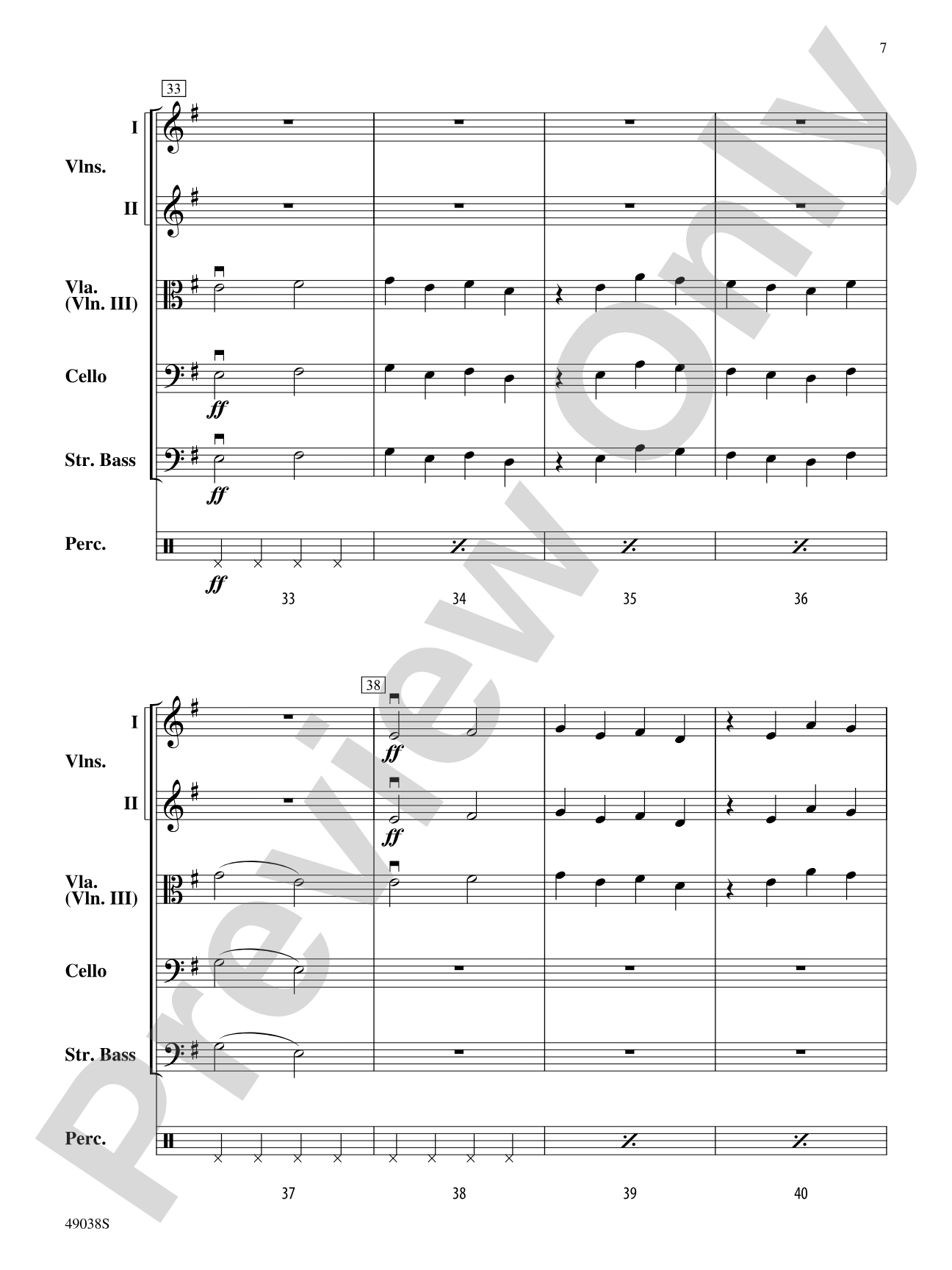
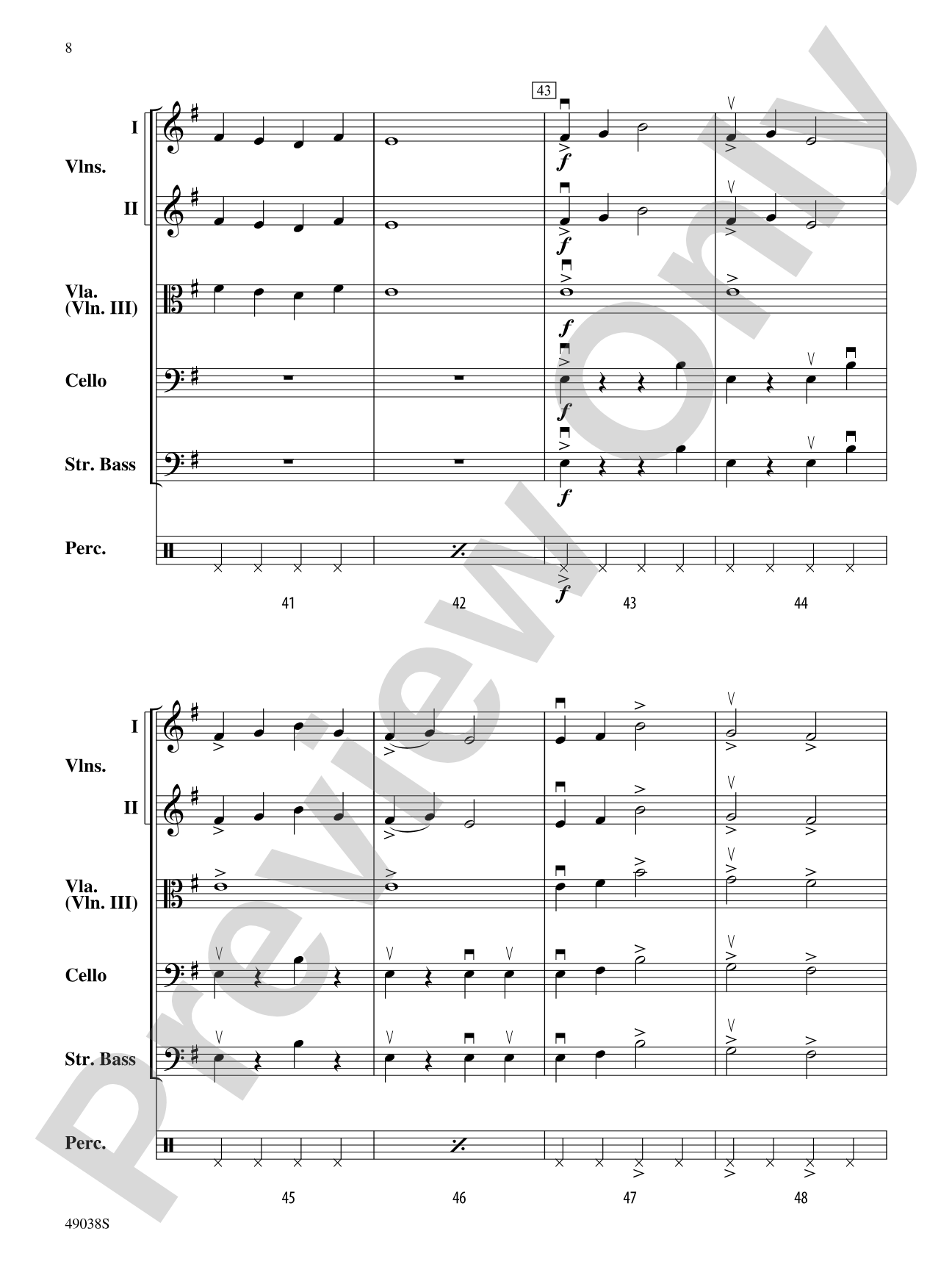
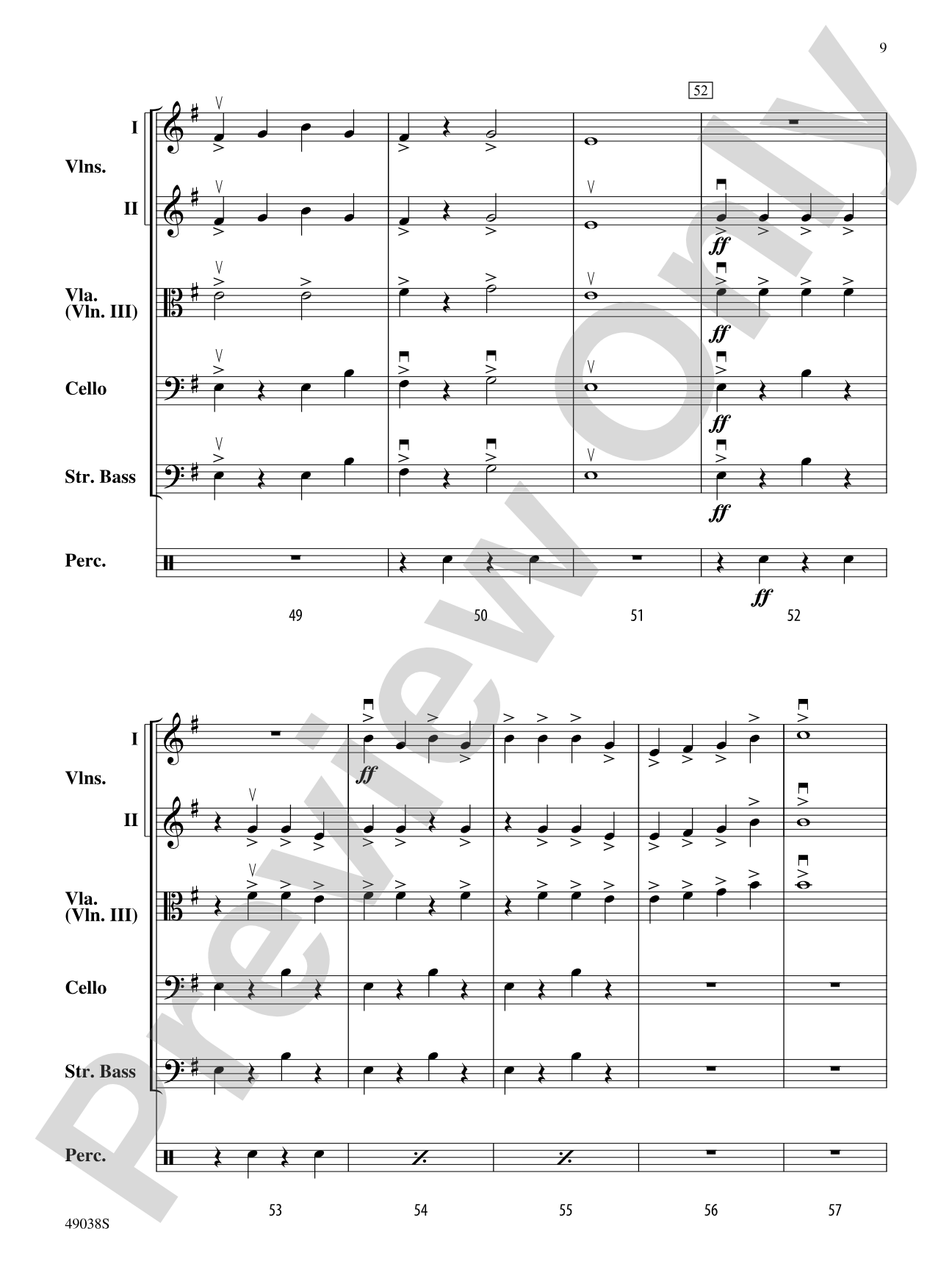
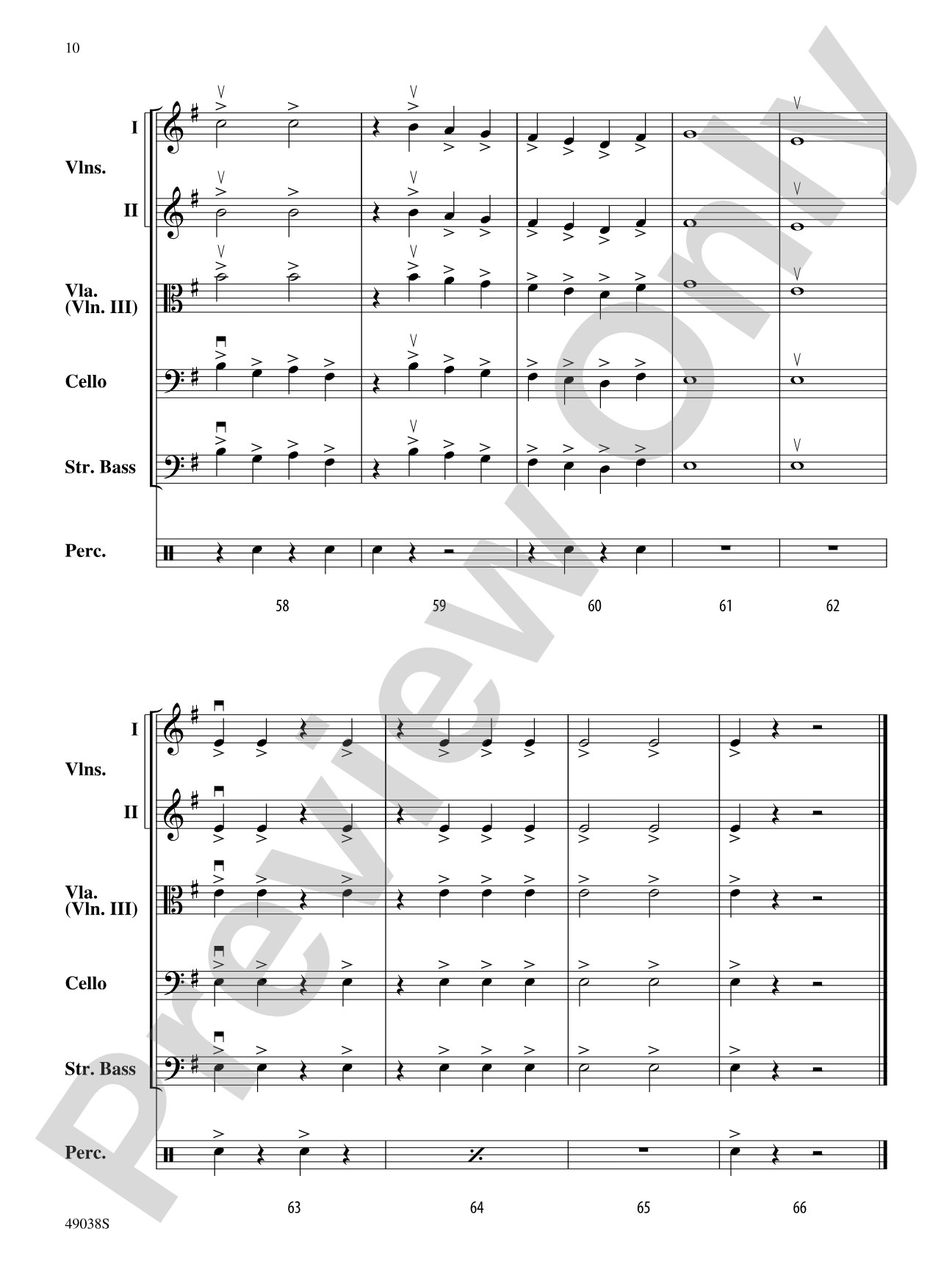

The 31st Day of Oktober: String Orchestra Conductor Score & Parts
By Rob Grice
Grade: 1.5
Item: 00-PK-0008351

$50.00
Pickup currently not available
Buy Extra Parts (Digital PDF Download)
| Product | Price | Quantity |
|---|---|---|
| The 31st Day of Oktober: Score | $9.00 | |
| The 31st Day of Oktober: 1st Violin | $7.99 | |
| The 31st Day of Oktober: 2nd Violin | $7.99 | |
| The 31st Day of Oktober: 3rd Violin (Viola [TC]) | $7.99 | |
| The 31st Day of Oktober: Viola | $7.99 | |
| The 31st Day of Oktober: Cello | $7.99 | |
| The 31st Day of Oktober: String Bass | $7.99 | |
| The 31st Day of Oktober: 1st Percussion | $7.99 |
Parts Added to Cart!
Related Items
The 31st Day of Oktober: Concert Band Conductor Score & Parts |
$55.00
|
View | |
The 31st Day of Oktober: String Orchestra Conductor Score & Parts |
$50.00
|
View | |
The 31st Day of Oktober: String Orchestra Conductor Score |
$9.00
|
View | |
The 31st Day of Oktober: Concert Band Conductor Score & Parts |
$55.00
|
View | |
The 31st Day of Oktober: Concert Band Conductor Score |
$10.00
|
View |
Description
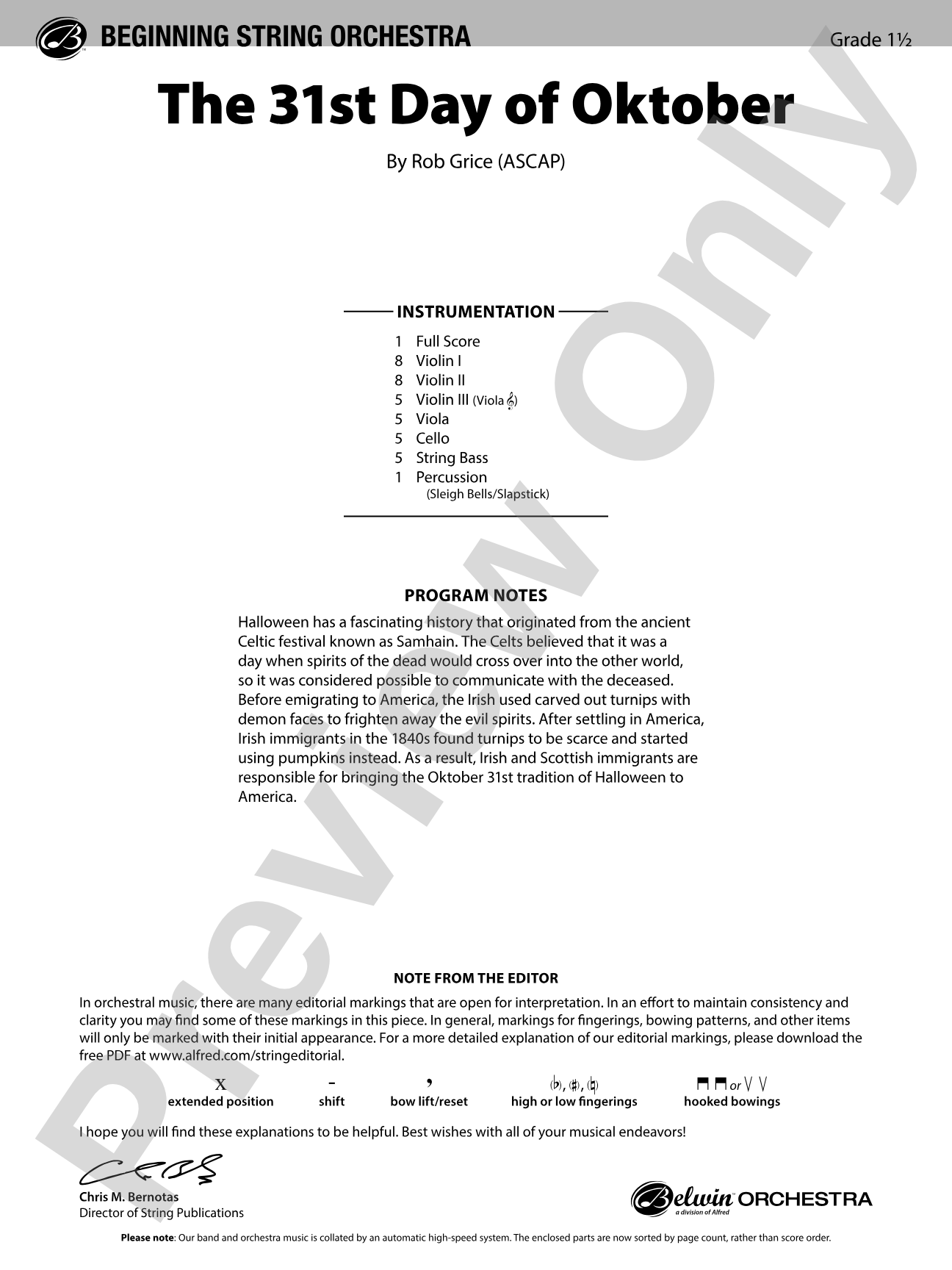
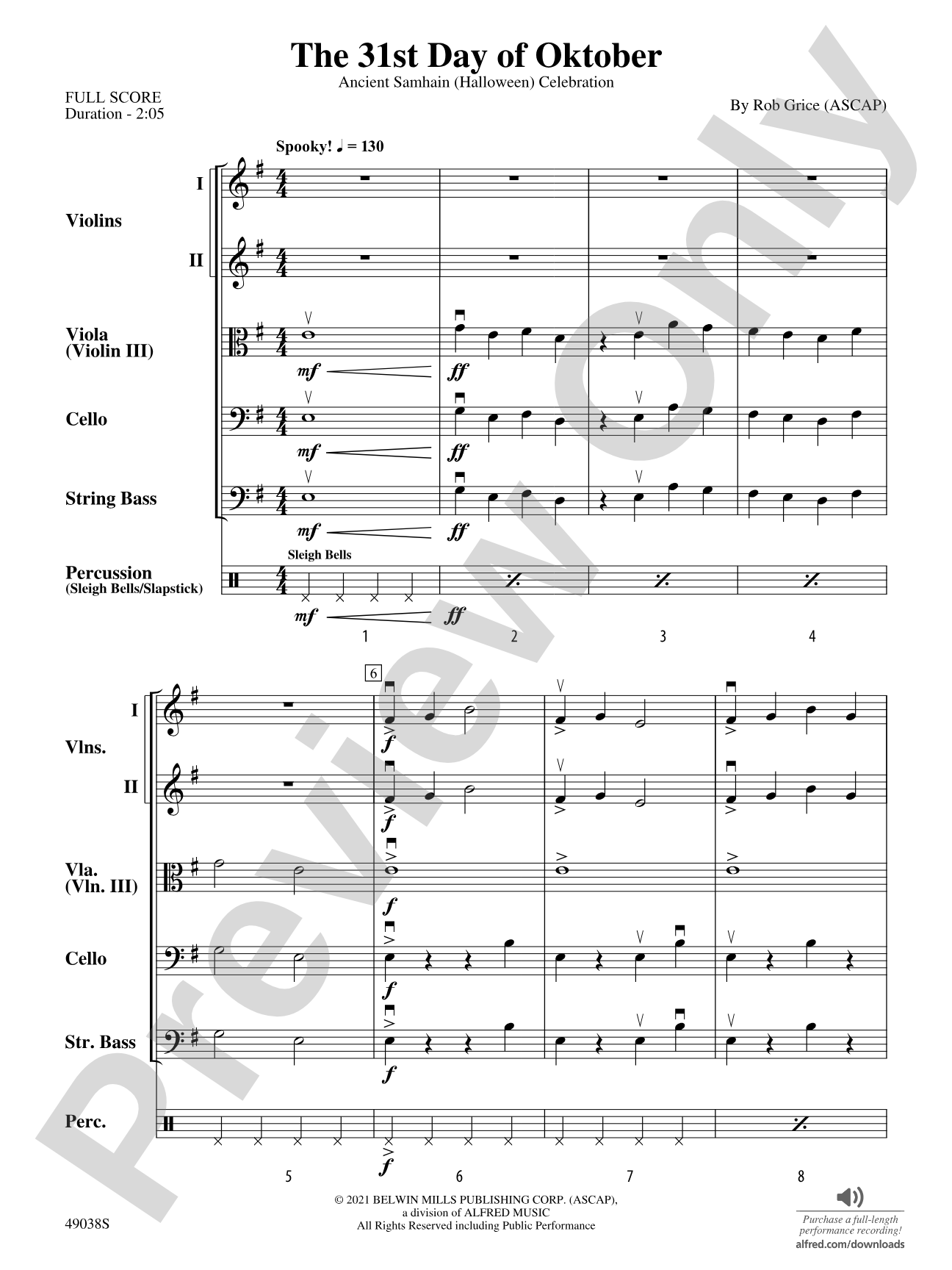
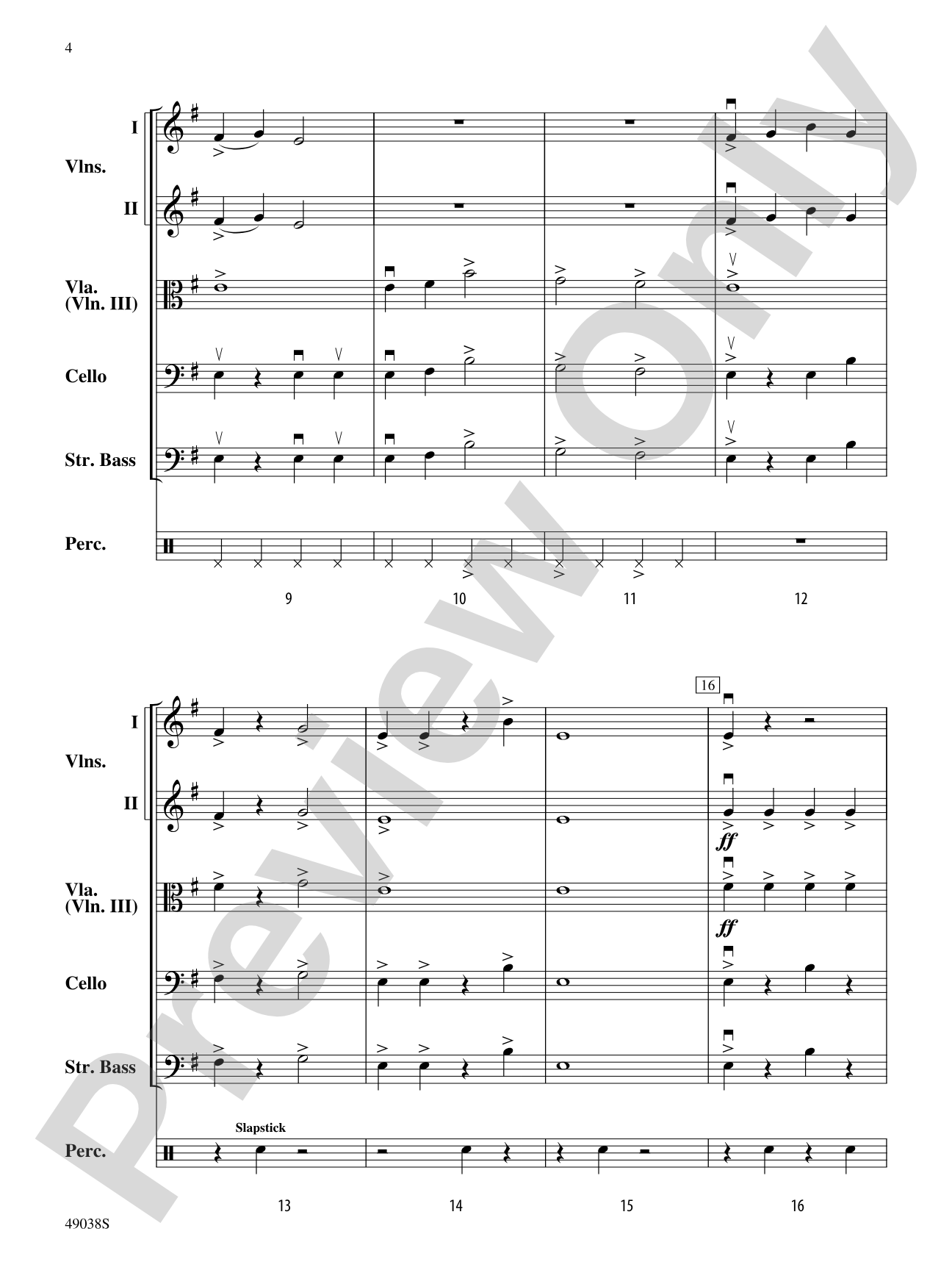
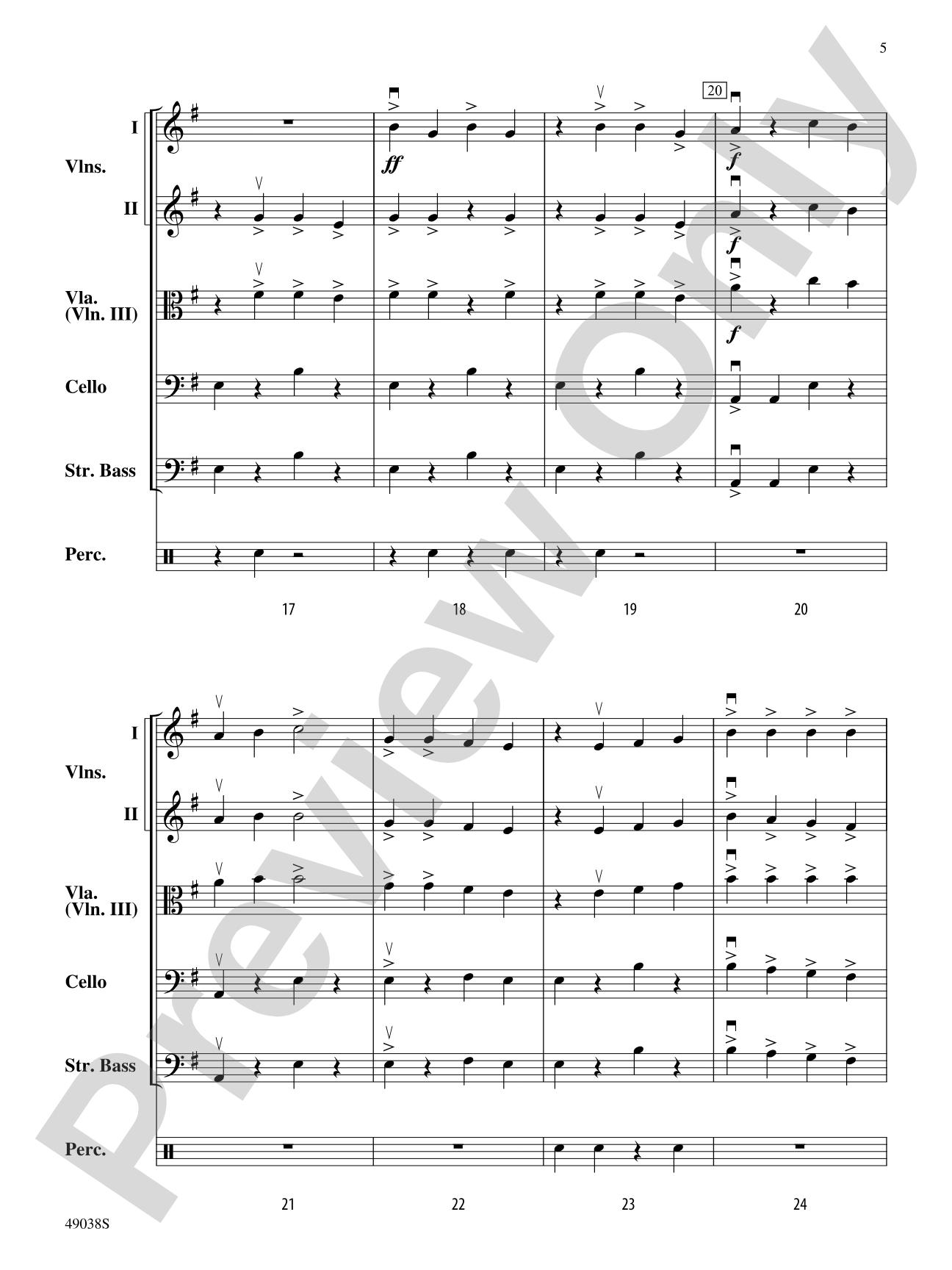
The 31st Day of Oktober, by Rob Grice, is intended to be a spooky musical journey through the early tale of Halloween. The ancient Celts believed that on this day spirits of the dead would cross over into the other world. Your beginning string players will ask to play this every day! It's hard to believe that six notes can be so effective and so scary! (2:05)


Don't just read it, hear it, play along with it, and watch your students grow with it. In MakeMusic Cloud, The 31st Day of Oktober: String Orchestra Conductor Score & Parts comes alive with professional accompaniment, adjustable tempo, and built-in practice tools that turn solo practice into real progress.
Open in the Player
Jump straight in and assign it today.
Start Your Free Trial
Open this title and explore the full library in minutes.
Sample Audio
1
Audio File
--:--
0:00
0:00
Sample Video
Additional Details
Series:
Belwin Beginning String Orchestra
Publisher:
Alfred Music
Page Count:
49
SKU:
00-PK-0008351
More about this title
About the Composer: Rob Grice

Rob Grice has established himself as a composer and arranger whose works circulate through music education networks across North America, Europe, and beyond. His compositions have been performed at prestigious venues including Carnegie Hall and the Midwest Clinic, and many appear on state and national festival repertoire lists. His background as a classroom educator at elementary, secondary, and community college levels informs the pedagogical clarity of his writing.
Grice's contributions to music education have been recognized with the Secondary Teacher of the Year award from the Enterprise City School System in Enterprise, Alabama, and the Golden Apple Award from WDHN-TV18. He remains active as a guest conductor, clinician, and adjudicator, bringing his expertise to ensemble directors across multiple instrumental settings.
Why we love this
Grice proves that Grade 1.5 writing doesn't require complexity to be genuinely engaging. The harmonic simplicity and limited pitch content create a haunting atmosphere that feels sophisticated while remaining completely accessible to developing string players. This piece shows the difference between easy-to-play and easy-to-dismiss.
What to expect
A slow, deliberate walk through a Celtic twilight, where six notes repeat like an incantation drawing closer something ancient and unseen. The sparse orchestration feels haunted precisely because it leaves room for imagination, building tension through restraint rather than abundance.
Who it's for
This work serves beginning string orchestras ready to tackle a complete performance piece with genuine musical character. Players at this level often benefit from repertoire that rewards their improving intonation and bow control without demanding technical pyrotechnics, making this an ideal seasonal choice.
How to get the most out of it
- Establish a clear, sustained bow pressure in the opening unison phrase. The six-note melodic idea depends on consistent tone quality to register as 'spooky' rather than thin.
- Encourage cellists and basses to anchor the harmonic foundation with a warm, supported tone. Their stability allows upper strings to shape the melody with confidence.
- Shape phrases with slight rubato in the exposed sections. Young players often hold notes rigidly; gentle tempo flexibility on longer notes can deepen the atmospheric effect.
- Balance the octaves carefully between melody and accompaniment voices. Avoid letting the harmonic support overwhelm the main idea, which relies on clarity.
How to use it
This sits perfectly in a fall concert or Halloween-themed assembly program, offering a complete musical statement in under two and a half minutes. Pair it alongside lighter, faster selections to create dramatic contrast, or use it as a transition piece that sets mood for a thematic program about folklore and seasons.
Skills your students will build
- Sustaining long tones with consistent tone quality and intonation
- Reading unison and divisi string textures
- Responding to conductor cues for ensemble entrances and releases
- Shaping melodic phrases through bow control rather than technique