
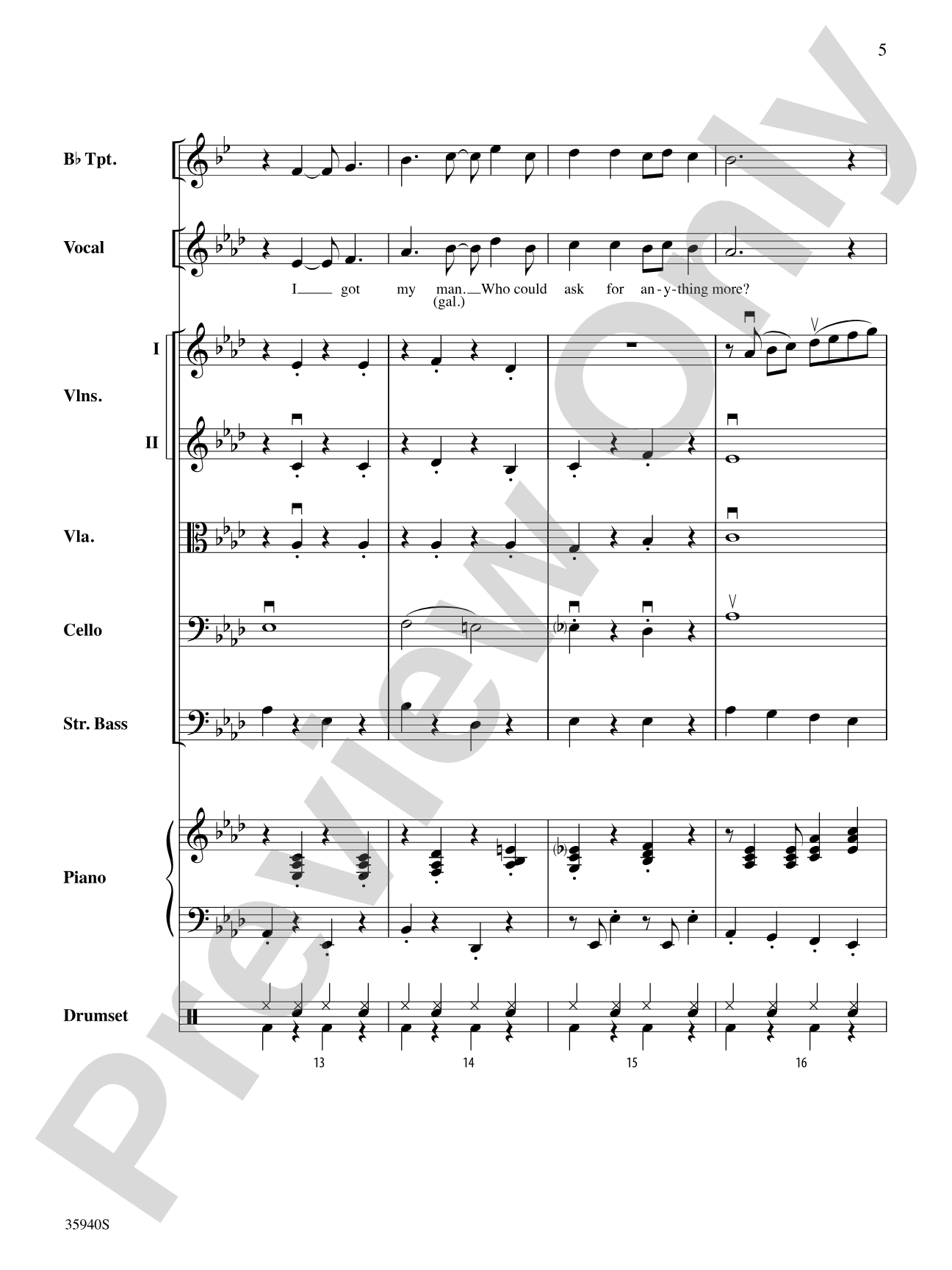
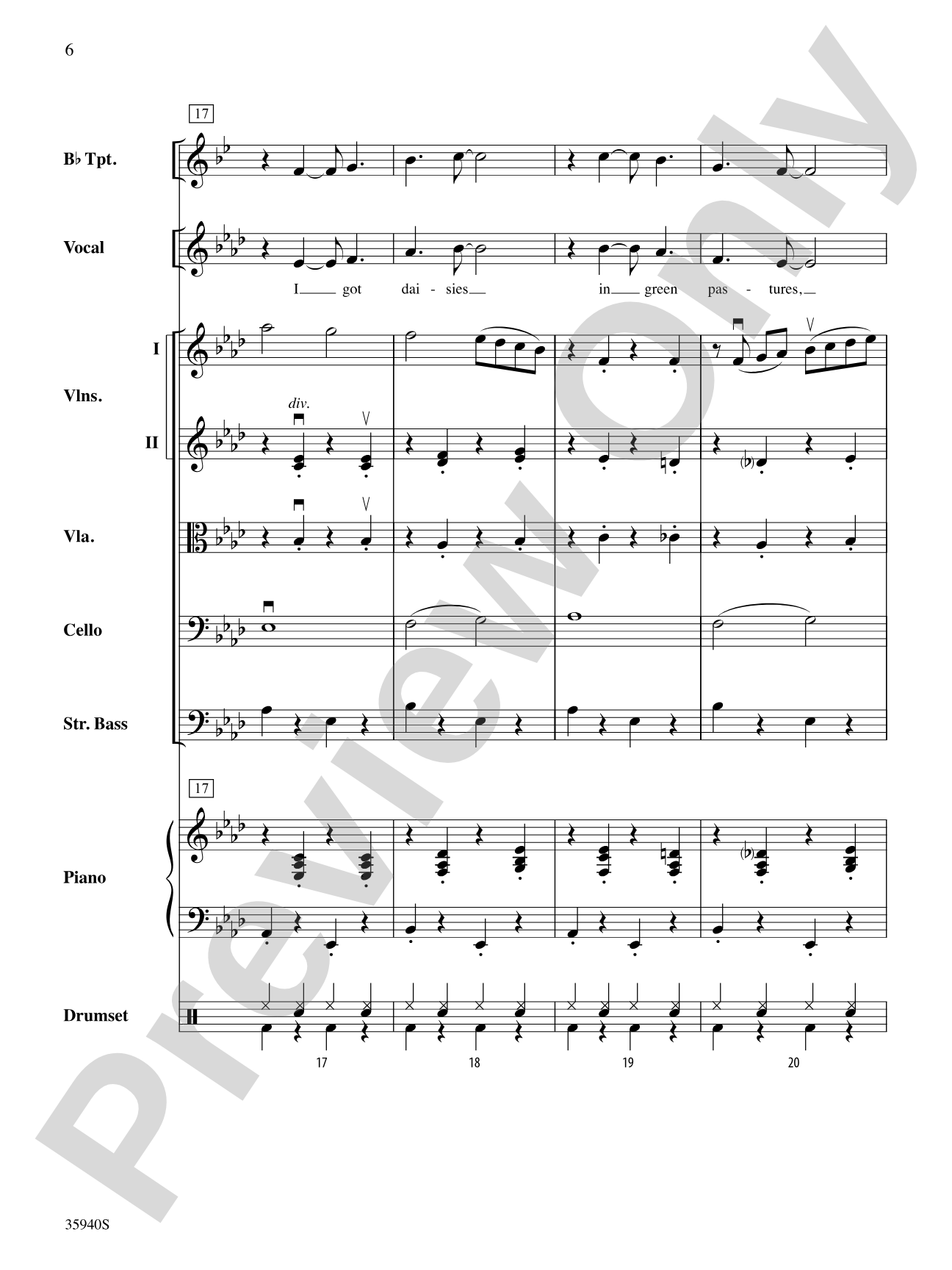
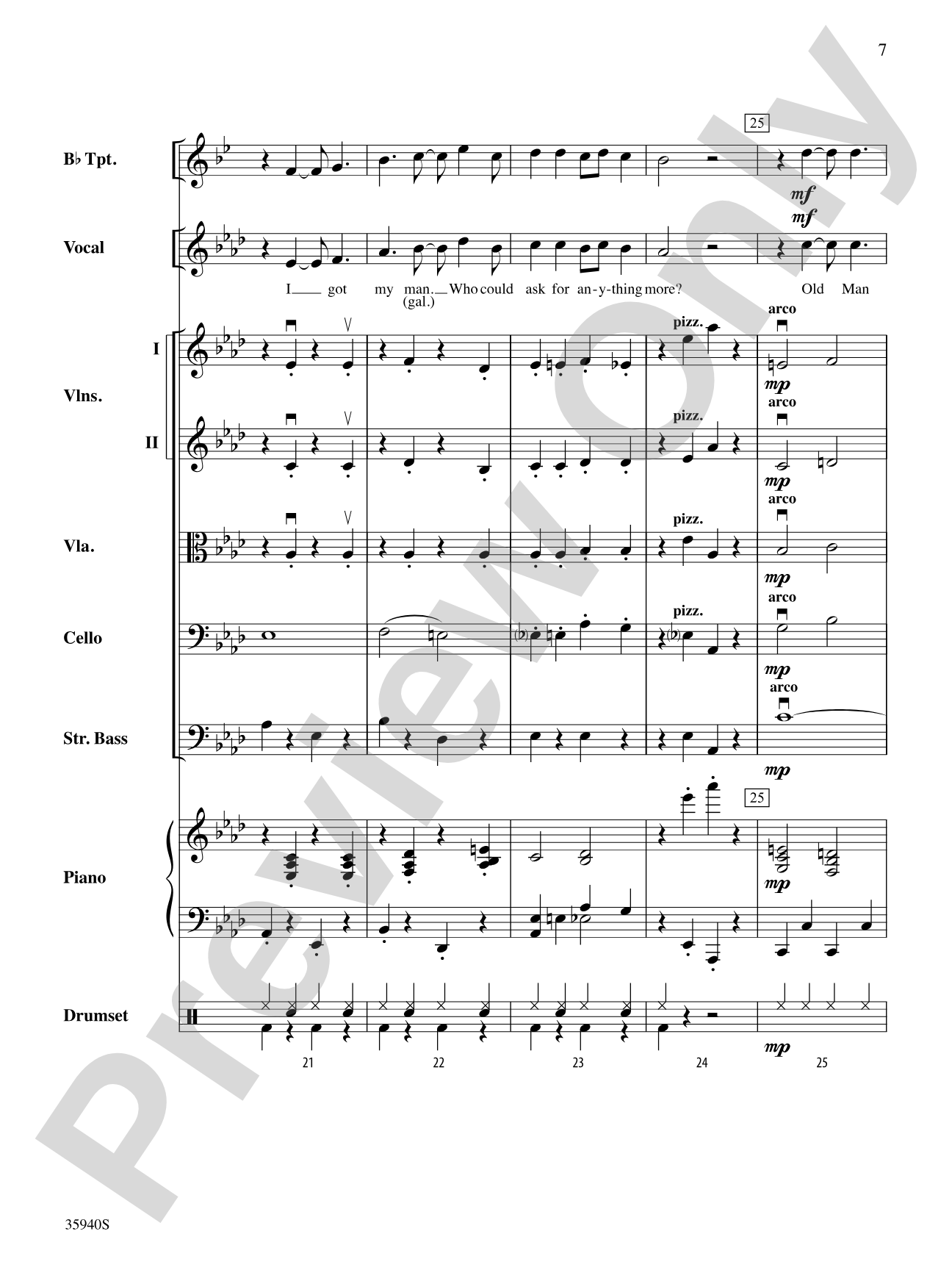
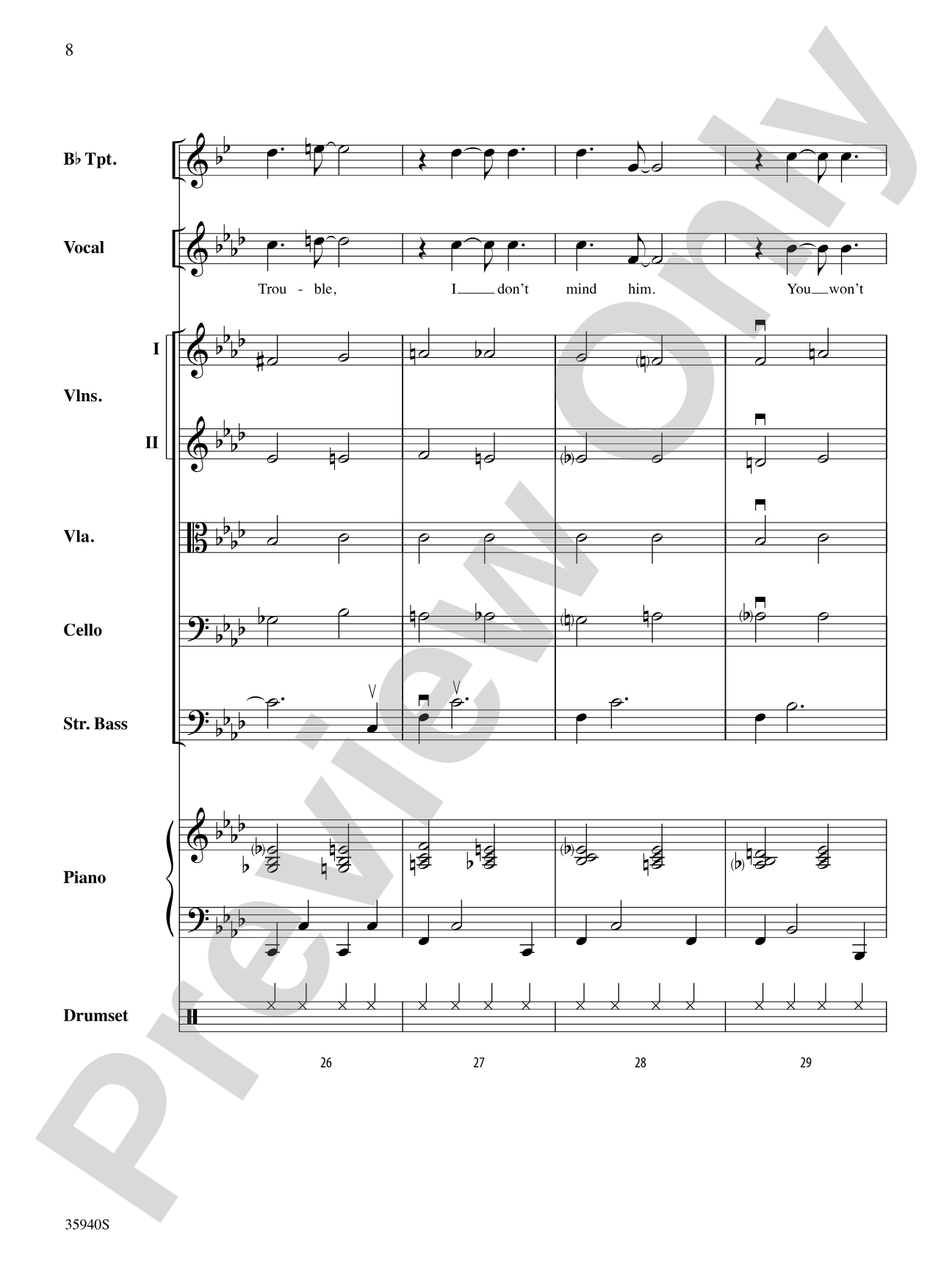
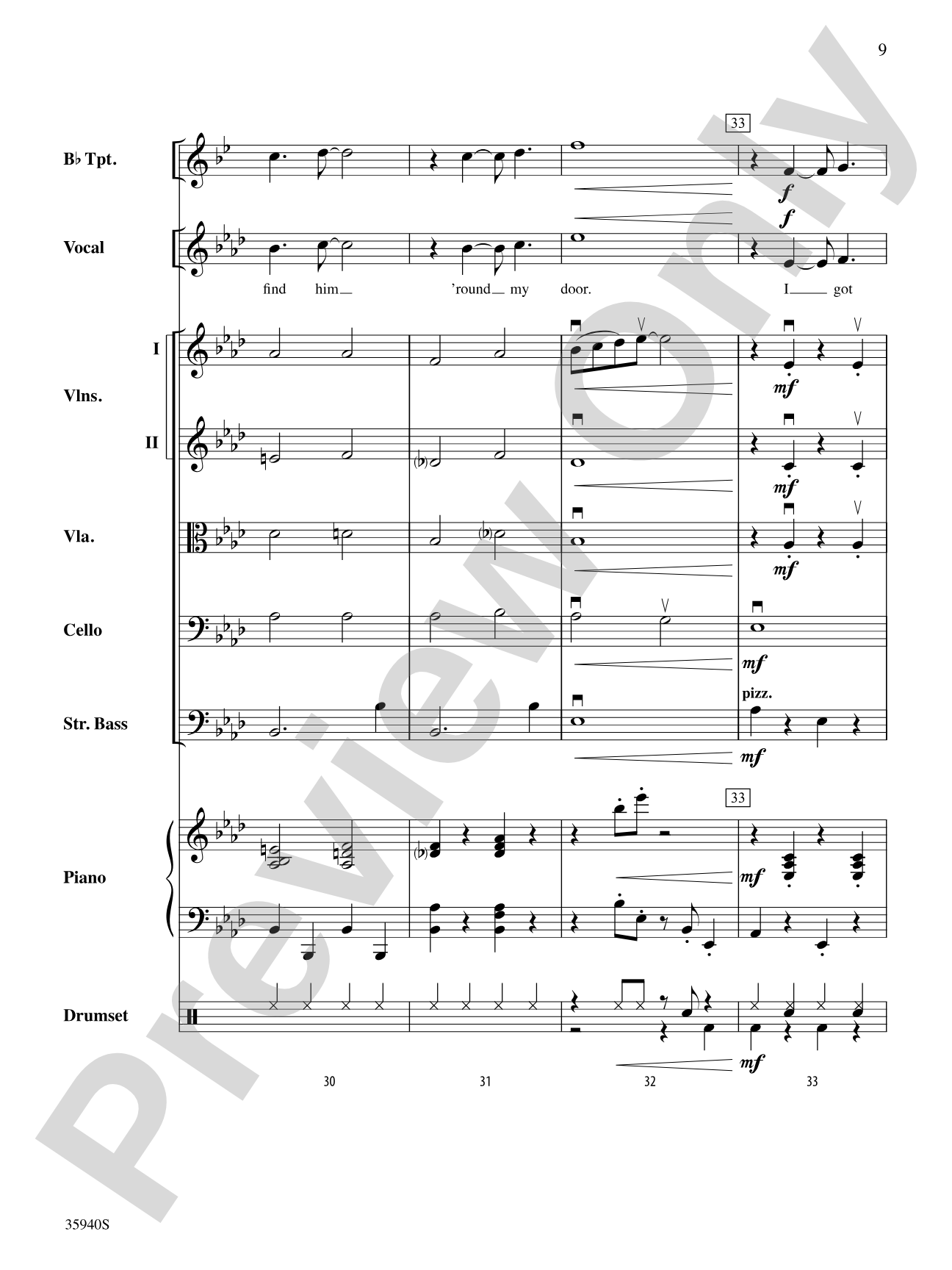
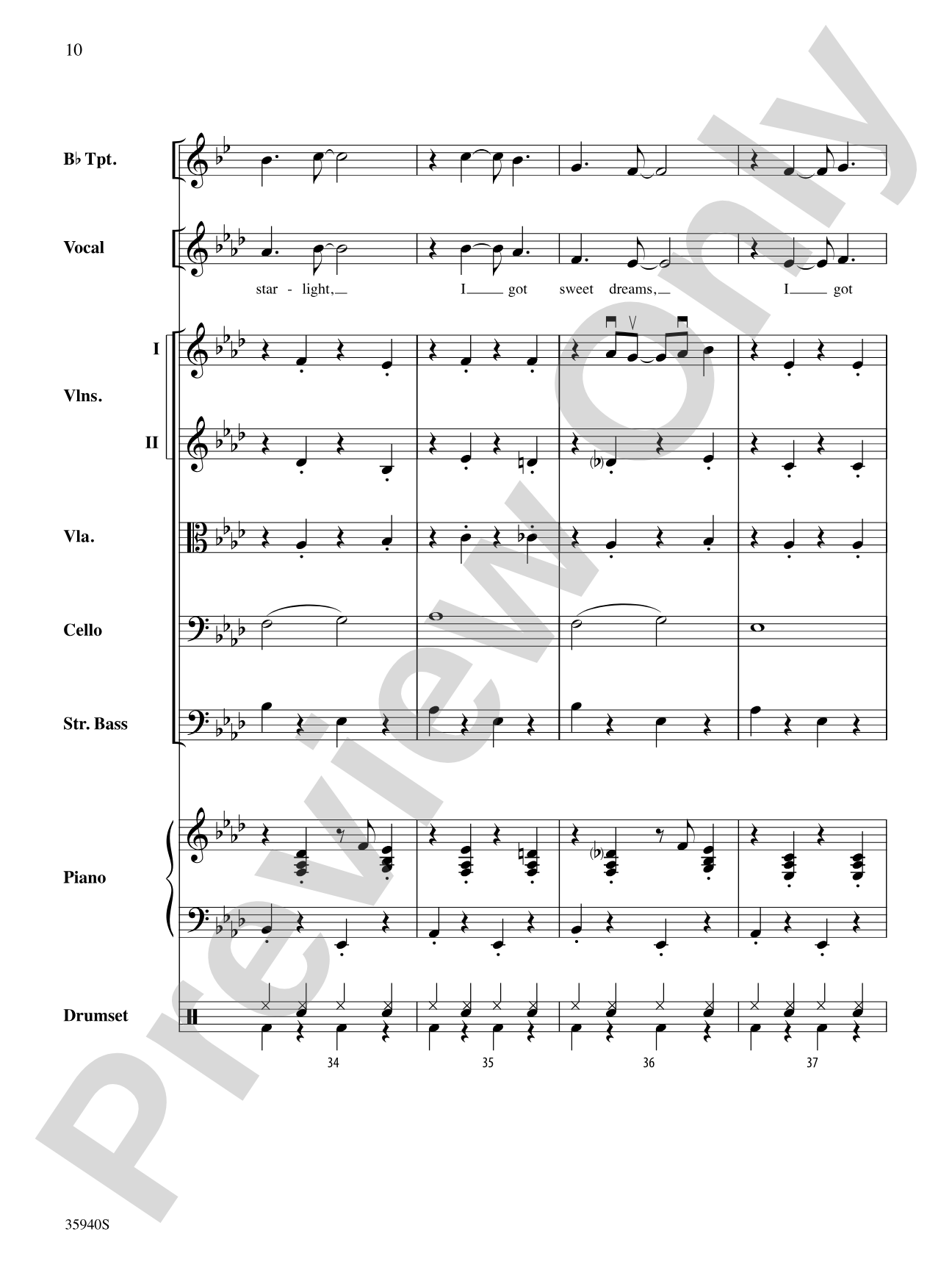
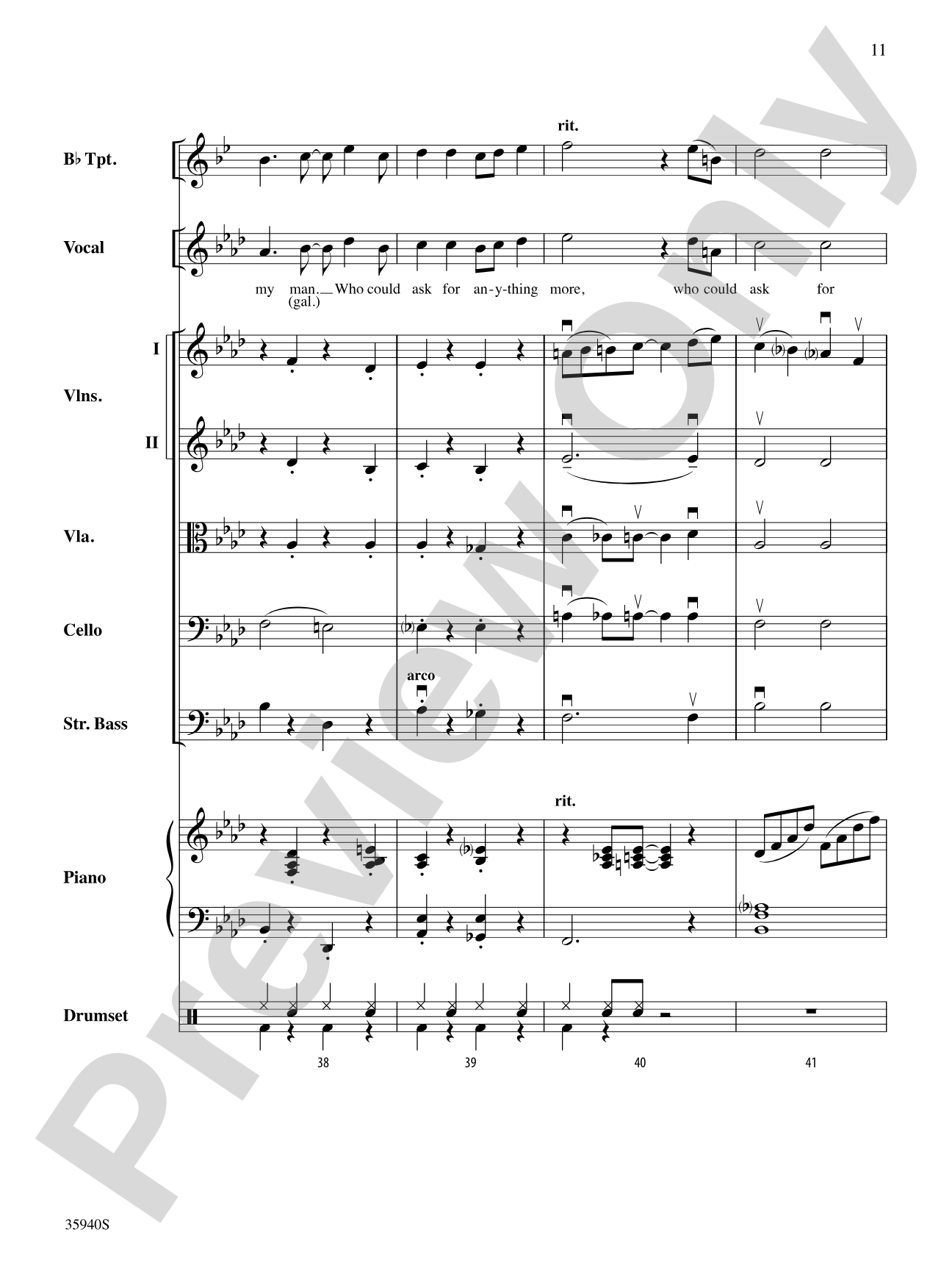
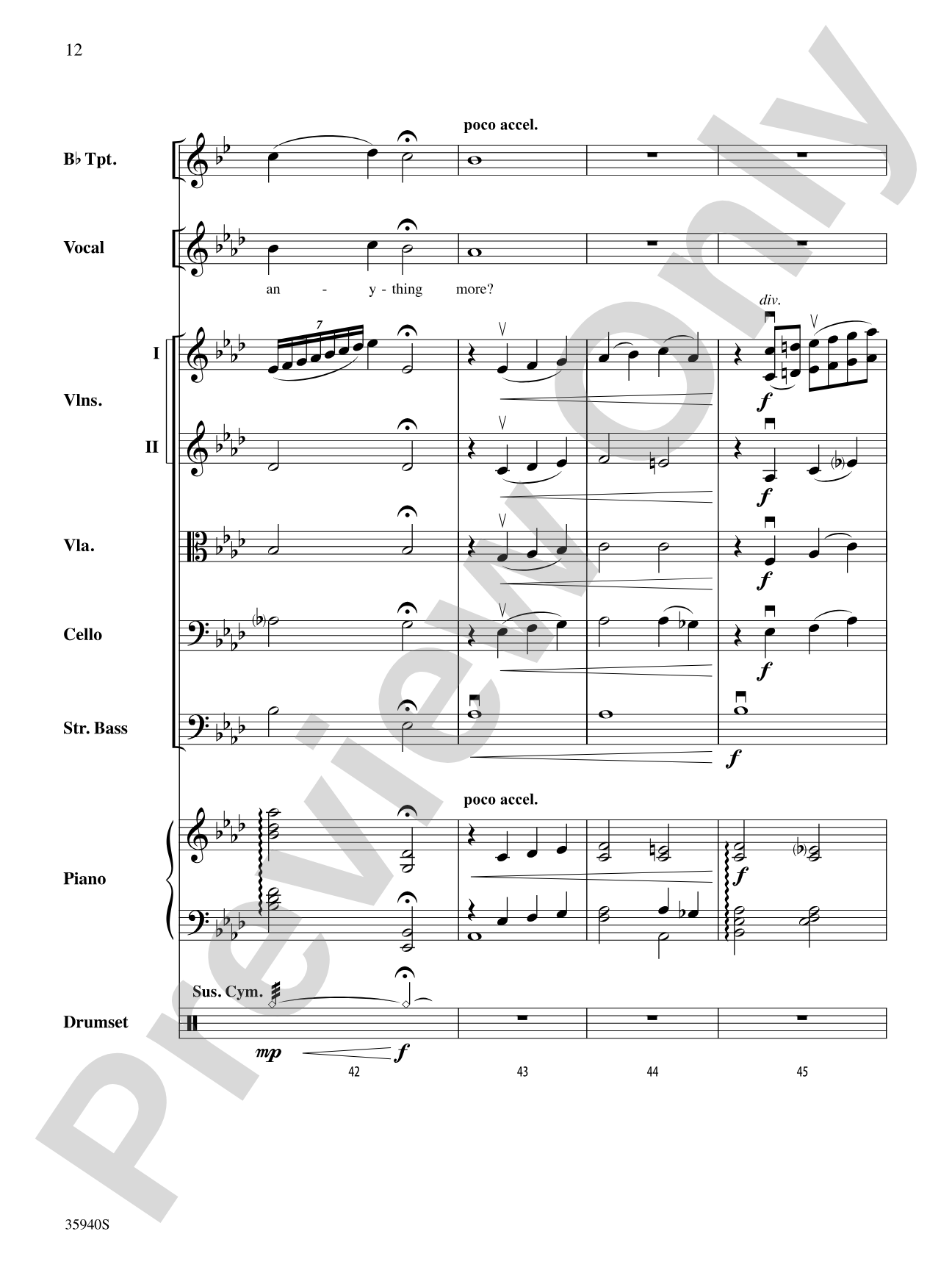
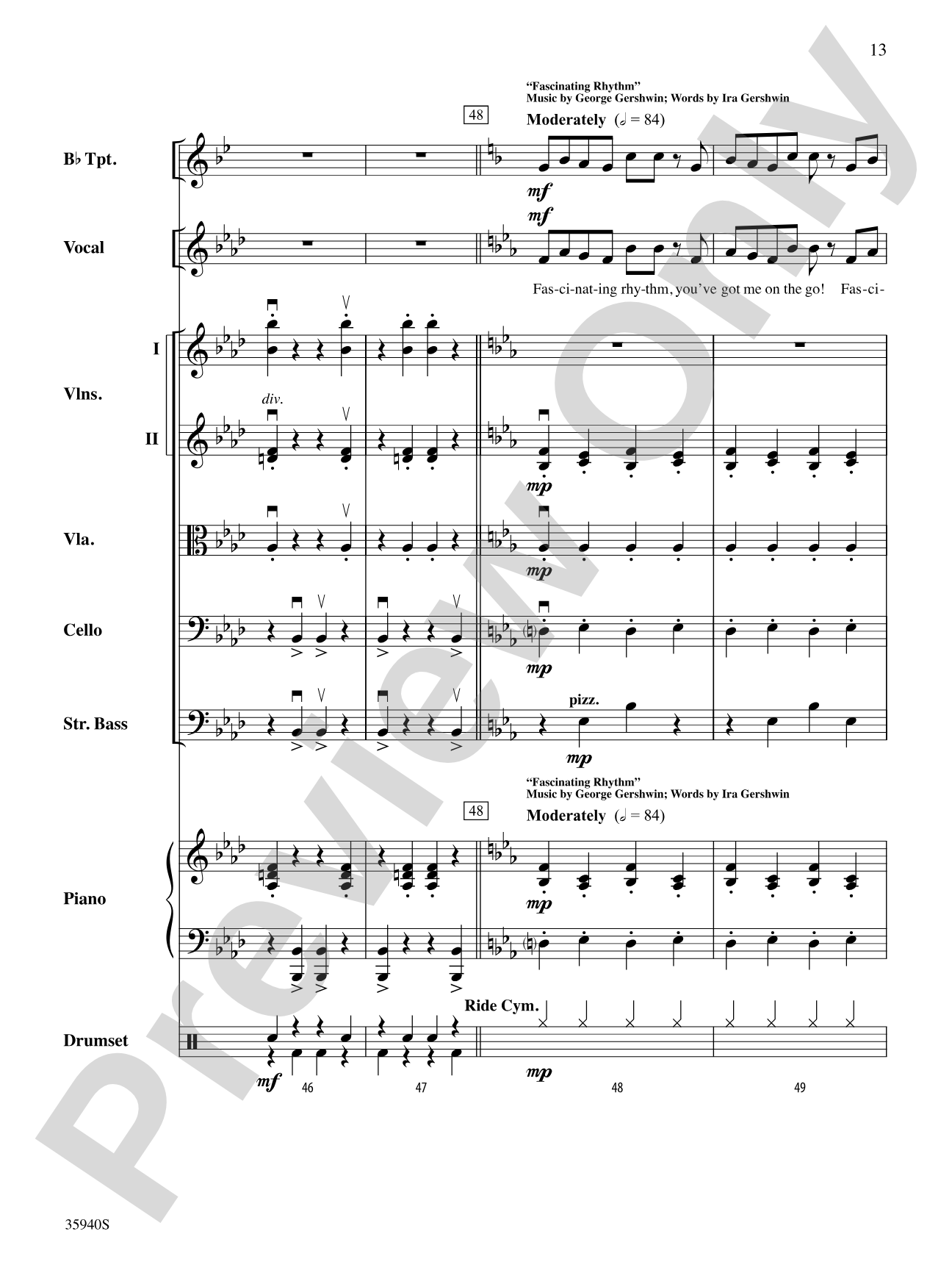
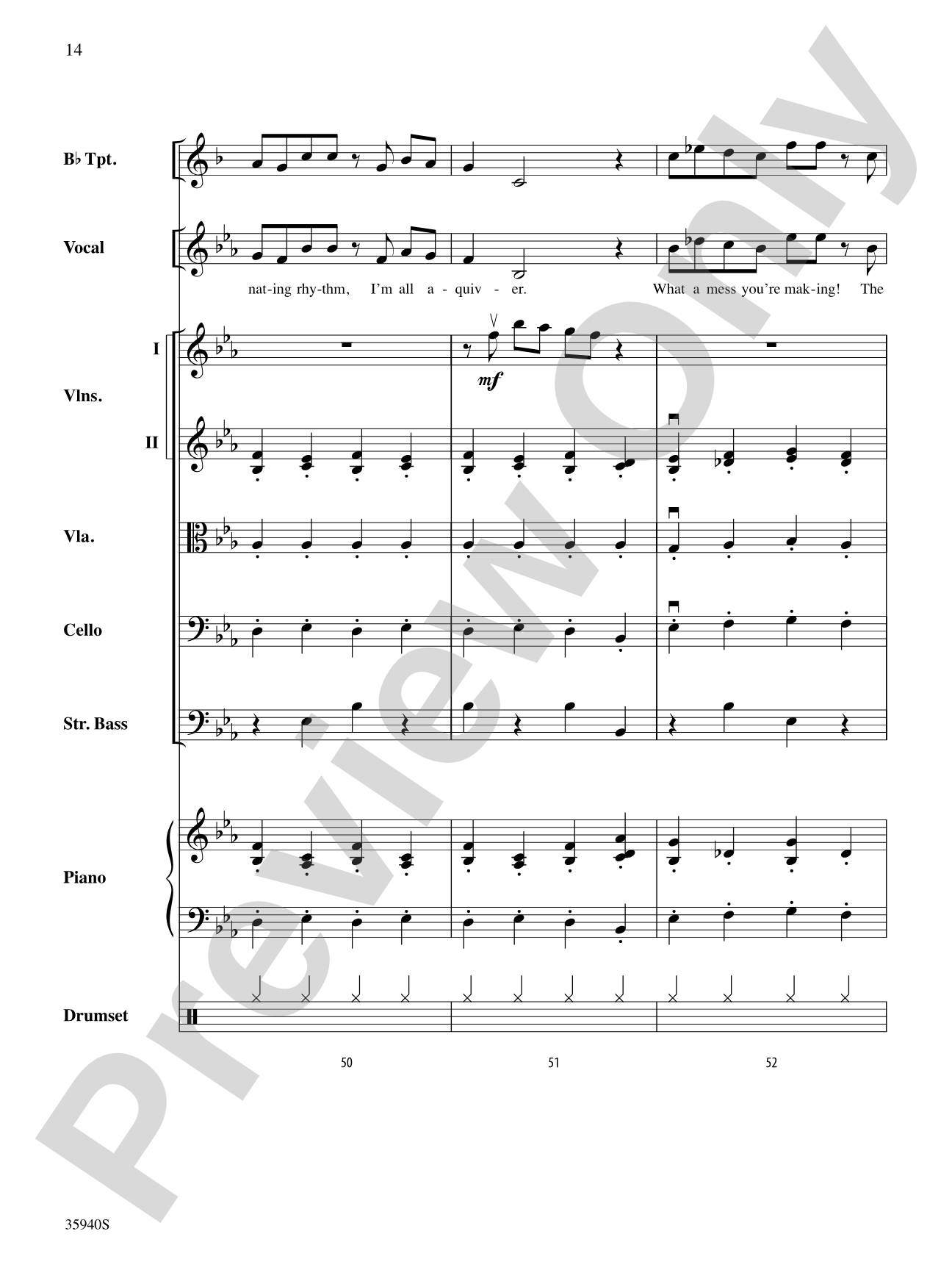
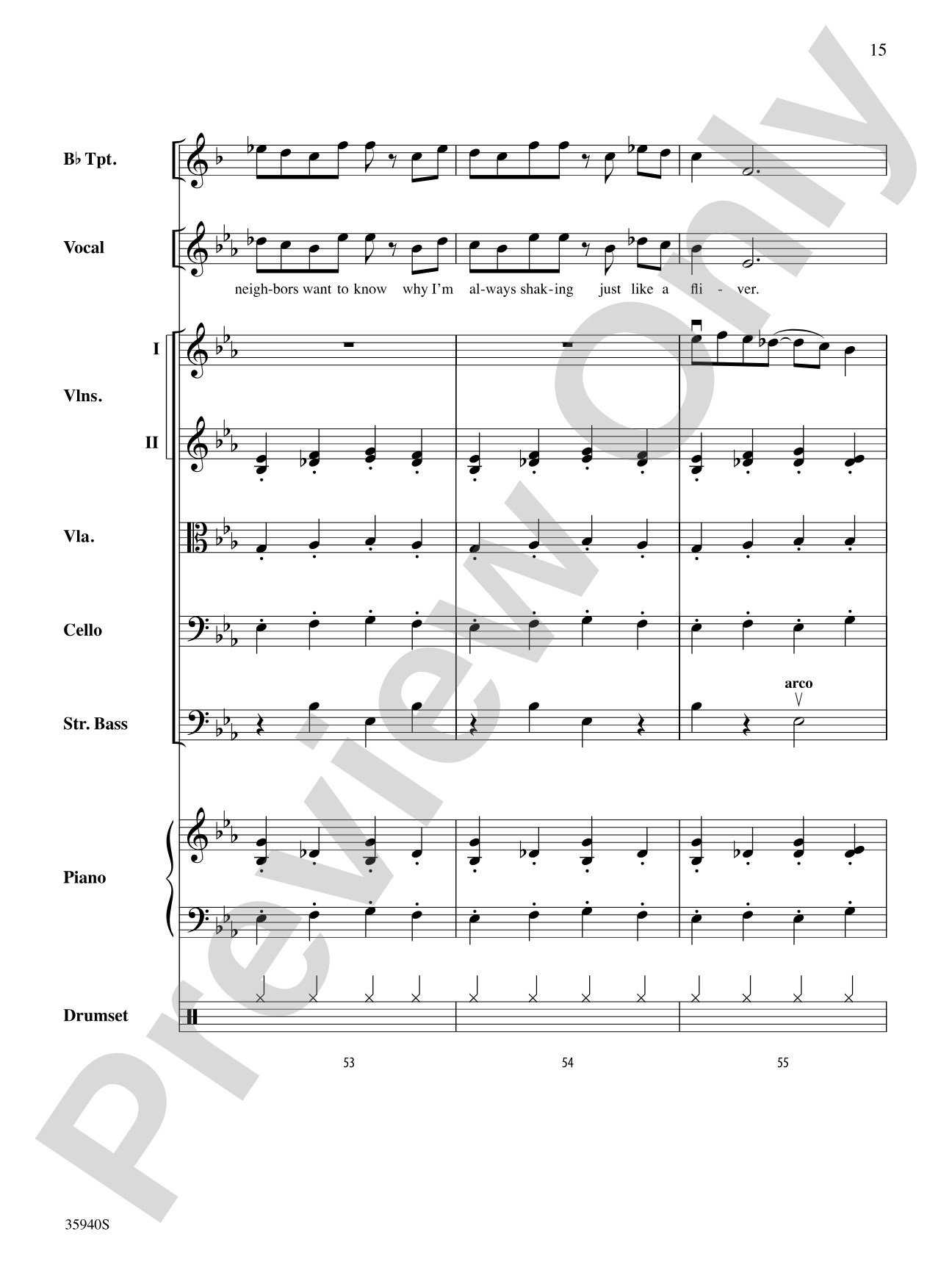
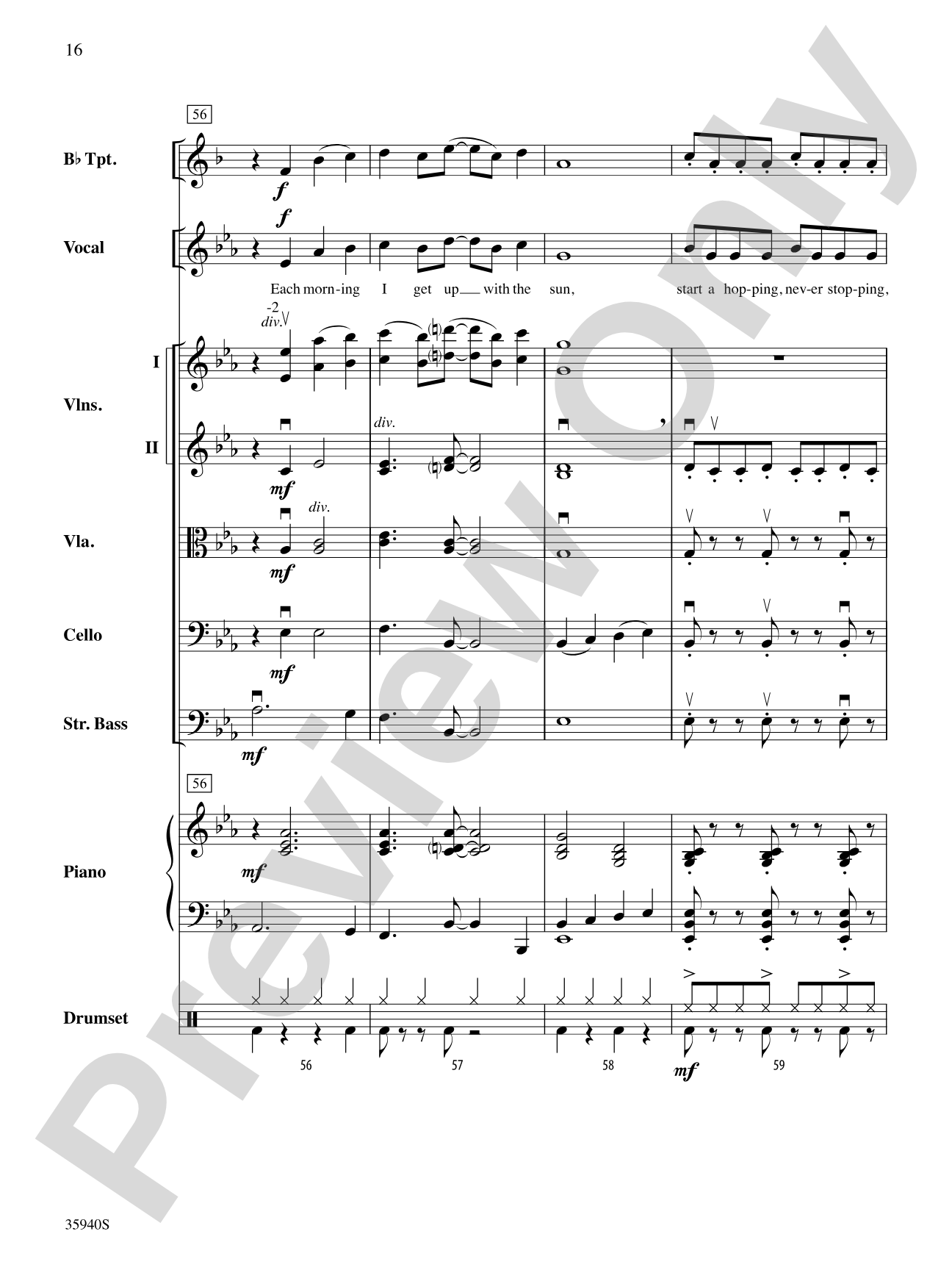
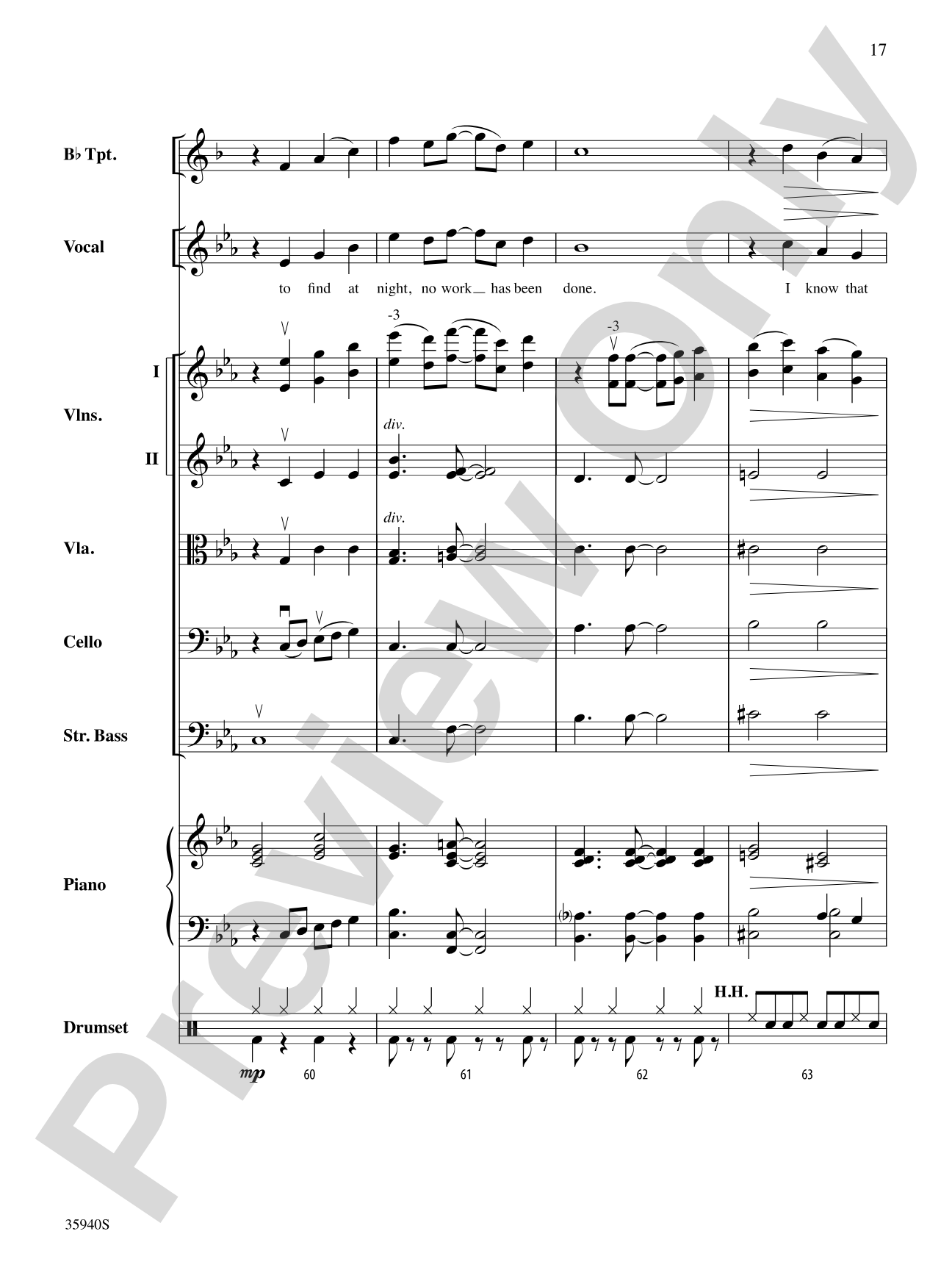
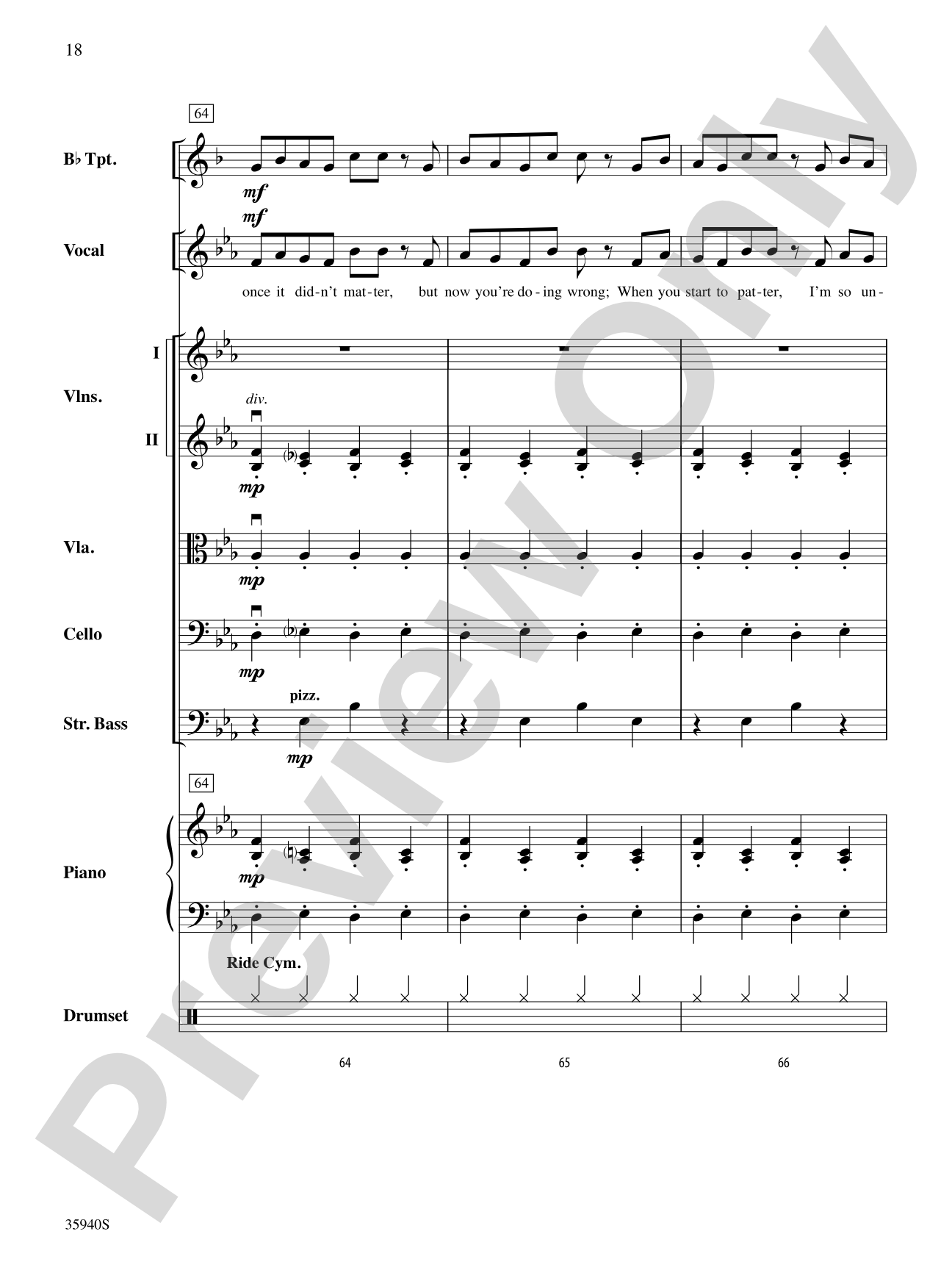
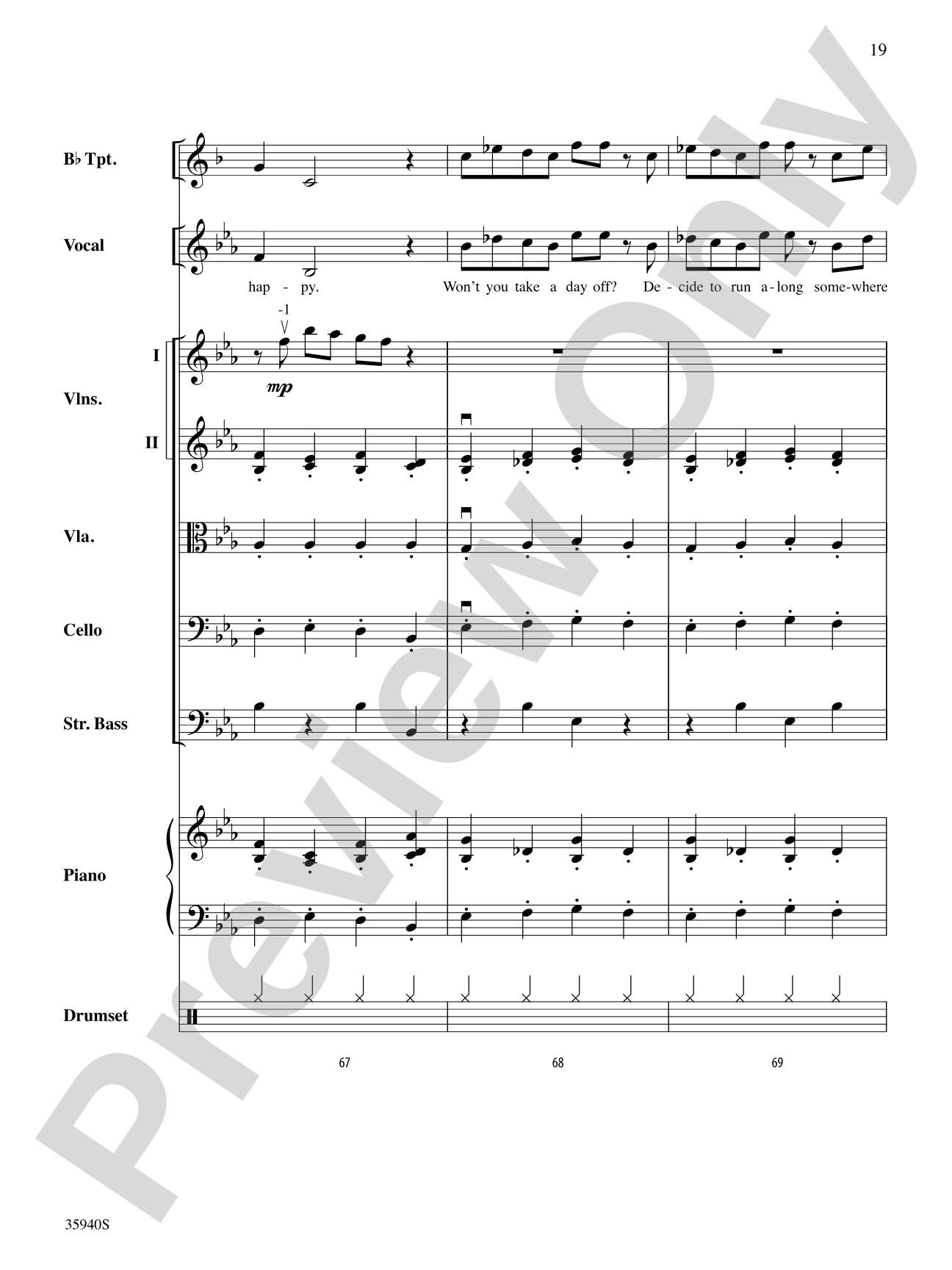
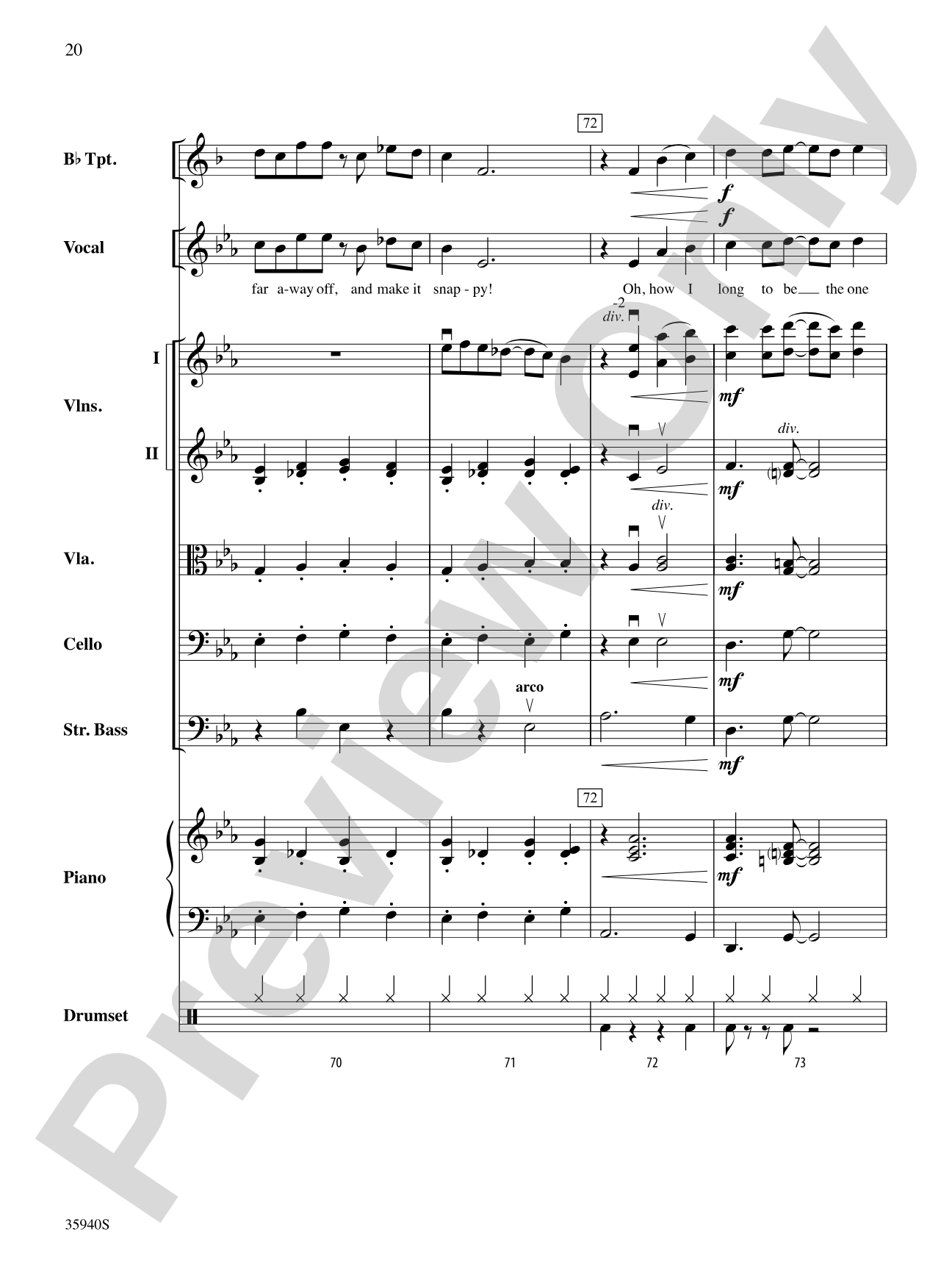
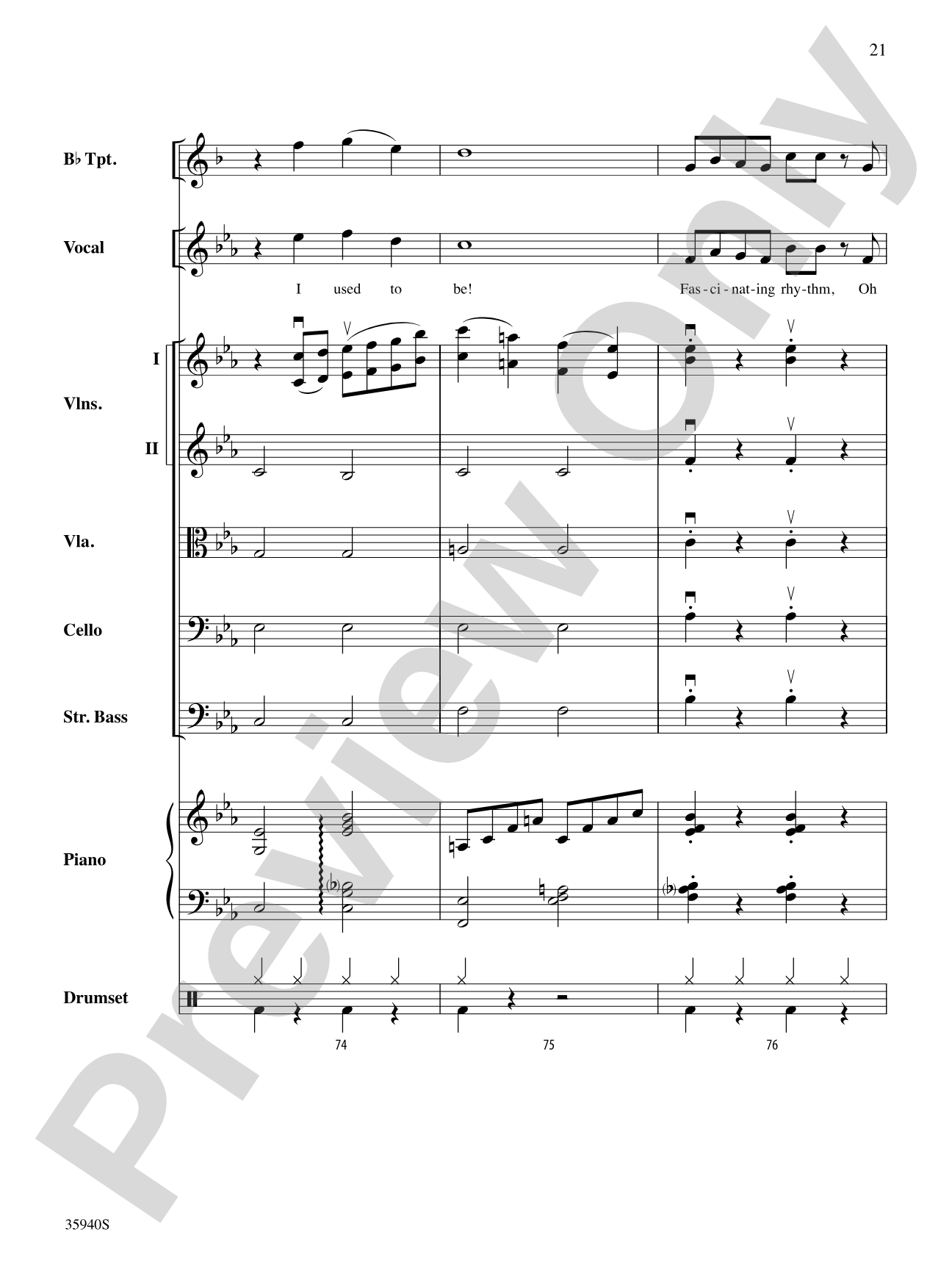
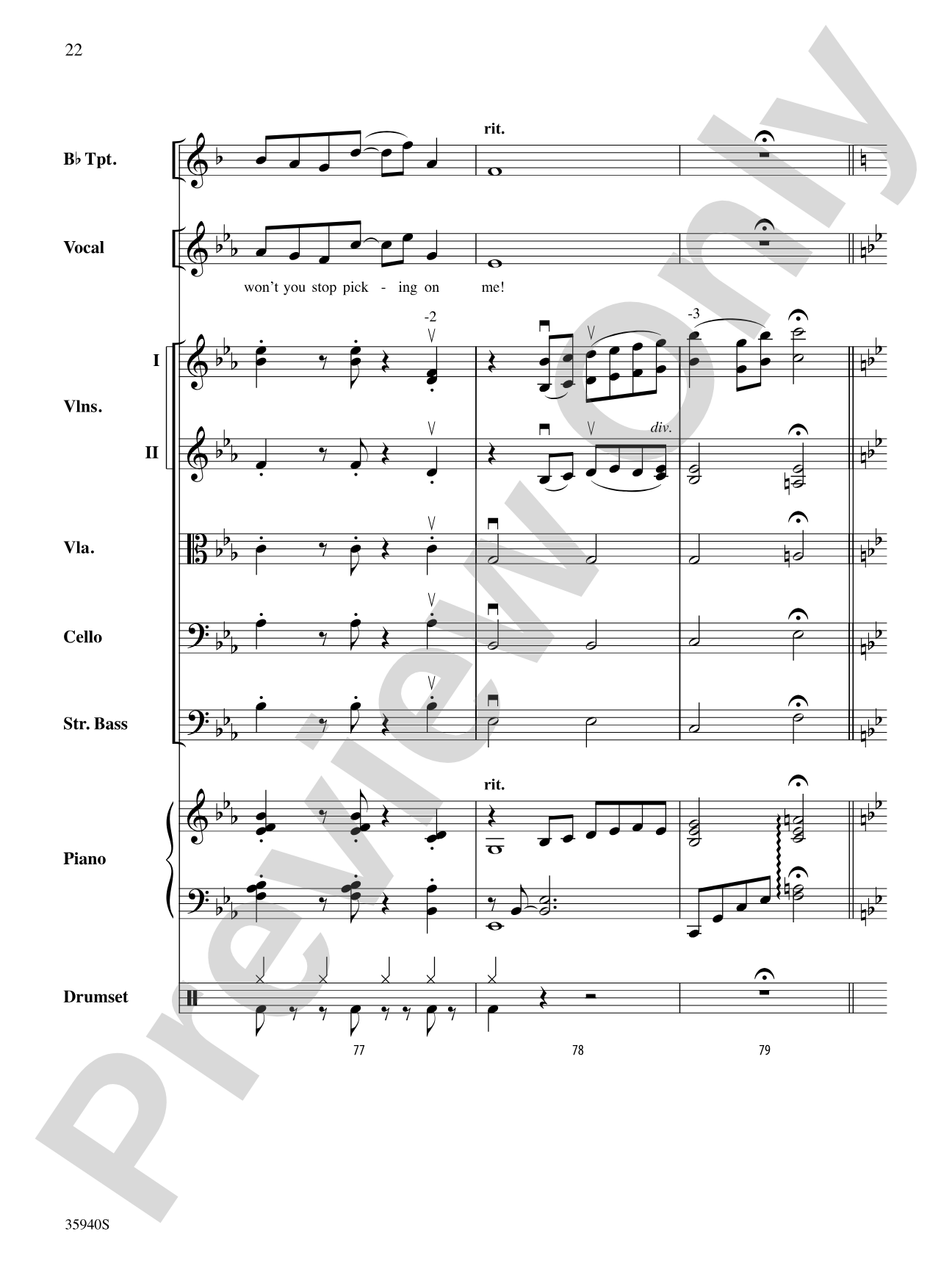
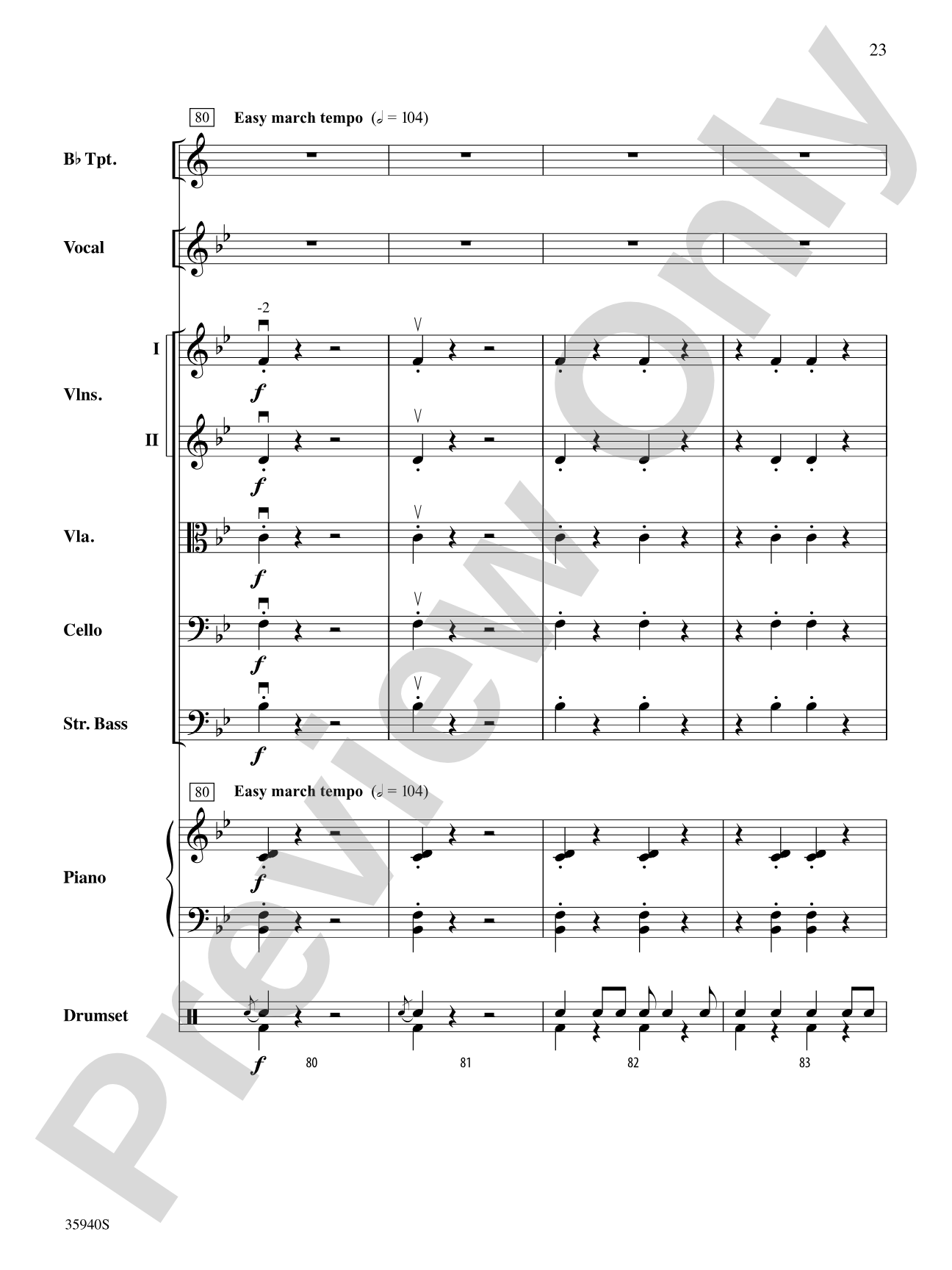
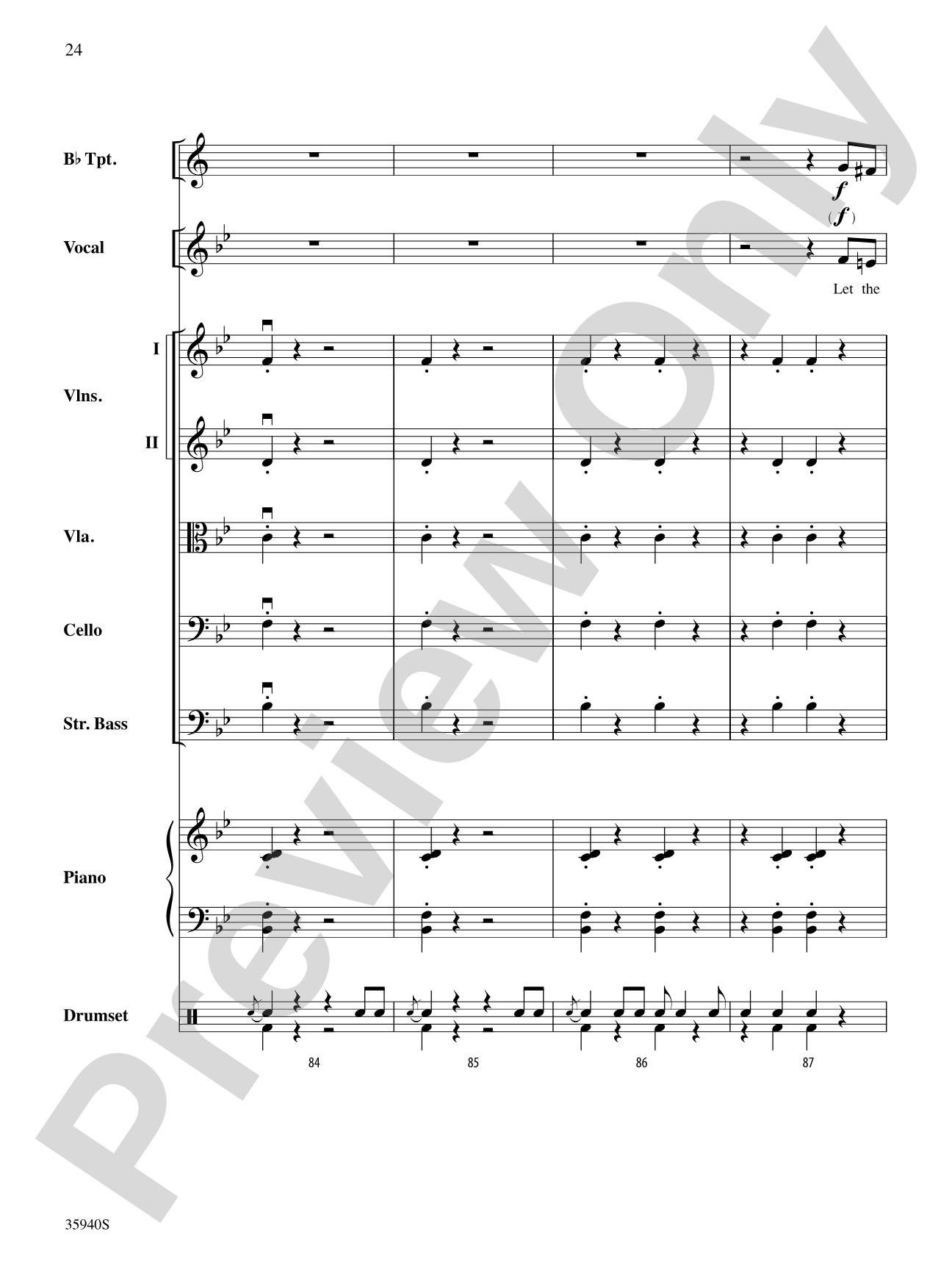
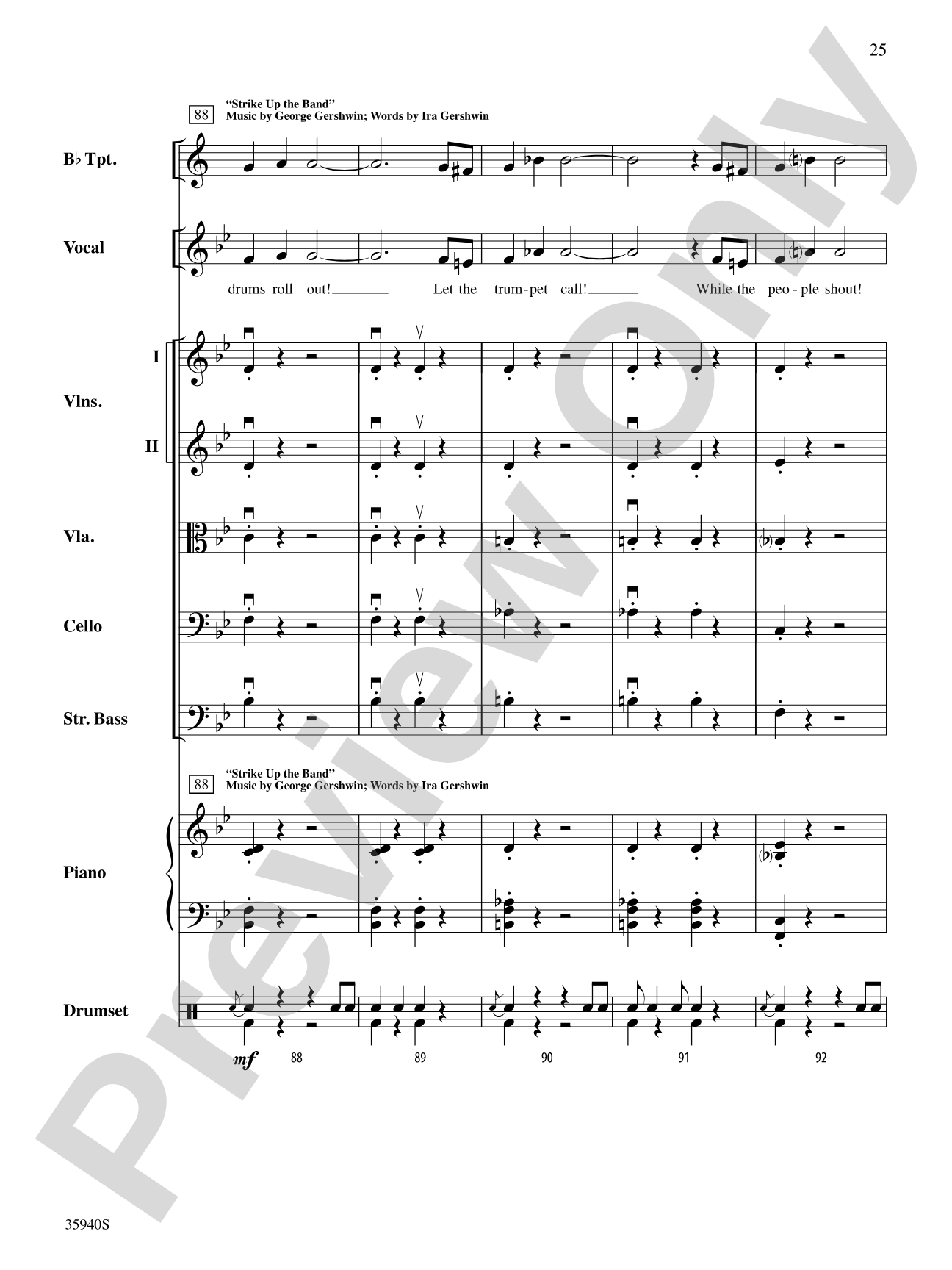
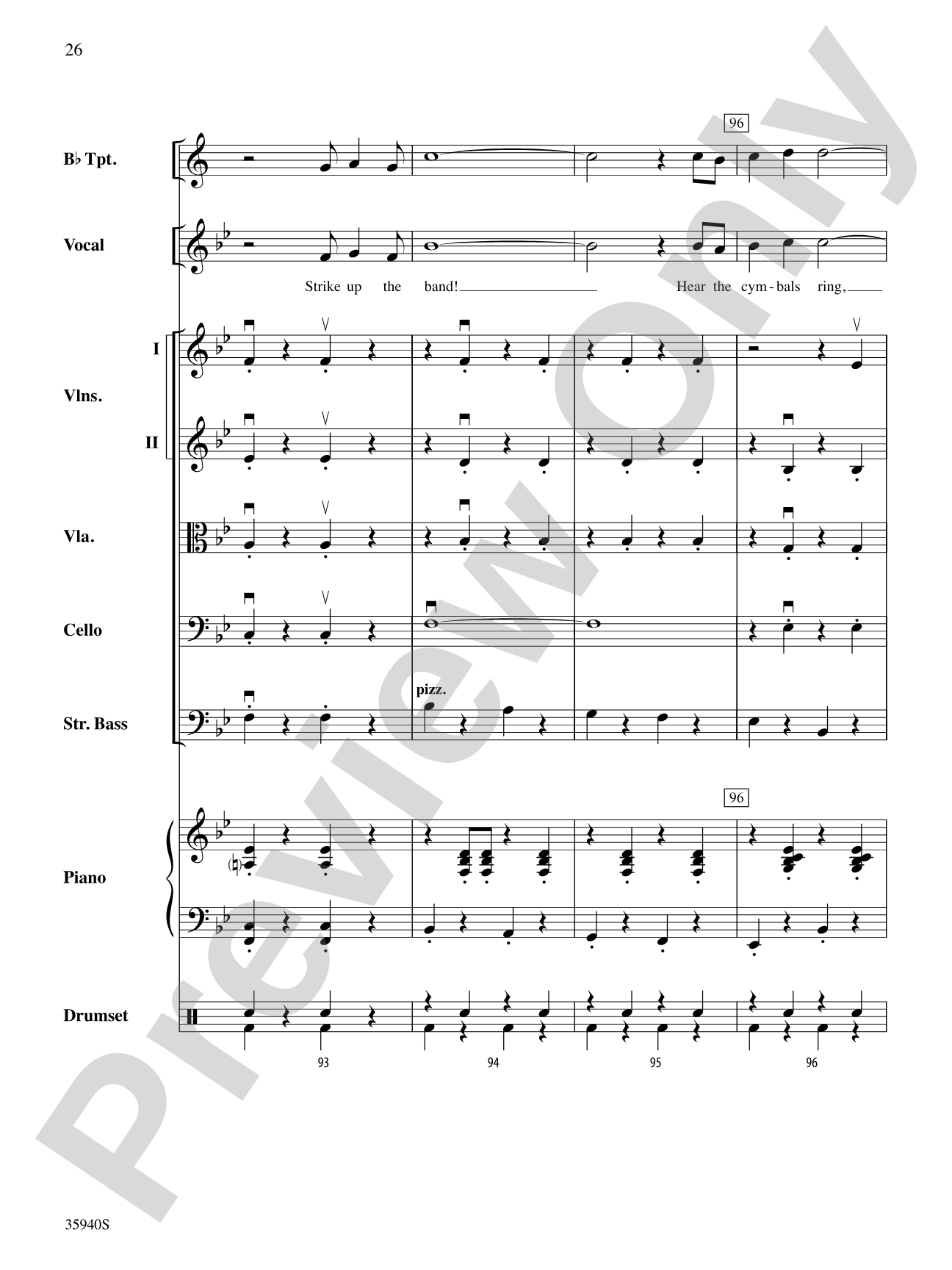
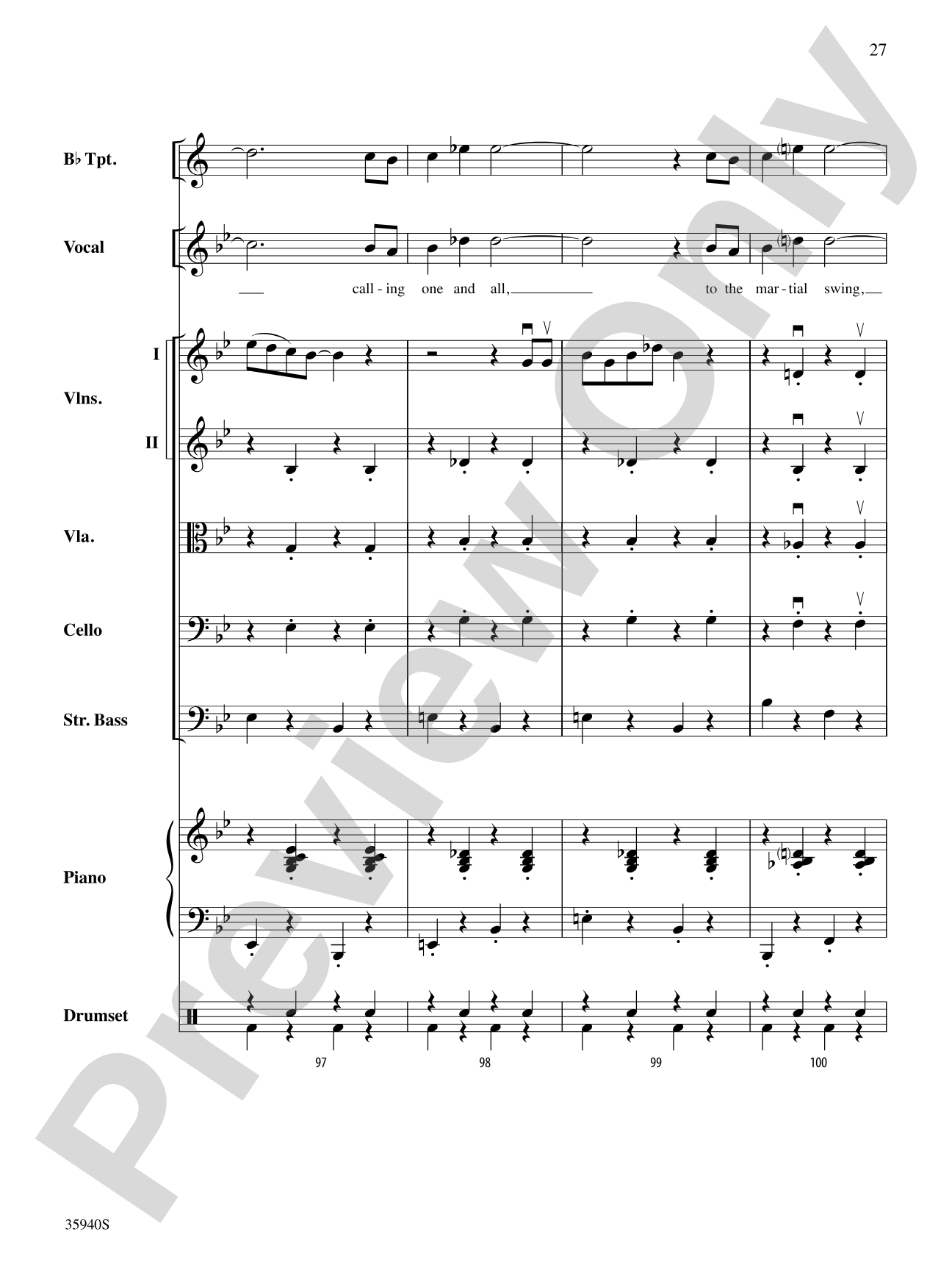
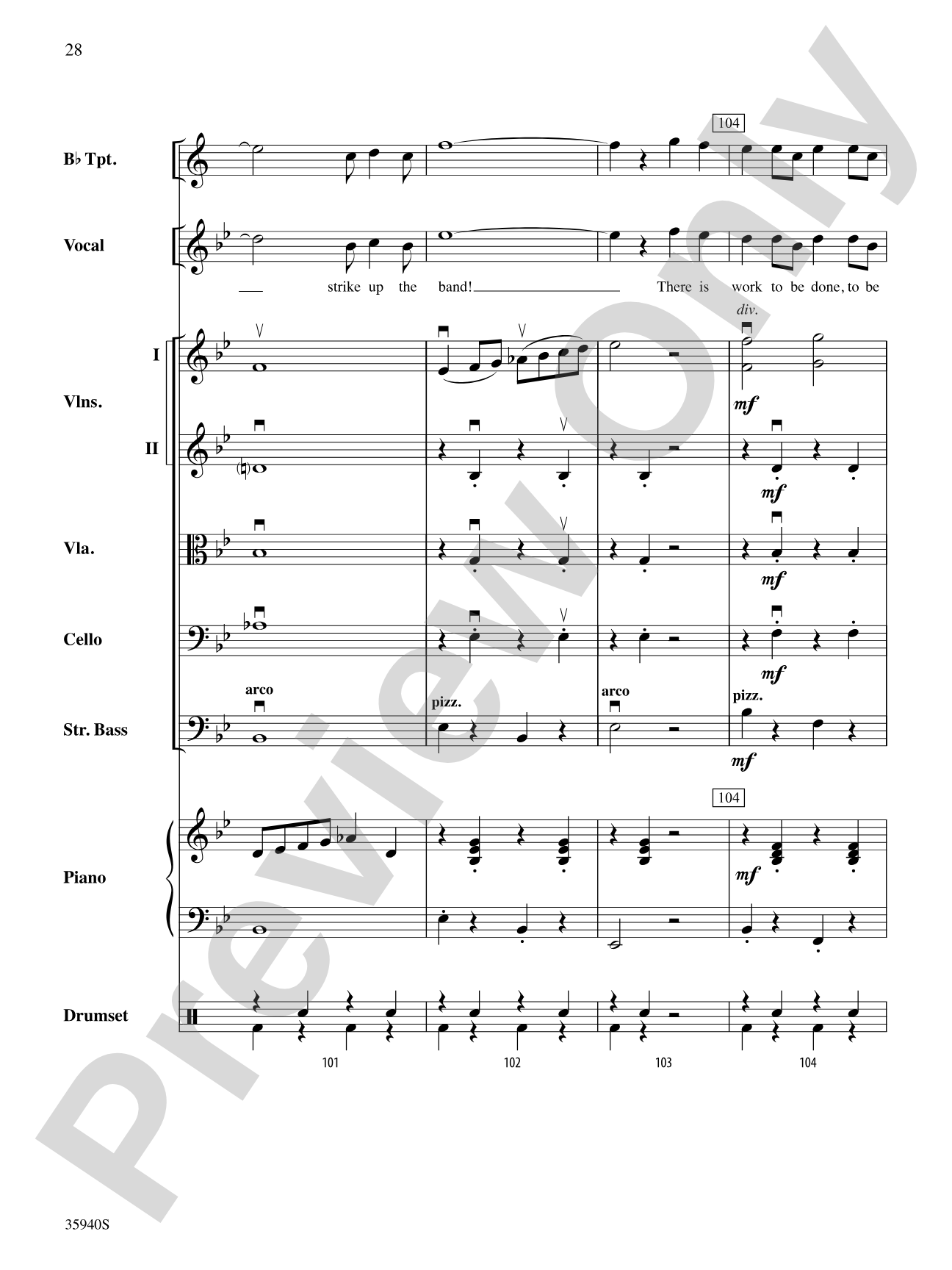
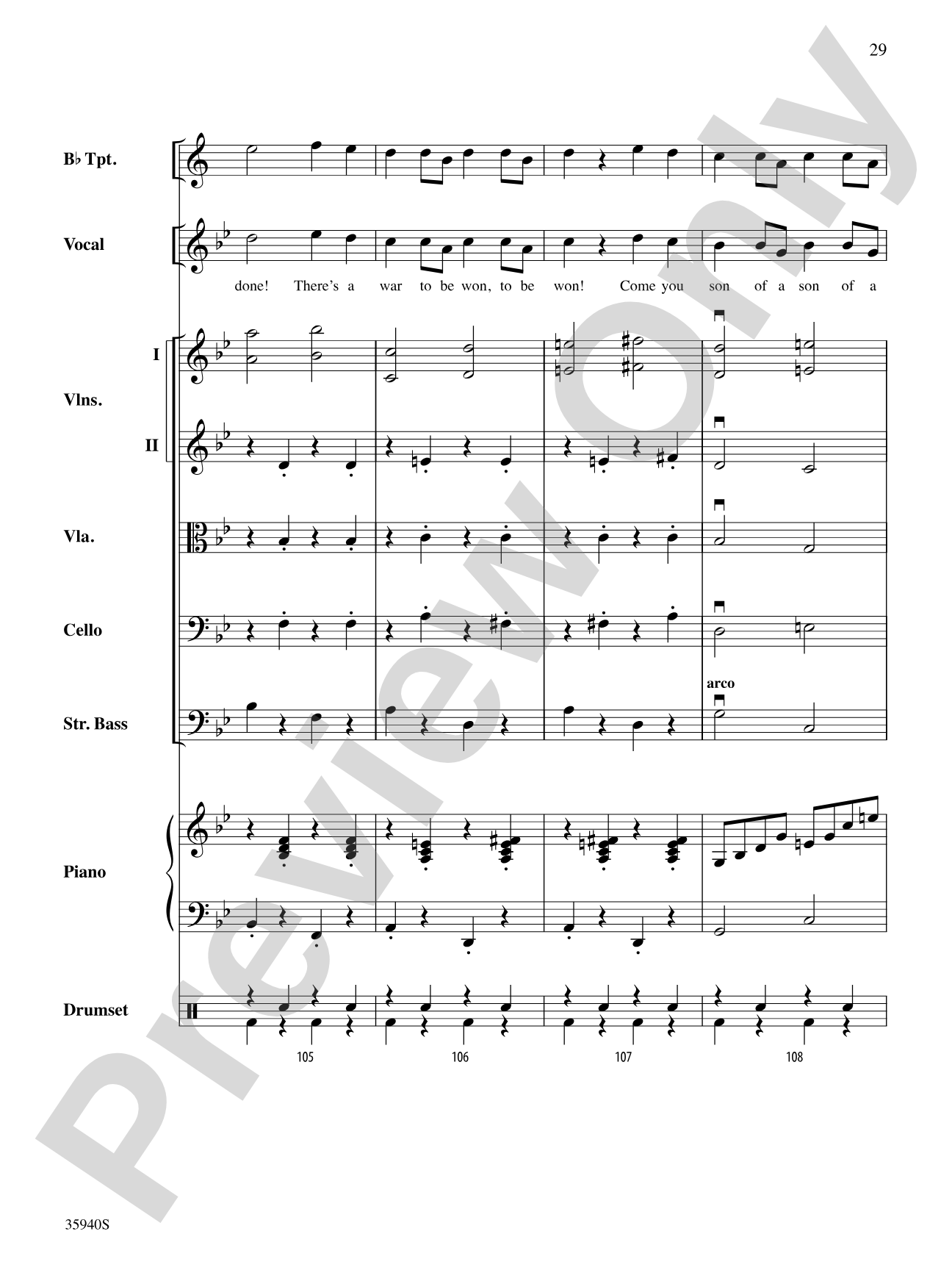
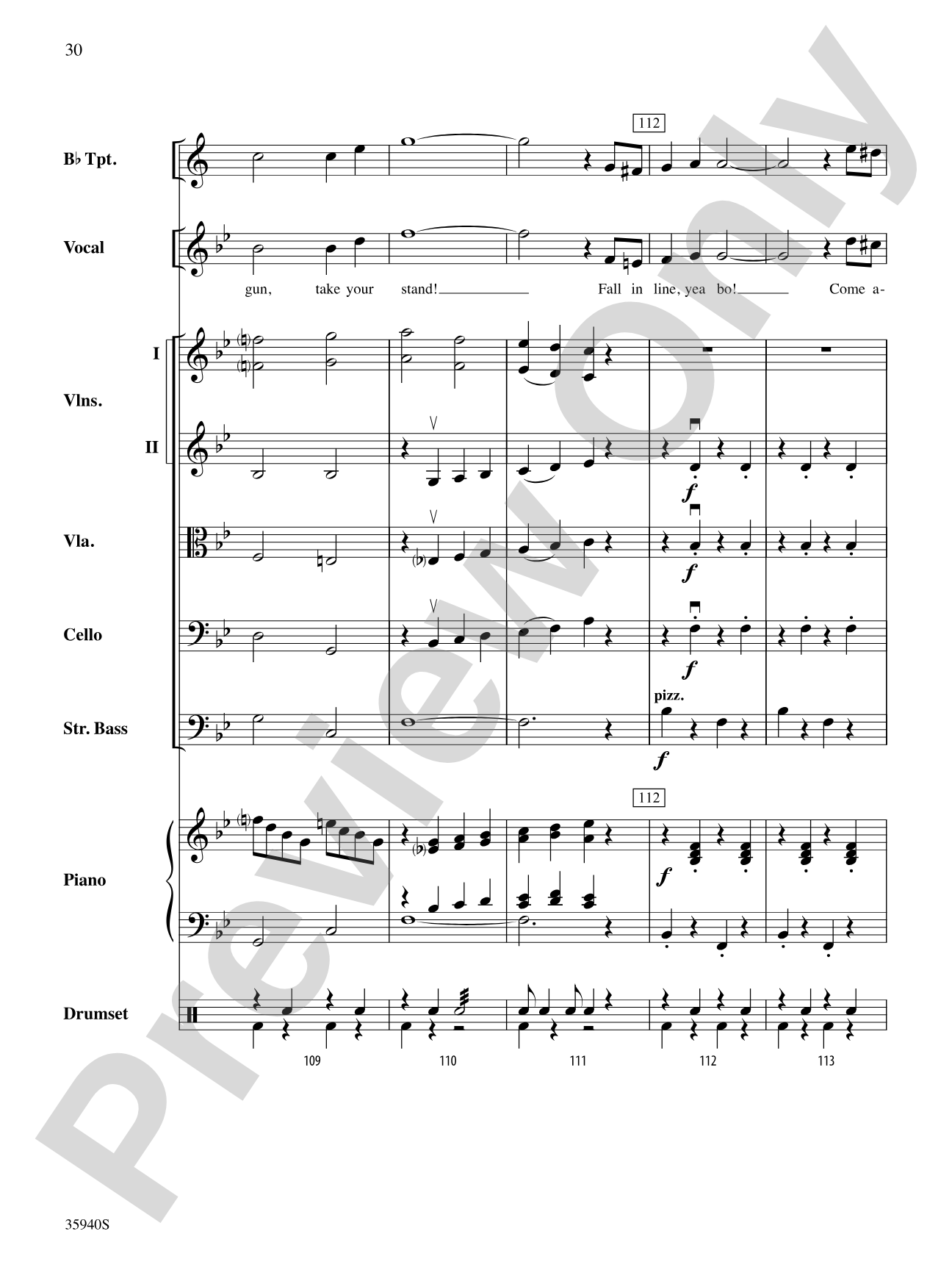
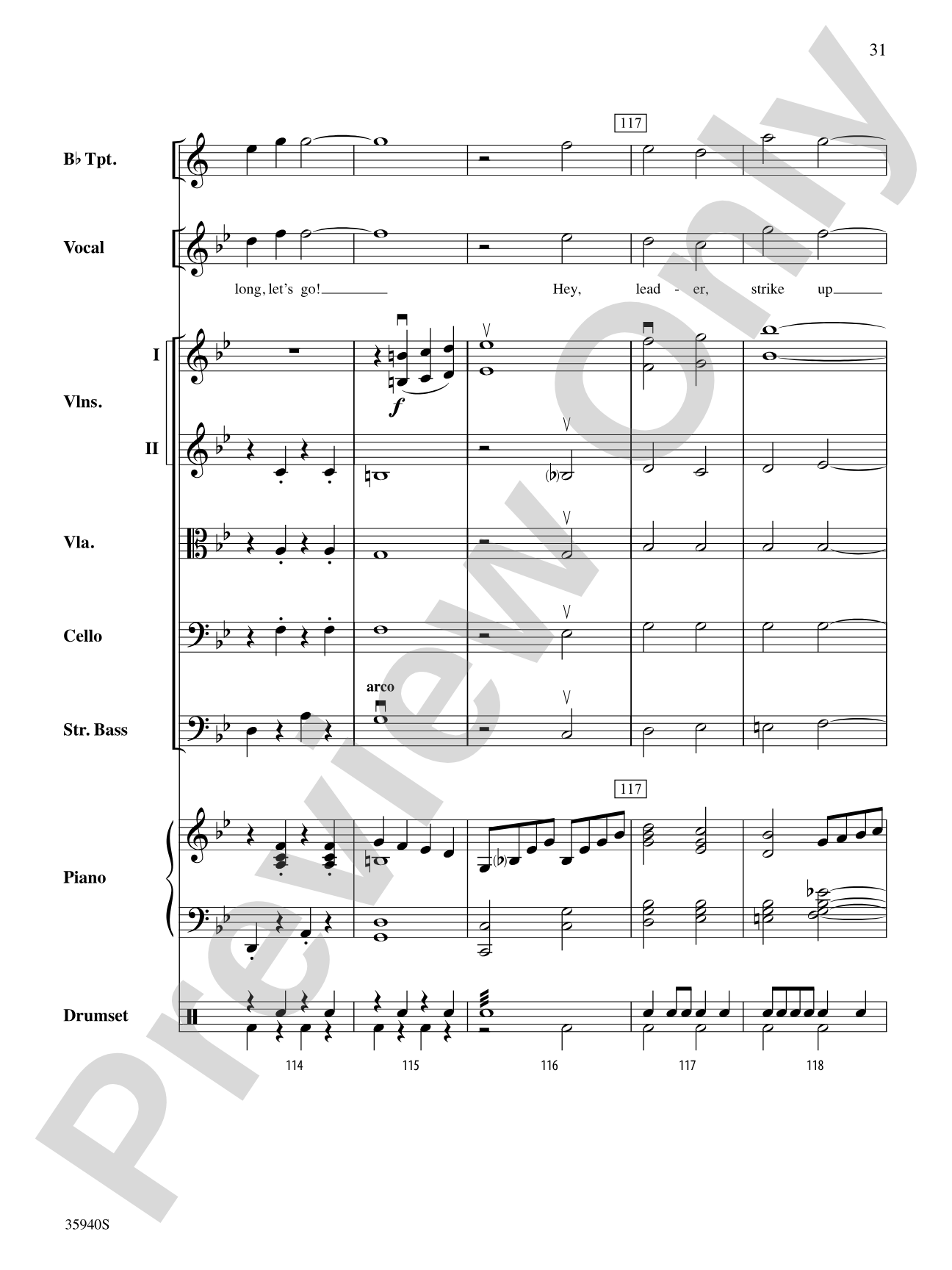
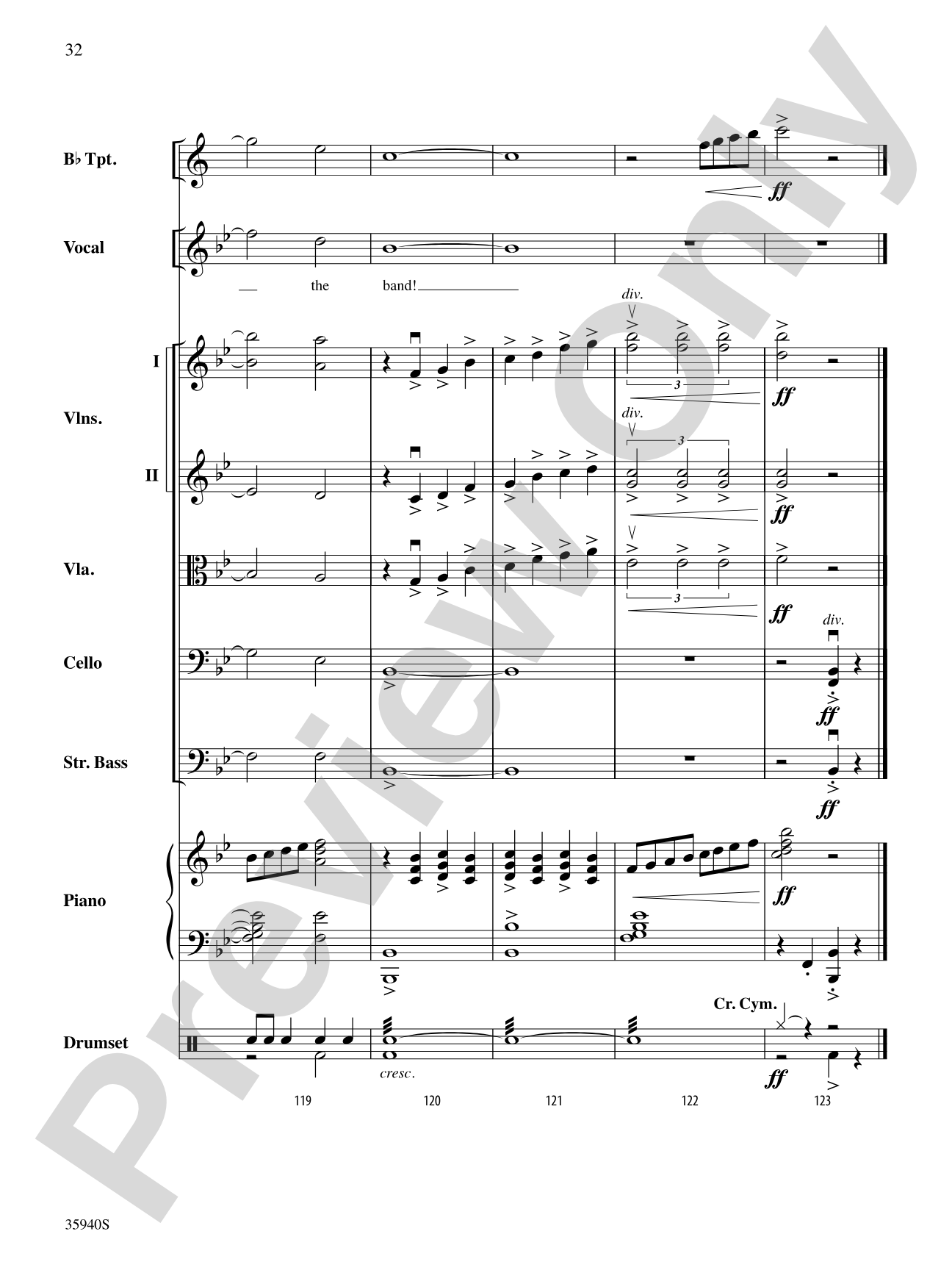

That Gershwin Rhythm: String Orchestra Conductor Score & Parts
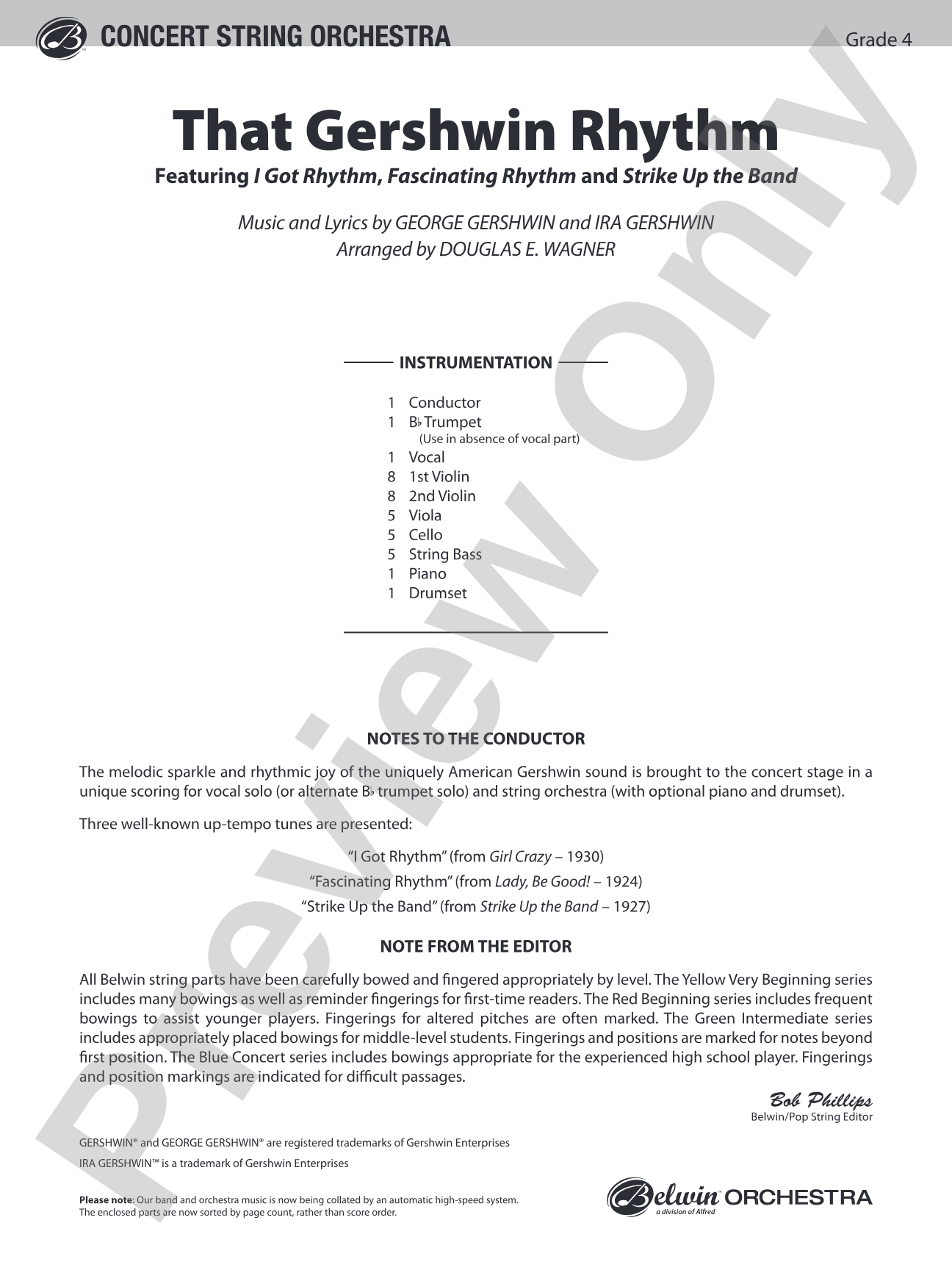
Vocal Solo or B-Flat Trumpet Solo with String Orchestra (featuring: I Got Rhythm / Fascinating Rhythm / Strike Up the Band)
Music and lyrics by George Gershwin and Ira Gershwin / arr. Douglas E. Wagner
Grade: 4
Item: 00-PK-0005526

$64.00
One moment…
Description
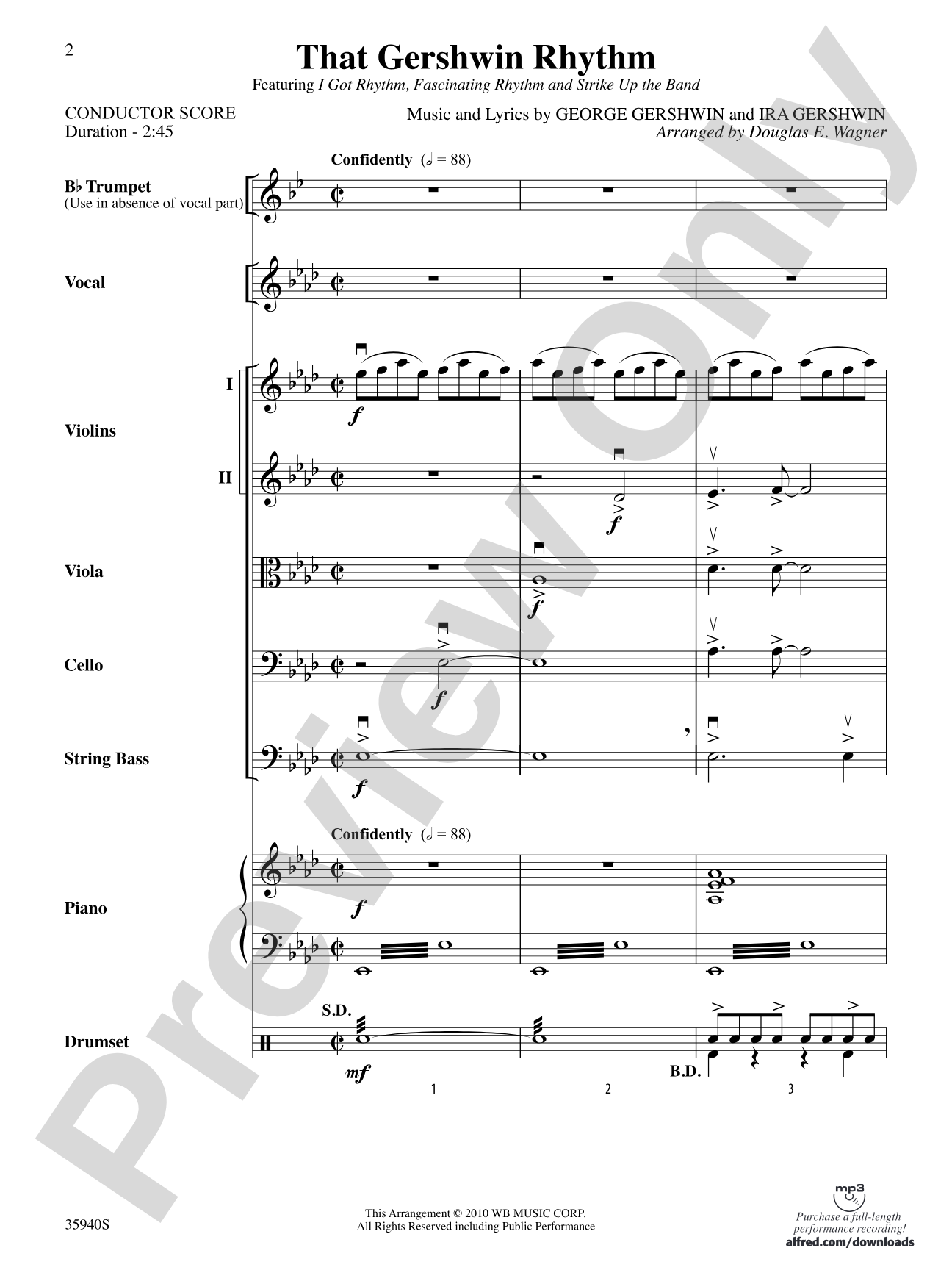
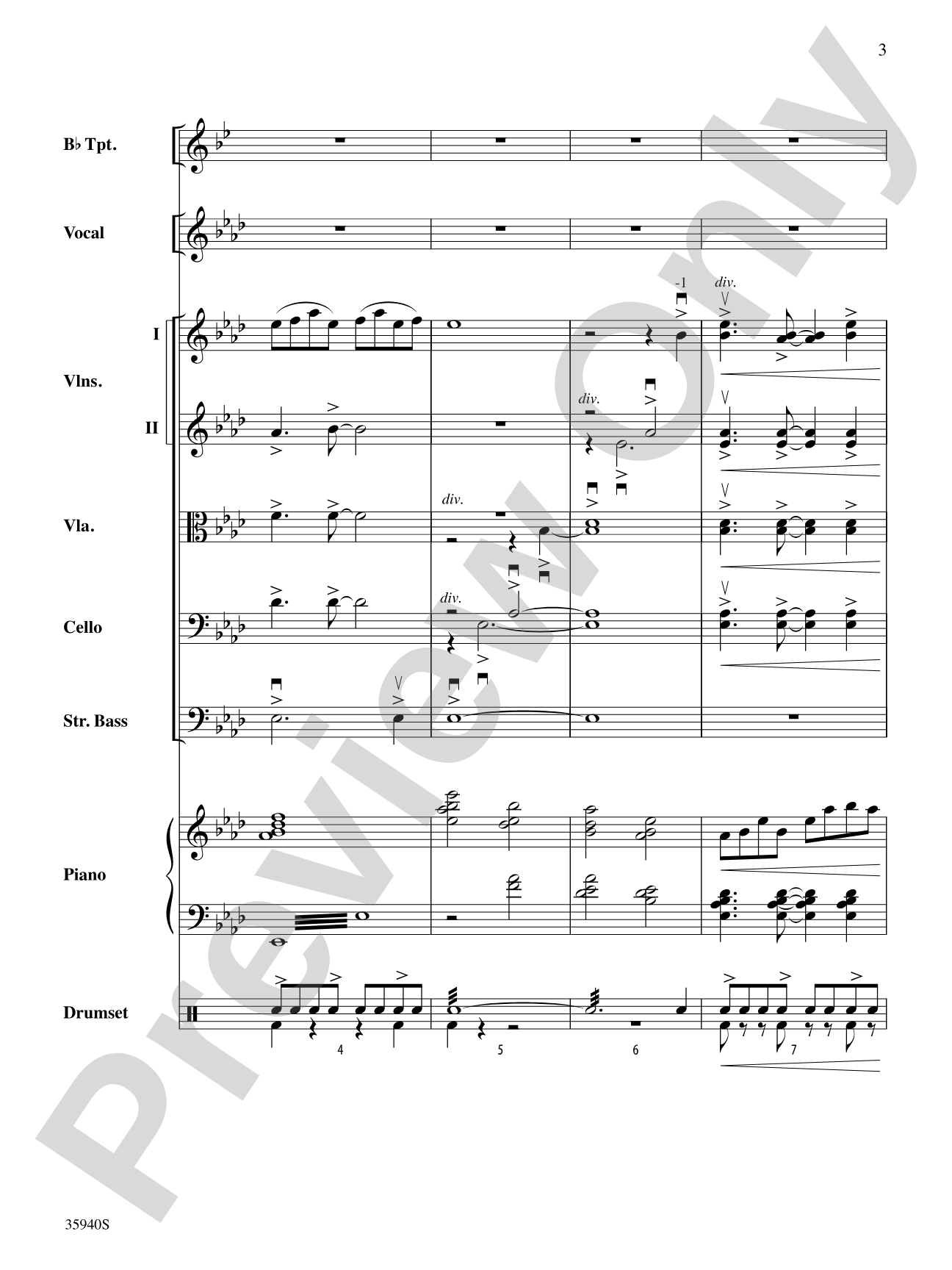
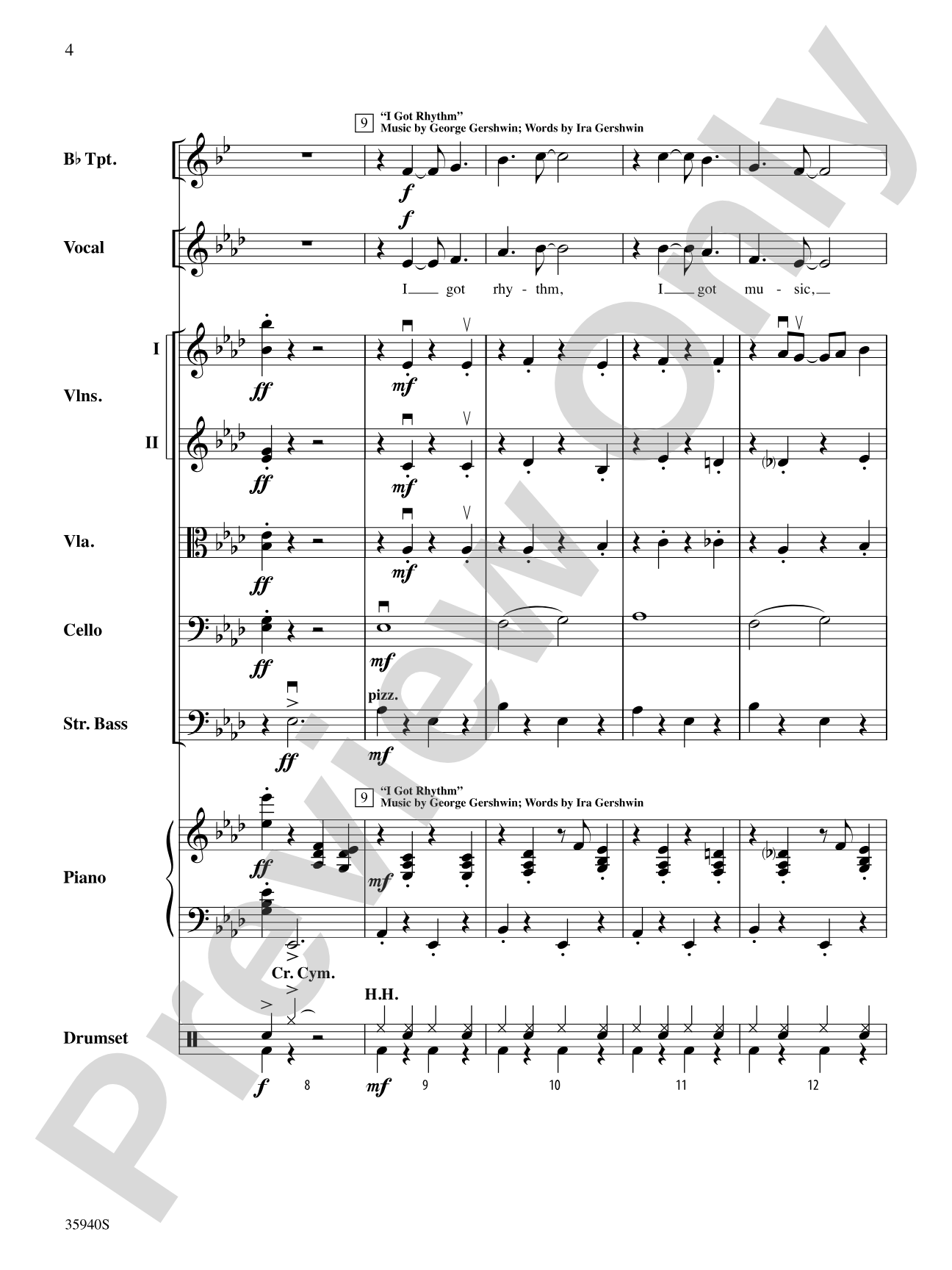
The melodic sparkle and rhythmic joy of the uniquely American Gershwin sound is brought to the concert stage in a unique scoring for vocal solo (or alternate B-flat trumpet solo) and string orchestra (with optional piano and drumset).


Don't just read it, hear it, play along with it, and watch your students grow with it. In MakeMusic Cloud, That Gershwin Rhythm: String Orchestra Conductor Score & Parts comes alive with professional accompaniment, adjustable tempo, and built-in practice tools that turn solo practice into real progress.
Open in the Player
Jump straight in and assign it today.
Start Your Free Trial
Open this title and explore the full library in minutes.
Sample Audio
1
Audio File
--:--
0:00
0:00
Sample Video
No sample videos found.
Additional Details
Series:
Pop Concert String Orchestra
Publisher:
Alfred Music
Page Count:
144
SKU:
00-PK-0005526
Instrumentation:
string w/ trumpet, voice, pno, drumset)
More about this title
About the Composer: George Gershwin
George Gershwin (1898-1937) bridged classical tradition and American popular song with unmatched fluency. His works fuse jazz idioms, blues inflections, and sophisticated harmonic language into scores that feel both contemporary and timeless. Gershwin's instrumental works and stage compositions shaped what American concert music could be, proving that serious artistry and popular appeal need not conflict.
As a composer for Broadway and film, Gershwin collaborated with his brother Ira on lyrics that sparkle with wit and colloquial grace. His concert works, from Rhapsody in Blue to An American in Paris, remain staples of the repertoire. Gershwin's legacy rests on his gift for melody and his ability to capture the rhythmic energy and emotional authenticity of his era.
Why we love this
Douglas E. Wagner's orchestration opens the Gershwin songbook to string orchestras without losing the swing and sophistication that make these melodies unforgettable. The flexibility of featuring either a vocalist or B-flat trumpet soloist lets you shape the piece to your ensemble's strengths, and the optional rhythm section deepens the groove without overwhelming the strings. This is repertoire that audiences recognize and musicians genuinely enjoy playing.
What to expect
Effervescent and swinging, with the melodic grace of 1920s-30s song craft paired with the energetic rhythm that defines Gershwin's sound. The strings shimmer around the solo line while underneath runs a current of jazz-inflected harmony and forward momentum. There's joy and polish here, the unmistakable sparkle of a composer who understood how to write music that moves both the ear and the body.
Who it's for
String orchestras in grades 4 and above who want to expand beyond classical traditions into accessible yet genuinely sophisticated American song repertoire. It's ideal for directors looking to program recognizable material that challenges string players rhythmically and harmonically without extreme technical demands. Ensembles with capable soloists (whether vocalist or trumpet) will find this an excellent vehicle for featuring talented individuals.
How to get the most out of it
- Balance the solo line so it sits naturally above the string texture; the melody should sing even when the accompaniment drives rhythmically.
- Keep the rhythm section tight and intentional. If using the optional piano and drums, they anchor the swing feel rather than overshadow the string voices.
- Shape phrases with genuine breath and phrasing, even in the rhythmically busier passages. Gershwin's melodies deserve vocal sensibility from instrumental performers.
- Let the distinctive harmonic colors breathe. Wagner's orchestration reveals the jazz-influenced chord voicings that make Gershwin's harmony distinctive.
How to use it
Slot this as an opener or closer on a concert that might otherwise sit too heavily in the classical repertoire. Its accessibility and charm make it an excellent bridge for audiences less familiar with concert music, and its sophistication keeps seasoned listeners engaged. The piece also works beautifully on a pops concert or as part of a thematic program exploring American musical theater and song.
Skills your students will build
- Playing stylistic swing rhythms with precision and confidence
- Reading and executing jazz-influenced harmonies and voicings in a string context
- Responding to solo and rhythm section accompaniment with flexibility and ensemble awareness
- Balancing rhythmic drive with melodic singing in a popular music idiom
- Collaborating effectively between strings and optional rhythm section instruments