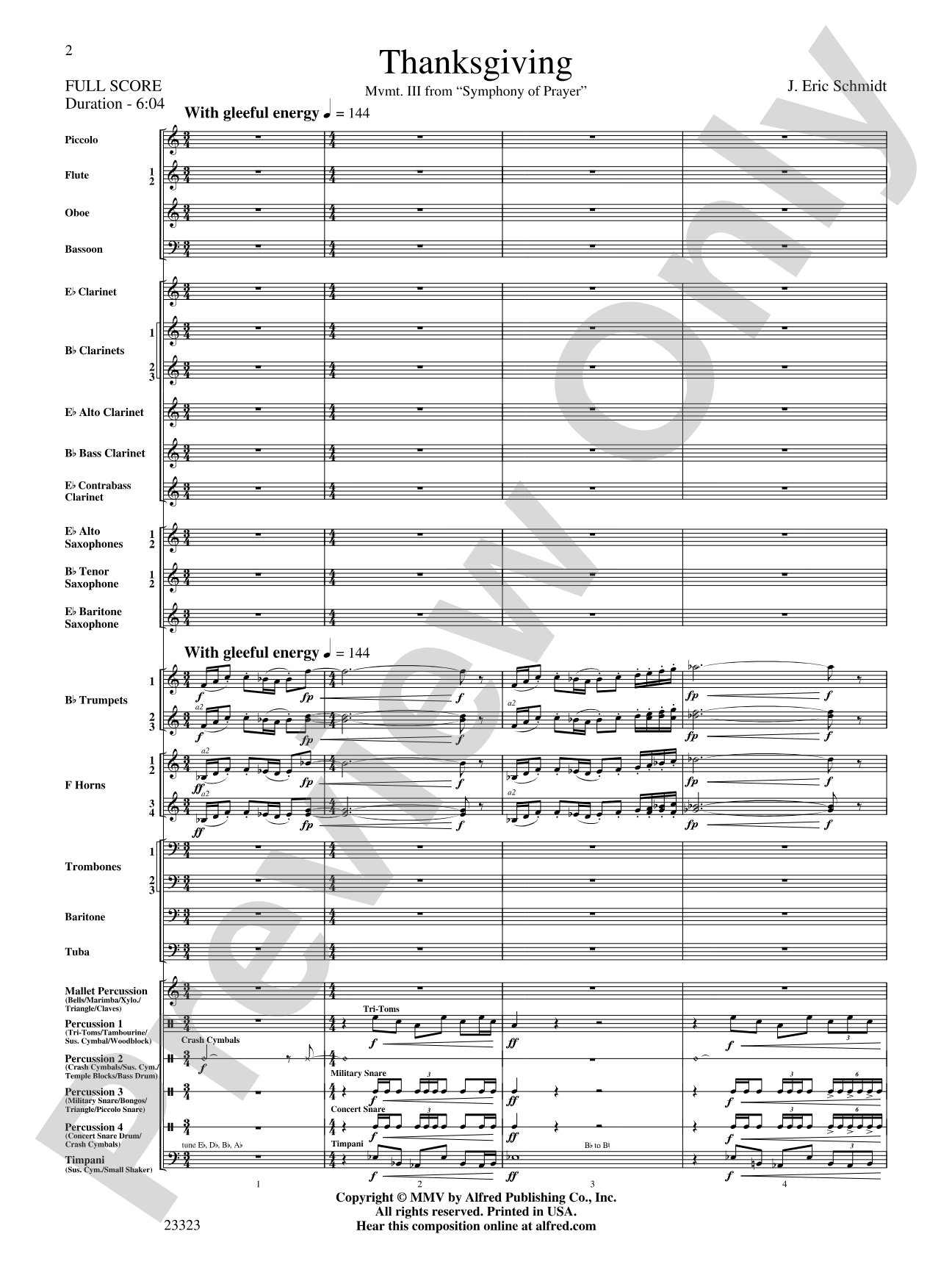
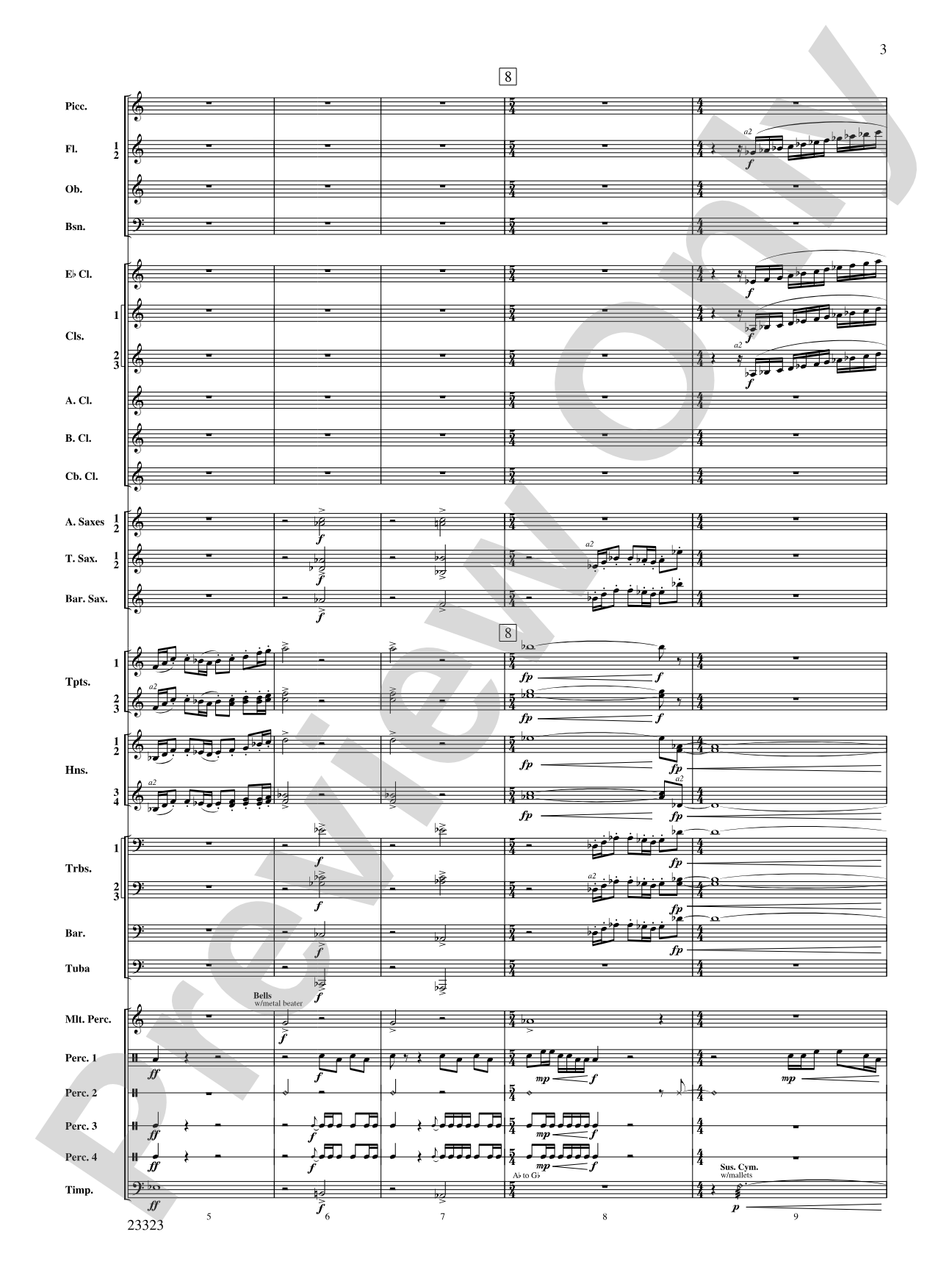
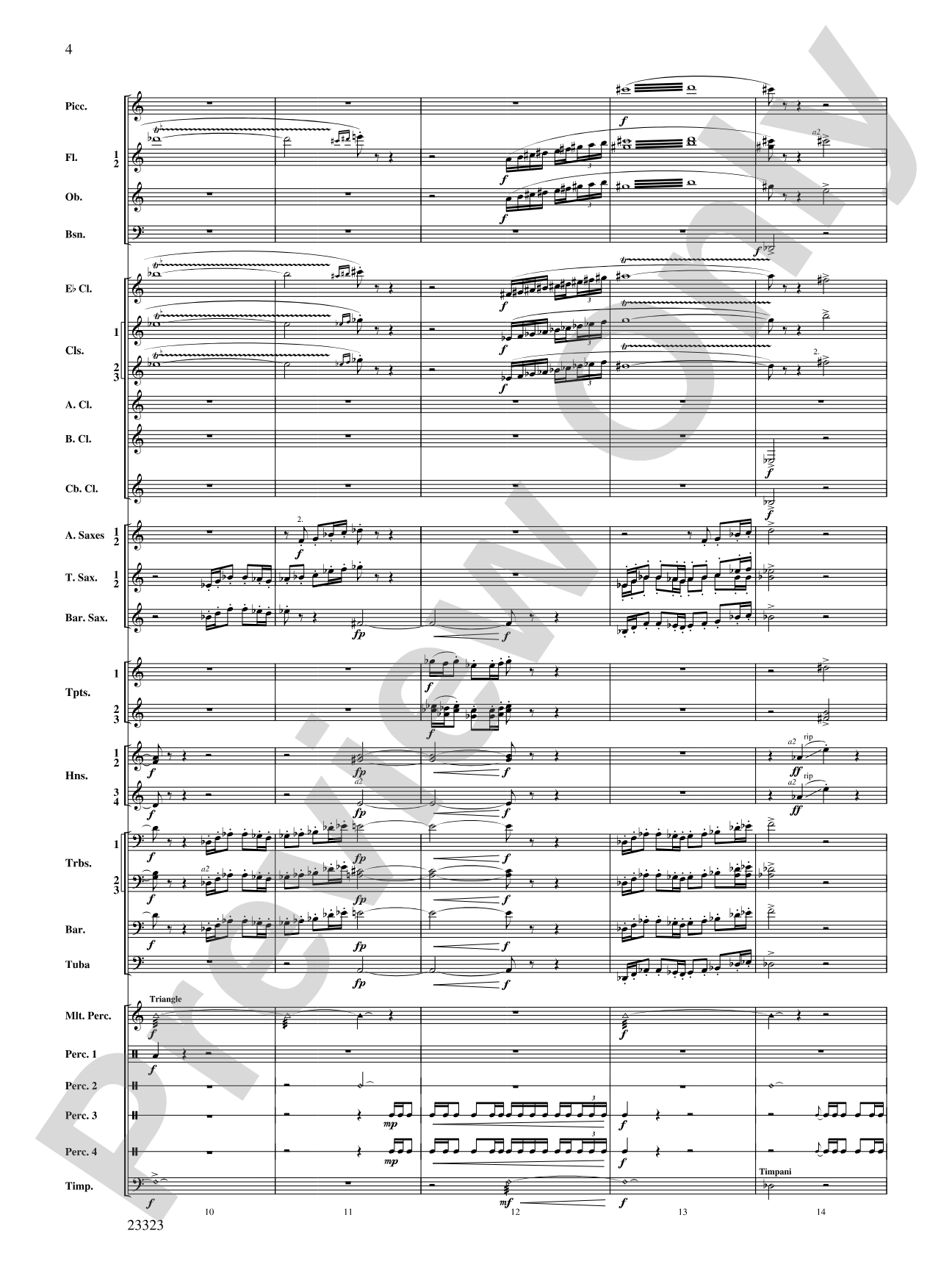
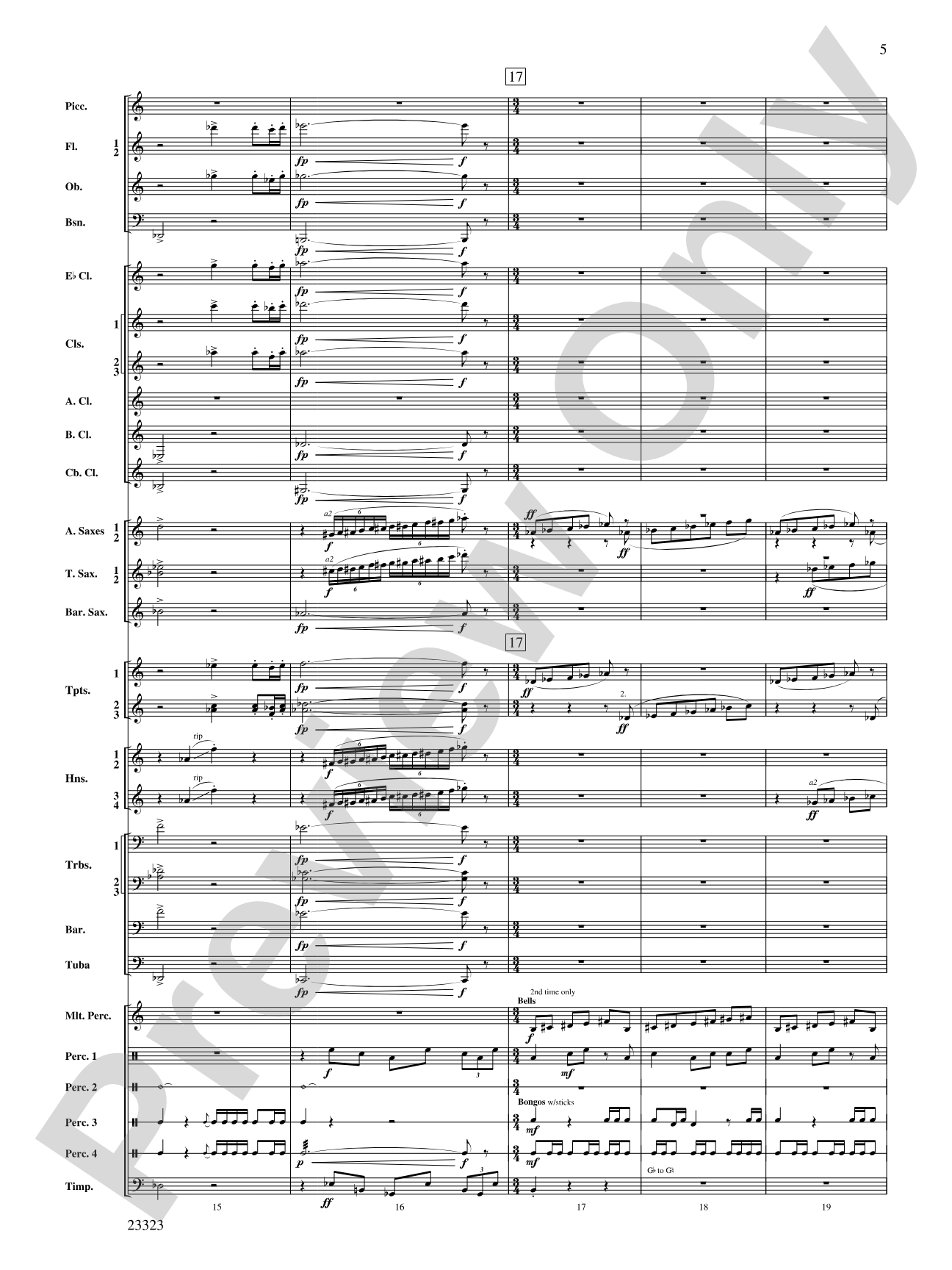
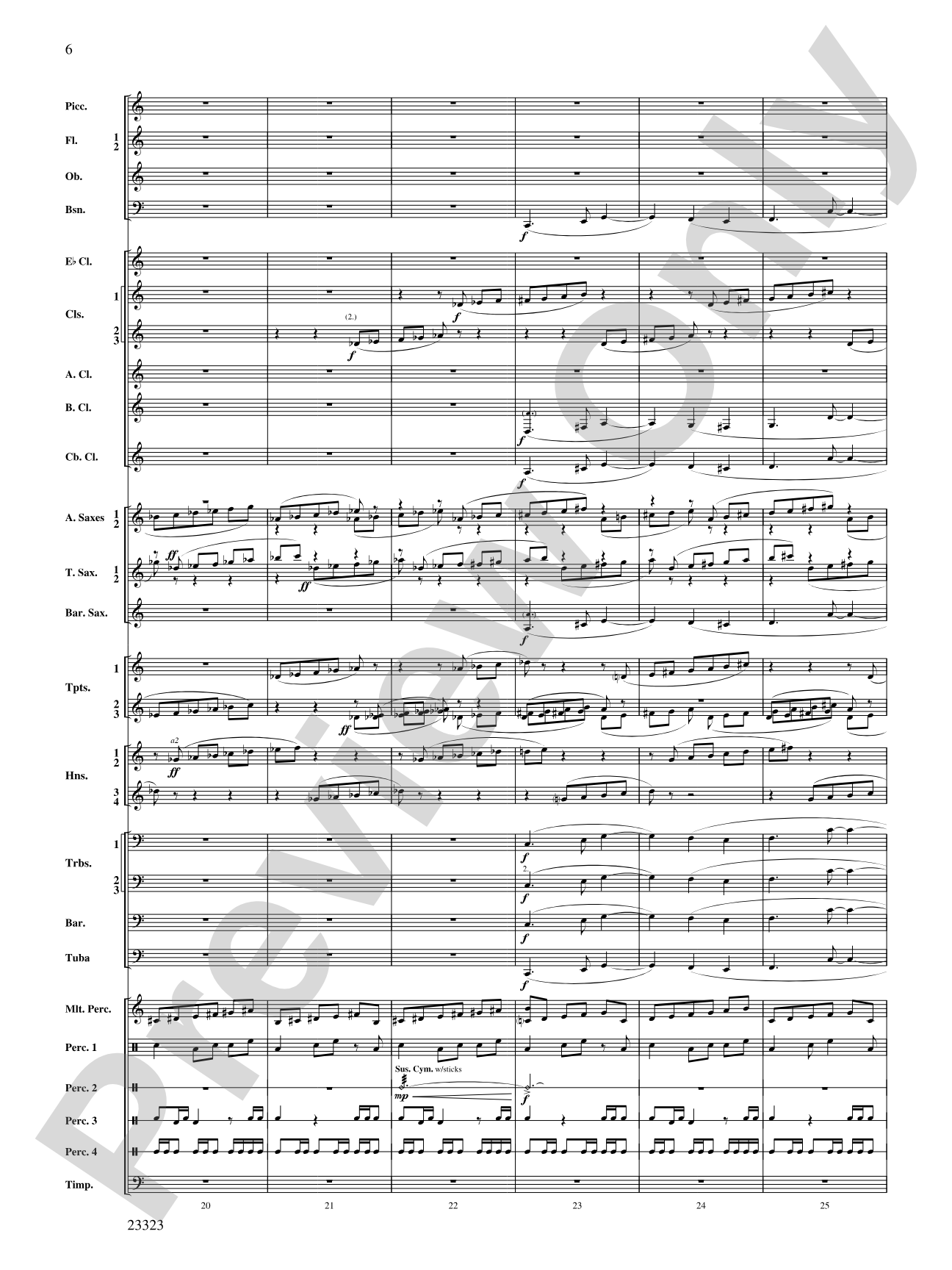
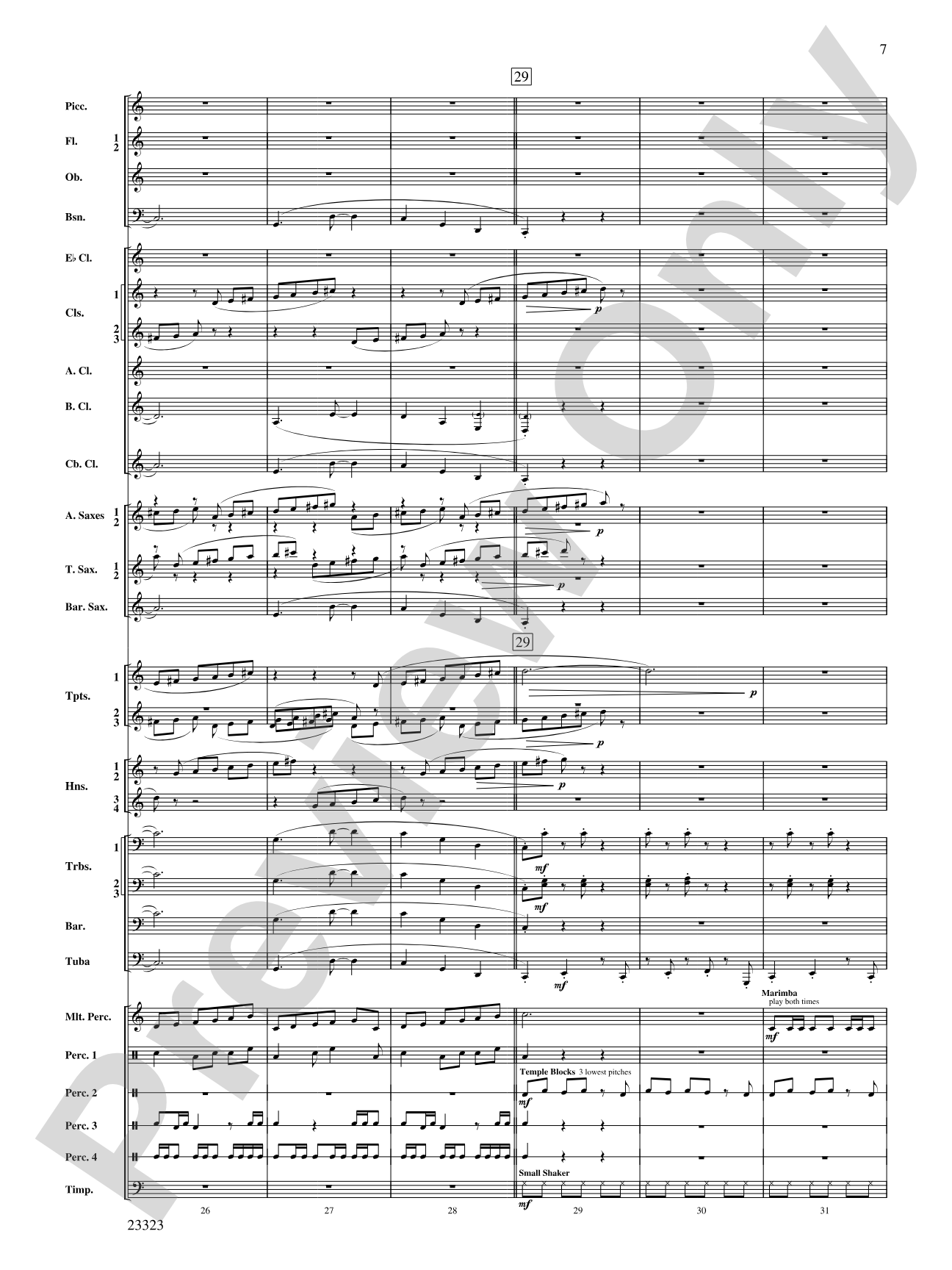
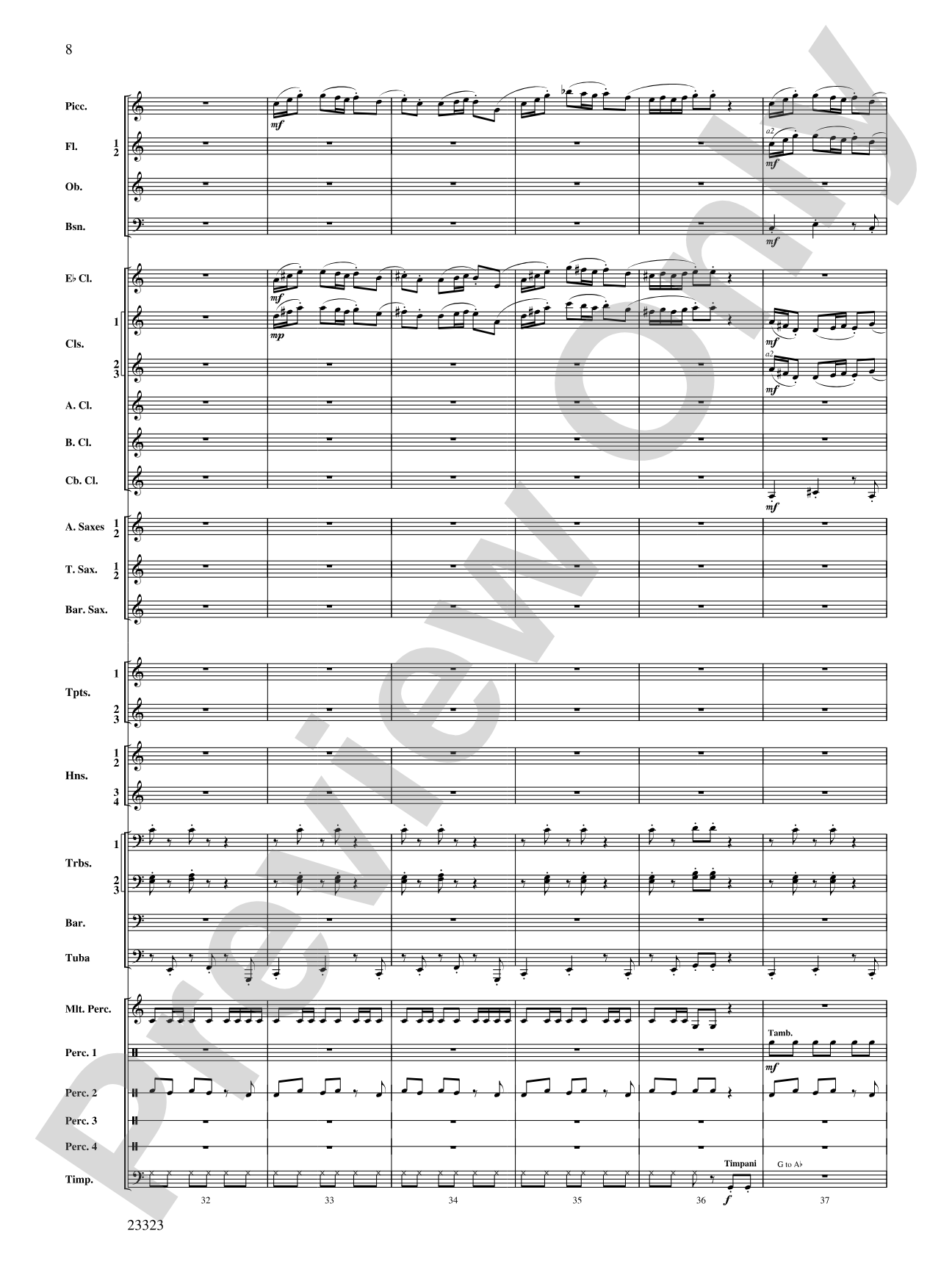
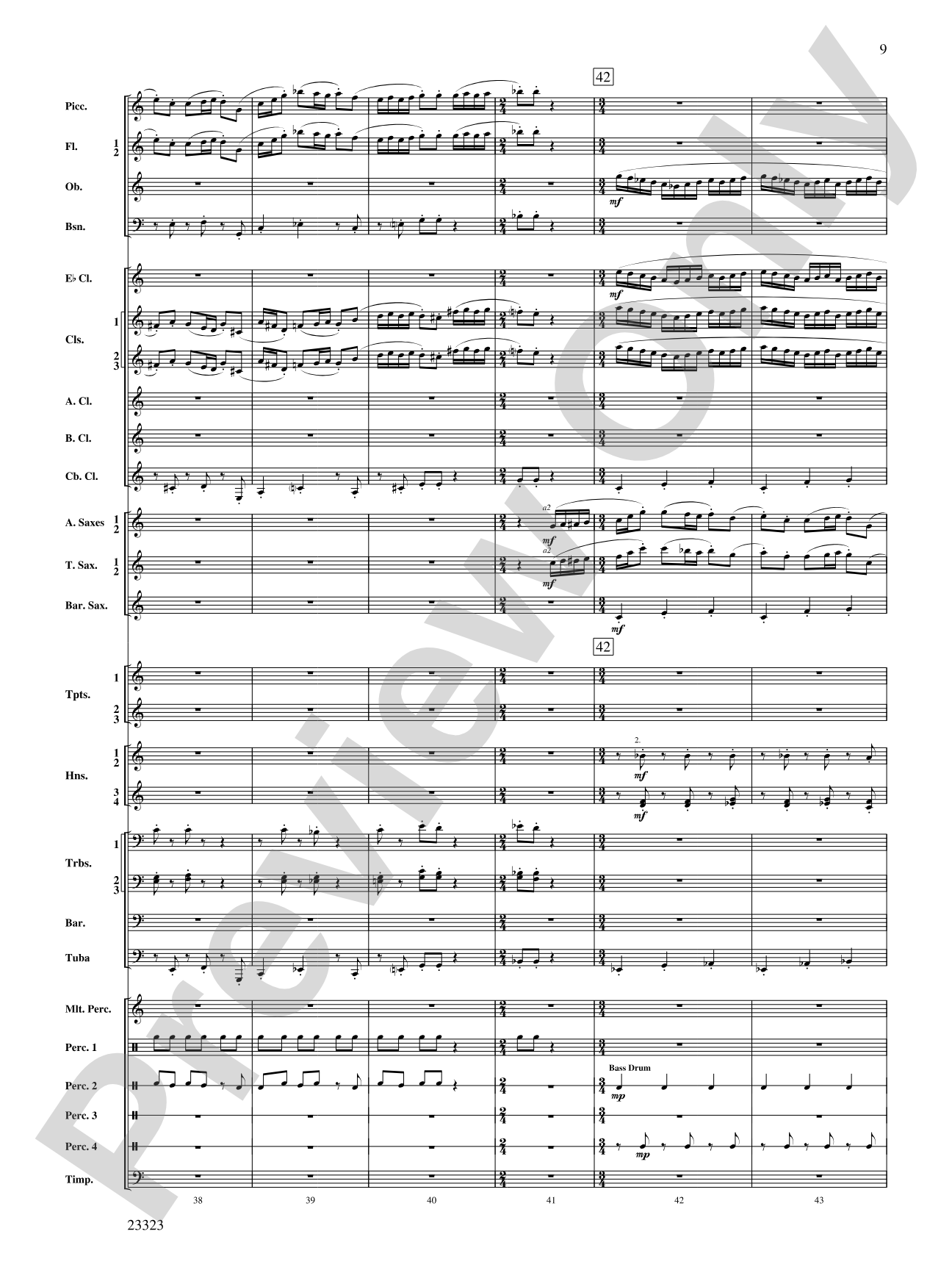
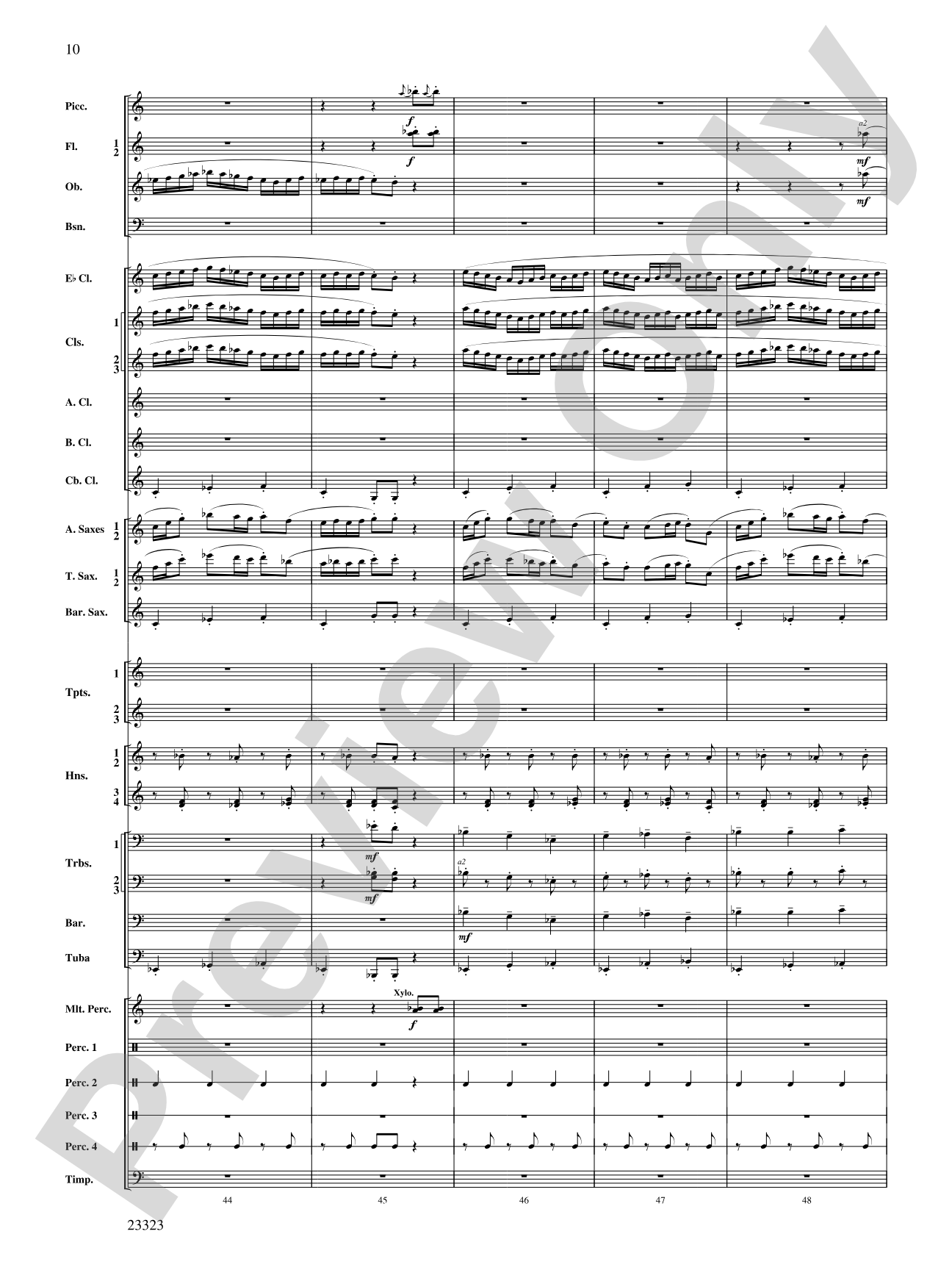
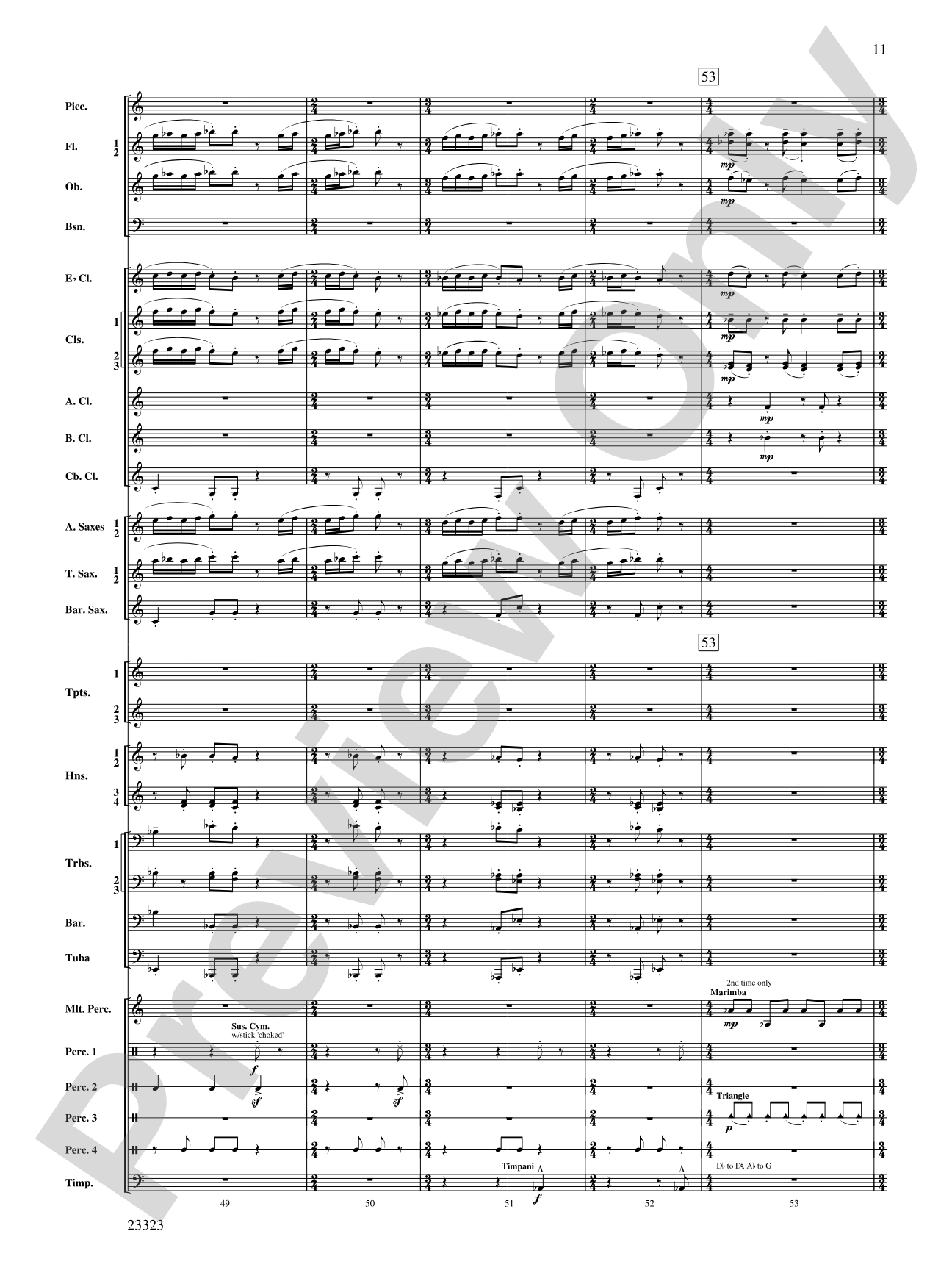
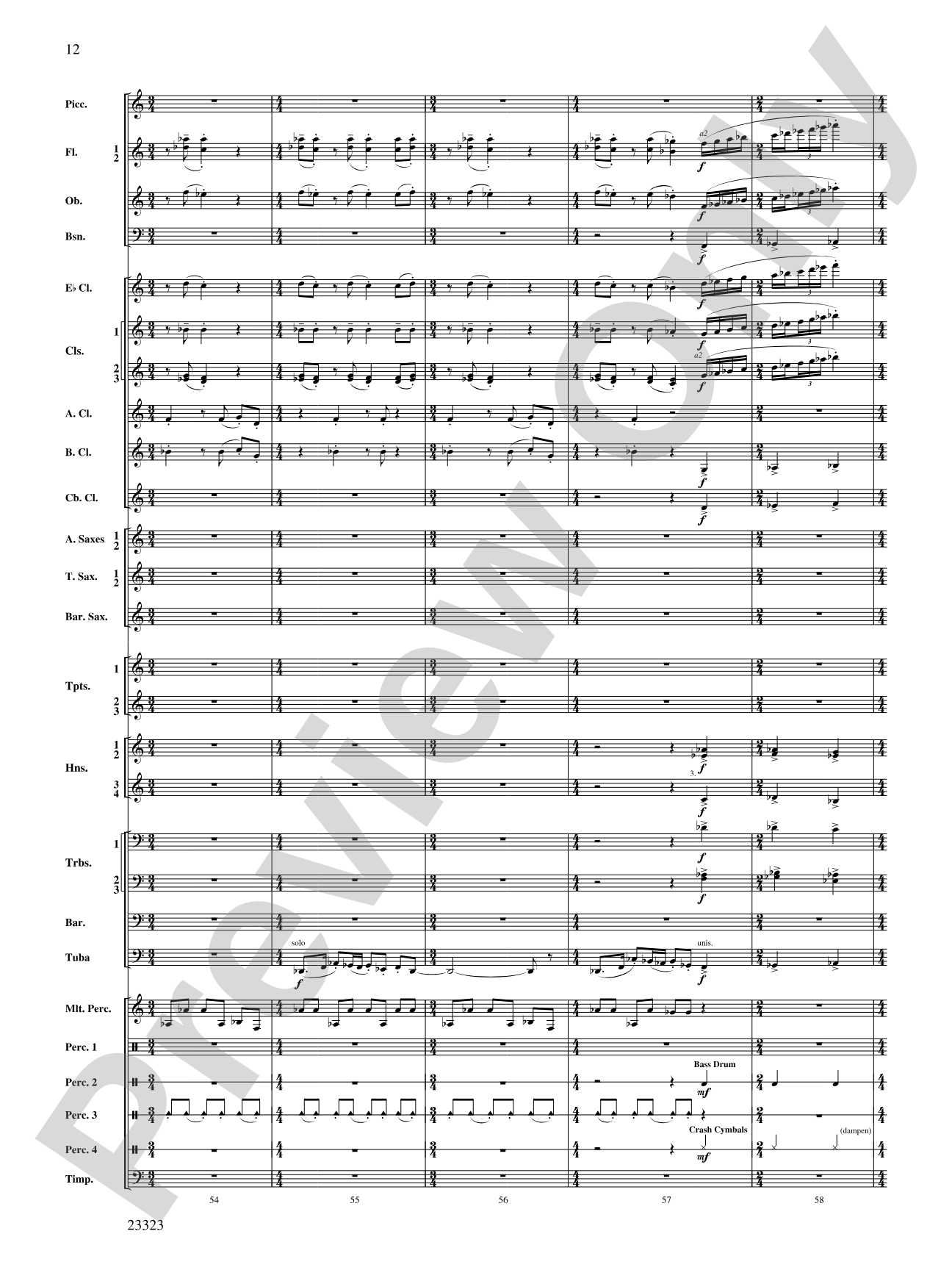
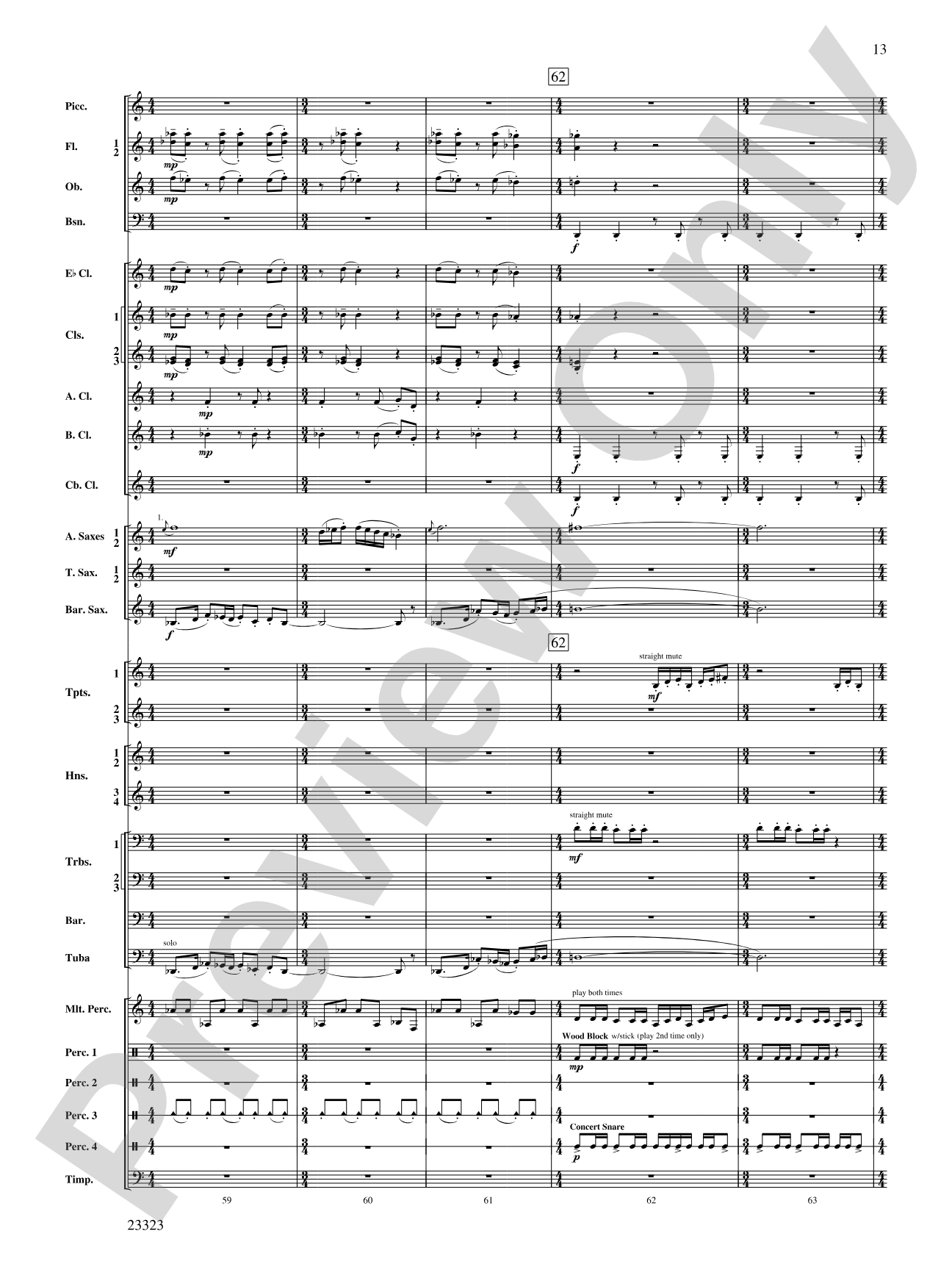
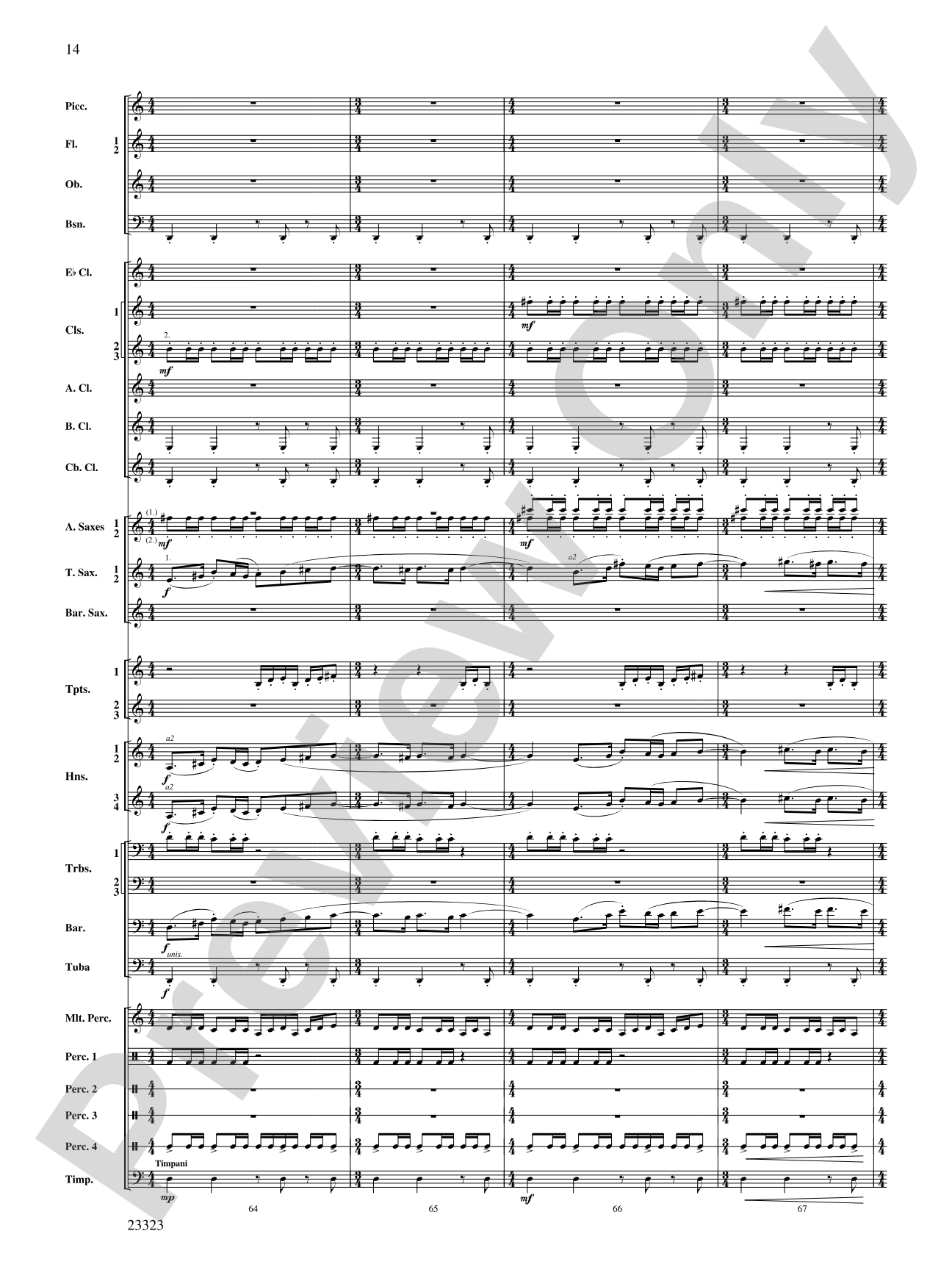
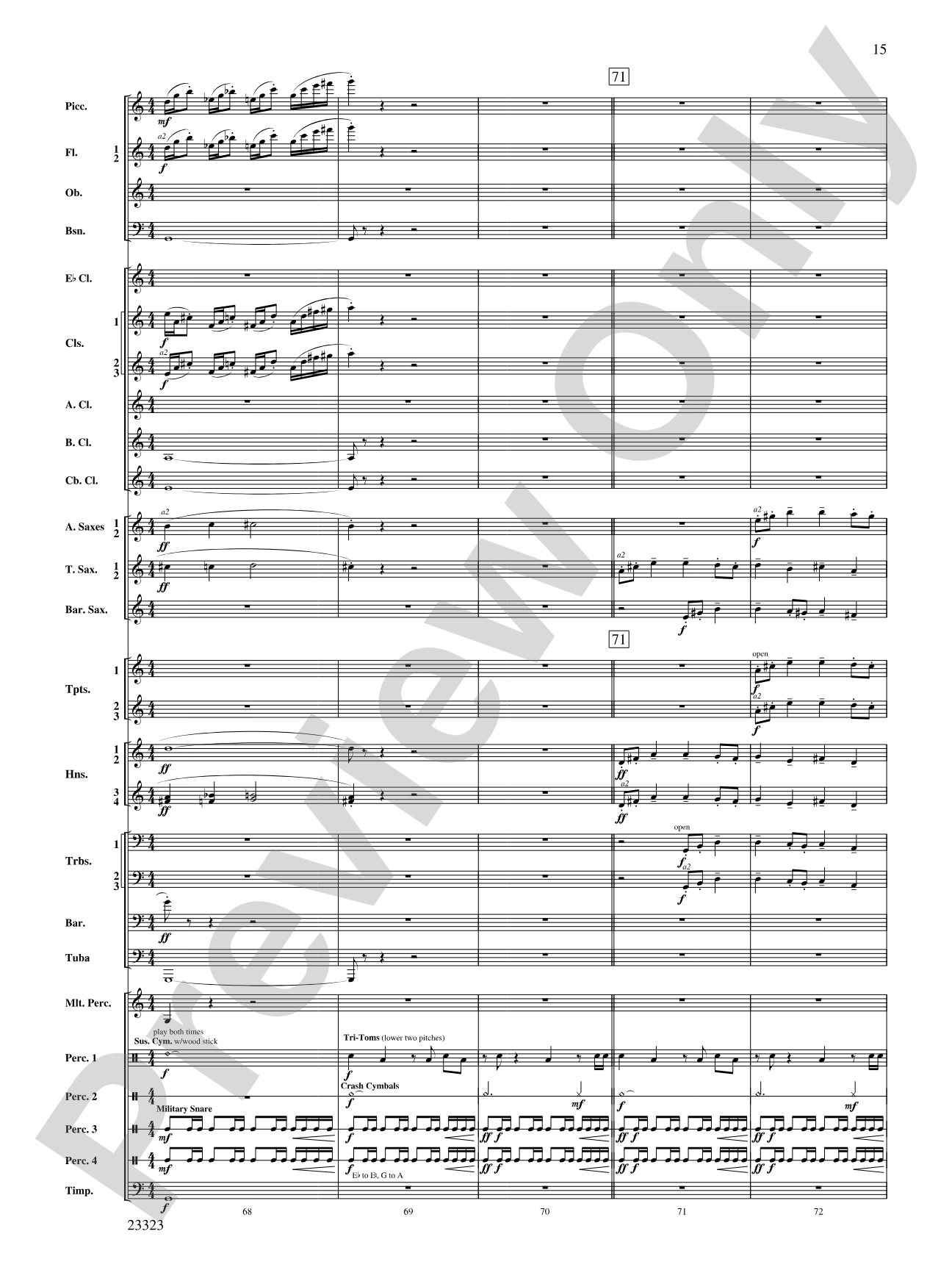
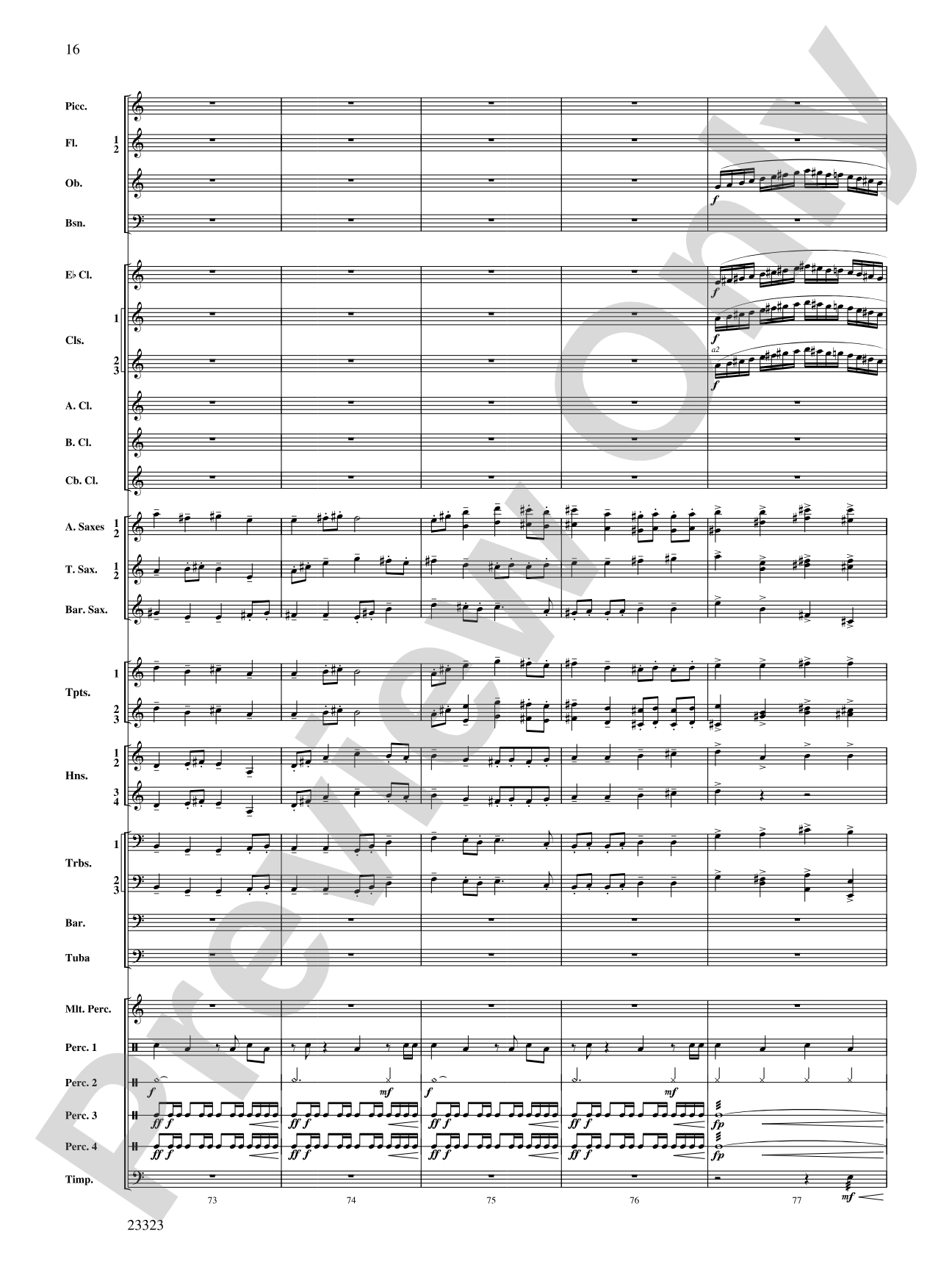
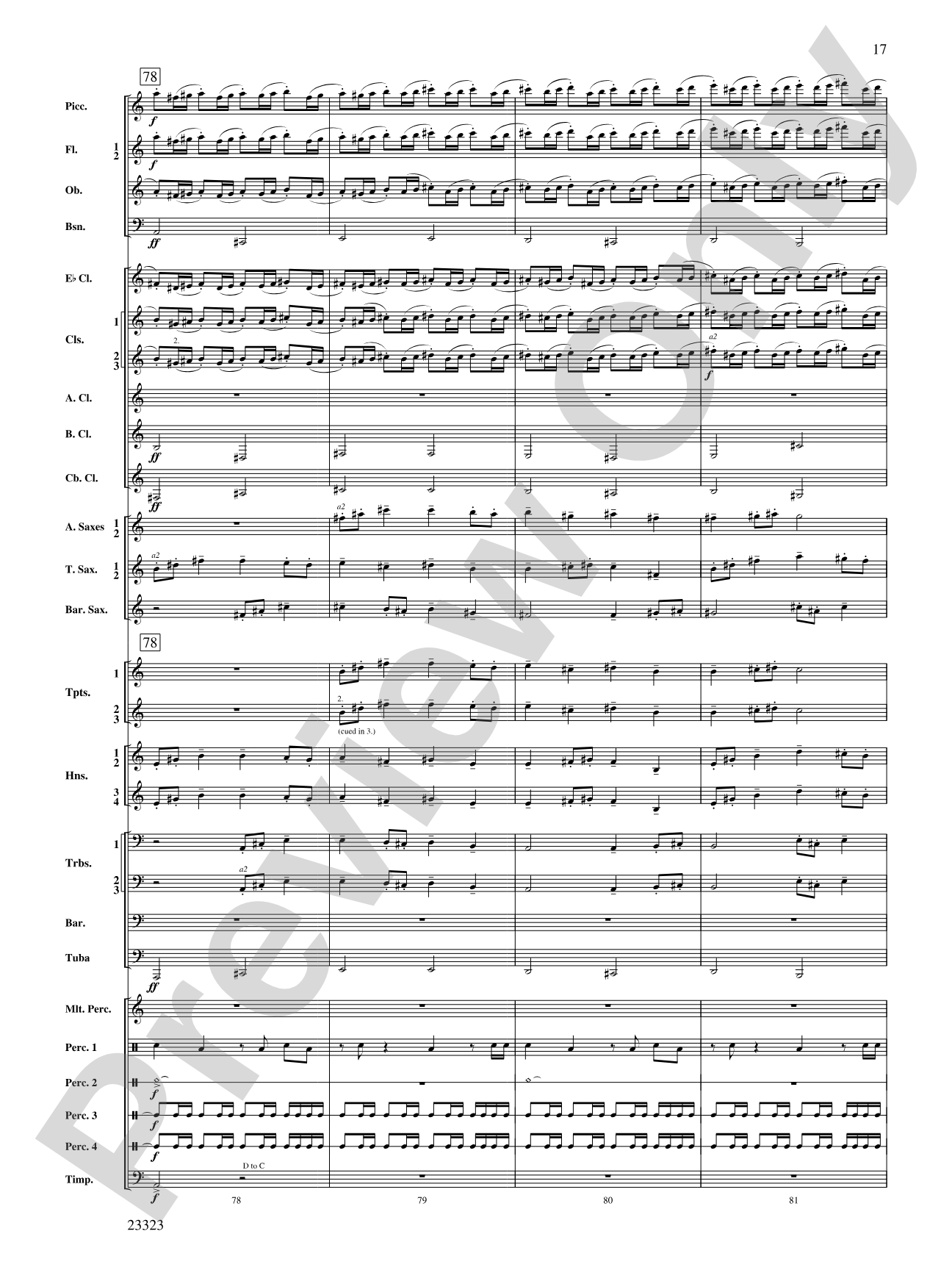
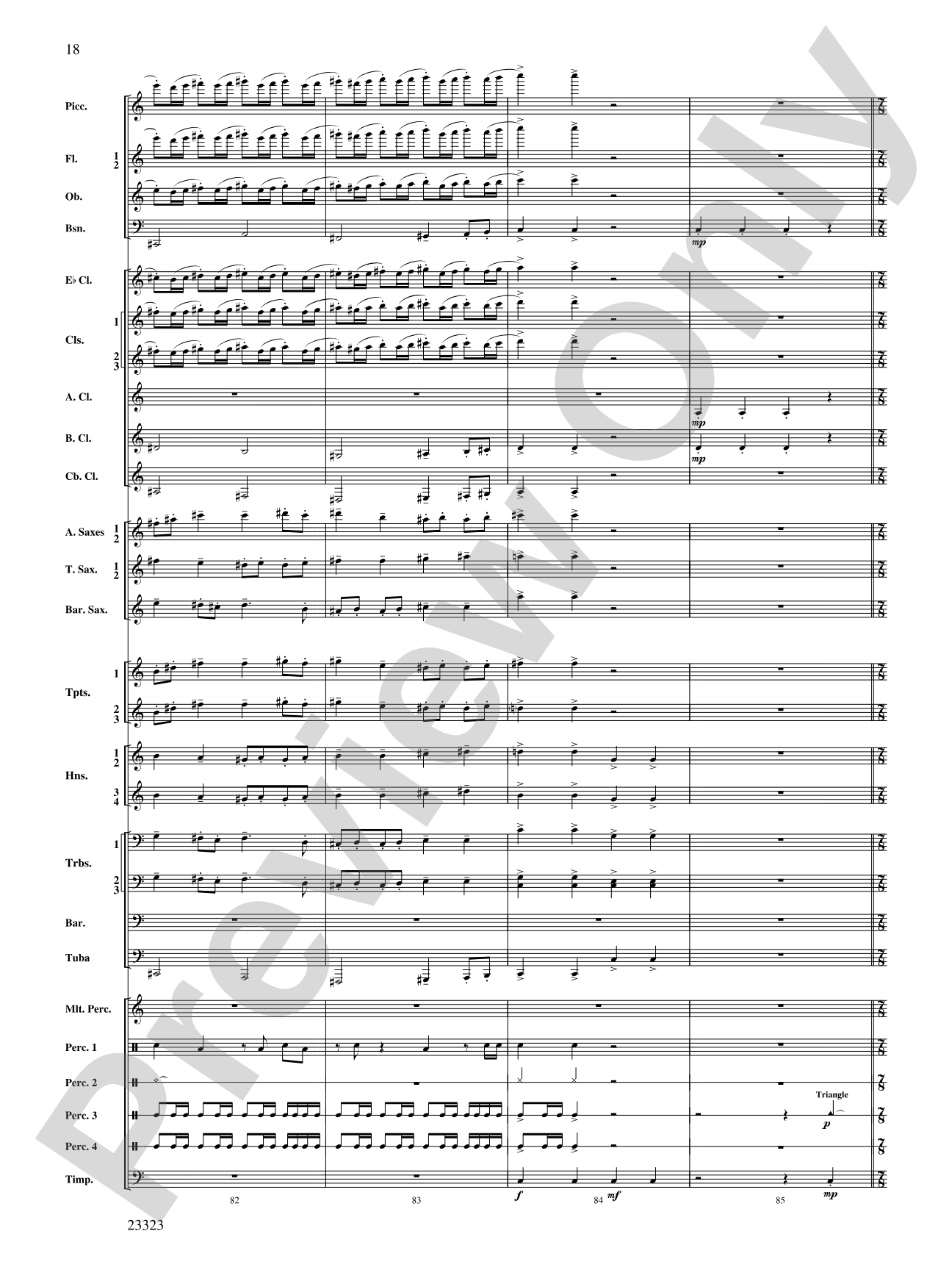
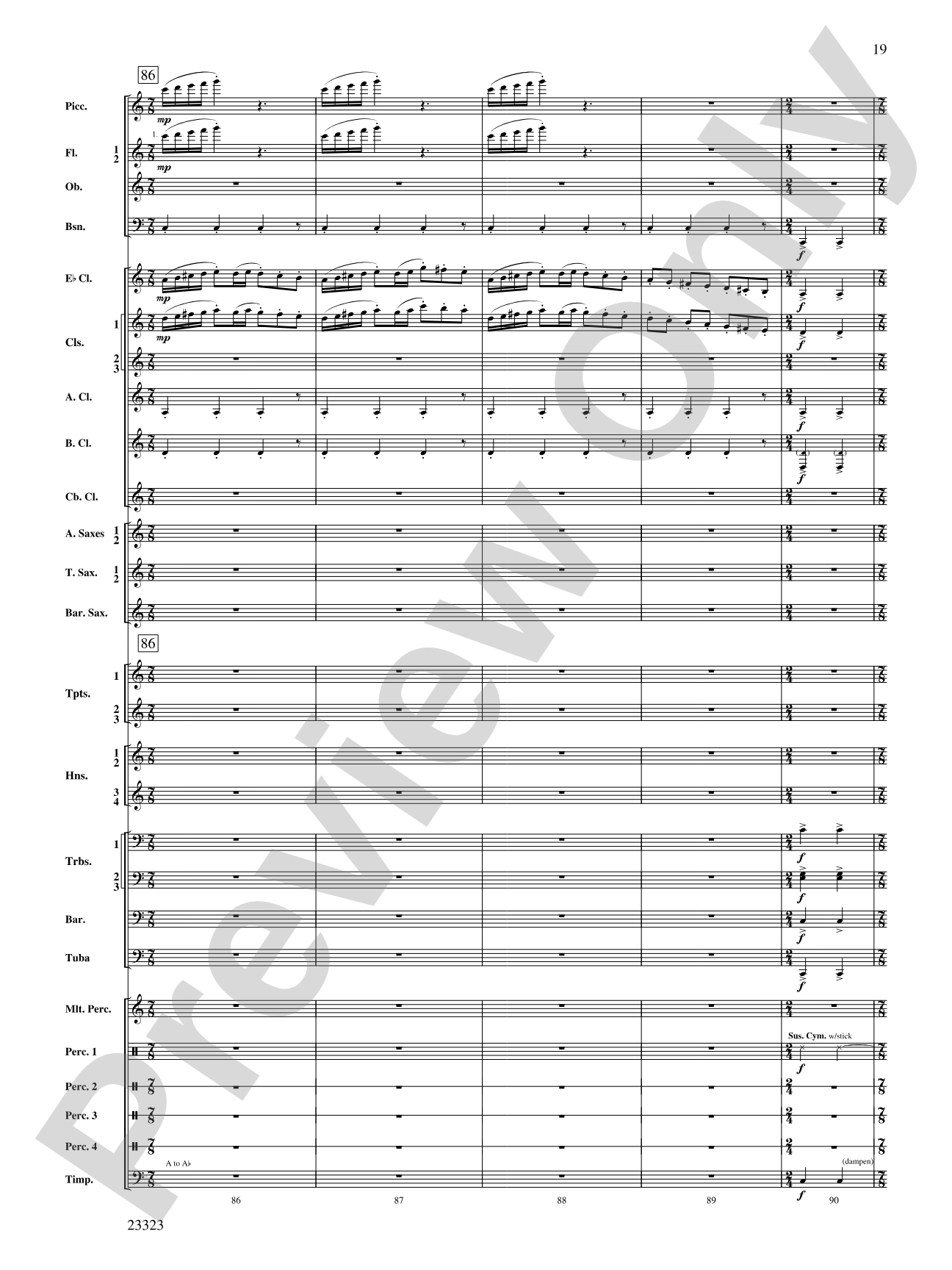
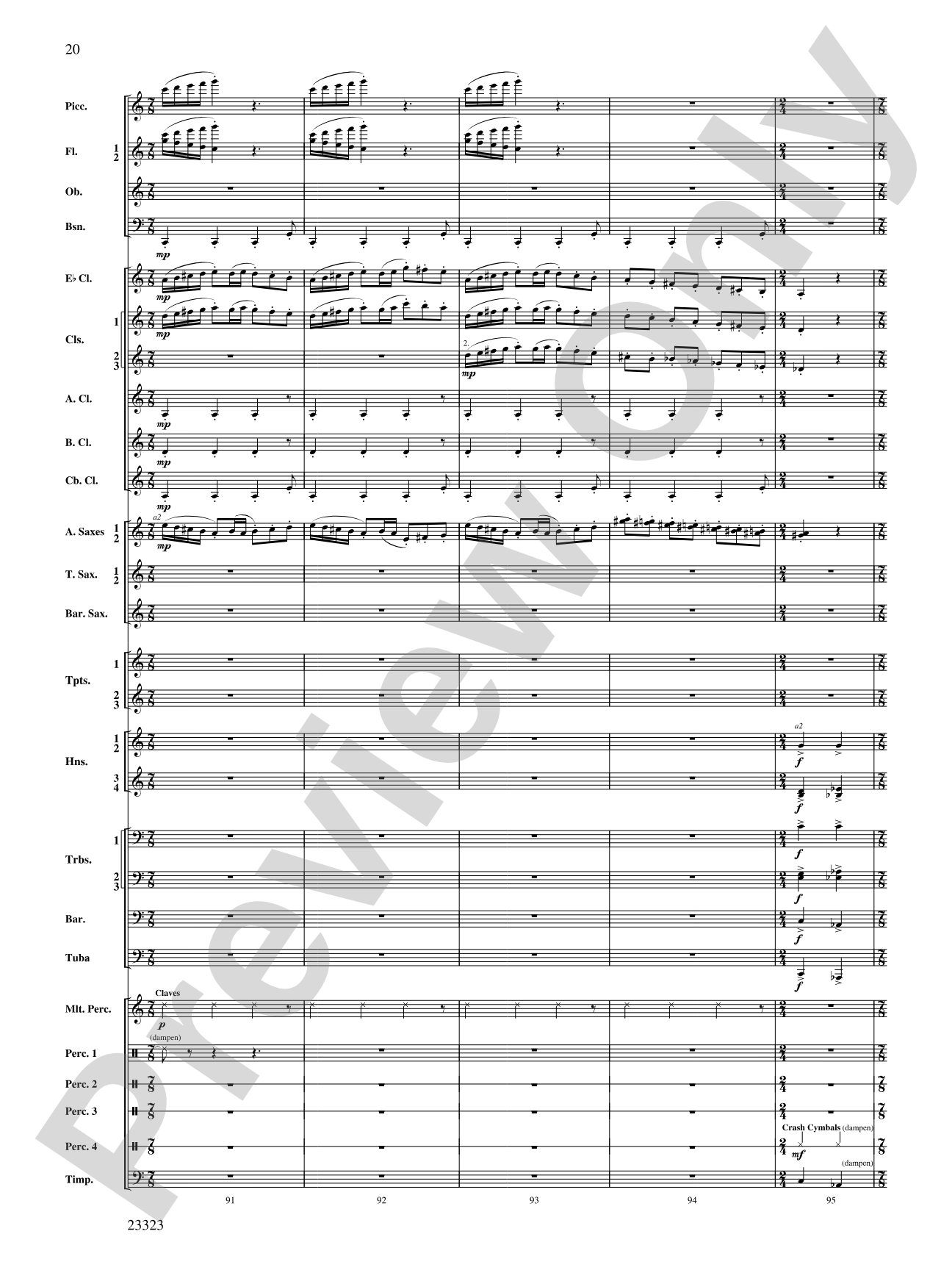
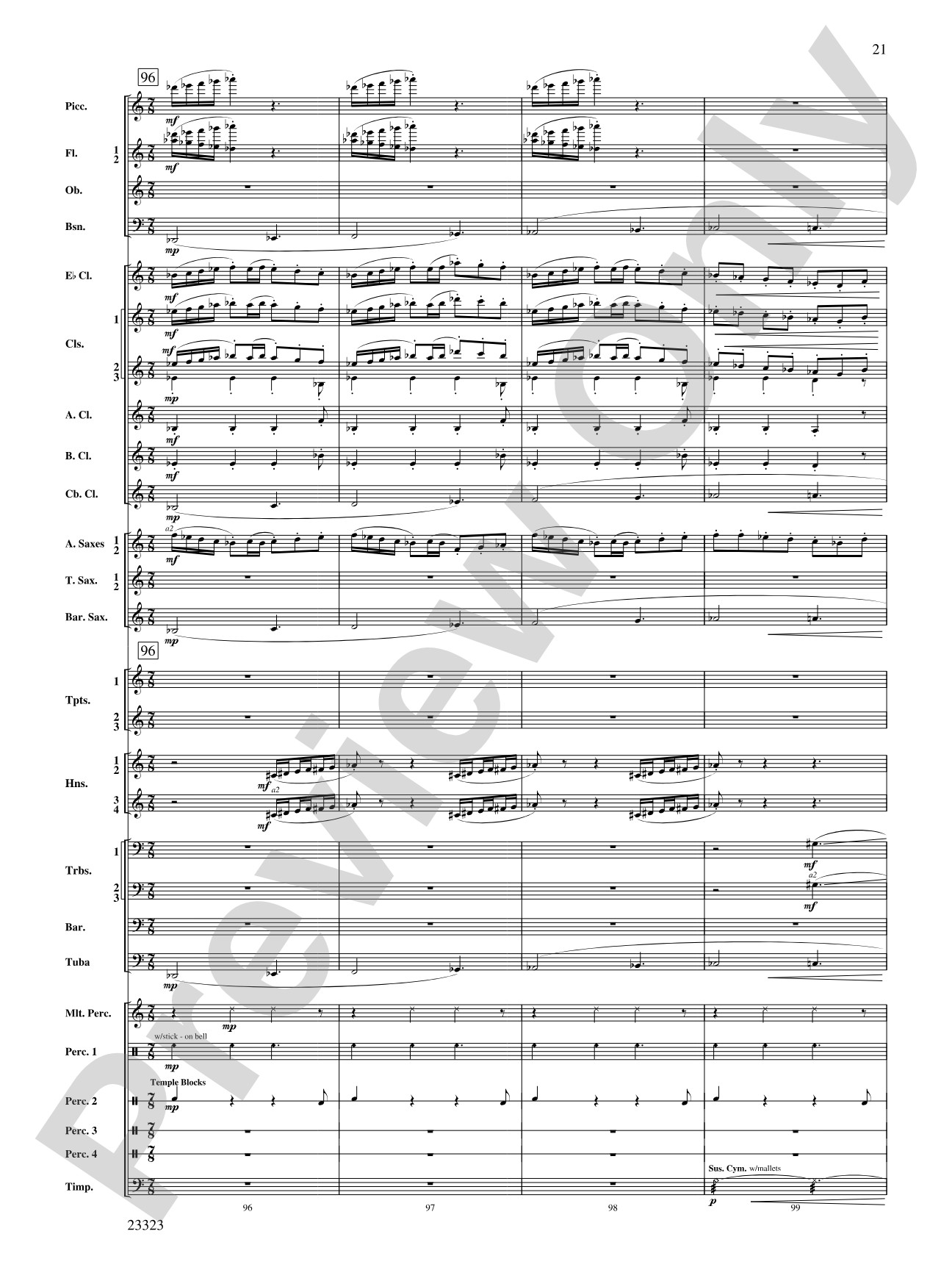
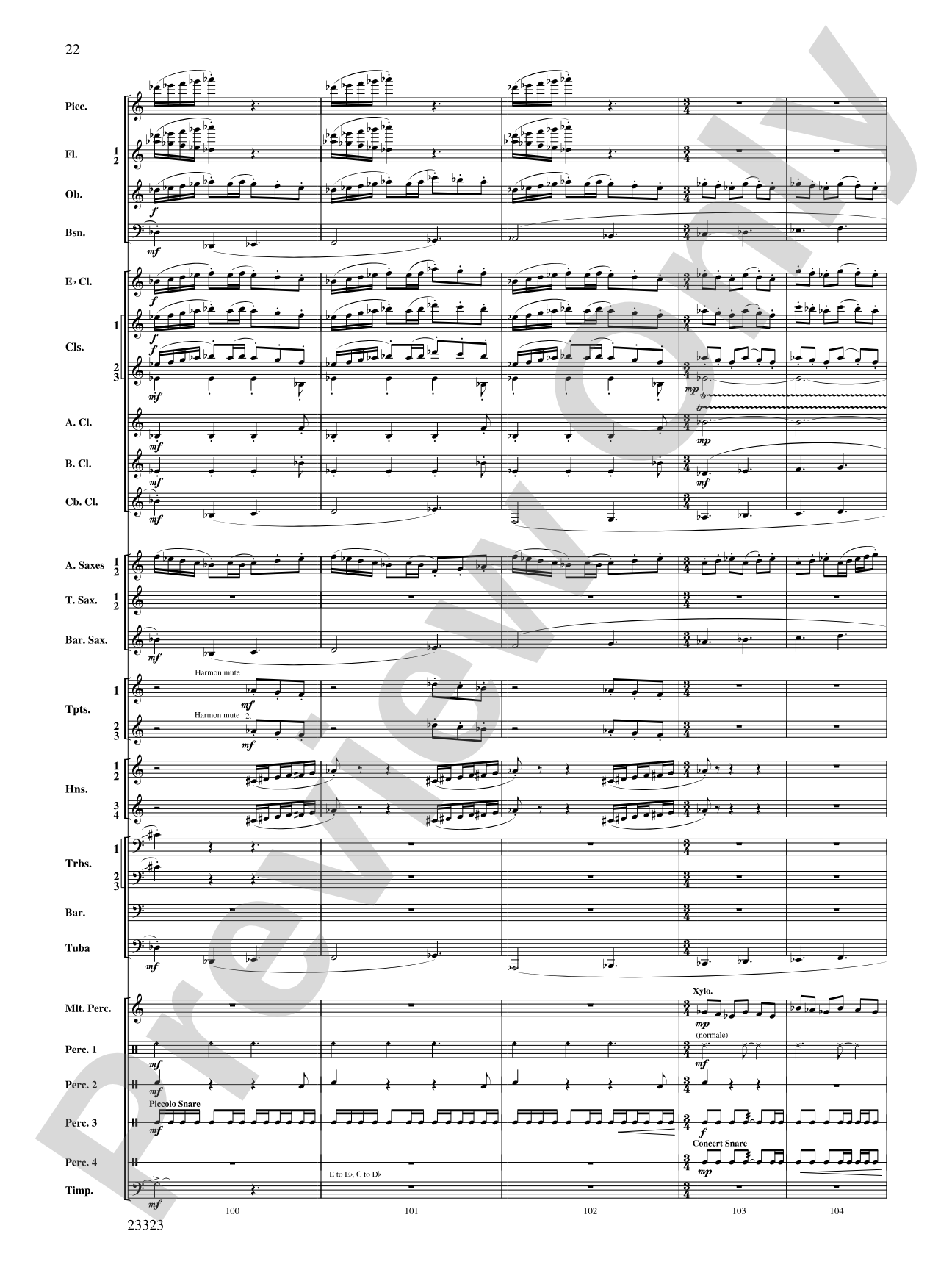
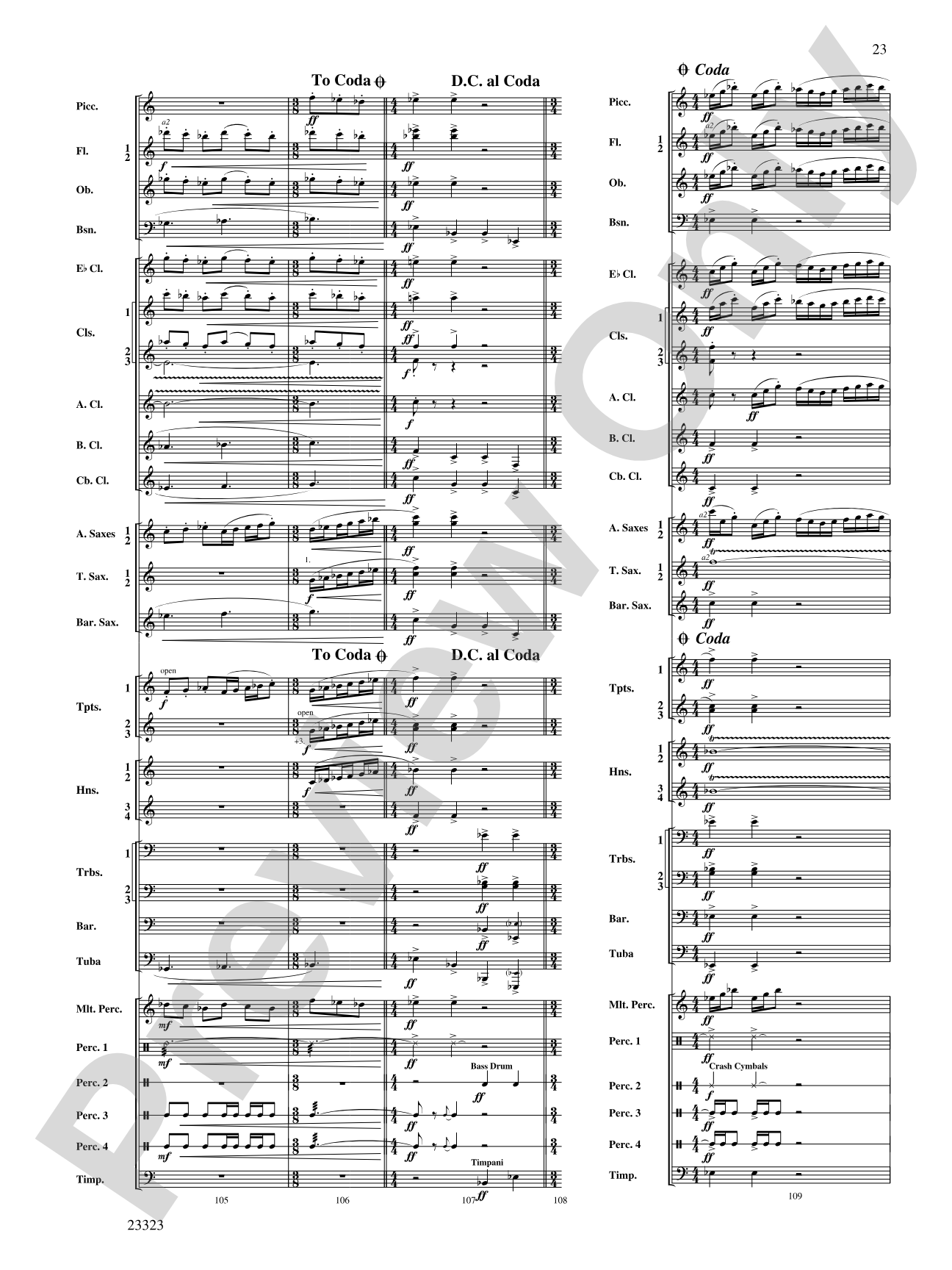
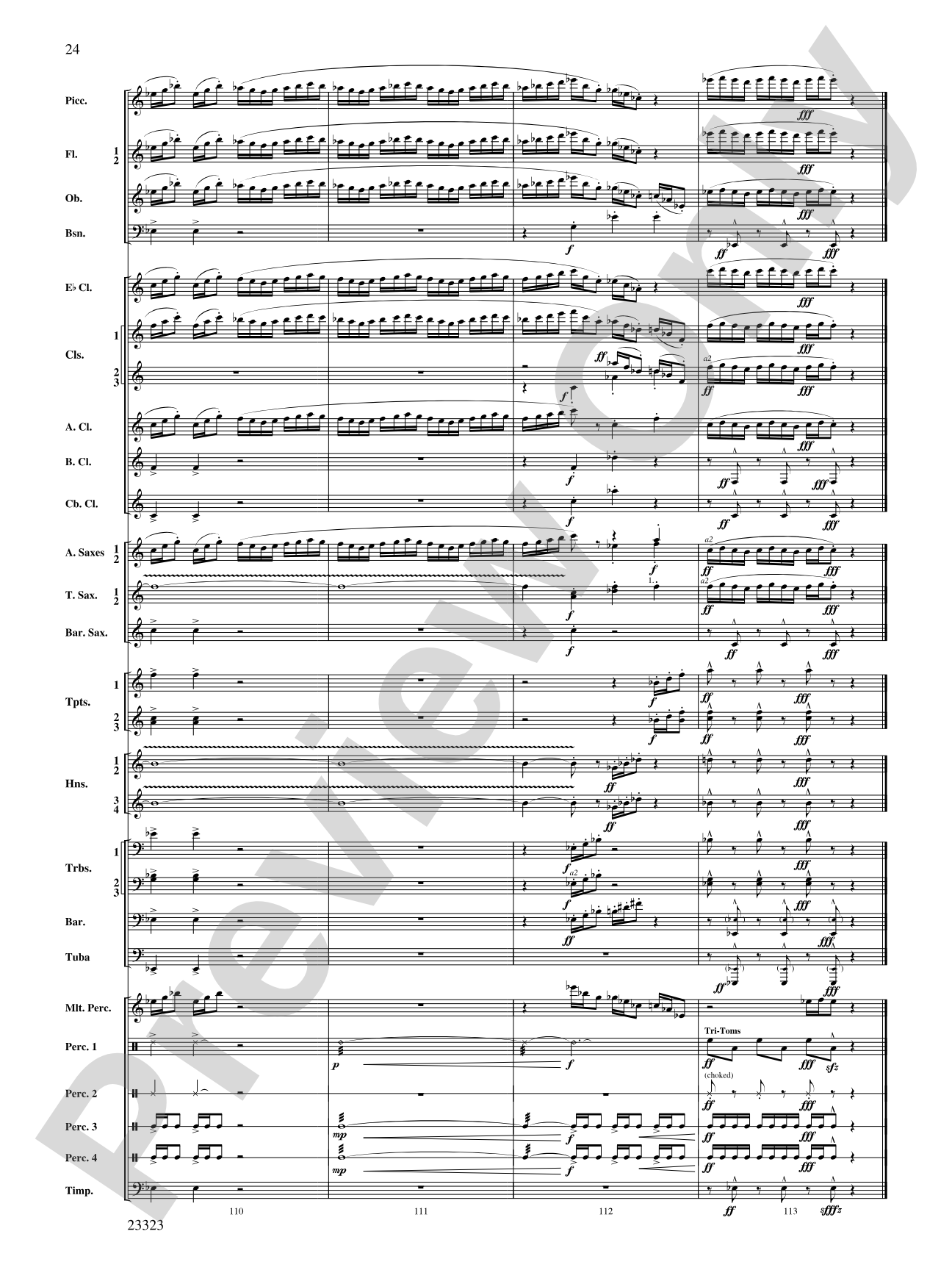
Thanksgiving: Score
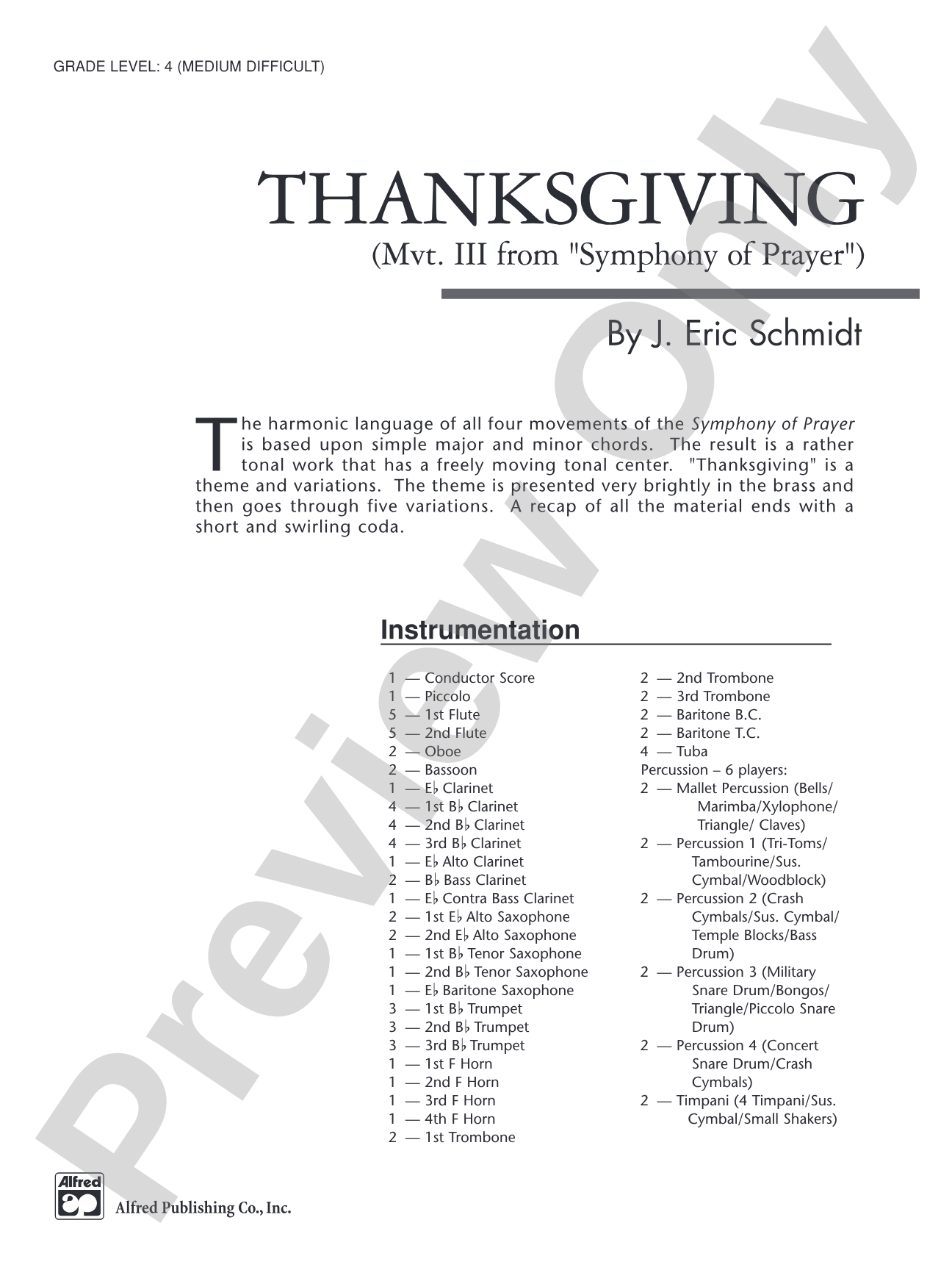
By J. Eric Schmidt
Grade: 4 (Medium Difficult)
Item: 00-PR-0000666
Pickup currently not available
Description
Don't just read it, hear it, play along with it, and watch your students grow with it. In MakeMusic Cloud, Thanksgiving: Score comes alive with professional accompaniment, adjustable tempo, and built-in practice tools that turn solo practice into real progress.
Jump straight in and assign it today.
Open this title and explore the full library in minutes.
Sample Audio
Sample Video
Additional Details
More about this title
About the Composer: J. Eric Schmidt
J. Eric Schmidt has established himself as a composer whose work balances technical sophistication with accessibility for student ensembles. His arrangements and original compositions for band and orchestra demonstrate a keen understanding of what makes music engaging both to perform and to hear, with particular attention to scoring that brings out the strengths of developing musicians.
Why we love this
Schmidt's approach to theme and variations here gives your band genuine dramatic arc. The brass statement is immediately memorable, and each variation reshapes the material in ways that keep players engaged and audiences leaning forward. The coda provides a satisfying finish that feels earned, not tacked on.
What to expect
Bright and confident from the opening, then contemplative and varied as the theme unfolds through different harmonic and orchestral lenses. The coda brings a sense of swirling energy and resolution, like watching leaves spiral in autumn wind before settling.
Who it's for
Directors programming a fall concert who want a substantial, musically sophisticated work that doesn't demand extended ranges or technical wizardry from young players. Grade 4 bands can execute this convincingly and feel proud of the result.
How to get the most out of it
- Balance the initial brass statement carefully; this theme is the anchor for everything that follows, so clarity matters more than volume.
- Work each variation as its own character study. The shifts in orchestration and texture are Schmidt's storytelling tool; honor them in rehearsal.
- Lock the rhythmic foundation in the variations that deviate from the theme's original pulse; students often chase the melody and lose the ground beneath it.
- The coda's swirling character depends on tight ensemble coordination. Mark cut-offs clearly and rehearse the transition into it as a distinct section.
How to use it
This works beautifully as a centerpiece on a fall or Thanksgiving concert, particularly if you're pairing it with lighter fare or a vocal arrangement. Its 312 pages suggest a substantial work that commands a full program slot without overwhelming the audience.
Skills your students will build
- Listening for orchestration changes within a unified harmonic framework
- Executing stylistic variation (bright articulation to sustained legato across variations)
- Balancing melody and accompaniment as roles shift between sections
- Maintaining ensemble cohesion through thematic transformation
- Interpreting conductor cues that signal variation changes