Terra Nova Cover Image

Terra Nova: String Orchestra Conductor Score & Parts

$50.00 USD
Sale price  $50.00 USD Regular price 
Skip to product information
Terra Nova Cover Image

Terra Nova: String Orchestra Conductor Score & Parts

By Richard Meyer

Grade: 2

Item: 00-35958

makemusic Cloud badge

Need it now?

Buy Digital Version
$50.00
Shipped

One moment…

Description
You and your students will love this contemporary, "hip"-sounding, original gem which is sure to be a hit! From the first time they hear the infectious modal melodies, your orchestra will be hooked. The imaginative orchestration gives every section a chance in the spotlight, and the ever-changing time signatures are sure to get everyone counting like never before! The teaching opportunities abound as your students explore low finger patterns (B-flat and F natural), dynamic contrast, accents, syncopation, balance, and rhythmic independence. Wow! This title is available in MakeMusic Cloud.

Don't just read it, hear it, play along with it, and watch your students grow with it. In MakeMusic Cloud, Terra Nova: String Orchestra Conductor Score & Parts comes alive with professional accompaniment, adjustable tempo, and built-in practice tools that turn solo practice into real progress.

Sample Pages

Sample Audio
0:00
0:00
Sample Video
Additional Details
Series: Highland/Etling String Explorer
Publisher: Alfred Music
Page Count: 72
ISBN10: 1-4706-5802-X
ISBN13: 978-1-4706-5802-1
UPC: 038081417202
SKU: 00-35958
Instrumentation: string w/ vln3, pno acc

More about this title

About the Composer: Richard Meyer
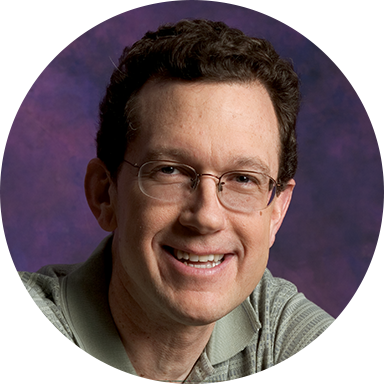
Richard Meyer

Richard Meyer brings three decades of classroom experience to his work as a composer and educator. He spent 22 years directing orchestras at Oak Avenue Intermediate School in Temple City, California, transforming the program from 29 students to 200, while simultaneously overseeing the city's elementary string curriculum. His "Giving Bach" initiative, launched in 2009, has earned national recognition for using interactive concerts to reach special needs and underserved student populations across Southern California.

As a conductor, Meyer led the Pasadena Youth Symphony Orchestra for 16 years and has guest-conducted All-State and Honor Orchestras across multiple states. He serves as a clinician at major conferences including the A.S.T.A. National Conference and has presented at universities nationwide. With nearly 200 published compositions and arrangements, plus 16 years as string editor for Alfred Publishing Company, Meyer combines deep pedagogical insight with prolific compositional craft. He co-authored the String Explorer Series and Sight-read It for Strings.

Why we love this

Meyer writes for the orchestra he knows best: young string players discovering what their instruments can do. The modal melodies grab ears immediately, and the rhythmic variety (shifting time signatures) keeps students engaged without feeling punitive. Every section gets genuine musical material, so no one sits idle while waiting for their turn to shine.

What to expect

Contemporary but rooted in folk sensibilities, with modal melodies that feel both accessible and slightly exotic. The constant rhythmic engagement creates forward momentum, and the ever-shifting time signatures give the piece a restless, exploratory quality that keeps players thinking.

Who it's for

Grade 2 string orchestras seeking a piece that sounds polished and modern without requiring advanced technical facility. Students developing rhythmic independence and comfort with varied meter benefit from Meyer's deliberate pacing and clear pedagogical structure.

How to get the most out of it

  • Balance the modal melody across your first and second violins; the character relies on voices moving in and out of focus rather than traditional melody-accompaniment roles.
  • Mark the time signature changes in advance and conduct them clearly during rehearsals. Students often lock into a groove and miss the meter shift, so isolate those transitions early.
  • Layer the dynamic shaping gradually. The accents and contrasts Meyer notates serve the rhythmic independence, not just expression, so nail articulation before you add sweeping dynamics.
  • Give the third violin and piano accompaniment their rehearsal time separately. These parts anchor the harmonic language, and they deserve the same attention you give the top lines.

How to use it

Program Terra Nova as a standout concert or festival opener that establishes your orchestra's musicianship early. Its contemporary language pairs well with baroque or classical selections, showing range without overwhelming younger ensembles. The piece also works as a mid-year festival entry when rhythmic independence has solidified.

Skills your students will build

  • Reading and performing mixed meters (2/4, 3/4, 4/4 within a single piece)
  • Playing in lower finger patterns (B-flat and F natural positions)
  • Executing syncopated rhythms with precision
  • Balancing independent melodic lines across sections
  • Responding to dynamic contrasts and accent patterns
  • Maintaining rhythmic independence from the accompaniment

You May Also Like
